Scientists have an indisputable playful side, evidenced by frequent allusions to popular culture in their research publications. That includes popular song lyrics. And the most popular musical group, in terms of how frequently their songs and lyrics appear in the scientific literature, is The Beatles, according to a new paper published in the journal PLoS ONE.
“Some of these are genuinely brilliant," said co-author Gabriel Budel of Delft University of Technology in the Netherlands of the more than 3,000 references they found to The Beatles. "'The lung and winding road' is a paper on Long COVID that changes one vowel. 'Here comes the SU(N)' turns 'Here Comes the Sun' into a quantum computing paper about mathematical groups. Someone was having a very good day at their desk.”
Back in 2014, scientists at the Karolinska Institute in Sweden revealed that they had been deliberately inserting Bob Dylan lyrics into their papers as part of a long-running bet, starting with a 1997 Nature review entitled "Nitric Oxide and inflammation: The answer is blowing in the wind." That resulted in a 2015 study on whether Dylan lyrics appeared elsewhere in the biomedical literature; the most frequently referenced were "The Times They Are A'Changin'" and "Blowing in the Wind."
Scientists have an indisputable playful side, evidenced by frequent allusions to popular culture in their research publications. That includes popular song lyrics. And the most popular musical group, in terms of how frequently their songs and lyrics appear in the scientific literature, is The Beatles, according to a new paper published in the journal PLoS ONE.
“Some of these are genuinely brilliant," said co-author Gabriel Budel of Delft University of Technology in the Netherlands. "'The lung and winding road' is a paper on Long COVID that changes one vowel of the more than 3,000 references they found to The Beatles. 'Here comes the SU(N)' turns 'Here Comes the Sun' into a quantum computing paper about mathematical groups. Someone was having a very good day at their desk.”
Back in 2014, scientists at the Karolinska Institute in Sweden revealed that they had been deliberately inserting Bob Dylan lyrics into their papers as part of a long-running bet, starting with a 1997 Nature review entitled "Nitric Oxide and inflammation: The answer is blowing in the wind." That resulted in a 2015 study on whether Dylan lyrics appeared elsewhere in the biomedical literature; the most frequently referenced were "The Times They Are A'Changin'" and "Blowing in the Wind."
The discussion of communication communication technologies continues as the panel of Chuck Joiner, Jeff Gamet, and Marty Jencius make the jump from telegraphs and long-distance calls to texting, smartwatches, satellite connectivity, and possible implanted devices. How science fiction anticipated so many of today’s modern communications questions such as convenience, safety, privacy, tracking, and social change wrap […]
As we approach the release of the newest iPhones, Chuck Joiner, Marty Jencius and Chuck Joiner look at how science fiction and popular culture imagined modern communication long before the technology existed. From early video-phone concepts and Dick Tracy to Star Trek, Get Smart, Space: 1999, and more, the panel examine fictional devices that anticipated smartphones, wearables, Bluetooth earbuds, video calls, authentication, mobile computing, and maybe even foreshadow what’s coming next. (Part 1)
John Ternus has entered one of the most visible positions in global business without trying to turn his first days into a personal media event. The new CEO arrived with a remarkably discreet public profile, a newly opened social presence and decades of work completed mostly behind Apple’s products.
His X account, @johnternus, appeared publicly on September 1, the day he officially succeeded Tim Cook. Its biography contained only the company logo and his new title. The first post was even shorter: “hello.”
The simplicity felt consistent with an executive who has spent most of his career explaining materials, engineering decisions and manufacturing improvements rather than building a public personality. It also created a sharp contrast with the scale of the position he now occupies.
Ternus can remain personally reserved, but the CEO role will repeatedly place him before customers, employees, investors, governments and developers. His first social post may have been quiet. The responsibilities arriving behind it are anything but.
John Ternus Arrives Without a Personal Media Machine
Ternus did not maintain a prominent public social account during his years leading hardware engineering. Most customers encountered him through carefully produced product presentations, occasional interviews or appearances focused on a particular device.
Even within those settings, his style remained technical and controlled. He usually spoke about engineering choices, durability, materials, performance and the work required to turn a design into a product that could be manufactured at enormous scale.
His new X account does not immediately change that character. Opening a channel is different from revealing a private life or becoming a daily commentator. The minimal introduction suggests a place for official communication rather than an invitation into every passing thought.
That would follow an established pattern for senior leadership. Tim Cook used his public account to acknowledge product launches, employees, social causes, environmental initiatives, community visits and major events. His posts rarely became extended personal debates.
Ternus may adopt a similar rhythm, although the account is too new to define its purpose. One word and a short biography cannot tell us how frequently he will post, which subjects he will address or whether he will write directly during moments of controversy.
The restrained opening still served one practical purpose. It established an authenticated public identity before unofficial profiles, impersonators and parody accounts could occupy the space around a newly appointed CEO.
John Ternus | Image Credit: Apple Inc.
A Career Built Behind the Hardware
The limited public profile should not be mistaken for limited influence inside the company.
Ternus joined the product design team in 2001 and became a vice president of hardware engineering in 2013. He entered the executive team as senior vice president in 2021, eventually overseeing engineering work across iPhone, iPad, Mac, AirPods and Apple Watch.
His official biography credits him with an instrumental role in the introduction of iPad and AirPods, along with work across multiple generations of the company’s largest product lines. It also connects his leadership to improvements in reliability, durability, materials, repairability and environmental performance.
This background gives Ternus a different starting point from a CEO recruited principally through finance, sales, software or public policy. He arrives from the part of the organization responsible for making difficult designs function consistently outside a laboratory.
Hardware engineering at this scale reaches far beyond choosing a processor or shaping an enclosure. It requires coordinating displays, batteries, cameras, radios, thermal systems, structural materials, manufacturing equipment, repair procedures and supplier capacity. A small change can affect production across millions of units.
That experience may explain part of his measured communication style. Engineering organizations reward details that survive testing. Public attention often rewards immediate confidence. Ternus has spent his career in an environment where confidence eventually meets a drop test, production line or repair bench.
His public appearances have often carried the same discipline. He tends to explain what a product team accomplished without placing himself at the center of the accomplishment.
The CEO Role Changes the Audience
Leading hardware engineering allowed Ternus to speak after a product decision had passed through years of development. As CEO, he will also need to speak while difficult questions remain unresolved.
Investors will expect him to explain spending, growth and long-term priorities. Governments will want answers about manufacturing, competition, privacy and platform control. Employees will look for direction as artificial intelligence, robotics, home technology, augmented reality and satellite communications create new opportunities across the company.
Customers will judge him through products, but they will also hear his response when a launch disappoints, a service fails or a policy creates frustration.
This is where a discreet profile can become either an advantage or a limitation.
A CEO who does not comment constantly preserves the weight of the moments when he chooses to speak. Fewer posts also reduce the chance that a hurried reaction becomes the story instead of the company’s work.
Silence becomes harder to maintain when people expect reassurance. Product defects, security incidents, employee concerns and political disputes can create situations in which a carefully prepared statement feels too distant. Ternus will have to decide when restraint protects the company and when it begins to look like avoidance.
Cook will remain involved as executive chairman and is expected to assist with areas including engagement with policymakers. That arrangement gives Ternus continuity during the transition without removing the need to develop his own public authority.
The distinction between their roles will become more visible with time. Cook can offer experience and institutional relationships, but employees and customers need to recognize which priorities belong to the new CEO.
A More Technical Public Voice Could Work
Ternus does not need to imitate Steve Jobs’ stage presence or Cook’s diplomatic style. A convincing public identity can grow from the expertise that brought him to the position.
The most natural version would be an engineering-minded CEO who explains trade-offs without turning every decision into a slogan. Product design is full of compromises involving battery life, weight, cost, durability, repairability and production capacity. Carefully explaining some of those decisions could make corporate communication more informative.
His 2024 commencement appearance at Penn Engineering offered a rare view outside a product presentation. Ternus returned to the university where he earned his mechanical engineering degree and addressed students as an experienced engineer rather than a celebrity executive.
That type of setting allows more personality to appear without requiring constant social posting. Longer interviews, engineering discussions, employee conversations and educational appearances may suit him better than trying to manufacture spontaneity several times a day.
A restrained profile could also reinforce collaboration. The products reaching customers are built by large teams, and Ternus has generally presented himself as a representative of that work. Maintaining that tone as CEO would keep attention on the organization rather than turning every announcement into a personal performance.
The difficulty will be preserving technical depth while discussing areas beyond hardware. Services, entertainment, artificial intelligence, software platforms and international policy cannot always be explained through materials and manufacturing. The CEO must connect them into one recognizable direction.
His First Major Appearances Will Define the Account
The opening “hello” gives Ternus room to decide how visible he wants to become.
Upcoming product events will offer an early test. A social account can distribute announcements and photographs, but the stage will reveal more: which subjects he chooses to introduce, how much technical detail he includes and whether he remains present throughout the presentation or delegates most of it to other executives.
Earnings calls will create a different test. Product videos are rehearsed around finished work; financial discussions require direct answers about demand, margins, investment and risks. His language in those conversations will begin shaping how investors understand the new administration.
Internal communication may prove equally influential even when the public sees only fragments. Employees will listen for signals about decision-making speed, tolerance for experimentation and the relationship between engineering ambition and commercial discipline.
The X account can support that work, but it cannot substitute for it. A polished stream of product announcements would tell customers what has shipped. Occasional direct messages during difficult moments would reveal more about how Ternus intends to lead.
For now, the empty space around his first post is part of the story. The next useful signal may not be how often John Ternus speaks, but which moment persuades this notably private engineer that the CEO should speak in his own voice.
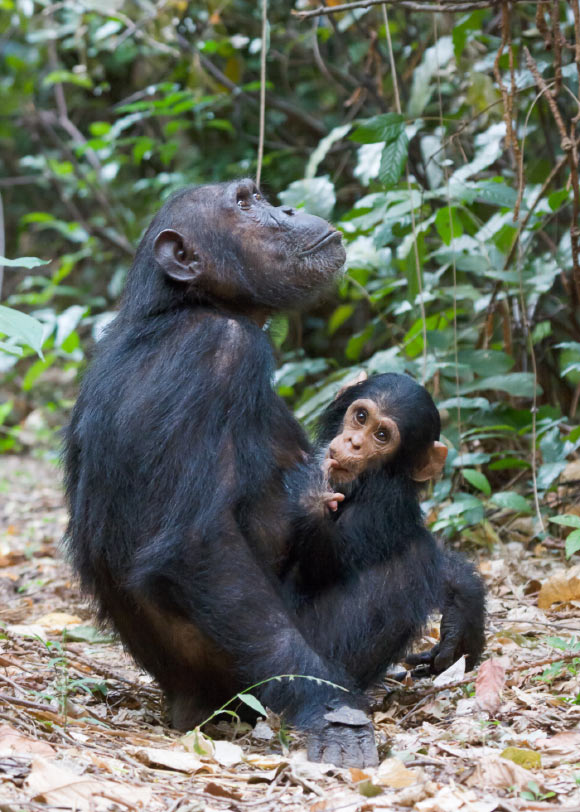
Researchers tracking grunts, whimpers and laughter across two geographically separated chimpanzee populations found that vocal differences sharpen with age.
The team, which included researchers from Dartmouth College, said the study builds on earlier theories linking fire and language to the extra hours it added to the day.
However, their findings suggest that the biological changes caused by fire use may have enabled complex language as much as fire-associated behavioral changes, accelerating the evolution of verbal communication away from the ape-like systems still used by modern apes toward more complex, “uniquely human” interactions.
Researchers Wondered if Firelight Reprogrammed the Human Brain
Catherine Hobaiter, a Professor of the School of Psychology and Neuroscience at the University of St Andrews and the lead author of a paper detailing the team’s idea, said she has always been fascinated by the origins of language.
“What was the first word?” the professor asked. “The first story?”
Unfortunately, Professor Hobaiter noted, many questions about the origin of humanity’s complex and diverse forms of verbal communication remain unanswered.
Some earlier research has explored a possible link between the first spoken words and the advent of controlled fire use. However, the team notes that most studies have focused primarily on the extra hours of practical light added to the end of each day.
Curious whether other biological mechanisms also contributed to the evolution of language and complex storytelling behavior, Professor Hobaiter and colleagues examined the effects of sitting around a campfire to see whether the emitted light could reprogram the human brain.
Potential Effects of Red Wavelengths and Flickering Lights
First, the team noted that one potential catalyst emitted by firelight that could help reprogram the human brain for complex language is the color of the light wavelengths emitted by campfires. Specifically, Hobaiter and colleagues noted that campfire light emits almost no blue wavelengths but instead mostly in the visible red spectrum.
Many modern studies have focused on the potentially adverse effects of exposure to blue light wavelengths from modern technology on sleep patterns and overall health. Conversely, the paper’s authors described the red wavelengths emitted from fire as ‘uniquely suited’ for human socializing, “allowing an extension to the day without negatively impacting sleep.”
Another component of firelight the study authors suggest could have reprogrammed the human brain for speech is the way a campfire behaves. Unlike a modern, steady light source, the authors noted that firelight “flickers.”
Hobaiter and colleagues said that neurons in the human brain synchronize firing patterns with external flickering lights. For example, flickering lights in movies and TV shows often come with warnings against possible neurological effects on vulnerable viewers. The research team said this mechanism might also help synchronize the behavior of those seated around the campfire, resulting in a much deeper feeling of connection.
Finally, the researchers noted that firelight emits infrared wavelengths, which may have also contributed to helping firelight reprogram the human brain for complex verbal communication.
Are We the Storytelling Ape?
When discussing the potential impact of their proposal, study co-author Nathaniel Dominy, the Charles Hansen Professor of Anthropology at Dartmouth College, said many of the chemical properties have been well researched. However, Professor Dominy also notes that understanding the properties of light that capture our attention and focus, thereby instilling “harmony and cooperation,” has received far less attention.
“Measuring these features is an exciting part of this project,” the study author added.
Professor Hobaiter agreed, while also noting the conundrum scientists face when explaining why humans speak, when “decades of research with other species has shown us that you don’t need language to learn from each other, to organize where and when to forage, to learn cultural knowledge about tools and songs, to co-ordinate hunting, or navigate social politics.”
“While other species share all these skills, there is a fundamental puzzle: we struggle to find evidence of key differences between human and ape communication,” Professor Hobaiter explained. “And yet, we are surrounded by evidence of human distinctiveness. For all their incredible, rich communication and cultures, no other ape is inventing algebra, writing King Lear, or heading out into interstellar space.”
“So, it’s especially exciting to be able to generate testable predictions, to be able to ask if, at the end of the day, we are the storytelling ape,” the professor added.
Christopher Plain has spent the last six years as Associate News Editor and Head Science Reporter at The Debrief. Follow and connect with him on X, learn about his novels at plainfiction.com, or email him at christopher@thedebrief.org.
Growing news coverage of UFOs is influencing people’s views about extraterrestrial life, particularly among younger Americans, according to a new survey.
According to the survey’s findings, more than a third of respondents—and particularly younger adults—say recent reporting on unexplained aerial phenomena has strengthened their belief that aliens exist.
Connecting data from over 2,000 Americans, the survey found that 37% say recent news coverage about UFOs has increased their belief in extraterrestrial life (ET). Meanwhile, 54% say their views have not changed, and just 10% report that the coverage has made them less likely to believe in ET. The survey was conducted by Talker Research between July 1 and July 6, 2026.
Gen Z Data
According to the survey’s findings, more than half of Gen Z respondents—54%—said recent UAP news has increased their belief in ET. That figure drops to 45% among millennials, 36% among Gen X, and 23% among baby boomers.
These results arrive amid an increasingly mainstream conversation surrounding government hearings, military UAP reports, whistleblowers, broadcast and online news coverage, and podcasts. Such exposure may be helping shape how Gen Z views what is possible and whether intelligent life exists elsewhere in the cosmos.
Looking at the results through a gender lens, 34% of men say UFO news coverage has made them more likely to accept that we are not alone in the universe, compared with 33% of women.
Media and Entertainment Culture Feedback Loops
Historically, widely publicized UFO reports have helped shape the language and imagery Western society uses to describe unexplained aerial phenomena. One famous example occurred in 1947, when pilot and businessman Kenneth Arnold reported seeing unusual objects flying near Mount Rainier, an incident that received widespread media coverage.
The idea behind such a cultural feedback loop is relatively straightforward: someone sees something outside their normal understanding of reality and reports it. Media and entertainment then pick up the concept and expand upon it, creating their own interpretations of what extraterrestrial beings or UFOs might look like. Audiences absorb those representations, which may subsequently influence how some people perceive, remember, or describe their own unusual experiences. Those accounts can then return to popular culture, potentially reinforcing the cycle.
This doesn’t necessarily mean that what a person saw wasn’t anomalous. Instead, it suggests that media and entertainment may influence how people interpret or describe what they experience.
A 2025 paper in Evolutionary Human Sciences deconstructs a “two-way feedback loop between behavior and beliefs.” The framework suggests that existing beliefs influence behavior; people then observe that behavior, and the observed behavior influences what people believe others think/do. Finally, those beliefs influence subsequent behavior.
The new survey also considered the potential influence of popular culture. More than half of respondents (54%) believed alien movies and television make Americans more likely to believe in the existence of intelligent extraterrestrial life; 27% saw no connection between entertainment and belief, while 8% believed such programming actually makes people less likely to believe.
UFOs as a Belief System and Common Misconceptions
An additional consideration when reading this survey is whether UFOs themselves should be characterized as a belief system. The subject is also an area of study examined by researchers from a range of disciplines, including psychology, philosophy, physics, anthropology, neuroscience, and others.
Many academics would argue that categorizing UFOs solely as a belief system risks pigeonholing the subject as a form of religion rather than recognizing it as an area of study. A belief system, by contrast, is a framework of ideas through which people interpret reality according to a particular set of assumptions or principles.
Jeffrey Kripal, J. Newton Rayzor Professor of Religion at Rice University’s Department of Religion, addressed related questions in his March 2026 keynote, “Mind-Manifesting Shock: Comparing Psychedelic and Abduction Experiences, Religion and Psychedelics: Critical Cross-Cultural, Cross-Disciplinary Approaches,” at the Center for the Study of Religion at Ohio State University.
“We are often ‘believing backwards,’ taking comfort in someone else’s altered states, or in the present ‘explanations’ of this or that neuroscience or physics,” Kripal said at the time.
In other words, when people experience something anomalous and ask why it happened or what the experience might mean, they may immediately reach backward for an existing framework through which to interpret it.
In an email to The Debrief, Kripal adds, “I think the existing frameworks of religion and science ‘explain’ to people what happens, though they do not.”
The Debrief also reached out to Matthew Halsted, Associate Professor of Biblical Studies and Executive Team/Registrar at Eternity College, and asked how he would classify UAP—as an area of belief or a subject of study—and why.
“When it comes to ‘UAP,’ we have to see it as a two-sided coin,” Halsted told The Debrief. “On one side, we have the phenomenon itself (the actual sighting of the thing in the sky); on the other side of the coin, we have the public narrative (how we as people, and our respective governments, talk about reported sightings).”
Halsted adds, “The UAP topic (the ‘coin’) creates a lot of questions for the public, which inevitably gives rise to some sort of belief system. Some walk away believing it’s all nonsense, while others believe there’s something real about this whole thing.”
Halsted’s view, therefore, appears more nuanced than simply classifying UAP as a belief system: the topic can generate belief systems and competing interpretations around reported phenomena, but the subject itself extends beyond a simple question of belief versus nonbelief.
National Security Considerations
When asked how they would react if extraterrestrial life were definitively confirmed, 38% of Americans said their first response would be curiosity, more than twice the 17% who said they would be fearful. Men were also more likely than women to say they would be excited by such a discovery, at 20% compared with 11%.
Perhaps more strikingly, 60% of participants believed that governments know more about UFOs than they have disclosed to date.
The bigger question is whether participants believe society is prepared to accept confirmation that extraterrestrial life exists. Forty-five percent believe society would be prepared if governments confirmed the existence of alien life, while 55% say society would not be adequately prepared to comprehend the implications.
“It’s clear that the public—across age groups—is clamoring for greater UAP transparency,” said Christopher Mellon, a former Deputy Assistant Secretary of Defense for Intelligence and current Chairman of the Board with the Disclosure Foundation, which also conducted a recent survey on the subject in June. According to Mellon, the survey found that “more than 84% of Americans want greater transparency, regardless of whether they consider themselves believers, skeptics, or unsure. And a recent Talker Research poll found that 54% of Gen Z say recent news stories have increased their belief in UAP.”
“We believe the best way to meet that demand is with more, and better, information,” Mellon told The Debrief. “That means giving the public access to higher-quality imagery, radar data, and other evidence that can help people assess the phenomenon for themselves. The Disclosure Foundation is working closely with Congress and the Administration on a near-daily basis to improve both the quality and quantity of UAP data being released to the public. If better data does exist, continued secrecy only fuels more speculation and questions.”
The modern public discussion surrounding UAP changed significantly following reporting in 2017 that appeared in The New York Times and other outlets, which revealed the existence of a Pentagon program that had investigated what the U.S. military now calls unidentified anomalous phenomena. Since that time, former officials—including Mellon—have pushed for action regarding the national security implications of unidentified objects operating in restricted airspace.
An era of misinformation and disinformation?
The survey’s findings are compelling, but they leave another important factor largely unaddressed: not simply how information is perceived, but how easily misinformation and disinformation can proliferate in an era of online news, podcasts with inconsistent fact-checking standards, questionable or compromised sources, and clickbait headlines engineered to capture attention.
The issue, then, is not merely what a generation believes, but how people decide what is real and what is not. Within today’s fragmented information environment, audiences increasingly face the difficult task of distinguishing credible evidence from speculation, honest mistakes from misinformation, and legitimate reporting from deliberate deception.
None of this means that the broader UFO enigma can simply be dismissed. Rather, it underscores an additional challenge surrounding the subject: misleading or demonstrably false claims can now reach large audiences very quickly.
Addressing that problem will require better media literacy, stronger sourcing and fact-checking standards, and greater attention to the often-blurred distinction between evidence and interpretation. Ultimately, younger generations coming of age amid an unprecedented volume of digital information will have to navigate those distinctions for themselves. How successfully they learn to do so may have consequences extending far beyond what they believe about UFOs—shaping how they understand science, institutions, current events, and reality itself.
This is why it’s critically important that we understand UAP as accurately as possible. Whether information is being communicated between family members, friends, researchers, journalists, or policymakers, distinguishing established facts from interpretations and unverified claims gives people a better foundation for understanding the world around them and making informed decisions.
This survey suggests that UFOs are no longer confined to a subculture or counterculture; the topic has entered the mainstream. The question now is what that shift will mean for the future.
Chrissy Newton is a PR professional and the founder of VOCAB Communications. She currently appears on The Discovery Channel and Max and hosts the Rebelliously Curious podcast, which can be found on YouTube and on all audio podcast streaming platforms. Follow her on X: @ChrissyNewton, Instagram: @BeingChrissyNewton, and chrissynewton.com. To contact Chrissy with a story, please email chrissy @ thedebrief.org.
In a catch-up interview after a lost CES interview, Jeff Gadway, SVP for Clicks discusses the Power Keyboard, a universal MagSafe-style Bluetooth keyboard and power bank for iPhone, Android, tablets, TVs, and more. He also details the Clicks Communicator, a smartphone built around physical keys, purposeful communication, productivity, security, and the idea of a task-focused […]
At NAB Las Vegas, Madeleine Budd, Marketing Manager for Saramonic Audio, introduces the Air SE, a tiny dual wireless mobile microphone system with USB-C and optional Lightning receivers, and magnetic charging. No larger than a lipstick, it features AI noise cancellation, and a strikingly low price. She also demos the WeTalk 9X intercom system, built […]
A research team in Japan has won a US$1 million Milestone 2 award in the XPRIZE Healthspan competition for developing engineered “super exosomes,” microscopic biological delivery vehicles designed to target aging and damaged cells. Led by Professor Keisuke Goda of Tohoku University’s SiRIUS Institute of Medical Research and Graduate School of Medicine, in collaboration with researchers from the University of Tokyo’s Department of Chemistry, the team was selected from more than 600 competitors worldwide.
XPRIZE Healthspan is a seven-year international competition focused on extending the period of life people spend in good health. Participating teams are challenged to develop treatments capable of restoring muscle, cognitive, and immune function in adults between 50 and 90 years old. The competition sets a minimum target of reversing at least 10 years of biological decline, while the most ambitious goal is a 20-year improvement within one year or less of treatment. Goda’s team is now moving forward after receiving recognition for results obtained in aged animal studies.
At the center of the research are exosomes, naturally occurring nanoparticles released by cells. These membrane-bound vesicles normally transport proteins, lipids, messenger RNA, and other molecular signals between cells, functioning as part of the body’s communication network. Because exosomes can carry biological cargo and interact with specific tissues, scientists have been investigating them as potential alternatives to synthetic drug-delivery systems. However, naturally produced exosomes often lack sufficient targeting precision, limiting their ability to reach the cells most relevant to a disease or aging process.
The Tohoku-led group attempted to solve that problem by chemically modifying the surface of exosomes with lanthanide ions. Lanthanides are a family of metallic elements with distinctive electronic and chemical properties. According to the researchers, attaching these ions changes the surface behavior of the exosomes and substantially improves their ability to recognize and bind to senescent cells. The resulting particles have been named “super exosomes,” a term that reflects their enhanced targeting and delivery capabilities rather than a new biological category.
Cellular senescence is one of the major biological processes associated with aging. Senescent cells have generally stopped dividing because of accumulated damage or stress, but they do not necessarily disappear. Instead, some remain metabolically active and release inflammatory molecules, growth regulators, and other signals that can disrupt nearby tissues. This collection of secreted factors, often called the senescence-associated secretory phenotype, can contribute to chronic inflammation, impaired tissue repair, and the deterioration of organs. Precisely influencing these cells has therefore become a major objective in longevity research.
The proposed super-exosome platform is designed to deliver regenerative molecular cargo directly to aging tissues after attaching to senescent cells. Potential cargoes include growth factors, messenger RNA, and other genetic materials capable of altering cellular behavior. Rather than distributing such molecules broadly throughout the body, a targeted exosome could concentrate them near damaged or dysfunctional tissue. In theory, this approach could promote repair while reducing unwanted effects in healthy cells, although the degree of targeting and the durability of the response will need to be confirmed in human studies.
In preclinical experiments involving several groups of aged mice, the researchers reported statistically significant improvements in frailty, physical performance, and multiple functional measures associated with aging. They also described the treatment’s safety profile as excellent in the studies conducted so far. The team says the overall benefit corresponds to more than 15 additional healthy human years when estimated using cross-species lifespan scaling. Such calculations can help compare biological effects between species, but they are not evidence that a mouse treatment will extend human life by a specific number of years. Human biology, dosing, immune responses, and long-term risks could differ substantially.
The award will support the next stage of development: clinical studies planned in collaboration with Tohoku University Hospital and the Tohoku University Healthspan Research Center. These studies will need to establish how the particles behave in humans, how efficiently they reach senescent cells, what cargoes are most effective, and whether the treatment produces measurable improvements in strength, cognition, immunity, or other healthspan indicators. Researchers will also have to monitor possible immune reactions, unintended effects on healthy tissues, changes in tumor risk, and the persistence of engineered exosomes in the body. These questions are essential before claims of age reversal can move beyond the laboratory.
The platform could eventually be investigated for conditions involving muscle decline, cognitive impairment, immune dysfunction, hair loss, skin aging, and reproductive health. The team plans to commercialize the technology through NanoTitan, with the aim of developing scalable manufacturing and international distribution for exosome-based therapeutics produced in Japan. “Advancing to the XPRIZE Healthspan finals is an important milestone, but our ultimate goal is to translate this technology into therapies that allow people to lead healthy, independent, and active lives longer,” Goda said. The research now enters its most demanding phase: determining whether an impressive result in aged mice can become a safe, reproducible, and clinically meaningful treatment for people.
Subject of Research: Engineered “super exosomes” designed to target senescent cells and deliver regenerative molecular cargo for healthy aging.
Article Title: Japanese Research Team Wins US$1 Million XPRIZE Award for “Super Exosome” Aging Technology
Web References: https://mediasvc.eurekalert.org/Api/v1/Multimedia/673c8fb3-268a-4a90-93b4-a0d531624a52/Rendition/low-res/Content/Public
New research led by University of Lethbridge scientists offers the most detailed look yet at how the dodo (Raphus cucullatus) -- the flightless bird driven to extinction by the 1600s -- actually perceived its world, suggesting the ‘stupid bird’ had a far more complex sensory life than its reputation implies.
Ceux qui partagent leur vie avec un chien pensent généralement être connectés à lui, savoir ce qu’il attend et comprendre ses émotions. Mais des chercheurs montrent aujourd’hui que les choses ne sont pas aussi simples qu’il y paraît en la matière.
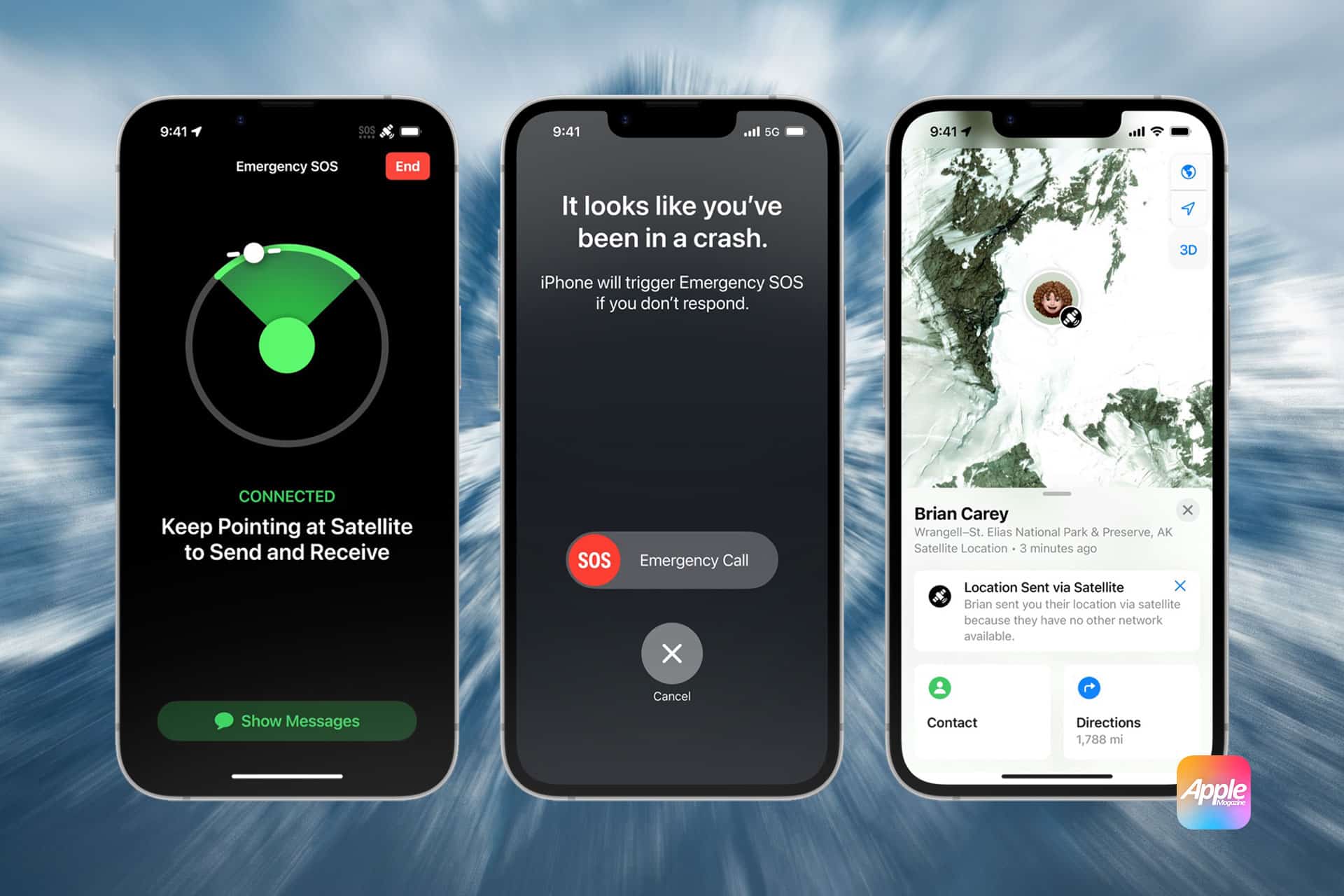
Emergency SOS via satellite is now available in Andorra and Iceland, allowing supported iPhone and Apple Watch users to contact emergency services when cellular and Wi-Fi coverage are unavailable.
Apple added both countries to an updated support document, expanding the feature to 20 supported markets. Users in Andorra and Iceland can call or text 112 before choosing the satellite option when an ordinary emergency connection cannot be completed.
The expansion covers every iPhone 14 or later model running iOS 26.4 or newer. Apple Watch access requires Apple Watch Ultra 3 with watchOS 26.4 or later.
Emergency SOS does not turn the devices into conventional satellite phones. The system is designed for short emergency exchanges in locations where normal communication networks cannot be reached. Users must remain outdoors with a sufficiently clear view of the sky and follow onscreen directions while the device establishes and maintains a connection.
Emergency SOS via Satellite Reaches 20 Markets
Emergency SOS via satellite first launched in the United States and Canada in November 2022 with the iPhone 14 lineup. Apple gradually added European countries, Australia, New Zealand, Japan and Mexico as regulatory approval and emergency-service support became available.
Andorra and Iceland now join Australia, Austria, Belgium, Canada, France, Germany, Ireland, Italy, Japan, Luxembourg, Mexico, the Netherlands, New Zealand, Portugal, Spain, Switzerland, the United Kingdom and the United States.
The addition is particularly relevant for travelers and residents exploring mountainous or remote terrain.
Andorra contains extensive hiking, cycling and skiing areas across the Pyrenees, where cellular coverage can become unreliable beyond populated valleys and resorts. Iceland presents a different but equally demanding environment, with large rural areas, volcanic landscapes, glaciers and routes far from conventional infrastructure.
Satellite availability does not guarantee a connection everywhere. Mountains, deep valleys, dense tree cover and tall structures can obstruct the line between the device and a passing satellite. Apple also warns that satellite connectivity may not function in locations above 62 degrees latitude, which can affect some northern regions.
Most of Iceland lies below that threshold, although environmental conditions and the position of surrounding terrain can still influence performance.
International travelers can generally use Emergency SOS while visiting a supported country, even when the feature is not offered in their home market. Exceptions apply to devices purchased in certain countries or regions where Apple satellite connectivity is restricted.
iPhone 14 and Newer Models Gain the Expansion
Every version of iPhone 14 and later contains the hardware required for Apple satellite features. Users in Andorra and Iceland must install iOS 26.4 or a newer release before relying on Emergency SOS.
The system appears only when the iPhone cannot reach cellular service or Wi-Fi. Apple recommends trying the local emergency number first because another carrier network may still be able to complete the call even when the user own provider shows no coverage.
When the call fails, the iPhone offers Emergency Text via Satellite. The user answers a short series of questions describing the emergency, including the type of assistance needed and whether anyone is injured.
The compressed questionnaire reduces the amount of information that must be transmitted through the limited-bandwidth satellite connection. Once connected, the iPhone sends the responses and location to an emergency dispatcher or an Apple-supported relay center capable of contacting local responders.
In Andorra and Iceland, the applicable emergency number is 112.
Users can also choose to notify emergency contacts. When Medical ID and emergency contacts have been configured in the Health app, selected details can be shared during the incident.
The conversation does not operate at the speed of an ordinary text exchange. Under ideal conditions, a message may require approximately 30 seconds to send. Light or moderate foliage can extend that delay beyond one minute, while heavier obstructions may prevent a connection entirely.
The iPhone displays guidance showing which direction to turn or move as satellites pass overhead. The phone can remain connected while the screen is locked, but it should not be placed inside a pocket or backpack during the exchange.
Apple Watch Ultra 3 Works Without an iPhone Nearby
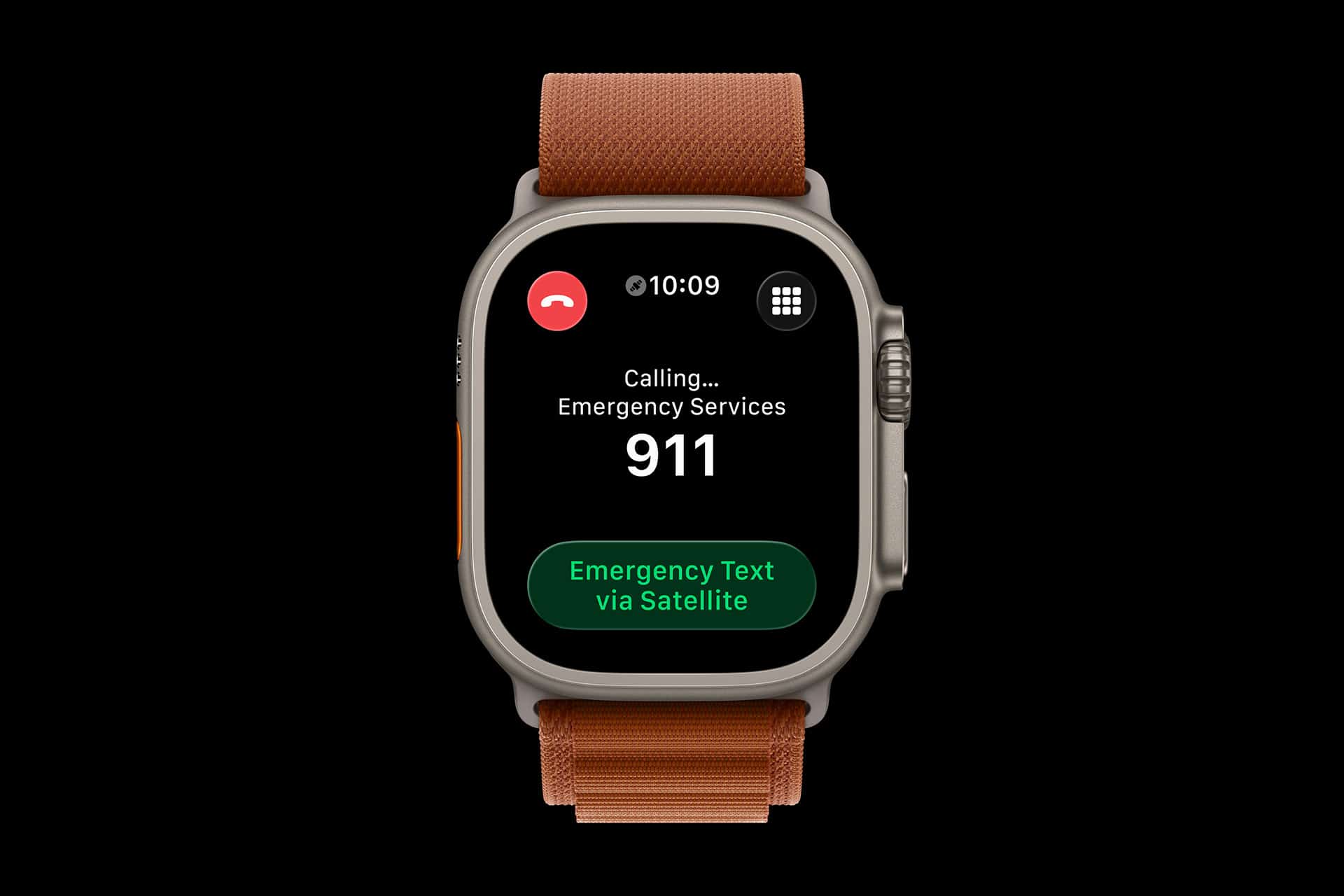
Apple Watch Ultra 3 brings similar protection directly to the wrist, allowing users to contact emergency services even when an iPhone is not available.
Emergency SOS via satellite on Apple Watch Ultra 3 does not require an active carrier plan. Apple includes the service at no additional charge for two years following activation of the watch.
When cellular and Wi-Fi connections are unavailable, users can attempt an emergency call or open Messages and text 112. If the message cannot be delivered through an ordinary network, the watch presents the satellite emergency option.
Apple Watch Ultra 3 also guides the wearer toward the satellite connection. The device can remain in its normal position on the wrist rather than being held above the head, although the user may be instructed to turn or move away from an obstruction.
A wet watch may have more difficulty maintaining satellite communication, an important limitation for swimmers, boaters and users caught in severe weather.
The watch can send the emergency questionnaire, location, elevation, Medical ID information and battery level. Emergency contacts can also receive information about the incident when the user has enabled that option beforehand.
Crash Detection and Fall Detection add another layer. If iPhone 14 or later or Apple Watch Ultra 3 detects a severe crash or hard fall and the user remains unresponsive, the emergency notification may be transmitted over satellite when cellular and Wi-Fi networks are unavailable.
Image Credit: Apple Inc.
Preparation Matters Before Going Off-Grid
Apple provides a connection demonstration that allows users to practice finding a satellite without contacting emergency services.
On iPhone, the demonstration can be opened through the Satellite controls or the Emergency SOS section in Settings. Apple Watch Ultra 3 users can add the Satellite control to Control Center or place a satellite complication on the watch face.
Testing the process before a remote trip helps users understand how quickly conditions can affect the connection. A clear field may establish contact rapidly, while a canyon or heavily wooded trail may require movement toward more open terrain.
Medical ID and emergency contacts should also be completed before leaving network coverage:
Health > Profile > Medical ID
A Medical ID can provide responders with information such as allergies, medical conditions, medications and emergency contacts. Users remain responsible for deciding which personal details they want stored and shared.
Emergency SOS via satellite is included free for two years after activating an iPhone 14 or newer model. Apple provides the same two-year period with Apple Watch Ultra 3, although the company has not established the long-term price that may apply after promotional access ends.
The arrival in Andorra and Iceland gives hikers, drivers, skiers and other travelers another route to help, but the safest preparation still includes checking weather conditions, sharing an itinerary and carrying adequate power before moving beyond ordinary network coverage.
In a new study of chimpanzees (Pan troglodytes) and bonobos (Pan paniscus), scientists found that embraces, touches and other reassuring gestures before competition for food were linked to more peaceful sharing, suggesting the roots of human social touch stretch back at least six million years.
New research spanning five continents and vastly different cultures -- from the steppes of Mongolia to the rainforests of the Pacific -- shows that hunting dogs and their owners cooperate, communicate and rely on each other in nearly identical ways, suggesting the relationship was forged in deep evolutionary time, perhaps 30,000 years ago.
In a groundbreaking revelation that could reshape our understanding of plant-microbe interactions and agricultural biotechnology, researchers have unveiled a novel chemical communication mechanism between rice roots and beneficial soil bacteria. This newly discovered pathway centers on the secretion of heptadecanoic acid, a specific fatty acid, which effectively recruits Bacillus species to the rhizosphere, the densely populated soil region surrounding plant roots. Such a mechanism not only highlights the intricate biochemical dialogues that underpin plant-microbe symbioses but also opens promising avenues for sustainable crop management through microbiome engineering.
Rice, a staple food that sustains more than half of the world’s population, has long been studied for its interactions with the soil ecosystem. The rhizosphere harbors myriad microbial communities, some of which promote plant health by enhancing nutrient acquisition, defending against pathogens, or improving stress tolerance. Identifying the exact signals that facilitate recruitment of beneficial bacteria has presented a considerable scientific challenge. The recent study by Zeng, Wen, Zhao, and colleagues provides essential insights and fills a critical gap by pinpointing heptadecanoic acid as a chemical attractant secreted by rice roots, which acts as a molecular beacon for Bacillus.
Heptadecanoic acid, also known as margaric acid, is a saturated fatty acid containing 17 carbon atoms. Traditionally, plant root exudates—complex mixtures of organic acids, sugars, amino acids, and secondary metabolites—have been observed to influence microbial colonization, but the specific involvement of fatty acids as signals was less appreciated. The team’s meticulous biochemical analyses have now elucidated that rice roots not only exude heptadecanoic acid but do so strategically when recruiting beneficial Bacillus species. This revelation signifies a refined understanding of the selective microbial recruitment strategies employed by plants.
The team’s research employed an array of advanced techniques—ranging from root exudate profiling through gas chromatography-mass spectrometry (GC-MS) to microbial chemotaxis assays—to validate that Bacillus species detect and are attracted to gradients of heptadecanoic acid in the rhizosphere. Importantly, not all soil microbes respond equivalently, underscoring the specificity of this fatty acid signal. Functional studies further demonstrated that disrupting rice root production of heptadecanoic acid diminished Bacillus colonization, which correspondingly weakened the plant’s resistance to common soil-borne pathogens.
Understanding the biochemical basis for such recruitment enables scientists to rethink approaches to crop protection and enhancement. Bacillus species are well-known for their plant growth-promoting traits, including production of antimicrobial compounds, enhancement of nutrient solubilization, and induction of systemic resistance in plants. By harnessing the heptadecanoic acid signaling pathway, it is conceivable that agricultural inoculants could be optimized to improve colonization efficiency and consistency in field conditions, potentially reducing the need for chemical pesticides and fertilizers.
This molecular dialogue highlights a sophisticated communication network where plants actively shape their microbial environment. The discovery that a fatty acid functions not merely as a structural or energy-storage molecule but as a signaling compound redefines our conception of root exudate complexity. Moreover, heptadecanoic acid’s hydrophobic nature prompts questions about its diffusion dynamics in soil and the mechanisms by which Bacillus receptors detect it. Future exploration into bacterial chemoreceptors and downstream signaling pathways activated by this molecule could illuminate novel targets for microbiome manipulation.
Beyond direct agricultural implications, this finding resonates with broader ecological principles. The soil microbiome’s composition significantly influences plant community dynamics, ecosystem productivity, and resilience to environmental stresses. By uncovering a precise mediator of microbe recruitment, the work by Zeng and colleagues contributes to the fundamental ecological theory of plant-soil feedback loops, suggesting that plants possess active biochemical agency in curating their microbial consortia.
Interestingly, the secretion of heptadecanoic acid is not constant but modulated by environmental cues and plant developmental stages, emphasizing the dynamic nature of root exudation profiles. This temporal regulation indicates that plants might selectively recruit beneficial microbes in response to specific physiological needs or external threats, adding an adaptive dimension to this interaction. Understanding these controls could inform timing strategies for microbial inoculant application in agriculture to coincide with natural recruitment periods.
The authors also raise intriguing evolutionary considerations. The conserved ability among rice varieties to secrete heptadecanoic acid suggests selective pressure favoring plants capable of enlisting Bacillus partners. Parallel studies on other cereal crops could reveal whether this fatty acid signaling is a widespread mechanism or unique to rice. Such comparative analyses across plant taxa may unearth a broader family of fatty acid signals mediating symbioses and expand the toolkit for synthetic microbiome engineering.
This pioneering investigation underscores the necessity of interdisciplinary approaches combining plant biology, microbiology, analytical chemistry, and ecology to fully decipher plant-microbe interactions. It leverages cutting-edge omics technologies and bioinformatics pipelines to characterize metabolite profiles and microbial responses, illustrating the power of integrative science. The robust experimental design and reproducible methodologies set a new benchmark for future studies aiming to parse root exudate signaling.
As the global agricultural sector grapples with the challenges of increasing food production sustainably on finite arable land under climate change pressures, the discovery of a natural plant mechanism to recruit growth-promoting and protective microbes represents a potentially transformative tool. Strategies informed by such foundational knowledge could reduce reliance on synthetic inputs, lower environmental footprints, and enhance crop resilience, aligning with ambitious global sustainability goals.
In conclusion, the identification of heptadecanoic acid as a pivotal signaling molecule secreted by rice roots to attract beneficial Bacillus species marks an exciting advance in the field of plant-microbe research. It unravels a previously unrecognized layer of biochemical communication with profound implications for agriculture and ecology. Continued investigation into the molecular details, environmental regulation, and cross-species relevance of this signaling mechanism promises to unlock innovative avenues for crop improvement and sustainable farming practices worldwide.
Subject of Research: Plant-microbe interactions focusing on the biochemical signaling between rice roots and Bacillus species mediated by heptadecanoic acid secretion.
Article Title: Author Correction: Rice roots recruit Bacillus via the secretion of heptadecanoic acid.
Article References: Zeng, J., Wen, T., Zhao, J. et al. Author Correction: Rice roots recruit Bacillus via the secretion of heptadecanoic acid. Nat. Plants (2026). https://doi.org/10.1038/s41477-026-02341-5
A groundbreaking study at The University of Texas at Arlington is poised to transform how families address adolescent alcohol use through innovative, technology-enhanced communication strategies. With a new five-year, $3.33 million federal grant, researchers are expanding their efforts to develop a family-based intervention program targeting early discussions between parents and teens about alcohol consumption and its social media influences.
Underage alcohol use remains a pressing public health issue in the United States, with nationwide surveys indicating that over 12 million individuals aged 12 to 20 have consumed alcohol at least once. Despite decades of research and intervention programs, the persistence of early alcohol experimentation underscores the need for novel approaches that account for the evolving digital landscape. Social media platforms profoundly shape adolescents’ perceptions and attitudes toward alcohol, often normalizing its consumption through peer influences and targeted advertising.
The UT Arlington project, led by the Studying Alcohol and Related Risks (STARR) Lab, harnesses multidisciplinary expertise spanning adolescent behavioral health, web-based intervention design, social work, and digital media studies. Principal investigator Dana Litt highlights that the initiative integrates years of collaborative research to craft a robust community resource that tackles the complex interplay between adolescent substance use and online social environments. By engaging families in effective communication, the program aims to instill critical thinking and awareness about alcohol-related risks before youths initiate use.
Previous intervention models often focused on older adolescents already experimenting with alcohol, but this study innovatively targets younger teens aged 12 to 17. This demographic shift is grounded in recent findings that pre-exposure attitudes toward substances significantly predict future use patterns. Early intervention that fosters open dialogue about alcohol and its portrayal on social media can disrupt these trajectories by equipping families with tools for informed conversations well before exposure escalates.
Co-principal investigator Melissa Lewis elaborates on the urgency of addressing alcohol use factors earlier in adolescent development due to the omnipresence of alcohol content on platforms such as Instagram, TikTok, and Snapchat. Studies reveal that repeated exposure to alcohol-related visuals and narratives subtly shapes normative beliefs, leading teens to underestimate the risks and overestimate peer approval. By facilitating early parent-teen discussions, the program leverages critical windows of neurocognitive development to build resilience against these influences.
An integral feature of the intervention is its bilingual accessibility, offering both English and Spanish versions tailored to the diverse communities in the Dallas-Fort Worth area. This linguistic inclusivity acknowledges the demographic realities and aims to bridge cultural gaps that often hinder engagement with prevention programs. By customizing content to resonate with multiple communities, the project enhances its potential for implementation and scalability.
The research team emphasizes the program’s flexibility as a dynamic communication tool that parents can adapt to address not only alcohol use but also emerging concerns such as vaping and other substance-related behaviors. This adaptability responds to the multifaceted nature of adolescent risk factors and the rapidly evolving social media landscape, promising long-term relevance and utility across different contexts and substances.
In developing this intervention, the STARR Lab collaborates with several local organizations, including Challenge of Tarrant County, SMART Arlington, Lena Pope, Recovery Resource Council, and JPS Health Network. These partnerships ensure that the tool is grounded in community needs and practical realities, facilitating its adoption as a trusted, no-cost resource for families. This community-engaged research model exemplifies a bidirectional flow between academic inquiry and real-world application.
The effort aligns with UTA’s broader mission to produce high-impact research that transcends academia and delivers tangible societal benefits. By positioning the university as a central hub for reliable information and support around adolescent health issues and social media influences, the project fosters a sustained infrastructure for preventive interventions that can evolve with technological trends and public health priorities.
Beyond its immediate aims, the research holds promise for significantly reducing underage drinking rates by addressing the root mechanisms through family dialogue and critical media literacy. This preventive focus contrasts with traditional approaches that often intervene post-initiation, offering a proactive paradigm shift. If effective, these models could also be adapted to mitigate other behavioral health challenges driven by digital media exposure.
The scientists behind the study bring methodological rigor by integrating behavioral theories, communication science, and digital evaluation metrics to assess intervention efficacy. The multidisciplinary team, including colleagues from UTHealth Houston School of Public Health, the University of Washington, and the University of North Texas Health Science Center, exemplifies comprehensive expertise essential to tackling a complex public health issue at multiple ecological levels.
Ultimately, this study represents a strategic nexus of research innovation, community partnership, and public health advocacy aimed at empowering families to navigate the often opaque and pernicious world of adolescent substance use amplified by digital media. Its success could redefine prevention frameworks nationwide, offering scalable, culturally sensitive tools for healthier youth development amid an increasingly interconnected social landscape.
Subject of Research: Adolescent alcohol use prevention through family-based communication interventions addressing social media influences
Article Title:
[Not provided in the original content]
News Publication Date:
[Not provided in the original content]
Web References:
[Not provided in the original content]
References:
[Not provided in the original content]
Image Credits:
[Not provided in the original content]
Keywords:
Social work, adolescent substance use, underage drinking, alcohol prevention, social media influence, family-based intervention, digital health, public health, bilingual program, adolescent behavior, substance use research, community partnership

 Login