 Login

AI model delivers river temperature insights, strengthening US energy security
Hydrology experts at the U.S. Department of Energy’s (DOE’s) Oak Ridge National Laboratory (ORNL) used artificial intelligence and

Amazon’s artificial intelligence ambitions will soon be partly fueled by a natural gas-burning power plant in Texas that “could become the largest single source of climate pollution in the United States,” The New York Times reported.
These gas-burning plants are increasingly lumped into data center projects. They produce harmful pollutants, which can accelerate climate change impacts and harm public health—contributing to conditions like asthma, heart disease, lung cancer, and strokes. Some communities are demanding more stringent environmental reviews, but the Trump administration favors fast-tracking that can include skipping the permitting process entirely.
Since Elon Musk’s xAI controversially began relying on gas turbines last spring to power its biggest AI data center, Colossus, there has been public backlash to off-the-grid data centers like the one Amazon is building.


© eric1513 | iStock / Getty Images Plus
 Gut bacteria helped some adults tolerate peanuts in a first human trial.
The US health department is working to shut down a Kentucky-based organ procurement organization that made headlines over a 2021 incident in which it was accused of trying to harvest a man's organs while he was still alive.
In an announcement Wednesday, the Department of Health and Human Services said it had begun the process to decertify the organization, Network for Hope (NFH). Losing its certification would effectively shutter the organization, which serves Kentucky as well as parts of Indiana, Ohio, and West Virginia. If decertified, another organization will be appointed to coordinate donations in the region.
In a statement, NFH said it "strongly disagrees" with the HHS's finding and will appeal the decertification decision.


© Getty | Boy_Anupong
 Sometimes the smartest way to make a medical device smaller isn't to shrink it—it's to fold it.

More than 150 years after Charles Darwin first wondered whether certain sticky-leaved Saxifraga plants might be secretly carnivorous, Kunming Institute of Botany researcher Tao Deng and colleagues say they have finally confirmed it.
The post Scientists Add Unlikely New Member to World’s Carnivorous Plants appeared first on Sci.News: Breaking Science News.
Ford Apple Maps integration will place the navigation service directly inside a new family of affordable electric vehicles, beginning with a midsize pickup expected to start at approximately $30,000 in 2027.
The truck will not depend on CarPlay or a connected iPhone to access Apple Maps. Ford plans to embed the service through MapKit for Automotive, allowing the automaker to incorporate Apple navigation into its own displays, controls and software environment.
CarPlay will remain available for drivers who want to use iPhone apps, messages, calls and media. The native integration, however, means Apple Maps can continue providing directions when no phone is connected or when the driver uses a device from another manufacturer.
The partnership extends beyond dashboard navigation. Ford also intends to use road-level information from Apple Maps while developing future versions of BlueCruise, connecting Apple mapping data with the driver-assistance technology planned for its Universal Electric Vehicle Platform.
Ford Apple Maps represents a different approach from the familiar relationship between an iPhone and a vehicle.
CarPlay runs from the phone and presents selected apps through the dashboard. The embedded version of Apple Maps will operate as part of the truck software, giving Ford greater control over how directions, charging information and vehicle data appear across its displays.
Drivers can expect turn-by-turn guidance, live traffic conditions, incident reports and detailed destination information. Ford will be able to adapt the visual experience to match the interface created for its new electric platform rather than reproducing the standard CarPlay layout.
EV routing may become the most practical benefit. The system can consider available range, charging locations and route conditions before recommending where a driver should stop.
When supported by the vehicle, navigation can also trigger battery preconditioning before arriving at a fast charger. Bringing the battery toward an appropriate temperature can reduce charging time, particularly during cold or extremely hot conditions.
Integrating those functions removes part of the planning burden from longer electric trips. Drivers will not need to move constantly between a navigation app, charging network software and separate vehicle menus to understand whether a station is suitable.
The native experience also gives Ford an alternative to building a complete mapping platform internally. Apple already maintains search, traffic, routing and place information across a large geographic network, while Ford can concentrate on vehicle-specific functions.
Apple, meanwhile, gains a route into factory-installed automotive software without needing to produce its own car.
The Ford arrangement should not be confused with CarPlay Ultra.
CarPlay Ultra expands the iPhone experience across multiple vehicle screens and can combine phone content with information supplied by the car, including speed, fuel or battery levels and climate controls.
Ford is taking a more selective path. Apple Maps becomes a native service, but the broader dashboard remains a Ford environment.
That distinction may appeal to automakers reluctant to hand control of the cabin interface to another company. Ford can use Apple technology for navigation while preserving its own identity, subscription services and software architecture.
Drivers still receive a recognizable Apple product, but the vehicle manufacturer determines where it appears and how it interacts with charging, driver assistance and other functions.
The arrangement could provide a model for other automakers that want access to individual Apple services without adopting the complete CarPlay Ultra experience.
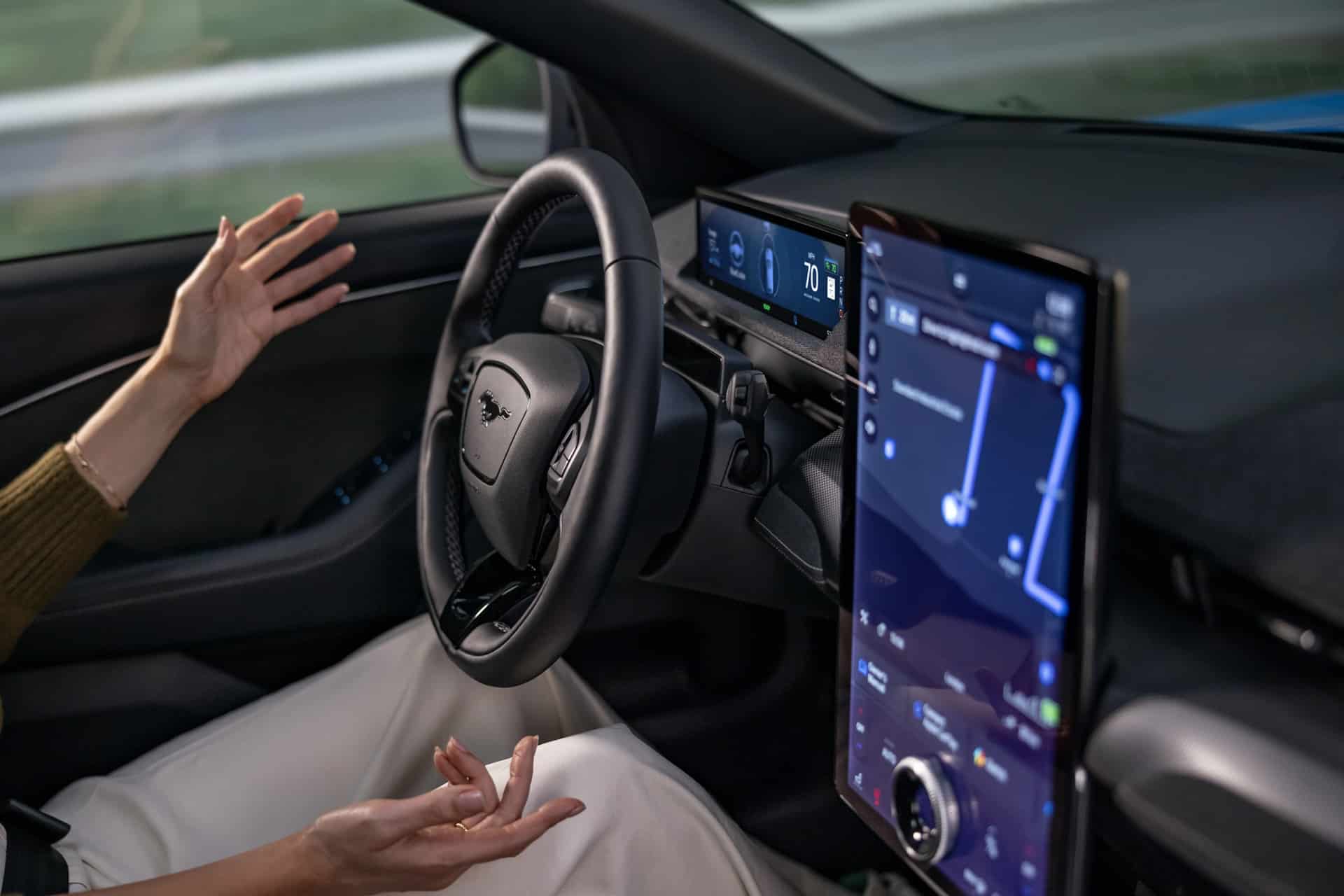
Ford plans to introduce the unnamed four-door pickup as the first vehicle based on its Universal Electric Vehicle Platform.
The targeted price of approximately $30,000 would place it below many electric pickups currently available in the United States. Ford is aiming at drivers interested in an EV but unwilling or unable to spend the amounts associated with large premium trucks.
The company says the vehicle will provide more passenger space than a recent Toyota RAV4 while including a front storage compartment and a conventional truck bed. Performance is expected to compare with a Mustang EcoBoost, giving the pickup a stronger argument than affordability alone.
Reaching the price target requires changes throughout the vehicle rather than a smaller battery placed inside an existing truck design.
Ford has reduced the number of components, fasteners and assembly operations involved in the new platform. Its zonal electrical architecture is intended to shorten wiring and simplify how software-controlled systems connect across the vehicle.
Lithium iron phosphate batteries will form part of the structural floor. The chemistry avoids nickel and cobalt, generally costs less than alternatives focused on maximum energy density and can offer strong durability for repeated charging.
Production is planned for the Louisville Assembly Plant in Kentucky, where Ford is introducing a manufacturing process that separates major vehicle sections before bringing them together later in assembly.
Apple Maps supports the same cost-conscious strategy. Ford can offer a mature navigation experience without financing the creation of every mapping layer from the beginning.
The partnership becomes more significant when mapping information begins supporting driver assistance.
Ford Latitude AI plans to use road-level Apple Maps data while developing future BlueCruise capabilities. The objective is to create smoother hands-free travel from a highway entrance ramp through the eventual exit.
Apple Maps can provide advance knowledge of road layouts, interchanges, curves and exits. Ford sensors and onboard systems must still identify vehicles, pedestrians, construction and unexpected changes in real time.
Apple is not developing or controlling BlueCruise. Ford remains responsible for the cameras, sensors, processors and driving decisions used by the system.
The maps provide another layer of context. A vehicle that understands the route in advance can prepare for lane changes, merges and exits before its sensors reach them.
Ford is also developing a large driving model through Latitude AI using extensive road data. Combining that work with detailed maps could allow the company to improve assistance without depending entirely on moment-to-moment visual detection.
The Universal Electric Vehicle Platform is expected to support more capable automated driving in later models. Ford has discussed eyes-off operation from 2028, although final hardware, pricing and regulatory approval remain unresolved.
Introducing that technology through an affordable platform would represent a departure from the usual industry pattern. Advanced driver assistance often begins in expensive vehicles where premium pricing absorbs the cost of sensors and computing.
Ford wants to distribute the development expense across a larger family of electric products.

The Apple Maps name may make the new truck feel less unfamiliar to customers buying an electric vehicle for the first time.
Charging behavior, range estimation and route planning can create hesitation among drivers accustomed to gasoline vehicles. Presenting those functions through a navigation service already used on millions of iPhones reduces the number of unfamiliar interfaces introduced at once.
Existing Apple Maps users may also recognize saved locations, search behavior and visual guidance, although Ford has not explained which personal features will require an Apple Account or connected iPhone.
The embedded service will still need reliable integration with vehicle range, charger availability and battery temperature. A familiar logo alone cannot compensate for inaccurate charging information or route estimates.
Ford has not yet announced the truck name, final driving range, battery capacity, production specifications or confirmed base price. Those details will determine whether the pickup can combine its promised affordability with enough capability for everyday work and travel.
The first production model is scheduled for 2027, leaving Ford time to refine the software and reveal how Apple Maps will appear across the dashboard before the Louisville assembly line begins building customer vehicles.
The post Ford Apple Maps Deal Puts $30,000 EV in the iPhone Family appeared first on AppleMagazine.

A 201-million-year-old climate catastrophe turned Europe into a landscape of fern savannahs that repeatedly caught fire, according to new research published in the journal Nature Geoscience.
The post Fern-Fueled Wildfires Raged across Europe for Millennia during End-Triassic Mass Extinction appeared first on Sci.News: Breaking Science News.
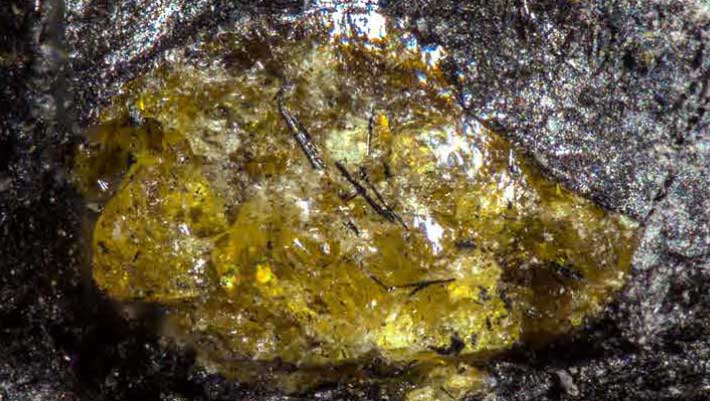
Paleontologists in China have discovered what they say is the earliest confirmed pieces of amber ever found, a fossilized resin roughly 385 million years old (Middle Devonian epoch) that predates the previous record-holder by about 65 million years.
The post 385-Million-Year-Old Amber Found in China appeared first on Sci.News: Breaking Science News.
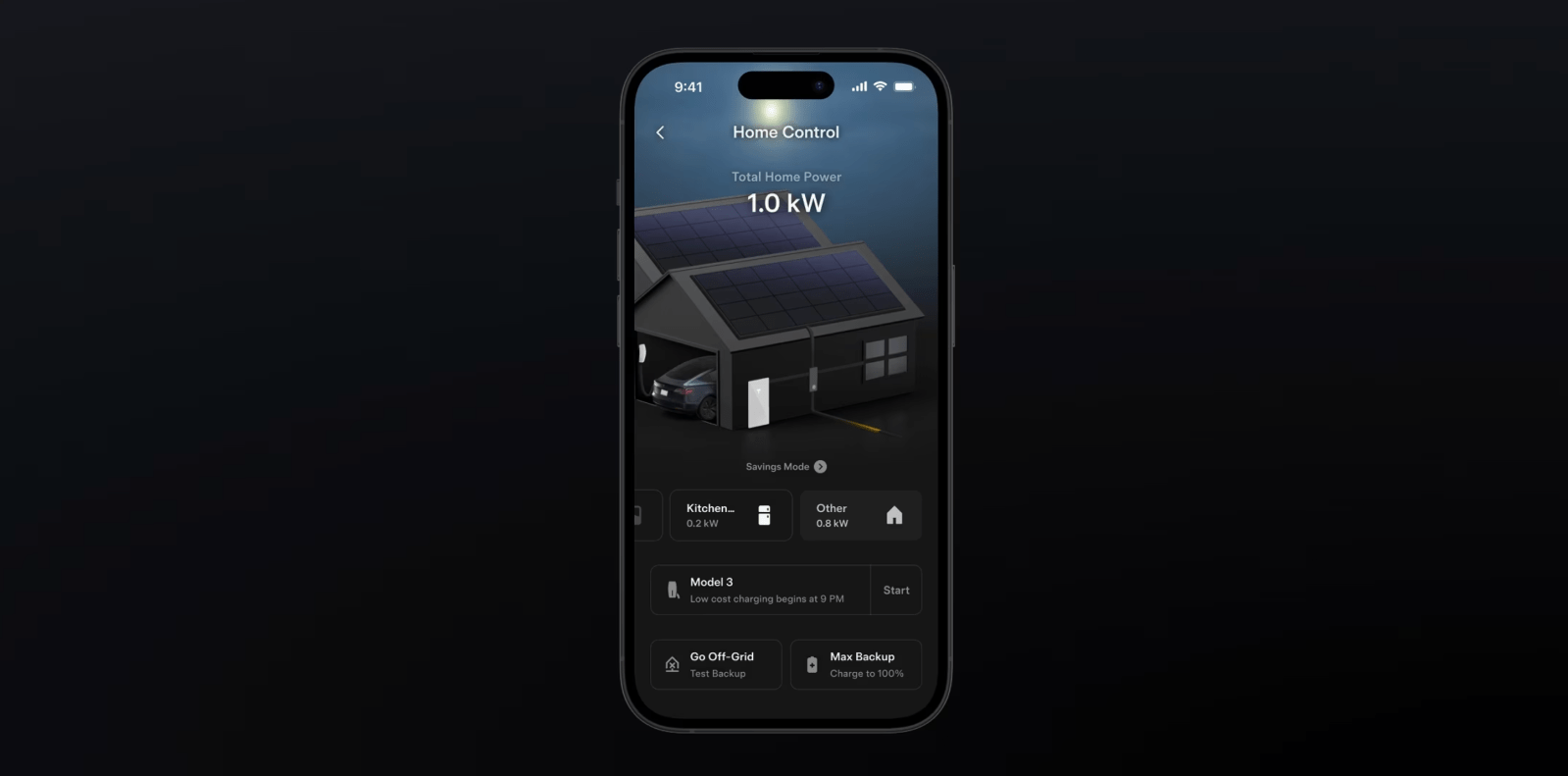
Tesla has launched Tesla Home, a home energy management platform powered by an AI engine called Opticaster that it says makes “hundreds of decisions” a day about when to store and use electricity to lower your bill.
However, it’s not an entirely new product as Electrek has been reporting on Tesla’s Opticaster for 5 years.
 The transplant may expand a scarce organ supply for people living with HIV.
Nearly half of American patients diagnosed with kidney failure face a significant hurdle that remains largely unnoticed: the daunting path from referral for kidney transplantation to actually being listed as a transplant candidate. A groundbreaking national study spearheaded by researchers from NYU Langone Health reveals that only about 19 percent of these patients complete the rigorous evaluation process required to join the kidney transplant waitlist. Alarmingly, nearly 48 percent never even commence this critical phase, underscoring a systemic challenge within transplant medicine that urgently warrants comprehensive attention.
Kidney transplantation is widely regarded as the optimal treatment for end-stage renal disease, significantly enhancing both survival rates and quality of life over long-term dialysis. Despite extensive research focusing on outcomes and management once patients are waitlisted or transplanted, the early stages—particularly the transition from referral to evaluation—have remained remarkably underexplored. The new study addresses this knowledge gap by meticulously analyzing data that track patient progression (or dropout) through each sequential step: referral, evaluation, waitlisting, and transplantation.
Leveraging the formidable Epic Cosmos database, which aggregates over 300 million electronic health records from more than 1,850 medical institutions—including over a third of all U.S. transplant centers—the research team was able to follow 720,348 adult patients referred for kidney transplantation between 2014 and 2025. By applying advanced statistical modeling, the researchers dissected how variables such as demographic factors, socioeconomic status, geographic location, and medical complexities influence patient trajectories through the transplant pipeline.
One of the study’s most compelling revelations is the multifaceted nature of barriers patients face long before they arrive on the transplant waitlist. Particularly vulnerable are unmarried individuals, those categorized with severe obesity, and patients residing in rural areas. These groups demonstrated disproportionately lower rates of starting and completing the transplant evaluation. The researchers suggest that limited social support, compounded by logistical challenges in accessing transplant centers mostly concentrated in urban settings, profoundly affects these disparities.
Language barriers and poverty add further layers of complexity. Older patients, Spanish speakers, and economically disadvantaged populations exhibited reduced odds of progressing beyond referral. The evaluation process itself, demanding repeated visits for comprehensive testing—including hematologic assays, radiologic imaging like chest X-rays, and oncologic screenings—can extend over months. This prolonged and intricate schedule poses significant strain on patients, particularly those simultaneously managing frequent dialysis treatments.
Institutional factors also shape patient outcomes. Smaller transplant centers, often with constrained resources and fewer transplant slots, tend to adopt more conservative patient selection criteria. This resource scarcity may lead to heightened risk aversion, amplifying the likelihood that individuals are filtered out early in the process. In contrast, larger centers with expansive infrastructure appear better suited to support patients through the complex evaluation stages, enhancing access equity.
Beyond healthcare infrastructure, psychosocial elements emerge as crucial determinants. The study highlights the importance of marital status and social support networks, which facilitate navigating the exhaustive appointment schedule and the psychological burden of chronic illness management. Candidates lacking robust social backings are more susceptible to discontinuing the transplant workup, emphasizing that transplant candidacy extends beyond physiological suitability to encompass holistic patient contexts.
The authors underscore that the transplant evaluation pathway remains one of the most intricate and strenuous journeys in medical care, entailing multifaceted specialist consultations, laboratory testing, and patient education. Each phase demands adequate patient understanding, resource availability, and logistical feasibility, accentuating the necessity for patient-centered strategies to democratize access.
Conor Donnelly, MD, the study’s lead author and PhD candidate at NYU Grossman School of Medicine, reflects on the striking influence of non-medical factors, stating the interplay of geography, healthcare center characteristics, and social environment decisively shapes transplant waitlisting outcomes. He advocates for system-level reforms targeting these upstream barriers to broaden equitable transplant access.
Allan B. Massie, PhD, co-senior author, emphasizes the potential impact of tailored educational efforts and patient navigation services to demystify and streamline the evaluation process. By reducing administrative burden and fostering comprehensible pathways, health systems can meaningfully increase the number of patients transitioning from referral to active waitlisting.
Similarly, Michal A. Mankowski, PhD, co-senior author and assistant professor of surgery, notes this study paves the way for probing analogous barriers in other organ transplant domains, each characterized by distinct logistical and clinical considerations. Expanding this research is vital for holistic transplant equity improvements.
The research, published June 20, 2026, in the Journal of the American Society of Nephrology and presented at the American Transplant Congress, marks the most extensive analysis to date of the attrition points in the kidney transplant continuum. These insights hold profound implications for policy frameworks, patient advocacy, and healthcare delivery models.
Addressing the entrenched social and systemic impediments to kidney transplantation demands coordinated efforts involving healthcare providers, payers, policymakers, and community stakeholders. Streamlining referral and evaluation protocols, augmenting support services, and ensuring resource availability at smaller centers—particularly in underserved regions—stand as imperatives.
NYU Langone Health’s funding and multidisciplinary team underscore the critical priority of tackling kidney transplant disparities with data-driven precision and commitment, aspiring to ensure that the lifesaving promise of transplantation reaches every eligible patient without undue delay or discrimination.
Subject of Research: People
Article Title: Evaluating Barriers to Kidney Transplantation in the United States
News Publication Date: 20-Jun-2026
Keywords: Organ transplantation, Renal failure, Nephropathies, Health care delivery, Health disparity, Health equity
In a groundbreaking advancement that could reshape the landscape of bioelectronic medicine, researchers have developed a wirelessly powered, bioresorbable electrical stimulation system with unprecedented programmable control over stimulation waveforms. This innovation integrates tissue-penetrating near-infrared (NIR) light to modulate electrical currents with precision, harnessing a novel bioresorbable silicon phototransistor as the cornerstone of its operation. Pioneering beyond earlier monophasic pulse devices, this technology allows for the delivery of monophasic, biphasic, and polyphasic stimulation patterns, significantly enhancing the versatility and therapeutic potential of implantable electrical stimulators designed to dissolve harmlessly after use.
Traditional electrical stimulators implanted in biological tissues have largely relied on wired connections or bulky batteries, impeding patient mobility and often necessitating additional surgeries for device removal. Bioresorbable devices emerged as a solution to these challenges by safely degrading in the body over time, eliminating the risks associated with permanent implants. However, these earlier systems primarily delivered monophasic pulses, limiting therapeutic precision and adaptability in complex treatments. The innovation reported by Kim, Seo, Wang, and colleagues introduces a new paradigm by integrating wireless power transfer via NIR light and programmable waveform control within a fully bioresorbable platform, thus extending the functional range and easing the clinical management of bioelectronic therapies.
Central to this system is the incorporation of bioresorbable silicon phototransistors engineered to serve as optoelectronic modulators within the electrical circuitry. When illuminated by externally applied near-infrared light that penetrates deep into biological tissues, these phototransistors effectively adjust current flows at critical circuit nodes. This optical modulation capability replaces conventional electronic control elements, which often rely on persistent power sources or invasive wiring, thereby enabling the device to operate autonomously while still allowing fine-tuning of stimulation parameters through non-contact optical inputs.
The adoption of near-infrared light as the wireless power and control mechanism is particularly significant. NIR light possesses the ability to penetrate through several centimeters of tissue without causing damage, providing a safe and efficient transmission channel between the external controller and the implanted device. This feature supports programmability in situ, empowering clinicians to tailor electrical stimulation waveforms dynamically after device implantation. Precisely controlling the shape, amplitude, and timing of the electrical pulses is crucial for optimizing therapeutic outcomes in applications such as neuroregeneration and cardiac pacing.
The research team demonstrated the remarkable versatility of their bioresorbable system by successfully delivering a variety of stimulation waveforms. Monophasic pulses, which are unidirectional current flows, serve as a baseline therapy. More complex biphasic and polyphasic waveforms, which alternate current direction and comprise multiple phases respectively, have been shown to minimize tissue damage and improve efficacy in various biosignaling contexts. The ability to generate these sophisticated patterns expands the therapeutic range of the device, potentially enabling treatments that were previously inaccessible using bioresorbable technologies.
In demonstrating practical utility, the device was tested in both small and large animal models, validating its capacity for clinically relevant electrical stimulation regimes. The system was effectively employed in single- and dual-chamber cardiac pacing, a critical intervention for managing arrhythmias and heart block. Through controlled electrical stimulation, the device could synchronize cardiac contractions, a feat crucial for restoring efficient cardiac output. These trials highlight the translational potential of the technology for future human applications, situating it as a promising alternative to current electronic pacemakers that require permanent implantation and battery replacements.
Further extending the functional scope, the researchers utilized the bioresorbable stimulator to activate phrenic neuromuscular pathways to either induce or block diaphragmatic movements. The phrenic nerve controls diaphragmatic excursion, essential for respiration, and its modulation has significant implications for respiratory therapies, such as in patients with spinal cord injuries or central hypoventilation syndromes. By enabling wireless, programmable neurostimulation of the phrenic nerve, the technology offers a minimally invasive approach to manage life-sustaining respiratory functions, with the added benefit of device degradation after the therapeutic window.
The bioresorbable nature of the silicon phototransistors and associated electronics assures that after fulfilling their therapeutic role, the devices gradually dissolve into biocompatible byproducts. This process circumvents the complications related to device explantation surgeries, reducing patient risk and healthcare costs. Moreover, the materials chosen minimize inflammatory responses and tissue irritation, facilitating seamless integration with host biology during the operational phase.
The engineering behind this system represents an intersection of materials science, optoelectronics, and biomedical engineering. The architecture leverages the semiconducting properties of silicon in thin-film, bioresorbable form, combined with circuit design optimized for minimal power consumption and maximal efficiency during NIR irradiation. These multidisciplinary innovations collectively overcome longstanding barriers in the fabrication of transient electronic implants capable of sophisticated programmable functionality.
Controlling the stimulation waveforms via light permits remote adjustment without physical connections, paving the way for real-time therapeutic modulation responsive to patient status or physiological signals. Future iterations could incorporate feedback mechanisms by integrating bioresorbable sensors that monitor tissue response, creating closed-loop systems for personalized medicine. This dynamic adaptability could be transformative in managing chronic conditions requiring variable and responsive electrical stimulation protocols.
This research also addresses one of the fundamental challenges of implantable devices: power delivery. The optical wireless power transfer circumvents the need for bulky batteries or explant procedures, offering renewed device miniaturization potential. Coupled with programmable phototransistors, these innovations enable multifunctional implants that conform to soft tissues and degrade harmlessly, a trifecta crucial for implantation in sensitive organs like the heart and nervous system.
The ability to deliver polyphasic waveforms through a single bioresorbable receiver unit is particularly noteworthy. Conventionally, generating these complex waveforms requires sophisticated circuitry and stable power sources, neither of which are trivial to implement in resorbable devices. The research showcases how optical control unlocks this capability without sacrificing bioresorbability or wireless operation, representing a paradigm shift in transient biomedical electronics.
The successful application of this device in large animal cardiac models bridges a critical gap toward clinical translation. Such models replicate human physiological scales and complexities far more closely than small animals, validating both the efficacy and safety of the system under conditions analogous to human therapies. This demonstration is an essential milestone on the path toward human clinical trials and eventual regulatory approval.
Moreover, the phrenic nerve stimulation experiments illustrate the broader applicability beyond cardiac pacing. Neuromuscular control via electrical stimulation has vast clinical relevance, from restoring motor function to modulating organ systems. The biodegradable, wireless nature of this system makes it especially suited for temporary therapeutic interventions, such as post-surgical recovery or transient disease states, where permanent implants would be unnecessary or undesirable.
While this work represents a major leap forward, ongoing challenges remain, including further optimization of device longevity relative to treatment durations, refinement of light delivery systems to maximize tissue penetration and minimize off-target effects, and integration with advanced biocompatible materials to tailor resorption timelines. Addressing these will be key to broadening the range of clinical applications and ensuring patient safety across diverse scenarios.
Overall, this wirelessly powered, light-controlled, bioresorbable stimulation system emerges as a versatile platform poised to transform bioelectronic therapies. Its elegant combination of programmable polyphasic waveform delivery, wireless operation via near-infrared light, and full bioresorbability addresses critical limitations of current implantable stimulators. By enabling sophisticated, minimally invasive, and transient electrical stimulation paradigms, this technology advances the frontiers of regenerative medicine, cardiac therapy, and neuromodulation, marking a significant milestone in the evolution of biomedical devices.
Subject of Research: Wireless bioresorbable electrical stimulation device with programmable waveform control using near-infrared light
Article Title: A wirelessly powered, light-controlled, bioresorbable stimulation system with programmable polyphasic waveforms
Article References:
Kim, J.U., Seo, S.G., Wang, H. et al. A wirelessly powered, light-controlled, bioresorbable stimulation system with programmable polyphasic waveforms. Nat Electron (2026). https://doi.org/10.1038/s41928-026-01655-8
Image Credits: AI Generated
DOI: https://doi.org/10.1038/s41928-026-01655-8
One of nature’s most mysterious predators isn’t a mammal stalking remote forests or jungles, nor any large, finned creature lurking in the ocean depths: it is a bizarre little plant that grows only in certain wetland areas along the East Coast of the United States.
With the distinctive hinged leaves that it uses to capture insects, the Venus flytrap is one of nature’s most curious offerings. The small bog-dwelling plant owes its success to the way it can generate an inviting aroma with the nectar it produces, which lures insects. Then, with the help of tiny follicles that act as triggers, the insects become trapped within the flytrap’s leaves as they close like jaws around its prey.
Scientists have long been perplexed by exactly how these plants can react quickly enough to capture even some of the fastest flying insects. Even Charles Darwin seemed baffled by these curious examples of carnivorous flora, describing them as “a plant [that] should secrete, when properly excited, a fluid containing an acid and ferment, closely analogous to the digestive fluid of an animal.”
While the exact mechanism that allows the mysterious Venus flytrap to carry out its distinctive method of feeding has long remained unknown, new research is finally shedding light on the mystery.
According to recent experiments detailed in a new study, when the hair-trigger mechanism is activated on these plants, cells on the jaw-like leaves soften, which initiates the closing movement within fractions of a second, trapping any insects unlucky enough to have landed searching for nectar.

Dr Yoël Forterre, a physicist at the French National Centre for Scientific Research (CNRS) and Aix-Marseille University, says that this movement had been so mysterious to Darwin that “he was convinced that the plant had a muscle inside, but plants do not have muscles and they do not have nerves.”
“For more than a century there have been many hypotheses,” Forterre, senior author of the recent study, said. “It’s very surprising that plant cell walls can tune their mechanical properties so fast.”
One of the primary issues with resolving the plant’s curious mechanism involved overcoming challenges associated with measuring such a remarkably fast system of movement, let alone one in a plant, which possesses none of the usual mechanisms nature relies on for such activities.
Equally perplexing is that the Venus flytrap seemingly recognizes when an accidental trigger has been initiated, rather than a successful capture of an insect.
“If you close it accidentally with a drop of water, it will close and then reopen the next day,” Forterre says. “If it catches an insect, it has to digest it and dissolve the skeleton, which will take several weeks.”
In experiments Forterre and his colleagues performed, dental glue was used to secure the plant’s leaves, which allowed for the normal trigger mechanisms to be engaged, but left the plant’s leaves open throughout the process.
Past research had already shown that electrical signals had been detected coinciding with the manipulation of the trigger hairs present on the plant’s leaves, in which this sudden surge of electricity “activates” the plant’s closing mechanism within a fraction of a second.
Applying a new approach, Forterre and colleagues used the metallic tip of a nanoindenter, devices used to make very small mechanical measurements. Applying the device to the outer leaves revealed that its normal stiffness appeared to soften significantly once the hair mechanisms were triggered.
The reason this occurs, according to Forterre, is that the cells themselves temporarily become more flexible. Past theories suggested that the movement was initiated by the movement of water contained within the leaf.
The newly-identified mechanism reveals a process very similar to the function of a plunger, which, if inverted, will flip back to its normal position when pressure is applied.
Forterre says he is unaware of any similar plant in nature that displays such unusual mechanical properties, which he says allows the Venus flytrap to initiate a “very rapid change of mechanical properties of the cells.”
“I’ve been obsessed by this for 20 years,” Forterre recently told The Guardian, noting that “as a physicist, I thought we should understand the motor, the forces.”
Now, thanks to his team’s findings, one of the plant kingdom’s strangest inhabitants has finally revealed its secrets.
The team’s new study, “Fast cell wall softening causes Venus flytrap closure,” appeared in Science on June 11, 2026.
Micah Hanks is the Editor-in-Chief and Co-Founder of The Debrief. A longtime reporter on science, defense, and technology with a focus on space and astronomy, he can be reached at micah@thedebrief.org. Follow him on X @MicahHanks, and at micahhanks.com.

