❌

Reading view

Why Apple’s new audio AI features aren’t the privacy nightmare you think they are

Macworld

With the Apple Watch Series 12 and Ultra 4, Apple is introducing some neat new audio-based AI features that seem genuinely useful and exciting.

The new S11 processor includes hardware that makes it possible to continually listen and (lightly) process audio without ruining battery life, and Apple is using that to provide four new AI-powered features. It calls these features “Audio Intelligence” because Apple can’t help but brand everything.

  • Full-time Shazam: The watch can detect music playing and automatically identify it using Shazam, displaying it on widget in the Smart Stack. Apple Watches already do this on demand, but the new thing here is that it does it continuously in the background like Pixel phones.
  • Sound recognition: The same feature you can get on HomePods and iPhone now comes to Apple Watch. You can get notified visually when your watch hears sounds such as doorbells, fire alarms, sirens, etc. You used to need your iPhone nearby to use this feature, but the Series 12 and Ultra 4 can do it independently.
  • Live Rewind: Double-tap the digital crown to see a text readout of the last 15 seconds of what was said around you. You can then ask Siri about it or save it to the Siri app.
  • Siri Recap: Get a high-level summary of an entire conversation in the Siri app, so you don’t forget specifics or need to take notes.

The first two of those features don’t really bother anyone. Those are existing features, and the only new thing is that the Apple Watch can do them in the background without iPhone intervention. The last two will be available later this year as a beta, and those are the ones that have people freaking out. Are people’s Apple Watches going to be recording you all the time?

Apple has issued a Audio Intelligence Security Overview white paper to help users understand how all this works and how it protects everyone’s privacy. It’s worth a read, but here are the highlights.

How Live Rewind works

On the Apple Watch Series 12 and Ultra 4, audio from the microphone is continuously flowing into a little buffer in the Secure Enclave. This actually happens on lots of Apple products; it’s how they know if you’ve said “Hey Siri” or not. This is a rolling buffer, where new data continuously replaces old data.

The Secure Enclave is a completely separate hardware block that is not accessible to the rest of the operating system, or any apps, or even Apple. It’s where your Face ID and Touch ID data is stored, for example.
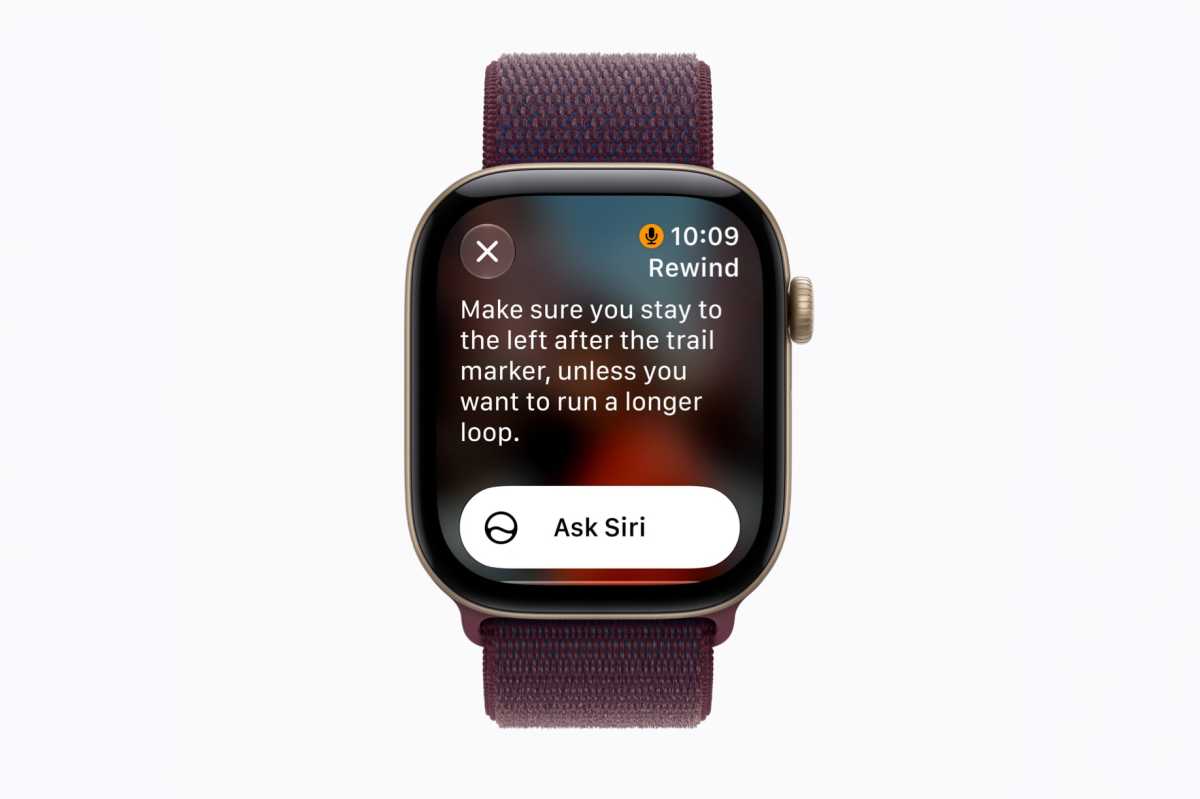
apple watch siri live rewind

Live Rewind will show you what you missed—privately.

Apple

When you double-press the Digital Crown, the last 15 seconds of that buffer is sent via an encrypted secure transfer to your iPhone, where an AI model transcribes it. This happens in the iPhone’s Secure Enclave, so the audio cannot be accessed by the rest of iOS, or any app, or the user, or even Apple. This is just a straight voice-to-text transcription; it doesn’t identify or label people who are speaking. The audio is then immediately discarded.

The text of the translation is then sent back to Apple Watch where it appears on the display. It is not saved unless you ask Siri about it or save it to the Siri app to revisit later. The Siri app’s data is end-to-end encrypted and synced between devices, and users can control whether conversations are automatically deleted after 30 days, 1 year, or saved forever. Apple cannot decrypt this data, even with a court order—only the user has the key.

And one more thing, an audible chime plays from the speaker on your Apple Watch when you implement Live Rewind, even if your Apple Watch is on silent or you have headphones connected.

So that’s how Live Rewind protects your privacy and those around you. Raw audio data can’t ever be accessed by the user, the system, Apple, or any apps. It’s just straight translated to text, which is then optionally saved in the end-to-end encrypted Siri app.

How Siri Recap works

Siri Recap works in a similar way, but there’s more going on. You’ll be able to leave it on all the time, only when you trigger it manually, or specify certain places or times when it can’t operate.

First, a tiny little lightweight model simply detects if a conversation is happening at all.

If it is, that encrypted and secure audio buffer is sent to the iPhone (via an encrypted data transfer) for processing. It is transcribed to condensed text, and the raw audio is then immediately discarded. It is never accessible to the OS, apps, the user, or Apple.

This transcribed text passes through a safety filter than will remove potentially harmful terms. Then it is encrypted and sent to Apple’s Private Cloud Compute servers to be summarized, along with relevent contextual data that can make the summary better (such as what music you might be listening to, a relevant calendar entry, or high-level place information like what city you’re in).
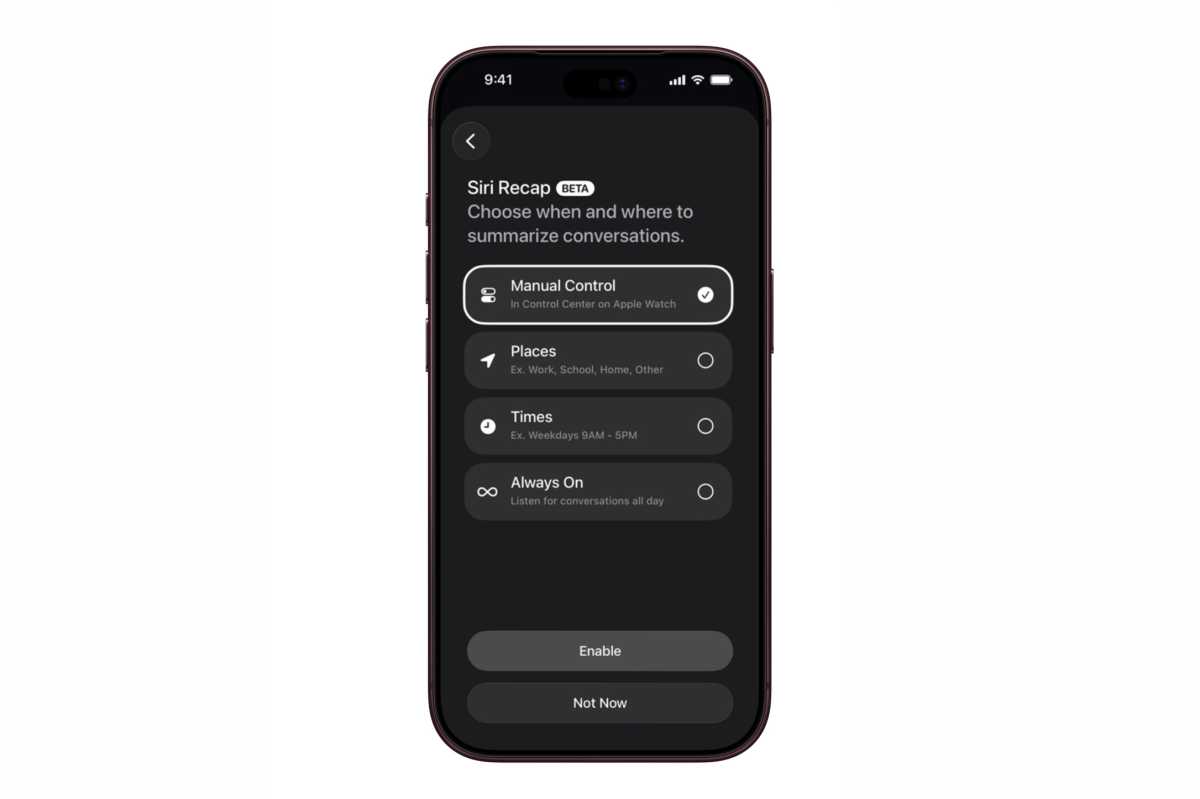
Siri recap

Apple

Private Cloud Compute generates a title and summary with key points. It removes any specific identifiable or sensitive info such as place names or financial data, while leaving generic places names like “park” or “grocery store.” That summary is then sent back to your devices, encrypted, where it is stored in the Siri app in a new Recaps tab. All data on Apple’s Private Cloud Compute servers is always discarded immediately after processing; Apple never saves any of it.

The summaries in the Recaps tab are deleted automatically after seven days unless you choose to save it.

Like Live Rewind, Siri Recap does not create a recording, does not identify speakers, and does not even create a verbatim transcript. No audio is ever accessible at any step of the process by the user, any app, or Apple.

Finally, Live Rewind and Siri Recap are not available for users under the age of 13. For users under 18 on a Child Account, access to Live Rewind and Siri Recap must be turned on by a parent or guardian.

  •  

Best iPhone 2026: Every iPhone compared

Macworld

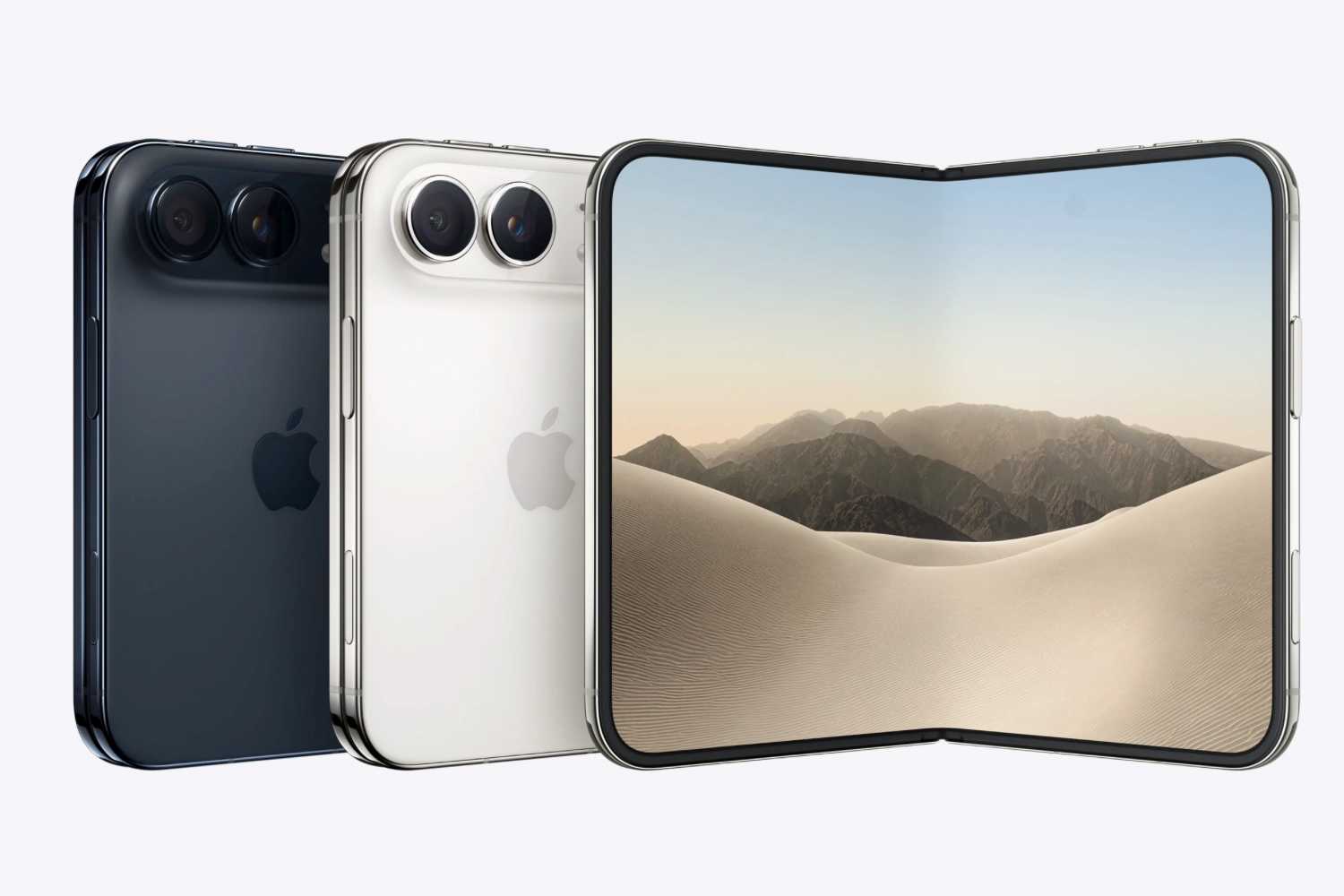
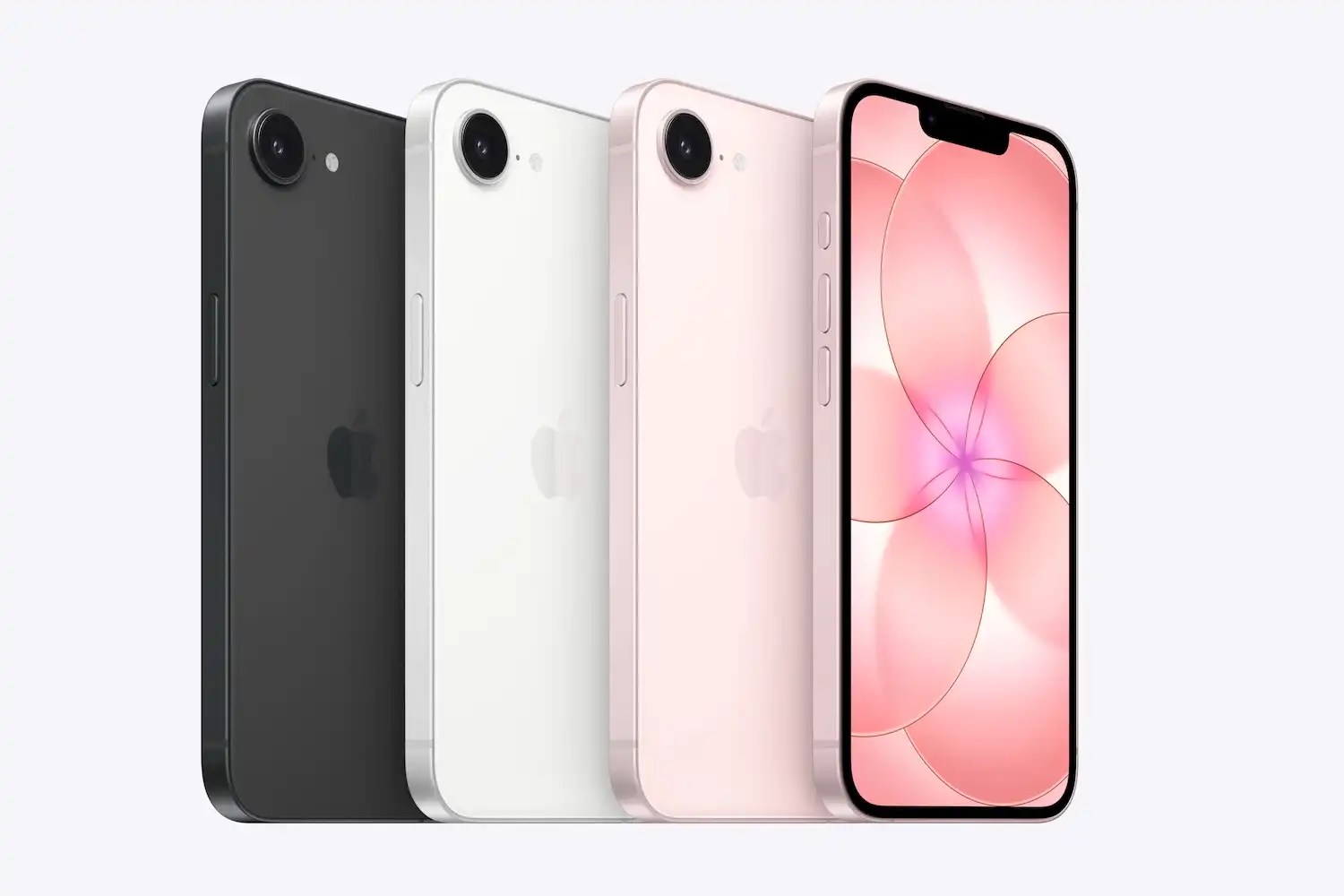
Apple’s 2026 iPhone lineup is broader than ever, ranging from the relatively affordable iPhone 17e to the high-end iPhone 18 Pro and Pro Max, plus the ultra-thin iPhone Air and the new folding iPhone Duo. That gives buyers more choice, but it also makes picking the right model more complicated than simply choosing the newest or most expensive iPhone.

For most people, the iPhone 17 is the best all-round choice, thanks to its 6.3-inch ProMotion display, strong battery life, dual 48MP cameras and 256GB of storage as standard. The iPhone 17e is the better option if price matters most, while the iPhone 18 Pro is the model to choose for the best cameras and performance. The iPhone 18 Pro Max adds the longest battery life, the iPhone Air prioritises thinness and low weight, and the iPhone Duo offers Apple’s biggest and most flexible display.

Which iPhone is best for you will therefore depend on what you value most. Camera enthusiasts should look closely at the Pro models, heavy users may prefer the Pro Max for its battery life, while parents, older users and anyone trying to keep costs down may find the 17e a much better fit. There can also be excellent value in buying a discounted or refurbished older iPhone rather than paying full price for the latest hardware.

This guide focuses on the best iPhone to buy for different types of user and budget. If you want to dig deeper into the differences between every model, see our complete iPhone Buying Guide, where we compare the cameras, displays, performance, storage, battery life and other key specifications across Apple’s current lineup.

Which iPhone to buy: At a glance

If you want…Then buy…
Best cameraiPhone 18 Pro
Best battery iPhone 18 Pro Max
Biggest screeniPhone Duo
Best all-rounderiPhone 17
Best valueiPhone 17e
Lightest iPhone Air 
CheapestRefurbished iPhone (iPhone 16 or newer)

1. Apple iPhone 17 – Best iPhone for most people

Apple iPhone 17 - Best iPhone for most people

Pros

  • Excellent overall value
  • ProMotion Always-On display
  • Dual 48MP cameras

Cons

  • No dedicated telephoto
  • Limited to 512GB
Best Prices Today:
Retailer
Price
Price comparison from over 24,000 stores worldwide

Why we recommend it

The iPhone 17 brings several features previously reserved for Pro models to Apple’s mainstream iPhone, including a 120Hz ProMotion display and Always-On support. It also offers the fast A19 chip, dual 48MP cameras, an improved Centre Stage selfie camera, strong battery life and 256GB of storage as standard. For most buyers, it strikes the best balance between price and features.

Buy iPhone 17 if

Buy the iPhone 17 if you want the best all-round iPhone without paying Pro prices. Its 6.3-inch ProMotion display, excellent cameras, strong battery life and 256GB starting storage make it particularly appealing to anyone upgrading from an iPhone 14 or older.

Don’t buy iPhone 17 if

Don’t buy it if you want optical zoom beyond 2x or Apple’s most advanced camera features—in that case, choose the iPhone 18 Pro. The iPhone Air is a better choice if thinness and low weight are your priorities, while existing iPhone 16 owners may find the upgrade relatively modest unless ProMotion and improved battery life are particularly important.

What do you get that you don’t get with the iPhone 17e?

For the extra $200, the iPhone 17 gives you a larger 6.3-inch ProMotion Always-On display, Dynamic Island, a second 48MP Ultra Wide camera with macro photography, a brighter screen, stronger graphics performance, a better 18MP Centre Stage selfie camera and longer battery life. For most people who can afford the difference, it’s money well spent.

What do you get that you don’t get with the iPhone 16?

For $100 more, you get double the base storage at 256GB, a larger 6.3-inch ProMotion Always-On display, an upgraded 48MP Ultra Wide camera, an improved 18MP Centre Stage selfie camera, longer battery life, faster charging and the newer A19 processor. At full price, the iPhone 17 is the better buy.

Key specs

The iPhone 17 combines a 6.3-inch ProMotion display, Always-On support and the A19 chip with dual 48MP rear cameras and 256GB of storage as standard. It offers many of the features most people actually want from a Pro iPhone without the Pro price.

  • Starts at: $799 / £799 (256GB)
  • Display: 6.3-inch OLED ProMotion (120Hz)
  • Chip: A19
  • Storage: 256GB–512GB
  • Cameras: 48MP Main + 48MP Ultra Wide, 18MP front camera
  • Battery: Up to 30 hours of video playback

Should you buy or wait?

Buy now. The iPhone 17 offers excellent value, while the iPhone 18 isn’t expected until spring 2027 and may bring higher prices rather than transformative upgrades. Waiting for Prime Day or Black Friday could make sense if you’re looking for a discount.

Read our full Apple iPhone 17 review

2. Apple iPhone 18 Pro – Best for photography

Apple iPhone 18 Pro - Best for photography

Pros

  • Excellent triple-camera system
  • Powerful A20 Pro chip
  • Strong battery life

Cons

  • Expensive starting price
  • Overkill for most buyers
Best Prices Today:
Retailer
Price
Price comparison from over 24,000 stores worldwide

Why we recommend it

The iPhone 18 Pro is the model to buy if you want Apple’s best cameras and performance without stepping up to the much larger Pro Max or experimental folding iPhone Duo. Its variable-aperture camera is a meaningful upgrade for photographers, while the A20 Pro chip, improved cooling, longer battery life and faster charging make it particularly capable for gaming, video and demanding AI workloads. Crucially, it gets the same cameras and processor as the Pro Max, making it the better-value Pro model for most buyers.

Buy iPhone 18 Pro if

Buy the iPhone 18 Pro if you want Apple’s best camera system; need more performance than the standard iPhone offers; regularly play demanding games or use intensive creative or AI apps; or want excellent battery life without carrying the enormous Pro Max. It’s a compelling upgrade for anyone with an iPhone 15 Pro or older.

Don’t buy iPhone 18 Pro if

Most people don’t need the iPhone 18 Pro. The standard iPhone 17 already offers an excellent 6.3-inch 120Hz ProMotion display, A19 chip, dual 48MP cameras, 256GB of storage and strong battery life for considerably less. And if your main priority is screen size and endurance, the Pro Max is the better choice.

What do you get that you don’t get with the iPhone 17?

The biggest advantage is the camera system. The iPhone 18 Pro adds a 48MP Telephoto camera with 4x and 8x optical-quality zoom, plus a variable-aperture 48MP Main camera for improved low-light shooting and greater creative control. You also get the faster A20 Pro chip with a seven-core GPU and improved vapor-chamber cooling for better sustained performance during gaming, video editing and AI tasks.

Key specs

The iPhone 18 Pro combines Apple’s new 2nm A20 Pro processor with a sophisticated triple-48MP camera system, including a variable-aperture Main camera and 4x/8x Telephoto. It retains a manageable 6.3-inch ProMotion display while improving sustained performance, battery life and charging speeds.

  • Starts at: $1,199 / £1,199 (256GB)
  • Display: 6.3-inch OLED ProMotion (120Hz)
  • Chip: A20 Pro, 6-core CPU, 7-core GPU
  • Storage: 256GB–2TB
  • Cameras: 48MP variable-aperture Main + 48MP Ultra Wide + 48MP Telephoto (4x/8x), 18MP front camera
  • Battery: Up to 36 hours of video playback

Should you buy or wait?

The iPhone 18 Pro goes on sale September 18, with pre-orders starting September 12, so there’s little reason to wait if you want one immediately. Bargain hunters may prefer to hold off until Amazon’s Prime Day sale or Black Friday on November 27, when retailers and mobile networks may offer trade-in bonuses, contract incentives or modest discounts. Large outright savings are unlikely so soon after launch.

3. Apple 18 iPhone Pro Max – Best for battery life

Apple 18 iPhone Pro Max - Best for battery life

Pros

  • Outstanding battery life
  • Huge 6.9-inch display
  • Excellent Pro cameras

Cons

  • Very large and heavy
  • Expensive starting price
Best Prices Today:
Retailer
Price
Price comparison from over 24,000 stores worldwide

Why we recommend it

The iPhone 18 Pro Max is Apple’s ultimate conventional iPhone, combining a huge 6.9-inch ProMotion display with the powerful A20 Pro chip, Apple’s best camera system and the longest battery life in the range. Its biggest advantage over the regular Pro is endurance, with Apple rating it for up to 45 hours of video playback.

Buy the iPhone 18 Pro Max if

Buy the iPhone 18 Pro Max if you want the biggest possible display and longest battery life, regularly use your phone for photography, video, gaming or other demanding tasks, and don’t mind carrying a large and relatively heavy device. It’s particularly well suited to frequent travellers and heavy users who want to minimise charging.

Don’t buy iPhone 18 Pro Max if

Don’t buy it if you prefer a smaller, lighter phone or simply want the Pro cameras and performance. The iPhone 18 Pro offers essentially the same A20 Pro chip, camera system and Pro features in a more manageable 6.3-inch design for $100/£100 less. At 249g, the Pro Max is also particularly heavy.

What do you get that you don’t get with the iPhone 18 Pro?

Not much in terms of features. Both models have the same A20 Pro processor, triple-48MP camera system, variable-aperture Main camera and storage options up to 2TB. The Pro Max instead gives you a larger 6.9-inch display rather than 6.3 inches and substantially better battery life: up to 45 hours of video playback versus 36 hours on the iPhone 18 Pro. You pay an extra $100/£100 for those advantages.

Key specs

The iPhone 18 Pro Max combines Apple’s huge 6.9-inch ProMotion display with the new 2nm A20 Pro chip, three 48MP rear cameras and a variable-aperture Main camera. Its defining advantage is battery life, reaching up to 45 hours of video playback.

  • Starts at: $1,299 / £1,299 (256GB)
  • Display: 6.9-inch Super Retina XDR OLED ProMotion (120Hz)
  • Chip: A20 Pro, 6-core CPU, 7-core GPU
  • Storage: 256GB–2TB
  • Cameras: 48MP variable-aperture Main + 48MP Ultra Wide + 48MP Telephoto, 18MP front camera
  • Battery: Up to 45 hours of video playback

Should you buy or wait?

The iPhone 18 Pro Max goes on sale September 18, with pre-orders starting September 12. Buy at launch if you want it immediately, but bargain hunters may prefer to wait for Amazon’s Prime Day sales or Black Friday on November 27. Major outright discounts are unlikely so soon after launch, although trade-in offers and contract incentives could be worthwhile.

4. Apple iPhone Duo – Best foldable iPhone

Apple iPhone Duo - Best foldable iPhone

Pros

  • Innovative folding displayExcellent multitasking potentialStrong A20 Pro performance

Cons

  • Extremely expensive
  • Weaker camera versatility
Best Prices Today:
Retailer
Price
Price comparison from over 24,000 stores worldwide

Why we recommend it

The iPhone Duo offers something no other iPhone can: a compact phone that unfolds into a 7.6-inch tablet-like device. The larger display gives you considerably more room for multitasking, watching video, reading, gaming and creative work, while the outer screen keeps it usable as a conventional phone when closed. Add the A20 Pro chip and clever dual-screen features and it’s easily Apple’s most innovative iPhone.

Buy iPhone Duo if

Buy the iPhone Duo if you want the versatility of an iPhone and small tablet in one device, regularly multitask between apps, consume lots of content on your phone, or simply want Apple’s most distinctive new hardware. It’s particularly compelling if you value screen space and flexibility more than having Apple’s absolute best camera system.

Don’t buy iPhone Duo if

Don’t buy the Duo if value, photography or portability are your priorities. At $1,999/£1,999 it costs $800/£800 more than the iPhone 18 Pro, while lacking Face ID, a dedicated telephoto camera, variable aperture, ProRes and the Action button. At 254g it is also the heaviest iPhone in the range. For most buyers, the iPhone 18 Pro or Pro Max will be a better all-round purchase.

What do you get that you don’t get with the iPhone 18 Pro and iPhone 18 Pro Max?

The Duo’s defining advantage is its 7.6-inch folding display, which offers around 50 percent more screen area than the iPhone 18 Pro Max and supports Split View multitasking, while the 5.4-inch outer screen keeps it usable like a compact iPhone when closed. You also get fold-specific features such as Duo Preview, Smart Take, Kid Cue, hands-free video positioning and an under-display inner camera, with Apple Pencil USB-C support coming later in 2026. The trade-off is photography: the Duo has only two 48MP rear cameras, with no dedicated telephoto, variable aperture, ProRes or Apple Log.

Key specs

The iPhone Duo transforms from a compact 5.4-inch phone into a 7.6-inch folding device, providing substantially more room for apps, video and multitasking. It combines two 120Hz ProMotion OLED displays with the A20 Pro chip, dual 48MP cameras, strong battery life and storage up to 2TB.

  • Starts at: $1,999 / £1,999 (256GB)
  • Displays: 5.4-inch outer + 7.6-inch folding OLED, ProMotion (120Hz)
  • Chip: A20 Pro
  • Storage: 256GB–2TB
  • Cameras: 48MP Main + 48MP Ultra Wide, 12MP outer front camera + under-display inner camera
  • Battery: Up to 44 hours of video playback on outer display; 31 hours on inner display
  • Authentication: Touch ID
  • Weight: 254g

Should you buy or wait?

The iPhone Duo goes on sale October 23, with pre-orders opening October 16. Buy at launch if you want Apple’s first foldable as soon as possible. If price matters more than being first, waiting until Black Friday on November 27 could bring carrier incentives or trade-in deals, although significant outright discounts on such a new and specialised device are unlikely.

5. Apple iPhone 17e – Best budget iPhone

Apple iPhone 17e - Best budget iPhone

Pros

  • Excellent budget value
  • Strong A19 performance
  • 256GB base storage

Cons

  • No ProMotion display
  • No Ultra Wide camera
Best Prices Today:
Retailer
Price
Price comparison from over 24,000 stores worldwide

Why we recommend it

The iPhone 17e is Apple’s most affordable current iPhone, offering modern performance and Apple Intelligence without flagship pricing. It combines the A19 chip with useful upgrades including MagSafe and 256GB of base storage. If you don’t need multiple cameras or a high-refresh-rate display, it delivers the essentials at an attractive price.

Buy the iPhone 17e if

Buy the iPhone 17e if you want a modern iPhone with strong performance and years of software support for as little as possible. It’s particularly appealing to anyone upgrading from an iPhone 12 or 13, switching from Android or buying their first iPhone.

Don’t buy iPhone 17e if

Don’t buy it if you want ProMotion, an Always-On display, Dynamic Island or a versatile camera system. If your budget stretches another $200/£200, the iPhone 17 is a substantially more complete phone.

What do you get that you don’t get with the iPhone 16?

The iPhone 17e gives you the newer A19 chip, longer battery life, 256GB of storage as standard, Apple’s newer C1X modem and Ceramic Shield 2 protection. Its biggest advantage, however, is value: at similar real-world prices, it is generally the smarter long-term purchase.

What don’t you get that you get with the iPhone 17?

The iPhone 17 gives you a larger and significantly more advanced 6.3-inch 120Hz ProMotion display with Dynamic Island and Always-On support, plus a second 48MP Ultra Wide camera. You also get a better 18MP Centre Stage selfie camera, stronger graphics performance and longer battery life. The 17e covers the essentials extremely well, but the iPhone 17 feels much more complete.

Key specs

The iPhone 17e pairs the A19 chip with a 6.1-inch OLED display, 256GB of storage as standard and up to 26 hours of battery life, while omitting premium features such as Dynamic Island, ProMotion and an Ultra Wide camera.

  • Starts at: $599 / £599 (256GB)
  • Display: 6.1-inch Super Retina XDR OLED
  • Chip: A19
  • Storage: 256GB–512GB
  • Cameras: 48MP Fusion Main with 2x optical-quality zoom + 12MP TrueDepth front camera
  • Battery: Up to 26 hours of video playback

Should you buy or wait?

Buy now. The iPhone 17e offers excellent value and isn’t expected to be replaced until early 2027. Discounts could make it even more attractive, but there’s little reason to delay purely for the next generation.

Read our full Apple iPhone 17e review

6. Apple iPhone Air – Best thin-and-light iPhone

Apple iPhone Air - Best thin-and-light iPhone

Pros

  • Exceptionally thin design
  • Light and comfortable
  • Powerful A19 Pro chip

Cons

  • Single rear camera
  • Relatively modest battery life
Best Prices Today:
Retailer
Price
Price comparison from over 24,000 stores worldwide

Why we recommend it

The iPhone Air’s defining feature is its exceptionally thin 5.6mm titanium design, making it noticeably lighter and more comfortable than other large-screen iPhones. Despite its slim profile, it still delivers flagship-level performance with the A19 Pro chip and a bright 120Hz ProMotion display. It’s the iPhone to choose if portability and design matter more than camera versatility or maximum battery life.

Buy the iPhone Air if

Buy the iPhone Air if you want a premium large-screen iPhone that feels exceptionally thin and light in the hand. It’s ideal for buyers prepared to sacrifice some camera flexibility and battery life in exchange for a much sleeker design.

Don’t buy iPhone Air if

Don’t buy it if photography or battery life are higher priorities. The iPhone 17 offers a more versatile dual-camera system for less money, while a Pro model is better suited to demanding photographers and power users.

What do you get that you don’t get with the iPhone 17?

The iPhone Air’s biggest advantage is its exceptionally thin and light titanium design. You also get a slightly larger 6.5-inch display, the more powerful A19 Pro chip and storage options up to 1TB. Those benefits come at the expense of the iPhone 17’s useful 48MP Ultra Wide camera, making the Air primarily a choice for buyers who value design and portability over versatility.

Key specs

The iPhone Air is Apple’s thinnest iPhone, combining a 6.5-inch display with an ultra-light titanium design. Despite measuring just 5.64mm thick, it still delivers flagship performance with the A19 Pro chip, a 120Hz ProMotion display, Ceramic Shield 2 and fast charging

  • Starts at: $999 / £999 (256GB)
  • Display: 6.5-inch OLED ProMotion (120Hz)
  • Chip: A19 Pro (5-core GPU)
  • Storage: 256GB–1TB
  • Cameras: 48MP Main + 18MP Centre Stage front camera
  • Battery: Up to 27 hours of video playback

Should you buy or wait?

Buy now if you love the Air’s distinctive thin-and-light design: there isn’t another iPhone quite like it. However, it’s also a model that frequently attracts discounts, particularly in the U.K., so it’s worth shopping around rather than paying full price.

Read our full Apple iPhone Air (2025) review

7. Apple iPhone 16 – Best previous-generation deal

Apple iPhone 16 - Best previous-generation deal

Pros

  • Good dual cameras
  • Apple Intelligence support

Cons

  • Only 128GB storage
  • Poor value full price
Best Prices Today:
Retailer
Price
Price comparison from over 24,000 stores worldwide

Why we recommend it

The iPhone 16 still delivers fast everyday performance thanks to its A18 chip, supports Apple Intelligence and includes a versatile dual-camera system with an excellent 48MP Main camera. Its main appeal in the current lineup, however, is price: it only makes sense when discounted significantly below the newer models.

Buy iPhone 16 if

Buy the iPhone 16 if you find it heavily discounted and want Apple Intelligence, a capable dual-camera system and features such as Camera Control and the Action button without paying for the latest generation.

Don’t buy iPhone 16 if

Don’t buy it at full price. The iPhone 17e offers newer hardware, twice the base storage and longer battery life for less, while the iPhone 17 is considerably more advanced for only a little more money.

What do you get that you don’t get with the iPhone 17e?

The iPhone 16 has a second 12MP Ultra Wide camera, giving it greater photographic versatility, as well as Camera Control and the Action button. Those features may make it preferable to the 17e for photography-minded buyers, but only if the price is right.

What do you miss compared with the iPhone 17?

The iPhone 17 gives you a larger 6.3-inch ProMotion Always-On display, newer A19 processor, upgraded 48MP Ultra Wide camera, improved 18MP Centre Stage selfie camera, longer battery life and 256GB of storage as standard. Unless the iPhone 16 is heavily discounted, the 17 is easily worth the difference.

Key specs

The iPhone 16 combines the A18 chip with a 48MP Fusion Main camera, 12MP Ultra Wide camera, Camera Control, the Action button and Apple Intelligence support. It remains a capable smartphone, but its 128GB starting storage and older display make it less compelling than the newer iPhone 17e and iPhone 17.

  • Starts at: $699 / £699
  • Display: 6.1-inch Super Retina XDR OLED
  • Chip: A18
  • Storage: 128GB–512GB
  • Cameras: 48MP Main + 12MP Ultra Wide
  • Battery: Up to 22 hours of video playback

Should you buy or wait?

Don’t buy at full price. Only consider the iPhone 16 if it’s heavily discounted below the iPhone 17e; otherwise, Apple’s newer models offer substantially better value.

Read our full Apple iPhone 16 review

Which iPhone has the best camera? iPhone 18 Pro

iPhone 18 Pro camera

Apple

The iPhone 18 Pro and iPhone 18 Pro Max have the best camera systems of any current iPhone. Both models use the same triple-48MP rear camera setup, so there is no photographic advantage to choosing the larger Pro Max unless you also want its bigger display and longer battery life.

The headline upgrade is the 48MP Main camera with variable aperture, which gives photographers more control over depth of field and should improve low-light performance. The Pro models also include a 48MP Ultra Wide camera and a 48MP Telephoto camera with 4x and 8x optical-quality zoom, giving them far more flexibility than Apple’s cheaper iPhones.

The standard iPhone 17 is still an excellent camera phone, with 48MP Main and Ultra Wide cameras, plus an improved 18MP Centre Stage front camera. For everyday photography it will be more than enough for most people, but it lacks the dedicated telephoto lens, longer zoom and advanced video features of the Pro models.

The iPhone Duo is more compromised. Despite its premium price, it has only two 48MP rear cameras and lacks a dedicated telephoto camera, variable aperture, ProRes and Apple Log. Its strengths are instead its fold-specific shooting features and dual-screen flexibility.

The iPhone Air and iPhone 17e are the least versatile, with just a single 48MP rear camera.

Our choice: If photography and video are your priority, buy the iPhone 18 Pro. It offers the same camera system as the Pro Max for less money and in a more manageable size.

Which iPhone has the best battery life? iPhone 18 Pro Max

iPhone 18 Pro Max size comparison

Bigger iPhone means bigger battery.


Apple

The iPhone 18 Pro Max has the best battery life of any current iPhone, with Apple rating it for up to 45 hours of video playback. That puts it comfortably ahead of the smaller iPhone 18 Pro and makes battery life one of the strongest reasons to choose the Pro Max.

The iPhone Duo comes surprisingly close, with up to 44 hours of video playback when using its outer 5.4-inch display. However, battery life drops to around 31 hours when using the larger 7.6-inch folding display, so the Pro Max remains the better choice if endurance is your priority.

The iPhone 18 Pro is also excellent, offering up to 36 hours of video playback. That makes it a good compromise if you want strong battery life without carrying the much larger and heavier Pro Max.

Further down the range, the iPhone 17 offers up to 30 hours, making it the best mainstream option for battery life. The iPhone Air manages around 27 hours despite its exceptionally thin design, while the iPhone 17e reaches 26 hours.

The older iPhone 16 trails the current lineup at up to 22 hours of video playback.

Our choice: If battery life matters above everything else, the iPhone 18 Pro Max is the clear winner. Its combination of a 45-hour rating, huge 6.9-inch display and Pro-level performance makes it particularly well suited to heavy users, travellers and anyone who wants to get through a long day without worrying about charging.

Here’s how the current iPhone lineup compares in terms of battery life

ModelVideo Playback (Apple’s rating)Geekbench 4 Test (minutes)Wired Charging (50% time)
iPhone 18 Pro MaxUp to 43 hoursTBC~15 min (60W+)
iPhone DuoUp to 44 hours outer / 31 hours innerTBC~20 min (60W+)
iPhone 18 ProUp to 34 hoursTBC~15 min (60W+)
iPhone 17Up to 30 hours1,053~20 min (40W)
iPhone AirUp to 27 hours880~30 min (20W)
iPhone 17eUp to 26 hours854~30 min (20W)
iPhone 16Up to 24 hours867~30 min (20W)

What is the best value iPhone? iPhone 17

I switched to the iPhone 17

Hannah Cowton-Barnes / Foundry

The iPhone 17 offers the best overall value for money in Apple’s current lineup. The iPhone 17e is cheaper, but the extra $200/£200 for the iPhone 17 buys a surprisingly large number of worthwhile upgrades.

You get a larger 6.3-inch 120Hz ProMotion display with Always-On support and Dynamic Island, rather than the 17e’s standard 60Hz 6.1-inch screen. The iPhone 17 also adds a second 48MP Ultra Wide camera, including macro photography, along with a better 18MP Centre Stage front camera.

Battery life is stronger too, at up to 30 hours of video playback, compared with 26 hours on the iPhone 17e. You also get stronger graphics performance and a more premium overall experience, while both phones start with a generous 256GB of storage.

At $799/£799, the iPhone 17 also compares very favourably with the older iPhone 16. For just $100/£100 more, you get double the base storage, ProMotion, a larger and brighter display, improved cameras, the newer A19 chip and significantly better battery life.

If your priority is spending as little as possible, choose the iPhone 17e which delivers excellent performance for $599/£599. Or seek out a refurbished iPhone from the Apple Refurbished Store or another place that sells refurbished iPhones.

Our choice: In terms of the features and hardware you get for every pound or dollar spent, the iPhone 17 is the sweet spot. For most buyers, it delivers the best balance of price, performance, cameras, display quality, battery life and longevity without paying for Pro-level features they may never use. Even better if you can find a iPhone 17 deal, then you are really getting a bargain.

Best iPhone for gaming: iPhone 18 Pro

iPhone 17 Pro Max games

Foundry

The iPhone 18 Pro is the best iPhone for gaming for most people, thanks to its combination of the A20 Pro chip, seven-core GPU and improved vapor-chamber cooling.

The A20 Pro is Apple’s fastest iPhone processor, but the cooling system is just as important for gaming. Better heat management should help the iPhone 18 Pro maintain high performance for longer during demanding games, rather than slowing down as the phone gets hot. Its 6.3-inch 120Hz ProMotion display also provides smooth animation and responsive gameplay without making the phone excessively large or heavy.

The iPhone 18 Pro Max offers essentially the same gaming performance, but adds a much larger 6.9-inch display and significantly longer battery life. That arguably makes it the best choice for serious mobile gamers who value screen size and endurance, although it is heavier and costs more.

The iPhone Duo also uses the A20 Pro and has an enormous 7.6-inch folding display, which could be fantastic for some games, but its weight, price and unconventional form factor make it a more specialised choice.

Our choice: For most gamers, the iPhone 18 Pro offers the best balance of performance, cooling, display quality and portability. It’s the best choice if you prefer a more pocketable device but still want top-tier gaming power.

Best iPhone for seniors and older users: iPhone 17e

iPhone 17e screen

David Price / Foundry

For most older users, the iPhone 17e is probably the best choice, because it combines a relatively simple feature set with modern performance, strong battery life and a lower price than Apple’s flagship models.

Its 6.1-inch OLED display is large enough to make text, icons and controls easy to see without making the phone too bulky, while the A19 chip should keep it feeling fast for years. It also supports Apple Intelligence and starts with 256GB of storage, so there’s plenty of room for photos, apps and videos.

The iPhone 17 is a better option for someone who would benefit from a larger and more advanced display. Its 6.3-inch ProMotion screen, Always-On support and higher brightness can make scrolling, reading and outdoor use more comfortable. It also offers stronger battery life and better cameras, although it costs more.

We don’t recommend the iPhone Air, Pro Max or Duo for older users. The Air sacrifices battery life and camera flexibility for thinness, while the Pro Max and Duo are much heavier and considerably more expensive.

Our choice: iPhone 17e is the perfect choice for most older users.

Best iPhone for kids: iPhone 17e

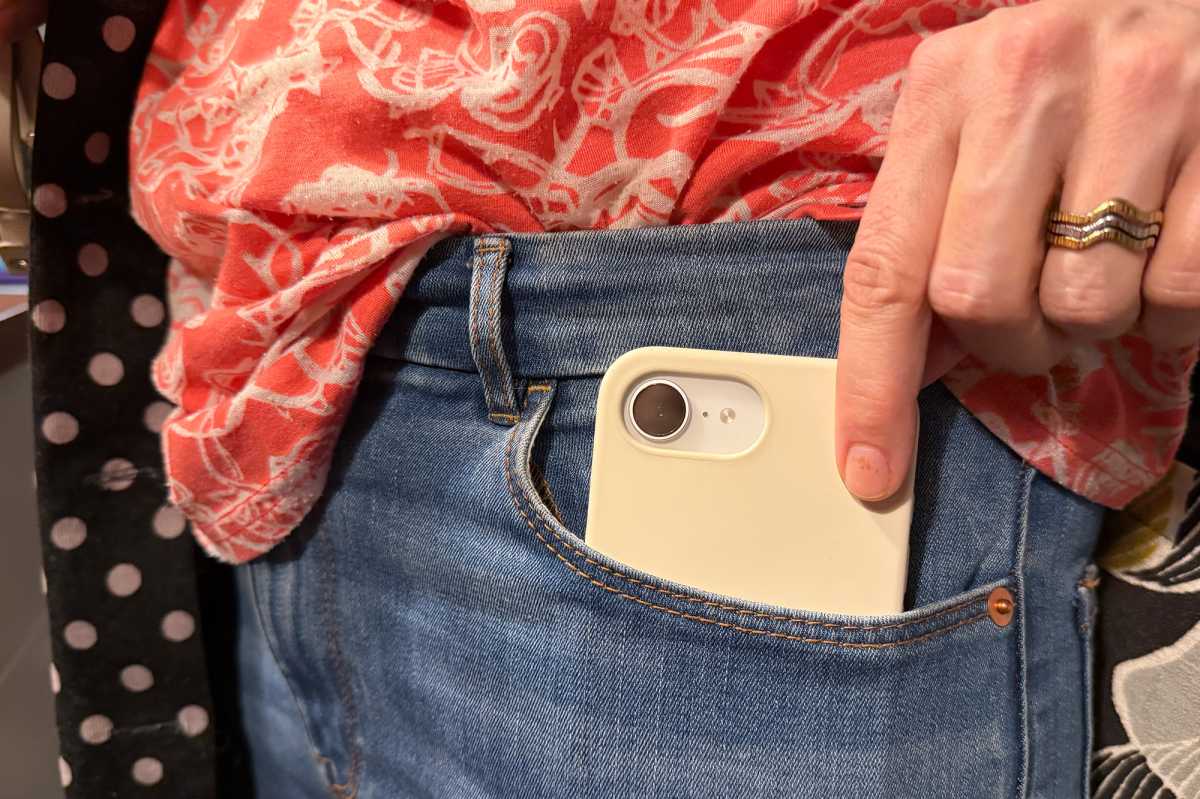
Iphone 17e sticker upp ur en jeansficka.

Ida Blix

The iPhone 17e is the best iPhone for most children. As Apple’s most affordable current-generation model, it offers the best balance of price, performance and longevity, while being easier to justify than a flagship model if it gets lost or damaged.

It uses the same A19 chip as the iPhone 17, albeit with one fewer GPU core, so it’s easily fast enough for games, social media, schoolwork and Apple Intelligence. Battery life is strong, the 6.1-inch OLED display is a sensible size for smaller hands, and the 48MP camera is more than capable for everyday photos, even though it lacks an Ultra Wide lens.

The iPhone 17 is the better choice for older teenagers who care more about photography, video or display quality. It adds a 48MP Ultra Wide camera, a better front camera and a larger 6.3-inch ProMotion display, but costs considerably more.

A hand-me-down iPhone is also worth considering. It’s the cheapest option and better for the environment, provided you erase the phone first, create a Child Account through Family Sharing, and configure Screen Time and parental controls before handing it over. Read: How to set up an iPhone for a child.

Whichever iPhone you choose, those controls matter. In iOS 27, Apple is expanding Screen Time with new category-based Time Allowances, Ask to Browse, more flexible app schedules and improved contact controls. Communication Safety can also detect and blur sensitive, violent or graphic content.

For very young children, an iPad may still be a better first Apple device. By the time they reach 11 or 12 though, an iPhone becomes much more useful for staying in touch.

Our choice: iPhone 17e for most kids; iPhone 17 for older teens who want better cameras and display quality.

Should you buy an older iPhone?

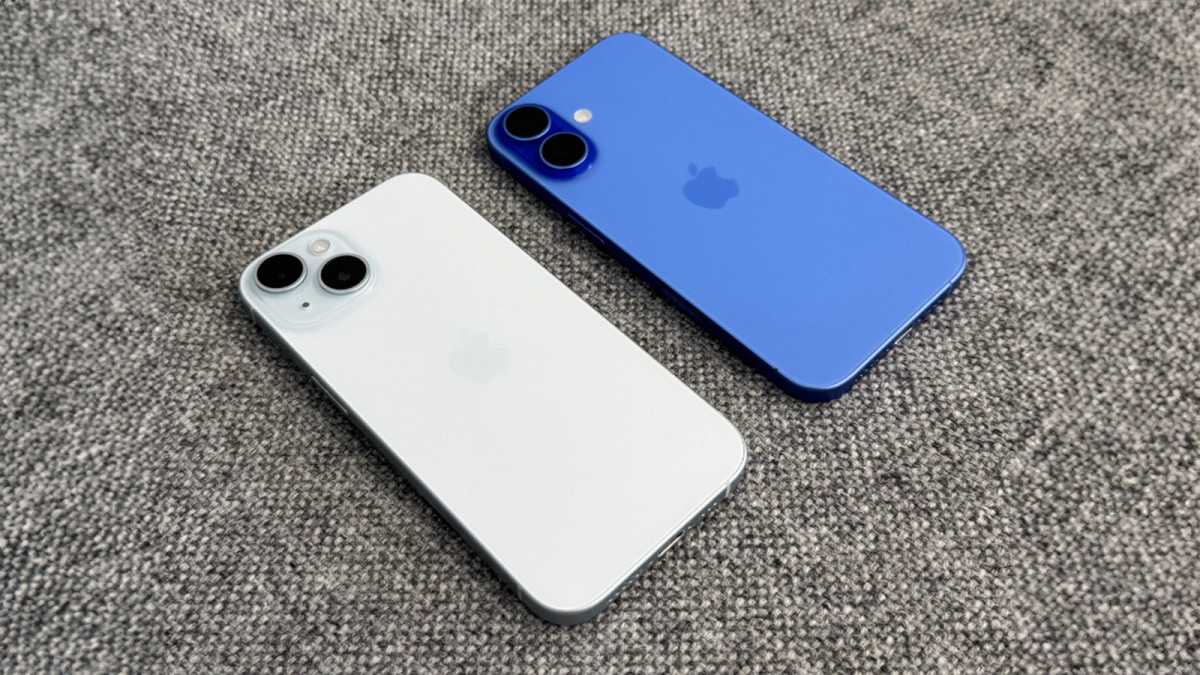
iPhone 15 und iPhone 16

Macwelt

Buying an older iPhone can be a great way to save money, but the key is choosing a model that still has plenty of useful life ahead of it. Apple typically provides around five to seven years of major iOS updates, with security updates often continuing for longer, so a relatively recent iPhone can remain perfectly usable for years.

We wouldn’t recommend simply buying the cheapest iPhone you can find. Very old models may technically run recent versions of iOS, but performance, battery condition and access to newer features can become increasingly compromised. We currently recommend avoiding anything older than the iPhone 15 Pro because even the iPhone 15 doesn’t support Apple Intelligence. You should definitely avoid models such as the iPhone XS and XR that can no longer run the latest iOS releases.

A refurbished recent-generation iPhone can offer particularly good value. You may be able to buy a former Pro model with better cameras and displays for less than a new entry-level iPhone. Buying from a reputable refurbisher is important, however: check the warranty, battery condition, returns policy and whether genuine replacement parts have been used. Apple’s own refurbished iPhones include a new battery and outer shell and come with a one-year warranty.

Our advice: A discounted or refurbished iPhone 16 or newer should offer an excellent combination of price, features and longevity.

  •  

Apple Watch Series 12 und Ultra 4 haben 4 statt 2 GB RAM

Auf der Keynote am Mittwoch hat Apple zum ersten Mal den genauen Prozessor genannt, auf dem der S11-Chip basiert. Damit konnte man auch ganz gut angeben, denn die Apple Watch Series 12 und Ultra 4 haben eine Architektur erhalten, die Apple vom A20 Pro abgeleitet hat. So gesehen könnte die Apple Watch Series 12 in manchen Aspekten sogar schneller sein als das iPhone 17 Pro Max.

Wie viel RAM haben Series 12 und Ultra 4?

Die Größe des Arbeitsspeichers bleibt bei der Apple Watch ein Geheimnis hinter sieben Siegeln. Nur auf Umwegen kann man herausfinden, über wie viel RAM eine aktuelle Apple Watch verfügt. Für unsere Vergleichstabellen überprüfen wir die Analytics-Logs der Watch, die das iPhone speichert. Registrierte Entwickler können diese Informationen auch in Xcode einsehen. Laut einer neuen Version von Xcode haben die Apple Watch Series 12 und Ultra 4 jeweils 4 GB RAM. Die Series 11, Ultra 3 und SE 3 kommen alle nur auf 2 GB Arbeitsspeicher.

Analytics-Logs der redaktionellen Apple Watch SE 3
Analytics-Logs der redaktionellen Apple Watch SE 3 mit 2 GB RAM.

Halyna Kubiv

Warum braucht die Watch mehr RAM?

Wenn man die Tatsache in Betracht zieht, dass Apple der neuesten Generation seiner Watches einen aktuellen Prozessor spendiert hat, ist die Verdoppelung des Arbeitsspeichers kein Wunder. Apple bereitet seine Smartwatches auf Apple Intelligence und Siri AI vor, und dafür sind nun mal ausreichend RAM und ein schneller Prozessor notwendig. Bereits nach der Ankündigung der ersten Version von Apple Intelligence hat Apple seine Macs nach und nach mit mindestens 16 GB RAM ausgestattet. Noch kurz davor hat der Hersteller behauptet, 8 GB RAM in einem Mac seien für die meisten ausreichend.

Die Kombination aus einem neuen Prozessor, deutlich mehr RAM und möglicherweise einer etwas größeren Batterie macht die Apple Watch Series 12 und Ultra 4 zukunftssicher für kommende KI-Neuerungen. Das gleiche Muster konnte man bei den Apple Watches Series 9 bis Series 11 beobachten: Die vorgestellten Neuerungen der vergangenen Jahre, wie die Handdrehungsgeste oder Warnungen vor zu hohem Blutdruck, kamen nicht nur für die neueste Generation, sondern auch für die Vorgänger mit der notwendigen Hardware. So werden die Series 12 und Ultra 4 voraussichtlich die Software-Neuerungen der kommenden zwei Jahre erhalten.

Apple Watch Series 12 42 mm Space Grau für 449 Euro auf Amazon

Apple Watch Ultra 4 Natur für 899 Euro auf Amazon

  •  

A lifetime license for Office on Mac is $90 right now

Macworld

TL;DR: Renewing Microsoft 365 every year adds up fast. Get a lifetime license to Microsoft Office Home and Business 2021 for Mac for $89.97 (reg. $219) and own the core Office apps outright.

This license covers Word, Excel, PowerPoint, Outlook, a basic version of Teams, and the free version of OneNote, installed on one Mac for lifetime use at home or for work. It’s a one-time purchase tied to a Microsoft account rather than a specific device, so reinstalling later doesn’t require buying it again. Again, Microsoft Office Home and Business 2021 for Mac is available here for just $89.97.

Word, Excel, and PowerPoint Without the Subscription

The license supports the three most recent versions of macOS, currently macOS Sonoma, Sequoia, and Tahoe, with Microsoft rolling support forward as new versions launch and phasing out the oldest one.

Delivery is instant. License keys and download links arrive by email right after purchase, and any redemption code must be used within 7 days of purchase. Free customer support is included if setup runs into any snags along the way.

For anyone who’s tired of a recurring Office bill and just wants the core apps running reliably on a Mac, this is a straightforward way to skip the subscription entirely. Get Microsoft Office Home and Business 2021 for Mac for $89.97 (reg. $219) while this price holds.

Microsoft Office Home & Business for Mac 2021: Lifetime LicenseSee Deal

StackSocial prices subject to change.

  •  

We found an AirTag dupe shaped like a credit card with a rechargeable battery

Macworld

TL;DR: KeySmart SmartCard is a rechargeable wallet tracker that works with Apple Find My, and a 3-pack is on sale for $50.99 (MSRP $74.97). Plus, the bundle ships free.

Most Apple Find My-compatible trackers are too thick to use with your wallet, and if you do find one that fits, it constantly needs battery replacements. KeySmart’s SmartCard fixes both problems.

Each card measures less than 2mm in thickness, about the depth of two credit cards stacked together, so you won’t even notice it in your wallet. For battery life, each card lasts up to eight months on a single charge. Yes, charge—you only need a standard Qi wireless pad.

Once paired through Apple Find My, you can play a sound to locate a card nearby or track its last known position through Apple’s global device network. Leave a card behind, and Find My sends a notification to your iPhone, CarPlay, or AirPods. Lost Mode displays your contact info on the card so someone who finds it can reach you.

It’s basically an AirTag, just shaped like a credit card.

A built-in lanyard slot turns the SmartCard into a tracker for office badges, hospital IDs, or security cards. An IPX8 waterproof rating means the card can handle up to an hour submerged in over three feet of water, helping you track your valuables even under dire conditions.

Get the KeySmart SmartCard 3-Pack on sale for $50.99 (MSRP $74.97).

Keysmart SmartCard (Gen 2/Rechargeable/3-Pack)See Deal

StackSocial prices subject to change.

  •  

Macworld Podcast: iPhone Duo, iPhone 18 Pro, and more

Macworld

On this episode of the Macworld Podcast, we talk about Apple’s new iPhone 18 Pro, iPhone Duo, Apple Watch Series 12, and a lot more. Tune in to find out more! 

This is episode 999 with Michael Simon, Jason Cross, and Roman Loyola.

Watch episode 999 on YouTube

Listen to episode 999 on Apple Podcasts

Tune in to episode 999 on Spotify

Subscribe to the Macworld Podcast

You can subscribe to the Macworld Podcast—or leave us a review!—right here in the Podcasts app. The Macworld Podcast is also available on Spotify and on the Macworld Podcast YouTube channel.  Or you can point your favorite podcast-savvy RSS reader at: https://feeds.megaphone.fm/macworld

To find previous episodes, visit Macworld’s podcast page or our home on MegaPhone.

Apple Podcasts badge

Apple

  •  

After the excitement wears off, iPhone Duo’s limitations remain

Macworld

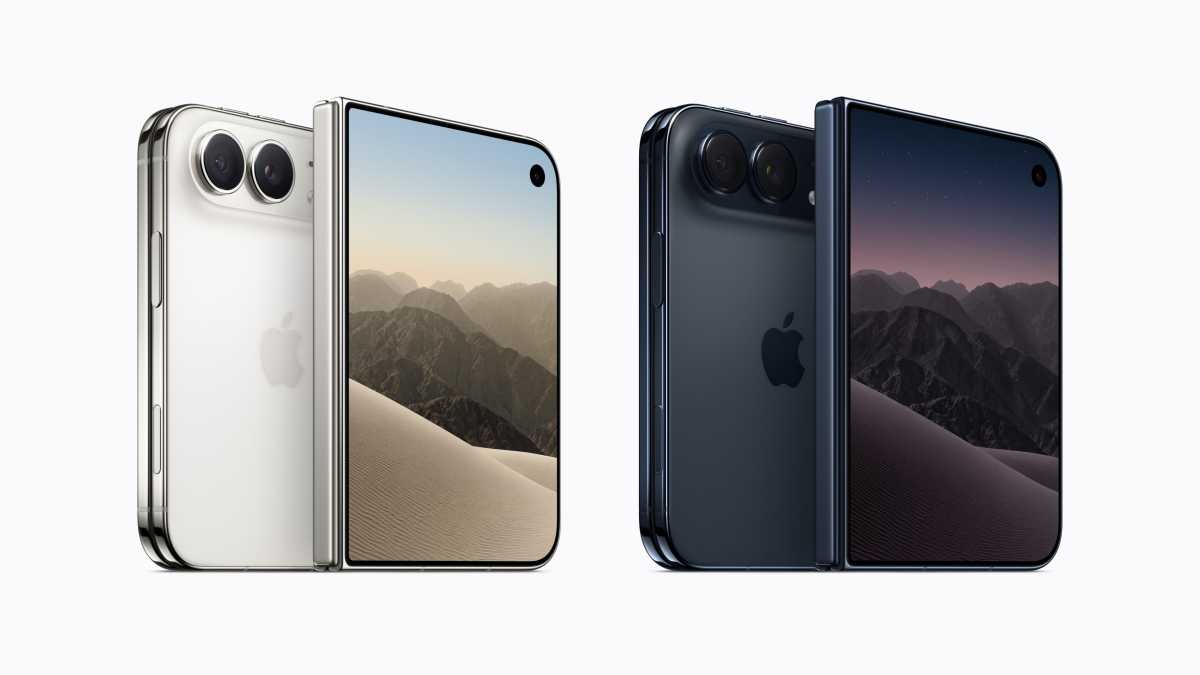
My first reaction, while watching the iPhone Duo segment of Apple’s Surprise and Shine press event on Wednesday, was a simple one: I’d really like to try it. Which is saying something for a cynical journalist who’s been covering events like these for more than two decades, and speaks to the near-miraculous way Apple managed to sell a device with all kinds of compromises and limitations.

For one thing, it’s a foldable, and foldables have problems pretty much baked into the format. Ahead of the launch, leakers led us to believe that Apple had solved the crease, for example, but it’s since become apparent that the iPhone Duo very much has a visible crease, albeit one that’s less visible than those of rival products. And that’s based on people’s first impressions at the launch event. The real test will be how the screen bears up to hundreds of repeated folds over the months and years that a product at this price needs to last.

Ditto the hinge, which looks great in those minimalist white-background mockups Apple is so fond of but is an obvious point of weakness, and potentially failure, for every folding device. Will it stand up to six months of folding without growing stiff, or loose, or crunchy, or breaking entirely? Will it manage three years? Apple’s pedigree when it comes to hardware design is strong, but this is a new venture in an area where the company’s engineering work is so far unproven. Apple is asking customers to take a leap of faith.

iPhone Duo hinge
That hinge has a lot to live up to.

Apple

In other areas, as with the iPhone Air before it, the Duo feels like a step backwards: some compromises have been necessary in order to achieve the new form factor. They’re different compromises than those on the Air, but annoying ones nonetheless.

Most notably, Apple has dropped Face ID on its flagship iPhone, with the Duo instead relying on a Touch ID sensor embedded in the side button like the iPad mini. The last iPhone to use fingerprints for unlocking rather than facial recognition was the 2022 iPhone SE, which was not a premium device. You could buy four of those for the price of an iPhone Duo and still have enough money for two pairs of AirPods 5. It’s not a flattering comparison for Apple’s latest and greatest handset.

The Duo is also bulky to an old-fashioned extent. It’s 11.3mm thick when closed, thicker than any iPhone since the iPhone 4. At 254g it’s heavier than any previous iPhone. Yet when unfolded it’s just 5.2mm thick, which is even thinner than the iPhone Air. So you’re getting the worst of both worlds: it has the physical worries of a super-thin device, but the inconvenience of a very thick one. It’ll fit in a jeans pocket, no doubt, but it’ll be more of a squeeze than most of us are used to, particularly if you plan to put it in a case.

The camera setup is solid but, by the standards of flagship smartphones, hardly remarkable. There’s no variable aperture, since that’s an exclusive feature on the 18 Pro and 18 Pro Max. Nor is there a telephoto lens. Your optical zoom capabilities are outclassed not just by the 18 Pro, but by the five-year-old iPhone 13 Pro. (The Duo also can’t shoot in ProRAW, if that’s a priority for you, nor can it take spatial photos and videos.) Again, not a flattering comparison.

iPhone Duo colors
Where are the rest of the color options?

Apple

Customers are even short-changed on the color options, which are limited to the tedium of white and Night Sky, which appears to be a very slightly bluish black. As well as the default white and black, buyers of the 18 Pro get burgundy and that nice Glacier sky blue, while iPhone 17 buyers can choose Lavender, Sage, and Mist Blue. But the Duo is stuck in the same black-and-white world as the ancient iPhone 5 and the mid-price iPhone 16e.

But in the end, the biggest weakness of all is that appalling, hypnotic price tag: $1,999 for the absolute entry level, scaling up to the giddy heights of $3,199 if you want the maximum 2TB of storage. The appeal of a foldable is that it’s two things at once, a single device capable of offering the utility of a mid-size smartphone or a small tablet depending on your needs. That remains a compelling sales pitch. But you can buy an iPhone 18 Pro and a current-gen iPad mini for a combined $1,798, less than the Duo. You could even upgrade the iPad mini to an iPad Air and still come out a few bucks ahead.

At a price like that, the Duo needs to be more than dazzling; it needs to be perfect. And perfect devices don’t have this many limitations.

I still want to try it, though.

For more coverage, check out The 5 most important things you need to know about the iPhone Duo.

  •  

iPhone 18 Pro in der Preisprognose: Wann das neue iPhone günstiger wird

Das neue iPhone 18 Pro ist leider teurer geworden als es der Vorgänger war: Die Basisversion kostet im Apple Store ab 1.449 Euro, die Version iPhone 18 Pro Max sogar ab 1.599 Euro. Vielen ist dies zu kostspielig, aber schon bald sollte es das neue Modell aber im Fachhandel mit ansehnlichen Rabatten geben.

Vermutlich wird der Preis aber nicht so rapide sinken wie letztes Jahr beim iPhone Air, gab es hier doch schnell bei Händlern wie Amazon einen zweistelligen Rabatt. Bedauerlicherweise sind gerade die Pro-Modelle aber ausgesprochen preisstabil. Während es für Modelle wie das iPhone 17 oder iPhone 16 schnell Rabatte gab, bleiben die Preisnachlässe für das Pro-Modell meist gering.

Prognose bei Idealo

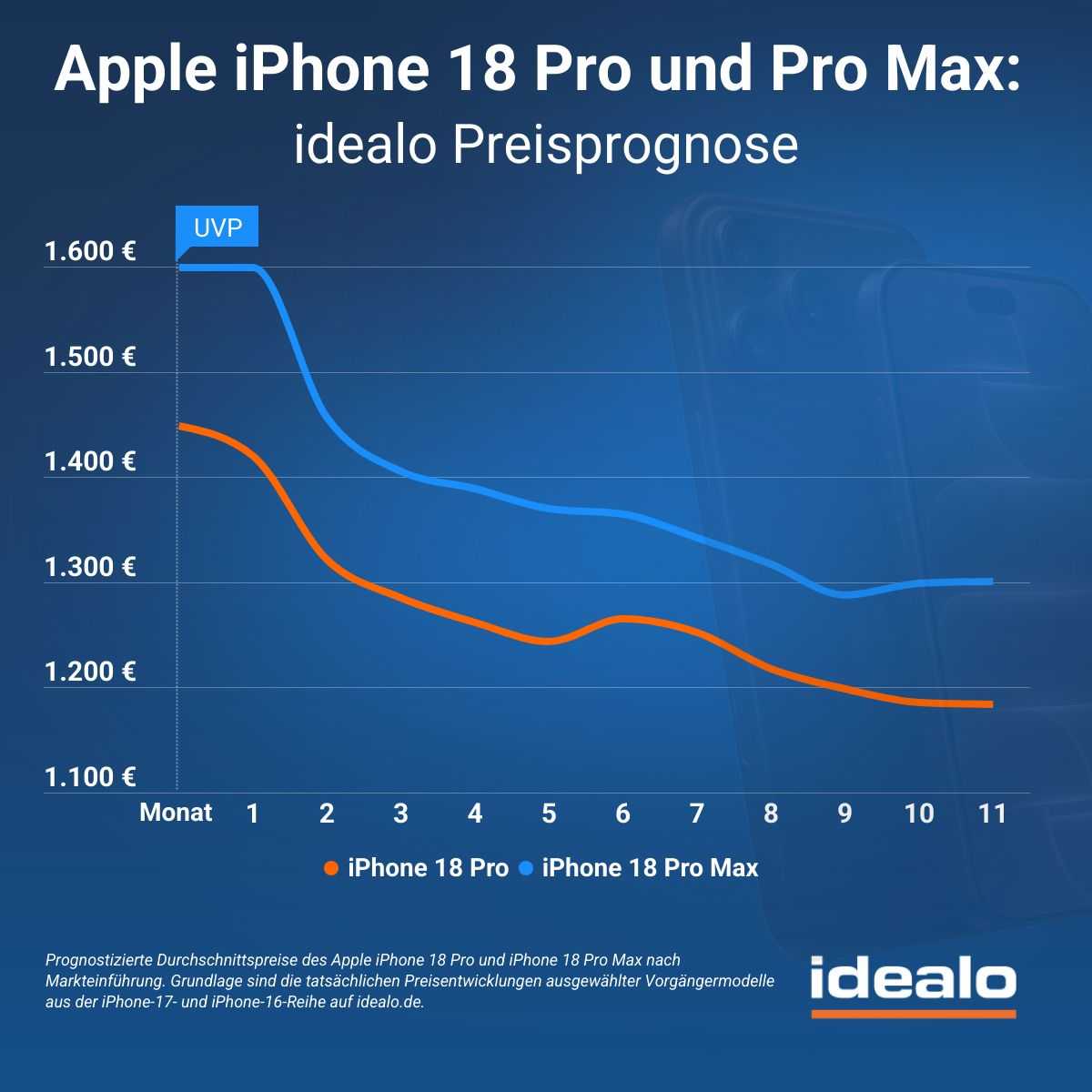
Die Preisvergleichsseite Idealo hat gerade – wie schon in früheren Jahren – eine Preisprognose für die Modelle iPhone 18 Pro und iPhone 18 Pro Max versucht. Dabei haben die Preis-Spezialisten die Preisentwicklung früherer iPhone-Pro-Modelle beobachtet und daraus die Preisentwicklung der neuen Modelle abgeleitet.

iPhone 18 Pro: 1246 Euro nach fünf Monaten

Für das iPhone 18 Pro erwarten sie einen moderaten Preisverfall. Im ersten Monat wird die Ersparnis vermutlich bei wenigen Prozent liegen, vielleicht 2 Prozent oder 29 Euro Rabatt. Erst nach fünf Monaten sollten Käufer im Handel echte Rabatte bekommen, etwa 14 Prozent oder 203 Euro auf den Preis im Apple Store.

Nach elf Monaten würde der Preis dann weiter fallen, auf etwa 1.185 Euro oder 18 Prozent Rabatt.

Der Preis wäre dann 1.246 Euro statt 1.449 Euro – nach fünf Monaten Wartezeit.

iPhone 18 Pro Preisprognose

iPhone 18 Pro Preisprognose

Idealo

iPhone 18 Pro Max: 1.370 Euro nach fünf Monaten

Auch beim iPhone 18 Pro Max erwartet Idealo nur mäßige Rabatte in den ersten Monaten. Nach fünf Monaten sollten aber knapp 14 Prozent Rabatt möglich sein, der Preis würde dann von 1.599 auf 1.370 Euro fallen. Erst nach neun Monaten würde dann ein neuer Tiefpreis von 1.288 Euro oder 19 Prozent Rabatt erreicht.

Fazit

Die Kalkulation von Idealo ist recht plausibel: Apple achtet bei seinen iPhone‑Pro-Modellen auf stabile Preise und erlaubt offensichtlich auch dem Handel nur mäßige Rabatte.

Es gibt aber auch gute Gründe, die für einen schnellen Preisverfall sprechen: Das neue iPhone 18 Pro ist im Unterschied zum iPhone 17 Pro kein komplett neues Modell mit neuem Design, sondern eher eine Art „Facelift“. Es steht zudem im Schatten des neuen iPhone Duo, das eigentlich die bisherige Rolle des iPhone Pro Max als Topmodell schmälert.

Wie stark die Preise wirklich fallen werden, wird sich stark am Markterfolg orientieren. Wird das iPhone 18 Pro trotz Preisanstieg ein Erfolg, werden auch die Preisnachlässe überschaubar bleiben – oder bei einem Flop die Preise rapide fallen.

Wer zum teuren iPhone 18 Pro noch eine günstigere, aber hochwertige Alternative sucht, sollte sich den Kauf des iPhone 17 Pro überlegen. Dieses ist zwar nach der Vorstellung des Nachfolgers und seines höheren Preises im Handel auch etwas teurer geworden, aber nur um 20 bis 30 Euro. So liegt es nun weiter unter der UVP Apples für das iPhone 18 Pro.

  •  

Apple Watch Ultra 4 vs. Ultra 3: Lohnt sich der Umstieg?

Die Apple Watch Ultra 4 hat Apple auf seiner Veranstaltung am 9. September eher beiläufig erwähnt. Das ist angesichts des aktuellen Portfolios verständlich, hat doch der Hersteller die meisten Neuerungen an der Apple Watch Series 12 erklärt und gezeigt. Doch wenn man die Ultra 4 mit der Ultra 3 vergleicht, wird die Liste der Unterschiede fast genauso lang wie im Vergleich Series 12 vs. Series 11. Sogar im Gehäuse hat sich etwas verändert, aber dazu später mehr.

Apple Watch Ultra 4 Natur für 899 Euro auf Amazon

S11

Die meist erwartete Neuerung in der vorgestellten Apple Watch Ultra 4 ist der Chip S11. Hier hat Apple nicht nur die Zahl dahinter erhöht, sondern auch eine neue Architektur gebaut. Die Strategie Apples bei den Apple-Watch-Prozessoren hat sich in den vergangenen Jahren folgendermaßen etabliert: Für rund drei Generationen der Apple Watch verwendete der Hersteller immer die gleiche Grundlage, vornehmlich von den iPhones, die zu dem Zeitpunkt der Veröffentlichung ein oder zwei Jahre alt waren. So diente A13 aus dem iPhone 11 als die Grundlage für S6, S7 und S8. A16 aus dem iPhone 14 wurde als Plattform für die S9 und S10 ausgewählt.

Beim S11 hat Apple nicht mehr auf die Vorräte aus den vergangenen Jahren zurückgegriffen und gleich den A20 Pro als Grundlage verwendet. Der Prozessor ist im 2-nm-Verfahren hergestellt, der A16 setzte noch auf 4-nm-Fertigungsverfahren.

Auch der RAM hat sich bei der Apple Watch Ultra 4 verdoppelt. Das neue Modell verfügt über 4 GB Arbeitsspeicher im Vergleich zum Vorgänger Ultra 3.

Abmessungen

Bereits bei der Apple Watch Series 12 haben wir angemerkt, dass die neuere Smartwatch etwas größer und schwerer geworden ist. Die Keramikvariante sprengt sogar die 42- und 46-mm-Einschränkungen und ist um einen Millimeter in der Höhe gewachsen. Die Ultra 4 hat sich gegenüber Ultra 3 in den Abmessungen nicht geändert. Trotzdem ist ihr Gewicht um zwei Gramm gestiegen. Titan Natur wiegt nun 63 Gramm (gegen 61,6 Gramm bei der Ultra 3), Titan Schwarz – 63,1 Gramm (61,8 Gramm bei Ultra 3).

Neues Gesundheitsmesssystem

Genauso wie die Apple Watch Series 12 hat die Ultra 4 einen neuen elektrischen Herzsensor der dritten Generation bekommen. Der optische Herzsensor misst die Herzfrequenz alle fünf Sekunden im Ruhezustand. Die Ultra 3 mit den herkömmlichen Fotodioden kann die Herzfrequenz im Ruhezustand und im Schlaf ungefähr alle fünf Minuten messen. Auch eine häufigere Messung der Herzfrequenzvariabilität ist mit der Ultra 4 möglich. Diese passiert anstatt aller zwei Stunden jetzt alle fünf Minuten.

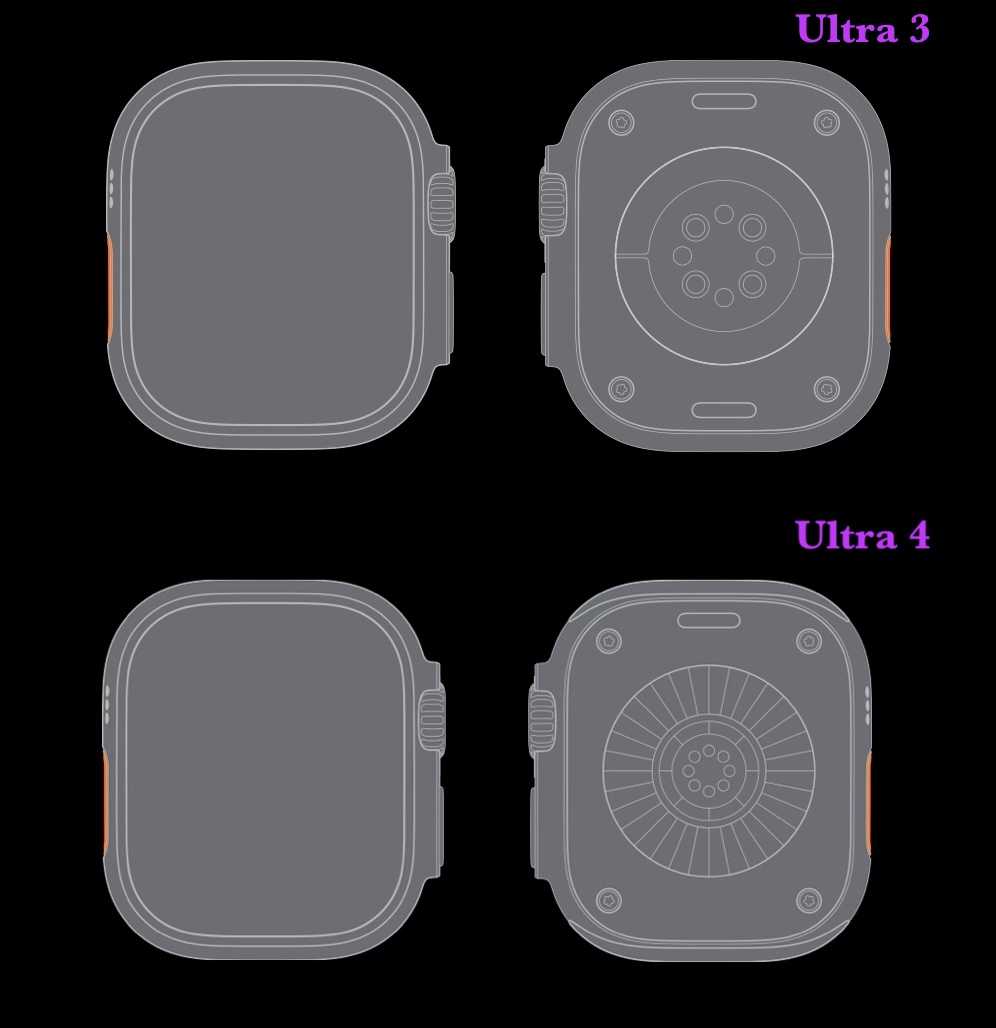
Apple hat Fotodioden auf der Unterseite der Apple Watch Ultra 4 anders angeordnet.

Neue Gesundheitssensoren in der Apple Watch Ultra 4

Neue Gesundheitssensoren in der Apple Watch Ultra 4

Halyna Kubiv

Auf dem Bild sieht man deutlich, dass Fotodioden und der Infrarotsensor etwas anders angeordnet sind. Die Gesamtfläche für den elektrischen Herzsensor hat sich dadurch etwas vergrößert.

Gesundheits-Apps und -Messungen

Dank der neuen Sensoren und des neueren Prozessors haben sich die Möglichkeiten für Gesundheits-Apps erweitert. So kann die Apple Watch Ultra eine neue Tagesform-App ausführen. Diese kann darauf hinweisen, ob sich der Körper nach einem anstrengenden Training oder Tag genügend erholt hat.

Auch die Geräusche-App gewinnt mit der Apple Watch Ultra 4 neue Funktionen. Die neue App kann Geräusche erkennen und den Nutzer darauf hinweisen. Allerdings kommt die neue Audio Intelligence erst Ende 2026, und hat als eine Voraussetzung ein iPhone 16 oder neuer. Die iPhones 15 Pro (theoretisch Apple-Intelligence-kompatibel) und iPhone 16e sind ausgeschlossen. Audio Intelligence wird beim Start nur in Englisch verfügbar sein und in der EU nicht aktivierbar.

Batterie

Offensichtlich hat Apple der Apple Watch Ultra 4 eine größere Batterie verpasst. Die offiziellen Laufzeiten sind von 42 Stunden bei Ultra 3 auf 50 Stunden bei Ultra 4 gestiegen. Im Stromsparmodus hält die neue Ultra 4 sogar 14 Stunden mehr als Ultra 3 – 84 Stunden. Auch das Schnellladen hat sich etwas verändert: 15 Minuten Schnellladen reichen statt 12 für 18 Stunden normaler Nutzung. 5 Minuten Schnellladen können statt 8 nun 10 Stunden den Schlaf überwachen.

Gehäuse

Etwas versteckt auf der Vergleichsseite der unterschiedlichen Modelle hat Apple auch den Hinweis auf das neue Gehäusematerial versteckt. Der Gehäuseboden setzt sich jetzt statt einer Mischung aus Keramik und Saphirglas aus Keramik und Zirkonia zusammen. Zirkonia ist als künstlicher Diamantersatz bekannt. Zirkonia ist ebenfalls recht kratzresistent (8 bis 8,5 auf der Mohn-Skala), erreicht jedoch nicht die Härte von Saphirglas (9 auf der Mohn-Skala).

Preis

Anders als befürchtet ist der Preis der Apple Watch Ultra gleich geblieben. Sie können die neue Uhr für die gleichen 899 Euro vorbestellen wie vor einem Jahr Ultra 3.

Lohnt sich der Umstieg von Ultra 3?

Recht viele angekündigte Gesundheitsfunktionen setzen auf Apple Intelligence und Siri AI. Die letztere Funktion wird zunächst in der EU nicht verfügbar sein. Lediglich neue Sensoren und häufigere Messungen der Gesundheitswerte und eine leistungstärkere Batterie unterscheiden Ultra 4 von der Ultra 3. Der Umstieg lohnt sich meines Erachtens nicht, weil schon die Apple Watch Ultra die Herzfrequenz ziemlich genau misst.

ModellUltra 3Ultra 4
PreiseAb 899 €Ab 899 €
ChipS10 SiP mit 64‑Bit Dual‑Core ProzessorS11 Chip mit 64‑Bit Dual‑Core Prozessor
Neural Engine4-Core4-Core
Speicher64 GB64 GB
Arbeitsspeicher2 GB4 GB
DisplayAlways-On Retina Display, 3.000 Nits maximal, 1 Nit minimal, 326 ppiAlways-On Retina Display, 3.000 Nits maximal, 1 Nit minimal, 326 ppi
Display-Größe49 mm (422 x 514 Pixel)49 mm (422 x 514 Pixel)
GehäuseTitanTitan
Tiefe12 mm12 mm
GesundheitsfunktionenEKG, Herzfrequenz, Herzrhythmus, Blut­sauer­stoff, Bluthochdruck, Zyklusprotokoll, Schlafqualität, Medikamenten AppEKG, Herzfrequenz, Herzrhythmus, Blut­sauer­stoff, Bluthochdruck, Zyklusprotokoll, Schlafqualität, Medikamenten App, Tagesform-App
SensorenElektrischer und optischer Herz­sensor, Blut­sauer­stoff Sensor, Temperatur­sensor, Kompass, Höhen­messer, Beschleu­ni­gungs­sensor, Gyro­sensor, Um­ge­bungs­licht­sensor, Tiefen­messer, Wasser­tempe­ratur SensorElektrischer Herz­sensor 3. Generation, optischer Herz­sensor mit kontinuierlicher Messung, Blut­sauer­stoff Sensor, Temperatur­sensor, Kompass, Höhen­messer, Beschleu­ni­gungs­sensor, Gyro­sensor, Um­ge­bungs­licht­sensor, Tiefen­messer, Wasser­tempe­ratur Sensor
Wasserschutzbis 100 Meterbis 100 Meter
SicherheitSatellitenverbindung, SOS, internationaler Notruf, Unfallerkennung, Sturzerkennung, Lärmüber­wachung, Sirene, Taschenlampe, BacktrackSatellitenverbindung (Notruf SOS, „Wo ist?“), Notruf SOS, Sirene, Taschen­lampe, Sturz­er­ken­nung, Unfall­erkennung, Letzter Notruf Weg­punkt, Lärmüber­wachung, Backtrack, Wegbegleitung
WLANWLAN 4 (802.11n)WLAN 4 (802.11n)
Bluetooth5.35.3
Mobilfunk5G, LTE, Satellit5G, LTE, Satellit
StandortGPS, GLONASS, Galileo, QZSS und BeiDouDual-Frequenz GPS (GPS, Galileo, QZSS und BeiDou)
Ultrabreitband-Chip2. Generation2. Generation
Laufzeitbis zu 42 Stundenbis zu 50 Stunden
Farben TitanNatur, SchwarzNatur, Schwarz

  •  

iPhone 18 Pro vs iPhone 17 Pro: Was lohnt sich eher?

Das neue iPhone 18 Pro steht noch etwas im Schatten des neuen iPhone Duo, dabei könnte es deutlich mehr Käufer als das neue Falt-iPhone finden. Der Preis ist zwar beim Einstiegsmodell von 1.299 auf 1.449 Euro gestiegen, das ist aber immer noch deutlich akzeptabler als der hohe Preis des iPhone Duo: Für Apples neuestes iPhone-Modell müssen Sie mindestens 2.299 Euro investieren.

Lohnt es sich aber im Vergleich zum iPhone 17 Pro, das Apple zwar aus den Regalen genommen hat, aber im Handel noch verfügbar ist, zu weit niedrigeren Preisen? Optisch mag das neue Modell sehr ähnlich sein, bei der Kamera und der CPU hat sich aber doch viel getan, was den Aufpreis rechtfertigen könnte.

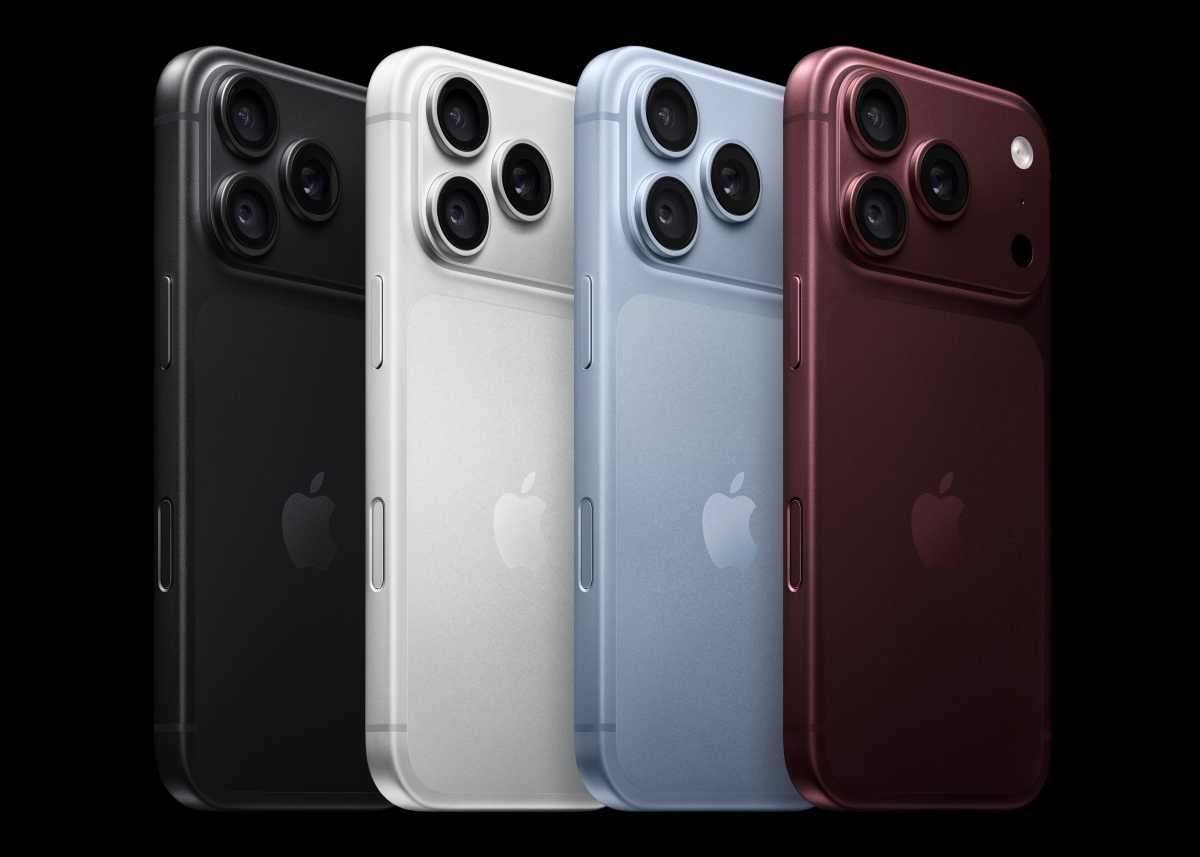
Farben iPhone 18 Pro

Vier Farben stehen zur Wahl.

Apple

Design: Insbesondere die Farben unterscheiden sich

Optisch gleicht das iPhone 18 Pro dem Vorgänger sehr. Die Abmessungen sind sogar bis auf den Millimeter identisch, nur beim Gewicht gibt es einen kleinen Unterschied: Das neue Modell iPhone 18 Pro ist mit 211 Gramm sieben Gramm schwerer als das iPhone 17 Pro, bei den Max-Modellen macht der Gewichtsunterschied gar 18 Gramm aus. (Nebenbei ist das iPhone 18 Pro Max nur fünf Gramm leichter als das neue iPhone Duo.)

Neu sind die Farben: Statt einem Tiefblau wie beim iPhone 17 Pro gibt es wieder ein echtes Schwarz, ein neues „Burgunder“ (Dunkelrot) und die Farbe „Polar“ (Hellblau). Nur die Farbe Silber ist für beide Modelle zu haben.

Oberfläche neues iPhone

Das neue Modell bekam neue Farben.


Apple

Display – fast keine Unterschiede

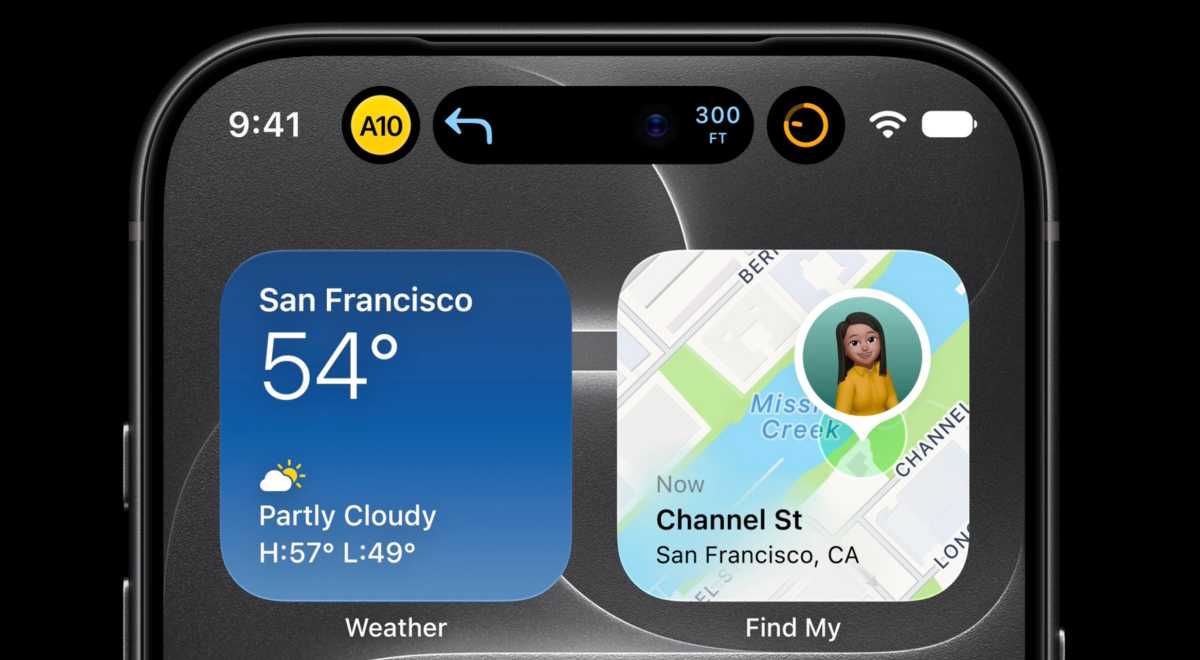
Das Display ist nahezu identisch mit dem guten Vorgänger-Display. Auch die Kratzfestigkeit ist offenbar auf dem gleichen Niveau, Ceramic Shield 2 auf der Vorderseite und Ceramic Shield 1 auf der Rückseite versprechen hohe Robustheit. Größter Unterschied ist die kleinere Dynamic Island: Das iPhone 18 Pro kann jetzt bis zu drei Live-Aktivitäten gleichzeitig in der kleinen Aussparung und drumherum zeigen.

Dynamic Island

Die Dynamic Island ist kleiner und bietet neue Live-Aktivitäten .

Apple

A20 Pro: Neuer Chip mit doppelter Neural Engine

Vielleicht wichtigste Neuerung des iPhone 18 Pro ist der verbesserte Chip. Das neue Modell erhält statt des A19 Pro den neuen A20 Pro. Wie der bereits vorgestellte M6‑Chip des neuen Mac Mini basiert der neue Chip auf der neuen 2-Nanometer-Technologie, was höhere Leistung bei niedrigerem Stromverbrauch verspricht.

Gegenüber dem A19 Pro soll etwa die Leistung der CPU um bis zu 20 Prozent schneller sein. Deutlich stärker gestiegen ist die Grafikleistung: Statt 6 Grafikkernen werden nun 7 Grafikkernen mit Neural Accelerators geboten. Das soll eine um 40 Prozent höhere Leistung garantieren. Auch das Tempo der Speicheranbindung will Apple um 50 Prozent erhöht haben.

Der neue Chip bietet außerdem einen neuen Aufbau mit besonders schnellen Performance-Kernen, die Super-Kerne heißen und laut Apple Desktop-Leistungsfähigkeit erreichen.

Apple hat offenbar auch die Kühlung per Dampfkammer verbessert, die erstmals im iPhone 17 Pro eingebaut war. Arbeitsspeicher und Chip sollen dadurch noch besser gekühlt werden – wichtig für hohe Leistung bei KI, langen Videoaufnahmen und auch langem Gaming.

Ebenfalls neu: Die Neural-Engine ist wie beim M6 jetzt ein Dual-Kern-Chip mit insgesamt 32 statt 16 Kernen.

A20 Pro

Beim neuen Chip hat Apple offenbar vor allem Grafik- und KI-Leistung gesteigert.

Apple

Akku-Laufzeit

Das leicht höhere Gewicht könnte von dem etwas größeren Akku kommen. Das iPhone 18 Pro bietet nämlich jetzt 4.065 mAh, das Pro Max 5.391 mAh. Beim iPhone 17 Pro und Max waren es noch 3.988 und 4.823 mAh.

Ein neues Batteriedesign und ein effizienterer Chip sollen dabei zusätzlich die Akku-Laufzeit verbessern. Bis zu 43 Stunden Videowiedergabe erzielt das neue iPhone 18 Pro Max laut Apples Angaben, beim 17 Pro Max sind es gerade einmal 37 Stunden. Auch das iPhone 18 Pro hält bei dieser Aufgabe mit 34 Stunden deutlich länger als das iPhone 17 Pro durch, das hier nur 31 Stunden erzielt.

Die Ladezeit hat Apple nicht vergessen: Das Laden auf 50 Prozent schaffen das iPhone 18 Pro und das iPhone 18 Pro Max in 15 Minuten (allerdings benötigen Sie dazu ein Netzteil mit mindestens 60 Watt Leistung), das iPhone 17 Pro und 17 Pro Max benötigen dazu 20 Minuten.

Neue Kamera

Größte Neuerung ist aber die neue Hauptkamera mit variabler Blende. Das ist bei einem Smartphone noch immer außergewöhnlich, wenn auch nicht völlig neu. Solche Kameras hat etwa Samsung mit dem S9 im Programm, allerdings nur mit zwei verschiedenen Blendenstufen.

Automatisch oder manuell können Sie beim 18 Pro nun zwischen vier Blendenstufen wählen: ƒ/1.48, ƒ/1.8, ƒ/2.8 und ƒ/4.0. Möglich macht dies ein aufwendiges Belichtungssystem. Maximale Lichtintensität erhalten Sie etwa mit ƒ/1.48, Apple verspricht hier bis zu 50 Prozent bessere Performance bei Fotos und im Nachtmodus als beim iPhone 17 Pro (mit einer fixen Blende von ƒ/1.78). Das reicht nicht an die Flexibilität einer Systemkamera heran, ermöglicht aber ganz neue Gestaltungsmöglichkeiten.

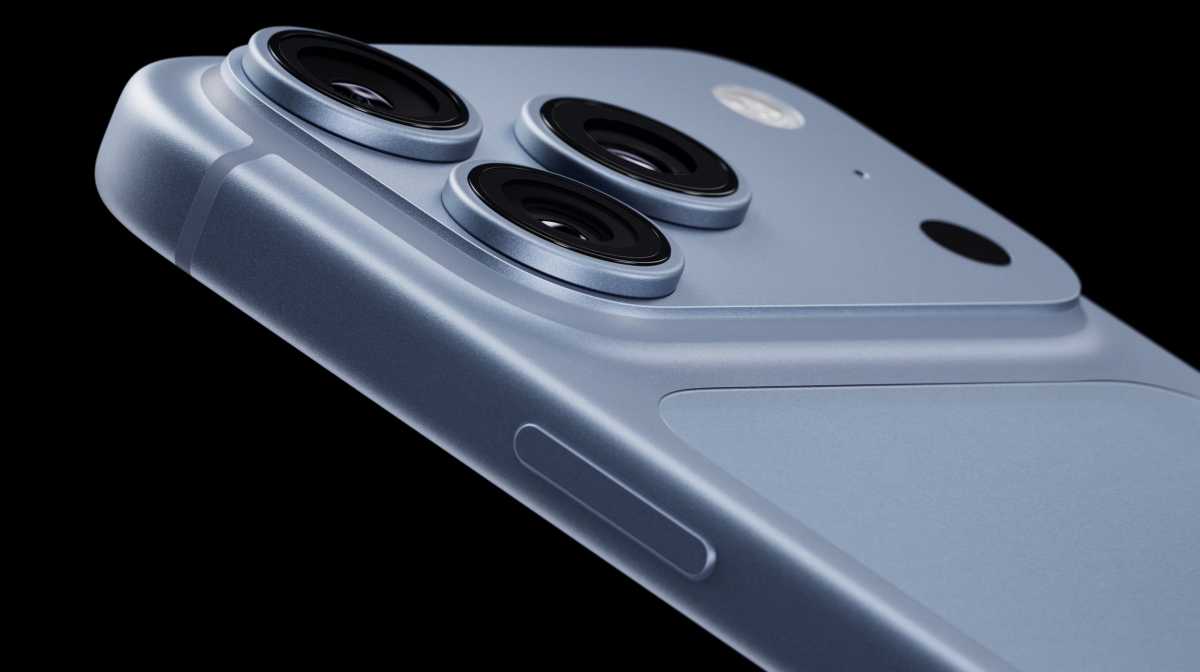
Kamera des neuen iPhone 18 Pro

Die Kamera bietet erstmals bei einem iPhone eine variable Blende.

Apple

Damit Sie diese neuen Optionen auch voll ausnutzen können, erhält die Kamera-App zudem weitere manuelle Optionen, von Apple „Pro Steuerungen“ genannt. Hier können Sie erstmals Belichtungszeit, Blende und Weißabgleich manuell einstellen. Auch Textur und Körnung können über die neuen fotografischen Stile (Version 3) angepasst werden und es gibt eine neue Histogramm-Anzeige.

Diese Optionen stehen auch bei Videoaufnahmen zur Verfügung. Hier hat Apple aber noch mehr ergänzt: So kann der Kinomodus-Effekt bei Videoaufnahmen jetzt nachträglich ergänzt werden und bei Zeitraffer-Aufnahmen steht 4K Dolby Vision zur Verfügung.

Audioaufnahmen mit Audiomix wurden verbessert und eignen sich nun besser für die  Aufnahme von Live-Audio oder Konzerten. Allgemein sollen bei wenig Licht bessere Videos möglich sein. Neu ist auch eine intelligente Fokusverfolgung. Wenn Sie etwa bei einer Sportaufnahme einen Spieler filmen, wird das Bild automatisch auf diese Person scharf gestellt.

Fokusverfolgung

Die Fokusverfolgung hilft bei Videos mit viel Bewegung.

Apple

Interessant für Profi-Fotografen oder Journalisten: Der SynthID-Standard für Fotografen wird erstmals unterstützt. Mehr noch: Mit dem Apple Refence Image gibt es eine neue Option, um die Authentizität eines Fotos nachzuweisen. Bei dieser Option werden die Fotodaten auf Pixelebene signiert.

Frontkamera

Die Frontkamera scheint unverändert, es gibt nur eine kleine neue Funktion bei der Bedienung: Das Zoomen und Drehen des Bildes ist per Tippen möglich.

Neues Modem

Auch ein neues Modem verbaut Apple im iPhone 18 Pro (Max), das neue C2. Dieses soll für bessere Qualität und Zuverlässigkeit bei Mobilfunkverbindungen sorgen. In einigen Mobilfunksystemen soll etwa ein Upload um 50 Prozent schneller sein, bei geringerem Akkuverbrauch.

Fazit:

Haben Sie noch ein iPhone 15 Pro oder iPhone 16 Pro, ist der Sprung zum iPhone 18 Pro eine echte Verbesserung. Gegenüber dem iPhone 17 Pro wirken die Vorteile des neuen iPhone 18 Pro dagegen eher bescheiden – außer Sie interessieren sich sehr für Fotografie und Videoaufnahmen.

Der neue Chip A20 Pro liefert zwar vor allem in den Bereichen Grafik und KI bessere Leistung bei längerer Akku-Laufzeit, allerdings war hier auch der A19 Pro mehr als ausreichend. Vor allem beim Modell iPhone 18 Pro Max sind dadurch sehr ansehnliche Laufzeiten erreichbar! Angesichts des gestiegenen Preises wäre nach meiner Meinung aber sogar jetzt noch der Kauf eines iPhone 17 Pro überlegenswert.

Technische Daten

iPhone 18 ProiPhone 18 Pro MaxiPhone 17 Pro
Preis (256 GB)1.449€1.599€1.299 €
Preis (512 GB)1.699€1.849€1.549 €
Preis (1 TB)2.199€2.349€1.799 €
Preis (2 TB)2.949€3.099€–
Display6,3“ Super Retina XDR Display6,9“ Super Retina XDR Display6,3“ Super Retina XDR Display
Pixel2622 x 12062868 x 13202622 x 1206
Auflösung460 ppi460 ppi460 ppi
Display-TechnologieOLED, HDR, Promotion bis 120 Hz, Always On, Dynamic IslandOLED, HDR, Promotion bis 120 Hz, Always On, Dynamic IslandOLED, HDR, Promotion bis 120 Hz, Always On, Dynamic Island
FarbraumGroßer Farbraum (P3), True ToneGroßer Farbraum (P3), True ToneGroßer Farbraum (P3), True Tone
Helligkeit1.000 Nits; 1.600 Nits HDR, 3.000 Nits im Freien, 1 Nit minimale Helligkeit1.000 Nits; 1.600 Nits HDR, 3.000 Nits im Freien, 1 Nit minimale Helligkeit1.000 Nits; 1.600 Nits HDR, 3.000 Nits im Freien, 1 Nit minimale Helligkeit
ChipA20 ProA20 ProA19 Pro
Cores6-Core CPU (2 Super-Cores, 4 Efficiency Cores), 7-Core GPU mit Neural Accelerators, Dual 16 Core Neural Engine6-Core CPU (2 Super-Cores, 4 Efficiency Cores), 7-Core GPU mit Neural Accelerators, Dual 16 Core Neural Engine6-Core-CPU, 6-Core-GPU, 16-Core Neural Engine
Speicherkapazität256/512 GB/1 TB/2 TB256/512 GB/1 TB/2 TB256/512 GB/1 TB
Kameras48 MP Fusion Hauptkamera: 24 mm mit variabler Blende (ƒ/1.48, ƒ/1.8, ƒ/2.8 und ƒ/4.0); 48 MP Fusion Ultraweitwinkel: 13 mm, ƒ/2.2 Blende; 48 MP Fusion Tele: 100 mm (4x), ƒ/2.8 Blende48 MP Fusion Hauptkamera: 24 mm mit variabler Blende (ƒ/1.48, ƒ/1.8, ƒ/2.8 und ƒ/4.0); 48 MP Fusion Ultraweitwinkel: 13 mm, ƒ/2.2 Blende; 48 MP Fusion Tele: 100 mm (4x), ƒ/2.8 Blende48 MP Fusion Haupt­kamera: 24 mm, ƒ/1.78 Blende; 48 MP Fusion Ultra­weit­winkel: 13 mm, ƒ/2.2 Blende; 48 MP Fusion Tele: 100 mm (4x), ƒ/2.8 Blende
Optische StabilisierungSensor ShiftSensor ShiftSensor Shift
FrotkameraCenter Stage Kamera, 18 MP, ƒ/1.9Center Stage Kamera, 18 MP, ƒ/1.9Center Stage Kamera, 18 MP, ƒ/1.9
Lautsprecher, MikrofonStereolautsprecher, 4 MikrofoneStereolautsprecher, 4 MikrofoneStereolautsprecher, 4 Mikrofone
TastenSeitentaste, Lautstärke, Action Button, KamerasteuerungSeitentaste, Lautstärke, Action Button, KamerasteuerungSeitentaste, Lautstärke, Action Button, Kamerasteuerung
SensorenFace ID, LiDAR Scanner, Barometer, Gyrosensor, High-g Beschleunigungssensor, Näherungssensor, Zwei UmgebungslichtsensorenFace ID, LiDAR Scanner, Barometer, Gyrosensor, High-g Beschleunigungssensor, Näherungssensor, Zwei UmgebungslichtsensorenFace ID, LiDAR-Scanner, Barometer, Gyrosensor, High-g-Beschleunigungs­sensor, Näherungssensor, zwei Umgebungs­licht­sensoren
SicherheitUnfallerkennung, Notruf SOS, „Wo ist?“ über SatellitUnfallerkennung, Notruf SOS, „Wo ist?“ über SatellitUnfallerkennung, Notruf SOS
AnschlüsseUSB-C, unterstützt USB 3, (bis 10 Gbit/s)USB-C, unterstützt USB 3, (bis 10 Gbit/s)USB-C, unterstützt USB 3 (bis 10 Gbit/s)
Wi-FiWLAN 7 (802.11be) mit 2×2 MIMOWLAN 7 (802.11be) mit 2×2 MIMOWLAN 7 (802.11be) mit 2×2 MIMO
FunkchipsApple C2 (mobil) und Apple N1 (WLAN und Bluetooth)Apple C2 (mobil) und Apple N1 (WLAN und Bluetooth)Qualcomm (mobil) und Apple N1 (WLAN und Bluetooth)
Mobile Daten5G/LTE/UMTS/HSDPA/EDGE/GSM5G/LTE/UMTS/HSDPA/EDGE/GSM5G/LTE/UMTS/HSDPA/EDGE/GSM
StandortGPS, GLONASS, Galileo, QZSS, BeiDou und NavICGPS, GLONASS, Galileo, QZSS, BeiDou und NavICGPS, GLONASS, Galileo, QZSS, BeiDou und NavIC
SIM-KarteNano SIM, eSIMNano SIM, eSIMNano-SIM, eSIM
Bluetooth666
GehäusematerialAluminium, Vorderseite Ceramic Shield 2, Rückseite Ceramic ShieldAluminium, Vorderseite Ceramic Shield 2, Rückseite Ceramic ShieldAluminium, Rückseite Ceramic Shield
FarbenSchwarz, Silber, Polar, BurgunderSchwarz, Silber, Polar, BurgunderSilber, Cosmic Orange, Tiefblau
AkkuLithium-Ionen-Batterie, kabelloses Laden (Qi2 und MagSafe)Lithium-Ionen-Batterie, kabelloses Laden (Qi2 und MagSafe)Lithium-Ionen-Batterie, kabelloses Laden (Qi2 und MagSafe)
VideowiedergabeBis zu 36 StundenBis zu 43 StundenBis zu 31 Stunden
Abmessungen (B/H/T) in mm71,9/150/8,7578/163,4/8,7571,9/150/8,75
Gewicht in Gramm211249204
Schutz vor Wasser und StaubIP68 (30 Minuten bis zu 6 Meter)IP68 (30 Minuten bis zu 6 Meter)IP68 (30 Minuten bis zu 6 Meter)
LieferumfangUSB-C KabelUSB-C KabelUSB-C Kabel

Aktuell bester Preis: iPhone 17 Pro

Shop
Preis
Price comparison from over 24,000 stores worldwide

  •  

Qualcomm’s next Snapdragon mobile chip comes into focus with on-device AI

Qualcomm is taking an unusual approach to the launch of its next-generation premium Snapdragon mobile platform this year. Instead of holding everything for its annual Snapdragon Summit in Maui happening later this month, the company has been methodically disclosing the architecture that will power the next wave of flagship Android phones over the past couple of weeks.

First, the company disclosed its new Oryon CPU architecture, followed by a major overhaul of its Adreno GPU. Today, Qualcomm is detailing the next-generation Hexagon NPU that will serve as the platform’s primary AI engine.

Taken together, the disclosures give us a pretty good picture of where Qualcomm is going before we even know the chip’s official name.

There is obviously a strong performance story here, anchored by a 5GHz CPU, but the more interesting theme running through the architecture is memory locality and specialized AI acceleration. Qualcomm is trying to keep more data close to the compute resources that need it, while distributing AI workloads across the CPU, GPU and NPU.

These architectural changes are important as the company continues to drive on-device AI beyond relatively simple generative features toward more persistent, agentic workloads.

Oryon hits 5GHz, bolstered by FlexCache

Qualcomm disclosed in August that its next Oryon CPU will be the first mobile CPU to reach 5GHz. The eight-core design includes two 5GHz Prime cores and six Performance cores, with Qualcomm attributing the frequency gains to its fully custom Oryon microarchitecture, an in-house Arm-based CPU design that gives the company full control over the cores, cache and memory hierarchy, branch prediction and CPU subsystem.

The 5GHz headline is certainly going to get attention. However, Qualcomm’s new FlexCache architecture may ultimately have a larger impact on sustained performance. FlexCache allows Oryon’s Prime and Performance cores to tap into the same shared cache pool, with capacity dynamically allocated based on the workload. So rather than a demanding core being limited to a fixed slice of cache, it can draw on more of the available pool when needed. This keeps larger working data sets close to the CPU cores and reduces high-latency trips out to system memory.

This approach should benefit everything from gaming and multitasking to content creation, but it also aligns well with agentic AI workloads, where tasks may move through several stages of processing and across different CPU cores. The basic goal is straightforward: keep the CPU fed and avoid expensive trips to external memory.

Qualcomm’s next-gen Adreno GPU adds dedicated AI engines

Qualcomm’s next disclosure focused on graphics, where the company is making one of the more significant changes to its Adreno GPU engine in recent years. The new GPU adds dedicated Adreno Matrix Cores for running AI models directly inside the graphics pipeline. They’re paired with 18MB of Adreno High-Performance Memory, or HPM, which provides low-latency local storage for tile-based rendering, frame buffers and GPU compute.

Qualcomm claims HPM provides a 12% power improvement compared to its previous-gen Snapdragon 8 Elite Gen 5.

The more visible feature for users, however, may be Adreno Neural Fusion, which combines AI super resolution, neural processing and frame generation in a unified graphics pipeline. There are obvious parallels here to what NVIDIA, AMD and others are doing with neural rendering on the PC, though Qualcomm’s next-gen Snapdragon SoC has to operate within a much tighter mobile power envelope.

Qualcomm claims enabling Neural Fusion reduces power consumption by up to 40% in its internal testing using the company’s Dragon Alley graphics demo. That’s an impressive number, though as always, we’ll want to see how the technology behaves across actual shipping games and devices before drawing any definitive conclusions.

Qualcomm has also helped integrate Neural Fusion technology into Unity and Unreal Engine, which may ultimately be just as important as the underlying hardware. Developer adoption determines whether features like this become meaningful platform advantages or just another tick box on a spec sheet.

Qualcomm’s Hexagon NPU is being reworked for agentic AI

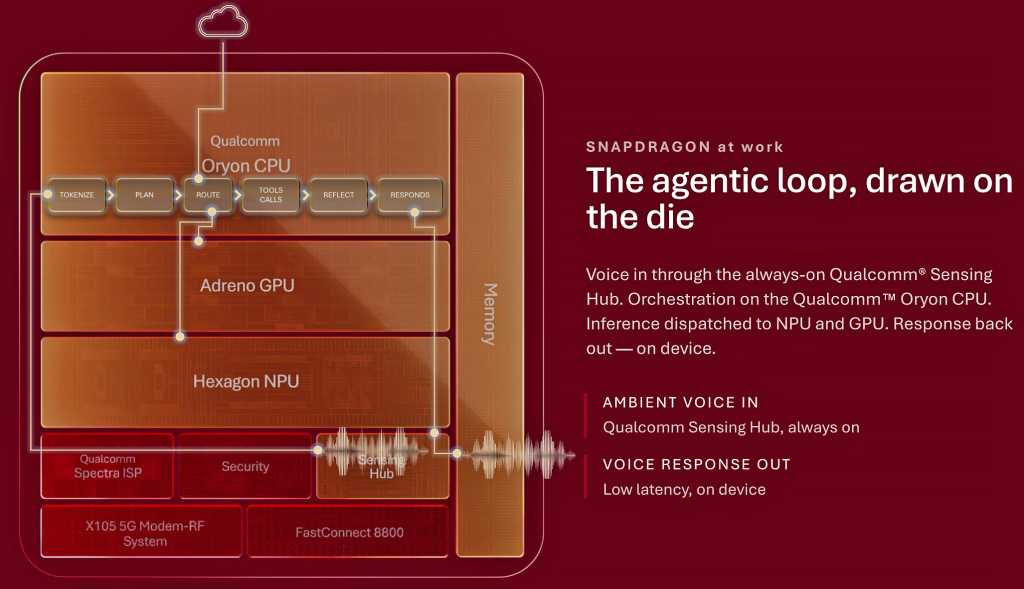
Qualcomm Snapdragon at work: The agentic loop, drawn on the die.

Qualcomm

The most recent disclosure centers on Qualcomm’s Hexagon NPU, where the broader architecture starts to come together. The company’s next-generation Hexagon introduces a new Element Accelerator designed for transformer workloads, alongside its existing vector and scalar processing resources. Qualcomm says the new block is optimized for fast action loops, key-value (KV) cache acceleration and context lengths of up to 32K.

Hexagon is also getting 50% more shared memory, and again, that memory complement is important. Model state, context and KV-cache data can generate substantial memory traffic, particularly with larger language models. Keeping more of that data close to the NPU can reduce latency and power consumption. Qualcomm says the architecture is designed for long-context reasoning, multimodal models, concurrent agents and low-latency action loops.

For INT4 quantized models, the company claims up to a 50% improvement in pre-fill performance versus its previous-generation Snapdragon 8 Elite Gen 5. Qualcomm is also targeting Mixture-of-Experts, or MoE, models as large as 30 billion parameters. In its example, the company points to a 30B model that activates only about 3 billion parameters during a given token-generation step. That selective approach is a natural fit for the tight power and memory constraints of a handset.

Qualcomm isn’t suggesting that a smartphone will simply run a 30B dense model entirely from DRAM, however. By activating only the experts needed for a particular task, MoE architectures can dramatically reduce active compute and memory bandwidth requirements, potentially making much larger classes of AI models practical on mobile hardware.

Qualcomm’s next-gen Snapdragon mobile impact

There is a larger competitive story here as well. For years, flagship smartphone competition largely came down to CPU, GPU, modem performance and power efficiency. AI is now another major area of differentiation, and Qualcomm is clearly designing its next-gen Snapdragon mobile platform around this need.

Apple has the advantage of controlling its silicon, operating system and software stack end-to-end. MediaTek continues to push aggressively into premium Android devices as well. Qualcomm’s response is to make its custom Oryon CPU, Adreno GPU and Hexagon NPU work more like a fully integrated compute platform, tuned for modern AI and agentic workloads.

This is a solid advantage for Android handset OEMs because many don’t have the resources to engineer this level of silicon integration themselves. Qualcomm can effectively provide its Android OEM partners, including Samsung, Xiaomi, Honor and others, with a common hardware foundation for on-device AI, advanced graphics and agentic computing. It also gives Qualcomm another way to defend its premium Snapdragon position.

The company’s custom Oryon architecture now spans smartphones and Windows PCs, and soon servers, while AI acceleration is distributed across its CPU, GPU and NPU. For business users, that could mean more AI processing happens locally, reducing cloud and network dependence, improving response times and keeping more potentially sensitive data on-device. And for IT organizations, Qualcomm now has an opportunity to provide a more consistent AI compute foundation across Windows PCs with Snapdragon X and premium Android handsets.

There is still plenty we don’t know, however. Qualcomm hasn’t disclosed the complete SoC specifications, final performance or power characteristics, or which devices will ship with it initially. Many of these AI experiences will also depend heavily on Android, app developers and the models themselves.

The new 5GHz mobile CPU may generate the biggest headline at Snapdragon Summit, but the more important developments may be what sit around it: more local memory, specialized AI acceleration and tighter integration between the CPU, GPU and NPU.

If Qualcomm can translate this architecture into better sustained performance, enhanced power efficiency and useful on-device AI experiences, it could strengthen its position in premium Android phones while putting more competitive pressure on Apple. For business users, the payoff could be more capable local AI without sacrificing the performance and battery life expected of a flagship device.

That is the part I’ll be watching most closely when the complete silicon picture is unveiled at Snapdragon Summit later this month. And I may even get some hands-on time with it in some benchmarks, as we have in years past, so we shall see.

  •  

Apple Watch Series 12 vs. Series 11: Das ist alles neu

Nach der gestrigen Keynote hatten wir den Eindruck, dass Apple endlich mit Gesundheitsfunktionen auf der Apple Watch vorankommt. Nicht nur wurde ein neues System zur Messung der Herzfrequenz und zur Herzfrequenzvariabilität vorgestellt, sondern auch neue Möglichkeiten, eigene Daten in der Gesundheits-App einzusehen.

In einem wichtigen Bereich hat sich erfreulicherweise nichts geändert. Die Preise für die Apple Watch Series 12 blieben auf dem gleichen Niveau wie bei der Series 11. Die Aluminium-Variante kostet 449 Euro, die Titan-Variante – ab 799 Euro. Für die Keramikvariante gibt es keine Vergleichswerte.

Im Nachfolgenden beschreiben wir die Neuerungen, die Apple laut eigenen technischen Daten für die Apple Watch Series 12 vorgestellt hat.

Apple Watch Series 12 bei Mediamarkt
Apple Watch Series 12 bei Saturn
Apple Watch Series 12 bei Apple

S11 – das neue Herz der Uhr

Eine der wichtigsten Hardware-Änderungen ist wohl der Umstieg auf die neue Chip-Architektur. Die letzten drei Generationen seit der Apple Watch Series 9 benutzten als Grundlage den Chip aus dem iPhone 14 – den A14 Bionic. Dieser wurde noch im 4-nm-Verfahren gefertigt.

Im vergangenen Jahr hat Apple gar die Nomenklatur seines Systems-in-Package unverändert belassen, die Series 11 kam mit dem S10 heraus. In diesem Jahr hat Apple nicht mehr in den alten Vorräten gekramt, sondern die neuesten Watches gleich mit einer Abwandlung seines A20 Pro ausgestattet. Der Chip ist im 2-nm-Verfahren gefertigt. Die Apple Watch Series 12 überspringt also gleich vier Jahre der Chip-Entwicklung.

Auch der Arbeitsspeicher hat sich bei der Apple Watch Series 12 verdoppelt. Die neue Watch verfügt über 4 GB RAM im Vergleich zu 2 GB bei der Apple Watch Series 11.

Neues Gesundheitsmesssystem

Die Apple Watches Series 11 und Series 12 kann man optisch nicht nur an den Farben des Gehäuses unterscheiden. An der unteren Seite der Watch hat der Hersteller ein neues System aus den optischen Sensoren eingebracht. Der EKG‑Sensor wird bereits auf die dritte Generation aktualisiert.

Es ist nicht bekannt, welche Vorgängermodelle die zweite Generation des Sensors führen: Sowohl für Series 9 als auch für Series 10 und 11 weist Apple nur “einen elektrischen Herz­sensor” aus. Allerdings hat Apple mit iOS 14.3 und watchOS 7.2 eine zweite Version seiner EKG-App mit dem neuen Algorithmus veröffentlicht. Diese Versionen kamen mit der Apple Watch Series 6 im Jahr 2020. Höchstwahrscheinlich hatte der Hersteller diese Generation mit einem neueren elektrischen Herzsensor ausgestattet.

Neben dem elektrischen Herzsensor hat sich auch der optische Sensor geändert. Apple spricht dabei von einem immer aktiven optischen Herzsensor. Dieser erlaubt Pulsmessungen alle fünf Sekunden, wie bei einem Training. Die Vorgängergenerationen messen die Herzfrequenz deutlich seltener – alle fünf Minuten im Ruhezustand am Tag und auch alle fünf Minuten im Schlaf. In unserem Praxistest werden wir herausfinden, wie oft die neue Apple Watch den Puls beim Training und im Stromsparmodus misst.

Unterschiede bei den Herzfrequenzsensoren der Apple Watch Series 11 und Series 12

Unterschiede bei den Herzfrequenzsensoren der Apple Watch Series 11 und Series 12

Halyna Kubiv

Auch die Geräusche-App ist bei der Apple Watch Series 11 neu. Diese kann wie die neueren iPhones Geräusche erkennen und den Nutzer vorwarnen. Aber auch andere Einsatzbereiche wie Siri Rewind sind damit möglich.

Abmessungen

Etwas überraschender ist die Apple Watch Series 12 quer durch alle Varianten etwas größer und schwerer geworden. Gleichzeitig hat sich die Anzeigegröße des Bildschirms um einige Pixel verringert. Die Höhe bei den Aluminium- und Titanvarianten ist die gleiche geblieben – 42 und 46 mm. Die Keramikvariante ist um einen Millimeter höher geworden – 43 und 47 mm respektive. Falls Sie also schmale Handgelenke haben, aber mit der Keramikvariante liebäugeln, probieren Sie diese unbedingt vor dem Kauf an.
In der Breite sind alle Gehäusevarianten um einen Millimeter breiter geworden: Die 42-mm-Variante ist von 36 mm auf 37 mm gewachsen, die 46-mm-Variante von 39 mm auf 40 mm. Die Keramikvariante der Apple Watch Series 12 ist ebenfalls etwas dicker als Series 11 und die Aluminium- und Titan-Varianten der Series 12 – diese misst in der Höhe 9,85 mm statt 9,7 mm.

Das Gewicht jeder Variante hat im Vergleich mit dem Vorjahr durchgehend um etwa zwei Gramm zugelegt. Die Keramikvariante hat kein Referenzmodell, ist aber die schwerste. Apple Watch Titan Series 11 42 mm wiegt 34,6 Gramm, Series 12 – 36,6 Gramm. Die weiße Apple Watch aus Keramik mit 43 mm Gehäusegröße bringt gleich 41,7 Gramm auf die Waage, die nachtblaue 42,8 Gramm. Die nachtblaue Apple Watch Series 12 aus Keramik in der 47 mm Größe wiegt gar 52,9 Gramm.

Nur weil die Uhr in der Abmessung größer geworden ist, bedeutet das jedoch nicht, dass die Anzeigegröße des Displays sich ebenfalls vergrößert hat. Eher umgekehrt: Im Vergleich mit Series 11 hat sich das Display der Series 12 verkleinert. Die 42-mm-Variante kommt auf 970 mm2 Anzeigebereich statt 989 mm2 bei Series 11. Auch bei der 46-mm-Variante ist das Display von 1220 mm2 auf 1196 mm2 geschrumpft.

Dagegen ist auch das Aluminiumgehäuse der Apple Watch Series 12 mit dem Ceramic Shield ausgestattet. Bei Series 11 bekam man das erst mit der Titanvariante.

Akku

Ob Apple seine neueste Generation der Apple Watch mit einem größeren Akku ausgestattet hat, lässt sich erst herausfinden, wenn die ersten behördlichen Angaben dazu veröffentlicht werden. Damit rechnen wir in den kommenden Wochen.
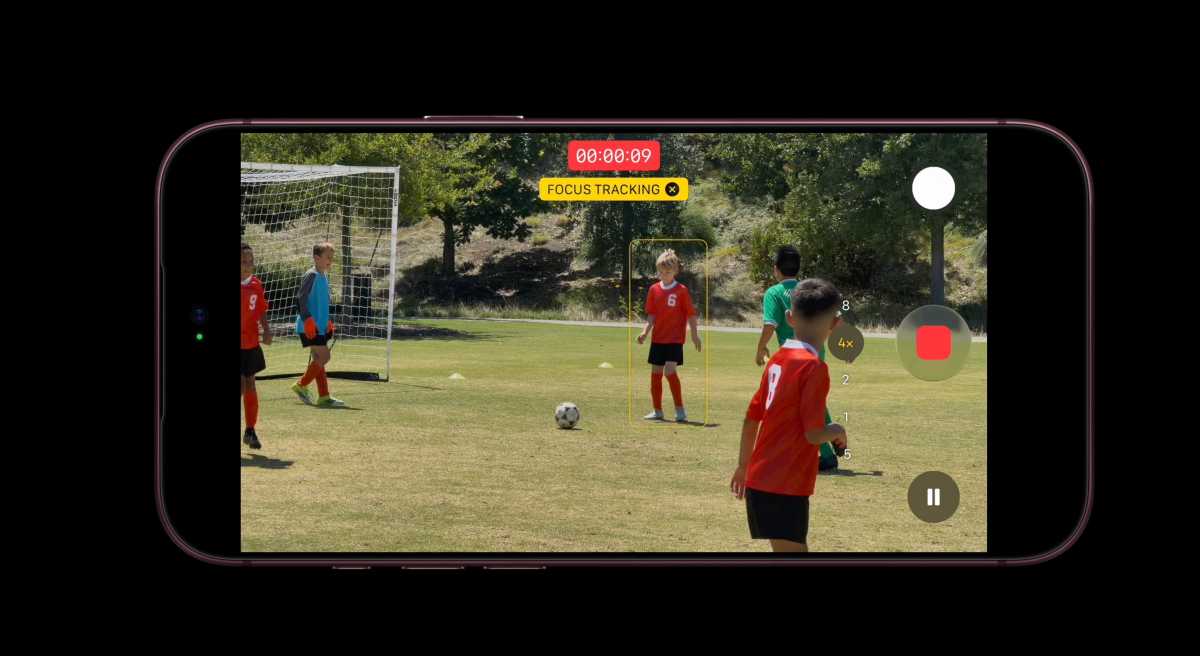
Jedoch verfügt die Apple Watch Series 12 über einen Akku mit noch schnelleren Lademöglichkeiten: 15 Minuten Schnellladen ermöglichen 12 statt 8 Stunden Nutzung. Lädt man nur 5 Minuten lang schnell, kann man immerhin 10 statt nur 8 Stunden den Schlaf überwachen. Das Ladekabelmodell hat sich auch erneuert: Series 11 wurde mit einem Kabel mit der Modellnummer A2515 ausgeliefert, der Apple Watch Series 12 liegt eins mit der Nummer A3277 bei.

Fazit

Die wiederaufgelegte Keramikvariante bringt ihre Abstriche. Sie ist etwas größer und deutlich schwerer als die Aluminium- und Titanmodelle der Series 12. Ein Gewichtszuwachs von knapp zwei Gramm liest sich auf dem Papier als winzig an, doch in der Praxis kann sich eine solche Watch als klobig und unbequem erweisen.

Series 11Series 12
PreiseAb 449 € (Aluminium) und ab 799 € (Titan)Ab 449 € (Aluminium); ab 799 € (Titan); ab 1.049 € (Keramik)
ChipS10 SiP mit 64‑Bit Dual‑Core ProzessorS11 Chip mit 64‑Bit Dual‑Core Prozessor
Neural Engine4-Core4‑Core
Speicher64 GB64 GB
Arbeitsspeicher2 GB4 GB
DisplayAlways-On Retina Display, 2.000 Nits maximal, 1 Nit minimal, 326 ppiAlways-On Retina Dis­play mit OLEDs, 2.000 Nits Spitzen­helligkeit, 1 Nit minimale Helligkeit, 326 ppi
Display-Größe42 mm (374 x 446 Pixel), 46 mm (416 x 496 Pixel)42 mm (374 x 446 Pixel), 46 mm (416 x 496 Pixel)
GehäuseAluminium, TitanAluminium, Titan, Keramik
Tiefe9,7 mm9,7 mm (Aluminium, Titan); 9,85 mm (Keramik)
GesundheitsfunktionenEKG, Herzfrequenz, Herzrhythmus, Blut­sauer­stoff, Bluthochdruck, Zyklusprotokoll, Schlafqualität, Medikamenten AppEKG, Herzfrequenz, Herzrhythmus, Blut­sauer­stoff, Bluthochdruck, Zyklusprotokoll, Schlafqualität, Medikamenten App, Tagesform-App
SensorenElektrischer und optischer Herz­sensor, Blut­sauer­stoff Sensor, Temperatur­sensor, Kompass, Höhen­messer, Beschleu­ni­gungs­sensor, Gyro­sensor, Um­ge­bungs­licht­sensor, Tiefen­messer bis 6 Meter, Wasser­tempe­ratur Sensorelektrischer Herz­sensor der 3. Gene­ra­tion, immer aktiver optischer Herz­sensor, Blut­sauer­stoff Sensor und Temperatur­sensor, Kompass, Höhen­messer, Beschleunigungs­sensor, Gyro­sensor, Umgebungs­licht­sensor Tiefen­messer bis 6 Meter, Wassertemperatur­sensor
Wasserschutzbis 50 Meterbis 50 m
SicherheitNotruf SOS, internationaler Notruf, Sturz­er­ken­nung, Unfall­erkennung, Weg­punkt, Taschen­lampe, Backtrack, Lärmüber­wachung, WegbegleitungNotruf SOS, internationaler Notruf, Sturz­er­ken­nung, Unfall­erkennung, Weg­punkt, Taschen­lampe, Backtrack, Lärmüber­wachung, Wegbegleitung
WLANWLAN 4 (802.11n)WLAN 4 (802.11n)
Bluetooth5.35.3
Mobilfunk5G, LTE5G, LTE
StandortGPS, GLONASS, Galileo, QZSS und BeiDouPräzises L1 GPS (GPS, GLONASS, Galileo, QZSS und BeiDou)
Ultrabreitband-Chip2. Generation2. Gene­ra­tion
Laufzeitbis zu 24 Stundenbis zu 24 Stunden
Farben AluminiumRoségold, Silber, Space Grau, DiamantschwarzDunkelbronze, Lichtgold, Schwarz, Space Grau
Farben TitanGold, Natur, SchieferBrillantgold, Natur
Farben Keramik
Perlweiß, Nachtblau

  •  

iPhone Duo: Alle Infos zu Apples faltbarem iPhone

Update: Am 9. September hat Apple offiziell sein faltbares iPhone vorgestellt: das iPhone Duo. Damit sind den Spekulationen ein Ende gesetzt, viele der Gerüchte haben sich aber bewahrheitet.

iPhone Duo
Preis (256 GB)2.299 €
Preis (512 GB)2.549 €
Preis (1 TB)3.049 €
Preis (2 TB)3.799 €
Display5,4“/7,6“ Super Retina XDR Display, Nanotextur (inneres Display)
Pixel1398 x 2034 Pixel (geschlossen); 1878 x 2670 Pixel (geöffnet)
Auflösung460 ppi (geschlossen), 430 ppi (geöffnet)
Display-TechnologieOLED, HDR, Promotion bis 120 Hz, Always-On, Dynamic Island
FarbraumGroßer Farbraum (P3), True Tone
Helligkeit1.000 Nits; 1.600 Nits HDR, 3.000 Nits im Freien, 1 Nit minimale Helligkeit
ChipA20 Pro
Cores6-Core-CPU (2 Super-Cores, 4 Efficiency Cores), 7-Core-GPU mit Neural Accelerators, Dual 16 Core Neural Engine
Speicherkapazität256/512 GB/1 TB/2 TB
Kameras48 MP Fusion Hauptkamera: 26 mm, ƒ/1.6;  48 MP Fusion Ultraweitwinkel: 13 mm, ƒ/2.2
Optische StabilisierungSensor Shift
FrotkameraCenter Stage Kamera, 12 MP, ƒ/2,2 (außen); FaceTime Kamera unter dem Display, ƒ/1.8 (innen)
Lautsprecher, MikrofonStereolautsprecher, 3 Mikrofone
TastenSeitentaste, Lautstärke, Kamerasteuerung
SensorenTouch ID Fingerabdrucksensor, Barometer, Gyrosensor, High-g Beschleunigungssensor, Näherungssensor, vier Umgebungslichtsensoren
SicherheitNotruf SOS über Satellit, Unfallerkennung, „Wo ist?“ über Satellit
AnschlüsseUSB-C, unterstützt USB 3 (bis 10 Gbit/s)
Wi-FiWLAN 7 (802.11be) mit 2×2 MIMO
FunkchipsApple C2 (mobil) und Apple N1 (WLAN und Bluetooth)
Mobile Daten5G/LTE/UMTS/HSDPA/EDGE/GSM
StandortDual-Frequenz-GPS (GPS, GLONASS, Galileo, QZSS, BeiDou und NavIC)
SIM-KarteDual eSIM
Bluetooth6
GehäusematerialTitan, Vorderseite Ceramic Shield 2, Rückseite Ceramic Shield
FarbenNachthimmel, Sternenweiß
AkkuLithium-Ionen-Batterie, kabelloses Laden (Qi2 und Magsafe)
VideowiedergabeBis zu 44 (äußeres Display), bis zu 31 Stunden (inneres Display)
Abmessungen (B/H/T) in mm84,1/117,8/11,3 (geschlossen); 164,6/117,8/5,2 (geöffnet)
Gewicht in Gramm254
Schutz vor Wasser und StaubIP68 (30 Minuten bis zu 6 Meter)
LieferumfangUSB-C-Kabel

Ende Update.

Wie wird das faltbare iPhone heißen?

  • Wahrscheinlich iPhone Duo und nicht iPhone Ultra

Viele Fans und auch Experten nennen das faltbare Gerät gern „iFold“, was in erster Linie angenehm kurz ist. Doch es gibt keinen triftigen Grund, warum es so heißen sollte. Gerüchte und Leaks vom Frühjahr 2026 deuteten darauf hin, dass es iPhone Ultra heißen wird. So hieß es wohl auch lange intern bei Apple, zuletzt kursierte aber der Name iPhone Duo – den der Bloomberg-Reporter Mark Gurman als gesetzt sieht. Er sollte recht behalten, denn das neue Gerät heißt iPhone Duo.

Im März hatte er noch berichtet, dass das faltbare iPhone dieses Jahr eins von mehreren „Ultra“-Geräten sein wird. Selbst wenn am Ende nicht alle das „Ultra“-Branding tragen werden, ist es beim faltbaren iPhone am wahrscheinlichsten.

Im April hat dann der Weibo-Account „Digital Chat Station“ (historisch mit einer durchwachsenen Trefferquote) ebenfalls behauptet, dass Apple den Namen „iPhone Ultra“ verwenden wird. Wir werden bald erfahren, ob Apple mit iPhone Duo die beiden Bildschirme des faltbaren Geräts in den Vordergrund stellt. Bauartbedingt wird das iPhone Duo auch gegenüber dem iPhone Pro einiges vermissen lassen, weswegen „Ultra“ irreführend sein könnte.

Wann erscheint das faltbare iPhone?

  • Wahrscheinlich am 9. September 2026

Wir gehen davon aus, dass Apple das iPhone im neuen Format am 9. September 2026 vorstellt, zusammen mit dem iPhone 18 Pro und Pro Max (aber nicht dem normalen iPhone 18, das erst Anfang 2027 erscheinen soll).

Nachdem ein Bericht von Nikkei Asia nahegelegt hatte, dass Apple mit der Produktion im Verzug ist, widersprach Mark Gurman, merkte aber an, dass es zunächst in begrenzter Stückzahl verfügbar sein würde. Ihm zufolge soll das faltbare iPhone zusammen mit dem iPhone 18 Pro erscheinen – oder „etwas später“.

Laut Macrumors rechnet der Barclays-Analyst Tim Long in einer Studie damit, dass das faltbare iPhone erst im Dezember in den Handel kommt, einige Monate nach dem Start des iPhone 18 Pro und Pro Max.

Während Apples letztem Quartalsbericht warnte Tim Cook, dass „der Einfluss von Lieferengpässen signifikant steigen“ würde. Daraus könnte folgen, dass das iPhone 18 Pro und Pro Max zunächst nur eine beschränkte Verfügbarkeit aufweisen können, ähnlich wie es beim iPhone 12 Pro im Corona-Jahr 2020 der Fall war.

Neue Berichte aus China und dem australischen Einzelhandel deuten darauf hin, dass das iPhone Ultra zunächst nur in den USA erscheinen wird – vermutlich später als die beiden Pro-Modelle, wie das iPhone X 2018. Danach soll es langsam auf andere große, wichtige Märkte ausgeweitet werden, beginnend mit China.

Die Marktforscher von IDC rechnen indes damit, dass Apple im ersten Jahr nach der Vorstellung des iPhone Ultra zehn Millionen Stück davon verkaufen wird. Das wären etwa fünf Prozent des kompletten Volumens. Um das zu erreichen, sollte Apple etwaige Produktionsengpässe so schnell wie möglich überwinden.

Während das iPhone Duo tatsächlich am 9. September vorgestellt wurde, verzögert sich die Markteinführung um etwa einen Monat. Das iPhone Duo kann ab dem 16. Oktober vorbestellt werden, in den Handel kommt es am 23. Oktober.

Was sind die größten Nachteile des faltbaren iPhone Ultra / Duo?

Wegen des faltbaren Designs wird es einige Kompromisse geben, was ein „Ultra“-Branding fragwürdig machen würde:

  • Kein Unibody-Design: Wegen des Scharniers wird das Gerät aus mehreren Teilen besehen
  • Einschränkungen bei kabellosem Laden: Möglicherweise kommt das Gerät ohne die typische gläserne Rückseite, was Magsafe und kabelloses Laden behindern könnte.
  • iOS-basiertes Betriebssystem: Statt iPadOS soll auf dem Gerät eine angepasste Version von iOS laufen, die über mehr Produktivitätsfunktionen verfügt, aber weniger als iPadOS.
  • Kein Face-ID: Weil das faltbare iPhone so dünn ist und verschiedene Frontkameras benötigt, wenn es geöffnet oder geschlossen ist, wird das iPhone Ultra voraussichtlich kein Face-ID bekommen. Stattdessen soll Apple auf Touch-ID in der Seitentaste setzen, wie beim iPad Air.
  • Kein Teleobjektiv: Aus Platzgründen soll das faltbare iPhone kein Teleobjektiv erhalten, das für guten optischen Zoom benötigt wird, was angesichts des voraussichtlich hohen Preises einen großen Kompromiss bedeutet.

Hier ist alles eingetroffen, bis auf einen Punkt: Das iPhone Duo kommt mit Magsafe.

iPad Air (2022) review: Touch ID fingerprint scanner
Das faltbare iPhone soll angeblich Touch-ID in der Seitentaste bekommen statt Face-ID, wie es seit 2020 beim iPad Air der Fall ist.

Foundry

Wie wird das faltbare iPhone aussehen? Wie wird es gefaltet?

  • (Notiz-)Buchformat mit vertikalem Falz
  • Soll ein iPhone-iPad-Hybrid sein

Nachdem das Design weitestgehend finalisiert worden ist, geht das iPhone Ultra angeblich auf die Massenproduktion zu. Das sagen aktuelle Leaks und Gerüchte darüber, wie das faltbare iPhone aussehen wird und wie das Scharnier und das Display funktionieren werden.

Buchformat, iPad-Hybrid, Design

Mehrere Leaks deuten darauf hin, dass es sich um ein faltbares Gerät im Buchformat mit einem tablet-ähnlichen inneren Bildschirm handeln wird, statt eines Klapphandy-Designs.

Wegen dieses „Pass-Formats“ wird das iPhone Ultra deutlich quadratischer sein als traditionelle iPhones. Aufgeklappt soll es einem iPad Mini ähneln, mit einem Seitenverhältnis von 4:3 für mehr Bildschirmfläche.

Der Analyst Ming-Chi Kuo berichtete bereits 2025, dass Apple auf eine Konstruktion aus zwei Bildschirmen und einem möglichst unsichtbaren Falz setzen würde.

Andere Leaks von 2025, darunter Berichte von Digital Chat Station auf Weibo, deuten außerdem auf eine vertikale Anordnung der Bildschirme hin, bei der die linke und die rechte Seite aufeinander gefaltet werden – ähnlich wie bei Geräten wie dem Google Pixel 9 Pro Fold und dem Samsung Galaxy Z Fold.

Attrappen, die Sonny Dickson im April 2026 auf X geteilt hat, demonstrieren dieses Format.

iPhone 18 Pro und iPhone Fold als erste Prototypen
Die neuesten Leaks
Sonny Dickinson / X

Weitere Aufnahmen von Attrappen, die der Tech-Youtuber Vadin Yuryev geteilt hat, stützen das breite Pass-Format.

Im Dezember 2025 wurde ein Entwurf, basierend auf geleakten CAD‑Dateien, auf Makerworld geteilt (und inzwischen wieder heruntergenommen), der ebenfalls auf dieses Format hindeutet.

Es existierten jedoch auch andere Konzepte. 2024 berichtete The Information, dass Apple einige Prototypen von faltbaren Smartphones hergestellt hat, bei denen sich die Ober- und Unterseiten zusammenklappen lassen, wie bei einem Klapphandy.

Diese Designentscheidung schlägt wohl bereits Wellen. Unsere US-Kollegen von Tech Advisor berichten, dass Samsung an einem „Galaxy Z Fold 8 Wide“ mit einem ähnlichen 4:3-Format arbeitet, das vermutlich in direkter Konkurrenz zu Apples September-2026-Launch positioniert werden soll.

Gerade spätere Gerüchte vom Frühjahr 2026 waren sehr akkurat, einschließlich der Größe und Position des Kameraplateaus.

Farben

Unsere Schwesterseite „Macworld“ hat im April berichtet, dass das iPhone Ultra in Blau und Silber (oder Weiß) kommen wird. Ein jüngerer Leak von Mitte August bestätigt diese Farben: Er zeigt vermeintlich Schutzabdeckungen für die Kamera des iPhone Ultra in den Farben Silber bzw. Grau und Dunkelblau. Zuletzt kursierten Gerüchte über eine rote Variante des iPhone Ultra. Diese basieren aber offenbar auf gefälschten Bildern.

Die Vorhersage von Macworld war korrekt: Das iPhone Duo ist in den Farben „Sternenweiß“ (Weiß) und „Nachthimmel“ (Dunkelblau) erhältlich.

Wie Apple das Scharnier und den sichtbaren Falz gelöst hat

Apple hat Jahre daran gearbeitet, ein zufriedenstellendes Scharnier für ein faltbares iPhone zu entwickeln. Während die Konkurrenz bereits mehrere Generationen faltbarer Geräte auf den Markt gebracht hat, wird Apples späterer Einstieg in dieses Segment der Entwicklung dieses Scharniers angerechnet.

Die größte technische Herausforderung ist der sichtbare und spürbare Falz in der Falte des Bildschirms. Apple hat es sich zur Priorität gemacht, ihn so unsichtbar und unspürbar wie möglich zu machen.

Daher geht man davon aus, dass das Scharnier das Kernstück des iPhone Ultra sein und fortschrittliche Materialien und überragende Ingenieurskunst vereinen wird, um das Falten möglichst flüssig und langlebig zu machen.

Damit das Gerät sowohl dünn als auch langlebig ist, experimentiert Apple beim Scharnier angeblich mit Hightech-Materialien:

  • Eine Titanlegierung (für Stabilität)
  • Liquid Metal, Ming-Chi Kuo (2025) zufolge, für höhere Langlebigkeit, einen flacheren Bildschirm und eine kleinere Falte

Im Juli 2025 berichtete Kuo, dass Apple eine Methode entwickelt hätte, um die Sichtbarkeit der Falte mithilfe von Stützplatten aus Metall zu reduzieren, die die Belastung durchs Verbiegen besser verteilen und kontrollieren. Apple soll diese Technologie mit „lasergebohrten Metallplatten“ statt traditioneller Ätzung einsetzen, um eine genauere Mikrostruktur zu erzielen.

Apple hält außerdem diverse Patente für Faltmechanismen, die zum Einsatz kommen könnten – zusammen mit anderen Technologien:

  • Glas mit variabler Dicke: Ein wesentlicher Bestandteil von Apples Ansatz soll ein Displayglas mit variabler Dicke sein, das an der Falzstelle dünner ist, um die Belastung bei wiederholtem Gebrauch zu verringern. In Kombination mit einer durchsichtigen Klebeschicht, die die Belastung weiter minimiert, sollen sie dabei helfen, die sichtbare Falte zu verhindern, die bei faltbaren Geräten im Laufe der Zeit häufig entsteht.
  • Ultra-dünnes Profil: Das faltbare iPhone soll aufgeklappt 4,5 Millimeter dünn sein, zugeklappt 9,5 Millimeter.
  • Interne Stützen: Metallplatten unter dem Display sollen für eine glatte Oberfläche sorgen, wenn das Gerät aufgeklappt ist.

Berichte von März 2026 deuten darauf hin, dass Samsung Display – Apples primärer Displaylieferant – ein beinahe faltenfreies OLED-Panel speziell entwickelt hat, das auf Apple-Standards zugeschnitten und auf der CES 2026 vorgestellt worden ist.

Wie groß wird das iPhone Ultra sein?

  • Ca. 9,5 Millimeter gefaltet
  • Ca. 4,5 Millimeter geöffnet

Im Dezember 2025 hat Jon Prosser berichtet, dass das faltbare iPhone im geschlossenen Zustand 9,5 Millimeter und im geöffneten 4,5 Millimeter dick sein soll. Zum Vergleich: Ein iPhone 17 Pro Max ist 8,75 Millimeter dick, und das dünnste iPhone aller Zeiten ist das iPhone Air mit 5,6 Millimetern.

Wenn das stimmen sollte, wäre das iPhone Ultra eins der dünnsten Foldables und würde beweisen, dass Apple trotz des Scharniers Ballast abwerfen kann.

Als jedoch der Youtuber Vadim Yuryev im April 2026 nach der Dicke des iPhone Ultra gefragt wurde, antwortete dieser: „Genau 11 Millimeter“, also mehr als Jon Prosser behauptet hatte. Yuryev zufolge soll das iPhone Ultra außerdem 0,36 Millimeter länger und 0,39 Millimeter breiter sein als das iPhone 17 Pro.

In Wirklichkeit ist das iPhone Duo etwas dicker als erwartet: 11,3 Millimeter zugeklappt, 5,2 Millimeter geöffnet.

Andere Designmerkmale

Einem Leak vom Weibo-Account „Instant Digital“ von Anfang Februar zufolge sollen sich die Lautstärketasten an der rechten Ecke der Oberkante befinden.

Wie groß werden die Bildschirme des iPhone Ultra sein?

Das iPhone Ultra soll folgende Bildschirme besitzen:

  • Ca. 7,7–7,8 Zoll innen
  • Ca. 5,3–5,5 Zoll außen

Der Analyst Ming-Chi Kuo (März 2025) und Trendforce (Juli 2025) haben beide behauptet, dass das iPhone Ultra einen 7,8 Zoll großen Bildschirm innen und einen 5,5 Zoll großen Bildschirm außen haben wird. „The Information“ hingegen schätzt die Bildschirmgröße auf 7,7 Zoll innen und 5,3 Zoll außen. Das deutet möglicherweise darauf hin, dass Apple sich bei den finalen Spezifikationen noch unsicher ist.

Beide haben sich etwas verschätzt: Der innere Bildschirm des iPhone Duo hat eine Bildschirmdiagonale von 5,4 Zoll, der äußere 7,6 Zoll.

Aufgeklappt soll das Gerät ein Seitenverhältnis von 4:3 haben, was eher einem iPad entspricht und auf ein hybrides Produktivitätsgerät hindeutet. Das Format würde sich von langen, schmalen Displays wie denen der Galaxy-Z-Fold-Reihe von Samsung abheben (zumindest, bis Samsung vor wenigen Wochen das Galaxy Z Fold 8 im selben Format vorgestellt hat). Apple wäre nicht der erste Hersteller, der sich für solch ein Format entscheidet: 2020 hatte Microsoft das Surface Duo auf den Markt gebracht und zwei Jahre später erneuert.

Das breite Layout soll …

  • Multitasking verbessern,
  • das Lesen von Dokumenten und Webbrowsen verbessern
  • und ein Erlebnis vergleichbar mit dem iPad Mini bieten.

Welche technischen Eigenschaften wird das iPhone Ultra haben?

  • Wahrscheinlich A20-Chip, 12 GB RAM, C2-Modem

Noch ist unbekannt, welcher Chip im iPhone Ultra stecken wird, aber ausgehend von Apples Release-Zyklus wird es ein A20 oder ein A20 Pro sein – eine Variante des Chips, den Apple auch im iPhone 18 Pro einsetzen wird. Jüngsten Berichten zufolge soll zur Kühlung eine Vapor Chamber zum Einsatz kommen, wie bereits beim iPhone 17 Pro und Pro Max.

Wir gehen davon aus, dass die meisten iPhones Apples eigene Mobilfunk-, WLAN- und Bluetooth-Chips verwenden werden, konkret also den C2 für Mobilfunk und den N1 für WLAN und Bluetooth.

Das iPhone Ultra soll mit 5.500–5.500 mAh außerdem den bisher größten in einem iPhone verbauten Akku bekommen, wenn man dem Bericht des Leakers Fixed Focus Digital von Februar 2026 glauben kann.

Während beim iPhone Duo tatsächlich der A20-Pro-, der C2- und der N1-Chip zum Einsatz kommen, gibt noch keine konkreten Angaben zur Akkukapazität. Die Videowiedergabedauer soll jedoch bis zu 44 Stunden betragen, wenn nur das äußere, kleinere Display verwendet wird, was nur eine Stunde weniger ist als beim iPhone 18 Pro Max, das auf 45 Stunden kommen soll.

Welche Kameras wird das iPhone Ultra haben?

Das faltbare iPhone soll Gerüchten zufolge zwei 48-MP-Kameras besitzen, wahrscheinlich mit einem normalen Weitwinkel- und einem Ultraweitwinkelobjektiv, und zwei Frontkameras – eine innen und eine außen. Ein Teleobjektiv hingegen wird jedoch voraussichtlich wegen Platzmangels fehlen, was einen merklichen Kompromiss für ein teures „Ultra“-iPhone darstellen dürfte.

Die Kameras auf der Rückseite werden wahrscheinlich in einem Plateau sitzen, wie beim iPhone Air, das allerdings in Schwarz und nicht in der Gehäusefarbe kommen soll. Ein neuerer Leak auf Weibo legt hingegen nahe, dass das Kameraplateau in derselben Farbe kommen wird wie die restliche Rückseite, genau wie beim iPhone Air.

iPhone Ultra dummy unit

Ice Universe

Bei der Frontkamera soll es zwei geben: eine Under-Display-Kamera und eine Punch-Hole-Kamera (vergleichbar mit der Dynamic Island, nur so klein, dass sie ein Kreis ist – wie bei vielen Android-Smartphones). Einem Bericht von J.P. Morgan vom November 2025 zufolge soll Apple angeblich auf den Lidar-Sensor und die optische Bildstabilisierung verzichten, was bisher jedoch keine andere Quelle wiederholt hat.

Doch nicht alle Gerüchte deuten Kompromisse an: Der Tech-Youtuber Vadim Yuryev behauptete im April 2026, dass die Kameras größer ausfallen als beim iPhone 17 Pro.

Die Gerüchte zur Kamera waren alle korrekt.

Wie viel wird das iPhone Ultra kosten?

  • Hoher Preis von 2.000 Euro oder mehr erwartet

Sie sollten davon ausgehen, dass das faltbare iPhone über 2.000 Euro kosten wird – möglicherweise sogar Richtung 2.500 Euro. Damit rechnet zumindest der Analyst Arthur Liao auf Grundlage der Materialkosten, insbesondere des Panels und des Scharniers, und Apples Margen.

Die jüngsten Gerüchte unter Weibo-Leakern gehen davon aus, dass der Preis des Basismodells mit 256 GB Speicher in China bei 15.999 Yuan, des Modells mit 1 TB bei 19.000 Yuan liegen wird – umgerechnet also 2.000 bis 2.500 Euro.

In den USA landet das iPhone Duo in seiner kleinsten Ausführung mit 256 GB Speicher bei 1.999 US-Dollar, in Europa sind es bereits 2.299 Euro. Die größte Ausführung mit 2 TB Speicher kostet wieder um 3.799 Euro.

  •  

Darum klingelt heute Ihr Handy

Heute, am 10. September 2026, um 11 Uhr wird wieder Cell Broadcast getestet, die Funktion für Katastrophenwarnungen, für die keine separate App wie NINA oder Katwarn mehr benötigt wird. Wenn alles glatt läuft, erhalten alle kompatiblen Smartphones zur selben Zeit eine entsprechende Benachrichtigung. Der sogenannte Warntag findet bundesweit statt; Anfang März 2026 wurde nur in vier Bundesländern getestet: in Rheinland-Pfalz, Hessen, Bayern und Nordrhein-Westfalen.

Generell ist die Funktion auf jedem modernen iPhone standardmäßig aktiviert, benötigt wird lediglich eine aktuelle Version von iOS. Konkret muss auf ihrem iPhone mindestens iOS 16.1 oder 15.7.1 installiert sein, denn mit diesen Updates hat Apple sein Betriebssystem auf die deutsche Variante des Systems vorbereitet. Kompatibel sind dementsprechend alle iPhones seit 2015, also iPhone 6S und neuer – alle von Apple derzeit verkauften iPhones fallen natürlich darunter.

Ob Cell Broadcast auf Ihrem iPhone aktiviert ist, können Sie wie folgt überprüfen:

So aktivieren Sie Cell Broadcast

Screenshots der Einstellungen von iOS 27, hervorgehoben sind die Mitteilungen zu Cell Broadcast.

Apple

  1. Öffnen Sie die Einstellungen-App,
  2. Tippen Sie im dritten Abschnitt auf „Mitteilungen“,
  3. Scrollen Sie zum Ende der Liste,
  4. Schieben Sie im Abschnitt „Cell-Broadcast-Warnungen“ alle Schalter nach rechts.

Cell Broadcast lässt sich auf dieselbe Weise auch ausschalten. Davon möchten wir jedoch dringlichst abraten, denn Katastrophenwarnsysteme sind dafür da, Leben zu retten. Für den heutigen Test spielt das jedoch keine Rolle, denn dieser wird mit der höchsten Warnstufe verteilt. Diese Warnung lässt sich überhaupt nicht abstellen, was natürlich auch Sinn der Sache ist. Künftige, kleinere Tests dürfte man mit dem Schalter „Testwarnungen“ ausschalten können.

Wenn Ihr iPhone also um 11 Uhr laut schrillt, sollte Sie das eher beruhigen, denn dann würde es das auch im Ernstfall tun. Den Alarm können Sie recht schnell abstellen, bevor er zu sehr nervt.

  •  

A new PDF editor doesn’t charge by the month, just a one-time payment of $79.99

Macworld

TL;DR: PDF Expert is a full PDF editor for Macs, and a lifetime license just went on sale for $79.99 (reg. $139.99).

Working with PDFs on a Mac usually means settling for ad-riddled free apps or paying a heavy subscription for something like Acrobat. If you want a better option, PDF Expert is a PDF editor rapidly growing in popularity on the App Store because you only have to pay for it once. Right now, a lifetime license is on sale for $79.99 (reg. $139.99).

Editing PDFs with PDF Expert is about as easy as editing a Word doc. You can change text to fix typos or update numbers, drop in images to refresh a logo or add a chart, and insert links straight into the document. Annotation tools let you highlight passages, add pop-up notes, and stamp documents for review. When files pile up, you can merge several PDFs into one, rearrange or delete pages, or split off the pages you need.

You can convert files in both directions, either turning Word, Excel, PowerPoint, and image files into PDFs or switching them back. Onboard OCR recognizes text in scanned documents so you can search, copy, and highlight it, and the redaction tool blacks out confidential information before you send a file on.

Mac users rate it highly, with a 4.6 out of 5 on the App Store.

Get a lifetime subscription for PDF Expert on sale for $79.99.

PDF Expert Premium Plan: Lifetime Subscription (Mac)See Deal

StackSocial prices subject to change.

  •  

iPhone 18 Pro: Warum sich das Warten gelohnt hat

Apple hat am 9. September das iPhone 18 Pro (Max) vorgestellt und die allermeisten der hier gesammelten Gründe, warum sich das Warten lohnen würde, haben sich als korrekt erwiesen. Die wichtigsten Features auf einen Blick:

iPhone 18 ProiPhone 18 Pro Max
Preis (256 GB)1.449 €1.599 €
Preis (512 GB)1.699  €1.849 €
Preis (1 TB)2.199 €2.349 €
Preis (2 TB)2.949 €3.099 €
Display6,3“ Super Retina XDR Display6,9“ Super Retina XDR Display
Pixel2622 x 12062868 x 1320
Auflösung460 ppi460 ppi
Display-TechnologieOLED, HDR, Promotion bis 120 Hz, Always On, Dynamic IslandOLED, HDR, Promotion bis 120 Hz, Always On, Dynamic Island
FarbraumGroßer Farbraum (P3), True ToneGroßer Farbraum (P3), True Tone
Helligkeit1.000 Nits; 1.600 Nits HDR, 3.000 Nits im Freien, 1 Nit minimale Helligkeit1.000 Nits; 1.600 Nits HDR, 3.000 Nits im Freien, 1 Nit minimale Helligkeit
ChipA20 ProA20 Pro
Cores6-Core CPU (2 Super-Cores, 4 Efficiency Cores), 7-Core GPU mit Neural Accelerators, Dual 16 Core Neural Engine6-Core CPU (2 Super-Cores, 4 Efficiency Cores), 7-Core GPU mit Neural Accelerators, Dual 16 Core Neural Engine
Speicherkapazität256/512 GB/1 TB/2 TB256/512 GB/1 TB/2 TB
Kameras48 MP Fusion-Hauptkamera: 24 mm mit variabler Blende (ƒ/1.48, ƒ/1.8, ƒ/2.8 und ƒ/4.0); 48 MP Fusion-Ultraweitwinkel: 13 mm, ƒ/2.2 Blende; 48 MP Fusion-Tele: 100 mm (4x), ƒ/2.8 Blende48 MP Fusion-Hauptkamera: 24 mm mit variabler Blende (ƒ/1.48, ƒ/1.8, ƒ/2.8 und ƒ/4.0); 48 MP Fusion-Ultraweitwinkel: 13 mm, ƒ/2.2 Blende; 48 MP Fusion-Tele: 100 mm (4x), ƒ/2.8 Blende
Optische StabilisierungSensor ShiftSensor Shift
FrotkameraCenter-Stage-Kamera, 18 MP, ƒ/1.9Center-Stage-Kamera, 18 MP, ƒ/1.9
Lautsprecher, MikrofonStereolautsprecher, 4 MikrofoneStereolautsprecher, 4 Mikrofone
TastenSeitentaste, Lautstärke, Action Button, KamerasteuerungSeitentaste, Lautstärke, Action Button, Kamerasteuerung
SensorenFace ID, LiDAR-Scanner, Barometer, Gyrosensor, High-g Beschleunigungssensor, Näherungssensor, zwei UmgebungslichtsensorenFace ID, LiDAR-Scanner, Barometer, Gyrosensor, High-g Beschleunigungssensor, Näherungssensor, zwei Umgebungslichtsensoren
SicherheitUnfallerkennung, Notruf SOS, „Wo ist?“ über SatellitUnfallerkennung, Notruf SOS, „Wo ist?“ über Satellit
AnschlüsseUSB-C, unterstützt USB 3 (bis 10 Gbit/s)USB-C, unterstützt USB 3 (bis 10 Gbit/s)
Wi-FiWLAN 7 (802.11be) mit 2×2 MIMOWLAN 7 (802.11be) mit 2×2 MIMO
FunkchipsApple C2 (mobil) und Apple N1 (WLAN und Bluetooth)Apple C2 (mobil) und Apple N1 (WLAN und Bluetooth)
Mobile Daten5G/LTE/UMTS/HSDPA/EDGE/GSM5G/LTE/UMTS/HSDPA/EDGE/GSM
StandortGPS, GLONASS, Galileo, QZSS, BeiDou und NavICGPS, GLONASS, Galileo, QZSS, BeiDou und NavIC
SIM-KarteNano-SIM, eSIMNano-SIM, eSIM
Bluetooth66
GehäusematerialAluminium, Vorderseite Ceramic Shield 2, Rückseite Ceramic ShieldAluminium, Vorderseite Ceramic Shield 2, Rückseite Ceramic Shield
FarbenSchwarz, Silber, Polar, BurgunderSchwarz, Silber, Polar, Burgunder
AkkuLithium-Ionen-Batterie, kabelloses Laden (Qi2 und Magsafe)Lithium-Ionen-Batterie, kabelloses Laden (Qi2 und Magsafe)
VideowiedergabeBis zu 36 StundenBis zu 43 Stunden
Abmessungen (B/H/T) in mm71,9/150/8,7578/163,4/8,75
Gewicht in Gramm211249
Schutz vor Wasser und StaubIP68 (30 Minuten bis zu 6 Meter)IP68 (30 Minuten bis zu 6 Meter)
LieferumfangUSB-C KabelUSB-C Kabel

Das iPhone 18 Pro und das Pro Max kommen am 18. September 2026 in den Handel – Bestellungen ab 12.9. möglich – und bieten mehrere bedeutende Hardware-Neuerungen, darunter die Einführung des C2-Modems von Apple sowie die Umstellung auf einen 2-nm-Fertigungsprozess für den A20-Pro-Chip.

Apple iPhone 18 Pro & Pro Max bei Mediamarkt
Apple iPhone 18 Pro & Pro Max bei Saturn

Zu den weiteren Neuerungen zählen eine kleinere Dynamic Island und Verbesserungen bei der Kamera, bezüglich Software und Hardware. So ist in der Hauptkamera eine variable Blende verbaut und in der Kamera-App jede Menge neue Funktionen verbaut, die teils auf lokale KI setzen. Leider ist nicht nur das iPhone 18 Pro gegenüber dem Vorgänger um 150 Euro teurer geworden, Apple hat auch die Preise für die älteren Modelle erhöht, die es noch verkauft.

iPhone 17 Pro als Alternative

Angesichts der Preissteigerungen für das iPhone 18 Pro haben wir unsere Preisempfehlung in diesem Sommer kardinal geändert und zum aktuellen Modell geraten. Dies hat mehrere Vorteile:

  • Erfahrungsgemäß steigen nach der Preissteigerung auch die Preise für Vorgängermodelle oder diese werden schnell ausverkauft.
  • Der Generationenunterschied zwischen einem iPhone 17 Pro und einem iPhone 18 Pro ist verhältnismäßig gering. Sie sparen dabei noch ordentlich Geld.
  • Aktuell gibt es das iPhone 17 Pro auf Amazon mit einer Ermäßigung von 12 Prozent für 1.169 Euro. Preisnachlässe von mehr als zehn Prozent für neue iPhones sind auf dem Markt recht selten. Aber Achtung: Die günstigeren Modelle mit weniger Speicher könnten im Handel bald ausverkauft sein.

Neben dem iPhone 18 Pro und Pro Max hat Apple auch das faltbare iPhone Duo vorgestellt, das ab 2.299 Euro kostet und erst Ende Oktober erhältlich ist. Ein iPhone 18 hat es im Herbst nicht gegeben, dieses sollte im Frühjahr 2027 erscheinen, der Herbst ist den Pro-Modellen vorbehalten.

Wir analysieren hier, welche Vorhersagen korrekt waren und welche nicht.

iPhone 18 Pro & Pro Max: Die wichtigsten Upgrades

  • Kleinere Dynamic Island, aber keine Face-ID-Komponenten unter dem Display. Aber drei Live-Aktivitäten gleichzeitig angezeigt.
  • Variable Kamerablende – nicht nur für das iPhone 18 Pro Max, wie spekuliert wurde
  • Neuer A20-Chip (2 nm) für bessere Performance und Effizienz mit 6 CPU-Kernen, 7 GPU-Kernen und einer Neural Engine mit jetzt 32 Kernen – wie beim M6.
  • Apple C2-Modem
  • Keine Neuerungen bei der Unterstützung für Internet über Satellit, weiterhin nur für den Notfall gedacht.
  • Höherer Preis als bei der Vorgängergeneration, Preissteigerungen aber moderat: 100 US-Dollar respektive 150 Euro.

Wie unterscheiden sich iPhone 18 Pro & Pro Max vom iPhone 17 Pro & Pro Max?

  • Getrennter Release (Pro zuerst, Basismodell später)
  • Kleinere oder veränderte Dynamic Island
  • Neues Modem (weg von Qualcomm)
  • Kameraexperimente (variable Blende)

iPhone 18 Pro/Max vs. iPhone 17 Pro/Max

iPhone 18 Pro/MaxKorrekt?iPhone 17 Pro/Max
ReleaseSeptember 2026jaSeptember 2025
Dynamic IslandKleinere AusführungjaKeine Veränderung seit dem iPhone 14 Pro von 2022
Face-IDUnter dem DisplayneinKeine Veränderung seit dem iPhone 14 Pro von 2022
ModemC2-ModemjaQualcomm-Modem
KameraVerbesserte Blendentechnologie für die Rückseite, 25-MP-Frontkamerateilweise korrektAlle drei rückwärtigen Kameras mit 48 MP, optischer 8-fach-Zoom, 18-MP-Frontkamera
FarbenDark Cherry, Hellblau, Dunkelgrau oder Silberteilweise korrektCosmic Orange, Tiefblau, Silber
Vergleich der Gerüchte zum iPhone 18 Pro/Max mit dem iPhone 17 Pro/Max.

Wann erscheint das iPhone 18 Pro/Max?

Apple hat die neue Generation seines als “Intelligence Hub” bezeichneten iPhones am 9. September 2026 vorgestellt. Vorbestellen kann man die neuen Modelle ab dem 12. September, Apple will ab dem 18. September ausliefern und die neuen iPhones in seinen Stores verkaufen.

Modell(Voraussichtlicher) Erscheinungstermin
iPhone 18 Pro/MaxSeptember 2026
iPhone DuoSeptember 2026, Verkauf ab Oktober
iPhone Air (2. Gen.)Frühjahr 2027
iPhone 18Frühjahr 2027
iPhone 18eFrühjahr 2027
Die erwarteten Erscheinungszeiträume der 2026er- und 2027er-iPhones.

Wie sieht das iPhone 18 Pro/Max aus und welche Farben werden zur Wahl stehen?

Wie erwartet, ähnelt das Design des iPhone 18 Pro und Pro Max dem iPhone 17 Pro und Pro Max, hat aber kleine Änderungen erhalten.

Eine mögliche Designänderung wollte ein Weibo-Leaker im Ladebereich auf der Rückseite der iPhone-18-Pro-Modelle sehen. Angeblich soll das Ceramic Shield „leicht transparent“ sein, wobei nicht ganz klar ist, was das bedeutet. Das hat sich als Nebelkerze erwiesen, die Farben sind jedoch andere.

Falsch waren auch Gerüchte, dass die neuen Geräte deutlich dicker sein sollen als die 2026er‑Modelle. Das ist nicht der Fall. Die Maße sind gleich geblieben, das Gewicht leicht gestiegen: Das iPhone 18 Pro ist fünf Gramm schwerer geworden, das Pro Max um 13 Gramm.

Macworld-Autor Filipe Esposito berichtete bereits im April, dass das iPhone 18 Pro in Dark Cherry kommen soll, was das Cosmic Orange des iPhone 17 Pro als Aushängeschild ersetzen soll. Zu den anderen Farben sollen Hellblau, Dunkelgrau und Silber gehören. Ende Mai wurden auf Twitter/X erstmals Bilder von Produktionsmustern mit diesen Farben veröffentlicht, in denen Dunkelgrau offensichtlich durch Schwarz ersetzt worden ist, obwohl andere Leaker zuvor behauptet hatten, dass es keine schwarze Variante geben soll. In der Woche vor der Keynote scheint immer klarer zu werden, dass es das iPhone 18 Pro (Max) in nur drei Farbvarianten geben wird. Unklar ist, ob Silber oder Dunkelgrau es nicht in die Endauswahl geschafft haben. Himmelblau und Dark Cherry scheinen gesetzt.

Filipes Informationen waren korrekt und tatsächlich gibt es das iPhone 18 Pro (Max) in vier Farben. Nur die Namen sind ein wenig anders. Auf Deutsch nennt Apple sie Polar, Burgunder, Silber und Schwarz. Im Englischen hat Apple sich für Gletscherblau entschieden: Glacier.

Die Bildschirmgröße bleibt wie erwartet bei 6,7 und 6,9 Zoll.

Keine Überraschungen: Die Designänderungen sind eher gering ausgefallen und auf Unterschiede bei der Farbe und in kleinen Details beschränkt.

Was gibt es Neues bei der Kamera des iPhone 18 Pro/Max?

iphone 17 pro max orange 2

Eugen Wegmann

Apple hat der 48-MP-Hauptkamera auf der Rückseite des iPhone 18 Pro und Pro Max eine variable Blende spendiert, um mechanische Kontrolle über den Lichteinfall und die Tiefenschärfe zu geben. Diese Funktionen waren bisher professionellen Kameras vorbehalten.

iPhone-Nutzer können erstmals steuern, wie viel Licht auf den Sensor fällt, und so mehr Kontrolle über die Tiefenschärfe erhalten. Dadurch könnten insbesondere Porträtfotos deutlich verbessert und Überbelichtungen reduziert werden. Ein Gerücht, dass diese variable Blende aus Platzgründen aber nur im iPhone 18 Pro Max verfügbar sei, hat sich zum Glück als falsch erwiesen. Es war aber nicht unplausibel: In der Geschichte der Pro-iPhones hat Apple schon mehrmals neue Funktionen wie Sensor-Shift oder das Tetra-Prisma zunächst dem Max vorbehalten.

Lange Zeit (seit Januar 2025) hieß es, dass Samsung an einem neuen, dreilagigen Kamerasensor namens „PD-TR-Logic“ arbeiten soll, und dieser könnte in der iPhone-18-Reihe Einzug halten. Dieser Bildsensor soll die Reaktionszeit der Kamera verbessern und gleichzeitig Rauschen minimieren und den Dynamikbereich erhöhen. Einen neuen Sensor hat Apple eingebaut, Details sind uns bisher nur vage bekannt.

Die Software hat Apple ebenso auf ein neues Niveau gehoben. Die Kamera-App erhält nicht nur neue Regler für die Blende, sondern auch für die Verschlusszeit, den Weißabgleich und das Histogramm. Zudem nimmt die App ein Referenzbild auf, was die Echtheit der Fotos belegen soll. Dank KI ist es bei der Aufnahme von Videos besser möglich, bewegliche Objekte oder Personen im Fokus zu halten, auch wenn sie sich kurz aus dem Blickfeld bewegen und später wieder eintreten.

Kleine Überraschung: Variable Blende nicht nur beim Pro Max, wesentliche Verbesserungen bei der Kamera-App.

Änderungen an der Dynamic Island und der Frontkamera beim iPhone 18 Pro/Max

Apple iPhone 17 Pro Max 8

Britta O’Boyle

Apple hat die Größe oder Form der Dynamic Island seit ihrer Einführung beim iPhone 14 Pro nicht verändert, aber einige Berichte sprachen davon, dass es 2026 wieder so weit sei: Die Dynamic Island ist etwas kleiner geworden, kann nun aber bis zu drei Live-Aktivitäten anzeigen.

Einige Quellen hatten behauptet, dass das gesamte Face-ID-System hinter dem Display verschwinden und die Dynamic Island dadurch schrumpfen soll. Einem Bericht von Dezember 2025 des Weibo-Accounts „Smart Pikachu“ zufolge testet Apple bei manchen Face-ID-Sensoren ein „mikrotransparentes Glaspanel“ unter dem Display, was beim iPhone 18 Pro eine kleinere Dynamic Island ermöglichen würde. Das hat sich als falsch erwiesen, Face-ID unter dem Display bleibt schwierig. Beim iPhone Duo hat es Apple immerhin geschafft, die Facetime-Kamera unter das Display zu setzen. Die biometrische Authentifizierung geschieht nun aber mit der Touch-ID.

Auf einem Foto, das der Leaker „Ice Universe“ im März auf Twitter/X geteilt hat, ist zu sehen, wie viel kleiner die Dynamic Island ausfällt. Das war eine korrekte Information.

Ice Universe post showing iphone 18 pro Dynamic Island

IceUniverse/X

Ferner gab es falsche Spekulationen, die besagten, dass die Position der Frontkamera sich ändern könnte:

  • Im Dezember 2025 hat „The Information“ behauptet, dass Apple die Face-ID-Sensoren unter das Display und die Frontkamera in die obere linke Ecke verlegen könnte. Damit wären das iPhone 18 Pro und Pro Max die ersten iPhones mit einer Kamera in der Ecke.
  • Der Leaker „Instant Digital“ widersprach auf Weibo diesem Bericht und erklärte, dass es sich dabei um eine Fehlübersetzung handelt. Nur der Infrarotsensor soll unter das Display wandern. Der Leaker „Shrimp Apple Pro“ und Ross Young von DSCC stützten diese Behauptung.

Keine Überraschungen: eine kleinere Dynamic Island, ein kleinerer ovaler Kameraausschnitt in der Mitte des Displays.

Hat sich das Display des iPhone 18 Pro/Max geändert?

iPhone 17 Pro Max Orange

Stephan Wiesend

Die Bildschirmdiagonalen sollten bei 6,3 und 6,9 Zoll bleiben, wie bei der aktuellen Generation. Berichte über einen gewaltigen Sprung der Displayhelligkeit von 1.600 cd/m² auf 3.000 cd/m² in der Spitze haben sich als falsch erwiesen.

Dem Weibo-Leaker „Instant Digital“ zufolge hat der chinesische Lieferant BOE preisgegeben, dass Apple ungewöhnlich hohe Anforderungen an die Displayhelligkeit stellt. The Elec hat dies bestätigt und behauptet, dass BOE deswegen Probleme bei der Produktion von OLED-Panels fürs iPhone hat und Apple sie deshalb bei Samsung Display bestellt.

Geringe Enttäuschung: keine höhere Displayhelligkeit.

Wie leistungsstark wird der A20-Pro-Chip im iPhone 18 Pro/Max sein?

Die iPhone-18-Reihe ist mit einem neuen A20 (Pro)-Prozessor ausgestattet, der vermutlich mit dem neuen 2-nm-Fertigungsprozess von TSMC hergestellt wird. Das bedeutet einen signifikanten Architekturwechsel für Apple Silicon, da es sich um einen fortschrittlicheren Herstellungsprozess handelt.

Der Wechsel zu einem kleineren Prozess ermöglicht komplexere Chips auf der gleichen Fläche, was bis zu 15 Prozent höhere Leistung und 30 Prozent bessere Energieeffizienz im Vergleich zum A19 bieten dürfte – Benchmarks stehen aber noch aus.

Das iPhone 18 Pro und Pro Max werden die A20-Pro-Variante des Chips erhalten und sich dadurch stärker von den übrigen Modellen absetzen. Die höhere Leistung wird voraussichtlich fortschrittliche Funktionen ermöglichen. Apple erklärt, das Design des Chips lehne sich an das der M-Chips an. So ist der Arbeitsspeicher anders positioniert und die Rechenkern bekommen direkten Kontakt zur kühlenden Dampfkammer, die eine dreimal so große Oberfläche bietet im Vergleich zum Vorgänger.

Der A20 Pro hat die die jüngsten M-Chips „Superkerne“ erhalten. Spekulationen, dass Apple die Anzahl der GPU-Kerne von sechs auf sieben erhöhen wird, haben sich als richtig erwiesen. Chips mit einer deaktivierten GPU verbaut Apple womöglich in künftigen Geräten wie dem Macbook Neo. Im iPhone Duo sind Chips mit kompletter Kernausstattung eingebaut.

Der A20 Pro dürfte ein neues Verfahren namens „Wafer-Level Multi-Chip Module“ (WMCM) verwendet haben, um den Arbeitsspeicher in das Gehäuse des SoC zu integrieren. Ein eng integrierter Arbeitsspeicher bringt mehr Speicherbandbreite und geringere RAM-Latenz und zudem eine bessere Energieeffizienz.

Eine Vorahnung des A20 Pro hatte bereits der M6-Chip im Ende August vorgestellten Mac Mini: Dieser fügte bereits zwei Super-Kerne hinzu und verwendet zwei statt einer Neural Engine mit 16 Kernen. Die Neural Engine des A20 Pro beschreibt Apple als eine mit 32 Kernen.

Wenig überraschend, aber erfreulich: großer Sprung in Effizienz und Geschwindigkeit und weitere Änderungen im Hintergrund.

Wird sich die Akkulaufzeit des iPhone 17 Pro/Max verbessern?

Apple arbeitet jedes Jahr daran, die Akkulaufzeit zu verbessern, besonders bei den Pro-Modellen des iPhones. Ein Bericht von Juli 2026 deutet darauf hin, dass die Akkukapazität beim iPhone 18 Pro Max mit Nano-SIM 5.567 mAh betragen wird, beim Modell ohne Nano-SIM 5.391 mAh – oder 21,751 Wh respektive 21,063 Wh. Ein Leak von Mitte August zeigt angeblich Fotos vom iPhone 18 Pro Max mit SIM-Slot, in dem dieselbe Akkukapazität angegeben ist. Das würde einem Zuwachs von etwa 12 Prozent entsprechen.

Beim iPhone 17 Pro soll die Akkukapazität 4.288 mAh bzw. 16,758 Wh beim Modell ohne SIM-Tray und 4.056 mAh bzw. 15,855 Wh beim Modell mit SIM-Tray betragen – beim Modell mit SIM-Tray, das für den europäischen Markt relevant ist, ein Zuwachs von lediglich 2 Prozent.

Doch die Akkulaufzeit hängt von mehr ab als nur der Kapazität. Auch der Energieverbrauch des Prozessors, des Bildschirms und der Funkverbindungen spielt eine große Rolle. Gerade die neuen KI-Funktionen können sehr viel Energie verbrauchen, also wird die tatsächliche Akkulaufzeit stark davon abhängig sein, wie häufig Sie diese verwenden.

Akku-Kapazitäten nennt Apple keine, spricht aber von deutlich gestiegenen Akku-Laufzeiten. Bis zu 36 Stunden soll das iPhone 18 Pro durchhalten, das Pro Max gar 45 Stunden.

Hat sich die Verbindung beim iPhone 18 Pro/Max verbessert? (5G, WLAN, Satellit)

Die Pro-Modelle der iPhone-18-Reihe haben wie erwartet die zweite Generation von Apples eigenem 5G-Modem erhalten, den C2-Chip.

Das C2-Modem ersetzt das von Qualcomm in allen Geräten der Generation und verbessert Folgendes:

  • Die Effizienz
  • die Leistung
  • und die Unterstützung für mmWave (in den USA)

Berichte über volle Satellitenunterstützung, die über Notfälle hinausgeht, haben sich indes als falsch erwiesen. Im Oktober 2025 hatte etwa „The Information“ behauptet, dass Apple an der Unterstützung von 5G-Netzwerken arbeitet, die von Satelliten bedient werden.

Seit April 2026 sah es jedoch so aus, als würde Amazon diesen Dienst bereitstellen. Anfang April hat Amazon die Übernahme von Globalstar bekannt gegeben, auf dessen Satellitennetzwerk sich das iPhone und die Apple Watch bisher gestützt haben. Diese Geräte verwenden jetzt also Amazon Leo, das Satellitennetzwerk von Amazon. Vielleicht bei der nächsten Generation.

Der WLAN- und Bluetooth-Chip (N1) ist unverändert geblieben. In der iPhone-17-Reihe hat Apple seinen Netzwerkchip für lokale Netzwerke vorgestellt; der N1 unterstützt Wi-Fi 7, Bluetooth 6 und Thread-Netzwerke. Wir haben noch nichts von einem N2 gehört, und wahrscheinlich kommt ein N2 auch nicht so bald.

Wenig Überraschung: Nennenswerte Verbesserung der Konnektivität, aber keine ausgeweitete Satellitenunterstützung.

Wie viel kostet das iPhone 18 Pro/Max kosten?

Nachdem Apple Ende Juni die Preise für Macs, iPads und viele andere Produkte erhöht hat, teils um bis zu 300 Euro, gehen Analysten davon aus, dass auch das iPhone nicht ungeschoren davonkommen wird.

Mitte Juli schätzte das Marktforschungsunternehmen Counterpoint Research, dass Apple für die Komponenten des iPhone 18 Pro ungefähr 300 Dollar mehr zahlen müsste, was sich selbstverständlich im Endpreis widerspiegeln wird. Zuvor hat auch das Wall Street Journal eine ähnliche Rechnung aufgestellt. Zuletzt ging Jeff Pu von GF Securities in einer Investorennotiz davon aus, dass das iPhone 18 Pro 250–300 US-Dollar teurer ausfallen könnte als das iPhone 17 Pro.

Befürchtungen, dass die Basisvariante des iPhone 18 Pro mit 256 Speicher 1.599 Euro kosten würde, waren zum Glück etwas übertrieben. Die Preise beginnen bei 1.449 Euro, 150 Euro mehr als beim Vorgänger. Auch die Preise für die älteren und noch verfügbaren Geräte hat Apple erhöht.

Apples Preise für die aktuellen iPhones lauten wie folgt:

iPhonePreisSpeicher
iPhone DuoAb 2.299 Euro256 GB – 2 TB
iPhone 18 Pro MaxAb 1.599 Euro256 GB – 2 TB
iPhone 18 ProAb 1.449 Euro256 GB – 2 TB
iPhone AirAb 1.299 Euro256 GB – 1 TB
iPhone 17Ab 1.099 Euro256 GB – 512 GB
iPhone 17eAb 849 Euro256 GB – 512 GB

Was ist mit dem normalen iPhone 18?

Aktuell deutet alles darauf hin, dass das normale iPhone 18 zusammen mit dem iPhone 18e und dem nächsten iPhone Air erst im Frühjahr erscheint. Diese Geräte behandeln wir in seinem separaten Artikel.

  •  

UNIQ’s New iPhone 18 Pro Cases: Hands-Free Kickstands, Secure Grip, Sensitive Camera Control, and Reliable Drop Protection

Macworld

Choosing the best case for iPhone 18 Pro without compromise

UNIQ’s three cases are each suited to a different rhythm

A new iPhone deserves more than an afterthought accessory. With the iPhone 18 Pro series, Apple has once again raised the bar on design and capability—which means the case you choose shouldn’t hold it back. The right case should protect your investment without compromising how the phone looks, feels, or functions day to day.

That’s the philosophy behind UNIQ’s new iPhone 18 collection. Rather than treating protection and design as competing priorities, UNIQ builds cases around how people actually use their phones—from the pocket to gripping, filming, video calling, and charging—so that functionality and style work together, not against each other. The result is three distinct cases, each suited to a different everyday rhythm: Swivix, Elix, and Keva Mōv.

UNIQ Foundry 3 Swivix

UNIQ

Swivix: Precision Control, Built to Grip

Swivix is for anyone who wants their phone to double as a mini workstation. Its standout feature is a 360° rotating kickstand paired with a durable metal grip, letting you angle your phone for video calls, content creation, or hands-free viewing with genuine stability—not the wobble you get from flimsier stands.

The case also carries HapticCore™ technology over the Camera Control button, preserving the precise, high-sensitivity response Apple engineered into the button while keeping it fully protected.

A raised camera lens plateau shields your lenses from scratches and desk contact, while reinforced AirLite™ corners absorb impact from everyday drops. MagSafe compatibility rounds it out, so wireless charging and magnetic accessories remain effortless.

From video calls and content creation to catching up on a show, Swivix is built for people who use their iPhone for more than just staying connected.

UNIQ Foundry 1 Elix

UNIQ

Elix: Flexible Viewing, Refined Texture

Elix takes flexibility further with a 180° flip and 360° kickstand combination, adapting fluidly to streaming, filming, navigation, or video calls at virtually any angle. It’s built for movement—for the person switching between tasks throughout the day without switching accessories.

What sets Elix apart visually is its leather-textured silicone exterior, which resists dirt and scratches while giving the case a refined, tactile finish that doesn’t scream “case.” Like Swivix, it includes HapticCore™ protection for Camera Control and full MagSafe compatibility.

Durability is proven, not assumed—Elix is drop-tested to withstand falls of up to 8 feet. For design-aware professionals and young creatives who want adaptability without sacrificing a polished look, Elix hits a confident middle ground between versatility, function, and form.

UNIQ Foundry 2 Keva Mo v

UNIQ

Keva Mōv: Lightweight, Secure, Built for the Long Fall

Keva Mōv is the choice for those who want maximum confidence with minimum bulk. Constructed from lightweight synthetic fiber, its slim-fit design wraps precisely around the iPhone 18 for sleek protection that doesn’t add unnecessary weight to your pocket or bag.

Its 360° swivel precision kickstand offers the same hands-free versatility as the rest of the collection, while a matte, textured back improves grip comfort and slides smoothly in and out of pockets—ideal for anyone constantly on the move. The HapticCore™ button once again preserves responsive camera control, and MagSafe compatibility keeps charging simple.

What truly distinguishes Keva Mōv is its drop protection: tested to withstand falls of up to 13 feet, it’s built for the accidental drops that come with an active, on-the-go lifestyle.

UNIQ Foundry 4 Products

UNIQ

Which iPhone 18 Pro Case Is Right for You?

There’s no single best case—just the one that fits the way you use your phone.

All three cases share UNIQ’s core commitment—protection, functionality, comfort, and design working in tandem, never at odds. Swivix suits those who prioritize grip and precision camera control. Elix offers refined flexibility for those who move between tasks and contexts throughout the day. Keva Mōv delivers lightweight, high-drop protection for the truly mobile.

Across the collection, UNIQ keeps the essentials in balance: protection, functionality, comfort and design—working together, not against each other.

Because protecting your iPhone shouldn’t mean compromising on how it looks—or how you use it.

Find out more about UNIQ's cases for Apple new iPhone 18 Pro series

  •  

Apple’s new iPhone 18 Pro & iPhone Duo colors are here

Macworld

Apple’s new iPhones for 2026 are packed with impressive technology, from faster chips and upgraded cameras to sophisticated displays and new AI features. But choosing a new iPhone isn’t always just about what’s on the inside. Much like buying a car, for some people the colour is almost as important as the specifications. After all, if you’re going to carry something around with you every day for the next few years, you’ll probably want to like the way it looks.

Here’s what you need to know about the color choices available with the new iPhone 18 Pro, iPhone 18 Pro Max and iPhone Duo.

You can also read about how we were able to leak the new colour options ahead of the event earlier this year. We described the standout iPhone 18 Pro shade as Cherry Red, although Apple ultimately went with the less cheery name Burgundy. (We prefer our name for the shade.)

iPhone 18 Pro and Pro MaxBlack, Light Blue, Burgundy and Silver
iPhone DuoStar White and Night Sky
iPhone 17 Pro & Pro MaxCosmic Orange, Deep Blue and Silver

iPhone 18 Pro and Pro Max colors

The iPhone 18 Pro and Pro Max come in four finishes: Black, Light Blue, Burgundy and Silver.

iPhone 18 Pro Burgundy

Burgundy (or Cherry Red).


Apple

The most distinctive new option is Burgundy, a deep red shade that was variously described in pre-launch leaks as Dark Cherry, Dark Red, coffee brown and even purple. Those rumours proved remarkably accurate, even if the name didn’t. We even had the Pantone 6076 reference ahead of launch, and we’ll be interested to see just how closely that matches the finished iPhone.

Anyone who missed having a dark Pro iPhone will welcome the return of Black, after Apple dropped a conventional black finish from the iPhone 17 Pro lineup. Silver also returns, while Light Blue replaces last year’s much darker Deep Blue as the cooler, more colourful option.

iPhone Duo colors

iPhone Duo Colors

It’s black or white.


Apple

Apple’s first foldable iPhone has a much more restrained palette, with just two finishes: Star White and Night Sky. In simple terms, you’re essentially choosing between white and a very dark blue.

The understated colours complement the Duo’s polished Grade 5 titanium frame, helping give both versions a premium, jewellery-like appearance that distinguishes the foldable from Apple’s regular aluminium iPhones.

The limited selection isn’t a surprise. Reports had suggested for months that Apple’s first foldable would launch in just two colours, with white and dark blue eventually emerging as the leading possibilities ahead of the event.


What we discovered about the new colors before the launch

As in 2025, Macworld received information from a source familiar with Apple’s supply chain regarding the color options for the iPhone 18 lineup before the laumch. We also had our own renders to show what to expect. Here’s what we discovered.

Dark Cherry is the hot new hue

Every year, Apple introduces a new signature color for the iPhone Pro models. With the iPhone 17 Pro, the color that stood out the most was the vibrant Cosmic Orange. What about this year’s models?

While other sources have previously reported on a “Dark Red” color, the information we’ve heard suggests that Apple has been working on a Dark Cherry option (which we now know is called Burgundy) to serve as the headline new color for the iPhone 18 Pro and iPhone 18 Pro Max. Previously, Bloomberg’s Mark Gurman and other leakers had suggested that Apple has been experimenting with a shade of red for this year’s phones, but we can reveal the hue will be much closer to wine than fruit punch.

While Dark Cherry color won’t be as bright and striking as Cosmic Orange in person, it will still be unique enough to distinguish it as the new iPhone 18 Pro. As always, Apple is expected to discontinue the current lineup of colors, including Cosmic Orange.

leaked iPhone 18 Pro color renders

The iPhone 18 Pro could come in three all-new colors.

Foundry

Apple has also been reportedly experimenting with two other new color options for this year’s Pro lineup. One of them is Light Blue (which Apple calls Glacier), which would resemble the current Mist Blue color of the base iPhone 17. The other color in development is a dark shade of gray. Finally, our source also reports on the existence of a silver variant of the iPhone 18 Pro, similar to the current generation.

Once again, our source notes that the colors are all in development, but since the iPhone 18 Pro hasn’t gone into mass production yet, Apple still has time to change them. Also, bear in mind that Apple doesn’t always offer four color options for the Pro models, so one of these hues could be dropped.

Last year, both Macworld and the reliable leaker Sonny Dickson reported that Apple had also considered launching the iPhone 17 Pro in black or steel gray. However, those color options never saw the light of day. 

Here are the Pantone color codes our says are being used internally by Apple:

  • Light Blue (Pantone 2121)
  • Dark Cherry (Pantone 6076)
  • Dark Gray (Pantone 426C)
  • Silver (Pantone 427C)

We used these codes to generate the image above. Of course, colors may look a bit different in real life due to the material and lighting conditions. Since this report was published, we’ve seen real-world evidence of these colors, specifically the Dark Cherry hue, so we’re confident it will be among the options when the phone arrives in September.

A very familiar design with minor changes

Macworld’s sources also had access to the CAD drawings of the new iPhones. These documents support the rumors that the iPhone 18 Pro and iPhone 18 Pro Max will look very similar to their predecessors, with only minor changes.

Most notably, the renders show a smaller Dynamic Island on the screen, which has been rumored to be one of the changes for this year’s models. This means the display will have more screen space for content when the Dynamic Island isn’t showing Live Activities.

iPhone Dynamic Island

The Dynamic Island could be smaller on the iPhone 18 Pro.

Foundry

Another interesting change noted by our source is that, in one of the renders, the gap between the glass cutout on the back and the camera bump is a bit smaller. Our source was unable to verify whether this is an old render, or if Apple is moving forward with a design change.

Last year, a Weibo leaker known as Instant Digital reported that Apple would adopt a new process to minimize the color difference between the glass and the aluminum frame, so perhaps that change also involves reducing the gap between the glass and the camera bump at some point.

More neutral colors for the foldable iPhone

We’ve also received details about the color options for the rumored foldable iPhone. The device, which will reportedly look like an iPad mini when unfolded, won’t come in fun colors like the base iPhone and may have even fewer options than the iPhone Pro.

For the foldable iPhone, Apple has been working on a classic silver and white model, as well as an Indigo option similar to the iPhone 17 Pro’s Deep Blue.

leaked iPhone Fold render in indigo color

The iPhone Fold will reportedly come in a dark Indigo option.

Foundry

The source also corroborates leaked CADs and renders showing the potential design of the foldable iPhone, which is expected to feature two rear cameras, a selfie camera on the outer display, and another selfie camera in the upper-left corner of the inner display. The schematics seen by our source reveal that the foldable iPhone will be just 4.7 millimeters thick when unfolded, making it significantly thinner than the 5.6mm iPhone Air.

The iPhone 18 Pro, 18 Pro Max, and the foldable iPhone are all expected to launch in September, while our sources also report that the foldable model will hit stores at a later date. The base model of the iPhone 18, the iPhone 18e, and a new Air have been rumored to arrive in the first half of 2027, which has also been confirmed by our source.

  •  

macOS Beta: Golden Gate Release Candidate now available

Macworld

Following its preview at WWDC on June 8, Apple released the first developer beta of macOS 27 Golden Gate, giving developers and Mac users an early look at the next major version of macOS ahead of its expected public release later this month.

Rather than introducing a dramatic redesign, Golden Gate focuses on improving the experience established by macOS 26 Tahoe. The update brings Siri AI, deeper Apple Intelligence integration, smarter search tools, and a range of performance enhancements, while refining some of the more controversial aspects of Tahoe’s Liquid Glass interface.

As with any beta software, early access comes with risks. Bugs, app compatibility issues, and incomplete features are common, particularly in early developer releases. Before installing the macOS beta, it’s worth understanding what’s new, what issues testers are reporting, and whether it’s stable enough for your Mac.

Here’s everything you need to know about the latest macOS beta, including new features, known issues, release dates, and whether it’s worth installing.

What’s the latest macOS beta?

Apple is currently running two macOS beta tracks for developers: the upcoming macOS 27 Golden Gate and updates for the current release, macOS 26 Tahoe.

Apple also runs a public beta, which allows enthusiasts and early adopters to test new features before the final version launches. You need to register for Apple’s public beta to access it.

macOS 27 Golden Gate beta version tracker

  • Apple released the macOS 27 Golden Gate Public Beta 6 on August 31.
  • Apple released macOS 27 Golden Gate Developer Release Candidate on September 9, 2026.
  • Public Beta RC should be released sometime this week; new versions are usually released a day or two after the new developer beta.

macOS 26 Tahoe beta: Apple continues to develop macOS Tahoe through regular point releases.

macOS Beta timeline

ReleaseDate
Beta 1June 8, 2026
Beta 2June 22, 2026
Beta 3July 6, 2026
Beta 3 v.2July 13, 2026
Beta 4July 20, 2026
Beta 5August 10, 2026
Beta 6August 17, 2026
Beta 7August 24, 2026
Beta 8August 31, 2026
Release Candidate 1September 9, 2026
Public BetaJuly 13, 2026
Public Beta 2July 22, 2026
Public Beta 3August 11, 2026
Public Beta 4August 17, 2026
Public Beta 5August 24, 2026
Public Beta 6August 31, 2026
Final ReleaseSeptember

What’s new in the latest beta?

macOS 27 feature sheet

New features in macOS 27.


Foundry

The beta introduces several significant upgrades.

Siri AI: Apple has redesigned Siri with personal context awareness and the ability to perform multi-step tasks across apps.

Better performance: One of Golden Gate’s goals is improved responsiveness. Early testers report faster app launches, quicker AirDrop transfers, and a generally snappier experience than Tahoe.

Smarter Search: A rebuilt indexing engine powers Spotlight, Mail, and Photos, delivering faster and more relevant search results.

Safari Automation: Safari gains new AI-powered features, including automatic tab grouping and a new “Notify Me” tool that can monitor webpages for changes.

Design refinements: Following criticism of Tahoe’s Liquid Glass design, Apple has refined the interface with improved transparency controls and more consistent window corners.

More Apple Intelligence features: Apple Intelligence is integrated more deeply throughout the system. Improvements include smarter automation, enhanced password management, and natural-language shortcuts. Users can create Shortcuts using plain English, while Calendar can generate events from written requests. Photos also gains AI-powered editing tools, including Spatial Reframing and enhanced cleanup features.

Xcode 27: Xcode 27 ships with the macOS 27 SDK and includes new AI-assisted development tools, including coding assistance and testing features.

See Apple’s developer website for more information about the beta.

Should you install the macOS beta?

macOS 27

Apple

While installing a beta lets you try new features such as Siri AI and enhanced Spotlight months before release, it is generally not recommended for most users because of the stability risks involved.

Install if…

  • You need to test apps
  • You want early access to new features
  • You have a secondary Mac available

Wait if…

  • This is your primary work machine
  • You rely on niche or specialist software
  • Stability is critical to your workflow
Who are you Should you install?
A developer testing appsInstall now
An Apple enthusiast with a spare MacConsider waiting for the Public Beta 
A public beta testers on main machineWait for the Public Beta
Mission-critical usersWait for fall 2026 version 

What do people think of the macOS beta?

Golden Gate is focused less on introducing dramatic new features and more on refining the experience introduced in macOS Tahoe. Early feedback has been positive about the ways Apple is addressing many of the complaints users had about 2025’s Liquid Glass redesign while also improving overall performance.

Performance: Reports from beta testers both within our team and across the web suggest that Golden Gate feels faster and more responsive. Some users report that even older Macs feel noticeably quicker when running the beta.

Liquid Glass changes: Early testers appear supportive of the updated design. Apple has refined several Liquid Glass elements and introduced greater control over transparency effects.

Siri AI: The biggest addition in Golden Gate is Siri AI. However, support outside Apple’s own apps remains inconsistent. Some testers find Siri AI genuinely useful, while others report reliability issues.

Read: macOS Golden Gate vs macOS Tahoe: What’s new and should you upgrade?

What are the risks of installing beta software?

Installing pre-release software on a primary device carries several risks.

  • System instability: Performance problems, freezes, crashes, and other unexpected behavior are common during beta testing.
  • App failures: Third-party applications may crash, behave unpredictably, or stop working entirely.
  • Hardware strain: Early beta builds can increase battery drain and cause Macs to run hotter than usual.
  • Data loss: Software bugs may corrupt files, and downgrading to a stable version often requires a complete system reset.

Safety precautions and best practices

If you decide to install the beta, take the following precautions:

  • Use a secondary device: Avoid installing beta software on your primary Mac or on any machine used for critical work.
  • Create a full backup: Use Time Machine to create a complete backup before upgrading so you can restore your Mac if something goes wrong. Note that this need to be a Time Machine backup from before the beta was installed and you will lose anything saved subsequently.
  • Install on a separate volume: Consider installing the beta on a separate volume or external SSD rather than replacing your main operating system.
  • Check storage space: Make sure you have at least 15GB of free storage available before beginning the installation.

How to install the macOS beta

Get Sonoma Beta

Foundry

The process for installing a macOS beta depends on whether you are seeking the Developer Beta or the Public Beta. Apple simplified this process a few years ago, removing the need for a paid developer account to access early builds.

The first step is to join Apple’s beta testing program. We explain how to do that in a separate article.

You will need to register your account either as a public beta tester or as a developer in order to enable beta updates on your Mac.

To install the beta follow these steps:

  1. Back up your Mac: Before installing any pre-release software, it is critical to prepare your Mac to avoid data loss. Beta software is inherently unstable and can cause crashes or app compatibility issues.
  2. Registered your account either as a public beta tester or as a developer in order to enable beta updates on your Mac:
    For the Public Beta: Visit the Apple Beta Software Program website, sign in with your Apple ID, and agree to the terms.
    For the Developer Beta: Register as an Apple Developer on Apple’s website, download the Apple Developer app from the App Store, sign in with your standard Apple ID, and complete the free registration process.
  3. On the Mac where you wish to install the beta, open System Settings and navigate to General > Software Update.
  4. Click the (i) info button next to Beta Updates.
  5. Enable Beta Updates.
  6. The beta will appear as an available upgrade. Select the macOS beta you want to instal (e.g., macOS 27 Golden Gate Public Beta or Developer Beta).
  7. Click Upgrade Now to begin the download and installation.

As long as you are a registered developer or enrolled in the public beta program, when the relevant macOS Beta becomes available, it will also show up on your Mac.

Once you are running the beta, the updates will come through to your Mac automatically; you just need to go to Software Update in System Settings and click to install. See How to install macOS.

How to get a free Apple developer account

If you just want a free Apple Developer account so you can access the beta, you can get this via Xcode or the Apple Developer app in iOS. Here’s how to do it via the Apple Developer app on an iPhone:

  1. Get the Apple Developer App from the App Store. 
  2. Open the app on your iPhone. 
  3. Tap on Account. 
  4. Tap on Sign In. 
  5. Sign in using your usual Apple ID. 

If you wish to actually publish applications to the App Store or receive support, you’ll need to pay $99/£79 per year for a paid account. You can compare the free and paid accounts here.

FAQ


1.

Who can run the macOS beta?

Anyone can run the macOS beta, but to do so, you do need to register for either the developer beta, the pubic beta, or both.

Apple offers both developer and public beta programs for macOS, enabling all interested users to test pre-release versions of the operating system. While both betas provide early access to new features, they cater to different user profiles based on technical expertise and risk tolerance. Beta software tends to be buggy so the more stable public beta version may be preferable, but even that will not be bug-free.

In the past, the developer beta was only available to developers who had paid to join Apple’s Developer Program (which costs $99/£79). However, for a couple of years now, Apple has opened up the developer beta to registered developers with free developer accounts. We explain how to get a free developer account below.

If you decide you no longer want to run the beta version of macOS read this: How to remove the macOS beta.

2.

macOS public beta vs developer beta

Since 2023, the Developer Beta has been available to anyone who registers as a developer, even if they aren’t a paid-up member of Apple’s Developer Program. As a result, people with a basic free developer account can download the new macOS developer beta (we show you how to register below).

Whether you should download the developer beta if you aren’t a developer is another question. We don’t recommend you install the developer beta if you aren’t a developer. Instead, our recommendation is to use the public beta (the first version of which usually arrives in July).

There are a few differences between the public and developer betas. The public beta is not the same as the beta that is released through the developer program. The public beta typically launches after the developer beta has undergone initial testing and refinement

Developers get updates to their beta first, and possibly more frequently. But you should keep in mind that betas are by nature not stable, and because the public beta comes after the developer beta it could be a little safer to install.

The most significant difference is probably the motive of the testers: Developers usually have the aim of ensuring their apps work when the updated macOS is released to the general public, while public beta testers are essentially helping Apple detect bugs and offering feedback on the features. Because of this, developers may get to test new features not available in the public beta. 

If you want to get the public beta the first thing you need to do, if you haven’t already, is join Apple’s beta programs read this for more information: How to become an Apple beta tester.

3.

Is the macOS beta stable?

By its nature, a beta has the potential to be unstable. Therefore, it’s not advised that you install it on a Mac that you rely on. If you have a second Mac that isn’t mission-critical, then install it there. We strongly recommend that you don’t risk all by putting the macOS beta on your primary macOS, especially not in the early days of the beta development. 

If you don’t have a second Mac, there are a couple of ways you could run macOS beta on your Mac without running the risk of losing data or finding your Mac stops working:

We discuss the safety of the macOS beta and the risks you might be taking in more detail in a separate article.

If the stability of the beta worries you, then you are probably better off waiting until the final version is out, or at least waiting until testing has been happening for a few months before getting the beta.

4.

How to prepare your Mac for the beta

Update your software: We recommend you have the latest full version of macOS installed, although Apple says that the macOS Developer Beta Access Utility requires macOS 10.8 or later.

Make space: We’d recommend at least 15GB of available space because the macOS betas tend to be very large. If you end up requiring more space, read: How to free up space on Mac. Note that we always recommend that you have at least 10% space free on your Mac at any time, so if you don’t have that, expect problems!

Back up: Before you install a beta on your Mac, you should make a backup of your data and files. You can find out how to use Time Machine to back up your Mac. We also have a round-up of suitable backup solutions.

5.

How to send feedback to Apple

Should you come across an error or a bug, you should use the Feedback Assistant app to provide feedback to Apple. Launch the app and follow the appropriate steps, selecting the area about which you’re providing feedback and then any specific sub-area. Then describe your issue in a single sentence, before providing a more detailed description, including any specific steps that reproduce the issue. You’ll also be able to attach other files.

You’ll also have to give permission for the Feedback Assistant app to collect diagnostic information from your Mac.

It won’t always be obvious whether something is a bug or just not as easy to use as you might have hoped. Either way, if your feedback is that something appears to work in an illogical way, Apple will want to know that.

If you are having trouble with a third-party app, you can let Apple know by reporting it through the 3rd-party Application Compatibility category in the Feedback Assistant. However, we’d suggest that you also provide feedback to the app’s developer, who will no doubt be grateful.

6.

Will I be able to update from macOS beta to the final version?

Beta users will be able to install the final build of the OS on release day without needing to reformat or reinstall.

7.

Can I talk about the beta publicly?

According to Apple and the license agreement all beta testers must agree to, the beta is “Apple confidential information”. By accepting those terms, you agree not to discuss your use of the software with anyone who isn’t also in the Beta Software Program. That means you can’t “blog, post screenshots, tweet, or publicly post information about the public beta software.”

However, you can discuss any information that Apple has publicly disclosed; the company says that information is no longer considered confidential.

8.

How to downgrade from the macOS beta

You can always revert to an earlier version of macOS, though depending on how you back up, it’s not necessarily a painless process.

Start by making sure the data on your drive is backed up, then erase the drive and install the latest public version of macOS. When you first start up your Mac, you can use the Migration Assistant to import your data from the backup. Here’s a more detailed tutorial on downgrading from the macOS beta and we also have a tutorial on downgrading to an older version of the Mac OS.

9.

Is the beta free to download? 


Yes, the macOS beta is free to download for both developers and the general public. Apple offers two distinct tracks for testing pre-release software: the Developer Beta and the Public Beta, both of which are now accessible without a paid subscription.

10.

Can I go back to the stable version?

Yes, you can go back to the stable version of macOS from a beta, but the complexity of the process depends on whether the final version of that software has been released yet.

If you are running a beta (such as the macOS 27 Golden Gate beta) and want to return to the current stable version (such as macOS 26 Tahoe) before the new OS officially launches in the fall, you must perform a clean installation. Because this requires wiping your internal drive, a full backup is essential, but you will want a backup made before you installed the macOS beta.

11.

Should I install the beta on my main Mac?

Installing a macOS beta on your primary computer is generally not recommended due to the inherent risks of using unfinished software. While beta programs offer early access to new features, they are designed for testing and often contain significant bugs that can disrupt your daily workflow.

12.

Do I need an Apple Developer account to install the beta?

You do not need a paid Apple Developer account to install the macOS beta. While access to developer betas was previously restricted to those paying a $99/£79 annual fee, Apple changed this policy in 2023 to allow anyone with a free developer account to access these builds . Alternatively, you can join the Public Beta program, which is also free and accessible to anyone with a valid Apple ID.

13.

How often are new beta versions released?

New macOS beta versions are typically released every one to two weeks, with the frequency increasing as the final public release date approaches. The beta updates refine features and address bugs identified by testers.

14.

Is the macOS beta safe to install?

The beta is generally safe to test, but it may contain bugs that cause crashes, poor battery life, app compatibility issues, or data loss. Always back up your Mac before installing.

15.

Will my apps work with the macOS beta?

Many apps will work normally, but some third-party software may crash, perform poorly, or not launch at all until developers release updates.

  •  

Apple Watch Series 12 & Ultra 4: Everything you need to know about the new Apple Watches

Macworld

Apple has unveiled the Apple Watch Series 12 and Apple Watch Ultra 4, with both models focusing much more heavily on health monitoring, Apple Intelligence and battery efficiency than on physical redesigns. Series 12 remains Apple’s mainstream premium smartwatch, while Ultra 4 continues as the larger, tougher model aimed at endurance sports, outdoor activities and diving. Both are available to pre-order now and go on sale on September 18.

The biggest upgrade shared by both watches is Apple’s all-new Health Sensing System, which combines redesigned optical and electrical heart sensors with larger, more power-efficient green LEDs. Apple says it provides the most accurate heart-rate sensing of any wearable it tested. Background heart-rate readings are now taken every five seconds, while HRV can be measured as often as every five minutes – 60 times and 24 times more frequently respectively than on Series 11.

That additional data powers another major addition: Readiness, which gives users a 0–10 score based on recent activity, sleep, vitals and recovery data, and updates during the day. Both watches also use Apple’s new S11 chip, which enables Siri AI and a collection of Audio Intelligence features including Sound Recognition, faster Shazam, Live Rewind and Siri Recap. Some of those Audio Intelligence features won’t arrive until later in 2026.

The most dramatic hardware improvement is reserved for the Ultra 4: Apple has increased normal battery life from 42 hours to 50 hours, Low Power Mode from 72 to 84 hours, and introduced workout modes capable of tracking for up to 45 hours. Series 12 remains rated at 24 hours, although its quick charging is more useful, while the aluminium Series 12 gains tougher Ceramic Shield 2 and Apple has brought back a premium ceramic Apple Watch for the first time in years.

The five biggest Apple Watch upgrades for 2026

  1. New Health Sensing System with substantially more frequent heart-rate and HRV monitoring.
  2. Readiness score for daily recovery and training guidance.
  3. S11 chip, Siri AI and Audio Intelligence, including Siri Recap and Live Rewind.
  4. Much longer Ultra 4 battery life, rising from 42 to 50 hours, with up to 45 hours of extended workout tracking.
  5. New materials and durability, including Ceramic Shield 2 on aluminium Series 12 and the return of ceramic Series 12 models.

The rumours were broadly right that this wouldn’t be a major redesign, and also correctly predicted the emphasis on health, Siri AI and ceramic materials. However, rumours of Touch ID have not materialised, there is still no blood-glucose sensor, and the Series 12 hasn’t gained longer quoted battery life despite speculation about a larger battery. Apple also resisted the predicted price increase.

Apple Watch Health and fitness

Your watch knows how you are feeling. Do you?


Apple

Apple Watch Series 12 and Ultra 4: Top 10 features

FeatureApple Watch Series 12Apple Watch Ultra 4
Health Sensing SystemNew optical/electrical sensorsSame new system
Background heart rateEvery 5 secondsEvery 5 seconds
HRVAs often as every 5 minutesAs often as every 5 minutes
Readiness scoreYesYes, with training data
ProcessorS11S11
Siri AIYesYes
Audio IntelligenceYesYes
Display42mm/46mm, up to 2,000 nits49mm, up to 3,000 nits
BatteryUp to 24 hours; 38 hours Low PowerUp to 50 hours; 84 hours Low Power
SatelliteNo direct satellite communicationsEmergency SOS and Find My via satellite

Apple Watch Series 12 and Ultra 4 release date: When will they go on sale?

Apple announced the Series 12 and Ultra 4 on September 9, 2026.

Both watches are available to pre-order immediately, including in the U.S., U.K., Australia, Canada and more than 50 other countries and regions.

They officially go on sale and become available in Apple Stores on Friday, September 18, 2026.

You can buy them directly from Apple through Apple.com, the Apple Store app and Apple retail stores. They will also be available through Apple-authorised retailers and, in the case of cellular models, participating mobile networks.

watchOS 27 arrives slightly earlier, on September 14, for compatible existing Apple Watches.

Pre-order Apple Watch Series 12 and Ultra 4 at Apple U.S.

Pre-order Apple Watch Series 12 and Ultra 4 at Apple U.K.

Apple Watch Series 12 design

Apple Watch Series 12

The Apple Watch Series 12 in bronze.


Apple

The Series 12 does not represent a major external redesign, as the pre-launch rumours suggested. It retains Apple’s familiar rounded-square design and comes in 42mm and 46mm sizes.

Interestingly, the aluminium and titanium cases are fractionally wider than Series 11. The 46mm model measures 46 x 40 x 9.7mm, compared with 46 x 39 x 9.7mm for Series 11. The 42mm version measures 42 x 37 x 9.7mm, compared with 42 x 36 x 9.7mm previously. The screen resolutions remain 416×496 pixels and 374×446 pixels respectively.

Apple continues to offer aluminium and titanium models, but ceramic has returned as a premium case option. Ceramic models are fractionally larger and thicker, measuring 43mm or 47mm tall and 9.85mm thick.

The finishes are:

  • Aluminium: Dark Bronze, Light Gold, Black and Space Grey
  • Titanium: Radiant Gold and Natural
  • Ceramic: Pearl White and Night Blue

The ceramic options confirm one of the more interesting pre-launch rumours, although Apple opted for Night Blue rather than the dark grey that had also been indicated.

The Series 12 display remains a wide-angle LTPO3 Always-On Retina OLED with up to 2,000 nits brightness. Aluminium models now use Ceramic Shield 2, which Apple says is 60 percent tougher than the Ion-X glass used on Series 11. Titanium and ceramic versions use sapphire crystal.

Apple Watch Ultra 4 design

Apple Watch Ultra 4

The rugged Apple Watch Ultra 4.


Apple

The Ultra 4 changes even less externally. It remains a 49mm Grade 5 titanium watch, measuring exactly 49 x 44 x 12mm, with the same 422×514-pixel display and 1,245 sq mm display area as Ultra 3.

It comes in the familiar Natural Titanium and Black Titanium finishes and retains its flat sapphire crystal display, raised protective case edges, prominent Digital Crown and orange-accented Action button.

The Ultra 4 is slightly heavier, however: 63.0g in Natural and 63.1g in Black, compared with 61.6g and 61.8g respectively for Ultra 3.

The display remains a wide-angle LTPO3 Always-On Retina display capable of 3,000 nits, so there is no headline screen-brightness upgrade.

Apple hasn’t introduced the rumoured Touch ID fingerprint sensor on the 2026 Apple Watch models. 

What about the buttons and controls?

Apple Watch Ultra 4 side

The side button.


Apple

The physical control layout is essentially unchanged.

Series 12 has:

  • Digital Crown with haptic feedback
  • Side button
  • Strap-release buttons

Ultra 4 adds the familiar:

  • Customisable Action button
  • Larger protected Digital Crown
  • Side button

The Action button can start workouts, mark segments, move to the next interval, activate the torch and perform other user-selected actions.

There is, however, a new single-tap finger-and-thumb gesture in addition to Double Tap and Wrist Flick, providing another way to interact without touching the display.

Apple Watch Series 12 and Ultra 4 processor: What processor do they use?

Both watches use Apple’s new S11 chip, replacing the S10 used by Series 11 and Ultra 3.

Apple’s specifications list:

  • 64-bit dual-core processor
  • 4-core Neural Engine
  • 64GB storage
  • Secure hardware for Audio Intelligence processing

The S10 also had a 64-bit dual-core CPU, four-core Neural Engine and 64GB of storage, so the headline specifications alone don’t reveal how much faster S11 actually is. Apple calls it its “most powerful wearable chip”, but notably hasn’t provided a percentage CPU or GPU performance improvement over S10, and its technical specifications don’t list a separate GPU core count.

That means the more important S11 improvements appear to be what the chip enables rather than raw benchmark performance.

It works with the new Health Sensing System, supports Siri AI and powers the new Audio Intelligence functionality. Apple has also emphasised efficiency, particularly in relation to higher-frequency sensor readings and Ultra 4’s improved battery life.

The new Audio Intelligence system includes a Secure Exclave, a hardware-isolated area of the S11 that processes audio separately and deletes raw audio immediately after processing.

2026 Apple Watch connectivity

Connectivity changes are modest. Cellular Series 12 and Ultra 4 models support 5G RedCap and LTE, as did their predecessors, with no newly branded Apple-designed modem.

Both watches also support Wi-Fi 4 (802.11n) on 2.4GHz and 5GHz, Bluetooth 5.3, and Apple’s second-generation Ultra Wideband chip. Wi-Fi 4 may sound dated, but Apple Watch relies mainly on Bluetooth and has relatively low data requirements.

Satellite connectivity

Satellite communications remain a major distinction between the Series and Ultra families.

Apple Watch Series 12 doesn’t have built-in satellite connectivity.

Ultra 4 does, supporting Emergency SOS via satellite and Find My location sharing via satellite when cellular and Wi-Fi aren’t available.

This is broadly what had been expected before launch: satellite remains primarily an Ultra feature rather than migrating to the regular Series watch.

2026 Apple Watch battery and charging: What’s new?

Apple Watch charging

Charging the Apple Watch.


Apple

Apple Watch Series 12

Apple rates Series 12 for:

  • Up to 24 hours normal use
  • Up to 38 hours in Low Power Mode
  • Up to 10 hours of outdoor workout tracking

Those first two figures are unchanged from Series 11, so despite rumours that Apple was working on a larger battery, there is no increase in Apple’s quoted everyday battery life.

Charging has improved, however.

Series 12 can reach:

  • 80 percent in around 30 minutes
  • Up to 12 hours of use from a 15-minute charge
  • Up to 10 hours of sleep tracking from five minutes of charging

Series 11 also reached 80 percent in around 30 minutes, but a 15-minute charge provided only around eight hours of normal use.

Apple Watch Ultra 4

Battery life is one of Ultra 4’s biggest upgrades.

Apple rates it for:

  • 50 hours normal use, up from 42 hours
  • 84 hours Low Power Mode, up from 72 hours
  • 18 hours standard outdoor workout tracking
  • 25 hours Extended Workout
  • 45 hours Max Extended Workout

Apple says the Extended Workout figure represents a 25 percent increase over the previous generation.

Charging remains capable of reaching 80 percent in around 45 minutes, but 15 minutes of charging now provides up to 18 hours of use, versus 12 hours on Ultra 3.

Apple also credits more efficient workout algorithms with helping deliver the longer endurance.

Apple Watch charging

Both models use Apple’s magnetic fast-charging system with the Apple Watch Magnetic Fast Charger to USB-C Cable.

There is no conventional wired charging port on either watch and no change to the basic magnetic charging system this year.

Apple Watch Series 12 and Ultra 4 price

Apple has kept its entry prices unchanged in both the U.S. and U.K. – contrary to pre-event speculation that the Series 12 could increase in price.

Model2026 pricePrevious generation
Series 12 – U.S.From $399Series 11: $399
Series 12 – U.K.From £369Series 11: £369
Ultra 4 – U.S.From $799Ultra 3: $799
Ultra 4 – U.K.From £749Ultra 3: £749

Series 12 pricing varies considerably depending on case material. Aluminium is the entry-level option, while titanium costs more and the newly revived ceramic models occupy the premium end of the range.

The fact that Apple hasn’t increased the base prices is significant because our pre-launch assessment suggested a Series 12 increase to around $429 was possible. That prediction hasn’t materialised.

Should you buy Apple Watch Series 12 or Ultra 4?

Lots of Apple Watch Series 12 options

Apple

Apple Watch Series 12 is the best choice for most people. It offers essentially all of Apple’s important new health features – including the new Health Sensing System, Readiness, frequent HRV measurements, Siri AI and Audio Intelligence – in a considerably smaller and cheaper watch.

The strongest reason to choose Ultra 4 is battery life. Its jump from 42 to 50 hours makes it much more practical for people who regularly spend more than a day away from a charger, while the new 25- and 45-hour extended workout modes make it substantially more appealing to runners, hikers, cyclists and endurance athletes.

Ultra 4 is also the better choice for outdoor adventurers because of its brighter 3,000-nit display, dual-frequency GPS, rugged titanium construction, Action button, 100m water resistance, recreational diving support and satellite communications. Series 12 is the better everyday watch: lighter, less bulky, available in two sizes and substantially cheaper.

  •  
❌