❌

Reading view

Exceptionally Preserved Bird Feathers Found in 66-Million-Year-Old Dinosaur Coprolite

While some dinosaurs are thought to have had ‘fuzzy’ or ‘downy’ feathers (shown in this illustration as the yellow spikes on a Nanotyrannus’ neck), ancient birds (such as the one in the Nanotyrannus’ mouth) were more likely to have had feathers that look similar to the birds of today. Image credit: Andrey Atuchin.

Paleontologists in Montana have discovered remarkably preserved feathers of an ancient aquatic bird inside a fossilized dinosaur dropping, offering rare insight into why certain birds survived the asteroid strike that wiped out the dinosaurs 66 million years ago.

The post Exceptionally Preserved Bird Feathers Found in 66-Million-Year-Old Dinosaur Coprolite appeared first on Sci.News: Breaking Science News.

  •  

Scientists Bring a Galápagos Plant Back From the Brink of Extinction

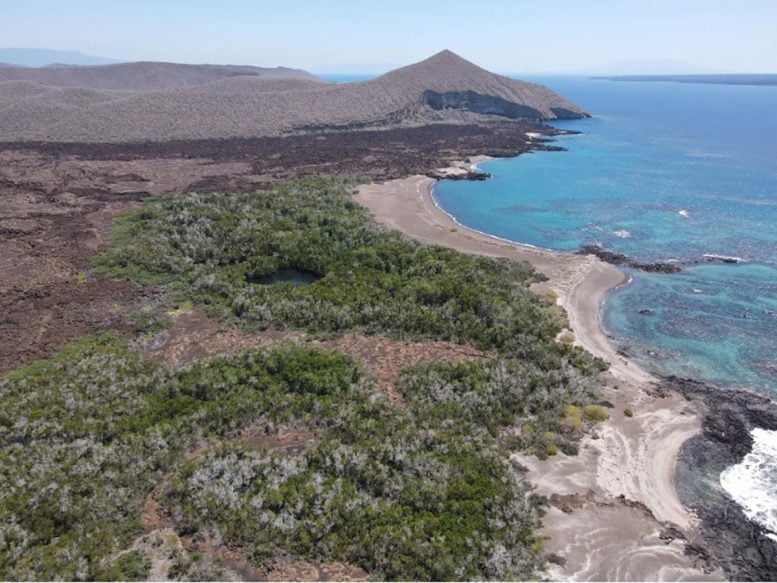
Aerial View of Playa Tortuga NegraThe Galápagos snapdragon, once close to disappearing, is showing encouraging signs of recovery through a long-term partnership between the Charles Darwin Foundation and the Galápagos National Park Directorate. For decades, the Galápagos snapdragon was known from little more than a specimen pressed into an herbarium collection. It had been gathered near Caleta Tagus in 1962, [...]
  •  

New Analysis of “Tasmanian Tiger” Skulls Overturns Assumptions About What Led to the Species’ Extinction

Australia’s extinct thylacine, also known as the Tasmanian tiger, was not the powerful predator European settlers had assumed based on experiences with the dogs and wolves of their homeland, scientists say.

In a recent study of the skull of this creature, famously hunted to extinction, researchers from Flinders University and the University of Melbourne found something unexpected: the thylacine likely hunted only small prey. The team presented these findings in a paper published in Nature Communications, challenging the assumption that the Tasmanian tiger targeted large animals like sheep.

According to the new research, false European assumptions brought to a new land led to the overhunting and extinction of the thylacine species.

Reconsidering the Thylacine

The primary discovery in the work was that the thylacine’s long, deep jaw shape would be poorly suited to holding down large animals. Instead, it would be more effective at delivering a powerful snap to a much smaller animal.

“Our latest findings on their feeding adaptations counter the myths that drove the thylacine to extinction,” said lead author Professor Vera Weisbecker, from the College of Science and Engineering at Flinders University. “Thylacines were often compared to Northern Hemisphere predators such as wolves, jackals and foxes from the dog family Canidae. This resemblance gave them their species name ‘cynocephalus’, meaning ‘dog-head.’”

While the animal may have had some superficial resemblance to a wolf or dog, they followed a quite different evolutionary trajectory. Instead of being closely related to canines, they were more similar to kangaroos. Thylacines were marsupials, pouch-bearing mammals that separated from the broader mammalian lineage in the time of the dinosaurs.

Thylacine Skull
Comparing the Thylacine skull with canid species makes its differences readily apparent. Credit: Vera Weisbecker (Flinders University)

The Strange Thylacine Skull

The researchers say the thylacine skull combines a set of features seen in no other living carnivorous mammal, making it a true outlier. At a glance, the team noted the extinct animal’s large skull, with its long, tall upper jaw that protrudes and ends in a wide snout—an unusual feature that is worthy of more detailed study.

“Even though the average thylacine may have weighed only half as much as the average wolf, its vastly oversized skull is about as large as a grey wolf’s skull,” said co-author Dr Douglass Rovinsky. “But while it was big, it wasn’t really shaped like the skull of a big predator. Instead, the thylacine’s snout was long and slender, almost delicate – not robust like the snout of a grey wolf. It very much looks like the snout of a fox or jackal, which can be much smaller than thylacines.”

Instead of holding down large animals, the researchers say these jaws would be better suited to capturing bandicoots, an animal similar in size to a rabbit, with a powerful snap.

“The longer a jaw is, the faster its tip moves when an animal bites. This increases the impact of the strike. We think that the thylacine’s huge skull size allowed it to withstand these bite forces,” says Professor Weisbecker.

Similar Carnivore Skulls

Intriguingly, while this skull configuration is not seen in carnivorous mammals, large-headed hunters with powerful snapping jaws are common outside of the mammal group.  This shape is particularly useful in aquatic environments, where fast, slippery fish are a primary target for predators.

Long, tall jaws with a wide tip are frequently found in crocodiles and some predatory fish. While the shape is conducive to hunting, it is typically used to capture smaller, highly agile prey. 

“Thylacines were hunted because of myths that they were ferocious predators of livestock, when there was little evidence for this. Their extinction is a story of ignorance and lack of respect for Australia’s unique wildlife and its Indigenous custodians,” Professor Weisbecker concluded. “As a country at the global forefront of mammal extinctions, we need to do all we can to safeguard equally irreplaceable surviving species.”

The paper, “Skull Morphology of the Extinct Tasmanian Tiger Suggests Unique Biting Style,” appeared in Proceedings of the National Academy of Sciences on August 31, 2026.

Ryan Whalen covers science and technology for The Debrief. He holds an MA in History and a Master of Library and Information Science with a certificate in Data Science. He can be contacted at ryan@thedebrief.org, and follow him on Twitter @mdntwvlf.

  •  

Le cliché s’effondre : le crâne du dodo révèle des capacités qu’on ne lui soupçonnait pas

Disparu depuis des siècles, le dodo continue de fasciner. Cet oiseau est souvent vu comme une version moins développée et plus « basique » des volatiles d'aujourd'hui, et pourtant, l'étude de son crâne révèle des capacités et un mode de vie plus complexes que ce que l'on croyait.

  •  

L’image qui a stupéfié le monde : l’ours polaire qui a brisé les cœurs… et trompé notre regard

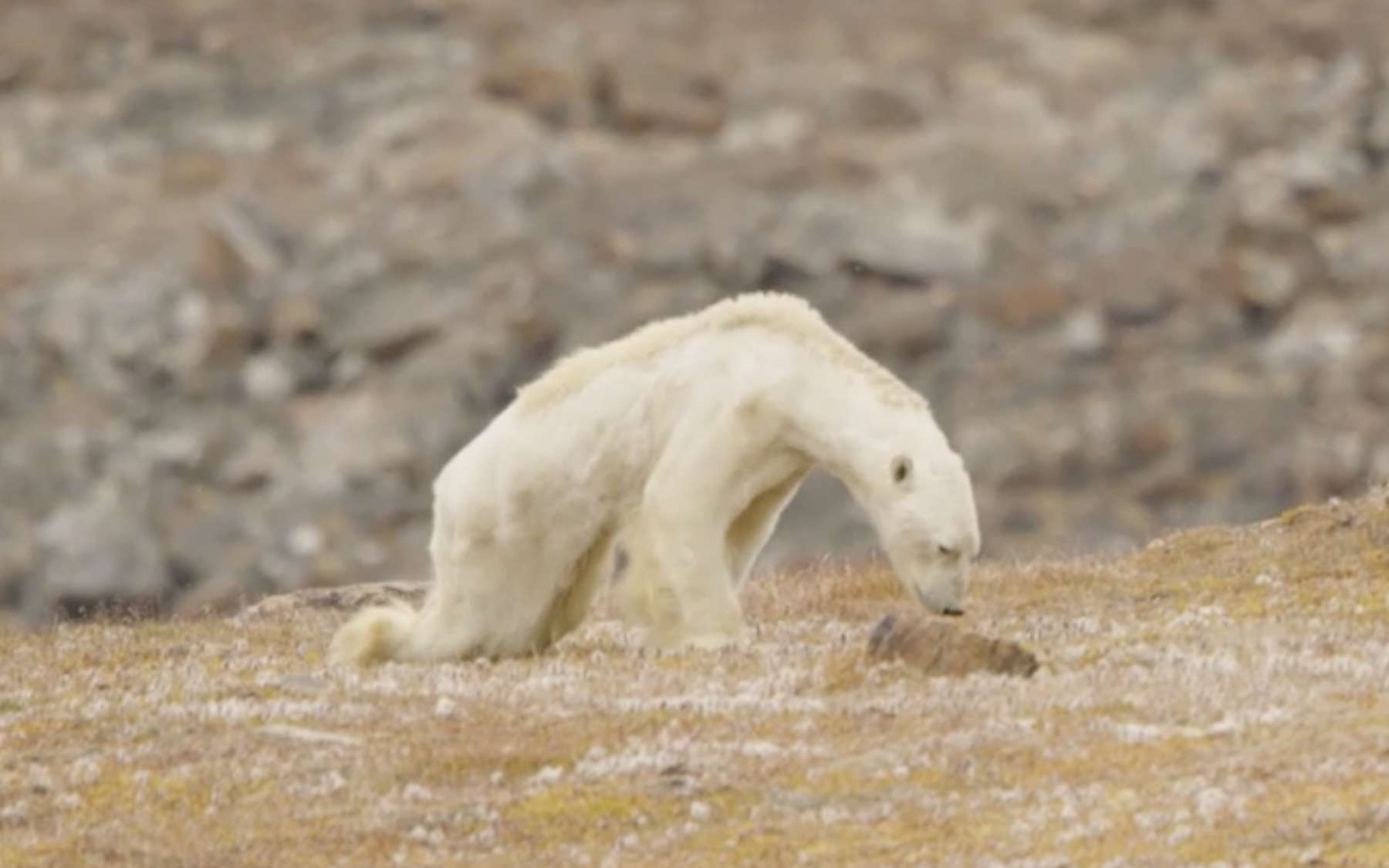
En 2017, la vidéo d’un ours polaire squelettique bouleversait la planète, devenant l’allégorie absolue de l’urgence climatique. Pourtant, derrière l’électrochoc mondial se cache un cas d’école sur notre manière de regarder la crise écologique. Retour sur l’histoire de ce symbole malgré lui.

  •  

What colors were prehistoric mammals?

The spots on a leopard, the stripes on a zebra, and the mask on a raccoon are all types of coloration in mammal fur, referred to as pelage. Scientists have struggled for a long time to understand how these colorations evolved. A team of researchers recently discovered how to reconstruct the colors of ancient mammal fur using cell structures that contain the chemical pigment melanin, known as melanosomes. They hope to use this understanding of ancient mammal pelage to determine how they lived and what their environments were like.

To decipher the color of ancient mammal fur, the researchers constructed a statistical computer model to predict their fur colors based on the shape of their melanosomes. First, they needed to understand how the shapes of melanosomes control fur color in modern mammals. To measure the length and width of the modern melanosomes, the scientists used a beam of electrons like a flashlight to map them in great detail, a technique called scanning electron microscopy.

They measured the length and width of 2,615 melanosomes from the fur of 116 different living mammal species, including a Red Panda, a German Shepard, and one or more species of most types in the mammalian classification. Then they recorded the wavelengths of light reflected off each melanosome using a microspectrophotometer. These wavelengths represented the exact color of hair from each melanosome they measured. This means they now had a quantitative measurement of the color of each hair to compare with its corresponding melanosome length and width.

When they examined their data, the researchers found that spherical melanosomes produced brighter fur colors, like reds and oranges, while elongated melanosomes produced darker fur colors, like browns and grays. The researchers plotted the microspectrophotometric measurements for each melanosome as a graph showing how much light it absorbed across each possible wavelength, creating reflectance curves. Based on these data, the researchers used computer software to create a statistical model that could predict reflectance curves, and therefore color, from melanosome shape alone.

Once the researchers created a model, they needed to find fossilized mammal melanosomes to predict their fur color. Mammal fossils are rare, and pieces of cells are only preserved in the most immaculate fossil deposits. In fact, these researchers only found 6 fossils of this caliber, from Mesozoic rocks deposited around 250 million years ago, soon after mammals evolved. 

The fossils came from 2 world-renowned deposits in Northeastern China, the Yanliao and Jehol biotas. They selected 5 previously studied fossils from these locations, including 1 specimen of Megaconus mammaliaformis, 1 specimen of Vilevolodon diplomylos, 2 specimens from the group Docodonta, and 1 specimen from the group Eutheria. All of these animals were small, rodent-like mammals. The researchers also discovered a new species of tree-dwelling mammal, Arboroharamiya fuscus.

The scientists used scanning electron microscopy to measure a total of 2,159 fossilized melanosomes to refine their color predictions. The fossilized melanosomes were all slightly elongated spheres and had far fewer differences in shape than in modern mammals. The researchers used their model to predict reflectance curves based on the shapes of the fossil melanosomes to determine the ancient mammals’ colors. They found that all the extinct mammals they examined likely had dark brown fur without any color patterns.

Based on these findings, the researchers suggested that most, if not all, early mammals were nocturnal, like many dark-colored mammals today. They suggested that this nocturnal lifestyle probably helped them survive the meteorite impact that wiped out the dinosaurs 100 million years later. While dinosaurs were unable to survive in the post-impact wasteland, these smaller, dark-colored mammals were more resilient and thrived in the aftermath. As mammals filled the ecological roles left by the dinosaurs, they evolved new color patterns, some based solely on camouflage, and others on new factors, like sexual selection and visual communication.

The researchers concluded that their model can predict fossilized mammal colors and help determine how these ancient animals lived. Notably, their data suggest that mammals likely stayed small and nocturnal throughout the Mesozoic until the dinosaurs were gone. Future researchers could use similar methods to uncover exactly how mammals evolved the colors we see today. For example, studying mammals closer to the impact event could reveal if it took a long time to develop diverse fur patterns, or if they began before the dinosaurs’ demise. Ultimately, similar studies could help determine whether the extinction of dinosaurs was necessary for the rise of mammals.

The post What colors were prehistoric mammals? appeared first on Sciworthy.

  •  

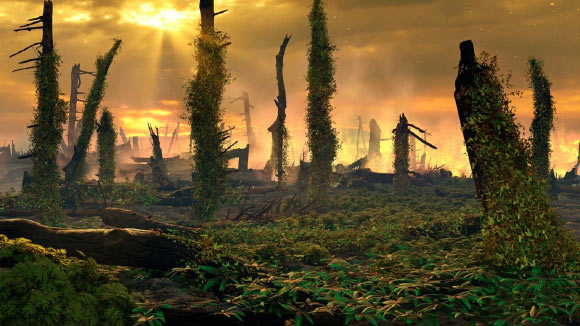
Dinosaur-Killing Asteroid Didn’t Just Strike Earth, Its Dust Cloud Cooked It

Ankylosaurus magniventris, a large armored dinosaur species, witnesses the impact of an asteroid, falling on the Yucatan peninsula 66 million years ago. Image credit: Fabio Manucci.

The Chicxulub impact not only plunged Earth into an impact winter but also produced a dust blanket that later overheated the planet, according to new research from Purdue University and the University of Colorado, Boulder.

The post Dinosaur-Killing Asteroid Didn’t Just Strike Earth, Its Dust Cloud Cooked It appeared first on Sci.News: Breaking Science News.

  •  
  •  

A New Solution to the Dinosaur-Killer Meteorite Mystery Creates Fresh Questions

Researchers from the University of British Columbia studying material from the mysterious dinosaur-killer meteorite that wiped out 75% of Earth’s species, including non-avian dinosaurs, have determined the doomsday space rock was likely a rare type of carbonaceous chondrite.

Although the international team behind the discovery, which includes researchers from Paris, Brussels, and Vienna, said the evidence for this category of “oddball” meteorite offers a viable solution to its mysterious composition, they note that the rarity of chondrite meteorites makes its origin a new mystery that needs to be solved by future research.

They also note that a chondrite meteorite impact would have much less effect on atmospheric sulfur, which is critical to most extinction models, potentially casting doubt on its central role in dinosaur extinction.

Many Details About the Dinosaur Killer Meteorite Remain a Mystery

According to a statement, the Cretaceous-Paleogene impactor resulted in one of the largest extinction events in the planet’s history. While most scientists agree that the event played a significant role in ending the dinosaurs’ reign, the study’s authors note that “the exact mechanism and the extent of the impact-extinction link are debated.” They also note that the origin and composition of the dinosaur killer have remained a mystery.

An analysis of the Chicxulub impact structure reveals that the doomsday dinosaur-killer meteorite was between 10 and 15 kilometers (approximately 6 to 9 miles) wide. Estimates also suggest it impacted Earth at 64,000 km/m (40,000 mph) beneath the modern-day Yucatán Peninsula in Mexico.

Although previous studies identified the meteorite as similar to carbonaceous chondrites, the researchers said that carbonaceous chondrites are a diverse class of space rock, “leaving the exact nature of the impactor unclear.”

“Carbonaceous chondrites of the Ornans class (CO) are definitely not like the typical meteors you find in museum collections,” explained study co-author and visiting professor Dr. Philippe Claeys.

For example, the professor explained, a CO contains fewer volatile elements, such as zinc, carbon, Sulphur, and H20 “than other classes of meteorites we’ve discovered so far on Earth.”

One Mystery Solved

To try to unravel the mystery of the dinosaur-killer meteorite, the researchers teamed up with scientists from the Institut de Physique du Globe and the Université de Paris to conduct high-precision nickel isotope measurements of meteor samples from the event that have been collected over the years from the thin, worldwide layer of clay created by the explosive impact.

Dr. Claeys, a professor at Vrije Universiteit Brussel, currently visiting the Pacific Center for Isotopic and Geochemical Research in Earth, Ocean and Atmospheric Sciences at UBC, noted the challenging nature of the isotopic analysis, primarily due to the limited number of samples.

“Only a minute fraction of the projectile is preserved in the planet’s KT clay layer because the entire meteorite vaporized upon impact,” the researcher explained.

Still, the study authors explain, evaluating Nickel isotopes offers several advantages over other testing methods. For example, Nickel has five isotopes that the researchers note  “allow for up to three separate internally normalized signatures.” They also highlight the availability of Nickel in “virtually all types of available early Solar System solids,” including iron meteorites, which allows for comparison with a wide variety of potential impactors.

Finally, they write, CI chondrites have a distinct Ni isotope signature from the rest of the class, therefore “making it possible to distinguish a CI-like impactor clearly” from other meteorite types.

After completing an isotopic analysis of samples of marine clays containing microscopic pieces of the ejecta, the team said their results “constrain the impactor to one group of carbonaceous chondrites, CO chondrites, “ as well as some evidence for “ungrouped chondrites.”

“By combining our new Ni isotope data with the existing evidence, we demonstrate that the composition of the Chicxulub impactor was most likely CO chondrite-like,” the researchers write, adding that this identification is possible “given nickel’s high abundance in primitive meteorites compared to the Earth’s crust and the distinct isotope compositions they record.”

A New Mystery is Created

While the isotopic analysis offers a compelling solution to the composition of the famed dinosaur-killer that slammed into Earth millions of years ago, the team said the identification casts doubt on the extent of its role in the dinosaurs’ extinction. Specifically, they note that CO chondrites are “dry” compared to others in their class, meaning they contain much less of the volatiles that most extinction theories cite as a significant mechanism.

“As highly volatile elements, such as C, N, and S, in CO chondrites are less abundant than in the typical CCs, questions arise whether the impactor was an essential contributor to the volatiles released during the impact,” they explained.

The most important volatile in most extinction theories is Sulfur (S). However, the authors note, CO chondrites would deliver “approximately half as much S” as more common types.

If the new analysis is correct, it also puts the dinosaur-killer’s origin in question. The authors note that possible sources include distant, debris-rich regions of the outer Solar System or even the outer area of the asteroid belt near Jupiter.

Combined with the compositional analysis lacking volatiles, the team notes that their findings allow “further studies of the mechanism behind the extinction.”

Finding “Doesn’t Alter Our Theory” of What Caused Land Dinosaur Extinction

When discussing the potential implications of their findings, the researchers said their study “highlights the extraterrestrial origin of the K-Pg mass extinction and the isotopes of Ni as a well-suited tool to characterize the nature of extraterrestrial material on Earth.” They also note that the composition of the dinosaur-killer “opens the door for further research into the connection between the impact and the mass extinction.”

From a scientific perspective, the research said their work “highlights the use of Ni isotopes in fingerprinting extraterrestrial materials on Earth,” and helps evaluate the risks associated with “potential future impact events and their consequences.” The study also shows how even an uncommon type of space rock can permanently alter the planet’s history.

“Being impacted by such a rare, distant projectile really underscores how unlucky the dinosaurs were,” Dr. Claeys said.

The researcher also noted that the lack of volatiles in this category of meteorite “doesn’t alter our theory of what caused the extinction event.” However, he notes, if correct, the result “makes it less likely that Sulphur contained in the impactor was the smoking gun.”  Instead, the fine debris “thrown into the atmosphere” by the forceful impact would have been the primary factor in the end of the dinosaurs.

The study “The origin of Cretaceous-Palaeogene impactor revealed by nickel isotopes” was published in Science Advances.

Christopher Plain is a Science Fiction and Fantasy novelist and has spent the last six years as Associate News Editor and Head Science Writer at The Debrief. Follow and connect with him on X, learn about his books at plainfiction.com, or email him at christopher@thedebrief.org

  •  

Scientists May Have Finally Solved Earth’s Greatest Extinction Mystery

The mass extinction event known as the Great Dying, which occurred 252 million years ago, resulted in the loss of 96% of marine species, and for many years, scientists could not fully explain why certain animals disappeared while others survived.

That longstanding mystery may be closer to a resolution, thanks to a recent study in the Proceedings of the National Academy of Sciences, which suggests that differences in physiology, metabolism, and oxygen use helped determine which marine animals survived the catastrophe.

Stanford University researchers found that physiological differences largely determined which marine animals survived the end-Permian mass extinction after warming oceans lost much of their oxygen. Animals whose bodies could not meet rising oxygen demands, including brachiopods and crinoids that had long ruled the seafloor, had a hard time surviving as ocean temperatures rose and oxygen in the water dropped.

By contrast, mollusks and fish possessed body plans better suited to supplying oxygen as temperatures climbed, allowing them to survive in greater numbers.

“With this study, we essentially wanted to solve the mystery of why, when you go to the beach, you collect the shells of clams and snails rather than those of brachiopods,” said lead author Jose Andres Marquez, a former PhD student in the lab of Stanford’s Erik Anders Sperling.

Marquez and his team developed a model based on species’ metabolic oxygen balance and tested it using direct measurements of oxygen use in living relatives of both ancient groups. This included brachiopods collected from the San Juan Islands in Washington. Their results revealed that the risk of extinction closely aligned with how much oxygen a species required and how effectively it could transport oxygen within its body.

A Body Built for Survival

Modern sea animals, such as bivalves, gastropods, and fish, have become more active and muscular over time. Their hunting habits demand more oxygen, even under normal conditions. Although this could seem like a disadvantage during harsh times, it actually worked in their favor. When ocean temperatures rose and oxygen levels dropped during the Permian-Triassic period, these animals already relied on features such as gills, strong blood flow, and larger muscles to get more oxygen when needed.

On the other hand, Paleozoic animals like brachiopods and crinoids were slow-moving filter feeders that thrived in low-oxygen environments when things were stable. However, as temperatures rose, they required more oxygen, and their bodies could not keep up with the demand in the now-oxygen-poor waters.

“Our findings show that, across different organism groups, extinctions happened at much higher rates for those more vulnerable to increases in water temperature and decreases in oxygen availability,” Marquez said.

The findings support decades of evidence from the fossil record. Brachiopods, which once accounted for thousands of species, now number about 400. In contrast, bivalves have diversified and now account for between 10,000 and 15,000 species.

Settling the Debate

Sperling previously co-authored a 2018 study that identified oxygen loss and warming as the main causes of the Great Dying. However, that earlier research used only physiological data from modern species, so the results were influenced by data from commercially important fish and crustaceans rather than from the ancient groups that have largely disappeared. The new study addresses this limitation by directly measuring the physiology of living representatives of ancient animal groups, including brachiopods.

“This study is really the final nail in the coffin for what caused the Permian-Triassic mass extinction,” Sperling said.

A Familiar Climate

The environmental changes that led to the Great Dying began in oceans that were relatively cool and well-oxygenated, similar to present-day conditions. A massive release of volcanic carbon dioxide altered the atmosphere, driving global temperatures up by 8 to 12 degrees Celsius over several thousand years. By comparison, current climate projections estimate a rise of 1.5 to 4 degrees Celsius above preindustrial levels by 2100, but over a much shorter timescale. “The bad news is, we are on track for Permian-Triassic levels of warming in worst-case scenario projections,” Sperling said.

By comparing more groups of marine animals, the researchers hope to determine whether the physiological patterns that shaped Earth’s greatest mass extinction could help predict which species are most vulnerable as today’s oceans continue to warm. “We’re still at the point where we can change things and do something about it,” Sperling emphasized.

Austin Burgess is a writer and researcher with a background in sales, marketing, and data analytics. He holds an MBA, a Bachelor of Science in Business Administration, and a data analytics certification. His work focuses on breaking scientific developments, with an emphasis on emerging biology, cognitive neuroscience, and archaeological discoveries.

  •  

Dinosaurs May Have Been Wiped Out by ‘Oddball’ Space Rock

This painting depicts an asteroid slamming into tropical, shallow seas of the sulfur-rich Yucatan Peninsula in what is today southeast Mexico. The aftermath of this immense asteroid collision, which occurred approximately 65 million years ago, is believed to have caused the extinction of the dinosaurs and many other species on Earth. Shown in this painting are pterodactyls, flying reptiles with wingspans of up to 50 feet, gliding above low tropical clouds. Image credit: Donald E. Davis / NASA.

By analyzing nickel isotopes preserved in the 66-million-year-old debris left by the Chicxulub impact, researchers conclude that the asteroid responsible for Earth’s last mass extinction most likely belonged to an exceptionally rare class of primitive meteorites called carbonaceous chondrites of the Ornans type (CO chondrites).

The post Dinosaurs May Have Been Wiped Out by ‘Oddball’ Space Rock appeared first on Sci.News: Breaking Science News.

  •  

Eastern and Southern Asian Gymnosperms Face Extinction

Scientists Warn: Eastern and Southern Asian Gymnosperms Face Imminent Extinction Amid Accelerating Climate Change

The botanical world stands on the edge of a crisis as groundbreaking research exposes the severe vulnerability of gymnosperms inhabiting Eastern and Southern Asia. A study published recently in Communications Earth & Environment projects a grim future for these ancient plant species, contriving to predict their potential extinction driven by rapid, anthropogenic climate shifts. Gymnosperms, a critical group of seed-producing plants including pines, cycads, and ginkgos, have thrived on Earth for millions of years, yet they now face an unprecedented existential threat.

The research team, led by environmental scientists Tang C.Q., Matsui T., and Shitara T., delved deep into the combined effects of rising temperature, shifting precipitation patterns, and increased frequency of extreme weather events on gymnosperm populations. Their models integrate climate projections with species-distribution data, revealing that the traditionally temperate and subtropical niches occupied by these gymnosperms will dramatically shrink by the middle of the 21st century. The researchers underscored that this decline is not uniform; rather, certain species endemic to specific mountainous or coastal ecosystems display alarmingly higher risk profiles.

Gymnosperms perform indispensable ecological functions, including carbon sequestration, habitat provision, and soil stabilization. Their dwindling numbers could initiate cascading environmental consequences in Asia’s biodiverse forests. The botanical group’s deep-rooted historical presence has allowed ecosystems to flourish through millennia; however, current climate trends disrupt the intricate balance of these habitats at a speed too fast for evolutionary adaptation or migration to compensate.

The research methodology involved coupling high-resolution climate modeling with phylogenetic analysis of gymnosperms. By mapping physiological tolerances and reproductive traits against future climate scenarios simulated under various Representative Concentration Pathways (RCPs), the study offers one of the most comprehensive assessments to date. Crucially, it highlights that while some gymnosperm species maintain a degree of resilience due to wider ecological amplitude, many are specialists confined to narrow environmental parameters and thereby disproportionately susceptible.

Tang and colleagues emphasize the intricate relationship between temperature increases and drought incidence in the region, noting that these stressors synergistically impair gymnosperm vitality. Water stress impacts photosynthetic efficiency, disrupts nutrient uptake, and elevates susceptibility to pests and diseases. In marginalized microhabitats or high-altitude refugia, these effects intensify, leading to localized extirpations that can spiral into broader population collapses over time.

The implications extend beyond botanical loss; gymnosperms constitute foundational species in many forest ecosystems, affiliate with mycorrhizal fungi essential for nutrient cycling, and provide resources for myriad animal taxa. The potential disappearance of these plants risks triggering ethological and trophic-level shifts, reducing ecosystem resilience to further climate perturbations. Furthermore, economically important species used for timber, traditional medicine, and cultural practices face sharp declines, posing socioeconomic challenges.

This research also serves as a dire warning against complacency in regional conservation strategies. Protected areas alone may prove insufficient if climatic envelopes shift beyond the reach of current reserves. The scientists advocate for integrated approaches, including assisted migration, ex situ conservation, and the establishment of ecological corridors to facilitate natural dispersal. Prioritizing gymnosperms with limited dispersal ability and narrow ecological niches is urgent to formulate responsive management frameworks.

The study explores the genetic diversity patterns across gymnosperm populations to evaluate adaptive capacity. Low genetic variability combined with rapid environmental changes diminishes resilience, constraining evolutionary potential. Loss of phylogenetic diversity risks undermining ecosystem functions more severely than numerical species losses alone, as more distinct lineages harbor unique functional traits critical for ecosystem stability.

Researchers also discuss phenotype plasticity and reproductive timing alterations in response to shifting climate variables. Disruptions in phenology—such as mismatches in pollination timing or seed maturation cycles—further complicate species survival trajectories. These dynamics, observed empirically in several regional species, underscore the complex interplay of biotic responses to multifaceted climate stressors.

The comprehensive data synthesis provided by Tang et al. highlights key geographic hotspots where gymnosperm extinction risk concentrates. Mountain ranges and isolated forest patches in Eastern China, Vietnam, and parts of the Himalayas emerge as critical areas for intensified conservation actions. In contrast, some upland refuges might preserve pockets of gymnosperm diversity, warranting prioritized protection and monitoring.

The projected losses loom as one of the most significant biodiversity crises in plant history within this region. The consequences for carbon dynamics depend on how these gymnosperm populations, which often function as carbon reservoirs, respond to climate change. The decline of such reservoirs exacerbates atmospheric CO2 accumulation, amplifying global warming in a feedback loop.

This study further calls for robust interdisciplinary collaboration between climatologists, ecologists, foresters, and policymakers to devise adaptive strategies addressing these challenges. Integrating remote sensing, long-term ecological monitoring, and community-based conservation initiatives could bolster efforts to safeguard remaining gymnosperm populations.

In conclusion, this sobering new evidence underscores the urgent need for both mitigating climate change drivers and innovating species-specific conservation measures. By illuminating the precarious status of Eastern and Southern Asian gymnosperms, Tang and colleagues have provided an essential scientific foundation that demands immediate international attention and action. Failing to act risks erasing a vital part of Earth’s botanical heritage, with irreversible ramifications for ecosystems and human societies alike.


Subject of Research: Extinction risk of Eastern and Southern Asian gymnosperms under climate change.

Article Title: Eastern and southern Asian gymnosperms are doomed to extinction under climate change.

Article References:
Tang, C.Q., Matsui, T., Shitara, T. et al. Eastern and southern Asian gymnosperms are doomed to extinction under climate change. Commun Earth Environ (2026). https://doi.org/10.1038/s43247-026-03759-7

Image Credits: AI Generated

  •  

Were dinosaurs doomed before the asteroid hit?

Around 66 million years ago, an asteroid wiped out 75% of the species on Earth. This event caused the extinction of all dinosaurs except birds, referred to as non-avian dinosaurs. However, an open question in paleontology is whether the dinosaurs were already declining before the asteroid hit. Many scientists think that around 5 to 10 million years before the extinction event, dinosaurs became less biologically diverse across America, making them more prone to extinction. 

To investigate this hypothesis, scientists recently revisited fossils in a rock layer from the end of the dinosaur era that previous researchers had incorrectly dated. The bulk of the fossils from this period had previously been collected from a different section of rocks called the Hell Creek Formation in Montana. These researchers studied a rock layer in New Mexico that is exposed to the surface, known as the Naashoibito Member. It’s approximately 30 meters (about 100 feet) thick and formed from ancient river sediments. 

To determine when the Naashoibito Member formed, the scientists measured the decay of radioactive elements within its mineral grains over time, a technique called radiometric dating. The scientist reasoned that these mineral grains must have crystallized before being transported and incorporated into the Naashoibito Member, so their youngest ages should provide a maximum depositional age. 

They determined the ages of 1,046 crystals of the mineral feldspar from 2 dinosaur-bearing rock layers in the Naashoibito Member. Based on these ages, the researchers found that a sandstone within 5 meters (about 16 feet) of the lowest boundary of the Naashoibito Member must be younger than 66.9 million years old. They found that the other layer, which is around 3.5 meters (11 feet) from the base of the lowest boundary, must be younger than 66.4 million years old. These age ranges indicated that the sandstone contains dinosaur fossils formed 400,000 years before their extinction.

Next, the researchers measured the direction of magnetic minerals inside the rocks, using a practice called magnetostratigraphy. The direction of these minerals indicates where Earth’s magnetic field was pointing at that time. Scientists have shown that the Earth’s magnetic field has flipped multiple times over Earth’s history, so they can use these magnetic signals to create a timescale for when the sediments formed. 

The researchers wanted to determine whether the magnetic minerals were lined up in a direction like today, called normal polarity, or the opposite, called reverse polarity. The researchers found one rock layer with normal polarity at the base of the Naashoibito Member, and one with reverse polarity in the upper part of the Naashoibito Member. These magnetic field directions lined up with 2 known polarity intervals over a timeline that matched the feldspar dates. Together, these data demonstrated that the Naashoibito Member formed at the end of the dinosaur era, around the same time as the Hell Creek Formation.

Next, the researchers wanted to test whether non-avian dinosaurs maintained their diversity across different regions of Western North America during this time period. They compared fossil patterns from locations across North America using statistical grouping methods that determine how similar or different their environments were. They found that temperature, rather than geographical location alone, was the best predictor of diversity at the extinction event. 

The team concluded that a diverse population of Naashoibito dinosaurs lived at around the same time as the Hell Creek dinosaurs. Earlier scientists surmised that dinosaurs were already on the decline because they studied the colder northern regions, where diversity was lower. However, these results suggest that warmer conditions in the south still supported diverse dinosaur populations. Together, this evidence suggests that dinosaurs were still diverse and thriving 66 million years ago, and that their extinction was indeed a result of the asteroid impact.


The post Were dinosaurs doomed before the asteroid hit? appeared first on Sciworthy.

  •  

Les scientifiques alertent sur un changement inquiétant chez les requins : l’Homme serait en train de modifier leur manière de survivre

80 millions : c'est le nombre de requins tués chaque année par la pêche mondiale, selon une étude publiée dans la revue Science. Une pression colossale qui ne reste pas sans réponse de la part de ces prédateurs. Dans le golfe du Mexique, les requins s'adaptent, et pas forcément dans le bon sens.

  •  

Fossil Discovery in Patagonia Reveals New Species of Horned Turtle

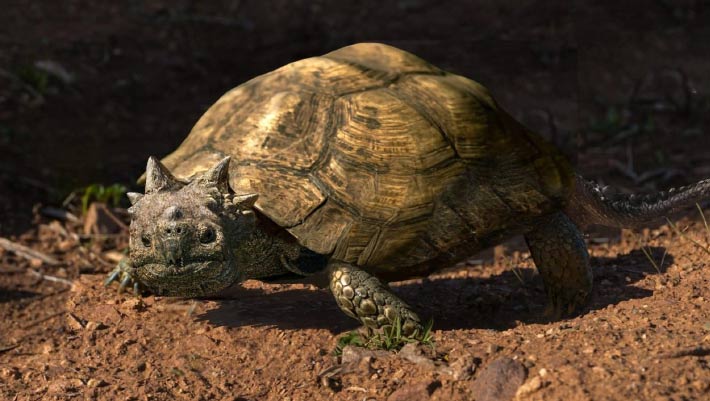
An artist’s impression of Patagoniaemys aeschyli. Image credit: Nawel Vazquez / Museo Argentino de Ciencias Naturales ‘Bernardino Rivadavia’ / CONICET.

Paleontologists have identified a new species of meiolaniform turtle from northern Patagonia, Argentina, that lived during the Maastrichtian age, just before the asteroid-triggered mass extinction that wiped out all non-avian dinosaurs.

The post Fossil Discovery in Patagonia Reveals New Species of Horned Turtle appeared first on Sci.News: Breaking Science News.

  •  

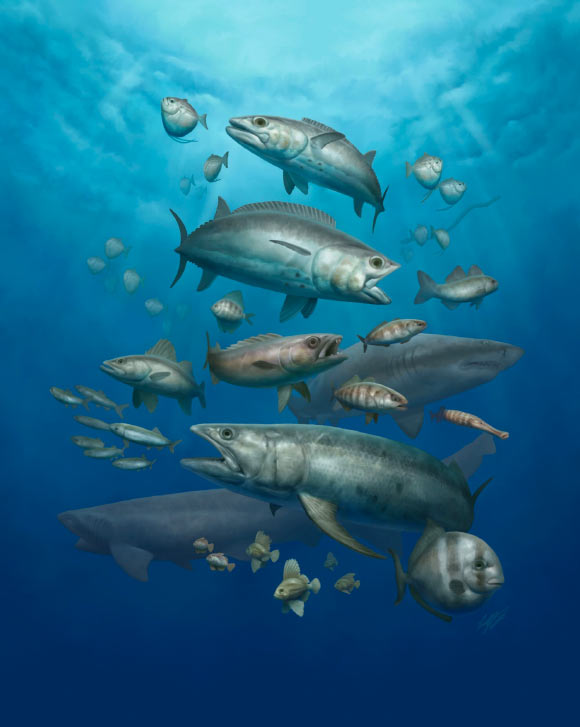
Fish Fossils from Early Paleocene Fill 10-Million-Year Gap after Dinosaur Extinction

Marine fishes from the Early Paleocene site of Qreiya 3 in the Eastern Desert of Egypt. Image credit: Ian Baylatry.

Paleontologists have described an assemblage of marine fish fossils from the 62.2-million-year-old site of Qreiya 3 in the Eastern Desert of Egypt, providing a window into this transition.

The post Fish Fossils from Early Paleocene Fill 10-Million-Year Gap after Dinosaur Extinction appeared first on Sci.News: Breaking Science News.

  •  
❌