❌

Reading view

Simulating Fluid–Structure Interaction in Eyes with Detached Descemet Membrane

In a finding that could reshape how ophthalmologists think about one of the most delicate complications of corneal surgery, a team of computational engineers has built the first detailed computer model of a human eye in which the Descemet membrane—the paper-thin basement layer at the back of the cornea—has become detached. By simulating the fluid–structure interaction between the aqueous humor sloshing inside the eye’s anterior chamber and the flexible, detached membrane itself, the researchers have produced quantitative predictions about the mechanical stresses such a detachment imposes, and about how different transplanted corneas might alter those stresses during post-operative thermal therapy.

The study, published in the Annals of Biomedical Engineering, addresses a long-standing blind spot in ocular biomechanics. Detachment of the Descemet membrane is a recognized complication of cataract surgery, corneal transplantation and certain corneal dystrophies, and it can cause significant corneal swelling and vision loss if the membrane does not reattach. Yet most previous computational examinations of the anterior chamber have treated the eye’s interior as rigid-walled plumbing, focusing on fluid flow or heat transfer while excluding the complex two-way coupling between the intraocular fluid and the fragile ocular structures suspended within it. The new work changes that by modeling the detached Descemet membrane as a deformable, elastic solid that bends, stretches and deforms under the pressure and shear of the aqueous humor flowing around it.

The researchers, led by Ammar I. Alsabery of the Islamic University in Najaf, Iraq, together with colleagues from the University of Basrah, King Khalid University in Saudi Arabia, Saveetha School of Engineering in India, and Universiti Kebangsaan Malaysia, employed a coupled numerical scheme that solves simultaneously for the buoyancy-driven flow of aqueous humor and for the structural deformation of the membrane. The geometry represents the anterior chamber—the fluid-filled space between the cornea and the iris—with a warm region corresponding to the lens contact zone held at an isothermal hot temperature, mimicking the thermal gradients that arise in ocular warming therapies and in normal physiological conditions.

At the heart of the analysis is the Rayleigh number, a dimensionless parameter that governs the strength of natural convection: warmer, less dense fluid rises while cooler fluid sinks, generating circulating currents within the chamber. The team varied the Rayleigh number across three orders of magnitude, from 10³ to 10⁶, which corresponds to temperature differences spanning from a fraction of a degree to 250 Kelvin. This range deliberately encompasses both the mild thermal gradients present in the living eye and the much more aggressive temperature differences applied during clinical thermal therapy of the cornea, allowing the same model to speak to both resting physiology and active treatment.

Equally central to the study is the elasticity modulus of the detached membrane. The researchers swept this property across nine orders of magnitude, from 10⁸ to 10¹¹, a range designed to represent everything from highly compliant, freshly detached tissue to the much stiffer mechanical character of donor corneal tissue used in transplantation. Because the Descemet membrane’s stiffness varies with age, disease state and surgical history, this parametric approach lets the model answer a question that clinicians genuinely care about: does the type of cornea grafted into a patient change the mechanical load experienced by a detached membrane during recovery? The answer, according to the simulations, is nuanced. The cornea type does affect the stress imparted on the detached Descemet membrane, but it does not affect the thermal characteristics of the anterior chamber or the overall displacement behavior within it. In other words, stiffer transplanted tissue changes the mechanical environment at the membrane itself without appreciably altering the convective heat transfer patterns of the aqueous humor circulating beneath it.

The fluid dynamics of the anterior chamber turned out to be far more sensitive to geometry than to tissue stiffness. One of the most striking results concerns the iris, the pigmented diaphragm whose length in the model determines the extent of the hot, isothermal contact region associated with the lens. When the team simulated a shrinkage of the iris—effectively reducing the length of the contacting part of the lens held at the hot temperature—they found that the convective thermal characteristic of the anterior chamber rose by approximately 78 percent. This dramatic enhancement arises because the reduced iris length reshapes the buoyancy-driven circulation cells, allowing warmer fluid to travel more freely and exchange heat more efficiently with its surroundings. For clinicians, the implication is that the geometry of the anterior chamber, shaped in part by the iris and the lens, is a first-order determinant of how heat is distributed during thermal therapy, potentially more important than the material properties of the graft itself.

The temperature difference applied during thermal therapy also proved to be a powerful lever. Raising the applied thermal gradient from 2.5 Kelvin to 25 Kelvin—a tenfold increase—promoted heat transfer within the anterior chamber by 47.6 percent. While the scaling is sublinear rather than directly proportional to the temperature difference, the result confirms that modest increases in therapeutic temperature can yield meaningful gains in convective heat delivery without requiring a hundredfold jump in applied thermal load. The finding offers a quantitative framework for calibrating thermal treatments of the anterior segment: therapy protocols could, in principle, be tuned to achieve target heat transfer rates while respecting the narrow thermal safety margins of living ocular tissue.

Technically, the simulations belong to a class of problems known as fluid–structure interaction, or FSI, in which the fluid equations and the solid mechanics equations are coupled and solved together rather than in isolation. In this case, the aqueous humor—an essentially water-like fluid—drives natural convection under the influence of gravity, while the detached Descemet membrane responds to the pressure and viscous stresses exerted by that flow. The membrane’s deformation, in turn, modifies the shape of the fluid domain, feeding back into the flow field. This two-way coupling is computationally demanding but essential, because a rigid-wall approximation would entirely miss the bending and displacement of the detached membrane, along with the localized stress concentrations that could determine whether the membrane reattaches, tears further, or remains stable during healing. The methodology builds on the team’s earlier FSI studies of flexible fins, baffles and partitions in convective systems, as well as their prior work applying FSI modeling to blood flow in abdominal aortic aneurysms under thermal treatment, adapting those engineering tools to the peculiar geometry and physiology of the human eye.

The choice to represent the detached Descemet membrane as a flexible structure rather than a fixed boundary is what gives the study its clinical bite. Prior models of aqueous humor flow, including foundational work on fluid flow in the anterior chamber of the human eye published decades ago, captured the buoyancy-driven currents but assumed static, impermeable walls. By letting the membrane move, the new simulations capture the interplay between hemodynamics-like fluid loading and tissue compliance—precisely the interplay that governs how a detached membrane flutters against the aqueous humor, how stresses concentrate at its edges and attachments, and how different graft stiffnesses redistribute those stresses across the corneal structure. The team’s results suggest that surgeons and biomaterials scientists selecting corneal grafts for patients prone to Descemet membrane detachment could use stress predictions of this kind to weigh graft stiffness as part of the decision, even though the overall thermal environment of the chamber will remain largely unchanged.

Beyond transplantation, the model has direct relevance to thermal therapy of the eye, a class of treatments in which controlled warming is applied to manage conditions of the anterior segment. Because the simulations connect an easily controlled clinical variable—the applied temperature difference—to a measurable outcome in convective heat transfer, and because they quantify the role of iris geometry in shaping the thermal flow field, they provide a template for patient-specific treatment planning. A clinician armed with imaging of a patient’s anterior chamber geometry could, in principle, use models of this type to predict how a planned thermal protocol will distribute heat in the presence of a detached membrane, and whether the resulting stresses on the membrane fall within tolerable limits.

The work is not without its simplifications, as the authors themselves frame the study as an evaluation of corneal transplantation processes rather than a complete clinical simulator. The anterior chamber geometry is idealized, the aqueous humor is treated with standard transport properties, and the elasticity modulus range, while broad, samples the problem in parametric steps rather than matching every individual patient’s tissue. Real eyes also feature aqueous production and drainage, blinking, saccadic motion and ocular pulse effects that a steady natural-convection FSI model does not capture. Nonetheless, the paper’s central contribution—demonstrating that corneal stiffness governs membrane stress while iris geometry and thermal gradient govern heat transfer—stands as a clean separation of effects that future, more detailed models will need to reproduce.

The research was supported by the Universiti Kebangsaan Malaysia Research Grant GP-2024-K006388 and by the Deanship of Research and Graduate Studies at King Khalid University through a large Research Group Project. As computational biomechanics continues to migrate from engineering journals into clinical planning, studies like this one mark a shift toward treating the eye not as a static optical instrument but as a living, deformable, fluid-filled machine—one in which a membrane thinner than a human hair can dominate the mechanical conversation, and where the difference between a compliant and a stiff cornea may one day inform the surgeon’s graft choice.

Subject of Research: Fluid–structure interaction analysis of aqueous humor flow, heat transfer and membrane stress in the human eye with Descemet membrane detachment, with application to corneal transplantation and thermal therapy

Article Title: Fluid–Structure Interaction Analysis of Human Eye with Descemet Membrane Detachment

Article References: Alsabery, A. I., Ismael, M. A., Raizah, Z., Ghalambaz, M., & Hashim, I. (2026). Fluid–Structure Interaction Analysis of Human Eye with Descemet Membrane Detachment. Annals of Biomedical Engineering. https://doi.org/10.1007/s10439-026-04317-0

Image Credits: AI Generated

DOI: 10.1007/s10439-026-04317-0

Keywords: Descemet membrane detachment, anterior chamber flow, fluid–structure interaction, human eye, cornea transplantation, natural convection, thermal therapy, Rayleigh number, elasticity modulus, aqueous humor, corneal biomechanics, numerical simulation
  •  

This Tiny Organism Contracts 200 Times Faster Than You Can Blink – Scientists Finally Know How

Spirostomum ambiguumSpirostomum uses a calcium-activated protein network to contract at remarkable speed without conventional muscle fibers. In less than five milliseconds, the aquatic single-celled organism Spirostomum ambiguum can shrink to one quarter of its body length, a movement hundreds of times faster than a human blink. Researchers have now traced that speed to an unusual calcium-activated [...]
  •  

Open-source software tracks wrist bone motion in 3D and 4D CT scans

In a development that could reshape how scientists study the mechanics of human movement, a team of biomedical engineers and computer scientists has unveiled an open-source software tool capable of tracking the tiny, intricate bones of the wrist as they glide and rotate during motion. The new tool, called Hierarchical 3D Registration, or 3DH, is a module within the SlicerAutoscoperM extension of the widely used 3DSlicer computing environment. Described in a study published in BioMedical Engineering OnLine, the software was validated against previously established methods using both sequential three-dimensional computed tomography, or 3DCT, scans of living participants performing thumb tasks and dynamic four-dimensional CT, or 4DCT, images of cadaveric wrists moving through flexion and extension. The results demonstrate that the open-source approach can match the accuracy of independent, previously published methodologies while offering researchers everywhere a free and reproducible path to quantifying skeletal kinematics.

The wrist has long been one of the most challenging joints for biomechanists to study. It contains eight small carpal bones, including the scaphoid and lunate, along with the radius of the forearm and the metacarpal bones of the hand, all articulating in a tightly packed arrangement that allows the remarkable range of motion humans rely on every day. Understanding how these bones move relative to one another, a field of study known as arthrokinematics, is essential for unraveling the causes of wrist instability, osteoarthritis, ligament injuries and the long-term outcomes of surgical repairs. Yet measuring those movements in living, moving joints has historically required either invasive techniques, labor-intensive manual analysis or proprietary software that few laboratories can access or verify.

Quantitative tracking of skeletal structures in vivo, with both efficiency and high temporal resolution, matters to a wide range of questions in biomechanical research, and the authors of the new study argue that the field has been held back by a shortage of accessible, semi-automated registration tools. Image registration, the computational process of aligning one three-dimensional image volume to another, lies at the heart of motion tracking from CT data. When a bone moves between two scans, its position and orientation change, and a registration algorithm must find the transformation that best overlays the bone’s image from one time point onto the next. Done well, this yields precise measurements of rotation and translation. Done poorly or inconsistently, it introduces errors that can swamp the small movements of carpal bones, which may shift by only a few millimeters and a few degrees during normal function.

The new 3DH module addresses this problem with a hierarchical strategy for registering bones across sequences of image volumes. The researchers presented and evaluated the software using two distinct classes of data drawn from previous studies. The first consisted of sequential 3DCT datasets of human participants performing various thumb tasks, in which the radius, the first metacarpal and the trapezium were the target bones. The second consisted of dynamic 4DCT datasets capturing simulated flexion-extension motion in cadaveric wrists, providing time-resolved, three-dimensional image volumes of the scaphoid and lunate in motion. By testing the tool on both static sequential scans and true dynamic imaging, the team was able to demonstrate that 3DH is not limited to a single imaging paradigm but can serve as a unified tracking solution across modalities.

To determine whether the new open-source tool could be trusted, the investigators compared the arthrokinematics computed with 3DH against values that had been previously calculated using independent approaches for the same 3DCT and 4DCT datasets. The statistical framework for this comparison was the Bland-Altman analysis, a standard method for assessing agreement between two measurement techniques. Rather than simply correlating the two sets of results, Bland-Altman analysis quantifies the mean bias, the systematic difference between methods, and the 95 percent limits of agreement, the range within which most individual differences between the methods are expected to fall. This approach is particularly well suited to method-comparison studies because it reveals whether a new technique introduces systematic error and how widely individual measurements might deviate from those of the established gold standard.

The performance figures reported in the study are striking. For the 3DCT data, in which the radius, first metacarpal and trapezium were tracked, the mean bias for the helical angle, a single-axis description of three-dimensional rotation, was just minus 0.06 degrees, with 95 percent limits of agreement ranging between minus 1.87 degrees and 1.74 degrees. Translation measurements fared nearly as well: the mean bias was 0.12 millimeters, with limits of agreement spanning from minus 2.23 millimeters to 2.00 millimeters. In practical terms, the open-source tool reproduced the rotational and translational measurements of the earlier methods to within roughly two degrees and two millimeters at the extremes, differences small enough to preserve the biological signal in most wrist kinematics experiments.

The dynamic 4DCT results told a similar story for the carpal bones. Tracking the scaphoid and lunate through simulated flexion-extension, 3DH produced mean biases of the Euler angle rotations, which decompose three-dimensional rotation into three orthogonal components, of less than 0.77 degrees about any direction. The widest 95 percent limits of agreement ranged between minus 7.11 degrees and 8.65 degrees. For translations, mean biases were less than 0.5 millimeters in any direction, with the widest limits of agreement ranging between minus 2.36 millimeters and 1.43 millimeters. The wider limits of agreement for rotations in the dynamic data likely reflect the added challenges of time-resolved imaging, including motion blur and the smaller, more complexly shaped carpal bones, but the near-zero mean biases indicate that the tool does not systematically drift away from established values.

Crucially, all target bones were successfully tracked in both the 3DCT and 4DCT datasets, meaning the hierarchical registration algorithm converged on correct solutions in every case tested. This robustness matters because registration algorithms can occasionally fail, locking onto incorrect alignments or diverging entirely, and such failures typically demand time-consuming manual intervention. A semi-automated tool that reliably succeeds across diverse bones, motion tasks and imaging protocols removes a significant bottleneck. Manual bone tracking in CT volume sequences can take hours per bone per trial, and the labor multiplies rapidly in studies involving multiple participants, multiple bones and dozens of motion cycles. By automating this process within a validated framework, 3DH promises to accelerate the pace at which wrist biomechanics data can be collected and analyzed.

The choice to build the module inside 3DSlicer, and specifically within the SlicerAutoscoperM extension, is a deliberate strategic decision with implications well beyond the wrist. 3DSlicer is a free, open-source platform for medical image computing and visualization with a large international user base spanning research, clinical and educational communities. By embedding 3DH in this ecosystem, the developers have made the tool immediately available to any laboratory already working with 3DSlicer, complete with the platform’s established infrastructure for loading DICOM data, segmenting anatomical structures and visualizing results. The authors note that the ability to track bones from both 3DCT and 4DCT data sources, with agreement to prior methodologies, demonstrates that the 3DH approach is a capable tool that could promote collaboration and consistency of results through open-source software.

Consistency is a quietly urgent issue in biomechanics. When different laboratories use different proprietary tools with undisclosed algorithms, it becomes difficult to distinguish true biological differences between study populations from mere methodological discrepancies. Open-source registration changes that calculus: the code can be inspected, verified, extended and reused, and results from different institutions become directly comparable because they are produced by identical algorithms. This transparency also lowers the barrier to entry for research groups in settings that cannot afford commercial licenses, potentially broadening the global community capable of conducting rigorous skeletal kinematics research.

The study itself emerged from a collaboration spanning several institutions. The team included Joseph J. Crisco, Amy M. Morton and John D. Holtgrewe of the Department of Orthopedics at The Warren Alpert Medical School of Brown University and Rhode Island Hospital; Cesar Lopez, Andrew Thoreson and Kristin D. Zhao of the Assistive and Restorative Technology Laboratory and the Department of Physical Medicine and Rehabilitation at the Mayo Clinic in Rochester, Minnesota; and Jean-Christophe Fillion-Robin and Beatriz Paniagua of Kitware Inc. in Clifton Park, New York. The involvement of Kitware, a company known for its leadership in open-source scientific computing, underscores the blend of academic rigor and software engineering expertise required to produce a research tool robust enough for widespread distribution. Funding was provided by the National Institute of Arthritis and Musculoskeletal and Skin Diseases of the National Institutes of Health under award numbers AR059185, AR078924 and AR071338.

The implications of this work extend naturally to the future of musculoskeletal imaging. As newer CT technologies, including photon-counting detector systems, deliver ever-finer spatial resolution and as dynamic 4DCT becomes more widely available, the volume of image data available for kinematic analysis will grow dramatically. Tools like 3DH, which are fast, semi-automated and validated across modalities, will be essential for converting that imaging bounty into quantitative biomechanical knowledge. For patients with wrist disorders, the downstream promise is equally tangible: better measurements of how carpal bones actually move in living joints can inform more accurate diagnoses, improved surgical planning, more realistic computational models of joint loading and ultimately better-designed treatments for conditions ranging from scapholunate instability to thumb-base arthritis. With the tool now openly available in the 3DSlicer environment, researchers around the world can begin putting it to work.

Subject of Research: Open-source kinematic tracking of the small bones of the wrist in sequential 3DCT and dynamic 4DCT images using Hierarchical 3D Registration

Article Title: Kinematic tracking of the small bones of the wrist in sequential 3DCT and dynamic 4DCT volume images using open-source Hierarchical 3D Registration, a module within SlicerAutoscoperM

Article References: Crisco, J. J., Morton, A. M., Lopez, C., Thoreson, A., Zhao, K. D., Holtgrewe, J. D., Fillion-Robin, J.-C., & Paniagua, B. (2026). Kinematic tracking of the small bones of the wrist in sequential 3DCT and dynamic 4DCT volume images using open-source Hierarchical 3D Registration, a module within SlicerAutoscoperM. BioMedical Engineering OnLine. https://doi.org/10.1186/s12938-026-01601-x

Image Credits: AI Generated

DOI: 10.1186/s12938-026-01601-x

Keywords: Computed tomography, 3DCT, 4DCT, Bone tracking, 3DH, 3DSlicer, Image registration, Wrist kinematics, Arthrokinematics, Open-source software, SlicerAutoscoperM, Bland-Altman analysis

  •  

Physicists Find Useful Energy Hiding in Quantum “Waste Heat”

Heat Engine in Driven Dissipative Quantum SystemA new theoretical approach helps connect quantum physics with classical thermodynamics by clarifying what counts as heat and useful work in tiny quantum machines. When a machine is reduced to a single atom and particles of light, even basic concepts such as heat and useful work become difficult to define. This problem sits at the [...]
  •  

Researchers shrink double-slit experiment to atomic scale

Shrinking Young’s double-slit experiment
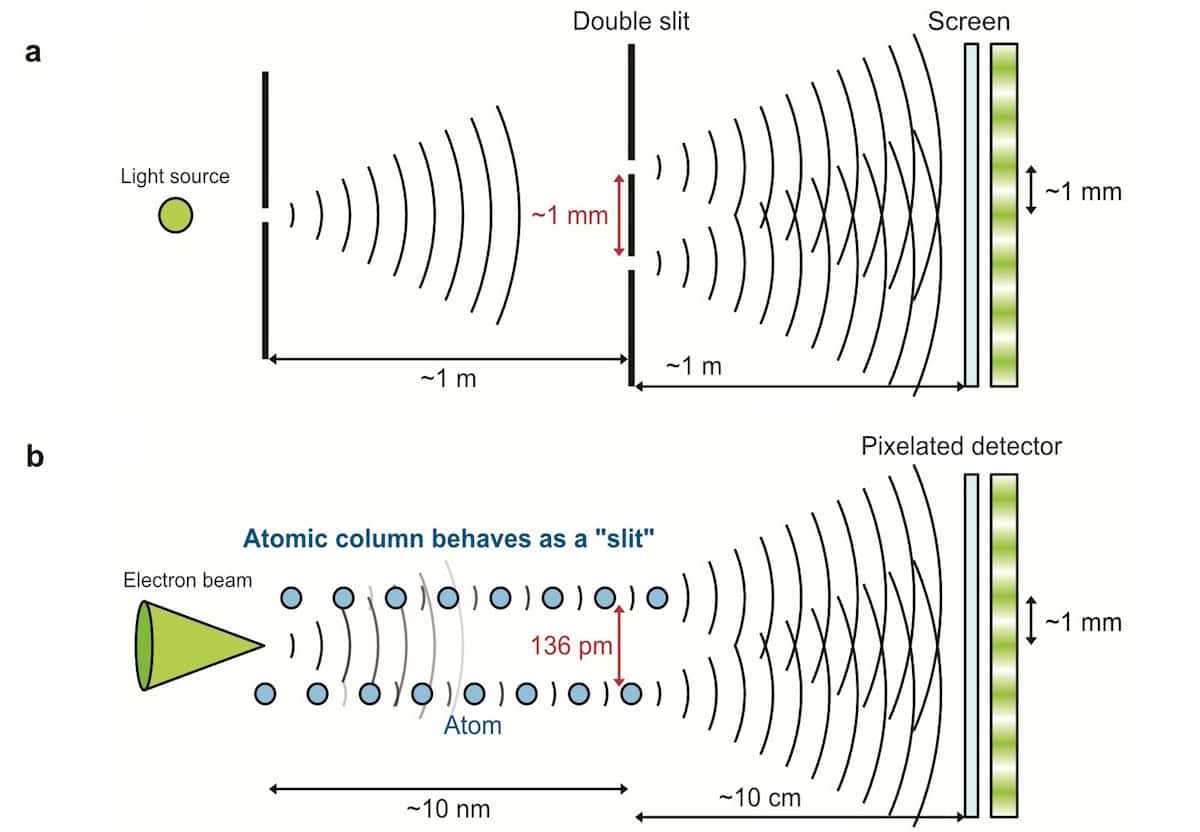
Shrinking Young’s experiment (a) The classical double-slit experiment using light (slit spacing ~1 mm, propagation distance ~1 m). (b) Schematic of atomic-scale interference in which a pair of neighbouring silicon atomic columns act as a “double slit” for a focused electron probe (spacing 136 pm; crystal thickness ~10 nm; distance to detector ~10 cm). (Courtesy: Koudai Tabata/University of Tokyo)

For the first time, physicists in Japan have carried out an atomic-scale version of the double-slit experiment. Using an ultraprecise electron beam channelled along two adjacent columns of atoms in a crystal of silicon, Naoya Shibata and colleagues at the University of Tokyo observed clear interference fringes in electrons scattered by the atoms: fringes that persisted even at high temperature, thanks to correlations in the atoms’ thermal vibrations.

The double-slit experiment is perhaps the most iconic demonstration in quantum mechanics: showing how a single particle’s wavefunction interferes with itself as it passes through two slits at once, with a tangible impact on where the particle is ultimately observed.

In practical research, this effect is now routinely harnessed in electron, neutron and atom interferometers. By observing the interference fringes that it creates, researchers can extract valuable information about both the quantum matter wave and whatever object is doing the diffracting.

Recently, physicists have attempted to push double-slit interferometry all the way down to the atomic scale, replacing conventional slits with crystal lattices. When a moving electron encounters an atom in a crystal, it scatters across a range of angles – producing an outgoing spherical wave that’s mathematically identical to the diffraction pattern from a classical slit.

Since atoms in a crystal sit at such well-defined separations, any neighbouring pair of them could, in principle, act as a double-slit interferometer. In reality, however, the many repeated unit cells in a crystal mean the resulting interference fringes are washed out, making it difficult to isolate the signal from a single atomic pair.

To address this challenge, Shibata’s team used the ultraprecise probe of a 4D scanning transmission electron microscope: an instrument designed to capture electron diffraction patterns with a pixellated detector. Fired into a pure silicon crystal at just the right orientation, the microscope’s precision let the researchers target two adjacent columns of aligned silicon atoms, separated by just 136 pm. As a result, the electron wave overlapped both columns, and no others.

“Our key idea was to use these two atomic columns as the two slits,” describes team member Takehito Seki. “By channelling the probe along both columns at once, we turned them into two coherent scattering sources – effectively making the crystal itself into an atomic-scale double-slit interferometer.”

At this scale, Shibata and Seki’s team created electron interference fringes some seven orders of magnitude smaller than in Thomas Young’s original double-slit experiment with light, first carried out in 1801.

Just as in a larger-scale experiment, these patterns encoded information about the crystal and the electron beam. But at this scale, the researchers could also detect the signature of individual phonon modes in the columns. Rather than destroying coherence as uncorrelated atomic motion would in a classical picture, these correlated vibrations between the two atomic columns kept them moving in sync, preserving the interference.

“In a which-path picture, relative motion of the two atomic columns makes the two electron pathways more distinguishable and reduces the interference, whereas correlated in-phase motion preserves coherence,” Shibata explains. As a result, distinct interference fringes remained visible across temperatures ranging from 300 to 900 K.

The team’s results already point to how an atomic-scale double-slit experiment could offer new ways to measure phonon correlations directly between single pairs of atoms. But as Shibata explains, the possible applications could stretch much further.

“It also opens a route to probing local lattice dynamics at the scale of individual atomic bonds, including at interfaces and defects, where local lattice dynamics can strongly influence thermal transport,” he says. “In the long run, such atomic-scale insight could help inform better thermal management strategies for future chip technologies.”

The study is published in Nature.

The post Researchers shrink double-slit experiment to atomic scale appeared first on Physics World.

  •  

Meet the 2026 Ig Nobel Prize winners

It's that time of year again, when we learn which lucky scientists are among the winners of the Ig Nobel Prizes. This year, the prizes honor research on designing the perfect splash-free urinal; using mosquito proboscises to "necroprint" tiny nozzles; studying composition rates of buried cotton underwear; and the aerodynamics of a healthy nose-blow, among other highlights.

Established in 1991, the Ig Nobels are a good-natured parody of the Nobel Prizes; they honor “achievements that first make people laugh and then make them think.” The unapologetically campy awards ceremony features miniature operas, scientific demos, and "24/7 lectures," whereby experts must explain their work twice: once in 24 seconds and the second in just seven words.

Acceptance speeches are limited to 60 seconds. And as the motto implies, the research being honored might seem ridiculous at first glance, but that doesn’t mean it’s devoid of scientific merit. In the weeks following the ceremony, the winners will also give free public talks, which will be posted on the Improbable Research website.

Read full article

Comments

© YouTube/Improbable Research

  •  

First-of-a-Kind Experiments Demonstrate Effects of Einstein’s Gravity in the Quantum World

An international research team has announced the first-ever successful observation of gravity’s effect on a falling quantum object, demonstrating a connection between gravity and the quantum world first predicted by Albert Einstein.

The research team said the result does not unify quantum mechanics and gravity, nor does it prove that gravity is a quantum phenomenon.

However, the researchers said their study offers experimental support that Einstein’s equivalence principle, a fundamental concept at the heart of the famed scientist’s theory of gravity, remains consistent with matter in the quantum world.

Unifying Einstein’s Theory of Gravity with Quantum Mechanics

When physicists want to describe nature, they rely on two distinct sets of rules. Einstein’s theory of gravity explains the mechanics of large-scale phenomena like stars and galaxies. Conversely, quantum mechanics helps scientists characterize the behavior of extremely small objects. Still, finding a scientific bridge uniting the two sets of rules has proven elusive.

“These two pillars of modern physics have so far eluded all attempts at a unified theoretical framework,” explained Professor Ron Folman from Ben-Gurion University of the Negev and the lead author of the new study.

Einstein did, however, identify one mechanism where the two worlds meet. Called the equivalence principle, the concept says that gravity should effectively disappear for an observer in free fall. For example, NASA simulates zero-gravity environments by flying astronauts in a plane, making successive rising and falling parabolic arcs. During the short periods of falling, the astronauts briefly experience ‘weightlessness” due to the equivalence principle.

quantum gravity
Above: The 2D MOT apparatus which feeds the science chamber with cold atoms. At the centre is a glass cell held under vacuum between coils producing magnetic fields. The atoms go into the science chamber through the tiny hole that may be seen in the centre of the yellow (reflecting) surface (Image Credit: Or Dobkowski).

Curious if the same phenomena would apply to the quantum world, the research team, which included Nobel Prize-winning physicist Professor Sir Roger Penrose, designed experiments. According to a statement announcing the research, the team hoped their setup would allow them to measure a “distinctive change in the quantum properties of atoms as they fell under gravity.”

Experiments Show Gravitational Pull Affecting Quantum Objects

To search for gravity’s effect in the quantum world, the researchers created clouds of rubidium atoms cooled to just above absolute zero. The researchers used a specially designed atom chip that allowed the team to manipulate the ultracold rubidium atoms.

Next, PhD student Or Dobkowski and colleagues used microwave pulses to place the atoms in quantum superposition. This unique quantum state lets each atom travel down two paths at once.

Using tiny electrical wires embedded on the specialized chip, the researchers generated tunable magnetic fields. The researchers said the field’s precision tunability allowed them to apply an upward force to one half of the atomic wave. For this experiment, the team created a magnetic field at the precise strength needed to counter gravity, effectively holding that half of the wave stationary relative to Earth.

After suspending the first half of the wave, the team used a magnetic pulse to lift the second part. Then, the team switched to a state almost unaffected by the magnetic field, allowing it to fall under gravity.

Once the second half completed its fall, the team used magnetic fields to reunite the two halves. When reunited, the two halves of the atomic wave interfered with each other. The researchers said that interaction allowed them to “measure the tiny difference in quantum phase accumulated while one was falling and the other was held still.”

“The phase measured in the new experiment is the same as the one predicted when Einstein’s principle is applied to such a quantum wave,” they explained.

“One of the Most Fundamental Questions in Physics”

When discussing the results, the research team said their result should not be construed as proof that gravity is quantum. The results also do not unite gravity and quantum mechanics. However, Folman noted, “this complex experiment gives more hints as to how such a unification may be achieved.”

Study co-author Professor Vlatko Vedral from the University of Oxford’s Department of Physics agreed, while also noting that their experimental results successfully demonstrated Einstein’s equivalence principle’s consistency with quantum mechanics, which alone provides an experimental connection between quantum physics and Einstein’s theory of gravity.

“This experiment pushes quantum mechanics into one of its most intriguing frontiers, gravity, and shows that, once again, its predictions hold,” Professor Vedral explained.

The professor also noted the experiment’s combination of hard experimental data with “a far-reaching theoretical interpretation, about one of the most fundamental questions in physics: How can gravity (described by Einstein’s theory of relativity) and quantum theory be unified into one understanding of the universe?”

The study “Observation of the quantum phase of free fall and the consistency with the equivalence principle” was published in Science Advances. 

Christopher Plain has spent the last six years as Associate News Editor and Head Science Reporter at The Debrief. Follow and connect with him on X, learn about his novels at plainfiction.com, or email him at christopher@thedebrief.org.

  •  

Researchers Map the Hidden 3D Geometry of a Quantum Wavefunction

Artistic Illustration of Electron Orbital ImagingPhysicists at Göttingen University imaged three-dimensional wave functions using a tabletop soft X-ray laser. An electron inside a molecule does not occupy one fixed point. Quantum mechanics instead describes it through a “wavefunction,” a mathematical map that gives the probabilities of properties such as position and momentum. Within molecules, these electron wavefunctions are known as [...]
  •  

D-Wave shows off its new entry in quantum computing race

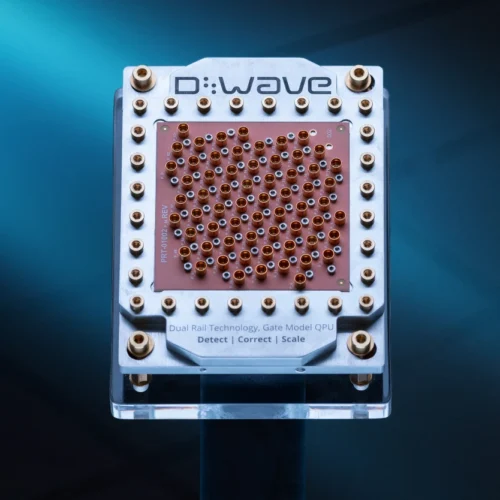
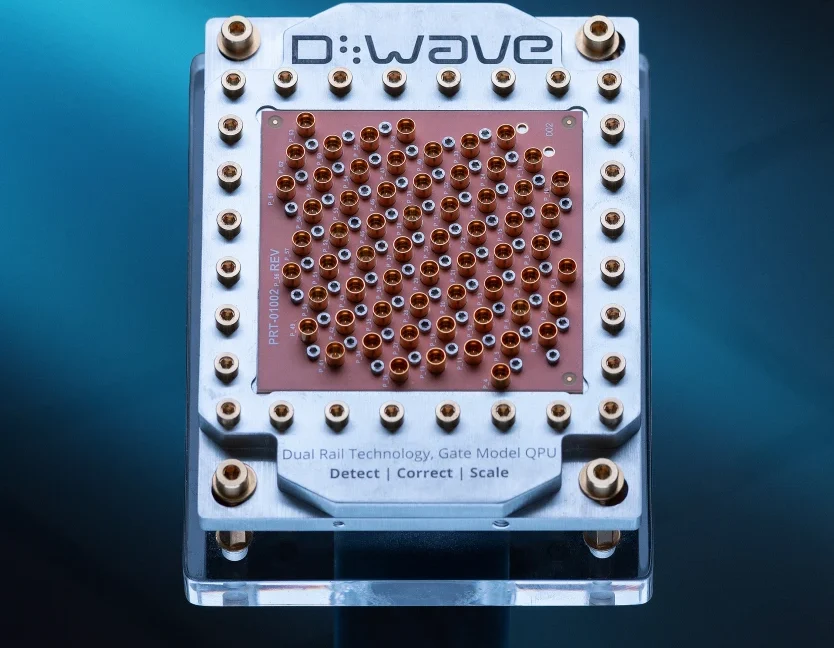
D-Wave is a bit of an oddity in the quantum computing space, having been founded back in the last century. And its initial offering wasn't a quantum computer like those being developed by IBM or Google. Instead, the company built what's now called a quantum annealer, a machine that isn't general-purpose but can solve a large class of optimization problems. While the hardware shares some similarities with the qubits used in gate-based quantum computers, it operates in a fundamentally different way.

But a few years back, D-Wave started working on gate-based hardware, apparently choosing a somewhat unusual qubit technology called fluxonium. And this year, the company acquired a startup called Quantum Circuits that spun out of Yale University and has been developing what's called a dual-rail qubit (the same technology used by Amazon), which promises to make most errors very easy to detect, simplifying error correction.

On Wednesday, the company is publishing a paper in Nature that describes a key step in validating this dual-rail technology, showing that two of the qubits can be entangled without altering their best feature: Most are a single type that is easy to detect.

Read full article

Comments

© D-Wave

  •  

Quantum Computing’s “Dark Horse” Just Cleared a Major Hurdle

Quantum Computer Processor Superconducting CircuitsResearchers demonstrated that braiding and fusing particles known as non-Abelian anyons can perform every operation required by a quantum computer. A quantum computer becomes broadly useful only when it can perform any computation rather than a limited set of specialized tasks. Physicists have now demonstrated that unusual quantum objects called non-Abelian anyons can provide that [...]
  •  

Remains of the 1945 atomic explosion with an unknown metallic alloy discovered in the sand of Hiroshima Bay

Research on nuclear explosion residues continues to bring surprises to the scientific community. A research group led by Luca Bindi, from the Department of Earth Sciences at the University of Florence, has identified a multicomponent metallic alloy previously unknown, which formed during the Hiroshima atomic bombing on August 6, 1945, and that has remained hidden […]

  •  

Quantum computers outperform classical ones, with results you can trust

There are many algorithms for which it has been mathematically proven that a quantum computer can generate results that would take a classical computer an unreasonable amount of time to generate. Unfortunately, today's quantum computers either can't run those algorithms or can only run simplified versions that classical computers can also handle. This has left the field facing a challenging question: Can we demonstrate the promise of quantum computers on today's noisy, limited hardware?

That's a more difficult question than it may first appear. If you generate a result that's out of reach of today's regular computers, it may not be possible to verify that you got the right result. And given that today's quantum computers are somewhat error-prone, getting the wrong result is a distinct possibility. Further, in the absence of a mathematical proof of the capabilities of quantum hardware, it's possible that a better classical algorithm could outperform the quantum hardware.

These issues inspired IBM to launch a quantum advantage tracker. On Thursday, the company announced three new entries that it says clearly show a quantum advantage, each using a different approach to overcoming errors and validating quantum results. "Trusted computing when you can do classical simulations is irrelevant," IBM's Jay Gambetta told Ars. "Trusted computing when you can't do classical simulations is a big deal."

Read full article

Comments

© IBM

  •  

Yet more qubit tech: New quantum dot options, diamond vacancies

If you follow quantum computing news for long enough, it can start to seem like any quantum system that can alternate between two well-separated energy states can be used as a qubit. Atoms, ions, photons, electrons, and manufactured devices all have their backers. One of the key things that attracts backers is the tech's ability to scale. We'll need a lot of high-quality qubits to start doing any complex computations, and the ability of any technology to get us there is the subject of debate.

So even as some technologies can now support thousands of qubits, some competitors are still working on a small handful of qubits—the companies behind them are convinced that they have the potential to scale more effectively.

One of those technologies involves quantum dots that hold a single electron. Their advantage is that we can manufacture them using the same tech we use to build traditional processors, an approach that has proven to be scalable. This week saw two new papers describing different ways of using quantum dots, one of which was appealing enough that IBM bought the company that developed it. Separately, another company has released a processor showing 100 individual electrons being held in diamond defects, technology that wasn't obvious could scale.

Read full article

Comments

© HRL Laboratories

  •  

Fractured and Fed Up, Teams Fully Competitive After Major Breakthrough

A new UC Irvine–led poll released four months before Election Day suggests Orange County remains a rare political battleground, with the governor’s race hovering near statistical dead heat. In a June 9–12 field survey of 809 Orange County adults, likely-voter preferences put Republican Steve Hilton ahead of Democrat Xavier Becerra, 47% to 44%, well within a reported ±4.2 percentage-point margin of error.

The deeper story is turnout mechanics. Becerra performs best among groups that report lower voting certainty—Latino and Asian-American respondents, women, and Independents—while Republicans show higher levels of commitment. Only about half of Independents say they are absolutely certain to vote in November, compared with roughly three-quarters of Republicans and Democrats, raising the possibility that the election hinges more on who shows up than on who is preferred.

Orange County’s issue landscape narrows to a single dominant demand: housing costs. Sixty-one percent of residents name housing among the top problems facing California, and 37% identify it as the single most important issue—nearly double the next closest category. That cross-cutting salience persists despite demographic and partisan differences, making housing the campaign’s defining scalar variable.

The electorate also shows a structural shift. Independents now match Democrats as the county’s largest bloc, leaving Republicans virtually tied. The resulting near-perfect three-way split—34% Democrat, 34% Independent or other, 32% Republican—mirrors the March 2026 results and reinforces Orange County’s classification as a highly competitive electorate.

Generation appears to be the strongest cleavage dimension. Approval for President Donald Trump ranges from 14% among Gen Z to 53% among Baby Boomers, while voting certainty spans from 45% (Gen Z) to 87% (Boomers). Explanations for skipping the June primary cluster around forgetfulness, registration barriers, and skepticism about vote efficacy, especially among younger and Independent residents.

Racial and ethnic patterns complicate conventional realignment narratives. Although Latino and Asian-American groups are becoming more independent rather than simply shifting left or right, their head-to-head lean remains Democratic in candidate matchups. However, the turnout gap—about half of Latino residents and 59% of Asian-Americans reporting absolute voting certainty versus 82% for White respondents—may determine which coalition converts into votes.

Gender divides are consistent across the ballot. Men back Hilton by 14 points, while women support Becerra by 8 points, and approval of Trump and opposition to Governor Gavin Newsom track similarly by gender. Unlike generations, however, the gender gap does not translate into different turnout intentions, with roughly two-thirds of both men and women expressing absolute certainty to vote.

Finally, perceptions of institutional direction show persistent anxiety. Around two-thirds of respondents say the United States is headed in the wrong direction, while California fares only slightly better. Locally, optimism is more stable and surprisingly bipartisan, suggesting that residents may differentiate between county-level functioning and national or state governance.

Subject of Research:
Political science / Public opinion (elections; social surveys)

Article Title:
Orange County’s governor race remains a statistical toss-up as housing dominates public priorities

News Publication Date:
Today (June 9–12 field dates; exact publication date not specified)

Web References:
https://sites.uci.edu/ocpoll/

References:
UC Irvine School of Social Ecology “UCI-OC Poll” (fielded June 9–12 among 809 Orange County adults)

Image Credits:
Not provided

Keywords:
public opinion, elections, housing affordability, voter turnout certainty, political polarization, Independents, generational gap, gender gap, Orange County

  •  

Quantum entanglement explains why strange metals are so strange

Illustration showing a cubic lattice of electrons glowing with an eerie green light
Correlation explanation: Quantum entanglement between electrons in strange metals appears to account for some of their unusual behaviour. (Courtesy: Harald Ritsch / TU Wien)

“Strange” metals owe at least some of their peculiar properties to the quantum entanglement of their electrons. This finding comes from physicists at the Vienna University of Technology in Austria, who used a concept from quantum information science to guide their experiments. A similar approach, they say, could also yield a better understanding of certain high-temperature superconductors and other correlated quantum materials.

Electrons travel relatively unimpeded through most metals, but in the 1980s, scientists identified puzzling exceptions in certain cuprate high-temperature superconductors. Further examples of this “strange” metal behaviour subsequently turned up in other classes of materials, including heavy-fermion materials, pnictides and organic compounds. This resistive behaviour cannot be explained by theories that treat electrons as independent, non-interacting particles, nor by theories that include interactions while treating electrons as quasiparticles. And although multiple recent theoretical works suggested a possible role for entanglement, experimental evidence was lacking.

A novel statistical tool

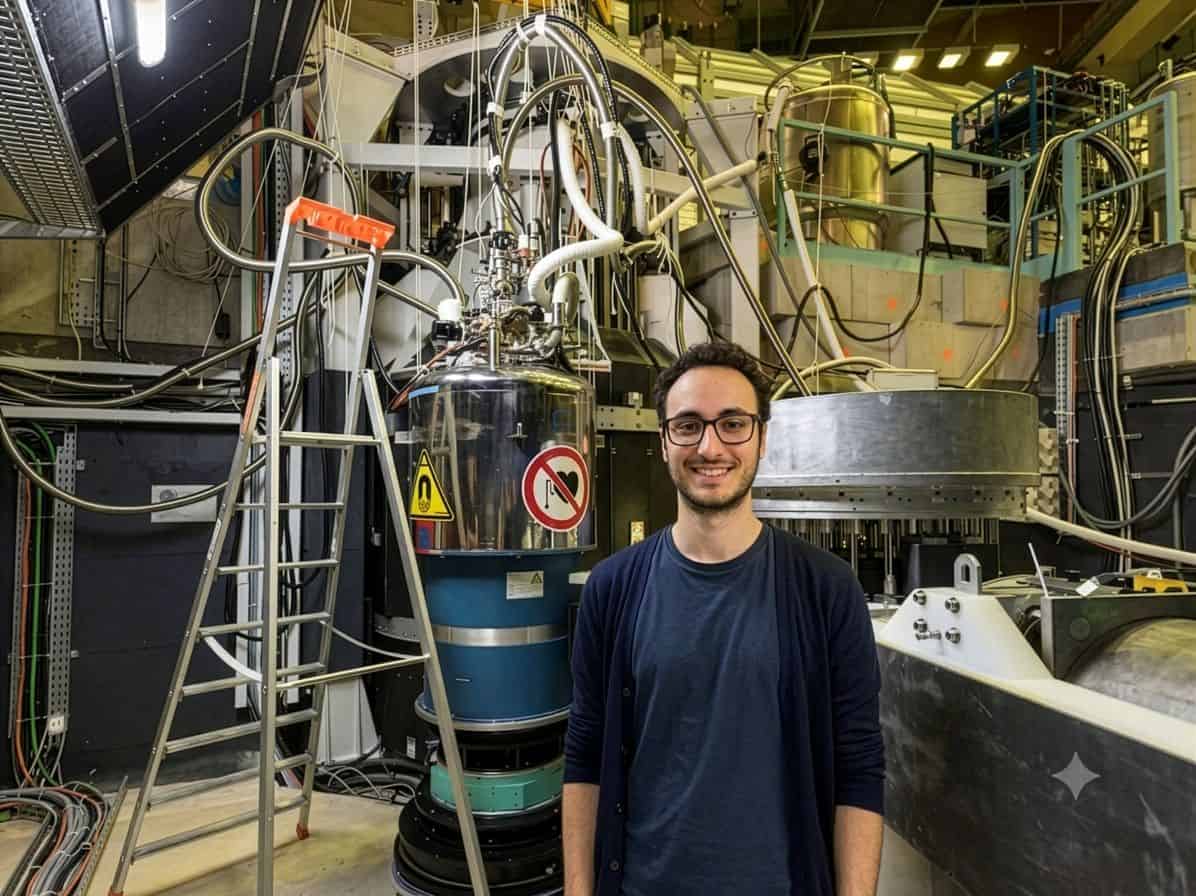
To investigate further, a team led by solid-state physicist Silke Bühler-Paschen used facilities at the Institut Laue-Langevin (ILL) in Grenoble, France to perform inelastic neutron scattering measurements on a heavy-fermion metal with the chemical formula Ce3Pd20Si6. According to team member Federico Mazza, who conducted this part of the study, the scattered neutrons would normally each transfer their energy to individual particles.

However, when the researchers analysed their data using a concept called quantum Fisher information – roughly, a measure of how sensitively a quantum state depends on a given parameter – they found that they could not explain what they were seeing in terms of particles behaving independently. Instead, the data indicated that groups of at least nine quantum-entangled entities were acting collectively. Mazza says this provides direct evidence of highly multipartite quantum entanglement in the material – and, in turn, a new way of understanding why strange metals are so strange.

The parent state of high-temperature superconductivity

The strange metal state is of great interest because physicists consider it the “parent” state of high-temperature superconductivity, though it also occurs across other materials platforms. “We had suspected that some of the intriguing properties of this state might be related to entanglement but were not able to pin it down until now,” Bühler-Paschen explains. “The results are a great success for us. They confirm that our unusual approach of using methods from quantum information science for solid-state physics studies of novel materials can reveal fundamentally new insight.”

Photo of Federico Mazza in the lab at the ILL
Neutron scattering: Federico Mazza at the Institut Laue Langevin. (Courtesy: ILL Grenoble)

The experiments, which are detailed in Nature Physics, were not without challenges. For starters, the researchers needed to identify an ideal material to study the effect they were looking for and then grow it as a large, high-quality single crystal. Once they secured inelastic neutron scattering beamtime at the ILL’s powerful high-resolution triple-axis spectrometer – a difficult feat in itself – Bühler-Paschen notes that they had to obtain and analyse the data at the highest standards and support it with simulations. “Last but not least, [we had to] communicate with our peers that multipartite entanglement contains valuable information beyond correlation functions and scaling analyses,” Bühler-Paschen recalls.

Rather than being a “detail” of one particular material, Bühler-Paschen says the team’s result suggests that enhanced multipartite entanglement might be an integral part of the strange metal state. Verifying this, however, will require studies on other strange metals across materials classes, she says.

“Looking further ahead, we can envision that this aspect of strange metals finds application in quantum devices,” she tells Physics World. “It could also help us better understand high-temperature superconductors and other materials in which electrons are so strongly correlated that they lose their (quasi)particle nature.”

The post Quantum entanglement explains why strange metals are so strange appeared first on Physics World.

  •  

Experiment that may or may not disprove Bohmian mechanics continues to spark debate

In the event of a nuclear holocaust, the only life remaining on Earth may be cockroaches, Keith Richards and physicists arguing about philosophical interpretations of quantum mechanics. One especially rich source of arguments is a deterministic alternative to the standard Copenhagen interpretation that dates back to the American (and later British, after Princeton University fired him for alleged communist sympathies) theoretical physicist David Bohm. According to Bohm, the position of a quantum particle is well defined everywhere and guided by a “pilot wave” which, alas, cannot be measured directly.

Despite these philosophical differences, Bohmian mechanics makes the same predictions as the Copenhagen interpretation. Except maybe it doesn’t. Occasionally, a bright theorist hypothesizes that, under very specific circumstances, one could distinguish them. Very occasionally, a bright experimentalist conducts an experiment that claims to actually do so.

This is what happened last year when Jan Klärs and colleagues at the University of Twente in the Netherlands sent photons from a laser down one of two coupled waveguides towards a potential step. When the photons reached the step, they could pass through it by quantum tunnelling. They could also pass into the other waveguide. The researchers interpreted the distance the photons travelled through the barrier before tunnelling into the other waveguide as a measurement of their speed.

The key result was that, when the wave functions on both sides of the barrier were the same, the photons still tunnelled at, ahem, light speed – matching the Copenhagen notion that tunnelling occurred equally in both directions. However, the Twente team calculated that Bohmian mechanics predicted that photons inside the step – where the guiding equation didn’t have a real-valued frequency – would be at rest and get stuck. Interferometric measurements showed that wasn’t happening.

Not so fast

Game, set and match to Copenhagen? Er, no. Proponents of Bohmian mechanics immediately disputed the team’s definition of velocity. “It’s just an operational definition,” says Aurélien Drezet of the CNRS University of Grenoble-Alps in France. “It has the units of velocity…but that doesn’t mean that Bohmian mechanics can interpret the result.”

In a “Matters Arising” article in Nature, Drezet and two colleagues at the Technion–Israel Institute of Technology in Haifa now add an experimental qualm. The fact that the Twente team was able to produce an image shows that radiation must be leaking out of the cavity, Drezet claims: “If you go to higher approximations and include cavity losses, you explain the experiment completely using Bohmian mechanics,” he says.

Klärs, who is preparing a formal response, is unconvinced. On the first point, he sees no reason “why the same speed measurement, which correctly captures the Bohmian velocity in the propagating regime, should cease to be a speed measurement in the evanescent regime”. On the second, he says his group did not ignore radiative leakage from the cavity: they measured it and found it “does not have a significant impact on the scattering physics we investigate or on the interpretation of our results”.

This could go on for some time – regardless of how many seconds it is to midnight.

The post Experiment that may or may not disprove Bohmian mechanics continues to spark debate appeared first on Physics World.

  •  

20 Years in the Making: Physicists Confirm Long-Standing Quantum Prediction

Quantum Bath Chip for EntanglementISTA physicists have confirmed a theory proposed 20 years ago that could advance quantum technology. A future quantum computer may need separate modules to behave as one machine, even when they are physically apart. That requires distributed entanglement, a quantum connection between distant components that has typically depended on active control and repeated measurements. Physicists [...]
  •  

What happens when you try to chop a photon in half?

A photon is a single particle of light, and under normal circumstances, it can't be divided. But a photon is also not a particle, in the sense that it does not have a specific location. Instead, it is an extended object.

So if a photon is only partway through the process of reflecting from a perfect mirror and you yank the mirror away, what happens? The answer, from a trio of Norwegian physicists, turns out (arxiv.org link) to be more complex than I expected.

A photon divided?

Let’s first talk briefly about dividing and combining photons. If this were a common experience in our lives, then shining a single color of light through a piece of glass or reflecting it from a surface might cause photons to divide or combine. This would lead to an amazing array of colors: Our universe would be the most fantastic and legal LSD trip you could imagine. But this doesn't generally happen, hence LSD.

Read full article

Comments

© DrPixel

  •  

Quantum error correction can constantly recalibrate a processor

There are some obvious big picture issues that stand between us and useful quantum computing. Issues like whether we can make enough high-quality hardware qubits to connect into the error-corrected logical qubits we need, and how we generate the states needed to perform universal computation on those logical qubits. But there are also many less prominent challenges that will need to be solved before we can perform calculations.

One of those challenges, which only affects some types of hardware, is calibration. For devices we manufacture, like superconducting qubits, there are always subtle variations among individual qubits. (This is not true when we use something like an atom to hold the qubit, but the lasers that control them can drift.) As a result, this hardware is put through a process called calibration, where we test different frequencies and amplitudes of the microwave pulses that control them to find the combination that produces the lowest error rates, and then save those settings for use in calculations.

However, you can't perform the typical calibration process while you're doing calculations, which means drift becomes an issue for long and complicated algorithms. Google, though, has figured out that it's possible to do calibration using the same data that's used for error correction.

Read full article

Comments

© Google

  •  
❌