❌

Reading view

Modern humans interbred with Neanderthals before they disappeared, and most people of non-African ancestry still carry roughly 1 to 4 percent Neanderthal DNA today — meaning part of the human population we once thought we simply replaced never actually vanished

A man who died in a Romanian cave about 40,000 years ago carried more Neanderthal DNA than any other human ever sequenced, ancient or modern. His jawbone turned up in Peștera cu Oase, and when geneticists analysed it the result was startling: between six and nine per cent of his genome came from Neanderthals. Because those segments were still long and unbroken in his chromosomes, researchers reporting in Nature could work out that he’d had a Neanderthal ancestor only four to six generations back.

He was simply closer to the event than anyone alive today.

What the first Neanderthal genome settled

For most of the twentieth century the textbook story was replacement. Modern humans left Africa, Neanderthals died out, end of chapter. Anatomists had spent decades staring at skull shapes and reaching opposite conclusions from the same fossils. That held until 2010, when a draft sequence of the Neanderthal genome, assembled by Richard Green, Svante Pääbo and a large team from bones found in Vindija Cave in Croatia, showed that Neanderthals shared more genetic variants with living Eurasians than with living sub-Saharan Africans. Their estimate put the Neanderthal contribution to non-African genomes at one to four per cent.

Sixteen years of better data have tightened that figure rather than overturned it. Most current estimates sit closer to one or two per cent, with East Asians carrying about a fifth more than Europeans.

The meeting had a duration

How long did the two species actually overlap before Neanderthals disappeared? Two papers published on the same day in December 2024 finally gave a precise answer. A study in Science, led by Leonardo Iasi and Manjusha Chintalapati, compared 58 ancient Eurasian genomes against 275 present-day ones and dated the average moment of mixing to about 47,000 years ago, with gene flow continuing for some 7,000 years. A companion analysis, published in Nature, examined 45,000-year-old remains from Ranis in Germany and Zlatý kůň in Czechia and traced the archaic stretches in those genomes to a single admixture event between 45,000 and 49,000 years ago, shared by every non-African sequenced so far.

Seven thousand years is a long time to call an encounter. It is longer than everything that has happened since the first cities of Mesopotamia.

The parts that did not make it

“These deserts may have formed very rapidly after the gene flow,” Leonardo Iasi, one of the authors on the Nature paper, told UC Berkeley. He was describing what he and his colleagues call Neanderthal deserts, long stretches of the modern genome where archaic DNA is completely absent. Ancient human genomes from roughly 40,000 years ago already show no ancestry in those deserts, which is what led him to that conclusion. Read plainly, it means certain Neanderthal variants were harmful enough in a modern human body to be scrubbed out within a few thousand years.

The Oase man makes a similar point from the other end.

For all his recent Neanderthal ancestry, his population left little genetic trace in later Europeans.

What the surviving fragments do

Picture Neanderthal DNA as a jigsaw dropped and scattered across a crowd. No single person holds more than a sliver, but the crowd between them is still carrying a fifth of the picture. That is roughly what Benjamin Vernot and Joshua Akey found, writing in Science in 2014, when they sifted the genomes of 379 Europeans and 286 East Asians and recovered Neanderthal sequence covering roughly twenty per cent of that species’ entire genome.

There is a second archaic contributor in the mix too. Priya Moorjani of UC Berkeley, a senior author on the 2024 Science paper, is now studying people of East Asian descent, who carry both a larger Neanderthal share and up to 0.1 per cent of their genome from the Denisovans, a population known mainly from a handful of bone fragments and an enormous quantity of statistics.

Some of the surviving Neanderthal DNA is doing useful work. The variants that reached high frequency cluster around immune function, skin pigmentation and metabolism, which fits a group that had spent a few hundred thousand years adapting to Europe’s winters and its pathogens before anyone else showed up.

Some of it is a liability. In a paper published in Nature in 2020, Hugo Zeberg and Svante Pääbo showed that the strongest genetic risk factor then identified for severe COVID-19 was a stretch of roughly 50,000 bases on chromosome three, inherited from Neanderthals and carried by about half the population of South Asia and around sixteen per cent of Europeans. One paper, one chunk of chromosome, and the biology behind it is still being argued over. The provenance, though, is not really in dispute.

What to call an ending like that

Extinction normally means a line stopping. Neanderthals did stop existing as a distinct population, around 40,000 years ago, and no amount of genetics changes that. What the genetic evidence changes is the shape of the ending. A population that dies out and a population that gets absorbed look much the same in the fossil record and nothing alike in the genome.

That leaves an odd little fact sitting in the middle of human prehistory. The last Neanderthals were not necessarily childless. Some of them had children, those children had children, and the arithmetic has been running quietly ever since, through a few hundred million bedrooms, down to whoever happens to be reading this.

The post Modern humans interbred with Neanderthals before they disappeared, and most people of non-African ancestry still carry roughly 1 to 4 percent Neanderthal DNA today — meaning part of the human population we once thought we simply replaced never actually vanished appeared first on Space Daily.

  •  

Sweden is moving parts of an Arctic city because decades of iron mining are deforming the ground beneath it — in 2025 a 672-ton church was placed on giant transporters and rolled five kilometers to the new city center

Kiruna’s church went for a walk in August 2025, at half a kilometre an hour, on 224 wheels.

The trip took two days and included a daily stop for fika, the Swedish afternoon coffee break, because some traditions outrank engineering schedules. One driver steered the entire building with a handheld control box across roughly twelve hours of travel, along a route crews had spent months preparing. The Associated Press, in coverage carried by CTV News, reported that a main road was widened from nine metres to 24 and a viaduct was dismantled to clear a new intersection. State-owned mining company LKAB, which paid for the whole performance, lists the church at 672.4 tonnes and 40 metres across. Thousands of people stood in the wind to watch a building do the one thing buildings are designed never to do.

Norwegian contractor Veidekke built the road the church rolled along and the foundations waiting at the far end, as documented by Dezeen. It was not the first tenant to make the trip. By July, AP counted 25 buildings already jacked onto beams and wheeled east, with 16 still queued behind them.

Why the ground is giving way

Beneath the town sits the largest underground iron ore mine on the planet. White Arkitekter, the practice behind the masterplan for the new city, describes daily extraction as the equivalent of six Eiffel Towers of ore, and notes that two thirds of Kiruna’s residents depend on the mine for work. Digging began in 1910. The church was completed two years later, a gift from the company, built on a hill so the congregation could look out over the town the company had also built.

Take enough rock out from under a place and the rock above fractures, sags and follows the hole down. Crews are now working towards a main level 1,365 metres deep, and the surface has been reporting back for years in split walls and buckled roads. In 2004 LKAB told the municipality that the centre would have to be picked up and shifted east, since the alternative was to stop mining.

Sweden chose the mine.

What it costs to relocate a town centre

The company’s own accounting is blunt about the scale. LKAB estimates that at least 3,000 dwellings are affected, 6,000 residents must move and 450,000 square metres of floor space stands in the way, with roughly a third of the urban centre inside the affected zone. The replacement centre opened in September 2022. Per France 24, shifting the church alone carried a price tag of 500 million kronor, about 52 million US dollars.

Then came the sequel. LKAB has since published an expanded impact area that adds a further 6,000 people and 2,700 homes to the queue over the next decade, and CNBC has put the company’s estimated compensation costs across that period at 22.5 billion kronor, roughly 2.4 billion dollars.

Not all of it reads as loss. The Institution of Civil Engineers treats the relocation as a rare chance to redraw a city from scratch: a denser centre planned around good lighting through the long polar dark, 3,000 new homes, and streets arranged so nobody lives more than three blocks from open country. The same assessment records that the rebuild has squeezed Sami reindeer herders, who were working the land long before LKAB arrived.

The residents who cannot be loaded onto trailers

Lars-Marcus Kuhmunen chairs Gabna, the reindeer-herding Sami community whose grazing corridors have already been carved up by the mine, the railway and the town. Speaking to Swedish public broadcaster SVT, he said a new mine at the Per Geijer deposit would mean the end of reindeer herding as they know it, because the ore sits beneath the last narrow passage his herds use between seasonal pastures.

Per Geijer is the reason the arithmetic keeps changing. A report by the Stockholm Environment Institute, covered by ArcticToday, found the project carries significant risk of breaching the Indigenous rights of Sami community members, in the words of senior research fellow Rasmus Kløcker Larsen. That is one institute’s assessment rather than a court ruling, and permitting has years to run. The deposit holds 1.2 billion tonnes of mineral resources including 2.2 million tonnes of rare earth oxides, which is why the European Union has flagged it as strategically important for cutting its dependence on Chinese supply.

Reindeer, unhelpfully, cannot be rerouted by memo.

What happens to the building

Henning Larsen’s circular town hall anchors the relocated core, and the church is due to reopen at its new address, between the cemetery and the new town centre, in 2026. Parts of the stone wall that ringed the old site will be moved across to join it. Where it used to stand becomes a mining town park, kept as a quiet green space until the ground beneath it is needed, at which point the fences go up and the park goes the way of the neighbourhood.

Kiruna has become very good at a peculiar skill: treating permanence as a logistics problem with a budget attached. Beams, jacks, 224 wheels, a control box and a coffee break. A church can be lifted onto a trolley and driven down the road. A migration route cannot.

The post Sweden is moving parts of an Arctic city because decades of iron mining are deforming the ground beneath it — in 2025 a 672-ton church was placed on giant transporters and rolled five kilometers to the new city center appeared first on Space Daily.
  •  

When Cape Hatteras Lighthouse was built in 1870, the Atlantic sat about 1,500 feet away, but by 1999 the ocean had crept to within 60 feet — engineers lifted the entire lighthouse and moved it 2,900 feet inland, five feet at a time

Bar soap moved a lighthouse. Crews smeared ordinary Ivory soap along the steel beams the tower rode across, because it turned out to be the ideal lubricant for a job involving thousands of tons of creeping brick, a detail recorded at the time by the Lighthouse Directory.

Everything else about the job was considerably less homely.

Why a lighthouse ends up in the surf

When Cape Hatteras Lighthouse was finished in 1870, it stood a comfortable 1,500 feet from the Atlantic. Then Hatteras Island did what barrier islands do, which is travel. Storm tides strip sand off the ocean side and dump it on the sound side, and the whole island shuffles westward, a process the National Park Service traces back at least 10,000 years.

The island moved. The lighthouse stayed exactly where the builders left it.

Underneath sat yellow pine timbers resting in fresh water on compacted sand, a floating foundation improvised because pilings could not be driven through hard sand barely eight feet down. Ingenious for 1870, and considerably less reassuring once the surf reached the door. By the late 1990s the ocean had closed to within 60 feet of the base, per the park service’s account of the light station, and decades of groins and sandbags had mostly made the erosion worse.

How to move five thousand tons of brick

Very slowly, and with an enormous amount of hydraulics.

Crews cut the tower free of its foundation, all 4,830 tons of it by the park service’s own retrospective, and replaced it with a grid of seven main beams, each 70 feet long and weighing 11 tons, fitted with 100 hydraulic jacks, as documented by Island Free Press. Those jacks raised the lighthouse 5.34 feet, just enough to slide roll beams underneath and give it a road. Horizontal push jacks then nudged the tower forward about five feet, backed off, shifted position along the beams, and pushed again, a sequence the park service sets out in its move FAQs. Each shove took about a minute, in coverage by the National Parks Conservation Association, and beams the tower had already passed over were carried round to the front to extend the track.

Progress ran to roughly 100 feet a day, with crowds cheering pushes that were barely visible to the naked eye, as Our State magazine later described the scene.

Twenty-three days, 2,900 feet, $11.8 million, and one American Society of Civil Engineers award the following year. International Chimney Corp of Buffalo held the contract. Expert House Movers of Maryland did the shoving.

The argument that came first

None of this was settled quietly. Relocation had been on the table since the National Academy of Sciences recommended it in the late 1980s, and North Carolina State University reached the same conclusion in a review published in January 1997, as Coastal Review later recounted, but plenty of locals were convinced the tower would shake itself to rubble halfway down the track. Congress funded the move anyway in 1998. The lawsuit that followed now sits in an administrative record held by the State Archives of North Carolina, a tidy paper monument to a very loud argument.

What the ocean has done since

The tower now stands about 1,500 feet from the water, the same margin it enjoyed in 1870, and should not be threatened again for something like a century, according to the State Library of North Carolina’s history project on the relocation.

Nearby property has fared worse. At least 32 privately owned beach homes have collapsed onto Cape Hatteras National Seashore since 2020, most of them at Rodanthe and Buxton, with the latest counted by National Parks Traveler in June. Each one brings a notice from Cape Hatteras National Seashore warning visitors about nail-studded debris drifting for miles down the beach. Superintendent David Hallac has pointed out that earlier generations built smaller and shifted buildings when the surf came for them, which is a polite way of saying the island never agreed to stay still.

Cracks the sea did not cause

Scaffolding went up in 2024 for what was meant to be an 18-month restoration costing $19.2 million, and the work has turned up something awkward. Crews expected 30 to 40 cracks in the cast-iron brackets carrying the gallery deck near the top. They found 116, spread across all 16 brackets, Stone & Lime superintendent Josh Brundige told a media tour in July, in reporting by Outer Banks Insider. Most were hidden under seven layers of brick, and the documentation of them predates the 1999 move.

Nobody can say what caused the cracking. Brundige offered thermal expansion and water damage as candidates, with generations of whale oil flame heating the lantern room and winter cooling it down again.

So the lantern room is currently missing from the tower altogether, a temporary beacon is doing the work, and the repair has added about a year and $10 million, taking the project to roughly $30 million. Moving a lighthouse five feet at a time was, in the end, the easy part. Whatever quietly split the ironwork at the gallery deck was already there, decades before anyone thought to look.

The post When Cape Hatteras Lighthouse was built in 1870, the Atlantic sat about 1,500 feet away, but by 1999 the ocean had crept to within 60 feet — engineers lifted the entire lighthouse and moved it 2,900 feet inland, five feet at a time appeared first on Space Daily.
  •  

Apple TV libera trailer do documentário “K2 – O Desafio Final”

O Apple TV lançou hoje o trailer oficial de “K2 — O Desafio Final” (“The Last First: Winter K2”), aclamado documentário do diretor Amir Bar-Lev que tem como foco o monte K2, o segundo mais alto do mundo.

O doc se concentra em uma expedição de 2021, quando Ali e Sajid Sadpara (pai e filho) e John Snorri Sigurjónsson partiram na missão de serem os primeiros a alcançar o cume do K2 no inverno, quando as condições da montanha são mais cruéis.

Segundo a Apple, o documentário revelará uma história “surpreendente e multifacetada” nas alturas geladas e no clima imprevisível do K2 — tudo em um ambiente que requer estratégia e determinação, em circunstâncias de vida ou morte.

Confira o trailer:

O documentário é produzido por Bar-Lev, Sean Richard, Sarah Thomson, John Battsek, Ben Silverman e Howard T. Owens. Já os produtores executivos são Drew Buckley, James Packer, Will Kane, Taylor Levin, Kerstin Emhoff e Ali Brown.

Com edição de Joe Carey, direção de fotografia de Will Pugh e trilha sonora composta por Tom Hodge, o longa será disponibilizado no catálogo do Apple TV em 2 de outubro.

O Apple TV está disponível no aplicativo Apple TV em mais de 100 países e regiões, seja em iPhones, iPads, Apple TVs, Macs, dispositivos Android, smart TVs ou online — além de também estar em aparelhos como Roku, Amazon Fire TV, Chromecast com Google TV, consoles PlayStation e Xbox. O serviço custa R$34,90 por mês, com um período de teste gratuito de 7 dias. Por tempo limitado, quem comprar e ativar um novo iPhone, iPad, Apple TV ou Mac ganha 3 meses do Apple TV. Ele também faz parte do pacote de assinaturas da empresa, o Apple One.

NOTA DE TRANSPARÊNCIA: O MacMagazine recebe uma pequena comissão sobre vendas concluídas por meio de links deste post, mas você, como consumidor, não paga nada mais pelos produtos/serviços usando os nossos links de afiliado.

  •  

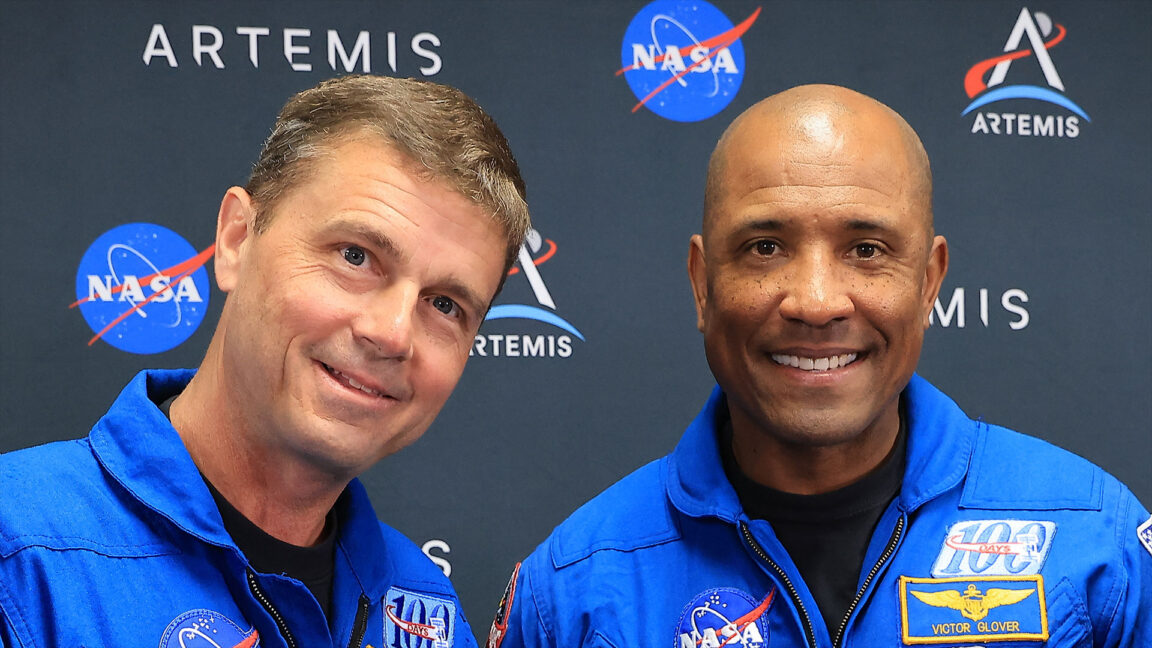
Artemis II commander and pilot become NASA's first astronaut emeriti

The commander and pilot of NASA's Artemis II mission have gained a new distinction five months after splashing down from the Moon: They're not fully retiring from the space agency.

Reid Wiseman and Victor Glover are the first astronauts to join NASA's emeritus program, enabling them to continue to support the work being done at Johnson Space Center in Houston. They will remain available to train and mentor the current workforce while still being able to pursue employment and opportunities outside of NASA.

"I have asked NASA ... to not use the term 'retire' as much, but technically emeritus is a retirement program," Glover told collectSPACE.com on Wednesday. "It's something we have typically done for scientists when they have groundbreaking research, and they want to go back to academia to teach or to research and publish."

Read full article

Comments

© NASA/Kim Shiflett

  •  

Anthropic researchers say AI could cause human extinction by 2030

One researcher who resigned said many in industry believe that without regulation AI could kill off humanity

Artificial intelligence could kill off humanity within the decade, according to three researchers with the industry giant Anthropic, one of whom has quit his job in protest.

The latest doom-laden predictions came in posts on social media on Tuesday by a researcher who said he resigned because Anthropic and his previous employer, OpenAI, were ignoring or at best mishandling their response to the threat.

Continue reading...

© Photograph: Samyukta Lakshmi/Bloomberg via Getty Images

© Photograph: Samyukta Lakshmi/Bloomberg via Getty Images

© Photograph: Samyukta Lakshmi/Bloomberg via Getty Images

  •  

All New iPhone 18 Pro and 'iPhone Duo' Colors Leaked

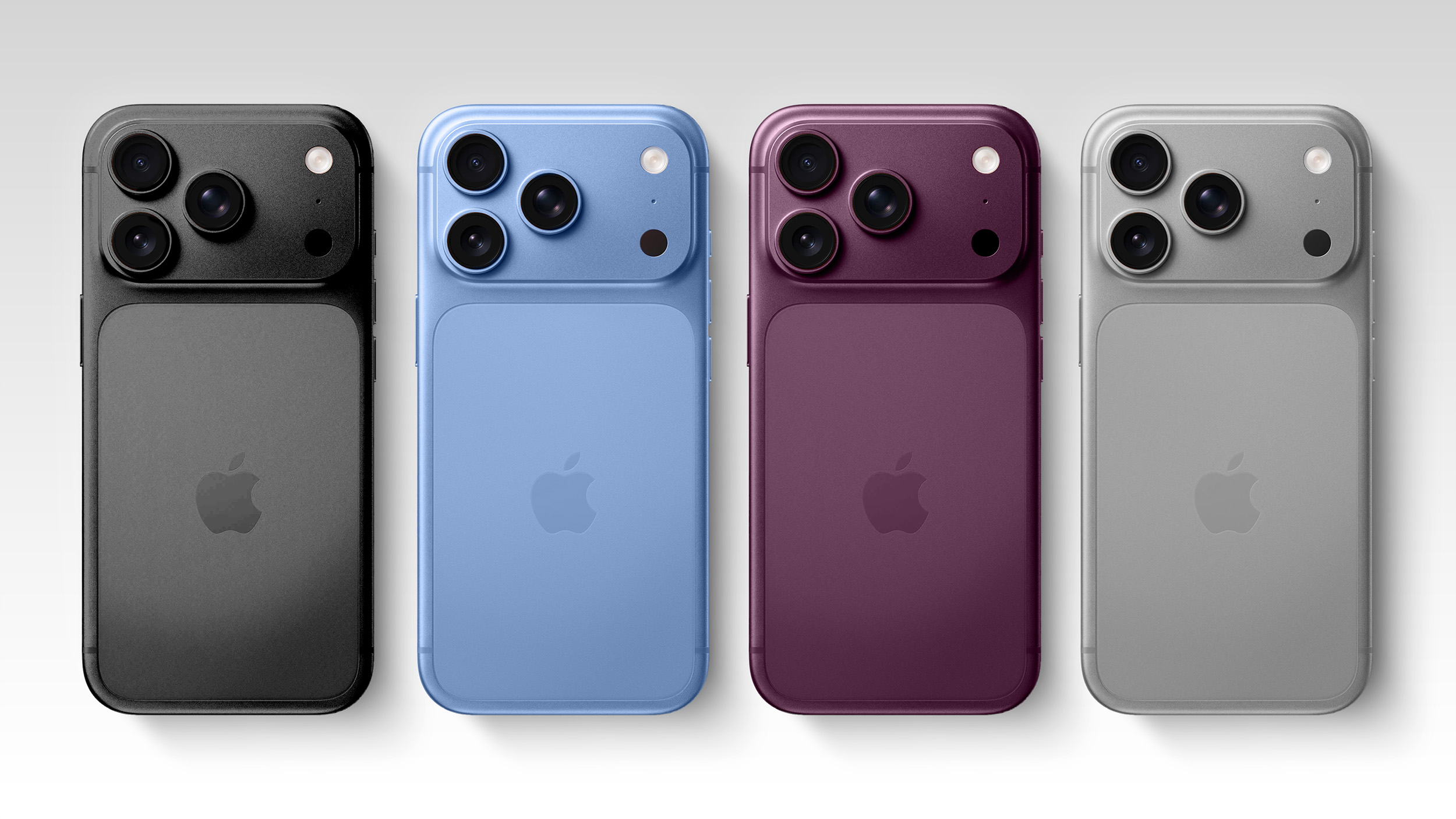
Ahead of Apple's annual iPhone event at 10 a.m. Pacific Time today, Bloomberg's Mark Gurman has leaked all of the color options for the iPhone 18 Pro, iPhone 18 Pro Max, and the first-ever foldable iPhone named the iPhone Duo.


iPhone 18 Pro and iPhone 18 Pro Max color options:
  • Black

  • Light Blue

  • Burgundy

  • Silver

Burgundy has also been described as Dark Red or Dark Cherry.

iPhone Duo color options:
  • White

  • Dark Blue
Dark Blue has also been described as Indigo.
Related Roundup: iPhone 18 Pro

This article, "All New iPhone 18 Pro and 'iPhone Duo' Colors Leaked" first appeared on MacRumors.com

Discuss this article in our forums

  •  

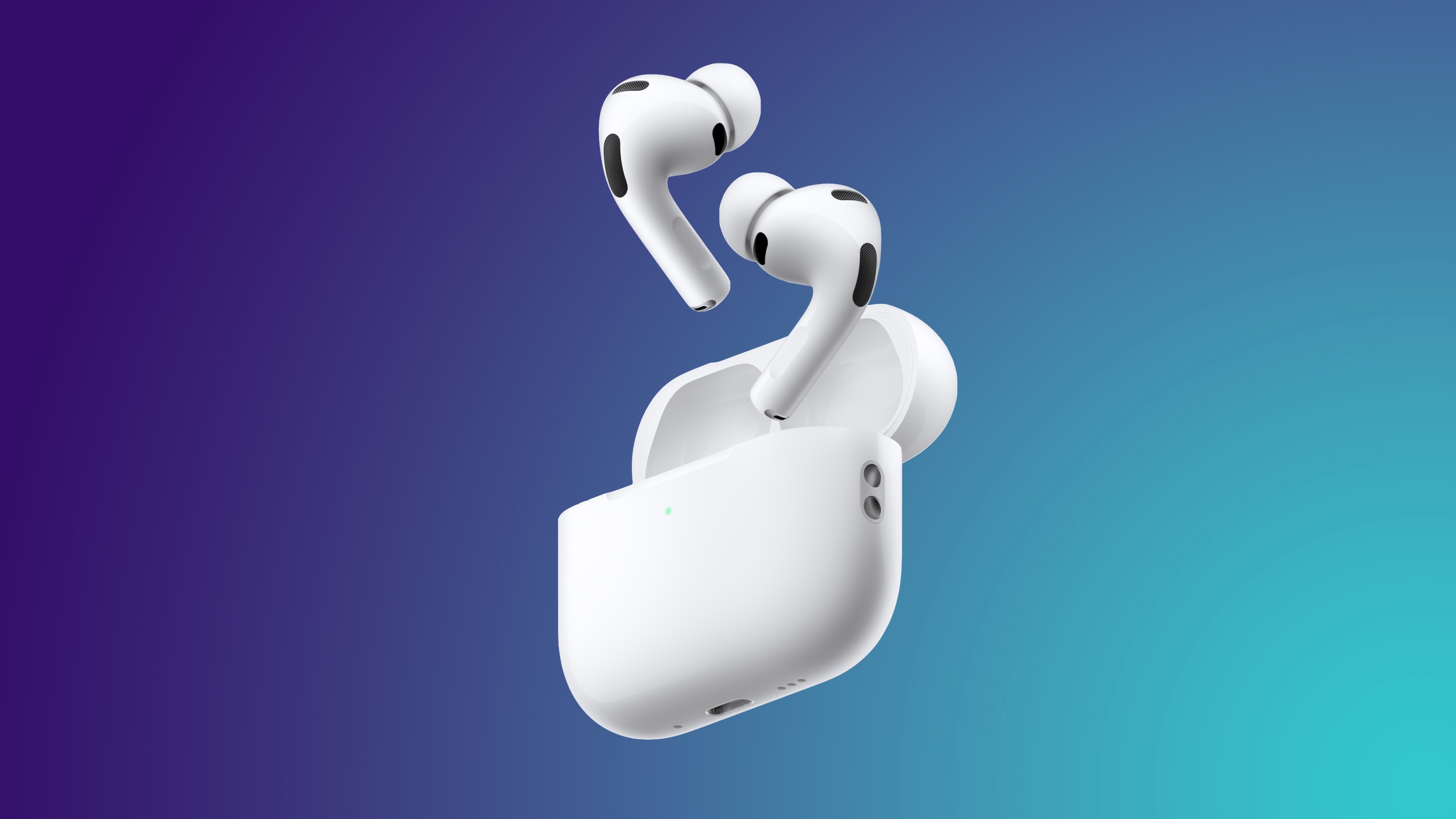
AirPods With Cameras Were Supposed to Debut Today, Now Delayed

Apple planned to introduce high-end in-ear AirPods with built-in cameras for analyzing the surrounding environment at today's event, but the launch has been pushed to next year, Bloomberg's Mark Gurman reports.

In early August, Gurman said the earbuds were progressing well enough to potentially ship before the end of the year. By mid-August, though, he reported that Apple had pulled the model from its 2026 road map, pushing the camera AirPods to a 2027 launch alongside the 20th-anniversary iPhone instead. Today's event will still include new AirPods 5 models.
Related Roundups: AirPods 4, AirPods Pro 3
Related Forum: AirPods

This article, "AirPods With Cameras Were Supposed to Debut Today, Now Delayed" first appeared on MacRumors.com

Discuss this article in our forums

  •  

Série “Desaparecida” (“Last Seen”) é a estreia de hoje no Apple TV

Em busca de uma nova série para ver no Apple TV? Pois saiba que acaba de estrear “Desaparecida” (“Last Seen”), thriller australiano estrelado por Patrick Brammall.

Comandada pelo escritor e produtor executivo Kris Mrksa e dirigida por Christian Schwochow, a série é uma adaptação do livro “The Dispatcher: A Novel” (de Ryan David Jahn) e conta ainda com Maxine Peake, Brendan Cowell, Daniel Henshall, Jessica Wren, Zahra Newman, Tobias Muhafidin e Chloe Jean Lourdes no elenco.

Em “Last Seen”, acompanhamos a vida de Ian Ridley (interpretado por Brammall), detetive policial que teve o rumo de sua vida alterado quando sua filha, Maggie, desapareceu sem deixar vestígios. Agora trabalhando como operador de chamadas da polícia, ele segue em busca de reunir a família a todo custo após receber um pedido de socorro de uma jovem que ele acredita ser justamente sua filha.

Confira o trailer:

Há também uma versão dublada em português do Brasil:

Além de Mrksa e Schwochow, também são produtores executivos da série Joanna Werner, Jamie Laurenson e Hakan Kousetta.

Recentemente, a Apple celebrou a estreia da série em Sydney (Austrália):

Já estão disponíveis os dois primeiros episódios da série. Os demais serão lançados semanalmente, sempre às quartas-feiras, até o dia 7 de outubro.

O Apple TV está disponível no aplicativo Apple TV em mais de 100 países e regiões, seja em iPhones, iPads, Apple TVs, Macs, dispositivos Android, smart TVs ou online — além de também estar em aparelhos como Roku, Amazon Fire TV, Chromecast com Google TV, consoles PlayStation e Xbox. O serviço custa R$34,90 por mês, com um período de teste gratuito de 7 dias. Por tempo limitado, quem comprar e ativar um novo iPhone, iPad, Apple TV ou Mac ganha 3 meses do Apple TV. Ele também faz parte do pacote de assinaturas da empresa, o Apple One.

NOTA DE TRANSPARÊNCIA: O MacMagazine recebe uma pequena comissão sobre vendas concluídas por meio de links deste post, mas você, como consumidor, não paga nada mais pelos produtos/serviços usando os nossos links de afiliado.

  •  

Foldable iPhone Duo to Come With Apple Pencil Support

Apple's foldable iPhone Duo will come with Apple Pencil support, reports Bloomberg's Mark Gurman. Gurman previously claimed that Apple had prototyped a dedicated Apple Pencil for its foldable iPhone that was "stubbier than the versions for iPads" and "designed to magnetically attach and charge on the side of the device," but he said it was unlikely that the accessory would be released.
Gurman's latest report mentions only "support for the Apple Pencil stylus" for the iPhone Duo, so it seems that the company has settled on a different approach.
Related Roundup: iPhone Fold
Related Forum: iPad Accessories

This article, "Foldable iPhone Duo to Come With Apple Pencil Support" first appeared on MacRumors.com

Discuss this article in our forums

  •  

iPhone 18 Pro Price Hike to Be Lower Than Expected

Apple will increase the price of its high-end iPhones by just $100 per model upon the announcement of the iPhone 18 Pro and ‌iPhone 18 Pro‌ Max, Bloomberg's Mark Gurman reports, which is a smaller bump than many had been bracing for ahead of today's event.


In June, Apple hiked the cost of all of its Macs, iPads, and home products in response to the global memory shortage, but chose to keep iPhone pricing intact at the time. That is widely expected to change today, with the ‌iPhone 18 Pro‌ and ‌iPhone 18 Pro‌ Max expected to come in at a higher price than their predecessors.

Gurman's $100 figure comes in well below some of the more dire predictions floated over the summer. Analytics firm IDC had suggested increases of up to $200 for the Pro models, while GF Securities analyst Jeff Pu warned costs for the A20 Pro chip, RAM, and storage could push prices as much as $300 higher. TrendForce, citing memory chip costs that have risen nearly 400% year-on-year, had also modeled a $150 to $200 jump. Apple appears to be absorbing more of that cost itself rather than passing all of it on to buyers.

Earlier this year, Apple took steps to soften the blow of rising prices by launching the Apple Upgrade program in the U.S. The Klarna-backed leasing plan allows customers to pay a monthly fee in perpetuity and swap their device out annually for the newest version. Wireless carriers could also help to ease iPhone "sticker shock" by offering aggressive installment plans and trade-in incentives, Gurman added.
Related Roundup: iPhone 18 Pro

This article, "iPhone 18 Pro Price Hike to Be Lower Than Expected" first appeared on MacRumors.com

Discuss this article in our forums

  •  

Apple Watch Ultra 4 to Get Improved Battery Life

The Apple Watch Ultra 4 will feature improved battery life over the Ultra 3, according to Bloomberg's Mark Gurman.

Apple has highlighted a battery boost with each new Ultra model. Last year, the Ultra 3 was rated for up to 42 hours of normal use, up from 36 hours on the Ultra 2.
Related Roundup: Apple Watch Ultra 3
Related Forum: Apple Watch

This article, "Apple Watch Ultra 4 to Get Improved Battery Life" first appeared on MacRumors.com

Discuss this article in our forums

  •  

Rumores de última hora: dobrável deve se chamar “iPhone Duo” e custar a partir de US$2.000 [atualizado]

Faltando poucas horas para o evento “Surprise and shine” da Apple, uma nova leva de rumores trouxe detalhes que praticamente fecham o quadro do que a empresa deverá anunciar hoje.

As informações, divulgadas por Mark Gurman (da Bloomberg), indicam o possível nome oficial do iPhone dobrável, sua faixa de preços e uma série de especificações técnicas — além de novidades para Apple Watch e AirPods.

“iPhone Duo”: nome, preço e especificações

Depois de meses sendo tratado internamente como “iPhone Ultra”, o primeiro iPhone dobrável da Apple deverá chegar ao mercado como “iPhone Duo” — um nome que reforça a característica central do aparelho, que terá duas telas (uma externa e uma interna, ao abrir).

Segundo o relato, o preço de entrada será de US$2.000 para a versão com 256GB de armazenamento. As versões de maior capacidade — que deverão chegar a 2TB — podem levar o preço a algo próximo de US$3.000. A Apple estaria absorvendo parte do aumento de custos causado pela recente crise de memória (RAM 1Random access memory, ou memória de acesso aleatório./NAND) para conseguir manter o valor de entrada nessa casa, repassando o excedente apenas para quem optar por mais armazenamento.

O “iPhone Duo” terá, segundo rumores:

  • Design curto e largo, no estilo do Galaxy Z Fold8 da Samsung, voltado ao consumo de vídeo;
  • Chip “A20 Pro” e novo modem “C2”, desenvolvido internamente pela Apple;
  • Suporte a multitarefa no estilo iPad, com apps lado a lado;
  • Câmeras traseiras duplas de 48 megapixels e uma frontal de 12MP para videochamadas;
  • Sistema de dobradiça magnética;
  • Suporte ao Apple Pencil — informação que havia sido descartada em rumores anteriores, mas que agora volta com mais confiança;
  • Cores branco e azul-escuro (aparentemente sem opção em preto).

O lançamento nas lojas está previsto para “o mais cedo possível em outubro“, segundo o termo usado no relato, sugerindo que o dispositivo poderá chegar depois dos “iPhones 18 Pro/18 Pro Max”.

“iPhones 18 Pro e 18 Pro Max”

Do lado dos modelos tradicionais, o desenho deverá permanecer praticamente idêntico ao da geração anterior — a principal mudança visual ficará por conta da nova cor estilo cereja, substituindo o laranja da linha atual.

As atualizações mais relevantes ficarão por conta de:

  • Ilha Dinâmica (Dynamic Island) menor e aprimorada, agora com suporte a três Atividades ao Vivo (Live Activities) simultâneas (contra duas atualmente);

Great reporting from @markgurman. The new Dynamic Island with 3 items is already supported in iOS 27. Here’s what it looks like.

The code requires a sensor region less than 100 layout points wide, or below 16.57 mm for this new mode. iPhone 17 Pro was 20.76 mm. https://t.co/jZshu4rFXx pic.twitter.com/mL46rcEirh

— pdfu (@itspdfu) September 9, 2026
Ótima reportagem de @markgurman. A nova Dynamic Island com 3 itens já é suportada no iOS 27. Aqui está como ela fica. O código requer uma região de sensor com menos de 100 pontos de layout de largura, ou abaixo de 16,57mm para esse novo modo. O iPhone 17 Pro tinha 20,76mm.
  • Novo sistema de câmeras, com o modelo Pro Max ganhando abertura variável para maior controle de profundidade de campo e melhor desempenho em pouca luz;
  • Chip “A20 Pro”;
  • Câmara de vapor redesenhada para dissipação de calor;
  • Cores preta, azul clara, prateada e cereja.

Quanto aos preços, o aumento deverá ficar limitado a US$100 por modelo — bem abaixo do que analistas vinham projetando (entre US$200 e US$300), embora o valor final possa variar mais em mercados fora dos Estados Unidos, dependendo da cotação local.

Apple Watches

Os novos relógios não deverão trazer mudanças radicais de design, mas há novidades importantes: o “Apple Watch Series 12” deverá recuperar a opção de caixa em cerâmica, enquanto o “Ultra 4” provavelmente ganhará melhorias de autonomia de bateria.

O destaque, porém, é um recurso batizado de “Recaps”, ligado à Siri e a um novo app “Readiness” (variante do Sinais Vitais). A função usaria os sensores do relógio — e, segundo os rumores, também trechos de conversas captadas ao longo do dia — para gerar um resumo das atividades do usuário. A Apple garantiria que nenhum áudio é armazenado nem transcrito; os dados seriam processados e descartados na hora, exigindo hardware específico de processamento seguro de áudio, presente apenas nos modelos novos. O recurso poderá ficar ativo o dia todo, ser acionado sob demanda ou vinculado a locais específicos.

“AirPods 5”

Por fim, a linha de earbuds também deverá ganhar uma atualização mais discreta, com os “AirPods 5” trazendo cancelamento de ruído ativo bastante aprimorado. Como na geração anterior, deverão continuar existindo duas versões — uma com estojo de recarga sem fio e outra sem esse recurso.


O evento “Surprise and shine” começará às 14h (horário de Brasília) e deverá confirmar — ou desmentir — boa parte dessas informações de última hora.

Atualização 09/09/2026 às 10:09

Em um estilo já diferente do de Tim Cook, o novo CEO 2Chief executive officer, ou diretor executivo. John Ternus acaba de publicar um teaser no X:

pic.twitter.com/CLu9eRDP5b

— John Ternus (@johnternus) September 9, 2026

Pelo pouco que dá para ver no vídeo, podemos interpretar a luz com uma alusão à abertura variável da câmera do “iPhone 18 Pro Max”, e na parte inferior dá para ver um pouquinho da nova cor cereja.

Notas de rodapé

  • 1
    Random access memory, ou memória de acesso aleatório.
  • 2
    Chief executive officer, ou diretor executivo.

  •  

Andrew Garfield takes on Sam Altman in creepy first teaser for Artificial

Luca Guadagnino-directed film will be released by Neon after being dropped by Amazon amid OpenAI partnership

The first teaser trailer of Luca Guadagnino’s Artificial has been released.

After being dropped by Amazon MGM Studios in June, the biopic of the OpenAI tech executive Sam Altman will be released in the US on 25 December by Neon after it premieres at the New York film festival this October.

Continue reading...

© Photograph: Courtesy of Neon

© Photograph: Courtesy of Neon

© Photograph: Courtesy of Neon

  •  

The 92-Year-Old Mathematician and the Teenage Apprentice

Joan Birman thought her major discoveries were behind her. Then came an email from a young neighbor — a girl who knew little but wanted to learn.
  •  

John Ternus Begins His Apple CEO Era With a Discreet Public Profile

John Ternus has entered one of the most visible positions in global business without trying to turn his first days into a personal media event. The new CEO arrived with a remarkably discreet public profile, a newly opened social presence and decades of work completed mostly behind Apple’s products.

His X account, @johnternus, appeared publicly on September 1, the day he officially succeeded Tim Cook. Its biography contained only the company logo and his new title. The first post was even shorter: “hello.”

The simplicity felt consistent with an executive who has spent most of his career explaining materials, engineering decisions and manufacturing improvements rather than building a public personality. It also created a sharp contrast with the scale of the position he now occupies.

Ternus can remain personally reserved, but the CEO role will repeatedly place him before customers, employees, investors, governments and developers. His first social post may have been quiet. The responsibilities arriving behind it are anything but.

John Ternus Arrives Without a Personal Media Machine

Ternus did not maintain a prominent public social account during his years leading hardware engineering. Most customers encountered him through carefully produced product presentations, occasional interviews or appearances focused on a particular device.

Even within those settings, his style remained technical and controlled. He usually spoke about engineering choices, durability, materials, performance and the work required to turn a design into a product that could be manufactured at enormous scale.

His new X account does not immediately change that character. Opening a channel is different from revealing a private life or becoming a daily commentator. The minimal introduction suggests a place for official communication rather than an invitation into every passing thought.

That would follow an established pattern for senior leadership. Tim Cook used his public account to acknowledge product launches, employees, social causes, environmental initiatives, community visits and major events. His posts rarely became extended personal debates.

Ternus may adopt a similar rhythm, although the account is too new to define its purpose. One word and a short biography cannot tell us how frequently he will post, which subjects he will address or whether he will write directly during moments of controversy.

The restrained opening still served one practical purpose. It established an authenticated public identity before unofficial profiles, impersonators and parody accounts could occupy the space around a newly appointed CEO.

A man with short dark hair and light stubble, rumored to be Apple Next CEO, smiles at the camera. He is wearing a black crew-neck shirt and is posed in front of a plain, light background.
John Ternus | Image Credit: Apple Inc.

A Career Built Behind the Hardware

The limited public profile should not be mistaken for limited influence inside the company.

Ternus joined the product design team in 2001 and became a vice president of hardware engineering in 2013. He entered the executive team as senior vice president in 2021, eventually overseeing engineering work across iPhone, iPad, Mac, AirPods and Apple Watch.

His official biography credits him with an instrumental role in the introduction of iPad and AirPods, along with work across multiple generations of the company’s largest product lines. It also connects his leadership to improvements in reliability, durability, materials, repairability and environmental performance.

This background gives Ternus a different starting point from a CEO recruited principally through finance, sales, software or public policy. He arrives from the part of the organization responsible for making difficult designs function consistently outside a laboratory.

Hardware engineering at this scale reaches far beyond choosing a processor or shaping an enclosure. It requires coordinating displays, batteries, cameras, radios, thermal systems, structural materials, manufacturing equipment, repair procedures and supplier capacity. A small change can affect production across millions of units.

That experience may explain part of his measured communication style. Engineering organizations reward details that survive testing. Public attention often rewards immediate confidence. Ternus has spent his career in an environment where confidence eventually meets a drop test, production line or repair bench.

His public appearances have often carried the same discipline. He tends to explain what a product team accomplished without placing himself at the center of the accomplishment.

The CEO Role Changes the Audience

Leading hardware engineering allowed Ternus to speak after a product decision had passed through years of development. As CEO, he will also need to speak while difficult questions remain unresolved.

Investors will expect him to explain spending, growth and long-term priorities. Governments will want answers about manufacturing, competition, privacy and platform control. Employees will look for direction as artificial intelligence, robotics, home technology, augmented reality and satellite communications create new opportunities across the company.

Customers will judge him through products, but they will also hear his response when a launch disappoints, a service fails or a policy creates frustration.

This is where a discreet profile can become either an advantage or a limitation.

A CEO who does not comment constantly preserves the weight of the moments when he chooses to speak. Fewer posts also reduce the chance that a hurried reaction becomes the story instead of the company’s work.

Silence becomes harder to maintain when people expect reassurance. Product defects, security incidents, employee concerns and political disputes can create situations in which a carefully prepared statement feels too distant. Ternus will have to decide when restraint protects the company and when it begins to look like avoidance.

Cook will remain involved as executive chairman and is expected to assist with areas including engagement with policymakers. That arrangement gives Ternus continuity during the transition without removing the need to develop his own public authority.

The distinction between their roles will become more visible with time. Cook can offer experience and institutional relationships, but employees and customers need to recognize which priorities belong to the new CEO.

A More Technical Public Voice Could Work

Ternus does not need to imitate Steve Jobs’ stage presence or Cook’s diplomatic style. A convincing public identity can grow from the expertise that brought him to the position.

The most natural version would be an engineering-minded CEO who explains trade-offs without turning every decision into a slogan. Product design is full of compromises involving battery life, weight, cost, durability, repairability and production capacity. Carefully explaining some of those decisions could make corporate communication more informative.

His 2024 commencement appearance at Penn Engineering offered a rare view outside a product presentation. Ternus returned to the university where he earned his mechanical engineering degree and addressed students as an experienced engineer rather than a celebrity executive.

That type of setting allows more personality to appear without requiring constant social posting. Longer interviews, engineering discussions, employee conversations and educational appearances may suit him better than trying to manufacture spontaneity several times a day.

A restrained profile could also reinforce collaboration. The products reaching customers are built by large teams, and Ternus has generally presented himself as a representative of that work. Maintaining that tone as CEO would keep attention on the organization rather than turning every announcement into a personal performance.

The difficulty will be preserving technical depth while discussing areas beyond hardware. Services, entertainment, artificial intelligence, software platforms and international policy cannot always be explained through materials and manufacturing. The CEO must connect them into one recognizable direction.

His First Major Appearances Will Define the Account

The opening “hello” gives Ternus room to decide how visible he wants to become.

Upcoming product events will offer an early test. A social account can distribute announcements and photographs, but the stage will reveal more: which subjects he chooses to introduce, how much technical detail he includes and whether he remains present throughout the presentation or delegates most of it to other executives.

Earnings calls will create a different test. Product videos are rehearsed around finished work; financial discussions require direct answers about demand, margins, investment and risks. His language in those conversations will begin shaping how investors understand the new administration.

Internal communication may prove equally influential even when the public sees only fragments. Employees will listen for signals about decision-making speed, tolerance for experimentation and the relationship between engineering ambition and commercial discipline.

The X account can support that work, but it cannot substitute for it. A polished stream of product announcements would tell customers what has shipped. Occasional direct messages during difficult moments would reveal more about how Ternus intends to lead.

For now, the empty space around his first post is part of the story. The next useful signal may not be how often John Ternus speaks, but which moment persuades this notably private engineer that the CEO should speak in his own voice.

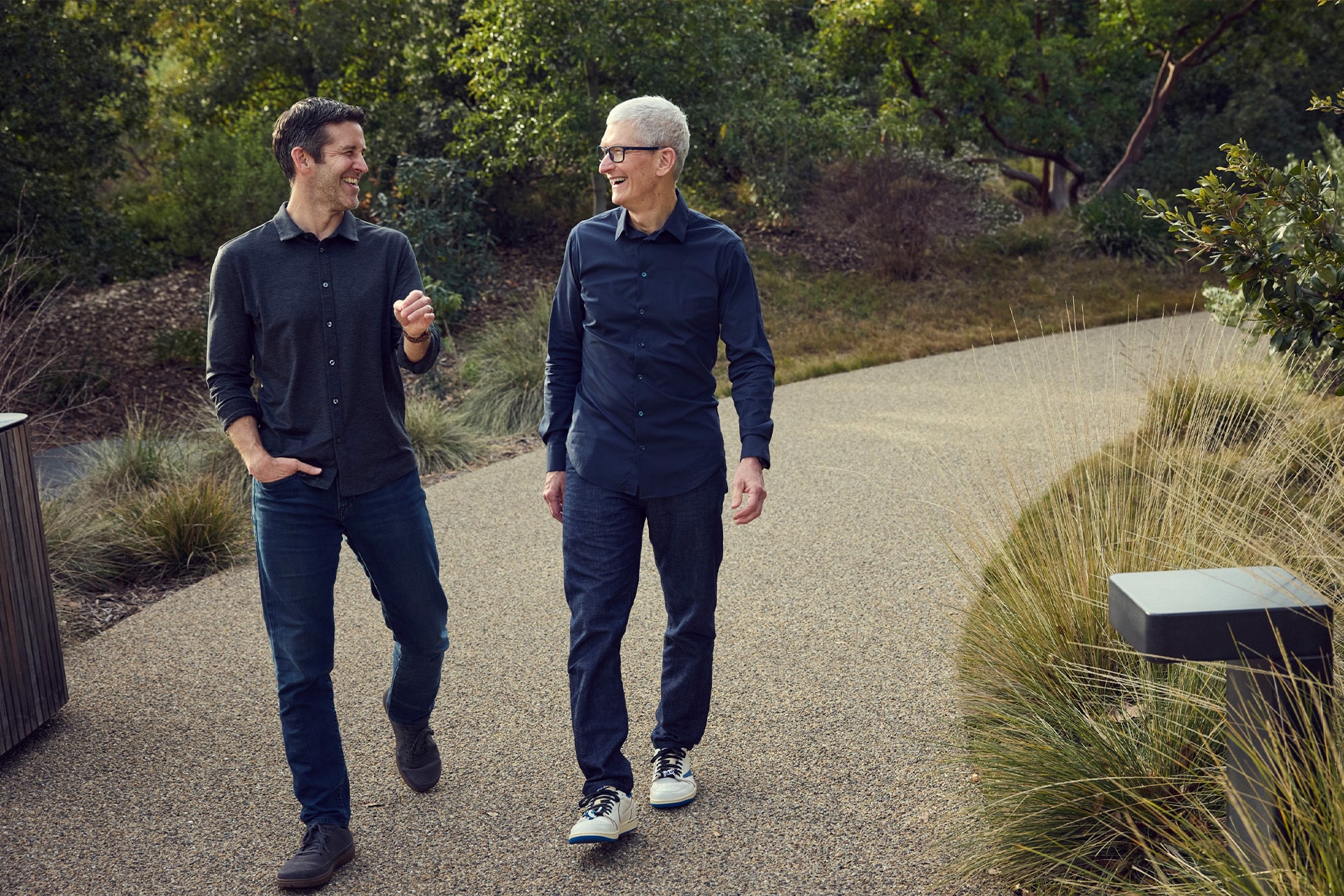
Two men walk side by side on a gravel path surrounded by greenery, smiling and engaged in conversation. Both are casually dressed in long-sleeve shirts, jeans, and sneakers.
Image Credit: Apple Inc.


The post John Ternus Begins His Apple CEO Era With a Discreet Public Profile appeared first on AppleMagazine.

  •  

Sam Altman Calls Himself a ‘Mega Apple Fanboy’ Amid Lawsuit

Sam Altman has described himself as a “mega Apple fanboy” while discussing the trade secrets lawsuit now dividing two companies that were close technology partners only two years ago.

Speaking with journalist Alex Heath on the Sources podcast, the OpenAI CEO said he was “very sad” when he learned about the case. His admiration for Apple, however, did not soften his rejection of the allegations against OpenAI and two former employees.

Altman said the company does not want another business’s intellectual property and would dismiss anyone found to have improperly brought confidential material into OpenAI. He also said an internal investigation left him convinced that the employee at the center of the dispute had not acted improperly.

That is OpenAI’s account, not a resolution of the lawsuit. Apple alleges that trade secrets connected to hardware design, manufacturing and supply-chain operations were taken for the benefit of OpenAI’s consumer-device program. The defendants deny wrongdoing, and the court has not settled those competing claims.

Sam Altman Separates Personal Admiration From the Case

Altman’s response was unusually personal for a dispute of this scale.

Technology executives normally leave active litigation to lawyers and carefully written company statements. Calling himself a fanboy places Altman on familiar ground with millions of customers who admire Apple products while disagreeing with a corporate decision.

His first reaction, he said, was to assume that the accusations sounded serious enough that someone must have behaved badly. OpenAI then examined the matter and reached a different view.

Altman said the company would act if it found that someone had taken another company’s intellectual property. At the same time, he argued that an employee who had done nothing wrong deserved a defense.

That distinction is central to OpenAI’s public position. It does not deny that former Apple employees now work on its hardware initiative. Instead, the company disputes the allegation that their movement between employers brought protected information into the program.

Personal admiration cannot answer the evidentiary questions. Being a customer, praising a company or enjoying its products has no bearing on whether confidential files were accessed or used. Altman’s comments are more revealing as an account of how sharply the relationship has changed.

OpenAI once promoted its work with Apple as a partnership built around safety, innovation and access to advanced AI. It now describes the lawsuit as aggressive, inaccurate and unnecessary.

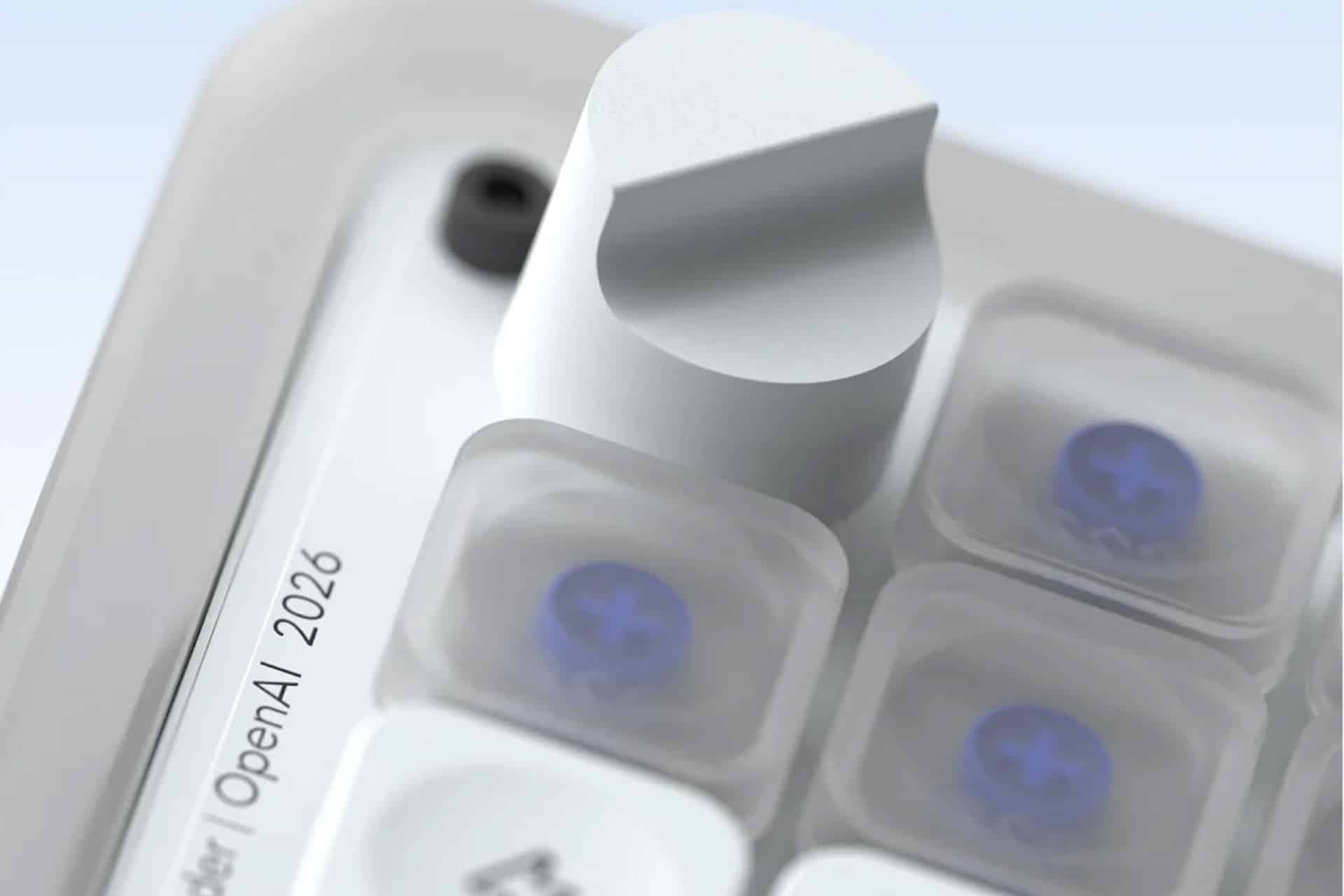
Close-up of a metallic knob and translucent buttons on a sleek OpenAI device. Text on the device reads, “OpenAI | 2026.” The design is modern, with a soft, neutral color palette and clear, blue-accented buttons—echoing the refined sensibilities often associated with Jony Ive’s hardware innovations.
Image Credit: OpenAI

From ChatGPT Partnership to Hardware Rivalry

In June 2024, both companies announced an agreement to integrate ChatGPT into experiences across iPhone, iPad and Mac.

Siri could ask for permission to send certain requests to ChatGPT, while Writing Tools could use the model for composition and image generation. The integration gave OpenAI direct exposure inside some of the world’s most widely used personal devices without requiring every user to create an account.

At the time, Sam Altman said the partnership would introduce ChatGPT to users in a new way. Apple presented the external model as an optional extension of Apple Intelligence, keeping permission and privacy controls between the user and the third-party service.

The arrangement made sense while the companies occupied complementary positions. Apple controlled the devices and operating systems; OpenAI supplied a widely recognized generative model.

Consumer hardware changed that balance.

OpenAI is developing a family of AI-native devices with designer Jony Ive, whose work at Apple helped shape products including iPhone, iMac, iPod and Apple Watch. Tang Tan, another longtime hardware figure who previously worked on major Apple products, is now OpenAI’s chief hardware officer.

Once OpenAI began recruiting deeply from Apple’s hardware organization, the relationship was no longer limited to providing a model inside Siri. The companies were moving toward competition over the physical objects through which people may interact with AI.

That competition helps explain why the lawsuit reaches beyond an ordinary employment disagreement. Hardware development depends on manufacturing knowledge, component choices, testing systems, supplier relationships and production methods that can take years to build.

Apple’s complaint alleges that OpenAI benefited from confidential information in those areas. OpenAI argues that the case is being used to slow a potential rival and discourage employees from leaving.

What Apple Alleges Against OpenAI

Apple filed its lawsuit in July against OpenAI, Tang Tan and former electrical engineer Chang Liu.

The complaint alleges that former employees misappropriated trade secrets connected to product development and shared them with OpenAI as it accelerated its consumer-hardware ambitions. Apple has also sought a preliminary injunction intended to prevent the use of disputed information while the case proceeds.

According to Associated Press reporting on the original complaint, Apple accused OpenAI of encouraging recruits to provide confidential knowledge and advising them on how to avoid scrutiny during the transition between companies.

Those are allegations. OpenAI has denied that it requested, received or wants Apple’s trade secrets.

In its public response, OpenAI disputed several details surrounding Apple’s communications and treatment of departing employees. It argued that continued access to some files resulted from Apple’s own account-management practices and said former employees had attempted to handle that access responsibly.

OpenAI also said Tan had instructed his team not to use confidential material belonging to previous employers. Its motion to dismiss asks the court to reject Apple’s case, while its opposition to the requested injunction challenges the evidence and need for immediate restrictions.

Reuters reported that roughly 400 former Apple employees had joined OpenAI’s hardware initiative, according to figures appearing in court filings. Headcount alone does not establish misuse of trade secrets. It does illustrate the scale of the talent movement and why the dispute has become a defining fight over the next generation of personal hardware.

OpenAI’s Device Work Is Continuing

Sam Altman said he does not expect the lawsuit to slow the company’s device program.

That is the most direct business claim in his interview. It suggests that OpenAI has separated disputed material and personnel questions from the work it believes can continue without relying on protected Apple information.

Whether the schedule remains unaffected may depend on the court. A preliminary injunction could impose restrictions before a full trial, depending on its scope. A denial would allow development to proceed without that requested intervention, although the wider lawsuit would remain active.

OpenAI has revealed little about the devices themselves. The company has discussed an AI-native hardware family rather than a single conventional phone replacement, and Altman has spoken about the privacy discomfort created by products that visibly point cameras at other people.

That leaves the design, release timing and commercial strategy largely unknown. No product has been publicly introduced, and Altman’s assurance that development continues does not amount to a launch announcement.

The lawsuit also does not automatically end ChatGPT’s role across Apple platforms. The existing integration remains a separate customer-facing arrangement unless either company announces a change.

For people using ChatGPT through Siri or Writing Tools, the legal conflict currently produces more drama in court filings than difference on the screen. The stranger question is how long two companies can remain software partners while preparing to compete over the device sitting on the table beside that screen.

A glowing white geometric OpenAI logo appears above the word "OpenAI" on a dark background, with green light effects radiating outward—evoking the seamless experience of ChatGPT payment checkout.
Image Credit: Samuel Boivin—NurPhoto via Getty Images

The post Sam Altman Calls Himself a ‘Mega Apple Fanboy’ Amid Lawsuit appeared first on AppleMagazine.

  •  

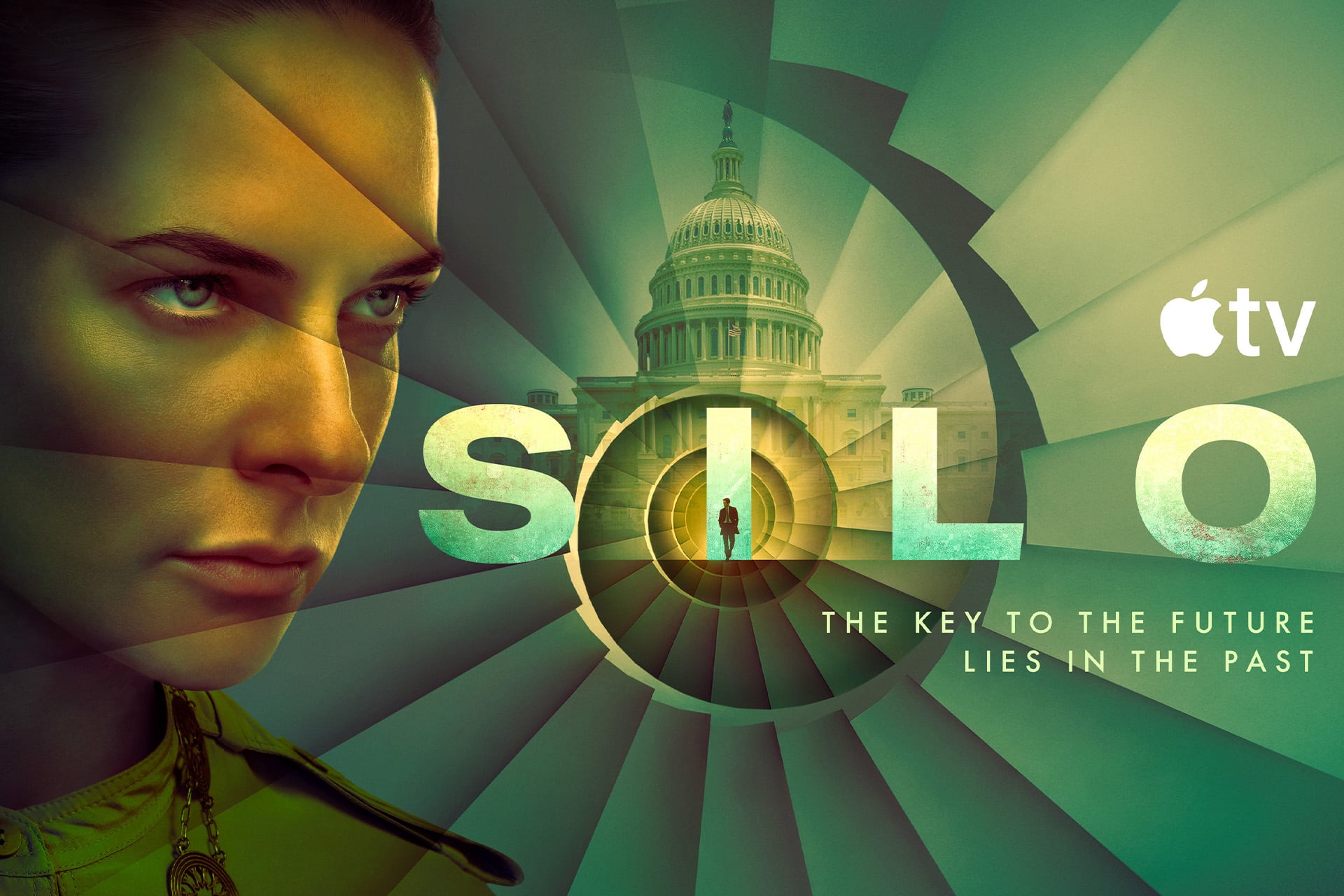
Silo Season 4 Premieres July 9, 2027 as the Final Chapter

Silo season 4 will premiere globally on July 9, 2027, giving the Apple TV science-fiction drama a firm date for its final descent into the mysteries surrounding Juliette Nichols and the underground society that shaped her life.

The announcement arrived immediately after the third-season finale, with Apple TV also releasing a two-minute sneak peek at the last chapter. Rebecca Ferguson returns as Juliette and remains an executive producer, while Graham Yost continues to oversee the adaptation of Hugh Howey’s bestselling trilogy.

Three complete seasons are already available to stream. Season four is designed to finish the story rather than leave the series waiting for another renewal, a rare advantage for a mystery built around questions that have been accumulating since its opening episode.

Silo Season 4 Has a Confirmed Release Date

Friday, July 9, 2027, is now the official premiere date for Silo season 4. Apple TV has not announced an episode count, a complete release schedule, or whether more than one episode will arrive on opening day.

The previous seasons used weekly releases, but that history should not be mistaken for confirmation of the final plan. The service can still decide how it wants to introduce the premiere and pace the remaining episodes closer to launch.

The timing creates a wait of a little more than 10 months after the third-season finale on September 4, 2026. That is long enough to build anticipation without sending the production into an indefinite gap.

It also gives new viewers a comfortable opportunity to catch up. The series began in May 2023 with an apparently contained mystery involving a community of 10,000 people living deep underground, protected from a world believed to be toxic. Each season has widened that mystery while keeping its emotional center with Juliette, the engineer whose refusal to accept convenient answers made her dangerous to the silo’s leadership.

Season three expanded the narrative across two periods. In the present, Juliette survived her forced cleaning and returned as the underground community faced the consequences of rebellion. The other story followed journalist Helen Drew, played by Jessica Henwick, and Congressman Daniel Keene, played by Ashley Zukerman, centuries earlier.

The fourth season must now bring those timelines into their final relationship without losing the human tension beneath the history.

The Ending Has Been Planned for Years

Silo season 4 being the final season is not a cancellation revealed after production had already moved in another direction.

Apple TV renewed the drama for seasons three and four in December 2024, while its second season was still being released. The service said at the time that the fourth chapter would complete the story contained in Howey’s trilogy.

That early commitment gave Yost and the writing team something mystery dramas rarely receive: a known destination and enough screen time to prepare the route toward it.

When the two-season renewal was announced, Yost said the adaptation would tell the complete story over four seasons. Ferguson also spoke about her desire to bring the full journey from the books to the screen.

Planning does not guarantee that every question will receive an individual explanation. It does mean the writers were able to build seasons three and four as connected parts of an ending, rather than producing a temporary finale that might need to serve as the last episode if another renewal failed to arrive.

That distinction suits Silo particularly well. The drama depends on controlled information. Residents learn only what their society permits, viewers encounter evidence in fragments, and even discoveries can create new uncertainty. A rushed ending could turn years of tension into a sequence of explanations. Too much hesitation could leave the central conflict unfinished.

The third season’s expansion into the “Before Times” gave the series another way to deliver answers. Instead of relying entirely on present-day characters finding records or explaining old events, the story could place viewers closer to the decisions that created the underground world.

Silo season 4 can use that groundwork to connect institutional history with Juliette’s personal fight. The mystery is no longer simply how the silos work. It is also about who designed their rules, what those rules were meant to prevent, and whether survival built on control can remain defensible after its foundations are exposed.

Silo season 4 | A man in a dark suit and red patterned tie walks outdoors with his hands in his pockets, while a woman in a trench coat and gray pants follows behind him. Their serious expressions add intrigue, reminiscent of scenes from Silo Season 3, amid lush greenery.
Image Credit: Apple Inc.

Rebecca Ferguson Carries Juliette’s Last Journey

Ferguson has been the physical and emotional anchor of the series since its first season. Juliette is an engineer before she is a conventional hero, approaching danger as a system that can be studied, opened, repaired, or challenged.

That temperament helped Silo avoid turning its central mystery into an abstract puzzle. Every hidden mechanism affects people who must live within it. Discovering the truth carries a personal cost because the society depends on limiting who may possess it.

Ferguson’s executive producer role also gives her involvement beyond the performance itself. The fourth season will close a character journey she has helped shape across several years of production.

The current Silo cast page also includes Common, Harriet Walter, Chinaza Uche, Avi Nash, Alexandria Riley, Shane McRae, Remmie Milner, Rick Gomez, Billy Postlethwaite, Clare Perkins, Jessica Henwick, Ashley Zukerman and Steve Zahn. The final-season announcement does not provide a definitive list of every returning performer, so presence on the wider series page should not be treated as confirmation that each character appears in Silo season 4.

Behind the camera, the announced executive producers include Yost, Ferguson, Howey, Michael Dinner, Nina Jack, Joanna Thapa, Morten Tyldum, Amber Templemore, Fred Golan, Rémi Aubuchon and AMC Studios. Apple Studios produces the series.

Howey’s continuing involvement is especially valuable as the adaptation reaches material that must connect the mythology created across the novels. A screen version can reorganize characters, timing and revelations, but the ending still needs to feel consistent with the world’s original logic.

Why a Complete Four-Season Story Helps Apple TV

A defined ending gives Silo lasting value beyond the attention surrounding its final premiere.

Viewers who hesitate to begin a serialized mystery often want to know whether it reaches an intentional destination. Once Silo season 4 is complete, the service will have a finished science-fiction drama spanning four seasons, with no uncertainty about whether its central narrative stops midway.

That makes the show easier to recommend years after the finale. It can be watched as one long story rather than as a promising series whose survival depends on another corporate decision.

The release date also allows Apple TV to keep one of its recognizable genre dramas active through 2027. Silo occupies a particular place within the catalog: visually ambitious science fiction built around social control, mechanical detail and a mystery that rewards attention.

Its appeal does not depend on constant spectacle. Long stairways, restricted spaces, aging machinery and controlled screens make the environment feel oppressive before a character says a word. The production turns architecture into part of the power structure, reinforcing the distance between the people making decisions and those living far below them.

A planned final season can spend its resources on the places and events necessary to complete that world instead of extending the premise simply to preserve a successful title.

Anyone starting from the beginning has roughly 10 months to watch the first three seasons before July 9. That works out to about three episodes per month, leaving enough time to absorb the clues without turning the entire story into a rushed marathon.

The season-four sneak peek is already available as bonus content on the show’s Apple TV page. Because it follows the third-season finale, viewers who have not caught up may prefer to leave that two-minute preview untouched until they reach the end of “Troy.”

Rebecca Ferguson SILO TRAILER
Apple TV+ | Silo Series | Rebecca Ferguson

The post Silo Season 4 Premieres July 9, 2027 as the Final Chapter appeared first on AppleMagazine.

💾

Enjoy the videos and music you love, upload original content, and share it all with friends, family, and the world on YouTube.
  •  
❌