❌

Reading view

Tesla Cybercab has a hidden virtual joystick to drive it manually
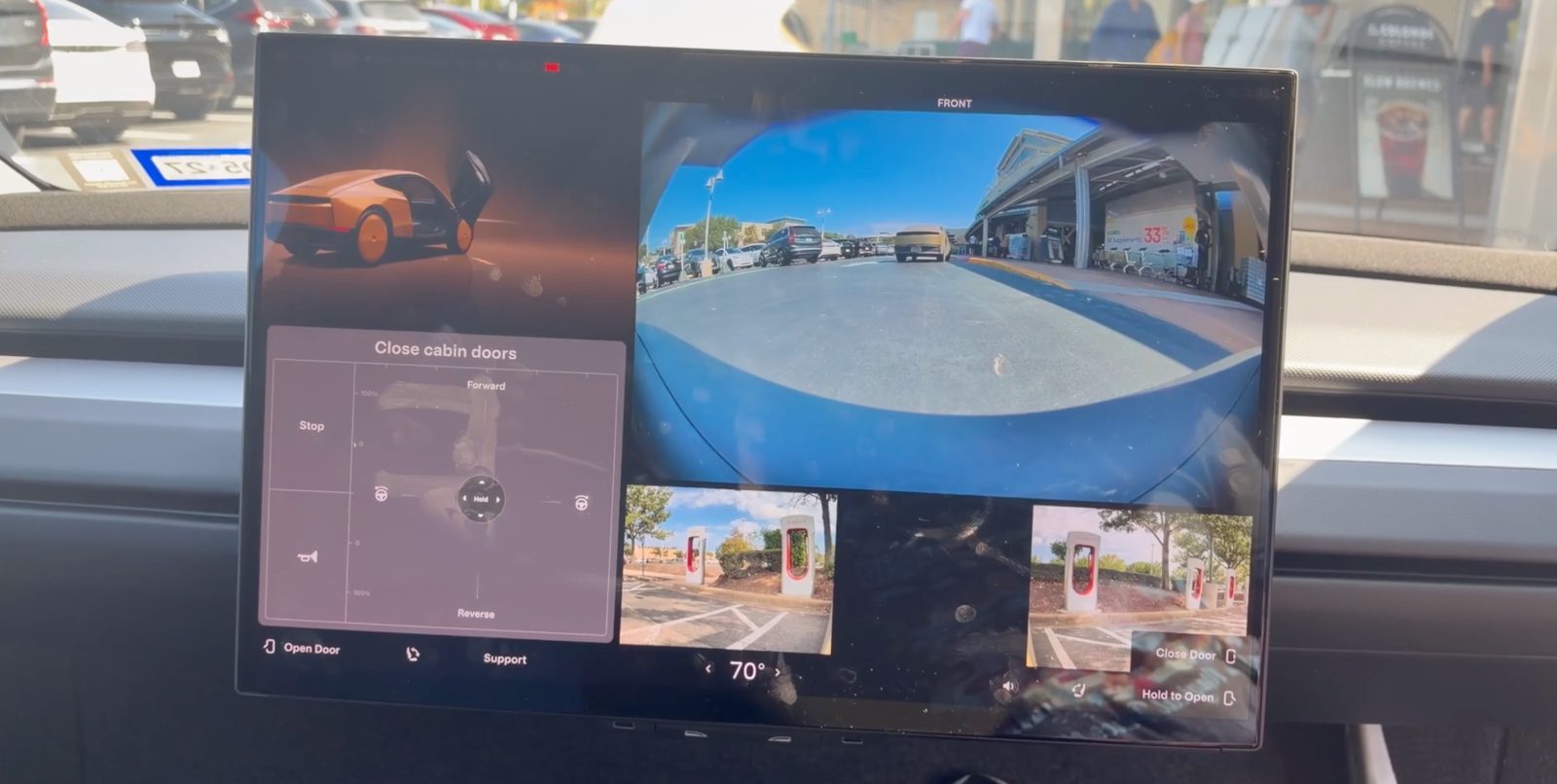
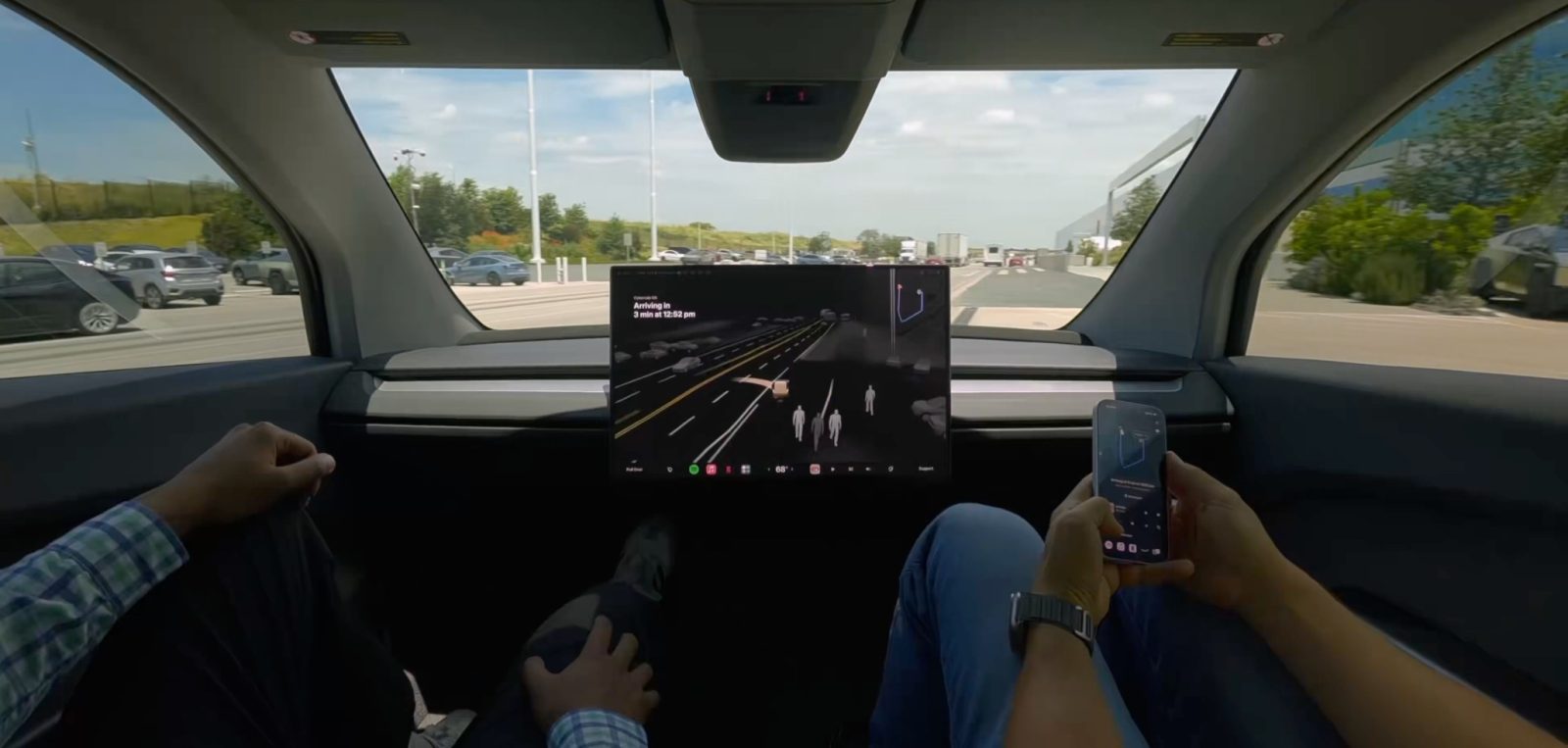
A Tesla Cybercab rider found something in the robotaxi: a manual driving mode. When he got in, the touchscreen was showing a virtual joystick to drive the car by hand.

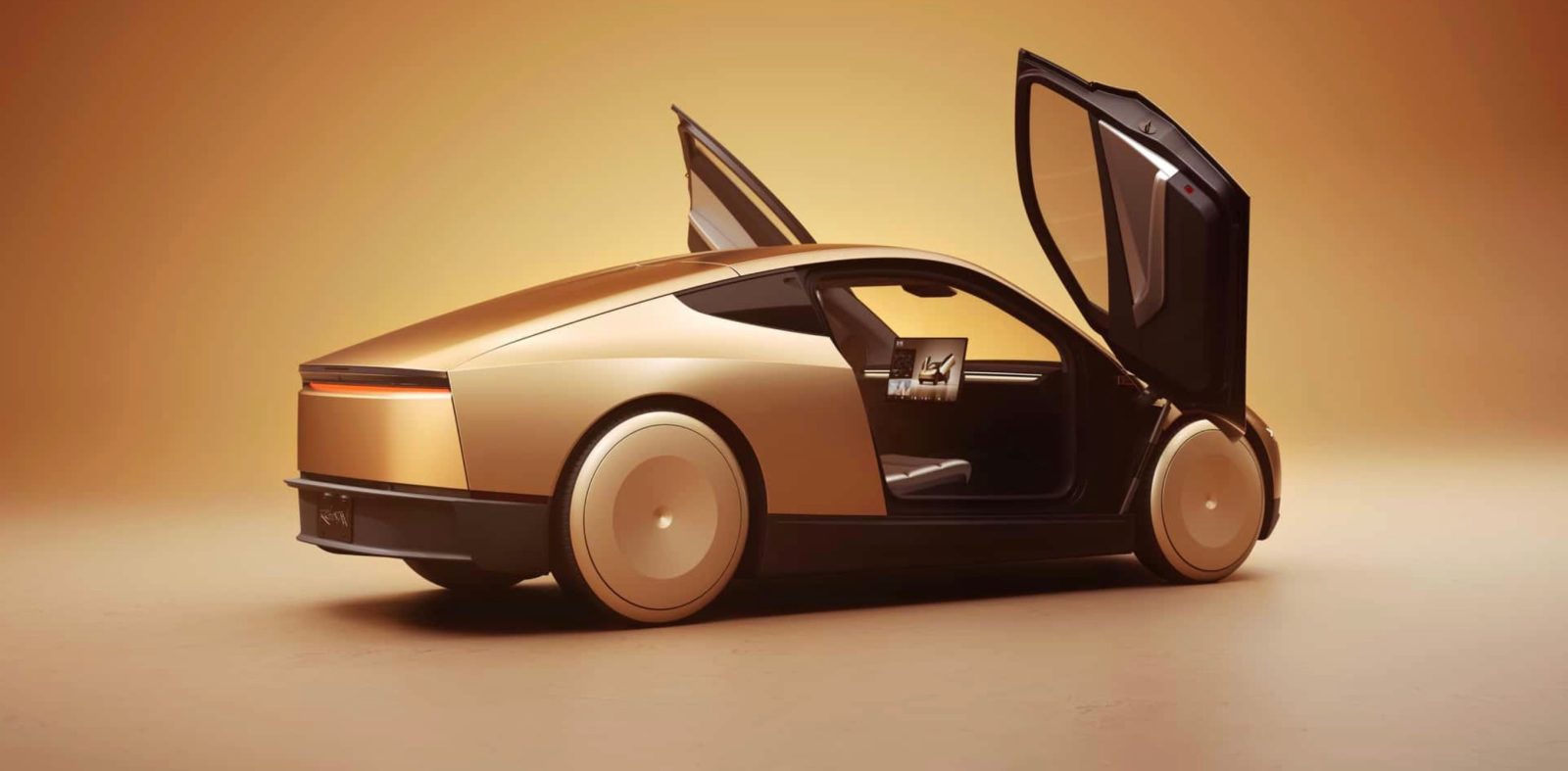
Tesla built the Cybercab with no steering wheel and no pedals. But it apparently still has a way to drive it manually, and you do it by dragging a finger across a screen.

more…
  •  

If a Tesla Cybercab fleet were profitable, Tesla wouldn’t sell you one

Tesla is now asking businesses whether they’d like to buy and operate their own fleets of Cybercab robotaxis on its network. It’s the same pitch Elon Musk has been making since 2019: buy the cars, put them to work, and earn money while you sleep.

There’s one problem with it. And it never happened, and you shouldn’t fall for it now. If running a fleet of Cybercabs were actually profitable, Tesla wouldn’t sell you a single one.

more…
  •  

Tesla Cybercab is already under NHTSA investigation after launch

Tesla’s Cybercab is already under federal investigation. NHTSA opened an audit into how Tesla certified the vehicle the same day the company started putting passengers in it in Austin.

The probe targets the exact thing that makes the Cybercab unusual: it has no steering wheel, no pedals, and no mirrors, and Tesla certified it as road-legal anyway.

more…
  •  

Tesla unveils first Cybercab with Starlink antenna integrated

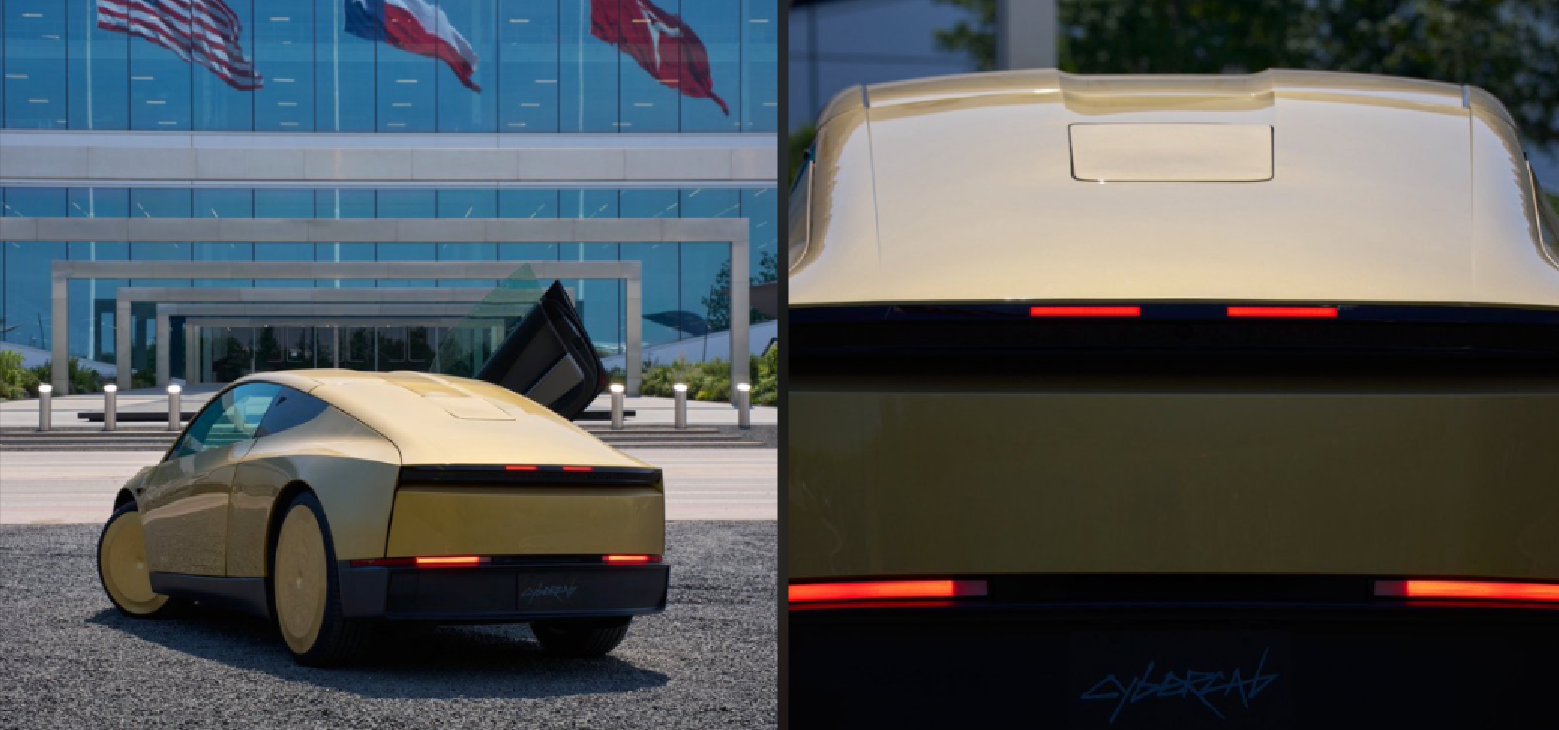
Tesla’s robotaxi account posted photos today of what it’s calling the first Cybercab with a Starlink antenna built into the vehicle.

The pictures show a gold Cybercab parked at Gigafactory Texas, with a low-profile satellite antenna integrated into the roof. It’s the physical version of an integration Tesla teased with a diagram last month.

  •  

Tesla puts Starlink antenna in Cybercab

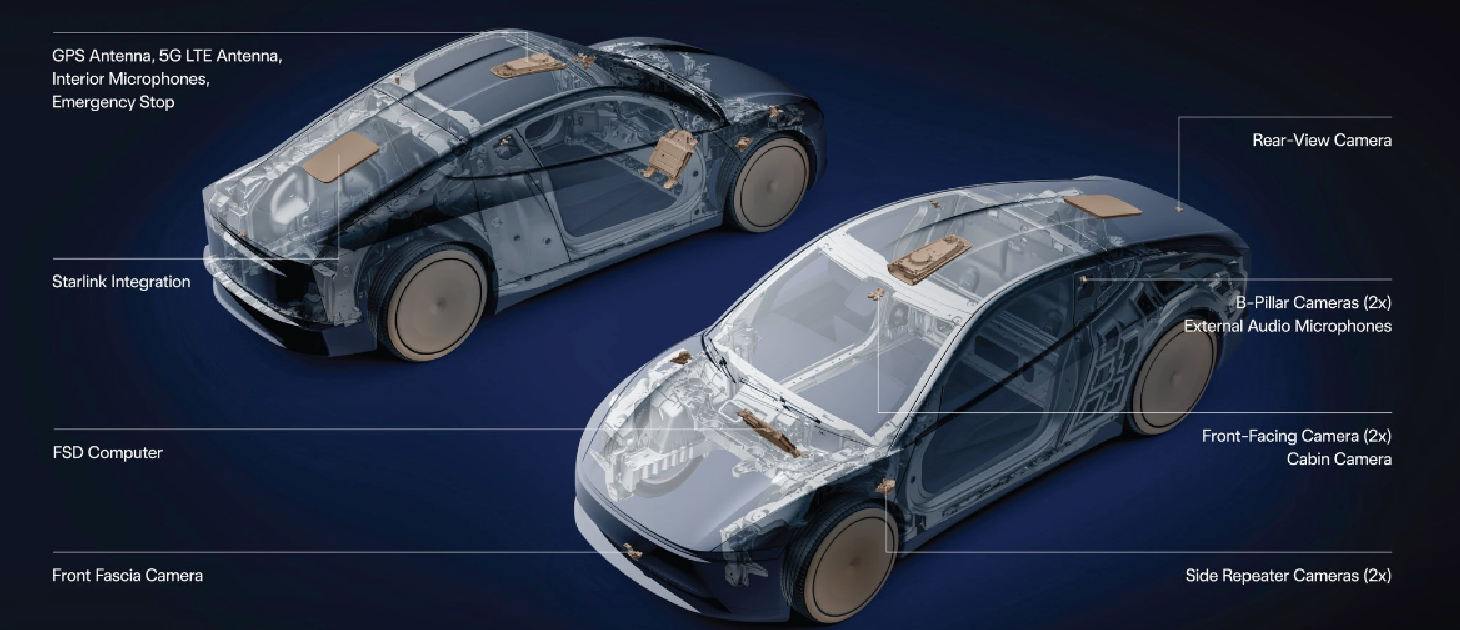
Tesla and Starlink say SpaceX’s satellite internet is now “directly integrated” into the Cybercab, Tesla’s dedicated robotaxi.

The reveal came through a pair of posts on X on Monday, with a cutaway diagram showing a Starlink antenna sitting in the vehicle’s roof. Neither company explained why a car that drives itself on its own computer needs internet from space.

  •  

Tesla says it’s building a wheelchair-accessible robotaxi in Texas

Tesla is building a purpose-built, wheelchair-accessible autonomous vehicle, a company policy advisor told lawmakers in Washington, DC, on Monday.

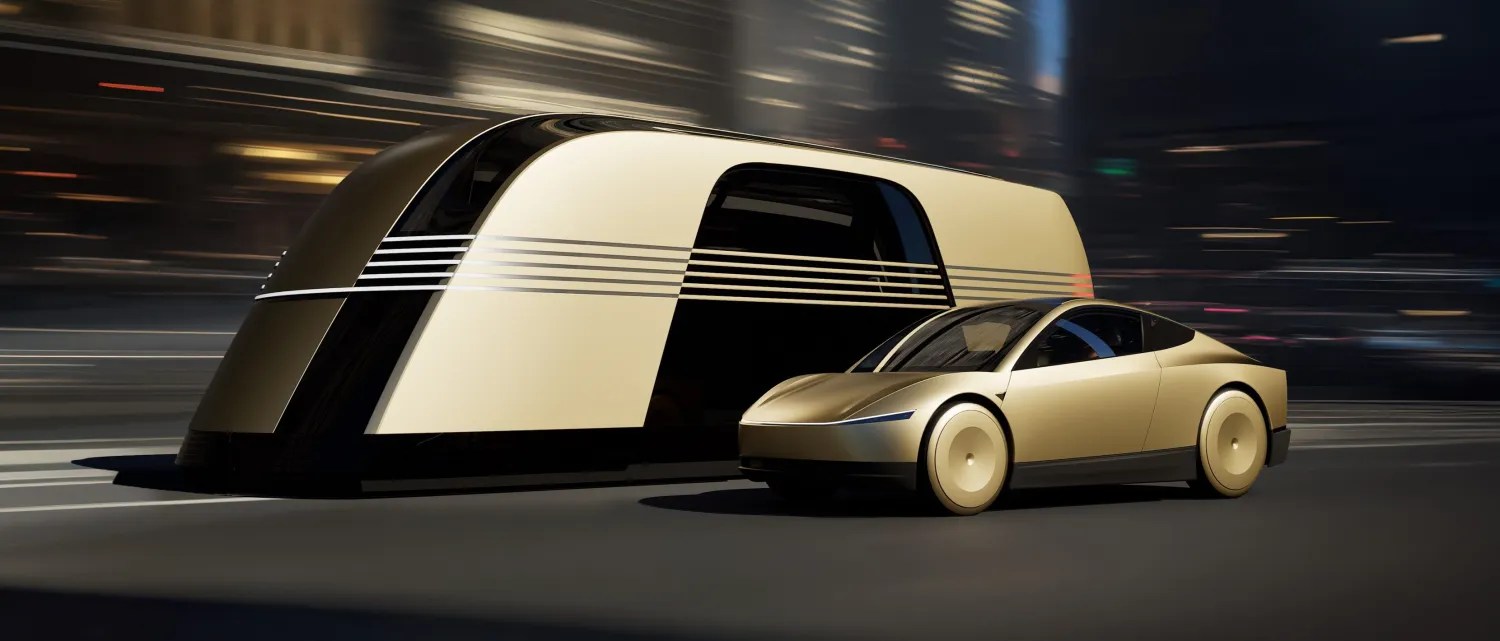
But Tesla gave no timeline, no vehicle, and no details, and it’s not clear the “active product” is anything more than the Robovan it unveiled nearly two years ago.

  •  

Tesla claims Cybercab driving employees at Giga Texas — in a parking lot

Tesla says “Cybercab employee rides at Giga Texas” are “starting soon” — its first stated step toward putting people inside the wheel-less, pedal-less robotaxi.

But the announcement, spread across two Tesla accounts and roughly 2.9 million combined views, is thinner than it sounds. It’s not clear whether Tesla means Cybercabs running a real ride service in Austin or simply driving employees around a factory parking lot.

  •  

New bill would ban Tesla’s camera-only Robotaxi, not Waymo

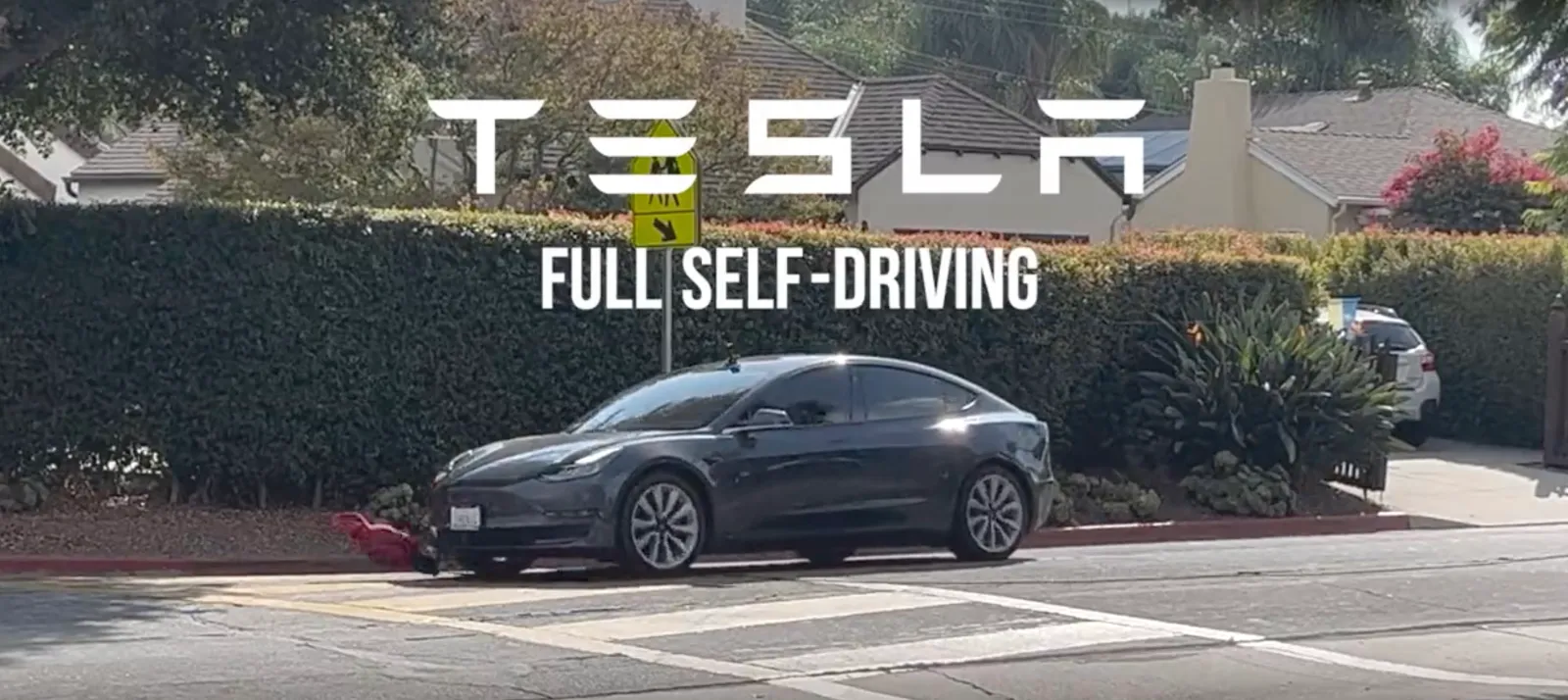
New Jersey lawmakers are advancing a bill that would require driverless commercial vehicles to carry cameras plus two additional sensor types — a mandate Tesla’s camera-only Robotaxi can’t meet.

The proposed law, S1677, would effectively lock Tesla out of the most densely populated US state unless it adds the radar and lidar hardware that Elon Musk has spent years insisting his cars don’t need.

  •  
❌