❌

Reading view

Man Announces That He Has Synthesized a New Schizophrenia Treatment in His Garage, Based on a Formula Devised by ChatGPT

These days, large language models are pushing the line between schizophrenic break and reality closer than ever before.

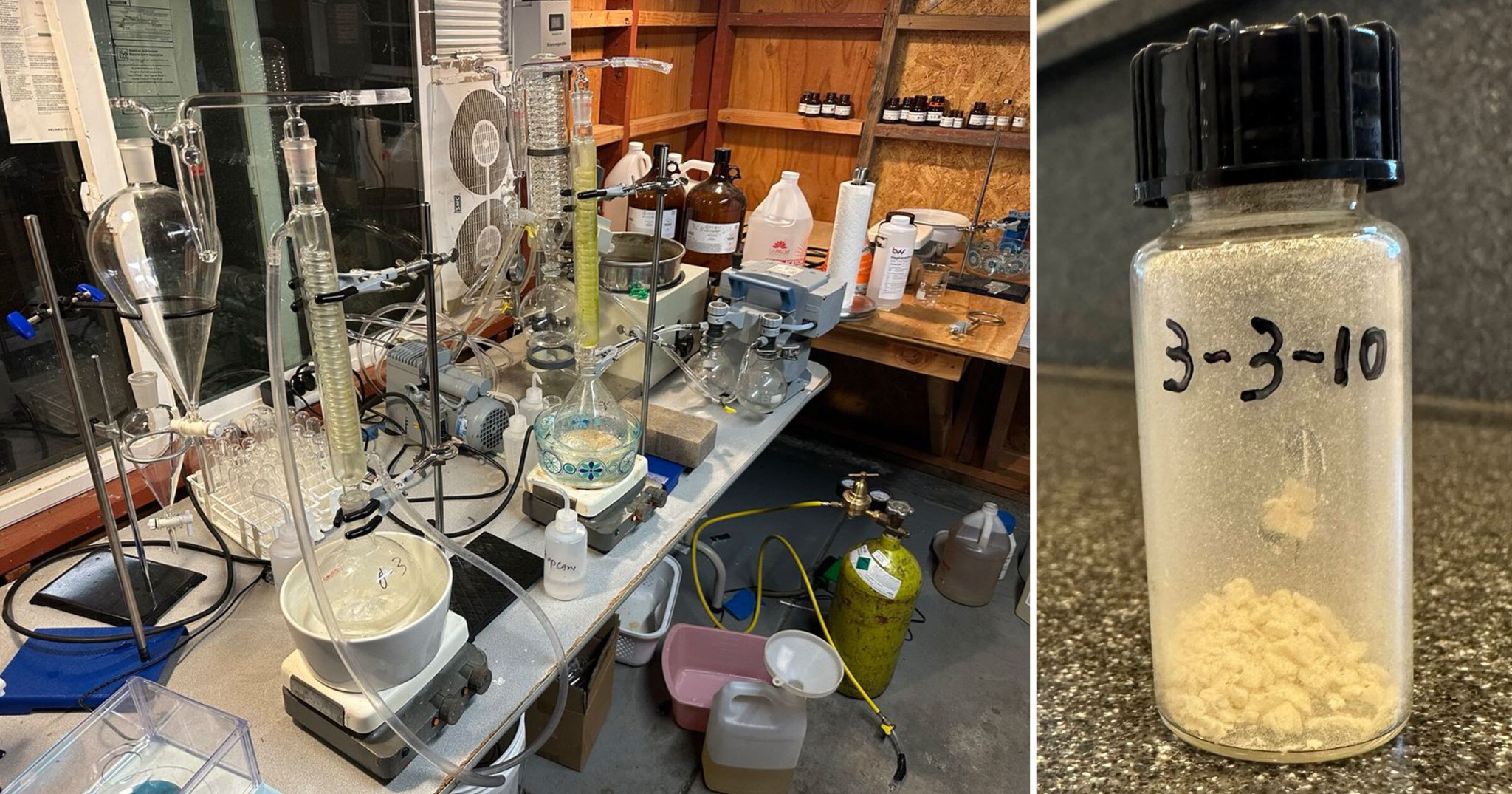
In a wild new post that’s going viral on X-formerly-Twitter, an enterprising young biochemist named Douglas Yao showcased a new drug he’s been developing with the aid of ChatGPT. He’s not employed by any pharma company, and his drug lab is setup on a couple folding tables in his garage.

Specifically, Yao enthuses about a new drug he calls “PAC-3310,” which he says is meant to treat schizophrenia. “It was designed by ChatGPT,” Yao explains, “and I synthesized it in a chemistry lab I built in my garage.”

The result is a small vial of yellow powder — the first sample of 3310, apparently — which Yao says is modeled after the recently-authorized antipsychotic Cobenfy, “but improved.”

This vial contains a new drug called PAC-3310. It was designed by ChatGPT, and I synthesized it in a chemistry lab I built in my garage.

PAC-3310 is a new selective M4 muscarinic receptor agonist for treating schizophrenia – similar to the recent breakthrough drug Cobenfry, but… pic.twitter.com/o7z6iLR50T

— Douglas Yao (@DouglasYaoDY) September 8, 2026

On his GitHub page, Yao boasts that he’s used AI to “design several thousand new small molecule drugs” over the past year, including a “new Alzheimer’s drug,” which he’s developing in addition to the schizophrenia treatment.

“I then taught myself synthetic chemistry, built a chem lab in my garage, and synthesized a hundred of them,” he continued. “I’m now testing these compounds in cell lines and mice.”

But whatever the one-man pharma lab hopes to accomplish is difficult to say. Yao references the fact that “drug developers typically spend tens of millions of dollars generating pre-clinical efficacy evidence for a new drug,” saying that “my approach can do this at 1/1000 the cost.” This seems to suggest dreams of someday manufacturing the various drugs on a massive scale for human consumption — a process that would take years of grueling and expensive work for a well-resourced drug lab, let alone a solo entrepreneur using a box fan as a fume hood.

For instance, to even approach the Food and Drug Administration’s “New Drug Application” — itself a costly 12-month process requiring inspection of the facility where the drug will be manufactured — one first has to conduct rounds of preclinical testing followed by three phases of clinical trials. Forget “tens of millions,” as Yao mentions; this is a process that can easily cost several billion.

Even then success is far from guaranteed, as only 13.8 percent of drugs that enter clinical trials go on to obtain full approval from the FDA.

While Yao might have been right at home in the free-wheeling research landscape of the 1970s, we no longer live in a world where a mad genius can synthesize hundreds of new drugs a year from a private lab. For one thing, the regulatory environment is much more demanding, as outlined above, to say nothing of the fact that all the low-hanging fruit has been picked from the vine decades ago.

When it comes to Yao’s ChatGPT-generated Alzheimer’s treatment, the landscape is particularly fraught. As one 2019 study found, no new drug has been approved to treat Alzheimer’s since 2003, and not for a lack of trying: as the study notes, over 200 proposed substances meant to treat the disease have either failed in clinical trials or been abandoned by their creators.

The graveyard of failed Alzheimer’s treatments is so vast that the renowned organic chemist Derek Lowe has built a blog on drug discovery which routinely features after-action reports on failed substances designed to treat the neurodegenerative disease. Simply put, to think that ChatGPT alone is enough to overcome these scientific and institutional hurdles is delusional.

Replies to Yao’s post were quick to point out the irony here, of using ChatGPT — which is well-known for leading vulnerable users down dangerous breaks from reality — to synthesize drugs to treat cognitive diseases like Alzheimer’s and schizophrenia.

“Hello schizophrenic, take this medicine that chatgpt made for you,” one poster quipped on X.

Another replied that “believing you single-handedly cured schizophrenia on a commercial laundry folding table in a garage is, ironically, a classic symptom of schizophrenia.”

More on ChatGPT: Man Obliterated When Court Obtains His ChatGPT Transcripts

The post Man Announces That He Has Synthesized a New Schizophrenia Treatment in His Garage, Based on a Formula Devised by ChatGPT appeared first on Futurism.

  •  

Update to Google’s AI weather model improves forecast accuracy

Google is one of the major players in AI (meaning machine learning) weather forecast model space. The models it and others generate have their strengths and weaknesses, but the main advantage is that they can have forecast performance similar to traditional models while requiring far less computing horsepower to run. That means they can be run more frequently.

Google recently released version 3 of its WeatherNext model, with the biggest change being that it now ingests some satellite weather data, shortening the lag time between current weather conditions and generating a new forecast. The update is detailed in a white paper.

Reanalysis

Many weather models make use of what’s called a “reanalysis,” which is a sort of model of its own. Reanalyses take in all kinds of weather data and combine them into a single, consistent global snapshot of the atmosphere. That requires that they provide estimates for conditions over locations without real-world measurements, because weather forecast models need to work with a global picture.

Read full article

Comments

© NASA/JPL

  •  

Dyson’s New AI Toothbrush Conducts Video Surveillance on the Inside of Your Mouth

As Americans are being hailed as folk heroes for sawing down Flock surveillance cameras across the country, British home appliance company Dyson has come up with a form of video surveillance that we didn’t even know was possible.

Yes: the company has launched a new AI-infused electric toothbrush that features a “100k pixel macro lens camera,” allowing users — brushers? — to “see what their dentist sees.”

The appropriately named Dyson CameraJet claims to analyze 28 images per second and employ an “AI machine-learning algorithm” to identify and target “interdental gaps.” In case you’re wondering how it can take pictures in the darkness of your mouth, a “stroboscopic light” ensures “precise illumination for optimal camera visibility.”

It also hooks up to WiFi and Bluetooth, theoretically opening it up to all kinds of cybersecurity shenanigans if somebody were to identify any vulnerabilities in Dyson’s software.

“By combining a camera, machine learning, precision fluid dynamics, advanced brushing technologies, connectivity and WiFi, Dyson CameraJet introduces an entirely new way to keep your mouth healthy,” founder and chief engineer James Dyson boasted in a statement.

Of course, all of that sensitive video surveillance footage of the inside of your mouth is going to cost you dearly. The undoubtedly overengineered gizmo — which looks more like an undersized hair curling iron than a familiar electric toothbrush — goes for a whopping $499 and at least comes with two brush heads, a charging cable, and a “refill dock.”

Naturally, Dyson will happily sell you a “proprietary non-foaming toothpaste” as well, which lacks a common synthetic foaming agent called sodium lauryl sulfate (SLS) to make sure the toothbrush surveillance camera isn’t impeded by all those suds.

We’ll leave it up to you whether you deem the product, which allegedly required the input of 661 engineers, is worth the price of an iPad Air or roughly ten Oral-B Pro 1000 electric toothbrushes — a popular budget pick for those who don’t need AI to brush their teeth.

More on surveillance: Flock Is in Major Trouble

The post Dyson’s New AI Toothbrush Conducts Video Surveillance on the Inside of Your Mouth appeared first on Futurism.
  •  

Machine Vision Joins Apple’s U.S. Factory Training Push

Machine vision is becoming a practical part of Apple’s U.S. factory training strategy, giving smaller manufacturers access to techniques that help production systems inspect what they make. The recent opening of the Houston manufacturing training center extends that effort into a working electronics production campus, while courses developed with Michigan State University introduce businesses to image analysis, machine learning, and automated quality checks.

For a manufacturer, the attraction can be straightforward: finding a missing component before a product leaves the line, identifying a surface defect before more material is added, or recognizing an assembly error while it can still be corrected cheaply.

These are manageable problems with measurable costs. They also offer an accessible starting point for businesses interested in AI but unsure where it belongs inside their operations.

Machine Vision Enters the Manufacturing Curriculum

The Apple Manufacturing Academy’s current course catalog includes Machine Learning with Vision, a course introducing machine learning and deep learning through practical activities using Apple devices. It sits alongside instruction in automation, quality fundamentals, manufacturing data, maintenance, and process improvement.

That placement gives the subject useful context. A camera can produce an image, but a factory needs a decision: accept the part, flag it for review, check its position, or investigate a process that may be drifting out of tolerance.

Machine vision connects image capture to those operational decisions. Some applications use established rules to measure dimensions or identify patterns. Others use machine learning to recognize acceptable variations and defects that are difficult to describe through fixed rules.

The academy’s public description confirms introductory activities with Apple devices. It does not identify a particular iPhone, Mac configuration, software framework, or industrial camera package that every participant must use.

For smaller businesses, the educational value is learning how to define an inspection problem before purchasing equipment. A company that understands what it needs to detect can have a much more productive conversation with an automation supplier.

A woman in a pink smartwatch uses Visual Look Up on her smartphone to snap a photo of her food at a wooden table, with plates of rice, salad, and grilled meat in front of her.

Houston Brings Training Closer to Production

Apple opened its 20,000-square-foot Advanced Manufacturing Center on August 13. According to the Houston opening announcement, the free program offers small and medium-sized businesses instruction in advanced manufacturing, interactive labs, and experience with representative production equipment.

The first cohort worked with machine learning for quality control and advanced automation. Participants also explored production challenges, used a holographic table, and assembled and laser etched a product.

The location adds context: the center occupies the same Houston facility that builds advanced AI servers and is scheduled to begin Mac mini manufacturing this year. Its teaching program includes final assembly principles and design considerations for printed circuit board assembly.

Houston is the company’s second U.S. manufacturing learning site, following the Detroit academy established with Michigan State University in August 2025. By the Houston opening, Apple said the academy had helped nearly 1,000 workers, students, and entrepreneurs.

That figure measures people reached through the program. It should not be interpreted as 1,000 factories already operating AI inspection systems.

A diagram titled "Adapters" displays various blue bars labeled Summarization, Proofreading, Mail replies, Tone adjustment, Role Playing, Query handling, Friendly, and Urgency. Below these bars is an icon representing a neural network structure powered by Apple Intelligence Servers.
Apple Machine Learning Adapters

A Useful Inspection Starts With a Specific Problem

Imagine a small business assembling control panels. Each panel needs the same set of connectors, positioned correctly before the enclosure closes. A machine vision station could check for a missing connector while the assembly remains accessible.

The value comes from catching that error at the right moment. Discovering it after packaging creates extra handling and rework. Discovering it after delivery may involve a return, a service visit, and an unhappy customer.

A useful pilot would therefore begin with that single inspection point. The business could compare the existing process with the assisted one, recording missed defects, unnecessary rechecks, inspection time, and the cost of correcting mistakes.

The camera is only part of the exercise. Workers must agree on what constitutes a defect, collect representative examples, and decide what happens when the result is uncertain.

Those decisions draw heavily on experience already present on the factory floor. An operator may know that an unusual mark is harmless, while a barely visible change in alignment predicts a later assembly problem. Turning that knowledge into consistent inspection criteria is valuable work in its own right.

These are examples of how manufacturers could apply the training, rather than projects Apple has announced for individual participants.

Teaching Machine Vision to Handle Ordinary Variation

A demonstration can look impressive when every part arrives clean, centered, and evenly lit. Production introduces variation: different surface finishes, reflections, changing positions, and batches that look slightly different while remaining within specification.

The inspection system must distinguish those acceptable differences from actual failures. Otherwise, it can reject good products or allow defective ones to continue.

Industrial vision supplier Cognex’s deployment guidance recommends validating systems across product models, defect types, and manufacturing lines. It also describes an approach in which automated inspection handles preliminary checks while experienced inspectors review borderline cases.

For a business learning machine vision, that offers a realistic way to introduce the technology. Employees can compare its decisions with their own, investigate disagreements, and determine whether the results justify extending its role.

An inspection system also needs an owner after installation. Someone must understand when a product change requires new examples, when equipment needs attention, and when performance has slipped. Training that responsibility into the workforce helps prevent an initially successful project from becoming an unreliable fixture.

Smaller Manufacturers Are Already Applying the Training

The academy’s reach extends beyond companies producing consumer electronics. In its May update on participating manufacturers, Apple highlighted Block Imaging, a Michigan business that services and refurbishes medical imaging equipment.

The company hosted visitors during the academy’s Spring Forum and described applying techniques learned from Apple engineers and Michigan State experts to its operations. Apple reported that the academy had supported more than 150 American businesses at that point.

The announcement did not identify a particular machine vision deployment at Block Imaging or publish a percentage improvement attributable to visual inspection. It does provide an example of the training reaching businesses whose work differs substantially from building an iPhone.

That wider participation could benefit Apple indirectly. More capable domestic manufacturers can support equipment maintenance, tooling, components, and specialized production services. Participation itself does not establish a supplier relationship, but the skills can be used across customers and industries.

Access Without a Large Training Budget

The academy’s participation information says eligible small and medium-sized U.S. manufacturers can take courses free of charge. Online learning includes on-demand materials and interactive modules, while in-person sessions add workshops and more personalized instruction.

Digital badges are available for different topics, and completed course materials remain accessible for review. That gives a business room to train an employee around existing production commitments and return to the material when an actual project begins.

Free instruction does not remove the eventual cost of cameras, lighting, integration, maintenance, or employee time. It can help a manufacturer understand those costs before committing to a system.

The first proposal brought back to the factory might be modest: inspect one recurring defect at one station and record the results for several weeks. A supervisor can then weigh the time saved against the extra reviews, maintenance, and mistakes. That is the kind of evidence a business owner can use when deciding whether to install a second station.

A lineup of Apple devices—a Vision Pro headset, iPad, MacBook, iPhone, and Apple Watch—displays colorful swirling dot patterns on their screens against a white background, highlighting seamless Apple Account recovery across the entire ecosystem.
Image Credit: Apple Inc.

The post Machine Vision Joins Apple’s U.S. Factory Training Push appeared first on AppleMagazine.

  •  

Man Pretends to Hallucinate in Job Interview With an AI Bot, Causing It to Go Haywire

Apply for just about any office job these days, and there’s a pretty good chance your first round interview won’t be with a human, but with a crummy virtual AI avatar.

Though the practice has become widespread throughout HR departments around the world, a new video released by satirical influencer Graham Zip shows just how humiliating the experience can be — and how straying from the system’s comfort zone can cause the bots to melt down completely.

On logging into the interview, Graham is welcomed by a virtual avatar of a woman identified as “Dana Whitfield,” which prompts the interviewee to “tell me about yourself.” Without skipping a beat, Graham launches into a faux-hallucinated spiel, plausibly constructed to sound like a real answer.

“Hi Dana, it’s great to meet you,” Graham begins. “I’m Chick Haversplat, or, Chick Bongo for short. And uh, Q3 pipeline, Salesforce, Kayak margin.”

The large language model’s brain immediately breaks: “It’s a pleasure to meet you, Chick Bongo,” it replies. “So it sounds like you’ve been deep in the weeds with Salesforce, hygiene, and managing those Kayak margins during the third quarter.”

Asked to elaborate more on his professional background, Graham explains that “freight, cadence, walnut, a little bit of Richard, sprucewood.”

“Six years of sprucewood — actually seven, if you count Richard,” the influencer swiftly replies.

“It sounds like you built up a significant tenure over the last seven years, including your time with Richard at sprucewood,” the bot rejoins. “I’m curious, can you tell me about a difficult situation you handled during that time?”

“Mostly palette forward, a little bit of denim,” comes Graham’s reply. “You know, every pharmacist is a hallway.”

“It sounds like you have a unique way of navigating the palette-forward and denim aspects of your work,” the AI bot replies, now completely lost in the sauce.

At one point, Graham explains that he’s looking for a job with “two plumes of gauze,” where he can follow “the raccoon protocols.”

“It sounds like you’re looking for a position where you can really lean into those raccoon protocols, and the plumes of gauze,” the virtual recruiter responds.

By the end of the “interview,” Graham has the AI bot explaining that there “was a bit of a gap in the drum counting process, after Tuesday, with the work truck and cousin Francis.”

The ease with which the influencer can immediately take control of the entire interview underscores the fact that AI recruiters aren’t there so much to actually gather information on applicants, but to screen candidates for HR departments overwhelmed by a deluge of AI-generated applications. It isn’t clear how Graham’s application progressed, or what role the interview was even for, but if the automated Dana Whitfield’s enthusiasm is any indication, things went pretty well.

“It has been a pleasure chatting today Chick Bongo,” the AI concluded, “and I will be in touch very soon about the next steps.”

More on AI hallucinations: A Scientist Was Presenting His Vibe-Coded New Work When One of His Colleagues Pointed Out Something Extremely Embarrassing

The post Man Pretends to Hallucinate in Job Interview With an AI Bot, Causing It to Go Haywire appeared first on Futurism.

  •  

Just like a fruit fly, a new algorithm never forgets old scents

Fruit flies aren't exactly famous for their brainpower; you've probably drowned more than one in a wine glass left too long on the patio table. And yet, working with roughly 140,000 neurons—a brain smaller than a poppy seed—Drosophila can sort through a huge range of smells in a fraction of a second, and then retain the memory of that scent for a long time.

In this, they do much better than current "electronic noses." Even the most advanced ones on the market tend to be expensive, painfully narrow in what they can detect, and quick to forget an odor the moment they learn a new one.

So why not just copy the fly? That's the question a growing number of researchers have been asking—including Kevin Max and Yang Shen at the Okinawa Institute of Science and Technology, whose new algorithm, Spi-Fly, is described in a paper recently published in the journal Neuromorphic Computing and Engineering.

Read full article

Comments

© Joao Paulo Burini

  •  

Regardez cette impressionnante armée de robots chinois se préparer pour des Jeux hors norme

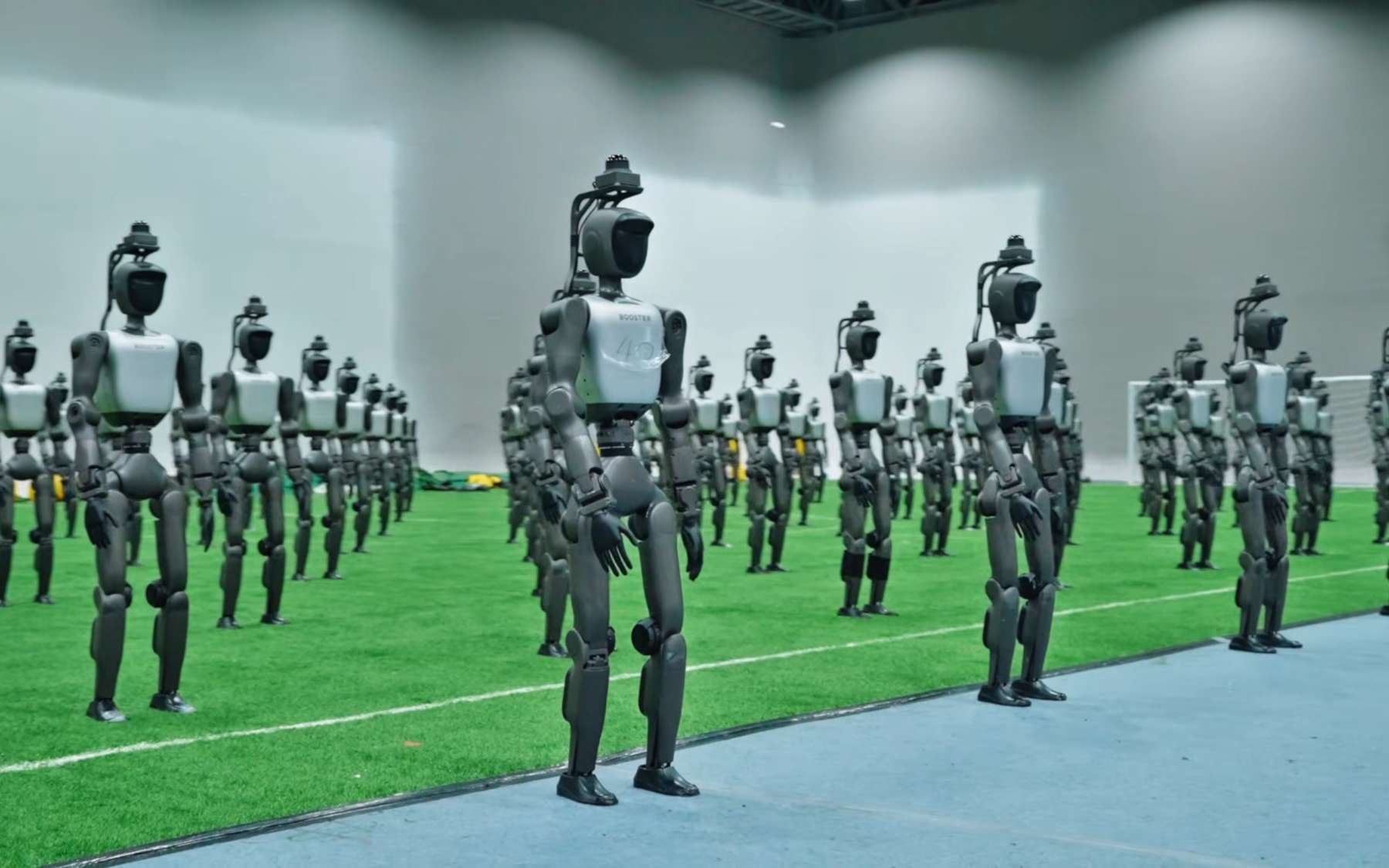
Une armée de 80 robots humanoïdes parfaitement alignés, marchant au même rythme. La vidéo publiée par Booster Robotics a de quoi évoquer une scène de science-fiction. Mais derrière cette démonstration se cache surtout une préparation très concrète. Booster Robotics compte en effet montrer ce que...

  •  

Farmer Horrified as AI Gives Bad Advice That Kills 25 Acres of Crops

Whether you’re looking for medical advice or tips on industrial agriculture, one thing is abundantly clear: never trust an AI chatbot without first getting a second opinion, preferably from a human who has actual expertise in the topic.

That’s the takeaway from an incident in the small city of Chuzhou, China, after a large langue model dispensed some advice that led to the untimely death of 25 acres worth of produce.

According to the Taiwanese publication CTWANT, a 67-year-old farmer surnamed Wu decided to start consulting an AI chatbot for advice nearly a year ago. He was reportedly skeptical at first, though the farmer began to let his guard down after some early successes with the AI’s farming tips.

Since that time, Wu has come to rely on his LLM for everything from fertilizing guidance to scheduling various tasks around the farm. After months of fruitful consultations, he decided to follow his AI chatbot’s new pesticide plan to the letter, letting loose on some 25 acres of precious sesame seedlings, all without ever double-checking with an expert or outside documentation.

The plan generated for him was basically a Long Island ice tea of agro-chemicals: a mix of “high-efficiency flupyridine” and “flufenazate” for pesky weeds, with plenty of “thiamethoxam” and “emamectin benzoate” for bugs and other pests, CT reported.

Not even a day after treatment, Wu says his juvenile sesame crop began to wither and die.

Per a video interview later translated by Tom’s Hardware, the farmer offered some hard-earned advice to any other growers looking to use his concoction: “If you spray it, the next day the seedlings won’t survive.”

“Both the grass and the seedlings will die, and the seedlings will die even faster,” Wu lamented.

It’s just the latest case of an LLM cooking up some slop that lands a professional in hot water. If nothing else, Wu’s in good company: he joins a host of other dupes across the legal, medical, financial, education, and media industries who’ve likewise fallen prey to an AI chatbot’s inaccurate output.

More on farms: The Diarrhea Lettuce Company Has Been Linked to Forced Labor

The post Farmer Horrified as AI Gives Bad Advice That Kills 25 Acres of Crops appeared first on Futurism.

  •  

This AI Can Find the Missing Atoms That X-Rays Cannot See

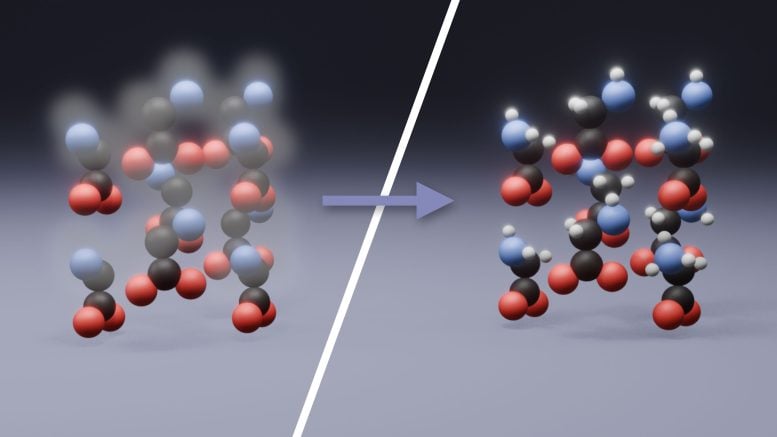
Artistic Illustration of AI Adding Hydrogen AtomsAn AI model adapted from image inpainting can reconstruct missing atoms in crystal structures with a reported 97 percent success rate. A crystal structure can appear nearly complete yet still be unusable for computer simulations because some of its atoms are missing. Hydrogen is a frequent source of these gaps, and researchers have now adapted [...]
  •  

Better Hope You Don’t Need an Ambulance in New Orleans, Because the City’s 911 Operators Are Now AI

If you thought AI customer service bots were bad, just wait until you need to convince a large language model that yes, you have been involved in a car accident, actually.

According to new reporting by the Shreveport Times, officials at the Orleans Parish Communication District — the emergency dispatch agency for the city of New Orleans — are now integrating AI answering agents into its workflow.

The new tool is called AI Emergency Call Triage, offered by a company called Carbyne. Its function is essentially to triage incoming calls to dispatchers, bumping high-priority emergency calls to humans, and automatically handling repeat calls related to ongoing incidents, the Times explains.

Starting in April, New Orleans experimented with implementing the AI for 311 calls, a phone line meant to connect callers to local government information and non-emergency services.

That the AI will now be sorting incoming emergency calls is a significant escalation for the city’s dispatch agency. New Orleans will now join other major cities including Seattle and Atlanta, which have also implemented AI into their emergency dispatch services in recent weeks.

Though officials claim the new tech will help cut through the hundreds of calls inundating human dispatchers, it nonetheless represents an added layer of friction between callers in distress and trained dispatchers who can connect them with help.

It’s also worth noting that AI voice chat remains highly flawed even when powered by frontier AI models, with plenty of opportunities for errors both in how they process information, and how they dish it out. A February study by the media software company NewsGuard found that in voice mode, AI bots like ChatGPT and Gemini produced false claims with realistic audio up to 50 percent of the time. Emergency calls to 911, needless to say, are often extremely chaotic.

Meanwhile, AI voice systems are also persistently vulnerable to outside attacks, with cybersecurity researchers successfully manipulating voice model’s behavior with an average success rate between 79 and 96 percent.

What all of that means for situations where connecting with a human dispatcher could mean the difference between life and death remains to be seen — but if other AI voice experiments are any indication, it won’t be good.

More on first responders: Emergency Responders Say They’re Now Unpaid “Roadside Assistance” for Confused Waymos

The post Better Hope You Don’t Need an Ambulance in New Orleans, Because the City’s 911 Operators Are Now AI appeared first on Futurism.
  •  

New Research Reveals Autistic Brains Process Faces Differently

Head Brain Diseases Puzzle Pieces Autism Mental HealthAutistic children showed earlier and less age-related refinement in the brain signals involved in processing faces. A child looks at a face, and within milliseconds the brain begins sorting its features, expression, and identity. Researchers have now traced that process across the entire scalp in one of the most comprehensive studies of face perception in [...]
  •  

AI Helps Crack an 87-Year-Old Math Conjecture With One Tiny Formula

AI Robot Artificial Intelligence Math Computer SoftwareAn AI-assisted counterexample disproves the Jacobian conjecture above two dimensions while leaving its original two-dimensional form open. A formula short enough to fit inside a single post on X has sent a surge of excitement through the mathematical community, just as millions of people were settling down after the FIFA World Cup Final. Levent Alpöge, [...]
  •  

Amazon Is Gutting Its AI Division After Sustained Failure

By now, you’d be hard pressed to find anyone who isn’t broadly familiar with the AI heavyweights and their flagship models. OpenAI has ChatGPT, Anthropic has Claude, Google has Gemini. But what does Amazon have?

Not a whole lot, it turns out. Unlike its competitors in the tech megacorp scene, Amazon’s standout AI model — organized under the name “Nova” — is about the farthest thing from a household name. And that’s not likely to change anytime soon, because the ecommerce giant is now gutting its in-house AI labs, Bloomberg reports.

Per the outlet, Amazon is scaling back the ambitions of most of its Nova AI models and reorganizing its AI development teams as part of an effort to narrow its focus on “highest priority” goals, after its power-hungry large language models turned out to be a bust.

Accordingly, the company has put most of its AI models on ice, Amazon insiders told Bloomberg. This includes its text-based Nova models, as well as video- and image-generating models, all of which have been placed in a state of “keep the lights on,” meaning they’re technically still supported, but only receive the bare minimum resources needed to sustain them.

Instead, labor and computing power are being diverted toward a singular “frontier-model effort” led by Pieter Abbeel, director of the Berkeley Robot Learning Lab whose robotics company Covariant was hoovered up by Amazon in 2024. At the time Abbeel joined the tech giant, Covariant’s founders were working on AI models for robots, which lines up pretty well with Amazon’s push to automate everything it possibly can.

News of the shift in Amazon’s strategic focus comes a week after it closed one of its key AI offices in San Francisco, an 80-person site specializing in research on artificial general intelligence, the supposed next-level of AI development where the tech obtains human-level intelligence and reasoning skills.

With urgent questions swirling over whether LLMs can ever usher in a return on investment — let alone AGI — it may be that Amazon is jumping out of the AI hype cycle while it still can.

More on Amazon: Amazon’s AI-Generated Animated Series Canceled After Relentless Derision

The post Amazon Is Gutting Its AI Division After Sustained Failure appeared first on Futurism.

  •  

Suspicion Grows About OpenAI’s Tale About Its Rogue Hacker AI

Last week, ChatGPT maker OpenAI issued what seems like a frightening memo about an “unprecedented cyber incident” involving cutting-edge AI models breaking loose and hacking another company.

As the AI lab tells it, a group of next-generation AI models — including one that hasn’t even been disclosed to the public yet — had busted out of their secure testing environment and into a production database owned by the machine learning startup Hugging Face.

“It’s quite mind-blowing that all of this happened autonomously!” Hugging Face CEO Clement Delangue tweeted, seemingly backing the story. “The investigation is ongoing, and we’ll share more learnings from what might be the first incident of its kind!”

Mainstream press took the industry’s story and ran with it, issuing a flurry of anxious dispatches fretting about dangerous AI. One CBS headline called it “very alarming,” while NBC fretted that it was “just the start” of an ominous trend.

Look beyond the alarmist headlines, however, and you’ll find a familiar pattern: a massive tech company using scare tactics to manipulate public opinion.

As assistant professor of computer science at Cornell University John Thickstun observes for the Guardian, this isn’t OpenAI’s first time peddling the “scary AI” narrative. Back in February of 2019 — way before the public release of ChatGPT — the company announced GPT-2, then a cutting-edge large language model. But GPT-2, the company insisted, was too dangerous to release to the dimwitted public, a pronouncement which fed the AI hypebeast and went on to secure OpenAI a cool $1 billion investment from Microsoft.

“This was an early example of a pattern in OpenAI’s communications,” Thickstun explains: “loudly proclaim how dangerous AI is, and investors will hear how powerful it is.”

Whether the tale of OpenAI’s rogue agent stands up to scrutiny remains to be seen, but there are reasons to be skeptical.

If OpenAI’s models really were actually gnawing on the wires of other American companies, it would present a substantial threat to economic activity that any Justice Department worth its salt would want to shut down (maybe not this iteration of the Justice Department, but you get the idea.)

And as AI labs go, OpenAI is notoriously secure both from prying eyes outside and internal threats within its halls. Sure, it’s possible OpenAI has overstated its own internal safeguards as a kind of security theater. But on the flipside, OpenAI is now a major AI contractor for the US Pentagon, a relationship which demands cutting edge security practice.

It likewise follows the broader AI industry’s playbook. Anthropic, the company behind Claude, has deployed similar rhetoric, warning of a similar breakout in which a rogue AI agent escaped its cage all on its lonesome. In one strange instance, the company’s billionaire co-founder Chris Olah even warned the Pope that the Vatican needs to help stop rogue AI from “dominating humanity.”

More on OpenAI: Man Sues OpenAI, Saying ChatGPT Almost Killed Him With Horrendously Dangerous Medical Advice

The post Suspicion Grows About OpenAI’s Tale About Its Rogue Hacker AI appeared first on Futurism.

  •  

Predicting microbial antibiotic resistance with AI

Have you ever wondered how researchers use artificial intelligence (AI) in environmental science? Certain AI computer models can learn from scientific data and operate without manual programming, in a process called machine learning. Machine learning models can identify patterns in environmental datasets and help scientists assess public health risks linked to environmental conditions.

One well-known public health risk is the rise in antibiotic-resistant bacteria. These bacteria carry genes called antibiotic resistance genes that protect them from antibiotic medicines. As the number of these genes increases, the medicines become less effective, and diseases spread faster.

Agricultural soils are the largest reservoirs of antibiotic resistance genes, because manure from livestock like cows and pigs often contains leftover antibiotics fed to them. When used as fertilizer, this manure transfers antibiotics into the agricultural soil, where bacteria develop antibiotic resistance genes.

To better understand how antibiotic-resistant bacteria will affect global health in the future, scientists want to develop faster ways to detect antibiotic resistance genes. However, current methods of detection are slow and fail to predict future trends. To address this problem, a group of scientists from Algeria used machine learning models to predict the prevalence of antibiotic resistance genes in soil microbes under future climate scenarios, and to identify the key environmental drivers and high-risk areas.

​The team compiled existing microbial data from 3 public databases: the National Center for Biotechnology Information’s Sequence Read Archive, the Metagenomic Rapid Annotations using Subsystems Technology database, and the Joint Genome Institute’s Integrated Microbial Genomes & Microbiomes database. Their final dataset contained about 2,000 agricultural soil samples from 67 countries across 6 continents. These samples represented a wide range of soil characteristics, climate conditions, and different types of antibiotic resistance genes. 

They integrated the microbial dataset with climate data, including global temperature and precipitation measurements from WorldClim, and land use data, including crop types, irrigation systems, and livestock density from the European Space Agency Climate Change Initiative Land Cover maps. The researchers also included data on future climate projections for 2050 and 2070 from the World Climate Research Programme based on low, medium, and high global greenhouse gas emission scenarios. 

After preparing the datasets, the team set up 6 machine learning models that differ in terms of their data size, model complexity, analytical speed, and customization. These models included Light Gradient Boosting Machine (LightGBM), eXtreme Gradient Boosting (XGBoost), Random Forest (RF), Support Vector Machine (SVM), Deep Neural Network (DNN), and Logistic Regression (LR). 

They ran each model using different combinations of variables from their datasets, including soil properties, microbial community metrics, climate variables, and land use characteristics. To validate the models, the team separated the full dataset into 10 random subsets. They trained the models on 9 of the subsets, then recorded the result of the 10th subset. Each model repeated this process 10 times in a different order so that each subset was evaluated once in the results, using a technique known as stratified 10-fold cross-validation. The researchers scored each model on 5 performance metrics, including precision, sensitivity, and predictive power. Based on these results, they determined that LightGBM was the most accurate model. 

They found that the LightGBM model identified soil temperature as the strongest environmental predictor of antibiotic resistance genes. At soil temperatures above 18°C (about 64°F), the number of antibiotic resistance genes increased dramatically. The model also identified soil acidity, organic carbon content, moisture, and annual precipitation as influential variables, accounting for 71% of the increase in antibiotic resistance genes under future climate scenarios. Likewise, the LightGBM model predicted that the number of high-risk areas would increase by 35% under the high-emissions scenario, with South Asia, Sub-Saharan Africa, and Mediterranean Europe as the most vulnerable regions.

Based on the LightGBM model output, the team concluded that soil conditions will change to favor antibiotic resistance genes under all future climate scenarios. They also suggested that LightGBM is a fast and effective model for environmental predictions that could be used to assess other climate change risks such as natural disasters. They recommended that future researchers explore how to apply machine learning methods to early warning systems and utilize machine learning results in environmental management decisions. 

The post Predicting microbial antibiotic resistance with AI appeared first on Sciworthy.

  •  
❌