Tesla’s flashy unveiling of its Cybercab robotaxi in 2024 left some glaring questions unanswered.
The sleek, gold-colored coupé impressed with a futuristic design, but baffled onlookers with its cramped two-seat interior, lack of a charging port, and a dubious, far-too-good-to-be-true $30,000 price tag.
Just under two years later, the first Cybercabs are starting to hit the streets in Austin, Texas — and Tesla is just itching to sell you one. Last week, the EV maker started handing out a “Robotaxi interest form,” as Electrek reported at the time, in an apparent effort attract would-be entrepreneurs willing to buy an entire fleet of the unusual vehicles.
Put simply, the idea is to share revenue from ride income with Tesla while the vehicles operate on the carmaker’s network, using its self-driving tech.
It’s part of a much broader plan. For many years, Tesla CEO Elon Musk has promised that its Full Self-Driving-enabled vehicles, including the Cybercab, could effectively turn into an appreciating money-printing machine, allowing owners to sit on their couch and magically watch the money roll in.
As early as 2018, Musk promised investors that he saw the “future as kind of a shared electric autonomy, so that you’d be able to do ride-hailing or share the car any way,” likening it to “some combination of like Uber, Lyft, and Airbnb.”
But there are plenty of reasons businesspeople should hesitate before takeing Tesla up on the offer of operating a Robotaxi fleet, as Electrek‘s Fred Lambert argued in a compelling essay this week.
Basically, he pointed out, “if running a fleet of Cybercabs were actually profitable, Tesla wouldn’t sell you a single one.” It’s like claiming you’ve found an infinite money glitch — and then instead of quietly profiting off it, selling a get-rich-quick book on how to do it yourself.
There are also looming technical questions. Musk’s lofty promises of a vehicle that completes ride-hailing requests autonomously while also appreciating in value has little, if any, bearing with reality in 2026. To the contrary, the EV maker’s offerings are among some of the fastest depreciating vehicles on the market today.
Then there’s the questionable value proposition. Tesla controls the entire network, the self-driving software, and prices. It even “sets the split,” as Lambert argues. Instead, fleet owners are stuck eating the “capital cost and the depreciation, while Tesla keeps the software margin and its cut of every fare.”
In other words, “you don’t own a business in that arrangement. You own the downside.”
It’s a dubious business opportunity closely reminiscent of Tesla’s infamous FSD advanced driver assistance software. Owners once shelled out a massive $15,000 — before it became exclusively a $99 a month subscription — to access a feature that’s still a complete disaster, leading to fatal collisions and terrifying close calls even after many years of development.
Not only are they spending the equivalent of a small car on faulty software, they’re willing to shoulder the risk as well. Tesla has a long track record of trying to wriggle out of lawsuits arising from these accidents, arguing it was the driver’s fault for engaging the software and not paying attention.
Much like its regular lineup of FSD-enabled vehicles, Tesla’s Cybercab relies entirely on a camera-based autonomous driving system, an approach that experts say is fundamentally flawed.
Nonetheless, as the Austin American-Statesman reports, local investors in Austin are chomping at the opportunity to run their own Cybercab fleet.
Meanwhile, regulators from the National Highway Traffic Safety Administration are watching closely. The agency opened a probe into the Tesla, questioning that its new Cybercab “meets all applicable Federal Motor Vehicle Safety Standards.”
At this point, it’s a pretty well known fact that electric vehicles — and, at least in the popular imagination, Teslas especially — have a nagging habit of erupting into flames.
One Tesla owner in Maine evidently has that concern hovering in the back of their mind every time they leave the driveway.
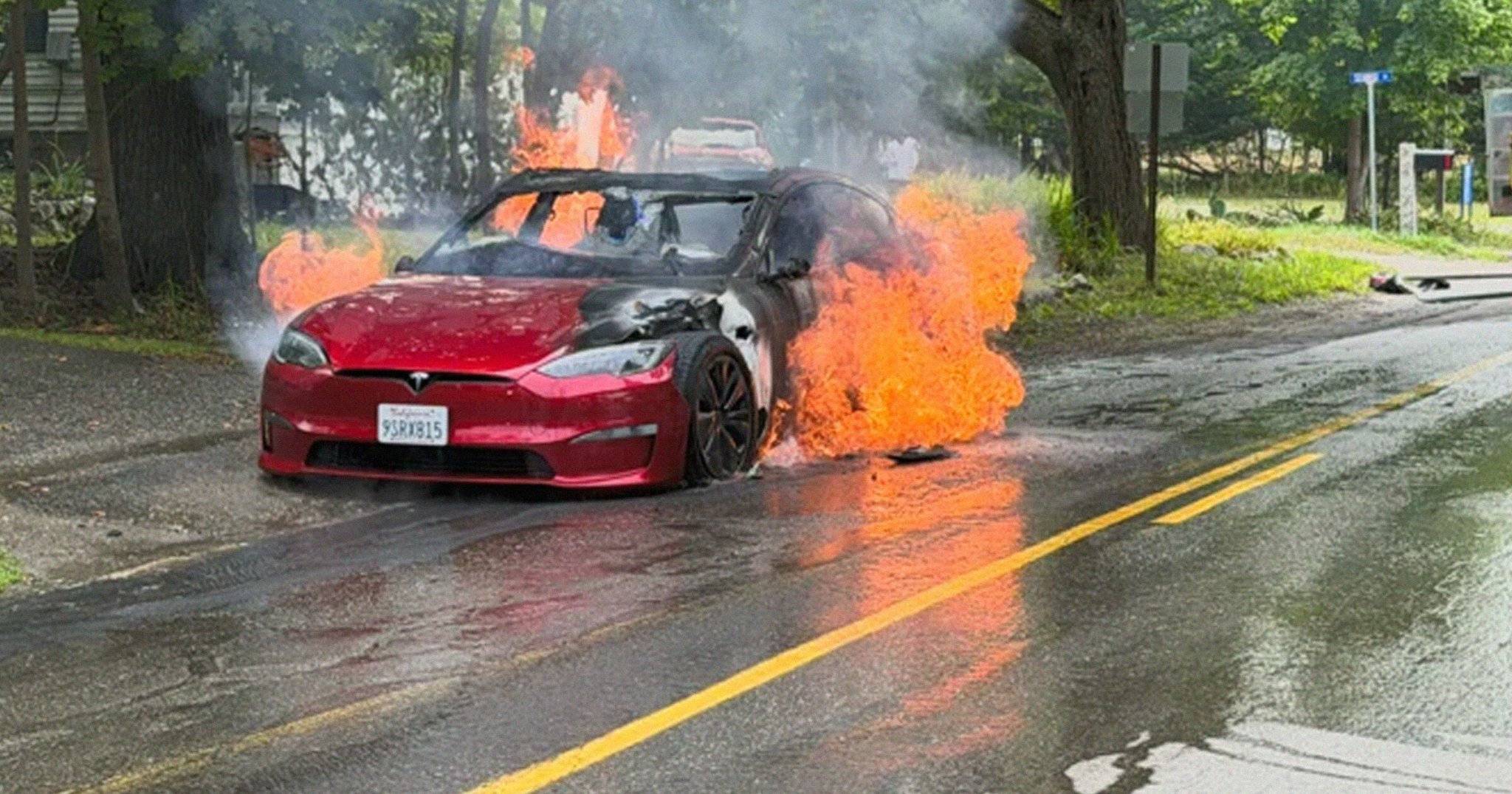
While driving around the town of Tremont in a sleek red Model S, an unnamed driver hit an object on the road which punctured the vehicle’s lithium-ion battery, local station WABI5 reported. As most EV drivers are hopefully aware, any kind of damage to a car’s battery can easily spark a fire fueled by thermal runaway, resulting in a uniquely dangerous inferno that can be difficult to put out.
Luckily, this driver kept their head, driving straight to the Tremont fire station where the high-voltage battery immediately burst into flames, Bangor Daily News reported.
With help from the nearby Southwest Harbor Fire Department, the crew of the Tremont Volunteer Fire Department sprang into action, shutting down the road and dousing the Tesla using an arsenal of firehoses.
Based on photos of the incident, it seems the Tesla was totaled, but the driver is said to be doing alright.
The Tremont fire comes just days after an exploding Tesla in Seattle sent two firefighters to the hospital. That particular EV was parked inside an attached garage at the time, resulting in a two-alarm housefire that displaced an unfortunate family.
All told, if you drive an EV, it’s probably smart to have the address of the nearest fire department drilled into your head — especially if it’s a Tesla.
Two firefighters were rushed to the hospital on Wednesday, after a Tesla parked in a family garage exploded.
According to local station KING5, the incident happened in the Seattle suburb of Auburn, after a massive fire spread from a family’s garage to the rest of their home.
The Tesla explosion set off what ultimately became a two-alarm fire, requiring emergency crews to battle back flames for hours. Thankfully, the two injured firefighters were discharged with non-life threatening injuries, and nobody else was hurt, though the single-family home was pretty much totaled.
The ultimate cause of the fire is still under investigation — whether the Tesla combusted on its own, setting off the blaze, or was the result of a fire which started elsewhere isn’t known.
Still, it’s fair to assume the explosion contributed to the severity of the fire, the latest example of an all-too-common situation plaguing Teslas and other electric vehicles.
Thanks to their massive lithium batteries, Teslas have an unfortunate habit of bursting into flames, often after being involved incollisions, but occasionally entirelyon theirown.
Regardless of what sparks the flames, battery fires are notoriously difficult to put out, requiring specialized hazmat units and thousands of gallons of water to end the battery’s combustion.
This year has already proved bountiful for brilliant EV releases, with the likes of BMW unleashing the debut models from its groundbreaking Neue Klasse series, Mercedes-Benz unveiling the impressively efficient CLA and Hyundai pushing electric high performance to the max with its Ioniq 6 N.
Granted, I haven’t been able to drive absolutely everything that has gone on sale globally this year, but I have done my best to get behind the wheel of what, to me, feels like a crop of groundbreaking electric vehicles that push the powertrain forward.
From enormous, opulent vans to arguably the first 'kei car' to be sold in the UK, the spectrum of brilliant, battery-powered vehicles is as wide and as interesting as any internal combustion engine counterpart. Here’s my pick of the bunch.
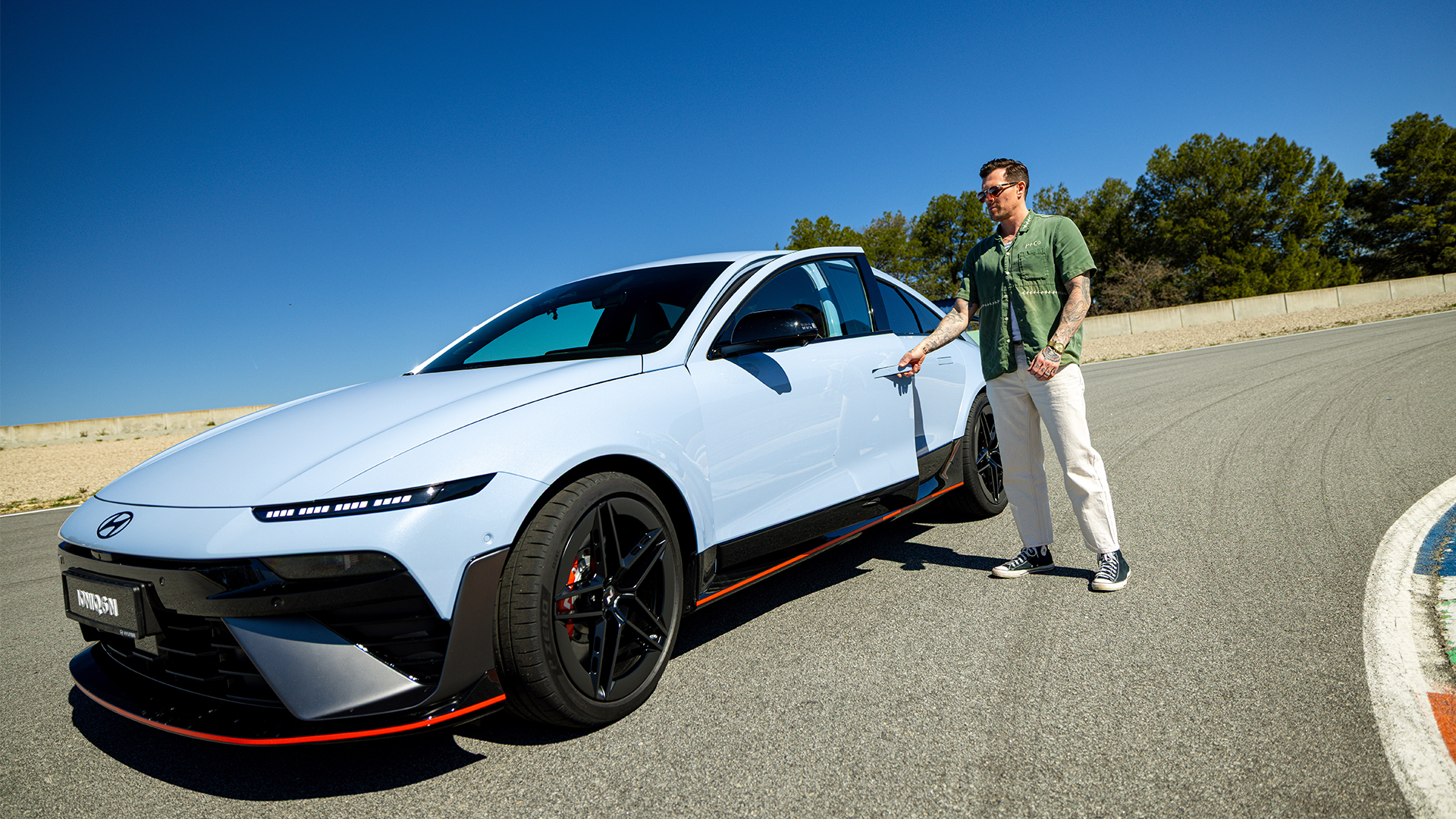
6. Hyundai Ioniq 6 N
(Image credit: Hyundai)
I didn’t think Hyundai could improve much on the brilliant Ioniq 5 N, but the Ioniq 6 N seemingly takes everything that was great about the Korean marque's super hatch and seemingly turns performance up to eleven, while somehow making it more practical.
It takes the same recipe of simulated gears, synthesized engine noise and absurd straight-line performance and packages it in a more mature, long-distance-friendly sedan.
With 650 hp, 770 Nm of torque and a 0-62mph time of 3.2 seconds, it is seriously quick, but the revised suspension geometry and lower roll center make it considerably more composed at speed than its hot-hatch sibling.
The N e-Shift system now adds another simulated gear, while the upgraded sound system makes the artificial pops, bangs and revs remarkably convincing.
Yet it can switch back into a quiet, comfortable cruiser when the fun is over. Add 291 miles of WLTP range and 350 kW charging, and this might be the most complete performance EV I've driven, erm, ever.
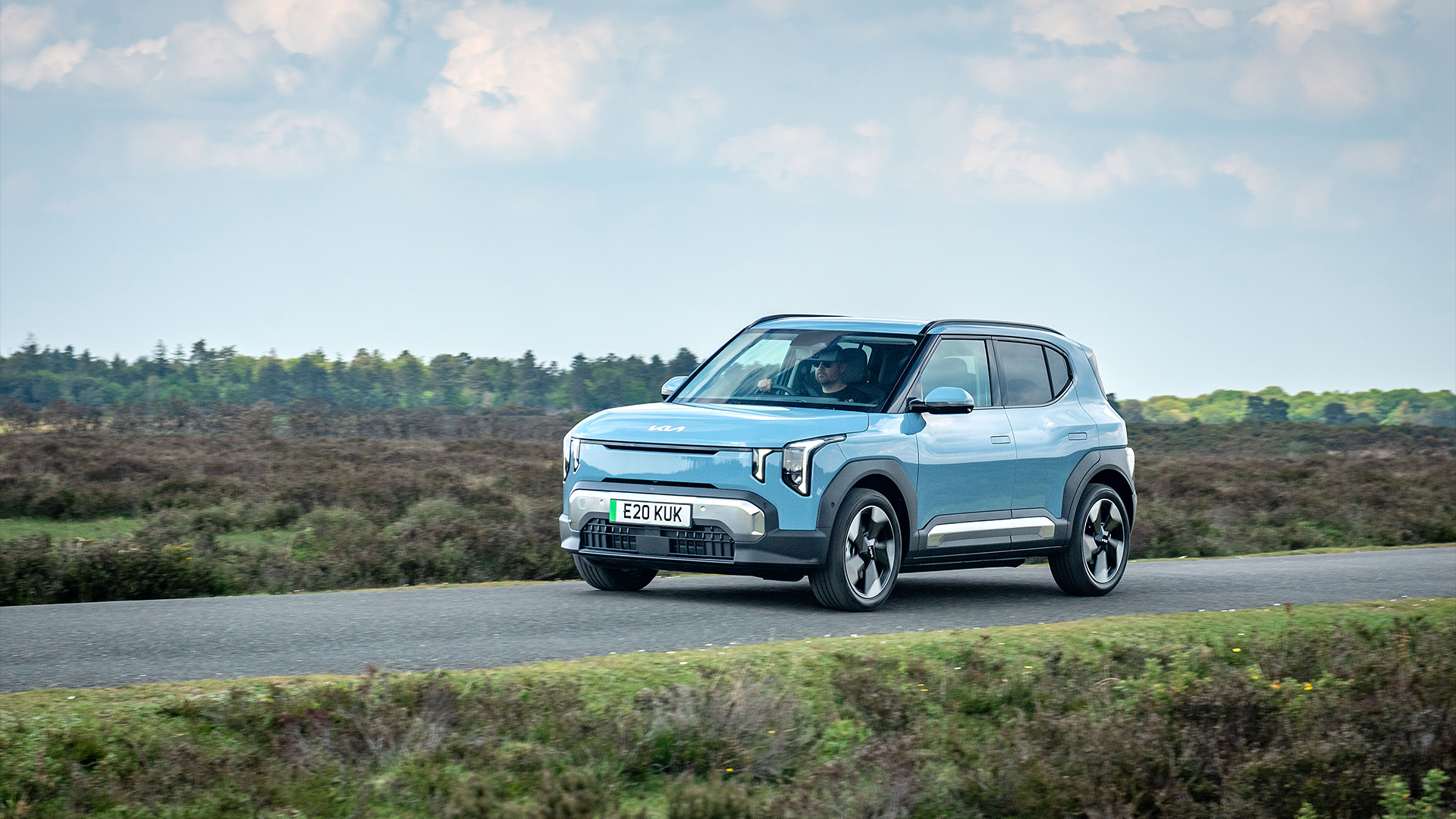
The Kia EV2 might be small, but it has the sort of big-car technology and practicality that makes it surprisingly easy to live with. At just over four meters long, it packs a slick triple-screen infotainment setup, a huge array of driver-assistance systems and an interior that feels considerably roomier than its dimensions suggest. Imagine an EV5 or EV9 that’s been hit with a shrink ray and you’re not far off.
The 144 bhp version I drove didn’t feel particularly sporty, taking almost nine seconds to reach 62mph, but that isn't really the point. Its ride is excellent, it remains impressively composed at highway speeds and the Long Range version should comfortably break out of the usual urban EV routine.
Charging is also respectable, with a 10-80% session taking just under 30 minutes. Best of all, it makes a compelling case for ignoring that massive, heavy SUV for daily driving duties and settling for something that will happily slot into a supermarket parking space.
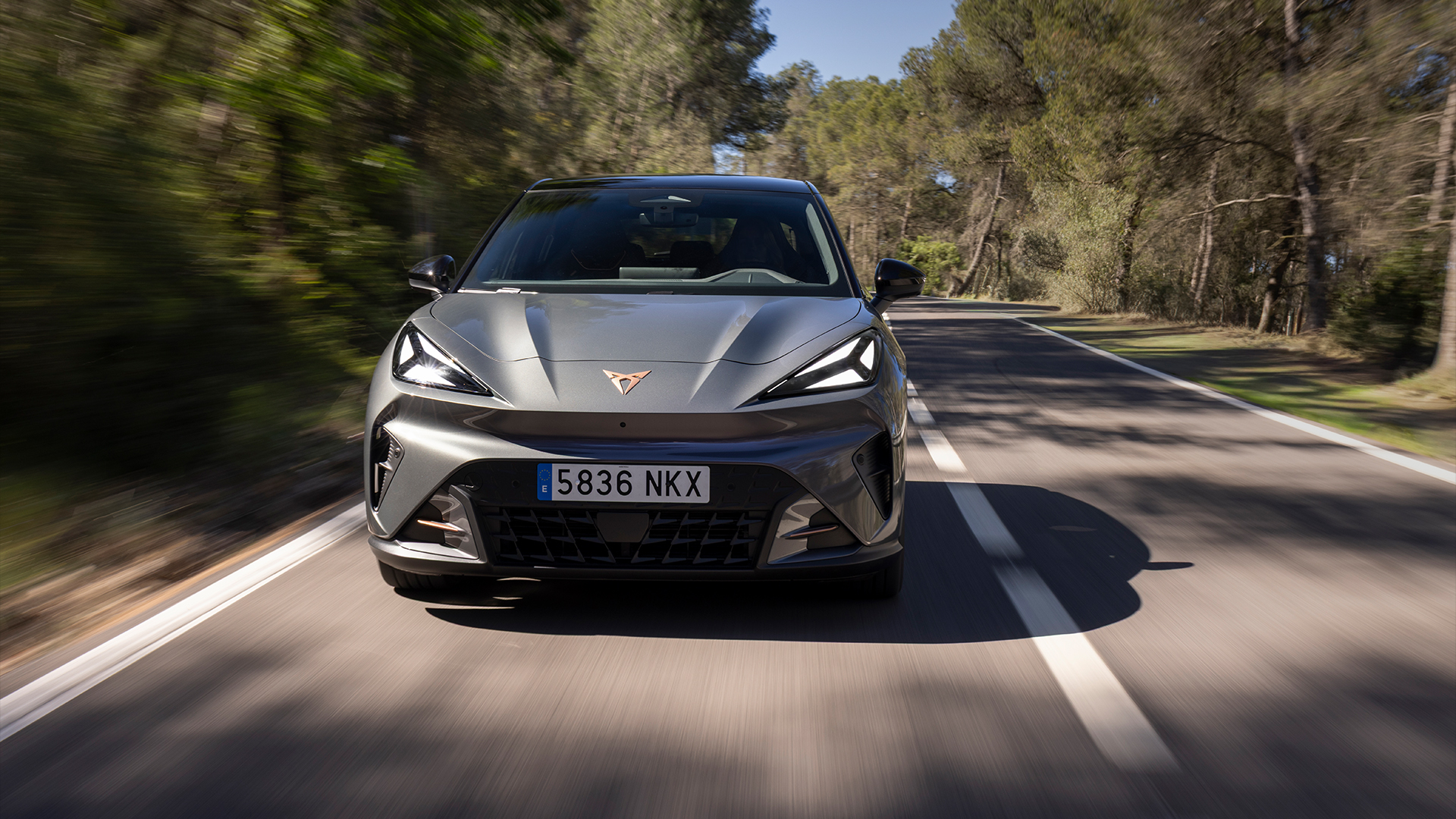
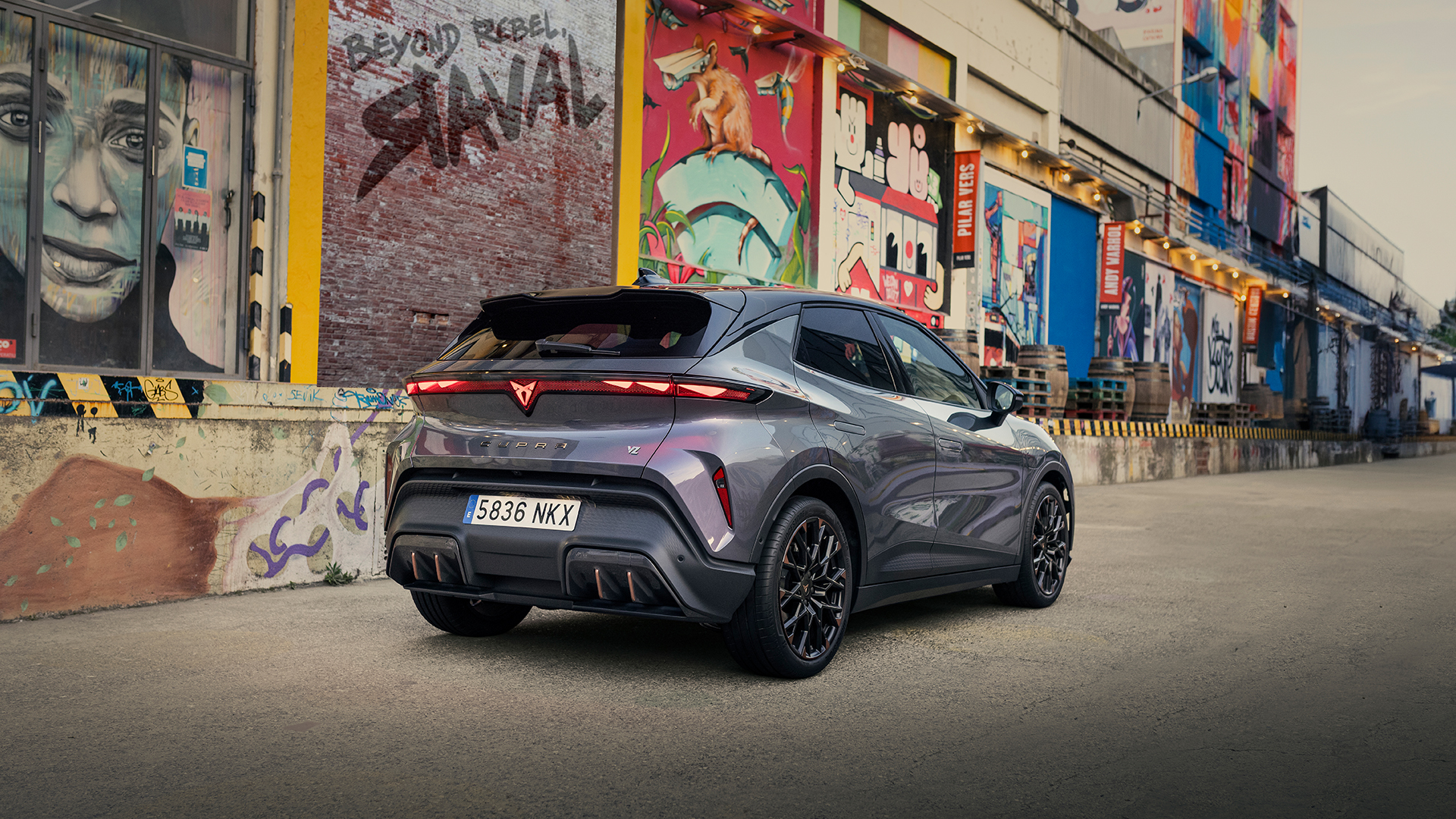
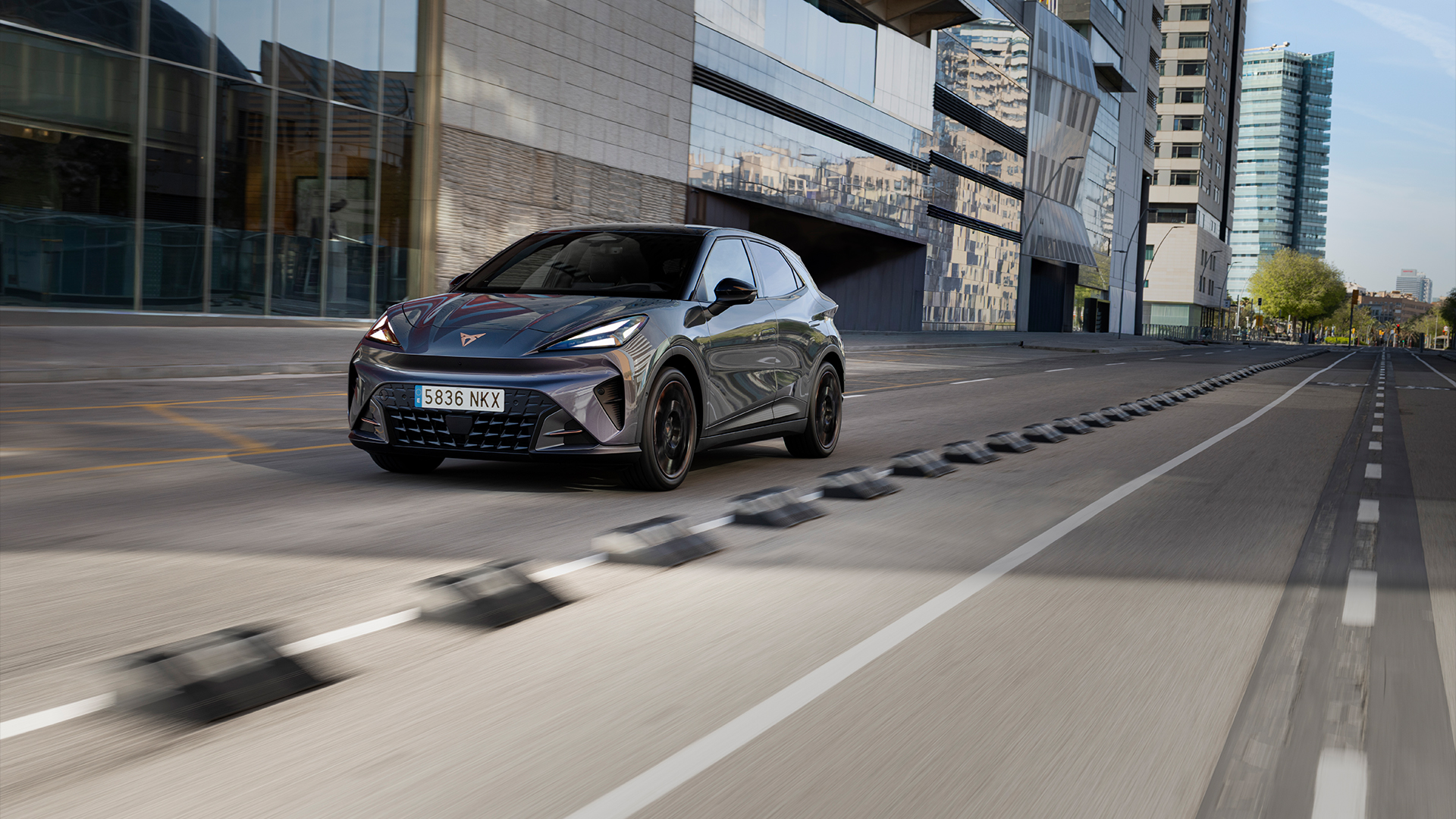
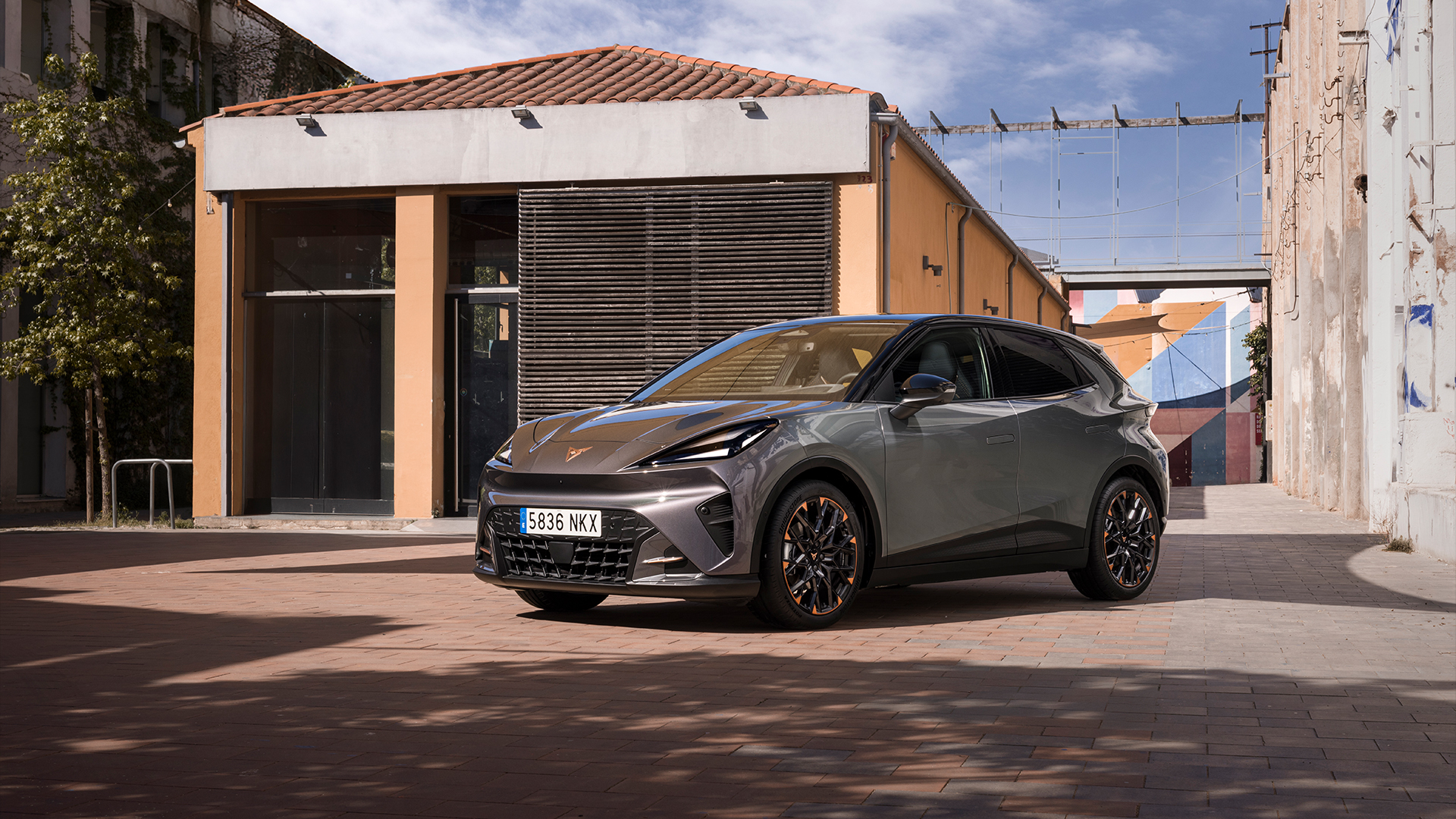
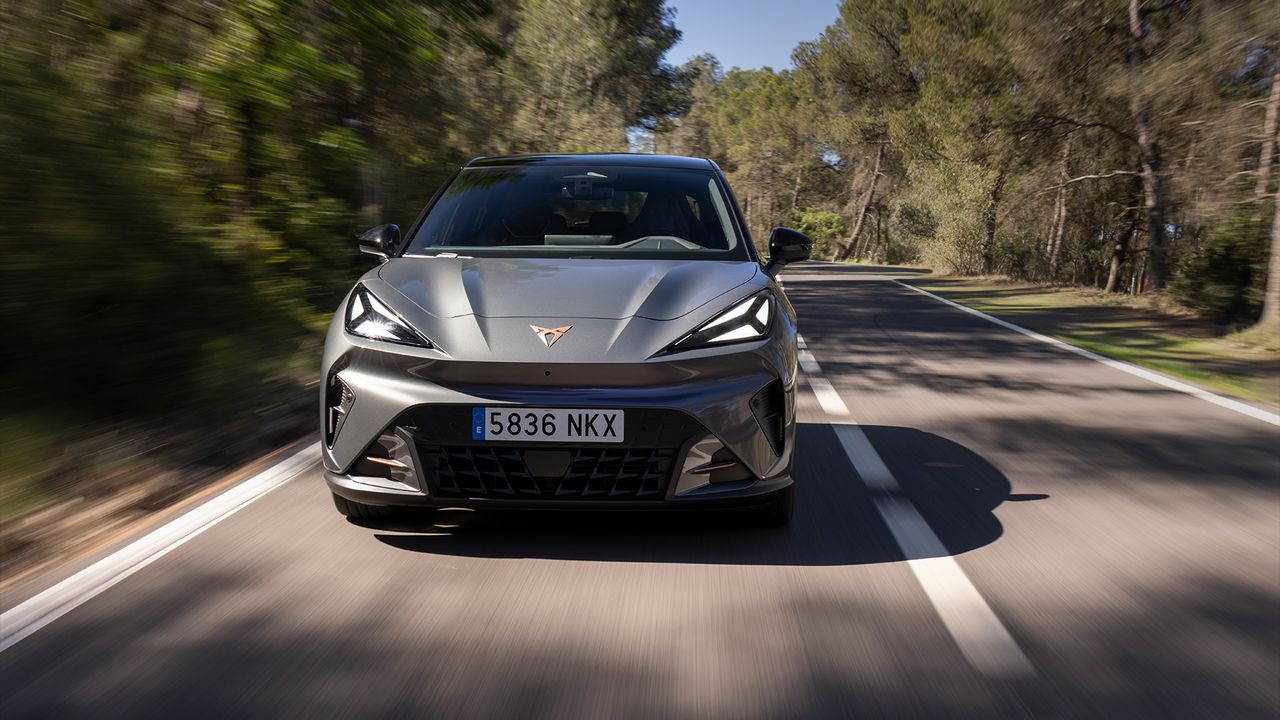
The Cupra Raval VZ is proof that small EVs don't have to be sensible or boring. With its squat proportions, aggressive styling and 19-inch wheels, it looks like a proper hot hatch, and the driving experience backs that up.
The 222 bhp front-wheel-drive powertrain can deliver 0-62 mph in 6.8 seconds, while Cupra mode brings huge amounts of grip, adjustable dynamic chassis control and a synthesized soundtrack to the party.
Yet it can settle down into a surprisingly comfortable and refined cruiser when required. I averaged around 4.5 miles per kWh during a day of enthusiastic driving, suggesting more than 200 miles of real-world range from the 52 kWh battery.
There's also a surprisingly spacious cabin and useful trunk, making the Raval an unusually convincing blend of fun and practicality — like all great hot hatches should be.
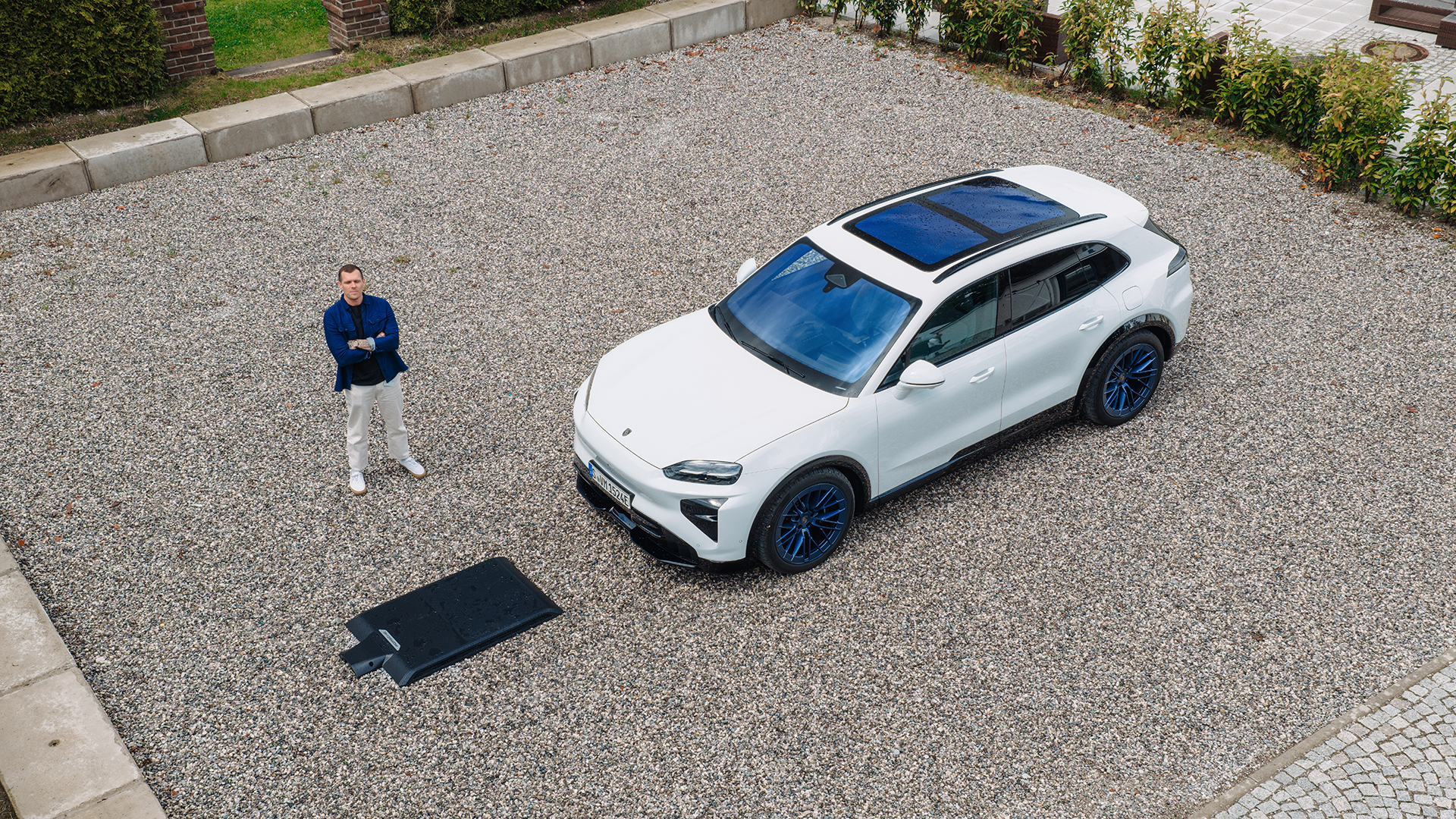
The Porsche Cayenne Turbo Electric is a handsome demonstration of just how far EV performance has come. With up to 1,156 hp available using Launch Control, it can hit 62 mph in just 2.5 seconds and reach 162 mph, making it the most powerful production Porsche yet.
Those figures are astonishing, but what impressed me most was how effectively Porsche hides the car's considerable bulk. Despite weighing around 2.5 tons, it feels remarkably composed through corners, with superb feedback through the steering wheel, active suspension and optional rear-axle steering helping shrink its footprint on the road. It is also a seriously capable long-distance EV, with up to 415 miles of range in Coupe form and 390 kW charging capable of delivering a 10-80% top-up in as little as 16 minutes.
Oh, and the world’s first 11 kW wireless charging functionality is far from a gimmick, showcasing just how effortless life with an EV can be if you can afford it.
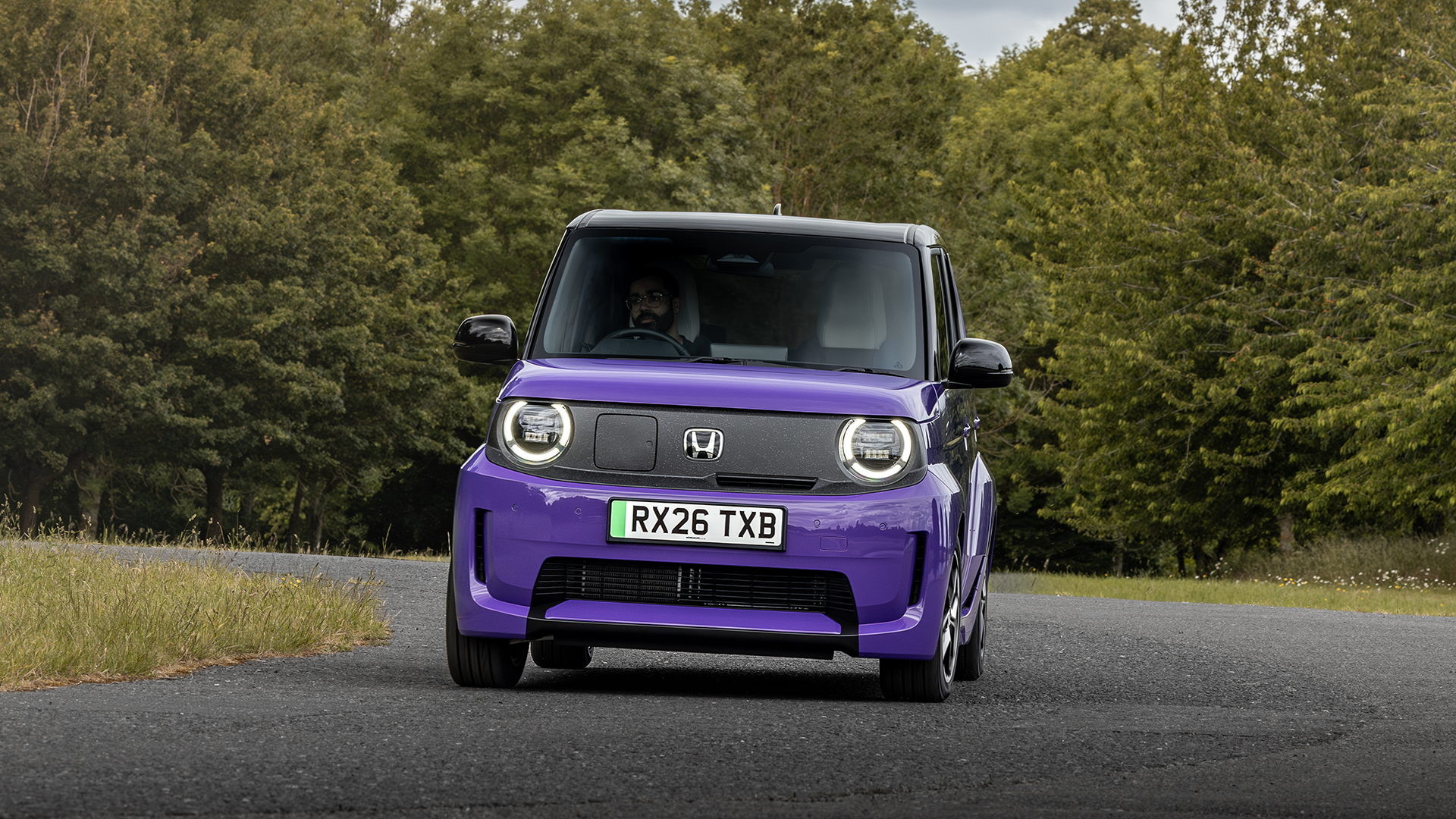
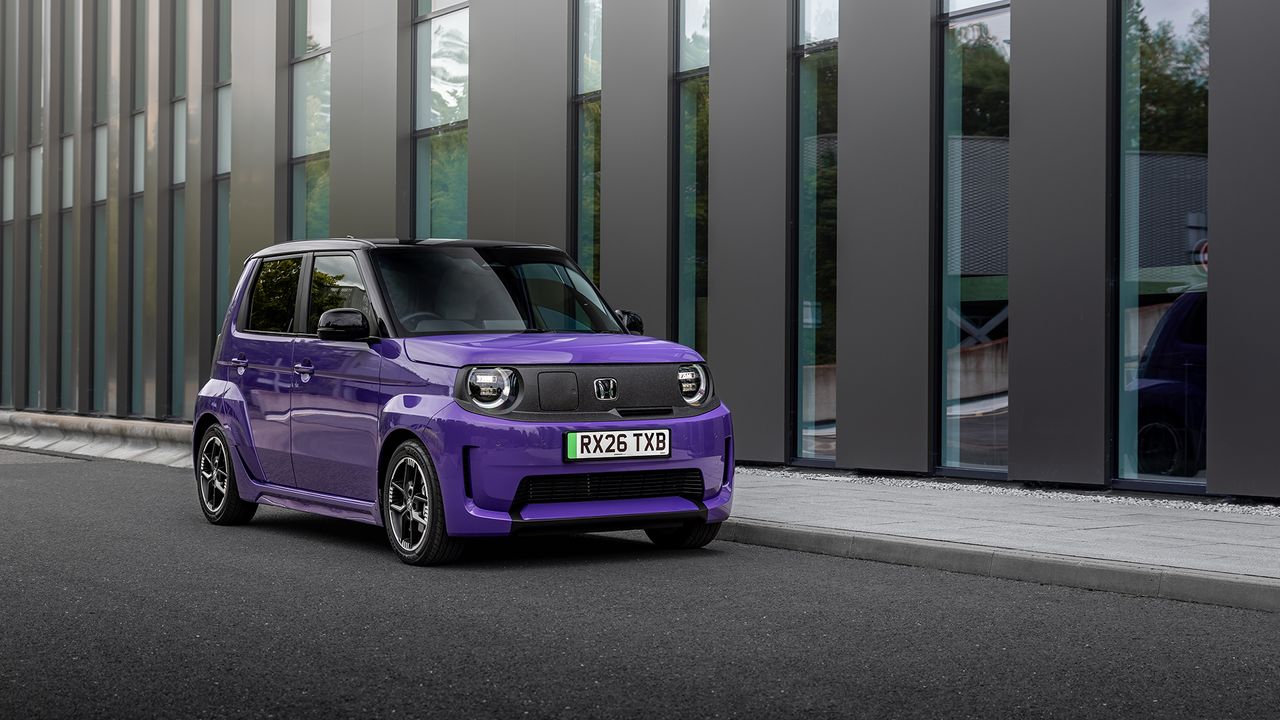
The Honda Super-N might be one of the least practical cars I've driven this year on paper, but that's completely missing the point. This tiny electric runaround is an absolute riot, with 94 bhp sent through the front wheels, a perfectly composed chassis and a big Boost button that encourages you to attack corners with old-school hot-hatch enthusiasm.
At just 1,097 kg, it feels wonderfully light and responsive, while clever regenerative braking and virtual gear changes add to the fun. The 29.6 kWh battery only offers around 128 miles of range and charging tops out at 50 kW, so it's hardly a road-trip machine. But for urban driving, it makes a brilliant case for small EVs, proving that you don't need huge power or battery capacity to have a genuinely entertaining car.
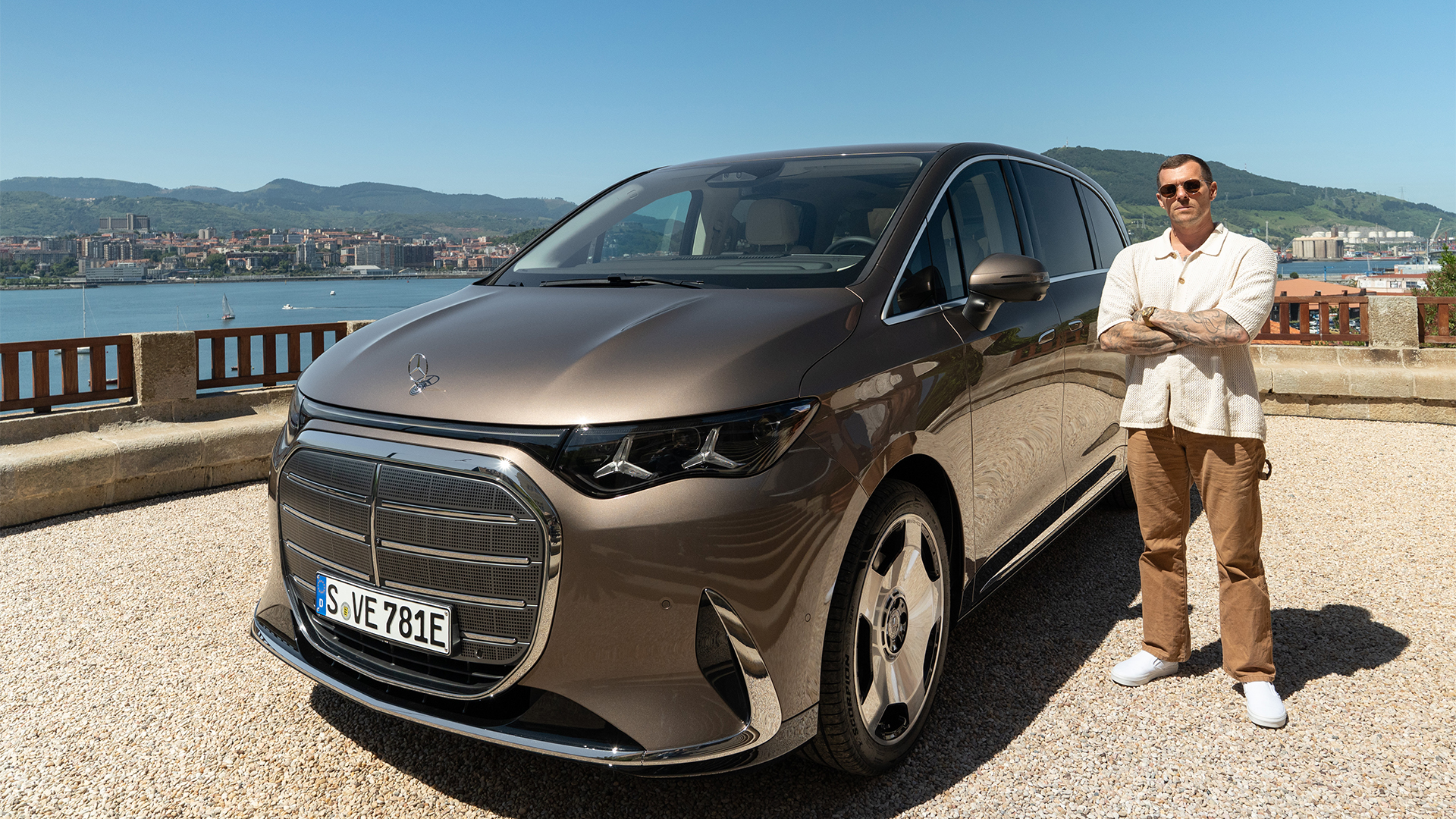
It’s the posh electric van that makes you wonder if that massive family SUV is really the right vehicle for your daily needs. Mercedes’ all-new VLE combines huge amounts of space with the sort of refinement more commonly associated with an S-Class, while the excellent air suspension delivers an exceptionally smooth, quiet ride.
The clever Roll & Go rear seats are by far my favorite feature, sliding along built-in rails and rolling out of the vehicle on their own wheels when removed — transforming the plush people-mover from a seven-seat bus into the ultimate transportation for active outdoor lifestyles.
Range is impressive, too, with the single-motor VLE 300 capable of a claimed 435 miles thanks to its 115 kWh battery, while 300 kW charging makes long-distance driving much more realistic. Add superb infotainment technology, rear-wheel steering and limousine levels of comfort, and this is a hugely compelling EV for large families… so long as said families have a healthy vehicle budget.
Anyone with a keen interest in the European car market will know that Cupra parted ways with its sister company Seat way back in 2018 to become the high-performance, funky standalone brand to attract the attention of a more youthful buyer.
The gamble paid off, as Cupra now outsells Seat in most regions, thanks to its heady line-up of handsomely styled SUVs and sporty hatchbacks, all with a fine selection of electrified powertrains.
This latest edition to the family, the relatively diminutive Raval, is the first of its kind to sit on parent company VW’s MEB+ platform, which will also underpin the upcoming and equally spicy ID Polo (including the GTI), the ID Cross and Skoda’s more crossover focused Epiq.
(Image credit: Cupra)
But Cupra being Cupra has seen fit to endow the Raval with almost comically sporty proportions, a fabulously appointed interior and the sort of electric powertrain that is designed to have true driving fans won over.
Having driven the top spec VZ models out on the beautifully flowing roads of northeastern Spain, it’s clear that there is still room for the compact, agile hot hatch in the often soulless world of modern EVs.
Seriously styled
(Image credit: Cupra)
You only have to take a look at one of the many recent Cupra events to realize that the company approaches new product launches a little differently.
These shindigs are typically held in warehouses and other industrial settings, often involve world-class DJs and incorporate faces from fashion, sports and culture.
The overemphasized creases on the bonnet, super aggressive front lamps and chunky rear diffuser on this VZ model signal its racy intentions.
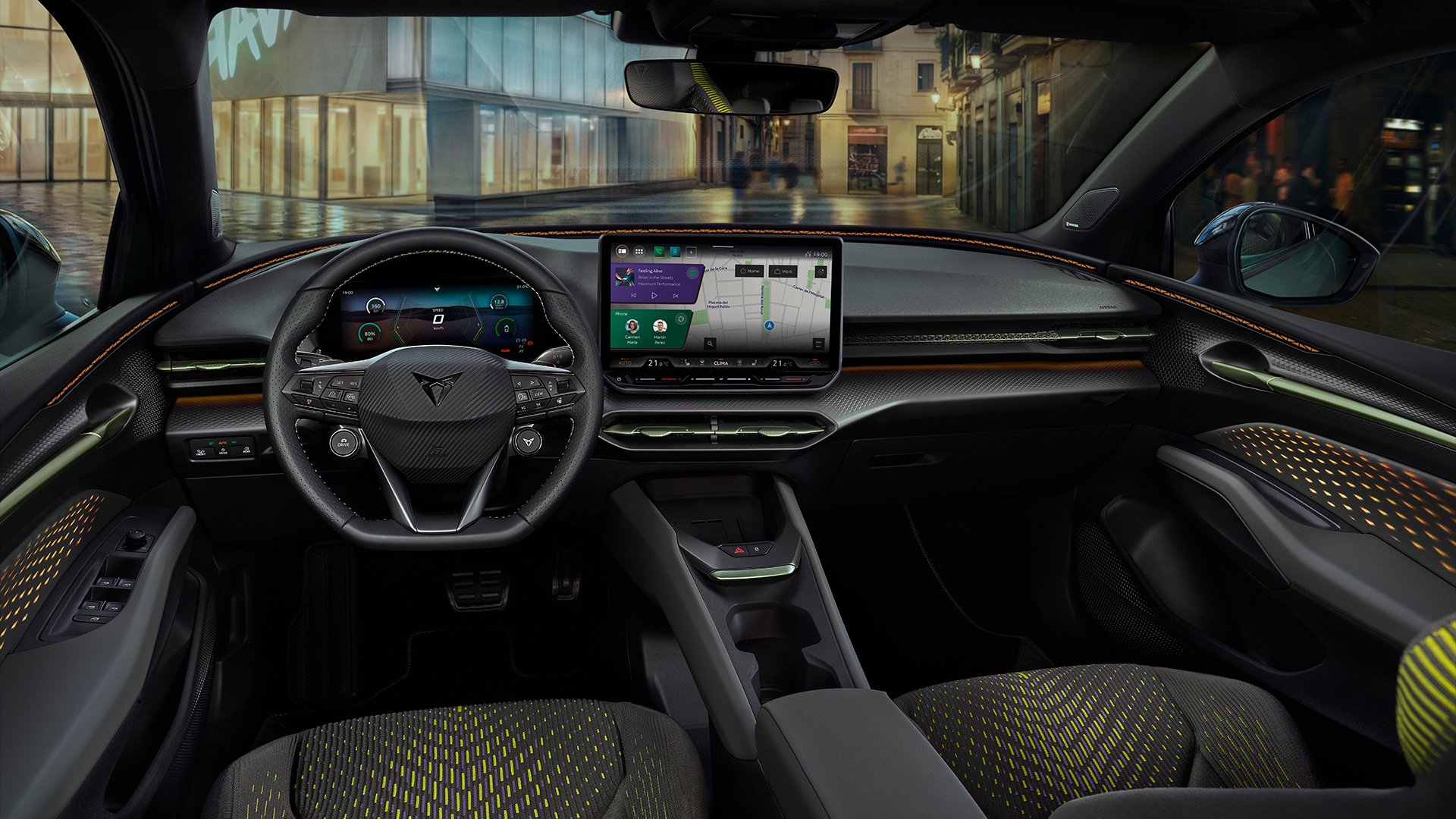
The Raval is all of this stuff distilled into a diminutive hatchback, with copper accents and contrast flourishes on the outside, myriad on-trend materials throughout the cockpit and the latest technology taking care of infotainment duties.
On the outside, the Raval rides low to the ground (well, as low as any modern EV can) and wears its squat proportions with pride.
The over-emphasized creases on the bonnet, super aggressive front lamps and chunky rear diffuser on this VZ model signal its racy intentions.
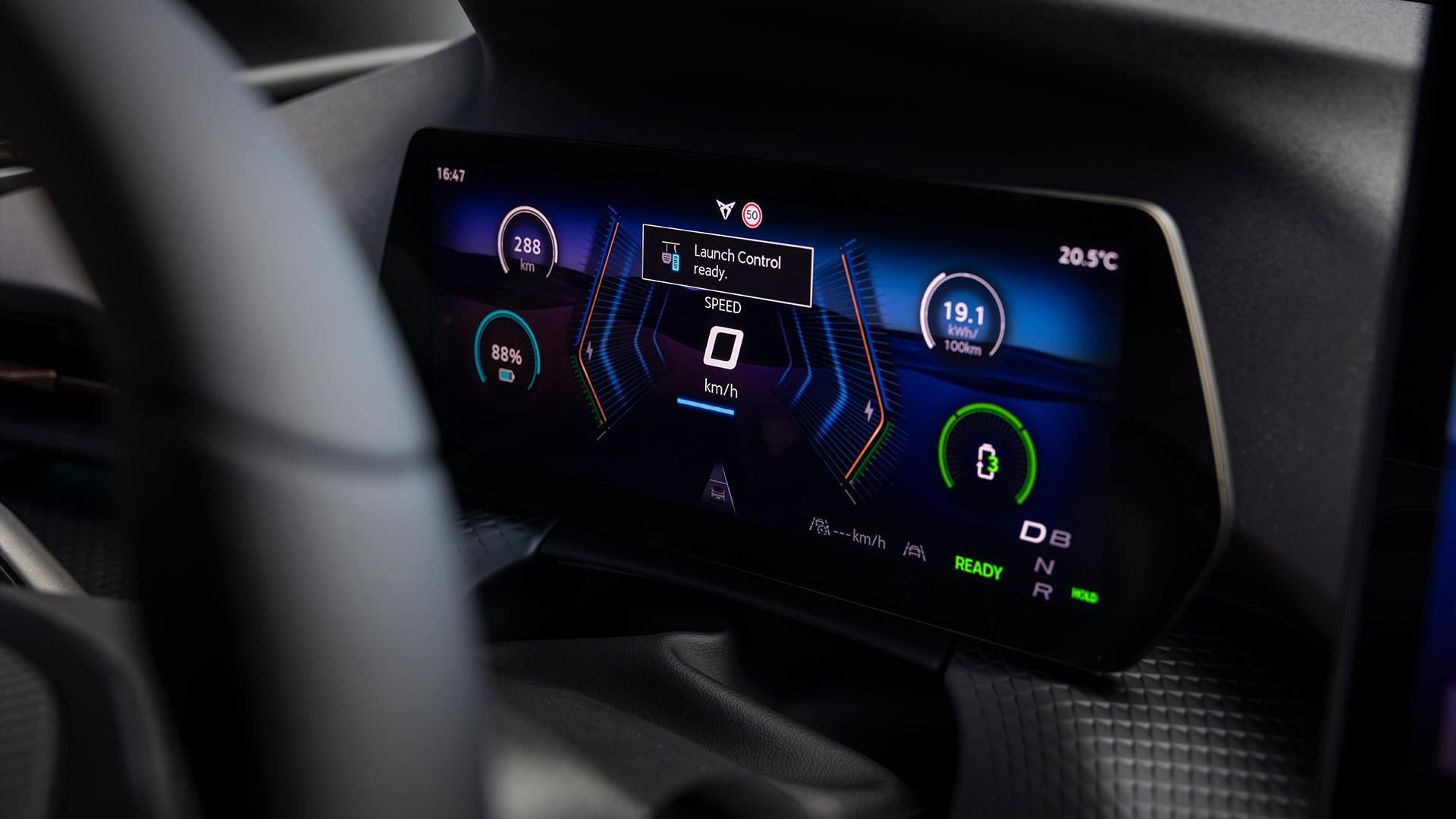
It also rides on 19-inch ‘Rebel’ rims and crams vegan leather bucket seats into the cockpit, as well as a 12.9-inch Android Automotive central display and a separate 10.25-inch digital cockpit that takes care of speed and whatnot.
(Image credit: Cupra)
Considering the Raval VZ starts at £34,9995 in the UK (that’s around $47,000 / AU$65,000), it feels like a generous dose of premium car for the money.
But for those happy with the smaller wheels and smaller battery pack (more on that later), the range actually starts from £23,785 (around $32,000 / AU$45,000) for the 115hp, 37kWh models.
Nice and spicy
(Image credit: Cupra)
Clearly, the VZ version driven here is a little ‘spicier’ when it comes its performance credentials, as it features the larger 52kWh battery pack and a powertrain that delivers 222bhp and 214lb ft to the front wheels in proper hot hatch fashion.
Prod the accelerator and the little Raval wants to move, whisking drivers and passengers from rest to 62mph in a respectable 6.8 seconds.
It even has a quasi launch control mode that sends little shudders and vibrations through the seat to make the process of accelerating feel more exciting.
Prod the accelerator and the little Raval wants to move, whisking drivers and passengers from rest to 62mph in a respectable 6.8 seconds.
Granted, it feels a little gimmicky but Cupra has done an excellent job of making the Raval feel as sprightly as its exterior lines would suggest.
Flick it into Cupra mode via a dedicated button on the steering wheel and, alongside a growling synthesized soundtrack, you’re treated to massive levels of grip.
This results in the ability to round corners with all the thrills of a go-kart, while the dynamic chassis control fitted to this VZ model keeps things flat and firm when the mood takes. Thankfully, it is adjustable through 15 stages, so you can easily get a set up that suits.
But when settling back down into Eco of Comfort modes, the Cupra does its best impression of a sensible, grown-up VW Group product, proving almost perfectly quiet and comfortable when cruising along the highway. The ride quality really is excellent.
Fuel for thought
(Image credit: Cupra)
Having driven almost too many EVs to remember, I have got into the habit of always checking battery efficiency after an event like this.
It’s a great indication of real-world driving, often taking in faster, flowing sections of road (where the regen will help top-up batteries), slower city driving and battery-sapping highway miles.
The Cupra Raval revealed that we averaged around 4.5 miles per kWh after a day of driving, which means we could have happily racked up over 200-miles from a single charge of the relatively small 52kWh NMC battery packs.
Cupra’s official WLTP rating has this pegged at 239-miles, which feels honest and achievable if driving sensibly… which I wasn’t during this particular test.
(Image credit: Cupra)
Raval’s recharging game is strong too, with a 10-80% session taking just 24-minutes from a 105kW DC public charger. It’s slightly longer than close rivals, such as the recent Renault 5 and Kia EV2, but neither of those cars can really be described as feisty.
But perhaps the most striking thing to note from the small, sporty hatchback is that there’s a decent amount of room inside. Two adults can very comfortably sit up front and there’s just enough room in the back for a few friends.
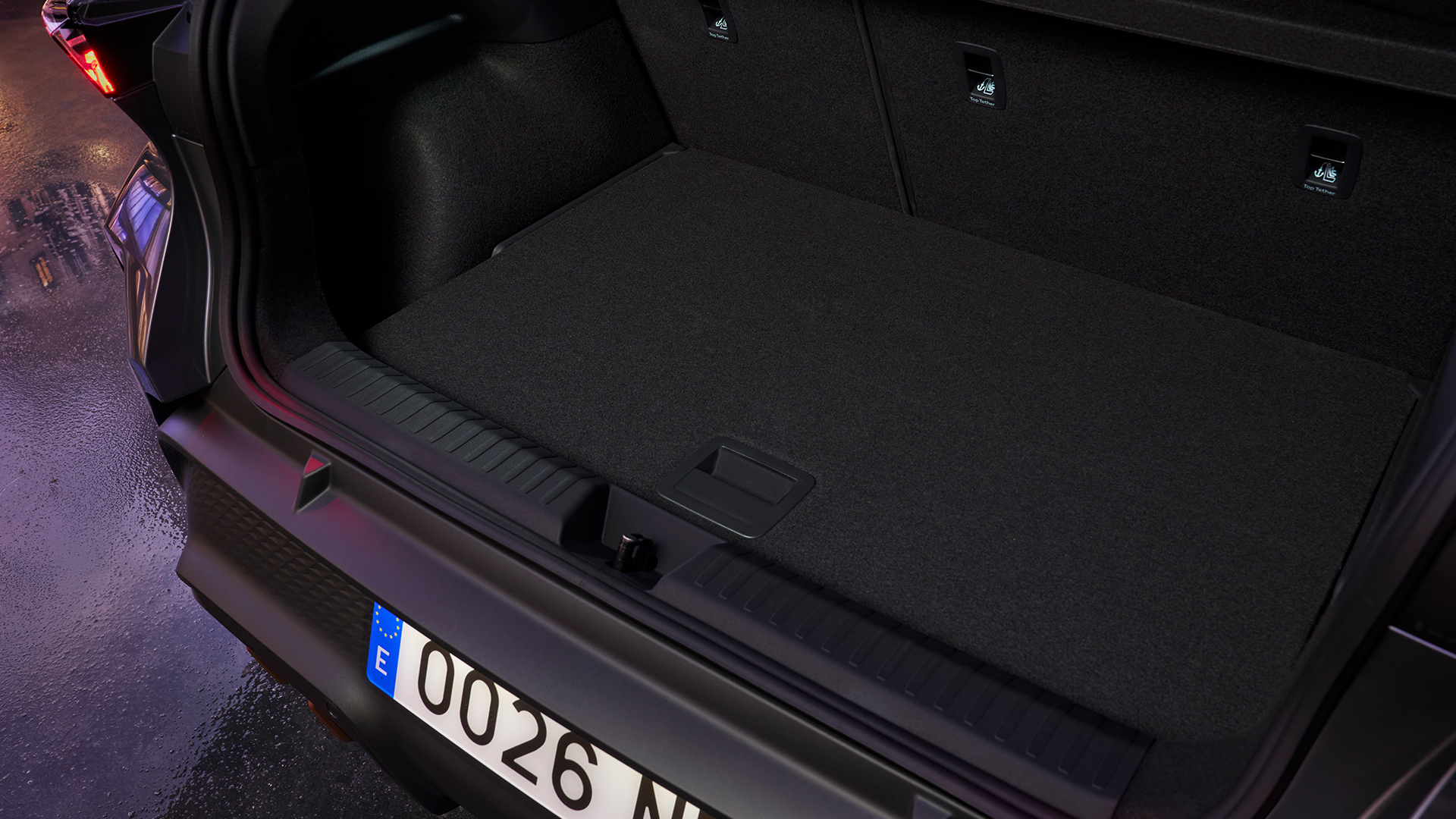
Admittedly, leg room in the rear isn’t exactly generous, but it’s very good in this segment, while the rear trunk is positively cavernous. Mounting the motor at the front results in an impressive amount of space to store bulkier items.
(Image credit: Cupra)
There’s even a clever folding floor that can be set at various levels, making it easier to throw in shopping when space isn’t required or free up a deeper hole for those weekend trips away.
The Cupra Raval offers a beguiling mix of sensible, grown up elements — such as the responsive Android Automotive-based infotainment system, practical interior space and premium-feeling fabrics — and laces it with a hefty dose of fun.
Granted, this isn’t the all-out hot hatch that we might be used to from the ICE era, but it gets very close.
Plus, with VW set to unleash an ID Polo GTI later this year with eerily similar performance figures, it makes you wonder if it’s worth holding out for that revered badge when the Raval VZ is this good.
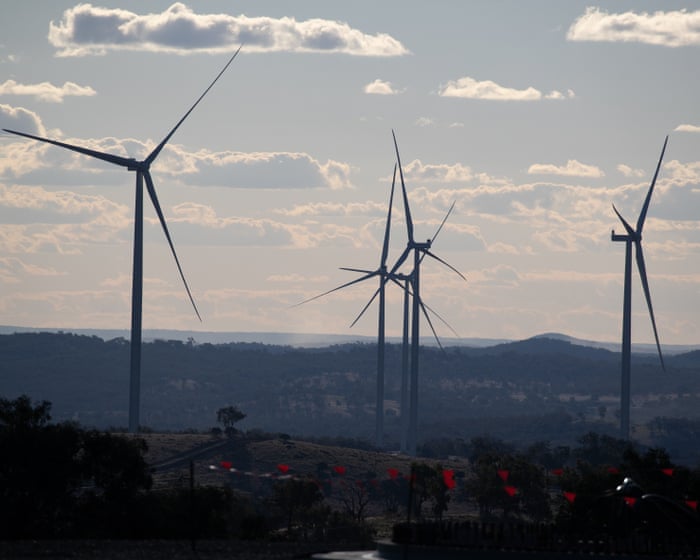
Organised campaigns against wind and solar energy have proved “extremely effective” in undermining community support for renewable energy but enthusiasm for electric vehicles has jumped after Donald Trump’s attack on Iran, according to a detailed snapshot of Australian attitudes to the clean energy transition.
The survey found levels of “deep support” for clean technologies were highest for home batteries and rooftop solar and also improving for major infrastructure projects such as transmission lines, which have been a target for critics of renewables.
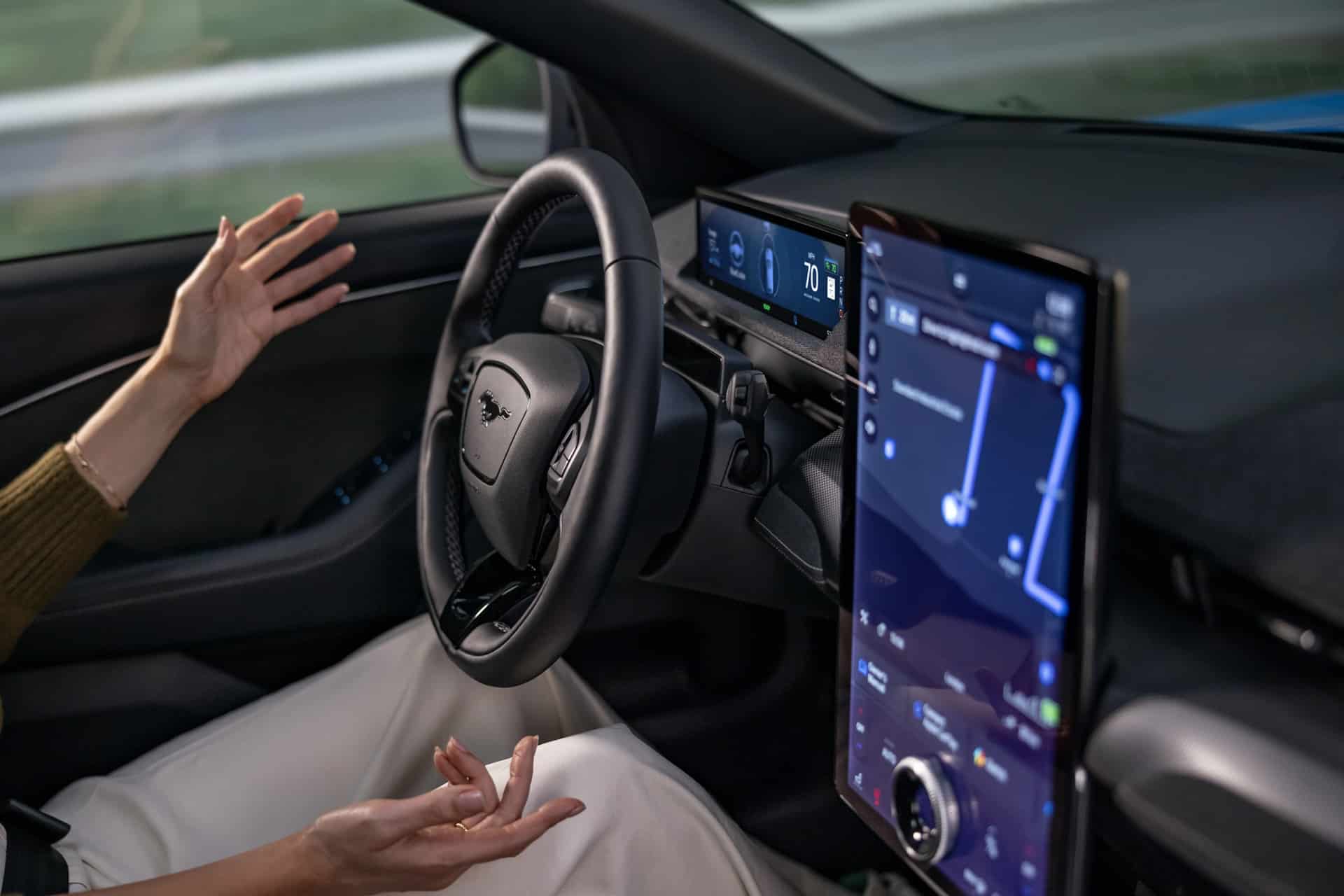
Ford Apple Maps integration will place the navigation service directly inside a new family of affordable electric vehicles, beginning with a midsize pickup expected to start at approximately $30,000 in 2027.
The truck will not depend on CarPlay or a connected iPhone to access Apple Maps. Ford plans to embed the service through MapKit for Automotive, allowing the automaker to incorporate Apple navigation into its own displays, controls and software environment.
CarPlay will remain available for drivers who want to use iPhone apps, messages, calls and media. The native integration, however, means Apple Maps can continue providing directions when no phone is connected or when the driver uses a device from another manufacturer.
The partnership extends beyond dashboard navigation. Ford also intends to use road-level information from Apple Maps while developing future versions of BlueCruise, connecting Apple mapping data with the driver-assistance technology planned for its Universal Electric Vehicle Platform.
Ford Apple Maps Moves Beyond CarPlay
Ford Apple Maps represents a different approach from the familiar relationship between an iPhone and a vehicle.
CarPlay runs from the phone and presents selected apps through the dashboard. The embedded version of Apple Maps will operate as part of the truck software, giving Ford greater control over how directions, charging information and vehicle data appear across its displays.
Drivers can expect turn-by-turn guidance, live traffic conditions, incident reports and detailed destination information. Ford will be able to adapt the visual experience to match the interface created for its new electric platform rather than reproducing the standard CarPlay layout.
EV routing may become the most practical benefit. The system can consider available range, charging locations and route conditions before recommending where a driver should stop.
When supported by the vehicle, navigation can also trigger battery preconditioning before arriving at a fast charger. Bringing the battery toward an appropriate temperature can reduce charging time, particularly during cold or extremely hot conditions.
Integrating those functions removes part of the planning burden from longer electric trips. Drivers will not need to move constantly between a navigation app, charging network software and separate vehicle menus to understand whether a station is suitable.
The native experience also gives Ford an alternative to building a complete mapping platform internally. Apple already maintains search, traffic, routing and place information across a large geographic network, while Ford can concentrate on vehicle-specific functions.
Apple, meanwhile, gains a route into factory-installed automotive software without needing to produce its own car.
A Different Strategy From CarPlay Ultra
The Ford arrangement should not be confused with CarPlay Ultra.
CarPlay Ultra expands the iPhone experience across multiple vehicle screens and can combine phone content with information supplied by the car, including speed, fuel or battery levels and climate controls.
Ford is taking a more selective path. Apple Maps becomes a native service, but the broader dashboard remains a Ford environment.
That distinction may appeal to automakers reluctant to hand control of the cabin interface to another company. Ford can use Apple technology for navigation while preserving its own identity, subscription services and software architecture.
Drivers still receive a recognizable Apple product, but the vehicle manufacturer determines where it appears and how it interacts with charging, driver assistance and other functions.
The arrangement could provide a model for other automakers that want access to individual Apple services without adopting the complete CarPlay Ultra experience.
Image Credit: Ford
A $30,000 Electric Truck Needs More Than a Low Price
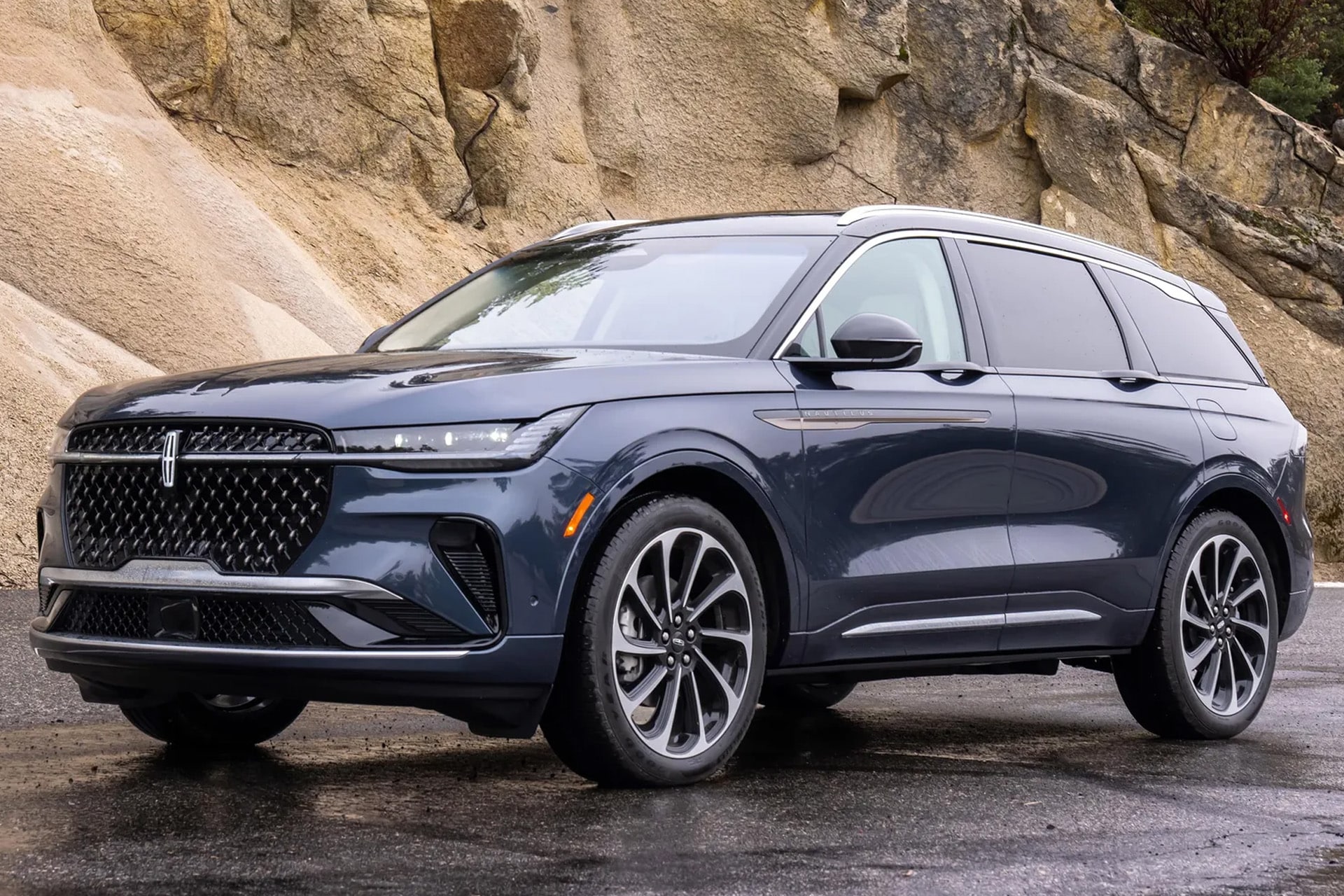
The targeted price of approximately $30,000 would place it below many electric pickups currently available in the United States. Ford is aiming at drivers interested in an EV but unwilling or unable to spend the amounts associated with large premium trucks.
The company says the vehicle will provide more passenger space than a recent Toyota RAV4 while including a front storage compartment and a conventional truck bed. Performance is expected to compare with a Mustang EcoBoost, giving the pickup a stronger argument than affordability alone.
Reaching the price target requires changes throughout the vehicle rather than a smaller battery placed inside an existing truck design.
Ford has reduced the number of components, fasteners and assembly operations involved in the new platform. Its zonal electrical architecture is intended to shorten wiring and simplify how software-controlled systems connect across the vehicle.
Lithium iron phosphate batteries will form part of the structural floor. The chemistry avoids nickel and cobalt, generally costs less than alternatives focused on maximum energy density and can offer strong durability for repeated charging.
Production is planned for the Louisville Assembly Plant in Kentucky, where Ford is introducing a manufacturing process that separates major vehicle sections before bringing them together later in assembly.
Apple Maps supports the same cost-conscious strategy. Ford can offer a mature navigation experience without financing the creation of every mapping layer from the beginning.
Apple Maps Will Support BlueCruise Development
The partnership becomes more significant when mapping information begins supporting driver assistance.
Ford Latitude AI plans to use road-level Apple Maps data while developing future BlueCruise capabilities. The objective is to create smoother hands-free travel from a highway entrance ramp through the eventual exit.
Apple Maps can provide advance knowledge of road layouts, interchanges, curves and exits. Ford sensors and onboard systems must still identify vehicles, pedestrians, construction and unexpected changes in real time.
Apple is not developing or controlling BlueCruise. Ford remains responsible for the cameras, sensors, processors and driving decisions used by the system.
The maps provide another layer of context. A vehicle that understands the route in advance can prepare for lane changes, merges and exits before its sensors reach them.
Ford is also developing a large driving model through Latitude AI using extensive road data. Combining that work with detailed maps could allow the company to improve assistance without depending entirely on moment-to-moment visual detection.
The Universal Electric Vehicle Platform is expected to support more capable automated driving in later models. Ford has discussed eyes-off operation from 2028, although final hardware, pricing and regulatory approval remain unresolved.
Introducing that technology through an affordable platform would represent a departure from the usual industry pattern. Advanced driver assistance often begins in expensive vehicles where premium pricing absorbs the cost of sensors and computing.
Ford wants to distribute the development expense across a larger family of electric products.
Image Credit: Ford
Apple Maps Gives the Truck a Familiar Entry Point
The Apple Maps name may make the new truck feel less unfamiliar to customers buying an electric vehicle for the first time.
Charging behavior, range estimation and route planning can create hesitation among drivers accustomed to gasoline vehicles. Presenting those functions through a navigation service already used on millions of iPhones reduces the number of unfamiliar interfaces introduced at once.
Existing Apple Maps users may also recognize saved locations, search behavior and visual guidance, although Ford has not explained which personal features will require an Apple Account or connected iPhone.
The embedded service will still need reliable integration with vehicle range, charger availability and battery temperature. A familiar logo alone cannot compensate for inaccurate charging information or route estimates.
Ford has not yet announced the truck name, final driving range, battery capacity, production specifications or confirmed base price. Those details will determine whether the pickup can combine its promised affordability with enough capability for everyday work and travel.
The first production model is scheduled for 2027, leaving Ford time to refine the software and reveal how Apple Maps will appear across the dashboard before the Louisville assembly line begins building customer vehicles.
It’s pretty clear that EVs and software defined vehicles (SDVs) go hand-in-hand these days, and while Tesla paved the way with the Model 3 back in 2017, Rivian, Lucid, and Chinese manufacturers quickly followed. The legacy car manufacturers are taking a while longer to get on board, but are finally catching up. Companies like Hyundai Motor Group, General Motors, BMW, and Mercedes-Benz are starting to launch full SDVs.
SDVs for the win
(Image credit: Myriam Joire)
SDVs are cars with functions and features that are primarily enabled through software and can improve over time via over-the-air (OTA) software updates. I’m not just talking about updating navigation or infotainment, here. Thanks to their zonal architecture, full SDVs use a holistic approach to software updates where every hardware module can be updated OTA, which enables diagnostics and even recalls without a dealer visit.
The cynical view is that SDVs allow greedy car manufacturers to extract revenue from customers via needless subscriptions, but that's short-term thinking. When done right, there are many benefits to SDVs. Companies like Rivian and Tesla issue free monthly OTA updates to fix bugs and add new features to their EVs, to the delight of their customers, while only charging an optional subscription for higher data connectivity and ADAS tiers.
SDVs go beyond EVs
Myriam JoireMyriam Joire
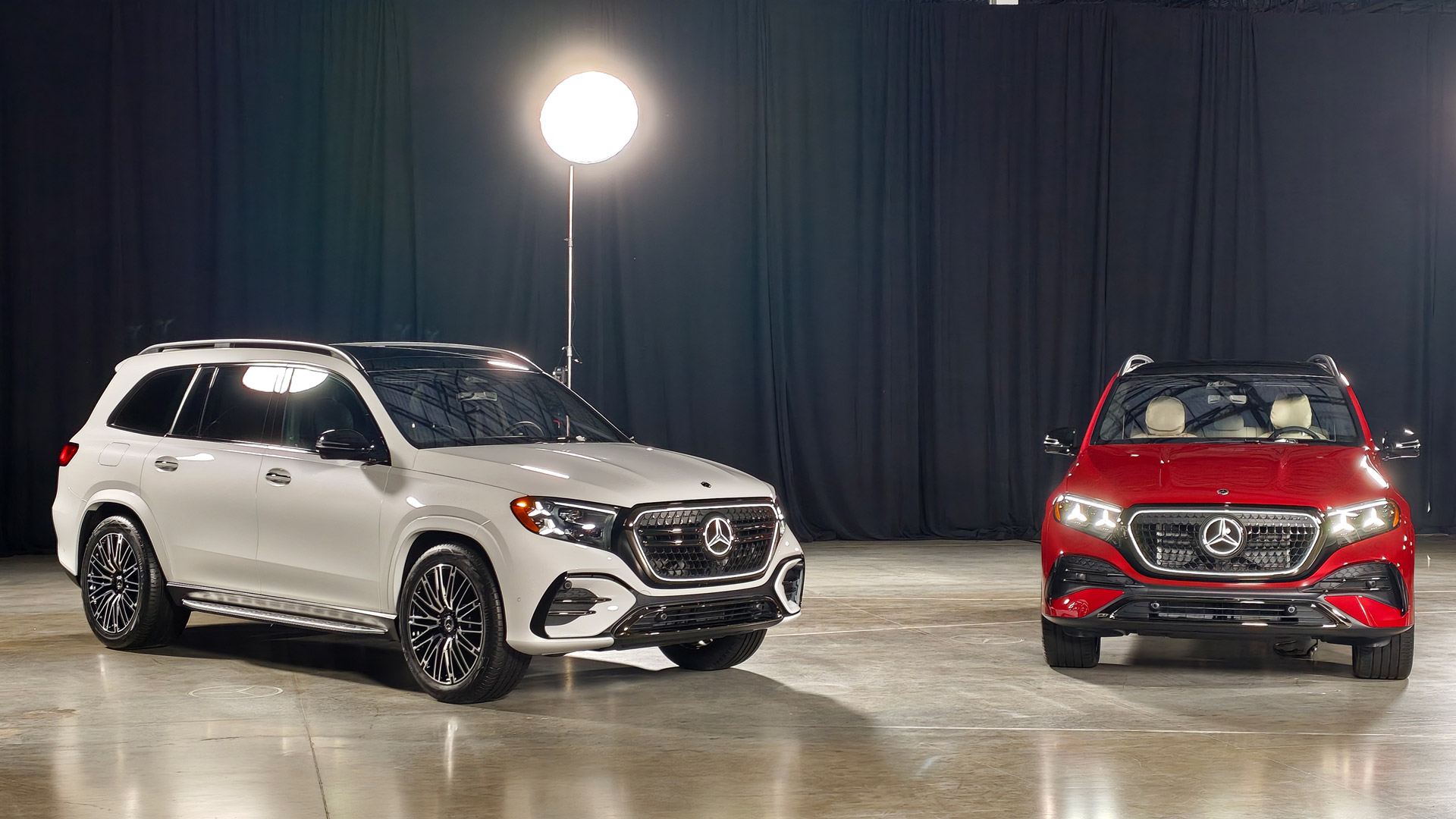
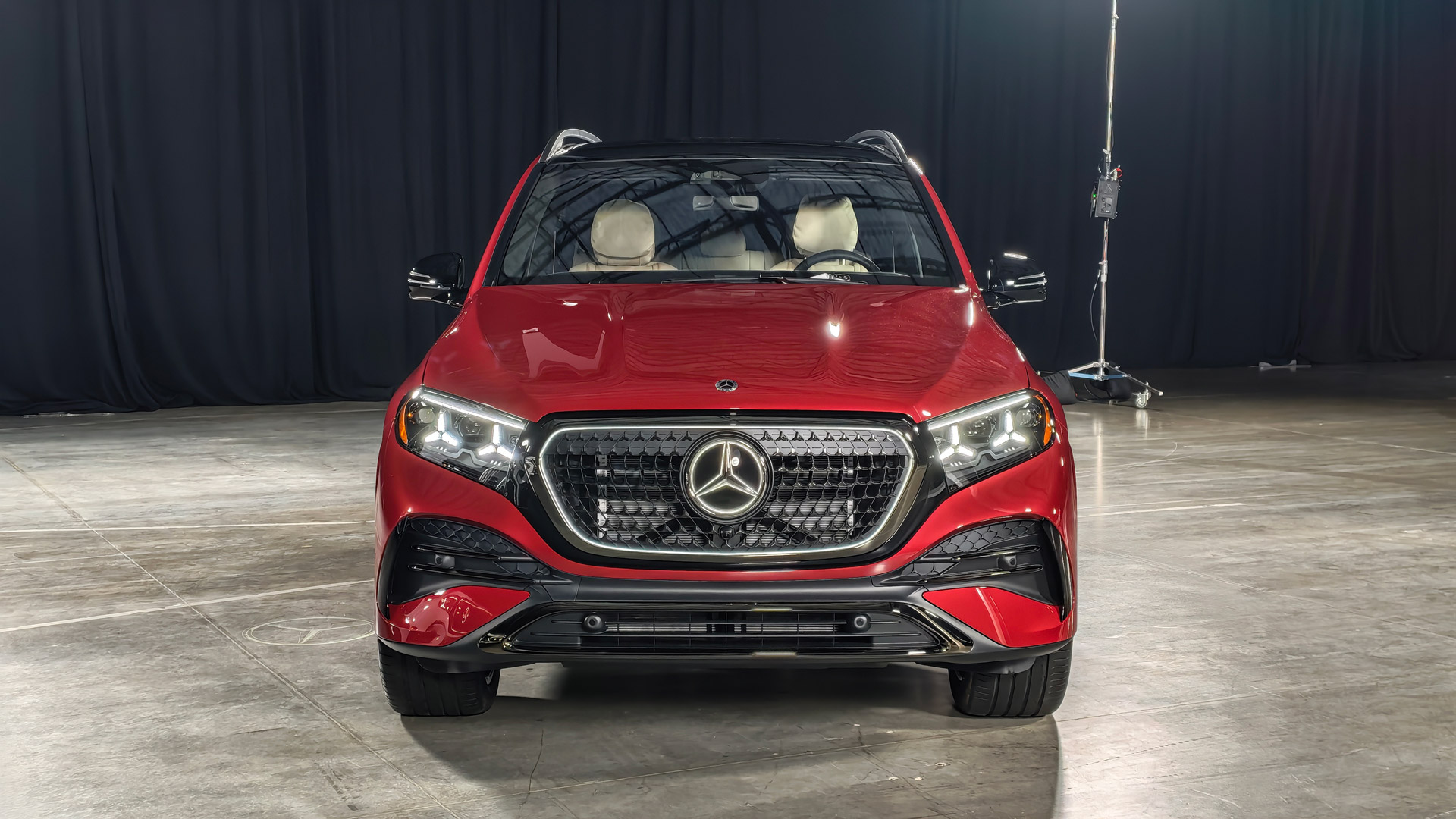
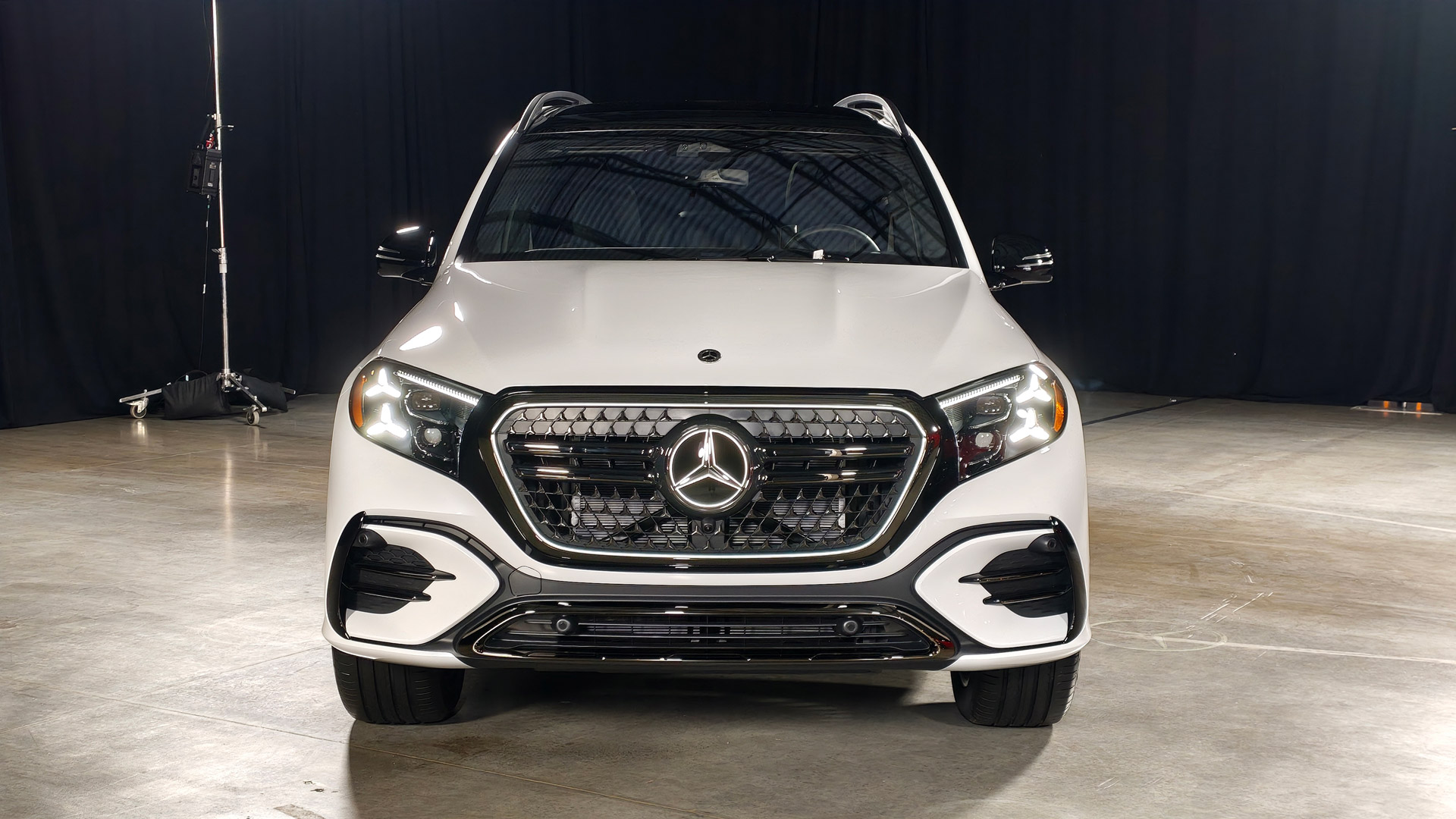
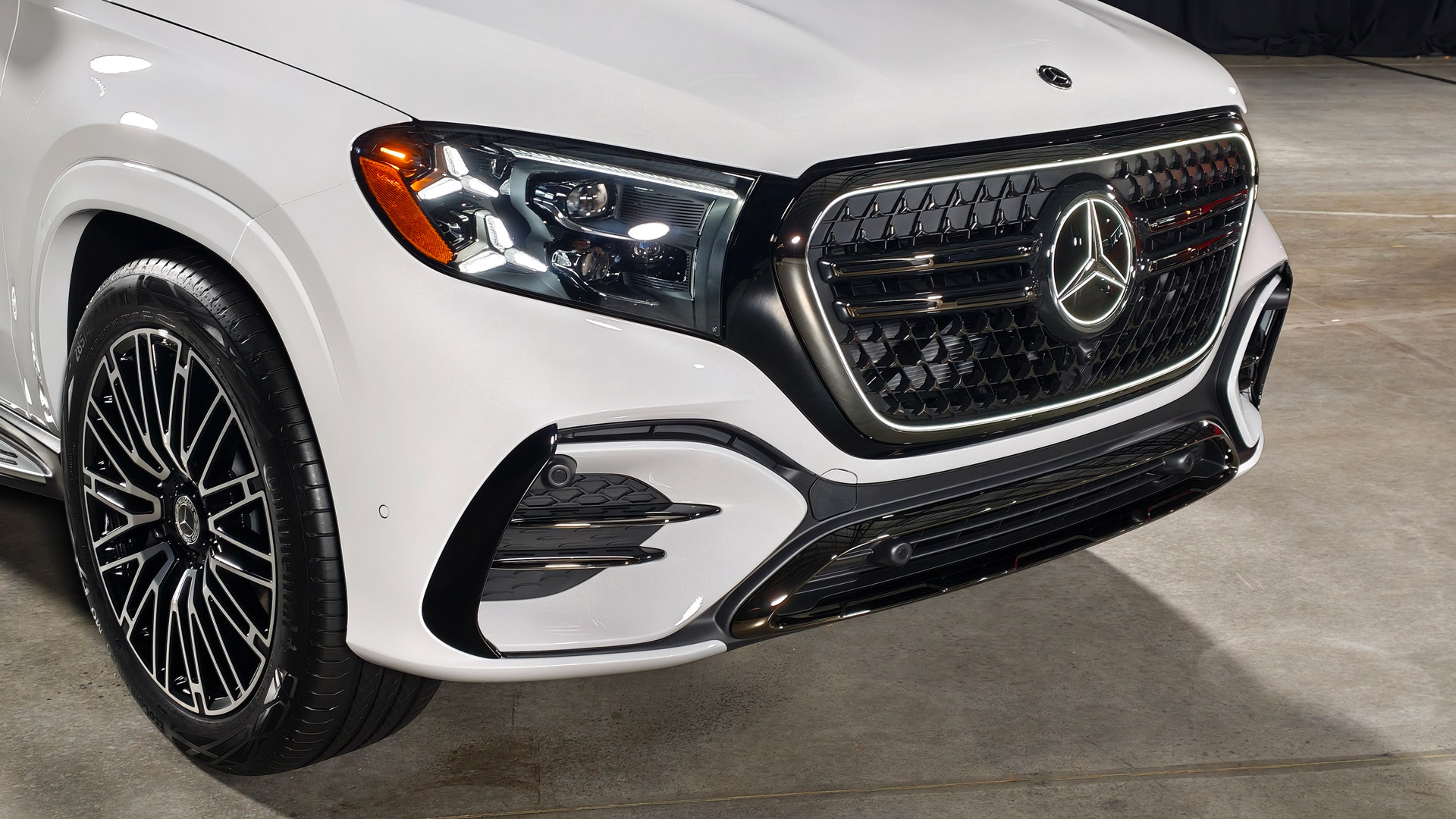
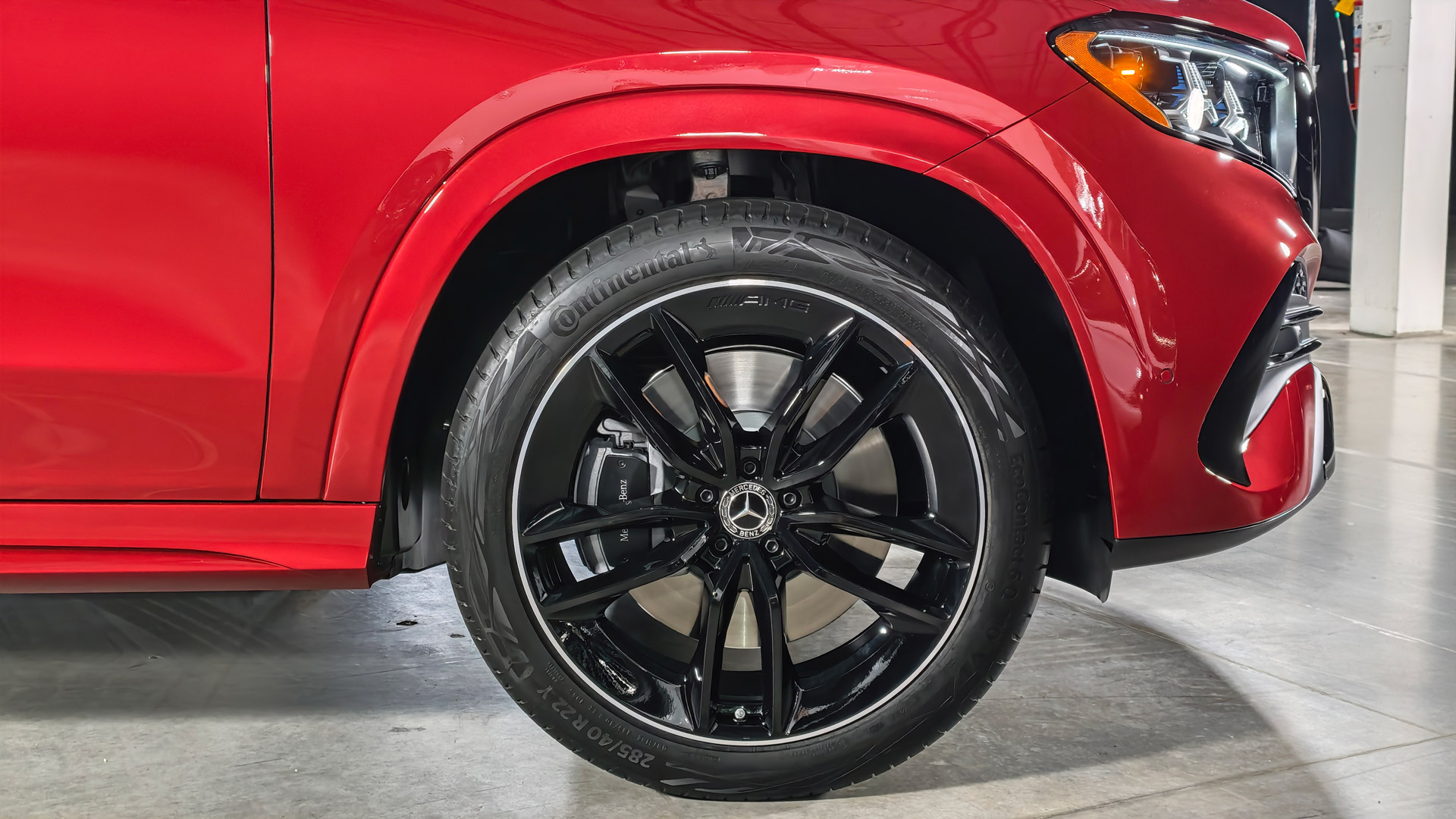
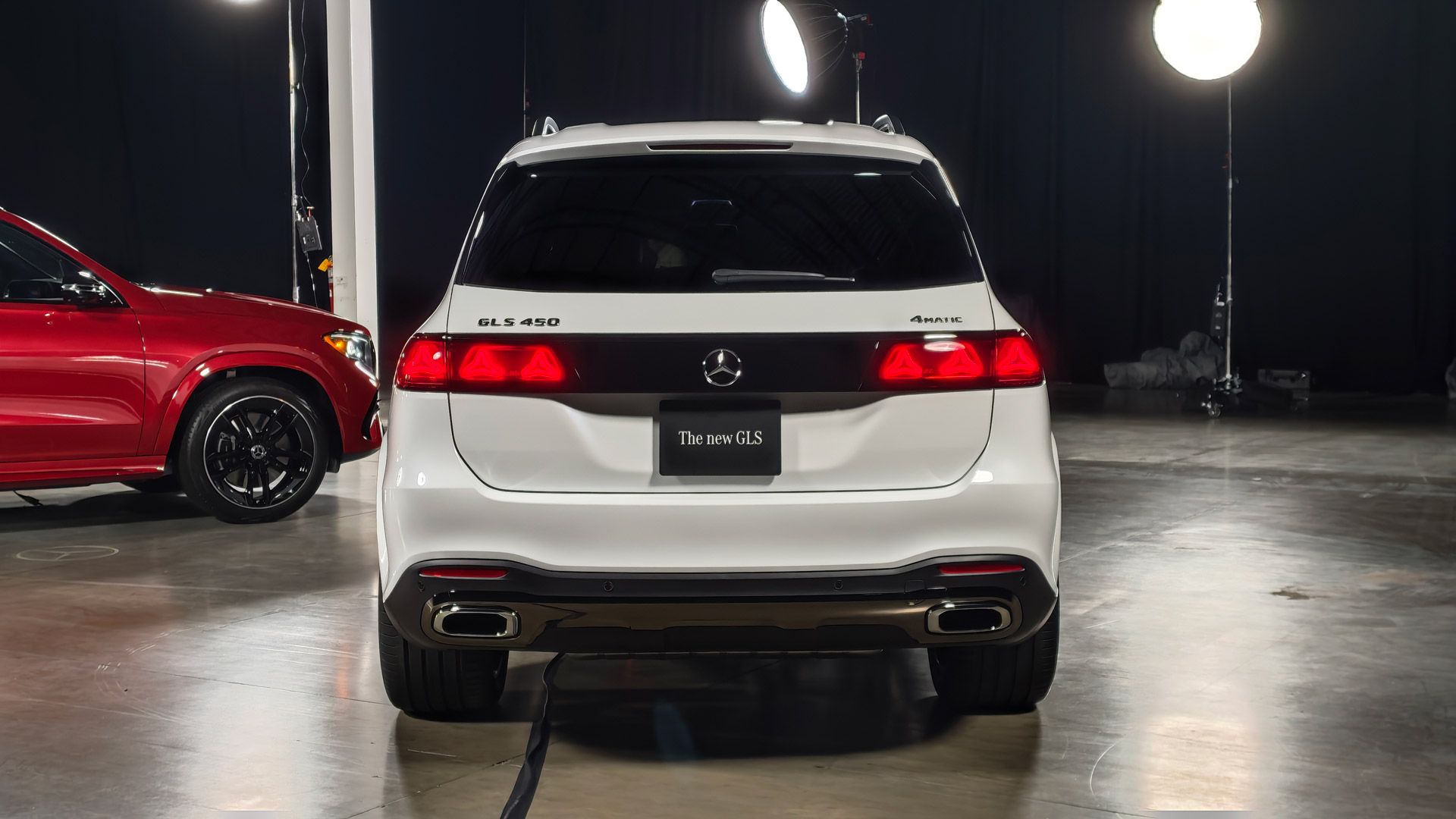
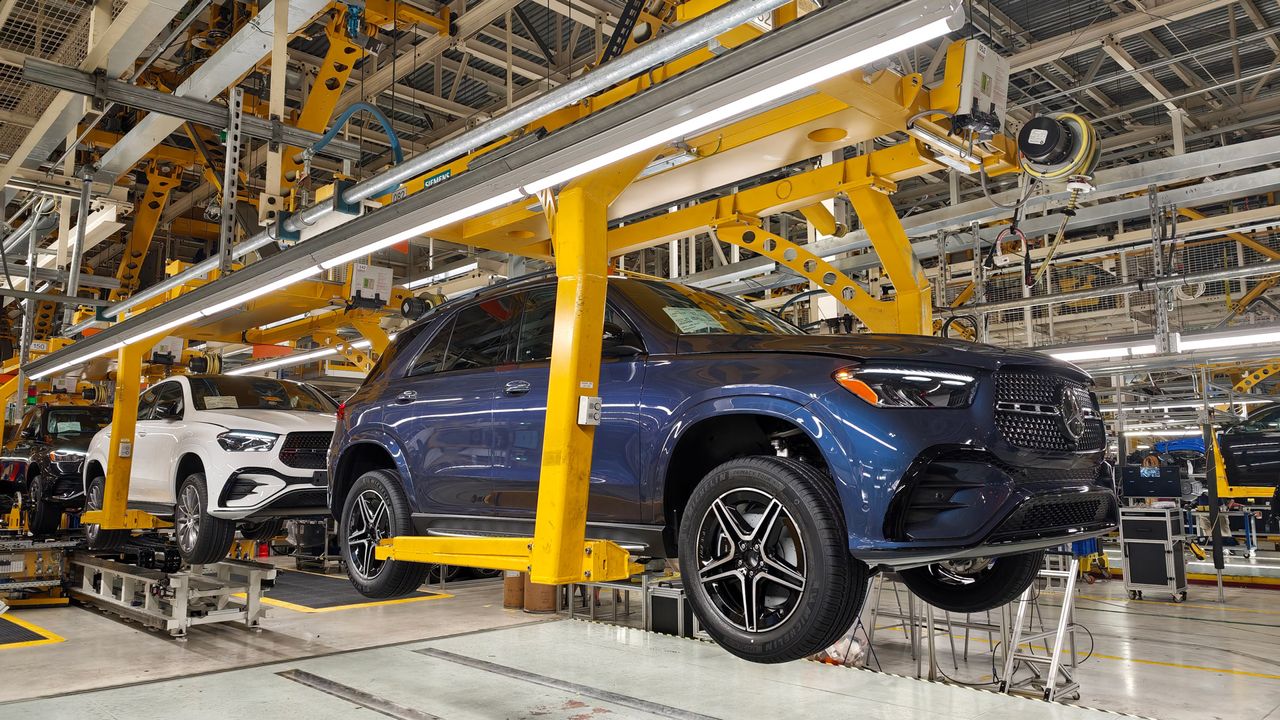
What happens when you extend SDVs beyond EVs to hybrid and combustion vehicles? A few weeks back, I visited Mercedes’ factory near Tuscaloosa, AL, where the company manufactures most of its global SUVs, to get a first look at the refreshed GLE and GLS SUVs. Beyond more powerful engines and the usual mid-cycle cosmetic upgrades inside and out, these SUVs are Mercedes’ first hybrid and combustion SDVs. Well, almost.
Unlike their predecessors, the 2027 GLE and GLS run the company’s MB.OS across all four domains — infotainment, automated driving, body & comfort, and driving & charging — just like Mercedes’ first full SDVs, the all-electric CLA and GLC. Previously, MB.OS was only implemented for navigation and infotainment, like in the current E-Class sedan and wagon. As such, those cars weren’t SDVs. But there’s a catch.
Mercedes notes, however, that “while all of these vehicles leverage MB.OS principles and a domain-oriented software architecture, the underlying hardware, communication systems, software capabilities, and OTA deployment approaches vary by vehicle platform.” As such, the refreshed GLE and GLS, while only partial SDVs, are closer to full SDVs than any other hybrid or combustion car before them.
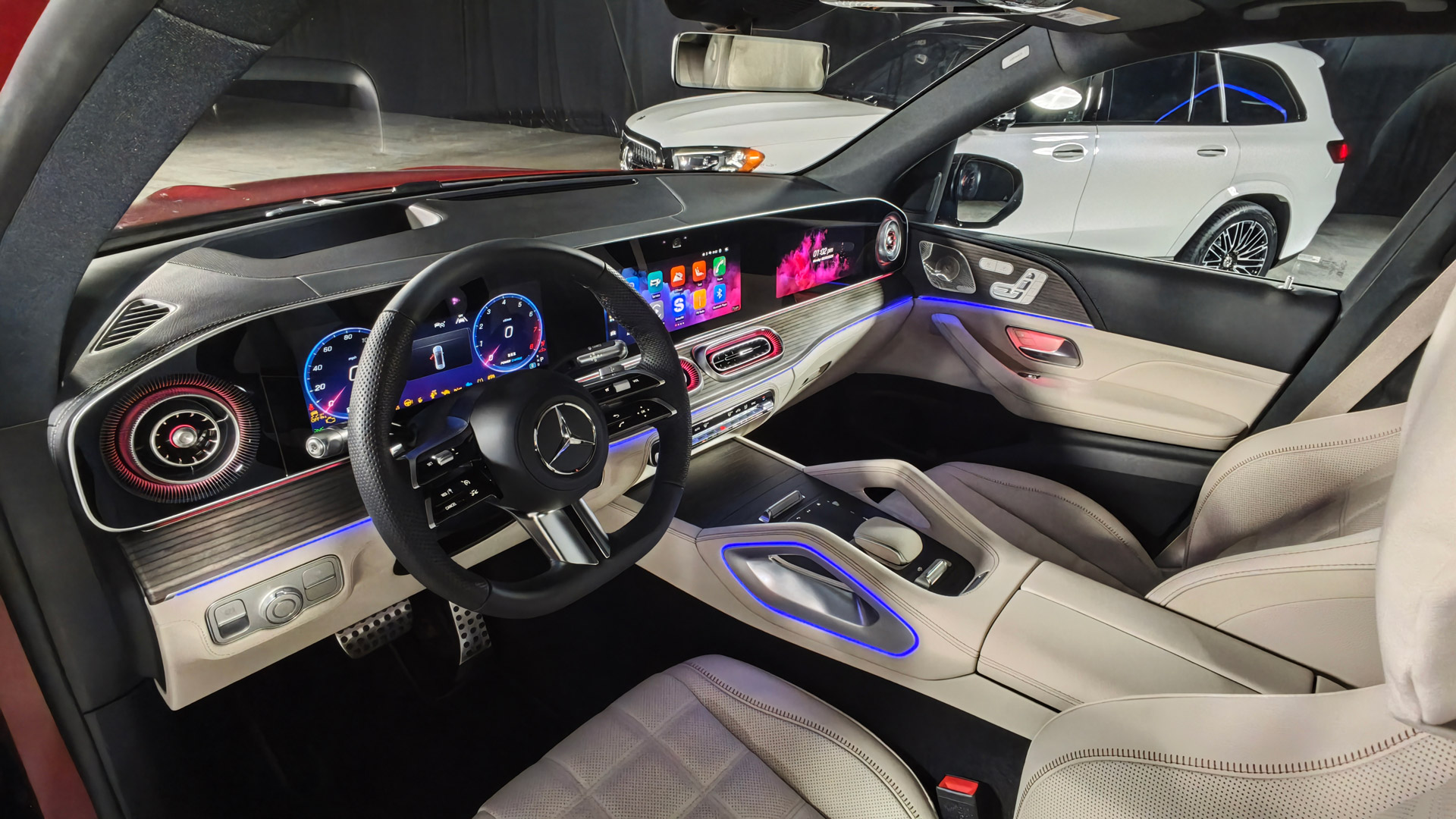
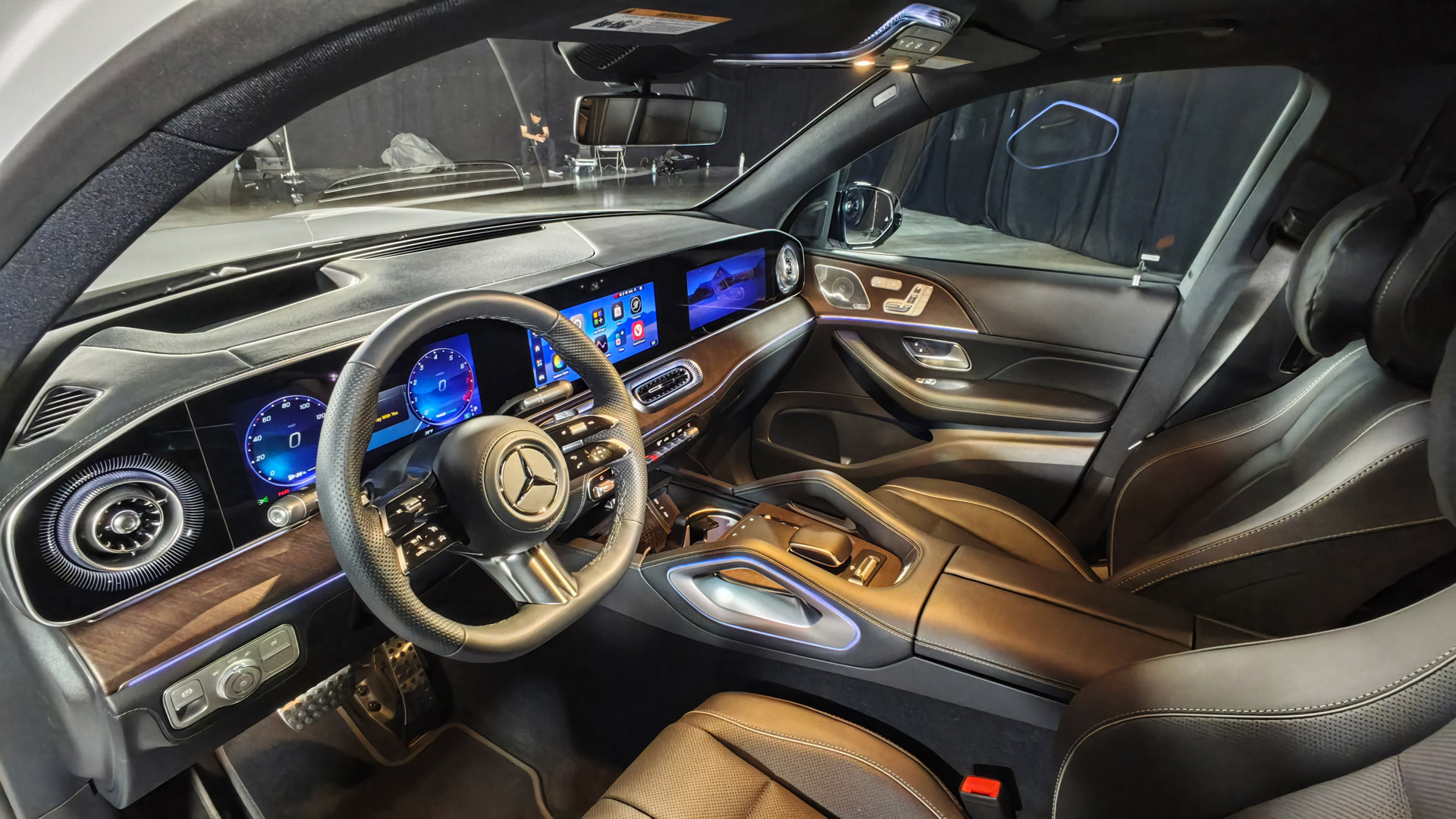
The 2027 GLE and GLS feature Mercedes’ pillar-to-pillar Superscreen as standard, which consists of three 12.3-inch displays (driver, center, and passenger) behind a single glass surface, and includes a selfie camera for video calls (when stopped) and for selfies, naturally. Video calls require apps like Zoom, which you can download from Mercedes’ own app store. A 3D instrument display and head-up display are available as an option.
Myriam JoireMyriam Joire
Like the all-electric CLA and GLC, the refreshed GLE and GLS feature a generative AI-powered voice assistant which uses OpenAI’s ChatGPT4o, Microsoft Bing Search, and Google Cloud’s Automotive AI Agent (for navigation) — depending on context. The MBUX Virtual Assistant can handle a whole range of natural language requests, from adjusting the climate and music to navigation and even general knowledge queries.
Mercedes’ MB.Drive Assist Pro, the company’s NVIDIA-powered point-to-point level 2+ advanced driver assistance system (ADAS), which launched on the all-electric CLA and GLC, is coming to the 2027 GLE and GLS, first in China, then in the US later this year. This ADAS is similar to Tesla’s ill-named full self-driving (FSD), but in addition to using ten cameras, it also uses five radar sensors and twelve ultrasonic sensors.
In all, the refreshed GLE and GLS show that drivetrain variations aside, it’s possible for all-electric, hybrid, and combustion vehicles to reach parity as SDVs when it comes to infotainment, navigation, comfort, and ADAS. Let’s hope that Mercedes fully embraces this exciting new technology and follows in Rivian and Tesla’s footsteps by releasing free monthly OTA updates to fix bugs and add new features to these new SDVs.
SDVs for all
Myriam JoireMyriam JoireMyriam Joire
What’s even more important is that SDVs are starting to extend beyond EVs and luxury cars. Manufacturers like Hyundai Motor Group are launching more affordable hybrid and combustion vehicles that are SDVs. The zonal architecture used by SDVs makes cars inherently less expensive to manufacture since it requires fewer hardware modules and much simpler wiring harnesses (less copper means less cost and less weight).
The South Korean Grandeur sedan and Europe-bound IONIQ 3 SUV are Hyundai’s first proper SDVs. Both cars run the company’s new Android Automotive-based Pleos Connect navigation and infotainment platform, and include Hyundai’s App Market and large language model (LLM)-powered Gleo AI voice assistant. Pleos Connect, the App Market, and Gleo AI will also be coming to Hyundai Motor Group’s future Kia and Genesis cars.
...while I believe that the future is all-electric, hybrid and combustion vehicles will be sticking around a little while longer
Right now, most of the affordable full SDVs being developed outside of China are EVs. Ford is working on its Universal Electric Vehicle (UEV) SDV platform which will initially underpin an all-electric small truck priced around $30,000. Volkswagen’s upcoming ID.1 city car, destined for Europe and priced below €20,000, is the company’s first SDV. Its zonal architecture and software stack are a direct result of VW’s partnership with Rivian.
Hopefully, these new EV-first platforms can also be adapted to manufacture more affordable hybrid and combustion SDVs. Because while I believe that the future is all-electric, hybrid and combustion vehicles will be sticking around a little while longer, at least here in the US. And considering the cost and feature benefits of SDVs, it would be a shame if manufacturers didn’t deploy this technology across all their upcoming vehicles.
My takeaway
Between 2018 and 2024, I owned two Tesla Model 3s, so I was able to enjoy the benefits of SDVs firsthand. There’s something utterly wonderful about finding an OTA software update waiting in your car every month, ready to deliver new functionality for free. Rivian aside, I have missed this on every other EV I’ve driven since, and because of this positive experience, I will forever associate SDVs with EVs.
But as Mercedes has shown with the refreshed GLE and GLS SUVs, the benefits of SDVs also extend to hybrid and combustion vehicles. SDVs allow the company to provide a consistent and modern user experience across its entire lineup, regardless of drivetrain. Not to mention, SDVs reduce costs and complexity for all manufacturers. As such, I’m looking forward to SDVs becoming the norm for more cars going forward.
The Jeff Bezos-backed startup finally revealed more pricing details for its debut EV, including a $29,950 starting price for the SUV variant, and boosted the base range to 205 miles.
The company said the cuts were part of a restructuring meant to help scale to profitability. Rivian recently pushed back its profitability goal to invest in autonomy.
Australians are world leaders in rooftop solar and home batteries - but greater energy efficiency could make them a triple threat
Change by degrees offers life hacks and sustainable living tips each Saturday to help reduce your household’s carbon footprint
Got a question or tip for reducing household emissions? Email us at changebydegrees@theguardian.com
For David and Ruth Hudspeth, the process of turning their 1950s brick veneer house in Melbourne’s eastern suburbs into a cosy, efficient and fully electric home took several years.
They started with insulation in the ceiling and replacing an old and “pretty dangerous” gas heater. They swapped their leaky hot water system for a heat pump, and built a roof over the outdoor deck for shade and extra solar panels, later adding an electric car and a home battery into the mix.
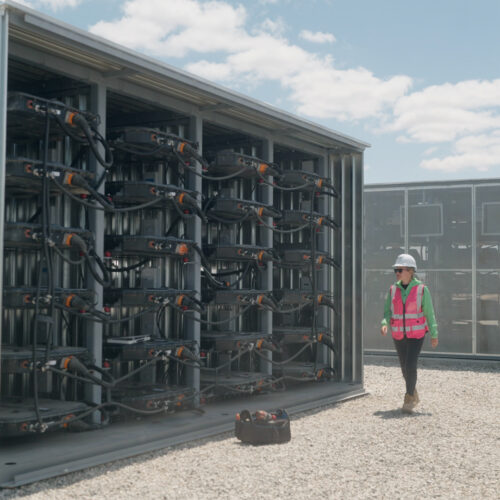
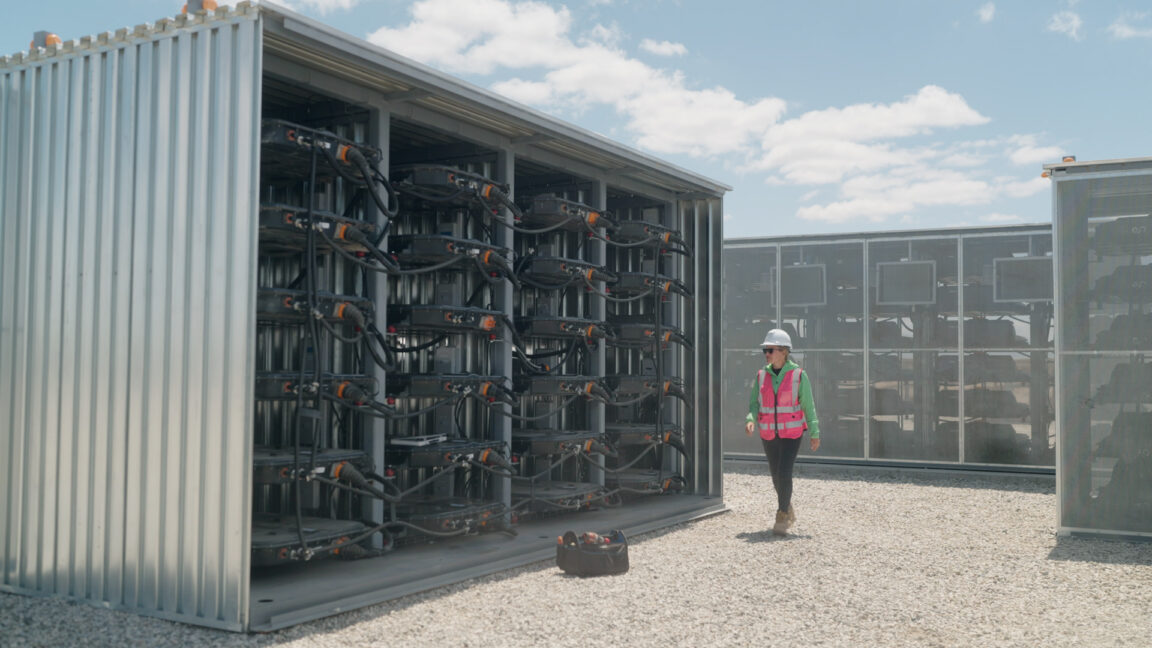
Thousands of electric vehicles in Waymo’s autonomous robotaxi fleet may eventually give up their used batteries for a very different purpose—contributing up to hundreds of megawatt-hours of stationary energy storage to local power grids.
That prospect comes from a “strategic supply agreement” announced by Waymo and B2U Storage Solutions on June 4. B2U has been repurposing thousands of used batteries from various electric vehicles by installing them in large stationary energy storage projects. Such energy storage facilities can capture excess renewable energy during low demand periods and release such energy when local power grids are experiencing peak demand periods.
“Our business is getting the full residual value out of electric vehicle batteries after they're no longer suitable for automotive use,” Freeman Hall, CEO of B2U Storage Solution, told Ars. “Waymo puts a lot of miles on EVs and their model is expanding rapidly, and so we're just very pleased and honored to be able to work with them.”

 Login