❌

Reading view

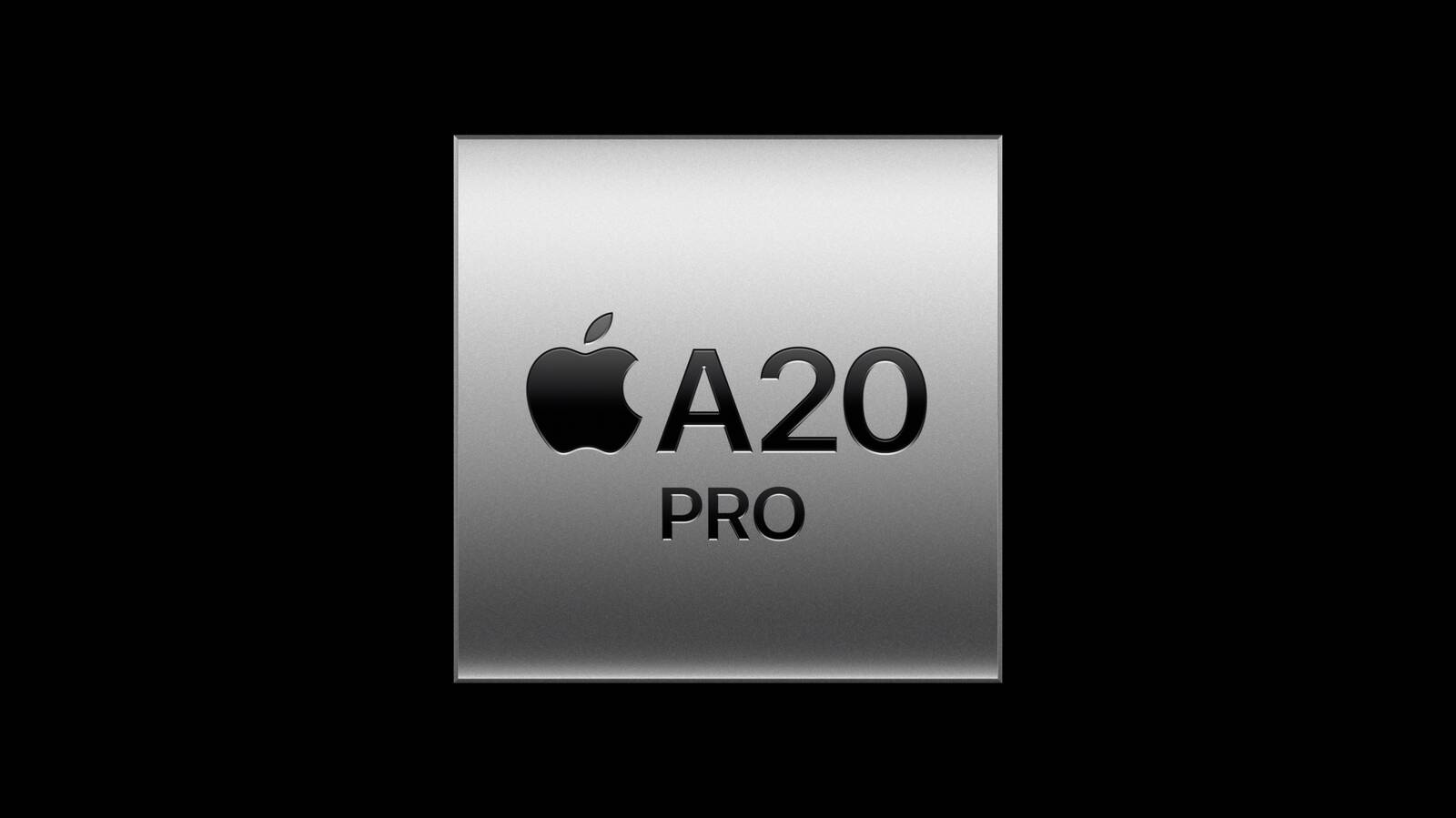
Apple Unveils A20 Pro as First 2nm Smartphone Chip

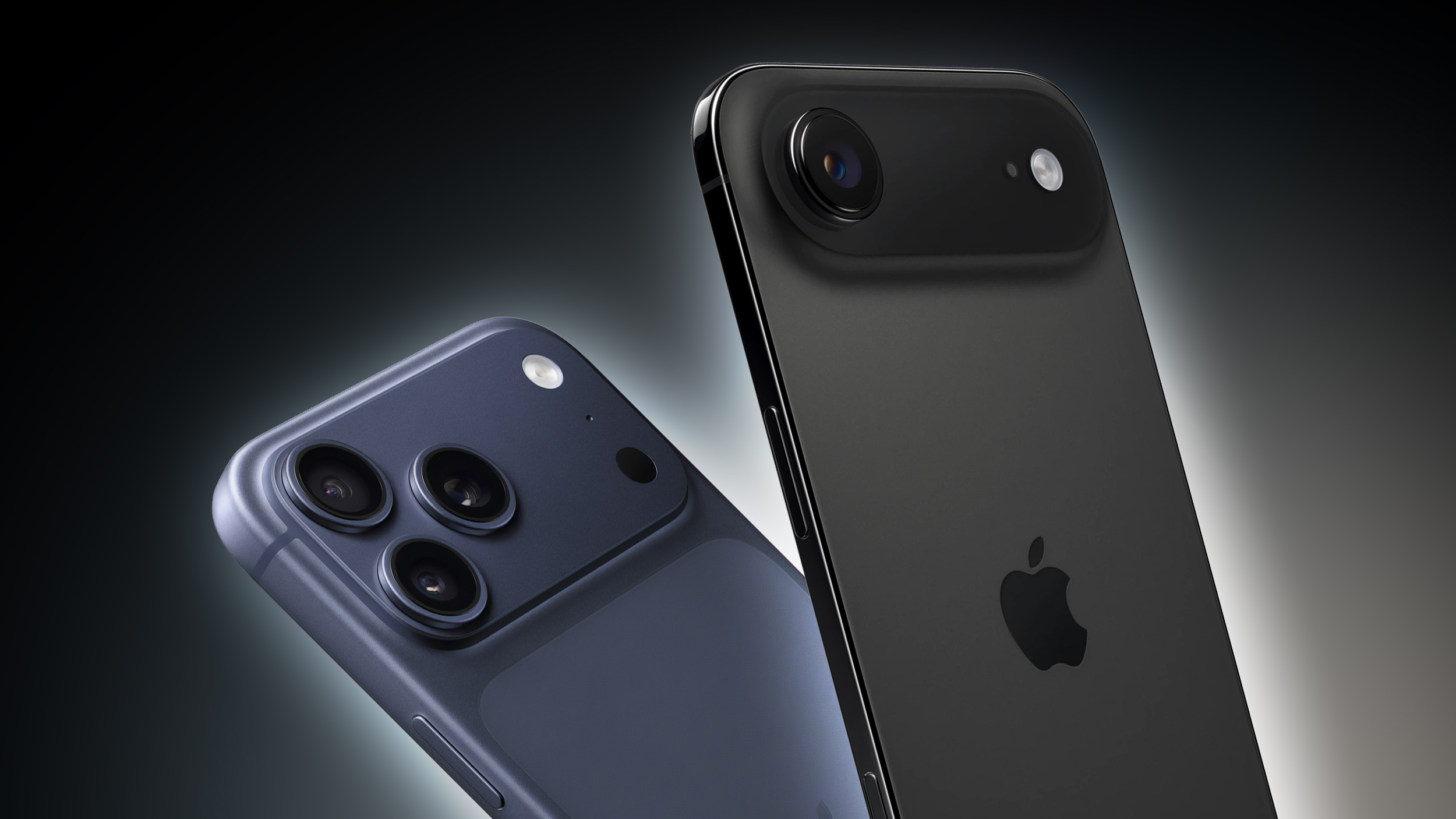
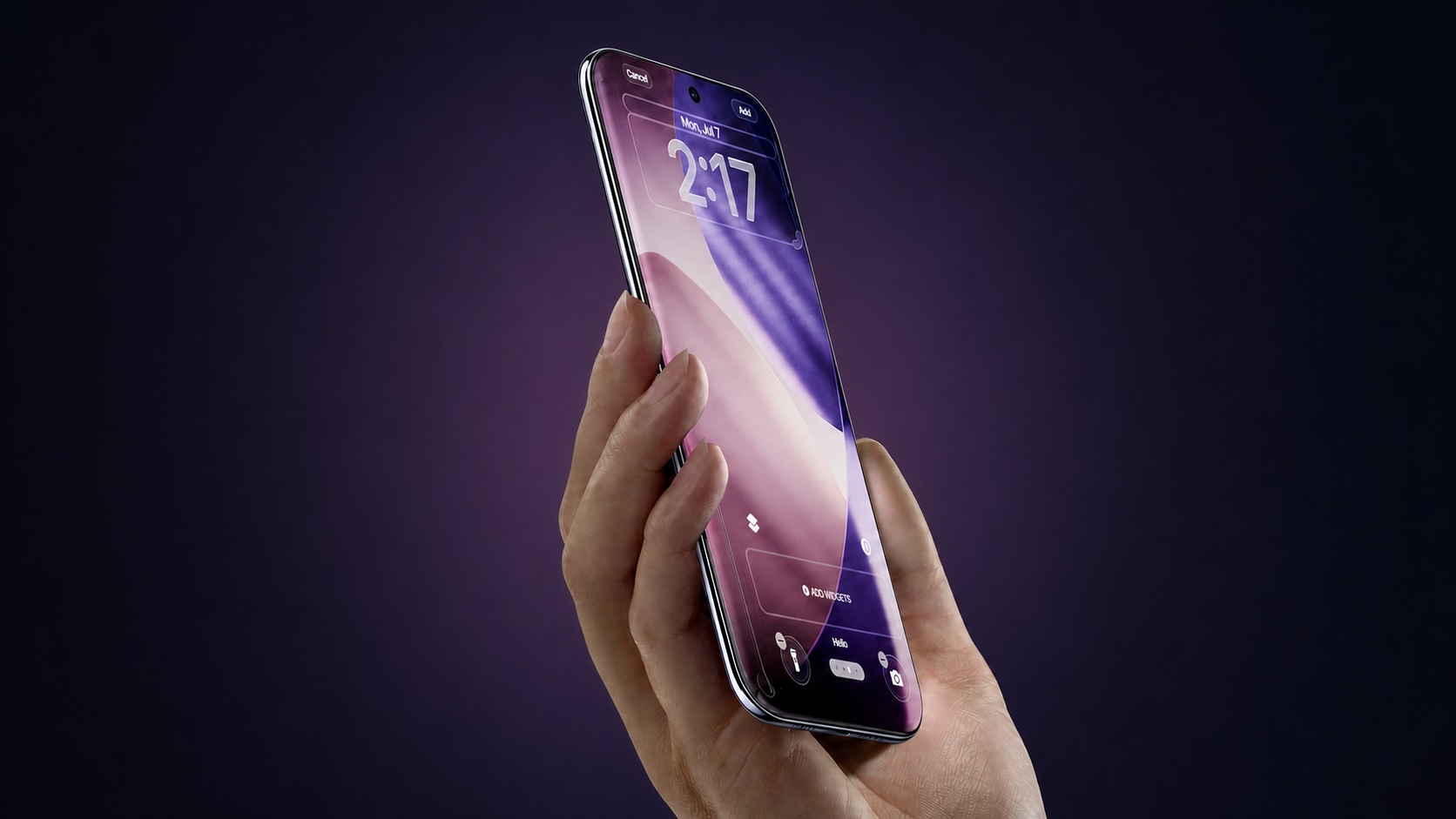
Apple today revealed the A20 Pro chip in the iPhone 18 Pro and ‌iPhone 18 Pro‌ Max, built on a brand new architecture using 2nm process technology.


Apple described the A20 Pro as "an exceptional chip that sets a new bar for mobile computing." The chip has a 6-core CPU design with two new super cores that Apple says are up to 20% faster, calling them "desktop class" and "the fastest in any smartphone," alongside four new efficiency cores.

The GPU has also been redesigned with a 7-core layout that Apple says delivers up to 40% faster graphics performance and increased memory bandwidth. New neural accelerators built into the GPU offer twice the FP8 performance of the previous generation, which Apple said helps the chip run large language models locally on the device.

The A20 Pro features an additional Neural Engine, bringing the total core count to 32. The company says the redesigned Neural Engine delivers 2x the compute of its predecessor, is more efficient, and now supports 8-bit floating point math. Apple called the A20 Pro "the ultimate chip for running advanced on-device models," adding that it ships with "the widest memory interface we've ever shipped in an iPhone."

The company said effective thermal management in the ‌iPhone 18 Pro‌ is critical to unlocking the chip's maximum performance, since efficient heat dissipation determines how much of that performance can be sustained. To support this, Apple redesigned the chip's silicon packaging, describing it as "custom packaging inspired by our M-series chips" that connects the silicon and memory directly to the vapor chamber for improved thermal performance.

Apple compared sustained performance directly against previous generations, citing 40% more sustained performance in ‌iPhone 18 Pro‌'s A20 Pro compared with the A19 Pro in the iPhone 17 Pro, and twice the sustained performance compared with the A18 Pro in the iPhone 16 Pro.
Related Roundup: iPhone 18 Pro

This article, "Apple Unveils A20 Pro as First 2nm Smartphone Chip" first appeared on MacRumors.com

Discuss this article in our forums

  •  

Mac Mini vs. Mac Studio Buyer's Guide: 20 Differences Compared

Apple announced new Mac mini and Mac Studio models last month, with both available to pre-order now. It is the first time in years that Apple has revised its two desktop Macs simultaneously, so which should you choose?
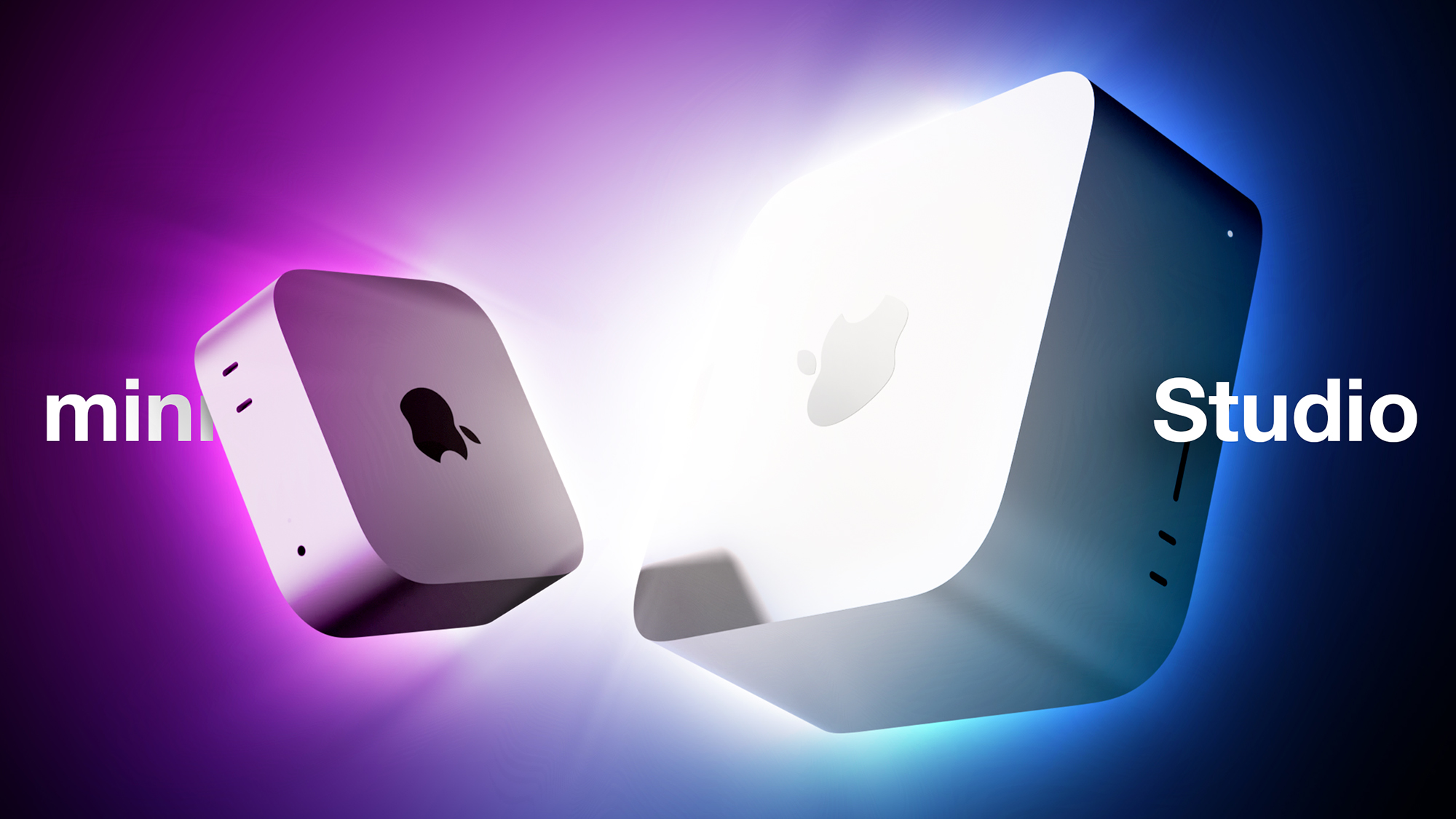

There are now two desktop Macs to choose from following the discontinuation of the Mac Pro, but the prices have moved sharply. The ‌Mac Studio‌ starts at $2,499 and rises to $5,499 for the M5 Ultra model, while the ‌Mac mini‌ starts at $899 with the M6 chip and $1,699 with the M5 Pro.

Those prices come on top of the across-the-board Mac and iPad increases Apple made in June, which took the ‌Mac mini‌ from $599 to $799, the M4 Pro configuration from $1,399 to $1,599, and the ‌Mac Studio‌ from $1,999 to $2,499. The M5 Ultra adds a further $200 to the post-June M3 Ultra price, putting it $1,500 above what the M3 Ultra cost at launch.

Our guide helps to answer the question of how to decide which of these two desktop Macs is best for you. The two machines now share a large number of key features, including:


  • A boxy silver aluminum enclosure with no color options

  • Apple's N1 chip, bringing Wi-Fi 7 and Bluetooth 6 to both machines for the first time

  • Neural Accelerators built into every GPU core

  • Hardware-accelerated ray tracing

  • A Media Engine with hardware-accelerated H.264, HEVC, ProRes, and ProRes RAW, plus AV1 decode

  • A next-generation SSD architecture that Apple says is up to twice as fast as before

  • Genlock support over USB-C for synchronizing a display with a camera, including the iPhone 17 Pro

  • An HDMI port with multichannel audio output

  • A 3.5mm headphone jack with support for high-impedance headphones


Beyond that, the two lines diverge on chip generation, memory capacity, ports, and external display support.


‌Mac mini‌ (M6) ‌Mac mini‌ (M5 Pro) ‌Mac Studio‌ (M5 Max) ‌Mac Studio‌ (M5 Ultra)
M6 chip M5 Pro chip M5 Max chip M5 Ultra chip (two dual-die M5 Max chips joined by UltraFusion)
Made with TSMC's 2nm process Made with TSMC's 3nm process Made with TSMC's ‌3nm‌ process Made with TSMC's ‌3nm‌ process
12-core CPU (2 super cores + 4 performance cores + 6 efficiency cores) 15- or 18-core CPU (up to 6 super cores + 12 performance cores) 18-core CPU (6 super cores + 12 performance cores) 30- or 36-core CPU (up to 12 super cores + 24 performance cores)
12-core GPU 16- or 20-core GPU 32- or 40-core GPU 64- or 80-core GPU
Dual 16-core Neural Engine 16-core Neural Engine 16-core Neural Engine 32-core Neural Engine
Up to 170GB/s memory bandwidth 307GB/s memory bandwidth Up to 614GB/s memory bandwidth 1.2TB/s memory bandwidth
16GB, 24GB, or 32GB unified memory 24GB, 48GB, or 64GB unified memory 32-core GPU: 36GB unified memory
40-core GPU: 48GB, 64GB, or 128GB unified memory
64-core GPU: 96GB or 256GB unified memory
80-core GPU: 96GB, 256GB, or 512GB unified memory
256GB, 512GB, 1TB, or 2TB storage 512GB, 1TB, 2TB, 4TB, or 8TB storage 512GB, 1TB, 2TB, 4TB, or 8TB storage 1TB, 2TB, 4TB, 8TB, or 16TB storage
Video decode engine Video decode engine Video decode engine Two video decode engines
Video encode engine Video encode engine Two video encode engines Four video encode engines
ProRes encode and decode engine ProRes encode and decode engine Two ProRes encode and decode engines Four ProRes encode and decode engines
Support for up to three displays: two at 6K 60Hz or 4K 165Hz, plus a third at 5K 60Hz over Thunderbolt or 4K 60Hz over HDMI Support for up to three displays, all at 6K 60Hz or 4K 165Hz Support for up to five 4K displays, four 6K displays, or two 8K displays Support for up to eight 4K displays, eight 6K displays, or four 8K displays
Two displays per Thunderbolt port All three displays through a single Thunderbolt port
Three rear Thunderbolt 4 ports Three rear Thunderbolt 5 ports Four rear Thunderbolt 5 ports Four rear Thunderbolt 5 ports
Two front USB-C ports Two front USB-C ports Two front USB-C ports Two front Thunderbolt 5 ports
Two rear USB-A ports Two rear USB-A ports
2.5Gb Ethernet or 10Gb Ethernet port 2.5Gb Ethernet or 10Gb Ethernet port 10Gb Ethernet port 10Gb Ethernet port
SDXC card slot (UHS-II) SDXC card slot (UHS-II)
Bottom power button Bottom power button Rear power button Rear power button
Starts at $899 Starts at $1,699 Starts at $2,499 Starts at $5,499


Both enclosures carry over unchanged, so the dimensions of the two devices remain radically different, with the ‌Mac Studio‌ dwarfing the ‌Mac mini‌ in every way.


‌Mac mini‌ ‌Mac Studio‌
Height 2.0 inches (5.0 cm) 3.7 inches (9.5 cm)
Width 5.0 inches (12.7 cm) 7.7 inches (19.7 cm)
Depth 5.0 inches (12.7 cm) 7.7 inches (19.7 cm)
Weight M6: 1.5 pounds (0.67 kg)
M5 Pro: 1.6 pounds (0.73 kg)
M5 Max: 6.0 pounds (2.7 kg)
M5 Ultra: 8.0 pounds (3.6 kg)


Most customers should choose the M5 Pro ‌Mac mini‌ over the M5 Max ‌Mac Studio‌, saving $800 on the base models. The gap widens across custom configurations, since the ‌Mac Studio‌'s memory and storage tiers start higher and climb further.

There is an unusual situation at the bottom of the lineup this year. The $899 ‌Mac mini‌ is the only machine of the four with a latest-generation chip, and the M6 is Apple's first 2nm chip. Its Dual 16-core Neural Engine, which Apple says system frameworks can drive simultaneously, is also more Neural Engine hardware than either the M5 Pro or the M5 Max provides. If your workload leans on on-device machine learning rather than sustained CPU or GPU throughput, the cheapest Mac in this comparison is not obviously the weakest one for the task. The trade-offs are Thunderbolt 4 rather than Thunderbolt 5, a 32GB memory and 2TB storage ceiling, and a single video encode engine.

You should only consider the ‌Mac Studio‌ if you have a professional workflow that can genuinely leverage the M5 Max or the M5 Ultra, along with the additional ports, display outputs, and memory capacity. If you need the ‌Mac Studio‌, you will likely already know that you are looking for a highly powerful machine capable of supporting a specific intense workload. The M5 Ultra is Apple's first quad-die M-series chip, and its four ProRes engines, four video encode engines, and 1.2TB/s of memory bandwidth are aimed squarely at multi-stream video work and large local AI models. The 512GB memory ceiling has no equivalent anywhere else in the Mac lineup, and it is what allows models with hundreds of billions of parameters to run entirely on device.

The ‌Mac Studio‌ still has a superior selection of ports, with four rear Thunderbolt 5 ports on the M5 Max and six in total on the M5 Ultra, plus an SDXC card slot, USB-A, and 10Gb Ethernet as standard. This makes a practical difference for anyone working off fast external storage or camera media. The ‌Mac mini‌ has closed part of the distance by moving to 2.5Gb Ethernet as standard, up from Gigabit.

Clustering over Thunderbolt 5 and RDMA is not a point of difference between the two machines, since it arrived in macOS 26.2 last December and works on any Mac with Thunderbolt 5, including the M5 Pro ‌Mac mini‌ and the previous-generation ‌Mac Studio‌. The exception is the M6 ‌Mac mini‌, which has Thunderbolt 4 and cannot take part.

Both ‌Mac mini‌ models still cap out at three external displays, but they now reach 165Hz at 4K, up from 144Hz on the M4 generation, and the M5 Pro model drives all three through a single Thunderbolt port. For a three-display desk setup at high refresh rates, the M5 Pro ‌Mac mini‌ is sufficient. It is only above three displays, or at 6K and 8K, that the ‌Mac Studio‌ becomes necessary.

A notable exception arises at the top of the ‌Mac mini‌ lineup. An M5 Pro ‌Mac mini‌ configured with additional memory and storage moves close enough to the $2,499 ‌Mac Studio‌ that the comparison changes somewhat. For an increment of a few hundred dollars, the ‌Mac Studio‌ substitutes a chip with roughly twice the memory bandwidth, a second video encode engine, far greater display support, and headroom to 128GB of unified memory. If you are already spending heavily on a ‌Mac mini‌, price the ‌Mac Studio‌ before committing.

If you plan to keep the machine for many years, the ‌Mac Studio‌'s ceiling matters more than its starting price, because it is the only one of the two that can be configured beyond 64GB of unified memory. Buyers weighing the M6 ‌Mac mini‌ against the M5 Pro ‌Mac mini‌ should note that the newer chip generation and the newer process node both sit in the cheaper machine, and that the M5 Pro's advantages are concentrated in multi-core and graphics performance rather than in longevity.

To some extent, purchasing decisions should be driven by budget, but any savings on the computer itself can be put toward a good external display such as Apple's Studio Display, which starts from $1,599 and was one of the few products spared June's price rises. An M6 ‌Mac mini‌ paired with a ‌Studio Display‌ comes to $2,498, a dollar less than a bare M5 Max ‌Mac Studio‌ with nothing to plug into. An M5 Pro ‌Mac mini‌ and a ‌Studio Display‌ together come to $3,298, which is $799 more than the base ‌Mac Studio‌ and $2,201 less than the M5 Ultra ‌Mac Studio‌ with no display at all.

Both machines are available to pre-order now and arrive on Tuesday, September 22, with education pricing of $799 and $1,599 on the two ‌Mac mini‌ models and $2,299 and $5,099 on the two ‌Mac Studio‌ models. ‌Mac Studio‌ configurations with 512GB of unified memory are not due until late October.
Related Roundups: Mac Studio, Mac mini
Tag: M5
Related Forums: Mac Studio, Mac mini

This article, "Mac Mini vs. Mac Studio Buyer's Guide: 20 Differences Compared" first appeared on MacRumors.com

Discuss this article in our forums

  •  

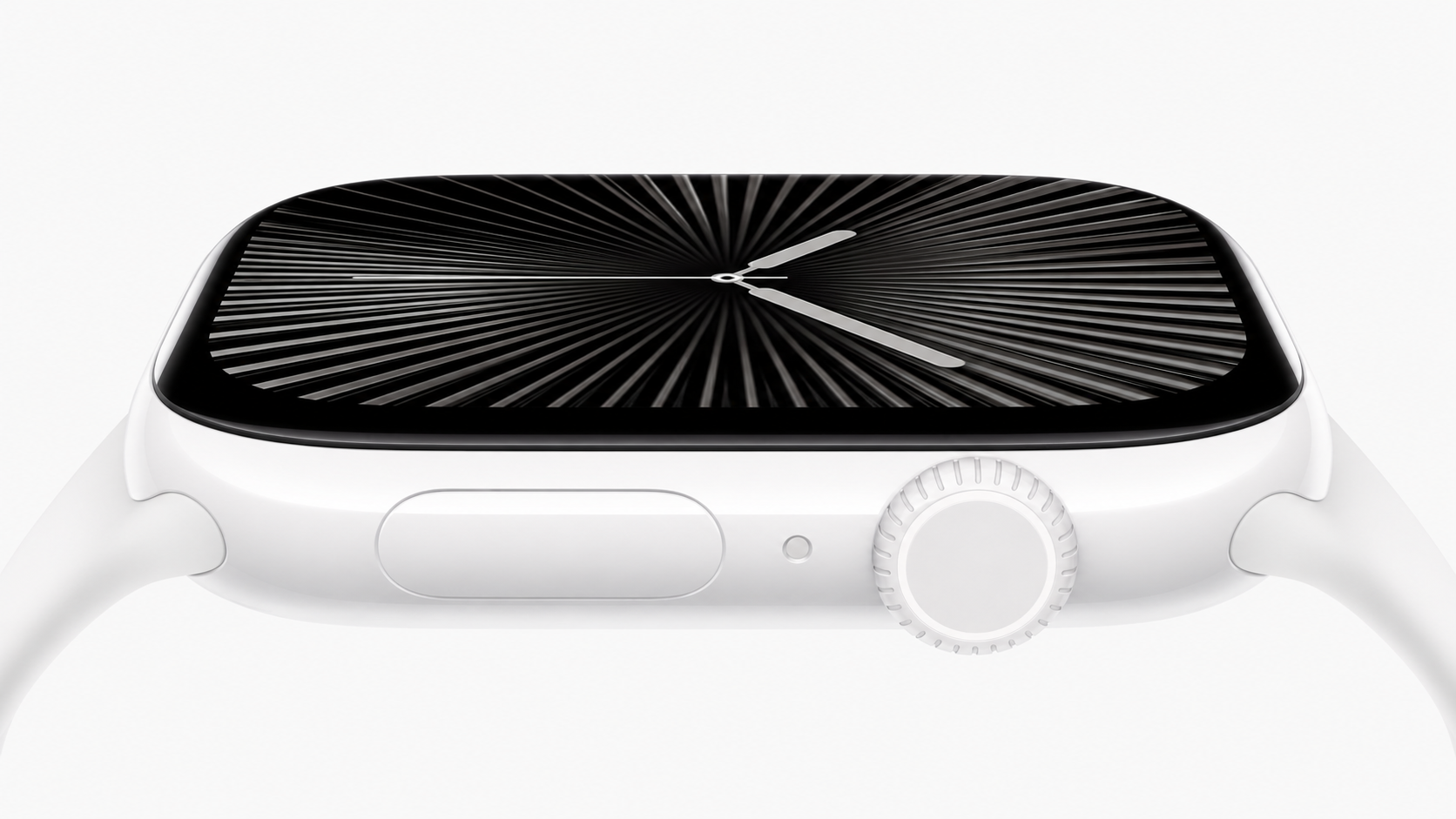
Apple Watch's New AI Day Summary Tracks These Activities

Leaker "pdfu" today shared additional code-level details about the Apple Watch Series 12 and Ultra 4's new day summary feature, offering a clearer picture of what the AI tool will actually track.


In a new post on X, pdfu said that the summaries generated by the feature, referred to in code as "Ambient Sensing," include fields for time and date, location, meal information, and the people present along with their relationship to the user.

The leaker also listed dozens of activity categories the underlying code supports, covering everything from meal prep and household chores to workouts, commuting, shopping, and screen time, alongside a catch-all "Unknown" category. The full list of activity categories is as follows:


  • Eating Meal

  • Snacking

  • Preparing Meal

  • Making Drinks

  • Baking

  • Plating

  • Vacuuming

  • Taking Out Trash

  • Washing Dishes

  • Loading Laundry

  • Folding Laundry

  • Mowing Lawn

  • Watering Plants

  • Gardening

  • Mopping

  • Dusting

  • Cleaning

  • Walking

  • Running

  • Cycling

  • Strength Training

  • Yoga

  • Elliptical

  • HIIT

  • Cardio

  • Hiking

  • Regular Commute

  • Driving

  • Flying

  • Riding Train

  • Riding Bus

  • Grocery Shopping

  • Clothes Shopping

  • Home Goods Shopping

  • Hardware Shopping

  • Taking Break

  • Waiting

  • Relaxing

  • Social Dining

  • Meeting

  • Partying

  • Gathering

  • Family Time

  • Brushing Teeth

  • Flossing

  • Getting Dressed

  • Applying Lotions

  • Watching TV

  • Using Tablet

  • Using Laptop

  • Using Desktop

  • Reading E-Reader

  • Using ATM

  • Attending Class

  • Attending Sermon

  • Attending Keynote

  • Reading Book

  • Doing Homework

  • Taking Notes

  • Working

  • Drinking

  • Unknown


The post builds on a report from Bloomberg's Mark Gurman, who said the Apple Watch Series 12 and Ultra 4 would ship with a feature that analyzes a user's day, including conversations they've had, and provides a summary of what took place. Gurman noted the system apparently does not record or store audio and cannot produce a transcript to preserve privacy, and it is unclear how exactly it works.

The Apple Watch Series 12 and Ultra 4 are expected to be announced later today alongside the iPhone 18 Pro, ‌iPhone 18 Pro‌ Max, and the first foldable iPhone, dubbed the "iPhone Duo."
Related Forum: Apple Watch

This article, "Apple Watch's New AI Day Summary Tracks These Activities" first appeared on MacRumors.com

Discuss this article in our forums

  •  

Leaked Video Shows iPhone 18 Pro's 3-in-1 Dynamic Island in Action

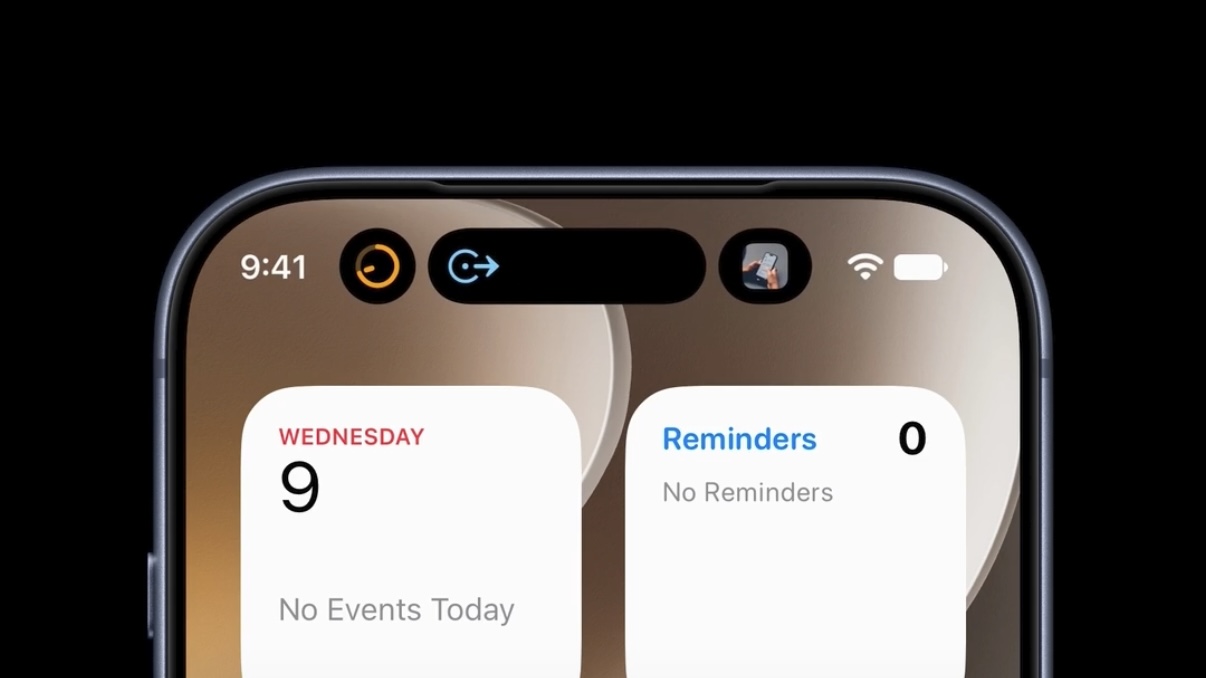
A leaker has activated Apple's upcoming three-item Dynamic Island mode inside the iOS 27 simulator, offering the first video demonstration of the new iPhone 18 Pro feature.


The leaker, known as pdfu, posted a video showing the ‌Dynamic Island‌ toggling between three simultaneous Live Activities, matching what Bloomberg's Mark Gurman described in his report earlier today. "The new ‌Dynamic Island‌ with 3 items is already supported in ‌iOS 27‌," pdfu wrote.

Great reporting from @markgurman. The new Dynamic Island with 3 items is already supported in iOS 27. Here's what it looks like.

The code requires a sensor region less than 100 layout points wide, or below 16.57 mm for this new mode. iPhone 17 Pro was 20.76 mm. https://t.co/jZshu4rFXx pic.twitter.com/mL46rcEirh

— pdfu (@itspdfu) September 9, 2026


According to pdfu, the underlying code requires a sensor region less than 100 layout points wide to enable the new mode, or below 16.57mm. Layout points are Apple's device-independent unit for describing on-screen dimensions, and they scale differently depending on a display's resolution. By comparison, pdfu notes that the sensor region on the current iPhone 17 Pro measures 20.76mm, meaning Apple would need to shrink the hardware by roughly 20% to unlock the new software behavior.

The ‌iPhone 18 Pro‌ and ‌iPhone 18 Pro‌ Max have been rumored to feature a smaller ‌Dynamic Island‌ for months, but reports about support for a third, additional ‌Dynamic Island‌ Live Activity is new. Since the iPhone 14 Pro launched in 2022, the ‌Dynamic Island‌ has only supported two Live Activities, so adding a third seems like a worthwhile way to demonstrate the utility of shrinking the region.
Related Roundup: iPhone 18 Pro

This article, "Leaked Video Shows iPhone 18 Pro's 3-in-1 Dynamic Island in Action" first appeared on MacRumors.com

Discuss this article in our forums

  •  

iPhone 18 Pro Could Charge 25% Faster

Code found in iOS 27 suggests the iPhone 18 Pro and ‌iPhone 18 Pro‌ Max could support a 33% higher charging rate than the iPhone 17 Pro models, according to a new discovery from the leaker known as "pdfu."


The findings apparently come from Apple's charging optimizer settings buried in ‌iOS 27‌, which show the ‌iPhone 18 Pro‌ and ‌iPhone 18 Pro‌ Max charging at a rate 33% higher than the iPhone 17 lineup. If Apple can maintain that higher rate throughout a charge, pdfu estimates it could cut around 25% off the time it takes to complete a typical fast-charging session.

Apple's first foldable iPhone does not appear to get the same treatment. The same code purportedly shows it charging at the same rate as the ‌iPhone 17‌ and ‌iPhone 17 Pro‌, rather than the faster rate expected for the new Pro models.

The research also points to further charging improvements arriving with future models. The standard iPhone 18 is said to match the ‌iPhone 18 Pro‌ faster charging, while the iPhone 18e is said to see an even bigger jump of around 69% over the current iPhone 17e. The iPhone Air 2 is said to charge about 27% faster than today's ‌iPhone Air‌.

Actual charging speeds depend on a multitude of real-world factors, such as the phone's temperature and how full the battery already is, so the improvement buyers notice day-to-day could end up being smaller than the numbers suggest.

Apple is expected to unveil the ‌iPhone 18 Pro‌ and ‌iPhone 18 Pro‌ Max, along with its first foldable iPhone, at its "Surprise and shine" event today, while the iPhone 18e, ‌iPhone 18‌, and ‌iPhone Air‌ 2 are rumored to follow in the spring of 2027.
Related Roundups: iPhone 18, iPhone 18 Pro
Related Forum: iPhone

This article, "iPhone 18 Pro Could Charge 25% Faster" first appeared on MacRumors.com

Discuss this article in our forums

  •  

Apple to Offer Better Trade-In Pricing for Minor Cosmetic Damage

Apple will today expand its trade-in program to offer better pricing for devices with minor cosmetic defects, MacRumors understands.


Under Apple's current trade-in system, cosmetic issues such as small chips in the display glass have generally been treated the same way as far more serious damage, such as a cracked or smashed screen, resulting in a similarly steep cut to a device's trade-in value. That is set to change from today, with Apple introducing more granular pricing that better reflects a device's actual condition. Customers will apparently not receive less for their device under the new system.

The update is expected to take effect today once Apple's trade-in website comes back online. The change is said to apply in the vast majority of countries where Apple's trade-in program is offered, with only a small number of markets excluded.

Apple last adjusted its trade-in values in August, when it raised pricing across the iPhone, iPad, Mac, and Apple Watch lineups. It is unclear whether today's change will coincide with a broader refresh of those values.
This article, "Apple to Offer Better Trade-In Pricing for Minor Cosmetic Damage" first appeared on MacRumors.com

Discuss this article in our forums

  •  

AirPods With Cameras Were Supposed to Debut Today, Now Delayed

Apple planned to introduce high-end in-ear AirPods with built-in cameras for analyzing the surrounding environment at today's event, but the launch has been pushed to next year, Bloomberg's Mark Gurman reports.
In early August, Gurman said the earbuds were progressing well enough to potentially ship before the end of the year. By mid-August, though, he reported that Apple had pulled the model from its 2026 road map, pushing the camera AirPods to a 2027 launch alongside the 20th-anniversary iPhone instead. Today's event will still include new AirPods 5 models.
Related Roundups: AirPods 4, AirPods Pro 3
Related Forum: AirPods

This article, "AirPods With Cameras Were Supposed to Debut Today, Now Delayed" first appeared on MacRumors.com

Discuss this article in our forums

  •  

iPhone 18 Pro Price Hike to Be Lower Than Expected

Apple will increase the price of its high-end iPhones by just $100 per model upon the announcement of the iPhone 18 Pro and ‌iPhone 18 Pro‌ Max, Bloomberg's Mark Gurman reports, which is a smaller bump than many had been bracing for ahead of today's event.


In June, Apple hiked the cost of all of its Macs, iPads, and home products in response to the global memory shortage, but chose to keep iPhone pricing intact at the time. That is widely expected to change today, with the ‌iPhone 18 Pro‌ and ‌iPhone 18 Pro‌ Max expected to come in at a higher price than their predecessors.

Gurman's $100 figure comes in well below some of the more dire predictions floated over the summer. Analytics firm IDC had suggested increases of up to $200 for the Pro models, while GF Securities analyst Jeff Pu warned costs for the A20 Pro chip, RAM, and storage could push prices as much as $300 higher. TrendForce, citing memory chip costs that have risen nearly 400% year-on-year, had also modeled a $150 to $200 jump. Apple appears to be absorbing more of that cost itself rather than passing all of it on to buyers.

Earlier this year, Apple took steps to soften the blow of rising prices by launching the Apple Upgrade program in the U.S. The Klarna-backed leasing plan allows customers to pay a monthly fee in perpetuity and swap their device out annually for the newest version. Wireless carriers could also help to ease iPhone "sticker shock" by offering aggressive installment plans and trade-in incentives, Gurman added.
Related Roundup: iPhone 18 Pro

This article, "iPhone 18 Pro Price Hike to Be Lower Than Expected" first appeared on MacRumors.com

Discuss this article in our forums

  •  

Apple Watch Ultra 4 to Get Improved Battery Life

The Apple Watch Ultra 4 will feature improved battery life over the Ultra 3, according to Bloomberg's Mark Gurman.
Apple has highlighted a battery boost with each new Ultra model. Last year, the Ultra 3 was rated for up to 42 hours of normal use, up from 36 hours on the Ultra 2.
Related Roundup: Apple Watch Ultra 3
Related Forum: Apple Watch

This article, "Apple Watch Ultra 4 to Get Improved Battery Life" first appeared on MacRumors.com

Discuss this article in our forums

  •  

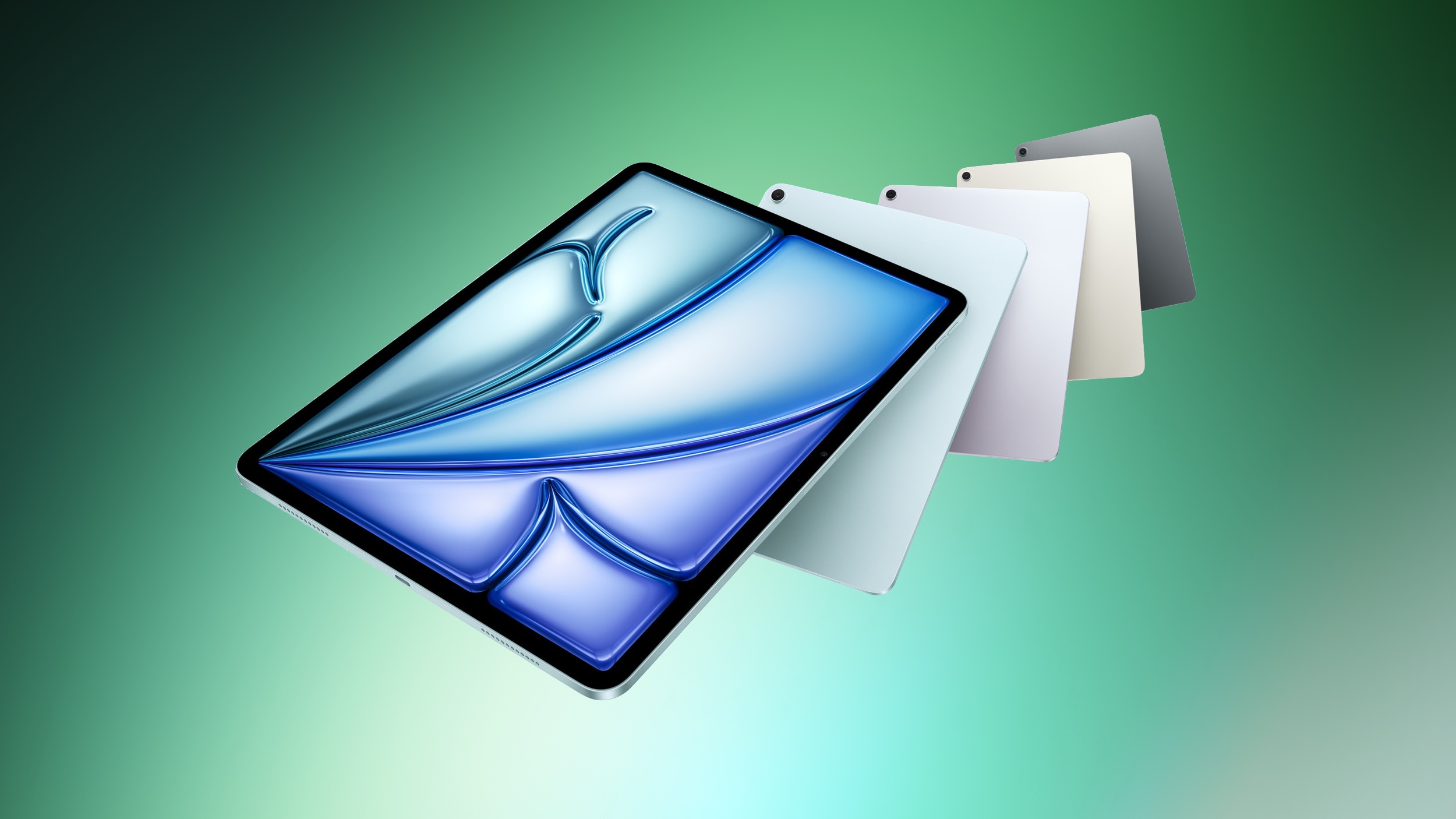
iPad Air OLED Panel Orders Could Be Split With BOE in 2027

BOE wants a share of the OLED supply chain for Apple's next iPad Air, aiming to land a secondary sourcing role behind primary supplier Samsung Display, according to a report from South Korea's The Elec.


Sources cited by The Elec say the Chinese panel maker is building out its iPad Air ‌OLED‌ effort at its B12 fab in Chongqing, home to BOE's sixth-generation ‌OLED‌ production line, ahead of the launch of a redesigned ‌iPad Air‌ that isn't expected to launch until the first half of 2027. Samsung Display already holds the lead supply role for that panel and is on track to begin ramping production toward the end of this year or the start of next, as previously reported.

BOE still has to clear Apple's qualification process. Samples reportedly still need to be submitted for evaluation, and a verdict on whether the company wins any commercial orders is not expected until closer to the end of the year. Even a favorable outcome may only translate into modest volume at first, with output confined to ‌iPad Air‌ units destined for the Chinese market or to refurbished devices, rather than the entire global launch.

The sources put BOE's qualification decision at some point in November or December, noting Apple typically finalizes production approval just one to two months ahead of mass production actually starting. Should BOE fall short of that bar, Samsung Display will end up carrying the entire initial production run by itself.

Becoming a supplier for the ‌OLED‌ ‌iPad Air‌ would be a meaningful expansion for BOE, which has experience providing ‌OLED‌ panels for the iPhone, but has struggled to break into larger ‌OLED‌ products. Samsung Display and LG Display have held onto that ground in tablets specifically, and BOE has lost, rather than gained, footing elsewhere in Apple's ‌OLED‌ lineup recently; its utilization on Apple-dedicated lines reportedly slid from roughly 82% in 2024 to about 48% earlier this year as Apple is set to lean on Samsung instead for the upcoming ‌OLED‌ iPad mini.

The redesigned ‌iPad Air‌ is expected in 11 inch and 13 inch sizes, with a hybrid ‌OLED‌ panel pairing a glass substrate with thin film encapsulation, a single stack RGB emissive layer, and an LTPS backplane, with a refresh rate of 60Hz. That keeps it below the iPad Pro's tandem stack ‌OLED‌ panel on cost, while still moving the ‌iPad Air‌ away from an LCD.

BOE is also reportedly pursuing a secondary supplier role for Apple's ‌OLED‌ MacBook Pro from its 8.6 generation B16 fab in Chengdu, but persistent yield problems there make commercial shipments to Apple unlikely soon. Industry sources do not expect BOE to enter that supply chain until sometime after 2028.
Related Roundup: iPad Air
Tags: BOE, OLED, The Elec
Buyer's Guide: iPad Air (Buy Now)
Related Forum: iPad

This article, "iPad Air OLED Panel Orders Could Be Split With BOE in 2027" first appeared on MacRumors.com

Discuss this article in our forums

  •  

Foldable 'iPhone Ultra 3' Rumored to Feature Larger Displays

Apple is already making plans for its third-generation foldable iPhone, with launch expected as early as 2028, according to Bloomberg's Mark Gurman.


Writing in his latest "Power On" newsletter, Gurman said the first foldable iPhone is about to get what he called the device's first "truly revolutionary design change" this year, and that Apple already has a roadmap extending two generations beyond it. A second-generation model is planned for 2027, Gurman says, with a third version following as early as 2028.

The third-generation foldable will apparently feature slightly larger displays on both the inside and the outside compared to its predecessors, though he did not provide specific screen sizes. The first foldable iPhone is expected to launch with a 7.8-inch inner display and a 5.5-inch cover display, so any increase would build on those dimensions. This is the first report to lay out plans for a third-generation model, extending Apple's foldable roadmap a year beyond where it previously stood.

The first foldable iPhone is expected to arrive this year with an ultra-thin design, Touch ID instead of Face ID, the A20 chip, C2 modem, and the moniker "iPhone Ultra," at a price around or above $2,000. The second-generation foldable, meanwhile, is reported to have already received the go-ahead for development, according to the Weibo leaker known as "Digital Chat Station," who said the "‌iPhone Ultra‌ 2" project has been formally approved and will likely reuse the first-generation model's display. That model is expected to launch in fall 2027 alongside the 20th-anniversary iPhone.


Related Roundup: iPhone Fold

This article, "Foldable 'iPhone Ultra 3' Rumored to Feature Larger Displays" first appeared on MacRumors.com

Discuss this article in our forums

  •  

Apple Watch Rethink Could See Debut of Round Model, Screenless Fitness Tracker, and More

Apple is re-evaluating the Apple Watch lineup and considering a host of radical new designs, according to Bloomberg's Mark Gurman.


In today's edition of his "Power On" newsletter, Gurman compared plans for the Apple Watch's evolution to the "revolutionary design change" that the foldable iPhone represents. It will be "something that transforms the product for a new era." Apple's industrial design team has reportedly been "exploring a broader rethink of its smartwatches" for some time, with several directions under evaluation.

The company is apparently taking the resurgence of fitness bands without screens and smart rings seriously. As a result, the company is considering new Apple Watch-style devices with no display, as well as new Apple Watches with different types of screen and various new sizes.

Apple has also contemplated giving the Apple Watch a round display, but Gurman cautioned that such a device is unlikely to be released. The company has also considered introducing new premium variants designed to sit above the Ultra and Hermès models, alongside even more affordable options in addition to the Apple Watch SE.

The company has not yet settled on a direction for the product line, but it is said to be "determined to reinvent the lineup in response to growing competition." It also plans to make its wearables more AI-focused, with ambitious long-term plans to revamp the Health app.

Gurman believes that the Apple Watch revamp "could be as significant as the iPhone's transformation from a slab design into a foldable device." Apple purportedly hopes to reinvigorate its Wearables, Home and Accessories segment, which has struggled to generate growth over recent years.
Related Forum: Apple Watch

This article, "Apple Watch Rethink Could See Debut of Round Model, Screenless Fitness Tracker, and More" first appeared on MacRumors.com

Discuss this article in our forums

  •  

Foldable 'iPhone Ultra' Rumored to Come in These Two Colors

New images of camera protector accessories for the "iPhone Ultra" suggest Apple's first foldable iPhone will launch in silver and dark blue finishes.


Leaker Sonny Dickson yesterday shared images of two third-party camera protectors designed to fit over the ‌iPhone Ultra‌'s camera bump, with one in silver and one in a dark blue finish. Dickson has a track record of accurate accessory and dummy model leaks, including his early look at this year's iPhone 18 Pro colors.

The images back up a May report that cited a Macworld supply chain source describing a classic silver and white model alongside an indigo option similar to the iPhone 17 Pro's Deep Blue finish. A silver finish was separately described as the first "confirmed" color in June, and a report the same week suggested the darker option might not be black. Dickson's accessories now offer the clearest visual confirmation yet of that silver and dark blue offering.

These iPhone Fold camera protectors give us a look at two of the colors planned for the device: silver and dark blue. pic.twitter.com/KMaMu4JyZE

— Sonny Dickson (@SonnyDickson) August 8, 2026


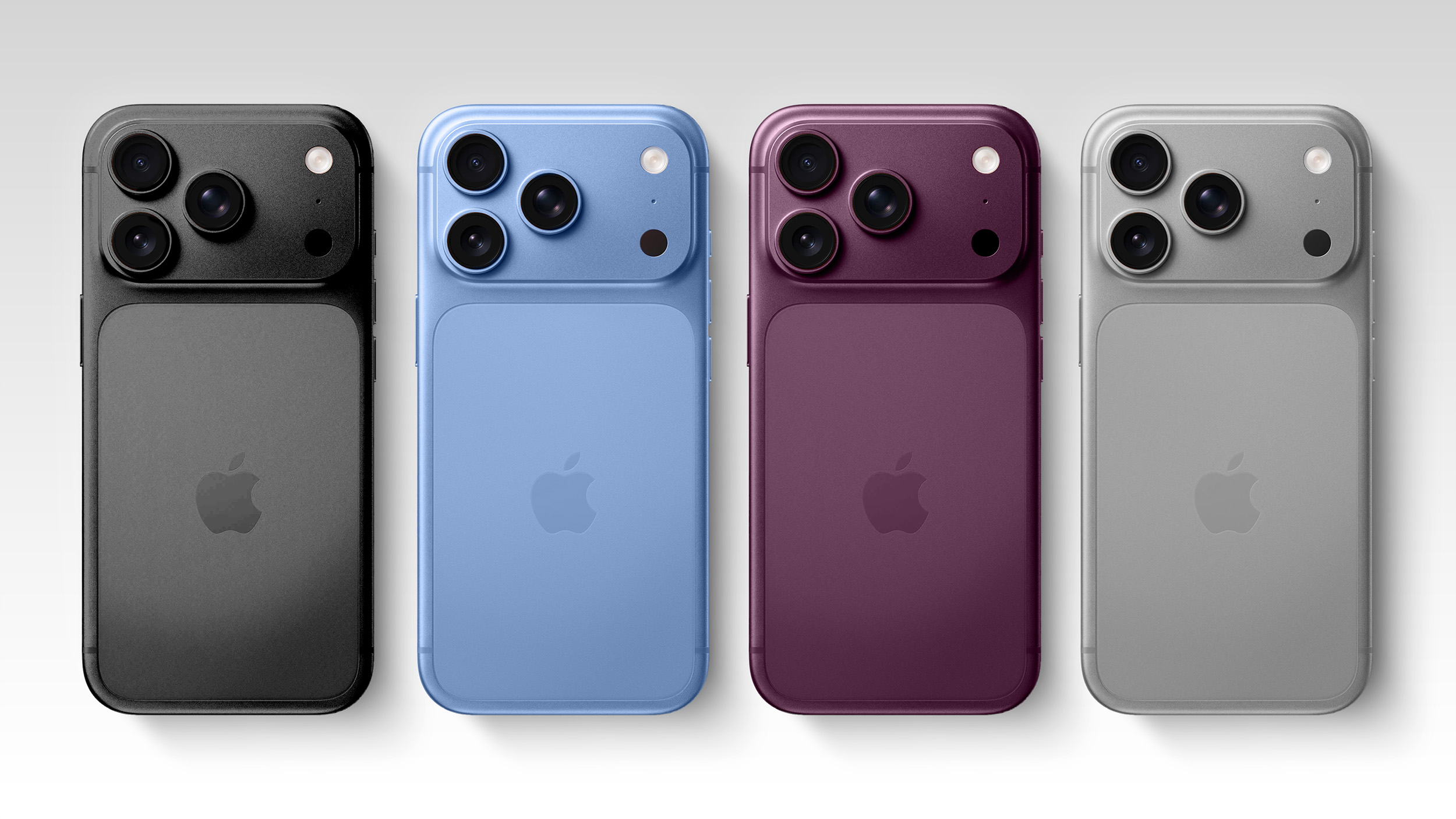
The restrained approach stands in contrast to the iPhone 18 Pro, which is rumored to add a Dark Cherry finish and a Light Blue option alongside Silver this year. A black option for the Pro models was also rumored initially, though a subsequent report suggested Apple decided not to include it this year.

The leaked accessories also clearly show the widely rumored design of the camera plateau on the back of the foldable iPhone, featuring two horizontally arranged lenses alongside a pill-shaped flash and a LiDAR scanner. The foldable ‌iPhone Ultra‌ is expected to be announced alongside the ‌iPhone 18 Pro‌ and ‌iPhone 18 Pro‌ Max next month.
Related Roundup: iPhone Fold

This article, "Foldable 'iPhone Ultra' Rumored to Come in These Two Colors" first appeared on MacRumors.com

Discuss this article in our forums

  •  

Claude Code Adds Cross-Session Messaging on macOS

Anthropic has updated Claude Code so that separate coding sessions can message each other directly, removing the need to manually copy context between Terminal windows.


The company shipped the feature in Claude Code version 2.1.224, released on Friday for macOS and Linux. Two new tools power it: ListAgents, which finds other active sessions running on the Mac, and SendMessage, which delivers the message. A session that receives one shows it as a labeled card with a link back to the sender.

According to Anthropic's documentation, only text passes between sessions, not conversation history, files, or permissions. One session can warn another when a change breaks something it depends on, or pass along an answer another session is waiting on, and Anthropic says an incoming message can't approve a permission request or change a session's settings on its own.

New in Claude Code: your sessions can now message each other.

Instead of having to re-explain yourself in another session, you can now tell Claude to do it. It sends a summary (not your history or files), and the other session picks it up mid-task. pic.twitter.com/PtNsfXeQXP

— ClaudeDevs (@ClaudeDevs) August 7, 2026


The feature sits alongside Claude Code's existing subagents and Agent Teams tools, but connects sessions a user is already running separately on their Mac rather than ones Claude spawns and manages itself. Messages between sessions on the same Mac stay local and never reach Anthropic's servers. Between different machines, messaging works only as a reply through Remote Control, the feature that connects a Mac terminal to the Claude apps for iOS and Android.

Cross session messaging requires macOS or Linux with Claude Code 2.1.224 or later and isn't available on Windows. It was released alongside 31 other changes in the same release, including a new claude self-hosted-runner command for Team and Enterprise plans.
This article, "Claude Code Adds Cross-Session Messaging on macOS" first appeared on MacRumors.com

Discuss this article in our forums

  •  

iPhone 17 Prices Could Rise as Soon as Monday, Rumor Claims

Apple could raise iPhone 17 prices as soon as Monday, August 10, according to a new rumor, well before the wider round of increases expected with next month's iPhone 18 Pro launch.


Weibo leaker "Fixed Focus Digital" said in a post yesterday that rumors are circulating about an ‌iPhone 17‌ price change taking effect on August 10. The leaker was noncommittal about whether prices will actually move, though the post claimed with more certainty that Apple has called off plans to raise production capacity on some lines from 15% to 30%. It's not clear from the post which components or products that capacity change refers to.

Apple raised prices on Macs, iPads, and most other devices in June, citing soaring memory and storage costs, but left the iPhone, Apple Watch, AirPods, Studio Display, and accessories untouched. Apple's next round of pricing changes is widely rumored to center on the ‌iPhone 18 Pro‌.

Apple is expected to launch the ‌iPhone 18 Pro‌, ‌iPhone 18 Pro‌ Max, and its first foldable iPhone next month, with the standard iPhone 18 and iPhone 18e not arriving until spring 2027. The ‌iPhone 17‌ is set to remain Apple's mainstream option well into next year, which could give Apple sufficient reason to adjust its pricing independently of the new lineup.

If Apple does raise ‌iPhone 17‌ prices this Monday, it remains to be seen whether the increase would apply across the whole lineup, including the iPhone 17e ($599), ‌iPhone 17‌ ($799), iPhone Air ($999), iPhone 17 Pro ($1,099), and ‌iPhone 17 Pro‌ Max ($1,199), or whether only select models will be affected.
Related Roundups: iPhone 17, iPhone 17 Pro, iPhone 17e
Related Forum: iPhone

This article, "iPhone 17 Prices Could Rise as Soon as Monday, Rumor Claims" first appeared on MacRumors.com

Discuss this article in our forums

  •  

The MacRumors Show: iPhone Air 2 - What Changes After a Difficult First Year

The iPhone Air reaches one year on sale next month, and Apple is now closer to launching its successor than it is to the original's debut. On this week's episode of The MacRumors Show, we discuss what's next for the device.


The first-generation model has had a difficult run. A KeyBanc Capital Markets survey found virtually no demand for the device within weeks of its September 2025 launch, supply chain analyst Ming-Chi Kuo reported that suppliers were asked to cut capacity by more than 80% between launch and early 2026, and Luxshare and Foxconn both wound down production, leaving the phone believed to be entirely out of manufacture. Apple discounted it heavily in March, and SellCell data put its ten-week depreciation at 44.3% on average, against 34.6% for the iPhone 17 series. The Weibo leaker known as "Digital Chat Station" said in May that the device had barely surpassed 700,000 activations even after multiple rounds of price cuts.

A single rear camera left a $999 phone looking less capable than the cheaper ‌iPhone 17‌, which has two, and the absence of the iPhone 17 Pro's vapor chamber cooling means the Air runs warmer under load. It also lacks stereo speakers. Battery life falls short of a full day for many users, mitigated in part by the dedicated MagSafe battery accessory Apple sells alongside it. With the ‌iPhone 17 Pro‌ starting at $1,099, the Air occupies a $100 gap that gave buyers little reason to stop there.

Almost every change rumored for the second-generation model targets one of those points. Bloomberg reported in June that Apple will add an Ultra Wide lens alongside the existing 48-megapixel Fusion camera, and that the dual-lens design has reached advanced testing with the same exterior as the current model save for the extra lens.

Almost everything other than the battery sits inside the ‌iPhone Air‌'s camera plateau, and Apple has reportedly asked suppliers for an ultra-thin Face ID module to free up space. The company also plans to adopt Samsung's CoE display technology, which is thinner and brighter than the current panel and debuts first on the foldable iPhone. Digital Chat Station expects a 3,500mAh battery, up from 3,149mAh, and The Information reported that Apple wants the device to be lighter and to gain vapor chamber cooling despite the added hardware.

The device will also likely feature the A20 Pro chip, binned in some form like its predecessor, along with Apple's second-generation N2 wireless networking chip, the C2 modem, and 12GB of RAM, unchanged from the current model. Externally, little is expected to change beyond the additional rear camera, but Pu expects a slightly smaller Dynamic Island, in line with the wider iPhone 18 lineup. A lavender color option could replace Sky Blue.

Pricing is the biggest open question. The Information reported that Apple is considering a lower price for the second model, but the surrounding lineup is moving too. Pu expects the iPhone 18 Pro and Pro Max to cost $250 to $300 more than the current Pro models owing to 2nm silicon and memory costs, and the foldable iPhone is rumored to start somewhere between roughly $2,000 and $2,500. A widened gap between the Air and the Pro tier could change the calculation that undermined the original, particularly once the camera disparity with the standard iPhone disappears.

The leaker "Fixed Focus Digital" claimed in April that Apple will push through at least two generations of the device no matter how poorly it sells, a position consistent with Bloomberg's Mark Gurman, who expects the Air 2 in spring 2027 alongside the standard iPhone 18 and iPhone 18e. Nikkei Asia reported in January that no second-generation Air was expected before 2027 at the earliest.

Apple's confidence in the fall lineup appears to be growing in the meantime. The company reportedly told suppliers to prepare roughly 10 million foldable iPhones this year, up from an earlier forecast of seven to eight million, and has booked parts for around 80 million smartphones in the second half of 2026. Samsung, meanwhile, says the Galaxy Z Fold 8, Z Fold 8 Ultra, and Z Flip 8 drew 1.44 million pre-orders in South Korea across seven days, a company record, with the redesigned Z Fold 8 accounting for close to half of them.

The ‌iPhone 18 Pro‌, ‌iPhone 18 Pro‌ Max, and foldable iPhone are expected in September, and Apple has already begun preparing for the event, opening a lottery for U.S. retail employees to staff it. The MacRumors Show has its own YouTube channel, so make sure you're subscribed to keep up with new episodes and clips.


You can also listen to ‌The MacRumors Show‌ on Apple Podcasts, Spotify, Overcast, or other podcast apps. You can also copy our RSS feed directly into your player.


If you haven't already listened to the previous episode of The MacRumors Show, catch up to hear our discussion about the iOS 27 beta, talking through our experiences with Siri AI, Liquid Glass refinements, and more.

Subscribe to ‌The MacRumors Show‌ for new episodes every week, where we discuss some of the topical news breaking here on MacRumors, often joined by interesting guests such as Kayci Lacob, Kevin Nether, John Gruber, Mark Gurman, Jon Prosser, Luke Miani, Matthew Cassinelli, Brian Tong, Quinn Nelson, Jared Nelson, Eli Hodapp, Mike Bell, Sara Dietschy, iJustine, Jon Rettinger, Andru Edwards, Arnold Kim, Ben Sullins, Marcus Kane, Christopher Lawley, Frank McShan, David Lewis, Tyler Stalman, Sam Kohl, Federico Viticci, Thomas Frank, Jonathan Morrison, Ross Young, Ian Zelbo, and Rene Ritchie.

‌The MacRumors Show‌ is on X @MacRumorsShow, so be sure to give us a follow to keep up with the podcast. You can also email us at podcast@macrumors.com or head over to The MacRumors Show forum thread. Remember to rate and review the podcast, and let us know what subjects and guests you would like to see in the future.
Related Roundup: iPhone Air
Buyer's Guide: iPhone Air (Neutral)

This article, "The MacRumors Show: iPhone Air 2 - What Changes After a Difficult First Year" first appeared on MacRumors.com

Discuss this article in our forums

  •  

Apple Flags Discovery Delays in Its Lawsuit Against Jon Prosser

Apple has told a federal court that it hasn't heard from Jon Prosser's legal team in a month, as discovery drags on in its trade secret lawsuit against the leaker.


In a joint status report filed on Wednesday in the Northern District of California, Apple's attorneys said they had made repeated attempts to reach Prosser's counsel about outstanding discovery issues without success. From the filing:

Apple and Mr. Prosser have worked to advance this case through limited discovery. Mr. Prosser provided documents and communications to Apple, and sat for a deposition on June 16, 2026. Unfortunately, Apple last heard from Mr. Prosser's counsel on July 6th, 2026, despite repeated attempts to communicate and follow up on outstanding discovery issues. There still appear to be deficiencies in Mr. Prosser's productions, and Apple has notified Mr. Prosser's counsel of those issues.


Shortly before the report was filed, Prosser's attorney told Apple's legal team that the delay likely stems from Prosser welcoming his second child and attending to the newborn's care. The attorney indicated he would find dates for Prosser to provide the remaining discovery materials.

Co-defendant Michael Ramacciotti, who Apple says accessed the confidential device at the center of the case, has continued cooperating throughout the case. He agreed to supplement his interrogatory responses and sit for a second deposition.

Apple sued Prosser and Ramacciotti in July 2025, accusing them of misappropriating trade secrets tied to then-unreleased iOS 26 software, including the Liquid Glass redesign, by accessing a development iPhone belonging to Apple engineer Ethan Lipnik.

Ramacciotti cooperated with the case from the outset, but Prosser initially missed several deadlines to respond, leading the court to enter a default against him in October 2025 that barred him from contesting Apple's allegations. Prosser's attorney successfully petitioned to have that default set aside in June 2026, and Prosser filed a formal answer in the case on July 2. In it, he admitted joining a FaceTime call in which Ramacciotti showed him unreleased iOS features running on the development device, but denied that what he saw constituted trade secrets and denied knowing the device belonged to Lipnik.

Apple is seeking damages as well as a permanent injunction barring Prosser from disclosing its trade secrets again. Such an order could stop him from covering unreleased Apple products at all, which forms a significant part of his YouTube channel. Ramacciotti's second deposition is set for September, and all three parties expect to file another status update with the court on October 7.
This article, "Apple Flags Discovery Delays in Its Lawsuit Against Jon Prosser" first appeared on MacRumors.com

Discuss this article in our forums

  •  

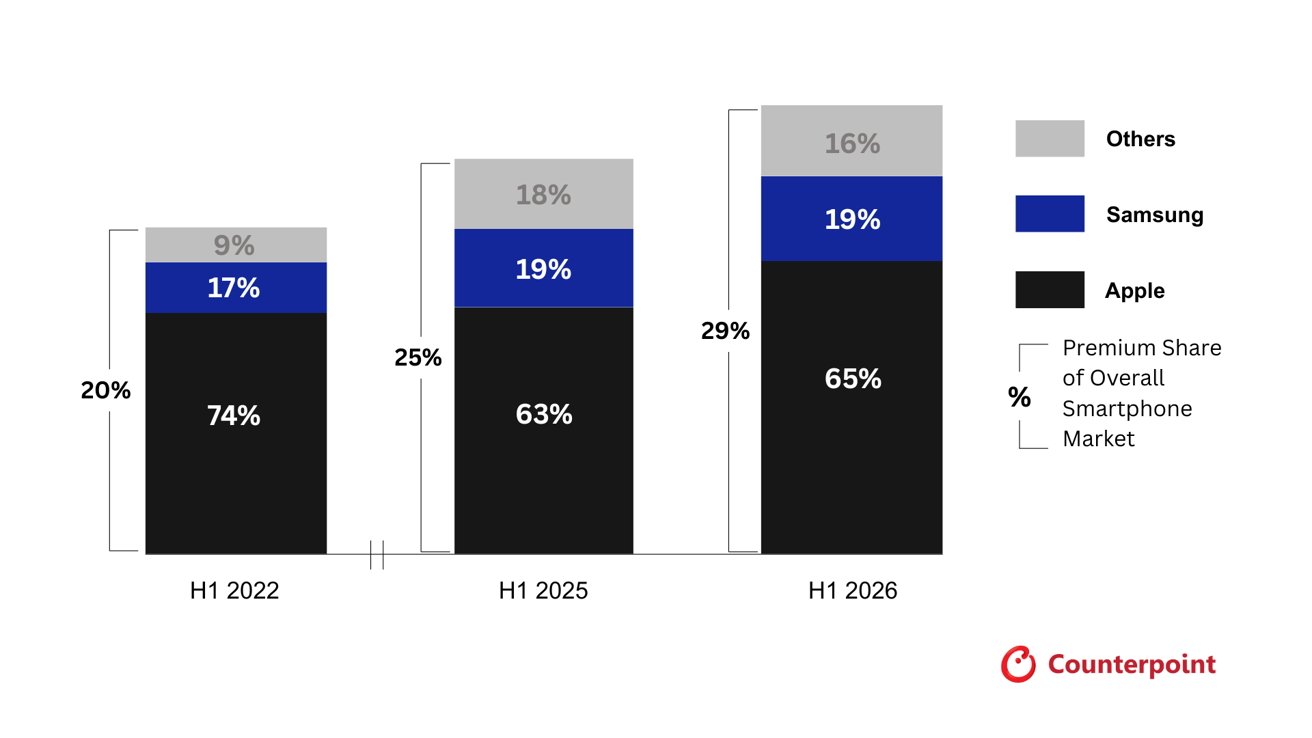
Apple Captures 65% of Global Premium Smartphone Market

Apple captured 65% of the global premium smartphone market in the first half of 2026, as the wider premium segment's share of overall smartphone sales climbed to a record 29%.


That's according to Counterpoint Research's Handset Model Sales Tracker, which tracks smartphones with a wholesale average selling price of $600 or more. Apple's premium segment revenue grew 9% year-over-year in the first half of 2026, which Counterpoint attributed to strong sales of the iPhone 17 lineup, particularly the base model.

Even with that growth, Apple's share of the premium segment has slipped from 74% in the first half of 2022. Counterpoint pins the decline on intensifying competition in China, the largest premium smartphone market, where Huawei, Xiaomi, OPPO, and vivo have all sharpened their flagship offerings, pulling more Chinese consumers toward domestic premium brands.

Across the broader premium segment, unit sales grew 5% year-over-year in the first half of 2026, with the segment's overall market share up from 25% in the first half of 2025 and 20% in the first half of 2022. Counterpoint says the latest gains stem largely from rising memory and component costs, which have hit low- and mid-tier phones harder than flagship models.


Premium brands, including Apple, were better positioned to absorb the higher costs through wider margins and fewer promotions, helping sustain demand even as the broader market grew more challenging. The share gains between the first half of 2022 and the first half of 2025, by contrast, were driven mainly by a broader premiumization trend as consumers traded up to higher-end devices.

Counterpoint Research said the narrowing price gap between mid-tier and premium phones is accelerating that shift, making flagship devices, including older or discounted iPhones, a more attractive upgrade for consumers:

As mid-segment Android smartphone prices rise, the price gap with premium devices, especially older or discounted flagship models, is narrowing. This trend makes flagship smartphones a better upgrade option for consumers. To support this shift, OEMs are expanding financing, trade-in and buyback programs to improve affordability. Samsung has also expanded its Galaxy Forever program to several markets to make flagship devices more accessible.


Samsung remains the only other brand in Apple's league, holding 19% of the premium segment after 3% year-over-year growth, despite a later launch for the Galaxy S26 series. Behind the two leaders, Chinese brands showed the sharpest growth off a much smaller base: OPPO grew 69% on the strength of its Find X9 series, while vivo grew 20% as the X300 series outperformed its predecessor.

Counterpoint expects Apple to keep its lead alongside Samsung, citing Apple's strength in developed markets, its integrated ecosystem, and its brand value, even as Huawei and Xiaomi are seen as well positioned to keep gaining share in China. Counterpoint added that premiumization "will be the key strategy in the smartphone industry as the focus shifts from shipment volumes to value and profit maximization."
This article, "Apple Captures 65% of Global Premium Smartphone Market" first appeared on MacRumors.com

Discuss this article in our forums

  •  

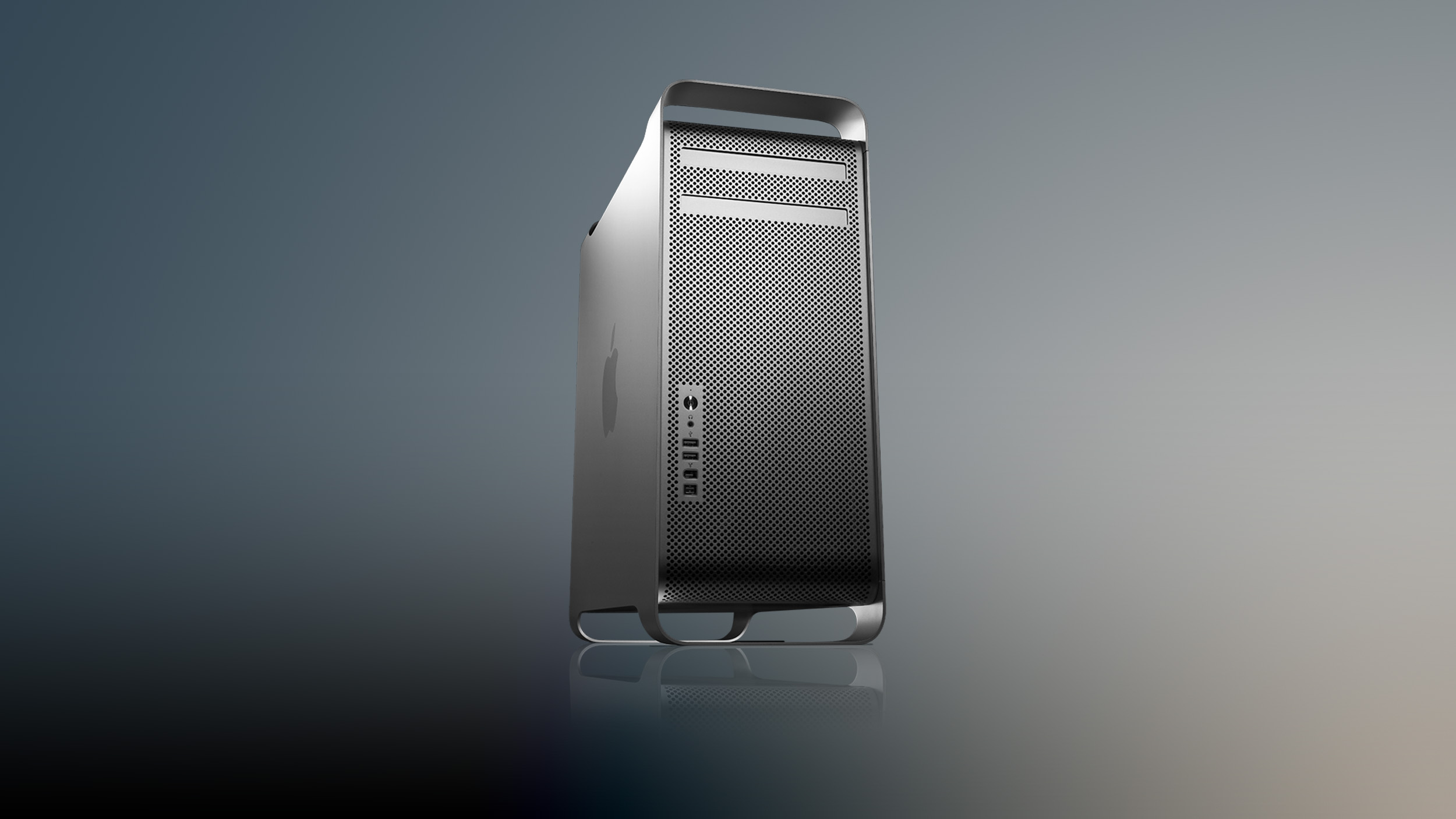
Mac Pro Turns 20 Today, Five Months After Apple Killed It

Apple announced the original Mac Pro 20 years ago today, with the anniversary landing five months after the company discontinued the machine for good.


On August 7, 2006, Apple unveiled the first Mac Pro, powered by two dual-core 64-bit Xeon processors that Apple said made it up to twice as fast as the Power Mac G5 it replaced. It was the last Mac to complete Apple's transition from PowerPC to Intel chips, and it launched with PCI Express expansion slots and a $2,499 starting price.

The Mac Pro quickly became the machine of choice for video editors, audio engineers, and other creative professionals, particularly those running Final Cut Studio, the editing suite Apple positioned squarely at the same audience. Its four internal drive bays, tool-free case, and PCIe expansion slots made it easy to configure for demanding workloads, and Apple kept the pace of updates brisk in its early years, adding an eight-core configuration in April 2007 and following with a refreshed base model in January 2008. That steady cadence of upgrades continued through 2012, a sharp contrast to the long droughts that would define the machine's later years.

The Mac Pro remained as Apple's professional flagship for almost the next two decades since its launch. That positioning kept the machine niche, and Apple's attention to it was inconsistent.

The clearest example came in 2013, when Apple replaced the classic tower with a radically redesigned cylindrical model nicknamed the "trash can" Mac Pro, built around a single central "unified thermal core." The trash can went unrefreshed for six years, a lifetime in computing terms, before Apple apologized to its pro user base and essentially admitted the design was a mistake.

In a 2017 interview, Craig Federighi said Apple had "designed ourselves into a bit of a thermal corner," having built the machine around GPU workloads that never materialized as broadly as the company expected. A more conventional tower, with eight PCIe slots, arrived in 2019.

Even after that redesign, the Mac Pro's position kept eroding. The Mac Studio delivered nearly identical performance in a smaller, far cheaper package. Once the Mac Pro moved to Apple silicon with the M2 Ultra chip in June 2023, add-in cards like the Afterburner lost support, leaving PCIe expansion as close to its only remaining edge over the Studio, a slim advantage for a machine that started at $6,999.

Apple discontinued the Mac Pro on March 26, 2026, pulling it from its website. The company said it has no plans to design a new version, and no future model is coming.

The announcement landed three months before Apple raised prices on 14 products, including Macs and iPads, to offset the rising cost of memory chips. The ‌Mac Studio‌'s M3 Ultra configuration jumped $1,300, from $3,999 to $5,299, while the entry-level MacBook Pro rose $300, from $1,699 to $1,999.

Apple CEO Tim Cook said that "price increases are unavoidable," adding that Apple had tried to shield customers from rising memory costs but "the situation has become unsustainable." Cook likened the shortage to "a hundred-year flood," saying he had "never seen anything like it in any area in over 40 years."

Applying that same roughly 33% jump seen on the M3 Ultra ‌Mac Studio‌ to the Mac Pro's $6,999 starting price would have pushed a base configuration above $9,300, with no extra RAM, storage, or GPU cores factored in, a price unlikely to move many units of a machine that was already selling in small numbers.

With the Mac Pro gone, the Mac Studio is now Apple's most powerful desktop, though it lacks the tower's internal PCIe expansion slots. Apple's next ‌Mac Studio‌ refresh is expected to bring the M5 Max and M5 Ultra chips to the machine.
Buyer's Guide: Mac Pro (Don't Buy)
Related Forum: Mac Pro

This article, "Mac Pro Turns 20 Today, Five Months After Apple Killed It" first appeared on MacRumors.com

Discuss this article in our forums

  •  

6 Things We Already Know About the 2028 iPhone

Rumors about Apple's 2028 iPhone are already starting to circulate, offering an early look at how the company plans to evolve the iPhone's design, display, and cameras.


The 2028 device will follow the 20th anniversary iPhone, which is set to introduce a display that curves down around all four edges for a near borderless effect. Reports suggest the first version of that design will launch with some visible compromises, and that the 2028 model is where Apple intends to resolve them. As with all rumors this far out, the details remain subject to change.

Because the 2028 iPhone is expected to refine the anniversary design rather than replace it, it should carry over much of what defines the 2027 model. That includes the curved all-glass body with a display that wraps around all four edges, a crater-shaped light diffusion layer that keeps brightness uniform across the curved screen, and a potential shift to solid-state haptic buttons integrated into the frame.

Apple's goal of moving the Face ID system and front camera beneath the display for a front free of cutouts remains, and the 2028 model may stand a better chance of achieving an uninterrupted display if the technology is not ready in time for 2027. Here are the six key rumors about the 2028 iPhone:


  • Refined curved-glass display: The 2028 iPhone is expected to use a more advanced version of the four-edge curved display debuting on the 2027 model. Where the anniversary iPhone is said to use a magnesium-silver alloy in its cathode layer, which can introduce image distortion and brightness loss in the curved areas, the 2028 model is reported to switch to more transparent indium zinc oxide cathodes. According to Korea's ETNews, the change should deliver less distortion, more even brightness, and fewer heat issues at the curved edges.

  • Hole-Punch Dynamic Island: DSCC's Ross Young has said under-display ‌Face ID‌ is unlikely to be ready in time for 2027, meaning the 20th anniversary model may retain a Dynamic Island similar to the one on the iPhone 18 Pro. That would leave the 2028 iPhone as the more likely candidate to take the next step toward a cutout-free front, whether through an even smaller hole-punch or a move to place the ‌Face ID‌ system and front camera under the display.

  • Narrower bezels: The move to indium zinc oxide cathodes is also expected to let Apple narrow the bezel further than on the 2027 anniversary model, bringing the design closer to a true all-screen front. It is one of several improvements ETNews attributes to the more transparent cathode material.

  • Tandem OLED: Apple is reported to be weighing tandem OLED technology for the iPhone as early as 2028, having already adopted it on the M4 iPad Pro. The structure stacks two organic light-emitting layers for improved brightness, a longer lifespan, and better power efficiency than the single-layer panels used in current iPhones. LG Display is said to be promoting a "simplified tandem" approach that stacks two layers for the blue sub-pixel only, though the final decision rests with Apple.

  • 'A22 Pro' chip: The high-end 2028 models are expected to move from the 2-nanometer process used in 2027 to a 1.4-nanometer "A22 Pro" chip. Bloomberg's Mark Gurman reported that the chip will be built on TSMC's A14 node, which is said to offer up to 15% better performance than a 2nm chip, or the same performance with 30% lower power draw. TSMC is expected to make the majority of the chips, though Apple is also apparently considering Intel for some of them.

  • 200-megapixel telephoto camera: Apple is reported to have tested a 200-megapixel periscope telephoto sensor in prototypes, but the technology is unlikely to reach the iPhone before 2028, according to the leaker known as "Digital Chat Station." Morgan Stanley similarly reported that Apple is working to bring a 200-megapixel camera to the iPhone as soon as 2028. The higher resolution would capture greater detail and allow photos to be cropped further or reproduced at larger sizes without a loss of quality.


With the 2028 iPhone still around 26 months away, none of this is settled, and the further out a rumor sits, the more room there is for Apple's plans to change before the device reaches production. Still, rumors about the device are more relevant than they might first appear.

Anyone buying an iPhone 18 Pro this September on a common two-year upgrade cycle will be due their next iPhone in 2028, meaning this is the model many of this year's buyers will actually upgrade to. The picture forming now is an early look at what that upgrade could hold, and part of a longer redesign arc that begins with the 2027 anniversary model before reaching its more polished form the following year.
This article, "6 Things We Already Know About the 2028 iPhone" first appeared on MacRumors.com

Discuss this article in our forums

  •  
❌