As the 2026-2027 NFL season kicks off, the Philadelphia Eagles are giving new meaning to their signature “Fly, Eagles, Fly” fight song. The football team is partnering with the National Marine Sanctuary Foundation for Birds Supporting Birds, an initiative to support seabirds off the coast of Massachusetts (and in New England Patriots’ territory) this fall.
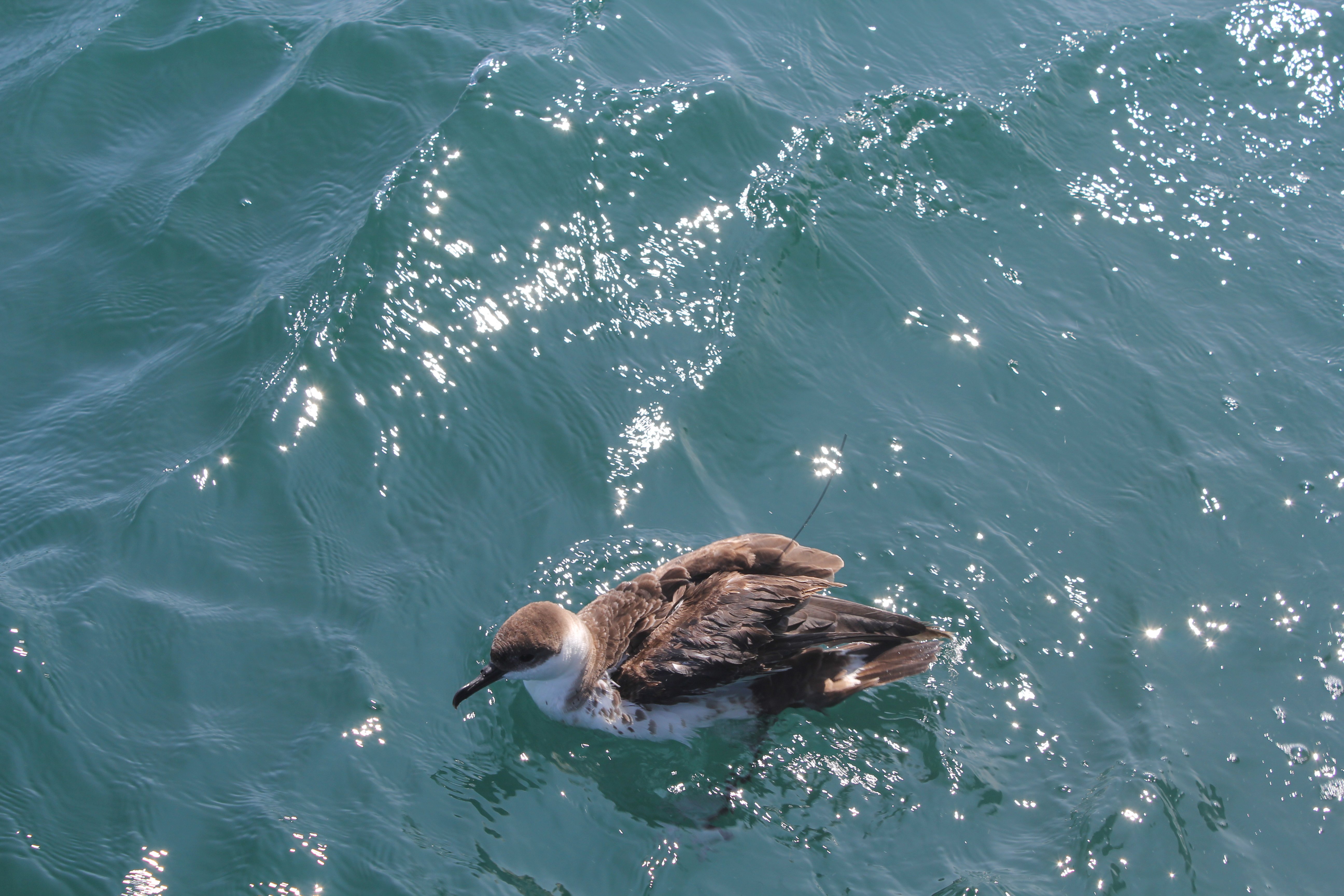
The team is supporting NOAA’s Stellwagen Bank National Marine Sanctuary Shearwater Tagging Project, an ongoing initiative dedicated to studying the great shearwater (Ardenna gravis) and their migration. Great shearwaters are large, white-and-grey seabirds known for their epic journeys. They travel thousands of miles every year from their remote South Atlantic breeding grounds up to the cooler North Atlantic waters during the nonbreeding season. According to the National Marine Sanctuary Foundation, they fly the equivalent of over 200,000 football fields across the Atlantic Ocean every single year.
Birds Supporting Birds will help support researchers in Stellwagen Bank, an 842-square-mile marine sanctuary east of Boston, to tag great shearwaters and track their migratory routes across the Atlantic.
“The Eagles are directly funding researchers to attach lightweight, solar-powered satellite transmitters to great shearwaters,” Joel R. Johnson, President and CEO of the National Marine Sanctuary Foundation, tells Popular Science. “These tags track the birds’ migration patterns around the Eastern Seaboard and down to the Southern Atlantic Ocean in real time.”
Lovingly known as “The Birds” by their incredibly devoted fanbase, the football team is leveraging their platform to bring attention to ocean conservation and highlight environmental stewardship.
A major 2015 study found that the Gulf of Maine is warming faster than 99 percent of the ocean due to climate change. While the water has slightly cooled since 2021, a report published by NOAA in July found that the environment in the Gulf of Maine still remains unstable. These changes in ocean temperature, currents, and other conditions can impact the seabirds’ food supply.
Great shearwaters are reliable indicators of an ecosystem’s health, who rely on small fish called sand lance in their diets. Whales, dolphins, bluefin tuna (Thunnus thynnus), and other key Gulf of Maine species also rely on these fish belonging to the family Ammodytidae in their diets. By studying great shearwaters and their health, researchers can better understand what is happening in the local ecosystem as a whole.
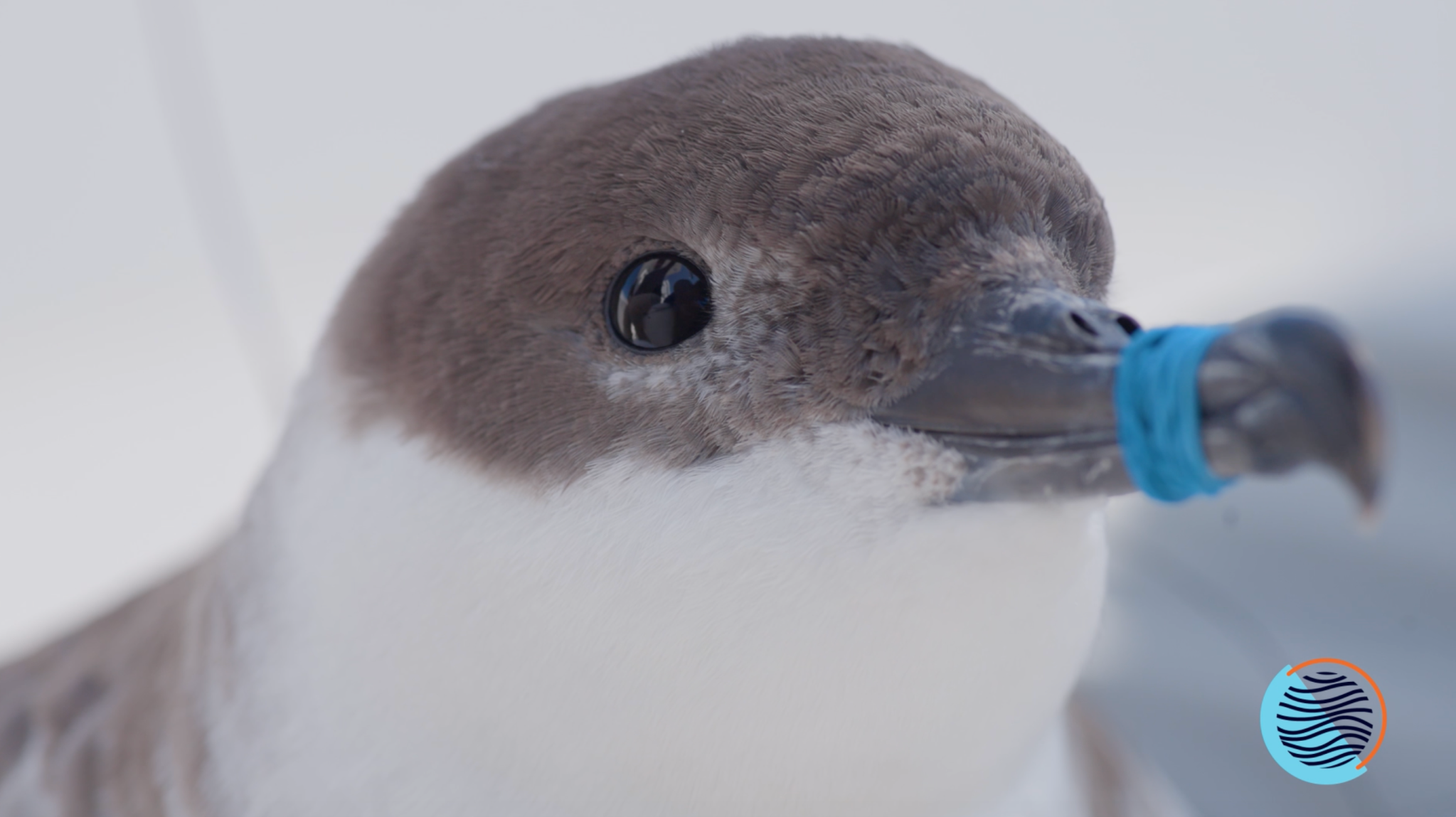
Researchers at Stellwagen Bank National Marine Sanctuary used satellite tracking technology in 2013. These tags are lightweight and attached to the birds with degradable thread. They have small solar panels so scientists can monitor the birds’ routes over extended periods.
Researchers have now deployed tags on Phil, Franklin, Hoagie, and Liberty, four great shearwaters with very Philly-appropriate names.
Great shearwaters can help scientists understand an ecosystem’s health. Image:National Marine Sanctuary Foundation.
“We are thrilled to invite the public to follow Phil, Franklin, Hoagie, and Liberty in real time on our interactive maps and social channels, bringing everyone along on our shared mission to protect our ocean waters and marine life,” says Johnson, who lists bald eagles (Haliaeetus leucocephalus), great blue herons (Ardea herodias), and great shearwaters among his favorite birds.
Live interactive maps will be available soon on the Stellwagen Bank National Marine Sanctuary and National Marine Sanctuary Foundation’s website, so you can follow the great shearwater’s epic journey, while the Eagles (or your favorite team) compete on the gridiron.
In The Lion King, the hyenas Shenzi, Banzai, and Ed were at the evil lion Scar’s every beck and call. And while the Disney team probably didn’t spend an extensive amount of time observing lions and hyenas interacting in the wild while making the beloved movie, a zoologist and her colleagues just did—and they found something unexpected.
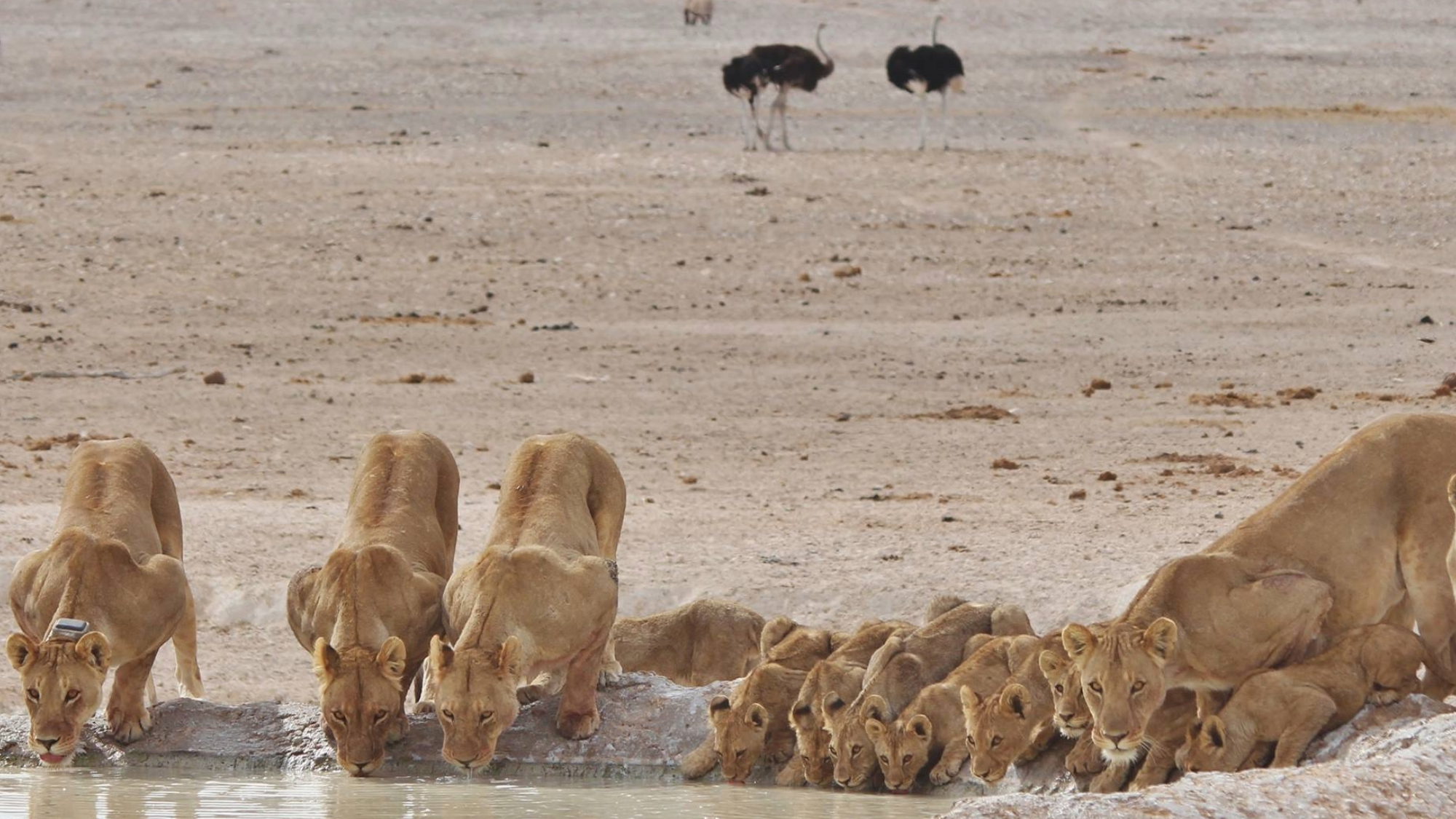
The long-standing assumption about the relationship between the carnivores involves hyenas following lions for their food scraps. However, male African lions (Panthera leo) are the ones going after spotted hyenas (Crocuta crocuta), who move away from the big cats. These new findings are detailed in a study published today in the journal Frontiers in Ethology.
Nancy Barker, an ecologist at the University of KwaZulu-Natal in South Africa and lead author of the study, observed lions actively tracking hyenas while she was studying brown hyenas (Parahyaena brunnea).
“When I shared my observations with other leading researchers, I was often told that I had the relationship backwards: that hyenas are the ones tracking lions, primarily for scavenging opportunities, and that what I had seen was simply a series of chance encounters,” Barker said in a statement “I felt there was more to the story.”
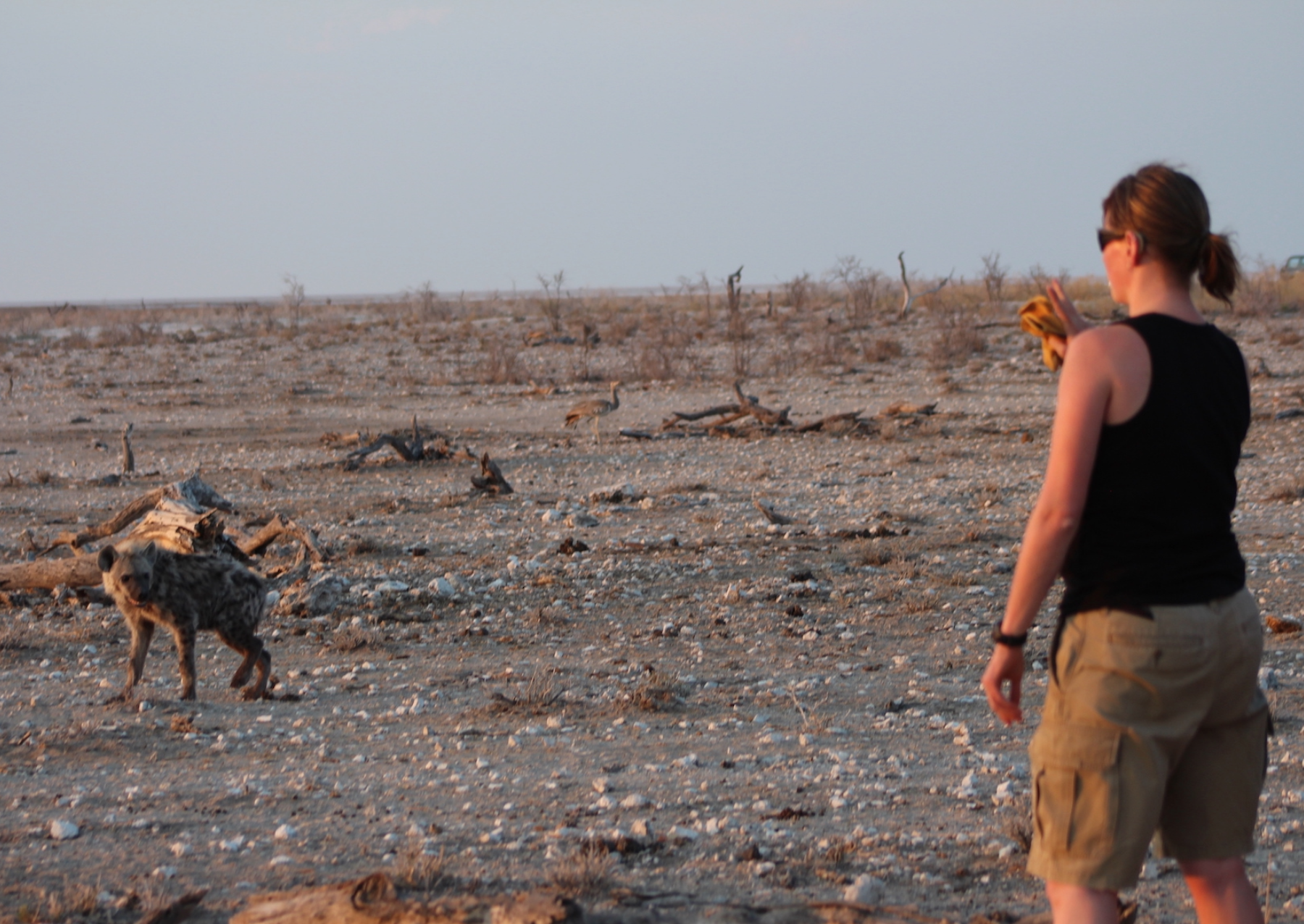
A young spotted hyena at Etosha National Park scopes Barker out. At the time, Barker was setting up a bait station to immobilize and collar the matriarch of the hyena clan. Image: Dr. Nancy Barker.
Barker then put GPS-collars on socially high-ranking African lions and spotted hyenas at Namibia’s Etosha National Park, as well as lions in Linyanti Conservancy in northern Botswana and northeastern Namibia, and Chobe National Park in Botswana.. The study included data from 17 lions and 14 hyenas collected across four years.
The collars mapped the animals’ movement by capturing a location snapshot every five minutes during their peak activity hours, and Barker also maintained camera traps and conducted behavioral observations for context. Barker identified 23 pairs of simultaneously tracked animals from the GPS collar data, including 10 lion-hyena pairs. Her team classified the direction of every paired animal’s movements, consequently revealing and studying thousands of interactions.
“Our GPS collar data shows that African lions and spotted hyenas leave a clear, measurable signature in the way they move around one another,” said Barker. “Spotted hyenas consistently move away from lions, while male lions tend to move toward hyenas.”
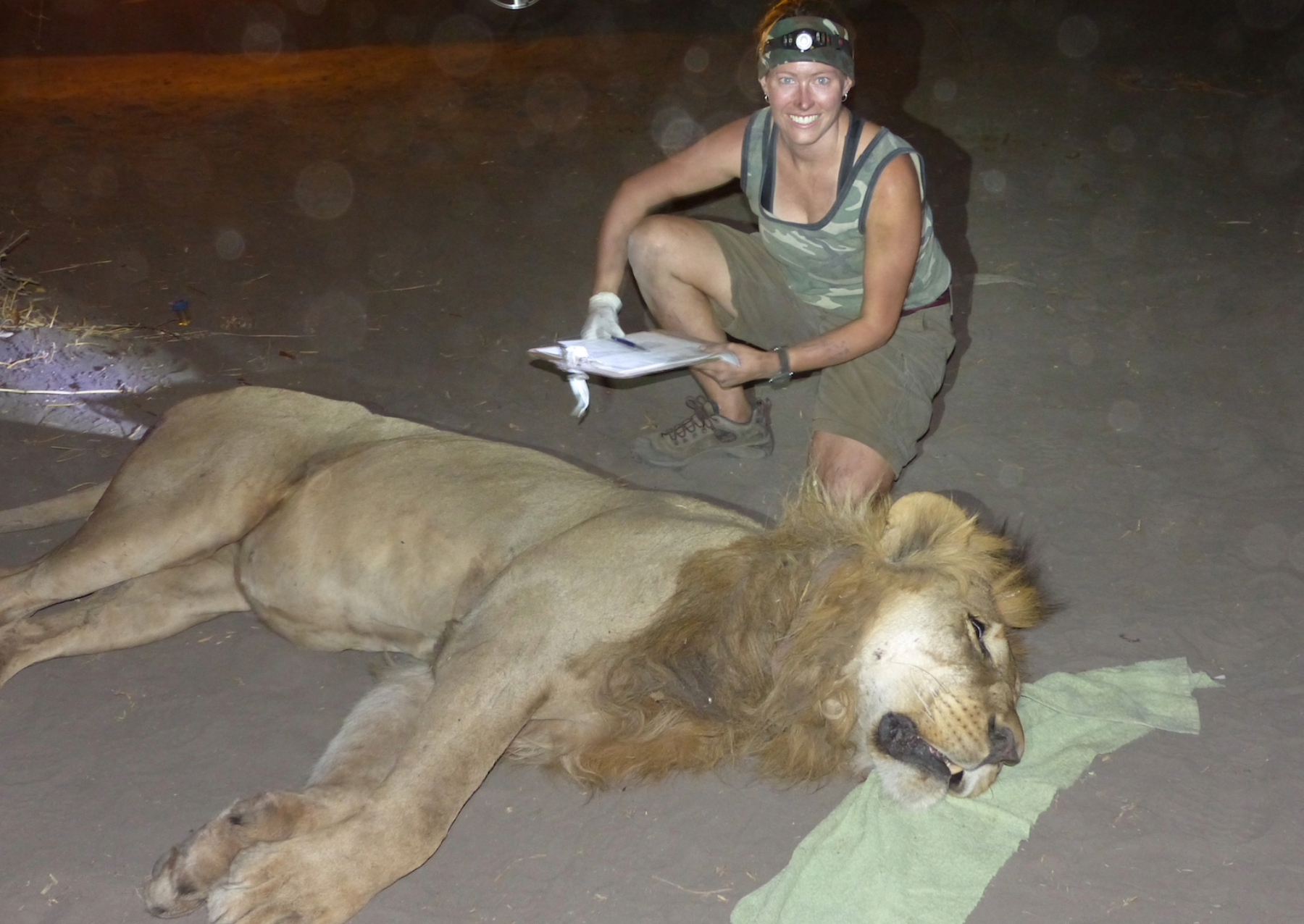
Dr. Nancy Barker with an immobilized adult male lion from a pride in the Chobe-Linyanti floodplains. Barker took morphological measurements, identification photographs, and blood, tissue and faecal samples before fitting each collar. Image: Dr. Nancy Barker.
Female lions, on the other hand, weren’t as consistent. Barker’s observations revealed that lionesses’ reactions to hyenas were based on which other pride (a group of lions) members were around, though more data is necessary to bolster this determination.
Because the study includes a limited amount of data, Barker says that some of the findings should be viewed more as trends instead of firm scientific conclusions.
“I would love to extend this approach to other members of the carnivore guild, to understand how the entire community negotiates space and risk,” she said. “Ultimately, I want to connect these movement patterns to what matters most for the animals: their survival and reproduction.”
The offshore windfarm at Berwick Bank is predicted to kill more than 4,000 birds in its first year alone – among them gannets, puffins and kittiwakes, writes Ashley Davies
Lev Parikian paints a vivid picture of the gannets of the Bass Rock and the impact that avian flu has had on their numbers (Country diary, 31 August). There’s another threat, though, and it’s one that puts some supporters of renewable energy like me in a novel situation: protesting against the construction of a windfarm.
Berwick Bank will be one of the biggest offshore windfarms in the world – a few kilometres from the Bass. This is perilously close, and the RSPB has calculated that it will kill more than 4,000 seabirds in its first year alone, among them gannets, puffins and endangered kittiwakes.
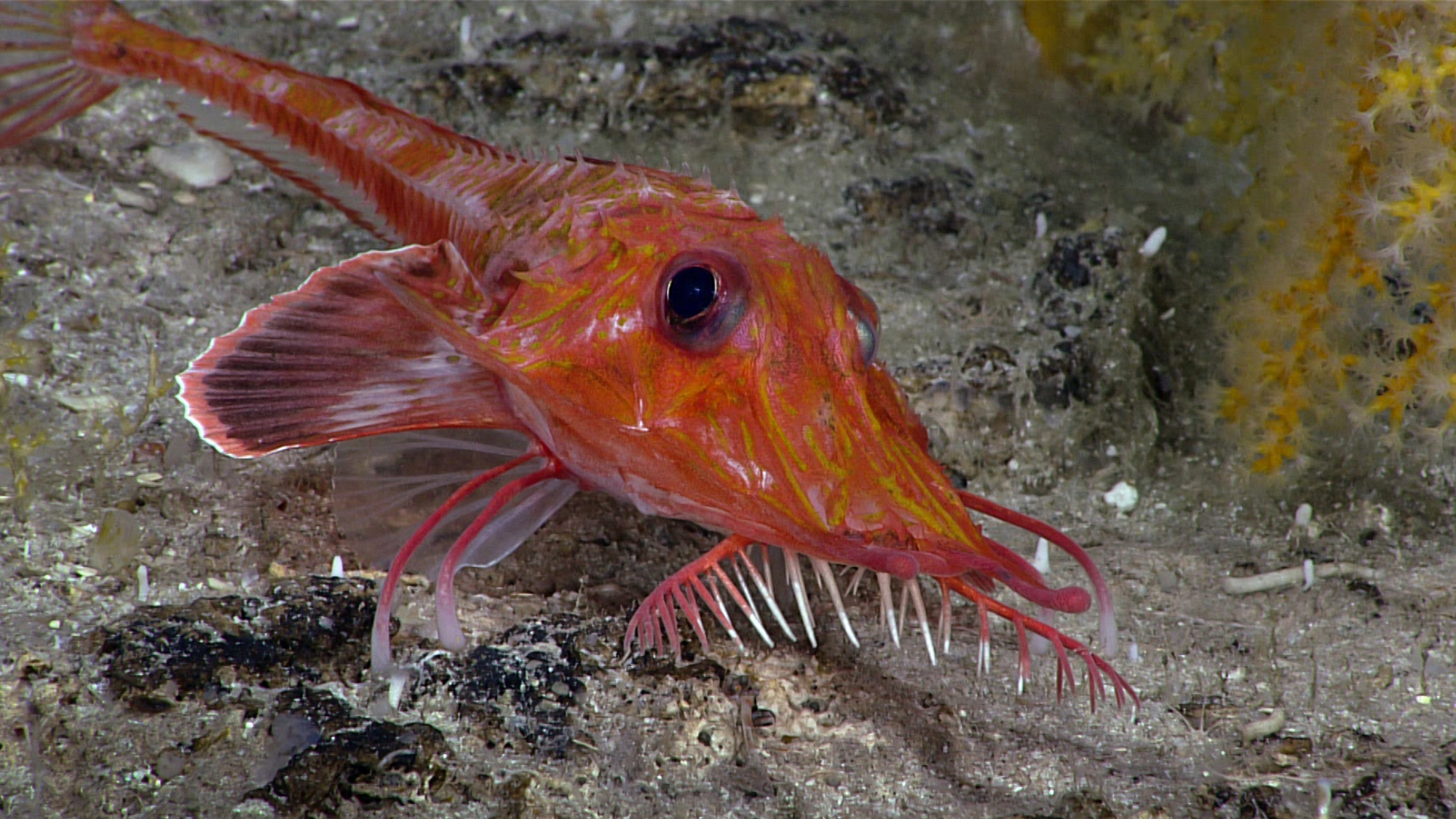
The deep-sea is filled with weird creatures: goblin sharks (Mitsukurina owstoni), vampire squid (Vampyroteuthis infernalis), and… walking fish? For the first known time, a team of scientists in China filmed a strange, shrimp-like fish walking backward along the seafloor.
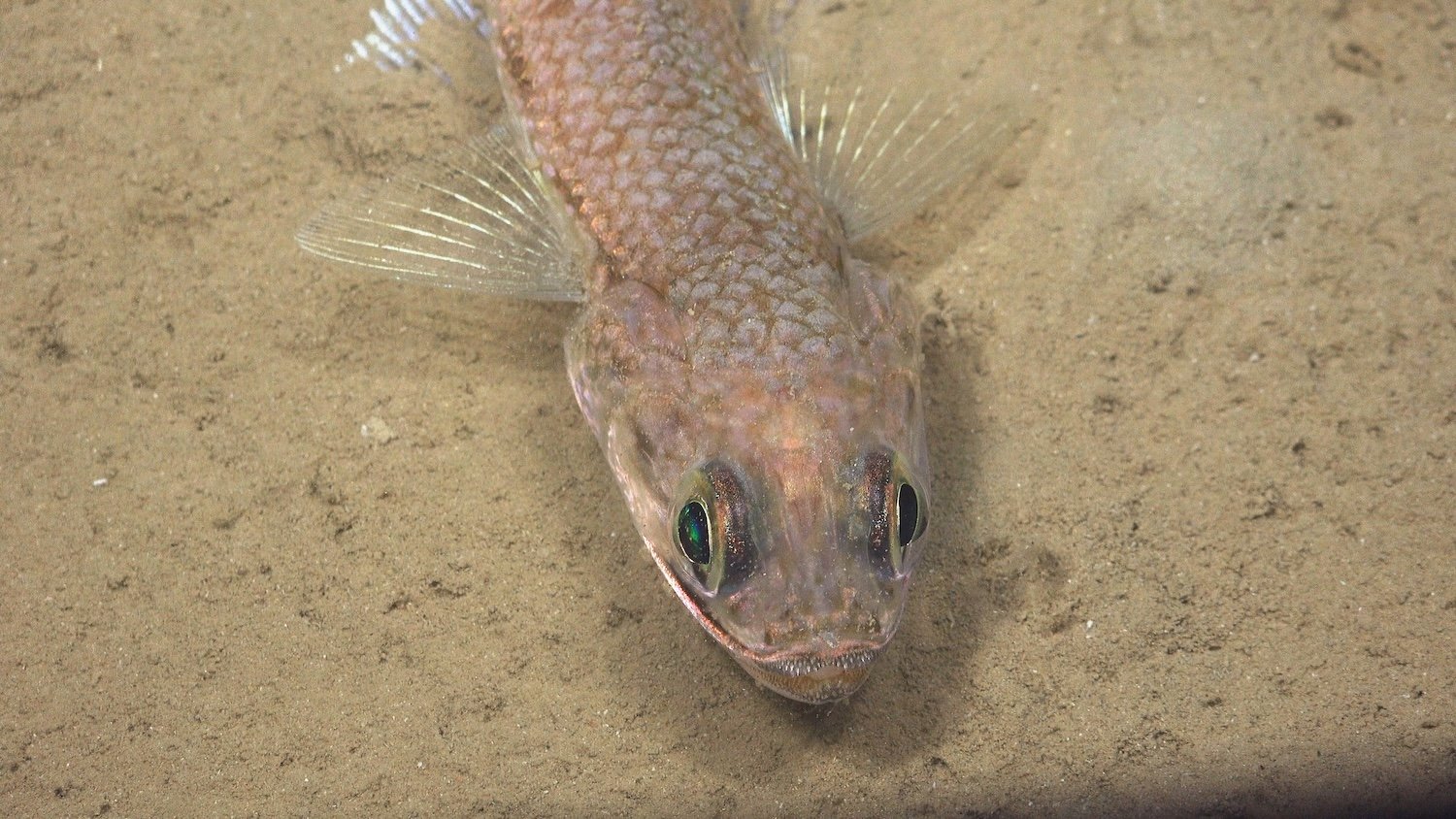
The fish, Scalicus engyceros, is a species of armored searobin, a group of fish known for weird anatomy. Their bodies are covered in bony plates, while stiff free fin rays stick out of its pectoral rays like tiny legs it can use to “walk.”
The new study, published in the journal Ocean-Land-Atmosphere Research, not only provides video evidence of the animal’s sea-floor strolls, but it also marks the first time backwards locomotion has been described in fish.
“[Our] study delivers a paradigm-shifting revelation: the deep-sea fish Scalicus engyceros, a representative of fishes characterized by highly specialized free pectoral-fin rays, is among the few fish species known to walk,” said Han Tian, a postdoctoral researcher at Sun Yat-sen University in Guangzhou, in a statement.
The video was taken from a deep-sea diving vehicle in the northern South China Sea that also helped the researchers observe the fish’s other unique traits. It has outward-extending barbels that resemble a farmer’s rake. While the barbel makes it awkward for the fish to walk, it provides “an advantage in probing, digging, or hunting for food buried in the sediment,” according to the team.
Like other deep-sea creatures, Scalicus engyceros also has large eyes. The researchers note that the fish did not seem to react to the approaching vehicle, but it did appear to react to its light beam before swimming away. This suggests its eyes have at least some sensitivity to light, perhaps pointing to the fish not having lived in this habitat for very long.
While there’s still much to learn about this mysterious creature, advancements in technology are helping scientists better understand the life way beneath our oceans’ surface.
“Modern deep-sea diving vehicles allow not only discovery of new species but also add a new in situ, functional dimension to the study of species based solely on the morphology of preserved specimens,” said Tian.
“By observing deep sea animals alive in their surrounding environment, we can gain insight into the adaptation and evolution of the species. These walking fish harbor far more novel behavioral and evolutionary adaptations than previously assumed.”
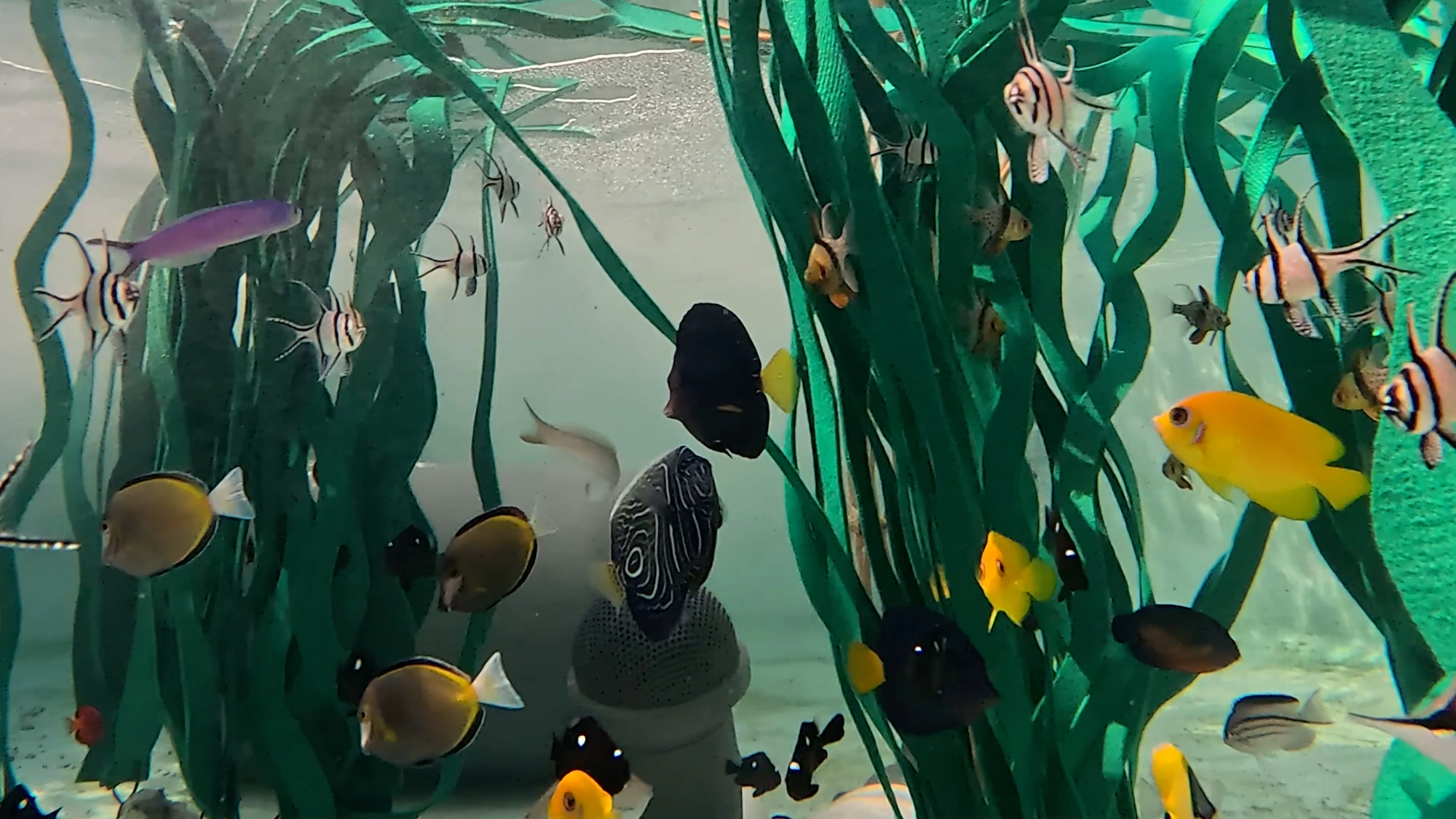
On June 19, the Aquarium of the Pacific took in almost 500 animals in one go. Fish, marine invertebrates, and sharks were all brought into the facility in Long Beach, California, but the aquarium hadn’t just gone on some big marine shopping spree.
These animals were rescued from animal trafficking, and were in urgent need of a home. At the aquarium, the staff worked through the night to stabilize and care for them.
“Every animal that arrives at the Aquarium, whether through a carefully planned acquisition or a last-minute confiscation, receives the same high standard of care. What can differ is the condition in which those animals arrive,” Johnathan Casey, Aquarium of the Pacific curator of fish and invertebrates, tells Popular Science.
Many trafficked animals have been traveling in stressful or poor conditions, so the aquarium’s experts immediately check their physical condition, water quality, and individual needs. They usually know little about an animal’s origin or history, so the team needs to be prepared for anything. The rescued animals are also quarantined to avoid the potential spread of diseases, according to Alyssa Tillman, the assistant curator of fish and invertebrates.
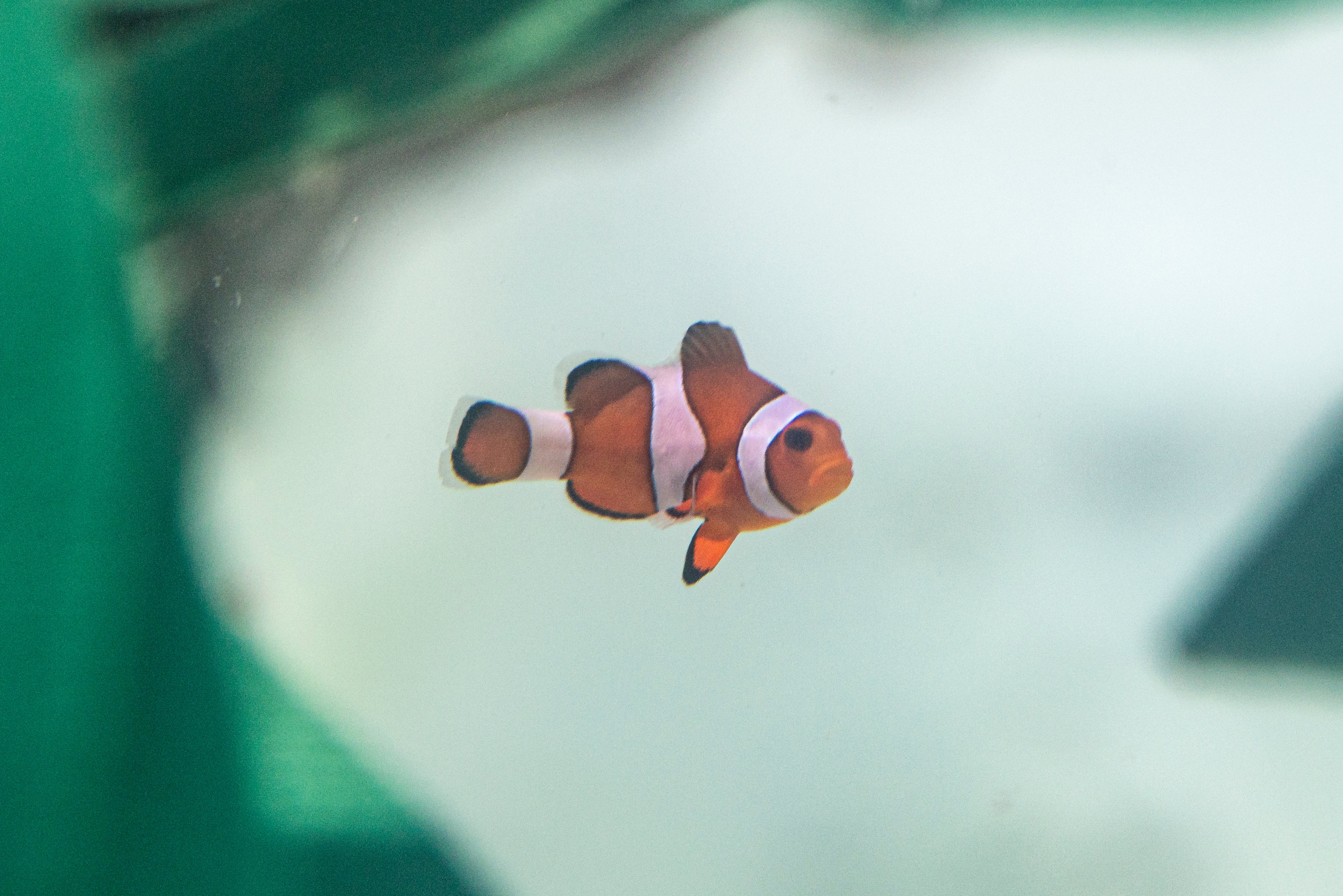
Confiscated animals like this clownfish were kept in holding tanks at the Aquarium of the Pacific on Long Beach, California. Image: Josh Barber/Aquarium of the Pacific. Josh Barber
The species included brownbanded bamboo sharks (Chiloscyllium punctatum), ocellaris clownfish (Amphiprion ocellaris), and Banggai cardinalfish (Pterapogon kauderni). The IUCN Red List classifies brownbanded bamboo sharks as Near Threatened and Banggai cardinalfish as Endangered.
While the arrival of almost 500 animals was a standout event, the Aquarium of the Pacific has received rescued animals from over 30 confiscation events since September 2024. This means they saw one confiscation event every three weeks, though the first eight months of 2026 have already seen over a dozen cases. Overall, the aquarium has taken in over 3,600 rescued trafficked animals in the past two years.
The Aquarium encourages “the public to become informed consumers to help avoid wildlife trafficking of exotic pets. This includes researching the protected status of the species and ensuring purchases are through a reputable vendor,” Casey explains. “If the vendor cannot provide proof of where the animal came from, refraining from purchasing it is a way to help.”
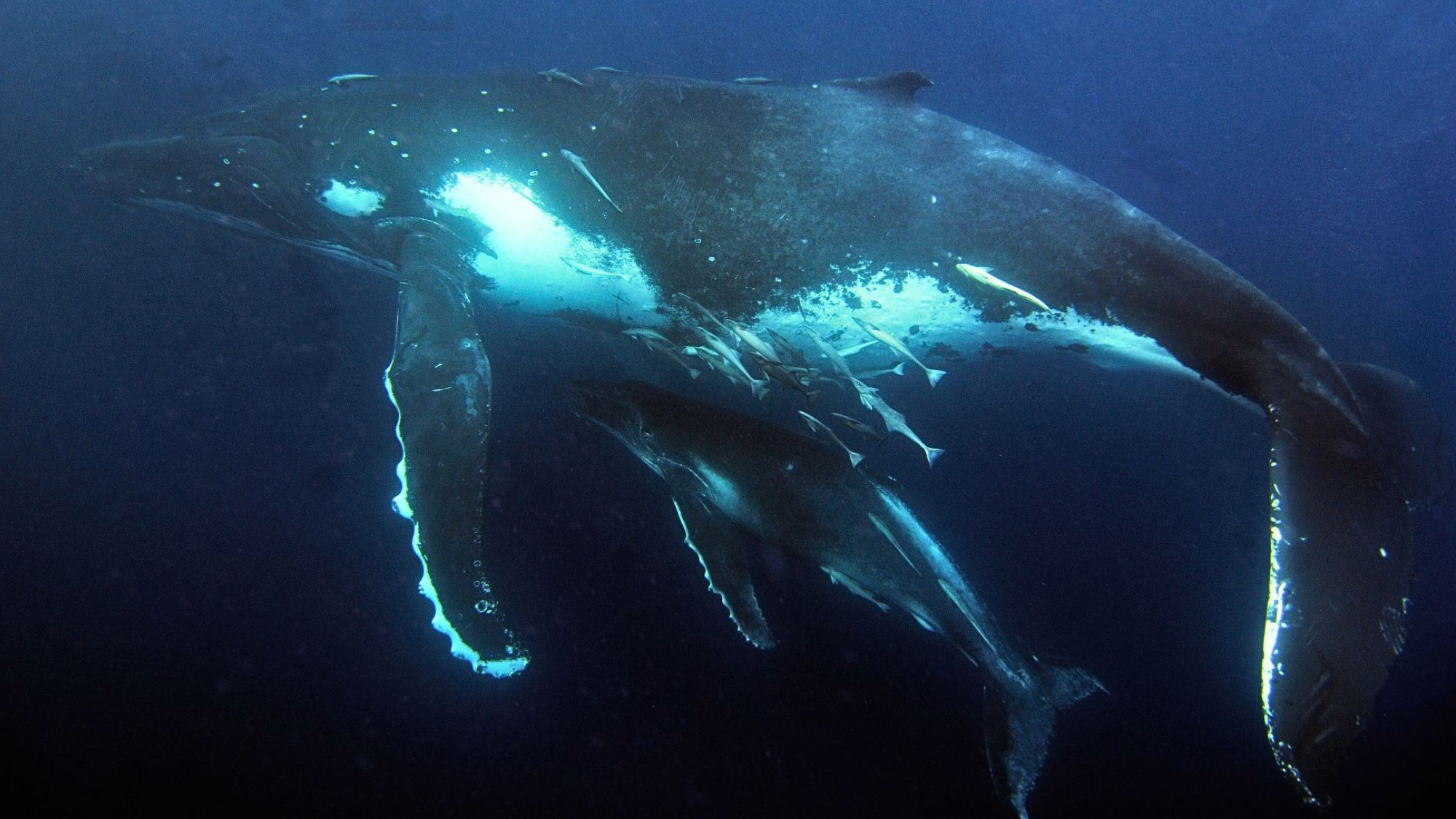
In 2009, tourism operators in Australia spotted more and more humpback whales (Megaptera novaeangliae) “fluking,” when a whale floats upside down, holding its tail above the water. Confused by the behavior, they reached out to scientists for help, triggering a research effort that solved one of the biggest mysteries about humpback whales on the Great Barrier Reef.
The Whitsundays, where the fluking was taking place, is a region with dozens of islands between the Great Barrier Reef and Australia’s north-eastern coast.
“It was an unusual behaviour they had never seen before. Not even the whale scientists knew what it meant at the time,” Crystal Lacey, Master Reef Guides program manager, said in a statement. “So that uncertainty sparked a major research effort, which combined citizen science through the tourism operators’ observations, and scientific research. It was one of the region’s largest citizen science efforts.”
The efforts included tourism operators counting whales and calves, and scientists mapping the seafloor, monitoring water temperatures, tracking whales by satellite, and surveying the region from the air. The joint mission found that the Whitsundays is one of the Great Barrier Reef’s most important humpback whale calving areas. In other words, they’d revealed a previously unknown whale maternity ward.
“The fluking the operators observed was actually a breeding behaviour,” explained Lacey. “We discovered the Whitsundays provides the sheltered, warm and shallow waters humpback whales need to give birth and raise newborn calves.”
Their results also resolved one of the biggest enigmas associated with humpback whales on the Great Barrier Reef—the question of where they give birth. The findings ultimately led to the creation of the Whitsundays Whale Heritage Area within the Great Barrier Reef Marine Park.
Humpback whales are found in all the world’s oceans. They’re a whale-watcher favorite because they can be observed close to shore, and frequently put on a show near the surface of the water. Humpback whales mate while “hugging” face-to-face, and the gestation period of females is 11 to 12 months. When they give birth—once every 2 to three years—the calf comes out tail first.
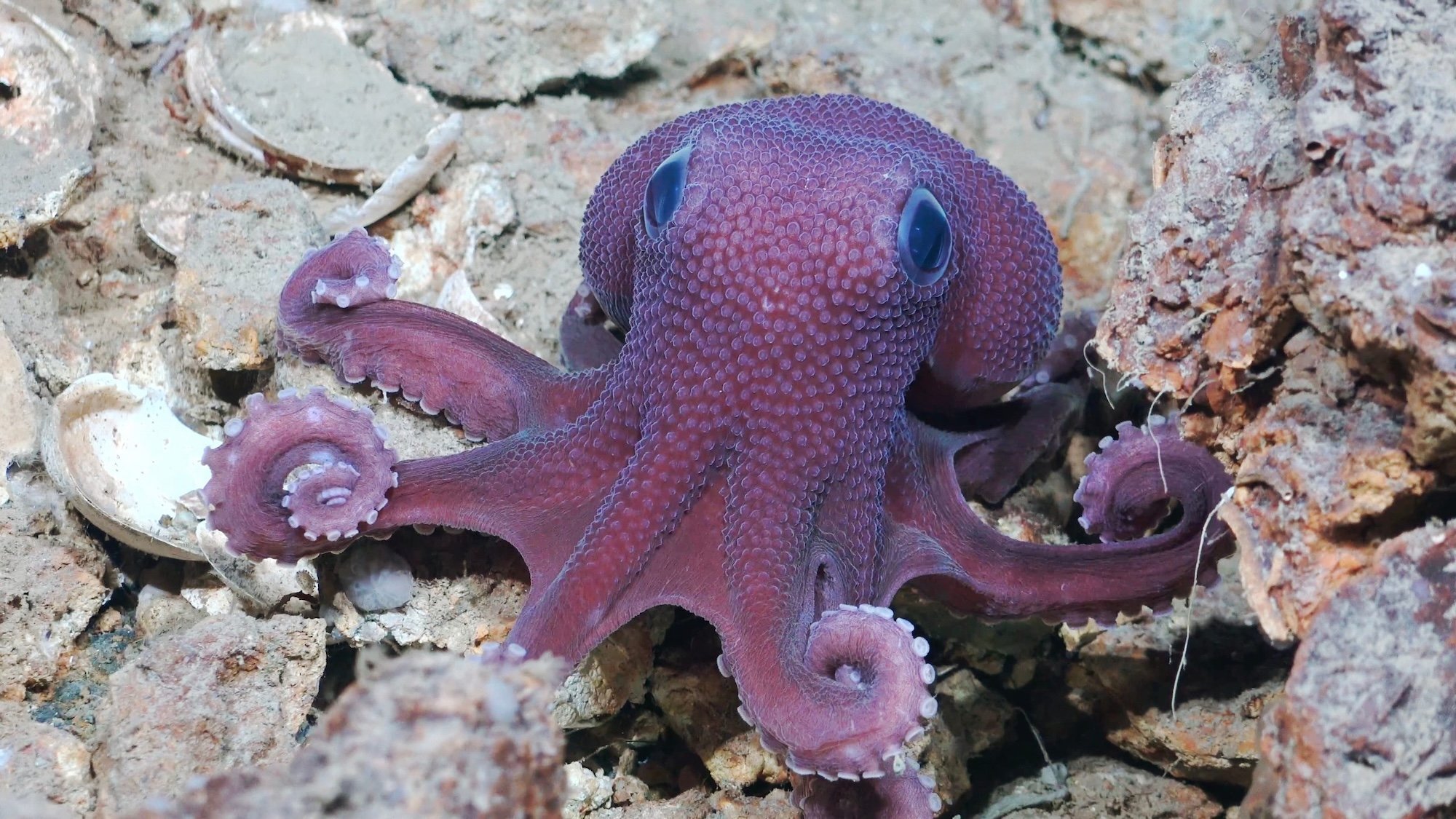
Marine biologists from Trinidad and Tobago recently completed the first locally helmed and most expansive survey of the deep-sea waters around the Caribbean islands. The month-long project aboard Schmidt Ocean Institute’s research vessel (R/V) Falkor (too) documented around 13 percent of the nation’s marine territory, and described 20 potential new species. Researchers also collected over 700 specimens for the University of the West Indies, St. Augustine. Once catalogued, the additions will increase the size of the university’s Zoology Museum deep ocean collection by 12 times.
“Every new discovery we make, whether ecosystem, species or behavior, deepens our understanding of what’s at stake and strengthens our ability to be true stewards of this largely unseen but critical part of our country,” said expedition chief scientist Diva Amon.
Check out some of the stunning, rarely seen creatures below. (Click to expand images to full screen.)
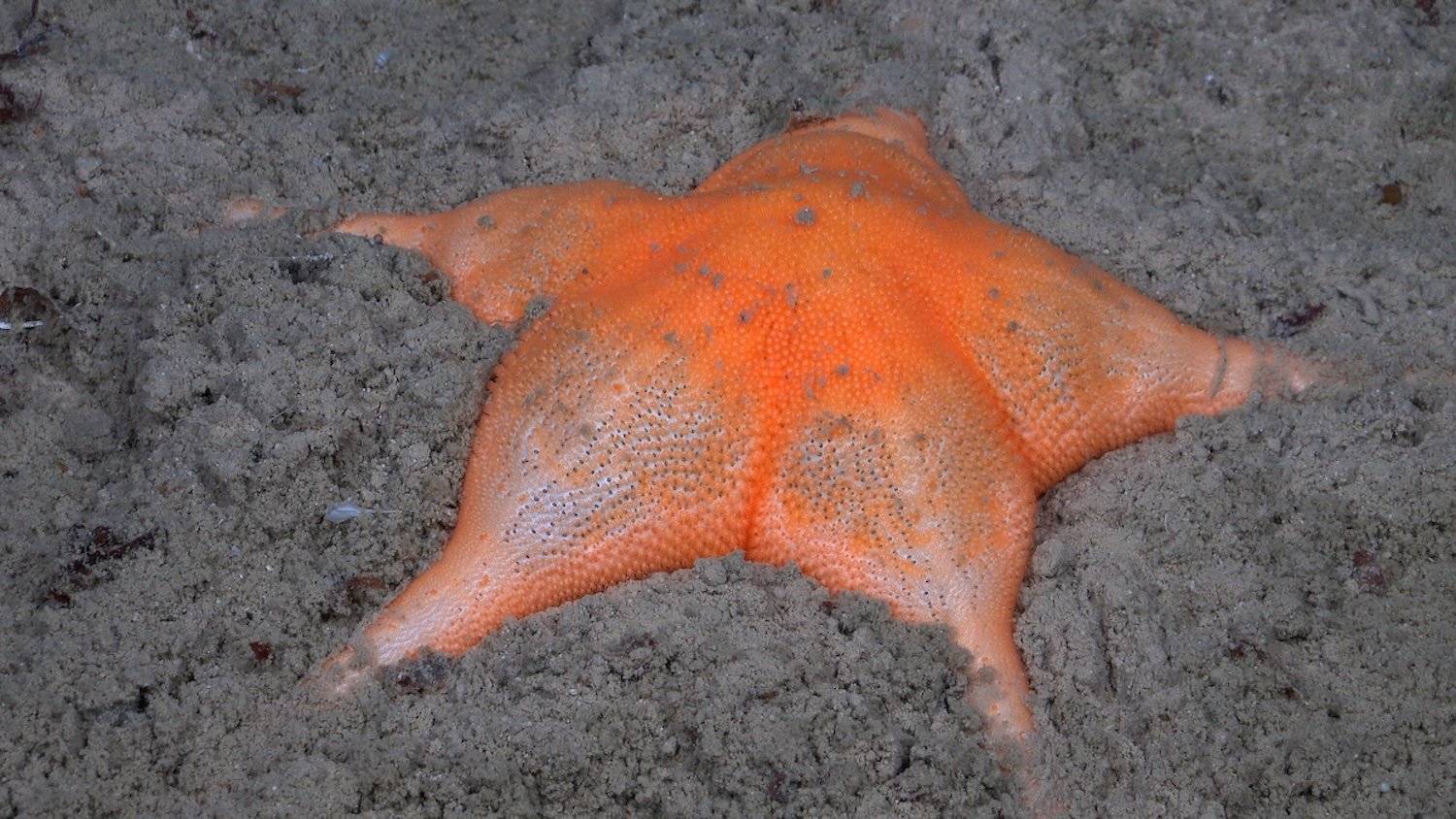
Suspected new sea star
A suspected new species of sea star (Porcellanasteridae) rests on the seafloor at a depth of 3,961 meters. Researchers collected the specimen while making dozens of other discoveries during the expedition, including at least 20 suspected new species. Credit: ROV SuBastian / Schmidt Ocean Institute
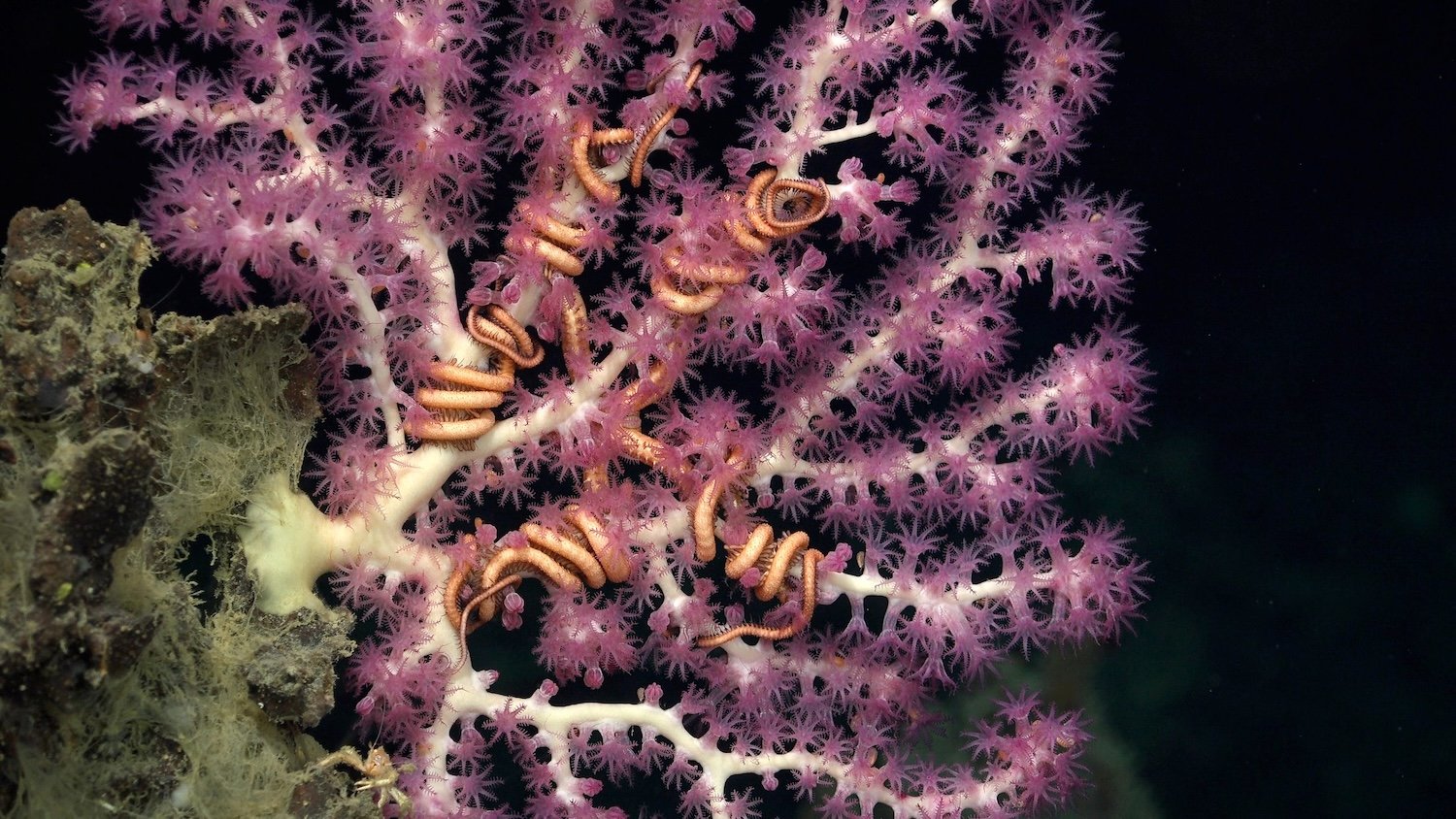
Symbiotic coral
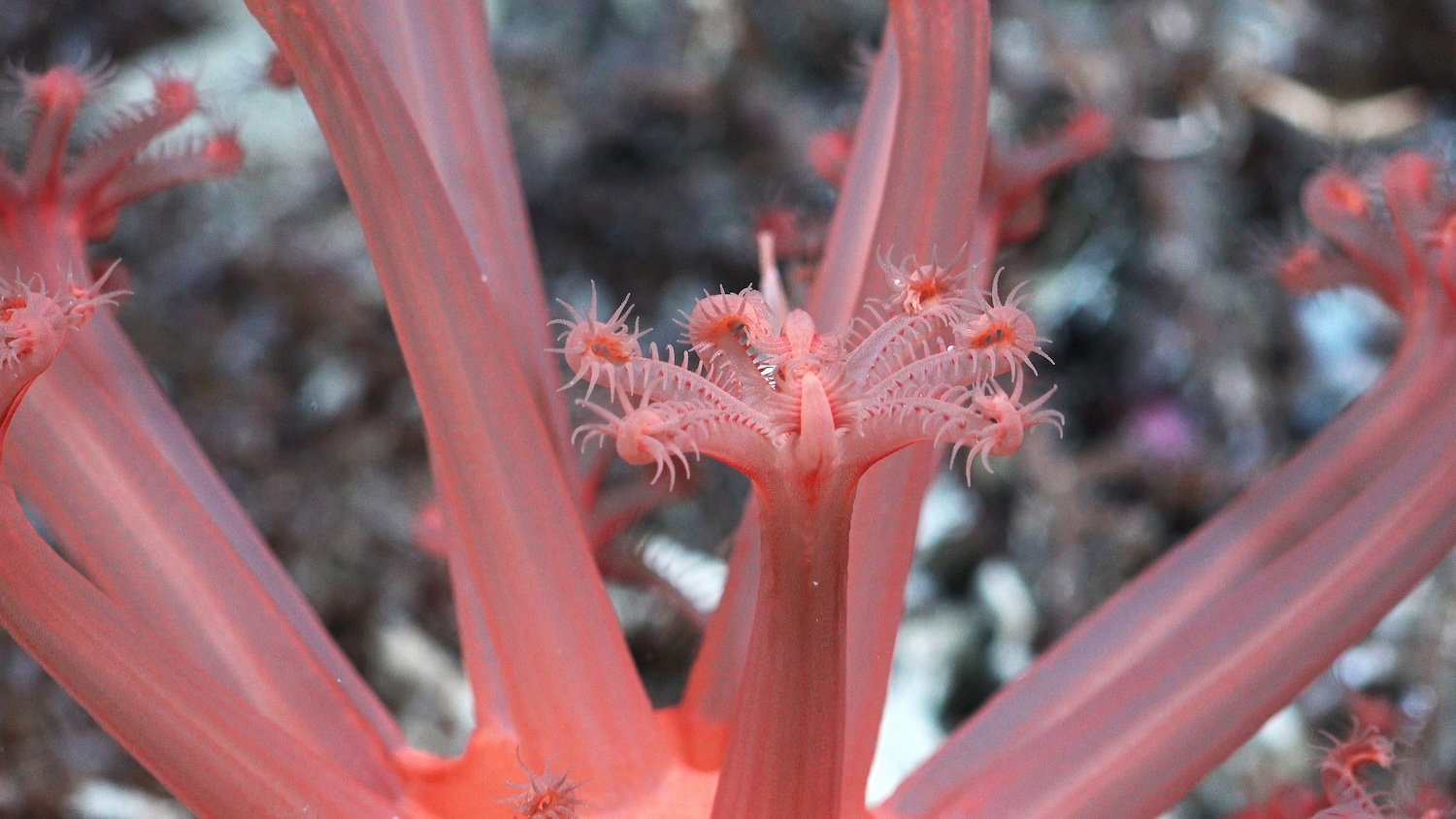
Symbiotic brittle stars cling to a deep-sea coral off the coast of Trinidad and Tobago. A research team led by marine biologist Dr. Diva Amon (SpeSeas), composed largely of Trinbagonian scientists, surveyed the island nation’s deep-water territory to document rare ecosystems and guide local conservation efforts. Credit: ROV SuBastian / Schmidt Ocean Institute
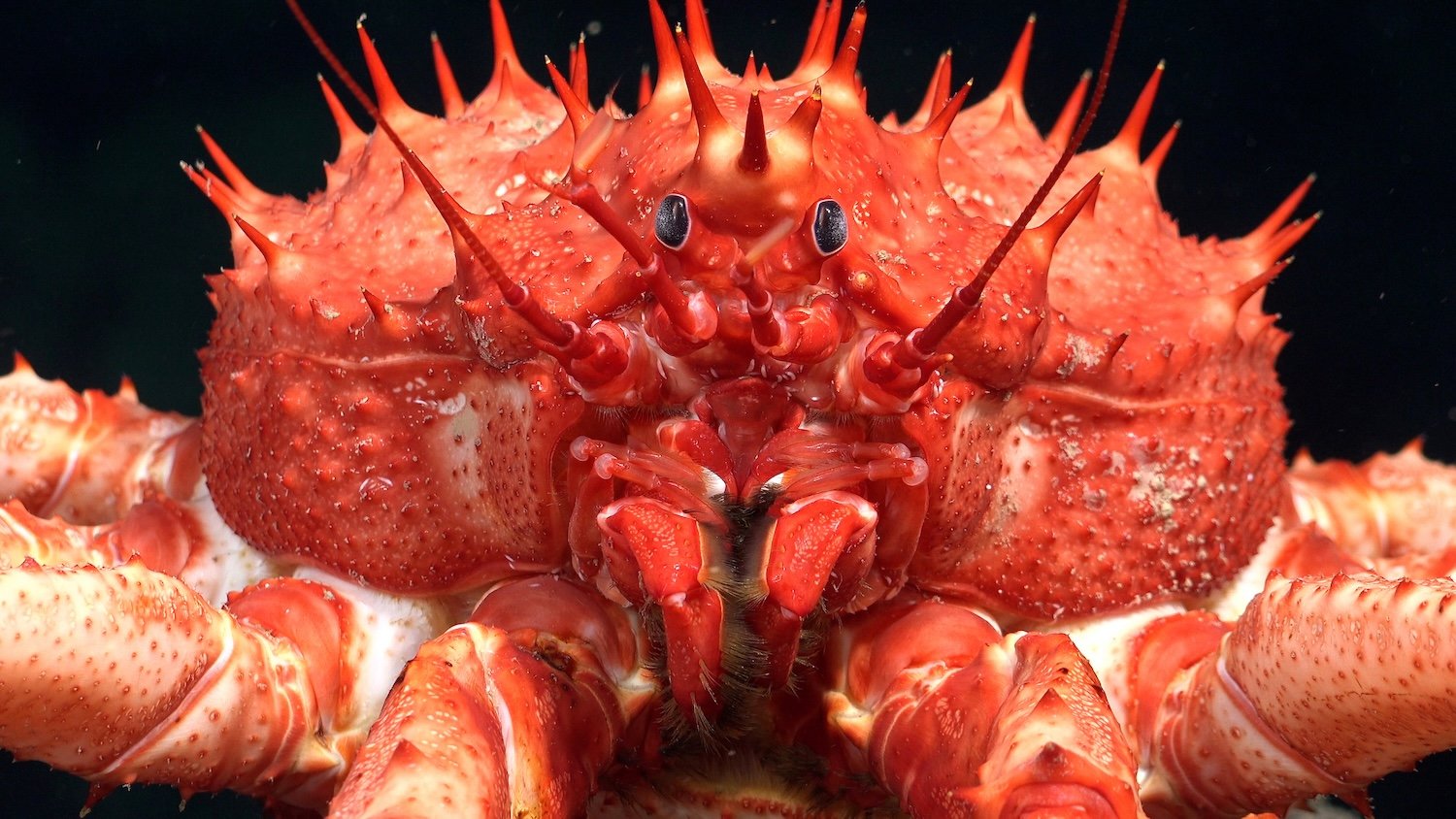
King crab
A king crab (Lithodes genus) crawls across the seafloor at a depth of 1,083 meters. Top predators in deep-sea environments, researchers documented these crabs while searching for bubble streams associated with unexplored cold seeps. Credit: ROV SuBastian / Schmidt Ocean Institute
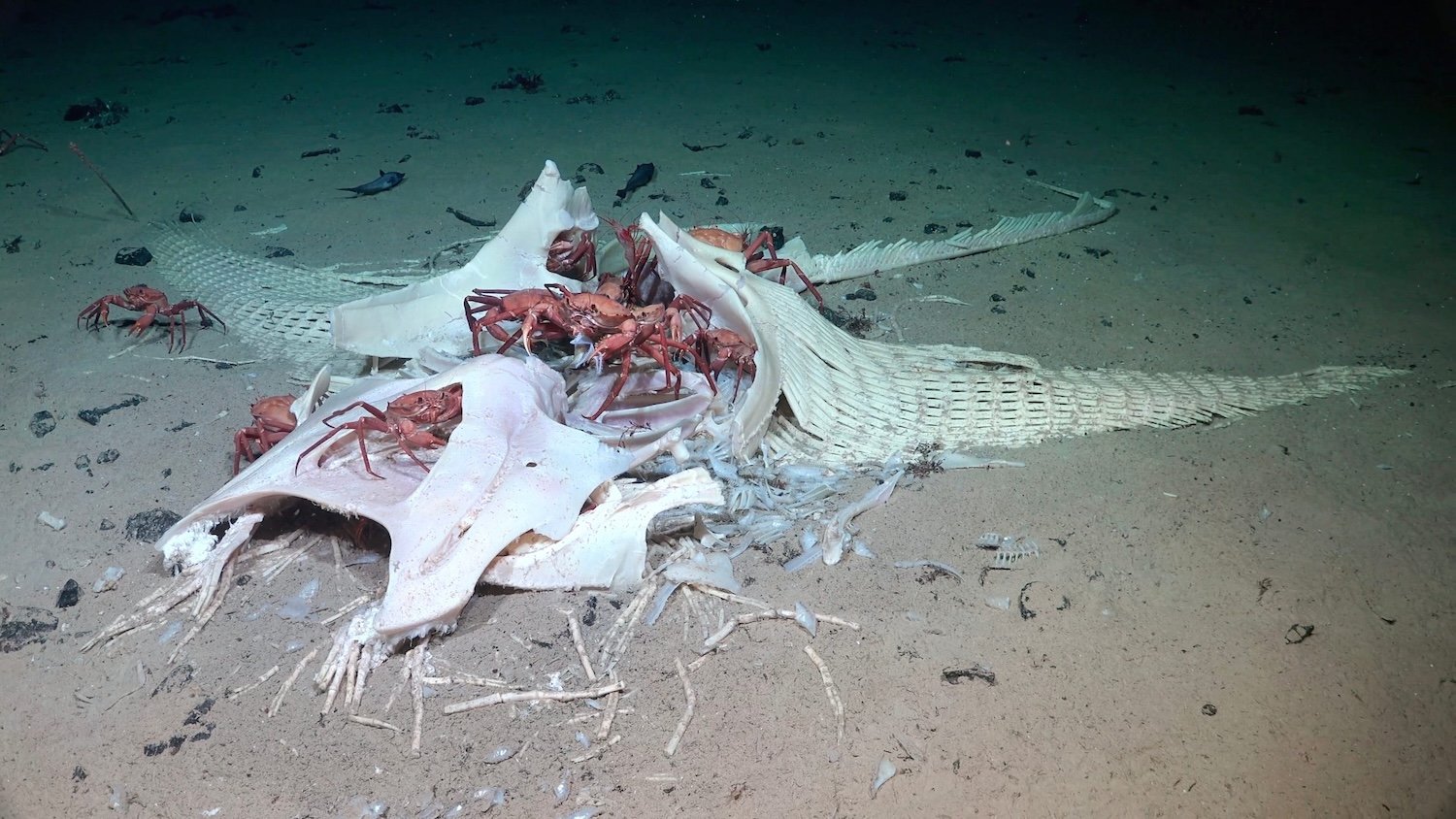
Rare manta ray fall
The science team encountered this rare manta ray (Mobula) fall at 1,025 meters depth off the coast of Trinidad and Tobago. When animals die in the ocean, their bodies often sink to the seafloor, creating a rich food buffet that feeds hundreds of deep-sea species in an often food-scarce environment. Credit: ROV SuBastian / Schmidt Ocean Institute
Eelpout
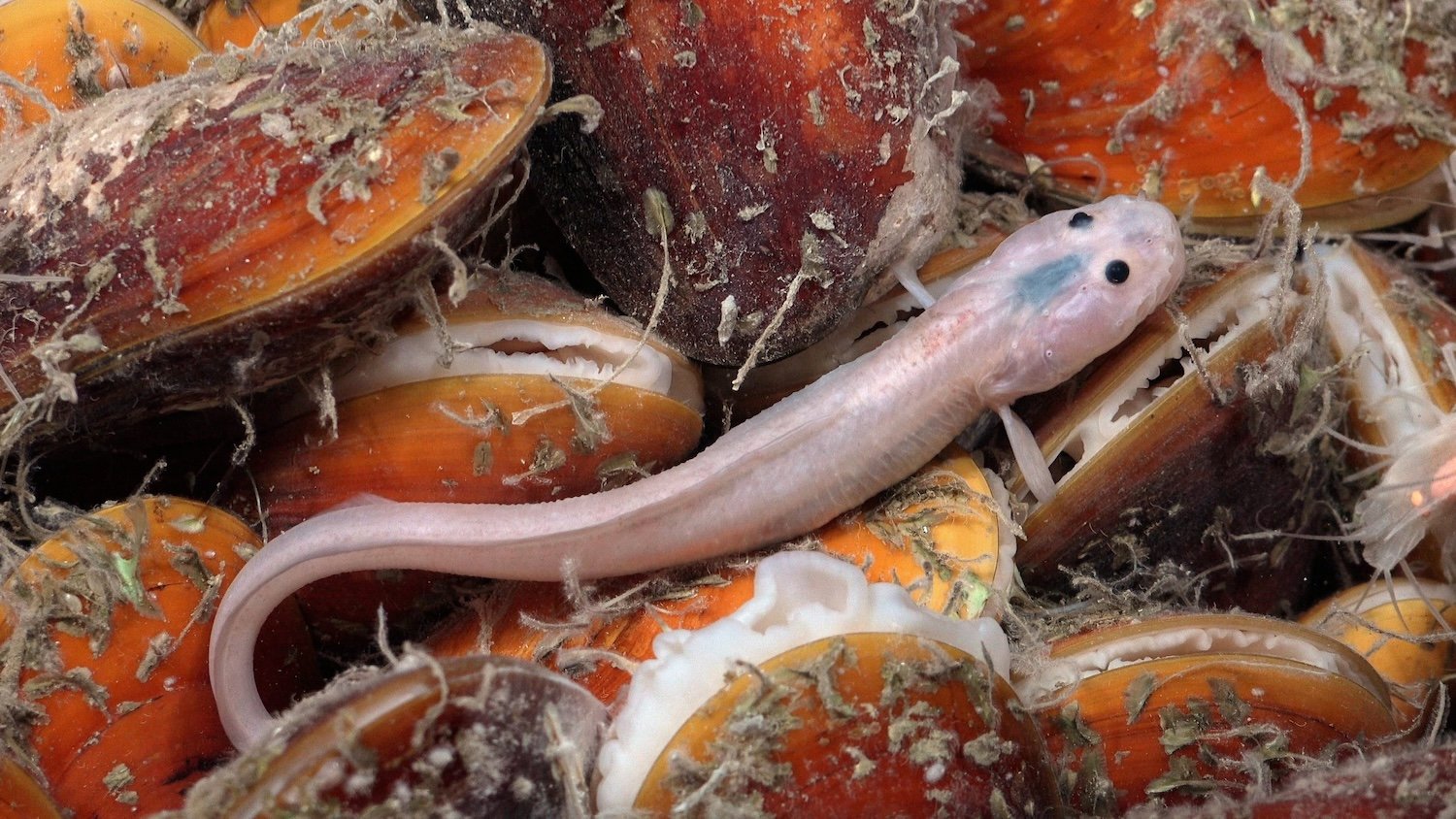
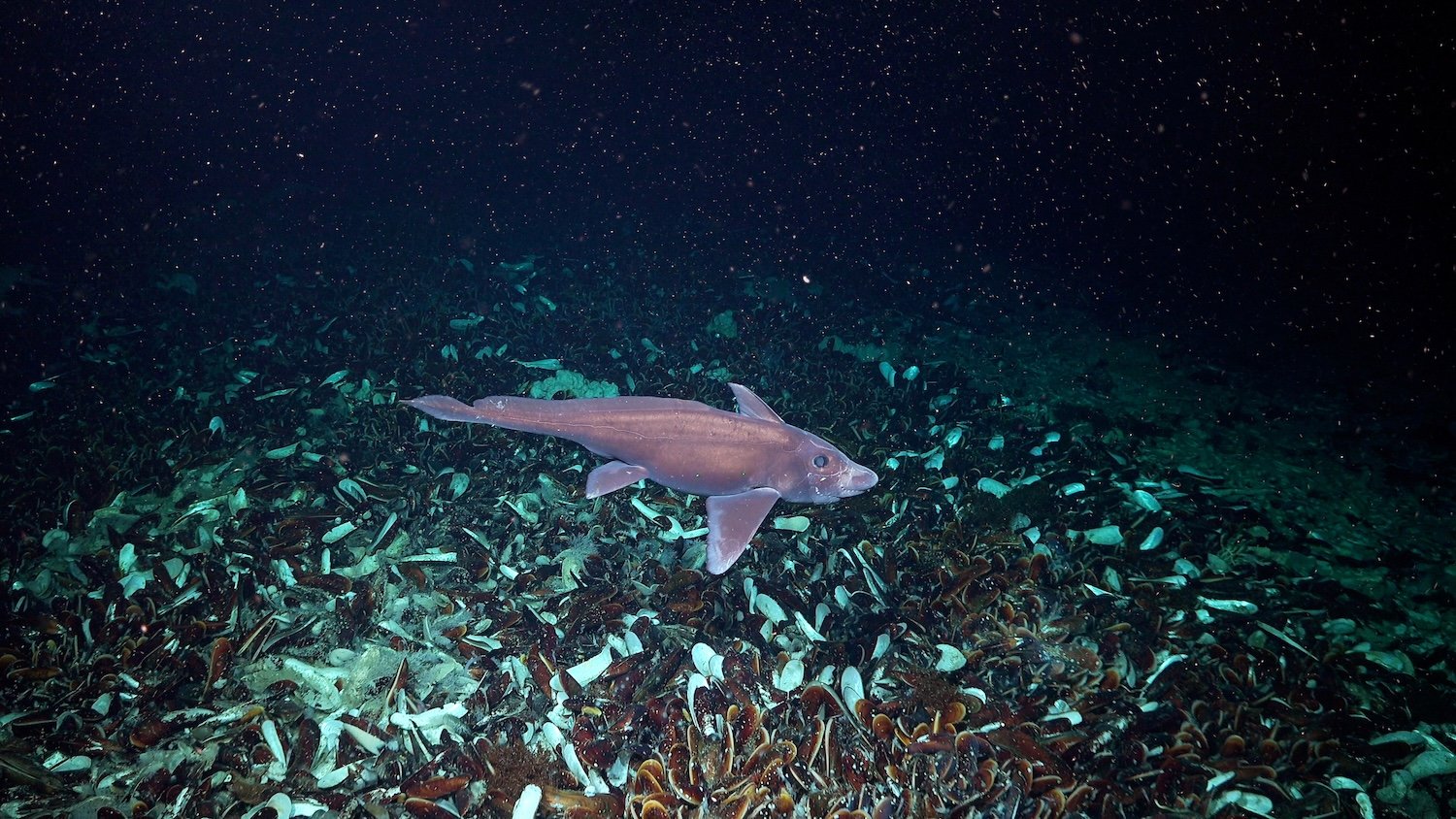
An eelpout (Pachycara caribbaeum) lies on a bed of chemosynthetic mussels (Gigantidas childressi) off the coast of Trinidad and Tobago. Ninety-three percent of Trinidad and Tobago lies below recreational scuba depths, placing its largest ecosystems in the mesophotic zone (between 30 and 199 meters) and the deep ocean. The geological setting of the two islands is ideal for supporting chemosynthetic habitats. Credit: ROV SuBastian / Schmidt Ocean Institute
Squat lobster
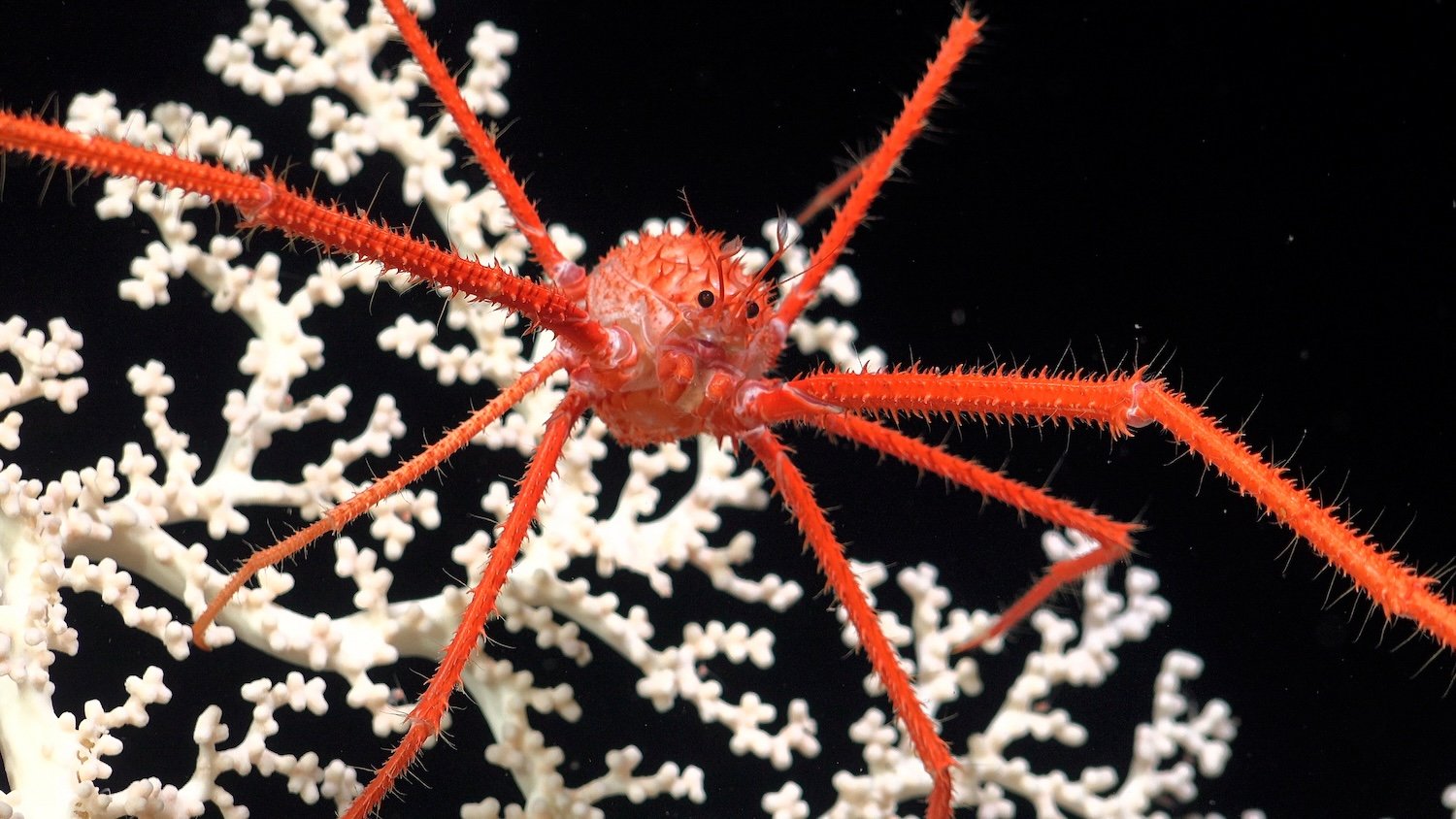
A cold-water coral recorded at a depth of 1,055 meters (3,461 feet) provides habitat for marine life on the seafloor. While warm-water coral reefs at shallow recreational depths are widely known, deep-sea cold-water corals are far more abundant yet remain understudied. These complex ecosystems support diverse marine species, including squat lobsters, as pictured here. Credit: ROV SuBastian / Schmidt Ocean Institute
Mushroom coral
A mushroom coral rests on the seafloor at a depth of 1,277 meters off Trinidad and Tobago. Less than 0.001% of the island nation’s deep-ocean territory has been explored due to technological constraints, leaving significant knowledge gaps about deep-water marine life in the region. Credit: ROV SuBastian / Schmidt Ocean Institute
Black swallower fish
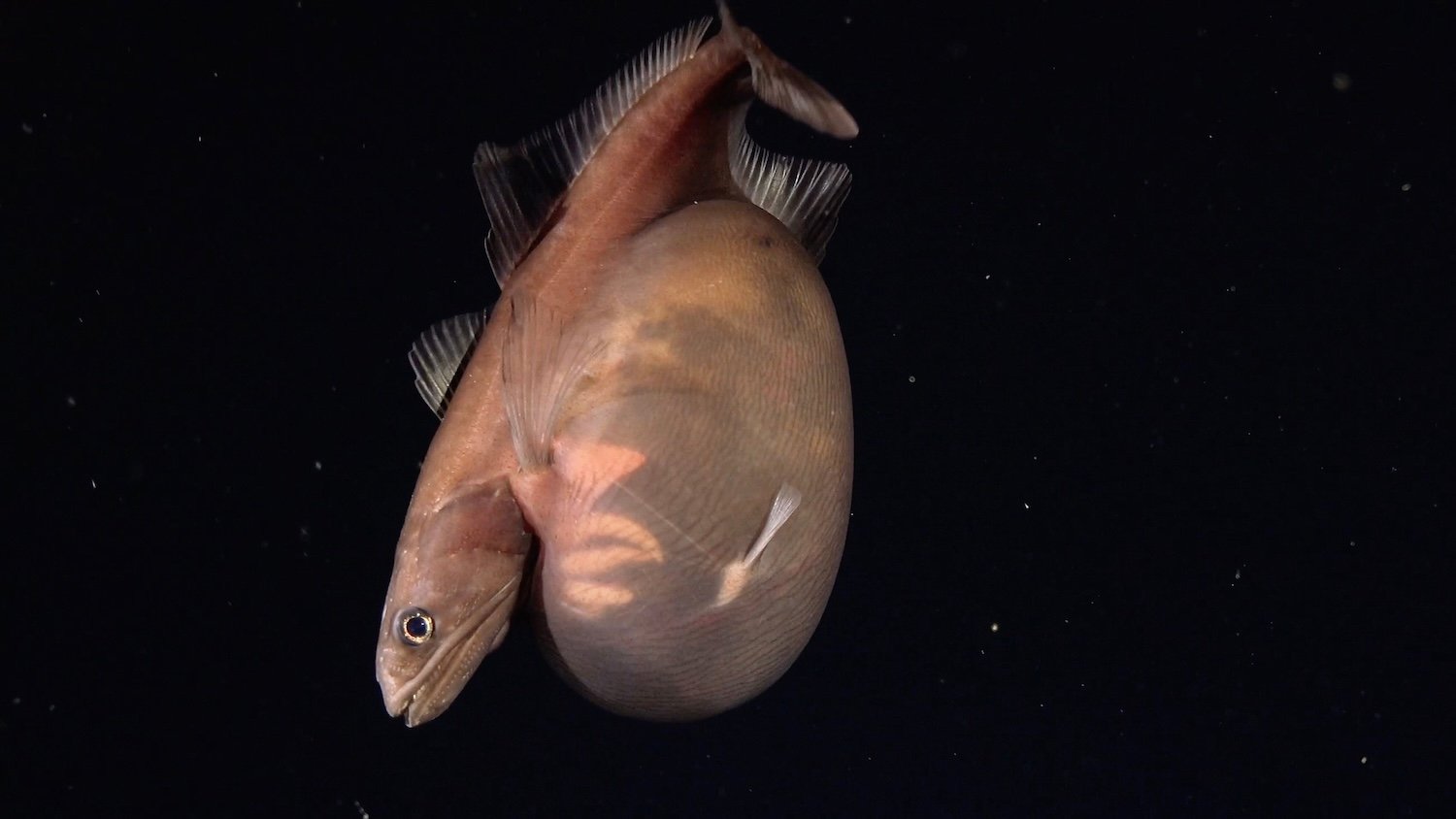
A black swallower fish (Chiasmodon niger) swims at a depth of 1,259 meters during a remotely operated vehicle dive off Trinidad and Tobago. Known for their expandable stomachs and dislocating jaws, these rare deep-sea fish can swallow prey larger than themselves. This specimen’s translucent belly reveals a recent meal. A research team led by marine biologist Diva Amon conducted the first comprehensive deep-water survey of the nation’s ocean territory, where more than 93% of the waters lie below recreational diving depths. Credit: ROV SuBastian / Schmidt Ocean Institute
Lizard fish
Scientists observed this lizardfish at a depth of 148 meters while exploring a slope off the coast of Trinidad and Tobago in a UNESCO Biosphere Reserve. Credit: ROV SuBastian / Schmidt Ocean Institute
Ghost shark
A chimaera, or ghost shark, swims near a cold seep at a depth of 2,355 meters. Scientists discovered 25 cold seeps during the recent deep-sea expedition. Unlike sunlight-dependent ecosystems, marine life near these seafloor fissures relies on chemosynthetic energy generated by gas escaping from the Earth’s surface. Credit: ROV SuBastian / Schmidt Ocean Institute
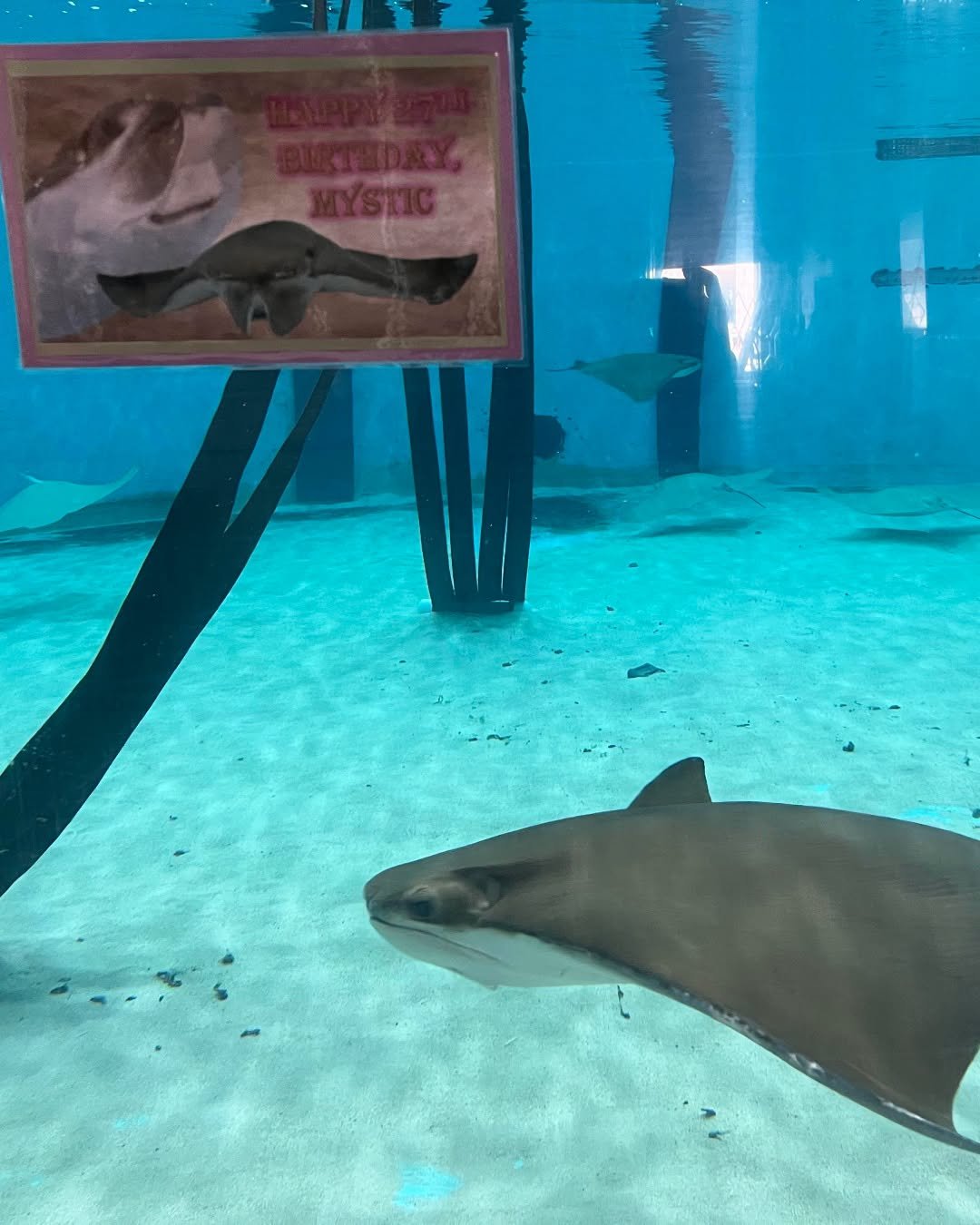
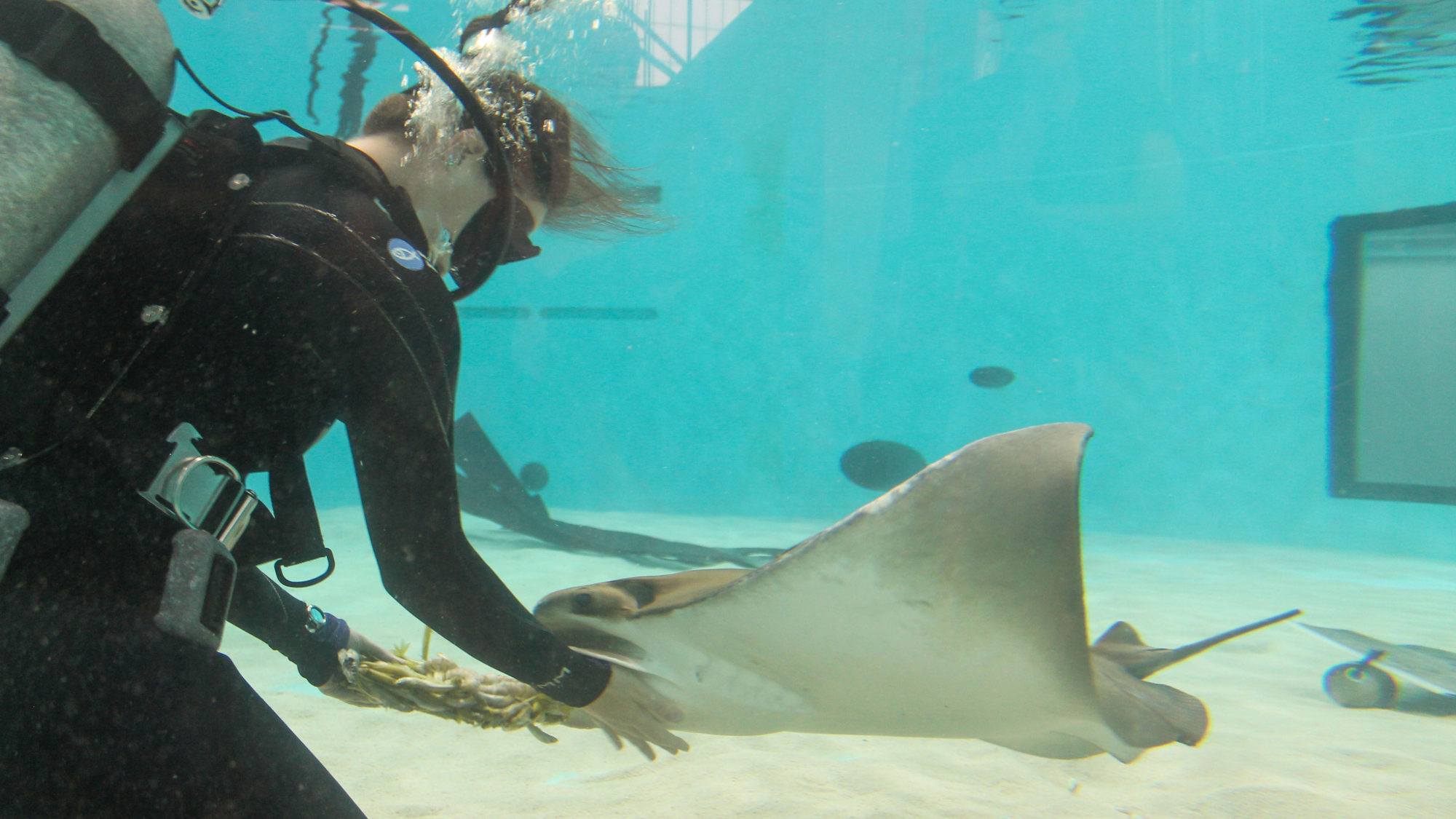
The New England Aquarium has cause to celebrate. Their cownose ray (Rhinoptera bonasus) Mystic officially turned 27-years-old. The birthday girl’s milestone is even more exceptional in light of the fact that cownose rays in the ocean typically live around 18 to 20 years.
“With excellent care, these animals can live even longer. We aren’t sure what the upper age limit for this species is, but Mystic could be considered one of the oldest individuals in public aquariums,” Rachel Moote, manager of husbandry at the New England Aquarium, tells Popular Science. “Our dedicated veterinary and aquarist staff work to keep Mystic in excellent health. She is monitored regularly by our teams and receives hands-on exams whenever a closer look is required.”
Mystic swimming by her birthday sign. Image: New England Aquarium.
Cownose rays are migratory, open-ocean animals related to other rays. Their unique name comes from their snout, which looks a bit like a cow’s nose, and their wingspan can be up to three feet long. Cownose rays have a venomous spine behind their dorsal fins, but the species is shy. In fact, a majority of ray-caused injuries in humans occur when humans unintentionally step on their spines. They are found along the east coast of the United States, and are classified as Vulnerable by the IUCN Red List.
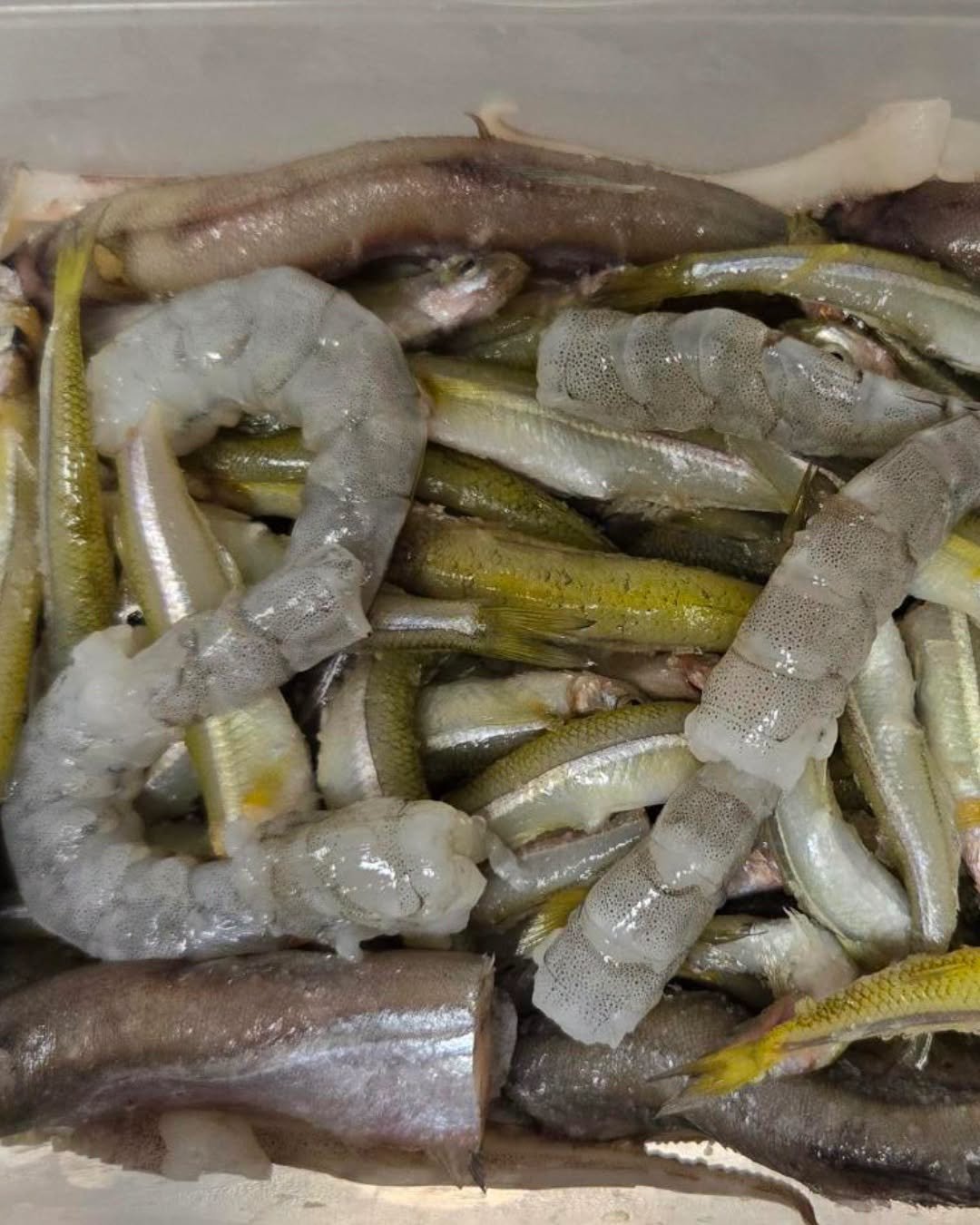
Mystic has lived at the aquarium for almost two decades. Following a long career in the Giant Ocean Tank, she’s currently taking a “much-deserved retirement,” at the aquarium’s Quincy Animal Care Center. Her care team in Quincy includes aquarists, volunteers, and interns. She is hand-fed a diverse diet of fish, clams, and shellfish similar to what her diet in the wild would be, and also takes vitamin supplements. For her birthday, she received a fish and shrimp cake.
Mystic’s “birthday cake” was fit for a ray. Image: New England Aquarium.
However, her care goes beyond making sure she eats appropriately.
“Our team works hard to ensure Mystic can practice her natural foraging and problem solving abilities. One way we keep her mentally stimulated is by providing her with specially prepared rubber puzzle balls filled with her regular food items,” explains Moote. Every week, aquarists also dive into Mystic’s tank to clean the habitat.
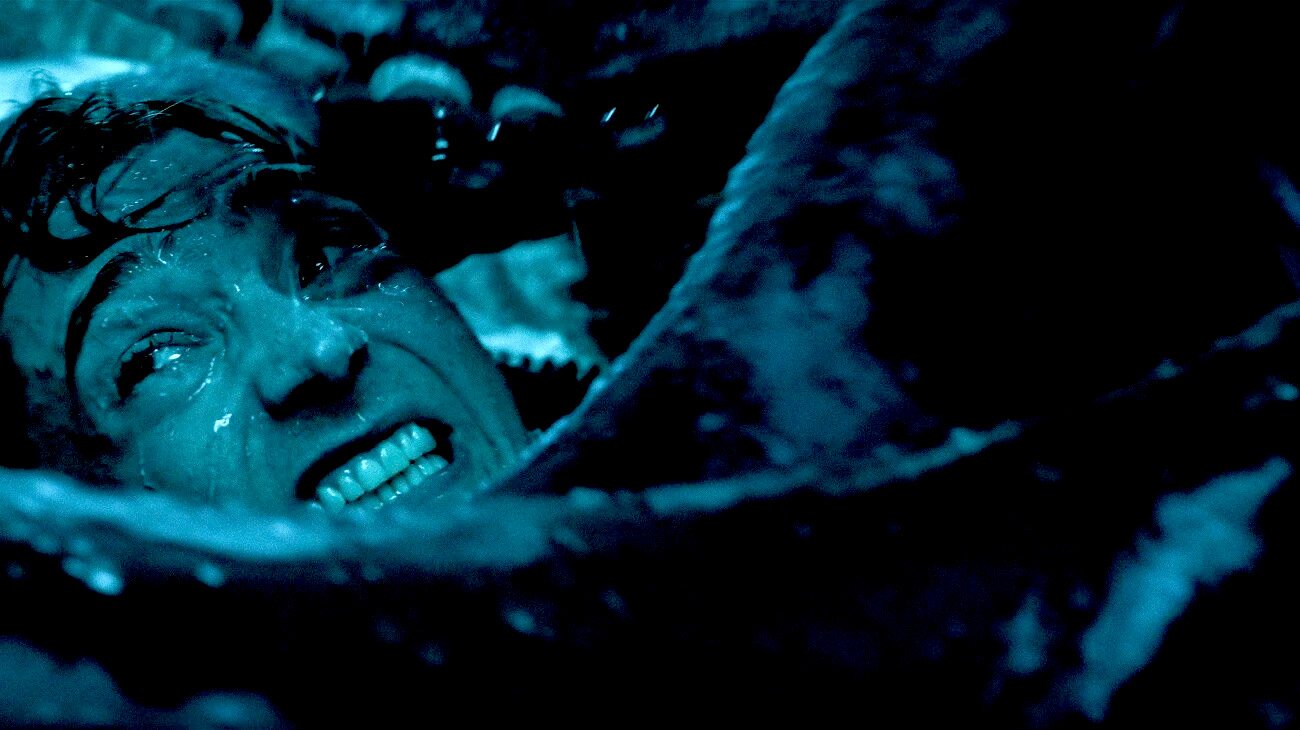
Imagine this: A giant sperm whale (Physeter macrocephalus) has just swallowed you whole.
It might seem like a bizarre scenario to envision, but you’d hardly be the first. In the Bible’s Book of Jonah, the belly of a whale is the setting for the prophet Jonah’s three days of repentance and prayer. In the 1940 Disney film Pinocchio, Geppetto manages to rig up a cozy living space inside the stomach of Monstro the sperm whale, complete with amenities including a small fire and a fishing setup for seafood that drifts in. Even his pet goldfish, Cleo, is swimming inside the microcosm of her highly ironic fishbowl.
Surviving inside of a giant sea creature has become a classic “fish tale” of human resilience and redemption. In the latest reimagining of this theme, the upcoming movie Whalefall, a scuba diver is swallowed by a sperm whale and has exactly one hour to escape before his oxygen runs out.
But for all our fascination with extended whale-squatting, one fact remains: it has never actually happened. The few close calls with whale ingestion have involved humpback whales, a species physically incapable of swallowing a person. In all cases, the whale spat the person up as quickly as you might cough up a bug that flew into your mouth.
“I wouldn’t call that swallowed,” Shane Gero, a whale biologist and Lead Biologist at Project CETI, tells Popular Science. “I would call that a mistake by both the mammals involved.”
So, if it’s never actually happened, is it even possible?
A highly unlikely accident
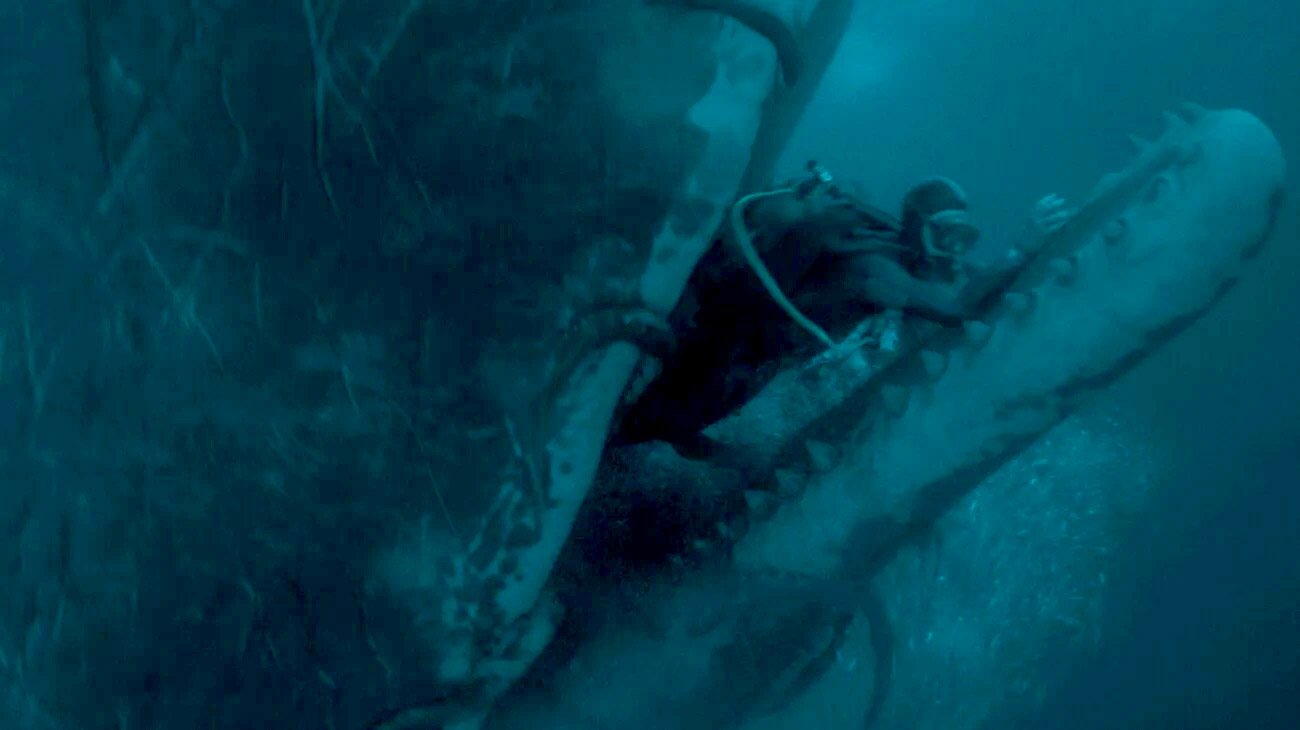
Whalefall is the film adaptation of a 2023 novel of the same name by Pulitzer Prize winning author Daniel Kraus, and arrives in theaters on October 16.Protagonist Jay Gardiner is on a diving expedition to find the remains of his late father, a mariner who died at sea. Suddenly, Jay is swallowed by a giant sperm whale, with only an hour of oxygen remaining in his scuba tank. To try and survive, Jay deploys a series of highly resourceful, increasingly MacGyver-esque maneuvers, including using the beak of a squid to cut through the whale’s stomach lining, and navigating his climb up into the whale’s throat using the glow of a jellyfish.
The ordeal is an adrenaline-fueled adventure for Jay, but could any of it ever happen? Gero, who has studied sperm whales for over 20 years, thinks it’s highly improbable, starting with the swallowing part.
“To my knowledge, no one has ever been eaten by a sperm whale,” he says.
Gero hypothesizes that after some generous suspension of disbelief about sperm whales’ feeding habits and anatomy, there could be a situation where “the largest sperm whale ever” could accidentally ingest a human.
“I think anatomically, maybe you could shove a slender human down the throat of a very large, male sperm whale,” he says. “Would it happen? Very unlikely. Certainly not with scuba gear and a scuba tank making the human that much bigger.”
Yet Gero, who has read the novel, praised the book’s meticulous efforts to make the science line up, including its explanation for why a sperm whale would be anywhere near a scuba diver. Sperm whales usually feed at about 3,000-feet-deep at the bottom of the ocean, an area not typically occupied by scuba divers. The book reconciles this by having a giant squid (Architeuthis dux) struggling at the surface to escape being eaten by the sperm whale. When the whale comes to the surface to eat the squid, the squid latches onto Jay, who is then pulled into the whale’s mouth. But even after accepting this explanation, Gero notes that sperm whales use echolocation, which would likely distinguish a human as unusual prey, not a potentially tasty morsel.
“Eating a human by accident seems very unlikely, but it makes for a really exciting story,” Gero says.
The odds of surviving inside a whale
If a person somehow managed to survive entering the mouth of a sperm whale without drowning from the propulsive rush of water, Gero says that their luck would worsen almost immediately.
“More than likely, the human drowns the second they get smashed into the mouth of the whale, whether they were drawn in by a squid or accidentally brought into the mouth of a whale,” he says. “My guess is the person dies the second they enter the mouth.”
Gero raises another interesting possibility. Sperm whales usually prey on boneless squid, so consuming a scuba-outfitted human could be a choking hazard, and could choke to death.
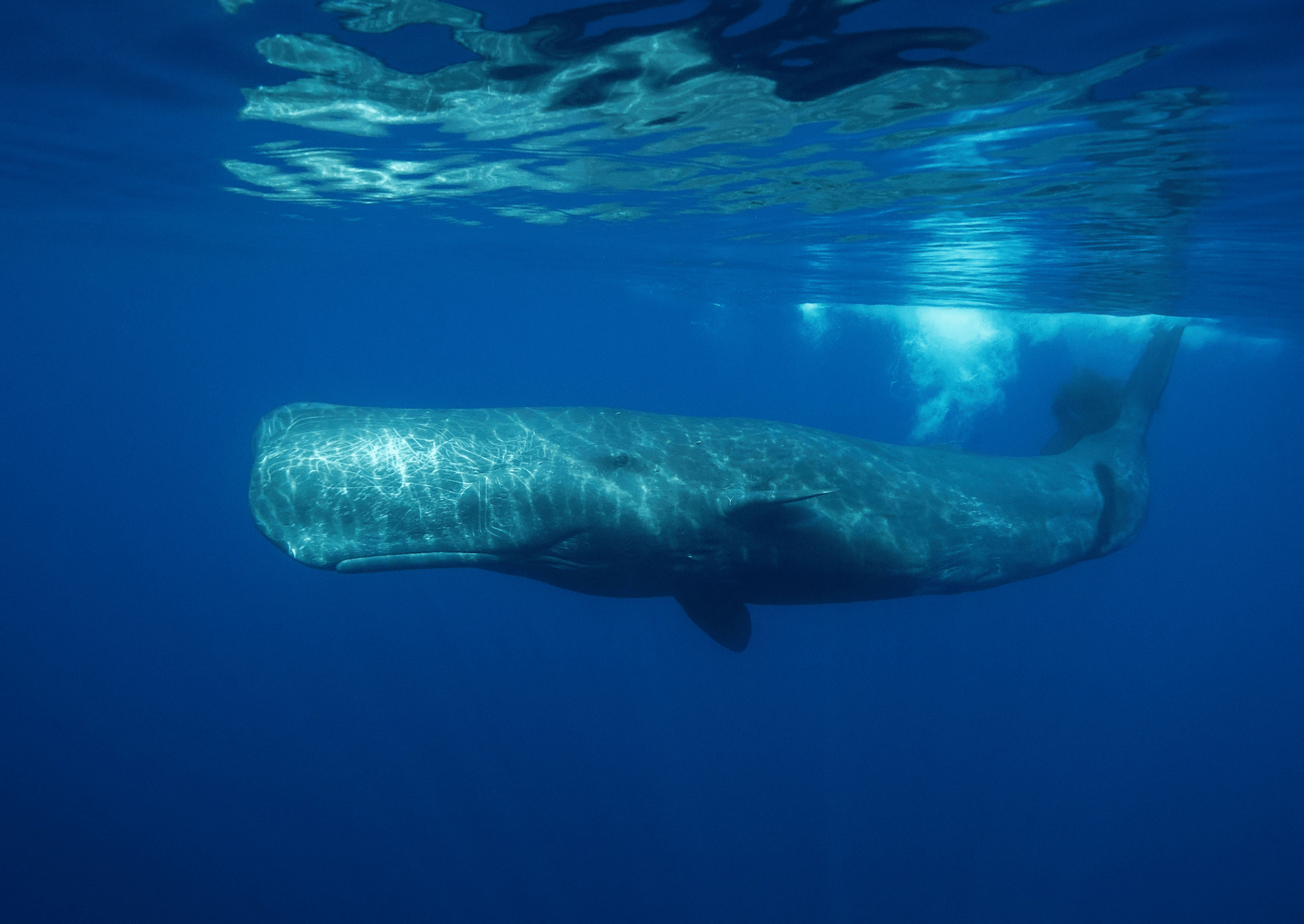
Male sperm whale swimming at the surface, Pelagos Sanctuary, Mediterranean Sea, Italy. Image: by wildestanimal via Getty Images.
This would certainly make for a shorter movie, but Gero notes that the whale’s body could also have a more lively response to an unwanted foreign object in its mouth.
“When I swallow something that I shouldn’t have, it’s like a non-controllable response — your body just starts moving its mouth and coughing,” Gero says. “In that sort of movement, or freakout, it probably is going to do a lot of physical damage to the human.”
Although Gero acknowledges that he is not a whale anatomist, he still believes that it would be highly unlikely for any living creature to make it into the stomach of a sperm whale, let alone set up camp there.
“There are acids and gases,” he says. “The digestive tract of any mammal is not meant to be a livable place for any prey that ends up there.”
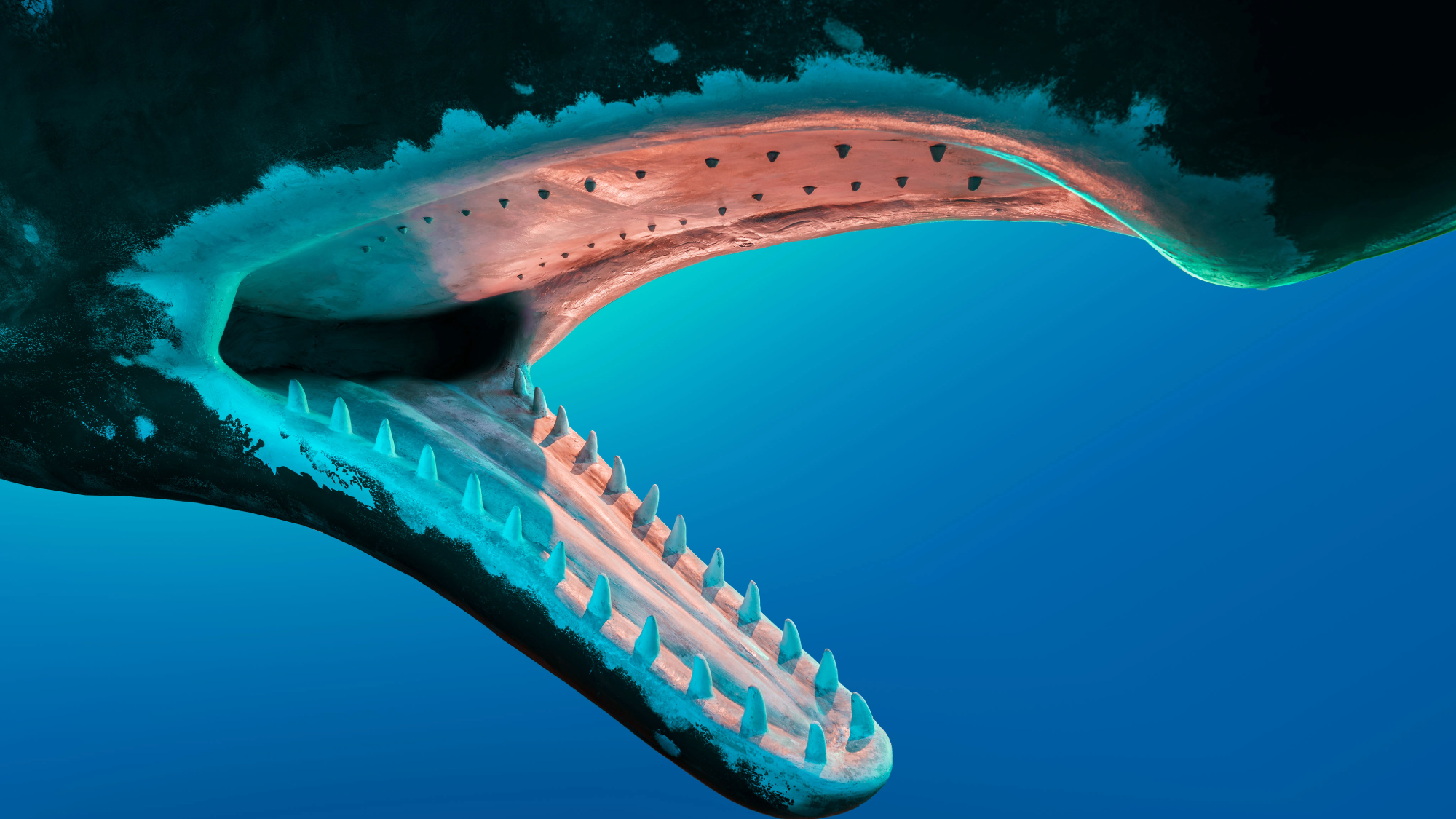
Dr. Joy Reidenberg, a comparative anatomist at the Icahn School of Medicine at Mount Sinai in New York City who consulted on the anatomy for both the Whalefall book and film, explains that a sperm whale’s stomach is divided into four chambers. These chambers are a vestige from their early days as a land-based, plant-eating mammal about 50 million years ago. The first chamber is lined with thick, muscular tissue. It’s responsible for mashing up food, since sperm whales’ teeth, found only on the lower jaw, are too pointed to chew.
If Jay needed something solid to grab onto and pull himself toward the whale’s throat, Reidenberg tells Popular Science he wouldn’t find much. It would mostly be “wet, slimy, squishy walls,” with “no hooks, no handles.” The one exception is the whale’s voice box, or larynx, which sticks up like a rigid pipe.
“If he gets his arm around that, he can pull himself out,” she explains.
Even in that situation, Reidenberg says, few people would live to tell this phenomenal tale.
“Most people, unless they have protection and air, couldn’t survive this situation. Also, a sperm whale would probably never swallow a person.”
Meet your actual nightmare
While the fictitious scenario of a massive sperm whale swallowing a human relies as much on poetic license as it does grounded science, could any other land or sea animal engulf an entire human being?
Horrifyingly, yes. The reticulated python (Malayopython reticulatus), which is the world’s longest snake species and can measure as much as 26-feet-long, has been known to take in an entire human. According to a 2025 study tracking python-related deaths in Indonesia, 17 people were preyed upon by reticulated pythons between 1927 and 2025. Astonishingly, four of these people survived, although it’s unlikely they spent any quality time inside the snake. In several of the fatal cases, the humans were swallowed whole.
Gero notes that a green anaconda (Eunectes murinus) might also be up to the task, since they can swallow animals as large as deer. Even then, this prey is already dead when it’s consumed.
“Anacondas famously wrap around and crush their prey,” Gero says. “The body is limp by the time it goes down.”
Gero also makes one key distinction about sperm whales: they have absolutely no interest in preying on humans, intentionally or otherwise. In fact, humans have spent centuries slaughtering whales for oil, an uneasy relationship that may be part of why they loom so large in our storytelling.
“If those stories exist from the whaling days, they’re more a lesson to future whalers than they are based in reality,” he says. “I’ve never seen any kind of aggression from a sperm whale. These are gentle giants of the deep.”
Gero hopes movies like Whalefall will spark genuine curiosity about the intelligent, peaceful animals behind the myth. He and the team at Project CETI are working to decipher how sperm whales communicate with each other. In the meantime, you can visit listen.projectceti.org to record what you’d say to a sperm whale, if you ever had a chance.
This story is part of Popular Science’s Ask Us Anything series, where we answer your most outlandish, mind-burning questions, from the ordinary to the off-the-wall. Have something you’ve always wanted to know? Ask us.
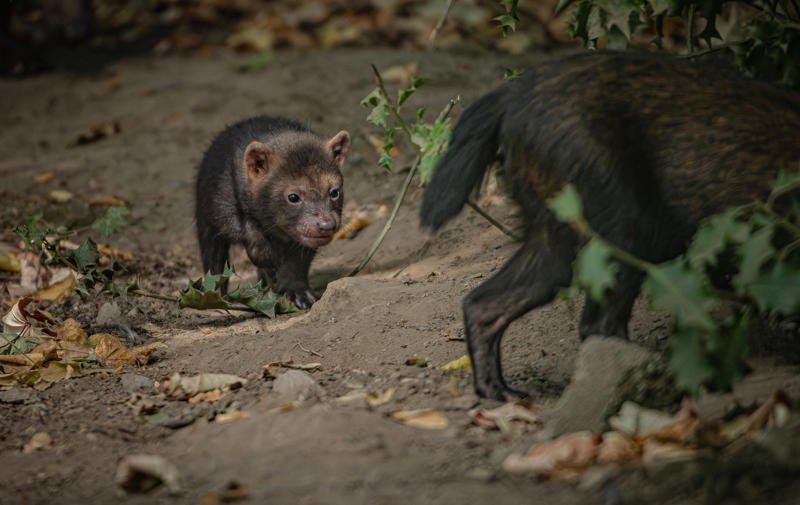
Five pups were recently born at England’s Chester Zoo, far from their homeland. But these bush dogs (Speothos venaticus) are on a mission—they’re part of a conservation breeding program protecting the future of their species.
Bush dogs are medium-sized carnivores from Central and South America, known for their chirpy sounds. The IUCN Red List classifies them as Near Threatened. While that might indicate that they don’t need major conservation efforts as much the way that other wild animals, their last evaluation was only in 2011.
Mark Brayshaw, head of mammals at Chester Zoo, tells Popular Science that a lot has changed in the past 15 years, “with the impacts of climate change, habitat loss and inter-species disease transfer growing more evident,” he explains. “It’s a sad truth that by the time a species is listed as Endangered or Critically Endangered, they will be facing a genetic bottleneck, which heightens the risk of extinction by making the survivors more susceptible to disease and other threats.”
European zoos are now working to make sure that doesn’t happen by caring for a bush dog “insurance population,” which includes the ones at Chester Zoo. Their numbers in the wild are declining, and the breeding program is basically a backup in case the species’ population might need a genetic health boost one day.
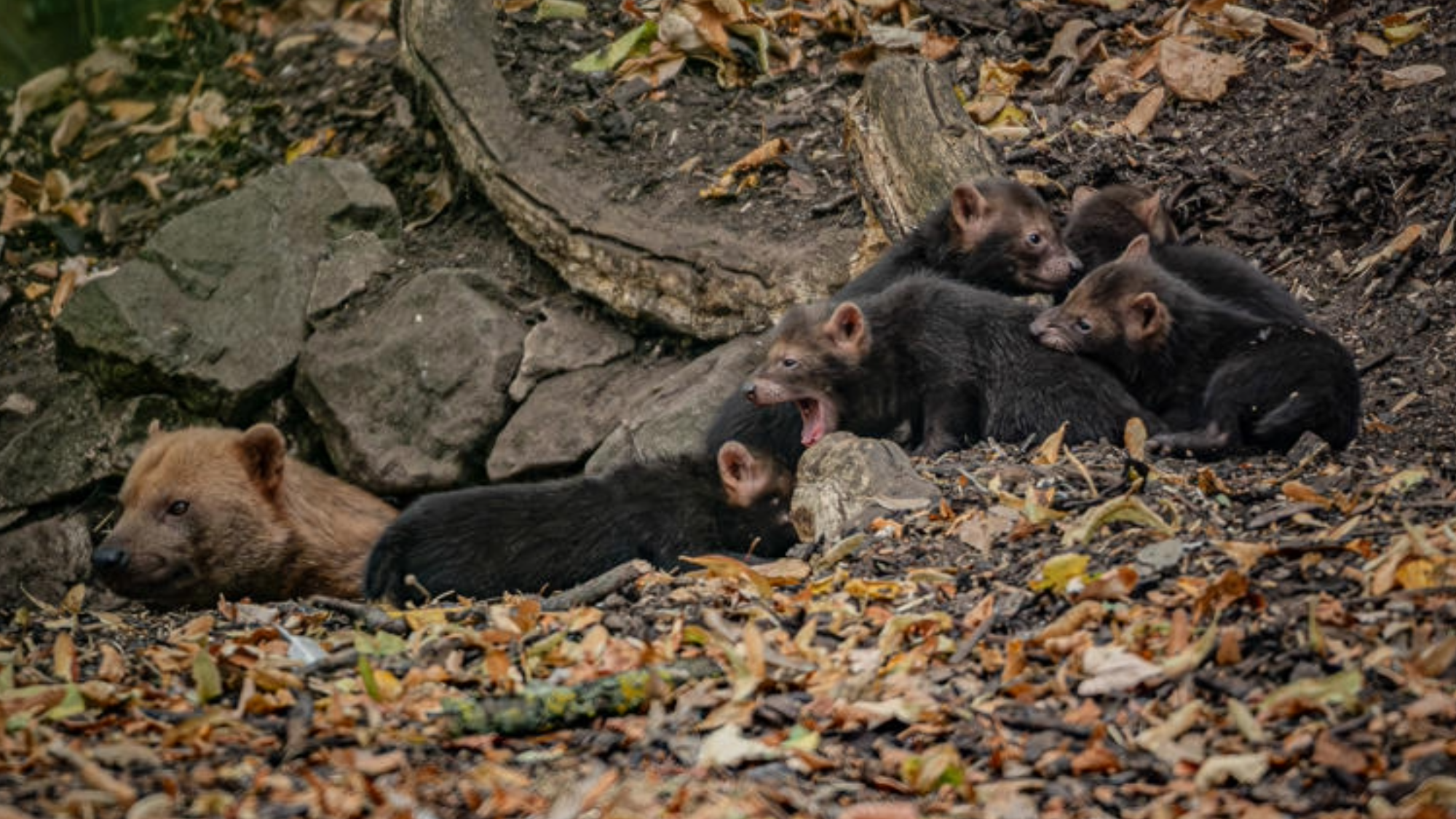
The zoo’s new born litter only recently emerged from their den, and have started investigating their habitat with their parents and older siblings. “At this stage, they’re just little furry potatoes,” Chester Zoo carnivore keeper Richard Tyson said in a statement. “They toddle around a bit, but mostly they huddle together in a pile.” They will also start eating solid food soon.
The bush dogs began to emerge from their den earlier this summer. Image: Chester Zoo. Steve Rawlins
When they were first born, the keepers left the bush dog parents Molly and Charlie alone with their new offspring, so they didn’t immediately know exactly how many pups had popped out. An early clue that all was good in the den was the pups’ vocalizations. Bush dog pups emit high-pitched chirping noises that sound a lot like birds.
Bush dogs are “a wonderfully active, engaging species to watch,” says Brayshaw. “Every individual has a different personality. They are loved by the keeper team and by the public, and the new pups are already proving popular with visitors.”
Little do the young chirpers know that they have a higher calling than simply entertainment for less-hairy visitors.
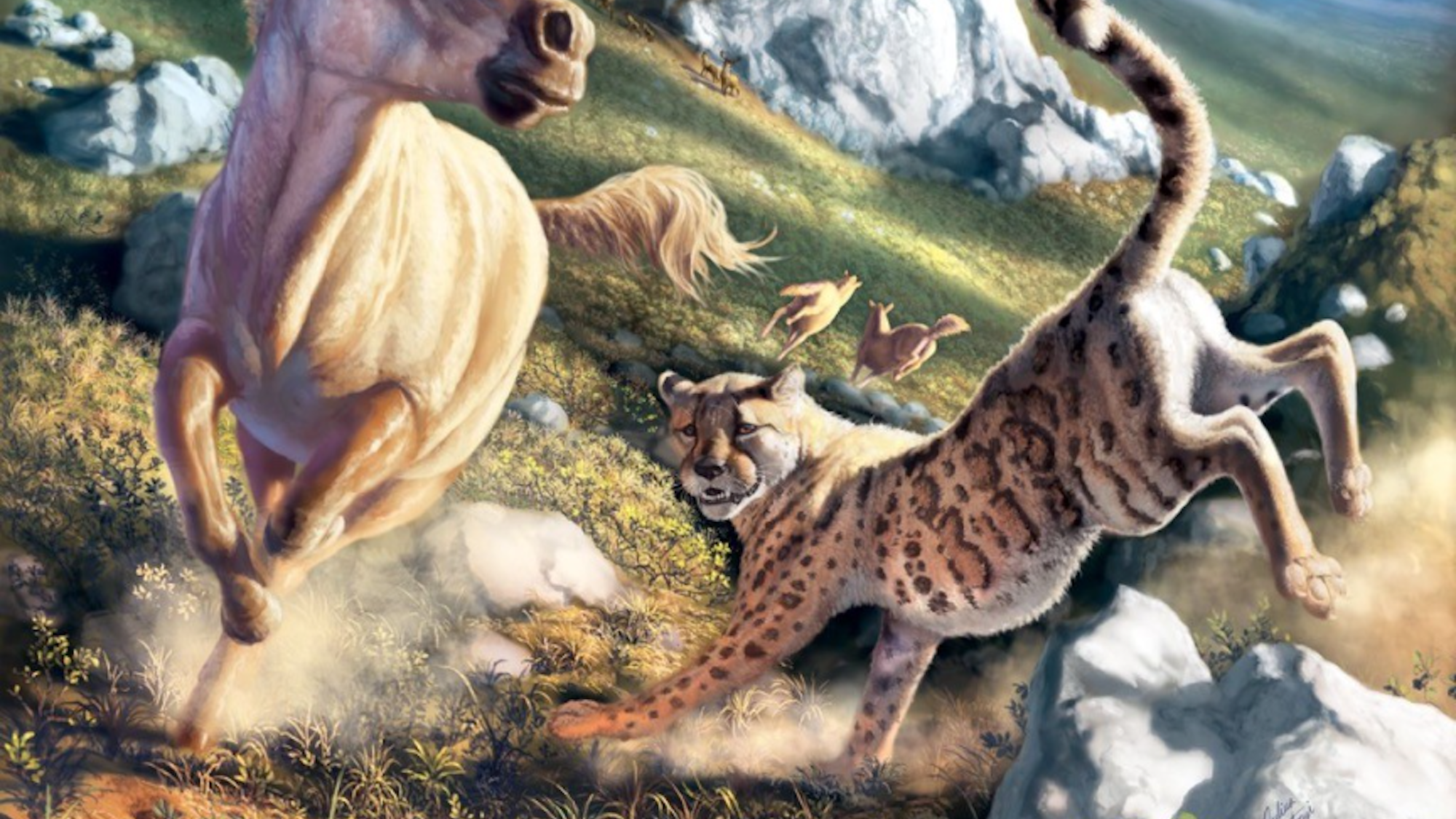
The American cheetah (Miracinonyx trumani) stalked North America’s Pleistocene grasslands for nearly 2.5 million years, but new evidence suggests they likely didn’t resemble their present-day African namesake. After comparing M. trumani DNA to nine other feline species ranging from house cats to lions, it now appears that the ancient predator’s closest relative is an entirely different big cat. What’s more, M. trumani often roamed much farther north than researchers once assumed.
“It’s really surprising and exciting to identify another predator present in Beringia,” Molly Cassatt-Johnstone, an evolutionary biologist at the University of California, Santa Cruz (UCSC), said in a statement.
Berinigia is the ancient stretch of land that once connected northeastern Asia to northwestern North America. While submerged in the Pacific Ocean today, its exposure during the Pleistocene allowed megafauna like the woolly mammoth and other large animals to migrate between continents.
Cassatt-Johnstone and her colleagues presented their findings in a study published today in the journal Current Biology. Their evidence is based on four of the most complete sets of M. trumani DNA found to date. Paleontologists previously discovered one of the specimens in Wyoming, but the other three come from Canada’s Yukon territory. While the latter samples were previously believed to belong to a completely different big cat species, the UCSC team successfully proved that they were actually also American cheetahs. This means M. trumani often lived as much as 20 degrees of latitude farther north than experts thought.
M. trumani fossils exhibit long forelimbs, large nasal cavities, and a slender body, which led paleontologists to theorize the predators resembled the present-day cheetah. The presence of big cat remains near pronghorns (aka the American antelope) further suggested M. trumani chased down fast prey. However, the discovery of American cheetahs so far north into Canada complicates this image—pronghorns didn’t live in the Yukon.
So what did these M. trumani eat? An analysis of the Yukon fossils’ carbon and nitrogen levels revealed the big cats subsisted on a diet almost entirely of fish, while the Wyoming predators mainly ate herbivores. The team also identified two genes in M. trumani tied to circadian rhythm that were nonfunctional. This allowed the animals to handle the extended periods of daylight and darkness experienced in northern latitudes, and perhaps even made them nocturnal.
As for their closest relatives, it now appears that M. trumani was much more similar to today’s pumas, since the two species share a common ancestry about 2.6 million years ago. By comparison, the closest shared relative between M. trumani and cheetahs is 4.7 million years ago. Taken altogether, the latest findings highlight a big cat that was highly adaptable to its environment, as well as regional climates and available prey.
“It’s very hard to imagine a prehistoric species we’ve never seen without comparing it to something we know,” said Cassatt-Johnstone. “But this approach can limit our understanding of ancient animals’ complexity, unique evolutionary histories, and behaviors.”
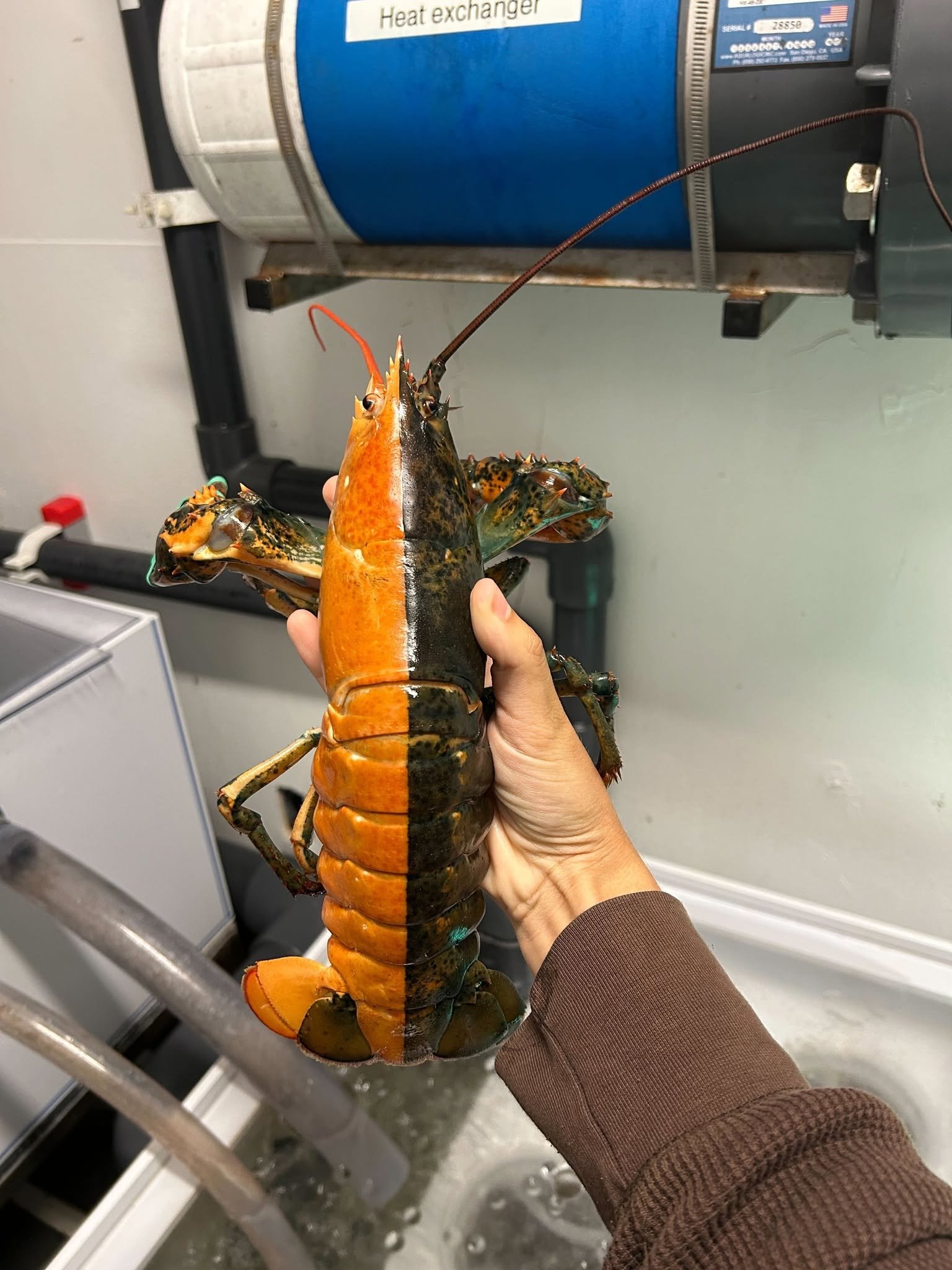
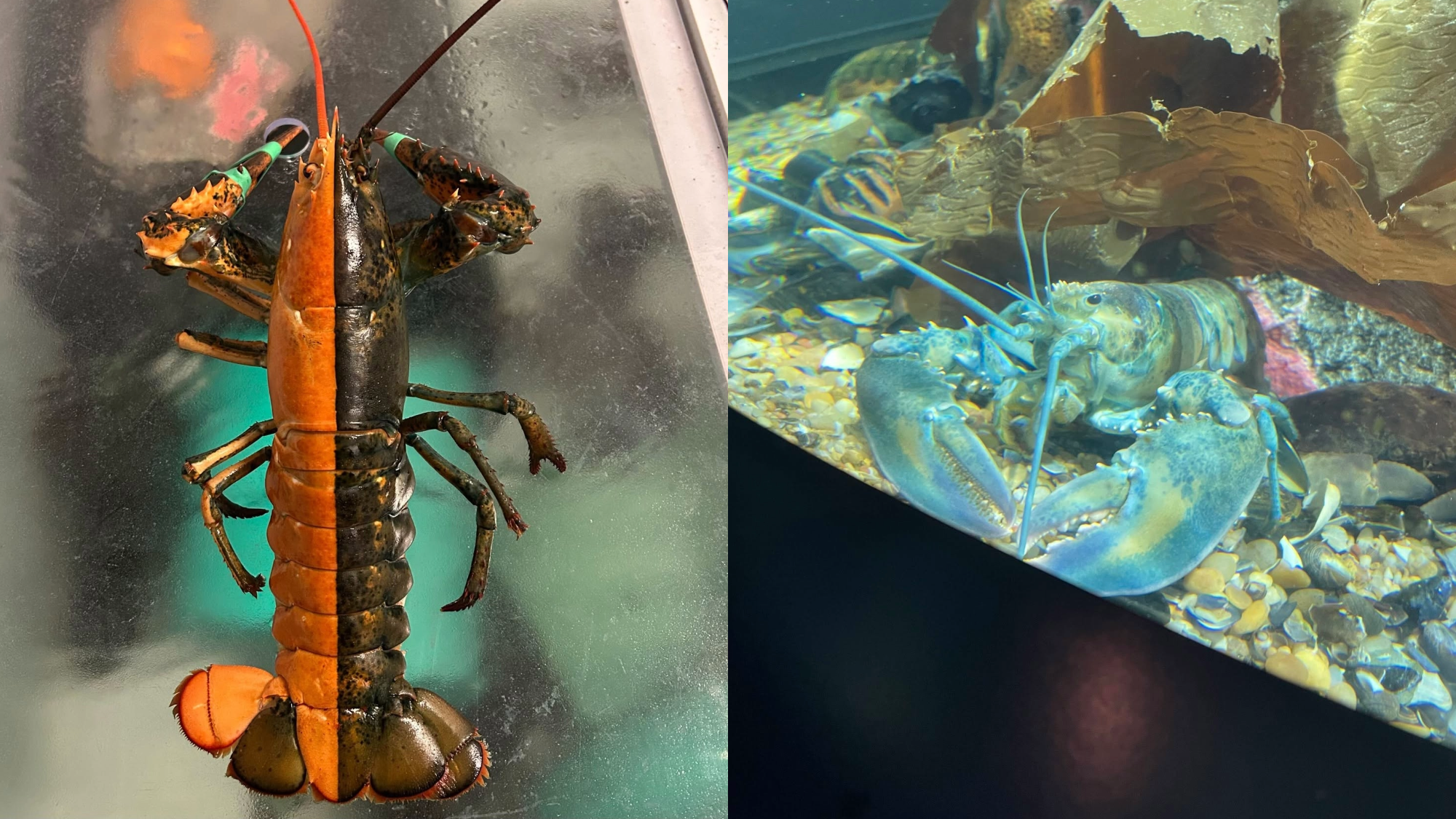
Two unusually colored lobsters have been spared from the dinner plate and are living at the Gulf of Maine Research Institute (GMRI) in Portland, and will be educating students in the process. Ethel is a split-colored lobster, with a very autumnal orange and black hue, while Gertrude is a breathtaking blue.
Shawn McEwen at Sea Salt Lobster Wholesale in nearby Saco, Maine contacted the team at the research center to see if they were interested in taking Ethel the two-toned lobster.
“He told us ‘We move a lot of lobsters and in my career this is top 3,’” Sam Fuss, an educator with GMRI’s LabVenture program, tells Popular Science.
Ethel’s two-tone look is a genetic mutation. Image: Gulf of Maine Research Institute.
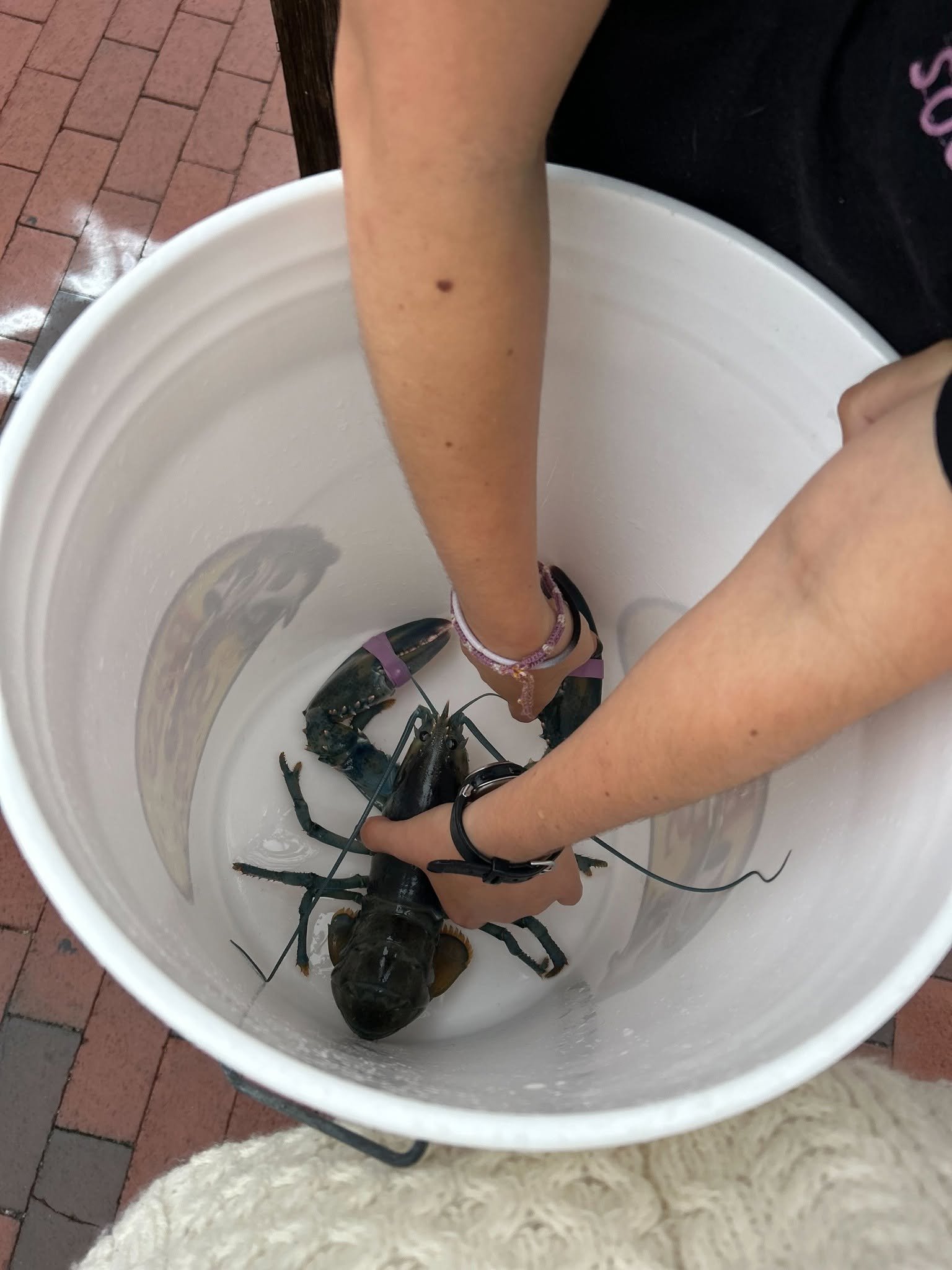
To find Gertrude the blue a new home, the staff at the nearby Portland Lobster Company reached out to GMRI. And it could not have been easier for the team to pick up the new colorful crustacean.
“We coordinated a time, walked over to their restaurant with a bucket, and then walked her right back to our tank,” says Fuss.
Gertrude the blue on the way to her new home. Image: Gulf of Maine Research Institute.
GMRI works with many of Maine’s lobster fishers and has a network who will reach out about interesting catches like Ethel and Gertrude.
“Previously, in our tank, we have had blue lobsters, orange lobsters, calico lobsters, and other split-color lobsters,” says Fuss.
Why some lobsters are so colorful
In the wild, American or Maine lobsters (Homarus americanus) typically have a greenish-brown color. This helps them blend in better with the rocky seafloor. Lobsters have several layers of a pigment called astaxanthin. This pigment appears as layers of red, yellow, and blue. When all of those color layers are stacked up, they give lobsters a mottled blotch pattern of oranges, reds, blues, pinks, purples, yellows, and browns.
But some lobsters end up more colorful. Rare genetic mutations can alter the amount of pigment or how they interact with one another, producing striking shell colors such as blue, half-orange half-black, or even calico patterns. A lobster’s diet can also impact its shell color. For example, individuals that only eat small fish rather than shrimp and crabs get less astaxanthin, which can affect their coloration.
Split-colorization like we seen on Ethel occurs when two fertilized, unlaid eggs contact each other. One of the eggs then absorbs the other, creating a lobster that has two sets of genetic information. They also can store color pigments differently on either side of its shell.
The chance of finding a blue lobster like this Gertrude is about 1 in 2 million, while the odds are 1 in 50 million to find a split-colored lobster like Ethel. As for the other colors, the chance of finding a red lobster is 1 in 10 million, and 1 in 100 million for an albino or cotton candy lobster.
Crustaceans tackling climate change
Now that they are at GMRI, Gertrude, Ethel, and the institute’s other fish and crustaceans will be on display for fifth and sixth grade students from across the state who visit during the LabVenture field trip. Since the program began in 2005, LabVenture has provided a hands-on lab to over 170,000 Maine middle school students free of charge.
“The display tank that Gertrude and Ethel are living in is always a highlight of the field trip for our students,” Zoë Kennedy, LabVenture’s Lead Educator, tells Popular Science. “Many of them have spent most of their lives living right next to the Gulf of Maine but being able to see what the ecosystem looks like beneath the water brings a whole new perspective and sense of wonder.”
A landmark 2015 study found that the Gulf of Maine is warming faster than 99 percent of the ocean due to climate change. While the water has been cooling off a bit since 2021, a report published by NOAA in July 2026 found that the environment in the Gulf of Maine remains unstable. According to the GMRI LabVenture team, building more climate-ready communities, a strong waterfront workforce, and a blue economy in the face of this upheaval all starts with education.
“Our LabVenture program builds that foundation early by teaching students to interpret real, authentic climate data, while sparking the curiosity that drives them to keep asking questions about the world around them,” says Kennedy.
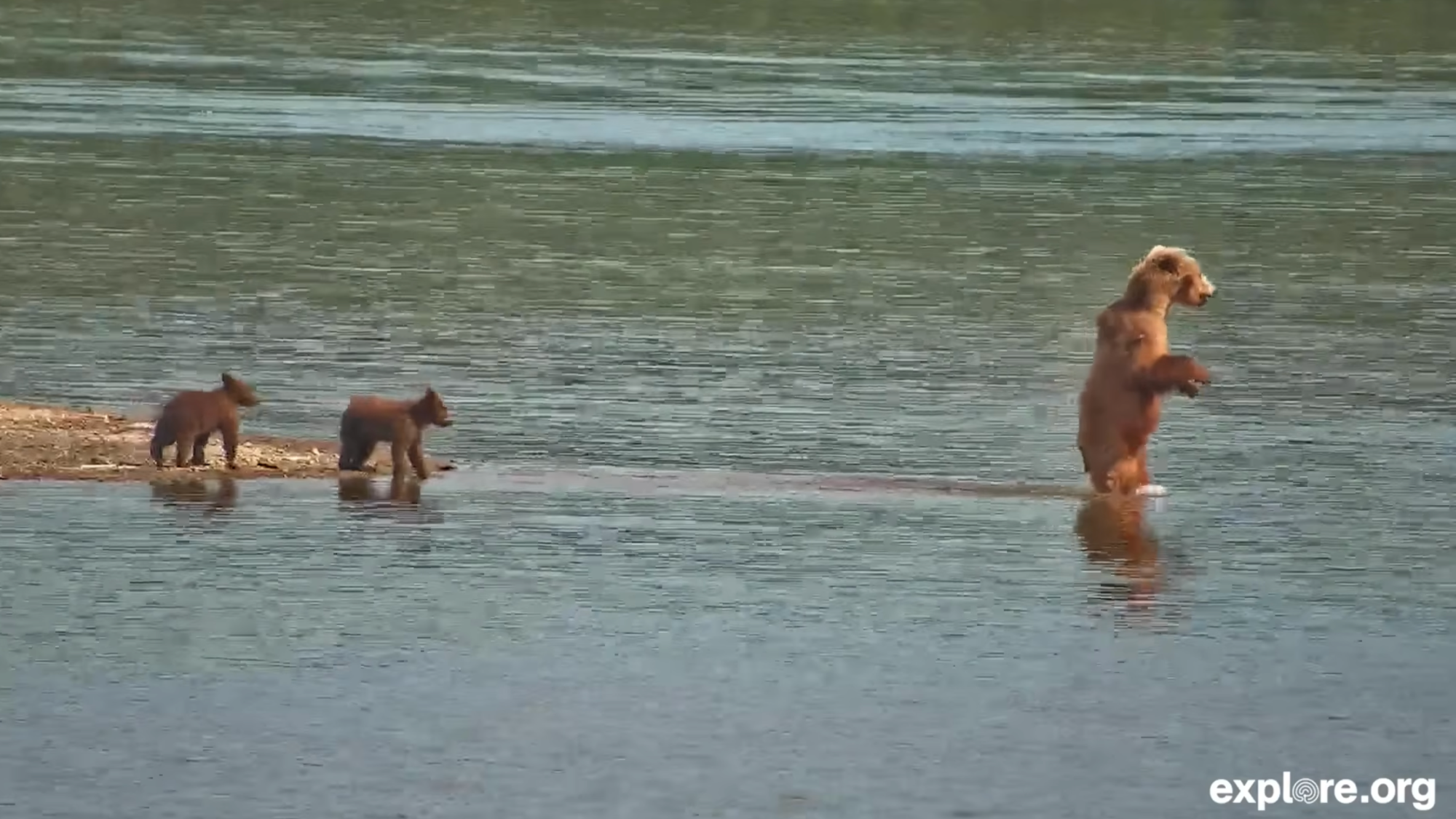
Electra is part of a well-established bear lineage in Katmai. She was born in 2008 to Bear #708 (Amelia), who was likely born to Bear #468 (Reggie). Rangers first spotted her in 2011 as a subadult. She has had at least three litters of cubs, in 2016, 2020, and 2026, respectively. Bears #901 and #384 are two of her adult offspring who have been seen in the park. This year, she had two spring cubs who have been spotted with her multiple times over the summer.
According to Katmai and explore.org naturalist Mike Fitz, one way that bear culture is similar to human culture is that their knowledge is passed down. Mother bears teach their cubs skills, and the offspring primarily learn by doing instead of through inherited instincts. Mother bears like Electra will teach their cubs about safe places to build dens, where and when to find food, and how to get it.
Fishing techniques can also be specific to each individual bear. Adult male Bear #164 (aka Bucky Dent) is known for standing at the deepest plunge pool under the cascade of Brooks Falls, where he can catch the salmon that wells up from the pool below, jump up, or come down from the falls above. Electra’s mother Amelia used to stand and walk out into the water when she was fishing, and Electra and one of her adult offspring (Bear # 901) fish the same way.
Physically, Electra is a medium-sized adult, and has a dark blond or medium-brown coat in July. By the fall, her coat typically becomes more uniformly brown. She also has a prominent shoulder hump and a tapered muzzle.
Electra made her Fat Bear Week debut in 2023, where she lost to ace-fisher bear Bucky Dent. Fat Bear Week 2026 runs from September 22 through September 29.
Australia’s new national agency for environmental protection has approved its first coal project, allowing a Queensland open-cut mine to keep digging until 2055 while clearing threatened woodland and koala habitat.
The confirmation of the extension of the Saraji mine, which digs and exports coal for steel making, comes after the prime minister, Anthony Albanese, denied this week there was tension over Australia’s fossil fuel exports during talks with Pacific leaders.
What began as a routine police response to a reported break-in turned into a brief standoff between nature and technology. Last week, law enforcement in the city of Kirkland, Washington (just northeast of Seattle) responded to a 911 call from a resident reporting loud banging inside their home. Officers arrived expecting a human intruder, but were instead greeted by a more literal cat burglar: a trapped and confused bobcat.
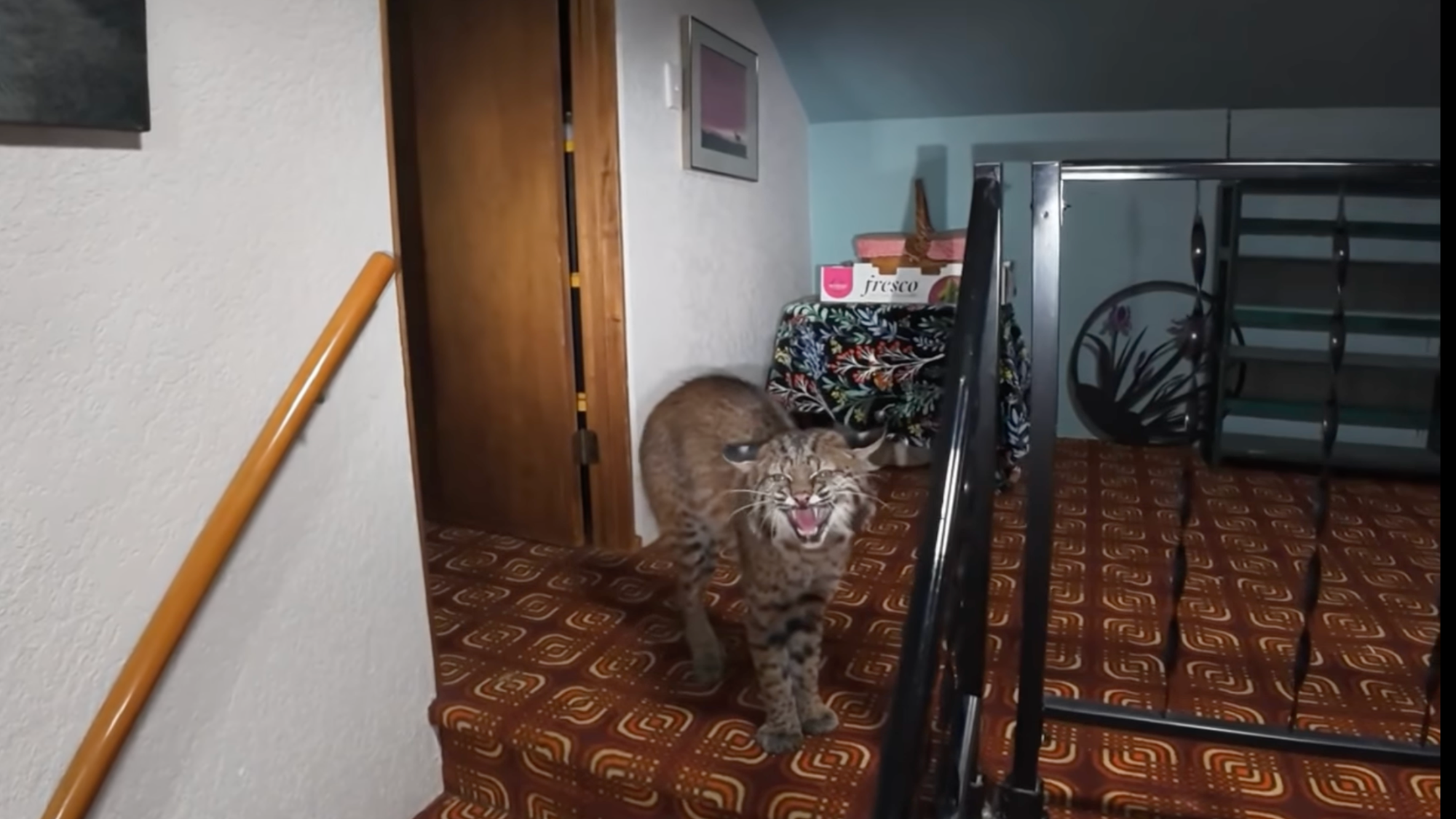
Not wanting to risk a claw to the face, the officers backed out and reassessed the situation. They ultimately decided to deploy a remote-controlled drone into the house, to monitor the feline intruder from a safe distance. Video captured from the drone’s perspective and released on Facebook, shows the frustrated bobcat standing by a staircase, growling and arching its back at the hovering machine. After a brief standoff with the buzzing, metal alien, the bobcat carefully retreated, sidestepping into an adjacent empty room.
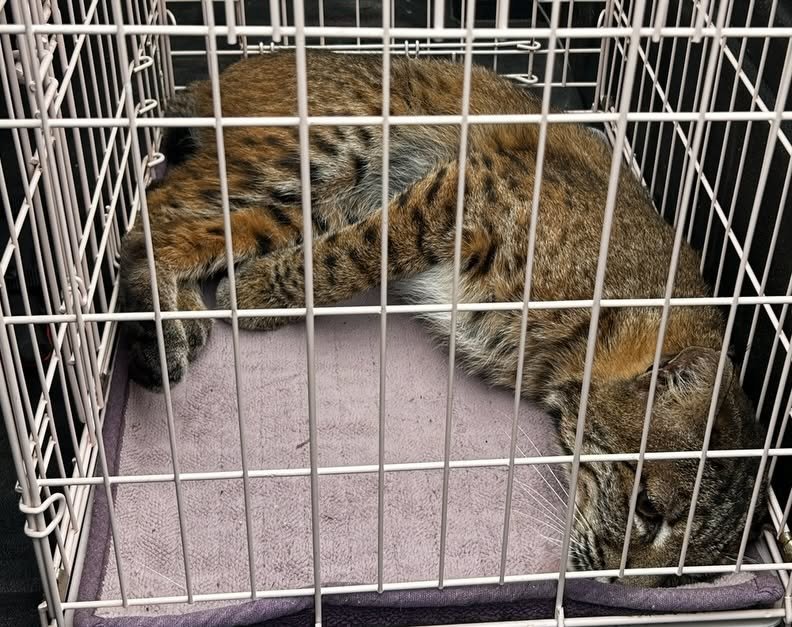
Police were then able to close their door and keep the bobcat isolated until a team from the Washington Department of Fish and Wildlife arrived. Wildlife officials then sedated the cat, loaded it into a crate, and transported it to nearby Forbes Creek. The feline was then released back into the wild, startled but safe. As for how a bobcat ended up in the house in the first place, Kirkland Police believe the adventurous intruder climbed a tree and jumped through an open window, possibly lured in by the resident’s indoor cat. Both the owner and its likely shocked cat were unharmed, according to the police. Thankfully, curiosity didn’t kill this cat.
The Kirkland Police Department did not immediately respond to Popular Science’s request for comment.
The aerial deployment was made possible by a public safety drone program the Kirkland Police began in 2022. Today, they reportedly maintain five drones and have 17 FAA-licensed pilots ready to operate them. The typical use cases for those drones include search and rescue, tactical search, scene documentation, and, apparently, bobcat removal.
The bobcat before its release near Forbes Creek. Image: Kirkland Police Department.
Drones are changing the way police surveil wildlife…and people
Drones and robotic dog-like quadrupeds are reshaping how local communities approach wildlife management. In Japan, authorities deploy a combination of camera-equipped drones and robotic Monster Wolves to locate and deter bears following a record spike in human-bear encounters driven by urban sprawl and declining farmland. In the United States, police in Santa Fe, New Mexico, recently used an aerial drone to track an errant bear wandering near a school. Expanded drone programs are also playing a greater role in locating lost or missing pets. Just last month, firefighters in t Florida used a remotely controlled drone to find an overly adventurous dog trapped in a storm drain.
But this increased prevalence of drones comes with other, more controversial concerns as well. Police forces around the country are ramping up “drones as first responder” programs, which civil liberty critics say could introduce unreasonable surveillance. Law enforcement around the country has already used these drones to monitor political protesters. Meanwhile, Immigration and Customs Enforcement (ICE), is reportedly interested in using Boston Dynamics’ quadruped robot “Spot” to aid in immigration operations. Private security companies like Flock and Axon are also investing heavily in aerial surveillance drones.
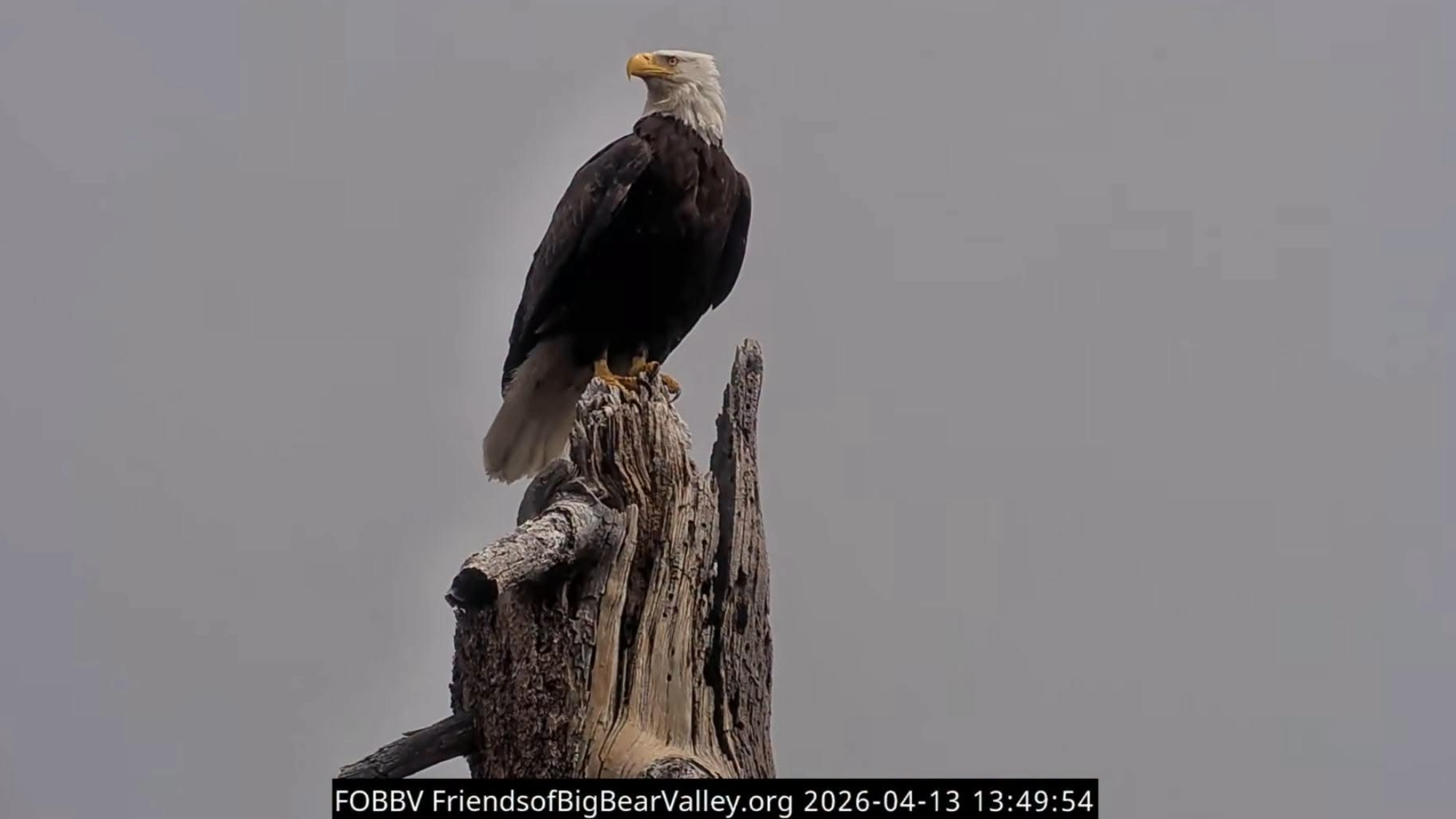
Following an outpouring of support for Jackie, a famous bald eagle mother watched by millions, the California State Senate passed Senate Resolution 140. The bipartisan measure honors Jackie and proclaims that Friday September 4, 2026 is California Wildlife Day to honor her memory and celebrate the Golden State’s biodiversity.
The resolution was introduced by State Senator Tony Strickland (R-Huntington Beach) and is sponsored by KFI AM 640 in Los Angeles. It recognizes the eagle’s role in connecting people with wildlife conservation, while highlighting the state’s biodiversity.
“Jackie captured the hearts of people in California and around the world, giving so many of us a front-row seat to the beauty, strength, and resilience of wildlife,” Senator Strickland said in a press release. “Her story reminds us that wildfire conservation brings people together. As we celebrate America’s 250th birthday this year and reflect on the values that unite us, it is especially meaningful to honor the Bald Eagle and Jackie’s incredible legacy here in California.”
Amy King, the host of “Wake Up Call” on KFI AM640 in Los Angeles, said it was clear how many humans connected with these eagles and their story.
“Over the past decade, many of our listeners watched the webcam and witnessed the beautiful life Jackie, her mate Shadow, and their eaglets created together,” King added. “Jackie’s story brought people together across generations and communities. As storytellers, we believe stories can connect people, inspire compassion, and create a shared sense of community. It has been an honor to share Jackie’s story with our listeners and to be part of the community that followed her remarkable journey.”
Friends of Big Bear Valley (FOBBV), the nonprofit organization that runs the nest cameras that brought Jackie and Shadow to the world, are also planning a memorial service for October 3.
Jackie’s story
Jackie was born, raised, and lived in Big Bear Valley in southern California. Prior to the 2011-2012 nesting season, no bald eagle chicks were known to have ever hatched in Big Bear Valley. Then came Jackie, named after a forest ranger and born to parents Ricky and Lucy in 2012.
During the 2016-2017 nesting season, Jackie took over a nest where Friends of Big Bear Valley (FOBBV) had a camera stationed. In 2018, she had two chicks named Stormy and Big Bear Baby (or BBB) with her first mate, Mr. B.
Her long-time partner Shadow entered the picture in summer 2018. He showed up at the nest and would not leave. FOBBV called the new male Shadow because he appeared so determined to stay in the nest, and the team initially believed he was one of Jackie’s siblings, also named Shadow. The eagle’s plumage indicated he was one year older than the other Shadow and not Jackie’s sibling, but the name stuck.
Shadow continued to hold his ground and Mr. B gave up and eventually left. Jackie then accepted Shadow as her new mate.
Wildlife cameras documented Jackie and Shadow’s life together, offering viewers a direct look into the brutality and beauty of nature. The pair successfully raised chicks in 2019 (Cookie and Simba) and 2022 (Spirit). The pair’s eggs failed to hatch in 2023 and 2024. In 2025, Jackie laid three eggs that all hatched in early March. However, a strong snowstorm dumped up to two feet of snow and battered the nest with strong wind and only two of the chicks (Sunny and Gizmo) survived.
In January, Jackie laid two eggs in the nest, but ravens destroyed them. She later laid two more eggs that hatched in April and named Luna and Sandy. The name Sandy is in honor of FOBBV’s former executive director Sandy Steers who died from cancer in February.
Jackie’s injury
On July 17, Jackie was found injured on the ground near Dana Point Park, California. Cell phone video from a witness confirmed that she had an altercation with two other subadult eagles. She successfully fended off the other eagles by turning over and using her talons, but could not fly far away.
She was transferred to the Ojai Raptor Center for care, where she was diagnosed with severe anemia. Her anemia worsened during the first week of August, the Ojai Raptor Center said that she was in unstable condition on August 9. Her packed cell volume (PCV) fell below percent, before rising to nine percent. She died early in the morning on August 10 and a full necropsy report is still forthcoming.
Jackie’s resilience inspired millions of people around the world.
It’s a bird’s world, and we’re just living in it. Today, the National Audubon Society officially announced the winners of the 2026 Audubon Photography Awards. The contest is now in its 17th year and celebrates stunning photos (and even a few videos) that showcase the beauty of birds and the challenges they face. For the second year, the judges awarded prizes to residents of Chile and Colombia, as well as the United States and Canada, highlighting how avians connect us across geographies and ecosystems.
This year’s Grand Prize winners each received $5,000 and a voyage to Antarctica with HX Expeditions—an expedition cruise company and Audubon’s exclusive cruise partner.
Take a peek at the winners in the gallery below. (Click to expand images to full screen.)
Prizes for United States and Canada Residents
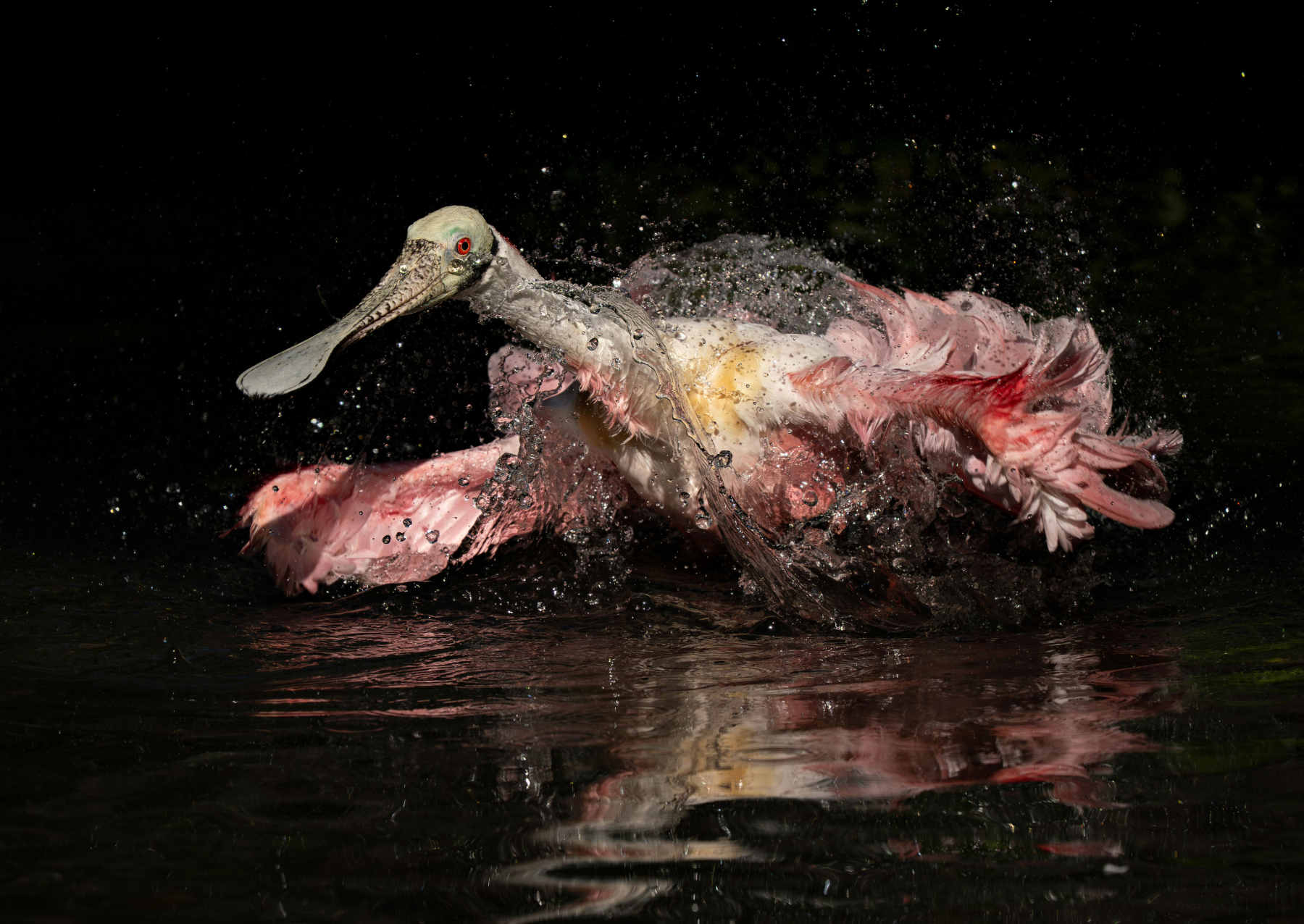
Grand Prize: Jacqueline Burke, roseate spoonbill
A roseate spoonbill (Platalea ajaja) at the St. Augustine Alligator Farm Zoological Park, in St. Augustine, Florida. Image: Jacqueline Burke.
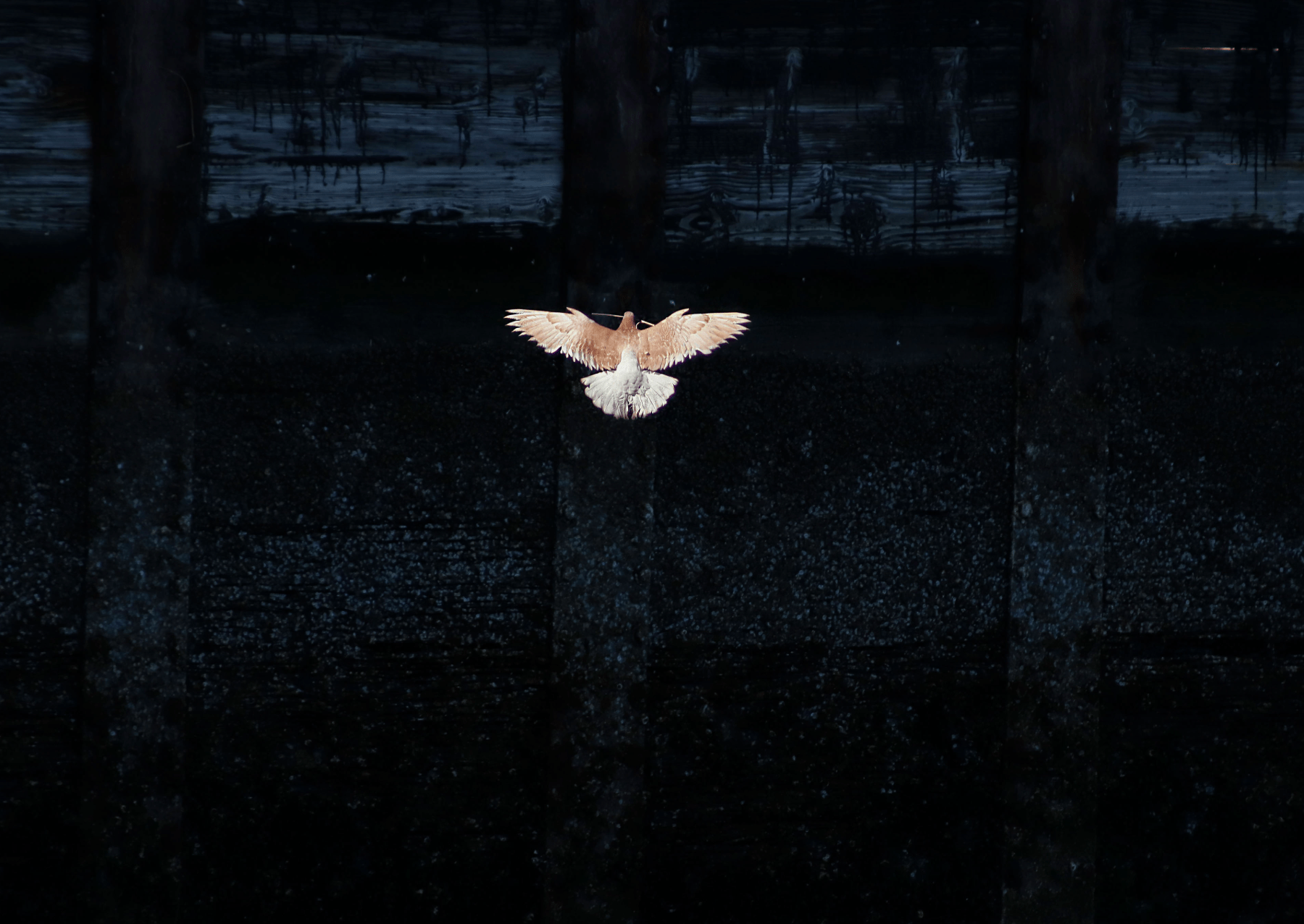
Youth Prize: Ian Shultz, rock pigeon
A rock pigeon (Columba livia) in Golden Gardens Park in Seattle, Washington. Image: Ian Shultz.
Video Prize: Piper VanOrd, great blue heron
A great blue heron (Ardea herodias) at Allegheny Islands Wilderness, National Wild & Scenic Allegheny River, in Warren, Pennsylvania. Credit: Piper VanOrd.
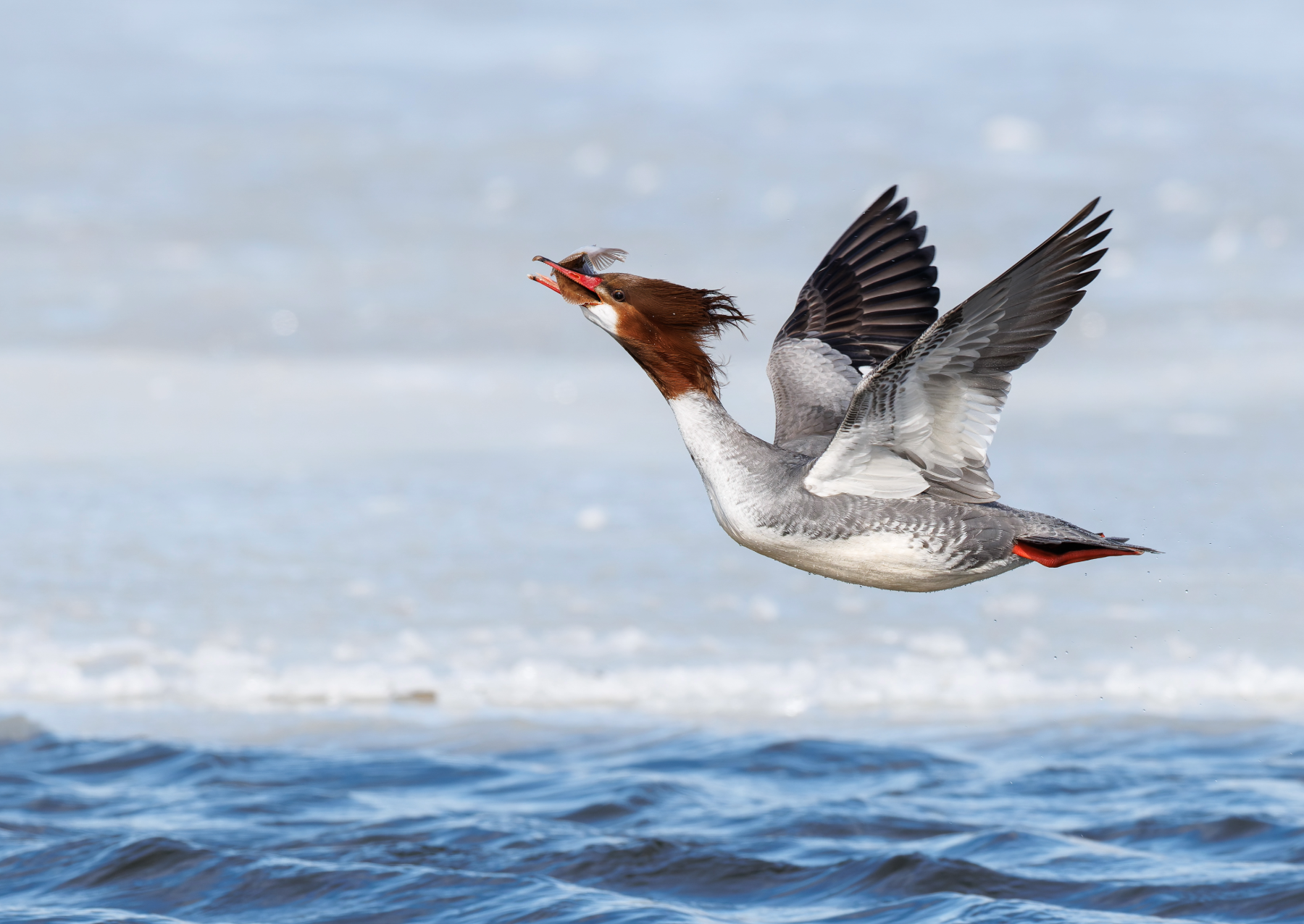
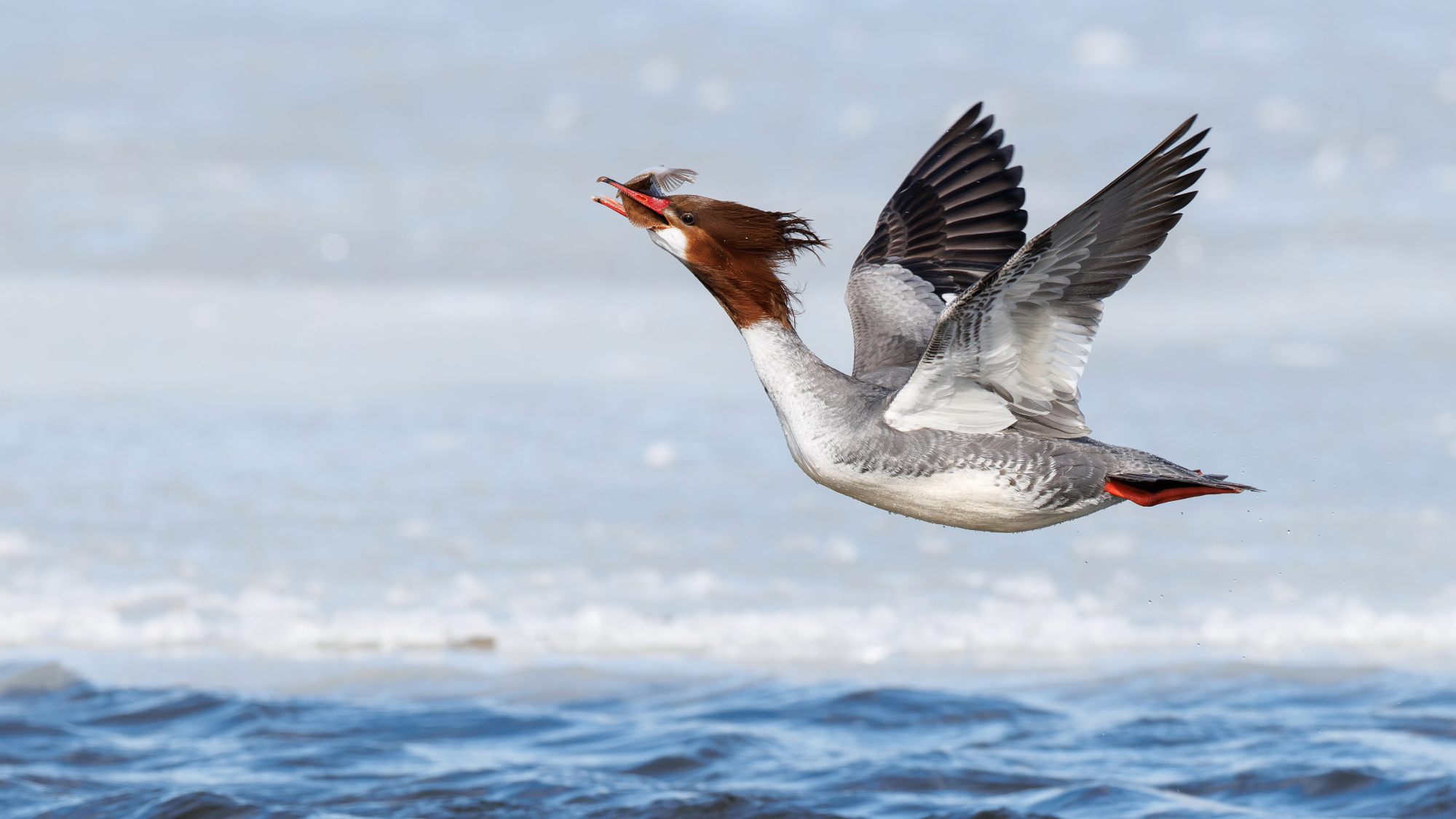
Female Bird Prize: Gail Bisson, common merganser
A common merganser (Mergus merganser) in East Bay Sandbar, Nova Scotia, Canada. Image: Gail Bisson.
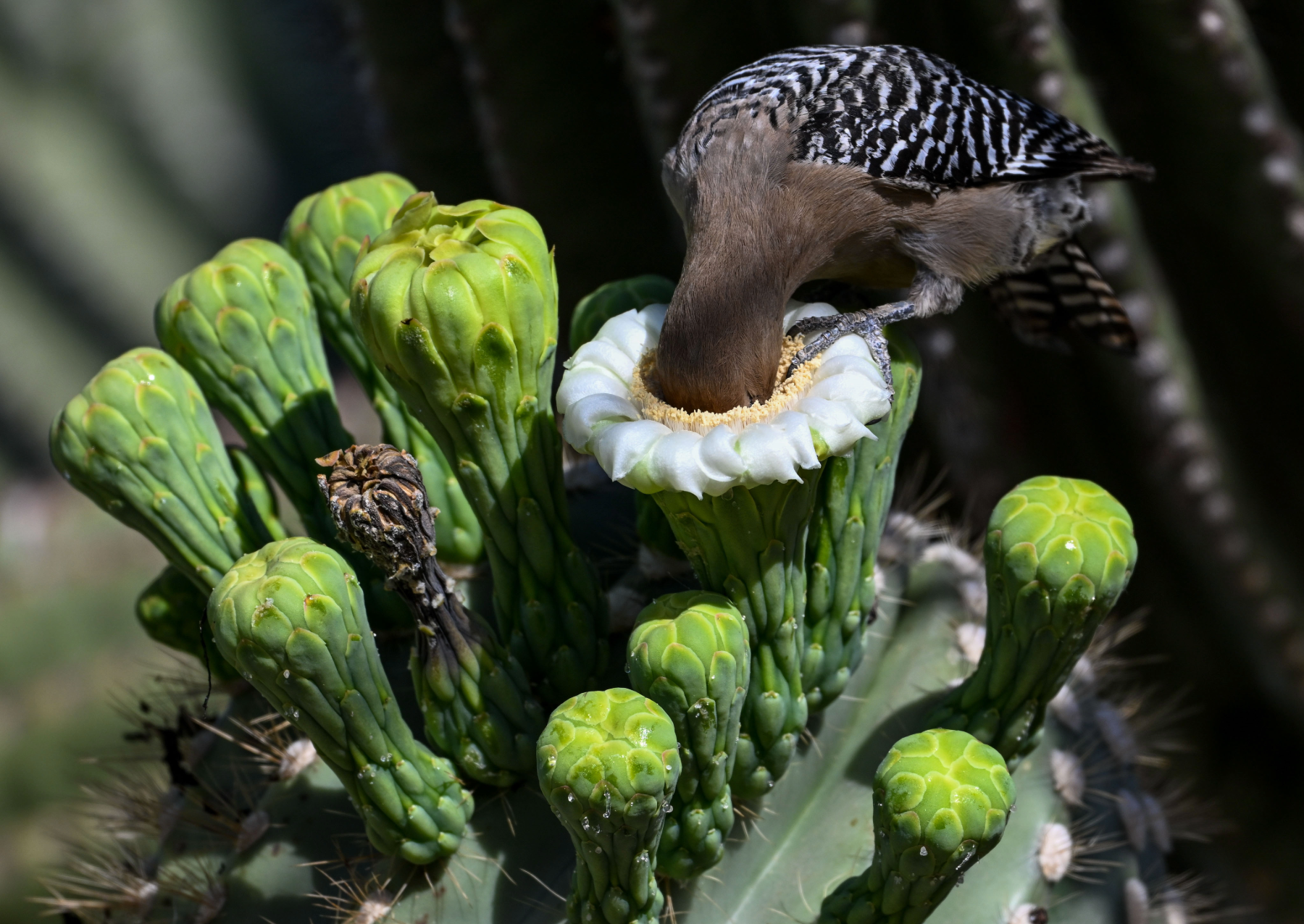
Plants for Birds Prize: Mike Henry, Gila woodpecker and saguaro cactus
A Gila woodpecker (Melanerpes uropygialis) and saguaro cactus (Carnegiea gigantea) in Tucson, Arizona. Image: Mike Henry.
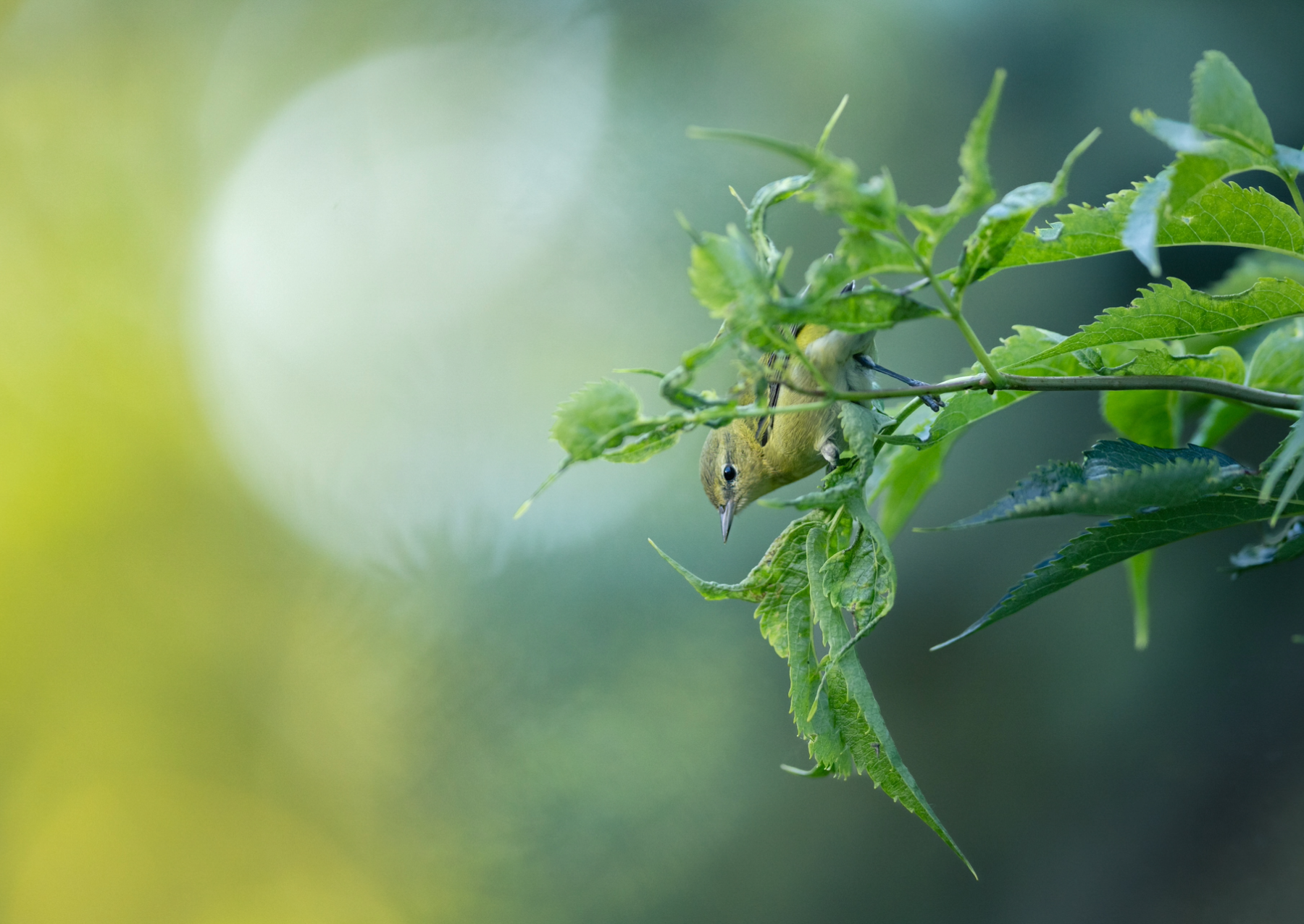
Birds Without Borders Prize: Nick Parayko, Tennessee warbler
A Tennessee warbler (Leiothlypis peregrina) in photographer Nick Parayko’s backyard in St. Albert, Alberta, Canada. Image: Nick Parayko.
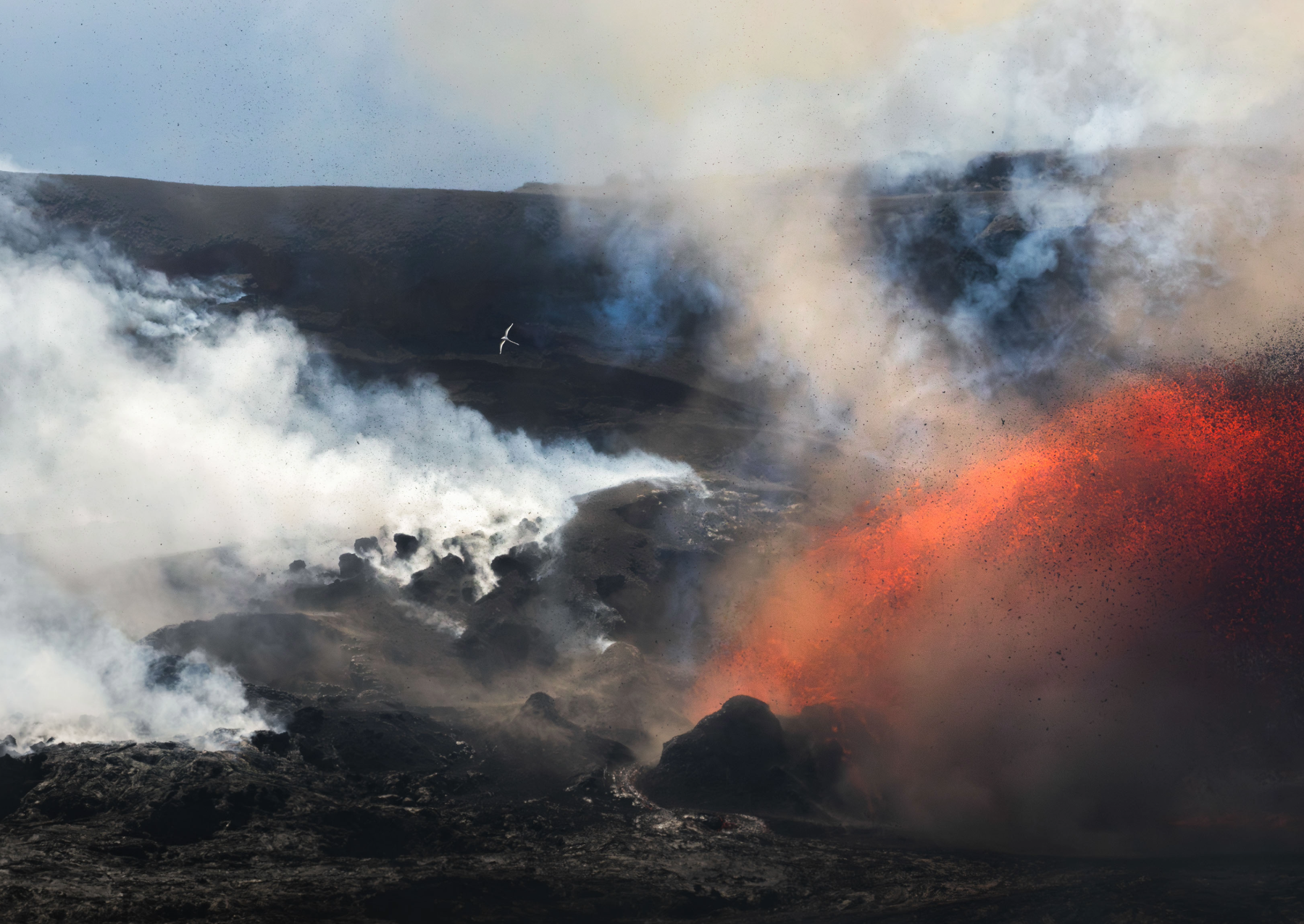
Birds in Landscapes Prize: Liron Gertsman, white-tailed tropicbird
A white-tailed tropicbird (Phaethon lepturus) in Hawai’i Volcanoes National Park in Hawai’i. Image: Liron Gertsman.
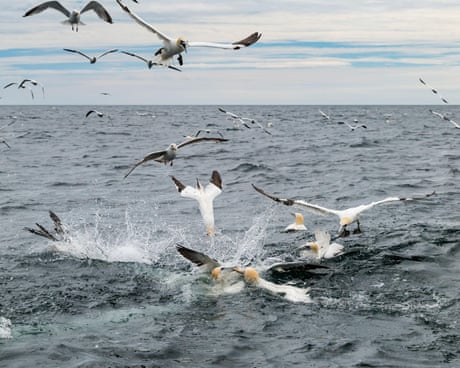
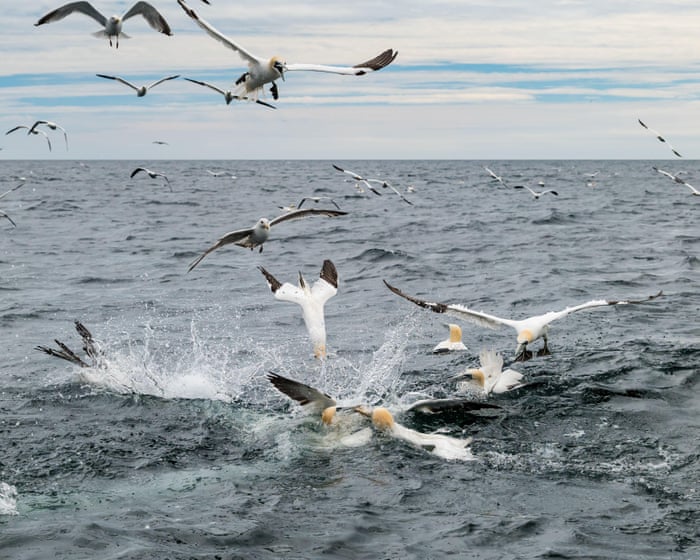
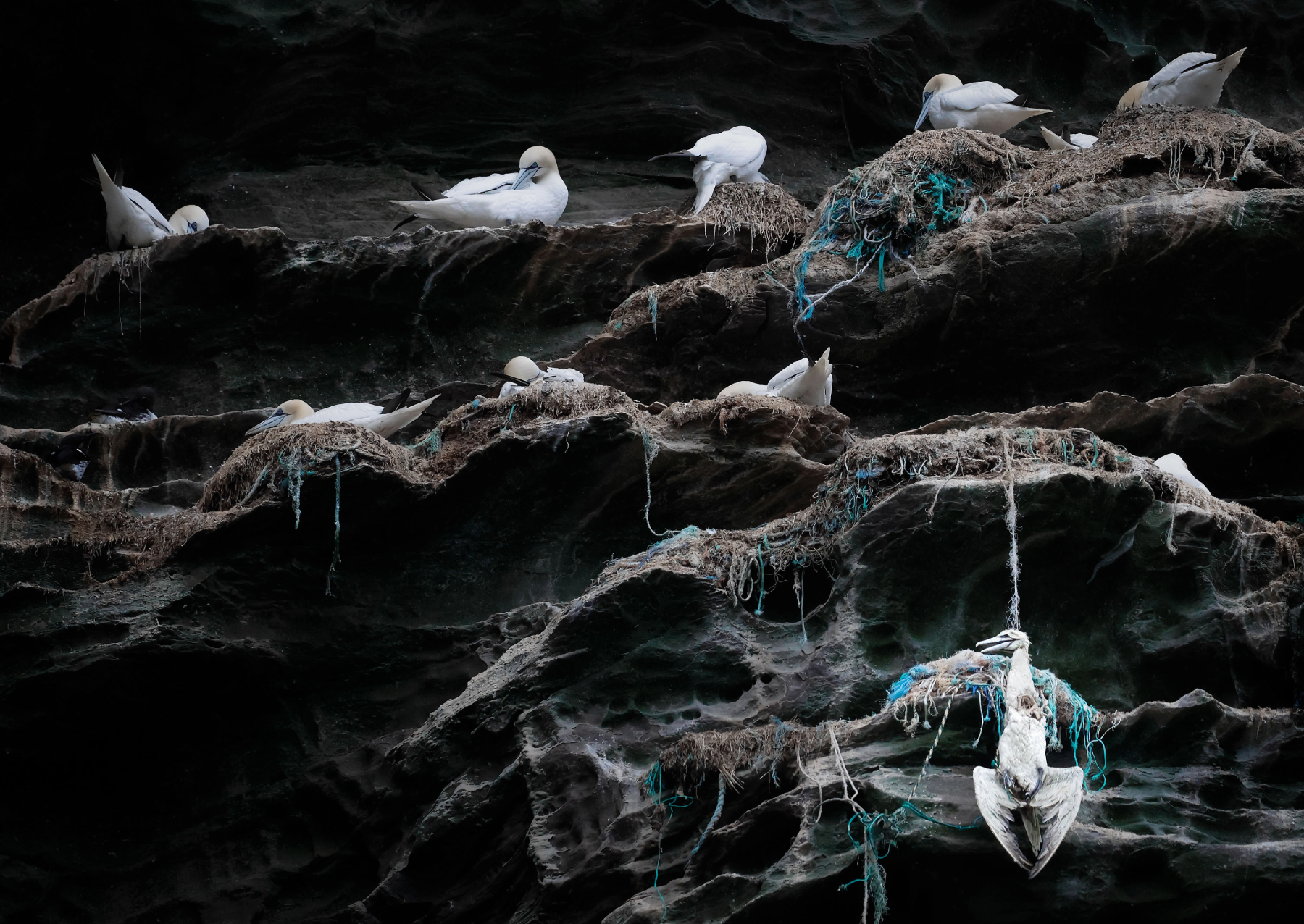
Northern gannets (Morus bassanus) on the Isle of Noss in the Shetland Islands, United Kingdom. Image: Josh Galicki.
Prizes for Chile and Colombia Residents
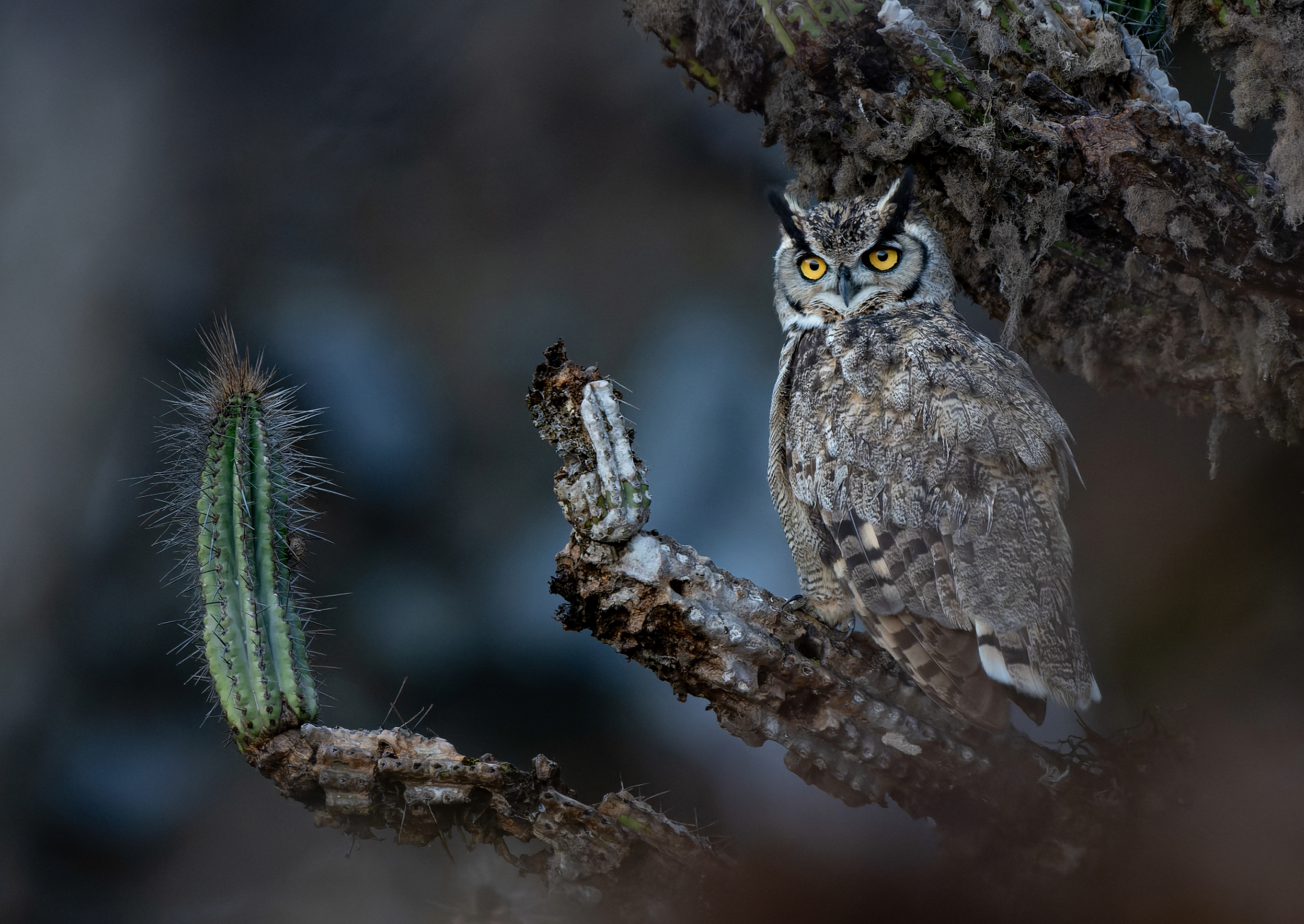
Grand Prize: Francisco Castro Escobar, lesser horned owl
A lesser horned owl (Bubo magellanicus) in Antofagasta, Chile. Image: Castro Escobar.
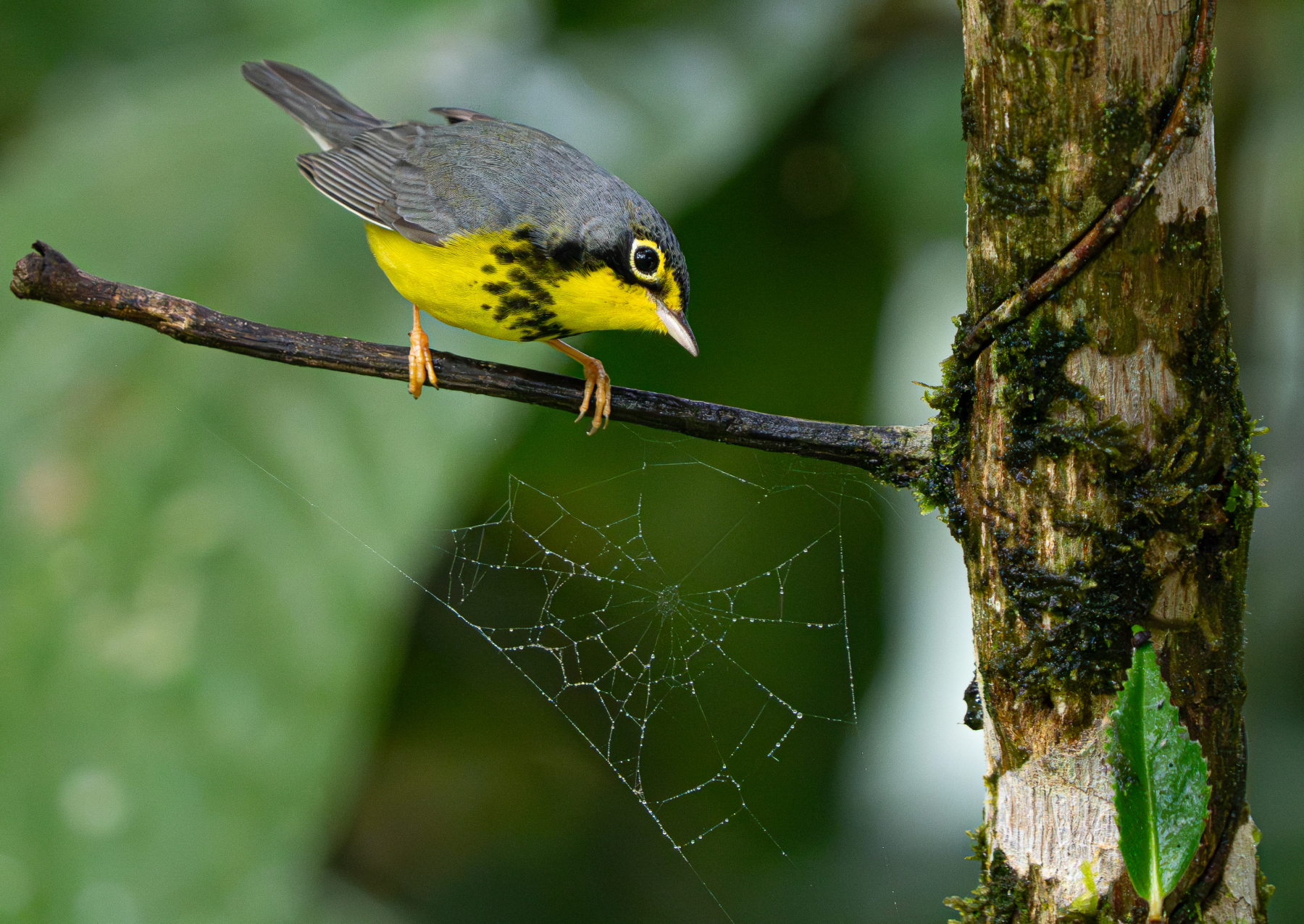
Youth Prize: Juan David Camacho Márquez, Canada warbler
A Canada warbler (Cardellina canadensis) in Doña Dora Birding, El Queremal, Valle del Cauca, Colombia. Image: Juan David Camacho Márquez.
Video Prize: Nicolás Muñoz García, black-browed albatross
A black-browed albatross (Thalassarche melanophris) is on Isla Chañaral Marine Reserve, Huasco Province, Chile. The nearest town is Caleta Chañaral de Aceituno. Credit: Nicolás Muñoz García.
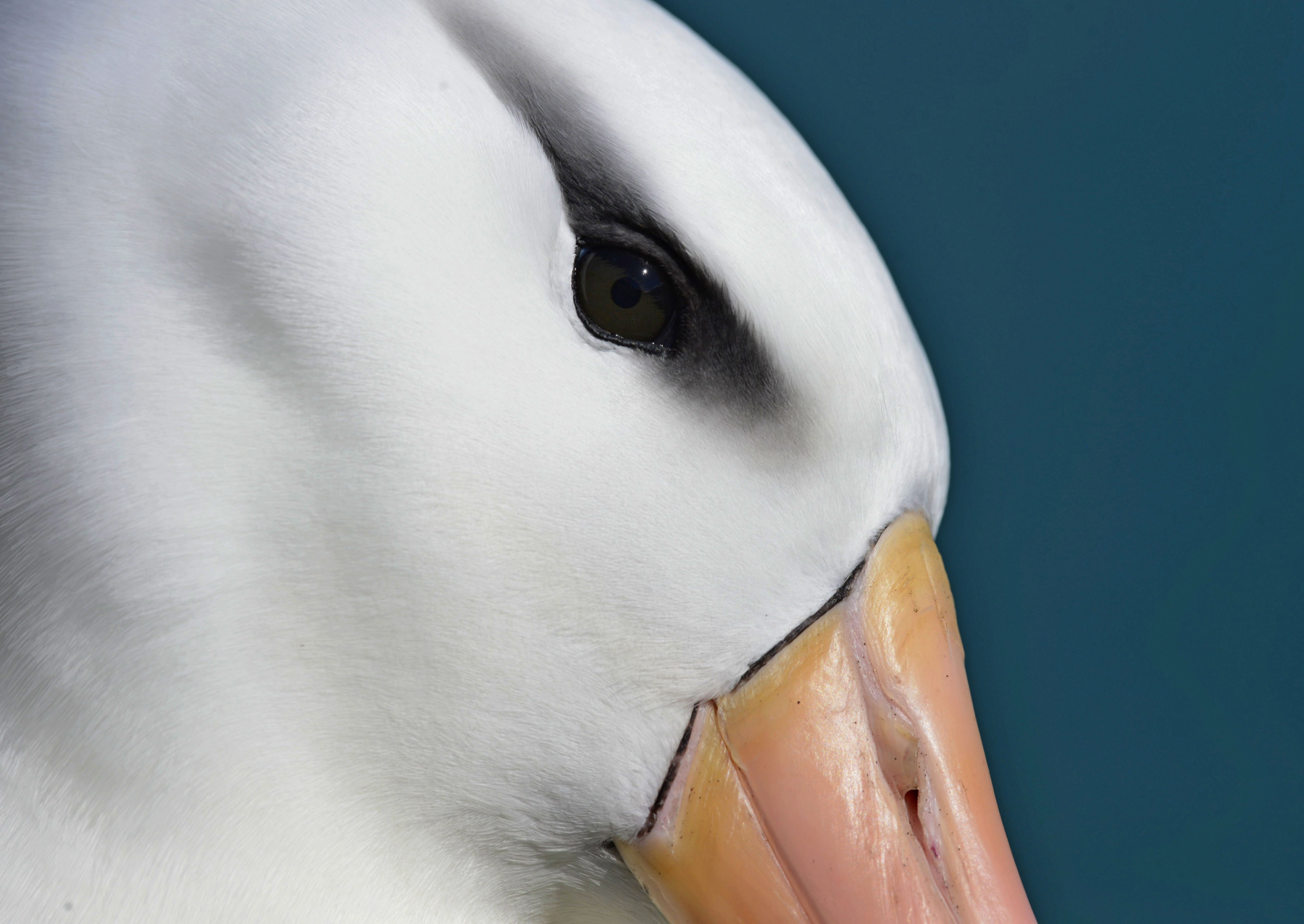
Birds Without Borders Prize: Rodrigo González Pairoa, black-browed albatross
A black-browed albatross (Thalassarche melanophris) in Almirantazgo Fjord, Chile. Image: Rodrigo González Pairoa.
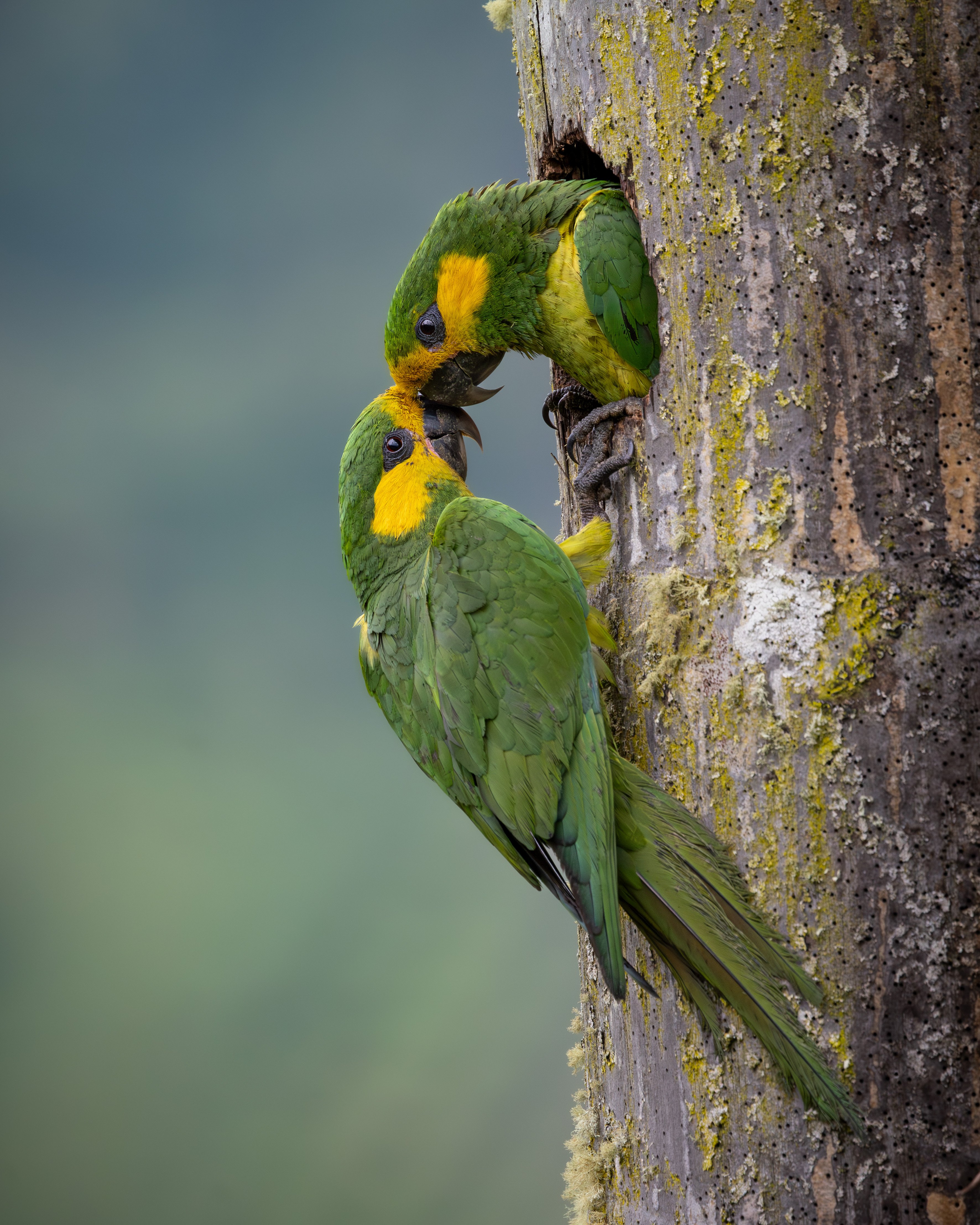
Conservation Prize: Santiago Pérez Rincón, yellow-eared parrot
A yellow-eared parrot (Ognorhynchus icterotis) in Anaime River Canyon, Rural District of the Municipality of Cajamarca, Department of Tolima, Colombia. Image: Santiago Pérez Rincón.
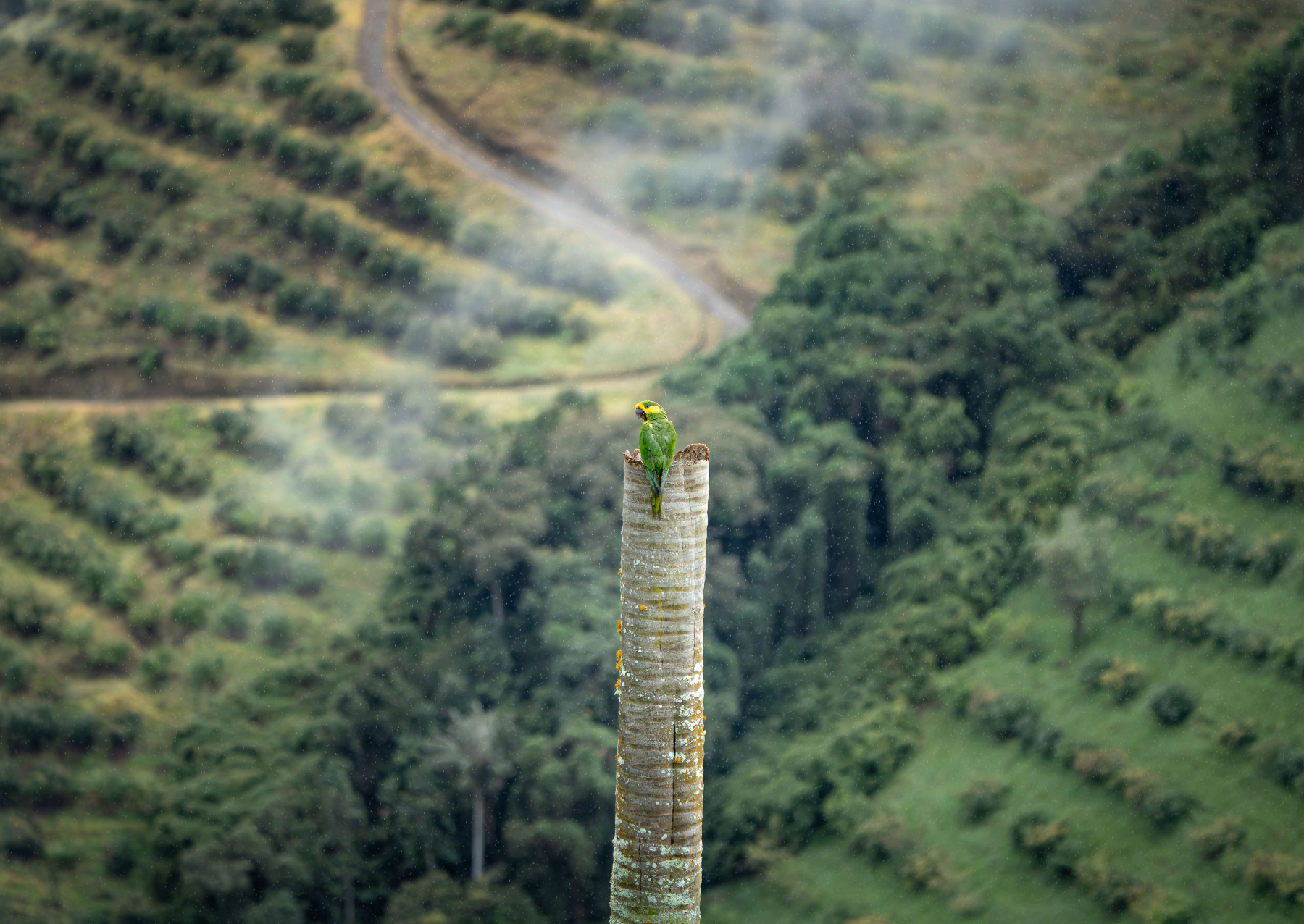
Plants for Birds Prize, Colombia: Santiago Giraldo, yellow-eared parrot and Quindio wax palm
A yellow-eared parrot (Ognorhynchus icterotis) and Quindio wax palm (Ceroxylon quindiuense) in Anaime, Cajamarca, Tolima, Colombia. Image: Santiago Giraldo.
Birds in Landscapes Prize, Colombia: Faber Mosquera Álvarez, oilbird
Oilbird (Steatornis caripensis) in the Cañón de los Guácharos, Pijao, Quindío, Colombia. Image: Faber Mosquera Álvarez.
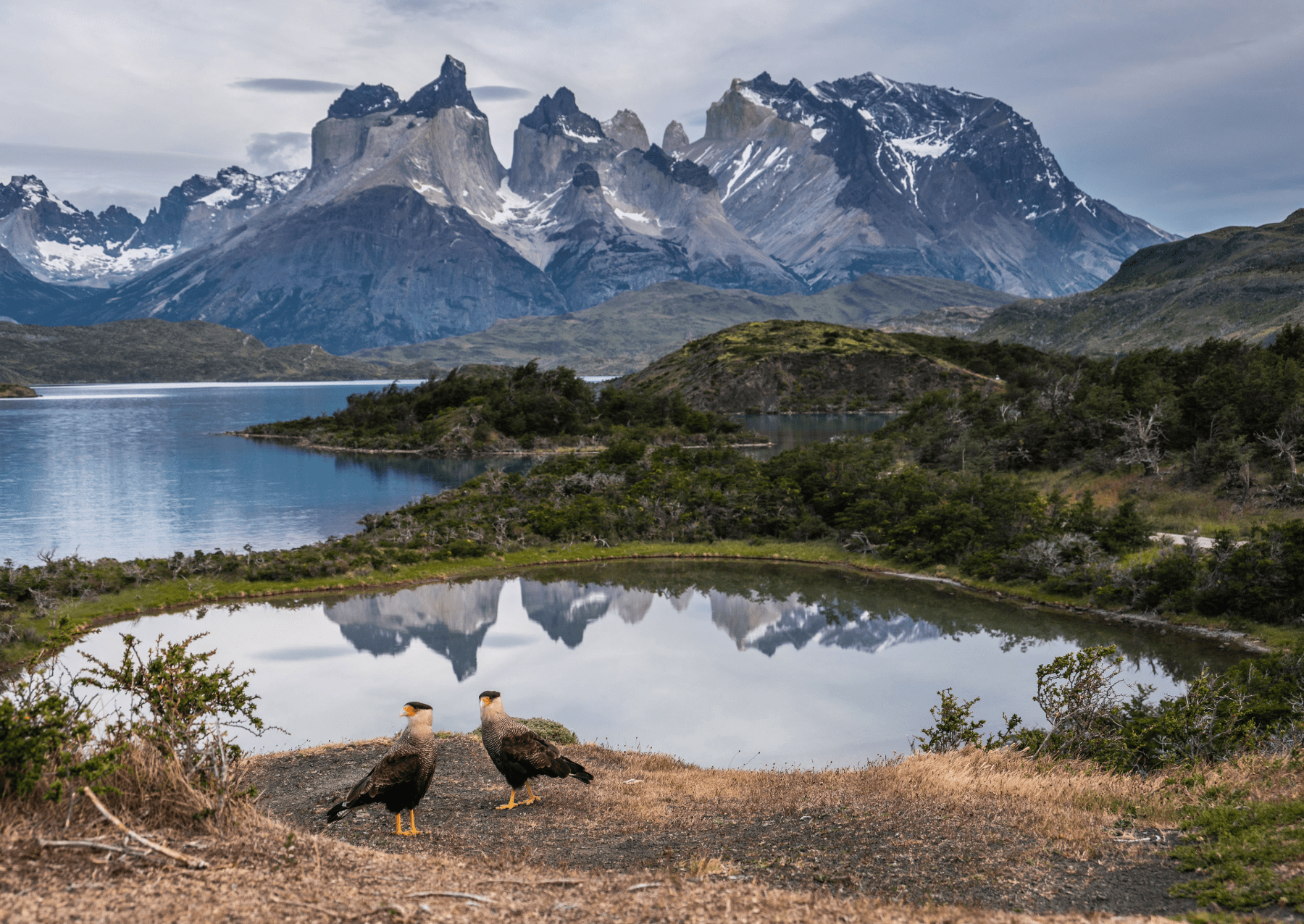
Birds in Landscapes Prize, Chile: Timothy Dhalleine, crested caracara
A crested caracara (Caracara plancus) in Torres del Paine National Park, Magallanes and Chilean Antarctic region, Chile. Image: Timothy Dhalleine.
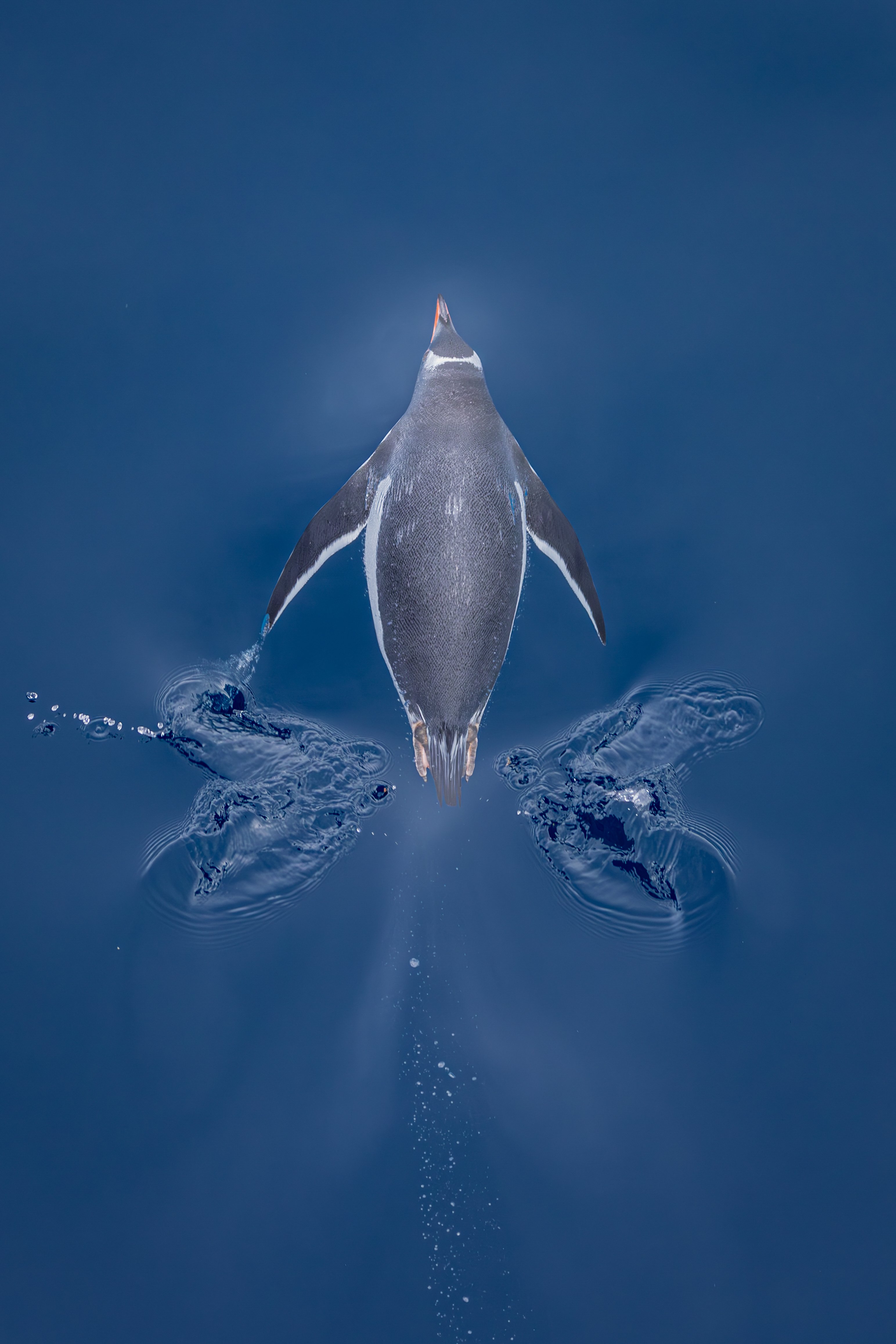
A gentoo penguin (Pygoscelis papua) in Fildes Bay, Antarctica, in the vicinity of the Chilean bases. Image: Gonzalo Bertolotto Quintana. Gonzalo Bertolotto Q
The winners and honorable mentions are published online in Audubon magazine, and winners will be in the Fall 2026 print issue. The annual Top 100 photos will also be announced on September 23, 2026, and additional selections will be featured in digital galleries on Audubon’s website.
The 2027 Audubon Photography Awards will open for entries on January 13, 2027.
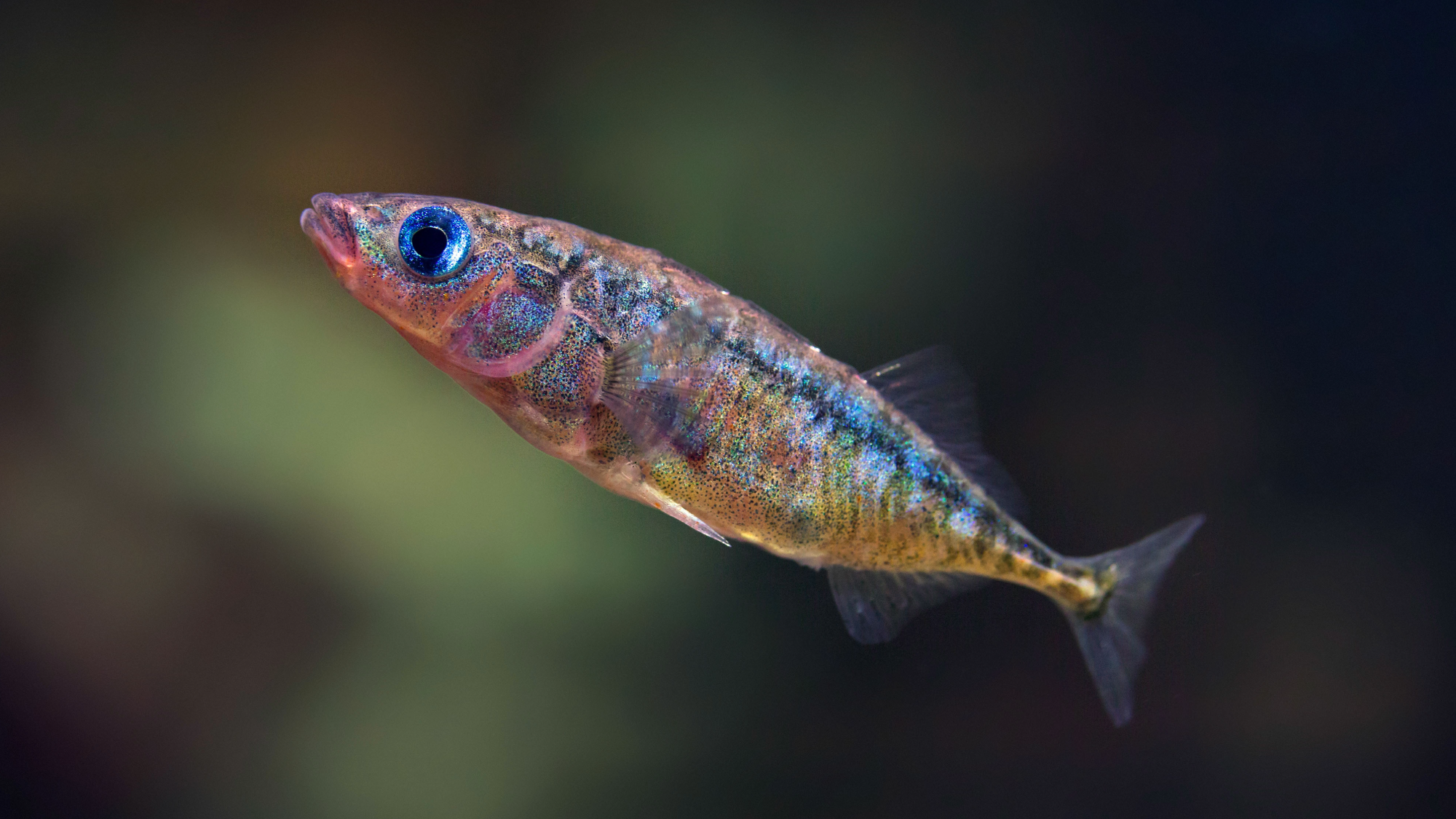
Just like 20-somethings yelling or waving in a crowded, strobe light-filled club, three-spined sticklebacks (Gasterosteus aculeatus) can change their social behavior for the benefit of the group. These small fish will change how they swim to help find food when they are in cloudy water. The findings are detailed in a study published today in the journal Proceedings of the Royal Society B.
There are eight known species of sticklebacks (order Gasterosteiformes). These small fish live in fresh, brackish, and marine waters all over the Northern Hemisphere and as far north as the Arctic Ocean. They can grow to a maximum length of roughly seven inches and are known for a row of two to 16 spines on their backs.
Since they live in everything from salty seas to fresh lakes, their habitats can range from crystal clear to densely clouded. Turbidity is when small particles like mud, algae, or silt make water cloudy. While it is a natural process, farming, mining, construction, and other pollutants are increasing turbidity and reducing visibility in rivers and coastal waters around the world. This can make it more difficult for aquatic animals like sticklebacks to see their food, friends, or enemies.
“At the moment, we’re seeing our weather flipping between hot, dry periods to heavy rains, which mean[s] our rivers and streams experience sudden surges of muddy, highly turbid water,”
Dr. Sean Rands, a study co-author and behavioral ecologist at the University of Bristol, said in a statement. “It is good to know that the fish can respond to these big changes.”
For this study, the team observed how three-spined sticklebacks responded to their water becoming cloudier and noted their directions when food suddenly appeared in the water.
In murkier water, the fish took longer to swim towards the food than those in clear water. However, individuals in larger groups responded more quickly in both clear and cloudy water.
The study found in murkier water fish took longer to move towards the food than those in clear water, but individuals in larger groups responded more quickly overall. Image: Christos Ioannou.
The way that the sticklebacks moved together also influenced their response to the food. The smaller groups living in murky water got to the food more quickly when they swam close together in the same direction. By contrast, tighter coordination slowed the group’s response for larger groups of fish in clear water.
Before the food was introduced, fish in murky water tended to stick closer together, align their movements more closely, and respond more eagerly to the behavior of group members that were nearby.
According to the team, these results suggest that sticklebacks can compensate for reduced visibility in the water by increasing cooperation and coordination with one another.
“When we put an unexpected piece of food in the water, it took the fish longer to find it when the water was cloudier. This makes sense and has been shown before in different water-living species,” added study co-author and behavioral ecologist Christos Ioannou. “However, we were excited to see that the sticklebacks were able to compensate for this challenge by changing their shoaling behaviour. Their shoals became more coordinated, with the fish moving and aligning themselves together much more closely in poor conditions. This in turn meant the fish were able to find the food faster than if they weren’t coordinating.”
This enhanced social behavior may help them overcome the challenges of living in murky environments and respond better when there is an opportunity to find a meal.
“Finding that these rules are able to change in response to the challenges animals experience is reassuring, as it shows that these little fish have some extra tricks for the changes that humans are causing to their homes,” said Rands.
Japan’s bears are still causing problems. The hefty predators continue to stray from mountainous forests in search of food, putting them in direct contact with the nation’s rapidly aging and dwindling population. According to the country’s Environment Ministry, bears have killed six people across the country since April 1, while a record 13 victims died during the previous fiscal year. It’s gotten so bad that Japan called in the armed forces to help, and companies are even running out of their popular robotic wolf deterrents.
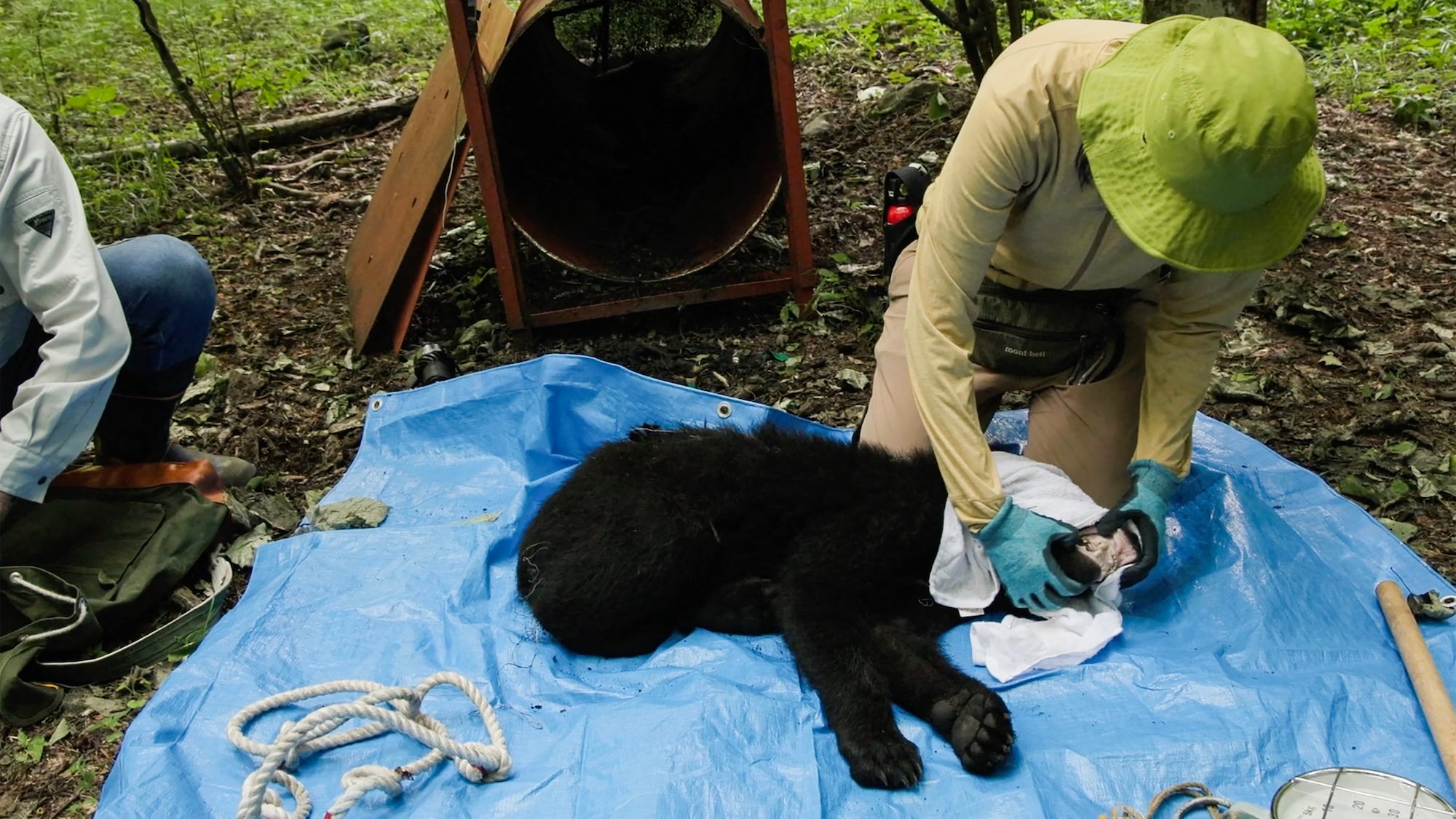
Culling strategies are reducing bear numbers, with around 14,000 killed during the last fiscal year. But in the central prefecture of Nagano on the main island of Honshū, conservationists are promoting a different approach to keeping both humans and bears safe. Using a combination of sensors, traps, and GPS monitoring, researchers are avoiding unnecessarily killing bears while improving the overall population’s wellbeing at the same time.
“By not killing too many of them, more bears survive to live out their expected lifespan. In that sense, a healthy bear population is being formed,” biologist Akiko Takii explained in a recent interview with AFP.
Takii is participating in a program with an over 30 year head start. In 1995, local authorities discovered bear numbers suddenly shrinking on Honshū, and slowly enacted new strategies like GPS monitoring and installing over 2,000 miles of fencing. But concerns for the animals have dwindled in recent years, as attacks and deaths continue to mount across Japan.
Takii and her supporters argue that simply culling bears is not a practical, ethical, or necessarily long-term solution strategy. Instead, members of Nagano’s Shinshu Asian Black Bear Research Association are using catch-and-release tactics to monitor animal movements and keep locals out of harm’s way. Meanwhile, Takii is overseeing school outreach classes to educate children and their parents about bears, as well as humanity’s relationship to them. While a combination of culling and conservation is likely the path forward, advocates like Takii hope officials will see the added benefits of humane interventions
“I am convinced it’s safe to live with them as long as humans don’t offend them,” a school principal recently told AFP , following one of Takii’s presentations.
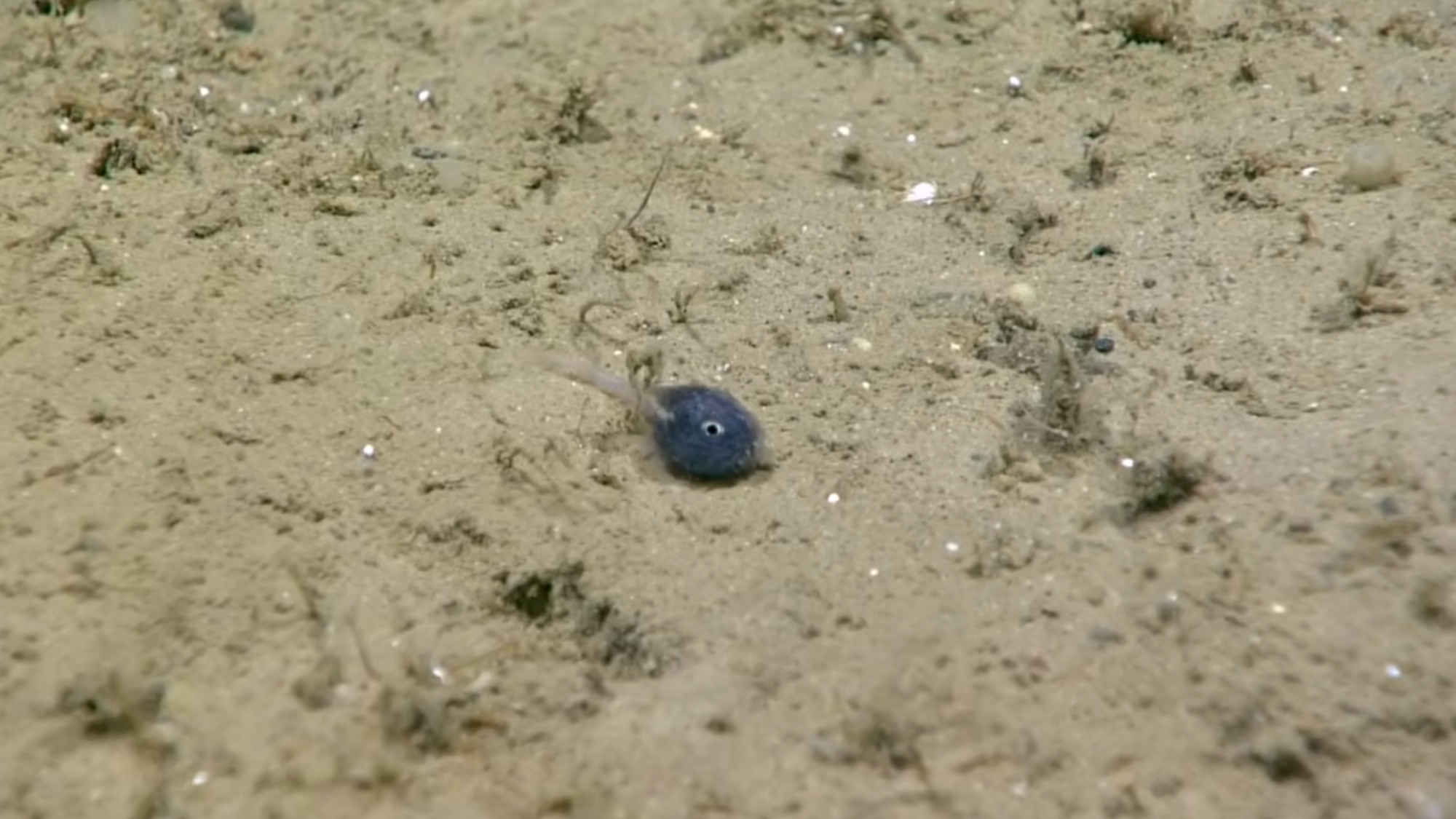
The deepest parts of our ocean are more like the fare reaches of space than planet Earth. We never really know what we’ll find down there. A team from the National Oceanographic and Atmospheric Administration’s (NOAA) Ocean Exploration team experienced that first hand when they spotted a very tiny fish in the Northeast Canyons and Seamounts Marine National Monument in the Atlantic Ocean off the coast of New England.
The team estimated that it measured only five millimeters (0.19 inches) to one centimeter (0.4 inches). It is still unclear what species this fish is, but scientists speculated that it could be a juvenile toadfish (family Batrachoidida) aka the sea toad. They have a sad-looking “Monday Face” and dwell on the sea floor to hunt whatever comes within their reach.
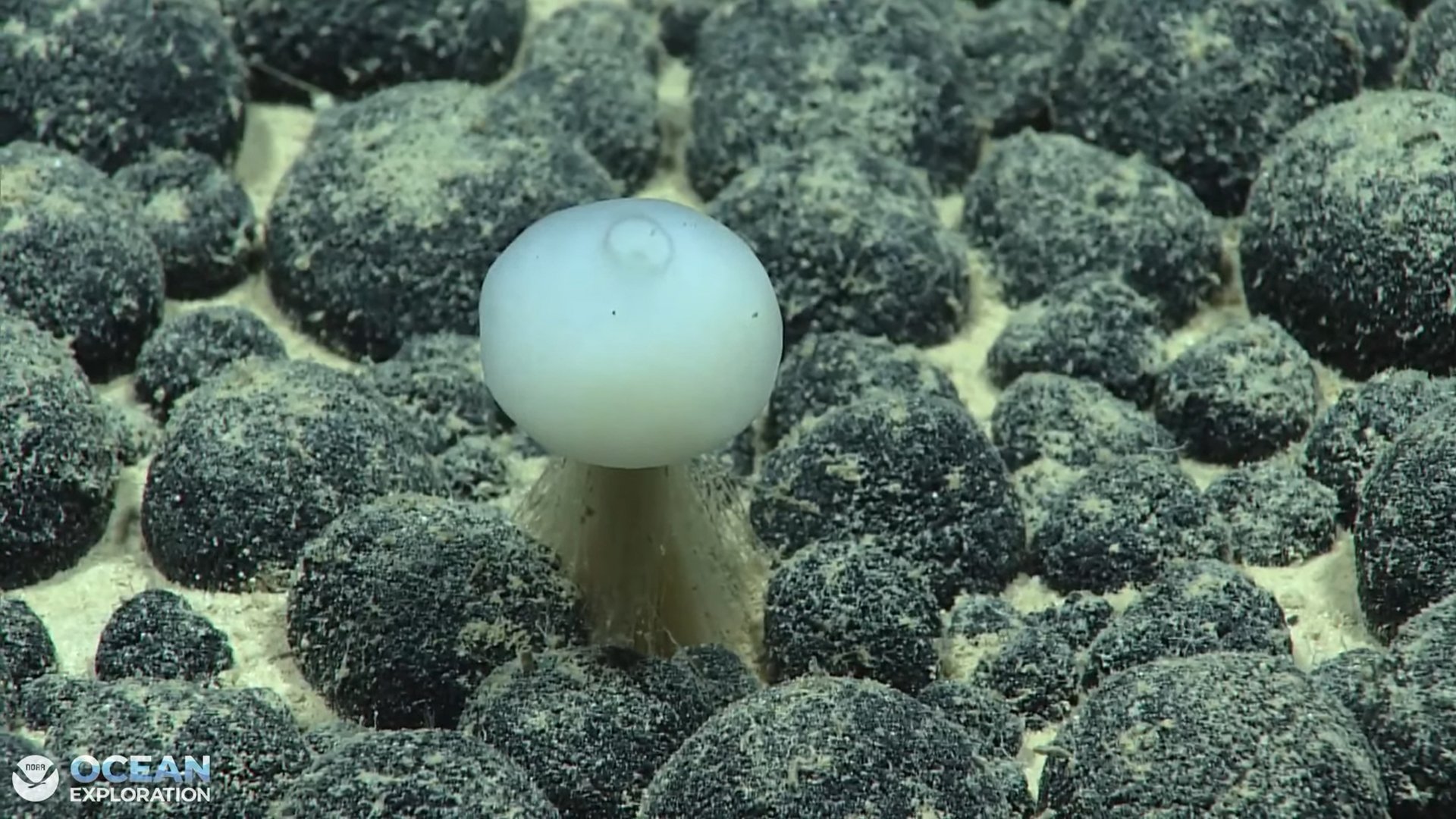
A glass sponge amongst polymetallic nodules. It was one of several varieties of sponges seen during the final dive of the 2026 Cook Islands ROV Exploration cruise. Image: NOAA Ocean Exploration, 2026 Cook Islands ROV Exploration.
Currently, NOAA is partnering with Nautilus Live to explore the deep sea near Wake Island. The island is about halfway between the Hawaiian and Mariana Islands, and is one of the most isolated land masses on Earth. The 30-day expedition will utilize remotely operated vehicles (ROV), mapping technology, and the E/V Nautilus to collect baseline data about the 157,236 square-mile area and the marine life that lives there.
The expedition could find potential maritime heritage sites associated with the Battle of Wake Island. From December 8 to 23, 1941, a small force of United States Marines and civilian defenders fought off parts of the Imperial Japanese Navy. The Japanese Navy ultimately took Wake Island, but at great cost. According to the National World War II Museum, the Japanese Navy ultimately sacrificed two destroyers, one submarine, 21 aircraft, and 900 to 1,000 lives just to conquer Wake Island. Despite the loss, fewer than 100 Americans died during the 16-day siege, including 46 Marines and three sailors.
The Wake Island expedition is scheduled to end on September 18.

 Login