❌

Reading view

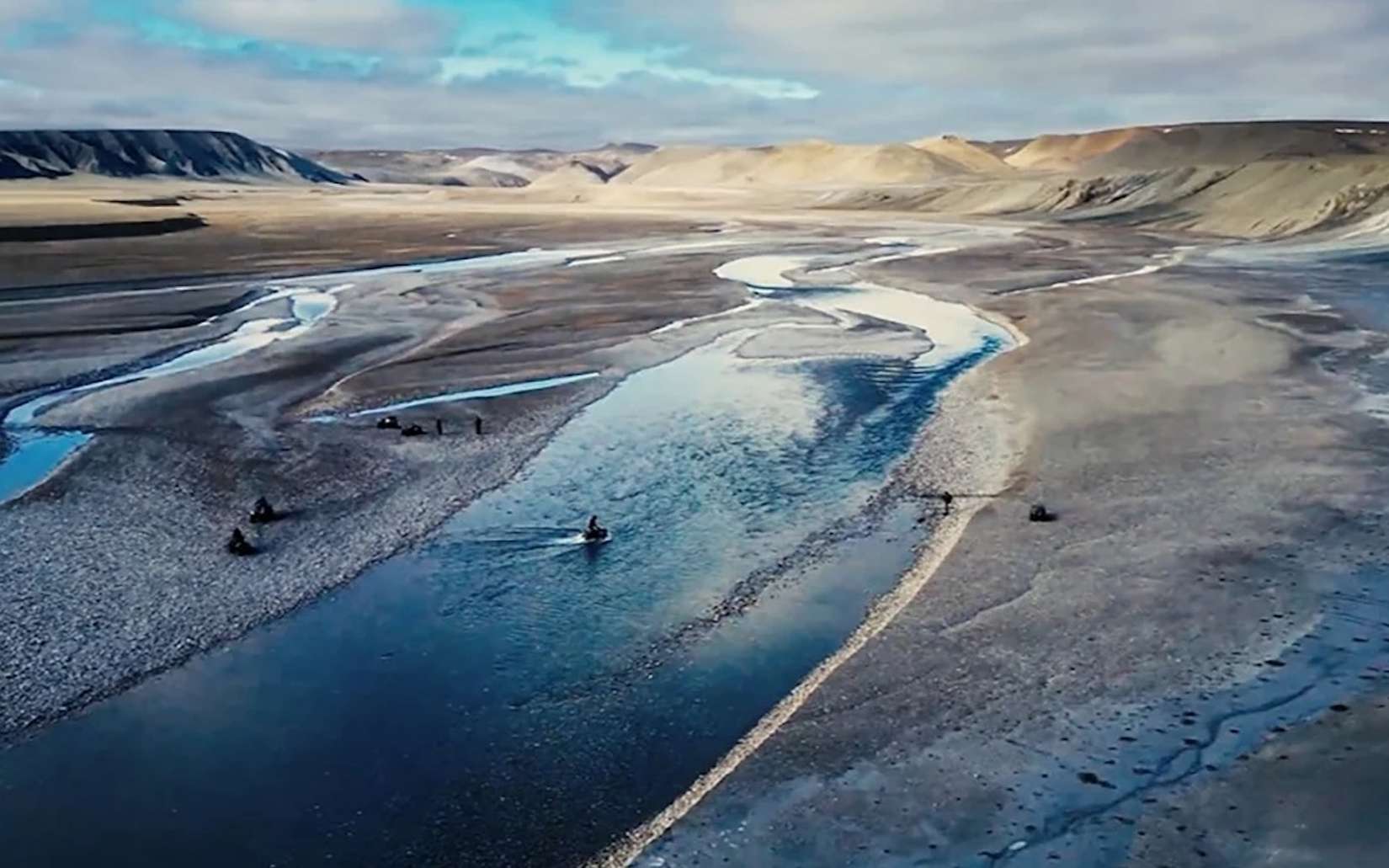
« Ce n’est pas possible » : ces scientifiques ont dû refaire l’expérience avant de croire ce qu’ils voyaient en Arctique

Dans le Haut-Arctique canadien, des chercheurs ont obtenu des résultats si inattendus qu’ils ont d’abord pensé à une erreur. Pourtant, expérience après expérience, le même phénomène s’est reproduit. Et il pourrait obliger les scientifiques à revoir la manière dont ils comprennent l’évolution des...

  •  

Why is Earth’s crust layered?

Since the formation of the Earth 4.2 billion years ago, hot rock from the interior of the planet has cooled off and developed crystals that accumulated over millions of years, forming surface rocks with a layered composition, referred to as continental crust. Geologic evidence of how continental crust formed comes from large, ancient crustal blocks, called cratons. Cratons have existed for billions of years and form the cores of continents. 

Scientists have shown that the upper 10 to 15 kilometers (6 to 9 miles) of continental crust contains high concentrations of elements like uranium and thorium that decay and release heat over time, referred to as radiogenic elements. However, the lower 20 kilometers (12 miles) of crust has very few radiogenic elements. The cause of this planetary-scale differentiation is highly questioned, as geoscientists don’t know what formation processes could produce this unique characteristic. 

Earlier researchers suggested that changes in the concentration of radiogenic elements could occur when tectonic plates collide. Plate collision induces temperatures in the lower crust high enough to melt minerals that contain uranium and thorium, like zircon and monazite. The newly melted minerals form magma, which then rises and crystallizes in the upper crust. To test whether this process formed the layered continental crust, researchers Andrew J. Smye and Peter B. Keleman incorporated geochemical data from studies worldwide into a mathematical model comparing how concentrations of radiogenic elements vary under different temperatures. 

The team separated their global analyses into 2 categories of rocks that were buried deep in the crust and subjected to intense pressures and temperatures, via a process known as metamorphism. The first category included rocks formed from the accumulation of eroded grains buried in the deep crust that are subjected to high pressures and temperatures, called metasedimentary rocks. The second category included rocks formed when magma rises from the deep Earth and solidifies before experiencing high pressures and temperatures, called metaigneous rocks.

The researchers analyzed 3 subcategories from each of the 2 types of deep-crustal rocks. The first was rocks that experienced no intense pressure or temperature, the second was rocks subjected to 650 to 900°C (about 1,200 to 1,650°F), and the third was rocks subjected to 900 to 1,100°C (about 1,650 to 2,000°F). The researchers modeled the geochemistry of the 3 rock types at different temperatures to determine whether ultra-high-temperature metamorphism could cause crustal differentiation of radiogenic elements.

Smye and Keleman found that monazite doesn’t melt in either metasedimentary or metaigneous rocks at temperatures below 900°C, as indicated by the relatively high thorium content in these deep-crustal rocks. Alternatively, they found that above 900°C, uranium and thorium concentrations decreased in metasedimentary rocks, suggesting that minerals like zircon and monazite were melting. The melted minerals enter magma and rise into the upper crust, leaving behind metasedimentary rocks depleted in radiogenic elements by around 0.10 ppm.  

The team concluded that the enrichment of uranium and thorium in the upper continental crust requires temperatures greater than 900°C to initiate the melting of zircon and monazite in the lower crust. Temperatures above 900°C are linked to the movement and collision of continental plates. This result suggests that evidence of Earth’s differentiation has been preserved for more than 3 billion years, spanning most of the planet’s geological history. Since stable continental crust formed, uranium and thorium enrichment in the upper crust has consistently recorded layering produced by ultra-high temperature metamorphism.

The post Why is Earth’s crust layered? appeared first on Sciworthy.

  •  

40 °C en France : nos villes sont-elles vraiment prêtes aux canicules de demain ?

Les étés européens ne ressemblent plus à ceux d'il y a trente ans. Les vagues de chaleur ne relèvent plus de l'exception statistique : elles s'installent comme une constante saisonnière. Nuits moites, sols fissurés, rails qui se dilatent. Un continent bâti pour un climat tempéré doit désormais...

  •  

The Met Office is No Longer a Serious Scientific Organisation

The Met Office has confirmed that its June temperature 'record' of 37.7°C came from a junk site. But rather than dropping it, it has upped it to 38°C! This not a serious scientific organisation, says Paul Homewood.

The post The Met Office is No Longer a Serious Scientific Organisation appeared first on The Daily Sceptic.

  •  

L’image qui a stupéfié le monde : derrière ce paysage irréel, 24 millions d’hectares sont partis en fumée

Pour les 25 ans de Futura, nos journalistes racontent une image qui a marqué leur regard sur ce premier quart de siècle. En 2019-2020, l’Australie traverse son terrible « été noir ». Pendant des mois, des incendies gigantesques dévorent le pays et donnent naissance à des images qui marqueront...

  •  

Cold shocks in a warming ocean affect large marine animals

In March 2021, the carcasses of at least 260 marine organisms from 81 species, including large animals called megafauna, washed ashore in South Africa. Scientists questioned whether this event was the result of an extreme temperature drop that can happen when deep, cold water rises to the surface along coastlines. Scientists refer to these rapid cooling events as coastal upwelling. 

Climate change is making oceans warmer, but it’s also making coastal upwelling stronger, with unknown consequences for marine megafauna. Scientists recently studied 2 boundary currents that are rapidly warming and creating strong upwelling near the edges of sharks’ geographic ranges: the Agulhas Current in southern Africa and the East Australian Current in eastern Australia. They wanted to determine whether climate-driven changes in upwelling zones are making cold-shock events more frequent and intense, and how these events are pushing sharks beyond their temperature limits. 

First, the researchers analyzed sea surface temperature data from satellites to see if rapid cooling from upwelling caused the mass marine die-off in 2021. They also obtained hourly temperature recordings from temperature loggers to measure subsurface temperature changes during the event. They found that during the March 2021 event, sea surface temperatures along the coast dropped by up to 7°C (12°F) in less than 48 hours, from 24°C (75°F) to below 17°C (63°F). Subsurface temperatures dropped faster, by more than 9°C (16°F) in 24 hours, from 21°C (70°F) to 12°C (54°F). 

Bullsharks experience physiological stress at temperatures below 19°C (66°F), which is near their lower thermal limit, when migrating through rapid cooling zones. Therefore, the researchers deduced that during the 2021 cold-shock event, the sharks were exposed to temperatures several degrees below their thermal limit, possibly more than 5°C (or 10°F) colder. 

The researchers also tagged 66 bull sharks with acoustic and satellite transmitters – including 41 at the Agulhas Current in South Africa and 25 at the East Australian Current in eastern Australia – to determine how they responded near their lower thermal limits in these zones. The acoustic tags record when sharks pass underwater receivers, providing information on their movements, locations, and water depths at those specific locations. In contrast, satellite tags continuously record the water temperatures and depths the sharks experience over time. 

The researchers used these data to compare sharks living in warm subtropical waters with those living in cooler waters at the edge of their temperature range. The researchers found that low temperatures that persisted for long periods prevented the sharks and other megafauna from physiologically recovering. They saw that some sharks try to swim to shallower depths and look for warmer water, but cooling sometimes happened faster than they could respond. 

The researchers also obtained wind records from the South African Weather Service to determine if upwelling-favorable winds happened before the 2021 event. They reported strong easterly winds pushing cold water on the surface along the coastline immediately before the event occurred. Because the cooling, strong winds, and animal deaths happened at the same time and place, the researchers inferred that upwelling was the main reason for the die-off.

Finally, the researchers examined 41 years of sea surface temperature data and used mathematical models to compute changes in the frequency and intensity of these events. Their analysis showed that rapid cooling events linked to upwelling can last a lot longer than the usual 1 to 3 days. For example, the March 2021 event lasted for 7 days. 

They found that these events have increased in both frequency and intensity in the past decades, and produce more extreme temperature drops than typically happen within 24 hours. Their results suggested that the 2021 die-off was part of an increasing trend, where warming oceans allow species to move into different areas, but intense upwelling can suddenly expose them to fatal cold events. This pattern is what scientists call a climate bait-and-switch. 

The researchers concluded that climate change is making coastal upwelling stronger, which can push marine megafauna beyond their thermal limits, even when initial warming appears to be beneficial. Their findings highlight an understudied aspect of climate change in the context of how temperature and upwelling cause shifts in species survival. They concluded their findings could help predict how marine ecosystems respond to future changing ocean conditions.

The post Cold shocks in a warming ocean affect large marine animals appeared first on Sciworthy.

  •  

Il a fait plus chaud en France que sur 99,02 % de la planète : comment en est-on arrivé là ?

Ce n’est pas une canicule comme les autres. Ce 23 juin 2026, la France a basculé dans un autre climat. Records pulvérisés, températures dignes du Sahara, chaleur inédite à l’échelle nationale : en une seule journée, le pays a vécu ce que les scientifiques redoutent depuis des décennies. Et ce...

  •  

Vous avez beaucoup de grains de beauté ? Cette étude révèle pourquoi il faut les surveiller

Chaque été, les dermatologues rappellent l'importance de protéger sa peau du soleil. Mais une vaste étude génétique menée par des chercheurs australiens montre que le risque de mélanome ne dépend pas seulement des UV. 

  •  

Canicule historique : plusieurs régions bientôt en alerte rouge, les prochains jours inquiètent

Ce jeudi, les premiers 40 °C de l’année ont été atteint à Montmorillon dans la Vienne, alors que cette nouvelle canicule débutait à peine. Après une légère baisse des températures à l’ouest ce vendredi, puis au nord samedi, un niveau de chaleur extrême va se produire pendant trois jours.

  •  

Et si la Méditerranée devenait le terrain de jeu de véritables ouragans ? Voici ce que disent les chercheurs

En mars 2026, le cyclone Jolina ravageait l'Afrique du Nord. Quelques années plus tôt, la tempête Daniel tuait des milliers de personnes à Derna, en Libye. Ces catastrophes ont un nom peu connu du grand public : les médicanes. Le réchauffement climatique leur donne de l'ampleur. 

  •  

Coupe du monde : c’est quoi le WBGT, et pourquoi il peut changer le destin des Bleus ?

Ce mardi 16 juin 2026, la rencontre France-Sénégal de la Coupe du Monde 2026 ne sera pas seulement un rendez-vous sportif attendu. Les climatologues s’inquiètent de l'effet du réchauffement sur la météo : il y a quelques jours, les prévisions encourageaient à classer le match à haut risque, avec...

  •  

Les prévisions météo ont changé : un risque de forte chaleur se précise pour la semaine prochaine

Le pic de chaleur initialement prévu ce week-end ne sera probablement pas de courte durée : les prévisions météo ont évolué et nous nous dirigeons certainement vers un épisode de fortes chaleurs durables !

  •  

Obliquity of Earth’s Axis | How Has It Changed?

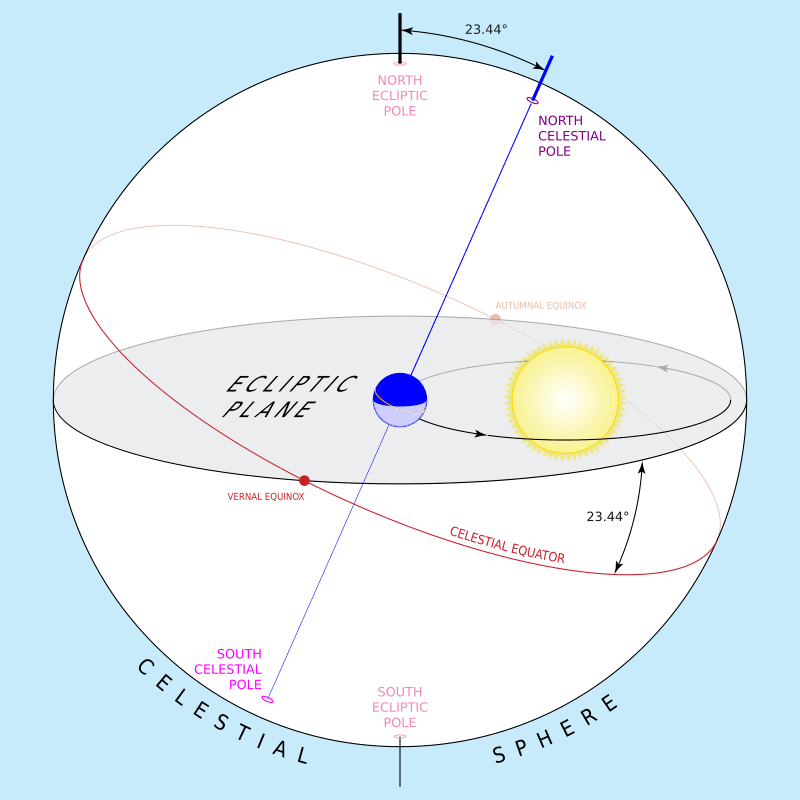
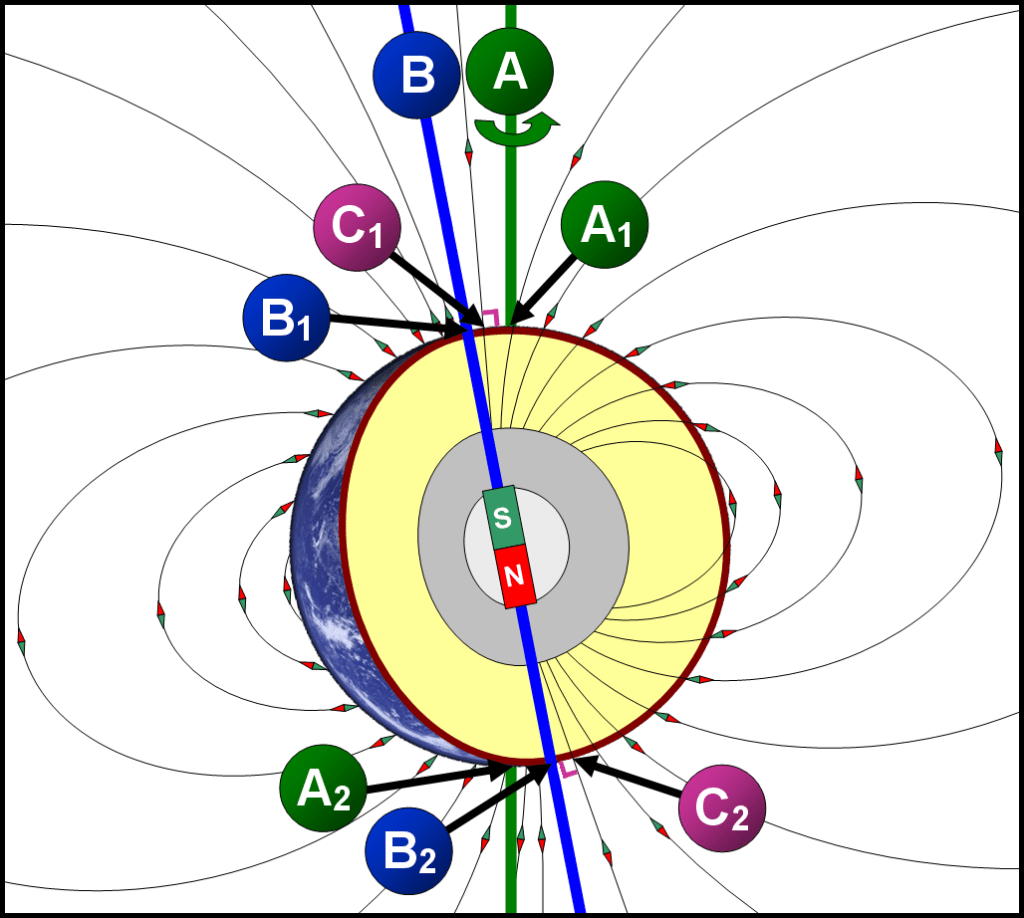
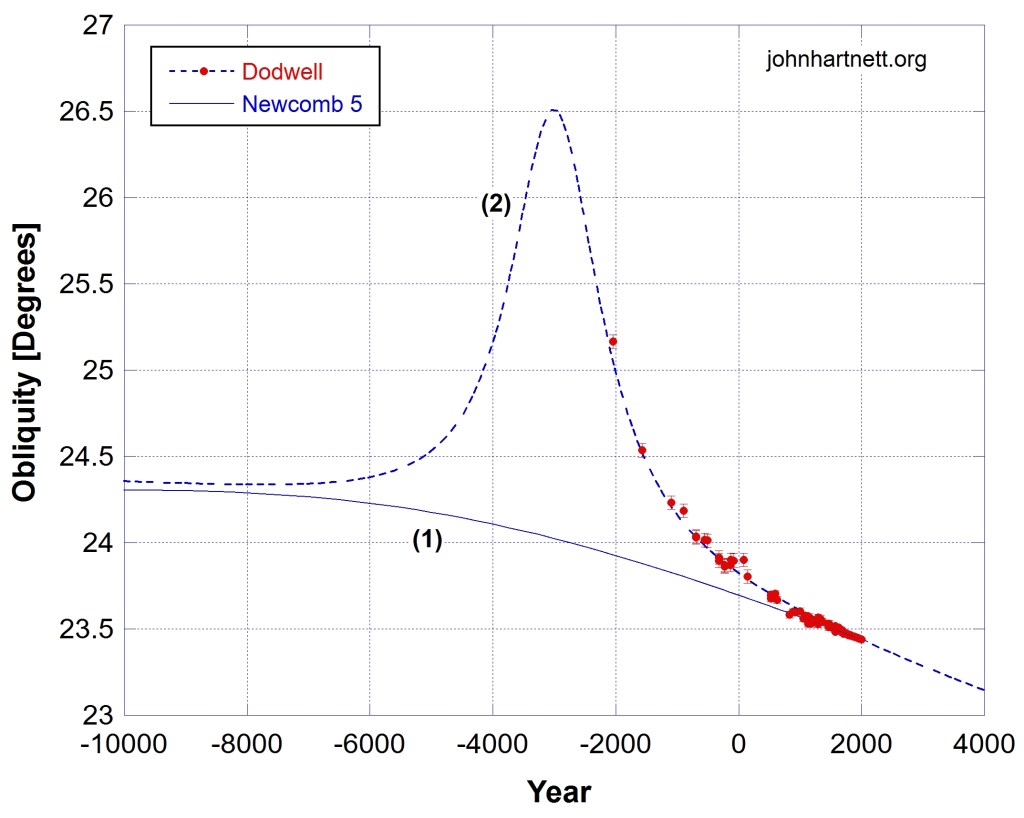
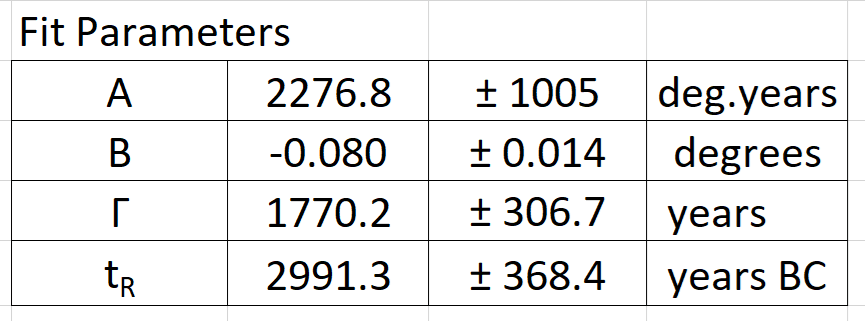
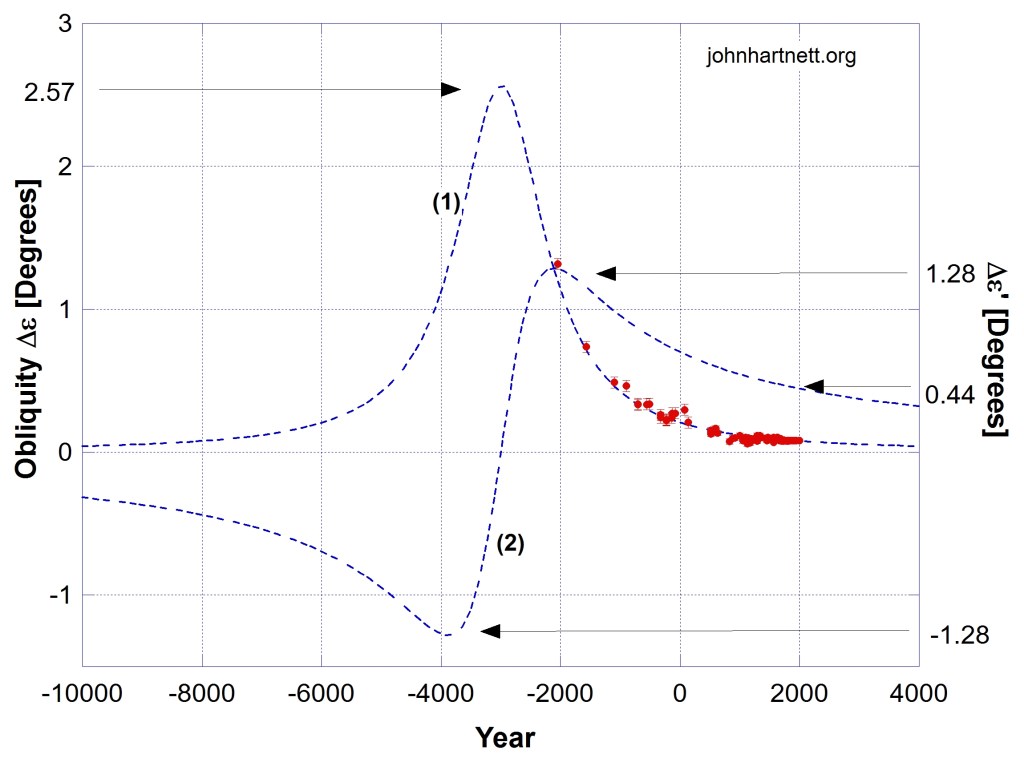
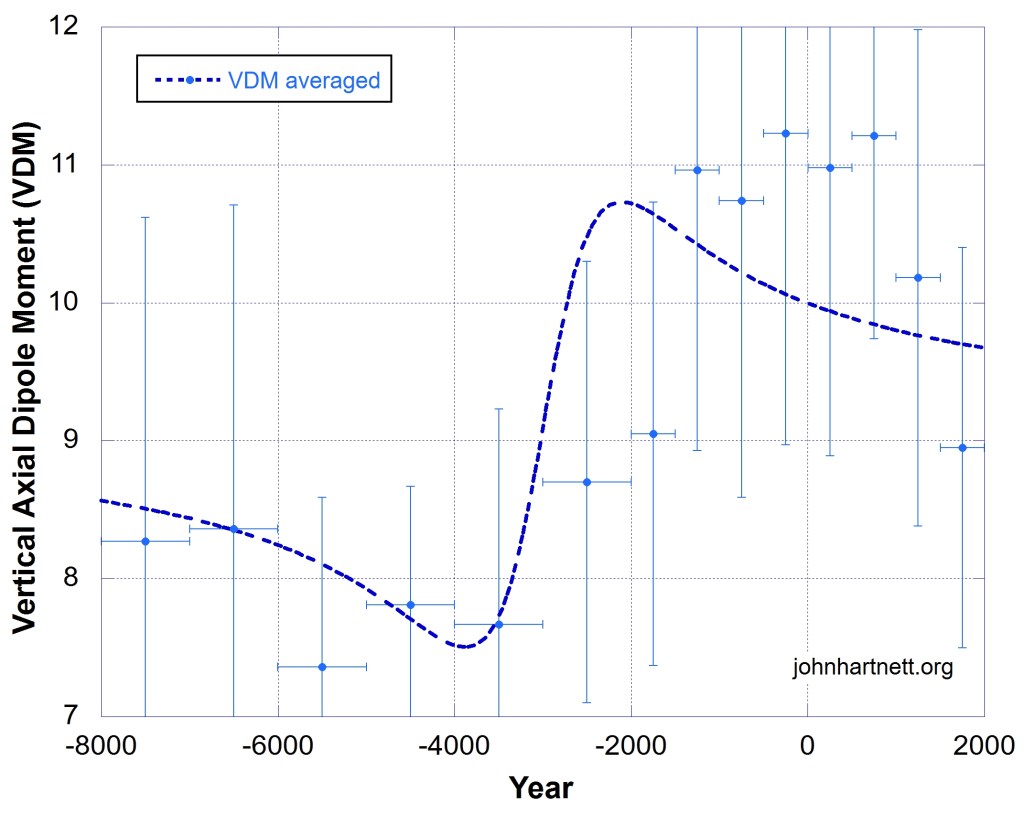
The rotational axis of Earth is tilted at an angle of 23.44 degrees to the plane of the planet's orbit around the Sun. How has it changed over the past 7,000 years? Is there evidence of an extraordinary event that changed it?

  •  
❌