The latest Nintendo Direct has concluded, and what a cracker of a show!
It delivered a huge number of titles for Nintendo Switch and Nintendo Switch 2 owners to look forward to, with some big new entries in major franchises like Kirby and Metroid.
There were also plenty of exciting ports, like three new Resident Evil ports, two Far Cry games, and more. Lots of existing titles also got big upgrades in the form of new Switch 2 Editions or free updates.
There are more maps coming to Mario Kart World, for example, and Pikmin 4 is getting a comprehensive Switch 2 upgrade later today.
If you didn't manage to catch the show, you can see a bullet point list of all the announcements in the order that they happened below.
Everything announced at Nintendo Direct – 09/09/2026
Monster Hunter Wilds Nintendo Switch 2 port shown, includes all updates — launches on December 4
Ascendance expansion is also coming in 2027
Final Fantasy 7 Revelation trailer shown — launches on April 8, with pre-orders beginning later today
Crisis Core Final Fantasy 7 Reunion launches on Nintendo Switch 2 later today
Hyrule Warriors Age of Calamity Definitive Edition coming to Nintendo Switch 2 with visual upgrades and new modes — out February 25
Viral hit Meccha Chamelon is coming to Nintendo Switch 2 later today
Pokémon Pokopia Expansion Pass DLC is adding some cute new accessories later this year
Star Fox is getting a free update with four split-screen players in battle mode, plus three new stages
Star Fox Adventures from the Nintendo GameCube is coming to Nintendo Classics later today
Some Nintendo Switch 2 The Witcher 3: Wild Hunt - Remastered footage shown — out September 29
Songs of the Past expansion also shown — coming in 2027
Kingdom Come: Deliverance 2 Royal Edition is coming to Nintendo Switch 2 in 2027
Fire Emblem: Fortune's Weave new trailer shown — game still set to launch on September 17
Professor Layton and the New World of Steam finally gets a new trailer showing puzzle gameplay — set to have the biggest number of puzzles yet when it arrives on December 10
New Yokai Watch game revealed — Yokai Watch 2 Haunted Domain currently in development
Nintendo Switch 2 Edition version of Pikmin 4 confirmed — adds voice commands, new mode, and more when it comes out today
Onyx The Dead Grip — new horror game from Bloober Team launches as a Switch 2 exclusive next year, can only be played in handheld mode
New sizzle reel for Xenoblade Chronicles 3 Nintendo Switch 2 Edition
Stage Fright, a new spooky game from the developers of Overcooked shown — comes to Switch and Switch 2 next year
Disney Dreamlight Valley: The Keepsake Sea — the game's next paid expansion with underwater areas
Ondeh Ondeh Kaya's Tasty Tale — a charming rhythm adventure out in 2027
Lego Batman: Legacy of the Dark Knight finally releasing for Switch 2 on September 18
New Kirby Air Riders amiibo will launch on November 12
Cairn port arriving in early 2027, with demo out today
Resident Evil 2 Deluxe Edition, Resident Evil 3, and Resident Evil 4 Gold Edition all coming on October 16
Tomb Raider Legacy of Atlantis Switch 2 trailer shown — out February 12, 2027
New Nintendo Switch Sports Resort trailer showing free island exploration — Switch 2 exclusive coming October 22
New 2D Metroid title revealed — Metroid Ravenous, out January 28, 2027
Big free update with ten new courses, plus two new knockout tour routes, is coming to Mario Kart World today
Mega Man: Dual Override gameplay trailer shows off Proto Man
New Mega Man and Proto Man amiibo also revealed
New RPG Eternal Anima shown — comes to Switch 2 on March 4, 2027
Danganronpa 2x2 port revealed with new 'Slayhem' mode out on January 14, 2027, for Switch and Switch 2
Fatal Fury: City of the Wolves port is on the way in October
Metal Slug Ultimate Collection revealed with loads of games — out for Switch and Switch 2 next year
Yo-Gi-Oh! Tag Force GX port revealed for Switch and Switch 2 — launches February 16, 2027
Romance Saga 3: Destinies United remake for Switch and Switch 2 also out February 16, 2027
007 First Light is actually launching at some point this year, apparently
Far Cry 3 Classic Edition coming to Switch in 2027
Far Cry Blood Dragon Classic Edition on the way too
The Crew Motorfest Switch 2port shown in the sizzle reel
The Apothecary Diaries: The First Imperial Brother out in early 2027
House Flipper 2 out October 15
Sonic Pico Park spindashing on to Switch and Switch 2 on November 12
Dragon Quest Monsters: The Withered World out on December 3
Torneko's Mystery Dungeon Classic HD is available later today
Hela port launching on December 1
Criksholm The Stolen Dream is coming to Switch 2 on December 3
Stellar Blade Complete Edition shown with Bayonetta crossover costume
The Ascent Complete Edition is out in December
It Takes Two comes out on October 15 for Switch 2
Palia Nintendo Switch 2 Edition out in December
Bluey's Happy Snaps — brief bit of new footage shown
Hot Wheels Infinite Rush dropping on September 10
Fading Echo out on September 17 — demo later today
Hell is Us port shown, out October 8
Marvel Guardians of the Galaxy Encore Edition dropping on November 5 — pre-order today
Surprise Persona 4 Revival trailer shows off loads of new gameplay
Persona 6 logo shown on screen
The final announcement is a new Kirby game that looks almost open-world — called Kirby and the World Beyond and out in Spring 2027
VOD
You can also catch up with the video on demand (VOD) version of the stream via YouTube below.
The giant of a video game release is nearly upon us, and Sony is getting well and truly involved with GTA 6 PS5 controllers beginning tomorrow on two very cool looking DualSense variations.
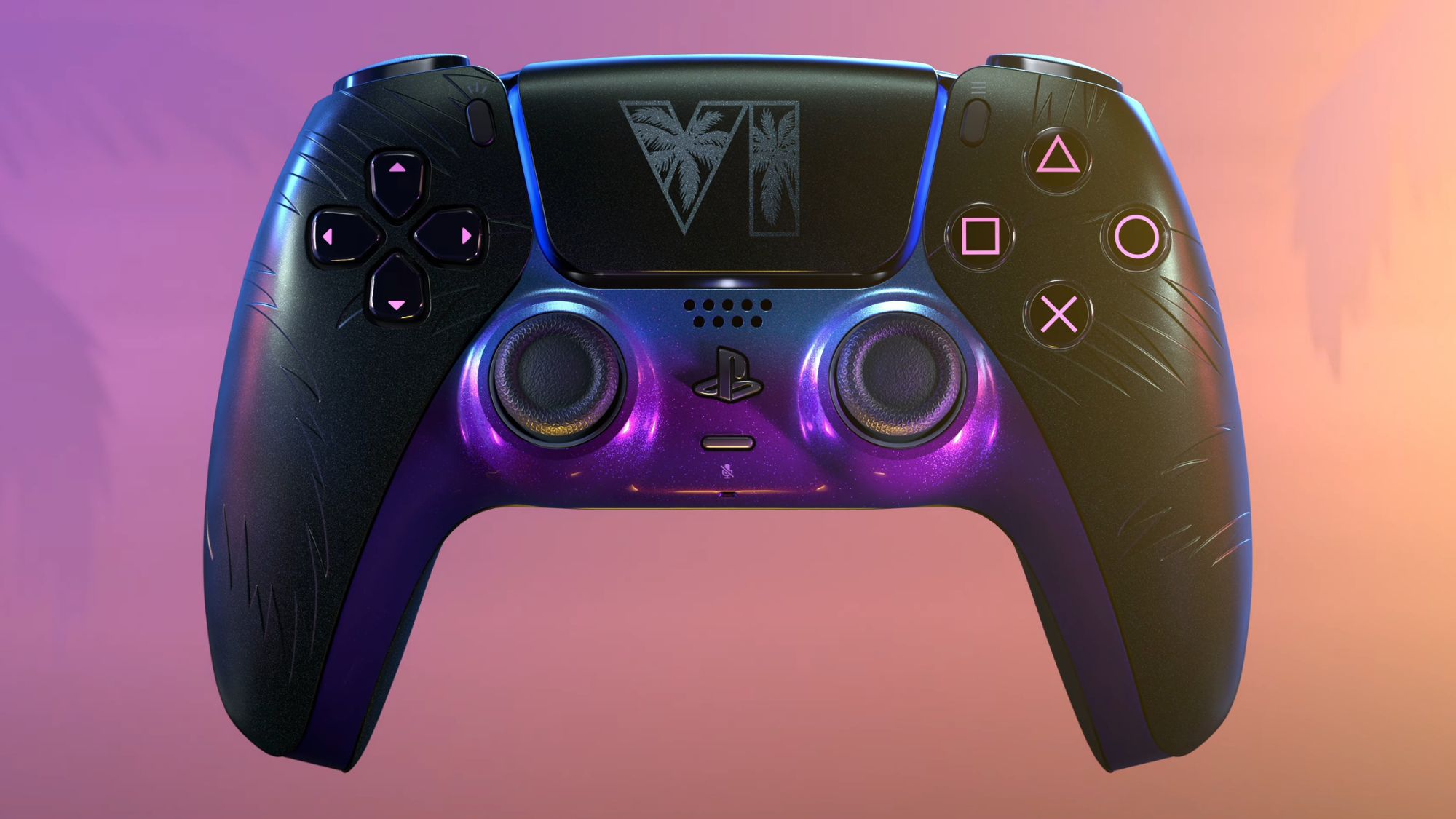
Two new limited-edition GTA 6 PS5 controllers are up for grabs tomorrow: one black, one white. Both share a lot of the same design sensibilities and features, but I think both look slick as heck. They are both unmistakably 'Vice City' with palm tree emblems and fronds draped over the pad, while the glints of pink shine wonderfully through on the white or black backgrounds, and the shimmering finish on both does a great job of evoking neon lights.
Both DualSense controllers will cost you $84.99 / £74.99 and will release alongside GTA 6 on November 19. However, there will be a slight variation in availability. The white GTA 6 DualSense will be "available in limited quantities globally at direct.playstation.com and at participating retailers", says Sony. The black GTA 6 DualSense will be "available in limited quantities exclusively through direct.playstation.com where available" — so that means in the UK and US.
We expect the usual suspects to get involved in pre-order listings on both sides of the Atlantic, and we will be casting our eager eye over those, and a wider net more generally, to make sure we get you the best links and info as soon as we see them. We're starting today to get our flag in the ground early, so you know where to be in the run-up to stock dropping.
Should you pre-order a GTA 6 Limited Edition PS5 controller?
This is perhaps an even easier recommendation to make than the one I did before the game was available to pre-order: in short, you should absolutely, 100%, definitely consider placing a pre-order on these GTA 6 DualSense controllers if you can, rather than waiting and hoping they remain available in the long run.
These are accessories — that will be available in "limited quantities", according to Sony — that will coincide with the release of the biggest thing in all of entertainment ever. As a result, the demand will likely be the highest on DualSense controller editions we've ever seen — and perhaps on any accessory ever.
Yes, there are two different editions which will hopefully spread the load of the demand, but I think placing a pre-order if you can is by far the safest option if you're at all interested in one of these PS5 controllers.
GTA 6 Limited Edition PS5 controllers: cut to the chase
Price: $84.99 / £74.99
Pre-order date: September 10, 2026; 10am ET / 10am local time in Europe
Release date: November 19, 2026
Design: Sony describes the limited edition DualSense controllers as pads that "each capture the essence of Vice City, from bright days along the coast to vibrant city nights. Both editions feature a shimmering, color-shifting finish that brings together the hues of a Vice City sunset and the glow of neon lights. They both also feature custom palm tree details molded directly into the controller, adding a unique tactile element alongside official Grand Theft Auto VI branding." There's no denying they do look pretty slick.
Hello!
Hello and welcome to our live coverage of the upcoming GTA 6 PS5 controller pre-orders which are dropping tomorrow!
We're getting our flag in the ground early to be in the best position to help you snag your one, or two, new DualSense controllers!
These are going to be hot stuff...
(Image credit: PlayStation)
Not only are these two controllers absolute beauties — at least, I think — they are tied to the biggest entertainment release in history.
As a result, I predict the demand for these is going to be huge; absolutely wild, in fact. I know that recent Limited Edition PS5 controllers haven't sold out like some, but surely the safe bet here is that stock will fly.
Because of that I reckon it'll pay to get in position early with bookmarking the above links, getting account information in order, and making sure you're fully informed ahead of stock dropping. tomorrow.
So let's begin with some key information...
What, and how much, are the GTA 6 PS5 controller pre-orders?
(Image credit: Sony/Rockstar)
In terms of what, there will be two distinct GTA 6 PS5 controllers up for pre-order tomorrow.
Sony is attractively naming them, officially, as 'DualSense Wireless Controller – Grand Theft Auto VI Black Limited Edition' and 'DualSense Wireless Controller – Grand Theft Auto VI White Limited Edition'. The black and white overarching colorway is indeed the biggest thing that separates them, but they both look slick as heck in my view.
There's that shimmering blue look on both, palm tree fronds and forms draped over the pads, and pink accents that punch through the black or white really pleasingly. I think I prefer the Black one, but it's a close run thing.
There's no difference in price, though, and both will cost you $84.99 / £74.99 — the standard price for DualSenses right now.
When and where are the GTA 6 PS5 controller pre-orders?
(Image credit: Sony/Rockstar)
OK, the first part of this is easy: GTA 6 PS5 controller pre-orders kick off at 10am ET in the US, and 10am local time everywhere else. Boom.
The second part, availability, is a little more complex, but only in the sense of the difference between the two variants. If my parsing of the PS Blog post is correct, it appears that the Black GTA 6 DualSense will be exclusive to PS Direct, while the white variant will be the one that's available at both PS Direct and other retailers.
The details are fabulous...
(Image credit: Sony/Rockstar)
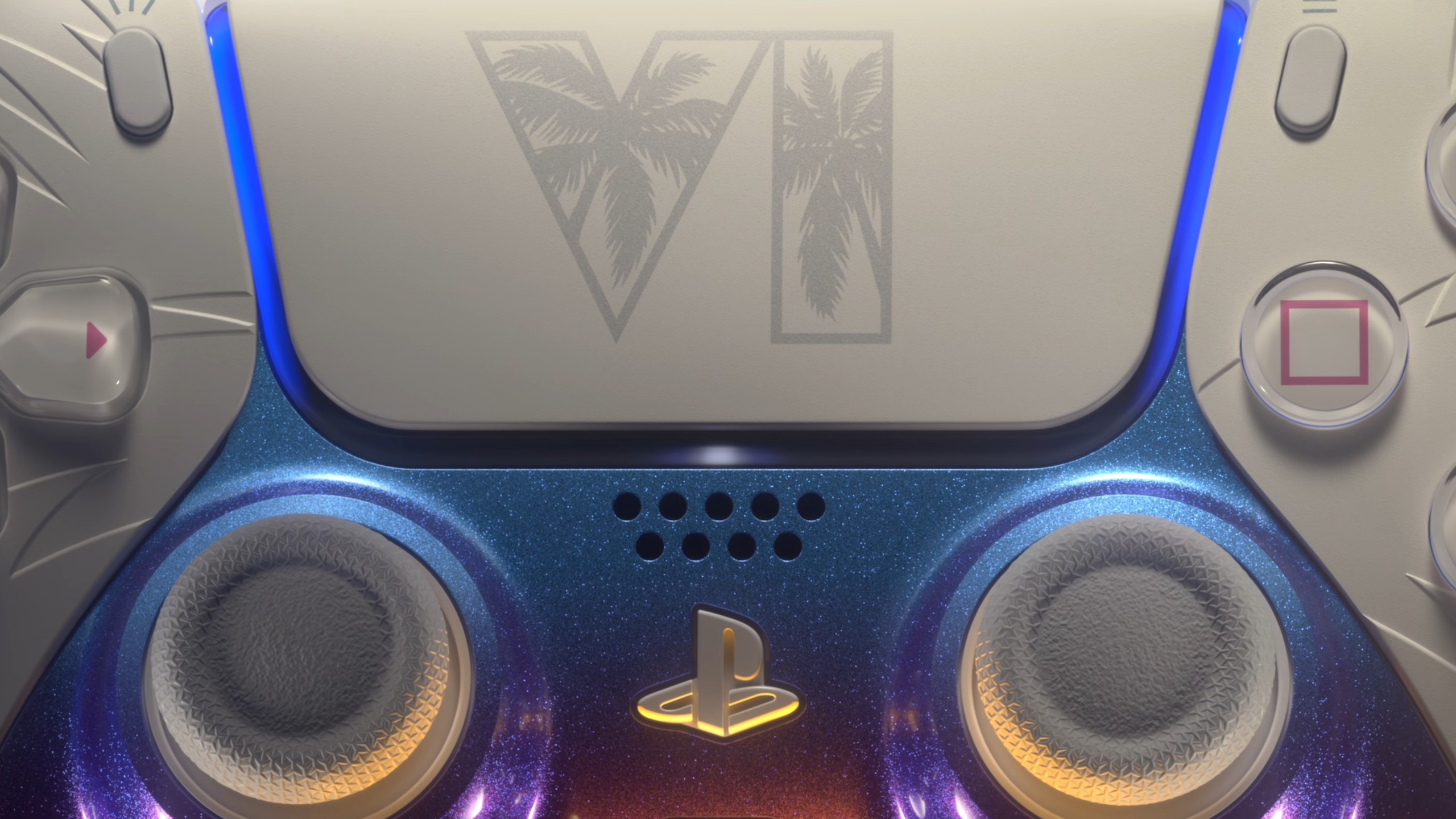
I really like the flashy details of the glinty art style in both the black and white variants, and this close up of the white model really shows how the glimmering and shimmering speckles will change in the light too. Nice.
...and more than just a pattern
(Image credit: Sony/Rockstar)
And I also really like the look of the properly moulded and formed palm tree fronds that are raised off the surface of the DualSense.
A lot of previous designs haven't altered the physical feel of the PS5 controller that much, so I really like this change and feature of this particular limited edition design.
So: which one do you like the look of most?
As I said, I think the Black one just pips it for me in terms of my aesthetic tastes, but which one are you most likely to pre-order? Let me know in the poll below!
An early bit of advice to be in position, well, early
It sounds obvious, being ready early, but actually what I mean more specifically is that last time out with the Marvel's Wolverine PS5 collection of controllers and console covers, retailers in the UK, particularly, actually went live comfortably earlier than the 10am start time.
So much so, in fact,m that PS Direct itself also pulled the trigger before 10am in the end; such were the options available to customers before the official start time.
As a result, it'll definitely pay to be as ready to go as you possibly can earlier than 10am ET or 10am local time — perhaps aim for 9.30am and get poised.
Which retailers are the ones to go for first?
(Image credit: Future)
If I'm understanding the PS Blog post correctly — and I think I am, I've done loads of these launches now, though Sony can be ambiguous — then I reckon you're best first port of call is going top be PlayStation Direct. And that's on both sides of the Atlantic.
US retailers have been pretty good on the last limited edition releases and all of Walmart, Amazon, Best Buy, Target, and GameStop have reliably followed with stock. We'd still err toward the former three though for the best and likely-quickest shopping experience.
In the UK, things have been a bit different in recent times. Amazon UK has been very unreliable when it comes to limited edition PS5 hardware or accessory stock. For example, it still hasn't got Marvel's Wolverine DualSense stock. However, the likes of Smyths Toys, Currys,. and Very have all been reliable with the last release or two.
Even the packaging looks dope — if it's real
Our friends at GamesRadar+ have spotted a social media post that shows an image of the packaging — and even that looks slick as heck! If it's real, of course...
Here's a new look at the #GTAVI DualSense controller boxSource: https://t.co/DEQ8Ul0gEI pic.twitter.com/fdboZqGFo4September 8, 2026
I'm off for now - but we're still going
I'm passing the steering of our GTA 6 PS5 controller pre-order ship to one of my excellent colleagues now, as I step away for the evening (and to prepare for a trip to BlizzCon too!).
Keep it right here for the best information and links in preparation for tomorrow's pre-orders kicking off!
Sony has seemingly been caught testing dynamic pricing again
PS5 users are seeing different discounts for Star Wars games based on unknown account factors
Some regions seem unaffected by the experiment
Dynamic pricing is back in the gaming news, as PS5 players are yet again seeing the wild disparity between discount amounts for the same game — and its all-digital future feels ever more like a nightmare.
When looking at buying Star Wars Jedi: Fallen Order while logged into their PlayStation account Reddit user Bluemonkey88 was told it would cost them CA$19.24, or a roughly 65% discount from its RRP. Meanwhile the sequel Jedi: Survivor would set them back CA$23.39 (a 74% saving). As soon as they logged out Fallen Order dropped to CA$10.99, an 80% drop from full price, and Survivor fell to CA$13.49, or an 85% discount.
In the replies, we can see folks being offered the games for CA$13.99 and CA$18.19, though further muddying the waters a couple of US users — one with PS Plus and another without — both see the games at $7.99 and $10.49, suggesting not every region or user is subject to the same price testing.
If you haven’t heard before, dynamic pricing is where a product’s cost fluctuates based on who is buying the product, or when they’re buying it.
It goes by other names you might have seen like surge pricing on Uber — when everyone is trying to book a cab, say just as a concert ends or if the weather turns bad, you’ll see costs rise because demand is up.
(Image credit: Uber)
In Sony’s case here the pricing seems more algorithmic. There’s an unending supply of digital games, so instead the discount amount folks are seeing looks to be based on how likely it is you’ll buy the product, and adjusting the sale until it just tips you over the edge.
For example someone who maybe plays a couple of games a year or isn’t a mega Star Wars or action adventure game fan might see a steep discount as they’ll need more convincing. Whereas a mega fan of Star Wars, or a gamer who digests a new title every other week might be willing to pay more.
It’s like how airlines and hotels are accused of upping costs for folks who have filled their search history with holiday plans to a dream destination — if they’re desperate to go to, say, Paris, then they’ll be willing to maybe pay that little bit extra compared with a more agnostic traveller.
No thank you
This isn’t the first time Sony has been caught testing dynamic pricing. In fact, some kind of experiment has been going on from as far back as November last year.
And it’s as scummy a practice then as it is now, and it will continue to be as awfully anti-consumer as some of Sony’s other recent moves (i.e. killing physical games media).
Though if you’re thinking of jumping ship to Xbox it too has been caught with its hand in the dynamic pricing cookie jar. In its case it appears Microsoft is offering deeper Game Pass discounts to some accounts than others, with current subscribers unable to see the deal at all.
(Image credit: Microsoft)
A digital-only gaming future already has so many downsides when it comes to ownership, game archiving, offline access and more, that we simply don’t need to add dynamic pricing to the mix.
Maybe Sony will reverse course, though its efforts for the past year suggest that dynamic pricing is here to stay. The best thing we can do is point it out every time it’s spotted, and making sure we don’t get suckered in with higher prices.
The leaked achievements are listed for each title on Exophase, including spoilers for major plot points, character reveals, and even weapon unlocks (notably for Kingdom Hearts 4), despite missing full descriptions. It's effectively created a minefield of spoilers to avoid, which is made worse since the list includes games that don't even have a release date.
It's not exactly clear how this leak occurred on Valve's end, but it doesn't appear to be a breach of the Steam platform. Instead, it may very well be an issue with Valve's API exposure, at least according to Exophase owner Mike Bendel, who claims it's a "possible screw-up on Valve's end", which makes this the second slip-up in just a few weeks.
Recently, around 12TB to 13TB of early prototypes, unreleased titles, and scrapped builds of games between 2003 and 2013 were leaked from Steam, including games such as GTA 5, The Binding of Isaac, and even some of Valve's very own games like Left 4 Dead.
(Image credit: T. Schneider / Shutterstock)
It's possibly the worst spell of game leaks for publishers launching games on PC platforms like Steam, especially with the leak of builds for games like Death Stranding 2: On the Beach and Forza Horizon 6 before launch.
There's clearly a major security issue at hand with Steam, and until it's addressed, game leaks seem inevitable. Game achievements, while potentially spoiler-filled, are minor in comparison to the very recent game prototype leak.
Valve hasn't made an official statement on the Steam prototype or achievements leaks, but with its impact on both publishers and consumers, it wouldn't be surprising to see both cases addressed soon.
Google Ads brings Local Customer Optimization to Performance Max and easier Store Sales measurement to help retailers drive and measure in-store purchases.
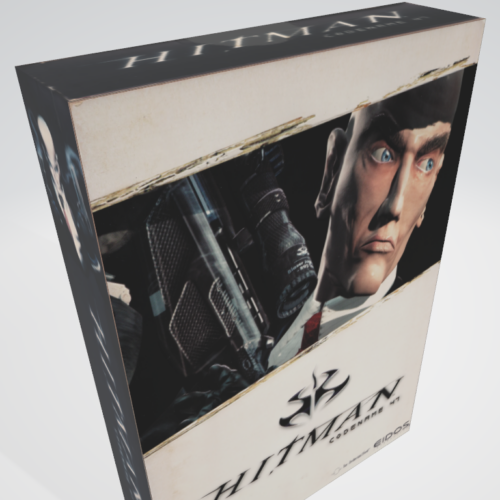
Those who remember PC gaming in the days before Steam may have fond memories of the "big box" packaging that made those games stand out as shelf eye candy and sought-after in-home collectibles. Today, PC gaming platform GOG is hoping to reignite some of the nostalgia for those days by adding downloadable 3D models and printable, foldable high-res packaging scans for a handful of PC games on the platform.
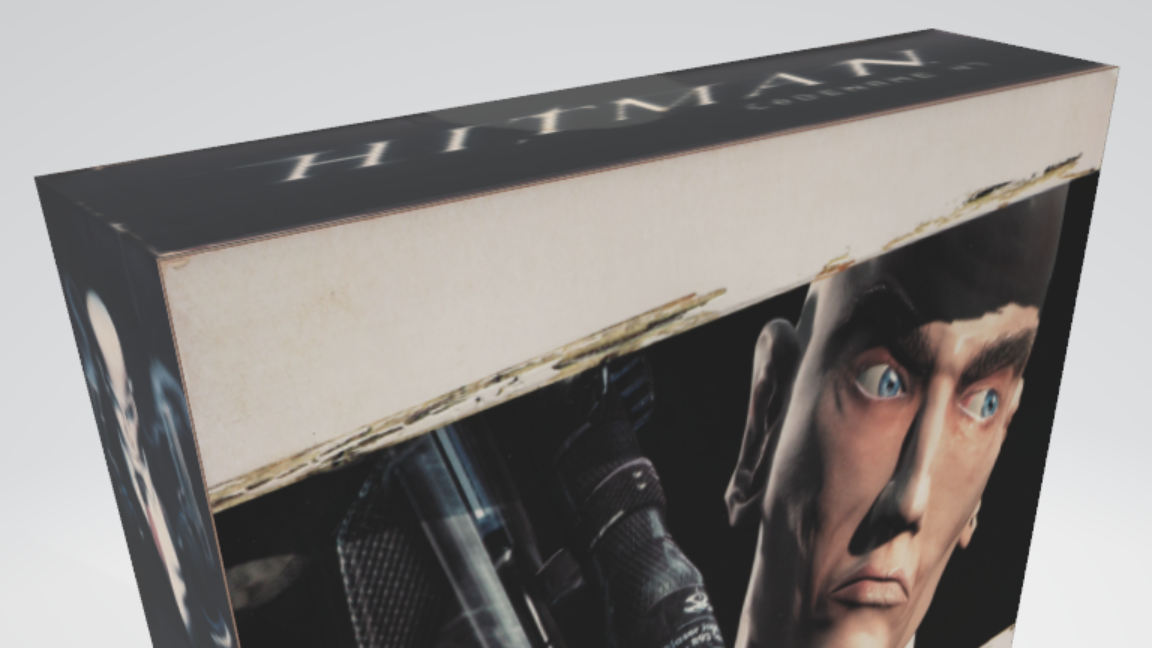
Thus far, the "Printable Big Box" collection on GOG is limited to just five games: Armikrog, Descent, Hitman: Codename 47, Myst, and Star Trek: 25th Anniversary. Players browsing those games on the GOG store will now see "3D Boxes" listed among the included "Goodies" before purchase. Owners of those games on GOG can download a ZIP file containing a version of the box art as an animated 3D object file (in an easy-to-open GLB format) and a "flat printable template" in PDF, SVG, and Adobe Illustrator formats. Those downloads allow for what GOG calls "a proper papercraft project for anyone who misses shelves full of PC game boxes."
The 3D model animates to show the front flap opening.
Credit:
GOG
"Physical media doesn’t survive the way software can—boxes get lost, crushed, thrown out," GOG writes in today's announcement. "Scanning them, and letting you print your own, is preservation in a different shape: the same mission that keeps these games running on modern PCs, applied to the objects they used to come in."
Advertiser data now spans single-digit to $22 CPCs, but ChatGPT Ads still lacks auction insights, industry benchmarks, and reliable audience data to judge performance.
Arsenic contamination in drinking water poses a critical global public health hazard. Prolonged exposure to inorganic arsenic—predominantly present in groundwater as arsenate, where arsenic exists in its +5 oxidation state—can lead to severe dermatological lesions, cardiovascular diseases, and cancers. To mitigate these health risks, the World Health Organization has established a strict provisional safety guideline of 10 micrograms of total arsenic per liter of drinking water. Because arsenic occurs naturally through the weathering of rocks and minerals in aquifers worldwide, engineering low-cost, scalable, and highly efficient materials for water purification remains a central goal in modern materials chemistry.
Iron-based compounds, particularly iron oxyhydroxides, are among the most effective materials for trapping arsenate. At a fundamental chemical level, arsenate ions readily substitute for surface hydroxyl groups on iron oxyhydroxides, forming strong chemical bonds that permanently anchor the contaminant to the solid surface. However, translating this surface chemistry into practical filters presents a persistent engineering hurdle: maximizing the amount of active iron exposed to water. Simply increasing the iron concentration during material synthesis causes iron nanoparticles to aggregate into large, dense clusters. As these clusters grow, much of the iron becomes buried within the interior bulk, leaving only a tiny fraction accessible at the surface to bind arsenate.
A promising design strategy 1 overcomes this limitation by decoupling the nucleation of iron particles from their subsequent growth on a flexible, high-surface-area polymer matrix. The foundation of this system is a composite fibrous membrane fabricated from poly(vinyl alcohol) and pectin via electrospinning. In electrospinning, a high-voltage electric field draws a liquid polymer mixture into ultra-fine threads, which solidify into an interconnected, highly porous mesh of nanofibers. Poly(vinyl alcohol) provides structural integrity and water stability upon heat treatment, while pectin—a natural polysaccharide rich in carboxyl and hydroxyl functional groups—serves as a molecular anchor capable of capturing iron ions from solution.
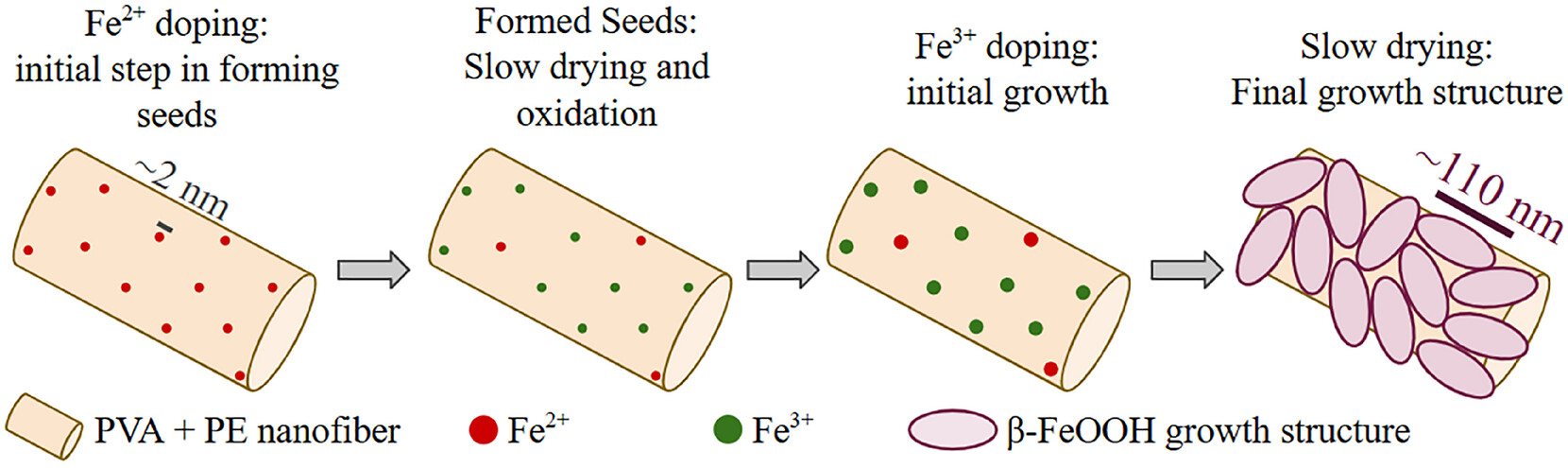
Proposed mechanism for anisotropic growth by an Fe seed. Source: A. C. Santos (2026) Small Methods doi: 10.1002/smtd.70975
To grow high-density nanostructures without triggering particle agglomeration, a sequential, two-step chemical treatment is applied. First, the electrospun membrane is immersed in a solution containing iron(II) ions (Fe2+). The carboxylate groups on the pectin molecules coordinate with these cations, forming uniformly dispersed, nanometer-scale iron seed clusters (~2 nanometers in size) across the nanofiber surfaces as the material dries and oxidizes. In the second step, the seeded membrane is placed in a solution containing iron(III) ions (Fe3+). Instead of forming isolated new particles in solution, the newly added iron deposits onto the pre-existing seeds, driving controlled anisotropic growth along preferred crystallographic axes.
This seed-mediated approach yields an extraordinarily high density of surface-exposed iron nanostructures, achieving a 12-fold increase in surface atomic iron content compared to single-step doping methods. High-resolution electron microscopy reveals that these nanostructures adopt an elongated, rice-grain morphology measuring approximately 29 nanometers in width and 110 nanometers in length. Structural characterization using X-ray scattering, X-ray diffraction, and Mössbauer spectroscopy identifies the predominant active iron phase as akaganeite (β-FeOOH), a tunnel-structured, poorly crystalline iron oxyhydroxide known for its exceptional binding affinity toward arsenate.
Field Emission Scanning Electron Microscopy (FE-SEM) micrographs for comparison of the morphologies of the composite mats with that of the reference PVA + PE membrane (a.b), which exhibits the typical electrospun nanofibrous structure. PVA + PE + Fe2 (c,d) and PVA + PE + Fe3 mats (e.f) retain a morphology similar to that of the pristine mats, whereas the PVA + PE + Fe2+Fe3 mat (g,h,i) is the only one exhibiting rice-grain-like structures along the nanofibers. The presence of these nanostructures indicates that the growth of the Fe-based structure was successfully achieved. Source: A. C. Santos (2026) Small Methods doi: 10.1002/smtd.70975
When evaluated in water purification tests, the nanostructured membrane demonstrates exceptional superadsorbent performance. Using a minimal material dosage of 1 gram per liter, the membrane reduces initial arsenate concentrations from 1000 micrograms per liter down to below 10 micrograms per liter within 24 hours at pH 6, achieving roughly 99% arsenic removal and satisfying WHO safety limits. The material retains high efficiency across a broad operational pH range of 5 to 8, and ICP analysis confirms that iron leaching into the treated water remains safely below 5 micrograms per liter.
Kinetic and isotherm analyses reveal that arsenate removal occurs via surface chemisorption governed by cooperative binding behavior. As initial arsenate molecules bind to active sites on the akaganeite surface, local chemical and electrostatic interactions make adjacent sites even more receptive to further adsorption, resulting in accelerated uptake kinetics. Furthermore, the material performs reliably in complex water environments. Naturally occurring co-contaminants such as fluoride do not interfere with arsenate capture, and the presence of heavy metal cations—such as copper and cadmium—actually enhances arsenate removal by forming secondary surface complexes that create additional binding sites. Although chemical regeneration using sodium hydroxide solution results in a slight decrease in capacity over repeated cycles due to incomplete desorption, the membrane maintains an 81% to 87% removal efficiency, demonstrating strong potential for practical, reusable water remediation systems.
Author: César Tomé López is a science writer and the editor of Mapping Ignorance
Disclaimer: Parts of this article may have been copied verbatim or almost verbatim from the referenced research paper/s.
References
A. C. Santos, S. Cerveny, C. Iacovone, C. P. Ramos, A. J. Marzocca, and S. Goyanes (2026) High-Density Iron Nanostructures Grown on Electrospun PVA/Pectin Fibers via Seed-Mediated Strategy for As(V) Remediation Small Methods doi: 10.1002/smtd.70975↩
Matt has some pretty good but not perfect Switch 2 controllers. Niléane has a new set of headphones and assures us she doesn’t have a problem. And everyone tries to make the best gaming recommendations for their co-hosts.
On Cozy Zone, the gang has a lively discussion about the new The Mandalorian and Grogu movie.
This week, Federico returns from the beach, he and John discuss the explosion of classic videogames being ported to the iPhone, iPad, and Android, and they share a couple of Apple TV picks.
AppStories, Episode 497, ‘Folding the iPhone into the Creator Economy’ Show Notes
This episode is sponsored by:
Inoreader – Build Your Own Newsfeed and Cut Through the Noise
NPC XL is a weekly members-only version of NPC with extra content, available exclusively through our new Patreon for $5/month. Each week on NPC XL, Federico, Brendon, and John record a special segment or deep dive about a particular topic that is released alongside the “regular” NPC episodes. You can subscribe here.
Comfort Zone, Episode 113, ‘I Respect Wood’ Show Notes
For even more from the Comfort Zone crew, you can subscribe to Cozy Zone. Cozy Zone is a weekly bonus episode of Comfort Zone where Matt, Niléane, and Chris invite listeners to join them in the Cozy Zone where they’ll cover extra topics, invent wilder challenges and games, and share all their great (and not so great) takes on tech. You can subscribe to Cozy Zone for $5 per month here or $50 per year here.
MacStories Unwind, ‘Coding Agents Revive Classic Games’ Show Notes
MacStories launched its first podcast in 2017 with AppStories. Since then, the lineup has expanded to include a family of weekly shows that also includes MacStories Unwind, Magic Rays of Light, Comfort Zone, NPC: Next Portable Console, and First, Last, Everything that collectively, cover a broad range of the modern media world from Apple’s streaming service and videogame hardware to apps for a growing audience that appreciates our thoughtful, in-depth approach to media.
If you’re interested in advertising on our shows, you can learn more here or by contacting our Managing Editor, John Voorhees.
I've spent a lot of time this summer gaming on my Steam Deck. It's hot outside, it's hot inside, and my desktop gaming PC simply creates too much heat.
The only major problem I have with my Steam Deck is that it doesn't play nicely with PC Game Pass, to which I'm a subscriber. Yeah, I could stream games to my handheld, but there's now a better solution in the works.
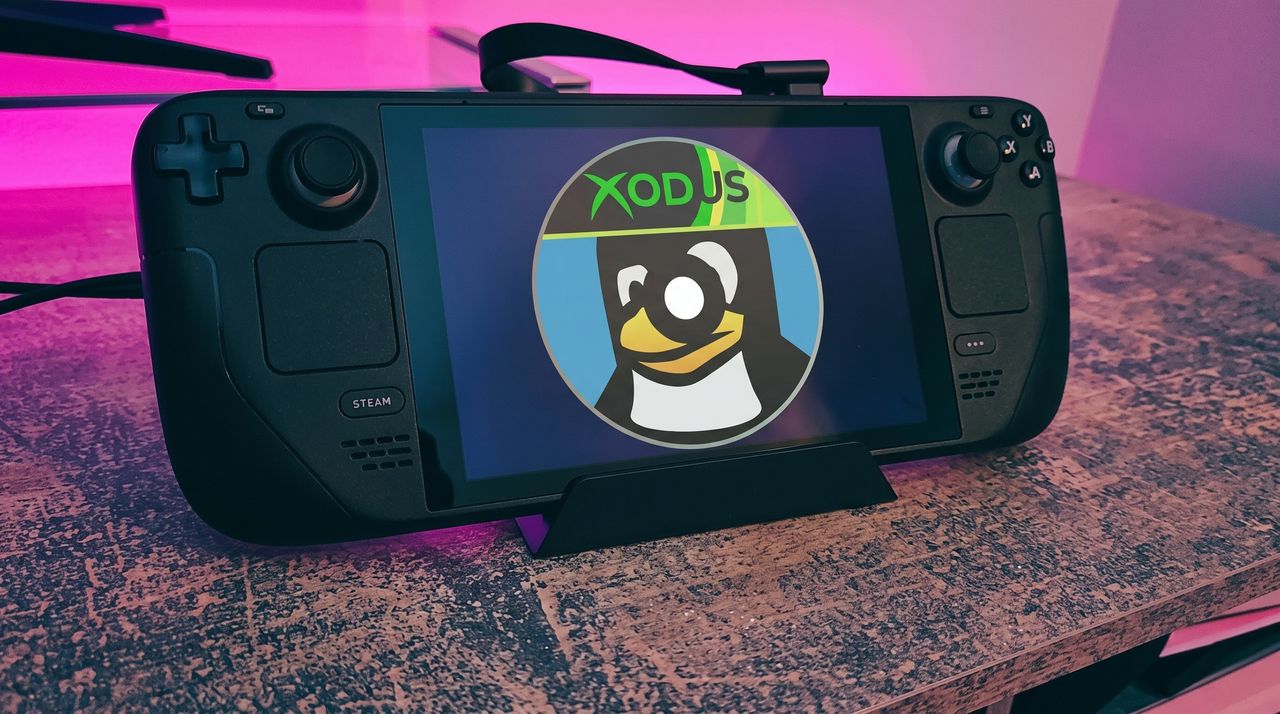
I'm talking about Xodus, an open-source project that's attempting to build a bridge between PC Game Pass and Linux systems, including the Steam Deck. The project is also attempting to iron out similar issues on macOS. No Windows install needed.
Xodus comes from the developers behind the Heroic Games Launcher, a separate open-source app that brings Epic, GOG, and Amazon Prime titles to Steam Deck (it also works on Windows, macOS, and other Linux systems).
The developers are undoubtedly up against a grind with this project. Xbox PC games that come from the Xbox app rely primarily on a Microsoft Game Development Kit (GDK) runtime, which is a far cry from DirectX and Win32 layers that Valve's Proton already handles quite well.
This Microsoft GDK is really what has kept PC Game Pass from running directly on the Steam Deck (and macOS) for so long.
Is Xodus ready for public release?
Xodus could finally bridge the gap between PC Game Pass and Steam Deck. (Image credit: Rebecca Spear / Windows Centarl)
According to updates shared on the Xodus GitHub page, the developers have cracked Xbox authorization, license checks, and MSIXVC package (the containers that PC games come in) download and decryption.
In a Reddit post, a Xodus developer noted that the team's main focus is now getting the Software Development Kit (SDK) for each title to run through Wine. It appears that Xodus has its own Wine and Proton forks for this purpose, as well as an open-source version of the xgameruntime.dll file that Game Pass games depend on.
Xodus likely won't support all Game Pass games when it launches, either. Older games that eschew GDK and MSIXVC for UWP will likely come later, if at all.
Why I'm so excited to try out Xodus on my Steam Deck
PC Game Pass on Steam would open up a whole lot of new options for gaming on the go. (Image credit: Future)
As mentioned, the biggest drawback to my Steam Deck, aside from its growing age, is its lack of native PC Game Pass support.
Sure, I could upgrade to a newer handheld that natively runs Windows, but it looks like I might not need to quite yet. That's especially exciting considering just how expensive gaming handhelds have become of late.
Then there's the Steam Machine, another Valve device running the Linux-based SteamOS. A whole bunch of gamers recently got their hands on the Steam Machine when it launched in June, and making PC Game Pass an option can only benefit Microsoft.
Here's the rub: Xodus has no affiliation with Microsoft. It's an unofficial community project created by independent developers. Does that mean Microsoft will have a problem with it? Not likely, but you never can tell.
Xodus still doesn't have an official release date, but it's something I'll be keeping my eyes on as it progresses. If you're a Linux gamer who wishes they could use PC Game Pass natively, you'll definitely want to keep watch as well.
What do you think about Xodus as a bridge between Steam Deck/Machine and PC Game Pass? Is it something you'd use regularly? Do you already have an alternative method that works better for you? Let me know in the comments section below!
A modder has taken the innards of a Steam Deck and put them into a Game Boy-style case
The end result is the 'SteamBoy', although it's not quite finished (the screen doesn't yet work)
There's a lot of excitement about this DIY project, and some gamers have even said they'd be keen to buy a retro handheld like this
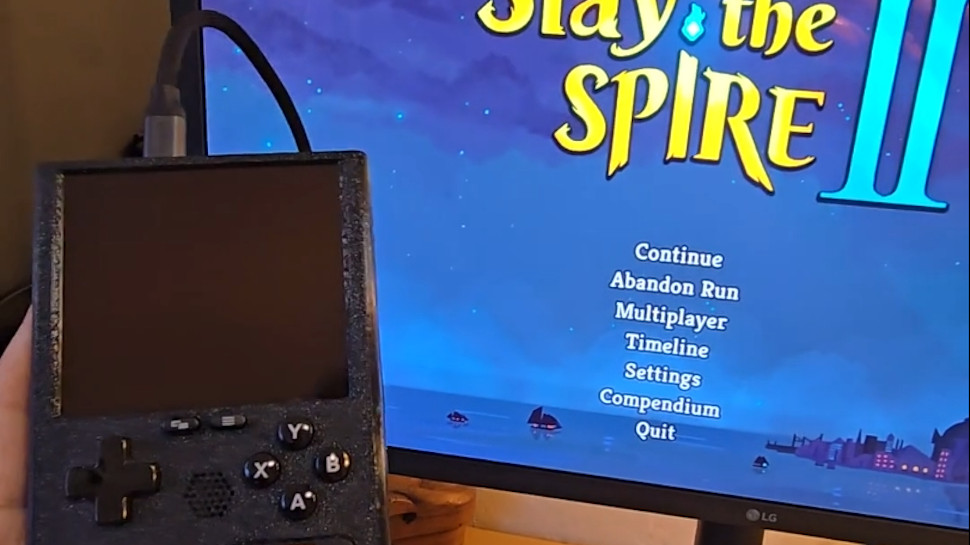
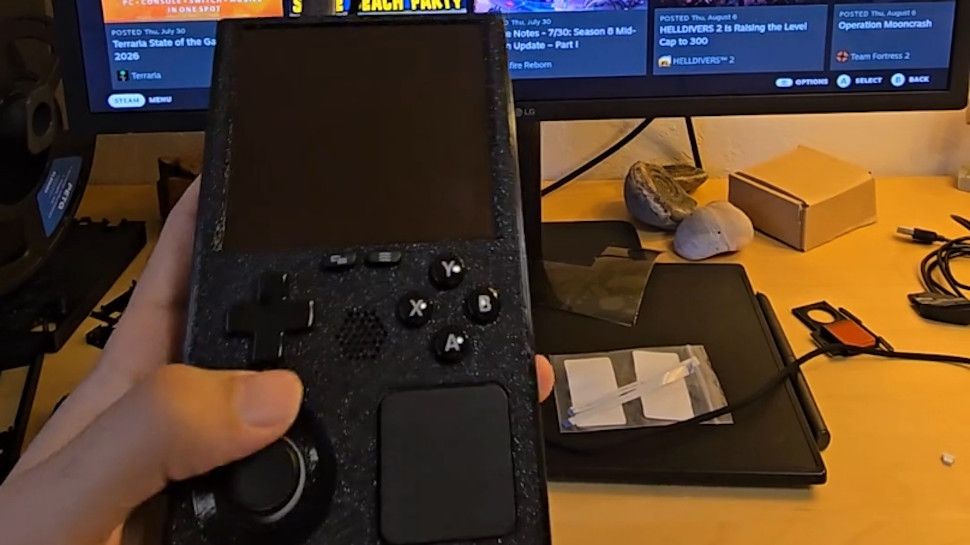
Ever wished the Steam Deck looked a bit more retro — or indeed a lot more retro? Meet the 'SteamBoy', which takes the innards of Valve's handheld and transplants them into a case styled on the Game Boy.
The SteamBoy uses the motherboard, controller, buttons, speakers, and battery from the Steam Deck, fitting the components into a case which the maker says is the same dimensions as an original Game Boy, with a thickness of 32mm (yes, it's thick).
PhyFawkes explains: "The battery is the original battery, and it basically takes up the whole width of the device on the inside. It's sandwiched between the motherboard and the display. The motherboard and controller boards are completely intact as well."
The only element that isn't functional yet is the screen, so this device is still a work in progress. The Redditor has demonstrated it working on an external monitor, though.
Analysis: next stop Kickstarter?
(Image credit: PhyFawkes on Reddit)
The snag with getting the screen going is that the motherboard firmware reports the display properties directly to SteamOS, and so the firmware details must be updated with the info for the new screen. The Redditor says it hopefully it won't take too long to sort this out.
Another part of the recipe that's missing is the triggers, but PhyFawkes says that they might be able to add them eventually, but that space constraints with the case could make this too tricky a proposition.
Apparently the handheld runs cool enough with some slight under-volting. All in all, this a very smart-looking project, and I'm seriously impressed. The case itself is 3D-printed, with the Redditor noting that they're going to provide the details on how to make one for those who might want to try their hand at this enterprising piece of handheld DIY.
Of course, constructing something like this is well beyond the scope of your average gamer, and there are fans of this concept out there who'd be willing to pay money for a SteamBoy of their own. Plenty of them, in fact, as the reception for this project has been nothing short of glowing.
As someone on Reddit put it: "This is legitimately so cool. I would totally back something like this on Kickstarter."
What do you do when you return to your home town, with your dead mother in your car boot, to find the inhabitants have been turned into robots?
In the boot of her car, Pratelle carries the corpse of her mother and a giant sledgehammer. Her mission is simple: take the hammer to her home town. As you enter shops and homes through the door and leave them through the opposite wall, it becomes clear that the robots who either attack you or flee are all digital versions of your old neighbours.
Pratelle, with her close-cropped hair and dungarees, read to me as a queer woman, but interestingly, testers of the game often mistook her as a man. The team at developer Deconstructeam and longtime collaborator Selkie Harbour didn’t anticipate this confusion but found it fits the character perfectly, especially in this setting based on a small Spanish town like those in which the developers grew up.
The GuliKit KK3 Max might look like a standard controller, but it has plenty of extras and features on board.
Adopting the familiar form of the Xbox’s gamepad, the KK3 Max doesn’t exactly push the boundaries in terms of design. But given how comfortable and convenient the shape and layout are, it’s hard to complain about its lack of originality.
There are also a few extra flourishes that add some interest. The matte white finish of my review unit was rather fetching, while the front panel is incredibly smooth, smoother than any other I’ve felt before. Its construction also feels quite solid, rivaling the builds of the best PC controllers.
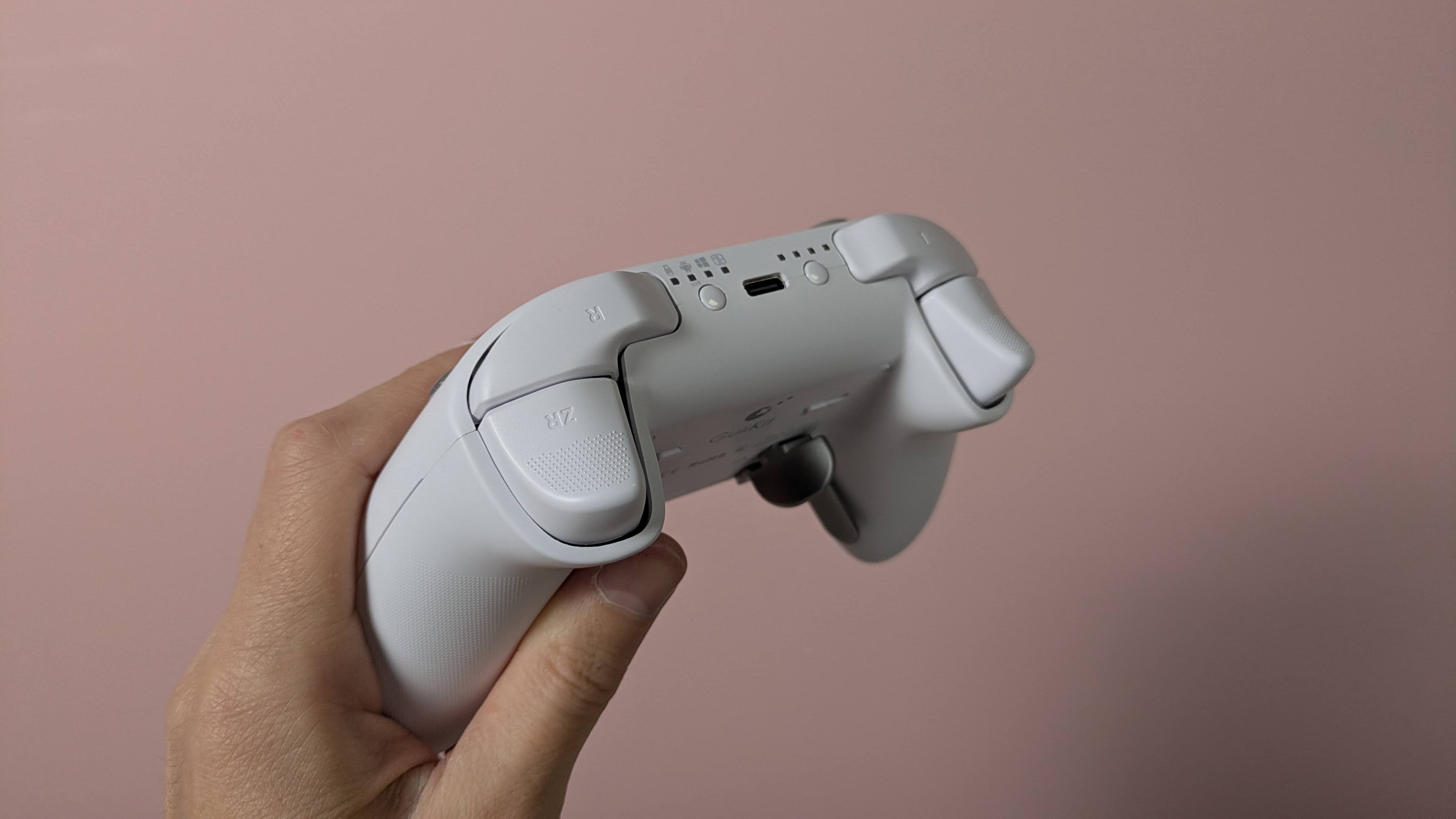
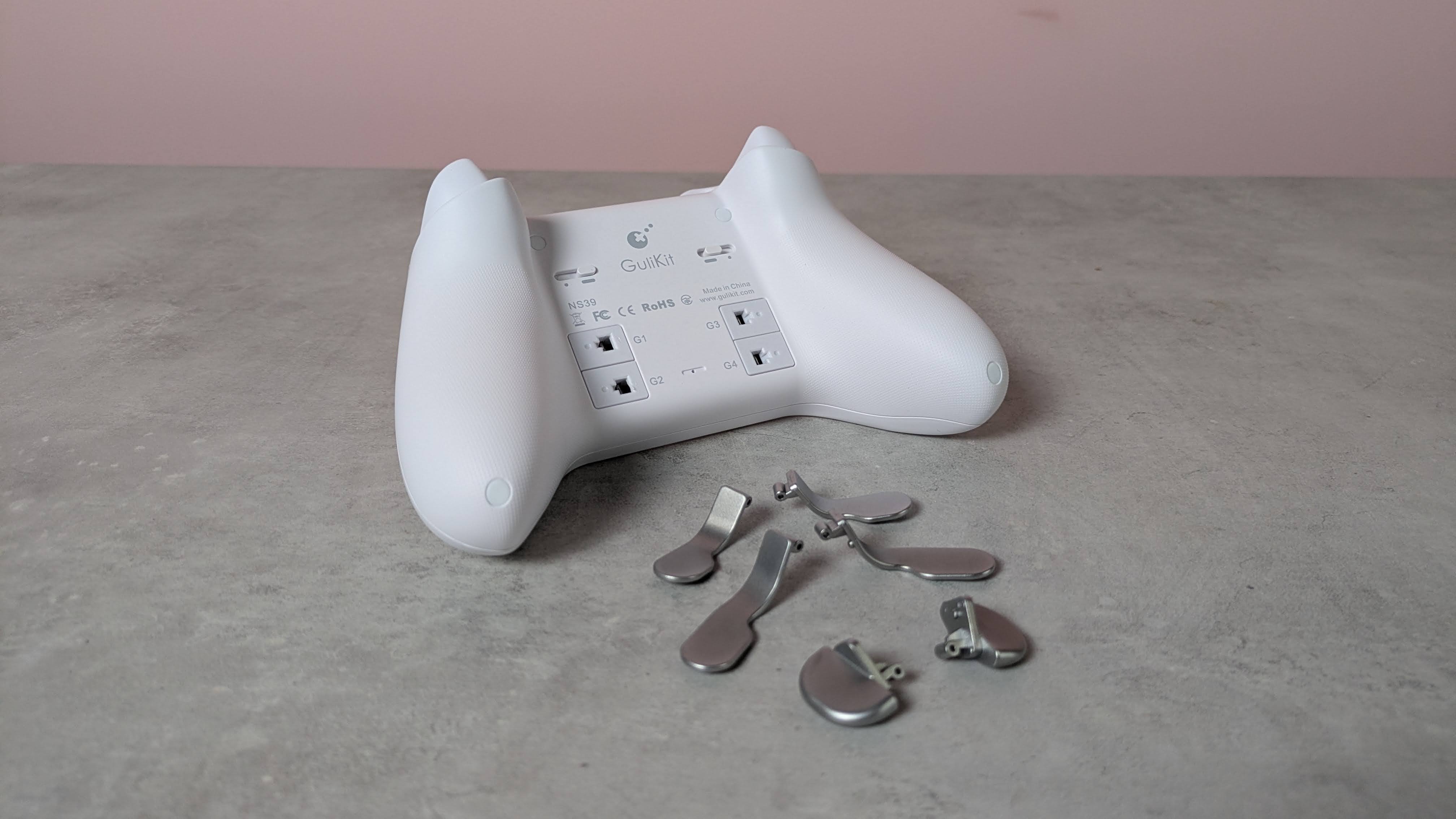
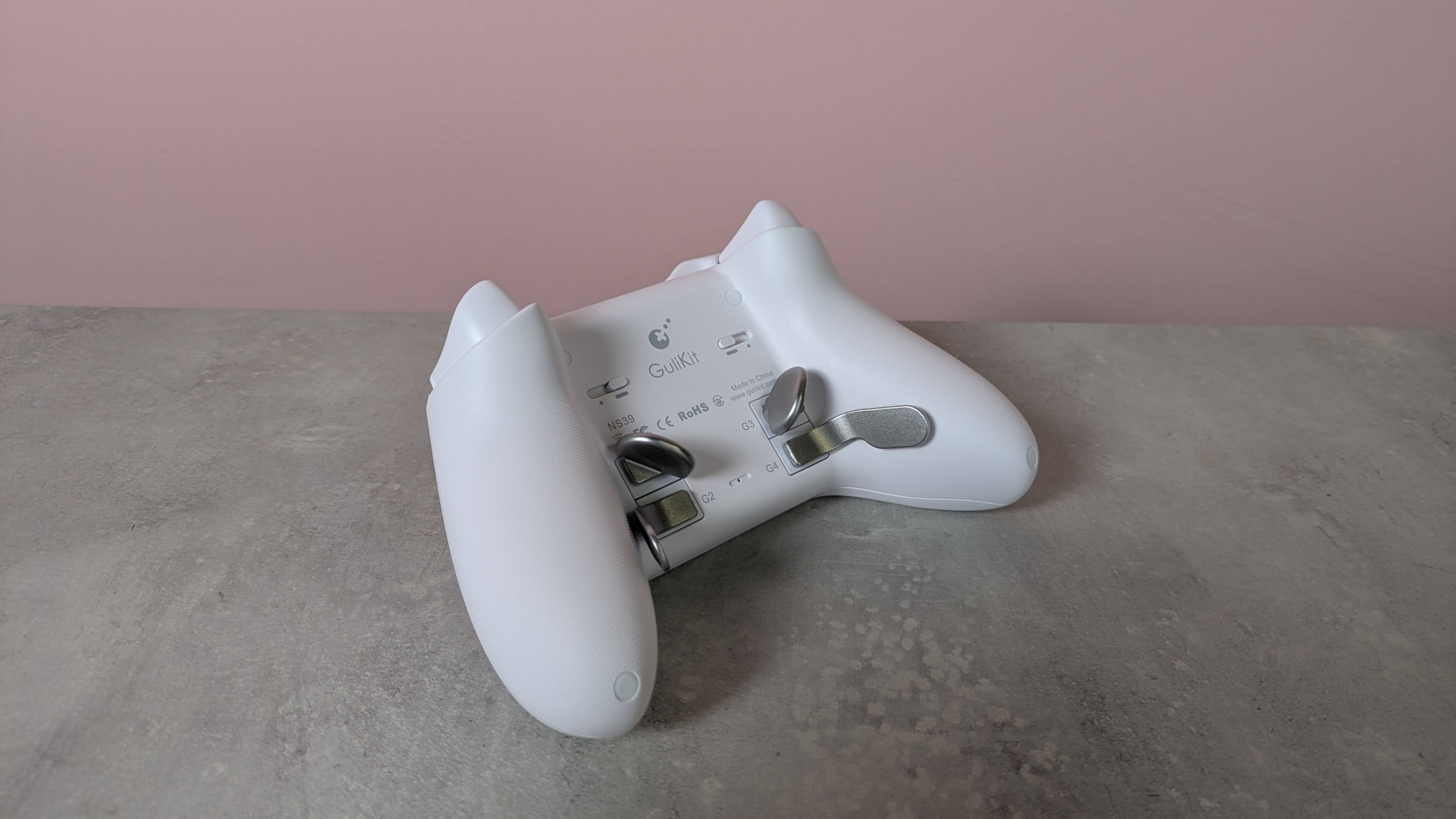
This premium feel extends to the buttons, since there’s very little wobble to any of them. The same can be said of the various sets of levers for the four back buttons, although a fair amount of force is required to insert them.
(Image credit: Future)
Despite the lack of software, there are still plenty of input-related customizations and settings available via various button combinations. These range from basic adjustments, such as the vibration intensity and stick sensitivity, to more advanced features, such as motion control and macro recording.
The overall performance of the KK3 Max is pretty good. Most of the buttons are responsive and satisfying to press. The triggers offer a fair amount of control, although I found their travel distance a little too short for my preferences. The sticks also lack the precision of the best, although they move easily and quickly. Motion controls are also inconsistent: I found they performed well with Nintendo Switch games, but were less effective on PC and mobile titles.
I’m happy to report that I had no issues with connectivity on any system I tried the KK3 Max with. Whether it was to my PC via the USB dongle or to my Switch and Android tablet via Bluetooth, the KK3 Max connected quickly to them all and I didn’t experience any dropouts or lag. Hotswitching between devices is also easy thanks to the dedicated button for this purpose, although it can take several presses for the button to respond.
The current multiplatform controller market is certainly a competitive one, with an increasing number of entrants offering increasingly better value. At $79.99 / £65.99 / AU$113.95, the KK3 Max is dangerously close in price to some real standouts, such as the Steam Controller and the GameSir G7 Pro 8K, and more expensive than the 8BitDo Pro 3, another highly capable controller. It mightn’t quite match up to its cohort, but the KK3 Max is still a gamepad to consider if you prefer onboard adjustments and like to have plenty of back buttons.
(Image credit: Future)
Gulikit KK3 Max review: Price & availability
$79.99 / £65.99 / AU$113.95
Available now in various colorways
Premium pricing puts it against big hitters
The GuliKit KK3 Max costs $79.99 / £65.99 / AU$113.95 and is available now from Amazon. Three colorways are available: black, white, and grey.
This pricing places the KK3 Max at the premium end of the market. It comes close to some big names in this space, such as the new Steam Controller. This has the advantage of touchpads for controlling the mouse cursor, and we found its gyroscope controls performed very well, unlike the KK3 Max’s. It isn’t compatible with the Switch or Switch 2, though.
The KK3 Max is also more expensive than the 8BitDo Pro 3, which has class-leading performance. We particularly loved its smooth analog sticks and triggers, as well as its phenomenal D-pad. It’s very customizable, too, thanks to its accompanying software — something the KK3 Max lacks.
Gulikit KK3 Max review: Specs
Gulikit KK3 Max
Price
$79.99 / £65.99 / AU$113.95
Weight
9.7oz / 275g
Dimensions
6 x 4.3 x 1.3in / 154.7 x 108.1 x 32.4mm
Compatibility
PC, Switch, Switch 2, Android, iOS
Connection type
Wireless (2.4GHz, Bluetooth), Wired (USB-C)
Battery life
15-28 hours
(Image credit: Future)
Gulikit KK3 Max review: Design and features
Super smooth surface
No extra D-pad hats or stick caps
No software
The KK3 Max has a simple and conventional design, replicating the form and layout of the best Xbox controllers. This is no bad thing, though, since such gamepads are among the most ergonomic and comfortable out there. Along with many others, I’m also particularly fond of the asymmetric analog sticks, since this moves the D-pad to a position that makes it easier to use with either thumb.
What may prove more divisive, however, is the relatively small size of the entire unit. I don’t have particularly large hands, but both my thumbs and forefingers tended to overhang the sticks and triggers respectively. I was able to adjust my grip to compensate without sacrificing comfort or security, but others might find this more of a problem.
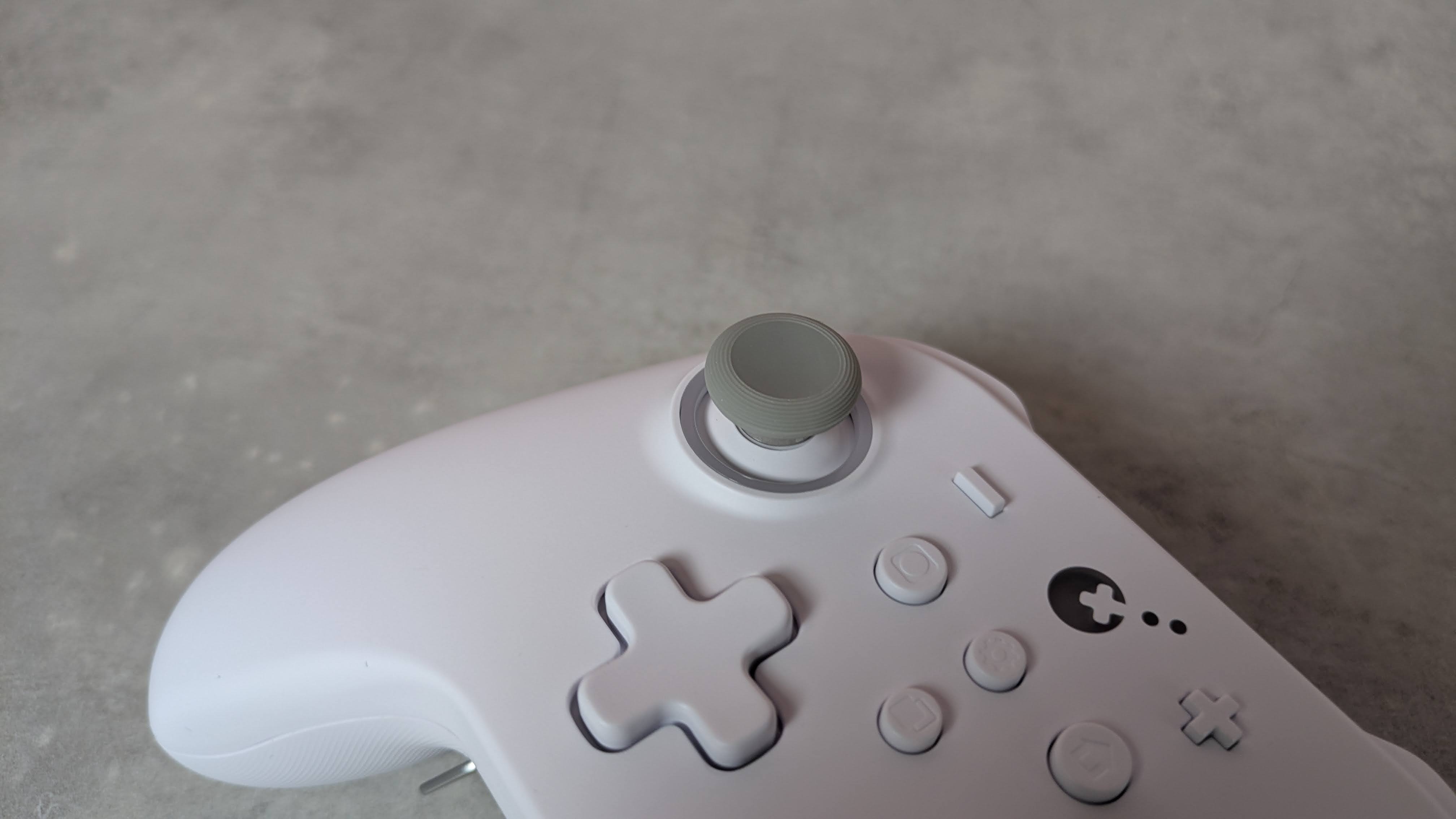
There are some extra touches to the KK3 Max’s design that set it apart from the crowd. The brilliant white matte finish of my review unit is quite eye-catching, as is the subtle yet effective RGB lighting around the sticks, which also has a practical function that I’ll come to later.
(Image credit: Future)
The front plate is incredibly smooth to the touch, smoother than any other controller I’ve experienced. However, this plate isn’t magnetically attached as it is on other gamepads, allowing for easy removal for the sake of customization and reordering or replacing buttons.
You can still remove the KK3 Max’s face buttons — you’ll just need to use the included puller to do so, which is thankfully easy to use. You can’t directly swap the X with the Y button or the A with the B, though, since they have different depths and curvatures. Rather, duplicates of each button are included in the box with the appropriate depth and curvature for swapping their position. This seems like a rather inefficient solution to me, and just means you have more bits of plastic in your life than you otherwise would.
I can’t complain about their quality, though. They’re pleasantly smooth and stable, with only a marginal amount of play, while their transparent design is quite fetching. The D-pad also feels stable, although it’s a shame you can't replace the hat, as different designs can make a real difference to feel and performance, and would cater to more preferences. Fortunately, I found it quite ergonomic; even though it adopts the traditional four-point shape, its rounded edges make it better for rolling between directions.
(Image credit: Future)
The triggers are also comfortable. They have rounded outside edges, which makes them soft on the finger, as well as a dotted texture to provide grip. The analog stick caps are reasonably small but have an ergonomic shape and a soft finish. Their edges are slightly textured, although this is less prominent than other examples, so those with sweaty thumbs might slip off them. They are removable, but GuliKit doesn’t provide any extra sets in the box, which is a shame. The sticks themselves are quite tall and suitably planted, with a negligible amount of play.
More solid are the back button levers. Despite how they look, they’re not made from metal, but they are reassuringly sturdy. They actually require a fair amount of force to insert in their slots, but once in place, I felt pretty confident that they weren’t going to come loose. They come in different shapes, with two sets of paddle-like levers and a set that looks more like bumpers.
(Image credit: Future)
There’s no software for customizing the inputs of the KK3 Max, which is a shame. However, there are still plenty of adjustments you can make and features to enable using various button combinations. You can alter the sensitivity of the analog sticks, with three levels to choose from, as well as toggle Dead Zone mode for them. You can also enable the Motion Aim Assist mode, letting you assign gyroscopic controls when either the left stick or the left trigger is held. Again, there are three levels of sensitivity to choose from here.
Other settings include a toggle for the D-pad between four- and eight-direction modes, A and B and X and Y swaps, and a Rapid Trigger function with two modes to choose from: one where the chosen input triggers repeatedly when held, and the other when it’s merely pressed. An autopilot mode and a macro recorder are available, too.
All these adjustments are quite easy to make, and there are some useful indicators that let you know what settings have been selected. For instance, the sticks light different colors depending on which of the three sensitivity levels is set, and the pad rumbles once, twice, or thrice depending on which of the three sensitivities of the Motion Aim Assist is set. However, I still would’ve preferred software for convenience's sake; it’s always nice to see your settings represented graphically, and having to remember all the button combinations is a hassle I could do without.
(Image credit: Future)
Gulikit KK3 Max review: Performance
Solid button feel
Slightly imprecise sticks
Motion controls are mixed
In action, the KK3 Max acquits itself rather well. The face buttons are tactile and well-damped, and only require a light touch to press, which makes them feel snappy. However, they don’t provide the best feedback, and there are times when it can be difficult to feel them actually being pressed. Thankfully, however, this didn’t result in presses failing to register, in my experience.
The bumpers are more clicky, but still have enough dampening to make presses satisfying. However, I found their position a little too high, which can make reaching them a little difficult. I should say that I encounter this problem on quite a few gamepads, but here it’s particularly acute.
In fact, I found the back buttons more usable than the bumpers, which isn’t something I can say about a lot of other controllers with back buttons. Their travel might be shallow, no matter which lever you decide to attach, but there’s enough dampening and feedback to make them viable as replacements for other inputs. I didn’t accidentally trigger them when gripping the KK3 Max tightly, either. The shapes of the various levers are easy to use, although I did find that the lower paddles were best used with two fingers rather than one.
(Image credit: Future)
The triggers are resistant enough to provide adequate control when performing graduated presses, something I especially appreciate when playing racing games such as Assetto Corsa that require precise acceleration and braking inputs. Their relatively shallow travel does negate this aspect somewhat, but I still found them just about up to the task. They’re also light enough to perform rapid inputs when needed, and to prevent fatigue from setting in during prolonged holds.
The sticks move freely and quickly, with a fast rebound that makes them feel snappy. Aiming was quite accurate when I played 007 First Light, although they don’t offer the smoothest motion, with small but frequent jumps and unexpected accelerations affecting my accuracy. Thankfully, their aforementioned height didn’t pose a problem when moving them around, although it did cause some instability when pressing in the L3 and R3 buttons, with accidental directional movements often accompanying them.
The gyroscopic motion controls are mixed in terms of their performance. When I played The Legend of Zelda: Tears of the Kingdom on my Switch, they were smooth when aiming the bow, and on a par with the best Nintendo Switch controllers. However, with games on other platforms, such as First Light on PC and Hitman Blood Money — Reprisal on Android, they were jerky and restrictive in terms of movement. No matter how many times I recalibrated them using the onboard function to do this, they didn’t improve on these systems.
I had no issues connecting the KK3 Max to my Windows 11 PC, Switch, or Android tablet via Bluetooth or the USB dongle. The handy button for hot-switching between devices is also useful, and hot-switching itself proved quick in my experience. However, the button doesn’t operate that well, taking a few too many presses to actually respond.
Should I buy the Gulikit KK3 Max?
Buy it if…
You want a comfortable gamepad The ergonomic shape of the KK3 Max, combined with the super smooth front panel and rounded triggers, make it comfortable to use — although those with particularly large hands might struggle with it.
You want plenty of back buttons With four back buttons and three different kinds of lever attachments for them, the KK3 Max is great for those who like to trigger inputs with their fingers rather than their thumbs.
Don't buy it if…
You want software Even though you can customize the inputs of the KK3 Max, you’ll need to do this with button combinations, as there’s no companion app.
You want the best stick performance The sticks aren’t quite as smooth or precise as those in the best gamepads.
Gulikit KK3 Max review: Also consider
GuliKit KK3 Max
8BitDo Pro 3
Valve Steam Controller (2026)
Price
$79.99 / £65.99 / AU$113.95
$59.99 / £40 (around AU$84)
$99 / £85 / AU$149
Weight
9.7oz / 275g
8.5oz / 242g
10.3oz / 292g
Dimensions
6 x 4.3 x 1.3in / 154.7 x 108.1 x 32.4mm
6.1 x 3.9 x 2.6in / 154 x 101 x 65mm
4.4 x 6.3 x 2.2in / 111 x 159 x 57mm
Compatibility
PC, Switch, Switch 2, Android, iOS
Switch, Switch 2, PC, Android, iOS
PC, Mac, Android, iOS
Connection type
Wireless (2.4GHz, Bluetooth), Wired (USB-C)
Wireless (2.4GHz, Bluetooth), Wired (USB-C)
Steam Controller Puck, USB, Bluetooth
Battery life
15-28 hours
15-20 hours
35+ hours
Valve Steam Controller (2026) Valve’s latest iteration of the Steam Controller was highly anticipated, and in our view it didn’t disappoint. We found it offered great all-round performance, thanks to its TMR analog sticks and excellent gyro controls. Unlike other controllers, it also features touchpads for controlling cursor movement, making it a real boon for PC players. It doesn’t have the wide-ranging platform support of others, though.
8BitDo Pro 3 If you want to spend less on a controller but still want great performance, look no further than the 8BitDo Pro 3. We loved the performance of its sticks, triggers, and D-pad, and we found its shape supremely comfortable, while still staying faithful to the old SNES gamepad it’s keen to emulate. It also has great software with plenty of customizations.
I tested the Gulikit KK3 Max for a few days, during which time I played a number of games on most of the platforms the controller is compatible with. I used it on my Windows 11 PC via the 2.4GHz wireless USB dongle, and on my Switch and Samsung Galaxy Tab S11 tablet via Bluetooth.
I made sure to play a variety of games across these platforms to test every facet of the controller’s performance. I played 007 First Light on PC, which is a good test for the accuracy and precision of analog sticks, as well as Hitman: Blood Money — Reprisal on my tablet for the same purpose. I also played Assetto Corsa, which is not only a good test for the sticks but also for the control offered by the triggers. I also played The Legend of Zelda: Tears of the Kingdom on Switch, primarily to test the motion controls, as the game and console handle such controls very well.
I’ve been gaming for decades, and have used numerous gamepads with numerous systems in that time. I’ve also reviewed a number of other controllers, from budget offerings to high-performing premium models.
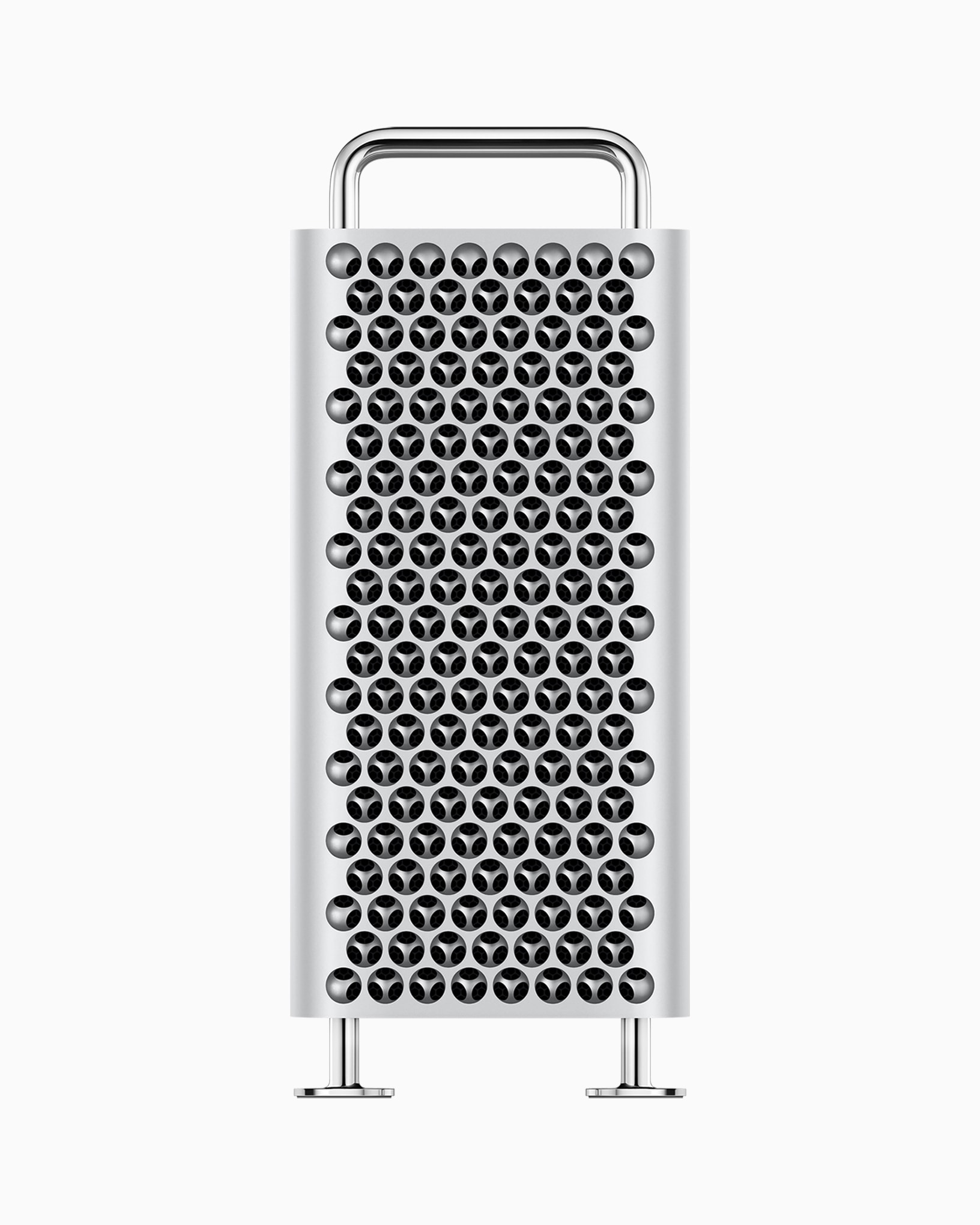
Último Mac a trocar os chips PowerPC pelos processadores da Intel (transição que havia sido iniciada em 2005), ele chegou com o dobro de performance do Power Mac G5, seu antecessor direto — e de quem herdou a primeira iteração do design de “ralador de queijo”, que com certeza marcou época.
Com um preço inicial de US$2.500 (ou US$4.140, levando em conta a inflação até os dias de hoje), ele era parrudíssimo — tanto em termos de performance bruta quanto de conectividade. Extremamente “upgradeável”, ele vinha com dois processadores Intel Xeon de dois núcleos (2,0GHz, 2,66GHz ou 3,0GHz, dependendo da versão escolhida), bem como com a placa gráfica GeForce 7300 GT, da NVIDIA — componente que podia ser trocado por uma Quadro FX 4500 (também da NVIDIA) ou uma ATI Radeon X1900 XT (da AMD).
Contando com quatro espaços para unidades Serial ATA (dois a mais que o Power Mac G5), o Mac Pro de primeira geração também permita a instalação de até quatro GPUs 1Graphics processing units, ou unidades de processamento gráfico. via PCIe, além suportar até 32GB de RAM 2Random access memory, ou memória de acesso aleatório. — por padrão, ele vinha com “apenas” 1GB. O desktop também era equipado com 5 portas USB 2.0 e 4 FireWire 800, padrão ainda muito popular na época.
O queridinho de profissionais criativos, o Mac Pro parecia ser feito sob medida (ou vice-versa) para softwares como o Final Cut Pro, além de vir de fábrica com o clássico Mac OS X Tiger, lançado mais cedo naquele ano. Nem tudo eram flores, no entanto, já que alguns apps, como os da popular Adobe Creative Suite, ainda precisavam da camada de tradução Rosetta para rodar adequadamente em Macs com processadores x86, o que resultava em gargalos de performance — problema que foi solucionado com o passar dos meses.
Desde então, o Mac Pro original foi atualizado algumas vezes; o primeiro upgrade veio já em abril 2007, seguido por outro em janeiro de 2008. No início de 2009, o computador ganhou os processadores Intel Xeon 5500 e, um ano depois, passou a suportar até 64GB de memória e até 8TB de armazenamento — além de ter adotado os processadores da linha Intel Xeon 5600, é claro. A última dança desse primeiro design do desktop veio em 2012, com dois processadores Intel Xeon Westmere-EP de seis núcleos (2,4GHz).
O primeiro tropeço
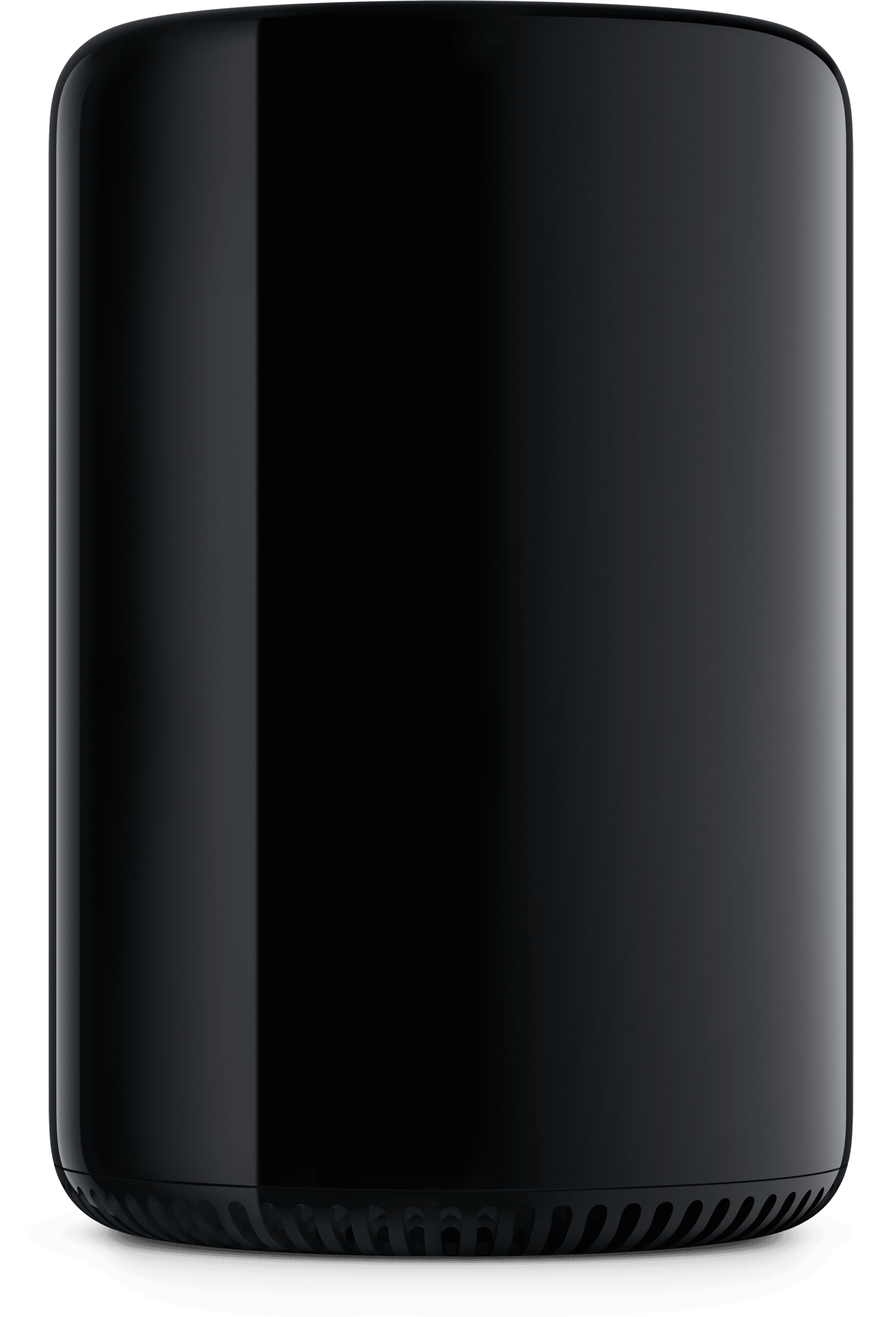
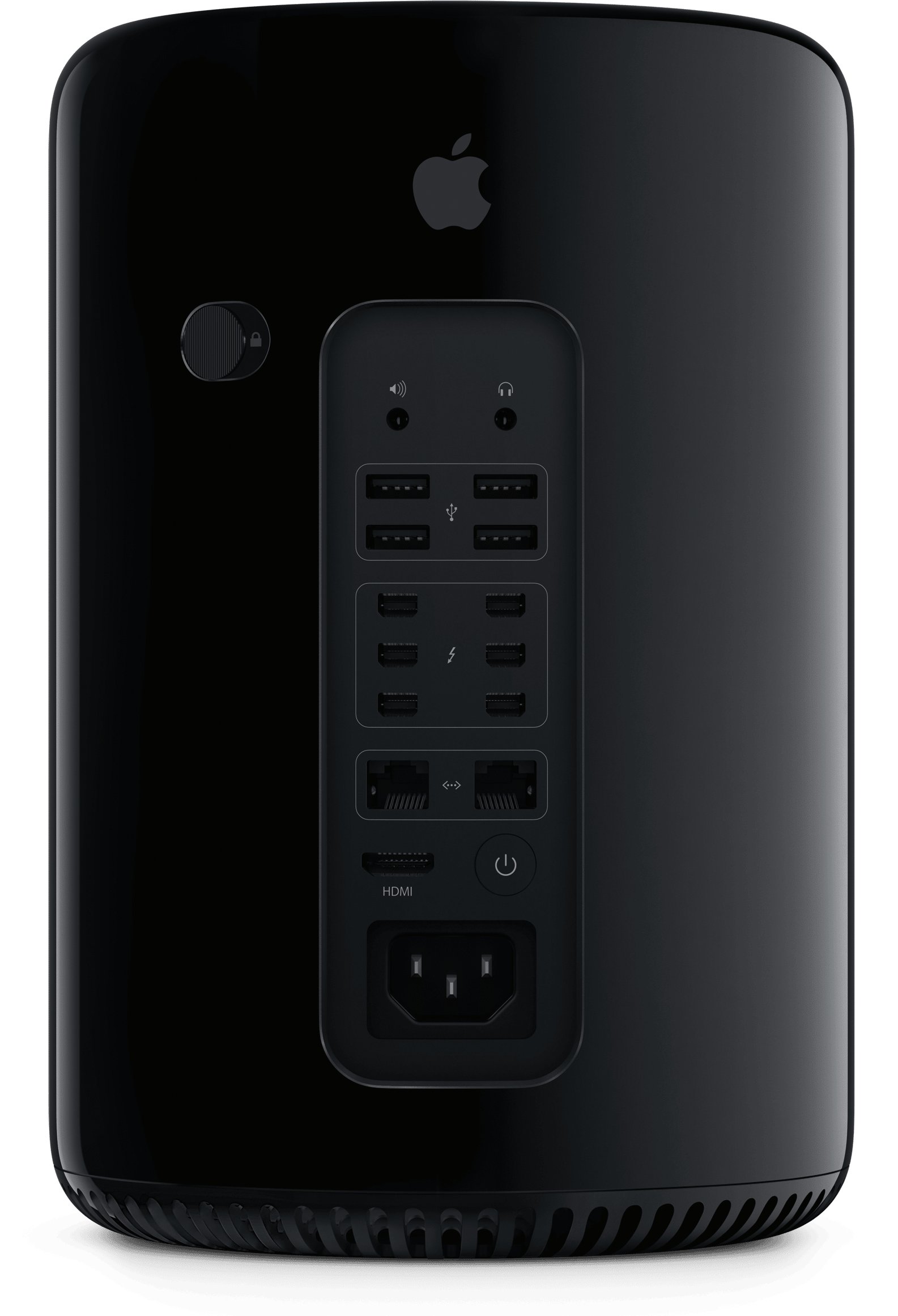
O ano de 2013 foi difícil para o Mac Pro, que recebeu um novo design tão compacto quanto polêmico. Cilíndrica, a nova geração do Mac Pro instigou comparações com latas de lixo, principalmente por conta da abertura para ventilação na parte de cima do computador.
Divulgação/Apple
Por falar em ventilação, é nessa área onde reside a maior fraqueza desse novo modelo: o sistema de resfriamento, construído em volta de um “núcleo térmico unificado” central que, embora fosse, sim, um conceito muito interessante, não era o suficiente para resfriar o seu processador Intel Xeon e as duas GPUs AMD FirePro.
O novo design também fez a Apple abrir mão de duas outras características importantíssimas do Mac Pro: a vasta seleção de portas e a possibilidade de trocar praticamente todos os principais componentes do computador. Caso o usuário quisesse realizar algum upgrade, ele era obrigado a fazer isso por meio de uma das suas portas Thunderbolt 2, o que estava longe de ser o ideal.
Foto: iFixit
A má recepção fez o Mac Pro “lata de lixo” cair no ostracismo e ficar sem receber novas atualizações por nada menos que seis anos — um contraste e tanto em relação ao modelo anterior. A situação chegou até mesmo ao ponto de a própria Apple admitir, em 2017, que errou a mão na hora de projetar a mais nova versão do seu desktop profissional — atitude que foi seguida pelo lançamento do iMac Pro, que serviu como uma espécie de “tapa buraco” até o lançamento do último grande redesign do Mac Pro.
Um breve renascimento
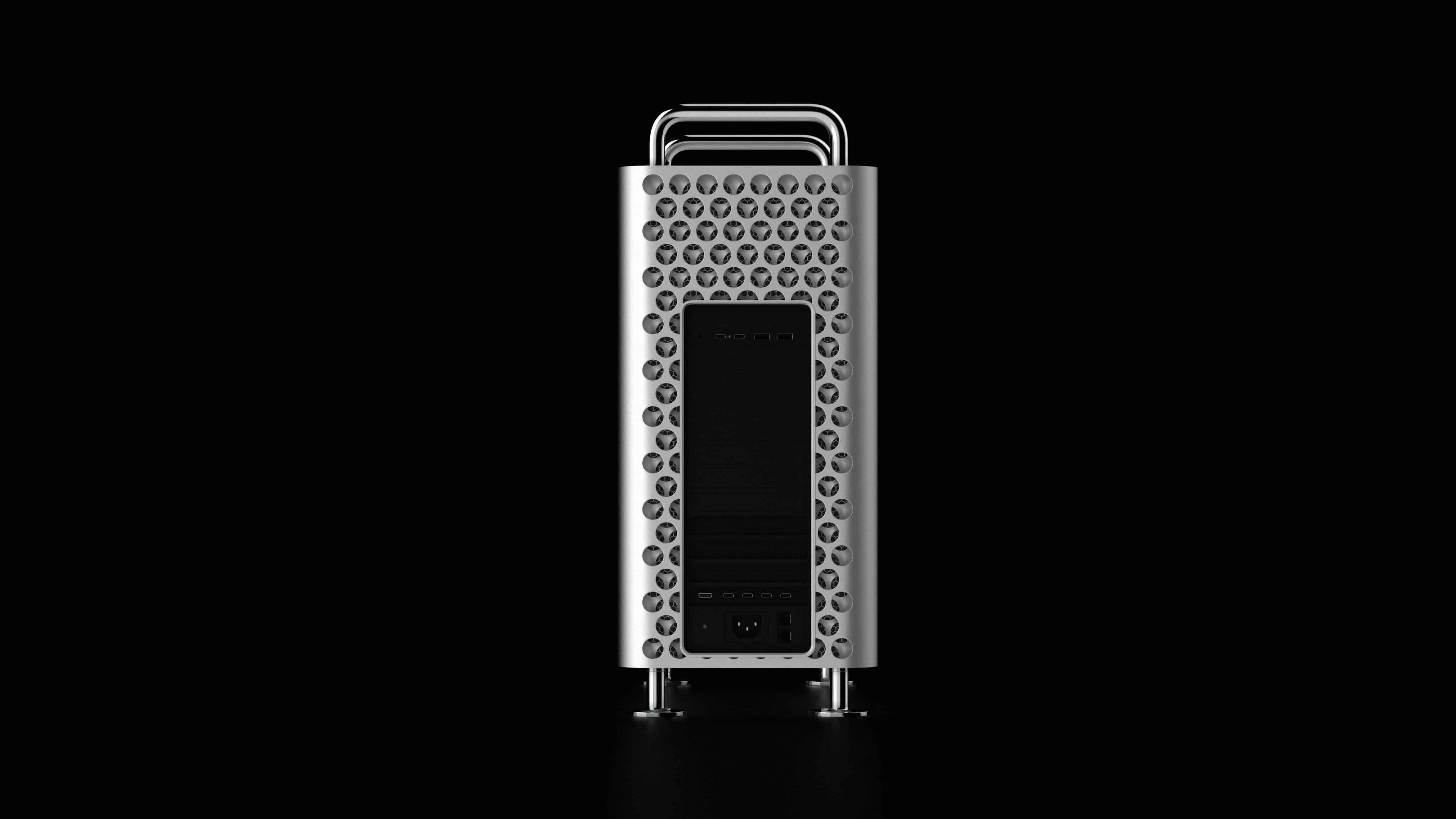
Em 2019, a Apple colocou ordem na casa ao lançar um novo Mac Pro muito mais parecido com o modelo original do que com o computador que o precedeu — ou seja, com um formato de torre tradicional.
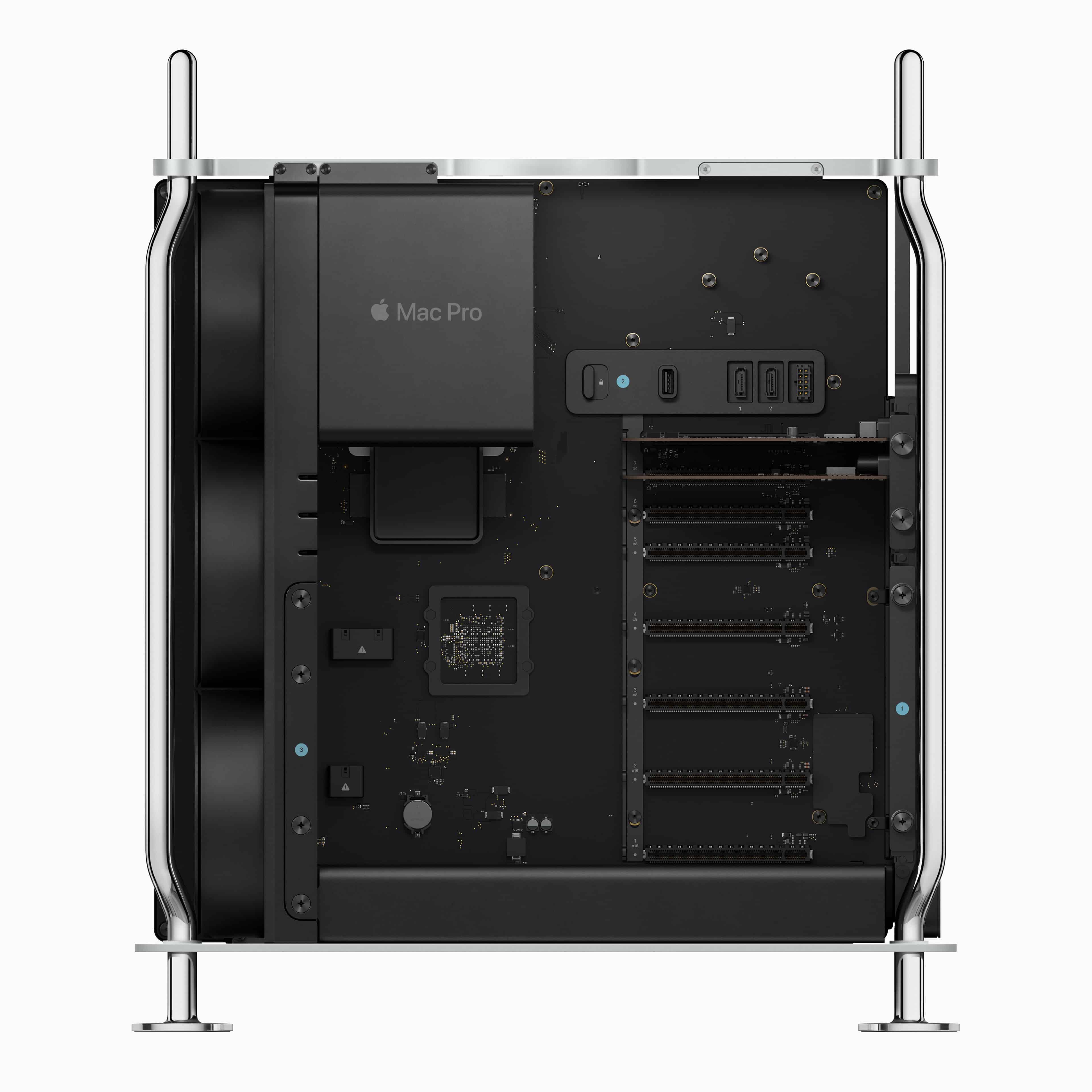
Apostando mais uma vez no alumínio como seu material principal, o desktop passou a contar com furos para ventilação que, mais uma vez, provocaram comparações com raladores de queijo. Dentro, foram adicionada três ventoinhas bem parrudas, as quais davam conta de resfriar todos os componentes do computador, já que eles não contavam com coolers individuais.
Divulgação/Apple
Equipado com um processador Intel Xeon de até 28 núcleos, ele suportava até 1,5TB de memória — número surpreendente até para os dias de hoje. Contando com nada menos que oito slots PCIe, ele podia ser configurado com as GPUs Radeon Pro 580X ou Radeon Pro Vega II, da AMD, bem como com a novíssima placa aceleradora Apple Afterburner, para a edição de vídeos.
O otimismo introduzido por esse novo design, porém, foi logo suplantado pela introdução, apenas um ano depois, dos chips da família Apple Silicon, bem mais rápidos e eficientes que os da Intel e que passariam a substituir os processadores da fabricante estadunidense nos Macs. Em outras palavras, isso fez com que muita gente pensasse duas vezes antes de adquirir um Mac Pro — afinal, uma versão bem mais poderosa com um chip ARM3Advanced RISC Machine. provavelmente já estava nos planos da Apple.
Isso, no entanto, só foi acontecer em 2023 — e de um jeito um tanto… agridoce. Embora a adoção do chip M2 Ultra tenha sido bem-vinda, o computador perdeu muitas das características que o faziam ser uma boa opção para usuários profissionais, como a possibilidade de fazer upgrades nas suas peças — uma consequência da natureza centralizada dos SoCs 4System on a chip, ou sistema em um chip. da Apple.
Além disso, a essa altura do campeonato, o Mac Studio (outro computador voltado a profissionais) já estava no mercado há cerca de um ano e oferecia a mesma performance de ponta que muitos esperavam do Mac Pro, além de ser bem mais compacto e, principalmente, “acessível” (a partir de US$7.000vs. a partir de US$2.000).
Embora rumores de uma atualização tenham circulado nos últimos anos, tudo isso levou a Apple a finalmente aposentar o Mac Pro em março de 2026, pouco meses antes do seu aniversário de 20 anos. No momento, os esforços da Apple parecem estar completamente voltados ao Mac Studio, que tomou o posto de “computador para profissionais” da Maçã.
Daniel Mullins explains how he plans to follow up his quirky classic without losing what made it stand out in the first place
Glitchy aesthetics. Literally collapsing menu boxes. The game taunting you by “possessing” your Steam friends. Technical tricks of this nature may sound gimmicky in 2026, but they felt excitingly unorthodox a decade ago, when Pony Island came out to critical acclaim.
Fans of Daniel Mullins, the celebrated indie developer of Inscryption, will be forgiven for forgetting that Pony Island 2: Panda Circus is in active development. After all, it’s been almost three years since the announcement – and a full decade since it was first teased as an Easter egg in Pony Island’s ARG (Alternate Reality Game) – with only a single trailer and a bunch of tunes from the soundtrack released to the public.
NPC XL is a weekly members-only version of NPC with extra content, available exclusively through our new Patreon for $5/month. Each week on NPC XL, Federico, Brendon, and John record a special segment or deep dive about a particular topic that is released alongside the “regular” NPC episodes. You can subscribe here.
Comfort Zone, Episode 112, ‘Dollar Dollar Bills Y’all’ Show Notes
For even more from the Comfort Zone crew, you can subscribe to Cozy Zone. Cozy Zone is a weekly bonus episode of Comfort Zone where Matt, Niléane, and Chris invite listeners to join them in the Cozy Zone where they’ll cover extra topics, invent wilder challenges and games, and share all their great (and not so great) takes on tech. You can subscribe to Cozy Zone for $5 per month here or $50 per year here.
MacStories launched its first podcast in 2017 with AppStories. Since then, the lineup has expanded to include a family of weekly shows that also includes MacStories Unwind, Magic Rays of Light, Comfort Zone, NPC: Next Portable Console, and First, Last, Everything that collectively, cover a broad range of the modern media world from Apple’s streaming service and videogame hardware to apps for a growing audience that appreciates our thoughtful, in-depth approach to media.
If you’re interested in advertising on our shows, you can learn more here or by contacting our Managing Editor, John Voorhees.
Explore Antarctica as a flightless bird – and dodge some earthly monsters – in this surreal adaptation of HP Lovecraft
While watching the 2006 animated film Happy Feet with his daughter, Origame Digital founder Naphtali Faulkner noticed something interesting. “[In the movie], they see the digger fall into the ocean, and it has an almost eldritch quality,” he says. Over time, and with plenty of iteration, Faulkner’s inspirations coalesced, from HP Lovecraft to the 1982 version of The Thing and the works of David Lynch. “I’m a big fan of horror that sits in your head rather than in your stomach,” says Faulkner.
In Penguin Colony, players body-switch between species of flightless birds, piecing together cryptic cosmic clues as they tail a Nazi expedition to Antarctica. In the process, Origame Digital draws on Lovecraft’s novella At the Mountains of Madness. “I’d always wanted to do a creature that’s a manifestation of colonial thought, energy and power, and the idea of it resting and then regrowing,” says Faulkner. “I was looking through the history of Lovecraft and him being a gigantic racist, and this idea of the Nazis sort of came out,” he adds.
AI research habits are reshaping PPC accounts. Here is when to consolidate, when to segment, and how conversion values keep budget flowing to valuable buyers.

 Login












 The 3D model animates to show the front flap opening.
Credit:
GOG