❌

Reading view

Denisovans in southwestern China reveal their ancient subsistence strategies

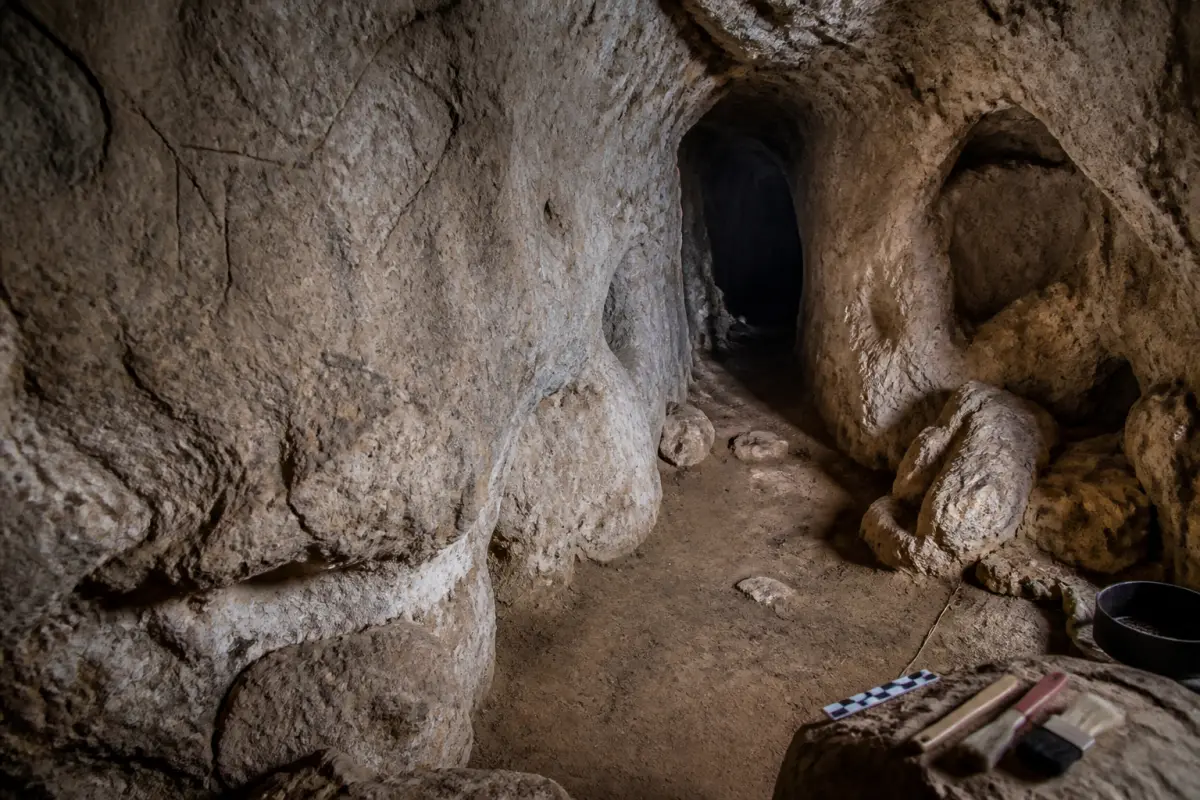
The Denisovans, the enigmatic archaic human relatives first identified from a finger bone and a handful of teeth in a Siberian cave, have long been known almost exclusively through their DNA. Now, a landmark study published in Nature has pulled back the curtain on how these ancient hominins actually lived — what they ate, how they hunted, what tools they made, and the environments they braved — through an extraordinary assemblage of fossils and artefacts from Bianfu Cave in Yunnan Province, southwestern China. The findings paint the most detailed portrait to date of Denisovan biology, behaviour and ecology in eastern Asia, and suggest that these vanished people left a deep genetic and cultural imprint on later populations across Southeast Asia and Oceania.

The research team, led by Qingfeng Ruan, Hua Li and Song Xing and their colleagues, conducted a comprehensive analysis of hominin fossils and the associated archaeological remains recovered from Bianfu Cave. The hominin fossils themselves date to roughly 167,000 to 134,000 years ago, placing them firmly in the Middle Pleistocene. But the cultural sequence preserved in the cave’s sediments is far longer, stretching from approximately 190,000 years ago to about 70,000 years ago. That span — some 120,000 years of continuous or near-continuous occupation — makes Bianfu Cave one of the longest cultural records that can most parsimoniously be attributed to Denisovans anywhere in the world.

The Denisovan identity of the fossils was established through two independent and technically demanding lines of evidence. The first involved analysis of the enamel–dentine junction, the internal boundary between the enamel cap and the underlying dentine of the teeth. This three-dimensional morphological interface acts something like a fingerprint of evolutionary relationships, revealing diagnostic traits of the tooth’s internal architecture that are invisible from the outside but characteristic of particular hominin lineages. The second line of evidence came from palaeoproteomics, the recovery and identification of ancient proteins preserved within fossilized tissues. Because proteins are far more abundant and durable than DNA, they can survive in warm, humid environments like those of southern China, where genetic material degrades rapidly. Sequencing these ancient proteins allowed the researchers to place the Bianfu hominins on the Denisovan branch of the human family tree with confidence.

The fossil collection itself is remarkable. It includes four teeth that substantially expand the known range of dental variation within the Denisovan lineage — a critical contribution, since Denisovans were previously represented by a very small number of dental specimens, making it difficult to gauge how variable their teeth could be. The new fossils also include two cranial fragments and a radius, a forearm bone, providing rare glimpses of Denisovan skull and postcranial anatomy that were previously almost entirely unknown. Together, these remains transform Denisovans from a genome and a scatter of isolated teeth into a population with recognizable skeletal biology.

Beyond the fossils, the archaeological record from Bianfu Cave offers something equally precious: a window into Denisovan daily life. The researchers reconstructed the ancient environment using faunal remains and pollen preserved in the cave deposits. These records indicate that across Marine Isotope Stages 6 through 4 — a period encompassing major glacial–interglacial climatic swings between roughly 190,000 and 57,000 years ago — the landscape around the cave was dominated by coniferous forest or a mosaic of forest and steppe. This was a cool, variable environment that Denisovans exploited successfully across tens of thousands of years, demonstrating a resilience to climatic change that adds to growing evidence of their adaptability, from the high altitudes of the Tibetan Plateau to the subtropical latitudes of mainland Southeast Asia.

The subsistence evidence is particularly striking. Analysis of the animal bones from the cave shows that its inhabitants practised specialized hunting focused on medium- to large-bodied prey. This was not opportunistic scavenging but a sustained, targeted hunting strategy — one that would have required knowledge of animal behaviour, coordinated effort and effective weaponry. Specialized big-game hunting of this kind has often been associated with modern humans and late Neanderthals in western Eurasia, so finding it in a Denisovan context more than 150,000 years ago dramatically narrows the perceived behavioural gap between these archaic lineages and our own species.

Yet the technological strategy documented at Bianfu Cave is, at first glance, surprisingly simple. The stone tool assemblage is characterized by expedient core reduction and tool production — that is, the inhabitants struck flakes from cores as needed, used them, and discarded them, rather than investing in carefully shaped, curated tools that were carried, maintained and resharpened over time. Alongside this, the Denisovans of Bianfu Cave made pervasive use of unmodified bones, employing skeletal elements of their prey directly as tools without altering them beforehand.

Taken together, the researchers interpret this pattern as an adaptive system that prioritized the exploitation of what they call object affordance — the inherent functional possibilities already present in a raw material or object — over intensive tool manufacture. A suitably shaped bone fragment could serve as a hammer, a digging implement or a scraping tool with little or no modification; a sharp flake struck from a convenient core could cut and butcher without further refinement. In the rich, resource-diverse environments of subtropical southwestern China, where raw materials and animal resources were plentiful, such a flexible, low-investment strategy may have been not a sign of simplicity but a highly efficient way of life. It suggests that Denisovans measured success not by the sophistication of their toolkit but by how skilfully they read and exploited the opportunities their landscape provided.

This behavioural portrait gains added significance when set against the wider geography of Denisovan presence. Over the past decade and a half, Denisovans have been documented across a staggering range: from the original genomic discoveries in the Altai Mountains of Siberia, first reported in 2010, to the mandible from the Tibetan Plateau described in 2019, Denisovan DNA recovered from sediments at Baishiya Karst Cave in 2020, a molar from the Annamite Chain of northern Laos announced in 2022, a male Denisovan mandible from Pleistocene Taiwan reported in 2025, and proteomic identification of the 146,000-year-old Harbin cranium, also in 2025. Bianfu Cave now anchors this story firmly in southwestern China, a region long suspected to have been a Denisovan heartland and a critical corridor for hominin movements between mainland Asia and Southeast Asia.

The study’s authors argue that the region’s Denisovans point to a substantial genetic and cultural legacy in later human populations. Modern populations in Southeast Asia and Oceania carry the highest known proportions of Denisovan ancestry anywhere in the world — a legacy of interbreeding that occurred as modern humans moved through and beyond island Southeast Asia. The new evidence from Bianfu Cave suggests that the ways of life practised by Denisovans in this region — their hunting strategies, their flexible technological approaches, their hard-won knowledge of tropical and subtropical environments — may have been part of the inheritance, alongside their genes, that helped later human populations thrive as they spread across the diverse and challenging landscapes of Asia and the Pacific.

For palaeoanthropologists, the significance of the Bianfu Cave discoveries is difficult to overstate. Denisovans have been the least anatomically documented of all known hominin groups — a lineage defined first by DNA and only slowly fleshed out with fragmentary fossils. The new teeth, cranial fragments and radius from Yunnan, combined with an unmatched 120,000-year archaeological sequence, mean that researchers can finally study Denisovans not just as a genome or a set of molecular signatures but as a living, adapting population: hunters of large game, makers and users of expedient tools, and inhabitants of conifer forests that swung between glacial cold and interglacial warmth. As analysis of the Bianfu material continues, it promises to reshape our understanding of how archaic humans lived in eastern Asia and how deeply their story is woven into our own.

Subject of Research: Denisovan fossils and archaeological remains from Bianfu Cave, Yunnan Province, southwestern China, revealing Denisovan biology, technology, subsistence strategies and palaeoecology

Article Title: Denisovans from southwestern China and their subsistence strategies

Article References: Ruan, Q., Li, H., Xing, S., Zhao, K., Liu, J., Zanolli, C., Doyon, L., Delpiano, D., Peresani, M., d’Errico, F., Demeter, F., Hublin, J.-J., Xiao, P., Wang, Y., Jia, Z., Yang, Q., Fu, Q., Sun, Q., Zhao, Y., … Chen, F. (2026). Denisovans from southwestern China and their subsistence strategies. Nature. https://doi.org/10.1038/s41586-026-10997-4

Image Credits: AI Generated

DOI: 10.1038/s41586-026-10997-4

Keywords: Denisovans, Bianfu Cave, Yunnan, palaeoproteomics, enamel–dentine junction, Middle Pleistocene, subsistence strategies, expedient tool use, object affordance, specialized hunting, Marine Isotope Stages, Southeast Asia ancestry


  •  

Locking-enabled multimodal soliton microcombs achieve day-scale stability for precision metrology

Optical frequency combs have transformed the way scientists measure light and time, earning the Nobel Prize in Physics in 2005 and underpinning technologies ranging from atomic clocks to exoplanet detection. Yet the miniature on-chip versions of these combs, known as soliton microcombs, have long suffered from a frustrating paradox: the most stable and useful operating regimes have also been the most fragile and difficult to sustain. A newly published study in Light: Science & Applications reports a significant advance toward resolving this tension. Researchers led by J. Tang, J. Yang and E. Yan describe a multimodal locking-enabled soliton microcomb that combines robust, self-starting operation with an exceptionally low repetition rate on the scale of a day of stable measurement time, opening a path toward practical high-precision metrology systems that can run unattended for extended periods.

At the heart of the advance is a technique the authors call multimodal locking, a scheme that stabilizes not just a single resonance of the optical microresonator but multiple modes simultaneously, locking the comb dynamics to a regime in which dissipative Kerr solitons can form and persist without delicate manual tuning. In conventional microcomb systems, soliton formation typically requires a precise and rapid traversal of a “chaotic” modulation instability regime, a step that is notoriously sensitive to thermal transients in the resonator chip. Laser frequency must be swept with exquisite control while the soliton’s own heat dissipation shifts the resonator’s resonances, creating a feedback loop that can destroy the soliton state within microseconds. The multimodal locking approach circumvents this fragility by engaging several mode families of the resonator at once, so that the interplay among them pins the comb to a stable soliton state even as environmental and thermal conditions fluctuate.

The significance of achieving a low repetition rate in the same device cannot be overstated. A frequency comb’s repetition rate is the spacing between its individual comb teeth, and for many applications, coarser spacing is a decisive advantage. In laser ranging and distance metrology, for example, the ambiguity range of an interferometric measurement is set by the inverse of the comb’s free spectral range. Microcombs, generated in whispering-gallery-mode or ring resonators only a few millimeters across, usually exhibit repetition rates of tens to hundreds of gigahertz, which severely limits the unambiguous measurement range available to a comb-tooth-resolved distance measurement. By engineering a low-repetition-rate soliton state, the research team extends this ambiguity range dramatically, making the microcomb directly useful for absolute distance measurement, multi-wavelength interferometry and coherent communications, where each comb line must be spectrally resolvable and addressable.

Achieving both low repetition rate and robust soliton generation in a single microresonator is a formidable engineering challenge. Low repetition rates demand large resonator diameters, which in turn produce dense spectra of resonances and increased susceptibility to mode crossings with higher-order transverse and polarization mode families. Such crossings historically destabilize soliton formation, causing comb states to collapse or preventing single-soliton operation altogether. The multimodal locking strategy turns this liability into an asset: rather than engineering mode crossings away, the researchers harness the coupling among mode families to lock the comb dynamics into a favorable basin of attraction. The result is a soliton microcomb whose low repetition rate is preserved over day-scale timeframes, a duration that places the device among the most operationally stable microcomb demonstrations reported to date.

Day-scale stability matters because it transforms the microcomb from a laboratory demonstration into an instrument. Many high-precision experiments, from astronomical spectrograph calibration to the accumulation of statistical confidence in atomic spectroscopy, require comb sources that remain locked and stable across many hours or even days of continuous operation. Conventional fiber-laser-based frequency combs achieve this, but at the cost of table-top size, high power consumption and substantial maintenance overhead. Microcombs promised to shrink the technology onto a photonic chip, yet until now their operational fragility has confined most demonstrations to short observation windows. The robust low-repetition-rate soliton microcomb described in the new work demonstrates that chip-scale frequency combs can, with appropriate locking architecture, sustain the kind of long-duration, hands-off operation that real metrology campaigns demand.

The physics underlying soliton microcombs rests on the Kerr nonlinearity of the resonator material, typically silicon nitride, magnesium fluoride or fused silica. When continuous-wave pump light resonantly builds up inside the ring, the Kerr effect produces a four-wave-mixing process that seeds sidebands spaced by the resonator’s free spectral range. Under the right conditions of pump detuning and intracavity power, these sidebands evolve into a coherent train of ultrashort optical pulses, dissipative Kerr solitons, that circulate around the resonator and emit a broadband comb spectrum with tooth spacing equal to the repetition rate. The comb’s output frequencies are determined by two radio-frequency quantities, the pump laser frequency and the repetition rate, which is why the combs can serve as rulers for measuring optical frequencies against a reference. Any drift in either quantity propagates directly into measurement error, and the multimodal locking mechanism suppresses precisely this drift by anchoring the comb’s underlying mode structure to the resonator’s intrinsic stability.

Applications for such a device span an unusually broad swath of science and engineering. In high-precision laser ranging, low-repetition-rate combs with tooth spacings in the low-gigahertz or even megahertz regime allow interferometric distance measurements over ranges of meters to kilometers without the need for auxiliary synthetic-wavelength techniques. In astronomical spectroscopy, comb calibration sources with well-controlled line spacing enable the detection of Earth-like exoplanets through radial velocity shifts measured in centimeters per second. In telecommunications, low-repetition-rate combs align naturally with standard channel grids used in wavelength-division multiplexed fiber networks, making them attractive as multi-carrier sources. In spectroscopy, dual-comb techniques benefit from repetition rates that are low enough to permit resolution of closely spaced molecular absorption features. A microcomb that is simultaneously robust, low-repetition-rate and day-scale stable therefore functions as a versatile enabling component across these domains rather than a single-purpose device.

The demonstration also speaks to a broader trend in photonics: the migration from delicate, expert-operated laboratory setups to self-contained, self-stabilizing systems. The self-starting character implied by multimodal locking is particularly important for this transition. A comb that requires a skilled operator to initiate soliton formation, sweeping the laser with practiced timing past the chaotic regime, cannot be deployed in an observatory dome, on a satellite platform or inside an industrial instrument. A comb that engages its soliton state reliably on demand and then holds it through thermal cycling, laser drift and mechanical perturbation removes the last practical barrier to integration. The authors’ demonstration of day-scale continuous operation is, in effect, a stress test passed by a technology that researchers have been attempting to harden for more than a decade.

The implications extend to metrology standards and timing as well. Optical atomic clocks, which now achieve fractional frequency uncertainties below one part in 10^18, rely on frequency combs to divide down their optical oscillations to countable microwave rates. Miniaturizing the comb stage of such clocks is a prerequisite for portable optical timekeeping, which would benefit navigation in GPS-denied environments, geodesy that monitors sea level and crustal motion with millimeter precision, and fundamental physics tests that track the constancy of natural constants over months and years. A robust chip-scale soliton microcomb with day-scale stability contributes a key subsystem to this vision, and the multimodal locking principle may generalize to other resonator platforms, materials and spectral regions, including the mid-infrared where molecular fingerprinting awaits compact comb sources.

Looking forward, the study suggests several directions that the photonics community is likely to pursue. Combining multimodal locking with on-chip pump lasers and integrated electronics would complete the transformation toward fully self-contained comb modules with no free-space optics. Extending the approach to lower repetition rates still, into the megahertz regime where fiber-laser combs operate, would bring microcombs into direct competition with their bulkier predecessors for the most demanding ranging and spectroscopy tasks. Improvements in resonator fabrication, reducing mode-volume disorder and engineering dispersion with greater precision, will further expand the parameter space in which robust soliton states can be locked. The present work demonstrates that the fragility once considered intrinsic to soliton microcombs is not a fundamental limit but an engineering problem, and one that can be solved by embracing, rather than avoiding, the multimodal structure of real optical resonators.

The research, published in Light: Science & Applications, marks a milestone in the maturation of microcomb technology. By uniting three properties that had previously been achieved only separately, self-starting robustness, low repetition rate and day-scale operational stability, the work delivers a soliton microcomb genuinely suited to high-precision metrology. As the demand for compact frequency references accelerates across navigation, astronomy, communications and fundamental science, the multimodal locking strategy reported by Tang, Yang, Yan and colleagues offers a clear and technically grounded route from chip-scale optical chaos to dependable, precision measurement light.

Subject of Research: A robust, self-starting low-repetition-rate soliton microcomb enabled by multimodal locking for day-scale-stable, high-precision metrology applications.

Article Title: Multimodal locking-enabled robust and day-scale low-repetition-rate soliton microcomb for high-precision metrology

Article References: Tang, J., Yang, J., Yan, E., Huang, G., Yin, K., Tian, D., Lei, X., Huang, J., Yang, M., Ding, H., Yan, S., Wei, K., Zhu, L., Wang, G., & Jiang, T. (2026). Multimodal locking-enabled robust and day-scale low-repetition-rate soliton microcomb for high-precision metrology. Light: Science & Applications, 15(1), Article 370. https://doi.org/10.1038/s41377-026-02460-w

Image Credits: AI Generated

DOI: 10.1038/s41377-026-02460-w

Keywords: soliton microcomb, multimodal locking, low repetition rate, frequency comb, high-precision metrology, laser ranging, day-scale stability, dissipative Kerr solitons, chip-scale photonics, optical frequency reference, self-starting comb, Light Science & Applications

  •  

Genetic insights point toward druggable targets underlying suicide risk

In one of the most comprehensive investigations of its kind, researchers have taken a major step toward untangling the biology underlying suicide risk, moving the field beyond long-standing debates about whether suicidal behavior is simply a consequence of psychiatric illness. By integrating large-scale genetic data with cutting-edge approaches that map how genes act in specific brain cells and circuits, an international team has identified shared genetic liability that cuts across psychiatric diagnoses while also pinpointing druggable biological pathways that could one day inform prevention strategies. The study, published in Translational Psychiatry, offers a sweeping synthesis of how inherited risk factors may translate into molecular vulnerabilities, and it does so with a level of resolution that previous candidate-gene approaches could never achieve.

Suicide remains one of the leading causes of death worldwide, claiming more than 700,000 lives each year according to global health estimates. Despite decades of research, clinical prediction remains stubbornly imprecise, and biological models of suicidal behavior have historically been hampered by small sample sizes, inconsistent findings, and a tendency to conflate suicide risk with the psychiatric disorders with which it so often co-occurs. Major depression, bipolar disorder, schizophrenia, and substance use disorders all carry elevated suicide risk, yet most people with these conditions never attempt suicide, while some individuals who die by suicide have no diagnosed psychiatric illness at all. This paradox has long suggested to researchers that suicidal behavior may possess partially distinct biological underpinnings, and the new study set out to test that hypothesis with unprecedented statistical power.

At the heart of the work lies genome-wide association study methodology, or GWAS, which scans hundreds of thousands to millions of genetic variants spread across the entire genome in very large groups of people, comparing individuals who have experienced suicidal thoughts or behaviors with those who have not. Each variant is tested for statistical association with the outcome, and the results can be combined into polygenic risk scores, numerical summaries of a person’s inherited liability based on the cumulative small effects of thousands of variants. Because no single common variant exerts a large effect, the field depends on aggregating data across massive biobanks and cohorts, a strategy that has only become feasible in the past decade as datasets containing hundreds of thousands of individuals became available.

The research team took particular care to address a central confound: psychiatric disorders themselves are highly heritable, and any genetic signal linked to suicide could simply reflect inherited liability to depression or schizophrenia rather than to suicide specifically. To disentangle this, the investigators applied sophisticated statistical techniques, including genetic correlation analysis and conditional modeling, which allow researchers to ask how much genetic overlap remains between suicidal behavior and psychiatric conditions after accounting for their shared heritability. Their findings revealed a complex architecture. Substantial genetic correlations confirmed that suicide risk shares a meaningful fraction of its inherited basis with major psychiatric disorders, supporting the idea of a common pool of genetic liability. Yet the analyses also uncovered signals that persisted beyond what could be explained by those disorders, pointing to biological mechanisms that may be more specific to the emergence of suicidal thoughts and actions.

A key conceptual innovation of the study is its framing of “shared genetic liability” as a bridge between diagnoses. Rather than treating suicide as an epiphenomenon of any single disorder, the researchers modeled it as a transdiagnostic phenomenon, one whose risk emerges partly from inherited vulnerabilities that cut across diagnostic categories. This perspective aligns with a growing movement in biological psychiatry that emphasizes symptom dimensions and mechanisms over traditional diagnostic boundaries. From this vantage point, the genetic variants that raise risk for depression, PTSD, and schizophrenia may do so partly because they converge on shared molecular pathways, and those same pathways may govern an individual’s threshold for suicidal crises regardless of which diagnosis they carry.

Identifying genetic variants, however, is only the first step. A GWAS signal typically points to a genomic region rather than a specific causal gene or mechanism, since many associated variants fall in non-coding stretches of DNA that regulate gene activity from a distance. To translate statistical associations into biological insight, the team deployed a battery of functional genomics approaches. Transcriptome-wide association studies, known as TWAS, integrate gene expression data to identify genes whose genetically predicted expression levels are linked to suicide risk. Tissue and cell-type enrichment analyses then ask whether the implicated genes are unusually active in particular organs or cell populations. The results converged strikingly on brain tissue, and more specifically on neuronal populations, providing support for the idea that inherited suicide risk is mediated largely through gene regulation within the central nervous system.

The study’s most clinically provocative findings concern druggable biology. Using databases that catalog the protein targets of approved and investigational medications, the researchers examined whether genes implicated in suicide risk were over-represented among known drug targets. The analysis identified several classes of candidate targets, including components of neurotransmitter signaling systems, ion channels, and intracellular signaling cascades that are already the focus of pharmacological development for other conditions. This “druggable genome” approach, which has gained traction in genetics research across many diseases, offers a pragmatic shortcut for translational science: rather than waiting decades for entirely new therapeutic classes to be invented, researchers can prioritize existing or in-development compounds whose molecular targets intersect with genetically implicated pathways.

Among the pathways receiving attention in the analysis were those involving glutamatergic and GABAergic neurotransmission, the primary excitatory and inhibitory systems of the brain, which have repeatedly surfaced in studies of mood disorders and stress response. The endocannabinoid system and inflammatory signaling pathways also appeared in the convergent analyses, consistent with a broader literature linking immune dysregulation and allostatic load to suicidal ideation. Importantly, the authors emphasize that these findings identify hypotheses rather than ready-made treatments. Genetic association with a drug target does not guarantee that modulating that target will reduce suicide risk, and any therapeutic application would require extensive preclinical validation and carefully designed clinical trials. Nevertheless, the work provides a principled, data-driven map for where to look, replacing decades of largely failed candidate-gene speculation with a genome-wide evidence base.

The methodological rigor underpinning the study deserves emphasis, because the genetics of suicidal behavior has a troubled history. Early candidate-gene studies, which typically examined a handful of variants in genes related to serotonin signaling, produced findings that largely failed to replicate and in some cases were later shown to reflect statistical artifacts, small samples, and publication bias. The field has since undergone a reckoning, and modern efforts adhere to far stricter standards: preregistered analyses, very large and ancestrally diverse cohorts, replication in independent samples, and conservative multiple-testing corrections that demand genome-wide significance thresholds on the order of five times ten to the negative eighth power. The new study reflects these lessons, applying sensitivity analyses to guard against confounding from psychiatric comorbidity and examining whether findings generalize across ancestral groups, an issue of considerable importance given that most genetic discovery to date has been conducted in populations of European ancestry.

The implications for clinical practice, while still distant, are worth considering. Polygenic risk scores for suicide-related outcomes currently explain only a small fraction of individual differences in risk, far too little to be used as stand-alone screening tools, and their predictive performance is degraded in populations not represented in the discovery data. Researchers in the field are careful to stress that genetic risk is not destiny: suicidal behavior arises from an intricate interplay of inherited vulnerability, mental illness, trauma, substance use, social isolation, access to lethal means, and the availability of support. What genetics offers is not a crystal ball but a window into mechanism, and mechanistic knowledge is the raw material from which better biomarkers, risk stratification tools, and ultimately targeted interventions are built. In the near term, the druggable pathway findings are most valuable as a guide for laboratory science, directing neurobiologists toward molecular systems whose manipulation might alter suicide-relevant phenotypes in animal models and cellular assays.

Looking forward, the study signals where the field must go next. Sample sizes for suicide-specific genetic analyses remain smaller than those for major psychiatric disorders, and expanding representation across ancestries is essential if the benefits of this research are to be shared equitably. Integrating genetic data with longitudinal measures of life stress, neural imaging, and digital phenotyping may eventually allow researchers to model how inherited liability interacts with environmental triggers across the lifespan. Functional experiments in induced pluripotent stem cell-derived neurons and brain organoids could test whether the implicated genes genuinely alter stress-response circuitry or resilience. And randomized trials in patients carrying high genetic liability, though ethically and logistically complex, represent the logical endpoint of the druggable-target approach.

What the study ultimately delivers is a reframe. Suicide risk, in this analysis, is not an amorphous clinical outcome but a measurable, partly heritable trait whose genetic architecture is now being resolved with the same tools that have transformed our understanding of heart disease, diabetes, and schizophrenia. By demonstrating that shared genetic liability links suicide risk across diagnostic boundaries and by mapping that liability onto specific, pharmacologically tractable biology, the researchers have converted a long-standing clinical puzzle into a concrete research agenda. The path from genetic correlation to effective prevention is long, and no genetic finding will soon replace the human work of crisis intervention, connection, and care. But for a problem that has defied biological explanation for generations, the identification of shared, druggable mechanisms represents a genuine and hard-won advance, one that may shape suicide research for years to come.

Subject of Research: Shared genetic liability and druggable biological pathways underlying suicide risk across psychiatric disorders

Article Title: From shared genetic liability to druggable biology in suicide risk

Article References: Yao, K., Zhuo, C., Chen, X., Li, C., Song, H., Zou, J., & Tian, H. (2026). From shared genetic liability to druggable biology in suicide risk. Translational Psychiatry. https://doi.org/10.1038/s41398-026-04428-1

Image Credits: AI Generated

DOI: 10.1038/s41398-026-04428-1

Keywords: suicide risk, genetic liability, genome-wide association study, polygenic risk score, druggable genome, transdiagnostic psychiatry, TWAS, brain gene expression, glutamatergic signaling, psychiatric genetics, Translational Psychiatry

  •  

DOJ wants more answers on Fox’s $22B Roku deal

Fox’s $22 billion plan to buy Roku has hit a new hurdle. The Justice Department sent Fox and Roku what’s known as a “second request” on Tuesday, asking the companies to turn over more data and documents as it takes a closer look at the deal. That’s a fairly standard step in a major antitrust […]
  •  

Work ability and mental health in Taiwanese adults with post-COVID conditions

Even years after the acute phase of the COVID-19 pandemic faded from daily headlines, one of its most stubborn legacies continues to shadow millions of working adults: post-COVID conditions, the cluster of persistent symptoms now broadly known as long COVID. A new cross-sectional study from Taiwan, published in BMC Psychology, offers a sobering snapshot of what these conditions mean for mental health and the capacity to work, even among people who were highly vaccinated and infected predominantly during the milder Omicron era. The findings challenge a lingering assumption that vaccination and less virulent variants have fully neutralized the long-term occupational and psychological costs of SARS-CoV-2 infection.

The research, led by Jhe-Ping Lin of the Department of Occupational Medicine at Linkou Chang Gung Memorial Hospital in Taoyuan City, together with Chia-Cheng Chang, Chen-Chang Yang, Ting-An Yang and corresponding author Yu-Chung Tsao, set out to answer a question that has become increasingly urgent for occupational health practitioners worldwide: how do employed adults who report persistent post-COVID symptoms differ, in measurable psychological and functional terms, from infected peers who consider themselves fully recovered? Much of the existing long COVID literature emerged from populations infected with earlier viral variants, before widespread vaccination, and focused heavily on physical sequelae. Relatively less is known about the psychological and occupational footprint of post-COVID conditions under contemporary epidemiological conditions, which is precisely the gap the Taiwanese team sought to fill.

The study design was straightforward but methodologically deliberate. Employed adults with prior confirmed SARS-CoV-2 infection were recruited through clinical and occupational-health channels using non-probability sampling, a practical approach for reaching workers with documented infection histories. All participants completed a battery of validated questionnaires assessing four core domains: health-related quality of life, fear of COVID-19, insomnia severity and work ability. The investigators then divided the cohort into two groups based on whether participants reported persistent symptoms consistent with post-COVID conditions, and statistically compared the two groups on every psychological and occupational measure. This symptom-based categorization mirrors the approach increasingly favored internationally, since no single laboratory biomarker can yet reliably define long COVID.

The results were striking in their consistency. Participants reporting post-COVID conditions demonstrated significantly lower quality of life, with a mean difference of 13.9 points on the quality-of-life instrument compared with fully recovered peers. They also scored higher on the Fear of COVID-19 Scale, a validated measure of pandemic-related anxiety, and reported greater insomnia severity, suggesting that disturbed sleep is a common companion of persistent post-viral illness. Perhaps most consequential for employers and policymakers, the post-COVID group showed reduced scores on the Work Ability Index, a well-established instrument that quantifies how well a worker perceives themselves able to meet the physical and mental demands of their job. The mean difference of 3.3 points on this index may sound modest, but in occupational medicine research, shifts of this magnitude on the Work Ability Index are considered clinically meaningful and are associated with elevated risks of reduced productivity, prolonged sickness absence and early exit from the labor force.

To appreciate why these numbers matter, it helps to understand what each instrument measures. Health-related quality-of-life scales capture how illness erodes daily functioning across physical, emotional and social dimensions; a 13.9-point deficit represents a substantial perceived deterioration in wellbeing, not a marginal statistical blip. The Fear of COVID-19 Scale taps illness-related anxiety that can itself become disabling, feeding avoidance behaviors and hypervigilance. Insomnia severity indices quantify difficulties falling asleep, staying asleep and feeling restored by sleep, and chronic insomnia is strongly linked to depression, impaired concentration and workplace accidents. The Work Ability Index synthesizes a worker’s self-assessed physical and mental capacity, diagnosed illnesses and resources relative to job demands, making it one of the most predictive single measures available for future work disability. That all four domains moved in the same negative direction among the post-COVID group paints a coherent picture of a population under compounding psychological and functional strain.

Crucially, these associations emerged within a population that reflects the current reality of the pandemic rather than its early, pre-vaccine chapter. Taiwan maintained exceptionally high vaccination coverage, and the overwhelming majority of infections in the study cohort occurred during the Omicron-dominant period, when the variant itself was generally associated with less severe acute disease. The persistence of measurable psychological and occupational burden under these comparatively favorable conditions suggests that the risk of long-term impairment has been reduced but not eliminated. For the millions of workers globally who have been infected with Omicron-lineage viruses despite vaccination, the Taiwanese data imply that lingering symptoms remain a genuine occupational health concern rather than a relic of earlier pandemic waves.

The authors are careful about what their study can and cannot claim. Because the design is cross-sectional, capturing participants at a single point in time, causal relationships cannot be inferred. It remains possible, for instance, that pre-existing anxiety, poor sleep or low work ability influenced how participants recalled and reported persistent symptoms, rather than the symptoms driving the psychological burden. The non-probability recruitment strategy, while effective for reaching the target population, also limits generalizability; workers who chose to participate in an occupational health study may differ systematically from those who did not. Self-reported symptom status, the standard for long COVID research given the absence of a definitive diagnostic test, introduces additional subjectivity. The researchers openly acknowledge these constraints and call for longitudinal studies to clarify recovery trajectories and functional outcomes over time, which would allow investigators to determine whether reduced work ability precedes, follows or merely co-occurs with post-COVID symptomatology.

Even with those caveats, the study carries practical implications that extend well beyond Taiwan. The authors argue that mental health assessment deserves a central place in post-COVID follow-up care, not as an afterthought but as a routine component of clinical evaluation. This recommendation aligns with a growing body of international evidence linking long COVID to depression, anxiety and sleep disorders, and it reframes post-COVID conditions as a psychosomatic and occupational problem in equal measure with a physical one. For occupational physicians, the message is that a worker presenting with persistent fatigue or brain fog should not only be evaluated for physical sequelae but also screened for insomnia, pandemic-related fear and diminished work capacity. For employers, the findings underscore the value of graded return-to-work programs, workplace accommodations and access to psychological support, since untreated mental health burdens may prolong functional impairment even after physical symptoms begin to subside.

The policy stakes are considerable. Post-COVID conditions affect a substantial fraction of infected individuals worldwide, and because the condition disproportionately impairs the ability to sustain full-time work, its economic ripple effects touch social insurance systems, disability programs and national productivity. Studies conducted in vaccinated, Omicron-era populations are especially valuable for forecasting the forward-looking burden, since they describe the risk profile relevant to new infections rather than historical ones. By demonstrating a 13.9-point quality-of-life deficit and a 3.3-point reduction in work ability under exactly these modern conditions, the Taiwanese study provides quantitative anchors that health economists and policymakers can use to model the ongoing costs of long COVID in the workforce.

The research also highlights the importance of studying long COVID outside the Europe-North America axis, where much of the literature has concentrated. Taiwan’s pandemic trajectory, characterized by early containment followed by a large, late Omicron wave in a highly vaccinated population, offers a distinct natural experiment. The fact that measurable occupational and psychological impairment still emerges in this setting strengthens the argument that post-COVID conditions are a global phenomenon requiring coordinated surveillance, standardized assessment tools and sustained investment in rehabilitation services. The study received no external funding and was approved by the Institutional Review Board of the Chang Gung Medical Foundation, with all participants providing informed consent under protocols compliant with the Declaration of Helsinki.

For now, the study’s central contribution is to quantify, with validated instruments, the invisible toll that persistent post-viral symptoms exact on working adults: poorer perceived health, greater fear, worse sleep and a weakened sense of capacity to meet job demands. As health systems worldwide transition from emergency response to long-term management of COVID-19’s aftermath, evidence of this kind, gathered under the most favorable epidemiological conditions yet seen, serves as a reminder that the pandemic’s occupational and psychological dimensions are far from over. The authors’ call for longitudinal follow-up is the natural next step, and its findings will help determine whether the burdens documented here fade with time or harden into chronic disability for a vulnerable segment of the working population.

Subject of Research: Mental health outcomes and work ability among employed adults with post-COVID conditions in Taiwan

Article Title: Mental health and work ability among employed adults with post-COVID conditions in Taiwan: a cross-sectional study

Article References: Lin, J.-P., Chang, C.-C., Yang, C.-C., Yang, T.-A., & Tsao, Y.-C. (2026). Mental health and work ability among employed adults with post-COVID conditions in Taiwan: a cross-sectional study. BMC Psychology. https://doi.org/10.1186/s40359-026-05575-2

Image Credits: AI Generated

DOI: 10.1186/s40359-026-05575-2

Keywords: Post-COVID conditions, Long COVID, Mental health, Insomnia, Work ability, Quality of life, Fear of COVID-19, Occupational health, Omicron, Vaccination, Taiwan, Cross-sectional study

  •  

Sorry, 4K Blu-ray fans — Panasonic's players just got a price hike, and the best 4K player on the market got a rough deal

  • Panasonic 4K Blu-ray players are now more expensive in the US
  • Some retailers have stock at the previous price
  • Tariffs and the ongoing component crisis strike again

I hate to be the bearer of bad news, but if you've been putting off buying the Panasonic DP-UB820 Blu-ray player — our pick of the best 4K Blu-ray players on the market — its price, along with other Panasonic players, has rocketed.

The eagle-eyed Harrybalzac71 on the r/4kbluray subreddit spotted the new prices in Panasonic's updated US shop listings. And in those listings, our favorite Blu-Ray player has gone up by $100, reaching a new list price of $649.

The player has also had an increase in recent months in the UK to £429, having been listed at £349 for some time, so while the price isn't as high as the US still, it's still notably higher.

When the DP-UB820 launched, it was priced at $499 / £349 / AU$769, though the price people have expected to mainly find it at has fluctuated over time, and it's had price rises before — it was $549 most recently.

Panasonic: new prices for US Blu-ray players

The new prices have caused bafflement on the subreddit: as WorryTurbulent3924 recalls, "I price matched my 820 for $349 at best buy slightly over a year ago. Wtf happened?" Other redditors shared similar stories.

There are six US models, and their new prices are:

  • DP-UB450: $299.99
  • DP-UB420: $369.99
  • DP-UB820: $649.99
  • DP-UB9000: $1,299.99
  • DP-UB154: $299.99
  • DP-UB150: $209.99

There is some good news: some Panasonic players are still in retail at the older price, so at the time of writing a third-party seller has the DP-UB820 is on Amazon for $539.99 and it's on Best Buy for $549.99. Both are showing as stock available, but when that stock runs out you're likely to see higher prices afterwards — the main official Amazon sales page is already showing $649.

It's a shame, but unfortunately it's something we've gotten used to – not just in Blu-ray players but in PCs, PlayStations, Steam Machines and other electronics too. The triple whammy of AI-related shortages, inflation and (in the US) tariffs is sending prices into orbit.

From now, it looks like buyers will have to hope we get deals that take it back to the previous price of $549.

The Panasonic UB820 has been the sweet spot of 4K Blu-ray players available today, which is why this one is such a focus for us and the 4K Blu-ray community. It's the only player available today that has total format support and isn't priced like a high-end reference machine.

Thinking of buying a new TV?

Try our TV size and model finder! You tell it how far you sit from your TV, we'll tell you what size to buy based on viewing angle advice from image quality experts, and we'll recommend our three top TVs at that size for different prices.

  •  

How Image Enhancement Reveals Faded Rock Art—and What It Cannot Recover

A faded painting may look almost indistinguishable from the rock beneath it while a photograph still records small color differences. Digital enhancement can amplify those differences, making an outline or patch of pigment easier to inspect. The vivid result is useful evidence about the image, but it is not a restored view of what an […]

The post How Image Enhancement Reveals Faded Rock Art—and What It Cannot Recover appeared first on Curiosmos.

  •  

How Archaeologists Date a Stone Circle When the Stones Are Millions of Years Old

A stone can be millions of years older than the monument built from it. Measuring when its minerals formed therefore cannot, on its own, reveal when people dragged it into place. To date a stone circle, archaeologists usually reconstruct the building event from the deposits and objects associated with it. That task involves several different […]

The post How Archaeologists Date a Stone Circle When the Stones Are Millions of Years Old appeared first on Curiosmos.

  •  

Britain’s Tallest Stone Row Was Built With 25-Tonne Blocks Hauled 11 Miles

Prehistoric builders moved the enormous stones of the Devil’s Arrows at least 18 kilometres across Yorkshire, according to new research that identifies where the blocks came from. The finding connects Britain’s tallest surviving prehistoric stone row with Brimham Rocks, rather than closer sandstone outcrops. The study, published in Proceedings of the Royal Society A, traces […]

The post Britain’s Tallest Stone Row Was Built With 25-Tonne Blocks Hauled 11 Miles appeared first on Curiosmos.

  •  

Leap second proposal will keep software stacks in sync

For decades, global time experts have mapped atomic clock time to the earth’s rotation, periodically adding a second (aka a leap second) as rotation slowed. But the planet’s rotation has now slightly sped up, which could mean that a negative adjustment will be required. 

The problem is that computer systems have not been programmed to do that.

To avoid this issue, the General Conference on Weights and Measures (GCWM) in October will vote on a proposal to maintain the Coordinated Universal Time (UTC) as a continuous time from May 20, 2027, without adjustment via leap seconds, allowing UT1, the measure of time based on the earth’s rotation, and UTC to drift apart by up to one hour.

It pointed out, “a negative leap second has not previously been applied, and it is considered to pose a high risk of causing anomalies and disruption to critical infrastructures that are largely unprepared, and the preparation would create, for the industries that rely on time synchronization, a need for financial investment, whose amount is estimated to be similar to their preparations for the millennium bug.”

The group said that a 2025 workshop which included experts on Earth rotation estimated that the probability of a negative leap second will increase rapidly in the near future, reaching 30% by 2035. Acceptance of the proposal, it said, will ensure the long-term continuity for UTC for several centuries.

Unexpected requirement

Jeremy Roberts, senior director at Info-Tech Research Group, said that authorities never expected the need to reverse time. 

“We have been adding leap seconds for decades, basically to keep atomic time in line with observed time, but this is the first time we’d have to take one away. The problem is that computer systems aren’t designed to work this way,” Roberts said. “Rather than introduce a negative leap second, the proposal here is to let the two clocks go out of sync rather than keep adjusting to keep synchronicity with UT1 time and atomic time, which is much more consistent and not impacted by changes in the Earth’s rotation. This would make it easier for those building and maintaining infrastructure, because the clock would behave in a predictable way.”

Still, Roberts stressed that the proposed approach might eventually cause problems. 

“As with all things, this will require work to implement, and because the proposal includes a provision that allows for the clocks to go up to an hour out of sync, that would presumably create a problem for our descendants when we eventually reach that point,” Roberts said. “[But] being indecisive could cause fragmentation in standard time as different entities move to different standards, which could come with its own set of problems.”

Frank Dickson, principal analyst at Dickson Research, added that this proposed move is revolutionary in time-keeping circles.

“This is the biggest change to civil timekeeping since the leap second itself was adopted in 1972,” Dickson said. “Earth’s rotation has historically been slowing down, so that’s the only direction the system has ever had to handle. What’s crazy is that the Earth’s rotation has been speeding up in recent years, requiring a negative leap second, subtracting a second instead of adding one. Nobody has ever run that in production, at global scale, on the systems the world actually depends on.”

Dickson said that it is critically important that the vote pass, because the IT community has seen what happens when clocks malfunction.

“In a world of interlocking software applications, you cannot always predict how a global change will impact digital systems. In 2012, one ordinary positive leap second took down Reddit, LinkedIn, and Qantas’s booking system,” Dickson said. “It also triggered a race condition in the Linux kernel that spiked CPU load across servers worldwide. Nobody had tested for it because it had never happened before.”

And another incident involving timekeeping took down the Telstra network in Australia just last month. 

A ‘more rational’ engineering decision

Mike Wilkes, enterprise CISO at Aikido Security, pointed out that the consequences of a negative leap second could be significant. “Skipping a second can expose assumptions buried in databases, distributed systems, authentication systems, schedulers, market infrastructure and logging platforms,” he said. “The CGPM proposal is effectively saying that, rather than forcing the entire digital economy to prepare for a novel failure mode, we should make UTC continuous. That seems like a far more rational engineering decision.”

Most consultants and analysts agreed that if the vote to adjust current time procedures fails, the resultant problems would likely happen gradually, and possibly dramatically.

“The most likely problem would not necessarily be one spectacular global outage. I would be more concerned about thousands of smaller inconsistencies occurring simultaneously,” said Boris Kolev, global head of technology at JA Worldwide. The problems he anticipated included timestamps appearing out of order, distributed transactions behaving unexpectedly, authentication tokens being interpreted incorrectly, monitoring and audit trails becoming inconsistent, or different systems disagreeing about the sequence of events.

Systemic technology risk

But Kolev warned of a potentially more severe problem, as different companies sharing varied technology dependencies with enterprises try tackling the time problem differently.

“That means an enterprise does not only have to worry about what its own servers do. It has to consider what happens when its cloud provider, operating system, identity provider, database, external APIs, and on premises systems interpret the same moment differently,” Kolev said. “This is precisely the type of systemic technology risk that concerns CIOs: individually, every dependency may look manageable, but globally there are millions of interconnected systems maintained by different organizations, written in different eras, and operating under different assumptions.”

Justin Greis, CEO of consulting firm Acceligence, also said that he hoped the proposal would pass. 

“I think this is one of those cases where delaying what appears to be the technically correct answer may actually be the more responsible engineering decision. At some point, you have to ask whether preserving the relationship between civil time and the Earth’s rotation to within a second is worth introducing operational risk across financial systems, telecommunications networks, cloud platforms, power infrastructure, transportation systems and countless other technologies that depend on precise synchronization,” Greis said. “For the overwhelming majority of enterprise technology, I don’t think it is.”

This article originally appeared on Network World.

  •  

Meta Introduces Muse, an A.I. Agent That Can Send Your Emails and Book Your Travel

Muse, Meta’s new A.I. agent, acts as a personal digital assistant that connects to Facebook and Instagram, as well as third-party apps such as Spotify and OpenTable.
  •  

MacVoices #26251: Foreshadowing Tech – When Science Fiction Becomes Communication Reality (2)

The discussion of communication communication technologies continues as the panel of Chuck Joiner, Jeff Gamet, and Marty Jencius make the jump  from telegraphs and long-distance calls to texting, smartwatches, satellite connectivity, and possible implanted devices. How science fiction anticipated so many of today’s modern communications questions such as convenience, safety, privacy, tracking, and social change wrap […]

💾

  •  

Why Archaeologists Leave Some Discoveries Unexcavated

Finding an ancient structure does not always mean that archaeologists should uncover all of it immediately. In some cases, the most responsible decision is to leave part of a site in the ground. Soil can protect fragile walls, organic material and pigments, while future researchers may have better tools for studying them without causing irreversible […]

The post Why Archaeologists Leave Some Discoveries Unexcavated appeared first on Curiosmos.

  •  

SpaceX rocket taxi returns after Roman Telescope launch | Space photo of the day for Sept. 8, 2026

People stand on a lawn watching a long structure descend to Earth.

This might look like a rocket launching off Earth, but it's actually a rocket booster perfectly landing on our planet after fulfilling its duty. (Image credit: Chelsea Gohd)

On Aug. 30, the Nancy Grace Roman Space Telescope launched into space aboard a SpaceX Falcon Heavy rocket — then, after completing their job, the rocket's boosters safely landed back on Earth. Watching the events unfold, Space.com's Chelsea Gohd caught one of these beautiful landings on camera as onlookers at NASA's Kennedy Space Center watched in awe.

What is it?

The Roman Space Telescope is NASA's next great observatory, meant to revolutionize how we view the cosmos. Equipped with instruments like a coronagraph that can directly image exoplanets and a Wide-Field Instrument (WFI) that has a massively wide field of view, it's designed to work with big names like the Hubble Space Telescope and James Webb Space Telescope and reveal our universe's intricacies on a grand scale.

But to get to space, like any other space telescope, it needed a rocket to ferry it there. In this case, that was SpaceX's Falcon Heavy rocket. Falcon Heavy is about 230 feet (70 meters) tall and can lift nearly 141,000 pounds (64 metric tons) of payload to low Earth orbit. And importantly, Falcon Heavy's two boosters are reusable.

After launching a payload to space, the boosters split and each lands back on Earth in an upright position. In the image above, Gohd captured one of those boosters landing in the distance.

Why is it incredible?

Though we hear about it so often, there is something undeniably dreamlike about living in a time when a rocket can land its parts back on Earth so precisely. I was also there for the launch of the Roman Space Telescope in Florida, and it was breathtaking to watch such a huge piece of equipment navigate mid-air and straighten itself before landing. The crowd in the picture was equally astonished while the event unfolded.

My mother texted me just after she watched the Roman Space Telescope launch live online, exclaiming that the booster's landing looked just like a taxi returning to its station, getting ready for the next task. I hadn't thought about it that way before, but she was correct.

One of the boosters that participated in Roman's launch landed at Landing Zone 2 and the other hit the ground at Landing Zone 40. As NASA explained in a statement, one of these boosters carried out its very first mission while the other was on its third.

Now, the next spectacle to take our breath away will be Roman's very first images of the universe. Those are expected to drop next year.

  •  
❌