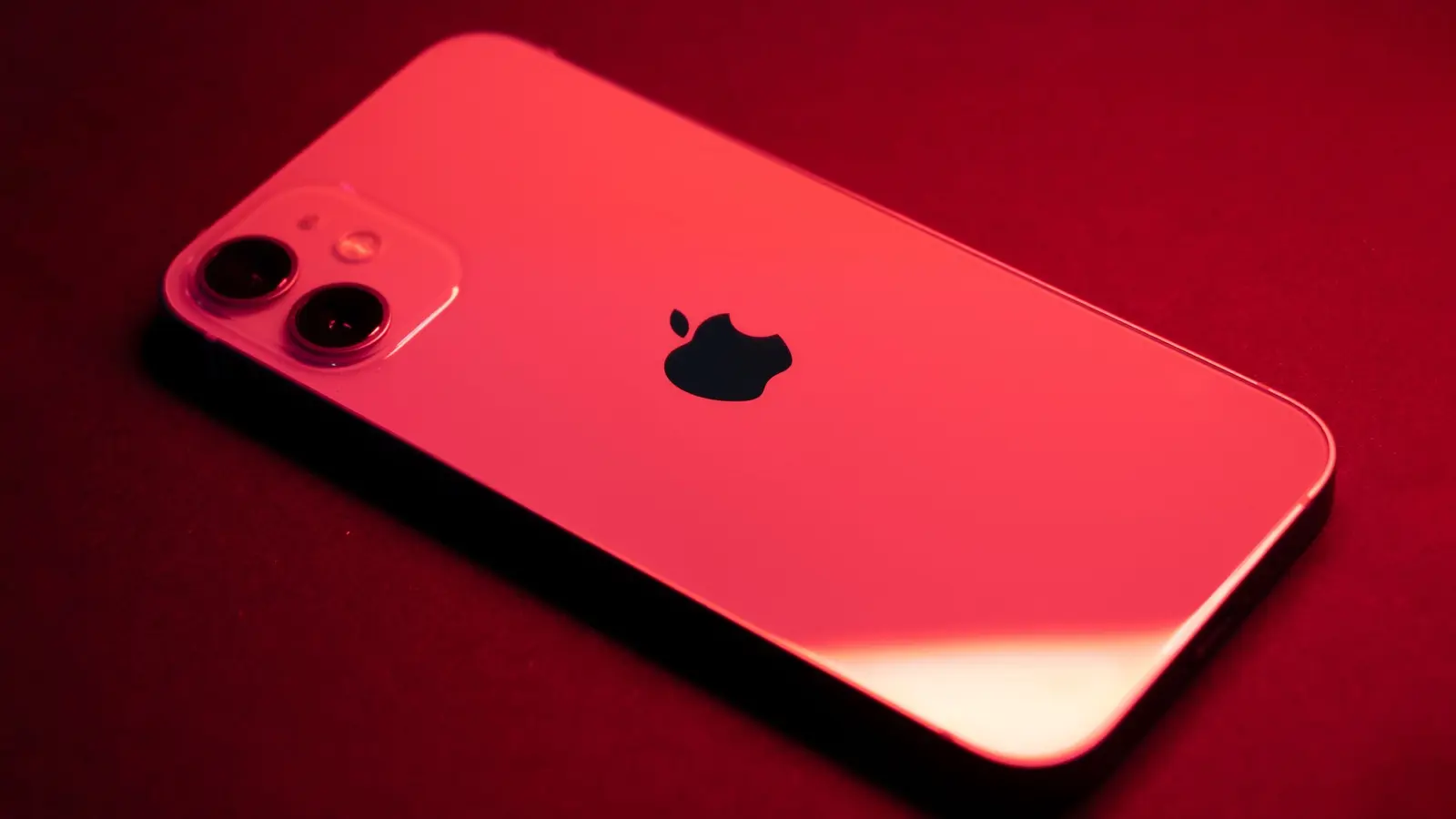
It’s “Surprise and Shine” day today! It’s been previously reported that Apple has a release schedule chock-full of products for the rest of this year. It starts today with new iPhones, AirPods, and Apple Watches.
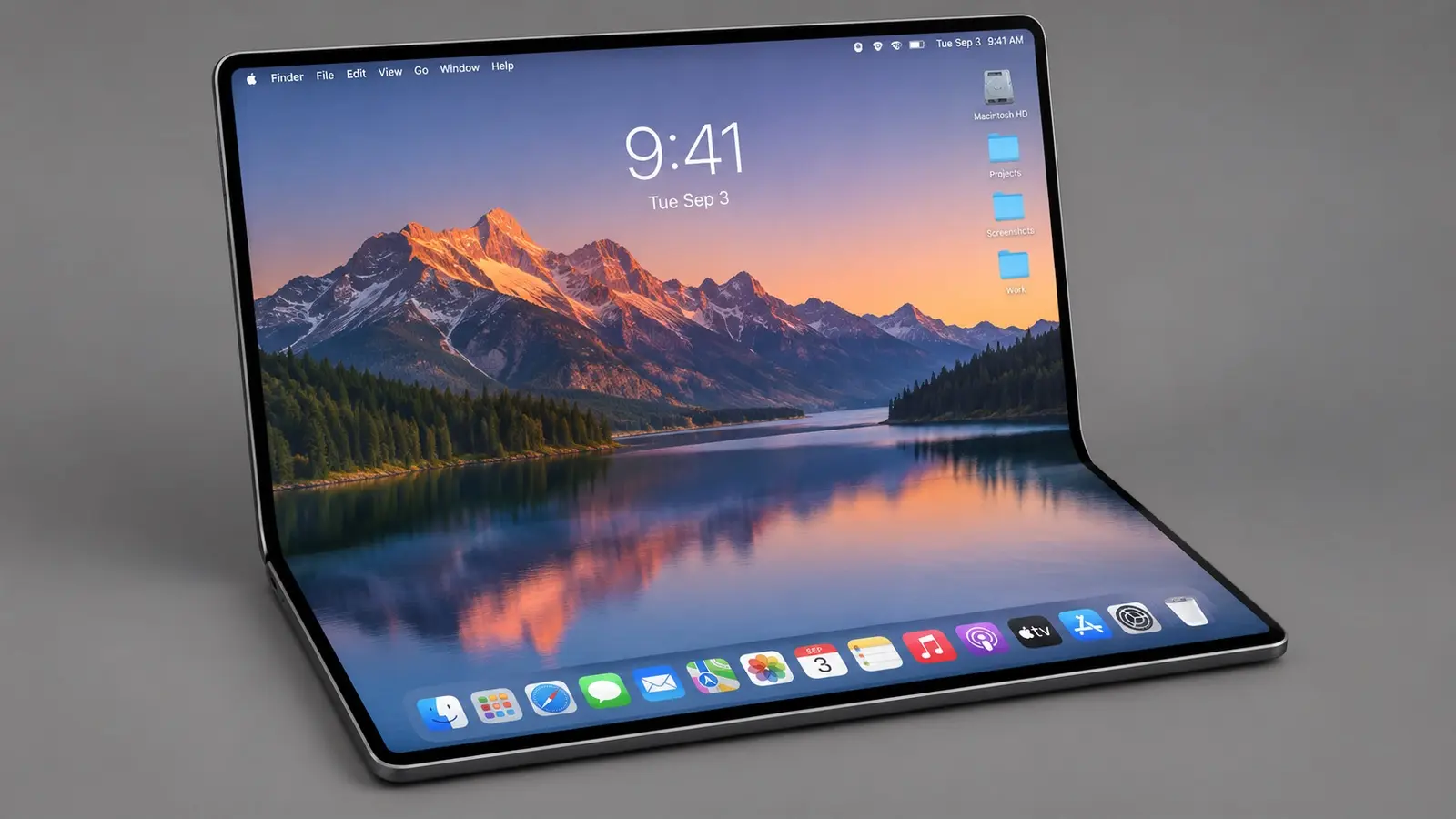
What about the other rumored products, like the touchscreen MacBook, or the updated HomePod and the home hub? Well, before you shrug and exclaim, “That’s it?” at the end of today’s event, you should know that’s not it, according to a post by Bloomberg’s Mark Gurman.
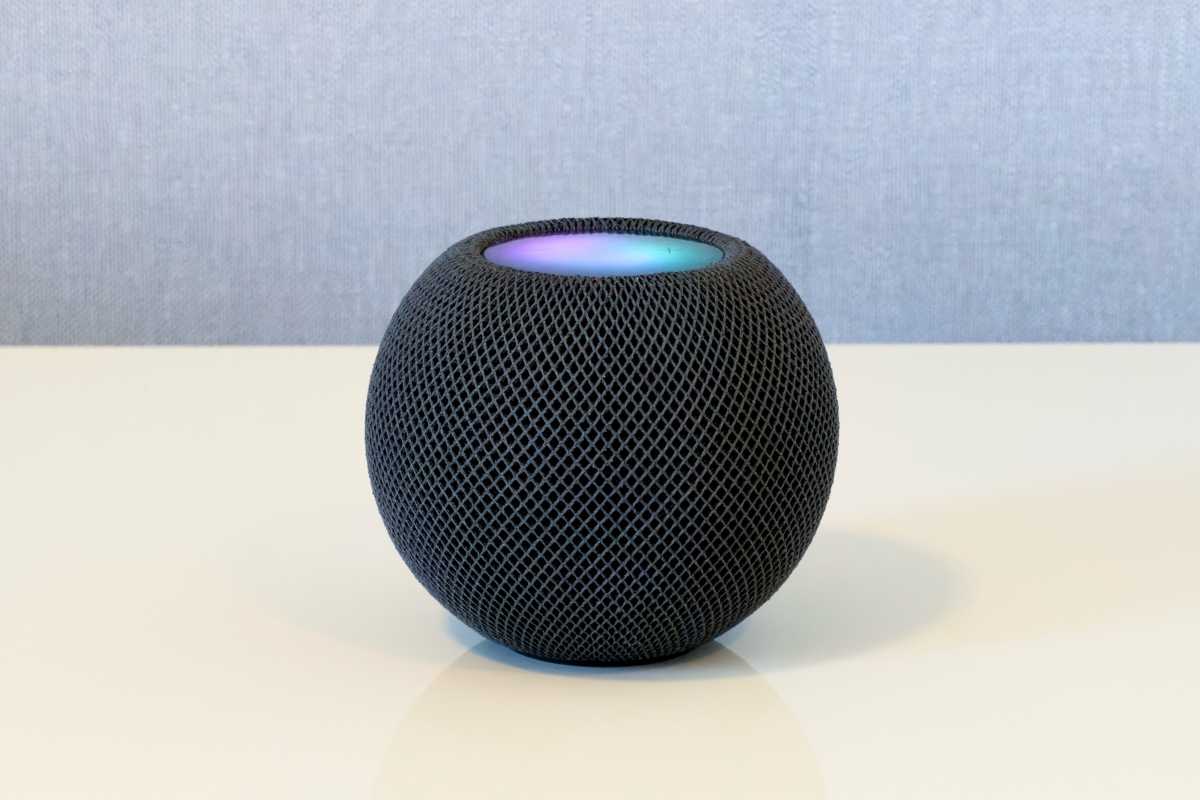
IF you don't see the Apple TV, HomePod mini, home display and touch MacBook today, don't worry. It's only September.
If you’re not familiar with Gurman’s work, he has very good sources and his reporting tends to be spot on. Of all the people who report Apple leaks, he’s the most reliable. So while Gurman doesn’t directly say it, the touchscreen MacBook, HomePod mini, home hub (that he called “home display”), and Apple TV will be coming later this year.
Apple has held October and November releases before, so it’s not unprecedented. By the sound of his post, Gurman likely knows more about these releases, but he’s going to save reporting on those for later. After all, he has to save some surprises for his weekly newsletter so you’ll want to read it.
Those are products for another day. We have “Surprise and Shine” today, and you can track the event through the Macworld live blog, if you are unable to watch it.
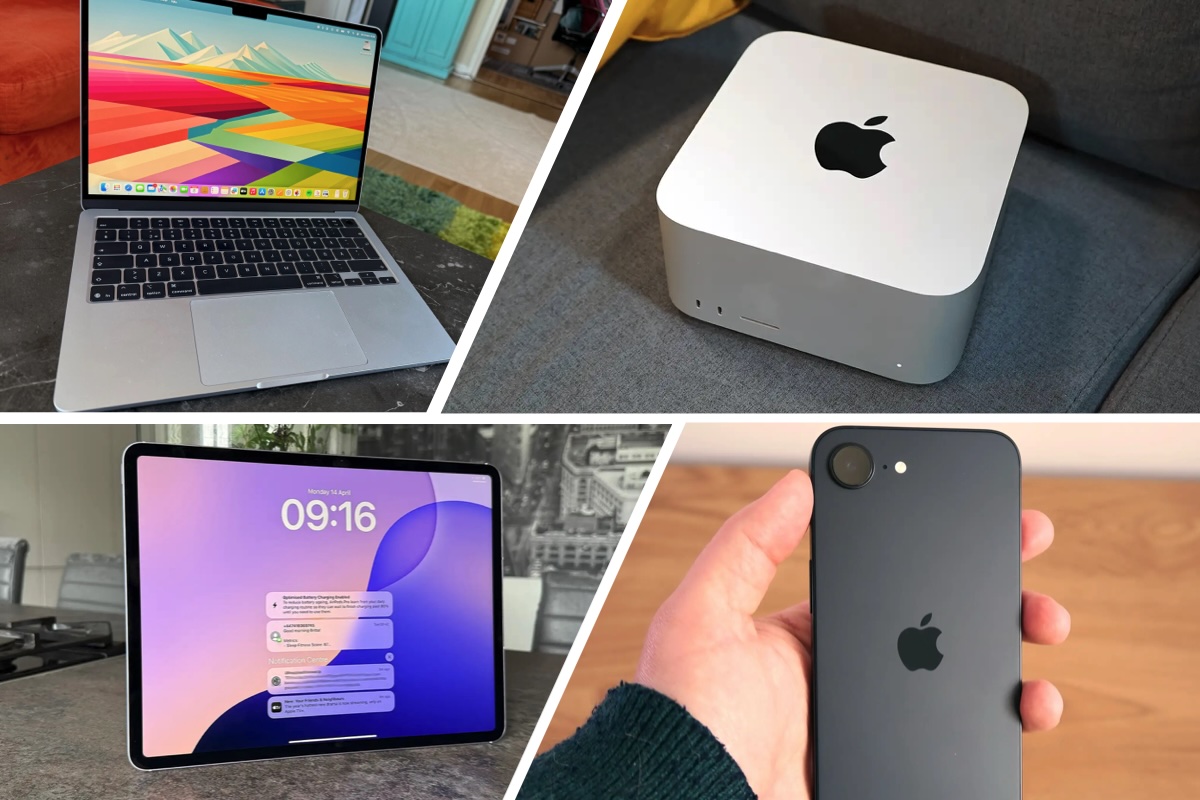
It’s already been a huge year for Apple, with a wave of new products arriving during the first eight months of 2026, including the MacBook Neo and iPhone 17e, and then the new Mac mini and Mac Studio.
But one of Apple’s biggest launches of the year is still to come – and it could happen today. Apple is holding its September 9 “Surprise and Shine” event, where it is expected to unveil the iPhone 18 Pro and Pro Max, new Apple Watches and, most significantly, its first foldable iPhone, recently rumored to be called the iPhone Duo.
There is plenty more on Apple’s roadmap beyond today’s event. New iPads and smart-home products could arrive later in 2026, while Apple is also believed to be preparing its first touchscreen MacBook Pro and smart glasses.
Alongside the new hardware, Apple is preparing the public release of iOS 27, macOS 27 and its other next-generation operating systems, bringing the major Siri AI overhaul first previewed at WWDC in June. Here’s everything Apple has launched in 2026 so far – and what we expect to come next.
What to expect from Apple in 2026
Biggest launches still to come: iPhone 18 Pro & Max and Apple’s first foldable iPhone are expected at today’s September 9 event, with the first touchscreen MacBook Pro potentially following later
Most meaningful upgrades: Apple’s first folding iPhone, first touchscreen MacBook Pro, OLED comes to more Apple devices, smaller Dynamic Island
Big leadership shift: John Ternus has replaced Tim Cook as CEO as of September 1, 2026
Biggestsoftwareupgrades: iOS 27, macOS 27, major Siri/Apple Intelligence upgrade and deeper system-wide AI integration
Apple’s roadmap for 2026: At a glance
In the fall of 2026, Apple’s roadmap will come under the direction of CEO John Ternus. Former CEO Tim Cook has moved into the executive chairman role. The shift from an operations-focused leader to one with deep hardware engineering roots could signal a more product-driven approach – and a renewed emphasis on standout hardware. Ternus takes over as CEO just as Apple is reportedly preparing a major Siri overhaul, alongside potential launches including its first touchscreen MacBook and the iPhone 18 Pro.
Product
Expected release
Key rumours
Should you wait?
iPhone 18 Pro & Max
September 2026
Smaller Dynamic Island, under-display Face ID components, A20 Pro, C2 modem
Yes
iPhone Ultra/Duo
September 2026
The first foldable iPhone
Yes
Apple Watch Series 12
September 2026
Continuous heart-rate monitoring
Yes
Apple Watch Ultra 4
September 2026
Satellite connectivity improvements
Yes
iPad mini
Fall 2026
Larger OLED screen
Yes
iPad
Fall 2026
Apple Intelligence support
Yes
MacBook Pro with Touchscreen
Late 2026-early 2027
Touch screen
Yes
Apple Smart Glasses
Preview in late 2026 possible
Cameras, audio, Siri/Visual Intelligence
Yes
iPhone 18
Spring 2027
Could merge with iPhone Air
Yes
Every New Apple Product Launched in 2026… so far
Here is what Apple has already announced in 2026:
Mac mini M6 and M5 Pro: Faster storage, upgraded connectivity, and a strong focus on AI performance: New Mac mini 2026 guide.
Mac Studio M5 Max and M5 Ultra: Faster AI and graphics performance, increased memory bandwidth: New Mac Studio 2026 guide.
AirPods Max 2: Improved audio and the H2 chip. Find out more here: AirPods Max 2 guide.
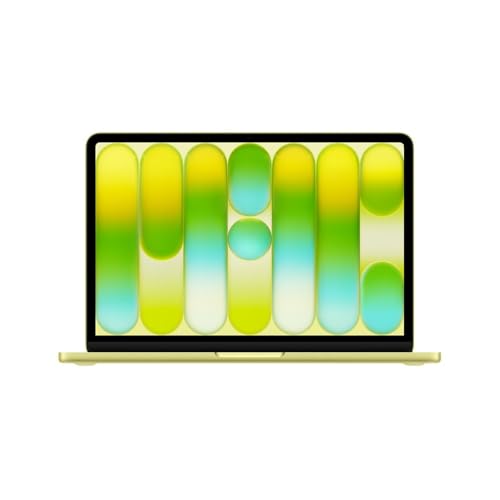
MacBook Neo: Apple’s brand new, low-cost Mac laptop. Find out more here: MacBook Neo guide.
MacBook Air M5: Now with the M5 chip. Read about the 2026 MacBook Air here: MacBook Air M5 guide.
Studio Display: Finally gets Thunderbolt 5 and a better webcam.
Studio Display XDR: With mini-LED technology and ProMotion up to 120Hz.
iPhone 17e: The new, entry-level, iPhone replaces the iPhone 16e. Read more here: iPhone 17e guide.
iPad Air M4: The iPad Air now has an M4 chip. Read more here: iPad Air M4 guide.
AirTag 2: Four years on Apple updated the AirTag, read our review here: AirTag 2nd gen review.
And… RIP Mac Pro: Apple has confirmed that it is discontinuing its tower workstation.
Read on to find out what new products to expect at Apple’s next event and throughout 2026.
Every New Apple Product Launching in 2026
In the sections below we’ve split the upcoming new products into categories including Mac, iPad, iPhone, Apple Watch, Home, AirPods, and some new product categories.
Apple Intelligence, Siri and AI
iOS 27 and macOS 27 Golden Gate, will introduce a massive overhaul to Siri and expanded Apple Intelligence capabilities.
The All-New Siri AI
The most significant update is the transformation of Siri into Siri AI, a conversational assistant powered by Apple Intelligence.
Key Siri AI features coming later in 2026 include:
Onscreen Awareness: Siri will understand and interact with what is displayed on your screen. For example, if a friend texts you an address, you can ask Siri to save it to a contact without leaving the app.
Dedicated Siri App: A new standalone app will allow you to revisit previous conversations, pin important chats, and sync history across all Apple devices via iCloud.
App Actions: Siri will be able to perform tasks within apps using natural language, such as editing a recently sent message or adding a song to a specific playlist.
Visual Intelligence: On iPhone, a new Siri mode in the Camera app will allow users to point their phone at objects to ask questions or perform actions based on what they see. On Mac, users can select onscreen content to ask Siri questions about images or documents.
Voice Customization: Users can personalize Siri with more natural voices and adjust the pace and expressiveness of the speech. This feature requires a M3 Mac with 12GB RAM or newer, or iPhone 17 Pro or iPhone Air and newer.
Apple Intelligence Across Apps
Beyond Siri, Apple Intelligence is being integrated system-wide to automate tasks and enhance productivity. Apple Intelligence will play a larger role across the iPhone, iPad, Mac, smart home devices, and future product categories.
Major updates include:
Safari Productivity: The browser will automatically group tabs into topics, monitor pages for changes (like price drops) with a “Notify Me” feature, and even build custom extensions based on natural-language descriptions.
Smarter Photo Editing: New tools include Spatial Reframing to improve composition after a photo is taken, an Extend tool to fill in missing areas when straightening horizons, and an upgraded Clean Up tool for removing distractions.
Writing Tools and Communication: Mail and Messages will gain smarter replies that mimic a user’s writing style . System-wide Writing Tools will generate text from scratch, rewrite drafts, and adapt tone to match specific contacts.
Image Playground: This tool has been revamped with better language models to create more natural-looking photorealistic images. It also allows users to create custom wallpapers on iOS 27.
Intelligent Automation: The Shortcuts app will feature a “Describe a Shortcut” ability, allowing users to create complex automations simply by explaining what they want in plain English.
What new iPhones are coming in 2026 (and should you wait)?
There are new iPhones coming.
Foundry
Based on current industry analysis and supply chain information, Apple has some significant changes planned for the iPhone in 2026, with an iPhone 18 Pro and Pro Max and the introduction of a foldable iPhone expected alongside the release of iOS 27.
iPhone 18 Pro & Pro Max
September 9, 2026 update expected at event
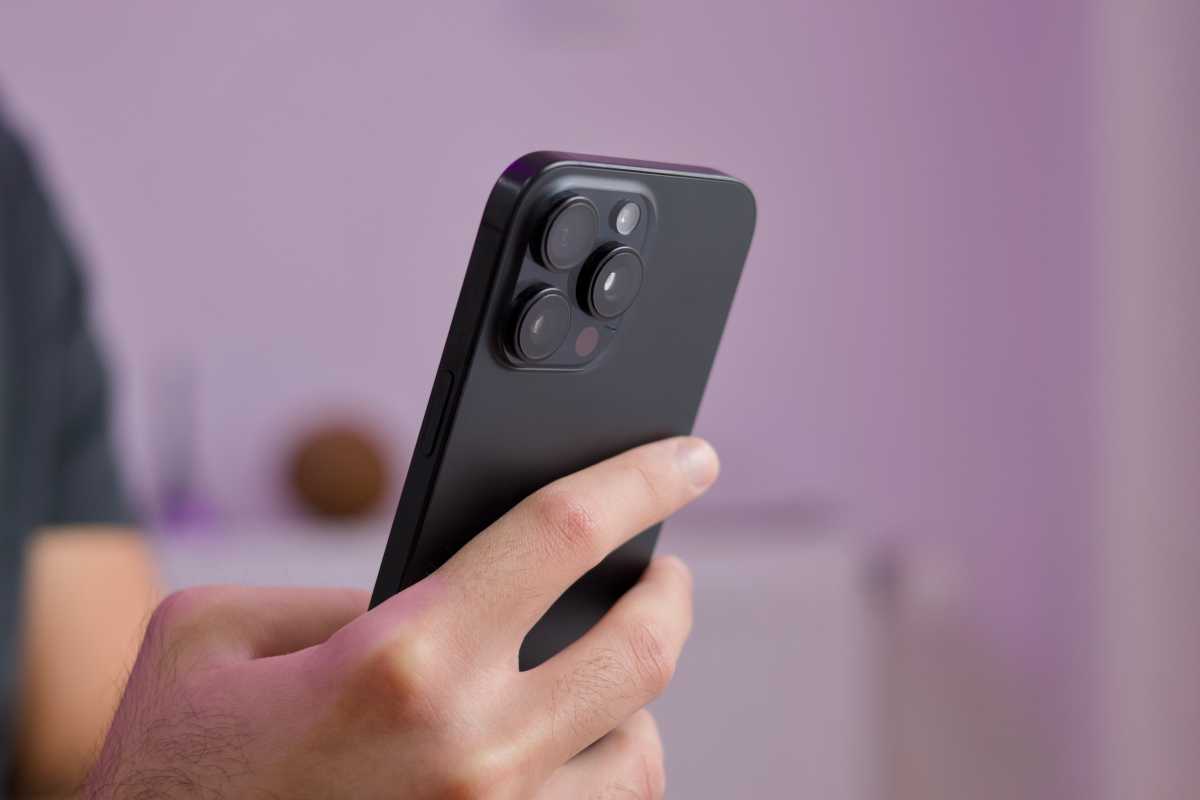
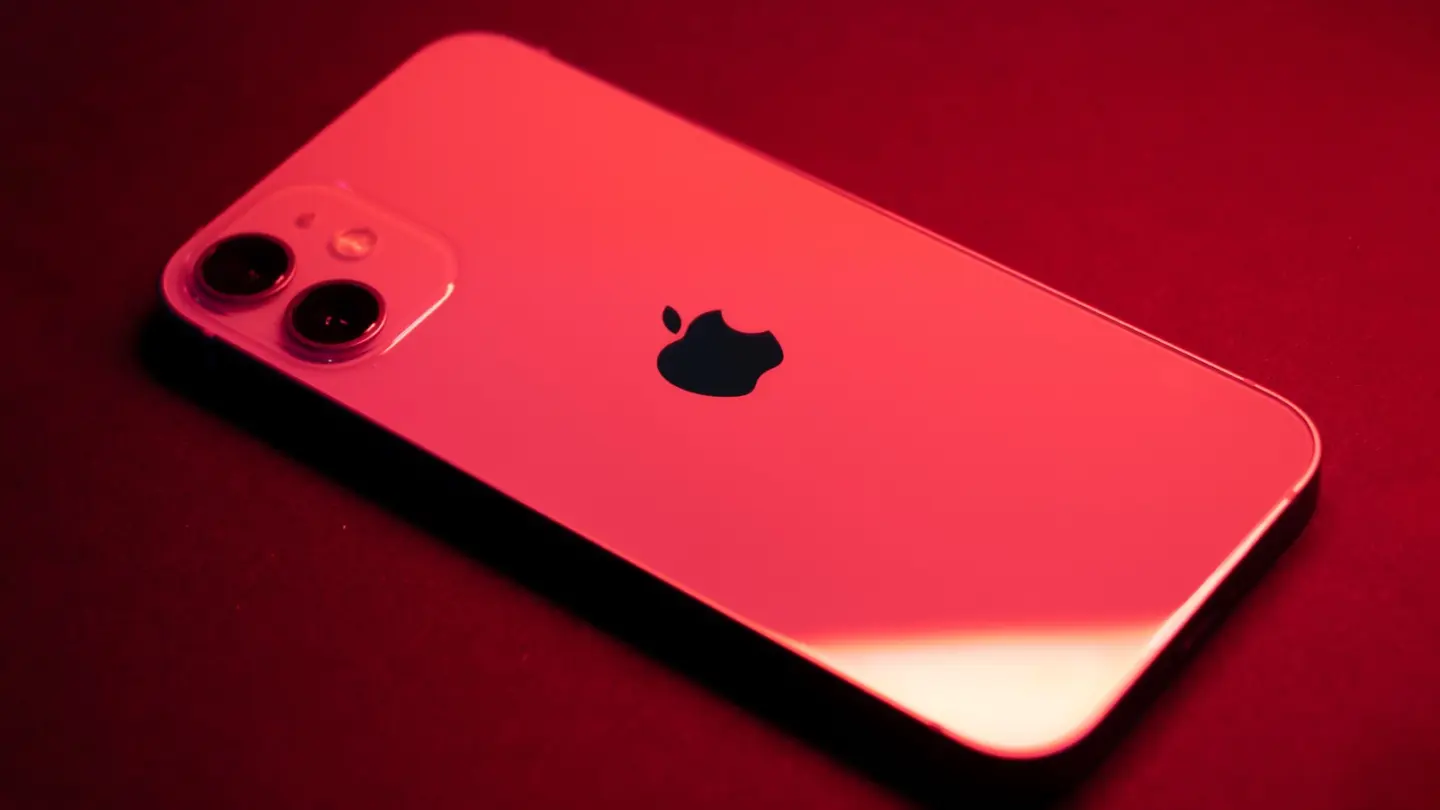
The iPhone 18 Pro is expected to launch on September 9, 2026. The iPhone 18 Pro is rumored to be the first to use Apple’s own C2 modem instead of Qualcomm’s. The base model may see a RAM increase to 12GB to better support on-device AI functions. A major redesign is expected, which could include a new Dark Cherry color, some under-display Face ID components and a smaller Dynamic Island, and the front camera could move to the upper-left corner of the display. Read about the iPhone 18 Pro here: iPhone 18 Pro rumors.
Foldable iPhone
September 9, 2026 introduction expected at event
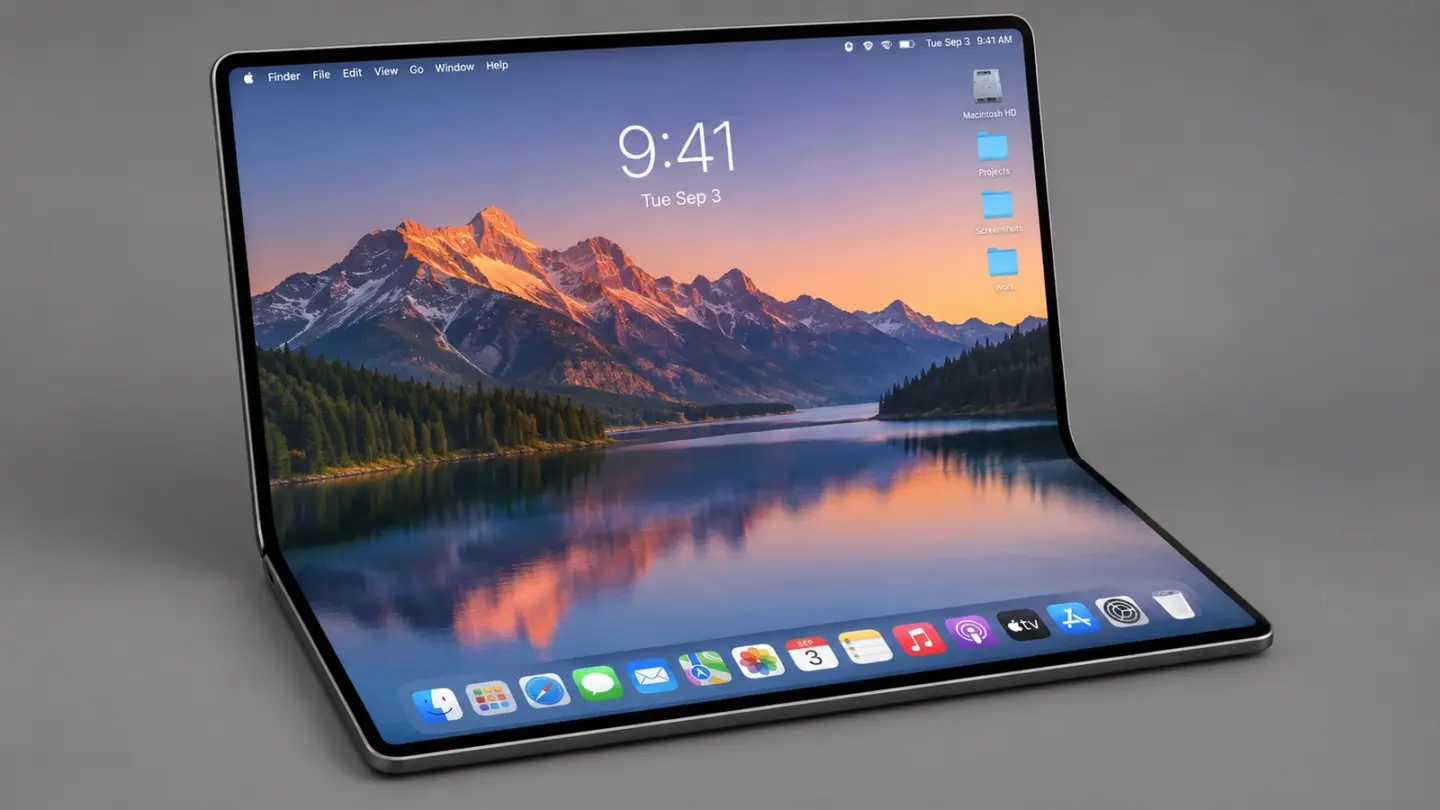
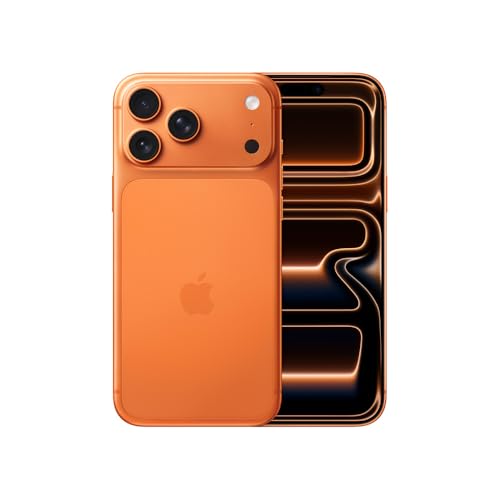
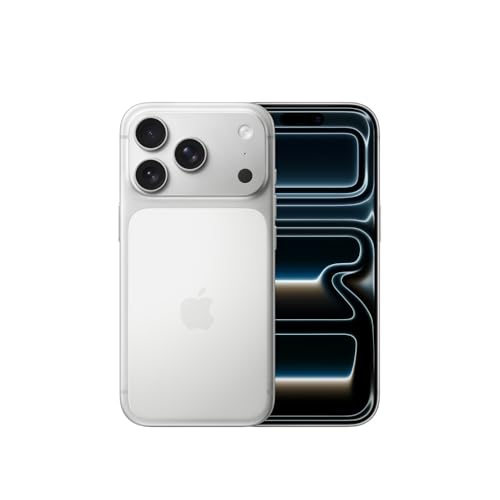
After years of rumors, Apple’s first foldable phone, potentially named the iPhone Duo or the iPhone Ultra, is expected to debut on September 9 2026 alongside the iPhone 18 Pro models. It is expected to be a book-style foldable with a 7.8-inch inner display. Read more here: Apple’s folding iPhone rumors.
iPhone 18
Spring 2027 launch expected
Reports suggest that Apple could delay the iPhone 18 and release that handset alongside the iPhone 18e in the spring of 2027.
Should you buy now or wait?
With prices expected to rise, buying an iPhone 17 Pro this summer was not the bad idea it would normally be, so if you bought one recently then don’t despair, you probably saved some money.
What new iPads are coming in 2026 (and should you wait)?
Screenshot
Foundry
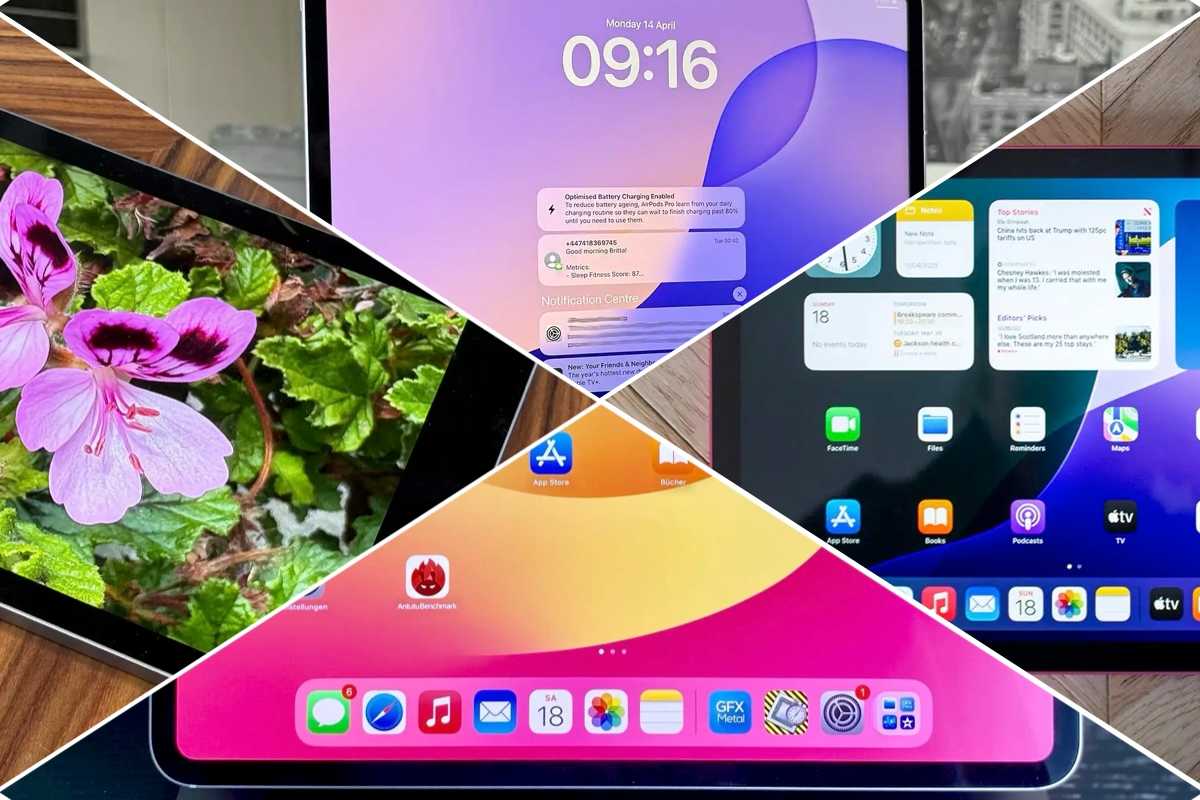
Don’t expect major redesigns for the iPads this year. Instead, Apple is likely to focus on faster chips and other internal upgrades. That said, both the iPad and iPad mini are due for an update – particularly the entry-level iPad, which currently lacks support for Apple Intelligence. Here’s what we expect Apple to announce:
iPad mini
Late 2026 update possible
The current iPad mini (A17 Pro) was released in October 2024, and Apple’s update cycle for this model is generally infrequent. Based on current reports and analysis, the next significant update to the iPad mini is not expected until late 2026, with some speculation pointing toward 2027.
One rumored upgrade for the 2026 iPad mini is the transition to an OLED display, which could reduce manufacturing costs and improve battery life. There is also the possibility of a slightly larger screen, with a move from the current 8.3- to 8.7-inches suggested. There is also speculation that a future foldable Apple device could potentially replace the iPad mini line entirely, though this remains uncertain.
Internal code leaks suggest the future iPad mini could be upgraded to an A19 Pro chip, which would provide a significant performance boost over the current A17 Pro. An A18 Pro chip upgrade is also possible. Read our round up of iPad mini rumors.
iPad
Late 2026 update possible
When the standard iPad was updated in March 11, 2025, the biggest disappointment was that it featured a A16 chip and therefore didn’t support Apple Intelligence. Apple looks set to rectify that in 2026 with an upgrade to the A18 or A19 chip, with the latter offering 50% better performance. The release timeline for an iPad with an A18 or A19 chip is anticipated before the end of 2026, in fact, Apple code suggests the company may be planning an update sooner-rather-than-later.
Read more about the 2026 iPad in our rumor round up.
Should you buy now or wait?
With the iPad prices increasing in June you may want to hold off buying one now. If you are going to pay more at least get the most up-to-date model, or buy from Apple’s Refurbished Store to get a bargain. Read Should I buy an iPad now or wait?
Which Macs are worth waiting for in 2026?
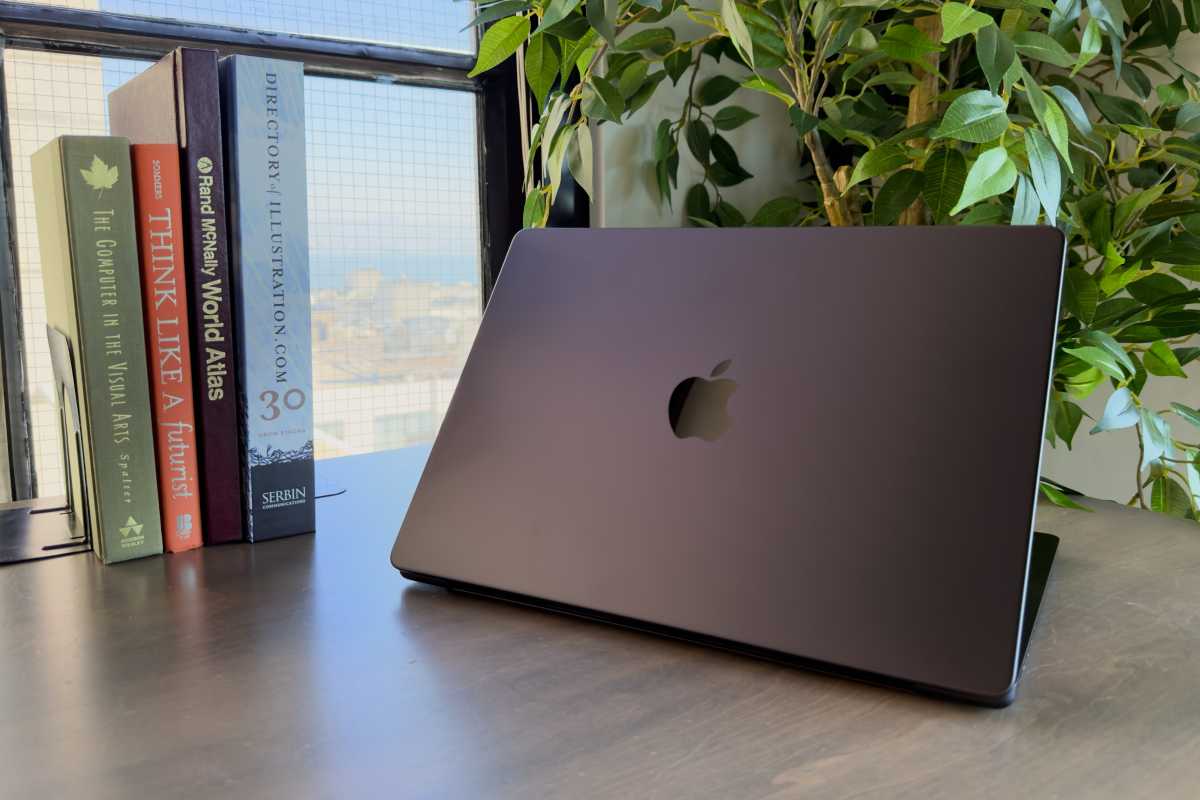
2026 is expected to be a significant year for the Mac, with Apple’s first touchscreen Mac rumored as part of a MacBook Pro redesign. March 3 saw the launch of the M5 MacBook Air and M5 Pro/M5 Max MacBook Pro and March 4 saw Apple introduce a new entry-level laptop – the $599 MacBook Neo.
The long expected Mac Studio and Mac mini updates came in August 2026 and go on sale September 22, although some high-memory Mac Studio configurations won’t arrive until later. These Macs have become popular for running AI models locally; however, global RAM shortages – driven by AI companies purchasing large amounts of memory for data centres – have been having a knock-on effect on availability during 2026 and these RAM shortages have also had an effect on prices, with Mac prices increasing by $300 to $500 in June and in the case of the Mac mini, by a further $100 with the 2026 lannch.
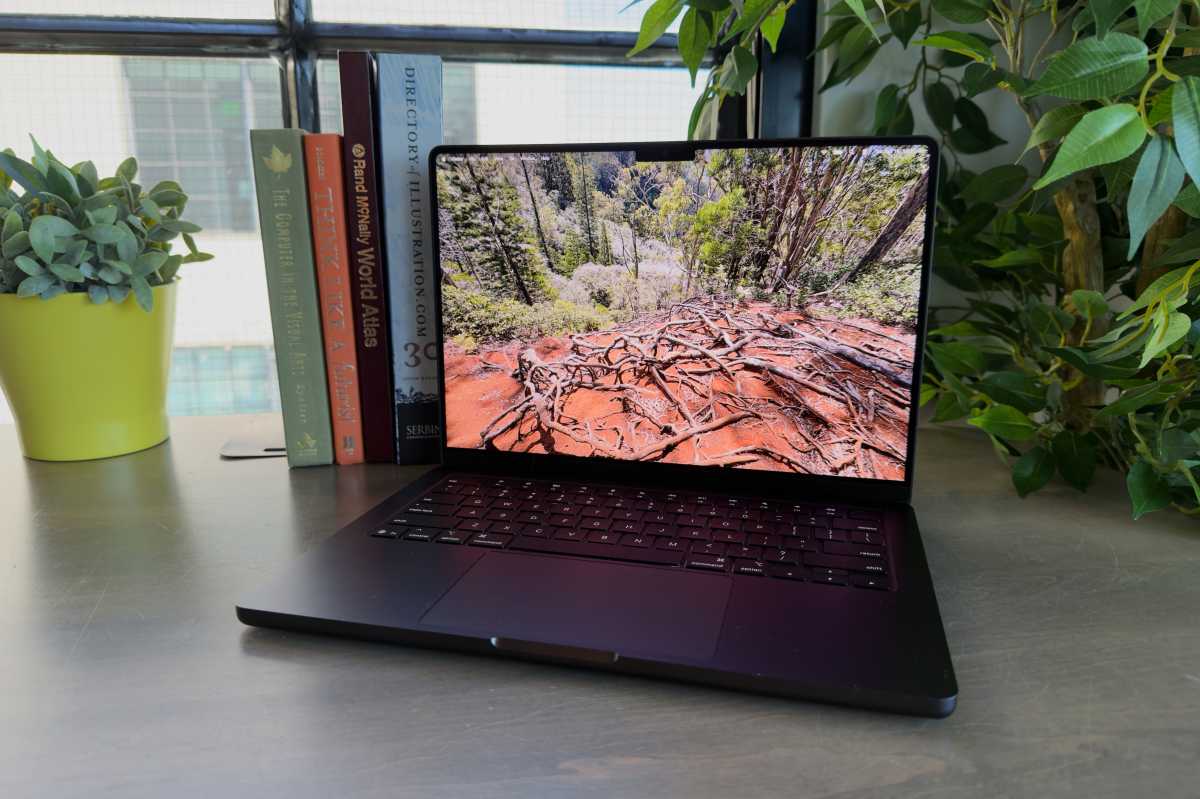
There are rumors that the MacBook Pro will get a redesign including notch-free OLED touchscreen, potential 5G connectivity and a thinner body. At one point it was expected that this new MacBook Pro would feature M6 Pro and Max chips, but the latest indications are that Apple will use M5 Pro and M5 Max chips instead in an effort to keep the project on schedule.
The current M4 iMac was released in October 2024, so an M5 update might seem timely and could be released alongside other potential M5 Mac updates.
The current iMac design was introduced in 2021 and is not expected to change soon. It is still considered fresh, and its components are not outdated. However, there are calls for Apple to introduce a larger screened iMac, something that has been missed since Apple discontinued the 27-inch model. Many feel that the 24-inch screen is too small. Read about the larger iMac rumors.
Should you buy now or wait?
With the prices of Macs increasing in June due to the global RAM shortages you may want to hold off buying one now. If you are going to pay more at least get the most up-to-date model, or buy from Apple’s Refurbished Store to get a bargain. Read the following for more guidance:
Like clockwork, expect a new Apple Watch in September.
Mahmoud Itani / Foundry
Apple updated all the Apple Watches in September 2025. Launching the Apple Watch Series 11 a new Apple Watch Ultra and a new Apple Watch SE. In 2026 the Apple Watch Series 12 and a new Apple Watch Ultra 4 are expected.
With the Apple Watch rather than hardware changes the real interest tends to be the health and fitness related features. The following capabilities are expected in future iterations:
Non-invasive blood glucose monitoring: This has been a long-rumored feature for the Apple Watch, but it is still considered to be a few years away with the technology unlikely to be ready for a 2026 release.
AI-Powered Health and Fitness Coach: Apple has long been rumored to be working on a sophisticated AI coach. Recent reports from early 2026 suggest this project was “scaled back” to allow individual AI-driven features to ship sooner rather than waiting for a complete overhaul.
Health+ Service Overhaul: There are ongoing rumors regarding a new service tier called “Health+” that would expand upon Fitness+. This service might integrate new AI-powered health features into a single subscription, potentially bundled with hardware purchases.
Daily Readiness and Stress Tracking: Unlike competitors such as the Oura Ring 4 or Garmin, the Apple Watch currently lacks a “daily readiness” score or native stress tracking. Experts suggest these are obvious areas for future software or hardware updates.
Other new features could include Touch ID integration and microLED displays reaching 4,000 nits brightness. A thinner case, magnetic bands, and enhanced AI capabilities could also be on the cards.
If you have an older Apple Watch and are wondering whether to upgrade, this could be a good time as with watchOS 27 the compatibility list is smaller than ever and only the Watch SE 3, Series 9, 10 and 11, Apple Watch Ultra 2 and 3 – and the new models – will be compatible.
Apple Watch Ultra 4
September 9, 2026 update expected at event
Expected to be a relatively modest update, with a faster S-series chip, improved health and fitness tracking and possibly better battery life, but no major redesign. Read more: Apple Watch 2026 updates.
Apple Watch Series 12
September 9, 2026 update expected at event
Rumored to bring a new S-series processor, longer battery life, enhanced health monitoring and possibly a ceramic finish, while retaining the familiar Series 11 design.
Should you buy now or wait?
If you need an Apple Watch today, the SE 3 is the safest buy, while the Series 11 and Ultra 3 are worth waiting on with new models expected in September. Waiting could bring new features, lower prices on current models, or both, making it the smarter choice for most buyers. Read more: Should I buy an Apple Watch now or wait?
Upcoming AirPods
According to a brief update in Mark Gurman’s Power On newsletter for Bloomberg in August, Apple is aiming to launch camera-equipped AirPods this fall.
The new earbuds are expected to resemble the upcoming AirPods Pro 3, although it’s not yet clear whether they will also include a heart rate sensor.
The cameras are said to include both visible-light and infrared sensors, but they reportedly won’t be designed for taking photos or recording video, as their placement and image quality would make them unsuitable for those tasks. Instead, the cameras are expected to enable AI-powered features, such as hand gesture recognition, adapting audio based on the surrounding environment, and detecting whether someone is speaking directly to you or simply talking nearby.
Upcoming Apple Home devices
Mahmoud Itani / Foundry
Apple is expected to significantly expand its smart home ecosystem in 2026 and 2027 with new devices beyond its traditional Apple TV and HomePods.
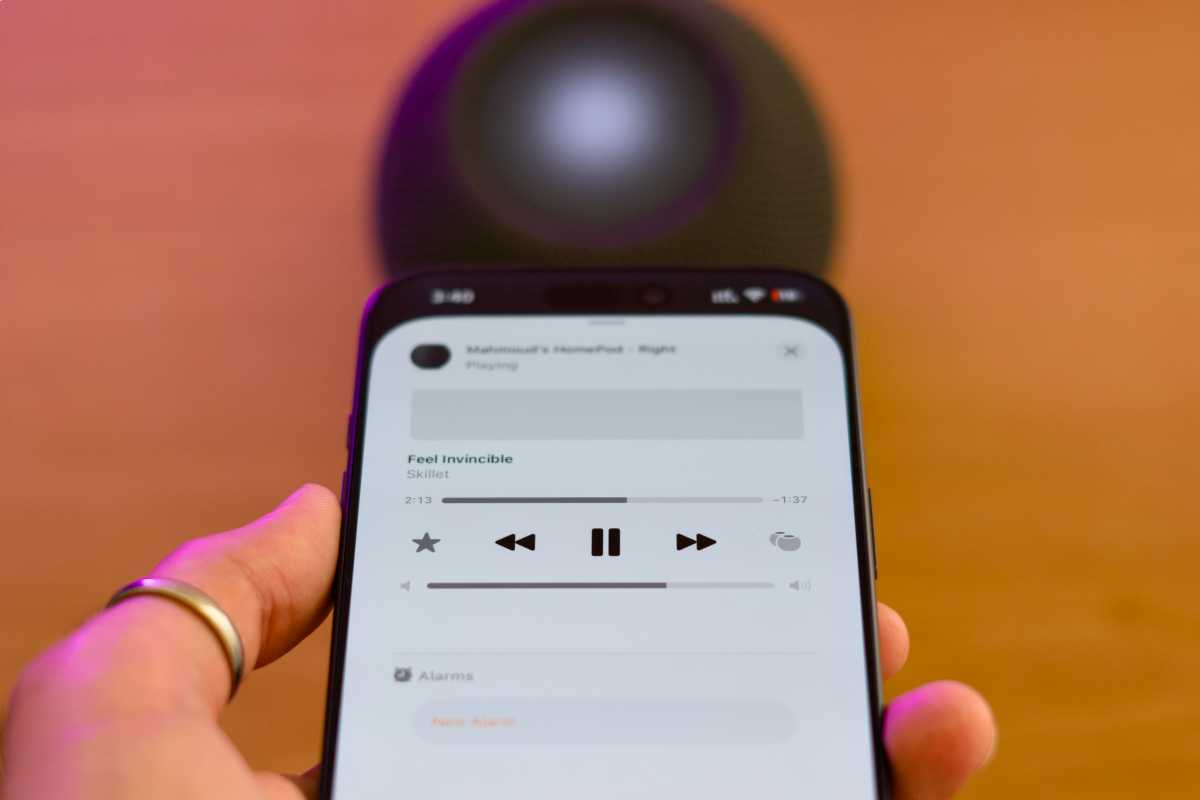
Rumored products include a smart home hub that combines HomePod functionality with a touchscreen, an updated HomePod mini 2 and next-generation Apple TV are also expected.
This strategic push could help Apple catch up with competitors like Amazon and Google in the smart home market.
Apple’s push into the smart home market will be heavily reliant on a significantly improved Siri, which is expected to launch with iOS 27 and macOS 27 in the fall.
New and updated products are said to include:
HomePod mini 2
Fall 2026 introduction
Foundry
A new HomePod mini is said to be on the way with a faster processor that can take advantage of the new Siri AI.
HomePod 3
Fall 2026 introduction
A new HomePod with an updated chip is also expected.
Apple TV
Fall 2026 update
The current Apple TV isn’t compatible with Siri so an update is needed. Apple TV leaks indicate a rumoured Apple TV is on Apple’s roadmap and that the update will bring Apple Intelligence to the set top box.
New Smart Hub
Possible 2026 introduction
Multiple reports have suggested Apple will launch a smart home hub. Apple is said to be working on a number of HomeHub related products including a device said to mount a camera on a robot arm that can follow you around!
New Smart Display
Possible 2026 introduction
Also rumored is an iPad-like smart display that allows you to control your home devices via HomeOS software. This may come with both a speaker base and a wall mount.
HomePod Touch
Possible 2026 introduction
A new HomePod smart speaker with a screen is said to be coming. Read more here: New HomePod rumors.
Upcoming Vision devices, AR and spatial computing
Apple Smart Glasses
Possible 2026 introduction, 2027 launch
Unlike the bulky Vision Pro headset, the upcoming smart glasses from Apple are expected to follow a form factor similar to the Ray-Ban Meta glasses. This will be Apple’s first product built specifically for “Visual Intelligence.” It will likely handle tasks such as live translations, music playback, phone calls, and turn-by-turn directions. Apple could provide a first glimpse or “preview” of the glasses by the end of 2026.
Vision Pro
Possible 2027 update
Prior to 2026, Apple’s spatial computing strategy has focused on the high-end market, but reports indicate a more affordable version of the headset is in development. Apple has reportedly paused work on a successor to the high-end Vision Pro and will instead release a cheaper Vision Pro.
What Apple launched in 2025
Here’s a quick look at what Apple released in 2025:
February2025: iPhone 16E – the replacement for the iPhone SE and iPhone 14 brought Apple Intelligence support to the entry-level iPhone.
A Apple parece estar preparando seus sistemas para a nova leva de produtos que será lançada em breve. A menos de 24 horas do evento “Surprise and shine” (“Surpreendente e brilhante”), a empresa adicionou nada menos que 37 novos identificadores de hardware ao seu backend, abrangendo iPhones, iPads, Macs, Apple Watches e outros dispositivos.
A descoberta foi feita por Aaron Perris. No X, ele compartilhou todos os identificadores, sendo sete deles relacionados a iPhones.
A bunch of upcoming Apple device identifiers have been found on Apple’s backend. Interestingly, there are 7 iPhone models listed. We only know of 6.
O número chama atenção pois, até o momento, os rumores dão conta de seis modelos compondo a futura linha: “iPhone 18 Pro”, “iPhone 18 Pro Max” e “iPhone Ultra”, além dos “iPhone 18”, “iPhone Air 2” e “iPhone 18e” — os três últimos, segundo as notícias, só serão lançados no ano que vem.
Isso, porém, não significa necessariamente que a Apple esteja preparando um sétimo iPhone do qual nunca ouvimos falar. O identificador pode muito bem ser simplesmente uma variante de um dos modelos já esperados — como, por exemplo, uma configuração específica do “iPhone Ultra” destinada à China.
Além dos iPhones, a lista inclui nove identificadores de Macs, oito de iPads, nove de Apple Watches, um de Apple TV e três associados à categoria “HomeAccessory”, utilizada internamente pela Apple para produtos domésticos.
Lembrando que, no evento de amanhã, a Apple muito provavelmente lançará produtos como o “Apple Watch Series 12”, o “Apple Watch Ultra 4”, uma nova geração da Apple TV e, quem sabe, o aguardado hub inteligente para a casa — além dos iPhones, é claro. Novos Macs (como um iMac com chip M6 e a estreia dos “MacBooks Ultra”) e iPads (como o iPad mini com tela OLED), contudo, não são esperados para esta semana.
The team behind Asahi Linux has officially rolled out support for Mac computers running on the newest M3 chips. If you own a device powered by the M3, M3 Pro, or M3 Max chip, you can now run the open-source operating system natively. This update pushes their compatibility list past the older M1 and M2 […]
The MacBook Neo has been a huge success since it first arrived earlier this year. Now, early reports suggest that the company is already preparing to launch its successor. According to recent supply chain leaks, the new MacBook Neo 2 is reportedly coming out in 2027. It will feature several big hardware upgrades, including a […]
The OWC USB-C Quad HDMI 4K Display Adapter with DisplayLink lets a Mac drive four 4K monitors through a single USB-C connection. Chuck explains how it simplified his multi-display setup and bypasses native Mac display limitations using DisplayLink software. The adapter supports individual monitor resolutions and offers a straightforward path to a multi-monitor setup.
Portable travel monitors can transform productivity on the road by adding valuable screen space without much cost or bulk. Chuck’s Briefing compares 1080p and 4K options, discusses USB-C and HDMI connections, and power and battery considerations. Built-in audio, protective covers and stands, and why these minimalist monitors might not be just for travel are all part of why an inexpensive second display can make working with multiple apps far easier.
The MacVoices Live! panel dives deep into Apple’s across-the-board price increases, weighing rising RAM, storage, inflation, shareholder obligations, and product value. Chuck Joiner, David Ginsburg, Brian Flanigan-Arthurs, Ben Roethig, Eric Bolden, Marty Jencius, Jeff Gamet, Norbert Frassa, Jim Rea, and Web Bixby debate whether higher prices are a short-term reset or the new normal, how buyers may react, why the MacBook Neo increase stings, and whether refurbished or education pricing may become more important.
The MacVoices Live! panel explores Pope Leo’s comments on AI ethics, technology regulation, environmental costs, labor disruption, and the need for moral guardrails without stopping innovation. Chuck Joiner, David Giinsburg, Jeff Gamet, Brian Flanigan-Arthurs, Jim Rea, Eric Bolden, Marty Jencius, and Web Bixby compare today’s AI concerns to earlier industrial upheaval, then shifts to Kansas City’s school technology plan involving MacBook Neo systems and iPads, with debate over deployment, education value, and implementation challenges.
A wide range of tech stories get the MacVoices treatment, starting with the quick sellout of the Steve Jobs commemorative coin and what strong MacBook Neo demand may say about Apple’s pricing, chip planning, and enterprise appeal. Chuck Joiner, David Ginsburg, Marty Jencius, Eric Bolden, Brian Flanigan-Arthurs, Jeff Gamet and Mark Fuccio also discuss Apple updates unexpectedly changing settings, a Canvas ransomware disruption affecting schools, Chrome’s hidden AI download, Google’s Liquid Glass similarities, Digg’s AI-focused return, and safer lithium coin batteries.
Every September brings the same headache: a school or university supply list that suddenly includes a laptop, tablet, or smartphone, and a household budget that hasn’t grown to match. Between rising hardware costs, global memory shortages, and kids lobbying hard for the newest device to fit in with friends, “Back to School tech” has quietly become one of the biggest line items of the season.
The good news is there’s a smarter and more affordable way to buy—refurbished—and it doesn’t mean settling for less.
Back Market
Why Back to School tech costs so much
Three pressures are colliding at once. Schools increasingly require students to bring their own laptop or tablet for coursework, turning what used to be optional into a mandatory expense. At the same time, a global shortage in memory chips has pushed up the base price of new devices across the board. Layer on peer pressure—plenty of kids push for the latest brand-name gadget even when a perfectly good device is already sitting in a drawer—and parents are left stretched thin, weighing tech costs against groceries and heating bills.
Back Market
Refurbished doesn’t mean second-hand
This is where the mindset shift matters. A refurbished device isn’t the same as a used one picked up second-hand with no guarantees. On Back Market, every product goes through professional inspection, testing, repair, and restoration before it’s resold—closer to buying a certified pre-owned car than rolling the dice on a stranger’s old phone. Devices are typically up to 50% cheaper than buying new, while still delivering full functionality for schoolwork, streaming, gaming, and everyday use.
It’s also a category with real breadth. Back Market isn’t just phones—you’ll find laptops, tablets, 2-in-1 computers, desktops, headphones, speakers, and more, all refurbished and inspected to the same standard. Whatever’s on the school supply list, there’s likely a refurbished option worth checking first.
Back Market
The numbers back it up
Demand is climbing fast: searches for iPhones are up over 60% month over month, with mid-generation models like the iPhone 13 and SE converting best—proof that shoppers want reliable performance without paying flagship prices. Every purchase—be it MacBook, iPhone, or iPad— also comes with the Back Market Promise: after its up to 100-point quality inspection, a 1-year warranty, 30-day returns, and free shipping, so the savings don’t come at the cost of peace of mind.
Stack the savings: student and teacher discounts
Parents, students, and educators can save even further with Back Market’s student and teacher discount.
Receive a £20-off code to use on eligible electronics
That discount applies across the board—smartphones, laptops, tablets, and more—stacking on top of the already-reduced refurbished pricing.
Back to School with the best
Back to School shopping doesn’t have to mean choosing between a stretched budget and a disappointed kid. Buying refurbished gets premium brands like Apple into students’ hands at a fraction of the price, backed by real quality checks and warranties—and it keeps devices out of landfill in the process. For families feeling the pinch this September, it’s one of the easiest wins on the list.
De acordo com a firma, o custo de fabricação do “iPhone 18 Pro” de 256GB — ou seja, o modelo mais em conta dessa linha — ficará cerca de 38% maior em relação ao seu antecessor direto, tornando reajustes de preço do lado dos consumidores “inevitáveis”. Ela, no entanto, abre possibilidade de a Apple sacrificar um pouco da sua margem de lucro para estancar parte do impacto desses aumentos.
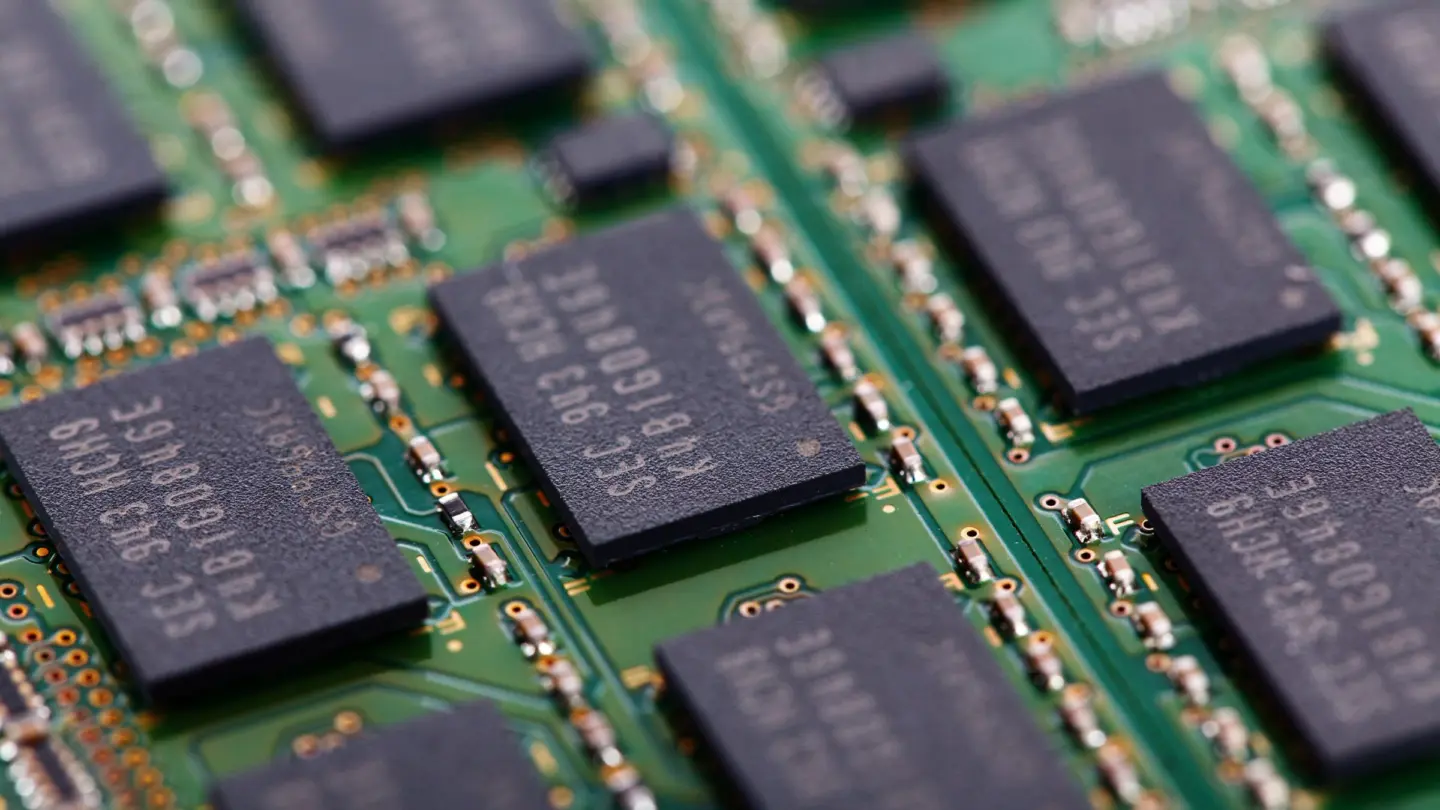
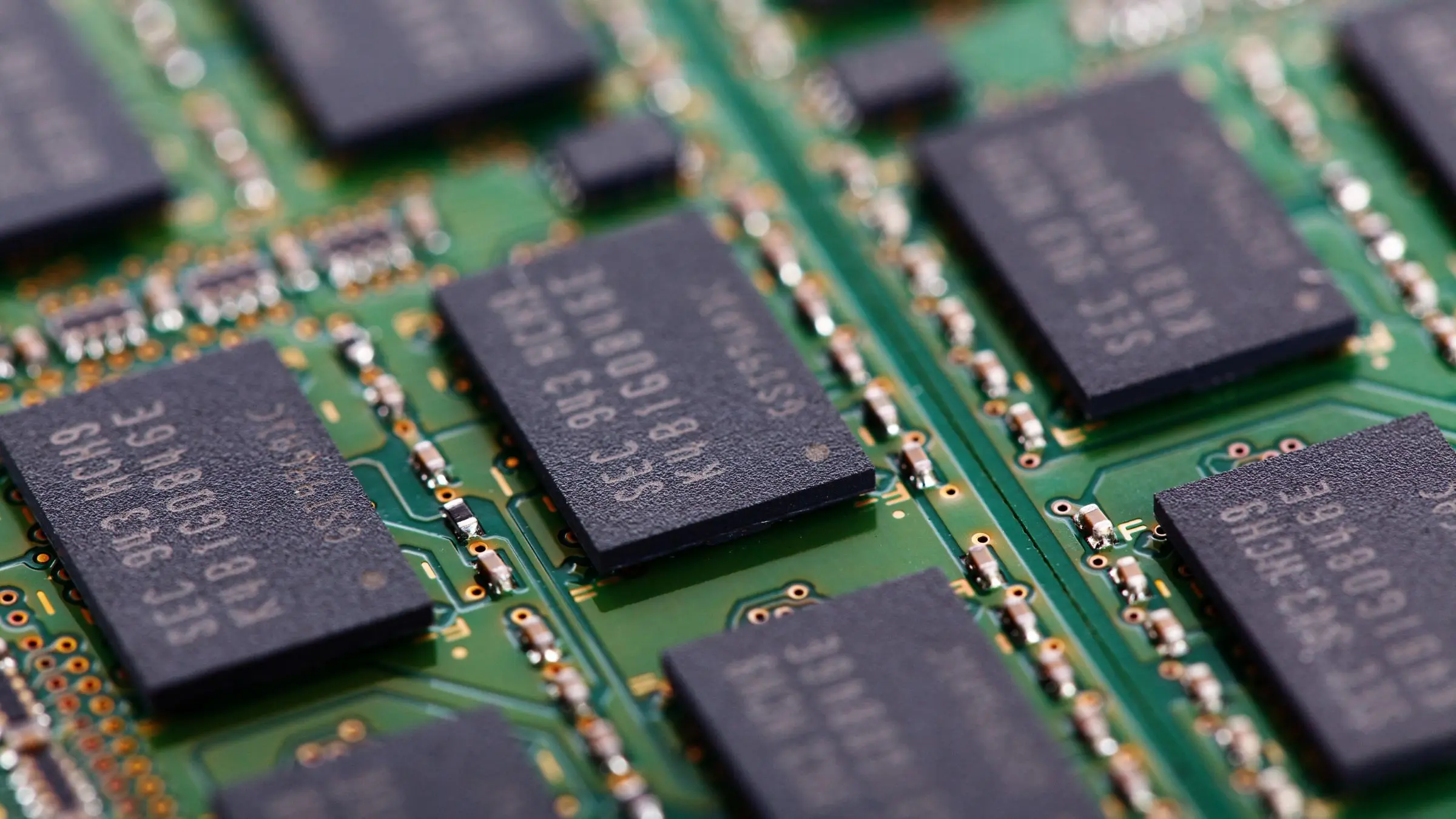
Isso, como não podia deixar de ser, tem a ver com a crise no mercado de DRAM 1Dynamic random access memory, ou memória dinâmica de acesso aleatório., que fez os chips de memória passarem a representar, no terceiro trimestre de 2026, aproximadamente 34% do valor total do smartphone, em contraste com os 10% de um ano atrás. O prognóstico para os iPhones de 2027 também não é muito animador, já que é esperado que esse número passe de 40% ainda na primeira metade do ano que vem.
Antes dessa crise, os componentes mais caros de um iPhone eram, com sobras, o processador e a tela. Caso a participação da memória no custo de fabricação realmente passe dos 40%, isso fará com que a fatia desses outros componentes caia para abaixo de 10% mesmo sem uma redução nos seus preços, tamanha é a pressão no mercado de DRAM atualmente.
Divulgação/TrendForce
Essa estratégia de sacrificar parte da margem de lucro, como lembrado pela TrendForce, foi empregada pela Apple nos últimos lançamentos de MacBooks — que, mesmo assim, sofreram aumentos expressivos recentemente. A firma de pesquisa também não exclui a possibilidade de a empresa aumentar os preços de modelos mais antigos de iPhones junto do lançamento dos novos aparelhos, o que serviria para compensar parcialmente o aumento dos custos de memória.
É, são tempos sombrios no mundo da tecnologia…
iPhone 17 Pro Max
Cores: prateado, laranja-cósmico ou azul-intenso Armazenamento: 256GB, 512GB, 1TB ou 2TB
NOTA DE TRANSPARÊNCIA: O MacMagazine recebe uma pequena comissão sobre vendas concluídas por meio de links deste post, mas você, como consumidor, não paga nada mais pelos produtos/serviços usando os nossos links de afiliado.
Com inúmeros modelos e variações de Macs já fabricados, a Apple consegue abranger diferentes públicos-alvo. Desta forma, seja você uma pessoa que usa computador apenas para navegar na web ou um profissional que precisa de máquinas parrudas para dar conta do recado, pode usufruir de notebooks ou desktops da empresa.
Para ter certeza de qual modelo de computador da Apple você tem no momento, é possível conferir exatamente essa informação pelo sistema.
Cores: preto-espacial ou prateado Tela: padrão ou nano-texture Chips: M5 Pro ou M5 Max Memória: 24GB, 36GB, 48GB, 64GB ou 128GB Armazenamento: 1TB, 2TB, 4TB ou 8TB
Cores: preto-espacial ou prateado Tela: padrão ou nano-texture Chips: M5, M5 Pro ou M5 Max Memória: 24GB, 36GB, 48GB, 64GB ou 128GB Armazenamento: 1TB, 2TB, 4TB ou 8TB Adaptador de energia: USB-C de 70W ou 96W
Cores: azul-céu, prateado, estelar ou meia-noite Chip: M5 Memória: 16GB, 24GB ou 32GB Armazenamento: 512GB, 1TB, 2TB ou 4TB Adaptador de energia: USB‑C de 30W, 35W com duas portas ou 70W
Cores: azul-céu, prateado, estelar ou meia-noite Chip: M5 Memória: 16GB, 24GB ou 32GB Armazenamento: 512GB, 1TB, 2TB ou 4TB Adaptador de energia: USB‑C de 30W, 35W com duas portas ou 70W
NOTA DE TRANSPARÊNCIA: O MacMagazine recebe uma pequena comissão sobre vendas concluídas por meio de links deste post, mas você, como consumidor, não paga nada mais pelos produtos/serviços usando os nossos links de afiliado.
Apple offers the MacBook Pro with three different chip options. It starts with the entry-level M5 chip, which you can only get in the 14-inch MacBook Pro. Apple also offers higher end M5 Pro and M5 Max chips for the 14- and 16-inch MacBook Pro, as it has since the M1 arrived in 2020.
The M5 MacBook Pro was released in October 2025. According to reports, Apple plans to upgrade the laptop to an M6 chip this fall, which isn’t a surprise. What is a surprise is that Apple will reportedly skip the Pro and Max M6 variants to focus on the M7 coming later in 2027. So the M6 MacBook Pro could be the only M6 option available.
This article keeps track of the reports about the upcoming M6 MacBook Pro. Keep an eye on this article for the latest news.
M6 MacBook Pro release date: When will it launch?
• Fall 2026 expected
In a July report, Bloomberg’s Mark Gurman reported that the M6 MacBook Pro is expected to ship this fall. Of the five generations of the entry-level MacBook Pro, three have been released in the October/November timeframe, including the past two releases. Here are the release dates for the entry-level MacBook Pro:
This release could be affected by the memory chip shortage that has been affecting the whole tech industry. If Apple is unable to obtain the quantity of chips it needs, Apple could be forced to move the release date back. Or, there could have a short supply of laptops available, which would result in actual delivery dates slipping.
At this point in time, we haven’t heard of any delays. The fall release of the M6 MacBook Pro seems to be on schedule, but the volatility of the chip market could cause it to change unexpectedly.
M6 MacBook Pro: Chip details
First 2nm M-series chip
Redesigned GPU
Apple will upgrade the MacBook Pro M5 to an M6 chip, which will be the key upgrade for this release cycle. The chip is expected to be the first M-series chip built using TSMC’s 2nm process. A smaller process allows for more transistors to be placed on the chip, which would result in faster speeds and improved power efficiency.
The M6 chip is expected to incorporate new features for improved AI processing.
Apple
The M5 chip comes with 10 CPU cores: 4 super cores and 6 efficiency cores. No reports have been made about the M6 CPU core count, but Gurman reported that “performance will also improve.” Apple is also planning enhancements for the built-in video codecs.
In June, Bloomberg’s Mark Gurman reported that the M6 could offer an updated memory architecture and memory bandwidth of 200 GB/s, a 31 percent increase over the M5’s 153 GB/s. Apple will also likely update the chip’s Neural Engine to help AI processing for Apple Intelligence and Siri AI. As for the RAM configurations, Apple offers the M5 with 16GB, 24GB, or 32GB of RAM. Apple isn’t expected to change this with the M6.
The M6 will also have a redesigned GPU. Gurman reported that Apple tested a version of the M6 with 12 GPU cores, which is two more than the M5.
M6 MacBook Pro: Other specifications and features
No major changes expected
The chip upgrade to the M6 is expected to be the only major change with the back MacBook Pro release. The display, keyboard, trackpad, ports, and other features are all expected to be identical or similar to the M5 MacBook Pro.
The M6 MacBook Pro could be the last entry-level model of this particular design.
Foundry
According to Bloomberg’s Mark Gurman, Apple is planning an entry-level M7 MacBook Pro for 2027. This laptop will have a base M7 chip that replaces the M6, but it will also have several new features to match those introduced with the touchscreen MacBook Pro. The entry-level M7 MacBook Pro will have a new design, an OLED display, and other features, but it’s not expected to have a touchscreen.
M6 MacBook Pro: Price
$1,999 (expected)
Ongoing memory constraints could affect configurations
We haven’t heard any reports about the price of the entry-level M6 MacBook Pro, but we can look at recent price history to get an idea. When the M5 MacBook Pro was released in 2025, its starting price was $1,599. Apple bumped it to $1,699 when the M5 Pro and Max models arrived earlier this year and increased the starting storage to 1TB. This past June, however, Apple raised the price to $1,999 due to supply chain constraints. Those constraints aren’t going away anytime soon, and it’s likely that the higher price is now the new normal.
During Apple’s Q3 2026 financial announcement in July, Apple CEO Tim Cook and CFO Kevan Parekh made it a point to explain that the supply chain constraints will affect production costs for months to come. ” We expect the impact from supply constraints to increase significantly sequentially,” said Parekh. “The projected supply constraints in the September quarter affect iPhone, Mac, and iPad.” Cook said, “With less flexibility in supply chain, we expect the impact from the supply constraints to increase significantly sequentially.”
With this in mind, it’s quite possible that prices could go up again with the release of the M6 MacBook Pro. It’s unlikely, but the state of the chip supply chain will influence what prices Apple will offer.
Considering that the M7 MacBook Pro won’t be far from replacing the yet-to-be-released M6 MacBook Pro, one strategy Apple could employ is to price the M6 MacBook Pro at the same $1,999 price and push any price hikes to the next generation. If that’s the case, the M6 could be a good option for anyone on the fence about upgrading.
MacBook Neo sales have given Apple something the Mac rarely achieved through its premium models: immediate access to the enormous market for affordable everyday notebooks.
The new line arrived in March 2026 with a launch price of $599, or $499 through education pricing. That placed a current MacBook within reach of buyers who previously depended on discounted older models, inexpensive Windows laptops or Chromebooks.
Price opened the door, but appearance helped people walk through it. MacBook Neo entered the market in blush, indigo, silver and citrus, avoiding the visual compromises commonly associated with entry-level computers. The aluminum enclosure, color-matched keyboard and 13-inch Liquid Retina display made it look like a deliberate new Mac rather than a reduced MacBook Air.
Those choices changed the conversation around an affordable Apple notebook. Buyers could select a computer according to personality and style before considering processor benchmarks. Students could carry something visibly different from institutional gray and black laptops. Families could distinguish multiple computers by color, while first-time Mac owners received a product with its own identity.
Early shipment estimates suggest that strategy worked. IDC data shared with TechCrunch placed MacBook Neo shipments at approximately 1.1 million units during the March quarter, even though the computer had been available for only about three weeks. Apple does not disclose sales by individual Mac model, so the figure remains an independent market estimate rather than an official unit count.
The pace was nevertheless substantial enough to make MacBook Neo one of the strongest recent Mac introductions. It also pushed the story beyond one successful product launch. Apple had entered a price segment responsible for tens of millions of notebook purchases each year and found customers who had never seriously considered macOS.
Image Credit: Apple Inc.
MacBook Neo Sales Started With a Missing Price Tier
Apple spent years concentrating the MacBook line above the mainstream notebook market. MacBook Air became the accessible model, but its price still placed it beyond many students, families and buyers in countries where local income and currency conversion make Apple hardware especially expensive.
Discounted older MacBook Air generations partially filled that gap. Retailers could keep M1, M2 or M3 models available after newer versions arrived, offering buyers lower prices without Apple designing a dedicated entry-level computer.
That approach had limitations. Availability depended on remaining inventory, configurations varied among retailers and the product still looked like a previous generation being cleared from the channel. It could attract value-conscious buyers, but it did not establish a permanent starting point for the Mac.
MacBook Neo created that starting point. Apple designed the model around an A18 Pro chip rather than the M-series processors used by MacBook Air and MacBook Pro. The base configuration included 8GB of unified memory and 256GB of storage, enough for browsing, school assignments, communication, streaming and everyday productivity without competing directly with higher-performance Macs.
The model retained features that buyers encounter every day: an aluminum body, a 13-inch high-resolution display, a Magic Keyboard, a large Multi-Touch trackpad, a 1080p FaceTime HD camera and a fanless design. Apple rated its battery for as long as 16 hours under its testing conditions.
Performance headroom, memory capacity and external-display support remain more limited than on a MacBook Air. Those compromises are easier to accept when the computer is purchased for writing, research, web applications, video calls and media consumption rather than professional video production or complex development work.
IDC estimated that the sub-$700 segment represented about 75 million annual notebook shipments, close to 40% of global notebook volume. Windows and ChromeOS historically controlled more than 95% of that tier. Apple had been competing for a small premium section of the market while a far larger pool of buyers purchased elsewhere.
MacBook Neo sales gave the company a way into that pool without placing an old design or plastic enclosure at the entrance to the Mac line. A buyer comparing computers at similar prices could now choose macOS without first accepting a major premium.
Color Gave the Affordable MacBook an Identity
Low-cost laptops are frequently designed to disappear. Dark plastic, conservative finishes and generic bodies keep manufacturing simple and reduce the risk that one color will remain unsold. MacBook Neo took the opposite approach by making color one of the most recognizable parts of the product.
Silver preserves a familiar Mac appearance, while indigo offers a darker alternative without returning to standard black. Blush gives the line a softer finish, and citrus creates the visual signature that separates Neo from every other MacBook on a table.
The colors do more than decorate an inexpensive computer. They prevent the model from being defined entirely by what it lacks. Instead of asking why it has an A18 Pro rather than an M5, buyers can begin with which finish they want.
That distinction is valuable among younger customers. IDC described reactions from teenagers who focused on the display, weight and appearance rather than memory specifications or processor architecture. Their interest centered on how the computer would look at school compared with the Windows laptops and Chromebooks already around them.
Apple used a similar strategy when color helped turn the original iMac into a cultural object. Later iBook models carried bright finishes into portable computing, while colorful iMac and MacBook designs made personal computers feel less institutional. MacBook Neo revisits that idea for a generation accustomed to selecting colors for phones, headphones, cases and watches.
The approach also avoids making affordability look like punishment. A lower price does not force the buyer into an anonymous product with a visibly cheaper exterior. Neo has limitations, but its design gives owners something exclusive to the line instead of presenting the computer as a substitute for the MacBook they could not afford.
Color alone did not produce MacBook Neo sales. The launch price, battery life, macOS integration and recognizable MacBook construction carried more purchasing weight. Color made those advantages easier to notice and gave stores a product that could attract attention before a salesperson explained its specifications.
First-Time Buyers Changed the Mac Equation
Apple said customer response exceeded its expectations and connected the launch with record participation from people buying their first Mac. That audience may prove more valuable than existing owners choosing a less expensive replacement.
A first Mac purchase can introduce a customer to applications and services that become part of daily work. People who already use an iPhone can access Messages, FaceTime, Photos, iCloud, AirDrop and iPhone Mirroring from the computer without rebuilding their digital routines.
That familiarity lowers one of the barriers to changing computer platforms. A person may have used Windows throughout school or work while carrying an iPhone for years. MacBook Neo makes the switch less financially demanding, while the connected features reduce the amount of relearning required after purchase.
MacBook Neo sales also challenge the assumption that low-cost notebook buyers care only about the lowest available price. Many customers are willing to spend more than the cost of an entry Chromebook when the difference provides a better display, metal construction, longer useful life or closer integration with a phone.
The line is therefore competing on perceived value rather than absolute cheapness. A $599 launch price remains expensive beside the least costly education laptops, but it enters the same purchasing discussion as many mainstream Windows models. It no longer requires a buyer to stretch directly toward MacBook Air pricing.
Education represents a particularly large opportunity. Schools and families make purchases around durability, battery life, software management, support requirements and the number of years a computer can remain useful. A lower acquisition price gives the Mac a better chance of surviving the first stage of that calculation.
Small businesses face similar decisions. A company that previously reserved Macs for designers or executives can consider Neo for administrative work, communication and browser-based services. Wider Mac deployment then becomes possible without assigning a premium notebook to every employee.
MacBook Neo sales may also protect Apple from depending entirely on upgrades. Mature computer owners can keep a capable Mac for many years, extending replacement cycles. Bringing new people onto the platform creates additional demand without waiting for an existing MacBook Air or MacBook Pro to become obsolete.
Worldwide Adoption Is the Larger Story
The geographic distribution of the first units shows both progress and unfinished work. IDC estimated that 44% of March-quarter shipments went to the United States. That concentration is unsurprising for an Apple launch, but the larger opportunity sits in markets where Mac adoption has remained limited by price.
India offers an early example. Approximately 18,000 units reportedly shipped there during the short March launch period, while retailers later experienced difficulty obtaining enough inventory. The local starting price of ₹69,900 remained above the direct currency conversion of the U.S. price, yet it sat far below the ₹119,900 entry point reported for MacBook Air at the time.
Older MacBook Air generations had previously generated Indian sales when retailers offered substantial discounts. Neo gives Apple and its partners a current model to promote throughout the year rather than depending on irregular clearance inventory.
Availability timing will influence adoption elsewhere. The computer reached some markets later than the initial launch, including Indonesia in May. Local taxes, currency movements, distribution capacity and supply allocation can produce a very different value proposition from one country to another.
Independent forecasts remain optimistic despite severe pressure across the PC industry. TrendForce projected Apple notebook shipments could grow 7.7% during 2026 and estimated that MacBook Neo could reach between 4 million and 5 million units. IDC later said stronger-than-expected demand from the model contributed to an upward revision of its notebook forecast.
Those gains are occurring while memory shortages and rising component costs are pushing much of the computer industry toward higher prices. IDC expects worldwide PC shipments to contract during 2026, making Apple expansion unusual in a market where many manufacturers are reducing configurations and protecting margins.
Supply control helped Apple enter the lower tier at a difficult moment. The company already designs the A18 Pro, uses a highly standardized configuration and purchases components at enormous scale. That structure gave it more room to assemble a focused notebook without relying on a separate processor vendor for the central chip.
Recent Mac price increases caused by rising memory costs may test how much of the early advantage Apple can preserve. Neo depends on remaining close enough to mainstream notebooks that first-time buyers continue placing it on the same shortlist. A widening price gap would return the Mac to the premium territory the new line was created to escape.
The next evidence will arrive through education purchasing cycles and expansion in price-sensitive countries. A personal citrus or blush MacBook can win attention in a store, but deployments across schools and small businesses will depend on supply, local pricing, management costs and useful life. The first semester filled classrooms with individual Neo buyers; the coming academic year will reveal whether entire institutions are ready to replace rows of gray laptops with macOS.
The highly anticipated MacBook Ultra has dominated recent tech discussions with its touchscreen and OLED panel. However, the fresh exterior built around these parts might be an even bigger deal. That is largely because Apple is not keeping this fresh look locked to its top-tier machine for very long. Rumors suggest the company plans to […]

 Login