❌

Reading view

BOE Pushes to Supply OLED Panels for iPad Air, Challenging Samsung Display
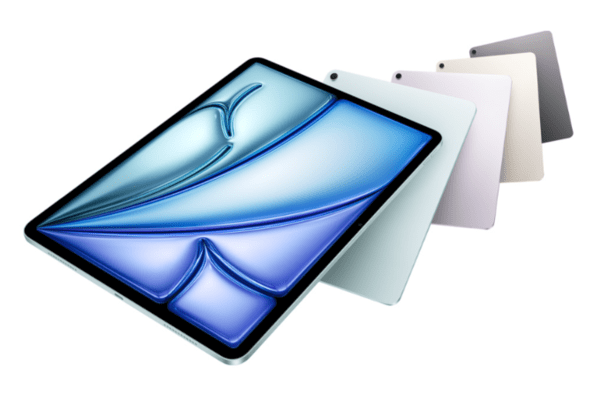
iPad Air. (Photo: Apple)

Chinese display maker BOE is seeking to supply organic light-emitting diode (OLED) panels for Apple's iPad Air, following Samsung Display's lead into the product lineup.

According to industry sources on Aug. 11, BOE is developing OLED panels for the next-generation iPad Air, which is expected to be unveiled in the first half of next year. Development is taking place at the company's B12 production facility in Chongqing, China, where its sixth-generation OLED production line is located.

Apple has selected Samsung Display as the primary supplier of OLED panels for the iPad Air and is expected to begin mass production around the end of this year or early next year. BOE is aiming to secure a secondary supplier position alongside Samsung Display. The company has not yet reached the mass production qualification stage and is expected to submit samples for evaluation before undergoing Apple's qualification process. A final decision on commercial supply is expected around the end of this year. Initial shipments could be limited to models for the Chinese market or refurbished devices.

Industry sources expect BOE's mass production qualification to be determined in November or December. Apple typically grants production approval one to two months before mass production begins. If BOE fails to qualify, Samsung Display is expected to become the sole supplier for the initial production run.

BOE has previously supplied OLED panels for Apple's iPhone lineup. In the IT OLED segment, including iPads, however, South Korean manufacturers such as Samsung Display and LG Display have maintained the leading positions.

The new iPad Air is being developed in 11-inch and 13-inch versions. It is expected to adopt a hybrid OLED panel combining a glass substrate with thin-film encapsulation (TFE). The display will likely use a single-stack red-green-blue (RGB) emitting structure, while the thin-film transistor (TFT) backplane will be based on low-temperature polycrystalline silicon (LTPS). The panel is also expected to support a 60-hertz refresh rate.

Apple has differentiated the iPad Air from the iPad Pro by adopting a single-stack OLED architecture and LTPS technology, reducing panel costs while maintaining OLED display quality. As Apple expands OLED adoption from the iPad Pro to the iPad Air, the tablet OLED market is expected to continue growing.

According to market research firm Omdia, shipments of OLED panels for tablets are projected to increase 39% to 15 million units this year from 10.9 million units last year. By contrast, liquid crystal display (LCD) panel shipments are expected to remain largely flat, with OLED driving overall growth in the tablet display market.

"BOE is developing OLED panels with the goal of entering the iPad Air supply chain," an industry source said. "Whether it ultimately secures supply orders, and in what volume, will depend on Apple's evaluation and mass production qualification results."

Separately, BOE is also seeking to supply OLED panels for Apple's MacBook Pro from its B16 8.6-generation OLED production line in Chengdu. However, the company is reportedly still facing challenges in stabilizing manufacturing yields, making commercial shipments to Apple unlikely in the near term. Industry sources expect BOE to enter Apple's MacBook Pro OLED supply chain after 2028.
  •  

Samsung Opens 'Foldable Heritage' Exhibition Showcasing Seven Years of Foldable Innovation

Samsung Electronics'
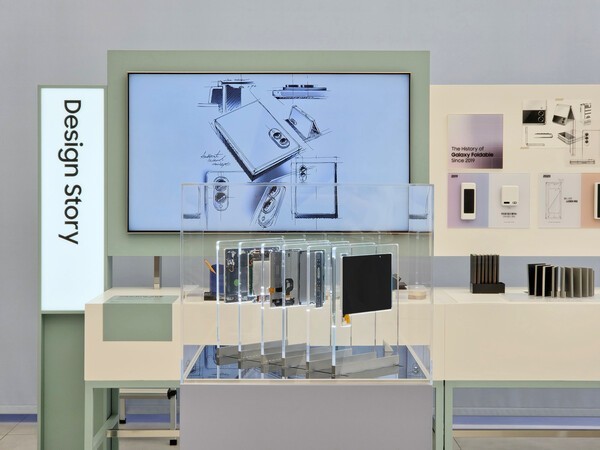
Samsung Electronics' "Foldable Heritage" exhibition. (Photo: Samsung Electronics)
Samsung Electronics'
Samsung Electronics' "Foldable Heritage" exhibition. (Photo: Samsung Electronics)

Samsung Electronics has opened a permanent exhibition highlighting the technological and design evolution of its Galaxy foldable smartphones over the past seven years.

The company said on Aug. 11 that it began operating the Foldable Heritage exhibition on Aug. 10 on the third floor of Samsung Gangnam. Permanent exhibition spaces have also opened on the first floors of Samsung Store Hongdae and Samsung Store Cheongdam.

The exhibition is divided into three sections: Galaxy Fold & Flip Story, Design Story and Tech Story.

The Galaxy Fold & Flip Story section showcases the evolution of Samsung's foldable devices and technologies, beginning with the original inward-folding Galaxy Fold, introduced in 2019, through the Galaxy Z Trifold and the recently launched Galaxy Z Fold8. The exhibition also highlights the development of Galaxy AI and other software technologies.

The Design Story section reveals the development process behind the Galaxy Z Fold8 Ultra, Galaxy Z Fold8 and Galaxy Z Flip8, featuring early design sketches, mock-up testing, aspect ratio studies and the decision-making process behind the products' final designs. The Tech Story section focuses on advances in foldable display and hinge technologies, including Samsung's Flex Titanium technology used in the Galaxy Z Fold8 Ultra and Galaxy Z Fold8, presented through product displays and video demonstrations.

Visitors can also watch videos of durability tests conducted during product development, including folding, water-resistance and impact testing. In addition, Samsung is displaying disassembled Galaxy Z Fold8 Ultra and Galaxy Z Fold8 devices to showcase their internal components and structural design.

Park Jung-mi, Executive Vice President and Head of Samsung Electronics Korea, said the exhibition was designed to allow visitors to experience the company's accumulated foldable technologies and development process over the past seven years.

  •  

LG Electronics Gains In-House Testing Qualification for EU Wireless Cybersecurity Rules

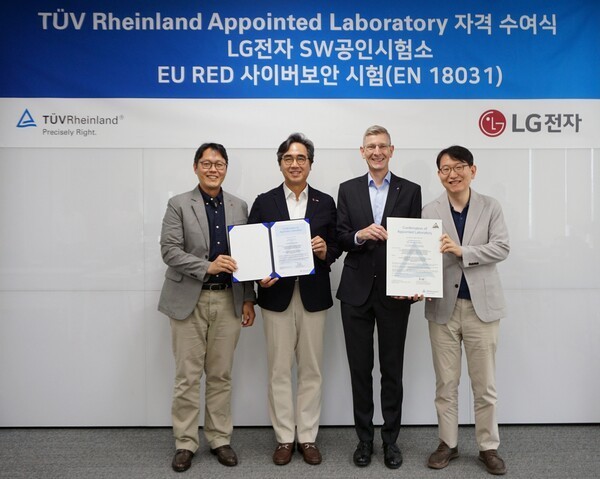
From left, Shim Woo-gon, head of LG Electronics' SW Engineering Research Center; Kim Dong-wook, head of LG Electronics' SW Center; Frank Juettner, chief executive officer of TÜV Rheinland Korea; and Lim Hyo-jun, head of LG Electronics' Next-Generation Computing Research Center, pose at a qualification award ceremony held at TÜV Rheinland Korea headquarters on Aug. 10. (Photo: LG Electronics)

LG Electronics has secured an in-house testing qualification for cybersecurity requirements under European wireless device regulations, allowing it to proceed with certification based on its own test results without sending products to overseas testing organizations.

LG Electronics said on Aug. 11 that its Software Testing Center under the chief technology officer (CTO) organization has been designated by TÜV Rheinland as a testing laboratory for cybersecurity requirements under the European Union's Radio Equipment Directive (RED).

The RED requires wireless communication products sold in Europe to meet security and safety requirements. Cybersecurity provisions related to network protection, personal data protection and financial fraud prevention were strengthened in 2025.

With the new qualification, LG Electronics' Software Testing Center can conduct the relevant certification tests internally. TÜV Rheinland will review the company's submitted test results and data and can issue certification without conducting a separate test.

The process allows LG Electronics to reduce the time and cost required from product development through certification and launch because prototypes no longer need to be sent to overseas certification bodies. It also limits the amount of product information that must leave the company. For business-to-business (B2B) operations such as automotive components and HVAC systems, the company expects to shorten certification procedures for products customized to client requirements.

LG Electronics has continued to expand its software regulatory compliance capabilities. In 2019, it obtained international accredited testing laboratory status in the software field from the Korea Laboratory Accreditation Scheme (KOLAS) and subsequently broadened its testing scope to home appliances, automotive functional safety and cybersecurity.

The company is also seeking accredited testing laboratory status for the European Union's Cyber Resilience Act (CRA), which is scheduled to take effect in 2027. The CRA establishes cybersecurity requirements for products containing digital elements regardless of whether they support wireless communications.

LG Electronics is also strengthening its product security framework. Through LG Shield, the company manages product security from the development stage through post-launch operation. It provides patches for vulnerabilities discovered after release and is applying post-quantum cryptography technologies designed to address future threats from quantum computers.

  •  

LG Electronics Showcases Wireless Wallpaper TV at London's Harrods

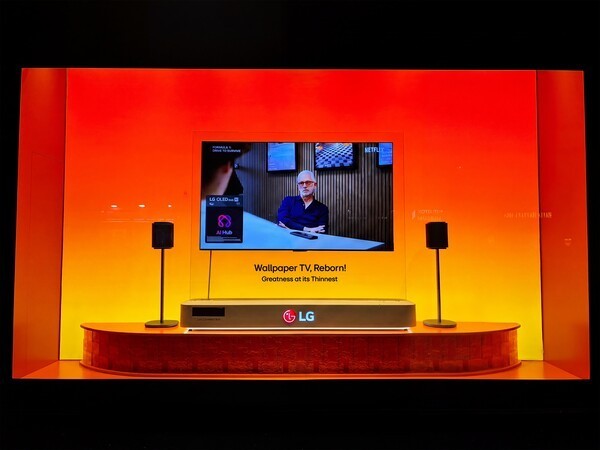
LG SIGNATURE OLED W displayed in a ground-floor storefront window at Harrods in London. (Photo: LG Electronics)

LG Electronics said on Aug. 10 that it is holding a special exhibition for its next-generation wireless wallpaper TV, the LG SIGNATURE OLED W, at the Brompton Road display windows on the ground floor of Harrods through Aug. 26.

The exhibition is being held in the department store's Brompton Road storefront windows, which attract approximately 1.1 million visitors per month. LG Electronics designed the exhibition route so that visitors who view the product in the display windows can continue to experience it inside the company's retail space within the department store.

The LG SIGNATURE OLED W achieves a thickness in the 0.9-centimeter range by minimizing the size of key components, including the display panel, power board and speakers. Video signals are transmitted wirelessly through LG's Zero Connect Box, which connects to peripheral devices. The company said the Zero Connect Box is 35% smaller than those used with its previous wireless TV models.

The television can wirelessly transmit content at up to a 165 Hz refresh rate in 4K resolution. It is powered by LG Electronics' third-generation Alpha 11 AI processor for image and sound processing. According to the company, the processor delivers 5.6 times greater neural processing unit (NPU) performance and a 70% improvement in graphics processing performance compared with the previous generation.

The LG SIGNATURE OLED W has received Intertek's Reflection Free Premium certification and TÜV Rheinland's True Wireless Low Latency Vision certification.

  •  

Coway Offers Rental Discounts on Air Conditioners and Food Waste Processors

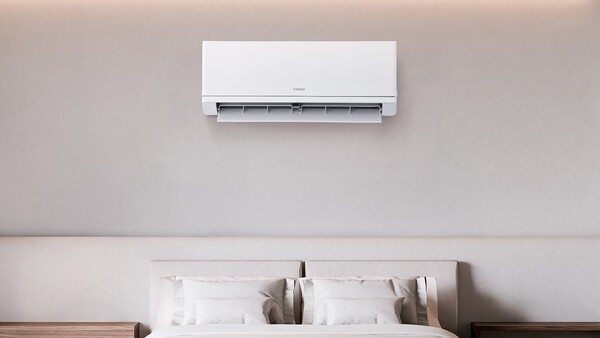
Coway's 8-pyeong wall-mounted air conditioner. (Photo: Coway)

Coway said on Aug. 10 that it will offer rental fee discounts for new customers of selected products, including wall-mounted air conditioners, Zero Food Waste Disposers and Therasol U, through Aug. 26.

New customers renting Coway's wall-mounted air conditioner can receive a 50% discount on rental fees for up to 18 months. The product features four-way airflow control, power cooling, dehumidification, fan and sleep modes, as well as automatic drying and self-cleaning functions.

Customers who rent the 2-liter or 3-liter versions of the Zero Food Waste Disposer with grinder technology can receive a 50% rental fee discount for up to four months. The product includes a 150-degree heating system, four-blade grinding mechanism, activated carbon filter and UV-C sterilization function. Coway also provides one complimentary replacement of the drying container during the rental period.

Therasol U, a home-use medical device for urinary incontinence treatment, is available with a 50% rental fee discount for up to 12 months. The product has received approval from South Korea's Ministry of Food and Drug Safety and uses low-frequency electrical stimulation to induce contraction and relaxation of pelvic floor muscles and surrounding muscle groups.

  •  

YAS May Join Visionox's 8.6G OLED Expansion Bid as Second-Phase Investment Nears

Chinese display maker Visionox is preparing a follow-on investment for its 8.6-generation OLED production line, with industry attention focused on whether South Korean equipment suppliers such as YAS can secure orders after missing out on the first phase.

According to industry sources on Aug. 6, Visionox is planning a second-phase investment for its V5 fab under construction in Hefei, Anhui Province. While the exact timing has not been finalized, the project is widely expected to begin in the first quarter of 2027.

The V5 facility is designed for a total production capacity of 32,000 glass substrates per month. The first phase covers 8,000 substrates per month, while the second phase will add the remaining 24,000 substrates per month—three times the size of the initial investment.

The first phase included equipment supplied by South Korean companies such as AP Systems, SynusTech and ICD. Applied Materials (AMAT) won the order for the deposition equipment, widely considered the most critical tool in the production line. The company began delivering equipment in May and is currently conducting installation, commissioning and process validation for Visionox's ViP technology, a fine-metal-mask (FMM)-less OLED manufacturing process. Yield rates on the line are reportedly in the 30–40% range.

Although both AMAT and YAS deposit organic materials onto substrates by heating solid organic emissive materials in a vacuum environment, their approaches differ significantly.

AMAT uses a vertical deposition architecture in which 8.6-generation glass substrates are positioned upright during processing. The system integrates deposition, substrate transfer and encapsulation processes within a connected vacuum environment. Maintaining uniform film thickness across large vertically transported substrates is a key technical challenge.

YAS, by contrast, employs a horizontal architecture in which substrates remain flat while organic materials are deposited from evaporation sources located beneath them. The system maintains a constant distance between the evaporation source and substrate to ensure uniform film formation across the entire panel. As a result, chamber structures, transfer systems and overall equipment configurations differ substantially from those used by AMAT.

AMAT benefits from operational data and process conditions accumulated from the first-phase V5 line. If Visionox selects the same equipment for the expansion, previously developed deposition recipes and process parameters can be reused. Adopting YAS equipment, however, would require fresh validation of both equipment performance and manufacturing processes because of the different substrate-handling architecture.

Commenting on the possibility of YAS participating in the second phase, a Visionox official said, "We are currently validating the AMAT equipment, but yields remain low and pricing is high. If we adopt YAS equipment, we would need to conduct new verification work, so there are many factors to consider."

Visionox had also previously considered applying the conventional FMM process to portions of the V5 line. In May last year, the company discussed introducing FMM deposition equipment from Japan's Canon Tokki and South Korea's Sunic System. However, it ultimately chose the ViP approach.

According to Visionox, the likelihood of reverting to FMM technology in the second phase remains low.

Asked whether poor yields on the initial ViP line could lead the company to reconsider FMM technology, a Visionox official said, "Even if yields do not meet expectations, there is almost no possibility of returning to the FMM method. If we were to go back to FMM, it would raise questions about the rationale behind the investment, and we do not know whether the Hefei government would approve such a move."

Visionox is expected to determine the supplier for the second-phase deposition equipment based on the results of equipment installation, commissioning and ViP process validation on the first production line.

For the first-phase investment, Visionox selected lithography equipment from Canon, excimer laser annealing (ELA) and laser lift-off (LLO) systems from AP Systems, plasma-enhanced chemical vapor deposition (PECVD) and sputtering equipment from Applied Materials, and certain sputtering tools from ULVAC. Dry etching equipment was supplied by Tokyo Electron and ICD, while logistics and material-handling systems for array and deposition processes were provided by SynusTech.

  •  

Samsung Electronics Launches Galaxy Z Series Globally

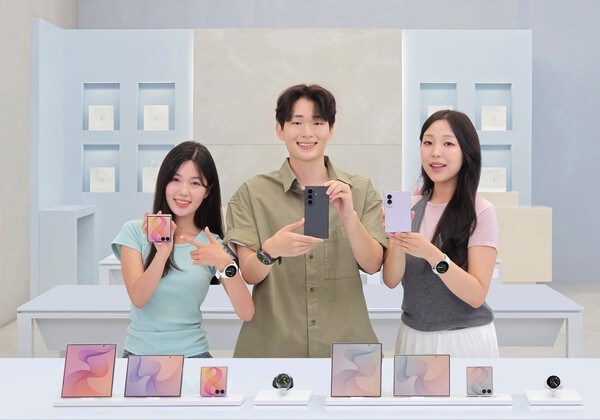
Samsung Electronics models pose with the Galaxy Z series smartphones. (Photo: Samsung Electronics)

Samsung Electronics will launch its new Galaxy Z series smartphones and Galaxy Watch models in more than 100 countries, including the United States, the United Kingdom, India and Japan.

The company said on Aug. 6 that it will begin domestic sales of the Galaxy Z Fold8 Ultra, Fold8 and Flip8, along with the Galaxy Watch Ultra2 and Watch9, starting Aug. 7.

The Galaxy Z series recorded 1.44 million pre-orders between July 28 and Aug. 3. Approximately seven out of 10 buyers chose a Galaxy Z Fold8 model.

Among customers who pre-ordered through Samsung.com, people in their teens through their 30s accounted for half of all buyers. The number of female customers in their teens through their 30s who purchased the Galaxy Z Fold8 Ultra or Fold8 more than doubled compared with buyers of the previous-generation Galaxy Z Fold7.

By color, the most popular options were Graphite and Violet Shadow for the Galaxy Z Fold8 Ultra, Cream and Graphite for the Galaxy Z Fold8, and Pink and Cream for the Galaxy Z Flip8.

Half of customers who pre-ordered unlocked models through Samsung.com also enrolled in the New Galaxy AI Subscription Club program.

Pre-orders for the Galaxy Watch Ultra2 and Watch9 increased by double-digit percentages from their predecessors during the same period. Female customers accounted for a roughly 15% larger share of Galaxy Watch Ultra2 pre-orders compared with the previous model.

  •  

LG Display Files Two Trademark Applications for FLiPP Maskless OLED Technology

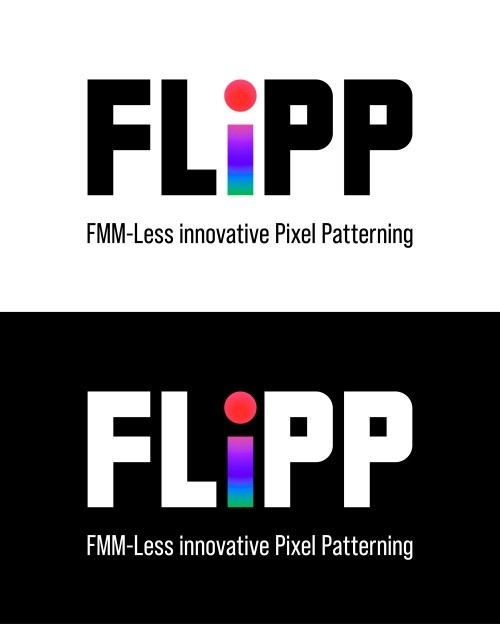
LG Display's FLiPP trademark logo. (Photo: KIPRIS)

LG Display has filed trademark applications for logos associated with its maskless OLED technology, FLiPP.

According to the Korea Intellectual Property Rights Information Service (KIPRIS) on Aug. 5, LG Display submitted two FLiPP logo trademark applications on July 30.

The application numbers are 40-2026-0155774 and 40-2026-0155775. Both applications are currently awaiting examination. The designated goods include display panels, monitors, smartphones, tablet PCs, televisions and flexible displays.

The logos feature the FLiPP brand name alongside the phrase “FMM-Less innovative Pixel Patterning.” Separate versions were filed for use on light and dark backgrounds. Portions of the lettering incorporate red, green and blue (RGB) colors.

FLiPP is a technology that patterns RGB OLED subpixels using photolithography-based processes instead of fine metal masks (FMMs).

Conventional RGB OLED manufacturing selectively deposits red, green and blue emissive materials through FMMs containing microscopic apertures. As substrate sizes increase and pixel dimensions shrink, it becomes increasingly difficult to manage mask sagging, thermal deformation and alignment errors. The physical thickness of the mask can also create shadow effects that limit pixel aperture ratios.

FLiPP replaces FMMs with exposure and patterning processes to form RGB OLED subpixels. The approach is expected to reduce the physical limitations associated with FMMs, making it more suitable for high-resolution displays and larger substrates. However, challenges remain in suppressing damage to organic emissive layers during patterning and achieving commercially viable manufacturing yields.

LG Display is currently conducting research and development on FLiPP-related manufacturing processes.

  •  

CETC Fenghua Information-Equipment Supplies OLED Equipment Directly to LG Display for First Time

CETC Fenghua debubbling system (Photo: CETC Fenghua)

CETC Fenghua Information-Equipment, a Chinese display equipment maker under China Electronics Technology Group Corporation (CETC), has supplied cleaning and debubbling equipment to LG Display's organic light-emitting diode (OLED) module production line in Vietnam, marking the first time a Chinese OLED equipment supplier has sold directly to LG Display without going through a Korean partner.

According to industry sources on Aug. 5, CETC Fenghua Information-Equipment supplied a total of seven units to LG Display's OLED module line in Hai Phong, Vietnam, including one cleaning system and six debubbling systems. The equipment was delivered in phases from late last year through early this year.

The tools were installed both in existing mass-production module lines and in newly established production lines.

Cleaning and debubbling systems are back-end process tools used in OLED module assembly. Industry sources estimate that a cleaning system costs about 1 billion won per unit and a debubbler around 500 million won. As a result, the total value of the order is believed to be roughly 4 billion won.

These types of systems had previously been supplied by Korean small and medium-sized equipment makers. LG Display has now added CETC Fenghua as an additional supplier, creating a dual-source supply chain alongside existing domestic vendors.

Industry observers believe the decision was driven by a combination of pricing, performance and delivery competitiveness. CETC Fenghua has improved the performance and operability of its equipment through deployments at mass-production lines operated by major Chinese panel makers including BOE Technology, TCL China Star Optoelectronics Technology (CSOT) and Tianma. The company's ability to customize equipment designs according to customers' manufacturing processes and product specifications is also said to have contributed to its selection as a supplier.

As a result, if the performance of the initially supplied equipment is validated, CETC Fenghua could secure a larger share of future equipment orders.

CETC Fenghua cleaning system (Photo: CETC Fenghua)

CETC Fenghua is a display equipment manufacturer affiliated with CETC. The company specializes in panel cutting and debubbling equipment and holds more than 65% market share in smart debubbling systems used in Chinese display production lines.

The company currently supplies equipment to major Chinese display makers including BOE, CSOT, Tianma, Everdisplay Optronics (EDO) and Truly International. It is also expanding into cleaning systems, polarizer lamination, optical clear adhesive (OCA) lamination, bonding, inspection equipment and automated assembly lines.

"Based on the current shipment volume alone, it would be difficult to conclude that Korean equipment has been replaced by Chinese equipment," an industry official said. "However, now that the Chinese supplier has moved beyond the evaluation stage and secured a track record in mass-production supply, it may be able to compete for future capacity expansion projects and orders for other back-end process equipment."

  •  

More Than Half of Samsung’s Foldable Preorders Come From Consumers in Their Teens to 30s

Customers browse Samsung Electronics’ Galaxy Z series devices at Samsung Store Hongdae during the preorder period. (Photo: Samsung Electronics)

More than half of the customers preordering Samsung Electronics’ latest foldable smartphones are in their teens, 20s and 30s, with the newly introduced passport-style Galaxy Z Fold8 emerging as the most popular model.

Samsung Electronics said on July 31 that customers in their teens through 30s accounted for more than 50% of preorders placed through Samsung.com for the Galaxy Z Fold8 Ultra, Galaxy Z Fold8 and Galaxy Z Flip8 since reservations opened on July 28. The preorder period runs through Aug. 3.

Among younger customers, the Galaxy Z Fold8 was the most frequently selected model. By color, Cream was the most popular choice, followed by Pistachio and Lavender, both exclusive to Samsung.com.

For the Galaxy Z Fold8 Ultra, Graphite and the Samsung.com-exclusive Green Shadow were the most popular colors. For the Galaxy Z Flip8, Mint, Cream and Pink received the strongest customer preference.

Samsung attributed the higher share of younger buyers to promotional benefits such as storage upgrades and features that simplify transferring data from existing devices to Galaxy smartphones.

Customers who purchase a 256-gigabyte (GB) model during the preorder period will receive a 512GB model. Buyers of the 512GB Galaxy Z Fold8 Ultra and Galaxy Z Fold8 can upgrade to a 1-terabyte (TB) model for an additional 310,700 won.

Preorder customers will also receive a six-month subscription to Google AI Pro, a three-month subscription to audiobook and content platform Welaaa, and discount coupons for Galaxy Watches and accessories. Samsung is also offering its New Galaxy AI Subscription Club program for the new devices, as well as the Flip Youth Subscription program targeted at customers in their teens and 20s.

  •  

Privacy OLED Panels Cost Over 10% More Than Standard LTPO Displays

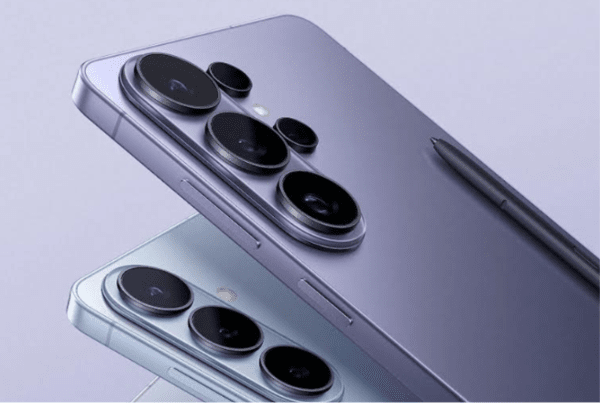
Galaxy S26 series smartphone. (Source: Samsung Electronics)

Samsung Electronics' privacy OLED panel used in the Galaxy S26 Ultra is estimated to cost more than 10% more to manufacture than a conventional low-temperature polycrystalline oxide (LTPO) OLED panel, according to industry sources.

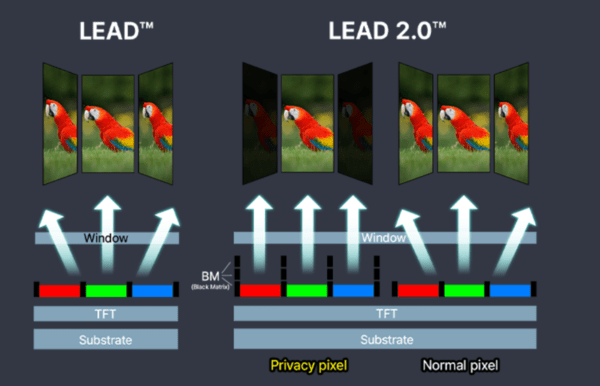
The Galaxy S26 Ultra's OLED panel adopts a dual-pixel architecture, in which each pixel contains separate red, green, and blue (RGB) sub-pixels for wide-viewing-angle mode and narrow-viewing-angle privacy mode. Market research firm Counterpoint Research estimates that the panel's overall production cost is about 10% higher than that of a comparable LTPO OLED panel.

In standard mode, the display operates using the wide-viewing-angle pixels, whereas privacy mode primarily drives the narrow-viewing-angle pixels. The panel achieves its privacy function through a multilayer black matrix (BM) structure formed deeply around the narrow-viewing-angle pixels, allowing light to pass directly toward the user while blocking light emitted at wider angles. Alignment accuracy between the light-emitting area and the black matrix affects brightness, viewing-angle control performance, and manufacturing yield.

Manufacturing complexity has increased further through the use of Color Filter on Encapsulation (CoE) technology, which eliminates the polarizer layer by forming color filters and black matrix structures directly on top of the OLED encapsulation layer. While CoE helps reduce panel thickness and improve light efficiency, the privacy OLED design requires the integration of additional pixels and multilayer black matrix structures, adding to process complexity.

The number of thin-film transistor (TFT) masks required for CoE integration has increased significantly compared with the OLED panel used in the Galaxy S25 Ultra, resulting in higher manufacturing costs. Additional masks also increase exposure, etching, and deposition processes, along with equipment utilization time and material consumption.

Specific panel supply prices have not been disclosed. However, industry estimates place display costs at approximately $84 for the Galaxy S23 Ultra, $88 for the Galaxy S24 Ultra, and $80–87 for the Galaxy S25 Ultra. The Galaxy S26 Ultra's display cost is estimated at approximately $88–96.

Demand for privacy OLED technology is expected to grow. Market research firm Sigmaintell forecasts that smartphone shipments featuring privacy-mode displays will increase from 1 million units in 2025 to 21 million units in 2026, before reaching 29 million units in 2027.

Samsung Electronics is also expected to expand the technology beyond the Galaxy S26 Ultra. Privacy displays are planned for all four Galaxy S27 models—Base, Plus, Pro, and Ultra—scheduled for release next year. Meanwhile, privacy displays for foldable devices remain under development and have not yet been implemented in mass-production specifications.

An industry source noted that privacy OLED technology involves more than simply adding a light-blocking layer. “It requires simultaneous changes to pixel layouts, optical structures, and driving circuits,” the source said. “As production volumes increase, simplifying mask processes and improving yields will be critical to reducing cost increases.”

Concept illustration of FMP technology. (Source: Samsung Display Newsroom)


  •  

Sunic System Earns A+ Credit Rating From State-Owned Bank

Sunic System's Suwon headquarters. (Photo: THE ELEC)

Sunic System said it will expand financial support for its partner companies following an upgrade to its corporate credit rating.

The company announced on July 31 that it recently received an A+ credit rating from a state-owned bank, a level it described as the highest available for mid-sized companies.

Sunic System said the evaluation reflected its stable financial structure, business performance and competitiveness in the global organic light-emitting diode (OLED) deposition equipment market. The assessment also took into account the company's efforts to develop next-generation businesses, including OLEDoS and perovskite technologies, as well as plans to expand its production infrastructure.

The company added that its ratings from major credit assessment agencies have also improved compared with the previous year.

Based on the upgraded credit profile, Sunic System has launched a financing support program for its suppliers. The company will recommend partner firms requiring facility investment or working capital financing to the Korea Credit Guarantee Fund (KODIT). Recommended firms receive preferential treatment when raising funds from financial institutions through KODIT's preferential guarantee program for partner companies.

Sunic System said it is the first case in which a general mid-sized company, excluding defense firms, has used KODIT's preferential guarantee program for partner companies to arrange financing support for its partners.

  •  

Apple Presses for 20% Cut in iPhone 18 OLED Panel Prices on 'Chipflation'

Apple's iPhone 17 Pro. (Photo: Apple)

Apple is strongly demanding lower display panel prices as rising memory semiconductor prices push up the cost of building iPhones.

According to industry sources on July 24, Apple has proposed a price of about $70 for organic light-emitting diode (OLED) panels for the iPhone 18 Pro Max, which it will unveil this year. The industry estimates that Samsung Display and LG Display are supplying the panels at an average of $66.5, even lower than that figure. That is about 20% below the previous model.

iPhone OLED prices have fallen with each new product in the past as well. Depending on supply timing and conditions, iPhone 16 Pro Max panels at times exceeded $100, but fell to the $80 range for the iPhone 17 Pro Max. Panels for the iPhone 18 Pro Max are about 20% lower than that. On top of the usual generational price decline, the size of the reduction has grown this time, according to industry officials.

Notably, the OLED panels for the iPhone 18 will use M16, the latest organic material set, which improves luminous efficiency, lifespan and color characteristics. Panel makers must adjust process conditions and stabilize yields to suit the new material. Product specifications and production difficulty have risen, yet prices have instead fallen.

Rising memory semiconductor prices have worked as a negative factor, as smartphone makers seek to absorb the cost increase by cutting procurement costs for other components such as displays and camera modules.

Samsung Display President Lee Cheong said on July 22 at K-Display 2026 that "this year is extremely difficult because of chipflation," adding that "very strong pressure is coming in to lower component and display prices." LG Display President Jeong Cheol-dong also said of the pressure to cut prices that the company is "being affected to some degree," but that it is "at a manageable level because we are pursuing cost innovation."

According to market research firm UBI Research, Samsung Display is expected to supply 46 million OLED panels for the bar-type iPhone 18 this year, comprising 2 million for the standard model, 18 million for the Pro and 26 million for the Pro Max. LG Display's expected volume is 41.09 million panels, made up of 1.09 million for the standard model, 19 million for the Pro and 21 million for the Pro Max.

"Apple is demanding steep price cuts from panel suppliers on the grounds of rising memory prices," an industry official said. "Supply prices are falling even for high-specification products using the latest organic materials, so panel makers' second-half earnings will vary depending on supply volumes, yields and the extent of cost reductions."

  •  

Low-Res Flexible OLED Adoption Rises Amid "Chipflation"

Lisa Lee, CEO of Sigmaintell, speaks during a media briefing held in Gangnam-gu, Seoul, on July 23. (Photo: THE ELEC)

Smartphone makers are expected to expand the use of lower-resolution flexible organic light-emitting diode (OLED) panels in mid- and low-end models as memory prices rise. Rather than reducing OLED adoption, companies are seeking to lower cost pressure by adjusting specifications for components such as memory capacity and display resolution.

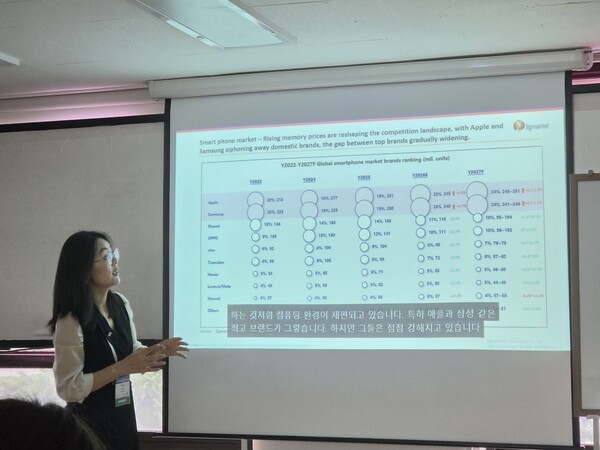
Lisa Lee, chief executive officer of market research firm Sigmaintell, said during a media briefing held at the Fastfive shared office in Gangnam-gu, Seoul, on July 23 that "smartphone brands are considering applying flexible OLED displays with slightly lower resolutions to low-end markets." She added that "device makers are looking for ways to reduce costs by combining different specifications."

Smartphone manufacturers are asking component suppliers, including panel and camera makers, to lower prices in order to offset rising memory costs. They are also reviewing adjustments to product configurations, including system-on-chip (SoC) specifications, memory capacity and display resolution.

Sigmaintell said SoCs account for a larger share of smartphone component costs than panels and cameras, meaning manufacturers are likely to restructure the overall cost structure of products rather than seek price reductions from individual components alone. The company said product strategies may differ by segment, with mid- and low-end devices reducing memory capacity or screen resolution while premium models maintain existing specifications.

"Panels and cameras are less expensive than SoCs, limiting the potential for cost reductions," Lee said. "Brand companies are looking for ways to lower costs not only in panels and cameras but also across other components."

Smartphone makers are seeking to maintain OLED adoption partly to reduce the burden on consumers caused by higher prices. Keeping existing specifications unchanged could significantly increase manufacturing costs for budget smartphones, making price increases unavoidable.

Instead of raising prices alone, manufacturers are expected to maintain product competitiveness by offering features that consumers can directly perceive, such as OLED displays. "Even if prices increase, companies will likely provide new features along with the higher price," Lee said. "Applying OLED to new products is one possible approach."

Flexible OLED panels use bendable substrates instead of glass. They have traditionally been used mainly in premium smartphones, but their adoption has expanded into mid-range and budget devices as Chinese panel manufacturers increase supply and panel prices decline.

The smartphone market is expected to contract again next year. Sigmaintell forecasts global smartphone shipments will decline 3.3% to 1.0264 billion units next year from 1.0614 billion units this year. If rising memory prices and weakening demand for budget smartphones intensify, shipments could fall further to 975 million units.

The decline in smartphone demand is expected to continue through the first quarter of next year, with the pace of contraction slowing from the second quarter. The Chinese market is expected to experience a larger decline than the global market due to its higher share of low-end smartphones.

The memory shortage is being driven by rising demand for artificial intelligence (AI) servers. Sigmaintell said consumer memory supply is being reduced as demand for DRAM and high-bandwidth memory (HBM) used in AI servers increases.

Rising memory prices are also expected to affect smartphone shipments by manufacturer. Sigmaintell expects Apple and Samsung Electronics to maintain or expand their market shares due to stable component supply chains, while Chinese smartphone makers with higher exposure to mid- and low-end products will face greater pressure from rising costs.

However, the decline in smartphone sales is not expected to immediately translate into lower demand for OLED panels. Smartphone makers continue to transition products from liquid crystal displays (LCDs) to OLEDs, while adoption of lower-specification flexible OLED panels could increase in mid- and low-end models.

"Even if the overall smartphone market shrinks, the share of flexible OLEDs will continue to expand," Lee said. "In particular, we expect penetration of low-cost flexible OLED products to increase."

  •  

Coway Blue Wheels Win Jeju International Wheelchair Basketball Tournament

Players and officials of the Coway Blue Wheels pose for a group photo after winning the 13th Jeju Special Self-Governing Province Governor's Cup International Invitational Wheelchair Basketball Tournament at Jeju Halla Gymnasium on July 20. (Photo: Coway)

Coway’s wheelchair basketball team, the Coway Blue Wheels, won the Jeju Special Self-Governing Province Governor’s Cup International Invitational Wheelchair Basketball Tournament.

Coway said on July 23 that the Blue Wheels captured the title at the 13th Jeju Special Self-Governing Province Governor’s Cup International Invitational Wheelchair Basketball Tournament, held at Jeju Halla Gymnasium from July 17 to 20. The team remained undefeated from the preliminary round through the final.

The tournament featured seven teams from South Korea and overseas, including the Coway Blue Wheels, the Jeju Special Self-Governing Province team, the Chuncheon Tigers, and teams from Japan.

The Blue Wheels defeated Suwon Mugunghwa Electronics 65-38 and Daegu Metropolitan City Hall 97-60 in the preliminary round to finish first in their group and advance to the final. They then beat the Jeju Special Self-Governing Province team 65-59 in the championship game. Kim Ho-yong and Kwak Jun-sung each scored 20 points, while Kim Sang-yeol added 13.

Kwak Jun-sung was named the tournament’s Most Valuable Player (MVP), while Head Coach Kim Young-moo received the Best Coach Award.

The Blue Wheels also won the Asia-Oceania Club Exchange Tournament in 2024. This year, the team has claimed titles at the Holt National Wheelchair Basketball Tournament, the Korea Post President’s Cup Wheelchair Basketball Tournament, and the Jeju international tournament.

“Our players maintained their focus until the end, which enabled us to win the championship,” Head Coach Kim Young-moo said. “We will continue striving for strong results in the remaining tournaments this season.”

The Coway Blue Wheels were established in 2022. They are the only corporate-operated wheelchair basketball team among South Korea’s professional wheelchair basketball clubs. During the off-season, the team organizes wheelchair basketball experience programs and school sports club competitions.

  •  

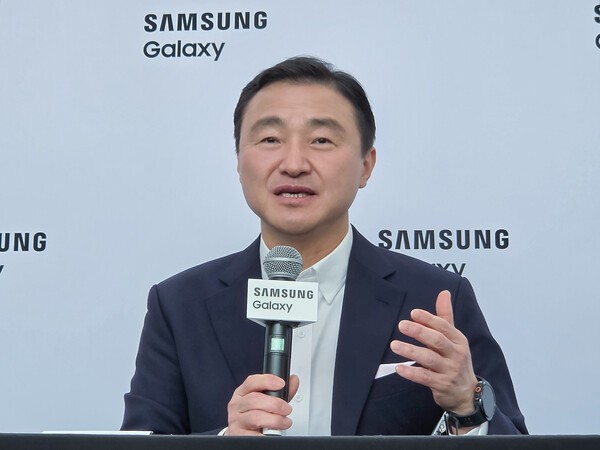
​Roh Tae-moon "Seven Years of Foldable Experience Will Be Difficult to Replicate"

Roh Tae-moon, President, Chief Executive Officer and Head of the DX Division at Samsung Electronics, speaks at a media briefing following the Galaxy Unpacked 2026 event in London on July 22.

Samsung Electronics Co. is expanding its foldable smartphone lineup to three models.

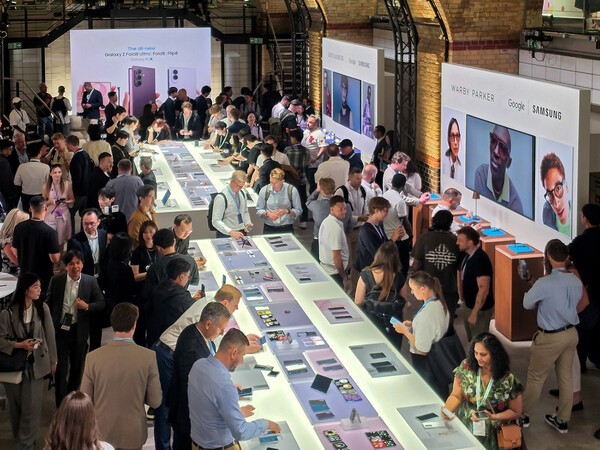
​Roh Tae-moon, President, Chief Executive Officer and Head of the Device eXperience (DX) Division at Samsung Electronics, said at a media briefing held after the Galaxy Unpacked 2026 event at Old Billingsgate in London on July 22 that foldable smartphones have moved beyond introducing a new form factor and become part of consumers' everyday lives.

​"Foldables have moved beyond the stage of introducing a new form factor and have become part of everyday life," Roh said. "We have broadened customer choice to meet increasingly diverse consumer expectations."

​Samsung unveiled the Galaxy Z Fold8, Galaxy Z Fold8 Ultra and Galaxy Z Flip8 at the event, expanding its foldable portfolio from the two-model Fold and Flip lineup it had maintained since launching its first foldable smartphone in 2019.

◇​"We Welcome More Foldable Competitors, but Seven Years of Experience Cannot Be Matched"

​Roh said he expects more companies to enter the foldable smartphone market in the future.

​"As the foldable market matures, more companies will enter," he said. "That means foldables are becoming mainstream and the market is expanding, which we welcome."

​However, Roh emphasized that Samsung's seven years of accumulated user experience will be difficult for competitors to replicate in a short period. Foldable devices are not defined solely by folding hardware, he said, but also require the operating system, user interface and third-party applications to be optimized for different display configurations.

​"The competitiveness of Samsung's foldables comes from integrating hardware innovation, Galaxy AI and the consumer experience into a single product," Roh said.

Samsung Electronics' Galaxy Unpacked 2026 event at Old Billingsgate in London on July 22.

◇Galaxy AI Installed Base to Reach 800 Million Devices

​Samsung aims to increase the number of devices capable of using Galaxy AI to 800 million by the end of this year, including existing devices upgraded through software updates.

​"The competitive advantage of AI will not be how intelligent it is, but how well it understands users," Roh said. "People do not want to learn AI—they want it to provide practical help in their daily lives."

​He said AI will evolve beyond simply answering questions into agentic AI capable of completing tasks on behalf of users.

​Samsung plans to leverage both proprietary and third-party AI models. The company will use its in-house Samsung Gauss model and Bixby for Samsung applications and device functions, while deploying external models such as Google Gemini for features integrated with Google's services.

​Samsung also plans to expand partnerships beyond Google. The company is already working with Perplexity and is evaluating the adoption of additional third-party AI models.

​"We are not committed to a single AI solution," Roh said. "If an external AI model is suitable for the mobile user experience and services, we will adopt multiple AI models."

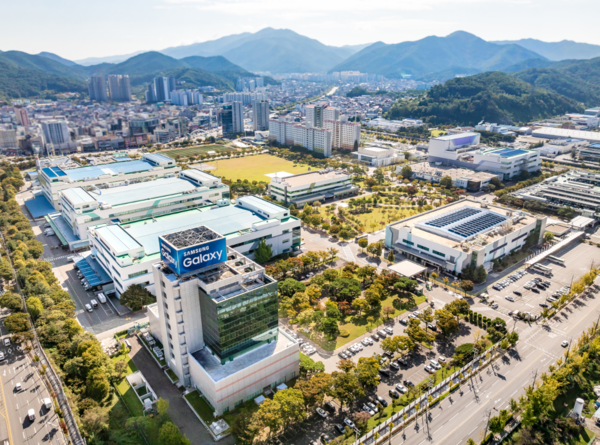
Samsung Electronics' Smart City campus in Gumi, South Korea.

◇CEO-Led Organization to Accelerate Robotics Commercialization

​Samsung is also moving its robotics business from research and development into commercialization. The company recently established the Robotics Experience (RX) Business Promotion Office, reporting directly to Roh, bringing together robotics technologies and personnel that had previously been spread across multiple organizations.

​"We created a dedicated organization to properly begin the full-scale commercialization of the advanced development and investments we have made in robotics over many years," Roh said. "Robotics is one of the key future growth drivers for the DX Division."

​Samsung previously became the largest shareholder of Rainbow Robotics and has operated its Future Robotics Task Force. The company plans to first deploy robots in manufacturing facilities to verify the technology before expanding into enterprise and consumer markets.

​Samsung is also preparing a successor to the Galaxy Ring.

​"We will not release new products mechanically according to a fixed schedule," Roh said. "We will launch them when innovations that satisfy consumers are ready. We are preparing Galaxy Ring 2 to deliver a new wearable experience."

​◇Cost Increases Beyond Supply Chain Efforts May Be Reflected in Prices

​Roh said Samsung will work closely with supply chain partners to minimize the impact of rising memory and key component costs. The company said it coordinated supply volumes and delivery schedules in advance with strategic suppliers to ensure stable production of the Galaxy Z Fold8 series.

​However, Samsung left open the possibility of reflecting cost increases in product prices if they exceed what can be absorbed through supply chain optimization.

​"We will not pass 100% of higher production costs on to consumers and will work with our partners to minimize the burden," Roh said. "However, if cost pressures exceed a manageable level, we will have no choice but to reflect part of the increase in the product's launch price."

  •  

Display Industry Calls for Government Support to Foster Inorganic Light-Emitting Display Sector

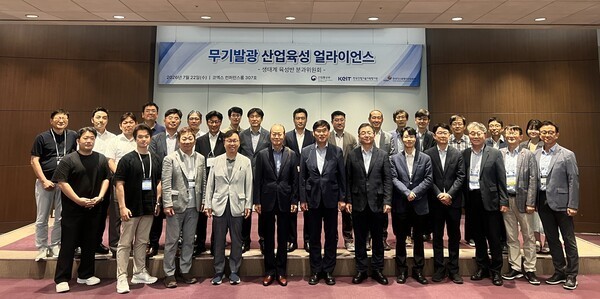
Representatives from 21 member companies pose for a group photo during the 2026 Regular Meeting of the Inorganic Light-Emitting Display Subcommittee at COEX in Seoul on July 22. (Photo: Korea Display Industry Association)

South Korea's display industry has begun formulating policy recommendations to accelerate development of the inorganic light-emitting display industry, including microLED technologies. The proposals will be submitted to the government in October.

The Korea Display Industry Association (KDIA) announced on July 22 that it held the 2026 Regular Meeting of the Inorganic Light-Emitting Display Subcommittee at COEX in Seoul.

The meeting brought together 21 companies spanning materials, components, equipment, panel manufacturing and finished products, including subcommittee chair Seoul Viosys. Participants discussed policy measures needed to expand the market for inorganic light-emitting displays and strengthen the industry's global competitiveness.

Inorganic light-emitting displays use inorganic materials as light-emitting devices and encompass technologies such as microLED, quantum dot (QD) and nanoLED displays. Compared with organic light-emitting diode (OLED) displays, they offer longer operating life and higher brightness. However, commercialization has progressed slowly because of high production costs and the lack of standardized manufacturing technologies.

The South Korean government has operated the Inorganic Light-Emitting Industry Alliance since 2023. In April 2024, it launched the industry subcommittee to collect feedback and address challenges facing companies in the sector.

During the meeting, participants identified industry needs in four key areas: infrastructure and standards, technology development, tax incentives and policy support, and workforce development. They also emphasized the need for government measures to encourage private-sector investment and research and development.

KDIA said it will consolidate the industry's recommendations and submit them as policy proposals at the next meeting of the Inorganic Light-Emitting Industry Alliance, scheduled for October.

In 2025, the government launched a 484 billion won initiative to build an ecosystem for inorganic light-emitting displays. The program aims to strengthen domestic capabilities in core technologies while developing supply chains for materials, components and manufacturing equipment.

Overseas, Taiwan's AUO launched a microLED smartwatch with Garmin in 2025, while Chinese display manufacturers are also expanding production capacity for the technology.

"Inorganic light-emitting displays are a future growth engine that South Korea must secure to maintain its leadership as an unrivaled display powerhouse," said Lee Seung-woo, executive vice president of the Korea Display Industry Association. "The association will serve as a central platform to help the government and industry work together as one team and turn that vision into tangible results."

  •  

Samsung Expands Galaxy Ecosystem Beyond Foldables With AI Smart Glasses

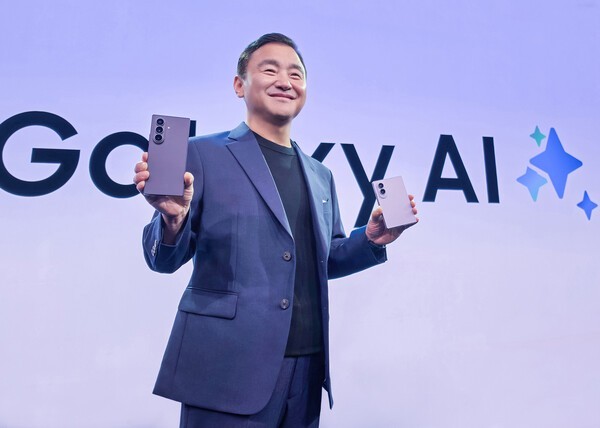
TM Roh, president and head of Samsung Electronics' Device eXperience (DX) Division, introduces the Galaxy Z Fold8 Ultra, Galaxy Z Fold8 and Galaxy Z Flip8 during the Galaxy Unpacked 2026 event at Old Billingsgate in London on July 22. (Photo: Samsung Electronics)

Samsung Electronics unveiled its next generation of Galaxy devices—including foldable smartphones, smartwatches and AI-powered smart glasses—laying out a broader vision for an agentic AI ecosystem in which smartphones, wearables and eyewear work together to anticipate users' needs.

At its Galaxy Unpacked 2026 event in London on July 22, Samsung introduced the Galaxy Z Fold8 Ultra, Galaxy Z Fold8 and Galaxy Z Flip8, alongside the Galaxy Watch Ultra2, Galaxy Watch9 and its upcoming Intelligent Eyewear, which is scheduled to launch later this year.

The company expanded its foldable smartphone lineup from two models to three by adding the flagship Galaxy Z Fold8 Ultra. The Fold8 Ultra features an 8-inch main display, a 200-megapixel camera and a 5,000mAh battery. It measures 4.1mm thick when unfolded and weighs 215 grams.

The standard Fold8 is designed with media consumption in mind, offering a 7.6-inch main display and a 5.5-inch cover display while weighing 201 grams. The Flip8 emphasizes portability with a weight of 180 grams and a thickness of 6.1mm, allowing users to access major apps and AI features directly from the cover screen without opening the device.

Both the Fold8 and Fold8 Ultra are the first Samsung smartphones to incorporate Flex Titanium, a structural technology combining a titanium alloy film with a reinforced titanium plate. Samsung said the redesigned internal support structure and hinge reduce thickness while improving durability and minimizing display creases. Peak display brightness has also increased 15% from the previous generation to 3,000 nits.

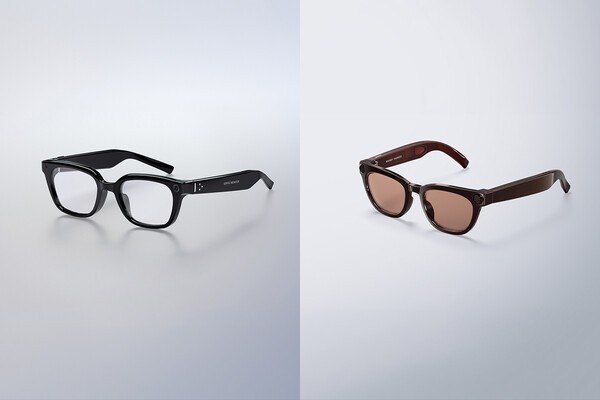
Samsung's Intelligent Eyewear designs created in collaboration with Gentle Monster (left) and Warby Parker. (Photo: Samsung Electronics)

The new devices feature Gemini Intelligence, jointly developed with Google, enabling contextual AI interactions across multiple applications. The system understands both on-screen content and conversations, allowing users to perform tasks such as searching for a restaurant, making a reservation and adding the appointment to their calendar in a single workflow. Samsung said the AI currently integrates with more than 40 applications, including food delivery, shopping and reservation services.

Samsung also introduced Now Nudge, an AI feature that proactively recommends next actions based on context. For example, it can suggest creating a calendar event when users make plans during a conversation or recommend saving a location after it is searched. On larger foldable displays, users can simultaneously view their conversation with the AI assistant and the progress of ongoing tasks.

Samsung is also expanding AI beyond smartphones through its Intelligent Eyewear platform. The smart glasses integrate cameras, microphones, speakers and sensors into the frame, allowing them to recognize the user's surroundings. They can translate foreign-language menus into spoken audio, capture meeting documents and whiteboards, and automatically organize the content in the Samsung Notes app.

The Intelligent Eyewear runs on the Android XR platform and is powered by Qualcomm's Snapdragon AR1 Gen 1 processor. Samsung said the device provides up to nine hours of battery life on a single charge. Eyewear brands Gentle Monster and Warby Parker collaborated on the industrial design, and Samsung has revealed four design variants to date.

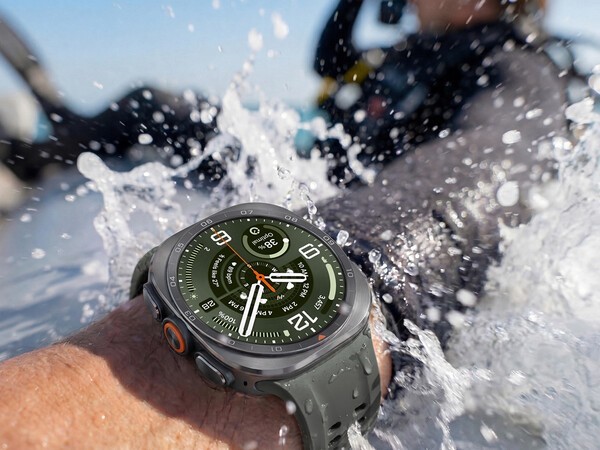
Galaxy Watch Ultra2. (Photo: Samsung Electronics)

Samsung also strengthened the health monitoring capabilities of its smartwatch lineup. The Galaxy Watch Ultra2 features an 800mAh battery—35% larger than its predecessor—and a display with peak brightness of up to 5,000 nits. It adds dedicated trail running and diving modes while upgrading durability with an IP69K rating for water and dust resistance.

The Galaxy Watch9 monitors heart rate, respiratory rate, skin temperature and blood oxygen saturation during sleep to detect changes in users' health conditions. It also provides a heart health score based on sleep quality, physical activity and body composition, along with personalized exercise and recovery guidance.

Samsung said each Galaxy device has a distinct role within its AI ecosystem: smartphones understand user behavior and digital content, smartwatches monitor physical health and AI glasses perceive the surrounding environment. By combining information gathered across all three devices, the company aims to deliver proactive AI experiences that recommend actions before users issue commands.

"As AI continues to evolve, mobile devices will become the products that understand users best and integrate most naturally into everyday life, serving as the closest point of interaction with consumers," said TM Roh, president and head of Samsung Electronics' Device eXperience (DX) Division. "The Galaxy Z series will further advance the mobile experience through highly refined foldable devices while delivering personalized AI services that usher in the next era of intelligence."

  •  

LG Display Posts 107.7 Billion Won Operating Loss in Q2, Returns to First-Half Profit

LG Display returned to a cumulative operating profit in the first half despite seasonal weakness and one-off costs related to workforce optimization. (Photo: THE ELEC)

LG Display returned to a cumulative operating profit in the first half of the year despite the seasonal slowdown in demand and one-off costs related to workforce optimization.

The company said on July 22 that it posted revenue of 5.6121 trillion won and an operating loss of 107.7 billion won for the second quarter.

Revenue rose 0.4% from 5.587 trillion won a year earlier. The operating loss narrowed by 8.4 billion won from 116.1 billion won in the second quarter of 2025.

For the first half of the year, LG Display reported cumulative revenue of 11.1461 trillion won and an operating profit of 39.0 billion won. Compared with revenue of 11.6523 trillion won and an operating loss of 82.6 billion won in the same period of 2025, revenue declined 4.3%, while the company returned to profitability. First-half earnings improved by 121.6 billion won year over year.

The first half is typically a seasonally weak period for the display industry as device manufacturers adjust component inventories ahead of new product launches in the second half of the year. The second quarter also included one-off costs related to workforce optimization.

LG Display said it maintained first-half profitability by further strengthening its OLED-centered business structure despite seasonal weakness and one-time expenses. Excluding those one-off factors, the company's core business also remained profitable during the second quarter.

In the second half, LG Display plans to strengthen its competitiveness through technology-driven cost innovation. Beyond simple cost reductions, the company will improve efficiency across development, manufacturing and production by accelerating its AI transformation (AX), further enhancing its business fundamentals.

In its small- and medium-sized display business, LG Display will focus on differentiated technologies to strengthen competitiveness in the high-end segment. The company said its stable technology development and mass-production capabilities will allow it to respond flexibly to changes in market demand.

In the large-sized display business, LG Display aims to reinforce its leadership in the premium market with differentiated technologies and cost-competitive products. As the monitor market continues to shift from liquid crystal display (LCD) to OLED technology, the company plans to expand its lineup of high-value products, including gaming OLED monitors, and increase shipments.

"We will continue improving our full-year performance and further solidify a stable earnings structure by advancing cost innovation and strengthening business competitiveness in the second half," said Kim Sung-hyun, chief financial officer of LG Display.

  •  

LG Display Returns to Underlying Profit in Q2, Analysts See Annual Operating Profit in Mid-1 Trillion Won Range

LG Twin Towers in Yeouido, Seoul. (Photo: THE ELEC)

LG Display returned to an underlying operating profit in the second quarter after excluding one-off voluntary retirement costs, reflecting the success of its OLED-focused business restructuring, yield improvements and technology-driven cost reductions. Securities analysts now expect the company to post an operating profit in the mid-1 trillion won range this year.

The company reported second-quarter revenue of 5.6121 trillion won and an operating loss of 108.0 billion won on July 22. Revenue increased 1% from the previous quarter and remained broadly unchanged from a year earlier, while the operating loss narrowed slightly from 116.0 billion won in the second quarter of 2025.

The reported operating loss included approximately 240 billion won in one-off expenses related to workforce optimization, including voluntary retirement programs. Excluding those costs, LG Display generated an operating profit from its core business.

"Over the past four to five years, we consistently recorded operating losses in the second quarter," Kim Sung-hyun, chief financial officer of LG Display, said during the earnings conference call. "The significance of this quarter is that, excluding one-time costs, we have broken out of that structural pattern of second-quarter losses."

For the first half of the year, LG Display posted cumulative revenue of 11.1461 trillion won and an operating profit of 38.7 billion won, compared with an operating loss of 82.9 billion won in the same period of 2025. It marked the company's first first-half operating profit since 2021. Although revenue declined from a year earlier, operating earnings improved by 121.6 billion won.

The results reflect the business transformation strategy championed by Jung Cheol-dong, president and chief executive officer of LG Display. Speaking to reporters after the VIP tour at K-Display 2026 on July 22, Jung said the company is strengthening its profitability by building a more resilient business structure. "We are moving toward establishing a stable earnings structure and improving profitability based on stronger business fundamentals," Jung said. "We expect to deliver solid results in the second half as well."

Jung also emphasized technology-driven cost innovation through new materials, manufacturing methods and production processes. Rather than relying solely on cost-cutting measures, the company aims to lower production costs by enhancing technological competitiveness while delivering differentiated value to customers.

Second-quarter shipment area reached 3.6 million square meters, up 12% from the previous quarter, driven by increased shipments of large-sized products, including TVs and monitors. Revenue per square meter declined 13% to $1,079, reflecting the seasonal slowdown in mobile OLED demand. OLED products accounted for 57% of total revenue.

LG Display expects shipment area to increase by the mid-single-digit percentage range in the third quarter as the mobile OLED business enters its seasonal peak. Revenue per square meter is projected to rise by the high-teens percentage range. Capital expenditures this year are expected to increase modestly to the mid-to-high 2 trillion won range.

The company said it will continue improving profitability in the second half through higher production yields, product portfolio optimization and technology-based cost innovation.

  •  
❌