Reading view
Apple Flags Discovery Delays in Its Lawsuit Against Jon Prosser
In a joint status report filed on Wednesday in the Northern District of California, Apple's attorneys said they had made repeated attempts to reach Prosser's counsel about outstanding discovery issues without success. From the filing:
Apple and Mr. Prosser have worked to advance this case through limited discovery. Mr. Prosser provided documents and communications to Apple, and sat for a deposition on June 16, 2026. Unfortunately, Apple last heard from Mr. Prosser's counsel on July 6th, 2026, despite repeated attempts to communicate and follow up on outstanding discovery issues. There still appear to be deficiencies in Mr. Prosser's productions, and Apple has notified Mr. Prosser's counsel of those issues.
Shortly before the report was filed, Prosser's attorney told Apple's legal team that the delay likely stems from Prosser welcoming his second child and attending to the newborn's care. The attorney indicated he would find dates for Prosser to provide the remaining discovery materials.
Co-defendant Michael Ramacciotti, who Apple says accessed the confidential device at the center of the case, has continued cooperating throughout the case. He agreed to supplement his interrogatory responses and sit for a second deposition.
Apple sued Prosser and Ramacciotti in July 2025, accusing them of misappropriating trade secrets tied to then-unreleased iOS 26 software, including the Liquid Glass redesign, by accessing a development iPhone belonging to Apple engineer Ethan Lipnik.
Ramacciotti cooperated with the case from the outset, but Prosser initially missed several deadlines to respond, leading the court to enter a default against him in October 2025 that barred him from contesting Apple's allegations. Prosser's attorney successfully petitioned to have that default set aside in June 2026, and Prosser filed a formal answer in the case on July 2. In it, he admitted joining a FaceTime call in which Ramacciotti showed him unreleased iOS features running on the development device, but denied that what he saw constituted trade secrets and denied knowing the device belonged to Lipnik.
Apple is seeking damages as well as a permanent injunction barring Prosser from disclosing its trade secrets again. Such an order could stop him from covering unreleased Apple products at all, which forms a significant part of his YouTube channel. Ramacciotti's second deposition is set for September, and all three parties expect to file another status update with the court on October 7.
This article, "Apple Flags Discovery Delays in Its Lawsuit Against Jon Prosser" first appeared on MacRumors.com
Discuss this article in our forums
Apple faces lawsuit over fake Bitcoin wallet left on App Store after massive losses
Apple is facing a new lawsuit accusing the company of allowing a fraudulent Bitcoin wallet app to remain on its App Store for more than a week after users reported significant losses.
According to the complaint, three individuals collectively lost approximately $1.84 million after downloading an app that impersonated the legitimate Sparrow Wallet. The victims entered their Bitcoin seed phrases into the fake application, enabling scammers to drain their funds. One plaintiff reported losing $875,000, while another lost $840,000; the delay in removing the app after the first report allegedly contributed to further losses.
The lawsuit claims Appleβs marketing and App Store presentation led users to believe applications available on the platform undergo careful vetting and are safe. Plaintiffs allege the company ranked the fraudulent app and even included it in curated cryptocurrency app collections alongside genuine Bitcoin wallets. The legal action accuses Apple of violating consumer-protection laws, engaging in fraudulent and negligent misrepresentation, and failing to adequately warn consumers about risks.
This is not the first time Apple has faced similar claims. In 2021, cryptocurrency holders sued the company over a fake wallet app scam; that case was ultimately dismissed by a federal judge.
Apple has stated that it has removed apps impersonating Sparrow Wallet from the App Store and terminated the associated developer accounts.
MacDailyNews Note: The plaintiffs are seeking reimbursement of the stolen assets along with compensatory and punitive damages.
β
Please help support MacDailyNews β and enjoy subscriber-only articles, comments, chat, and more β by subscribing to our Substack: macdailynews.substack.com. Thank you!
Support MacDailyNews at no extra cost to you by using this link to shop at Amazon.
The post Apple faces lawsuit over fake Bitcoin wallet left on App Store after massive losses appeared first on MacDailyNews.
$250 million Siri delay settlement approved: Apple to pay select iPhone buyers

A U.S. judge has given preliminary approval to Appleβs $250 million settlement of a class action lawsuit over the delayed launch of advanced, personalized Siri features that the company had heavily advertised. Eligible U.S. owners of the iPhone 15 Pro, 15 Pro Max, and all iPhone 16 models purchased between June 10, 2024 and March 29, 2025 may eventually receive $25β$95 per device, though a claims website is not yet live and no action is needed right now.
Joe Rossignol for MacRumors:
β
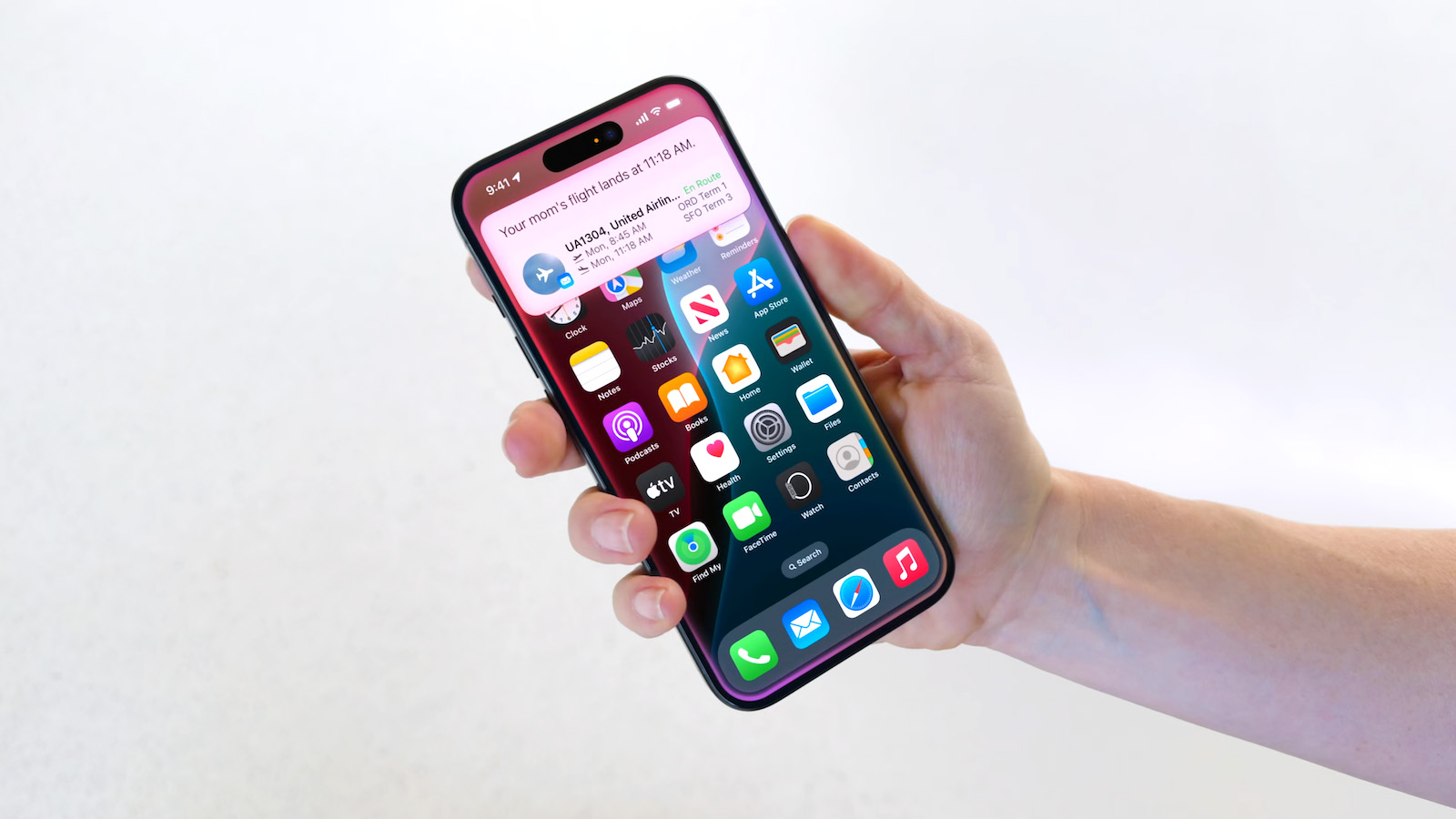
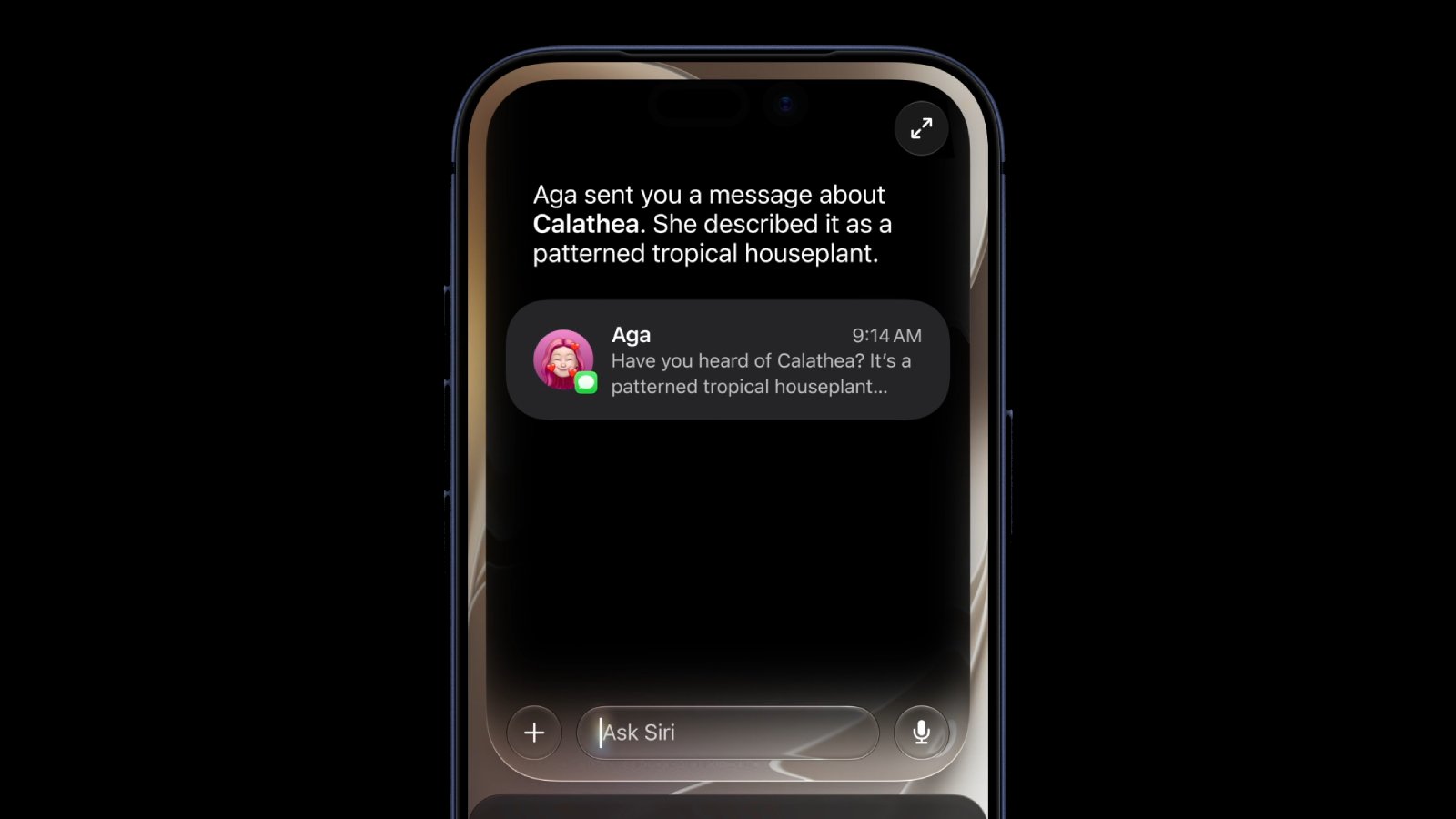
In June 2024, Apple previewed new Siri capabilities powered by Apple Intelligence, including understanding of a userβs personal context, on-screen awareness, and deeper per-app controls. For example, Apple showed an iPhone user asking Siri about their motherβs flight and lunch reservation plans based on info from the Mail and Messages apps.
Apple advertised those Siri features in product presentations, on its website, in a TV commercial starring actor Bella Ramsey, and elsewhere.
In March 2025, Apple delayed the launch of the personalized version of Siri, leading to the company being hit with a class action lawsuit alleging false advertisingβ¦
It is unlikely that individuals who submit a claim will still need to have physical possession of an eligible iPhone model. However, there is a possibility that proof of purchase or other information will be required, such as the deviceβs serial number. Exact requirements will be outlined on the settlement website, which is still not live.
β
MacDailyNews Note: To be eligible to submit a claim, you must reside in the U.S. and have purchased any iPhone 15 Pro or any iPhone 16 model between June 10, 2024 and March 29, 2025.
MacDailyNews Take: Apple got off easy. It ended up being effective advertising, albeit false. $250 million is just part of the marketing budget and, to Apple, itβs pocket change.
As usual, we called it correctly very early on:
When you're caught flat-footed like Tim Cook's Apple, you pop into scramble mode to try to catch up. Early on, you hit it with a big marketing flourish (WWDC24) in order to buy some more time. Then you dribble out features as they get finished & actually exist. Classic vaporware. https://t.co/I1J4y3aDNy pic.twitter.com/fLKvxGj4G3
β MacDailyNews (@MacDailyNews) July 31, 2024
The Apple Intelligence vaporware [is] false advertising, fraud, and lies. Those will be the basis for class action lawsuits from iPhone, iPad, and Mac customers soon enough. And Apple will deserve them all. β MacDailyNews, March 14, 2025
See also: Apple pulls iPhone 16 ad touting nonexistent Apple Intelligence-powered Siri features β March 10, 2025
β
Please help support MacDailyNews β and enjoy subscriber-only articles, comments, chat, and more β by subscribing to our Substack: macdailynews.substack.com. Thank you!
Support MacDailyNews at no extra cost to you by using this link to shop at Amazon.
The post $250 million Siri delay settlement approved: Apple to pay select iPhone buyers appeared first on MacDailyNews.
Siri Settlement Approved: Apple to Pay Owners of Some iPhone Models
Apple's settlement has now received preliminary approval from a judge, according to a July 17 court document. However, there is no settlement website yet, and it may take months before eligible customers can begin submitting claims. In other words, no action is required from eligible customers at this time, but stay tuned for updates.
Below, we have answered some key questions regarding the lawsuit.
Why Was Apple Sued?
In June 2024, Apple previewed new Siri capabilities powered by Apple Intelligence, including understanding of a user's personal context, on-screen awareness, and deeper per-app controls. For example, Apple showed an iPhone user asking Siri about their mother's flight and lunch reservation plans based on info from the Mail and Messages apps.
Apple advertised those Siri features in product presentations, on its website, in a TV commercial starring actor Bella Ramsey, and elsewhere.
In March 2025, Apple delayed the launch of the personalized version of Siri, leading to the company being hit with a class action lawsuit alleging false advertising.
In a statement, Apple touted a range of other Apple Intelligence features it had already released. Nevertheless, Apple agreed to settle the lawsuit "to stay focused" on "delivering the most innovative products and services to our users."
Apple finally announced "Siri AI" at WWDC 2026 last month, and the revamped assistant is available to test on the iOS 27 developer beta, with a public beta to follow this month. iOS 27 should be released in September, at which point "Siri AI" will finally be available to all users with an iPhone 15 Pro or newer.
Am I Eligible?
To be eligible to submit a claim, you must reside in the U.S. and have purchased any iPhone 15 Pro or iPhone 16 model between June 10, 2024 and March 29, 2025.
The full list of eligible iPhone models:
- iPhone 15 Pro
- iPhone 15 Pro Max
- iPhone 16
- iPhone 16e
- iPhone 16 Plus
- iPhone 16 Pro
- iPhone 16 Pro Max
How Much Will Apple Pay Me?
According to the terms of the settlement, each person who files an eligible claim will receive a per-device payment of $25, but this amount could increase up to $95 if the total number of claims submitted is lower than anticipated.
Where and When Can I Submit a Claim?
Over the coming months, a settlement website is expected to go live with an online claims form.
Eligible class members will be notified by email within approximately 45 days after the settlement received preliminary approval, according to the court documents. Even if you are not notified but are a U.S. resident who purchased one of the above iPhone models within the above dates, you are still eligible if you meet the criteria.
This article, "Siri Settlement Approved: Apple to Pay Owners of Some iPhone Models" first appeared on MacRumors.com
Discuss this article in our forums
Apple and DOJ Hold Early Settlement Talks in iPhone Antitrust Case
The DOJ sued Apple for antitrust violations in 2024 as part of an expansive antitrust investigation into major tech companies. The government accused Apple of getting customers "hooked" on its platform through a long-running history of anti-competitive behavior.
The lawsuit accused Apple of restricting "super apps" with broad capabilities, limiting cloud gaming, preferencing its own Messages app over third-party apps, and limiting the function of third-party digital wallets and smartwatches.
Since the lawsuit was filed in 2024, Apple policy changes have addressed many of the claims, weakening the DOJ's position.
While the talks are ongoing, Bloomberg says there's no guarantee an agreement will be reached. Apple attempted to have the lawsuit dismissed last year, but was unsuccessful. So far, no trial has been scheduled.
This article, "Apple and DOJ Hold Early Settlement Talks in iPhone Antitrust Case" first appeared on MacRumors.com
Discuss this article in our forums
Report: Apple Sends Legal Letters to Dozens of OpenAI Employees
The Financial Times ($) reports that Apple has targeted around 40 former employees with legal preservation letters, acting on its belief that the alleged misappropriation of confidential information may extend beyond the individuals named in its original complaint.
The development follows Apple's lawsuit filed last week against OpenAI, in which the company alleges a coordinated effort to obtain confidential information relating to its hardware engineering and product development.
Apple claims OpenAI recruited key engineers, including former Apple executives Tang Tan and Chang Liu, and benefited from proprietary designs, manufacturing processes, and other trade secrets. Tan is OpenAI's Chief Hardware Officer and a 24-year Apple veteran who led product design, while Liu is on the hardware team at OpenAI after working as a senior system electrical engineer at Apple.
The complaint says that more than 400 former Apple employees now work at OpenAI and suggests that the alleged misconduct is broader than a few isolated actions by individual employees. OpenAI has denied the allegations, saying in a statement to Bloomberg this week that it is "not aware of any evidence that this complaint has merit."
Apple has requested an injunction requiring OpenAI to cease using any Apple information during the development of OpenAI's AI hardware device. Apple is also seeking damages and suing Tan and Liu for breach of contract for violating their employment agreements. The company believes the evidence uncovered so far may represent only the "tip of the iceberg," according to its lawsuit.
This article, "Report: Apple Sends Legal Letters to Dozens of OpenAI Employees" first appeared on MacRumors.com
Discuss this article in our forums
Apple Sued Over Reported 'Hide My Email' Flaw
Apple this week was sued over a reported "Hide My Email" flaw that could expose a user's real email address. The proposed class action lawsuit alleges that Apple violated California's false advertising law and other consumer protection statutes by knowingly offering a feature that does not work as advertised.
A security researcher disclosed the apparent "Hide My Email" vulnerability to Apple in June 2025, but there are no known instances of it being exploited, as the steps involved have not been shared with the public as a precaution.
This article, "Apple Sued Over Reported 'Hide My Email' Flaw" first appeared on MacRumors.com
Discuss this article in our forums