❌

Reading view

JPMorgan, Goldman And 38 Others Test Trading Of Tokenized Assets Across Wall Street

Using blockchain-based representations of real-world assets (securities, including equities and bonds), and operating under the SEC’s December 2025 No-Action Letter that covers Russell 1000 stocks and major ETFs, the titans of Wall Street put the pedal to the metal for 4 hours. The test was a successful proof of concept, and DTCC is planning to move toward a live October 2026 launch. The trading system will operational by the end of 2026. ⁃ Patrick Wood, Editor.

For four hours in July, some of the biggest players in finance put Wall Street’s long-running blockchain experiment to work across an ordinary trading day.

After years of tests with digital versions of securities, cash and trading networks, the focus has shifted to whether these technologies could work together. This time, nearly 40 firms were testing how tokenized assets could move through the institutions that keep modern markets moving.

Over blockchain networks, JPMorgan Chase & Co., Goldman Sachs Group Inc., Invesco Ltd. and Citadel Securities LLC traded stocks and Treasuries, posted collateral, met margin calls and transferred assets. Overseeing it all was the Depository Trust & Clearing Corp., which monitored the exercise from “war rooms” in New York and New Jersey as the firms completed dozens of transactions across various use cases.

The broader aim was to test whether tokenized versions of familiar assets can move through new blockchain systems without sacrificing the settlement, custody and risk controls of traditional markets.

“We tried to replicate the activities that occur in the market on a day to day,” said Nadine Chakar, DTCC’s global head of digital assets. “You don’t want tokenization to be done in isolation. You want it to be part of the daily workflow.”

That is the bet behind much of Wall Street’s tokenization push: not just longer operating hours as markets move toward 24/7 trading, but whether assets can move more freely across institutions, reducing trapped liquidity and some of the handoffs involved in moving collateral.

The July pilot was an attempt to test that proposition under something closer to real market conditions, bringing together exchanges, clearinghouses, banks and asset managers rather than limiting transactions to bilateral trades. Transactions included collateral pledges, margin calls, repo trades, delivery-versus-payment and transfers between blockchains using digital versions of stocks, exchange-traded funds and Treasuries on DTCC’s private network built using Besu and the Canton Network.

DTCC said it plans to move the service from limited tests toward ongoing use in October, adding another blockchain network, expanding support for Treasury corporate actions — coupon payment and Treasury maturity dates — and opening it to eligible participants beyond the July group.

DTCC’s role in the test was key because it maintains the official record for trillions of dollars of securities. If tokenized trades still have to be reconciled back to that traditional record at the DTCC, some of the promised efficiency disappears.

DTCC declined to provide transaction values or client-specific details. Chakar said “the purpose of the day was to simulate a representative snapshot of the market by including exchanges, clearing houses, buy-side and sell-side participants.”

Major hurdles remain, Chakar said, including adoption, regulatory alignment and integration with existing systems.

DTCC says Wall Street’s current tokenization push is different from previous attempts to deploy blockchain to financial markets because institutional demand has grown. The agency pointed to an industry working group that has nearly doubled in a few months to more than 100 members. Whether that matters commercially is a different question, said Vivian Fang, a finance professor at Indiana University.

“Many enterprise blockchain pilots over the past decade failed not because the technology didn’t work, but because they lacked the conditions needed for commercial adoption,” she said. “The ultimate test will be whether market participants meaningfully adopt tokenized securities and whether the platform delivers measurable economic value.”

Collateral Movement

Collateral offered one of the clearest tests of whether tokenization has economic value. In one transaction, DTCC tokenized an equity it held and deployed it as margin at CME Group Inc. within minutes. Tokenized collateral can settle almost instantly, potentially reducing trapped liquidity and allowing firms to put assets to work more efficiently, Chakar said.

JPMorgan, participating as a DTCC clearing member, separately converted securities collateral into digital tokens and used them to fund a margin call. The bank also tested tokenized equity collateral, including Invesco’s Nasdaq 100 ETF, ticker QQQ.

“Tokenization could reduce friction, improve collateral mobility and enable assets to be deployed more efficiently in support of margin requirements,” said Danny Hand, digital assets lead for prime financial services at JPMorgan.

There is a catch. JPMorgan can create tokenized collateral, but clearinghouses still have to accept it, custodians have to handle it and risk systems have to account for it. Broader adoption will depend in part on central counterparties recognizing tokenized collateral after DTCC expands the service.

That helps explain why early adoption may cluster around a handful of uses. Citigroup Inc. has projected tokenized assets could reach $5.5 trillion by 2030, rising to $8.2 trillion in a bullish scenario. Bank of America Corp. Global Research analysts expect early adoption to focus on collateral mobility, on-chain cash management and settlement of standardized financial instruments, with stocks and credit developing more gradually.

Legal clarity remains another obstacle, according to Noelle Acheson, author of the “Crypto Is Macro Now” newsletter. But DTCC is “in the relatively unique position of being able to move the industry forward by setting standards and working with global partners,” she noted. “That said, the transformation is likely to take about a decade.”

Even if those uses take hold, another problem remains: firms are building on blockchain networks that do not automatically communicate. Moving an asset between them still requires both systems to agree on what moved and who owns it.

The July transactions also tested whether separately built systems could work together. Digital Asset Holdings LLC’s Canton Network underpinned several of those trades.

“It was a real functioning secondary market set of activities that was enabled by market participants,” said Kelly Mathieson, the company’s chief business development officer.

For all the activity in July, the exercise was carefully choreographed. Participants spent months testing together in an intentionally narrow window and a relatively small amount of assets were converted into an onchain form. October begins the harder phase: whether the system gets used by a larger group during the course of everyday business.

“It was a massive step for the market and for the overall state of readiness for all participants come October,” Chakar said. “There’s nobody questioning anymore whether the technology works.”

Read full story here…

  •  

BCM Team Wins Inaugural Burroughs Wellcome Fund Grant for Climate-Health Research

A multidisciplinary team from Baylor College of Medicine, Rice University and the University of Texas School of Public Health has received the inaugural Climate + Health Excellence award from the Burroughs Wellcome Fund. The five-year, $10 million award will support FORECAST, an ambitious program designed to investigate how climate change, extreme weather and environmental disruption influence the emergence and spread of infectious diseases. Led by infectious disease researcher Dr. Anthony Maresso, the project will combine wastewater surveillance, metagenomic sequencing, climate science, epidemiology and public education to create an early-warning system for pathogen activity across Texas.

FORECAST will build on Texas’s expanding wastewater-monitoring infrastructure, including the Texas Wastewater Environmental Biomonitoring Network, or TexWEB. The statewide network samples sewage from 15 Texas cities and analyzes biological material shed by communities. Unlike clinical surveillance, which depends on people seeking medical care and receiving diagnostic tests, wastewater epidemiology captures population-level signals from entire communities. Viral genetic fragments, bacterial DNA and other biological markers can appear in sewage before hospitals and clinics register a rise in patients, providing public health officials with valuable time to investigate and respond.

The program will use metagenomic surveillance, a technique that examines genetic material recovered from environmental samples rather than searching only for a predetermined pathogen. In conventional testing, laboratories typically use targeted molecular assays designed to detect a known virus or bacterium. Metagenomic sequencing can survey a much broader range of organisms, including variants and potentially unfamiliar pathogens. Researchers can then compare these signals with clinical data, geographic information and environmental measurements to determine whether changes in temperature, rainfall, flooding, drought or other conditions are associated with shifts in infectious disease activity.

The scientific goal is not simply to identify pathogens after they appear, but to uncover relationships between microbes and the environmental conditions that help them enter or circulate within human populations. Climate change can influence disease transmission through several pathways. Warmer temperatures may expand the geographic range or seasonal activity of mosquitoes and other vectors. Heavy rainfall and flooding can overwhelm sanitation systems and redistribute contaminants, while drought can alter water use and concentrate biological material. Changes in human behavior, animal movement and ecosystems may create additional opportunities for pathogens to cross species boundaries.

Maresso and his colleagues demonstrated during the COVID-19 pandemic that SARS-CoV-2 signals in wastewater could precede increases in clinically diagnosed infections. Viral RNA released in feces entered sewage systems, where researchers tracked changes in concentration over time. Although wastewater measurements cannot determine which individuals are infected, they can reveal whether pathogen activity is increasing or declining within a catchment area. The approach has since been extended to a wider range of targets, including avian influenza, measles, HIV and viruses associated with cancer. FORECAST aims to develop this surveillance capacity into a predictive climate-health platform.

Rice University climate scientist Dr. Sylvia Dee will help connect pathogen observations with weather and climate data. The team plans to examine whether specific environmental patterns consistently occur before increases in particular infectious agents. Such models could eventually function like a public health weather report, indicating when conditions are becoming more favorable for disease transmission. The researchers emphasize that predictive systems will require careful validation because the presence of pathogen genetic material does not necessarily indicate infectious virus, active transmission or a future outbreak. Interpreting the signal will require laboratory studies, clinical evidence and knowledge of local infrastructure.

The project will also investigate diseases transmitted by vectors such as mosquitoes. Dr. Peter Hotez and colleagues at the National School of Tropical Medicine will focus on vector-borne pathogen transmission and the growing health risks associated with changing climate conditions. Texas is particularly relevant for this work because it contains diverse ecological regions and experiences heat waves, hurricanes, flooding and rapid urban growth. These factors can affect mosquito habitats, human exposure and the movement of pathogens across communities. Integrating wastewater findings with vector surveillance could help reveal connections that would remain hidden if either system were used alone.

Education and public communication will form a central part of FORECAST. The team plans to create a “Middle to Medical” climate-health education track extending from middle school through medical training and professional development. Dr. Nancy Moreno, who developed Baylor’s BioEd online program, will lead educational efforts with Rice University’s Dr. Joseph Campana, director of the university’s Center for Environmental Studies and EcoStudio. The curriculum will explain how pathogens spread, how climate conditions alter disease risk and how scientific evidence can guide decisions by students, clinicians, policymakers and communities.

The award is particularly significant because FORECAST was selected as the sole funded project from 161 applications submitted to the new CHEX program. The initiative is intended to strengthen research, education and public engagement at the intersection of climate change and human health. Dr. Eric Boerwinkle, dean of the UT School of Public Health and a project co-investigator, will contribute access to large clinical datasets that can be used to evaluate wastewater and environmental signals against reported illnesses. The investigators say the work could improve outbreak preparedness while advancing the still-developing field of wastewater science.

By combining environmental sequencing with climate modeling and health education, FORECAST seeks to shift infectious disease surveillance from a largely reactive system toward earlier detection and prevention. Its findings may help officials recognize emerging threats before they produce widespread clinical disease, while also clarifying how environmental changes shape viral evolution, transmission and geographic spread. The researchers describe wastewater as an unusually candid public health resource: it aggregates biological information from a population without requiring individual testing. As climate pressures intensify, they argue, that collective signal could become an essential tool for protecting communities and preparing the next generation of scientists.

Subject of Research:
Climate-driven infectious disease emergence, wastewater epidemiology, metagenomic pathogen surveillance and climate-health education.

Article Title:
Texas Researchers Launch FORECAST Program to Link Climate Change With Emerging Viral Threats

Web References:
Baylor College of Medicine; Rice University; University of Texas School of Public Health; Burroughs Wellcome Fund; Texas Wastewater Environmental Biomonitoring Network (TexWEB).

References:
Information provided in the source news release concerning the FORECAST project, the Climate + Health Excellence award and TexWEB wastewater surveillance activities.

Keywords:
Wastewater epidemiology, viral surveillance, metagenomic sequencing, climate change, infectious diseases, pathogen emergence, public health, Texas, SARS-CoV-2, avian influenza, measles, vector-borne disease, climate health, epidemiology, wastewater science

  •  

Annenberg Survey Finds Sharp Rise in Opposition to Local Data Centers

PHILADELPHIA — Public resistance to new data centers has risen sharply across the United States, even as Americans’ overall views of artificial intelligence remain largely unchanged, according to a nationally representative survey from the Annenberg Public Policy Center at the University of Pennsylvania. The findings reveal a growing divide between public attitudes toward AI as a technology and attitudes toward the physical infrastructure required to operate it. While many people continue to see potential benefits from AI, particularly in medical research, opposition increases substantially when the technology is associated with a large industrial facility being built near their homes.

The survey found that 61% of U.S. adults somewhat or strongly oppose the construction of new data centers in their communities. That figure is 12 percentage points higher than the 49% recorded in an earlier APPC survey conducted in February and March. Support fell during the same period, from 21% to 14%. The change comes as communities across the country debate the environmental, economic, and social consequences of rapidly expanding computing infrastructure used to train and operate advanced AI systems.

Data centers are specialized facilities filled with servers, networking equipment, cooling systems, backup power supplies, and security infrastructure. AI applications can require enormous amounts of computational power because they process vast datasets and perform calculations across billions of model parameters. Training a large AI model may require thousands of processors operating simultaneously, while everyday use also depends on data centers to generate responses, analyze images, translate languages, and carry out other tasks. These facilities can consume substantial amounts of electricity and water, making their construction a highly visible local issue even when the software they support is used remotely.

Opposition to local data centers crosses political boundaries. Majorities of Democrats, Republicans, and independents said they opposed new facilities in their areas, although the proportions differed: 69% of Democrats, 54% of Republicans, and 53% of independents expressed opposition. Resistance was strongest among adults younger than 30, reaching 70%, and declined to 57% among people 65 and older. The pattern is notable because younger adults are often assumed to be more comfortable with emerging technologies and are more likely to use AI-powered services in education, work, entertainment, and communication.

Despite the shift in views about local infrastructure, broader opinions about AI have remained stable. Thirty-nine percent of respondents said they expected AI’s impact on the United States over the next decade to be somewhat or very negative, compared with 18% who expected a positive impact. The result was statistically unchanged from the spring survey. In addition, 68% said the federal government has done “too little” to regulate AI, a view shared by majorities of Democrats, Republicans, and independents. The results suggest that concerns about AI regulation have become persistent rather than being driven solely by short-term news events.

Respondents distinguished sharply between areas where AI might produce public benefits and areas where it could create risks. Among 13 sectors examined, medical research and scientific discovery was the only category receiving a net-positive assessment, with anticipated benefits exceeding expected harms by 41 percentage points. AI systems are increasingly being used to identify patterns in biological data, predict molecular structures, assist with medical imaging, and help researchers screen potential treatments. These applications may accelerate work that would otherwise require years of laboratory experiments, although they still depend on human validation and carefully controlled clinical studies.

The most negative assessments involved personal privacy and data security, which registered a net score of minus 63 points. Children’s online safety followed at minus 50 points, while employment and jobs reached minus 46 points. These concerns reflect the technical and social consequences of deploying AI at scale. Models may be trained on or exposed to sensitive information, automated systems can make decisions that are difficult to explain, and workplace applications may alter or eliminate certain tasks. The survey does not measure whether these risks will materialize in specific industries, but it indicates that many Americans view them as more immediate than AI’s possible benefits outside medicine.

Personal experience with AI was associated with more favorable opinions about its national impact. Among respondents who said they had never used AI during the previous month, 54% expected its effect on the country to be negative. That proportion fell to 40% among light users and to 29% among those who used AI many times or almost every day. However, frequent use did not make people more supportive of data centers. Opposition to building new facilities near respondents’ homes remained essentially flat across different levels of AI use. This distinction suggests that familiarity may influence perceptions of digital tools, while concerns about electricity demand, water consumption, noise, traffic, land use, and local utility costs may remain regardless of personal experience with AI software.

“The people who use AI the most are the most optimistic about what it will do for the country, and that has been consistent across our surveys,” said Matt Levendusky, a University of Pennsylvania political science professor and the Stephen and Mary Baran Chair in the Institutions of Democracy at APPC. He said that optimism had clear limits, particularly when questions involved privacy, employment, or the construction of a data center nearby. The survey was conducted by SSRS for APPC’s Institutions of Democracy division among 1,320 U.S. adult citizens from June 16 through July 19, 2026. Respondents were surveyed primarily online, with a small telephone sample, and weighted to match population benchmarks. The margin of error for the full sample was plus or minus 3.5 percentage points, with larger margins for subgroups. Together, the findings indicate that the next phase of the AI debate may be shaped less by abstract promises about intelligent software than by negotiations over the highly physical systems that make it possible.

Subject of Research: People

Article Title: Opposition to Local Data Centers Rises Sharply as Views on AI Hold Steady

Web References: Annenberg Public Policy Center news release; Reuters; The New York Times; Associated Press

References: Annenberg Public Policy Center Institutions of Democracy national survey, June 16–July 19, 2026; APPC AI topline survey data; APPC survey methodology

Image Credits: Annenberg Public Policy Center

Keywords: Artificial intelligence, data centers, public opinion, AI regulation, medical research, privacy, data security, employment, social surveys, political science

  •  

How Low Gravity and Pressure Affect Space Manufacturing of Carbon-Fiber Structures

A new study is challenging one of the most persistent assumptions in space manufacturing: that building advanced composite structures beyond Earth is simply a matter of moving terrestrial production methods into orbit. Research published in npj Advanced Manufacturing examines how two defining features of the space environment—reduced gravity and reduced atmospheric pressure—can alter the manufacture of carbon-fiber-reinforced structures, materials widely regarded as essential for future spacecraft, habitats and large orbital infrastructure.

Carbon-fiber-reinforced polymers, commonly known as CFRPs, combine strong, lightweight carbon fibers with a polymer resin that binds the fibers into a rigid composite. Their exceptional strength-to-weight ratio makes them attractive for launch vehicles and spacecraft, where every kilogram matters. Yet manufacturing these materials is a delicate process. Fibers must be positioned accurately, resin must penetrate the reinforcement evenly, and gases or trapped voids must be removed before the material cures. On Earth, gravity and atmospheric pressure quietly assist—or complicate—each of these steps.

In space, those familiar forces change dramatically. Reduced gravity can alter how liquid resin flows through a carbon-fiber structure, while low pressure can encourage dissolved gases and volatile compounds to expand or escape. Together, these effects may influence impregnation, consolidation, curing and the final mechanical performance of a composite part. The new work by R. Strecker, T. Rieger, A. Tabelander and colleagues focuses on understanding these interactions before manufacturers attempt to produce increasingly complex structures in orbit.

The central issue is void formation. A composite that appears solid can contain microscopic pockets of air or vapor between its fibers. These voids interrupt the transfer of stress through the material and can reduce strength, stiffness and fatigue resistance. During conventional manufacturing on Earth, pressure is often applied to compress the layers and drive out unwanted gases while resin fills the spaces between fibers. In a reduced-gravity environment, however, buoyancy-driven movement is weakened, and the pathways through which bubbles travel may change. A bubble that would rise and escape during terrestrial processing could remain trapped inside the structure.

Pressure reduction introduces another layer of complexity. Lower ambient pressure can help remove volatile substances and trapped gases, but it can also cause dissolved gases in the resin to expand. If the resin is not sufficiently mobile, expanding bubbles may become locked in place as the material cures. The balance between degassing and bubble growth therefore becomes a critical manufacturing parameter. The study’s importance lies in treating pressure and gravity not as isolated variables, but as environmental conditions that can interact throughout the production cycle.

Resin flow is equally important. Carbon-fiber reinforcements are made from tightly packed filaments, creating narrow channels through which resin must travel. On Earth, gravity can influence resin distribution, especially in vertically oriented or large components. In reduced gravity, capillary forces and surface tension become relatively more significant. These forces can help draw resin into small spaces, but they may also create uneven wetting patterns depending on the fiber architecture, resin viscosity and processing orientation. Such changes could affect whether a component cures uniformly from its surface to its interior.

The findings carry implications far beyond laboratory samples. Future space manufacturers may seek to fabricate beams, pressure-vessel elements, antenna supports, solar-array components and repair patches directly in orbit. Producing these parts where they are needed could reduce the need to launch bulky finished structures from Earth. It could also enable designs too large to fit inside a rocket fairing, including trusses and habitation modules assembled gradually in space. But the economic and engineering promise of this approach depends on reliable quality control. A component that looks flawless may still fail if its internal fiber alignment, resin distribution or void content is inconsistent.

The research also highlights why manufacturing hardware designed for Earth cannot automatically be considered space-ready. Pumps, heaters, vacuum systems, molds and curing chambers must all operate under conditions in which heat transfer, fluid movement and gas removal behave differently. Temperature control is particularly important because resin viscosity changes strongly with temperature. A resin that flows readily during terrestrial processing might move more slowly or unevenly in orbit, while excessive heating could accelerate curing before impregnation is complete. Space-based production systems will therefore need carefully coordinated control of pressure, temperature, resin chemistry and processing time.

For engineers, the study provides a foundation for developing manufacturing protocols tailored to reduced-gravity environments. Instead of copying Earth-based workflows, future systems may need staged pressure changes, specialized fiber preforms, modified resin formulations or active bubble-management techniques. Sensors could monitor pressure, temperature and resin flow in real time, allowing automated systems to detect defects before a part is finished. Non-destructive inspection, including imaging and ultrasonic testing, will also be essential for verifying the integrity of components that cannot easily be returned to Earth for analysis.

The broader message is that space manufacturing is not merely an extension of industrial production—it is a new manufacturing regime governed by different physics. Understanding how gravity and pressure reshape the behavior of fluids, gases and composite materials could determine whether orbital fabrication remains a promising experiment or becomes a practical industrial capability. By examining the production of carbon-fiber-reinforced structures under space-relevant conditions, Strecker, Rieger, Tabelander and their colleagues are helping identify the hidden variables that will decide how safely and efficiently humanity can build beyond Earth.

Subject of Research: Effects of reduced gravity and reduced atmospheric pressure on the in-space manufacturing of carbon-fiber-reinforced structures

Article Title: Effects of reduced gravity and reduced atmospheric pressure on in-space manufacturing of carbon-fiber-reinforced structures

Article References: Strecker, R., Rieger, T., Tabelander, A. et al. Effects of reduced gravity and reduced atmospheric pressure on in-space manufacturing of carbon-fiber-reinforced structures. npj Adv. Manuf. 3, 26 (2026). https://doi.org/10.1038/s44334-026-00104-w

Image Credits: AI Generated

DOI: https://doi.org/10.1038/s44334-026-00104-w

Keywords: in-space manufacturing, carbon-fiber-reinforced polymers, reduced gravity, reduced atmospheric pressure, composite materials, resin flow, void formation, space technology

  •  

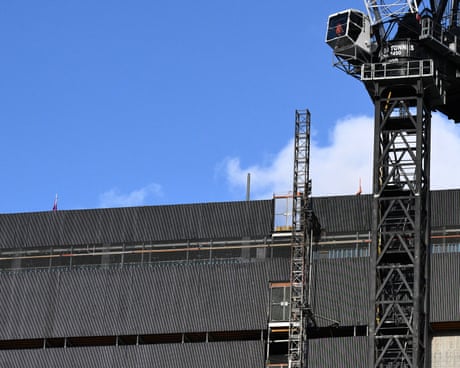
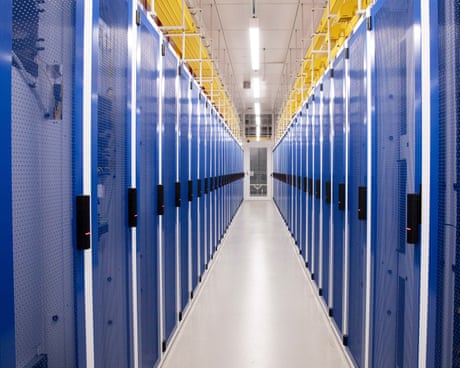
Queensland and NT reject Labor’s push to ensure that power-hungry AI datacentres use renewable energy

Federal-state stoush comes as rating agency warns that electricity bills could skyrocket

Queensland and the Northern Territory have rejected the federal government’s plans to mandate that AI datacentres use renewable power, rubbishing Anthony Albanese’s proposals to regulate the booming technology as “underdeveloped ideas that hand increased power to Canberra”.

The latest federal-state stoush on energy comes as S&P Global, the economic rating agency, warns that power use from datacentres could rise five-fold by 2035 to 10% of Australia’s total consumption, and that a mismatch between delivery timelines for datacentres and renewable projects could lead to energy bills skyrocketing.

Continue reading...

© Photograph: Bloomberg/Getty Images

© Photograph: Bloomberg/Getty Images

© Photograph: Bloomberg/Getty Images

  •  

Key Factors Driving Sustainable Stormwater Management Success

A new study in npj Urban Sustainability points to the practical levers that determine whether stormwater systems actually deliver long-term sustainability. As cities expand and rainfall extremes intensify, green and nature-based infrastructure has been promoted to capture runoff, reduce flooding, and protect water quality. But the research warns that success is not automatic: design decisions and operational realities can make or break performance.

The authors, Sun, Randrup, Blecken and colleagues, analyze what they call “decisive factors” governing sustainable stormwater management. Their central message is that the most visible features—such as bioswales, permeable surfaces, or detention basins—only work when supported by the right planning assumptions and measurable hydrological outcomes.

A key technical theme is how stormwater must be matched to system capacity under changing conditions. The study emphasizes that system sizing, soil or media properties, and infiltration or storage behavior strongly influence whether the infrastructure can handle typical storms and rare, high-intensity events. When these factors are misestimated, treatment efficiency can collapse during peak flows.

Equally important are maintenance and lifecycle considerations. Sustainable stormwater is sensitive to clogging, sediment accumulation, vegetation health, and changes in catchment behavior. The research highlights the need for maintenance regimes that reflect likely failure modes, rather than generic schedules that ignore local hydrology and traffic or land-use impacts.

The paper also stresses the value of monitoring and model-informed decision-making. Reliable data on rainfall patterns, runoff routing, and pollutant loads allow managers to validate performance and adjust operations. This feedback loop helps prevent long-term degradation that otherwise remains invisible until issues become costly.

For cities seeking viral, widely transferable “what works” guidance, the authors’ findings offer a shortlist of priorities: realistic capacity planning, robust material characterization, design for multi-storm performance, and maintenance strategies tied to specific mechanisms. Together, these elements translate sustainability goals into systems that function under real weather and real urban change.

The study’s DOI is 10.1038/s42949-026-00448-4.

Subject of Research: Sustainable stormwater management / urban sustainability
Article Title: Decisive factors in sustainable stormwater management
Article References: Sun, Z., Randrup, T.B., Blecken, GT. et al. Decisive factors in sustainable stormwater management. npj Urban Sustain 6, 104 (2026). https://doi.org/10.1038/s42949-026-00448-4
Image Credits: AI Generated
DOI: https://doi.org/10.1038/s42949-026-00448-4

  •  

“This Upper Limit is an Illusion”: NASA Study Warns There May Be “No Limit” to How Solar Storms Impact Earth 

Our modern society depends heavily on communications and power networks that are highly susceptible to interference from solar storms, making these volatile space weather events a paramount concern for scientists.

Now, it turns out there may be more to fear than previously realized. Scientists are discovering that there may be no ceiling to the devastating effects solar storms may have on Earth, overturning what little sense of security may exist as a mere mathematical anomaly.

In a recent paper published in Nature, a NASA-led team discovered that the potential impact of solar storms on our technological infrastructure could be substantially more severe than currently recognized.

Solar Storms Reconsidered

According to new research, any past limitations perceived regarding the impact of solar storms on our planet are purely an illusion, which arises from imprecise data collection.

Previous observations of electric currents in the Earth’s upper atmosphere during solar storm events suggested a ceiling to how far they could increase. Yet the new paper claims that uncertainties in solar wind data are falsely giving rise to this idea.

The researchers say that the distance of the spacecraft taking solar wind measurements is the issue. Those spacecraft are millions of miles closer to the Sun than the Earth is, meaning that by the time those winds reach Earth, they have weakened considerably. Additionally, instrument error and the effects of the local plasma and field conditions all come into play.

All this, the researchers say, creates a mismatch between the measured strength of the wind and its effects on our planet’s electrical currents.

Correcting For Distance

The new findings contain one significant difference from existing research: they relied on observation platforms much closer to Earth to collect data, which included spacecraft such as NASA’s MMS and THEMIS.

Launched in 2007, THEMIS consists of five satellites that target the Earth, rather than the Sun, to study our planet’s magnetosphere and auroras. MMS consists of four spacecraft that also study the Earth’s magnetosphere.

Existing charts show the impact of solar winds on Earth leveling off at a certain threshold, which scientists had believed was the maximum saturation possible. However, in new solar wind strength data collected much closer to Earth, more accurately reflecting power at the time of impact, this saturation point disappeared. Instead, this data revealed that there is no ceiling on how heavily solar storms can charge the Earth’s electrical currents.

Solar Storm Impacts

Another crucial element in the NASA-led research is the statistical concept of regression to the mean, which holds that extreme measurements often change as more data come in. In this case, as more data on solar storm impacts on Earth recorded from various distances were collected, the plating effect disappeared. The authors note that similar effects occur in other areas of research, such as climate studies and chronic medical pain.

These new findings present a major challenge to our understanding of space weather. Scientists will now need to conduct many further observations to determine if any such ceiling exists. The threat to our infrastructure may be severe, as satellite communication underpins our modern society, not to mention the power grid, which keeps our world running.

For now, NASA continues to monitor solar storms to prepare for their potentially dangerous effects on our infrastructure, and in light of the new research, the potential for future challenges ahead may be greater than previously realized.

The paper, “Regression to the Mean Can Explain Saturation of Geomagnetic Storms,” appeared in Nature on July 15, 2026.

Ryan Whalen covers science and technology for The Debrief. He holds an MA in History and a Master of Library and Information Science with a certificate in Data Science. He can be contacted at ryan@thedebrief.org, and follow him on Twitter @mdntwvlf.

  •  

Climate Change Alters Resource Adequacy Risks and Optimal Wind, Solar Siting

Climate change is poised to reshuffle the reliability problem facing decarbonized power systems, according to a new study that links weather extremes, long-term climate projections, and real-world infrastructure constraints. As grids rely more heavily on wind and solar, they become sensitive not just to the amount of renewable capacity installed, but to where that capacity is sited relative to transmission lines, load centers, and the local meteorological patterns that govern output.

Using high-resolution climate projections at 12-km scale, the researchers examined how future conditions could alter both renewable generation and electricity demand across two distinct US regions: New England and Texas. They then coupled these climate inputs with an optimization model operating at the county level, allowing the team to test how system design choices—particularly spatial siting of wind and solar and the presence of transmission bottlenecks—affect long-run adequacy.

The results suggest a sharp increase in resource inadequacy risk by mid-century. In both regions, climate change can drive prolonged periods of low renewable generation, which occur when meteorological conditions reduce wind and solar output while demand simultaneously rises. For Texas, the study finds the frequency of inadequacy events could increase dramatically—up to fivefold—if planning proceeds using non-climate-informed assumptions.

Crucially, the work shows that these risks are not determined by aggregate capacity targets alone. Fine-scale siting decisions can lock the system into unfavorable “weather-resource–grid” pairings, amplifying periods when local supply falls short and transmission limits prevent imports from compensating.

Yet the study also offers a pathway to resilience. Climate-informed planning can mitigate the emerging adequacy threat at relatively modest cost. Texas, for example, can maintain near-zero marginal investment cost by shifting wind capacity westward, improving alignment with future wind patterns and reducing reliance on constrained transfers.

New England requires a different strategy. The region faces a higher investment need—about a 2.34% increase—achieved through targeted solar and transmission expansion closer to load centers. This approach helps buffer localized shortfalls during future, climate-driven demand and renewable output mismatches.

Overall, the study argues that achieving climate-resilient decarbonization means moving beyond simple build-out schedules. Instead, it calls for high-resolution, climate-aware spatial planning that reveals siting opportunities invisible to coarse models—turning reliability from a static design metric into a dynamic, region-specific forecast problem.

Subject of Research: Climate change and resource adequacy risks in wind/solar grids, including optimal renewable siting
Article Title: Climate change reshapes resource adequacy risks and optimal renewable energy siting in wind and solar energy systems
Article References: Qiu, L., Khorramfar, R., Wang, S. et al. Climate change reshapes resource adequacy risks and optimal renewable energy siting in wind and solar energy systems. Nat Energy (2026). https://doi.org/10.1038/s41560-026-02109-3
Image Credits: AI Generated
DOI: https://doi.org/10.1038/s41560-026-02109-3
Keywords:

  •  

São Paulo’s Bike Lane Expansion Boosts Cycling Among Residents

In a groundbreaking decade-long study analyzing São Paulo’s urban landscape, researchers have revealed how the expansion of bike lanes and public parks profoundly influences physical activity and public health. Between 2014 and 2024, the city’s bike lane network surged from 242 to 743 kilometers, complemented by the addition of 15 municipal parks. This urban transformation was linked to increased transport-related cycling, emphasizing the critical role of accessible infrastructure within a 500-meter radius of residents’ homes.

The study’s multidisciplinary approach combined longitudinal surveys of 1,500 residents with geospatial datasets from the Geosampa platform, enabling precise correlation between environmental changes and behavior. Findings indicate that proximity to bike lanes significantly counteracts declining bicycle use trends, suggesting these facilities serve as protective factors promoting sustained physical activity. Such activity reduction directly translates to lower risks of cardiovascular disease, cancer, and improved mental health outcomes like reduced anxiety and depression.

Importantly, the research underscores active transportation infrastructure not only as a logistical planning tool but as a vital public health strategy. By reducing reliance on automobiles, these interventions diminish air pollution and traffic-related accidents, thereby contributing to climate change mitigation efforts. However, the study highlights uneven developments: wealthier neighborhoods received disproportionate infrastructure investments, calling for policy shifts to equip underserved zones with similar amenities.

Beyond infrastructural improvements, the researchers emphasize that sociocultural elements and affordability constraints also limit cycling uptake. Despite increased bike lanes, economic barriers such as the high cost of bicycles and gender disparities in cycling participation suggest that integrated approaches—encompassing recreational street design, bike-sharing expansions, and commuter support facilities—are necessary for meaningful behavioral shifts.

An illustrative testimony comes from a local photographer who transitioned from motorbike to bicycle commuting due to new bike bridges providing direct, safer routes. While embracing cycling’s growth, he voices concerns about road space allocation favoring cars and the emerging challenges of cyclists’ vulnerability amid the rise of faster electric bikes. Additionally, issues of public safety and bike theft remain barriers to broader adoption.

Overall, the findings reveal that São Paulo’s urban planning efforts over the past decade represent a promising model of how thoughtfully designed public open spaces can foster healthier, more sustainable cities. Still, ensuring equitable access and addressing multifaceted cultural and socioeconomic factors remain essential for realizing the full potential of active transport systems.


Subject of Research: Public open spaces and transport-related cycling in urban environments
Article Title: A decade-long study on public open spaces and transport-related cycling in the largest Brazilian city
News Publication Date: 13-Apr-2026
Web References: https://dx.doi.org/10.1016/j.jth.2026.102323
Image Credits: Phelipe Janning/Agência FAPESP

Keywords

Urban planning, Transportation, Public health, Cycling, Active transportation, São Paulo, Infrastructure, Mental health

  •  

Datacentres are a ticking timebomb. We must make sure AI’s benefits outweigh the costs | Nicki Hutley

They suck up energy and water, and blast out heat. Just who is better off from all this investment – aside from tech bros?

The two great existential threats of our time – the climate crisis and AI – come hurtling together in the explosion of datacentres across Australia and around the world.

You can hardly avoid hearing about them these days, either with awed reverence of the promised benefits to humankind or with fear and anger given the implications for the climate, inflation, jobs and even housing affordability.

Continue reading...

© Photograph: Jono Searle/AAP

© Photograph: Jono Searle/AAP

© Photograph: Jono Searle/AAP

  •  

Is Mistral late or savvy?

For the past few years, the most visible corner of the AI market has been easy to caricature: OpenAI gets the consumer attention, Anthropic gets the developer love, Google gets the benefit of the doubt with increasingly capable models and a complementary product suite, and everyone else gets to explain why they’re not dead yet.

That’s unfair, of course, but not completely wrong. In AI, attention compounds and it’s leading to outsized revenue, with both OpenAI and Anthropic reportedly rushing toward trillion-dollar-sized IPOs on the backs of billions in revenue.

So it’s easy to underrate Mistral AI.

Honestly, I hadn’t thought of the Paris-based company for a year. Maybe longer. But then Brian Hall announced he’s joining Mistral as CMO, and I had an Arrested Development “Her?” moment. Hall, a longtime Microsoft exec, hired me at AWS and went on to run product marketing at Google Cloud. His move prompted curiosity because Mistral doesn’t dominate developer chatter in the United States or boast the same seemingly endless compute budgets as Anthropic or OpenAI. If the AI market is simply a race to build the biggest, most magical, most general-purpose model, Mistral isn’t the company to bet on.

But that’s the wrong question, and likely the wrong bet.

The more interesting question is when the enterprise AI market will revert to type and demand that AI deliver the same security, predictability, and control we’re used to from other IT investments. Here Mistral has a real story. As Hall notes, Mistral’s approach is to “prioritize AI for mission-critical environments that need the confidence and self-control to bet for the long term (with open weights and real sovereign capabilities).”

While this might have sounded like an overly hopeful talking point, it became real in June when the US government ordered Anthropic to suspend access for foreign nationals to its most advanced Fable 5 and Mythos 5 models. Anthropic said it would disable the models for all users because of the export-control directive. “Can this vendor be forced to turn us off?” is no longer a theoretical question.

That’s why Mistral’s quiet focus on enterprise control just might work.

The wrong race

The enterprise control story is much more compelling than the narrative I used to hear. You know, the “Europe needs its own OpenAI” schtick. There is a market for “patriotic AI,” but it’s relatively small. The far bigger market is comprised of enterprises that just want AI that works, costs less (or delivers more) than expected, and can be customized while fitting their compliance requirements.

Though the company’s initial launch page went out of its way to mention that the company was operating out of Europe and headquartered in Paris, since at least October 2023 Mistral’s product posture has centered on enterprise control. Scattered throughout its current (and past) website are words like “customize,” “fine-tune,” “open source,” and “complete control.” Mistral pitches Studio for building and running AI apps, Forge for custom model training and alignment, Vibe for agentic work, Vibe for Code for coding workflows, and Compute for training and inference infrastructure. The company talks about observability, evals, guardrails, deployment portability, and running production AI “from edge to cloud.”

In other words, it sounds less like a chatbot company and more like an infrastructure company.

That positioning becomes clearer when you look underneath the product names. Mistral AI Studio includes an AI Registry that acts as a system of record for agents, models, data sets, judges, tools, and workflows. It tracks lineage, ownership, and versioning. It enforces access controls and promotion gates before deployment. That’s boring governance plumbing (and “boring” is good in enterprise IT, as I’ve written).

Forge may be even more important. Mistral describes it as a way for enterprises to train frontier-grade models on proprietary enterprise data. Rather than training on others’ copyrighted information strewn across the web or on a mountain of Reddit posts, Forge goes well beyond retrieval-augmented generation (RAG) to not simply “read in” proprietary docs/info/etc., but rather to give an enterprise its own private OpenAI, as it were. 

That’s super interesting.

But is it different? I mean, OpenAI and Anthropic can do plenty of this, with greater scale and the benefit of leading frontier models. Both have enterprise products, cloud partnerships, evals, agents, governance tools, and varying forms of model customization. Mistral’s bet with Forge isn’t that the big labs can’t customize models. It’s that some enterprises aren’t interested in customization as a side feature bolted onto a frontier API. It is the product. OpenAI and Anthropic can build everything around Forge but not Forge itself, because the one thing they almost certainly aren’t interested in selling is independence from them.

This is where Mistral may have found a useful seam, one that allows it to ask a different set of questions. What if the best enterprise model isn’t the smartest general-purpose model? What if the best model is the one that’s small enough to run where the customer needs it, open enough to inspect and adapt, cheap enough to use broadly, and specialized enough to do the job? What if “good enough, governable, and your own” beats “slightly smarter, mostly opaque, and rented”?

This won’t matter for every use case, of course. If I’m asking AI to reason through a spreadsheet or write code, I probably want the best model I can get. But for banks, defense agencies, manufacturers, utilities, telcos, and governments, “best” is multidimensional and includes questions like latency, auditability, etc. It’s why banks, for example, still run so many workloads on premises: They want control.

What about compute?

None of this makes compute irrelevant. But it may change how compute matters.

If Mistral is trying to be a French version of OpenAI, its lack of hyperscale compute is a fatal weakness. It won’t outspend OpenAI, Oracle, Microsoft, Google, Amazon, SpaceX, or Anthropic. It probably won’t out-recruit them across every frontier research area, either. The AI market is already littered with companies that underestimated how quickly “good model” became “not good enough.”

But if Mistral is trying to become the enterprise-controlled AI layer for organizations that don’t want all intelligence to live behind someone else’s API, compute becomes a more nuanced issue. It still needs infrastructure, and Mistral seems to know it. After all, Mistral raised $830 million in debt to buy 13,800 Nvidia chips for a data center near Paris. That’s a rounding error compared to OpenAI and Anthropic, of course, but the real question is whether Mistral can turn relative compute scarcity into a virtue, like Amazon’s Leadership Principle “Frugality” on steroids. If lower compute capacity leads Mistral to deliver smaller, more efficient, and more specialized models, which in turn helps enterprises maintain more control of their data at lower cost, then less really does become more.

Mistral’s compute challenge, then, is not to try and have as much compute as OpenAI. It’s to make customers care less about raw compute scale and more about deployment flexibility, specialization, and control.

That’s a hard sell. But it’s not a dumb one.

What Mistral must prove

The bear case remains obvious. OpenAI has consumer distribution, developer mindshare, capital, and a brand that has basically become synonymous with AI. Anthropic has become the developer darling and has an unusually strong enterprise story of its own. Google has the models, the infrastructure, the data, and a bevy of complementary services. AWS, Microsoft, and Oracle have customer relationships and infrastructure.

Mistral has to prove that there’s room for another center of gravity. More specifically, it must prove three things.

First, it has to show that open-weight and controllable AI matter enough to influence buying decisions, not just conference panels. Everyone says they want control, just as most like the idea of open source. But proprietary software and cloud services still dominate the market. Mistral must make control feel like the easy button.

Second, it must prove that specialization beats generality in enough high-value markets. “Our model is almost as good” is not a strategy. “Our model is better for your bank, your government agency, or your retailer” just might be.

Third, it needs to establish a beachhead within enterprise IT before OpenAI and Anthropic become “boring” enough to satisfy the same buyers. This is the real race. The biggest AI companies are hiring enterprise sales teams, building admin controls, and cutting deals with every major cloud. Mistral’s window exists because the market is still young, but that window won’t stay open much longer.

If AI remains a model benchmark race, Mistral likely loses. But if AI keeps evolving to become grown-up enterprise infrastructure, Mistral has a real chance.

  •  

St. Jude Named WHO Collaborating Centre for Childhood Cancer

St. Jude Children’s Research Hospital has reaffirmed its pivotal role in the global fight against pediatric cancer with its recent redesignation as a World Health Organization (WHO) Collaborating Centre for Childhood Cancer. This prestigious status not only honors St. Jude’s deep-rooted commitment to advancing pediatric oncology but also solidifies its unique position as the sole WHO Collaborating Centre exclusively dedicated to childhood cancer worldwide. The designation reflects the hospital’s substantial contributions in providing strategic, scientific, and technical expertise to WHO’s mission, thereby accelerating progress in improving survival rates and care quality for children afflicted by cancer internationally.

At the heart of this collaboration lies a fundamental conviction championed by St. Jude: a child’s geographic location must never dictate their likelihood of surviving cancer. Under the leadership of Dr. James R. Downing, St. Jude’s President and CEO, the institution actively partners with global health bodies, governments, academic institutions, and clinical providers to broaden access to comprehensive cancer care. These alliances are designed to fortify health infrastructures and knowledge exchange systems, ensuring equitable delivery of lifesaving therapies and supportive services for pediatric patients, irrespective of their origin.

St. Jude’s designation is not isolated but part of a sophisticated network of over 800 WHO collaborating centers distributed across more than 80 nations. Uniquely, St. Jude is dedicated exclusively to pediatric malignancies, making it an unparalleled resource in formulating childhood cancer policies and disseminating best practices. Since its inception as a WHO Collaborating Centre in 2018, St. Jude has leveraged its expertise to influence national health policies, boost technical capacity, and nurture multisectoral collaborations. These endeavors have collectively enhanced the global capacity to prevent, diagnose, and treat childhood cancers, shaping a more coordinated and effective response to pediatric oncology challenges.

The influence of St. Jude’s WHO Collaborating Centre extends significantly through the St. Jude Global Alliance, which encompasses over 400 institutions and foundations in more than 90 countries. This expansive network forms a robust implementation infrastructure that translates scientific discoveries into real-world improvements in pediatric cancer outcomes. As described by Dr. Catherine Lam, the Centre’s Director and a faculty clinician-scientist, this alliance fortifies the hospital’s academic and clinical expertise on an international scale, fostering innovation and knowledge transfer essential for tackling global disparities in pediatric oncology.

One of the landmark achievements stemming from this collaboration was the establishment of the WHO Global Initiative for Childhood Cancer (GICC) in 2018. This ambitious program targets a doubling of survival rates globally, aiming for at least 60% survival for childhood cancers by 2030. Complementing this, the 2025 launch of the Global Platform for Access to Childhood Cancer Medicines underscores a coordinated approach to overcoming barriers in medication availability and affordability—critical hurdles in low- and middle-income countries where cure rates have historically lagged behind.

The expanded remit of the WHO Collaborating Centre now includes not only oncology but also the management of catastrophic pediatric diseases such as sickle cell disease, representing an integrated strategy that acknowledges the complex medical and supportive care needs of these patient populations. This progression enhances the Centre’s potential to impact child health comprehensively, integrating palliative care and systems strengthening into its core objectives.

Driving the Centre’s evolving agenda, Dr. Carlos Rodriguez-Galindo, Executive Vice President and Chair of the Department of Global Pediatric Medicine, emphasizes the aim to ameliorate survival rates in regions where it has remained below 30%. Expanding the scope of pediatric care to encompass palliative services and holistic disease management initiatives ensures that children everywhere receive not only curative treatments but also dignified, comprehensive care throughout their disease trajectory.

The WHO recognizes the critical role of collaborating centers such as St. Jude in facilitating technical support, knowledge dissemination, and health system strengthening at the country level. According to Dr. Roberta Ortiz, medical officer at WHO Headquarters and focal point for the GICC, these centers bring invaluable expertise and tools that underpin successful implementation of global childhood cancer strategies. This partnership model is instrumental in translating high-level policy into practical actions that directly benefit pediatric populations.

St. Jude’s profound impact on national cancer control planning ensures that pediatric oncology is meaningfully integrated into broader health systems and governance frameworks. By embedding child-specific needs within policy platforms, the hospital advances a child-centered approach to cancer care that elevates research-driven innovations and frontline clinical breakthroughs. This comprehensive strategy enhances survivorship and quality of life for pediatric patients on a global scale.

In addition to its leadership in pediatric oncology, St. Jude also maintains a longstanding designation as a WHO Collaborating Centre for Influenza, a role it has fulfilled since 1975. This dual recognition highlights the institution’s diverse expertise and sustained contributions to global health, reaffirming its status as a vanguard institution whose research and clinical programs catalyze transformative progress across multiple domains of pediatric medicine.

St. Jude Children’s Research Hospital’s redesignation as the exclusive WHO Collaborating Centre dedicated to childhood cancer embodies the epitome of global health collaboration. Anchored in robust scientific inquiry, innovative care models, and strategic partnerships, this status propels forward a shared vision of equitable cancer care access and improved outcomes for all children—irrespective of geography. As the global pediatric oncology landscape evolves, St. Jude’s leadership and expansive alliance ensure that the journey toward eradicating childhood cancer is both scientifically rigorous and compassionately inclusive.

Subject of Research: Pediatric cancer, childhood oncology, global health collaboration

Article Title: St. Jude Reaffirmed as WHO Collaborating Centre Driving Global Pediatric Cancer Progress

News Publication Date: June 17, 2026

Web References:

Image Credits: St. Jude Children’s Research Hospital

Keywords: Pediatric cancer, Childhood cancer survival, WHO Collaborating Centre, Global pediatric oncology, St. Jude Global Alliance, Childhood cancer treatment access, Global Initiative for Childhood Cancer, Pediatric oncology research

  •  

IRB Barcelona Leads MD4SB Project to Advance Dynamic Representation in Structural Biology

In the ever-evolving landscape of biomedical research, the advent of molecular dynamics simulations has heralded a new era of insight into the dynamic behavior of biological macromolecules. Yet, despite the immense volumes of data generated by these simulations, much remains untapped due to the lack of adequate infrastructure for storage, sharing, and reuse. Addressing this critical gap, the MD4SB (Molecular Dynamics for Structure-based Biology) project emerges as a visionary initiative poised to revolutionize how molecular dynamics data is integrated, managed, and exploited across Europe.

Set to launch in September 2026, MD4SB is a collaborative endeavor funded with €10 million under the Horizon Europe program and coordinated by the Institute for Research in Biomedicine (IRB Barcelona). The project unites 25 partners spanning eight countries, encompassing academic institutions, European research infrastructures, supercomputing centers, as well as biotech and pharmaceutical companies. By doing so, it offers a multidisciplinary approach aimed at transforming fragmented computational efforts into a coherent, accessible, and reusable resource for the scientific community.

At the core of MD4SB is the establishment of an innovative infrastructure designed to dynamically describe biological macromolecules through molecular dynamics data. Unlike traditional structural biology methods that primarily capture static snapshots of molecules, molecular dynamics simulations reveal the conformational flexibility and temporal evolution of proteins and nucleic acids. This dynamic information is crucial for fully understanding molecular function, interaction mechanisms, and especially drug binding processes, thus providing a more nuanced picture for drug discovery initiatives.

MD4SB builds on the foundations laid by the Molecular Dynamics Data Bank (MDDB), which pioneered a distributed platform adhering to the FAIR principles—making data Findable, Accessible, Interoperable, and Reusable. The project advances this concept by integrating molecular dynamics data within three major European Research Infrastructures: Instruct-ERIC, which specializes in structural biology; ELIXIR, focused on life sciences data management; and EU-OPENSCREEN ERIC, a chemical biology and compound screening infrastructure. This integration ensures that molecular dynamics data becomes a shared asset rather than an isolated entity confined to individual laboratories.

Leveraging the capabilities of Europe’s largest supercomputing centers—specifically the Barcelona Supercomputing Center (BSC-CNS), CINECA in Italy, and the Jülich Supercomputing Centre (JSC)—MD4SB provides the computational muscle necessary for processing, storing, and analyzing massive datasets. These centers, combined with emerging AI Factories, will enable cutting-edge analysis pipelines that augment traditional molecular dynamics approaches with artificial intelligence, thus enhancing the extraction of biologically meaningful patterns from complex simulations.

One of the landmark objectives of MD4SB is to catalyze early drug discovery by enabling scientists to visualize the dynamic movements of proteins and other biomolecules that are often invisible in static crystal structures. Molecular dynamics simulations can reveal transient binding pockets and allosteric sites, which are pivotal for designing new therapeutic compounds with higher specificity and efficacy. By facilitating access to these insights within existing infrastructures, MD4SB aims to speed up the identification of drug candidates and reduce costly experimental failures.

Industry engagement lies at the heart of MD4SB’s strategy. Leading pharmaceutical companies such as Almirall and Sanofi are involved as associate partners, providing critical feedback to ensure that the developed platform not only serves academic research but also aligns with industrial requirements. The involvement of Nostrum Biodiscovery—a biotech spin-off from IRB Barcelona and BSC-CNS—further exemplifies the project’s commitment to bridging the gap between fundamental research and commercial application by easing the transition of innovations into practical tools.

Dr. Modesto Orozco, coordinator of MD4SB and head of the Molecular Modelling and Bioinformatics laboratory at IRB Barcelona, highlights the transformative potential of this initiative: “For the first time on a European scale, MD4SB will merge structural biology, molecular dynamics, artificial intelligence, and drug discovery into a seamless ecosystem. Our vision is to democratize molecular dynamics, making it a common capability accessible to researchers across disciplines.”

The strategic approach of MD4SB entails the seamless coupling of three complementary research infrastructures, encompassing the full spectrum of biomedical research phases: from structural protein characterization, data stewardship and interoperability, to chemical biology screening for therapeutic potentials. This holistic integration enables unprecedented collaborative workflows, where data generated in one context can be analyzed, reanalyzed, and repurposed across diverse scientific domains.

Central to the success of MD4SB will be its adherence to data standards and protocols that guarantee FAIR compliance, ensuring that the vast repositories of molecular dynamics simulations remain discoverable and usable well beyond the lifespan of individual projects. This commitment is indispensable in preventing the loss of valuable computational endeavors, promoting reproducibility, and fostering innovation driven by shared resources.

By significantly expanding the accessibility and applications of molecular dynamics data, MD4SB promises to address a longstanding bottleneck in the life sciences: the disconnect between data generation and data reuse. The project envisions a future where high-quality, large-scale molecular simulations are no longer restricted to elite research groups but are a universally available asset, fueling discoveries in biology, chemistry, and medicine.

The timeline for MD4SB spans four years, during which it will not only develop and deploy the integration platform but also benchmark its utility through real-world case studies involving both academic and industry partners. Through this collaborative validation process, the project expects to establish best practices, refine analytical tools, and build a sustainable infrastructure that institutionalizes molecular dynamics as a pillar of modern biomedical research.

In conclusion, MD4SB heralds a transformative chapter for the European research ecosystem by converging molecular dynamics with cutting-edge computational resources and artificial intelligence within a unified framework. Its success will empower scientists to decode the dynamic complexity of biological molecules at an unprecedented scale, accelerating drug discovery pipelines and fostering interdisciplinary collaboration in the era of data-driven bioscience.


Subject of Research: Molecular dynamics integration and infrastructure for structure-based biology, drug discovery, and biomedical research.

Article Title: MD4SB: Revolutionizing Molecular Dynamics Data Sharing and Integration Across Europe

News Publication Date: June 17, 2026

Web References:

Image Credits: IRB Barcelona

Keywords: Molecular dynamics, Structural biology, Supercomputing, Artificial intelligence, Drug discovery, Data infrastructure, FAIR data, Biomedical research, European Research Infrastructures, Computational biology

  •  

Insurance Shortfalls Challenge Expansion of Net-Zero Hydrogen Technologies

The global shift toward net-zero emissions has thrust hydrogen into the spotlight as a promising energy vector capable of decarbonizing sectors traditionally reliant on fossil fuels. Yet, as hydrogen technologies surge from concept to commercial reality, a critical question has emerged: can the insurance industry keep pace with the novel risks intrinsic to these systems? A compelling new article published in Engineering unveils the stark challenge facing insurers and innovators alike. It argues that the nascent nature of hydrogen processes and infrastructures presents a complex risk landscape that current insurance frameworks are ill-equipped to navigate, potentially impeding large-scale deployment needed to meet climate goals.

Central to the discourse is the intricate, multifaceted nature of hydrogen technologies, encompassing production, storage, transport, and utilization systems. Unlike mature renewable technologies such as wind and solar, hydrogen operations are fraught with unique hazards—including extreme flammability, material embrittlement due to hydrogen exposure, and elusive leakage risks—that conventional insurance models have yet to thoroughly address. This gap in risk assessment and management means that financial security mechanisms crucial for investment confidence remain underdeveloped, posing a significant barrier to scalable hydrogen adoption.

The article elucidates that hydrogen’s promise as a clean energy carrier depends not only on decarbonized production but also on scaling the entire value chain rapidly and reliably. However, these pioneering engineering systems entail a gamut of evolving operational risks. These span from property damages and equipment failures to worker safety concerns heightened by hydrogen’s explosive potential. Cybersecurity risks also arise given the increasing digitalization of energy assets, while governance challenges manifest through liability exposures of company directors as projects push technical boundaries. Furthermore, these uncertainties extend into supply chain fragility and performance shortfalls during system ramp-up phases, compounding insurers’ difficulties in crafting comprehensive coverage.

Drawing a parallel to renewable energy insurance markets, the authors observe how wind and solar have benefited from years of data accumulation, modeling refinement, and standardization efforts that underpin sophisticated insurance offerings. This data-driven maturation enables parametric insurance and warranties that safeguard against specific performance metrics and supply chain disruptions. Yet, hydrogen insurance remains embryonic, characterized by cautious underwriting and limited products chiefly targeted at niche applications rather than broad industrial deployment. This immaturity translates to cost premiums and coverage limitations that stall financing and project momentum.

To transcend these hurdles, the article emphasizes the critical need for structured data collection and robust risk characterization specific to hydrogen processes. Without granular operational insights and validated risk models, insurers default to conservative stances that restrict underwriting appetite. The authors champion innovative insurance instruments, notably parametric policies calibrated to predefined risk triggers, and performance warranties that hedge against technology underperformance. These solutions can lower uncertainty for investors and catalyze capital flow, but their success hinges on collaborative data-sharing and transparent risk communication between all stakeholders.

Importantly, the narrative draws attention to a strategic opportunity for insurers. Engagement with hydrogen not only mitigates climate-related portfolio risks but also opens access to a burgeoning industrial market driven by global net-zero ambitions. Nonetheless, disconnects persist between technology developers’ needs and insurers’ capabilities, underscoring the urgency for proactive, multi-stakeholder dialogue. Fostering early-stage collaboration among engineers, academia, private sector, and insurance providers is pivotal to co-design risk assessment methodologies, standardize certification regimes, and ultimately align insurance solutions with engineering innovation trails.

Academia is positioned as a critical catalyst in this ecosystem. Researchers can bridge the gap by aggregating operational data, refining risk models via simulations and real-world studies, and facilitating standardization efforts that underpin insurer confidence. Such integrative efforts advance both scientific understanding and commercial viability. Aligning insurance mechanisms with engineering innovation timelines ensures risk management is embedded from technology readiness level milestones onward, thus streamlining the pathway from pilot projects to full-scale industrial rollouts.

The article also highlights the financial repercussions of currently inadequate insurance coverage. High premiums and coverage gaps retard investment flows and engender hesitancy among financiers wary of unquantified risks. As hydrogen projects are capital-intensive with long development horizons, risk mitigation via comprehensive insurance is non-negotiable for unlocking broader investor appetite. Hence, the advancement of hydrogen insurance products is not merely a financial instrument but a keystone for sustainable market adoption and technological acceleration.

Furthermore, the article delves into technical challenges such as hydrogen’s propensity to induce embrittlement in metals, which degrades structural integrity over time and raises maintenance costs. Insurance models must incorporate such materials science insights to accurately price and cover long-term durability risks. Leakage detection and mitigation technologies also play a vital role in controlling operational hazards, with insurance frameworks incentivizing advancements in sensor deployment and safety protocols. These technological synergies between engineering and insurance amplify resilience and facilitate risk reduction.

In conclusion, the article contends that unlocking hydrogen’s potential as a linchpin of a net-zero future demands a paradigm shift in insurance thinking coupled with systemic collaboration. By gathering rigorous data, designing bespoke risk instruments, and fostering cross-sector partnerships, the insurance market can evolve to support hydrogen innovation robustly. This evolution will serve as the linchpin of investor confidence, enabling swift scale-up while safeguarding public and environmental safety. Without such advancements, the hydrogen economy risks stalling, imperiling global decarbonization trajectories.

The implications extend beyond risk transfer to the very architecture of hydrogen energy systems. Insurance integration informs engineering decisions, safety standards, and policy frameworks, creating a virtuous cycle that harmonizes technical innovation with financial viability. The authors’ clarion call is clear: accelerating the hydrogen transition mandates bridging the gap between emergent technology risks and insurance market readiness. Achieving this nexus will be transformative—not only for hydrogen but for the broader energy transition imperative writ large.

Subject of Research: Insurance frameworks and risk management for new hydrogen technologies and adapted hydrogen processes.

Article Title: Insurance for New and Adapted Hydrogen Processes

News Publication Date: 15-Apr-2026

Web References:
https://doi.org/10.1016/j.eng.2025.11.018
https://www.sciencedirect.com/journal/engineering

Image Credits: Elisabeth Shrimpton, Nazmiye Balta-Ozkan

Keywords: Hydrogen, Net-Zero Energy Transition, Insurance, Risk Management, Engineering Innovation, Parametric Insurance, Performance Warranty, Material Embrittlement, Hydrogen Safety, Technology Readiness, Energy Decarbonization, Financial Instruments

  •  

SpaceX, Anthropic, and OpenAI’s hot IPO summer

The IPO market is back, and it’s not the same companies leading the charge. FAANG had a good run, but a new acronym is taking over: MANGOS — Meta (or Microsoft, depending on who you ask), Anthropic, Nvidia, Google, OpenAI, and SpaceX. Half of that bunch is heading to public markets in the same window, and it’s a stress test for investors, for valuations, and for […]
  •  
❌