At Macstock, Alessandra White explains how blockchain can give creators greater control and permanence over their digital content. She discusses Hive, decentralized publishing, digital sovereignty, and ways creators can preserve posts and videos beyond centralized platforms. The conversation also examines blockchain’s permanence, including the trade-off that published material cannot simply be deleted…ever. http://traffic.libsyn.com/maclevelten/MV26229.mp3 This MacVoices […]
The July MacVoices Update recaps a successful Macstock Conference, and highlights some changes inspired by the experience, including refreshed thumbnails, new streaming software and revised show notes. It also spotlights recent programming and he growing importance of MacVoices Magazine as the new OS versions are delivered. Chuck outlines some August scheduling issues, the new merchandise store, and offers thanks to Patreon supporters for making the shows possible.
Toby Schmitz was the youngest attendee at Macstock X, so his perspective on how the conference and the accompanying Ecamm Creator Camp gave him the confidence and practical guidance to begin his own YouTube channel, podcast, and livestream. He reflects on learning from a wide variety of sessions, the influence of his family of creators, […]
The panel is back from Macstock and share highlights and lessons from the conference, including creative experimentation, podcast strategy, video production, accessibility, health, digital legacy planning, and useful Mac tools. Chuck Joiner, David Ginsburg, Marty Jencius, Eric Bolden, Brian Flanigan-Arthurs, Jim Rea, Web Bixby, Jeff Gamet, and Mark Fuccio reflect on the friendships and international […]
The June 2026 update, preview Chuck's upcoming trip to MacStock, encouraging attendees to introduce themselves. The also outlines the last of the NAB interviews, recaps participation in MacPaw’s Flip the Script event during WWDC and announces the launch of the new MacVoices Merch Store. The update wraps by encouraging YouTube subscriptions and thanking Patreon supporters.
At NAB in Las Vegas, Alex Mavlios of Epidemic Sound explains how the company licenses music by acquiring full rights from artists, then offering secure usage across podcasts, video, social media, broadcast, and film. He addresses copyright risks, monetized content, artist royalties, pricing from creator plans to enterprise licenses, and why perpetual licensing helps creators avoid future rights disputes.
CompartilharDescubra como baixar vídeos do YouTube para assistir offline sem instalar programas, para ver quando não tiver uma conexão disponível. Como baixar vídeos do YouTube …
Creators who want to start earning on the platform will need at least 8,000 qualified watch hours over the past year or 20 million qualified Shorts views in the last 90 days.
A detenção de Andrew Tate reabre a pergunta errada. O problema nunca foi ele poder falar - foi as plataformas terem transformado o que ele diz num produto, defende Elisa Tarzia.
Brings better file organization and smarter YouTube channel subscriptions to the video downloading utility. (Free with paid license options, free update, 271.6 MB, macOS 12+)
Com o recurso de mensagens diretas no YouTube, é possível compartilhar facilmente um vídeo que tenha curtido com quem você quiser.
Porém, como todo mensageiro, pode ser que você se depare com algum contato indesejado ou com quem não queira mais conversar. Pensando nisso, o aplicativo do Google permite bloquear uma pessoa.
Abra o app do YouTube no seu dispositivo (iPhone ou iPad) e toque no ícone de mensagens, localizado na parte superior direita.
Selecione a conversa com a pessoa que quer bloquear, vá até o botão com três pontinhos (no canto superior direito) e escolha “Bloquear as mensagens desta pessoa”.
O destinatário não receberá uma notificação sobre o bloqueio; depois de bloquear alguém, a conversa com ela vai permanecer na sua caixa de entrada, mas não será possível enviar novas mensagens.
Ao fazer esse bloqueio, você também não verá mais os chats ao vivo e os comentários dessa pessoa, nem receberá menções dela. O canal bloqueado também não vai mais receber as suas mensagens no chat ao vivo, comentários ou menções.
Comece abrindo o app do YouTube no seu dispositivo. Selecione o botão de mensagens (na parte superior direita) e entre na conversa onde a mensagem está localizada.
Mantenha o dedo pressionado por alguns segundos em cima da mensagem, toque em “Cancelar envio” e novamente em “Cancelar envio” para confirmar a ação.
O YouTube informa que, ao cancelar o envio de uma mensagem, ela não aparecerá mais para as pessoas na conversa.
Além disso, é importante lembrar que a pessoa para quem você enviou a mensagem já pode tê-la visualizado e saber que foi apagada.
As ferramentas de inteligência artificial estão mudando a forma como criamos e compartilhamos conteúdos de viagem. Hoje, uma simples fotografia pode se transformar num vídeo dinâmico, com movimentos, efeitos e uma narrativa mais envolvente.
Com plataformas como o AIReel, é possível converter fotos de viagem em vídeo de forma rápida, criando memórias digitais mais vivas sem precisar de experiência em edição profissional.
Por que cada vez mais pessoas estão transformando fotos de viagem em vídeos com IA
Durante anos, as fotografias foram a principal forma de guardar momentos de viagem. No entanto, à medida que o consumo de vídeo continua a crescer, muitas pessoas começaram a procurar formas mais dinâmicas de reviver e compartilhar essas experiências.
A inteligência artificial está tornando este processo mais simples. Em vez de depender de programas complexos de edição, usuários podem transformar fotografias estáticas em pequenos vídeos com movimento, transições e efeitos visuais em poucos minutos.
Ferramentas como o AIReel permitem fazer esta transformação de forma acessível, ajudando qualquer pessoa a converter imagens de viagem em vídeos mais envolventes sem precisar de conhecimentos avançados de edição.
Como a IA está transformando fotos de viagem em memórias digitais vivas
Uma fotografia consegue guardar um momento, mas um vídeo consegue transmitir melhor a sensação desse momento. É aqui que a inteligência artificial começa a mudar a forma como as pessoas preservam as suas memórias de viagem.
Transformar imagens estáticas em histórias animadas
Com a tecnologia atual, uma fotografia de uma paisagem, cidade ou momento especial pode ganhar movimento natural. A IA consegue criar transições, pequenos movimentos de câmera e efeitos que tornam a experiência mais próxima de um vídeo real.
Criar vídeos personalizados a partir de fotografias
Cada viagem tem uma história diferente, e as ferramentas de IA permitem transformar várias fotografias numa sequência com ritmo e estilo próprios. Recursos de conversão de imagem em vídeo com IA ajudam usuários a criar vídeos únicos, combinando fotografias, animações e estilos visuais sem processos complicados.
Recuperar e valorizar momentos antigos
Muitas pessoas têm centenas ou até milhares de fotografias guardadas no telefone ou no computador que raramente voltam a ver. Transformar algumas dessas imagens em vídeos pode ser uma forma simples de recuperar memórias esquecidas e dar-lhes um novo significado.
Criar conteúdos de viagem mais envolventes
Em vez de publicar apenas uma fotografia, os viajantes podem criar pequenas histórias em vídeo. Ferramentas como o AIReel, uma solução de imagem para vídeo IA, permitem converter imagens estáticas em vídeos com movimento, ajudando criadores a produzir conteúdos mais atrativos e dinâmicos.
Como criar vídeos de viagem mais envolventes a partir das suas fotografias
Muitas pessoas gostam de fotografar durante as viagens para guardar os melhores momentos, mas transformar essas imagens em vídeos interessantes pode ser um processo demorado e complicado. Com as ferramentas de IA, criar vídeos de viagem personalizados a partir de fotografias tornou-se uma tarefa muito mais simples e acessível.
Escolha as fotografias que melhor representam a viagem
Antes de criar um vídeo, selecione imagens que contem uma história. Uma boa combinação de paisagens, pessoas e pequenos detalhes da viagem ajuda a criar um resultado mais emocional e envolvente.
Organize as imagens e defina o estilo do vídeo
Pense no tipo de experiência que pretende transmitir. Pode optar por um estilo mais cinematográfico, descontraído ou focado nas redes sociais, dependendo do objetivo final do vídeo.
Use uma ferramenta de IA para transformar imagens em vídeo
Com ferramentas como o AIReel, o processo de criação torna-se mais rápido. Basta carregar as fotografias, adicionar um prompt com a descrição do movimento ou estilo pretendido, e a plataforma gera rapidamente um vídeo de viagem mais dinâmico e atrativo a partir das imagens.
Ajuste o resultado antes de compartilhar
Depois de gerar o vídeo, pequenos ajustes podem melhorar a experiência final. Escolher a duração adequada, adicionar música ou adaptar o formato para plataformas como Instagram, TikTok ou YouTube Shorts pode tornar o conteúdo mais apelativo.
O futuro das memórias digitais criadas com IA
A forma como guardamos as nossas viagens está mudando. As fotografias continuam sendo importantes, mas os vídeos oferecem uma maneira mais próxima de reviver sons, movimentos e emoções associadas a cada momento.
Com ferramentas de inteligência artificial cada vez mais acessíveis, transformar uma coleção de fotografias numa história visual deixará de ser algo reservado a profissionais de edição. Para muitos viajantes, será simplesmente uma nova forma de contar as suas próprias experiências.
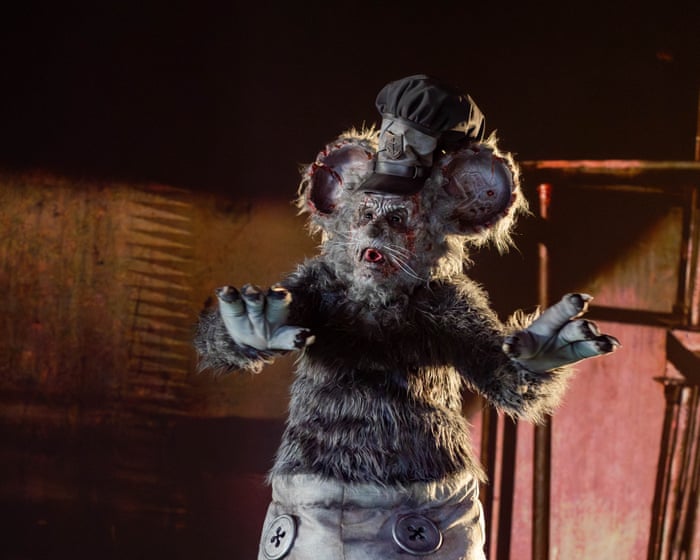
Pre-Covid, the movie landscape was dramatically different: YouTubers weren’t dominating the box office, video game spin-offs rarely made an impact and Winnie-the-Pooh wasn’t yet the star of a slasher movie. Why such a flurry of innovation – and what will be next?
Cinema has always been a medium of research and development. At any given point, the industry is searching for yet another breakthrough that can drive it into the future. Synchronised sound in the 1920s. Technicolor in the 1930s. The invention of the modern blockbuster in the 1970s.
Conversely, the consensus is that, if the 2020s has a defining trend, then it is one of decline. The theatrical experience is under attack from all angles: streaming, YouTube, a once-in-a-century health crisis that shut cinemas down entirely. And yet, if you look closer, this has actually been one of the most innovative decades that cinema has ever seen. Whether down to technology or desperation, the film industry has spent these last few years figuring out new ways to make films that simply could not have existed even at the turn of the decade.
The AI music generation tool Suno scraped millions of songs and lyrics from YouTube Music, Deezer, and Genius, as well as from the stock music libraries Pond5, Jamendo, Freesound, the International Music Score Library Project, and podcasts via RSS feeds, according to a hacker who breached the company and shared data about Suno’s training libraries with 404 Media. The hacker was also able to access user information for hundreds of thousands of Suno’s customers, as well as Stripe payment information, they said.
[…]
As part of these legal proceedings, Suno previously admitted that it was trained on “essentially all music files of reasonable quality that are accessible on the open internet,” which included a total of “tens of millions of recordings.” Suno has been making the argument that it is allowed to train on copyrighted works as fair use in those cases, one of which has been settled.
Suno has long acknowledged that its AI music generator relied on the scraping of millions of songs available across the internet, but a new hack reveals just how the company pulled from streaming services and websites[…] all while user information remained vulnerable.
[…]
“Our goal has always been to help people create original new music, not replicate someone else’s. That’s why we build our models around what we call ‘Original Creation, By Design,’” the spokesperson said in a statement. “For example, we intentionally do not use artist names as a category of training metadata because we want our models to help people create brand new songs, not music that replicates other artists’ existing work. It’s also why we built Suno with detection filters that block or prevent a user from using specific artist, song, or album names as prompts, and prevent users from uploading lyrics or sound recordings that match existing works.”
The social media company Meta and the video streaming service YouTube harmed a young user with design features that were addictive and led to her mental health distress, a jury found on Wednesday, a landmark decision that could open social media companies to more lawsuits over users’ well-being.
[…]
Citing features like infinite scroll and algorithmic recommendations, K.G.M. sued Meta, which owns Instagram and Facebook, and Google’s YouTube, claiming they led to anxiety and depression.
For its part, the Wall Street Journal editorial board is standing up for beleaguered social media companies in an editorial today criticizing everything about these verdicts, including this specific means of liability, which it calls a “dodge” around Section 230.
[…]
Product design, though, is a different question. It would be a mistake, I think, to read Section 230 as a blanket allowance for any way platforms wish to use or display users’ posts. (Update: In part, that is because it is a free speech question.) From my entirely layman perspective, it has never struck me as entirely reasonable that the recommendations systems of these platforms should have no duty or expectation of care.
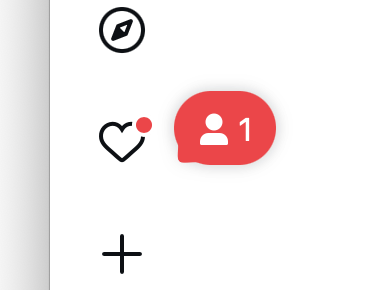
To me, a non-lawyer, much of the actual text of the ruling (PDF) explaining why this lawsuit was not immediately turfed on Section 230 grounds seems pretty reasonable. For example, the judge says “[u]nder the default settings, Meta enables approximately forty types of notifications” for the Instagram app, which the government alleges “is designed to overwhelm young users and compel them repeatedly to reopen Instagram”. We can argue whether this is a meaningful thing for a government to police or if it is just another example of Meta resorting to tacky growth-hacking techniques instead of trusting their product is sufficiently compelling on its own. (Most days when I open Instagram in my browser, it puts a red badge over the notifications tab and suggests I have one new follower. I do not; I never have. It lies to me every time, presumably because it knows most people, including me, will usually click on that, thereby increasing a number on a dashboard somewhere.)
couple weeks back, Jonathan Haidt published another entry in his ongoing campaign to convince the world that social media is inherently ruining kids’ lives. This one was a victory lap titled “Seven Lines of Evidence Against Social Media,” treating recent developments — including the social media addiction verdicts against Meta that most people are misunderstanding — as vindication of his thesis.
Indeed, the research repeatedly suggests that for the very small number of kids who are facing mental health problems and overrelying on social media in response, the answer is a targeted intervention to help those individuals — not a broad “ban kids from social media” program.

 Login