The MacVoices Live! panel examines Apple’s move from the iPhone Upgrade Program to a Klarna-backed leasing model, including the possibility of restricting leased devices after missed payments. The discussion explores how financing could soften the impact of rising iPhone prices, especially for premium and foldable models. They share personal experiences while debating ownership versus leasing, AppleCare implications, trade-in strategies, and changing consumer expectations around smartphone upgrades.
Apple’s stock rebounds after recent product price increases, prompting a discussion of customer loyalty, upgrade timing, refurbished options, and long-term confidence in the company. Chuck Joiner, David Ginsburg, Eric Bolden, Jim Rea, and Marty Jencius also examine why advanced Home features may require a 2TB iCloud+ plan, then debates Apple’s rumored foldable iPhone, including price, […]
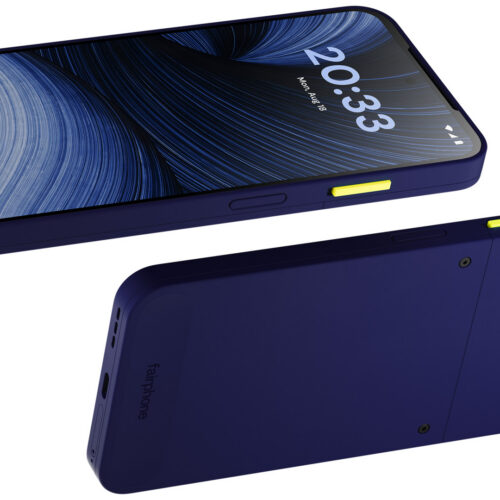
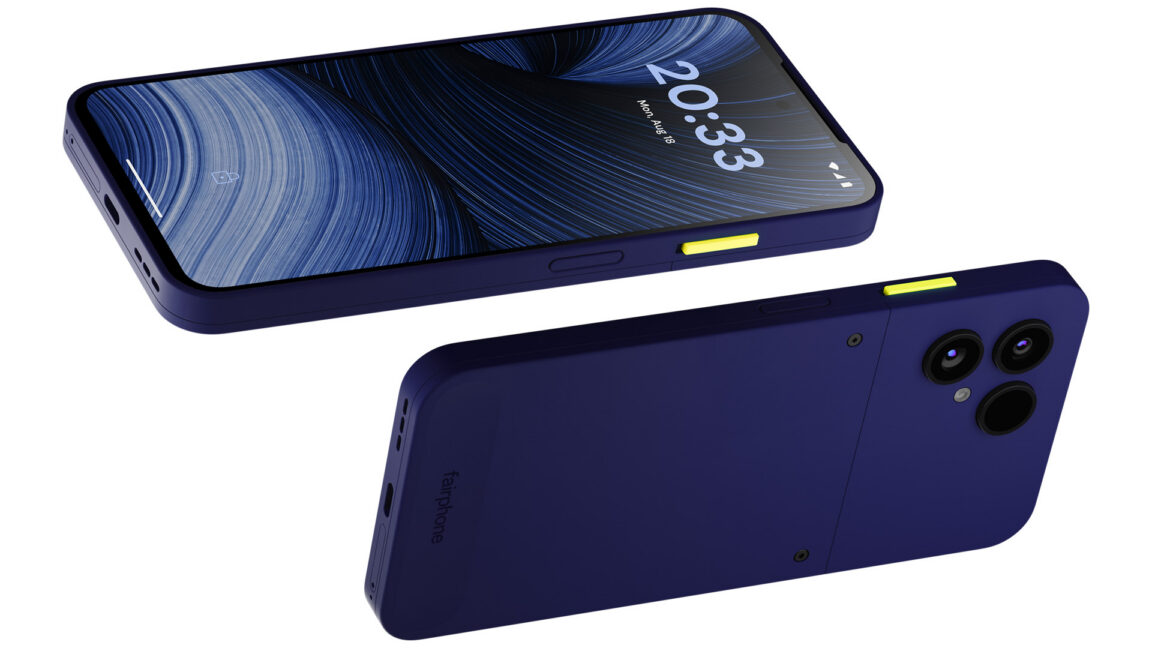
As smartphone designs have become more refined, they've also become less repairable. Fairphone bucks that trend, offering devices that can be fully disassembled and serviced using a single screwdriver. But its devices were a pain to get in the US until now.
The Dutch company has launched the Fairphone Gen 6+ in the US, offering not only the phone but a full line of accessories and replacement parts so you can keep your phone running for years. And yes, the battery is removable.
Don't expect the Fairphone Gen 6+ to blow you away in the spec department—it focuses on being repairable and paying workers a fair wage. Half of the phone is made from recycled materials, and it has a microSD card slot. How retro.
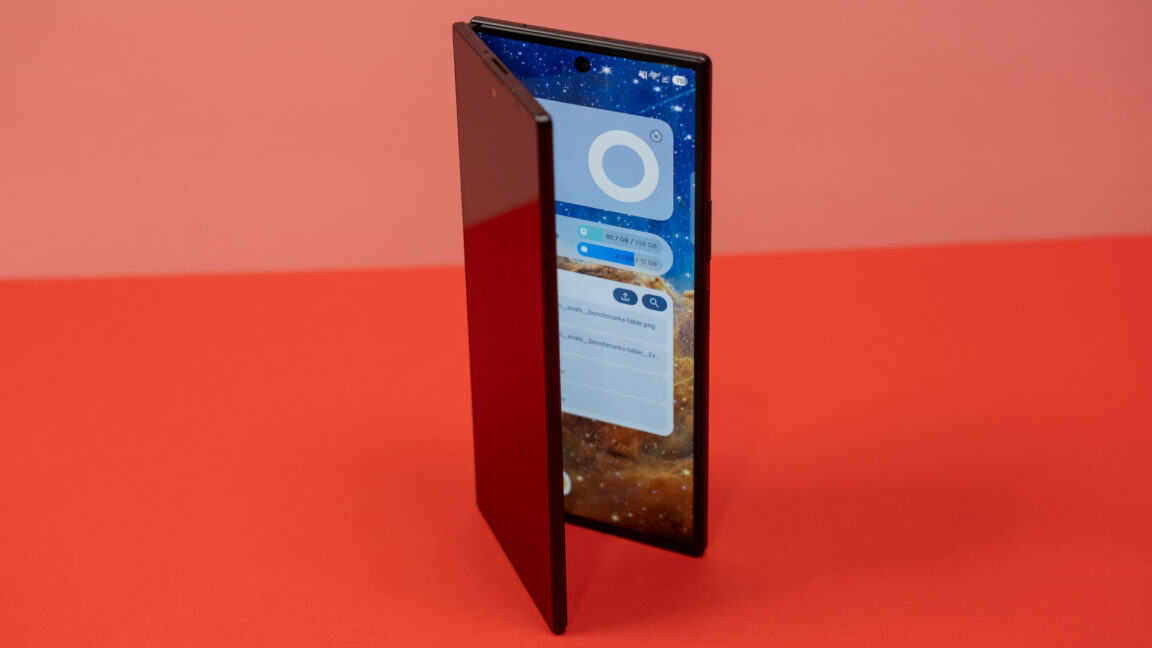
Samsung has largely defined the foldable phone category, but it's no longer alone in releasing flexible devices. Google, Motorola, and a raft of Chinese OEMs have their own take on this form factor. Is the new Galaxy Z Fold 8 Ultra really "ultra" enough to remain on top?
This phone doesn't have the wide frame of the new Z Fold 8, instead matching the approximate size and shape of the company’s last few tablet-style foldables. The Z Fold 8 Ultra is not a big leap, but it continues Samsung's pattern of iterative foldable improvements. At this point, there's very little left to improve. The compromises of going with a foldable over a regular flat phone have largely been erased with the Z Fold 8 Ultra. Well, except for the price.
Flatter and a little better
Foldables used to be real pocket-busters, almost like carrying two phones glued together. Samsung has successively shaved a few millimeters off every year, taking a leap last year with the Z Fold 7. The Z Fold 8 Ultra is even a bit slimmer than that phone, but the difference is basically imperceptible. It still has the same buttons in the same places, including a fingerprint sensor in the power button.
Uma pesquisa da Omdia revelou que donos de iPhones costumam gastar mais por aplicativos de microdramas (as novelas verticais) que donos de smartphones com Android — inclusive em países como o Brasil.
Por aqui, 48% dos usuários do iPhone pagam por esse tipo de conteúdo, contra 39% do Android. Na Alemanha, as porcentagens são de 49% contra 44%, enquanto na Coreia do Sul elas são de 59% contra 45%.
Nos Estados Unidos, a situação é um pouco mais equilibrada. Por lá, 69% dos usuários do iPhone disseram pagar por conteúdos, enquanto no Android o número caiu apenas um ponto percentual, mais especificamente para 68%.
O relatório também concluiu que usuários do iPhone gastam aproximadamente US$14 por semana nesses apps, enquanto no caso de donos de smartphones com Android o gasto é de cerca de US$10 por semana.
Divulgação/Omdia
A Omdia destaca que esse resultado vai de encontro a suposições que geralmente relacionam o consumo de novelas verticais a um público com menos poder aquisitivo, que geralmente é mais associado ao Android.
No entanto, é importante ressaltar que ela leva em consideração não apenas o consumo, e sim a compra de conteúdos — que costuma ser mais frequente no iOS em praticamente qualquer tipo de aplicativo.
Fomos procurar quais os smartphones com as melhores câmaras à venda em Portugal, dividindo-os em duas categorias, sem limite de preço e até 500 euros. Explicamos também quais os critérios que deve ter em contra na hora de escolher.
Serão realmente os smartphones topo de gama que oferecem o melhor valor-desempenho? Ou existem equipamentos a preços mais acessíveis que acabam por se destacar? O ranking da AnTuTu foca-se exatamente neste tema.
Apple continues work to get White House go-ahead to source memory from Chinese supplier CXMT, which the US government has placed restrictions on.
For Apple, the issue comes down to simple math. With the cost of making iPhones up 38% because of eye-watering memory price increases — up almost 7-fold since the beginning of 2025 — it makes sense to make pragmatic choices when it comes to sourcing supply, particularly when other computer companies (including HP and Acer) already obtain memory from CXMT.
US resistance to the plan is that because of the way Apple packages memory on chip, the use of that memory might partly contravene the technology transfer restrictions the US has in place. Note: use of off-the-shelf components is fine.
Apple has been lobbying to use memory from the supplier only on devices made and sold in China and would likely argue this is reasonable given that both HP and Acer already use CXMT memory in products sold outside the US.
Why it’s really about supply
The iPhone maker’s dilemma isn’t just about memory price, it’s also about ensuring it has enough component supply to satisfy demand for its products. This is plausibly a bigger challenge for the company, which is already warning of constrained supply because of lack of available memory. Samsung, Micron, and SK Hynix have allegedly already sold through all their DRAM production for 2027, which only sharpens Apple’s case to secure alternate sources.
With that in mind, it matters that China consumes around 20% of all Apple hardware sold globally. All the company needs is the go-ahead to use RAM from CXMT in those Chinese-made, China-sold devices.
That alone would effectively grow its usable memory supply by the same amount, because the non-restricted memory it currently has to use in Chinese-market products could be freed up for devices sold elsewhere, with CXMT covering the China-sold units instead.
With demand for its products accelerating —even amid a broad industry downturn — Apple really wants to make sure it has enough of the component to meet demand. Those powerful, on-premises 1.5TB RAM-equipped M7 Ultra Mac Studio AI clusters won’t exist unless it’s possible to find memory to put inside them.
The timeline challenge
The proposed arrangement with CXMT might not be a quick fix. Recent reporting indicated the company has already reached its production capacity for 2026, though it is working to double capacity by 2028. Apple has already tested memory chips from the company across products including iPhones and MacBooks.
While Apple this year has applied steep price increases across all its products (except for iPhones), it is now expected to increase the cost of the current iPhone 17 models perhaps as soon as this week.
Market reports already warn that Apple will raise prices on its soon-to-debut iPhone 18 Pro and iPhone Ultra devices next month, and we expect availability to be constrained, once again as a result of RAM shortages. Even if Apple gets the go-ahead to work with CXMT to close the gap, the positive impact of that arrangement is unlikely to kick in before next year.
Enjoy the pain
Elsewhere, big memory manufacturers, including SK Hynix, have announced plans to invest in new DRAM manufacturing capacity. But this will not be operational until 2029, at the earliest.
This suggests constrained product availability and higher prices for the coming months — and the only way Apple, or anyone else, will be able to limit the impact of those price increases across the entire electronics industry will be if they can obtain additional stocks of memory from vendors outside the big three. If they cannot, you can kiss the age of abundance goodbye.
A Caviar publicou algumas páginas com alegados detalhes internos sobre os futuros iPhone 18 Pro, iPhone 18 Pro Max e o dobrável iPhone Ultra, incluindo características técnicas detalhadas e a data de apresentação, que coincidem com uma boa parte dos rumores já conhecidos.
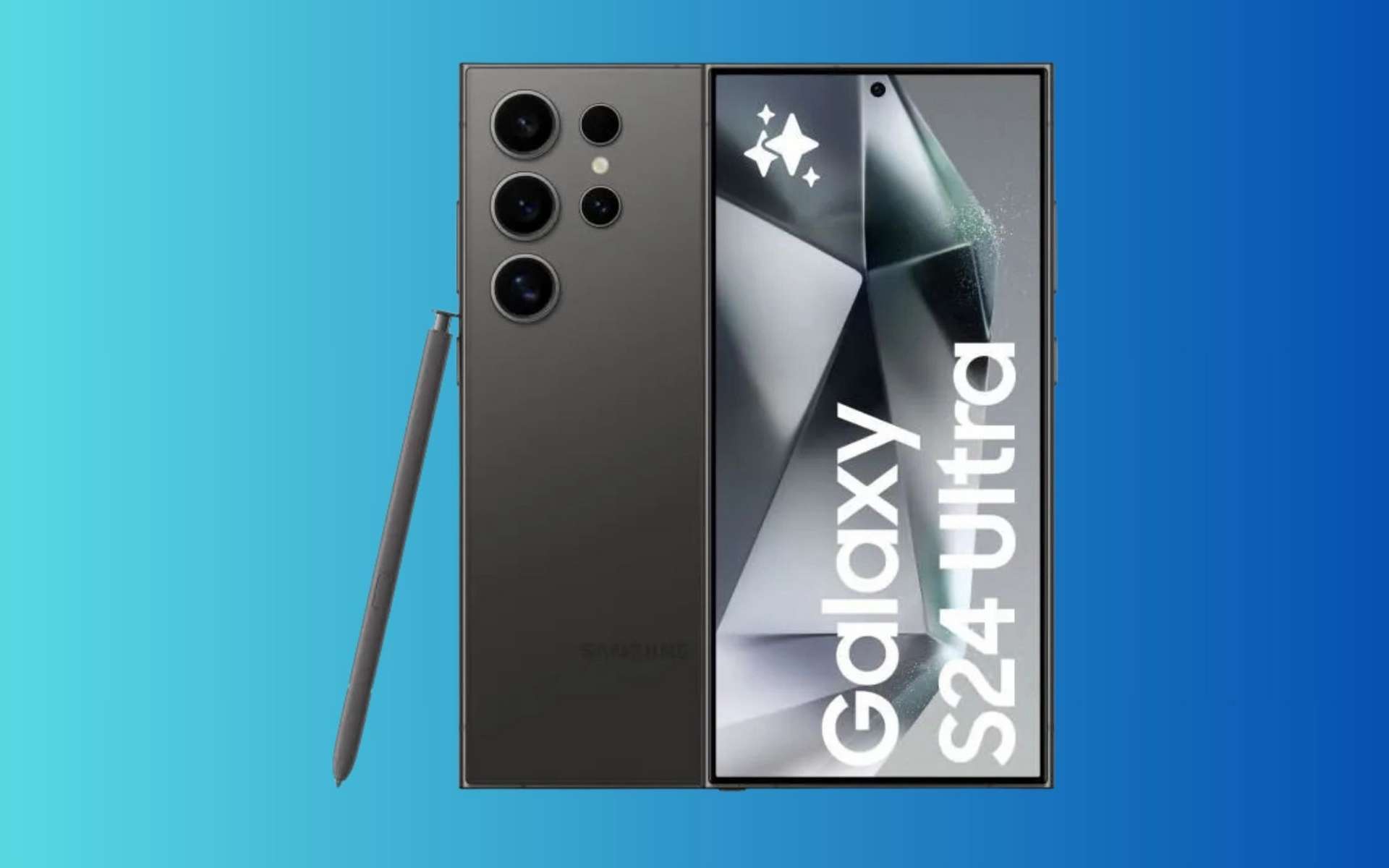
Le Samsung Galaxy S24 Ultra n'a rien perdu de son aura. Écran XXL, capteur photo de 200 Mpx, Galaxy AI et S Pen : un smartphone haut de gamme qui continue de faire tourner les têtes des amateurs de technologie.
Novel squat Android opens to an iPad-like screen for video or multitasking, with plenty of power and battery life
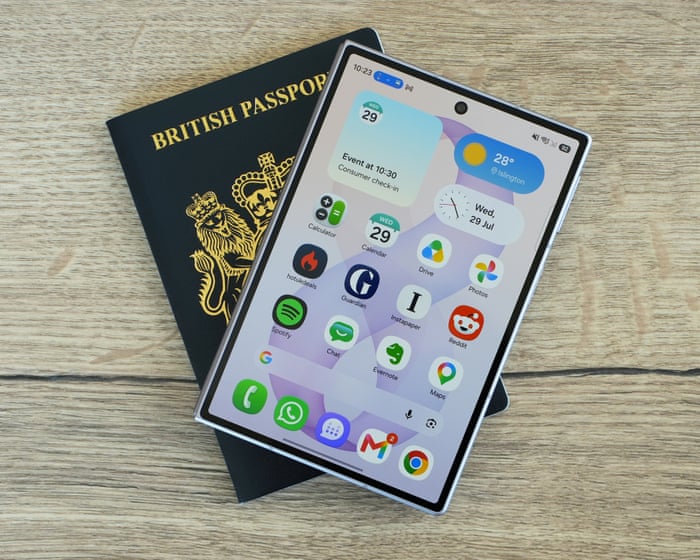
Samsung’s latest folding phone breaks the mould with a squat, passport-like shape reminiscent of the Blackberry, which opens up to become a tablet similar to an iPad mini. It is certainly a better shape for a tablet than other designs, but is a short and wide phone when closed a compromise too far?
The Galaxy Z Fold 8 is an entirely new variant in Samsung’s foldable family for this year launched alongside the Z Fold 8 Ultra with a more familiar candy bar shape. Both folders are extremely expensive, with the Fold 8 starting at £1,699 (€1,999/$1,899.99/A$2,699) and the Fold 8 Ultra at £1,899 (€2,199/$2,099.99/A$2,999), with RAMageddon driving up prices even at the top of the market.
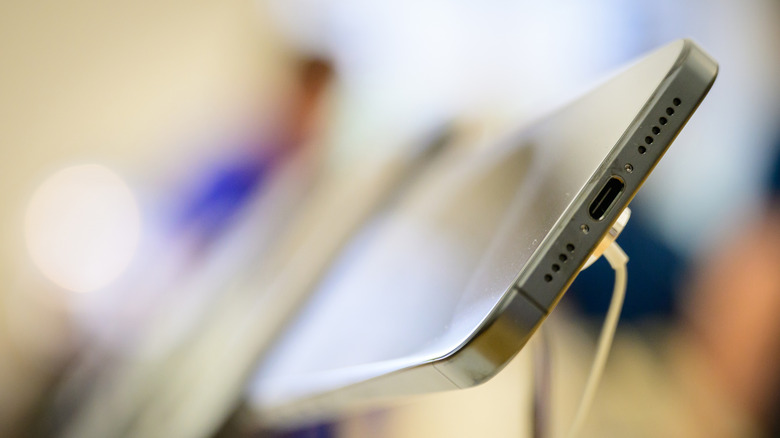
A USB-C port presents a lot of options for data transfer and connecting to accessories. Let's talk about some of the most useful ways to employ your USB-C port.
Apple dominated the premium smartphone segment in the first half of 2026, holding a commanding 65% market share, according to Counterpoint Research. The Cupertino company outpaced the broader industry as devices priced at $600 and above (wholesale average selling price) accounted for a record 29% of overall global smartphone sales.
Premium smartphone unit sales grew 5% year-over-year in H1 2026, outperforming the overall market. This marked a rise from 25% share in H1 2025 and 20% in H1 2022. Counterpoint attributed much of the latest jump to rising memory and component costs, which hit low- and mid-tier devices harder. As prices for mid-range Android phones climbed, the gap with premium models—including older or discounted flagships—narrowed, making higher-end upgrades more attractive. Manufacturers also expanded financing, trade-in, and buyback programs to improve affordability.
Apple’s premium segment shipments rose 9% year-over-year, fueled by strong demand for the iPhone 17 series, particularly the base model. This reversed a prior-year slowdown linked to intensified competition in China, the world’s largest premium smartphone market. Apple’s share edged up from 63% in H1 2025 but remains below the 74% peak recorded in H1 2022.
Global Smartphone Premium Segment Brand Unit Sales Share H1 2022 to H1 2026 Source: Counterpoint Research Global Handset Model Sales Tracker, Jun 2026 (Prelim). Premium Segment includes smartphones with a wholesale price of $600 and above.
Samsung held steady at 19% of the premium market (up from 17% in 2022) and posted 3% year-over-year growth despite a later-than-usual launch of the Galaxy S26 series. Together, Apple and Samsung controlled 84% of global premium smartphone sales, up from 82% a year earlier.
Among other players, OPPO recorded the fastest growth at 69% year-over-year, driven by its Find X9 series, while Vivo grew 20%. The remaining 16% of the premium segment was shared among Chinese brands including Huawei, Xiaomi, OPPO, and Vivo.
“Rising memory and component costs are reshaping smartphone pricing and creating opportunities for OEMs to accelerate premiumization,” said Counterpoint Senior Analyst Harshit Rastogi in a statement. “As mid-segment Android smartphone prices rise, the price gap with premium devices, especially older or discounted flagship models, is narrowing. This trend makes flagship smartphones a better upgrade option for consumers. To support this shift, OEMs are expanding financing, trade-in and buyback programs to improve affordability.”
MacDailyNews Take: The data underscores a continued shift toward higher-priced devices even as the broader smartphone market faces volume pressures. Premiumization is expected to persist, supported by better component access for leading brands, steady demand among higher-income consumers, and expanded financing options. In other words; More great news for Apple!
Please help support MacDailyNews — and enjoy subscriber-only articles, comments, chat, and more — by subscribing to our Substack: macdailynews.substack.com. Thank you!
Da Xiaomi à Realme, reunimos os smartphones com as maiores baterias à venda no mercado português, todos equipados com a tecnologia de silício-carbono que tem vindo a redefinir a autonomia da última geração de smartphones.
Sem grandes "trocas de cadeiras", o mais recente ranking da AnTuTu, dedicado aos smartphones Android mais poderosos de julho, continua a ser liderado pelo iQOO 15 Ultra, numa lista dominada por modelos equipados com o processador Snapdragon 8 Elite Gen 5.
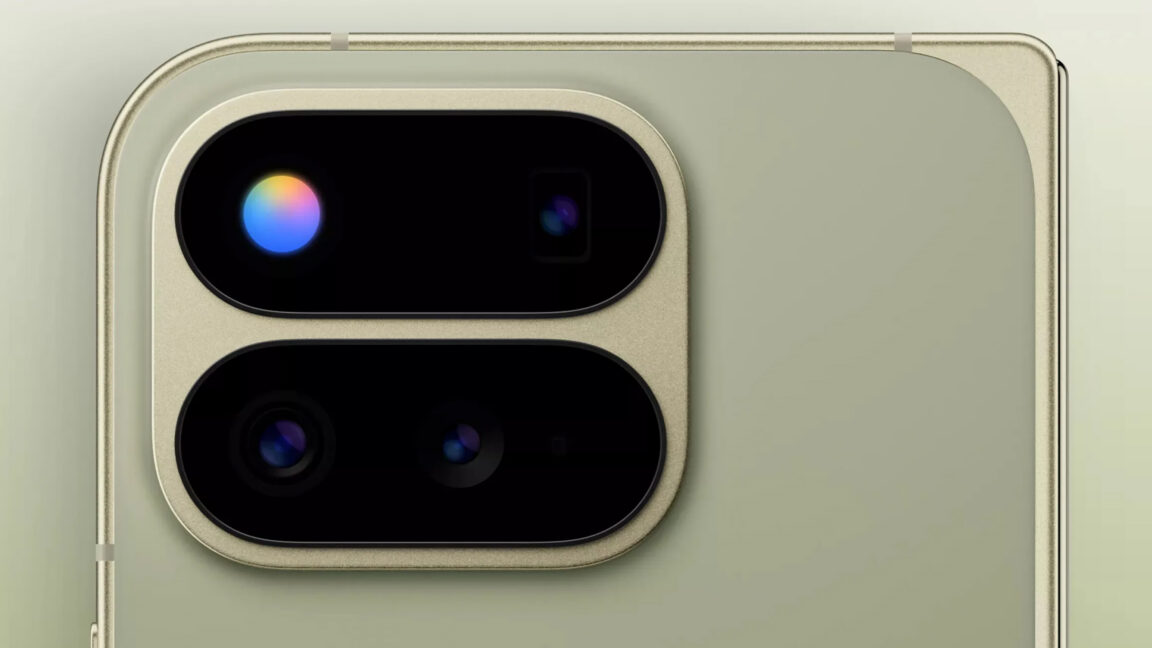
Google will reveal the Pixel 11 series later this month, but leaks and teasers so far have painted a picture of phones that have barely changed since last year. One notable exception seems to be the illuminated dot from some of the teasers. This has been rumored as "Pixel Glow," but a new leak all but confirms a different (and less interesting) name. Say hello to HiLight.
A post on Bluesky by WinFuture's Roland Quandt shows the new LED inside the camera module of the Pixel 11 Pro Fold. We can see the actual body of the device rather than a shadowy outline as in Google's teasers, and it does look a bit different than the previous Pixel Fold.
The camera bump on the Pixel 11 Pro Fold is smaller, with no separate section for the flash off to the right. It appears that HiLight is the flash. Presumably, it still works as a flashlight and camera flash, but it can also produce a range of colors.

 Login