❌

Reading view

Environmental News Roundup: Rare Duke of Burgundy Butterfly Population Soars 90-Fold in Kent Conservation Success

Environmental news and nature photography

Across the stories today, a common thread emerges: conservation is working, but the planet isn’t waiting for us to catch up. From Kent’s butterfly meadows to Cambodia’s tiger corridors, dedicated efforts are bringing species back from the brink β€” yet climate disasters are simultaneously accelerating faster than anyone predicted.

The Duke of Burgundy butterfly’s 90-fold population surge in Kent represents the kind of conservation victory that reminds us what’s possible with focused effort and patience. Similarly, Kyrgyzstan’s massive wildlife corridor for snow leopards and Cambodia’s ambitious tiger reintroduction program signal that countries are thinking beyond traditional protected areas toward landscape-scale solutions. These aren’t just feel-good stories β€” they’re blueprints for how targeted conservation can reverse seemingly impossible odds.

But the day’s coverage points to growing momentum around an uncomfortable truth: even our biggest successes are racing against accelerating climate impacts. In Indonesia, extreme rainfall killed 58 of the world’s rarest orangutans in just four days β€” a 7% population loss that no conservation program can quickly replace. Meanwhile, Antarctica recorded winter temperatures above 15Β°C, shattering records and leaving scientists describing conditions as β€œvery strange.”

Behind the numbers are real communities adapting in real time. Indonesian fishers are turning to mangrove restoration and crab farming as traditional catches dwindle. Coffee farmers worldwide are rediscovering forgotten species as familiar varieties fail under changing conditions. In the Cotswolds, citizen scientists are filling gaps left by overstretched agencies, uncovering β€œworrying” pollution levels in rivers that official monitoring might have missed.

The tension between protection and development threads through multiple stories today. Property developers argue that new environmental regulations will drive up housing costs, while environmental groups fight to prevent SpaceX from acquiring wildlife refuge land in Texas. In Ethiopia, successful conservation efforts are preserving nature but may be undermining local food security β€” a reminder that progress and pressure often arrive together.

Perhaps most revealing is how different institutions are responding to crisis. While the U.S. weakens marine protections domestically, it’s actively policing illegal fishing internationally. Kenya becomes the first African nation to receive UN climate disaster compensation, while proposed federal budget cuts threaten to eliminate Great Lakes monitoring programs. China’s Belt and Road Initiative generates massive emissions through steel-heavy construction, even as solar power surpasses coal in the U.S. for the first time in history.

The enforcement stories offer a different kind of hope. South Africa sentenced two pangolin traffickers to eight years in prison β€” a serious consequence in a field often marked by weak penalties. Durham’s chemical company faces state lawsuits for decades of toxic contamination, while an 80-year-old Texas shrimper traveled 8,000 miles to Taiwan to confront a petrochemical giant at their shareholder meeting.

What emerges is a picture of environmental action happening at every scale β€” from butterfly meadows to international courts β€” but also of systems under unprecedented stress. As extreme weather kills endangered species faster than breeding programs can replace them, and as climate displacement intensifies while immigration laws offer no protection, the question isn’t whether we can solve individual problems. It’s whether we can solve them fast enough, and at the scale the planet now demands.

The post Environmental News Roundup: Rare Duke of Burgundy Butterfly Population Soars 90-Fold in Kent Conservation Success first appeared on EnviroLink Network.


  •  

Immigration Restrictions Target Nations Most Vulnerable to Climate Displacement

Immigration Restrictions Target Nations Most Vulnerable to Climate Displacement

New analysis reveals a troubling overlap between countries facing U.S. immigration restrictions and those most severely impacted by climate-related disasters. Of 39 nations currently subject to entry limitations, the majority are experiencing severe environmental vulnerabilities that force residents to flee their homes.

This pattern emerges as climate-driven displacement reaches unprecedented levels worldwide. Intensifying storms, devastating floods, and prolonged droughts are pushing millions of people from their ancestral lands, creating a growing population of climate migrants seeking safety and stability elsewhere. These environmental refugees often come from regions least equipped to handle the mounting pressures of a changing climate.

The timing presents a stark contradiction in policy approaches. While restrictions tighten on immigration from climate-vulnerable nations, policies simultaneously promote increased fossil fuel productionβ€”the primary driver of the climate crisis that creates displacement in the first place. This creates a feedback loop where the very activities contributing to climate displacement are expanding, while pathways to safety for those affected are narrowing.

The affected countries typically lack the infrastructure and resources needed to adapt to rapidly changing environmental conditions. Small island nations facing sea-level rise, drought-stricken regions experiencing crop failures, and flood-prone areas with inadequate drainage systems all contribute to the growing tide of climate migration. As extreme weather events become more frequent and severe, the number of people seeking refuge from environmental disasters is expected to increase dramatically in coming decades.

The post Immigration Restrictions Target Nations Most Vulnerable to Climate Displacement first appeared on EnviroLink Network.

  •  

My Book β€œThe Physics of Creation” Now on Sale on Creation Today

My book, "The Physics of Creation: The Creator’s Ultimate Design for Earth," is now available for download at CreationToday.org for under $5. The book offers a unique perspective on the universe, linking physical laws to an intelligent Creator, and explores how scientific principles align with the biblical creation narrative.

  •  

Dead Sloths at Florida Wildlife Facility Reveal Trade Dangers While Iowa Farmers Break Ranks on Water Regulations β€” Today’s Environmental Briefing for Mon, Jun 8 2026

Deceased sloth being examined by veterinary pathologist in laboratory setting

**

Across the stories today, a common thread emerges: the gap between environmental promises and practice is forcing communities to take matters into their own hands, even as powerful interests dig in their heels.

The day’s coverage points to growing momentum around local action filling spaces where larger systems have failed. In Iowa, farmer James Hepp is breaking ranks with agricultural tradition, calling for mandatory water quality standards after voluntary programs fell short on his 1,600 acres. Meanwhile, in Ghana, marine biologist Issah Seidu has convinced fishing communities to trade endangered guitarfish for giant snail farmingβ€”creating economic opportunity that doesn’t depend on depleting the ocean.

These grassroots shifts are happening against a backdrop of institutional retreat. The aviation industry quietly admitted its 2050 net-zero pledges will likely miss the mark, just five years after making them. Democratic politicians are avoiding climate messaging despite electoral benefits, a phenomenon researchers call β€œclimate hushing.” And the Trump administration invoked wartime powers to pour $700 million into coal revival, framing fossil fuels as national security.

Yet nature itself is sending mixed signals that complicate neat narratives about environmental decline. UK waters are experiencing an unprecedented octopus population boom that’s reshaping marine ecosystems from England to Scotland. Tuna populations are showing remarkable recovery through strict international fishing regulations. But for every success story, there’s a reminder of fragility: critically endangered Chinese pangolins discovered thriving in Nepal’s community forests, or 119 sailors’ graves from 1801 now threatened by Norfolk’s rising seas.

It’s a reminder that progress and pressure often arrive together. The same regulatory changes that created UK electric vehicle loopholes will pump an extra 17 million tonnes of carbon into the atmosphere by 2030. North Carolina legislators are simultaneously curbing data centers’ massive electricity consumption while boosting fossil fuel incentivesβ€”an environmental paradox wrapped in a single bill.

Behind the numbers are real communities adapting in real time. Over 600 Thai residents just completed a 42-mile β€œpeace walk” demanding government action on heavy metal river pollution. In the Dominican Republic, 65-year-old Leoncia Ramos wants to leave the home she’s known her entire life, fleeing gold mine pollution while Canada’s corporate watchdog office sits empty. Long Island residents in Brookhaven are discovering that decades of landfill contamination now threatens their groundwater.

These stories reveal something crucial about this environmental moment: when institutions fail or retreat, communities don’t wait. They organize marches, develop alternative livelihoods, break with traditional alliances, and demand accountability. Whether it’s Michigan’s farm training program addressing agricultural crisis through hands-on education, or Malawi’s Elephant Marsh feeding thousands while facing conservation pressures, local knowledge and local action are filling critical gaps.

The tension between extraction and protection remains fierceβ€”Shell operated leaking Nigeria pipelines for years despite knowing the risks to mangrove forests, while Colorado opens 156,000 acres of critical wildlife habitat to oil drilling. But today’s coverage also suggests that the most durable environmental progress might be happening at smaller scales, in communities that can’t afford to wait for global agreements or corporate promises.

As the week unfolds, all eyes will be on whether these grassroots innovations can scale up fast enough to match the challenges revealed in today’s headlines.

The post Dead Sloths at Florida Wildlife Facility Reveal Trade Dangers While Iowa Farmers Break Ranks on Water Regulations β€” Today’s Environmental Briefing for Mon, Jun 8 2026 first appeared on EnviroLink Network.

  •  

UK Electric Vehicle Loopholes Add 17 Million Tonnes CO2 While Coastal Erosion Threatens 200-Year-Old Sailors’ Grave β€” Today’s Environmental Briefing for Sun, Jun 7 2026

Electric vehicles charging at station with emissions visualization showing carbon dioxide impact

Across the stories today, a common thread emerges: the growing tension between ambitious climate goals and the messy realities of making change happen on the ground. From Colorado’s largest-ever oil lease sale to federal subsidies flowing toward aging coal plants, the gap between environmental necessity and economic momentum has rarely felt more stark.

The day’s coverage points to growing momentum around innovation, but also the persistent pull of established systems. While virtual power plants gain traction in Massachusetts and Minnesota as states seek clean energy solutions, the federal government simultaneously allocated $700 million to support the struggling coal industry through the Defense Production Act. It’s a reminder that progress and pressure often arrive together, creating policy landscapes that can feel contradictory but reflect the complex economics of energy transition.

Perhaps most telling are the stories of communities caught between these larger forces. In Colorado’s northwestern wilderness, the Bureau of Land Management is opening 156,000 acres of critical wildlife habitat β€” including migration corridors for the nation’s largest elk herd β€” to oil and gas drilling. Meanwhile, in the Dominican Republic, 450 families near the Pueblo Viejo gold mine are demanding relocation from what they describe as dangerous pollution, while Canada’s corporate watchdog office remains unstaffed and unable to respond.

These human-scale impacts reveal how environmental challenges increasingly operate across borders and timescales. The Middle East conflict now threatens global food security through fertilizer trade disruptions, while mangrove forests β€” nature’s carbon guardians for tens of millions of years β€” face existential pressure from rising seas happening faster than these resilient ecosystems can adapt.

Behind the numbers are real communities adapting in real time. In Nepal’s fertile southern plains, farmer Dhruba Prasai stands guard over his crops every night as wildlife emerges from nearby forests, highlighting the complex relationship between conservation success and agricultural livelihoods. In Norfolk, authorities must consider exhuming a 200-year-old mass grave of sailors as coastal erosion β€” accelerated by climate change β€” threatens this historic site.

Yet today’s stories also showcase remarkable resilience and ingenuity. A Kent village transformed itself into a living solar system model to inspire environmental awareness. The stunning turquoise dwarf gecko has rebounded from near-extinction thanks to trade bans and conservation efforts. Amazon communities are pioneering new models for sustainable resource management while protecting some of the world’s last intact forests.

The juxtaposition feels particularly acute in water policy, where federal officials prepare to impose Colorado River management plans if seven states can’t reach agreement, while a Labour politician calls for public ownership of Thames Water amid ongoing environmental concerns. These parallel struggles β€” one over scarcity, another over stewardship β€” underscore how water governance has become a defining issue for both climate adaptation and democratic accountability.

As the week unfolds, all eyes will be on whether the Biden administration’s mixed signals on energy policy β€” supporting both clean innovation and fossil fuel infrastructure β€” represent a pragmatic transition strategy or a failure to fully commit to climate goals. The stories emerging from frontline communities, from Nepal’s fields to Colorado’s wilderness, suggest that the window for managed, equitable change continues to narrow, making each policy choice increasingly consequential for both people and planet.

The post UK Electric Vehicle Loopholes Add 17 Million Tonnes CO2 While Coastal Erosion Threatens 200-Year-Old Sailors’ Grave β€” Today’s Environmental Briefing for Sun, Jun 7 2026 first appeared on EnviroLink Network.

  •  

Mangrove Forests Face Existential Threat as Rising Seas Challenge Nature’s Carbon Guardians

Mangrove Forests Face Existential Threat as Rising Seas Challenge Nature’s Carbon Guardians

For tens of millions of years, mangrove forests have stood as nature’s ultimate survivors, thriving where land meets sea in some of Earth’s harshest conditions. These remarkable trees have mastered the art of living in saltwater, creating vast coastal ecosystems that serve as powerful weapons against climate change by storing enormous amounts of carbon in their roots, trunks, and surrounding soil.

Beyond their role as carbon storage champions, mangroves form living shields that protect millions of people from storm surges and coastal flooding. Their intricate root systems act as natural breakwaters, absorbing wave energy and preventing erosion that could devastate coastal communities. These forests also support incredible biodiversity, serving as nurseries for countless fish species and providing habitat for birds, reptiles, and marine life.

However, new research reveals a troubling paradox: while mangroves are among our most effective natural allies in fighting climate change, they may not be able to withstand the very problem they help solve. Rising sea levels driven by global warming threaten to push even these resilient ecosystems beyond their survival threshold. The modeling study suggests that the rate of sea level rise may soon outpace the mangroves’ ability to adapt, potentially triggering a devastating feedback loop where the loss of these forests releases stored carbon back into the atmosphere.

This threat represents more than just the loss of treesβ€”it signals the potential collapse of a critical natural infrastructure that protects both climate stability and human communities worldwide.

The post Mangrove Forests Face Existential Threat as Rising Seas Challenge Nature’s Carbon Guardians first appeared on EnviroLink Network.

  •  

World Population from Creation to the Flood to the Present and Beyond

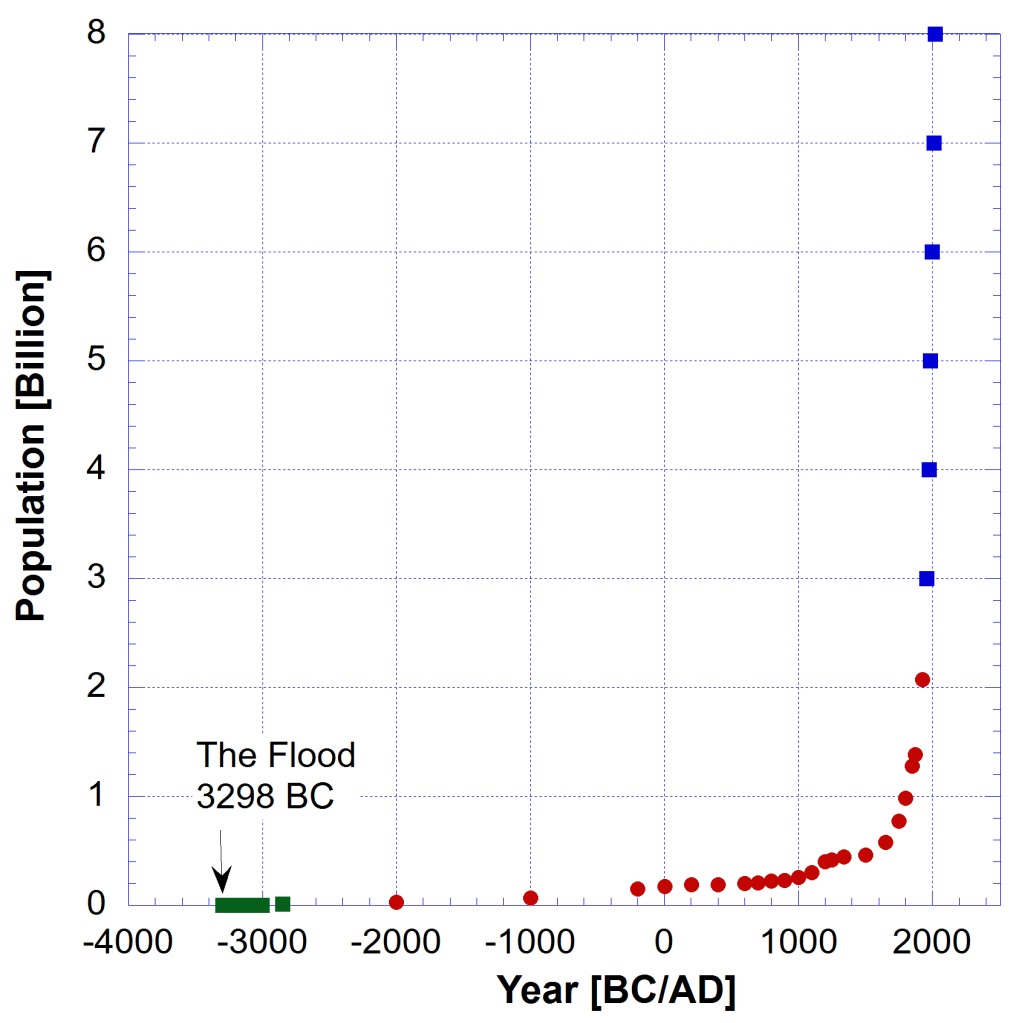
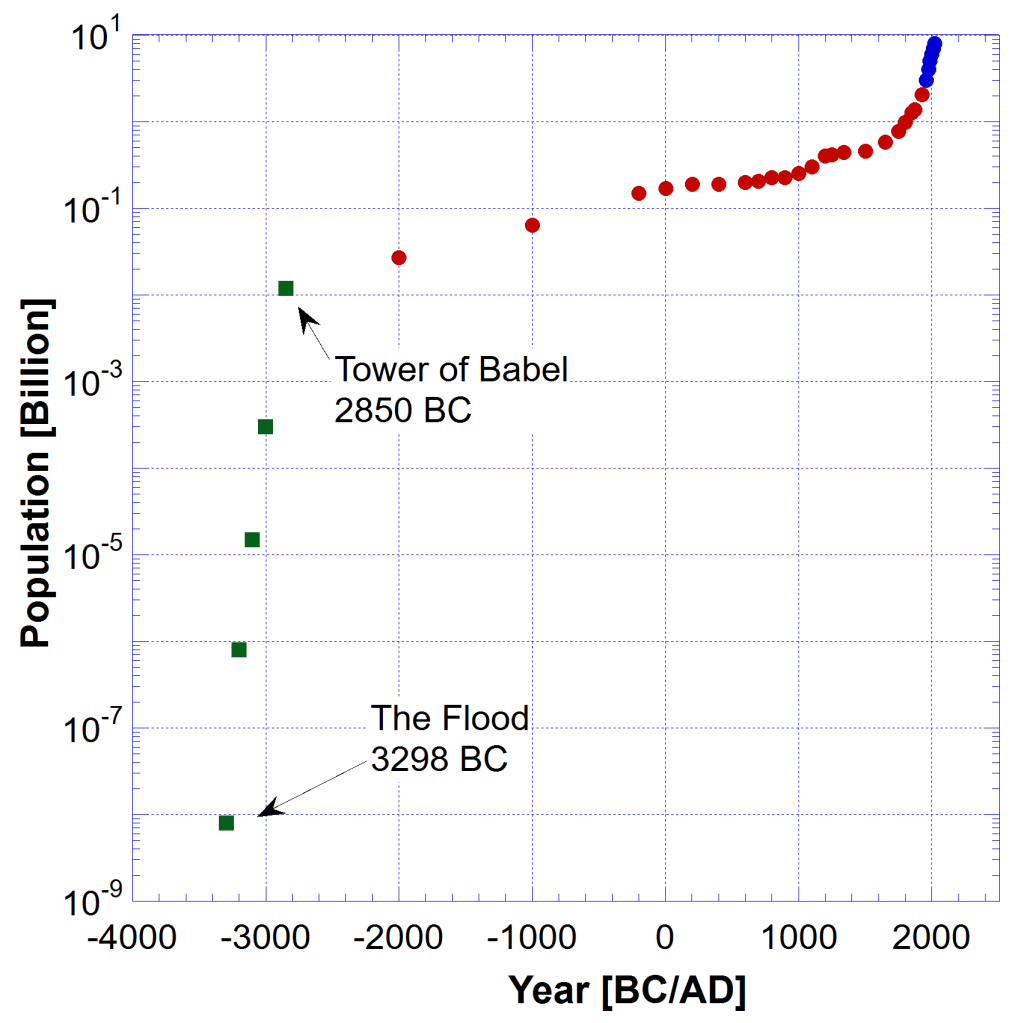
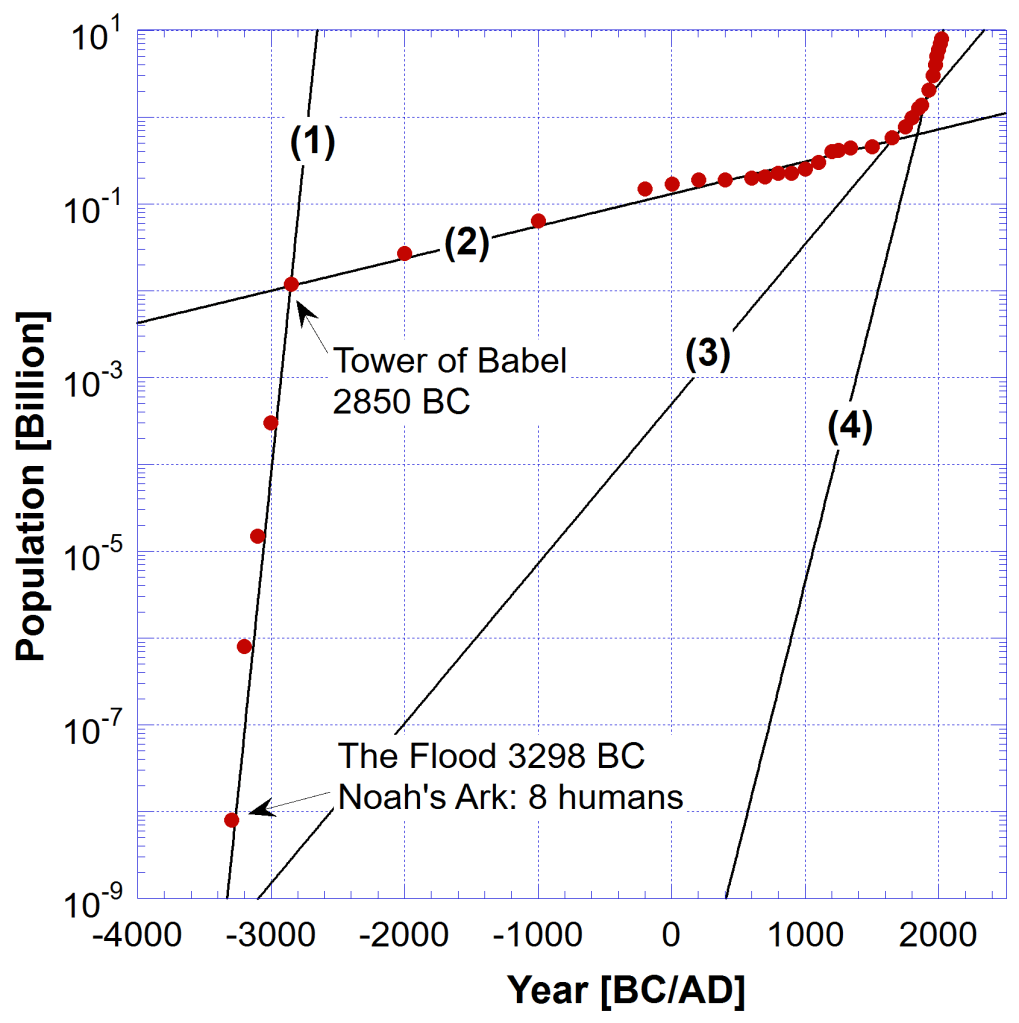
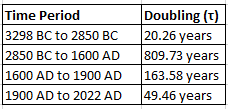
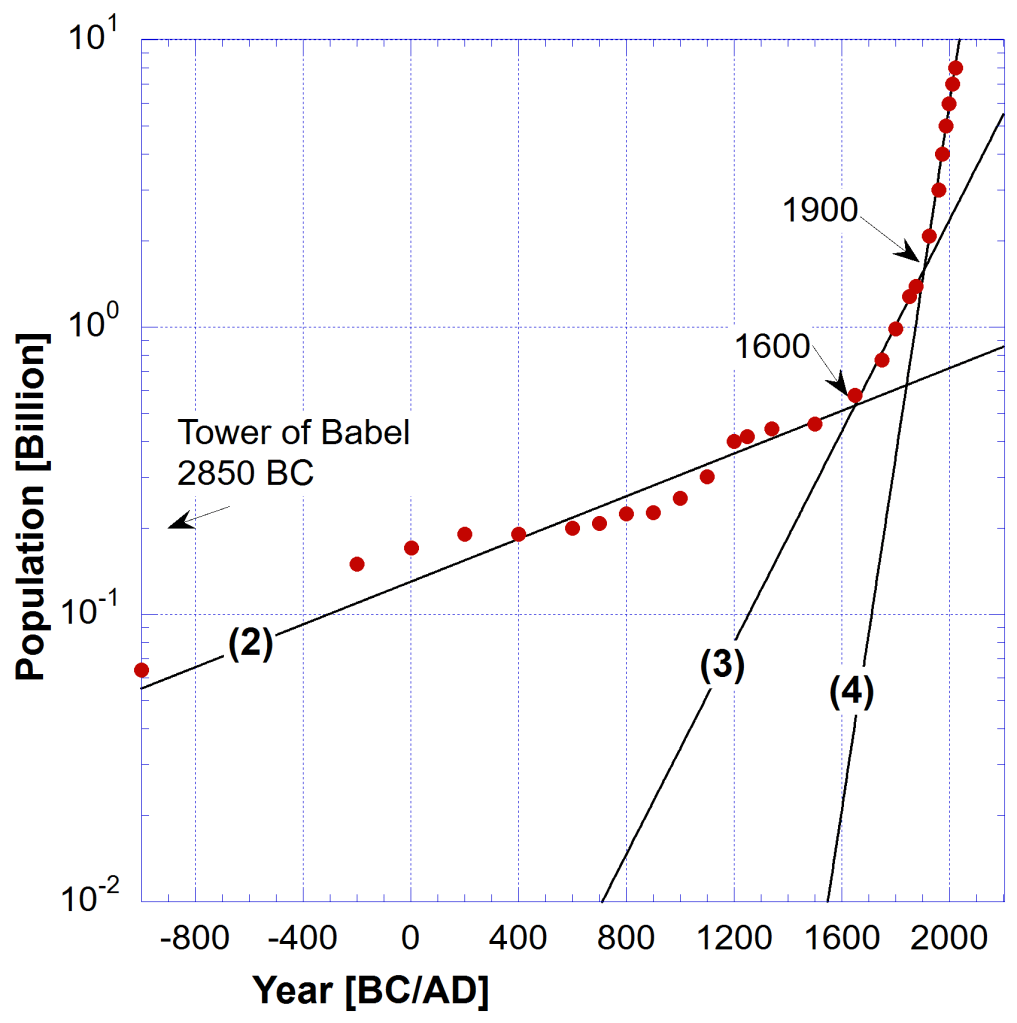
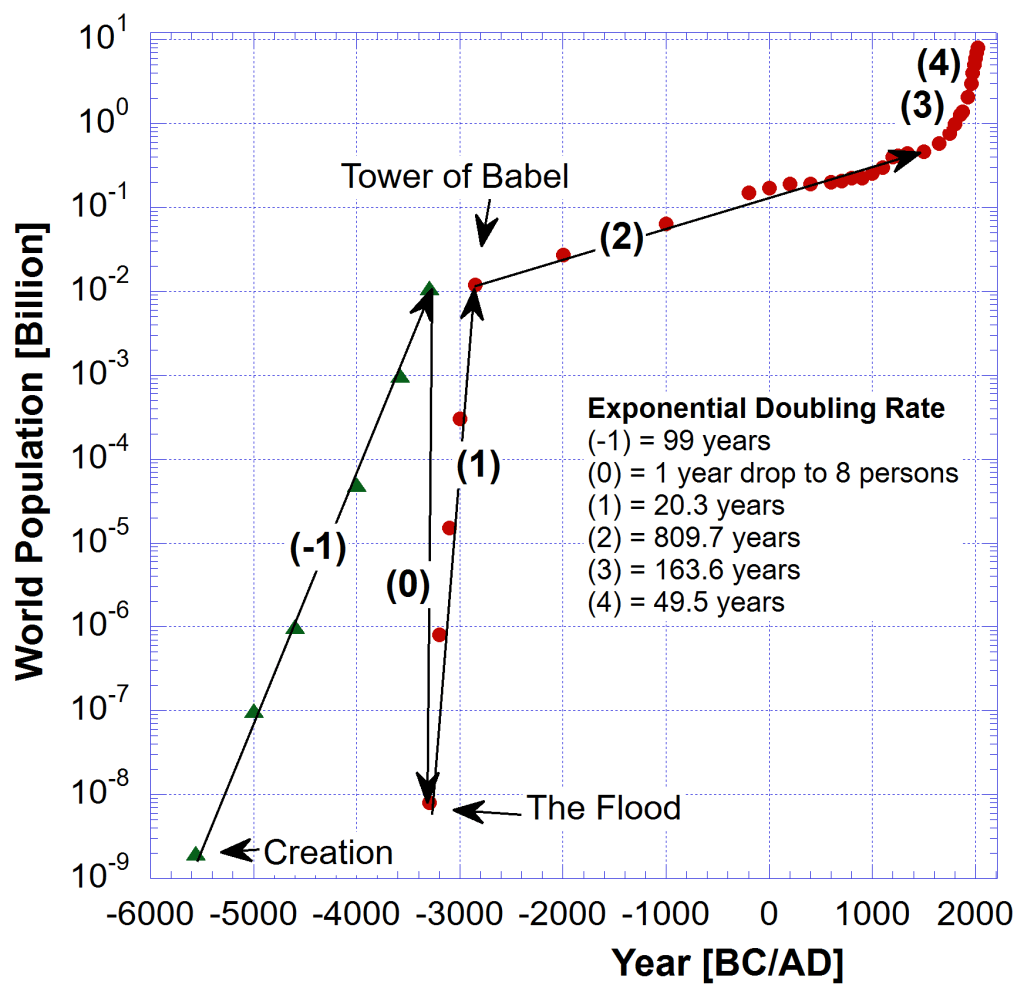
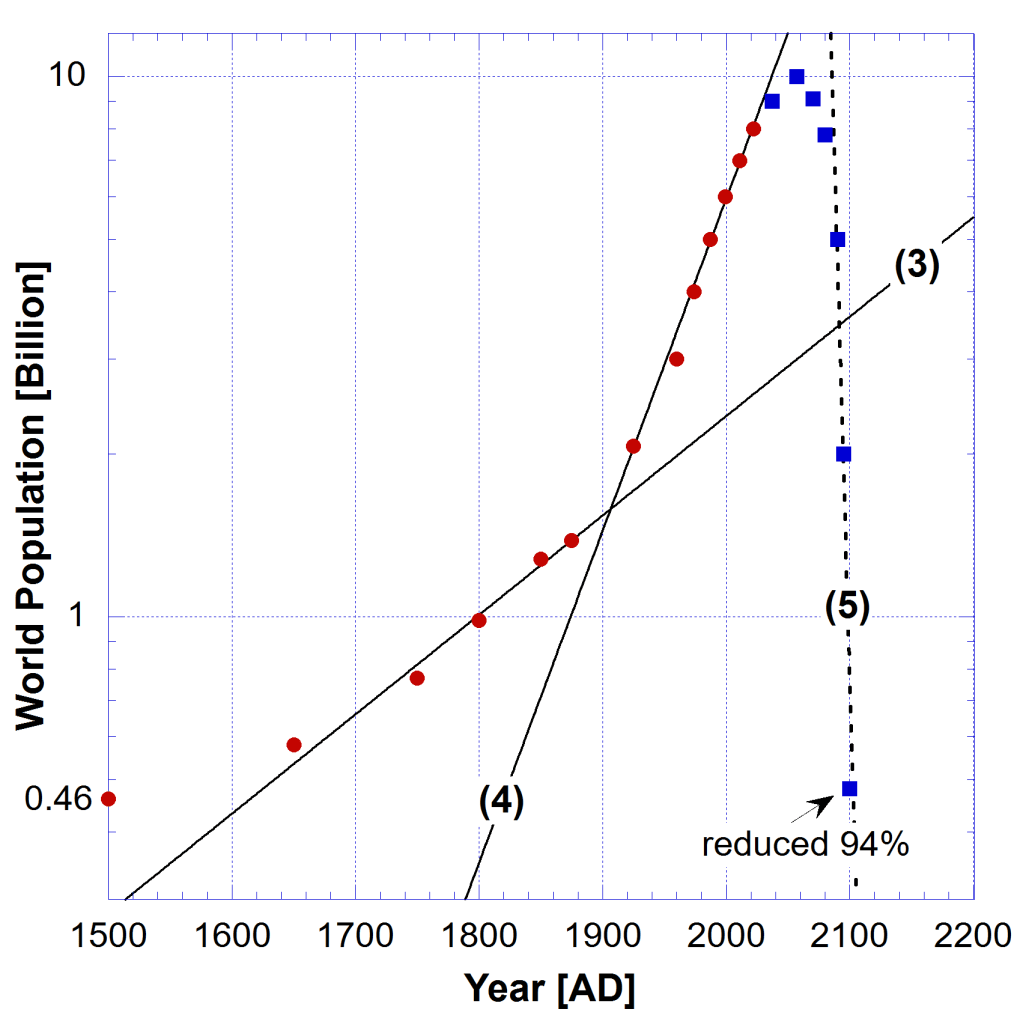
An historical investigation of global population growth, from Creation to the present, using secular and biblical texts. Significant changes in growth rates occurred after the global Flood, the Tower of Babel and pivotal developments from 1600 onward. A future population collapse may be seen again as resulting from God's judgments on the wicked.

  •  

Understanding the Age of the Earth from a Young Earth Perspective

Young Earth Creation means the Earth is less than 10,000 years old. The biblical genealogies and historical records support this belief. I now advocate for the Septuagint's chronology as more reliable than the Masoretic Text, which has been corrupted. It follows then that the age of the Earth is about 7,580 years.

  •  

Ancient Human Longevity and Its Rapid Decline

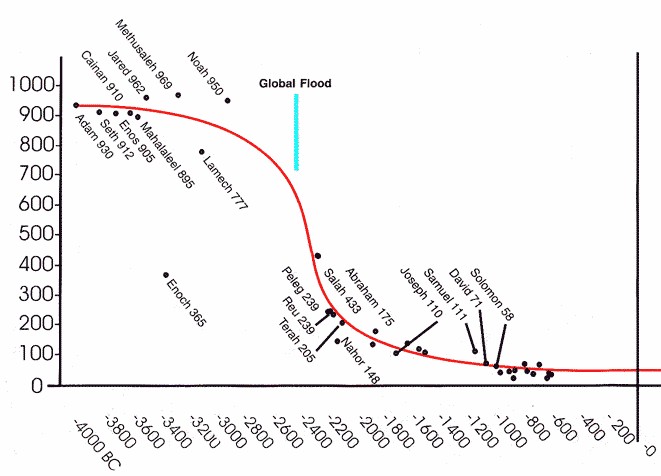
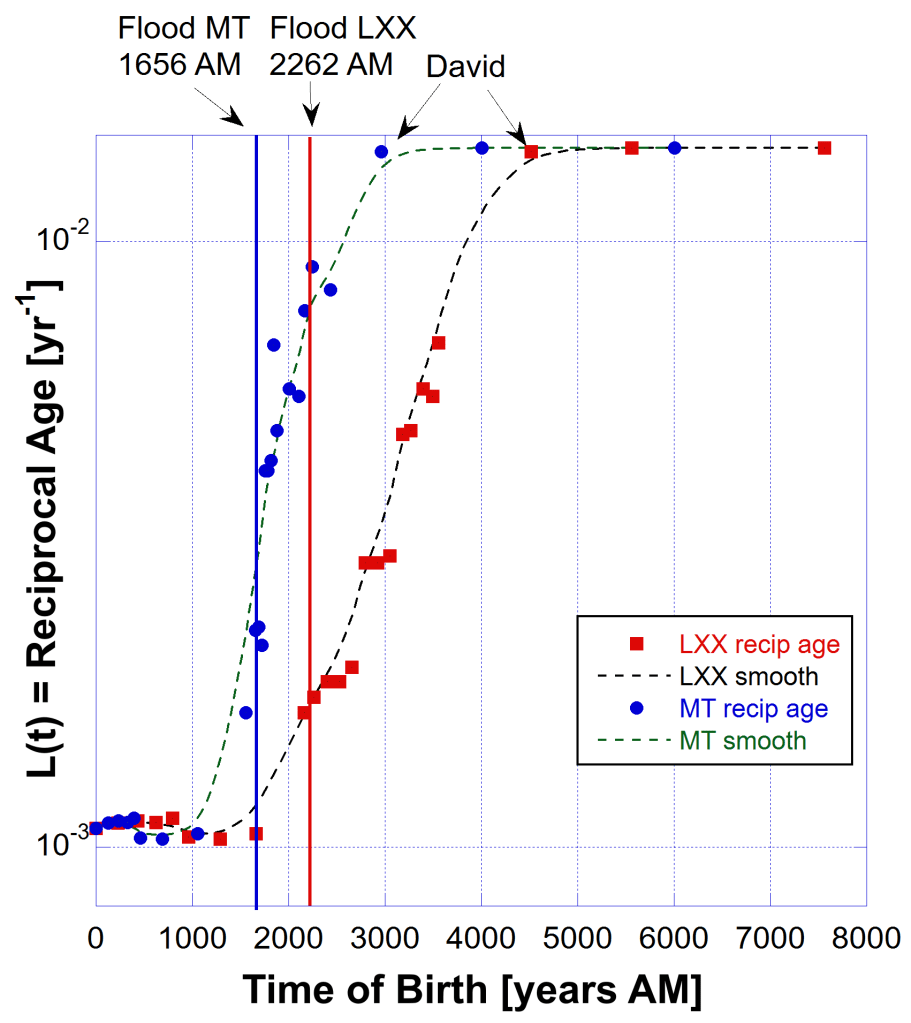
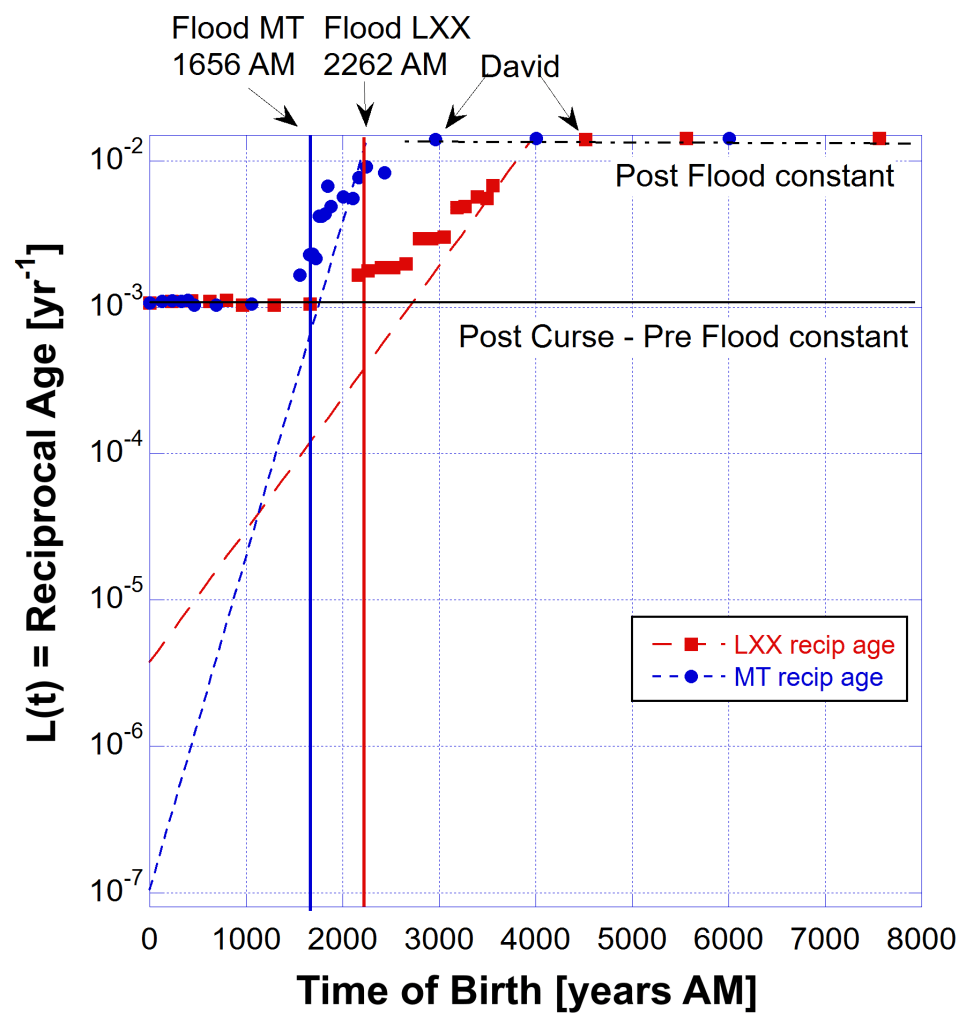
I model the decrease in human lifespans after the Flood due to a combination of factors beginning at the Curse, including divine sustainment, loss of physiological resilience and changes in Earth's environment. Current research indicates a hard limit on human lifespan due to physiological resilience limitations.

  •  

What Happened After the Flood? Why Did Lifespans Decrease Rapidly?

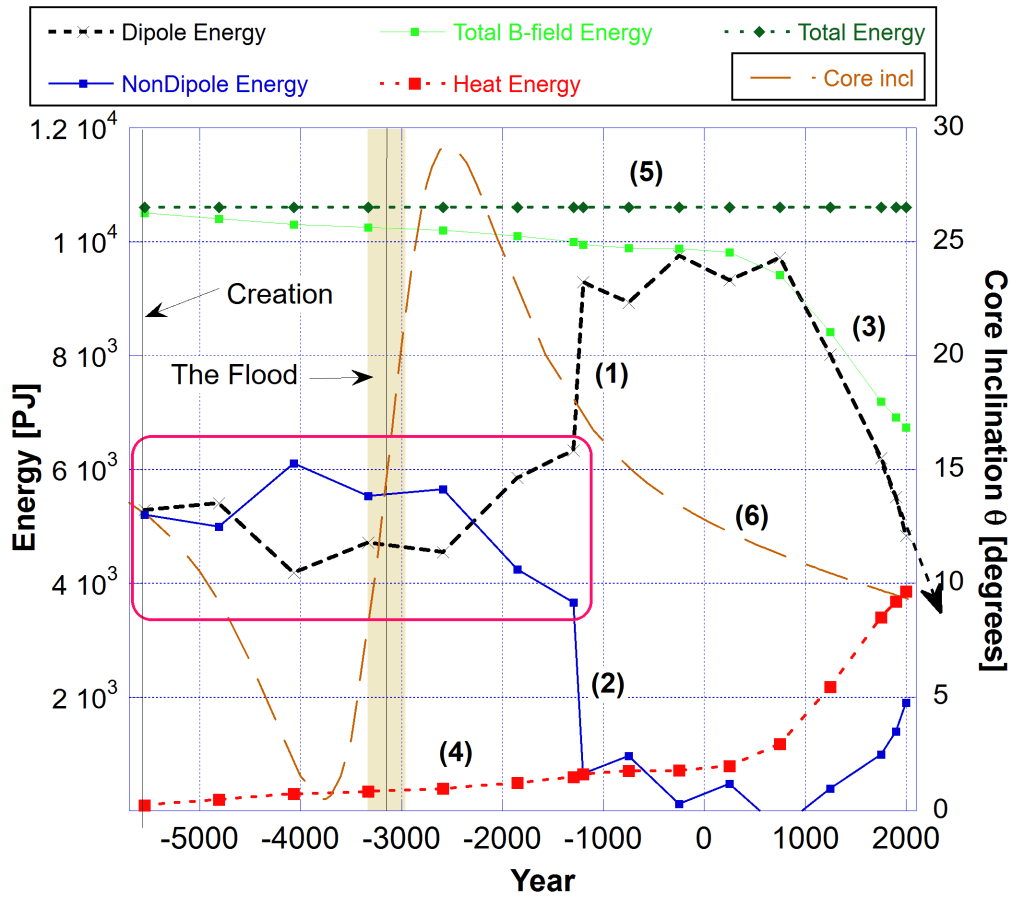
In this presentation I discuss the drastic reduction in human lifespans after the global flood, from 910-970 years to about 70 years. I link these changes to factors such as biological decay, genetic entropy, Earth’s altered magnetic field and loss of physiological resilience. Eternal lifespans can only be restored through Jesus Christ.

  •  

Early Christmas Present | The First Chapters of My Book β€œThe Physics of Creation” Free to All

As an early 2025 Christmas present, I have now made the first 9 chapters of my book The Physics of Creation free to everyone. You don't need a Premium subscription to read them.

  •  

Human Lifespans | What Can the Ages of the Patriarchs Tells Us?

An examination of the ages of patriarchs from the Masoretic Text (MT) and Septuagint Text (LXX), highlights a significant decrease in human lifespans post-Flood. A correlation between Earth's axial tilt changes and lifespan variations forecasts that, without medical advancements, human lifespans will continue declining.

  •  

Beyond Death | Taxation and an Absolute Limit to Human Lifespan

According to Benjamin Franklin two things are inevitable: death and taxes. Research shows that human lifespan has a natural limitation, due to the decline of physiological resilience. Contrast the desire of the evil elites to overcome death using barbaric practices with the immortality offered by Jesus Christ.

  •  

Some Secular Astronomers Now Believe That Earth Once Had a Ring

A recent study suggested that the Earth once had an equatorial ring. The physical evidence is consistent with my biblical creation model, wherein I suggested the Earth initially had an equatorial ring of icy material. The presence of impact craters supports my model, positing that gravitational instability caused material to collapse onto the planet.

  •  

Oscillations in the Change of Earth’s Obliquity

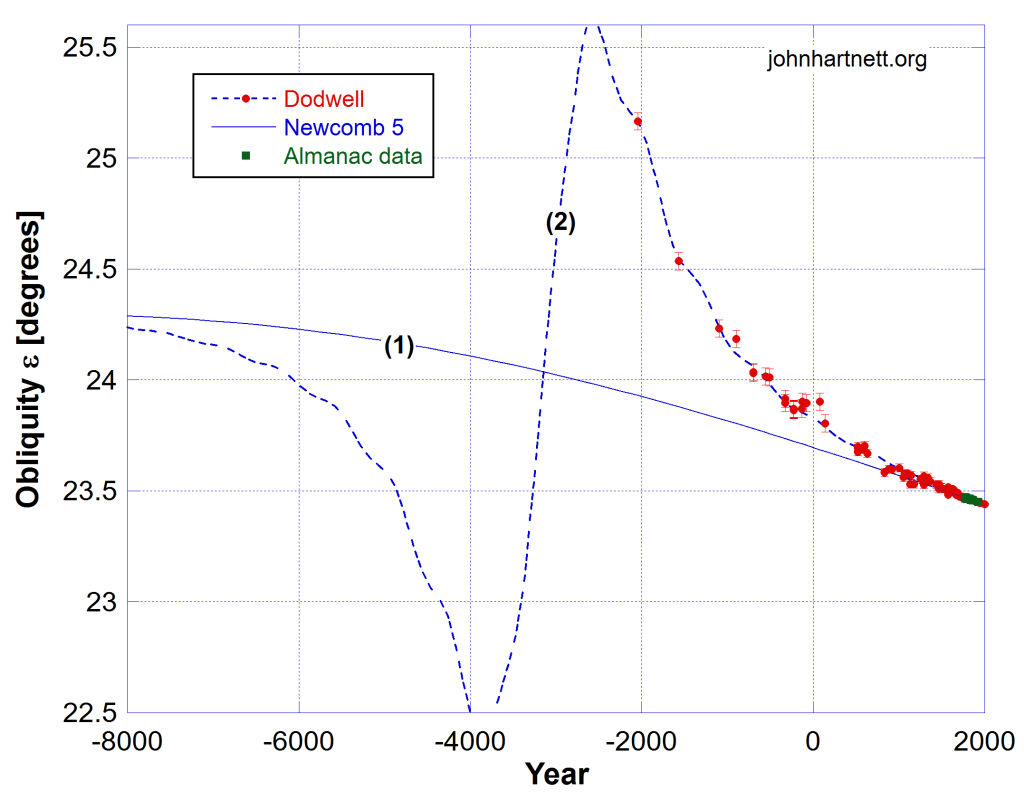
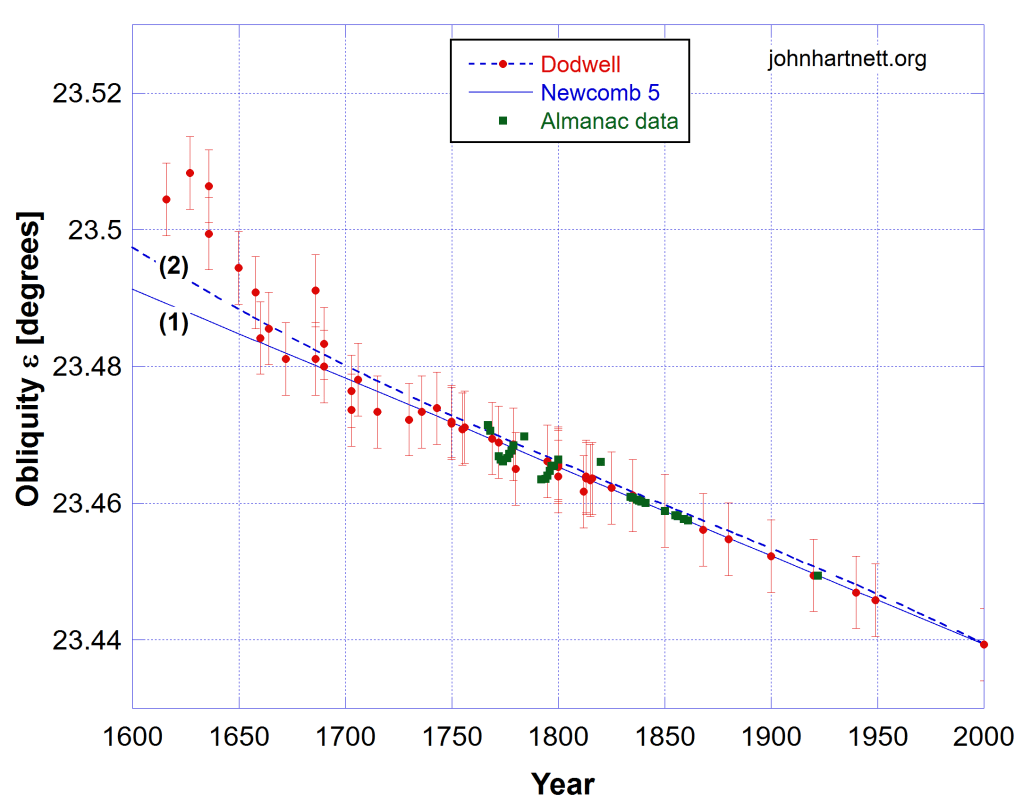
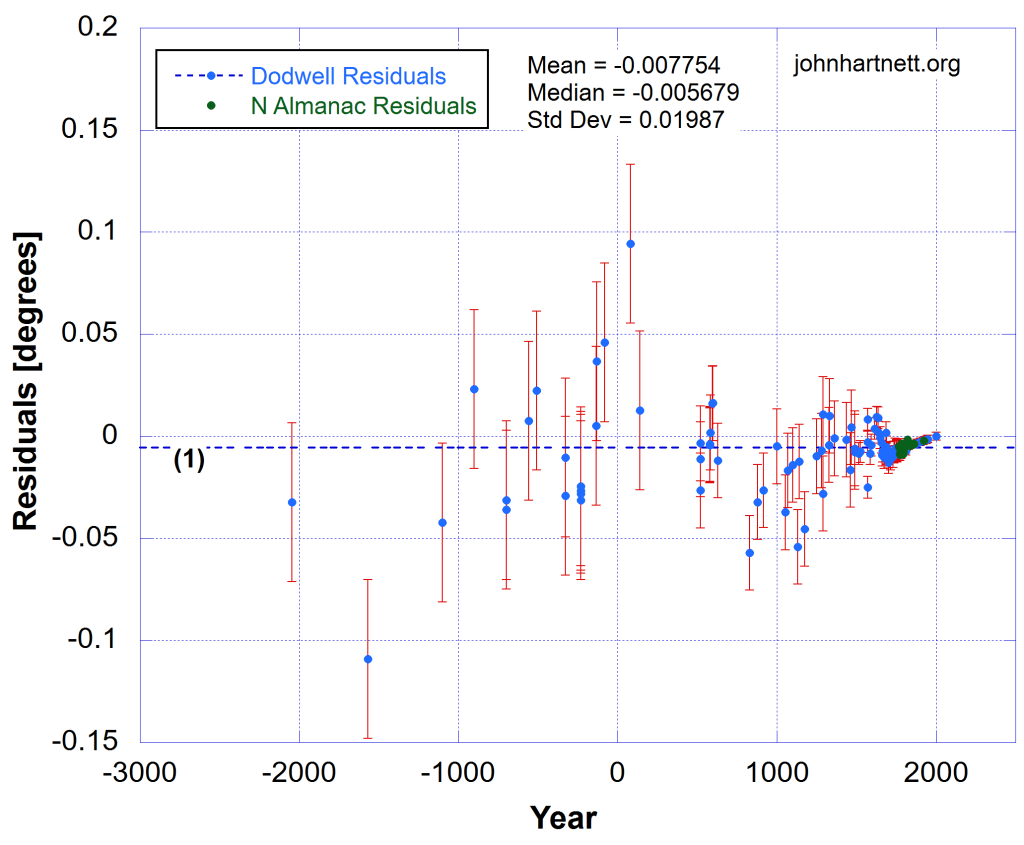
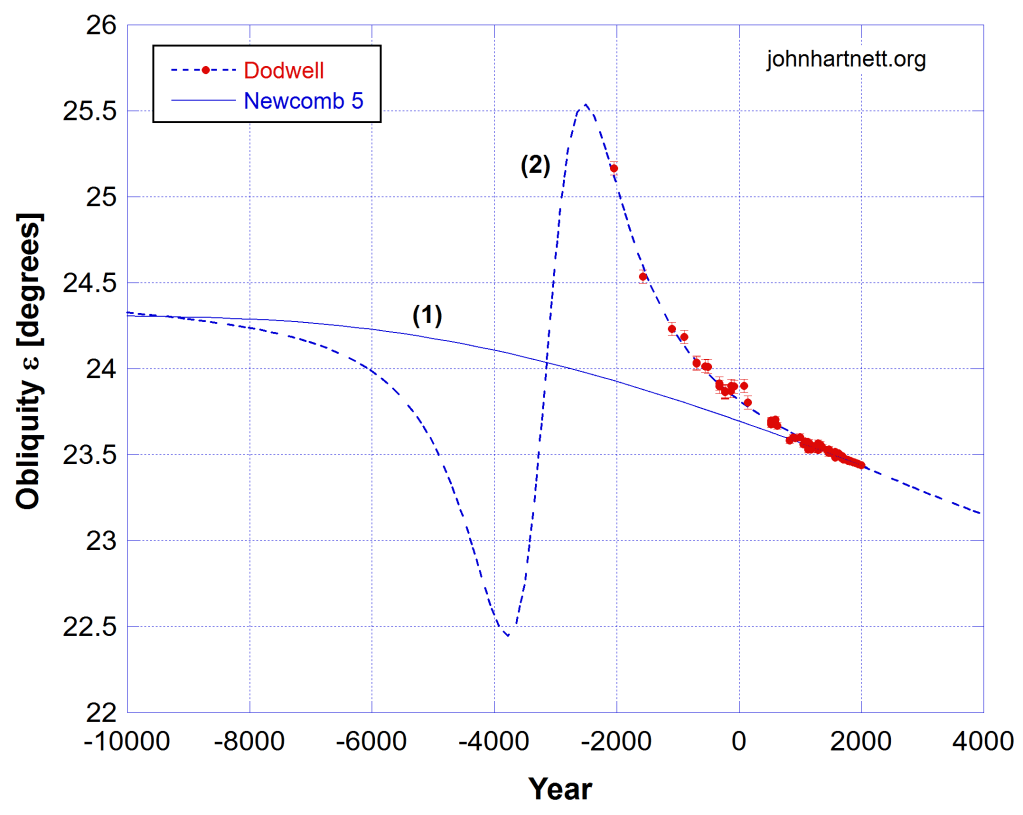
Here I explore a modified biblical model for the Earth's axial obliquity with the great deluge occurring around 3154 Β± 191 BC. A sinusoidal oscillation is proposed to account for small deviations in the model. 30 additional Nautical Almanac data are also added.

  •  

The Amazing Science of Young Earth Creation

Two Part Seminar: Part 1 discusses Young Earth Creation, Earth's magnetic field, and related phenomena. Part 2 presents a new creation model addressing changes in Earth's axial tilt and magnetic field, including a dating of Noah's Flood.

  •  

Evidence of Creation | Mechanism Causing Perturbation in Obliquity of Planet Earth

I propose a toy model where the Earth's anomalous obliquity changes stemmed from a process initiated by God post-creation, rather than from rapid events like the great deluge.

  •  

Major Changes in Earth’s Magnetic Dipole Since Creation

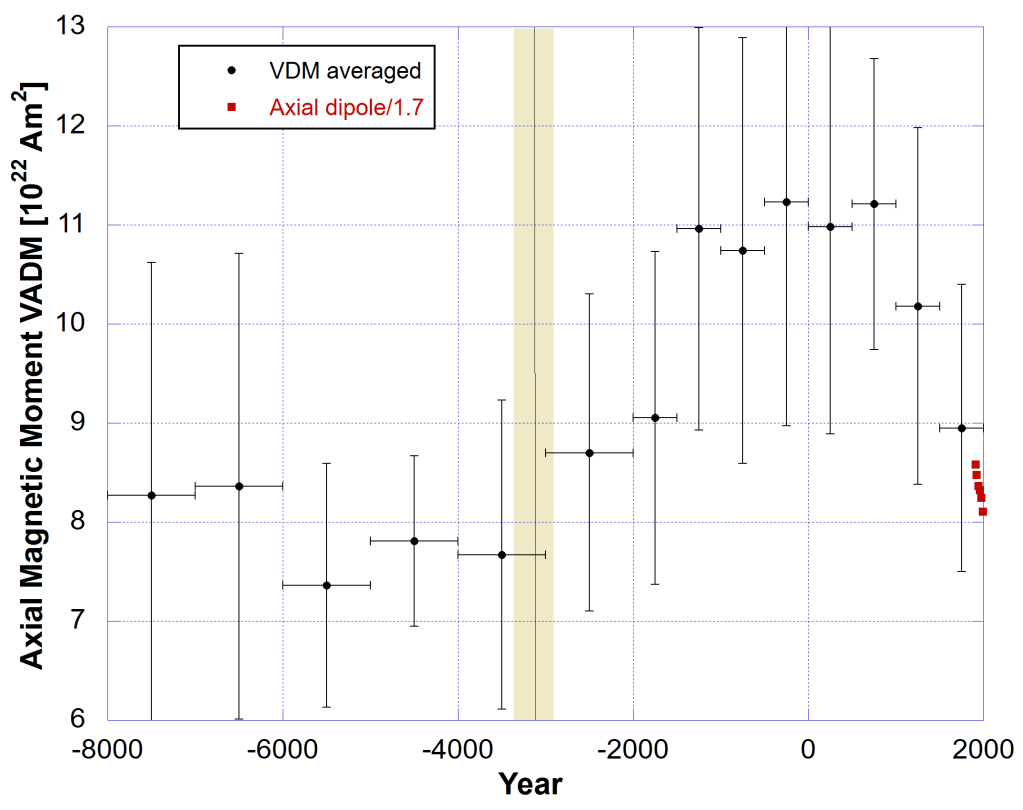
The Barnes-Humphreys model explains Earth’s geomagnetic dipole field arises from currents in the liquid outer core, experiencing decay over 200 years. Despite evolutionist arguments for regeneration, evidence shows decreasing magnetic energy, with a recent half-life of approximately 1,400 years, suggesting a young Earth, consistent with YEC views.

  •  

Online Young Earth Creation Seminar May 2025

Join the two-part online YouTube seminar on Biblical Creation by Standing For Truth Ministries in May, featuring Dr. John Hartnett. Discover evidence supporting Young Earth Creation and engage with key challenges.

  •  
❌