❌

Reading view

Vaping vs. Smoking: Which Is Cheaper in 2026?

If you are trying to reduce your nicotine spending in 2026, one question naturally comes up: is vaping cheaper than smoking cigarettes?

For most adult smokers who switch completely to vaping, the answer is still yes. However, the size of the saving depends on how much you smoke, what type of vape you use, how frequently you replace pods or coils, and where you buy your products.

In the UK, the cost gap is also being influenced by changes to tobacco taxation and the introduction of the Vaping Products Duty (VPD) from October 2026. Even with the new vape tax, vaping is expected to remain less expensive than smoking for many users.

Vaping vs. Smoking: The Quick Answer

For a regular smoker, vaping can cost substantially less than buying cigarettes every day.

The NHS says that, once the initial vape kit has been purchased, vaping has been estimated to cost about one-third as much as smoking.

The exact saving will vary, though. A refillable pod system with e-liquid can have a very different running cost from frequently buying premium disposable or prefilled products.

Here’s a simplified comparison:

Cost factor Smoking Vaping
Initial equipment None Vape device required
Main consumable Cigarettes E-liquid/pods
Replacement parts None Coils/pods may be required
Daily cost Generally higher Generally lower
Long-term cost High Usually lower
UK tax pressure in 2026 Very high Increasing
Potential savings — Significant for many smokers

Why Smoking Is So Expensive in 2026

The biggest reason cigarettes are expensive is taxation.

UK cigarette prices include tobacco duty and VAT. The government increased tobacco duty in November 2025, and another increase is scheduled for 1 October 2026. From that date, the cigarette duty rate will rise to £394.09 per 1,000 cigarettes plus 16.5% of the retail price, subject to the minimum excise duty of £518.75 per 1,000 cigarettes.

For someone smoking every day, these costs add up quickly.

Example: A Pack-a-Day Smoker

Imagine an adult smoker buying one 20-cigarette pack every day.

At a hypothetical retail price of £15 per pack, the spending would be:

  • £15 per day
  • £105 per week
  • £450 per 30 days
  • £5,475 per year

This is only an example because cigarette prices vary by brand and retailer. If the price of a pack rises, the annual cost rises accordingly.

The important point is that smoking creates a recurring expense that is difficult to reduce without cutting consumption.

Why Vaping Can Be Cheaper

Vaping separates the cost of the device from the cost of the consumable.

A reusable pod system or vape kit may require an upfront purchase, but the device can then be used repeatedly. The ongoing expenses generally involve:

  • E-liquid
  • Replacement pods
  • Replacement coils
  • Occasionally a replacement battery or device

This can make the running cost considerably lower than buying a new packet of cigarettes every day.

The NHS specifically states that vaping costs much less than smoking and estimates that, after purchasing a kit, vaping can cost around one-third as much as smoking.

The Cheapest Vaping Setup in 2026

If your primary goal is reducing ongoing costs, a reusable refillable vape is generally worth considering rather than treating vaping as a series of disposable purchases.

A typical cost-conscious setup might include:

  1. A reusable pod kit
  2. A bottle of e-liquid
  3. Replacement pods or coils
  4. A charger if required

Once the device has been purchased, you only need to replace the consumables.

This is particularly important because the UK has already prohibited the sale or supply of disposable vapes. The NHS notes that disposable vapes can no longer legally be sold or supplied in the UK, while reusable and refillable products remain available.

What About the New Vaping Tax?

One of the biggest changes affecting the vaping-versus-smoking calculation in 2026 is the UK’s new Vaping Products Duty.

From 1 October 2026, the duty on vaping liquid will be £2.20 per 10ml. HMRC’s guidance confirms that the duty is calculated according to the volume of vaping product.

For example:

  • 10ml of e-liquid → £2.20 duty
  • 20ml → £4.40 duty
  • 30ml → £6.60 duty
  • 50ml → £11.00 duty
  • 100ml → £22.00 duty

This tax is incorporated into the supply chain and can ultimately affect the retail price paid by consumers.

The government has also increased tobacco duty at the same time. It announced a £2.20 increase per 100 cigarettes alongside the introduction of the £2.20-per-10ml vaping duty, with the stated aim of preserving the price difference between vaping and tobacco.

So while vaping is becoming more expensive, cigarettes are also facing substantial tax increases.

Refillable Vapes vs. Disposable Vapes

When comparing vaping costs, it is important not to treat every vape product as equally economical.

Refillable Pod Systems

Refillable pod systems can be one of the more economical approaches because you purchase e-liquid separately and reuse the device.

Their costs include:

  • Initial device
  • E-liquid
  • Pods or coils
  • Occasional replacement device

For someone who vapes regularly, spreading the cost of the hardware over many months can reduce the effective daily cost.

Prefilled Pods

Prefilled pod systems are convenient because there is less maintenance and no need to manually fill a tank.

However, convenience can come with a higher cost per unit of nicotine or e-liquid compared with buying larger quantities of refillable e-liquid.

Disposable Vapes

Disposable vapes were once popular partly because of their simplicity, but they are no longer a legal retail option in the UK. The NHS confirms that disposable vapes cannot legally be sold or supplied.

For UK consumers in 2026, therefore, cost comparisons should focus mainly on reusable and refillable vaping products.

A Simple Annual Cost Comparison

Let’s use an illustrative example rather than claiming a universal retail price.

Suppose a smoker spends £15 per day on cigarettes:

£15 × 365 = £5,475 per year

Now suppose a hypothetical vaping setup costs £5 per day on average, including e-liquid, pods/coils and the annualised cost of the device:

£5 × 365 = £1,825 per year

That would represent a potential saving of:

£5,475 − £1,825 = £3,650 per year

The numbers are illustrative rather than a prediction of what every vaper will spend. Your actual cost could be considerably higher or lower depending on consumption and product choice.

The NHS’s estimate that vaping can cost around one-third as much as smoking provides useful context for why these savings can be substantial.

What Can Make Vaping More Expensive?

Vaping is not automatically cheap.

Your spending can increase if you:

  • Buy premium devices frequently
  • Use high quantities of e-liquid
  • Replace pods or coils unnecessarily often
  • Buy expensive prefilled products
  • Keep multiple devices
  • Upgrade hardware frequently
  • Vape continuously throughout the day

Someone who regularly buys new devices and premium products may spend much more than someone using a basic refillable pod system.

In other words, your vaping style matters almost as much as the product itself.

What Can Make Smoking Even More Expensive?

Smoking costs can also rise beyond the price of cigarettes.

A smoker may spend additional money on:

  • Lighters
  • Cigarette cases
  • Tobacco accessories
  • Travel-related purchases
  • Convenience-store premiums
  • Tobacco price increases

More importantly, smoking is a daily expense. Even a relatively small increase in the price of a packet can translate into hundreds of pounds of additional spending over a year.

With further tobacco duty increases scheduled for October 2026, this pressure is unlikely to disappear.

Is Vaping Worth It Just to Save Money?

For an existing adult smoker, switching completely from cigarettes to vaping may reduce nicotine-related spending while also reducing exposure to many toxic substances found in cigarette smoke.

The NHS states that vaping is not risk-free, but that nicotine vaping is less harmful than smoking and exposes users to a smaller fraction of the risks associated with smoking.

However, the financial calculation should not be interpreted as a recommendation for non-smokers to start vaping.

If you do not smoke, starting vaping simply to save money does not make financial or health sense. The NHS advises that non-smokers should not vape.

For smokers considering switching, the greatest financial benefit comes from switching completely rather than maintaining both habits.

Dual Use Can Destroy the Savings

One of the biggest mistakes in a vaping-versus-smoking comparison is assuming that someone will completely replace cigarettes with vaping.

For example, if you continue smoking half a pack of cigarettes per day while also vaping, you are paying for two nicotine products.

That can result in:

Cigarette spending + vaping spending = higher total nicotine spending

A complete switch can therefore be much more economical than simply adding vaping to an existing smoking habit.

The NHS also notes that smokers only get the full benefits of switching when they stop smoking completely.

Vaping vs. Smoking: Which Is Cheaper in 2026?

For most adult smokers, vaping remains the cheaper option in 2026, particularly when using a reusable refillable device and buying e-liquid efficiently.

The cost advantage is being narrowed somewhat by the introduction of Vaping Products Duty from October 2026, but tobacco products are also facing higher taxation. The UK government’s policy continues to maintain a price differential between vaping and tobacco.

The Bottom Line

If you’re comparing the two purely on running costs:

Smoking: High and continually rising cost, largely driven by tobacco duty.

Vaping: Lower potential running cost, but affected by device, e-liquid and replacement-pod expenses.

Refillable vaping: Usually the most cost-conscious vaping approach.

Disposable vapes: No longer legally sold or supplied in the UK.

Dual use: Can eliminate much of the potential financial saving.

For a regular smoker, switching completely to a reusable vaping system can potentially save hundreds or even thousands of pounds per year, depending on previous cigarette consumption and vaping habits.

However, cost is only one part of the decision. Vaping is not harmless, and non-smokers should not start vaping. For smokers who want to quit, both financial considerations and health considerations should be taken into account.

Frequently Asked Questions

Is vaping cheaper than smoking in 2026?

Generally, yes. The NHS estimates that vaping can cost about one-third as much as smoking once the initial vape kit has been purchased.

Will vaping become more expensive in October 2026?

Yes. The UK is introducing Vaping Products Duty at £2.20 per 10ml of vaping liquid from 1 October 2026.

Are cigarettes getting more expensive in 2026?

Yes. UK tobacco duty is scheduled to increase again on 1 October 2026, including higher cigarette duty and a higher minimum excise duty.

Are disposable vapes legal in the UK in 2026?

No. The NHS states that disposable vapes cannot legally be sold or supplied in the UK. Reusable and refillable products remain available.

Is vaping completely safe?

No. Vaping is not risk-free. However, NHS guidance says nicotine vaping is less harmful than smoking cigarettes.

What is the cheapest way to vape?

For an adult smoker who chooses to switch, a reusable refillable pod system can generally provide a lower ongoing cost than repeatedly buying prefilled or single-use products. Actual savings depend on e-liquid consumption, hardware costs and purchasing habits.

The post Vaping vs. Smoking: Which Is Cheaper in 2026? appeared first on IGeeKphone China Phone, Tablet PC, VR, RC Drone News, Reviews.

  •  

Éclipse du 12 août : 4 objets indispensables à préparer chez vous pour être prêts à 19 heures

Mercredi 12 août, la France assistera à une éclipse solaire partielle, dont le degré d'occultation variera de près de 90 % dans l’Est à 99,5 % à Biarritz. Horaires, carte, météo, lunettes, événements et direct : voici la check-list de dernière minute avant de vivre cet évènement exceptionnel.  

  •  

OPPO K15 Smartphone Review: The Truly Practical Choice in the 2K Price Segment

1. Introduction: Cooling Is Usually Reserved for Gaming Flagships, But Mid-Range Phones Need It More

There are plenty of smartphones in the 2,000-yuan price range that focus on stacking specifications, but very few invest in advanced cooling systems.

Looking across the market, phones in this price segment are usually competing on performance, cameras, and fast charging. Cooling solutions are often mentioned only briefly—or ignored completely.

It is not because cooling is unimportant. The reason is simple: with limited costs, manufacturers usually spend their budget on features that users can immediately notice.

However, overheating and performance throttling are exactly the problems that trouble mid-range smartphone users the most.

Examples include:

  • A phone becoming too hot to hold while navigating outdoors in summer
  • Gaming frame rates dropping from 60fps to 40fps after half an hour
  • The device overheating while charging and being used at the same time
  • Reduced battery lifespan caused by long-term heat exposure

OPPO K15 is a practical all-round smartphone that brings an active cooling fan system into the 2K price segment.

OPPO K15 Review: 8000mAh Battery + Active Cooling Fan Makes It the Most Practical 2K Phone

The OPPO K15 is equipped with the MediaTek Dimensity 7360 SUPER processor, OPPO’s Tidal Engine optimization system, an 8000mAh large-capacity battery, and IP69 flagship-level water resistance.

It also features:

  • Three 50MP cameras
  • A large 5000mAh-class imaging system
  • Active cooling fan
  • Long-lasting battery performance

The phone aims to solve two of the biggest complaints among mid-range smartphone users:

  1. Overheating
  2. Running out of battery

Honestly, I did not have very high expectations for cooling performance on a 2K-range smartphone. With cost limitations, simply keeping temperatures under control is already considered good enough.

However, OPPO added an active cooling fan this time, making me curious:

Is the cooling fan just a marketing gimmick, or can it actually reduce temperatures?

Active Cooling Fan: More Than Just a Marketing Feature

The OPPO K15 uses a new-generation Wind Cooling Engine, featuring a built-in micro cooling fan.

According to OPPO, the cooling system can:

  • Reduce temperature by 5°C within 5 minutes
  • Keep fan noise as low as 30dB during full-speed operation


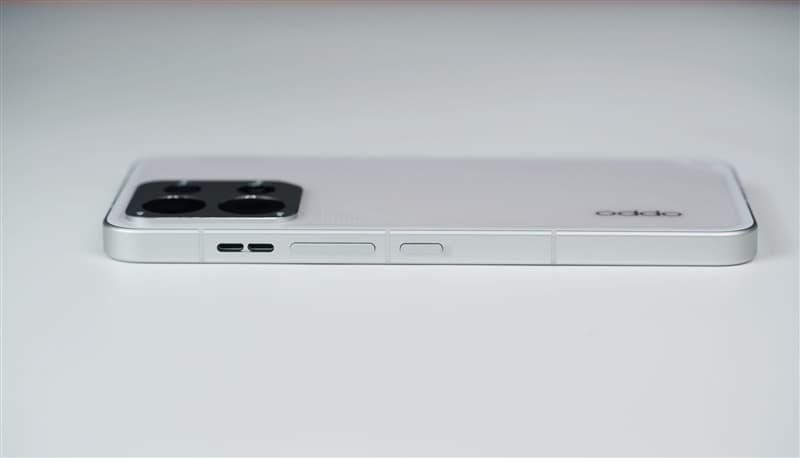
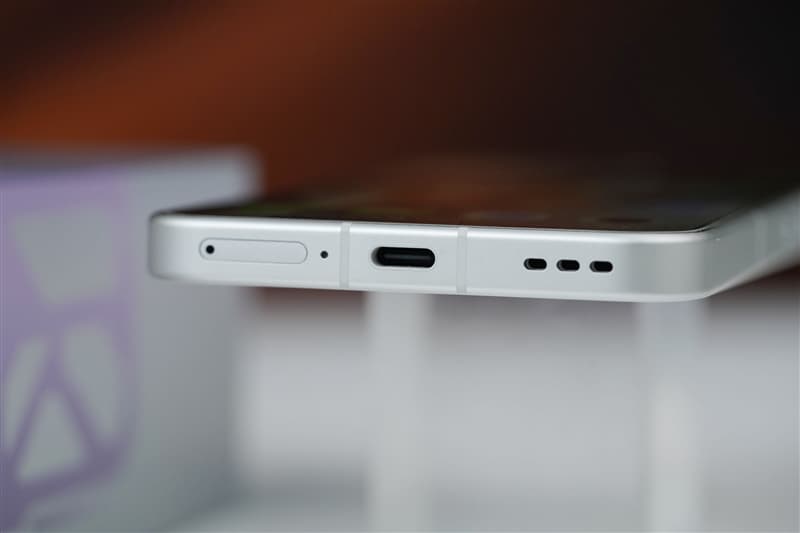
The fan is integrated with the rear camera module design. Thanks to this approach, the back cover remains completely flat without a large camera bump.

The entire phone is only:

  • 8.27mm thick

This means the cooling system does not negatively affect the grip or overall feel.

After completing temperature tests, I found that the fan performed better than expected.

Adding a cooling fan to a 2K-range smartphone reminds me of installing a turbocharger on an economy car—not to make it a racing machine, but to ensure it does not lose power when climbing uphill.

For flagship gaming phones, cooling is about achieving peak performance.

For mid-range phones, cooling is about maintaining stable performance during daily use.


Battery and Charging: 8000mAh Battery Designed for All-Day Use

The OPPO K15 features an 8000mAh Glacier Battery, providing enough endurance for heavy daily usage.

It supports:

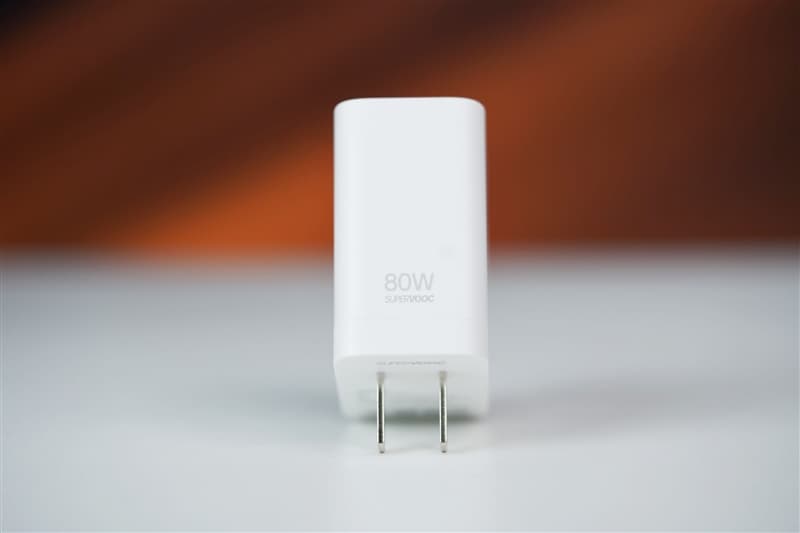
  • 80W SUPERVOOC fast charging
  • UFCS universal fast charging protocol
  • PPS charging protocol
  • Bypass charging
  • Wired reverse charging

The bypass charging feature allows power to directly supply the motherboard instead of continuously charging the battery during gaming sessions.

This helps:

  • Reduce heat generation
  • Protect battery health
  • Improve long-term durability

The reverse charging function also allows the phone to act as an emergency power source for accessories such as:

  • Earbuds
  • Smartwatches
  • Other small devices


Camera System: Three 50MP Cameras in the 2K Segment

The OPPO K15 features three 50MP cameras:

  • Rear main camera
  • Ultra-wide-angle camera
  • Front selfie camera

The main camera includes:

  • 1/2-inch large sensor
  • f/1.88 aperture
  • Optical Image Stabilization (OIS)

The ultra-wide-angle camera offers:

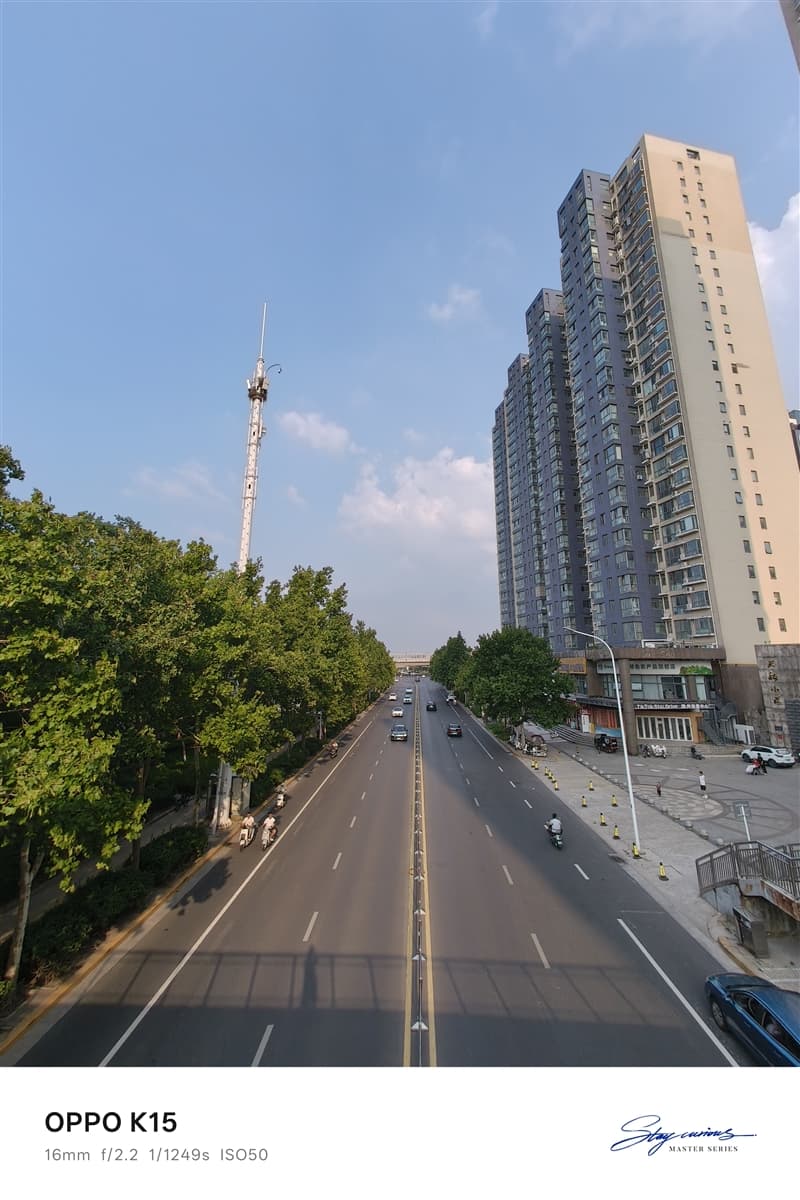
  • 143.3° ultra-wide field of view

The front camera supports:

  • 50MP resolution
  • Autofocus (AF)

For a phone in the 2K price segment, this camera configuration is quite generous.


Durability: IP69/IP68/IP66 Protection and Military-Grade Testing

The OPPO K15 focuses heavily on durability.

It supports:

  • IP69 waterproof rating
  • IP68 dust and water resistance
  • IP66 protection
  • Eight military-standard durability tests

The phone also features:

  • Crystal Shield glass protection
  • Metal middle frame

The combination makes it more resistant to:

  • Drops
  • Water exposure
  • Dust
  • Extreme environments

2. Design Review: Cloud Pattern Back Cover with Hidden Cooling Fan

The OPPO K15 features a 6.59-inch centered punch-hole flat display.

The rounded corners and narrow bezels provide a comfortable viewing experience.

The display supports:

  • 1.5K resolution
  • 120Hz refresh rate

Daily activities such as:

  • Watching videos
  • Switching apps
  • Scrolling webpages

all feel smooth and responsive.

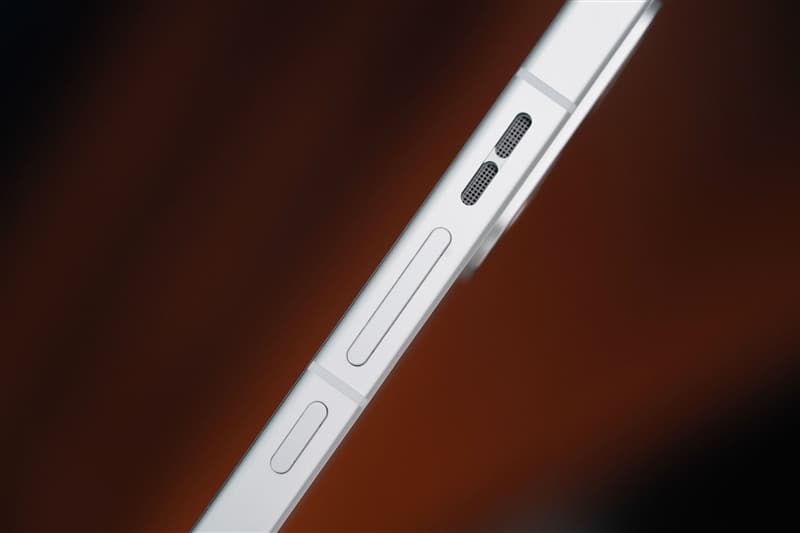
The front panel uses high-strength Crystal Shield glass, while the back cover has a smooth texture that reduces fingerprints.


Colors and Rear Design

The OPPO K15 comes in two colors:

  • Speed White
  • Wind Gray

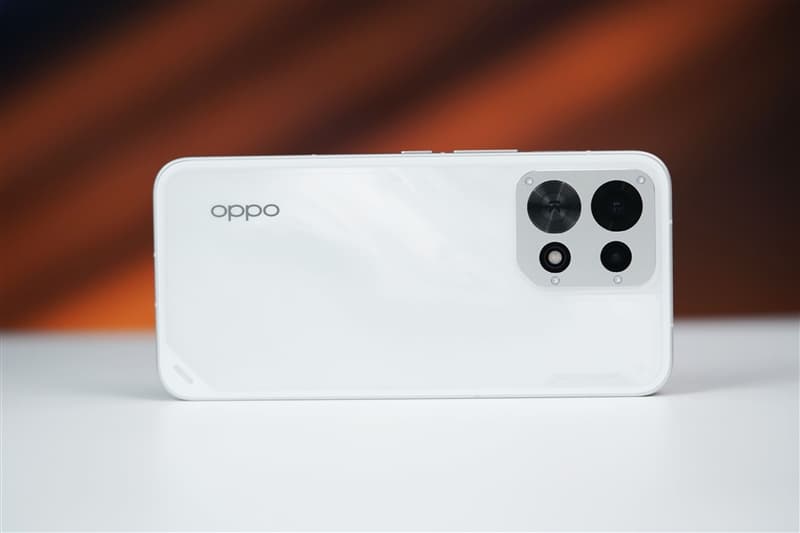
The review unit is the Speed White version, featuring a unique cloud-pattern texture.

When light reflects across the surface, it creates a flowing storm-like visual effect.

At the bottom of the back panel is the text:

“ACTIVE COOLING, MASTER THE WIND”

This highlights the phone’s cooling identity without making the design look aggressive.


Camera Module and Cooling Fan Integration

The rear camera module is one of the most distinctive parts of the phone.

It uses:

  • A square silver camera base
  • Four corner screws
  • Industrial-style design elements

Layout:

  • Top left: Main camera
  • Top right: Ultra-wide camera
  • Bottom left: Cooling fan air intake
  • Bottom right: Flash

The fan and camera system are integrated into one flat module.

Despite including an internal fan, the phone remains:

  • 8.27mm thick
  • Comfortable to hold
  • Free from a large camera bump

This design is clever because many flagship phones now have large protruding camera modules, while the OPPO K15 maintains a cleaner back design.

3. Cooling Test: The Active Fan Actually Works — Overheating and Throttling Become Less of a Concern

When people think of smartphones with built-in cooling fans, gaming flagships usually come to mind.

However, for users in the 2K price segment, long-term stable performance is arguably more important.

Common scenarios such as:

  • Outdoor navigation under strong sunlight
  • Long gaming sessions
  • Recording videos for extended periods
  • Using the phone while charging

can easily cause mid-range phones to heat up and reduce performance.

The OPPO K15 features the new-generation Wind Cooling Engine, which uses a three-layer cooling solution:

  1. Large-area VC vapor chamber

    The VC cooling plate quickly spreads heat away from the processor area.

  2. High-conductivity graphite layer

    The graphite material helps transfer heat more efficiently throughout the body.

  3. Built-in micro cooling fan

    The active fan pulls hot air away through the exhaust outlet, actively accelerating heat dissipation.

The key difference is that this is active cooling, not traditional passive cooling.

The fan is physically running, and heat is actively being removed.


Temperature Reduction Test

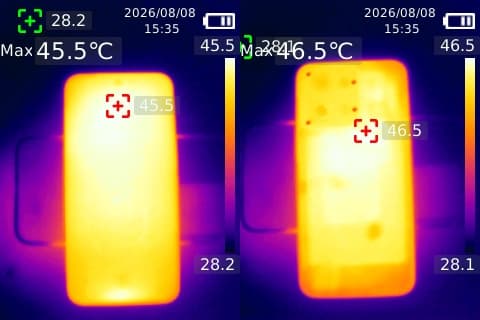
First, we used the AnTuTu stress test to push the OPPO K15 into a high-load state.

After continuous full-load operation:

  • Front temperature reached: 45.5°C
  • Rear temperature reached: 46.5°C

At this point, the phone felt noticeably hot in the hand.

Then we activated the cooling fan.

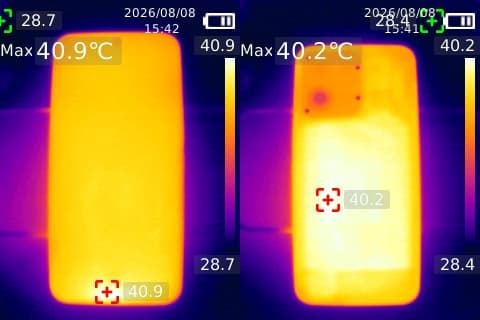
After 7 minutes:

  • Front temperature dropped to 40.9°C
  • Rear temperature dropped to 40.2°C

The phone changed from hot to only slightly warm.

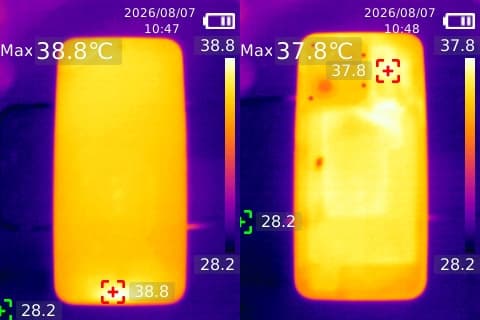
After waiting 12 minutes:

  • Front temperature: 38.8°C
  • Rear temperature: 36.5°C

Compared with the peak temperature of 46.5°C, the rear temperature dropped by approximately 10°C.

The thermal imaging results clearly showed that heat was being transferred away through the fan system.

The temperature around the cooling fan area was noticeably lower than other parts of the phone, proving that the fan was actively removing heat.


High-Energy Outdoor Mode

The OPPO K15 also includes a High-Energy Outdoor Mode, which can be enabled through the accessibility settings.

Once activated, the system automatically:

  • Starts the cooling fan
  • Optimizes temperature control
  • Keeps the phone operating within a stable performance range

This mode also includes several practical outdoor improvements:

Enhanced Screen Brightness

The display automatically increases brightness, making it easier to see under direct sunlight.

Improved Voice Volume

When Bluetooth devices are disconnected, the phone automatically switches to the speaker and increases volume.

Extended Screen Timeout

The display stays active longer, preventing interruptions during:

  • Navigation
  • Outdoor work
  • Long-term map usage

Quick Access Optimization

Frequently used applications can be pinned to a shortcut bar for faster switching.

There are also desktop shortcut cards that allow one-tap access to important functions.

The combination of cooling assistance and outdoor optimization makes the OPPO K15 more convenient for real-world use.

The purpose of active cooling in a 2K smartphone is not chasing the highest benchmark score.

It is about maintaining stable performance during long gaming sessions, navigation, and video recording.

Other phones compete for peak performance.

The OPPO K15 focuses on staying stable for longer.

4. Performance Test: Dimensity 7360 SUPER + Tidal Engine Focus on Stability

The OPPO K15 is powered by the MediaTek Dimensity 7360 SUPER processor.

Although positioned as a mid-range chipset, OPPO has added its own Tidal Engine optimization system to improve long-term performance.

The phone also features:

  • 4950mm² VC vapor chamber
  • High-conductivity graphite cooling layer
  • Built-in active cooling fan

This combination provides a strong thermal foundation for a phone in this price category.

To evaluate real-world performance, we tested two popular mobile games.


Gaming Test 1: Honor of Kings

For Honor of Kings, we set:

  • Frame rate: Ultra-high
  • Graphics quality: HD
  • Performance mode: Enabled

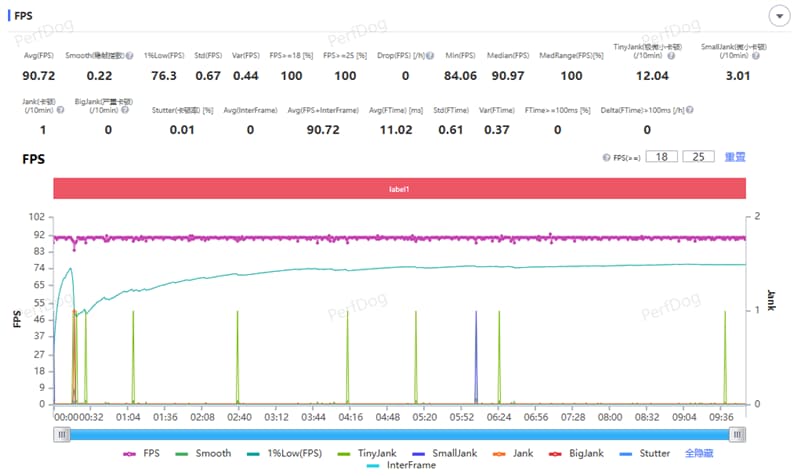
During a full 5v5 match:

Results:

  • Average frame rate: 90.72 FPS
  • Frame fluctuation index: 0.22

The phone maintained smooth performance throughout the match.

Whether during:

  • Large team fights
  • High-density skill effects
  • Tower battles

there were no obvious frame drops or visible lag.

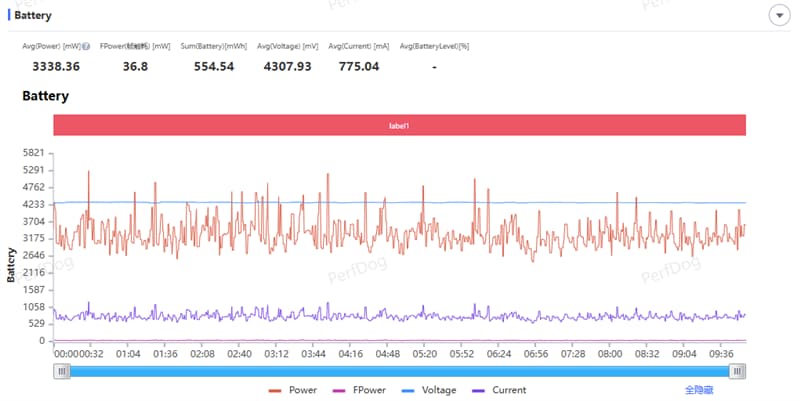
Average power consumption:

  • 3.34W

Energy consumption per frame:

  • 36.8mW

After enabling the cooling fan in smart variable-speed mode, temperatures remained well controlled.


Gaming Test 2: PUBG Mobile

For PUBG Mobile, settings were:

  • Graphics: Smooth
  • Frame rate: Extreme (60 FPS)
  • Mode: Classic Squad Battle

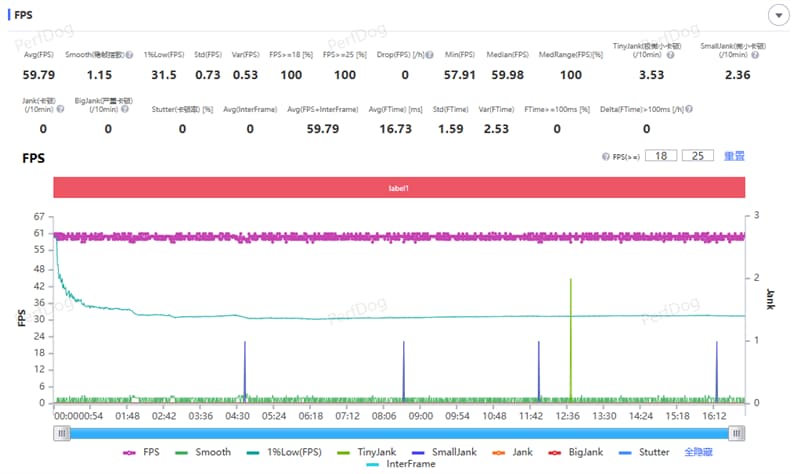
During the entire match:

  • Landing
  • Rotating zones
  • Fighting enemies
  • Final circle battles

the frame rate remained around 60 FPS.

There were no common mid-range phone issues such as:

  • Sudden frame drops when entering the zone
  • Delayed aiming response
  • Stuttering during combat

Average power consumption:

  • 2.84W

Energy consumption per frame:

  • 47.5mW

The cooling fan helped maintain stable temperature during the gaming session.


5. Camera Review: Three 50MP Cameras Deliver Strong Image Quality

The OPPO K15 represents a major improvement in imaging for the K series.

It features three 50MP cameras:

  • Main camera
  • Ultra-wide camera
  • Front camera

The main camera includes:

  • 1/2-inch large sensor
  • f/1.88 aperture
  • OIS optical stabilization

The ultra-wide camera provides:

  • 143.3° ultra-wide field of view

Unlike many mid-range phones where secondary cameras are mainly for marketing, the OPPO K15 gives more attention to practical photography.


Main Camera Experience

The 50MP main camera performs well in daylight scenes.

Strengths include:

  • Good detail retention
  • Natural colors
  • Strong dynamic range
  • Stable handheld shooting thanks to OIS

Photos maintain good clarity even when zooming into details.

The large sensor also helps improve:

  • Low-light performance
  • Background separation
  • Night photography quality

Ultra-Wide Camera Experience

The 143.3° ultra-wide camera is useful for:

  • Architecture photography
  • Landscape shots
  • Group photos
  • Travel scenes

The wider perspective allows users to capture more content in a single frame.


Night Photography

The main camera’s large sensor and optical stabilization help improve nighttime shooting.

Night photos show:

  • Better light control
  • Reduced motion blur
  • Improved shadow details

For a mid-range smartphone, the camera performance is above average.

6. Battery and Charging: 8000mAh Battery Easily Lasts a Full Day, 80W Flash Charging Keeps You Going

Battery life is one of the strongest selling points of the OPPO K15.

The phone comes with an 8000mAh Glacier Battery, which is significantly larger than the batteries commonly found in mainstream smartphones.

For users who rely heavily on their phones every day, such as:

  • Outdoor workers
  • Travelers
  • Navigation users
  • Mobile gamers
  • Video streamers

the large battery capacity provides a clear advantage.


Battery Life Test

To evaluate real-world endurance, we used the Battery Dog testing tool developed by Kuai Technology.

The test simulated typical daily usage scenarios, including:

  • CPU high-load operation
  • Multi-thread processing
  • AI recognition
  • Image browsing
  • Video playback
  • Web browsing

Testing conditions:

  • Screen brightness: 50%
  • Auto brightness: Disabled
  • Volume: 30%

The results showed:

The OPPO K15 lasted:

14 hours and 33 minutes from 100% battery down to 20%.

Based on this result, the theoretical full battery endurance is approximately:

18 hours of continuous usage.

This result matches the expectations of an 8000mAh battery and demonstrates the phone’s excellent endurance.

For normal users, the OPPO K15 can easily handle:

  • A full day of heavy usage
  • Long outdoor navigation
  • Extended gaming sessions
  • Continuous video playback

without worrying about battery anxiety.


80W SUPERVOOC Fast Charging Experience

The OPPO K15 supports:

  • 80W SUPERVOOC fast charging
  • UFCS universal fast charging
  • PPS fast charging protocol

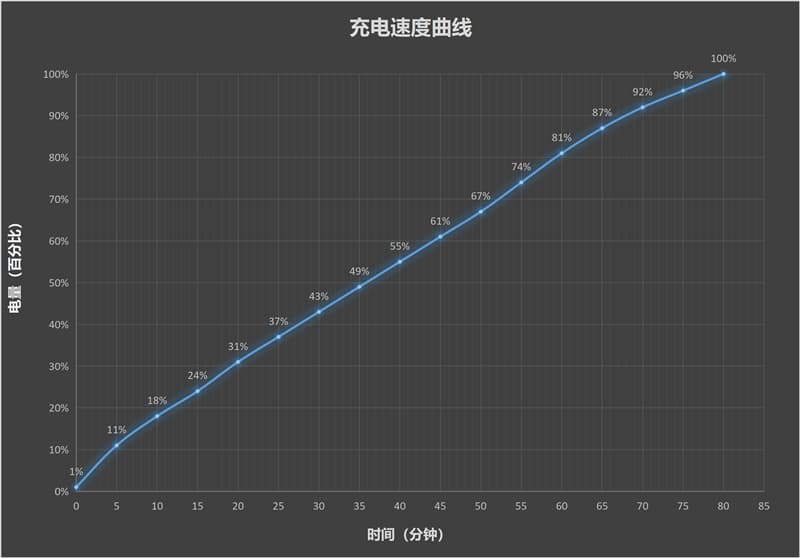
We tested charging with the included 80W charger.

Starting from:

1% battery

Charging results:

Charging Time Battery Level
5 minutes 11%
10 minutes 18%
30 minutes 43%
60 minutes 81%
80 minutes 100%

Although the phone uses a large 8000mAh battery, it can still reach a full charge within around 80 minutes.

This provides a good balance between battery capacity and charging speed.


Bypass Charging: Better for Long Gaming Sessions

The OPPO K15 supports bypass charging, which is especially useful for gamers.

When enabled:

  • Power goes directly to the motherboard
  • Battery charging is reduced
  • Heat generation is lowered
  • Battery aging is minimized

This means users can keep playing games while connected to power without constantly stressing the battery.

For people who often:

  • Play games while charging
  • Watch videos for long periods
  • Use the phone as a stationary entertainment device

this feature is very practical.


Wired Reverse Charging

The OPPO K15 also supports wired reverse charging.

The phone can temporarily act as a power bank for devices such as:

  • Wireless earbuds
  • Smartwatches
  • Other smartphones

When traveling, this feature provides an emergency power solution without carrying an additional charger.


7. Special Features: IP69 Protection, Breathing Light, NFC and Infrared

Beyond cooling, performance, and battery life, the OPPO K15 also includes many practical features that improve everyday experience.


IP69 Protection: Designed for Tough Environments

The OPPO K15 supports:

  • IP69 waterproof protection
  • IP68 dust and water resistance
  • IP66 protection

It also passed eight military-standard durability tests covering:

  • High temperature
  • Low temperature
  • Rain exposure
  • Dust environments
  • Drop resistance

This makes the phone suitable for more demanding environments.


Water Resistance Test

During testing, we played Douyin videos on the OPPO K15 while placing it under running water.

The results:

  • Video playback continued normally
  • Touch controls remained responsive
  • Wet fingers could still operate the screen

The phone remained fully functional after exposure to water.

While IP69 protection does not mean users should intentionally abuse their devices, it provides additional confidence for:

  • Outdoor workers
  • Travelers
  • Users in rainy environments

Mist Shadow Breathing Light: Adding Gaming Atmosphere

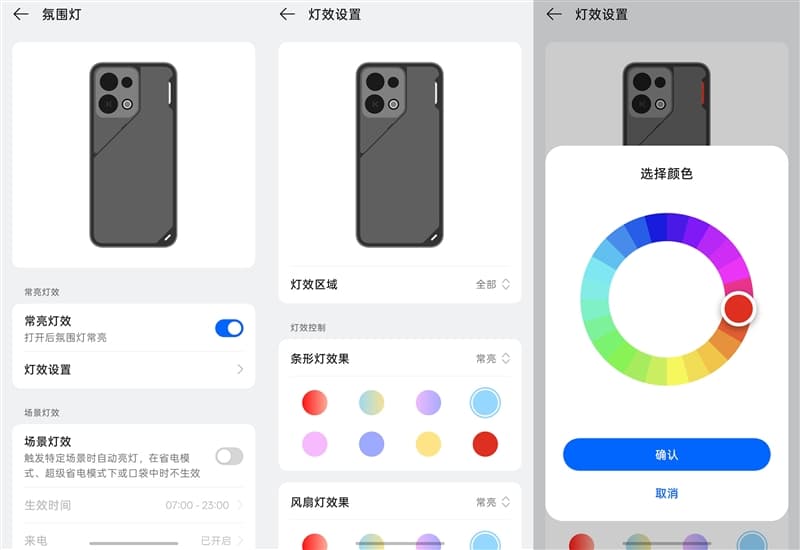
The rear panel includes OPPO’s Mist Shadow Breathing Light system.

Users can customize:

  • Full lighting area
  • Strip lighting
  • Fan lighting

Lighting effects include:

  • Flowing effects
  • Breathing effects
  • Always-on mode
  • Flashing effects

The fan lighting also supports:

  • Breathing mode
  • Constant lighting
  • Flashing mode

Multiple colors are available.

At night, the lighting can synchronize with music, creating a gaming-style atmosphere.

Unlike inexpensive RGB lighting effects, the implementation feels more refined.

Users can also configure:

  • Activation time
  • Lighting behavior
  • Automatic disabling when the phone is in a pocket

Mountain-Sea Communication Technology: Better Signal in Weak Areas

The OPPO K15 includes OPPO’s self-developed Mountain-Sea Communication Technology.

The system uses:

  • 360° surround antenna design
  • Multi-source signal optimization algorithms

It is designed to improve connectivity in difficult environments such as:

  • Underground parking areas
  • Elevators
  • Buildings with weak signals

During testing in an underground parking area:

Network results:

  • Ping latency: 37ms
  • Download speed: 8.37Mbps
  • Upload speed: 16.12Mbps

The phone maintained stable connectivity without obvious disconnections.

Dual-Frequency GPS: Faster and More Accurate Positioning

The OPPO K15 is equipped with:

  • Dual-frequency GPS
  • Flagship-level sensors
  • Multi-source positioning algorithms

During navigation testing with Amap:

  • Location locking was fast
  • Navigation started quickly
  • Position accuracy remained stable

The real-time navigation interface showed:

  • 26 BeiDou satellites assisting positioning

Even in complex environments such as:

  • Urban streets
  • Tunnels
  • Underground parking areas

the positioning performance remained reliable.


8. Final Verdict: A Smartphone That Solves Real Problems

At the beginning of this review, the question was:

Is the cooling fan on a 2K-range smartphone just a gimmick, or does it really work?

After testing, the answer is clear:

It works.

During the AnTuTu stress test:

  • Rear temperature reached 46.5°C
  • After activating the fan for 12 minutes, it dropped to 36.5°C

A temperature reduction of around 10°C was confirmed through thermal imaging.

The active cooling fan is the feature that truly separates the OPPO K15 from other phones in the same price range.

Many smartphones offer:

  • Large batteries
  • Water resistance
  • Fast charging

But fewer combine these features with an integrated cooling fan.


OPPO K15 Key Strengths

The phone delivers:

8000mAh large battery
Active cooling fan
IP69/IP68/IP66 protection
Stable gaming performance
80W fast charging
Three 50MP cameras
120Hz 1.5K display
Dual-frequency GPS
Strong signal performance


Who Should Buy the OPPO K15?

The OPPO K15 is especially suitable for users who care about:

  • Long battery life
  • Stable performance
  • Outdoor usage
  • Gaming without overheating
  • Durability
  • Practical everyday features

However, users who want:

  • Maximum gaming frame rates
  • Flagship-level processor performance

may prefer higher-end gaming smartphones.

The Dimensity 7360 SUPER is not designed to chase extreme benchmark records. Instead, it focuses on delivering stable performance over long periods.

Final Conclusion

Many smartphones in the 2K price range compete by making their specification sheets look impressive.

OPPO K15 takes a different approach.

Instead of only chasing higher numbers, it focuses on solving real user problems:

  • A phone that does not become uncomfortable when hot
  • A battery that lasts all day
  • A device that remains reliable outdoors
  • A smartphone that can handle daily challenges

The built-in cooling fan is like adding a turbocharger to an economy car—not for racing, but to prevent losing power when climbing a hill.

After testing, the OPPO K15 proves that it can:

  • Stay cool under pressure
  • Maintain stable performance
  • Last through demanding usage
  • Survive tougher environments

For users looking for a practical, durable, and reliable smartphone in the 2K price segment, the OPPO K15 is one of the most complete choices available.

OPPO K15: A truly practical smartphone built for real-world use.

The post OPPO K15 Smartphone Review: The Truly Practical Choice in the 2K Price Segment appeared first on IGeeKphone China Phone, Tablet PC, VR, RC Drone News, Reviews.
  •  

Google Pixel 11 Pro XL Geekbench Scores Leak: Tensor G6 Shows Limited Performance Gains

Google’s upcoming Pixel 11 Pro XL has reportedly appeared on Geekbench 7, revealing early performance details of the company’s next-generation Tensor G6 chipset. While the new processor is expected to bring improvements in efficiency and AI capabilities, the leaked benchmark results suggest that raw performance gains may be relatively modest compared with the previous-generation Tensor G5.

According to Igeekphone, the Pixel 11 Pro XL and other Pixel 11 series models are expected to be unveiled at Google’s annual Made by Google event on August 12. Ahead of the official announcement, benchmark information has provided the first look at the performance of Google’s upcoming flagship processor.

Tensor G6 Benchmark Results Revealed

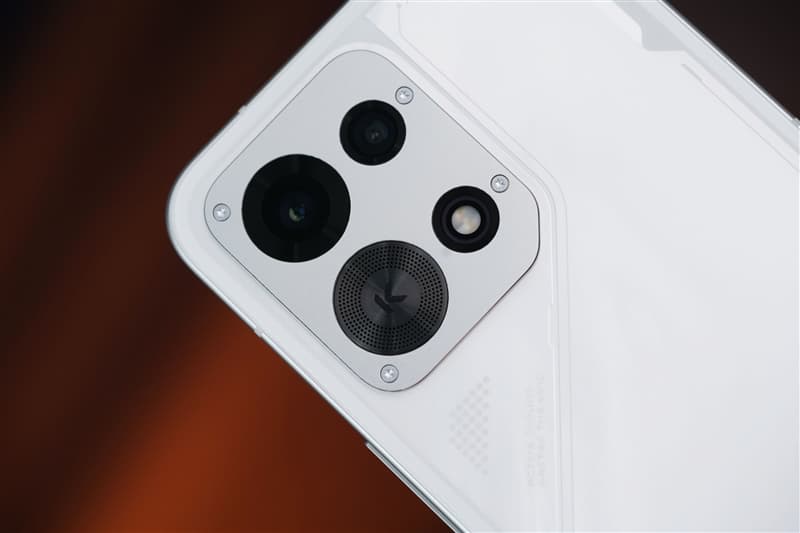
The Geekbench 7 listing reportedly shows that the Google Pixel 11 Pro XL achieved:

  • Single-core score: 2,112 points
  • Multi-core score: 5,196 points

These results represent the first known real-world benchmark scores for the Tensor G6 chipset, which has previously appeared only through leaks and industry reports.

The benchmark listing also confirms that the tested device is equipped with:

  • 16GB RAM
  • Android 17 operating system

While benchmark results do not reveal every aspect of real-world performance, they provide an early indication of the processing capabilities of Google’s next flagship smartphone platform.

Tensor G6 Reportedly Uses Seven-Core Architecture

According to the Geekbench database information, the Tensor G6 appears to use a seven-core CPU architecture consisting of three core clusters.

The reported configuration includes:

  • Two cores clocked at 2.65GHz
  • Four cores clocked at 3.38GHz
  • One high-performance core clocked at 4.11GHz

The listing does not confirm whether the Tensor G6 is manufactured using a 2nm process technology, despite previous reports suggesting that Google could become one of the first smartphone manufacturers to adopt a 2nm Tensor chip.

Limited Improvement Compared with Tensor G5

Although the Tensor G6 represents a new generation of Google’s custom smartphone chipset, the leaked benchmark results suggest that the performance improvement may not be dramatic.

For comparison, the previous-generation Pixel 10 Pro’s Tensor G5 reportedly achieved:

  • Single-core score: 1,977 points
  • Multi-core score: 5,805 points

Compared with those numbers, the Tensor G6 appears to offer a small increase in single-core performance but a lower multi-core score in this early Geekbench test.

If the leaked results are accurate, the Pixel 11 Pro XL may not deliver a major upgrade in traditional computing performance. Instead, Google may continue focusing on areas where Tensor chips have historically stood out, such as artificial intelligence processing, photography enhancements, and software optimization.

Pixel 11 Standard Model Also Appeared in Benchmarks

The Pixel 11 series has previously appeared in Geekbench databases as well.

Earlier testing of the standard Pixel 11 model reportedly showed:

  • Single-core score: 875 points
  • Multi-core score: 2,657 points

That listing also indicated a seven-core Tensor G6 architecture, although the performance results were significantly lower than the Pixel 11 Pro XL benchmark.

Differences between models could be related to software optimization, testing conditions, clock speeds, or hardware configurations.

Google May Focus More on AI Features

Google’s Tensor processors have traditionally prioritized artificial intelligence and machine learning capabilities rather than competing directly with flagship chips from Qualcomm and Apple in raw benchmark performance.

The Tensor G6 is expected to bring improvements in areas such as:

  • AI-powered features
  • Computational photography
  • Voice processing
  • On-device machine learning
  • System efficiency

For Pixel users, these software-driven improvements may be more noticeable in daily use than benchmark score increases.

Pixel 11 Series Expected to Launch Alongside Pixel Watch 5

Google is expected to officially introduce the Pixel 11 series along with the Pixel Watch 5 during the upcoming Made by Google event on August 12.

The Pixel 11 lineup is expected to include multiple models, including:

  • Google Pixel 11
  • Google Pixel 11 Pro
  • Google Pixel 11 Pro XL

The Pixel 11 Pro XL is expected to serve as the top-tier model, featuring the largest display, highest memory configuration, and the most advanced camera system in the lineup.

Final Thoughts

The leaked Geekbench results for the Google Pixel 11 Pro XL suggest that the upcoming Tensor G6 chipset may deliver only moderate improvements in traditional processing power. While the move to a newer architecture and potential 2nm manufacturing process could improve efficiency, the benchmark numbers indicate that Google is not necessarily chasing the highest raw performance scores in the smartphone market.

Instead, the Pixel 11 series is likely to continue Google’s strategy of combining custom hardware with advanced AI software experiences. For potential buyers, the most important upgrades may come from new AI features, camera improvements, and software innovations rather than a major leap in benchmark performance.

The post Google Pixel 11 Pro XL Geekbench Scores Leak: Tensor G6 Shows Limited Performance Gains appeared first on IGeeKphone China Phone, Tablet PC, VR, RC Drone News, Reviews.
  •  

El eclipse puede despertar a los insectos del crepúsculo en pleno día, y España será un laboratorio entomológico gigantesco para comprobarlo

El 12 de agosto, la tarde se oscurecerá de golpe en las zonas donde el eclipse será total. Los científicos aprovecharán esos minutos para descubrir qué interpreta un insecto cuando el día parece terminar antes de tiempo.
  •  

El Sol curvará la luz de las estrellas durante el eclipse como predijo Einstein

Algunas estrellas parecerán estar donde no deberían durante el eclipse total del 12 de agosto. La diferencia será minúscula, pero detrás de ese desplazamiento se esconde una de las ideas más revolucionarias de la física.
  •  

“Eternidade” se manteve como o filme mais visto do Apple TV em julho; “Silo” liderou entre as séries

E cá estamos nós com mais um levantamento feito pelo JustWatch das séries e dos filmes mais populares do Apple TV no Brasil e do mundo, desta vez referente ao mês de julho.

Repetindo o feito da última pesquisa, o longa “Eternidade” (“Eternity”) ficou com a liderança entre os filmes mais assistidos por assinantes brasileiros. Assim como no mês passado, blockbuster “F1 — O Filme” (“F1 The Movie”) e o filme de suspense “Entre Montanhas” (“The Gorge”) fecharam o Top 3.

Filmes do Apple TV mais assistidos no Brasil em julho de 2026
Divulgação/JustWatch

No ranking global, as coisas já mudam um pouco, com “The Dink: A Última Chance”, roubando a vice-liderança de “Eternidade”, que caiu para a terceira colocação. Na frente dos dois, temos “F1 — O Filme”, que mantém o bom momento em ambos os mercados.

Filmes do Apple TV mais assistidos no mundo em julho de 2026
Divulgação/JustWatch

Também foram registradas movimentações no mundo das séries, com “Silo” indo para a ponta da lista tanto entre o público brasileiro quanto entre o público global. Fecham Top 3 (em ambos os casos) “O Segredo de Widow’s Bay” (“Widow’s Bay”) e “Lucky”.

Séries do Apple TV mais assistidas no Brasil em julho de 2026
Séries do Apple TV mais assistidas no mundo em julho de 2026
Divulgação/JustWatch

Como sempre, é bom lembrar que as pesquisas do JustWatch são baseadas em métricas de engajamento da plataforma, e não em dados oficiais da Maçã. Mesmo assim, elas contribuem para compreender melhor o comportamento dos assinantes do Apple TV em um determinado período.

O Apple TV está disponível no aplicativo Apple TV em mais de 100 países e regiões, seja em iPhones, iPads, Apple TVs, Macs, dispositivos Android, smart TVs ou online — além de também estar em aparelhos como Roku, Amazon Fire TV, Chromecast com Google TV, consoles PlayStation e Xbox. O serviço custa R$29,90 por mês, com um período de teste gratuito de 7 dias. Por tempo limitado, quem comprar e ativar um novo iPhone, iPad, Apple TV ou Mac ganha 3 meses do Apple TV. Ele também faz parte do pacote de assinaturas da empresa, o Apple One.

NOTA DE TRANSPARÊNCIA: O MacMagazine recebe uma pequena comissão sobre vendas concluídas por meio de links deste post, mas você, como consumidor, não paga nada mais pelos produtos/serviços usando os nossos links de afiliado.

  •  

Custo de fabricação do “iPhone 18 Pro” será 38% maior que o do 17 Pro, diz TrendForce

O clube de analistas/firmas de pesquisa que esperam por preços mais altos com a chegada da linha “iPhone 18” acaba de ficar ainda maior. Hoje, foi a vez de a TrendForce apostar nessa possibilidade, com destaque especial para os modelos Pro.

De acordo com a firma, o custo de fabricação do “iPhone 18 Pro” de 256GB — ou seja, o modelo mais em conta dessa linha — ficará cerca de 38% maior em relação ao seu antecessor direto, tornando reajustes de preço do lado dos consumidores “inevitáveis”. Ela, no entanto, abre possibilidade de a Apple sacrificar um pouco da sua margem de lucro para estancar parte do impacto desses aumentos.

Isso, como não podia deixar de ser, tem a ver com a crise no mercado de DRAM 1Dynamic random access memory, ou memória dinâmica de acesso aleatório., que fez os chips de memória passarem a representar, no terceiro trimestre de 2026, aproximadamente 34% do valor total do smartphone, em contraste com os 10% de um ano atrás. O prognóstico para os iPhones de 2027 também não é muito animador, já que é esperado que esse número passe de 40% ainda na primeira metade do ano que vem.

Antes dessa crise, os componentes mais caros de um iPhone eram, com sobras, o processador e a tela. Caso a participação da memória no custo de fabricação realmente passe dos 40%, isso fará com que a fatia desses outros componentes caia para abaixo de 10% mesmo sem uma redução nos seus preços, tamanha é a pressão no mercado de DRAM atualmente.

Divulgação/TrendForce

Essa estratégia de sacrificar parte da margem de lucro, como lembrado pela TrendForce, foi empregada pela Apple nos últimos lançamentos de MacBooks — que, mesmo assim, sofreram aumentos expressivos recentemente. A firma de pesquisa também não exclui a possibilidade de a empresa aumentar os preços de modelos mais antigos de iPhones junto do lançamento dos novos aparelhos, o que serviria para compensar parcialmente o aumento dos custos de memória.

É, são tempos sombrios no mundo da tecnologia…

iPhone 17 Pro Max

Cores: prateado, laranja-cósmico ou azul-intenso
Armazenamento: 256GB, 512GB, 1TB ou 2TB
R$ 9.899,10
R$ 12.499,00

iPhone 17 Pro

Cores: prateado, laranja-cósmico ou azul-intenso
Armazenamento: 256GB, 512GB ou 1TB
R$ 9.599,00
R$ 11.499,00

iPhone Air

Cores: azul-céu, dourado-claro, branco-nuvem ou preto espacial
Armazenamento: 256GB, 512GB ou 1TB
R$ 7.999,00
R$ 10.499,00

iPhone 17

Cores: lavanda, sálvia, azul-névoa, branco ou preto
Armazenamento: 256GB, 512GB ou 1TB
R$ 6.099,00
R$ 7.999,00

iPhone 17e

Cores: branco, preto ou rosa-pálido
Armazenamento: 256GB ou 512GB
R$ 4.887,78
R$ 5.799,00

NOTA DE TRANSPARÊNCIA: O MacMagazine recebe uma pequena comissão sobre vendas concluídas por meio de links deste post, mas você, como consumidor, não paga nada mais pelos produtos/serviços usando os nossos links de afiliado.

via Notebookcheck

Notas de rodapé

  • 1
    Dynamic random access memory, ou memória dinâmica de acesso aleatório.

  •  

La photo de la semaine : il a réussi le premier cliché d'éclipse en 1851, vous pouvez faire mieux dans 3 jours

Connaissez-vous la première image à avoir figé le spectacle d’une éclipse totale de Soleil ? Elle date d’il y a plus de 170 ans. Bientôt, ce sera votre tour…

  •  

Le rendez-vous se prépare : la carte pour localiser les événements près de chez vous le 12 août

Le mercredi 12 août, la Lune masquera presque entièrement le Soleil dans une grande partie de la France. ÉclipseInfo propose une carte interactive pour repérer les observations publiques organisées près de chez vous et préparer cette soirée exceptionnelle.

  •  

Perlas de Baily y otros fenómenos del eclipse solar total de 2026: qué vas a ver, en qué orden y por qué ocurre

El 12 de agosto de 2026 verás desde España perlas de Baily, la corona solar y misteriosas sombras volantes. Esta es la guía de lo que ocurrirá segundo a segundo durante la totalidad.
  •  

Un fotógrafo casi desconocido captó el primer eclipse total hace 175 años y cambió la astronomía

Hace 175 años, una imagen borrosa obtenida sobre metal logró algo que ningún dibujo podía garantizar: que se conservase para siempre un eclipse total de Sol y transformar unos segundos de oscuridad en material de estudio.
  •  

The August 12 Total Solar Eclipse: Where to See It—and Why NASA Is Flying Through Its Shadow

On Wednesday, August 12, the Moon’s shadow will sweep across a narrow stretch of the Northern Hemisphere. Greenland, Iceland, northern Russia, the Atlantic, Spain and a small corner of Portugal lie in the path of totality. Much of Europe, northwestern Africa, Canada and parts of the United States will see a partial eclipse. It is […]

The post The August 12 Total Solar Eclipse: Where to See It—and Why NASA Is Flying Through Its Shadow appeared first on Curiosmos.

  •  

Éclipse du 12 août : la méthode en 3 points pour choisir votre spot et ne rien rater

En France, l’éclipse solaire du 12 août 2026 sera partielle et observable très bas sur l’horizon. Pour profiter pleinement du spectacle, le relief et la météo compteront davantage que la réputation d’un site.

  •  
❌