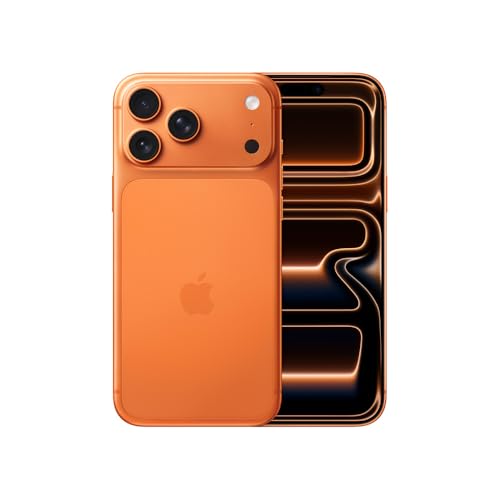
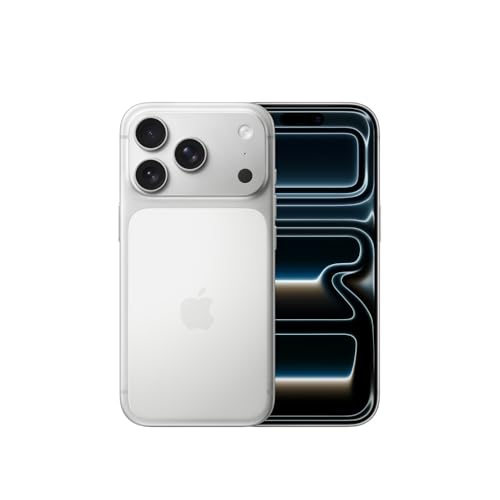
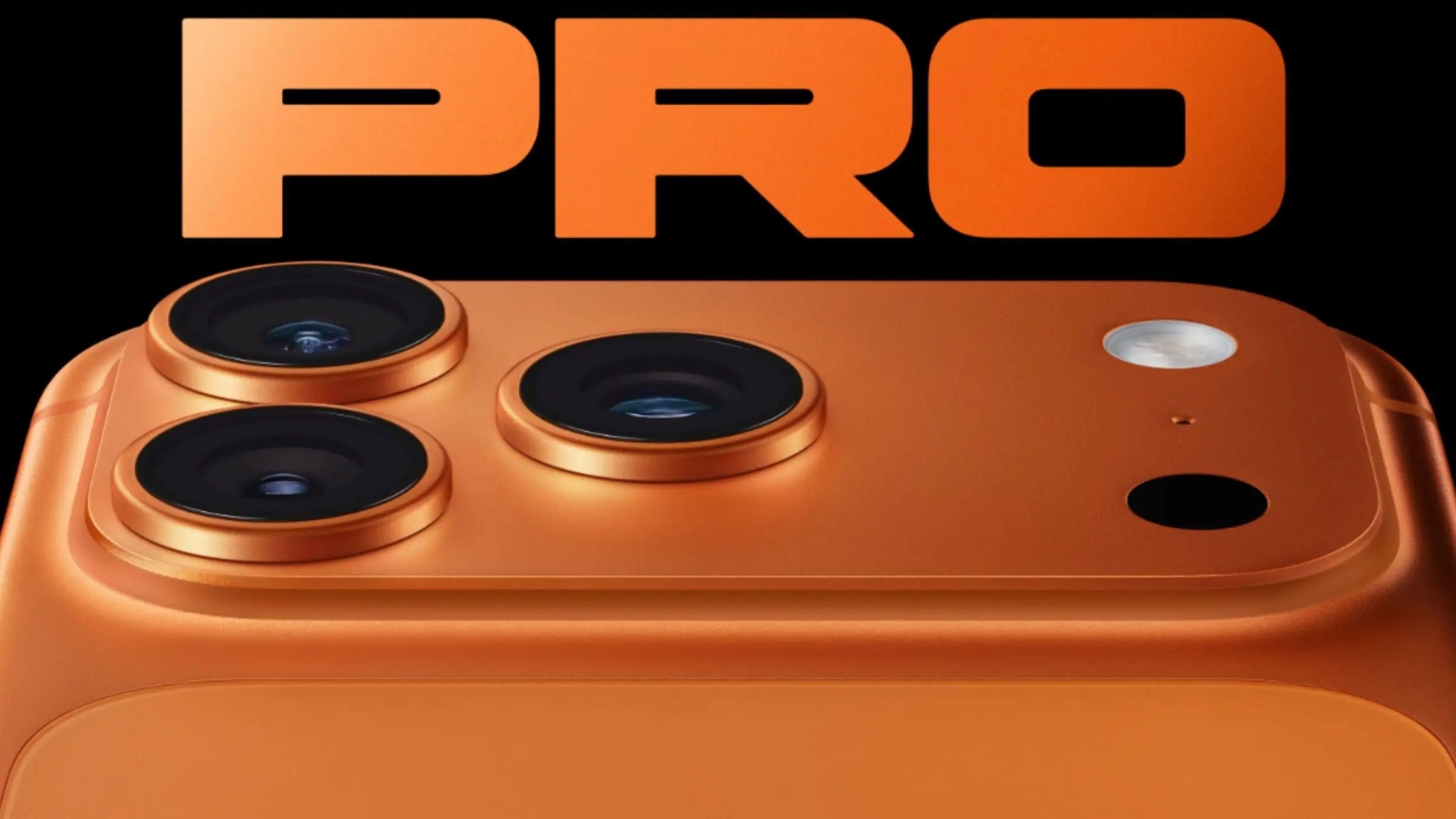
A Apple disponibilizou ontem a quinta versão beta dos sistemas 27 e, no caso do iOS, além de trazer novidades como novos ícones para apps nativos e mais opções de personalização de voz para a Siri, a última atualização fez menção à linha de iPhones que deverá ser lançada entre o final deste ano e o início do ano que vem, composta pelos modelos “18 Pro”, “18 Pro Max”, “Ultra”, “18”, “18e” e “Air 2”.
As referências foram encontradas pela Macworld em arquivos do sistema relacionados aos drivers de bateria do iPhone, limitando-se à exibição dos codinomes desses aparelhos. Nenhuma outra informação sobre esses dispositivos foi localizada.
A lista dos seis codinomes internos inclui:
V62: “iPhone Air 2”
V63: “iPhone 18 Pro”
V64: “iPhone 18 Pro Max”
V67: “iPhone 18”
V68: “iPhone Ultra”
V69: “iPhone 18e”
Algo semelhante ocorreu com o “iPhone Ultra” na quarta versão beta do novo iOS, cujo código incluía referências a um aparelho com múltiplas baterias — algo inexistente hoje e fortemente especulado no caso do primeiro dobrável da Apple.
Em um feito inédito, o tradicional evento de setembro destinado ao anúncio de novos iPhones — cujos preparativos já começaram — poderá dividir os lançamentos da linha “iPhone 18”, restringindo-se inicialmente aos modelos premium, como o “Ultra”, o “18 Pro” e o “18 Pro Max”, enquanto os demais aparelhos ficarão para o início do ano que vem.
iPhone 17 Pro Max
Cores: prateado, laranja-cósmico ou azul-intenso Armazenamento: 256GB, 512GB, 1TB ou 2TB
NOTA DE TRANSPARÊNCIA: O MacMagazine recebe uma pequena comissão sobre vendas concluídas por meio de links deste post, mas você, como consumidor, não paga nada mais pelos produtos/serviços usando os nossos links de afiliado.
While the iPhone 17 Pro has double the base storage compared to the iPhone 16 Pro, there will apparently be no further increase this year.
In a report this week estimating that the iPhone 18 Pro's bill of materials will be nearly 40% higher than the iPhone 17 Pro, Taiwanese research firm TrendForce said the iPhone 18 Pro will start with 256GB of storage, matching the iPhone 17 Pro's minimum capacity. The report did not explicitly mention the iPhone 18 Pro Max, but the Pro and Pro Max models have started with the same amount of storage for the past two generations.
Minimum storage capacities by model:
iPhone 16 Pro: 128GB
iPhone 17 Pro: 256GB
iPhone 18 Pro (rumored): 256GB
Even though it does not expect an increase in base storage, TrendForce said that retail price increases for the iPhone 18 Pro models are "unavoidable" due to increased costs for components. RAM costs have increased significantly due to the ongoing memory chip shortage, and prices for storage and A20 Pro chips are also expected to be higher.
According to reports, iPhone 18 Pro starting prices in the U.S. could be $200 to $300 higher compared to iPhone 17 Pro starting prices. If so, the iPhone 18 Pro and iPhone 18 Pro Max could start at up to $1,399 and $1,499, respectively.
In June, Apple raised prices on all Macs and iPads, as well as the Apple TV, HomePod, HomePod mini, and Vision Pro. The increases ranged from $30 for the HomePod mini to up to $1,300 for a high-end Mac Studio configuration.
Apple said it raised prices because of the ongoing memory chip shortage, resulting from companies building out data centers with powerful AI servers. The supply-demand imbalance has led to skyrocketing prices for RAM and SSD storage chips used in a wide range of Apple products, and Apple has now passed those costs on to customers.
Apple is bracing for a sharp rise in the cost of building its upcoming iPhone 18 Pro models, with bill-of-materials (BOM) expenses for the 256 GB version projected to climb about 38% year-over-year, according to the latest smartphone industry research from TrendForce.
The primary driver is soaring memory prices due to RAMageddon. Memory’s share of total BOM cost for recent 256 GB iPhone Pro models has already jumped from roughly 10% a year ago to about 34% in the third quarter of 2026 and is expected to exceed 40% in the first half of 2027. This marks a major shift: the application processor and display, long the biggest cost components, are being overtaken by memory.
TrendForce estimates the BOM cost of the 256 GB iPhone 18 Pro, due in the third quarter of 2026, will be approximately 38% higher than its 2025 predecessor. If memory prices keep rising, the increase could grow even larger in 2027.
Faced with these higher costs, Apple is expected to absorb part of the increase by accepting lower gross margins rather than fully passing the burden to consumers. The company may follow a strategy similar to recent MacBook launches, softening retail price hikes to protect shipment volumes and market share. Apple could also raise prices on older iPhone models at the same time as the new launch to help offset the memory-driven cost pressure.
The research notes that if even Apple, with its industry-leading profitability, feels this squeeze, Android smartphone makers will face even tighter margins. Many will need to pass on a larger share of the cost increases, leading to steeper retail price rises than those anticipated for the iPhone. Entry-level and mid-range devices, where margins are already thin, will be hit hardest. With memory prices having risen five- to sevenfold since early 2025, some brands may have little choice but to implement substantial price increases or discontinue lines that have fallen into negative gross margins.
As a result, TrendForce expects global smartphone production to remain under downward pressure from the second half of 2026 through 2027 as elevated memory costs continue to weigh on demand.
MacDailyNews Take: RAMageddon won’t last forever — new capacity should ease pressures eventually — but it’s exposing fundamental differences in business models. In a world of rising component costs, customer loyalty isn’t just nice-to-have marketing fluff. It’s a competitive superpower.
Apple isn’t totally immune, but its customers are, by far, the least likely to blink.
Please help support MacDailyNews — and enjoy subscriber-only articles, comments, chat, and more — by subscribing to our Substack: macdailynews.substack.com. Thank you!
The upcoming iPhone 18 Pro Max will be equipped with a nearly 12% larger battery compared to the iPhone 17 Pro Max, according to an apparent leak.
An alleged photo of a battery pack for a Chinese model of the iPhone 18 Pro Max with a SIM card tray lists a capacity of 5,391 mAh, up from 4,823 mAh for the equivalent iPhone 17 Pro Max battery. The photo was shared on the Korean platform Naver today, but it supposedly originated from the Chinese social media platform Weibo.
The identical 5,391 mAh capacity appeared in a regulatory database last month, so the capacity is looking increasingly likely to be accurate.
For the U.S. model of the iPhone 18 Pro Max, in which the lack of a SIM card tray provides more space for a slightly larger battery, the Naver post claims it will have a 5,567 mAh capacity. The equivalent iPhone 17 Pro Max has a 5,088 mAh battery, so this would work out to be a nearly 10% increase on a year-over-year basis.
Based on this leak, it appears that meaningful battery life gains will not extend to the smaller iPhone 18 Pro. In the U.S., the device will apparently have a 4,288 mAh battery, which would be less than a 1% increase over the iPhone 17 Pro's 4,252 mAh battery in that country. It was previously rumored that the iPhone 18 Pro Max will be thicker than the iPhone 18 Pro, so that might help to explain the difference.
All of the alleged iPhone 18 Pro battery capacities are listed in the table below.
iPhone 18 Pro
China
China Difference
U.S.
U.S. Difference
iPhone 16 Pro
3,582mAh
+308mAh
3,582mAh
+308mAh
iPhone 17 Pro
3,988mAh
+406mAh
4,252mAh
+670mAh
iPhone 18 Pro
4,056mAh
+68mAh
4,288mAh
+36mAh
iPhone 18 Pro Max
China
China Difference
U.S.
U.S. Difference
iPhone 16 Pro Max
4,685mAh
+244mAh
4,685mAh
+244mAh
iPhone 17 Pro Max
4,823mAh
+138mAh
5,088mAh
+403mAh
iPhone 18 Pro Max
5,391mAh
+568mAh
5,567mAh
+479mAh
The capacities differ by region because Apple has continued to include a SIM tray on iPhones sold in some countries outside of the U.S., while U.S. models have been eSIM only since the iPhone 14 lineup. Without a physical tray taking up internal space, Apple can fit a slightly larger battery into the eSIM-only version of each device.
Starting with the iPhone 17 Pro and the iPhone 17 Pro Max, the SIM card tray is also removed on models sold in Canada, Japan, Mexico, Saudi Arabia, the United Arab Emirates, and a few other countries and territories.
CAD renders revealed in March show Apple’s rumored foldable iPhone design
Apple is intensifying preparations for its annual September product launch event while incoming CEO John Ternus assembles his leadership team and new details emerge about a discarded element of the company’s recently launched device-leasing program called “Apple Upgrade.”
The company is readying for what is described as its biggest event of the year, expected in the first half of September. Retail employees in the U.S. are participating in a lottery for roles supporting the in-person media gathering at Apple Park, including organizing lines, checking in guests, providing directions, greeting attendees, and assisting security. The event is widely anticipated to feature the latest iPhone models, including Pro variants and Apple’s first foldable iPhone, among other hardware.
At the same time, John Ternus is preparing to assume the CEO role on September 1, succeeding Tim Cook, who will become executive chairman. As part of early management moves, Bloomberg News‘ Mark Gurman reports, Ternus has brought back Laura Legros, a former vice president of hardware engineering who retired in 2022. Legros previously worked under Ternus and will return as a vice president reporting directly to him. In the new role, she is expected to work cross-functionally, helping coordinate product delivery, development schedules, and alignment across engineering teams — serving as a bridge between different parts of the organization. The hire marks a rare instance of Apple recalling a retired executive and reflects Ternus beginning to put his stamp on the leadership ranks ahead of the transition.
Separately, fresh details have emerged about a scrapped “white-glove” concept for Apple Upgrade, the leasing program that launched in late July and replaced the prior iPhone Upgrade Program and standard financing options. Apple had considered shipping replacement devices already preloaded with a customer’s data and settings restored from an iCloud backup, so the new hardware would arrive ready to use. The technical challenges were not the primary barrier. Instead, privacy and security concerns — along with the optics of the company accessing and restoring personal backups onto devices in its facilities — led the company to abandon the idea. The launched version of Apple Upgrade does not include any such pre-setup feature.
These developments underscore Apple’s focus on a high-stakes product cycle and organizational shifts as Ternus prepares to lead the company into its next phase.
MacDailyNews Take: We’re glad that Apple Upgrade feature was scrapped! Now, we hope for Ternus’ sake that there are enough people left at Apple who remember how the company ran under Steve Jobs so that the company can quickly get back into that mindset. Churning out iterations of Jobs era products for fifteen years fueled a lot of brain drain and Cook era sclerotic thinking at the company over the last decade and a half. Fingers crossed!
Please help support MacDailyNews — and enjoy subscriber-only articles, comments, chat, and more — by subscribing to our Substack: macdailynews.substack.com. Thank you!
A Caviar publicou algumas páginas com alegados detalhes internos sobre os futuros iPhone 18 Pro, iPhone 18 Pro Max e o dobrável iPhone Ultra, incluindo características técnicas detalhadas e a data de apresentação, que coincidem com uma boa parte dos rumores já conhecidos.
De acordo com a firma, o custo de fabricação do “iPhone 18 Pro” de 256GB — ou seja, o modelo mais em conta dessa linha — ficará cerca de 38% maior em relação ao seu antecessor direto, tornando reajustes de preço do lado dos consumidores “inevitáveis”. Ela, no entanto, abre possibilidade de a Apple sacrificar um pouco da sua margem de lucro para estancar parte do impacto desses aumentos.
Isso, como não podia deixar de ser, tem a ver com a crise no mercado de DRAM 1Dynamic random access memory, ou memória dinâmica de acesso aleatório., que fez os chips de memória passarem a representar, no terceiro trimestre de 2026, aproximadamente 34% do valor total do smartphone, em contraste com os 10% de um ano atrás. O prognóstico para os iPhones de 2027 também não é muito animador, já que é esperado que esse número passe de 40% ainda na primeira metade do ano que vem.
Antes dessa crise, os componentes mais caros de um iPhone eram, com sobras, o processador e a tela. Caso a participação da memória no custo de fabricação realmente passe dos 40%, isso fará com que a fatia desses outros componentes caia para abaixo de 10% mesmo sem uma redução nos seus preços, tamanha é a pressão no mercado de DRAM atualmente.
Divulgação/TrendForce
Essa estratégia de sacrificar parte da margem de lucro, como lembrado pela TrendForce, foi empregada pela Apple nos últimos lançamentos de MacBooks — que, mesmo assim, sofreram aumentos expressivos recentemente. A firma de pesquisa também não exclui a possibilidade de a empresa aumentar os preços de modelos mais antigos de iPhones junto do lançamento dos novos aparelhos, o que serviria para compensar parcialmente o aumento dos custos de memória.
É, são tempos sombrios no mundo da tecnologia…
iPhone 17 Pro Max
Cores: prateado, laranja-cósmico ou azul-intenso Armazenamento: 256GB, 512GB, 1TB ou 2TB
NOTA DE TRANSPARÊNCIA: O MacMagazine recebe uma pequena comissão sobre vendas concluídas por meio de links deste post, mas você, como consumidor, não paga nada mais pelos produtos/serviços usando os nossos links de afiliado.
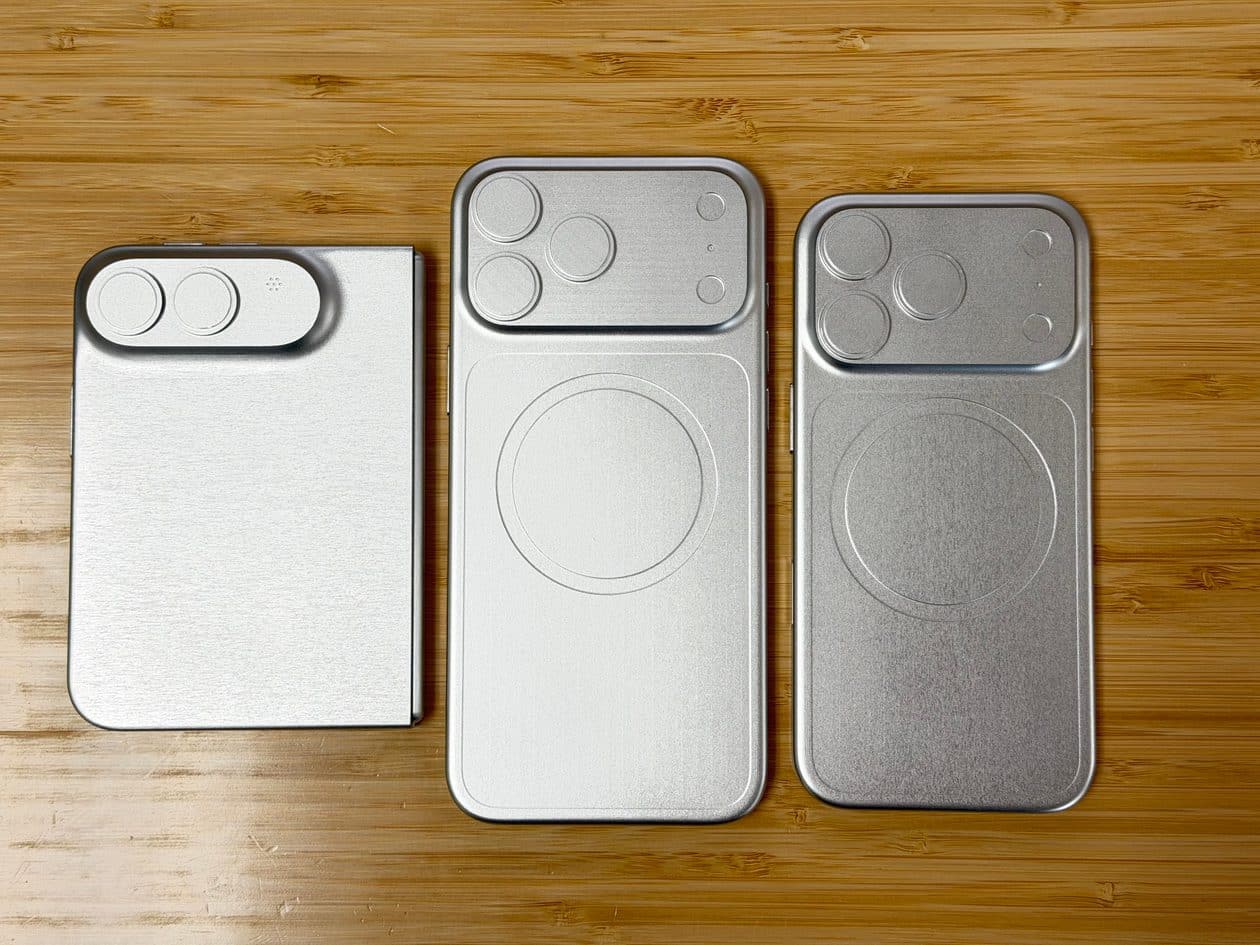
No último fim de semana, o leakerSonny Dickson compartilhou no X fotos de protetores de lentes de câmera — acessórios de terceiros — feitos para o “iPhone Ultra” (ou “iPhone Fold”), revelando aparentemente duas das cores planejadas para o dispositivo: prata e azul-escuro.
Vale lembrar que se trata de acessórios de fabricantes terceirizados, criados a partir de informações vazadas da cadeia de suprimentos da Apple, e não de peças oficiais. Ainda assim, Dickson tem histórico consistente de acertos em vazamentos desse tipo.
These iPhone Fold camera protectors give us a look at two of the colors planned for the device: silver and dark blue. pic.twitter.com/KMaMu4JyZE
As imagens reforçam um relato de abril, que já apontava um modelo clássico em prata/branco e uma opção em azul-índigo semelhante ao tom azul profundo do iPhone 17 Pro.
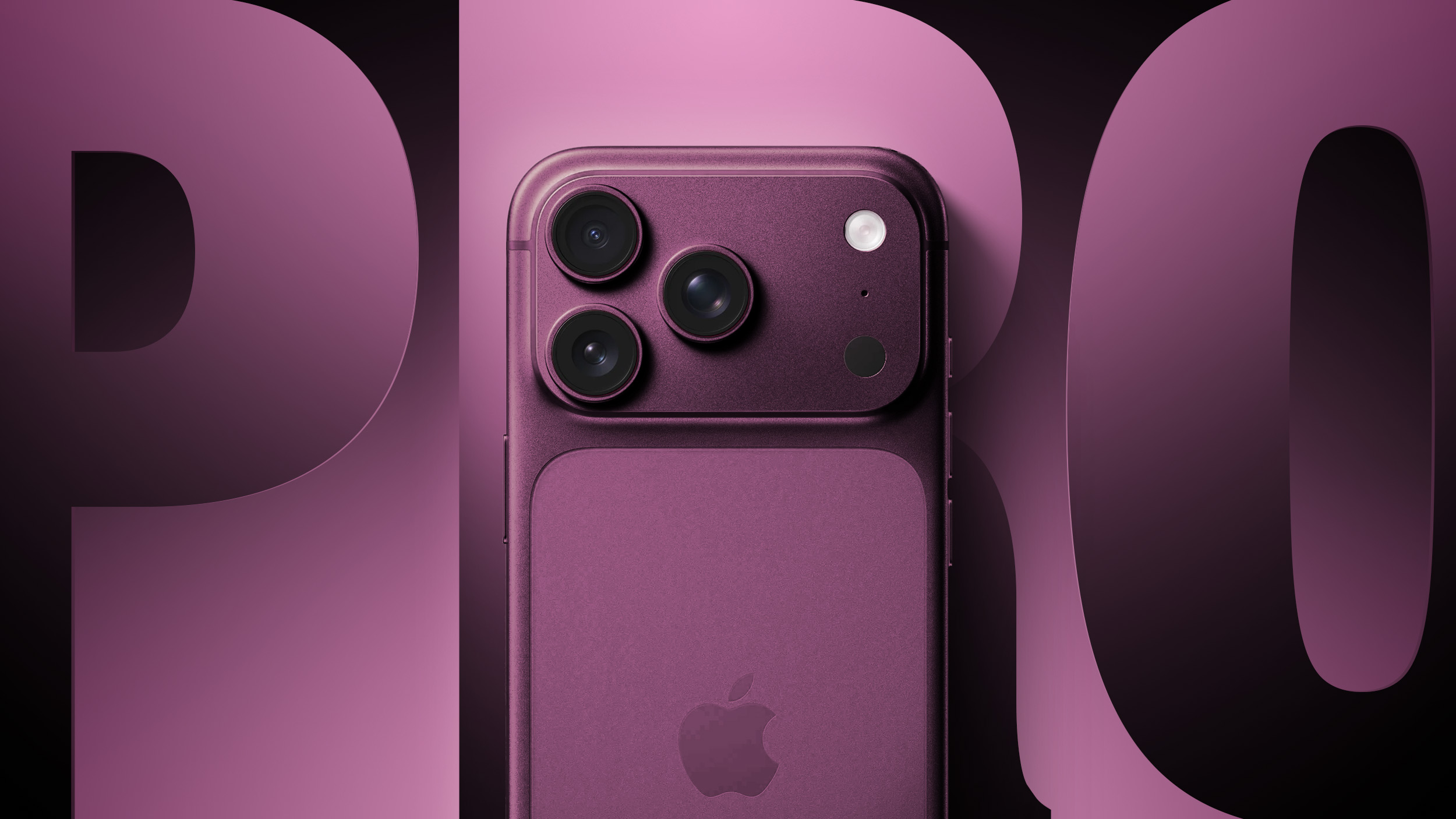
O esquema de cores mais contido do “iPhone Ultra” contrasta com o que se espera da linha “iPhone 18 Pro”, que segundo rumores deverá ganhar um novo tom cereja-escuro e uma opção azul-clara, além do prata — depois que a possibilidade de uma versão preta parece ter sido descartada.
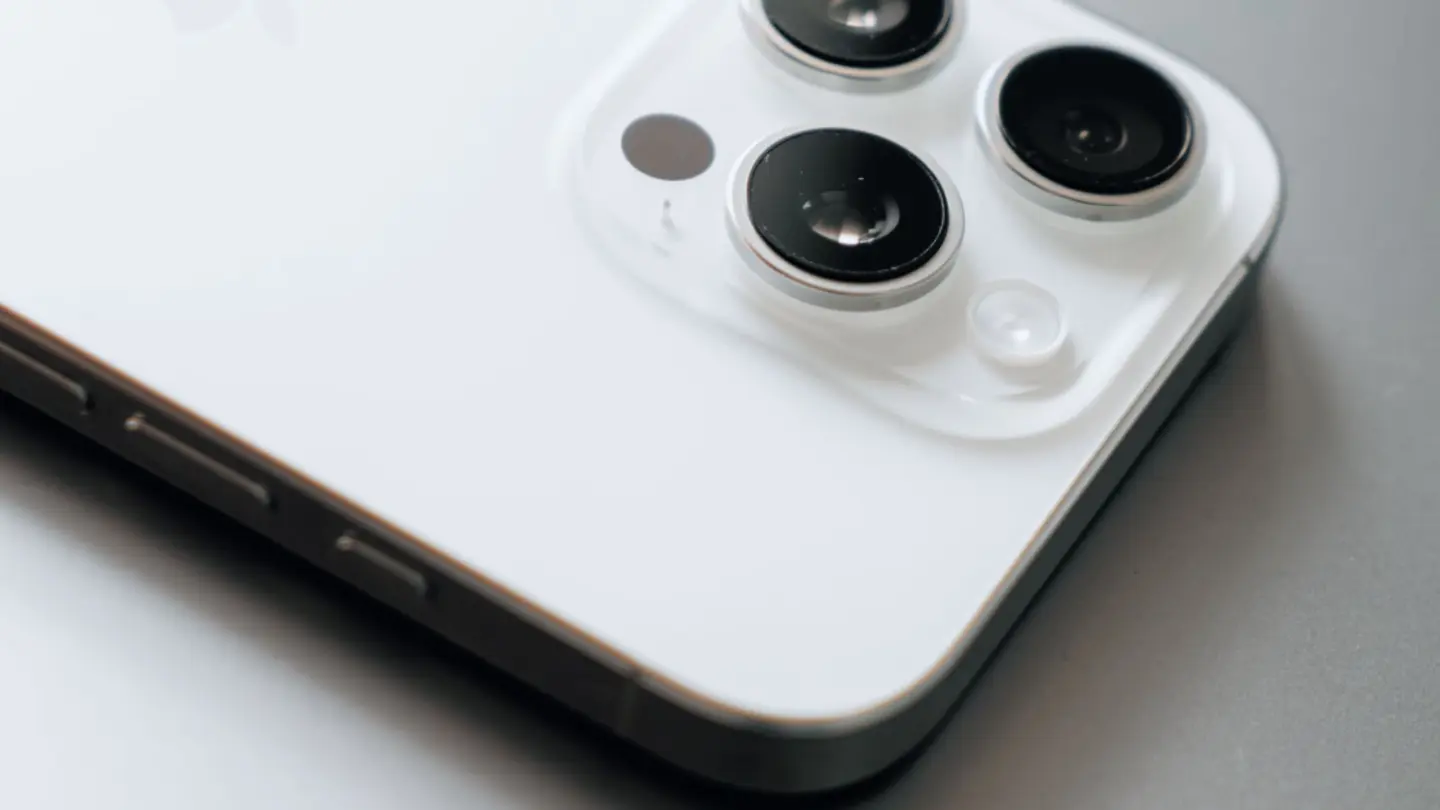
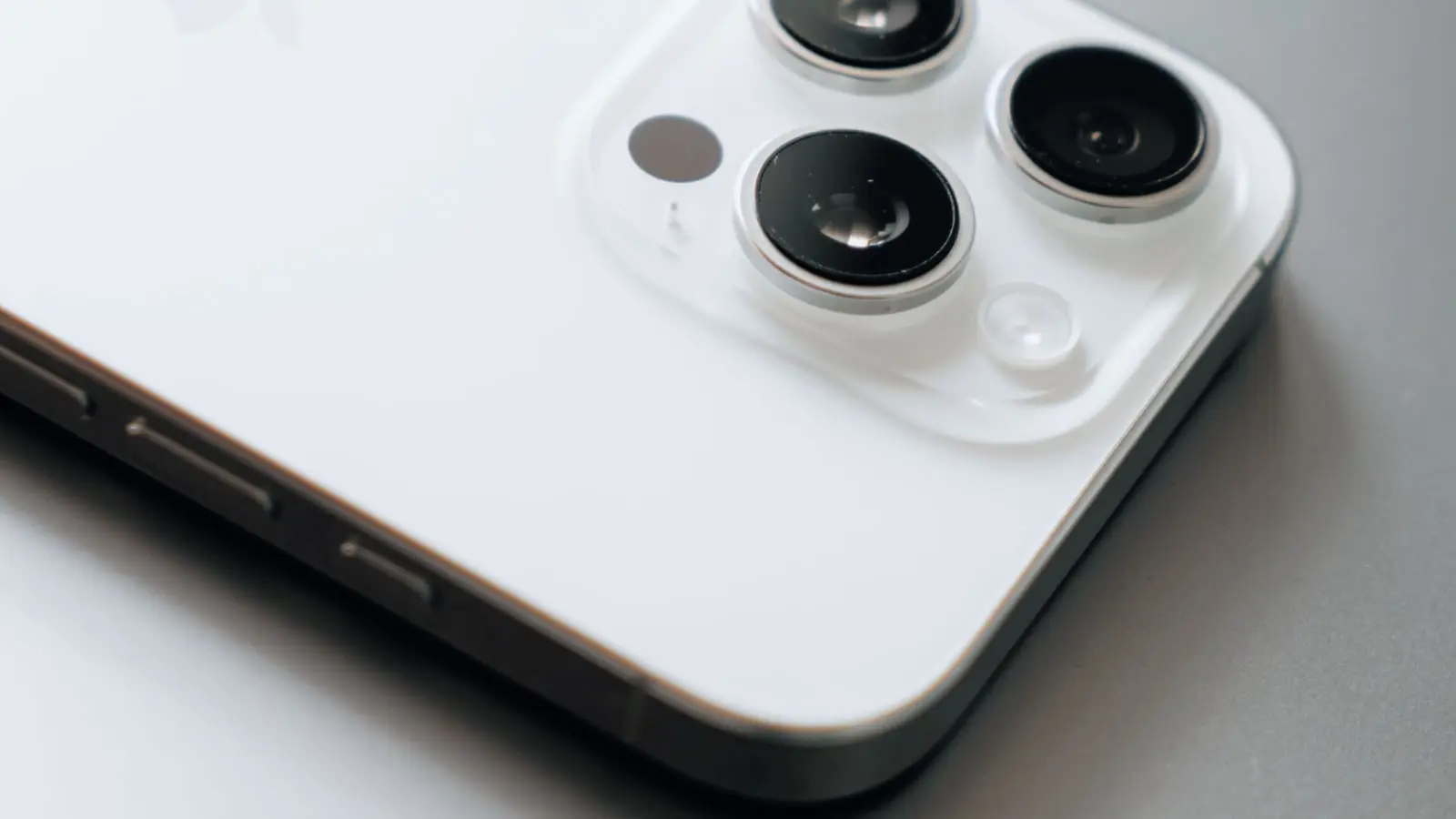
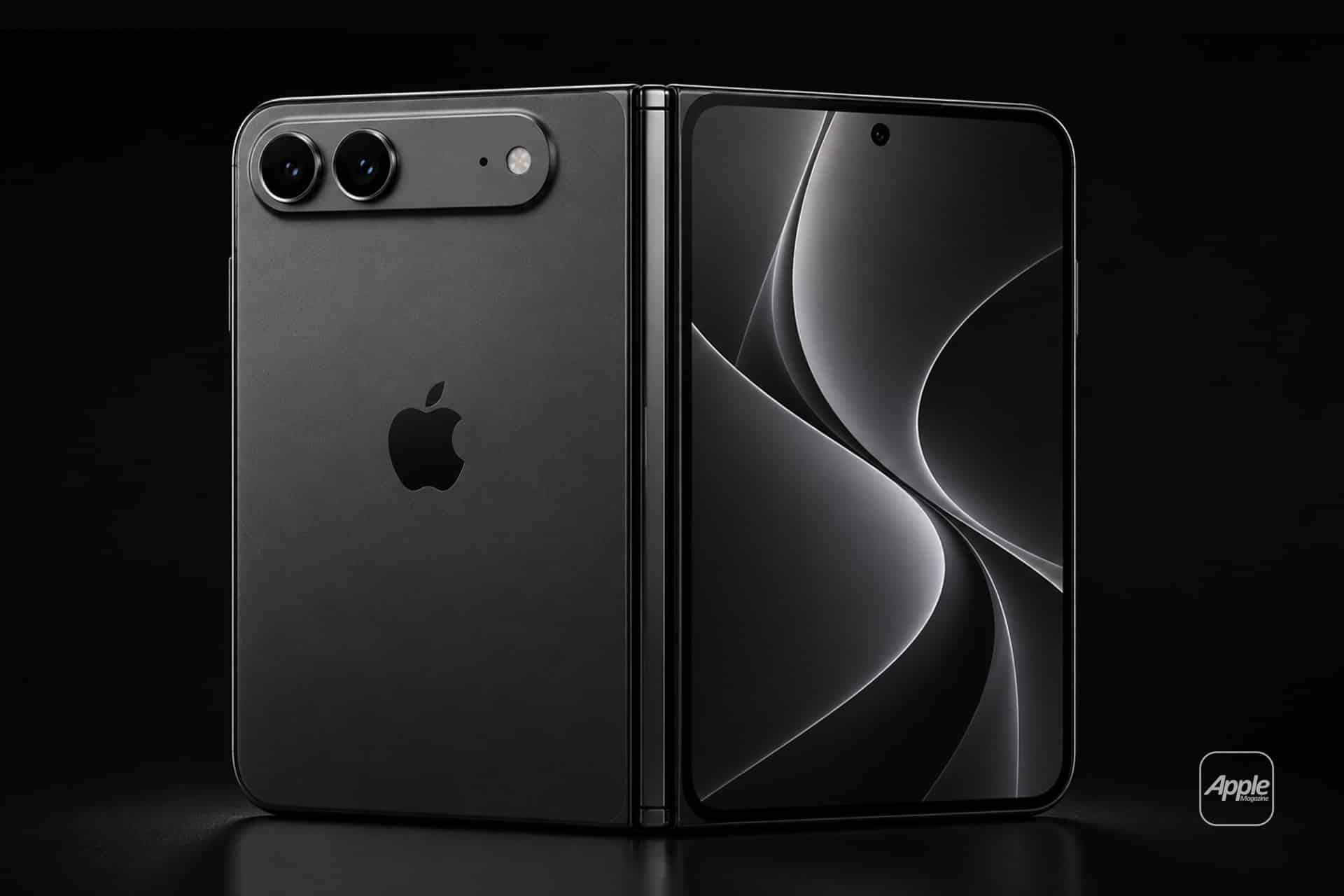
As fotos dos acessórios também deixam claro o desenho da plataforma de câmeras na parte traseira do dobrável, com duas lentes dispostas horizontalmente, um flash em formato de pílula e um scanner LiDAR, características já amplamente especuladas para o modelo.
O “iPhone Ultra” é esperado para ser anunciado ao lado do “iPhone 18 Pro” e do “iPhone 18 Pro Max”, no próximo mês.
Após o aumento dos preços de iPads e Macs — e até de Apple TVs e HomePods — em decorrência da crise dos componentes de memória, muito foi especulado sobre quando os iPhones poderiam ganhar o mesmo destino.
No entanto, o leaker conhecido como Fixed Focus Digital repercutiu, em uma publicação no Weibo, a possibilidade de a empresa aumentar o preço do iPhone 17 já no dia 10 de agosto (próxima segunda-feira).
O leaker não é a fonte da informação propriamente dita; de fato, segundo ele, “há rumores de que o iPhone 17 aumentará os preços em 10 de agosto”, apontando ainda que “é difícil dizer se vai subir [o preço] ou não.”
Também não é possível confirmar se os rumores fazem referência apenas ao iPhone 17 em si ou à linha atual como um todo — o que é bem mais provável. Entretanto, considerando que o modelo base poderá permanecer à venda por mais tempo do que os iPhones 17 Pro, é possível que apenas ele tenha o preço reajustado — e quem sabe o iPhone Air.
De qualquer forma, caso essa possibilidade se concretize, tal reajuste poderá “amenizar” os aumentos previstos com os “iPhones 18 Pro” — que, na pior das hipóteses, poderão chegar a US$300.
iPhone 17 Pro Max
Cores: prateado, laranja-cósmico ou azul-intenso Armazenamento: 256GB, 512GB, 1TB ou 2TB
NOTA DE TRANSPARÊNCIA: O MacMagazine recebe uma pequena comissão sobre vendas concluídas por meio de links deste post, mas você, como consumidor, não paga nada mais pelos produtos/serviços usando os nossos links de afiliado.
3D render claiming to depict Apple’s first foldable iPhone (image: Jon Prosser)
Apple and its suppliers are scrambling to secure enough DRAM (mobile memory chips) ahead of the expected September 2026 launches of the iPhone 18 series and the foldable iPhone Ultra, according to semiconductor analyst Tim Culpan’s exclusive reporting for Culpium.
With under six weeks to the anticipated debut, assemblers are rushing shipments of DRAM. Apple primarily sources from Micron, with additional supply from SK Hynix and Samsung. Severe shortages due to RAMageddon have left processor wafers sitting idle, awaiting packaging—creating pressure to avoid launch shortages.
The issue stems from Apple’s A20 Pro chips (built on TSMC’s 2nm process), which use Wafer-Level Multi-Chip Module (WMCM) packaging that integrates the processor and DRAM at the wafer level. This means DRAM must be available for packaging; unfinished dies cannot simply be stockpiled and completed later. Reports indicate TSMC is holding roughly $1 billion worth of unpackaged Apple processors delayed by the missing memory.
DRAM has been tight for months, driven in large part by memory makers prioritizing higher-margin chips for AI data centers over consumer devices. This has already affected other Apple products (such as certain Macs) with longer wait times. Apple and its partners (including assemblers like Foxconn) expect to meet initial launch demand, but retail stock could deplete quickly and online preorder wait times may stretch afterward. The foldable iPhone Ultra, with its more complex design and lower planned volumes (historically projected in the low millions for the second half of the year in related analyst notes), is viewed as particularly vulnerable to limited availability.
Culpan’s sources indicate Apple plans roughly 200 million combined units across the iPhone 18, 18 Pro, and Ultra over the product cycle, with the Ultra representing under 10%.
This memory constraint adds to broader industry dynamics of rising memory costs and competing demand from AI infrastructure, which have already influenced pricing discussions and production priorities for Apple hardware.
MacDailyNews Take: Buyers interested in the new Pro models or the Ultra at launch would be advised to pre-order very, very promptly!
Please help support MacDailyNews — and enjoy subscriber-only articles, comments, chat, and more — by subscribing to our Substack: macdailynews.substack.com. Thank you!
The iPhone 18 Pro, iPhone 18 Pro Max, and foldable "iPhone Ultra" could be in short supply this year, leading to long wait times and an initial sellout during preorders.
Semiconductor analyst Tim Culpan says Apple is having trouble getting enough DRAM to finish production of the new iPhone models, and chip supplier TSMC has $1 billion worth of unpackaged processors waiting on memory chips.
Apple's new A20 Pro chips are built on TSMC's 2nm process and use Wafer-Level Multi-Chip Module packaging to integrate the processor and DRAM at the wafer level. Unfortunately, that means TSMC needs to have the DRAM on hand for assembly, and it can't be added at a later step. Apple is not able to stockpile finished dies and then add DRAM when it becomes available.
Apple and its assemblers think they can meet initial demand, but retail inventory could sell quickly, leading to prolonged delivery estimates. The chip backlog will delay main logic board assembly and final device assembly, which could impact production at Foxconn and other assemblers.
DRAM has been in short supply for months and has led to long wait times for the Mac Studio, Mac mini, and MacBook Air. Companies that make memory are prioritizing chips for AI data centers because those chips are more profitable, leaving little capacity available for manufacturing chips for consumer devices.
We've had ongoing rumors about manufacturing issues with the iPhone Ultra due to the complexity of the design, and supplies of the new foldable could be the most limited of the three iPhone models. Some reports suggest the foldable iPhone could be introduced in September and then launch later, in October or November, but others say it will be available at the same time as the iPhone 18 Pro and Pro Max.
The iPhone Ultra is going to cost as much as $2,500, but the novel form factor and Apple's new Apple Upgrade pricing option could lead to more people being willing to shell out for the device. Apple is also expected to raise prices for the iPhone 18 Pro and iPhone 18 Pro Max, and analysts believe the devices could be up to $300 more expensive because Apple is paying more for RAM.
Last year, the iPhone Air, iPhone 17 Pro, and iPhone 17 Pro Max sold out during the preorder period, and shipping times extended into October. Along with potential production delays impacting supply, there will be no lower-cost iPhone 18 for people to choose this year, putting more pressure on iPhone 18 Pro supplies. Apple is not planning to launch the standard iPhone 18 until early 2027.
If you're looking to get one of the new iPhone models in September, it's a good idea to preorder right when the devices become available for purchase to have the best chance of getting one on launch day.
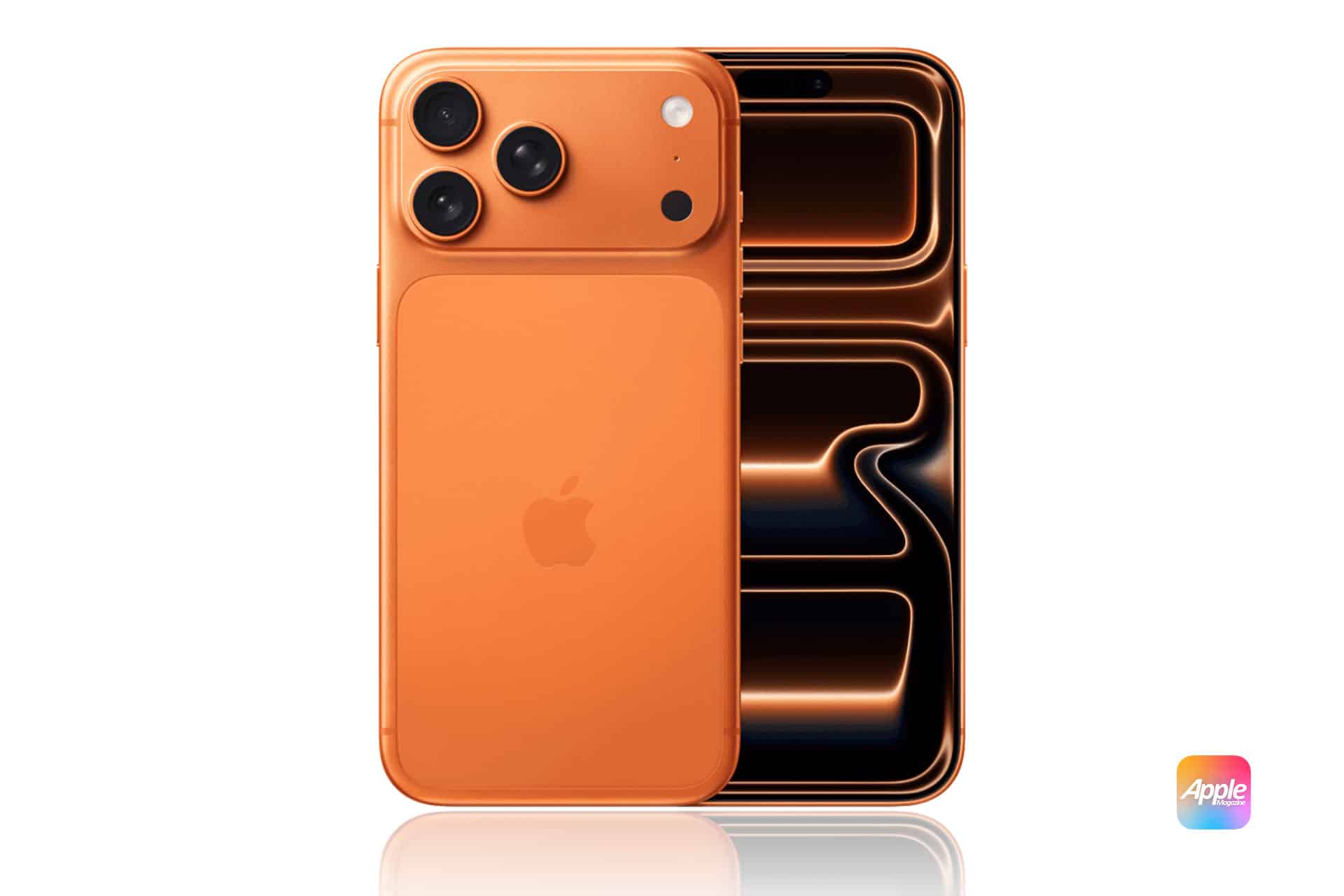
The iPhone Ultra price could establish an entirely new tier within Apple’s smartphone range. Current estimates place the company’s first foldable iPhone above $2,000, with some industry forecasts suggesting an average selling price near $2,500 and higher-storage configurations approaching $3,000.
Apple has not confirmed the device, its name, or its retail price. The iPhone Ultra branding also remains unofficial, although it has appeared repeatedly in reports concerning Apple’s planned expansion beyond the Pro and Pro Max levels.
The foldable is expected to join the iPhone 18 Pro family during Apple’s fall hardware cycle. Rather than replacing the iPhone Pro Max, it would sit above it as a separate model built around a book-style design and a display that expands to approximately the size of a small tablet.
A price beyond $2,000 would make it the most expensive iPhone Apple has released. The current iPhone 17 Pro Max starts at $1,199 in the United States, leaving a difference of at least $800 between Apple’s established flagship and the lowest estimates for the foldable.
Recent projections have pushed that gap even wider. Reports citing analyst Ming-Chi Kuo have discussed a possible range between $2,300 and $2,500, while an IDC estimate cited in supply-chain coverage placed the average selling price at approximately $2,500. Storage upgrades could take selected configurations closer to $3,000.
iPhone Ultra Price Creates a New Flagship Tier
Apple has spent years arranging the iPhone range around a price ladder. Standard models serve the center of the market, while Air and Pro devices address different preferences involving weight, cameras, materials, performance, and display size.
A foldable iPhone would require another level. Its internal display, hinge, structural materials, battery arrangement, and manufacturing tolerances introduce costs that do not exist in a conventional iPhone.
The rumored hardware points to a device intended to combine phone and tablet functions. Reports describe an outer screen measuring about 5.5 inches and an internal display of approximately 7.8 inches. When closed, the product would operate as a compact iPhone. Opening it would provide enough space for larger applications, side-by-side content, expanded video, and an iPad-style software interface.
Apple is reportedly developing interface changes that would let applications take greater advantage of the internal display instead of simply enlarging an iPhone layout. That software work may become one of the main distinctions between the device and existing foldables, particularly if Apple can connect it closely with iPad multitasking conventions.
The hinge is expected to use liquid metal, an amorphous alloy chosen for strength and resistance to deformation. Apple has also reportedly focused on reducing the visible display crease, one of the most recognizable compromises found on current folding phones.
Those elements help explain a premium price without guaranteeing that customers will accept it. A $2,000-plus phone would compete for spending that could otherwise purchase an iPhone and an iPad, a high-end Mac, or several years of conventional smartphone upgrades.
The device would therefore need to offer more than the novelty of a folding screen. Durability, battery life, camera performance, application behavior, repair costs, and long-term display reliability will influence whether buyers view the iPhone Ultra as a versatile computer or an unusually expensive phone.
Costly Engineering Behind the Fold
Rumors suggest Apple may use Touch ID in the side button instead of Face ID. The change would not necessarily represent a retreat from facial authentication across the rest of the iPhone range. A foldable chassis has limited internal space, and eliminating the TrueDepth camera hardware could help Apple manage thickness around the outer and inner displays.
The reported design includes two rear cameras and front-facing cameras accessible in both folded and unfolded positions. That arrangement may leave the iPhone 18 Pro Max with the more extensive photography system, despite the foldable carrying a much higher price.
Such a decision would position the iPhone Ultra around form factor and productivity rather than making it the automatic leader in every specification. Apple has used similar distinctions elsewhere, allowing one product to command a premium for its design while another retains advantages in cameras, battery endurance, or sustained performance.
Display production is another source of expense. Folding OLED panels require flexible materials, protective layers, specialized hinges, and tighter assembly controls. Apple’s reported pursuit of a nearly crease-free screen may increase component costs and reduce early manufacturing yields.
The company is also entering the category after competitors have spent several generations addressing hinge failures, screen damage, dust protection, and application scaling. Arriving later gives Apple access to a more mature supply chain, but its design standards may create additional production challenges.
Industry estimates suggest Apple’s arrival could help raise the average selling price of book-style foldables throughout 2026. Competitors already sell premium folding phones, yet a model priced near $2,500 would push the category further away from mainstream flagship pricing.
Image Credit: AppleMagazine
Apple Upgrade Softens the Monthly Number
Apple Upgrade could make the iPhone Ultra price appear less intimidating at checkout. The Klarna-backed program lets eligible US customers lease selected Apple devices through fixed monthly payments rather than covering the entire retail price upfront.
Current iPhones can be leased for 12 or 24 months. At the end of the term, customers may return the device, move into another eligible Apple product, or pay the remaining amount required to keep it.
That structure can produce lower monthly payments than traditional financing because the customer is not necessarily paying the entire purchase price during the lease. Part of the product’s value remains in the device at the end of the agreement.
A future iPhone Ultra could fit naturally into this model. Its high retail price and expected resale value would give Apple and Klarna room to separate the cost of using the phone for two years from the cost of owning it permanently.
No monthly figure has been announced for the foldable. Apple cannot price an Apple Upgrade lease until it establishes the phone’s retail cost, residual value, eligible term, and trade-in conditions. A simple calculation that divides $2,000 or $2,500 by 24 months would therefore be misleading.
The monthly charge may be considerably lower than a standard purchase installment, but the customer does not automatically own the iPhone after making the scheduled lease payments. Keeping it requires an additional payment based on the remaining value specified by the agreement.
AppleCare+ is also separate from the current Apple Upgrade lease price. That differs from the former iPhone Upgrade Program, which bundled AppleCare+ coverage into its monthly payments. Protection could be particularly relevant for an expensive first-generation foldable containing a flexible display and complex hinge.
Trade-in credit may reduce the monthly charge, while storage selection would push it higher. Sales tax, cellular service, accessories, and optional protection would remain additional costs. Apple Upgrade changes when and how customers pay, but it does not turn a $2,000-plus product into a lower-priced iPhone.
Limited Supply Could Intensify Early Demand
Apple is reportedly preparing millions of foldable units, but production may be heavily weighted toward the final months of 2026 and 2027. Supply-chain estimates have ranged from 7 million to 10 million devices, with different reports using different production periods and assumptions.
The foldable may be announced alongside the iPhone 18 Pro and iPhone 18 Pro Max but reach customers later. That would resemble the 2017 launch of the iPhone X, which was introduced with the iPhone 8 family in September and released in November.
A delayed retail date would give Apple more time to accumulate inventory while preserving the device’s place in its fall presentation. It could also place the iPhone Ultra into the holiday quarter with considerable demand concentrated around a relatively small supply.
High pricing does not necessarily prevent shortages during the first weeks of an Apple product launch. Early adopters, developers, collectors, and customers waiting specifically for an Apple foldable represent a smaller audience than the conventional iPhone market, but they may still outnumber the units available at release.
Apple Upgrade could add another source of demand by replacing the full retail figure with a monthly lease price inside the Apple Store. That presentation may make the phone accessible to customers who would reject a $2,500 purchase while accepting a recurring payment and returning the device later.
Kuo expects only 500,000 to 1 million foldable iPhones to ship during the third quarter, a supply level that could push some deliveries four to six weeks beyond the opening preorder window.
Apple is preparing for its biggest product event of the year by opening a lottery that gives U.S. retail employees a chance to help staff the in-person unveiling, according to Bloomberg News’ Mark Gurman.
“With Apple Inc. gearing up for its biggest product launch of the year, the company is opening a lottery for U.S. retail employees who want to help staff the in-person unveiling,” Gurman reported.
The lottery allows retail employees to apply to work the event, where they’ll help organize lines, check in guests, greet attendees, offer directions and support the security teams, according to a memo that was seen by Bloomberg News.
In the memo, Apple said it was “excited to offer U.S. store team members the opportunity to participate in the Event Support Experience Program.” Apple has relied on retail employees to help staff major product launches for years.
The launch event will take place during the first half of September, the company told staff, without providing a more specific date. Historically, Apple’s iPhone presentations have taken place on the second Tuesday or Wednesday of that month. Since Labor Day in the U.S. falls on Monday, Sept. 7th, a Wednesday event appears slightly more likely, as it would preserve the workday travel window Apple has historically provided for attendees.
Workers who participated in either this year’s Worldwide Developers Conference or last year’s iPhone launch aren’t eligible for the upcoming program. Interested employees must apply by Aug. 8th, and Apple will notify those selected by Aug. 17th, according to the memo.
MacDailyNews Take: This year’s September event carries added significance. It will be the first major product unveiling under Chief Executive Officer John Ternus, who is set to take over from Tim Cook on Sept. 1st. The company is expected to unveil its first foldable iPhone — rumored to be called “iPhone Ultra” – as well as the iPhone 18 Pro and Pro Max, new Apple Watch models (Series 12 and Ultra 4), and, perhaps, new AirPods and Apple Home products.
Please help support MacDailyNews — and enjoy subscriber-only articles, comments, chat, and more — by subscribing to our Substack: macdailynews.substack.com. Thank you!
Parece que a tentativa da Apple de colaborar com a fabricante chinesa de memória CXMT encontrou mais um empecilho no caminho: supostamente, a possível fornecedora demandou os mesmos valores (ou até maiores) pagos pela Maçã à Samsung Electronics e à SK Hynix. A informação veio do site sul-coreano Digital Daily.
O desgaste ocorreu após a Maçã tentar negociar os preços das memórias, tendo seu pedido de redução de preço rejeitado pela CXMT, que manteve preços semelhantes ou até mesmo superiores aos das demais fornecedoras da Apple.
Do lado da chinesa, há alguns motivos para essa postura: a barganha de uma empresa americana com uma série de exigências quanto aos processos de certificação de qualidade contrasta com o conforto do seu domínio do mercado doméstico, já que a fabricante possui contratos de longo prazo sob preços elevados com empresas como a HUAWEI e a Xiaomi.
Os desafios
Mesmo sob forte pressão da Micron e do Senado americano, a negociação com a CXMT (presente na lista de restrições comerciais do Pentágono como uma empresa militar da China, vale lembrar) foi uma alternativa encontrada por Tim Cook para mitigar os efeitos da crise de memória.
De acordo com um executivo da indústria de semicondutores consultado pelo veículo sul-coreano, a postura da CXMT ajudou a estabelecer um piso para os preços praticados com a DRAM 1Dynamic random access memory, ou memória dinâmica de acesso aleatório. convencional, suficiente para que a Samsung e a SK Hynix cobrassem um valor consideravelmente mais alto. Esse conforto mercadológico quanto às fornecedoras ocidentais também diz respeito ao foco de produção para memórias de alto desempenho destinadas a data centers de inteligência artificial (IA), deixando a produção para eletrônicos de consumo em segundo plano — o que naturalmente provoca escassez.
Segundo o analista Tim Culpan, a Apple e seus fornecedores estão correndo contra o relógio para obter chips de memória a tempo do lançamento da próxima geração de iPhones, prevista para ser anunciada no mês que vem. Esse cenário fez com que a Maçã recorresse especialmente à Micron, à Samsung e à SK Hynix. A escassez poderá afetar a disponibilidade do “iPhone 18 Pro” e do “iPhone 18 Pro Max”, embora ainda exista alguma confiança de que a demanda inicial poderá ser suprida.
Resta a dúvida se a Apple seguirá em suas tratativas com a CXMT ou se dará o braço a torcer aos interlocutores estadunidenses dessa história. Em ambos os cenários, infelizmente, parece que a conta irá chegar mais alta ao consumidor final.
De acordo com uma reportagem da Bloomberg, a Apple dará o pontapé inicial nos preparativos para o evento especial de lançamento dos próximos iPhones com um sorteio interno entre funcionários de suas Apple Stores, com o objetivo de selecionar quais deles trabalharão presencialmente lá no Apple Park durante o grande dia.
Como trata-se de um número limitado de vagas (que certamente são bem disputadas), a empresa abriu inscrições para funcionários interessados até o dia 8 de agosto, e notificará os selecionados até o dia 17 do mesmo mês, segundo um memorando ao qual o veículo teve acesso.
Para se inscrever, os candidatos também não podem ter participado da WWDC26 e nem do evento especial de lançamento dos iPhones em setembro do ano passado — o que garante uma maior rotatividade nos funcionários selecionados para esses eventos.
Os funcionários que forem agraciados com o sorteio, segundo o memorando, atuarão em tarefas como organização de filas, check-in dos convidados e recepção aos participantes, bem como fornecerão informações e oferecerão suporte às equipes de segurança envolvidas.
O memorando também diz que o evento ocorrerá na primeira quinzena de setembro. Tradicionalmente, ele ocorre na 2ª terça ou quarta-feira do mês. Como segunda (7/9) será feriado nos Estados Unidos, é provável que o grande evento deste ano aconteça na quarta-feira (9/9).

 Login