❌

Reading view

Waymo CEO explains why Tesla’s camera-only self-driving falls short
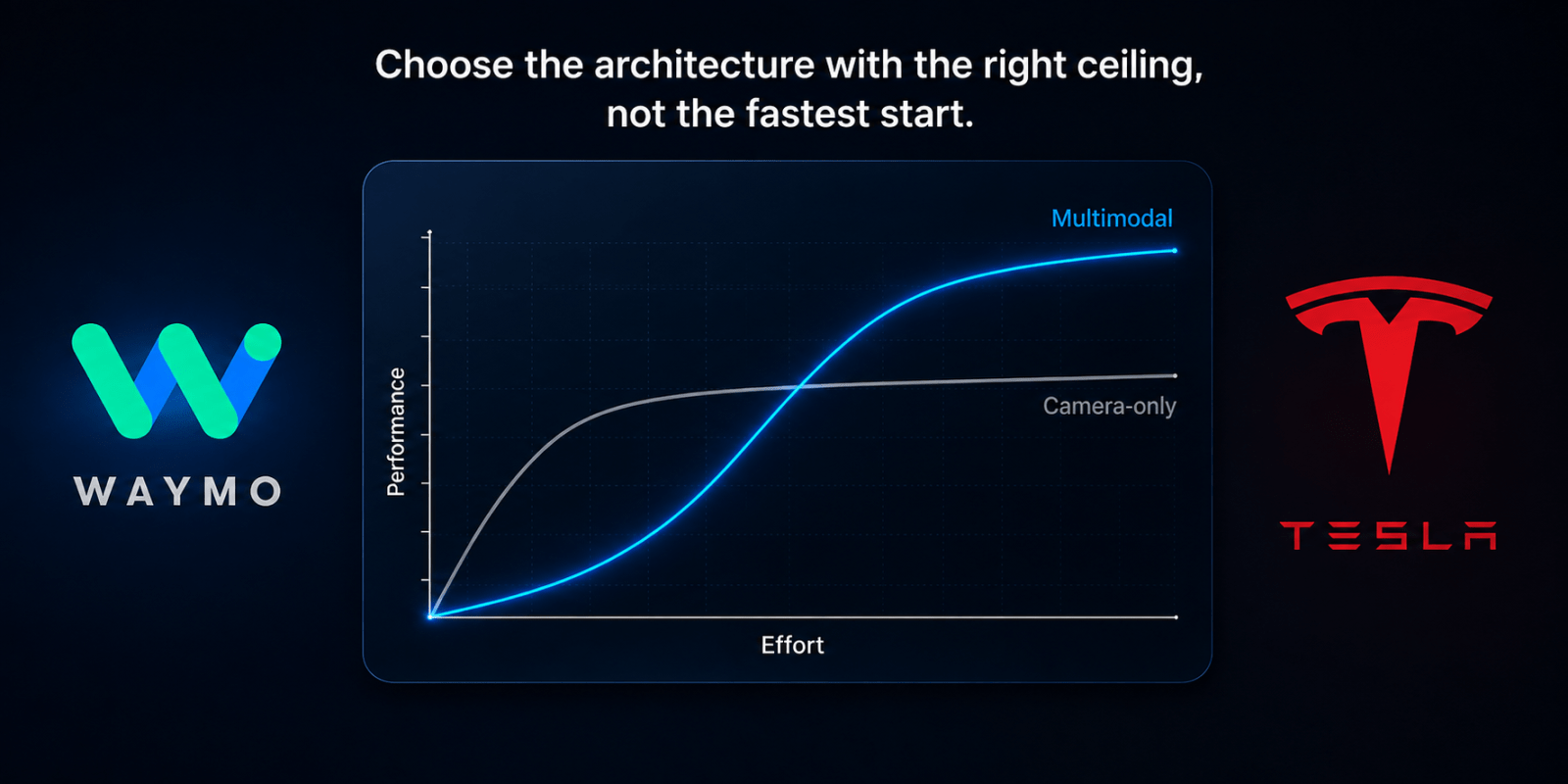
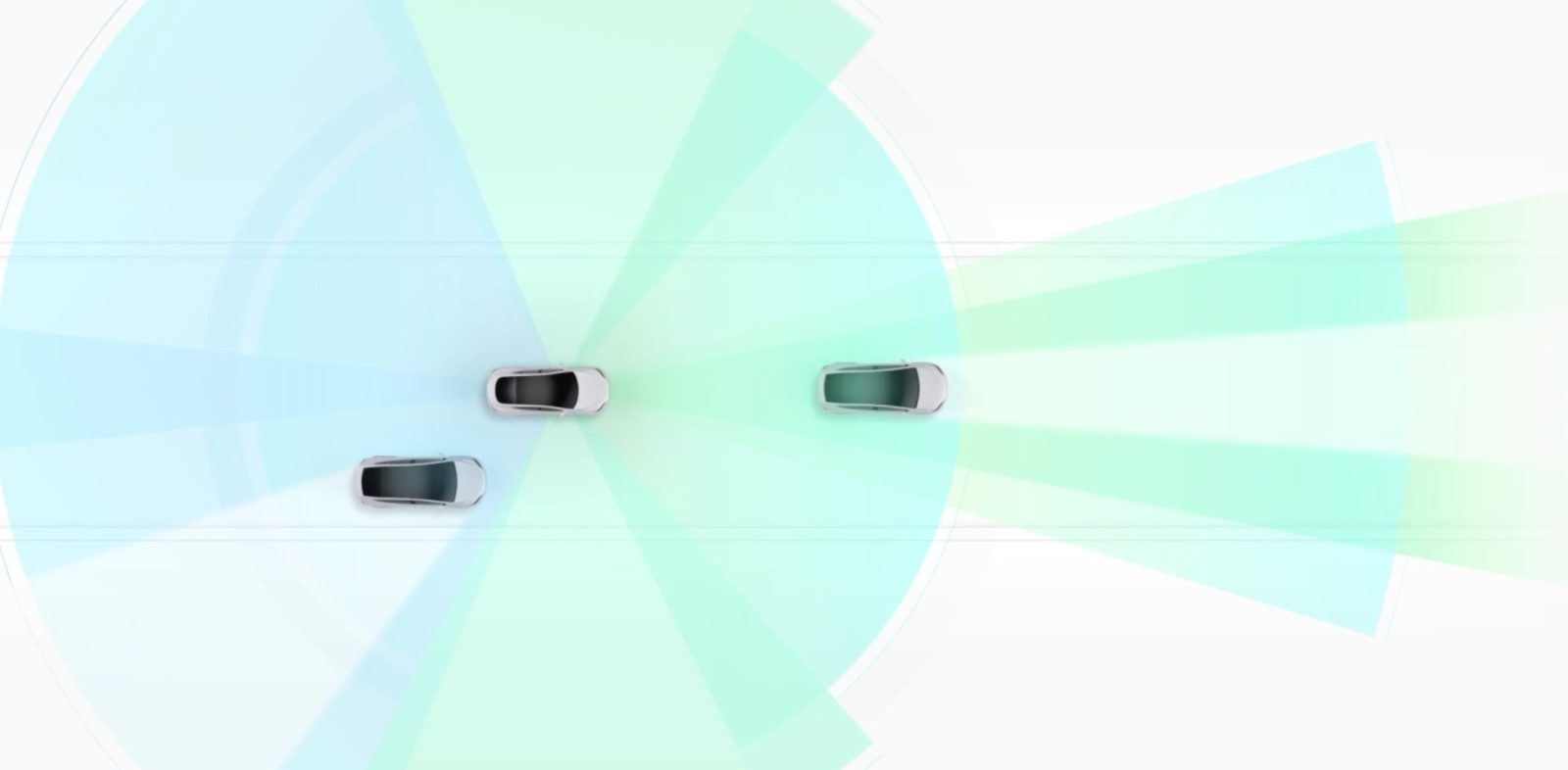
Waymo co-CEO Dmitri Dolgov laid out the clearest technical case yet for why cameras alone can’t take a self-driving system to full autonomy, arguing that “weak sensing” hits a safety ceiling long before it reaches superhuman performance.

He never said the word Tesla. But camera-only is Tesla’s entire bet, and this was a direct shot at it.

  •  

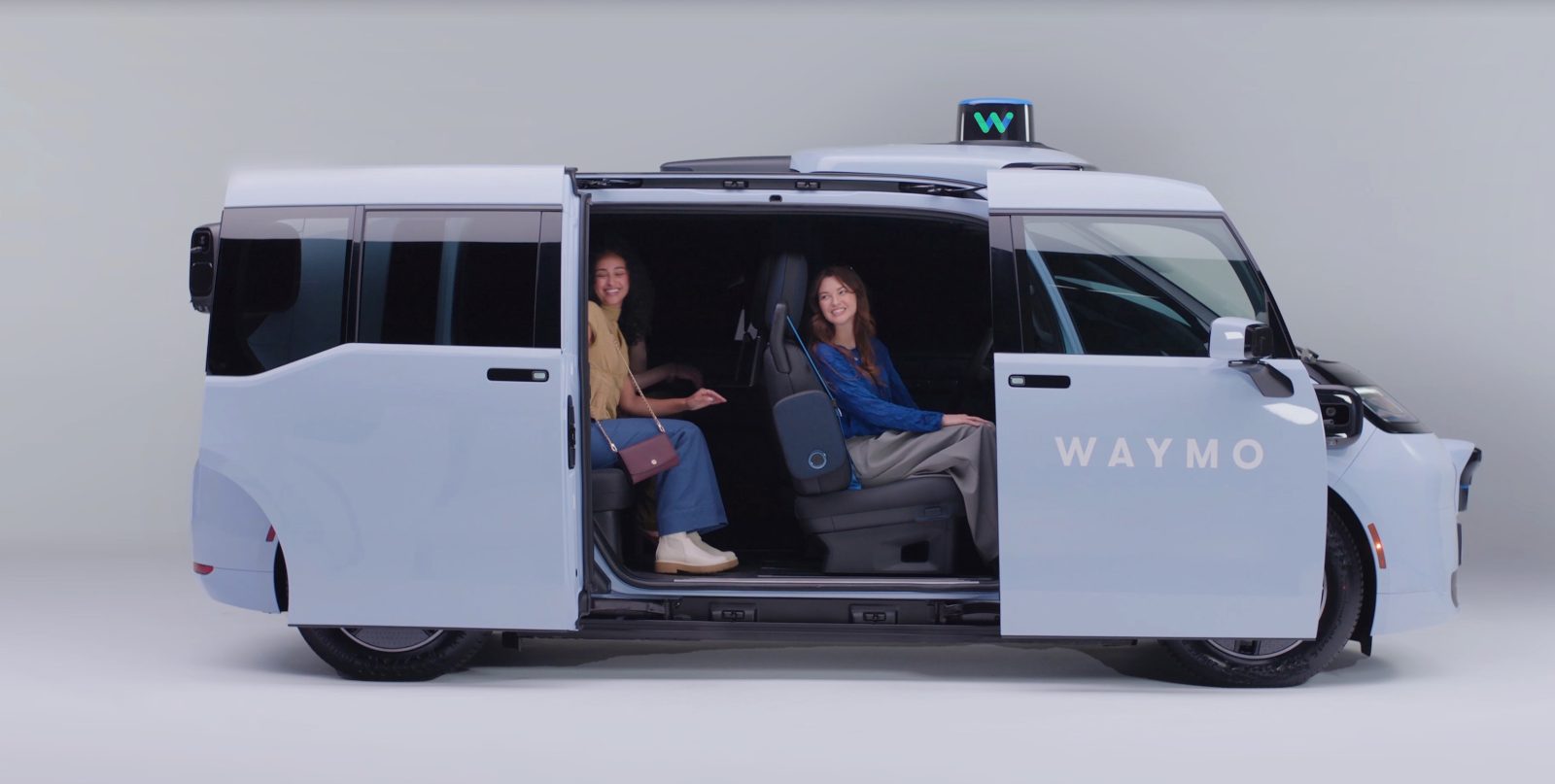
Waymo adds Google’s Gemini AI assistant and new UI to Ojai robotaxi

Waymo is putting Google’s Gemini AI assistant inside its robotaxis for the first time, alongside the first major redesign of its rider interface in years.

Both features are launching in the Ojai, Waymo’s purpose-built vehicle, as the company gets ready to open the car up to more public riders.

  •  

Tesla self-driving manager describes scary conditions in robotaxi testing

A former Tesla manager who ran the company’s “Full Self-Driving” test fleet in Houston says the operation was so understaffed that its cars became “rolling hazards on public streets,” according to a lawsuit.

The manager, Javier Medrano, filed the wrongful-termination complaint in Houston federal court, and its contents were reported this week. He oversaw the fleet before Tesla launched its driverless “Robotaxi” in the city.

  •  

Tesla says ‘Robotaxi’ is expanding — its own chart shows it’s not

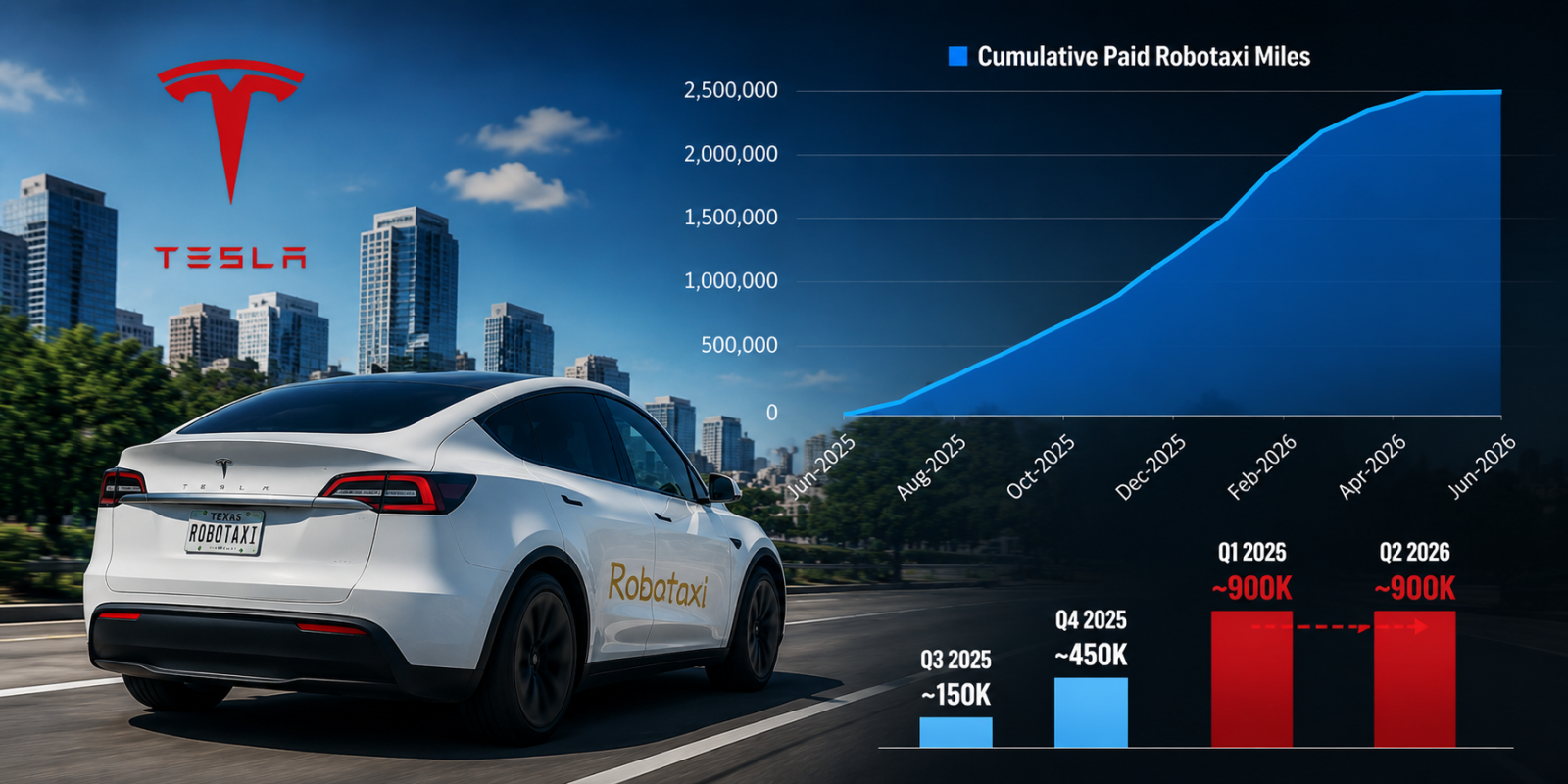
Tesla told shareholders this week that its Robotaxi service is expanding. The company’s own chart proves it isn’t.

In its Q2 2026 update, Tesla leaned on a cumulative “paid Robotaxi miles” chart climbing past 2.4 million miles as its headline proof of momentum. But break that curve into quarters and the growth flatlines: Robotaxi added roughly 900,000 paid miles in Q2 2026, the same as it did in Q1.

  •  

NHTSA targets Tesla’s ‘Radar Saves Us’ document in FSD crash probe

NHTSA is now demanding a Tesla internal document titled “Radar Saves Us” as part of its investigation into “Full Self-Driving” crashes in low-visibility conditions.

The request is buried in a new 24-part information demand sent to Tesla on July 2, and it points the probe straight at the decision that started all of this: Tesla removing radar from its cars.

  •  

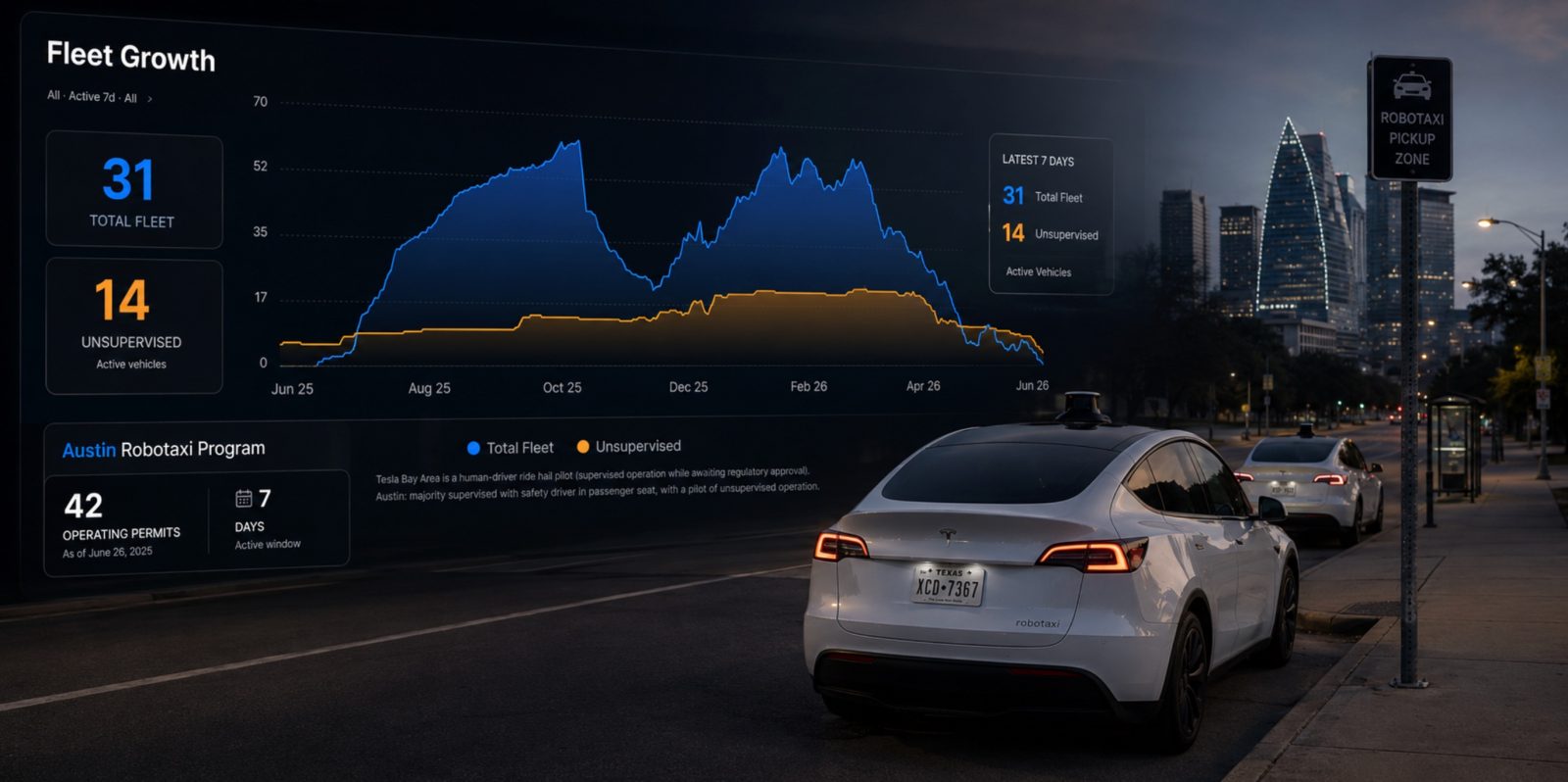
Tesla adds Robotaxi in Tampa and Orlando as Austin stalls at 17 cars

Tesla switched on its “Robotaxi” service in Tampa and Orlando on Monday, adding two Florida cities to a driverless network that still runs on a couple dozen cars. The company’s @robotaxi account announced it in a four-word post: “Robotaxi now in Tampa & Orlando!”

The timing isn’t subtle. Tesla reports second-quarter earnings on Wednesday, and Robotaxi is the story Elon Musk keeps selling to investors. Two new city names the day before make for a nice slide. The fleet behind them tells a different story.

  •  

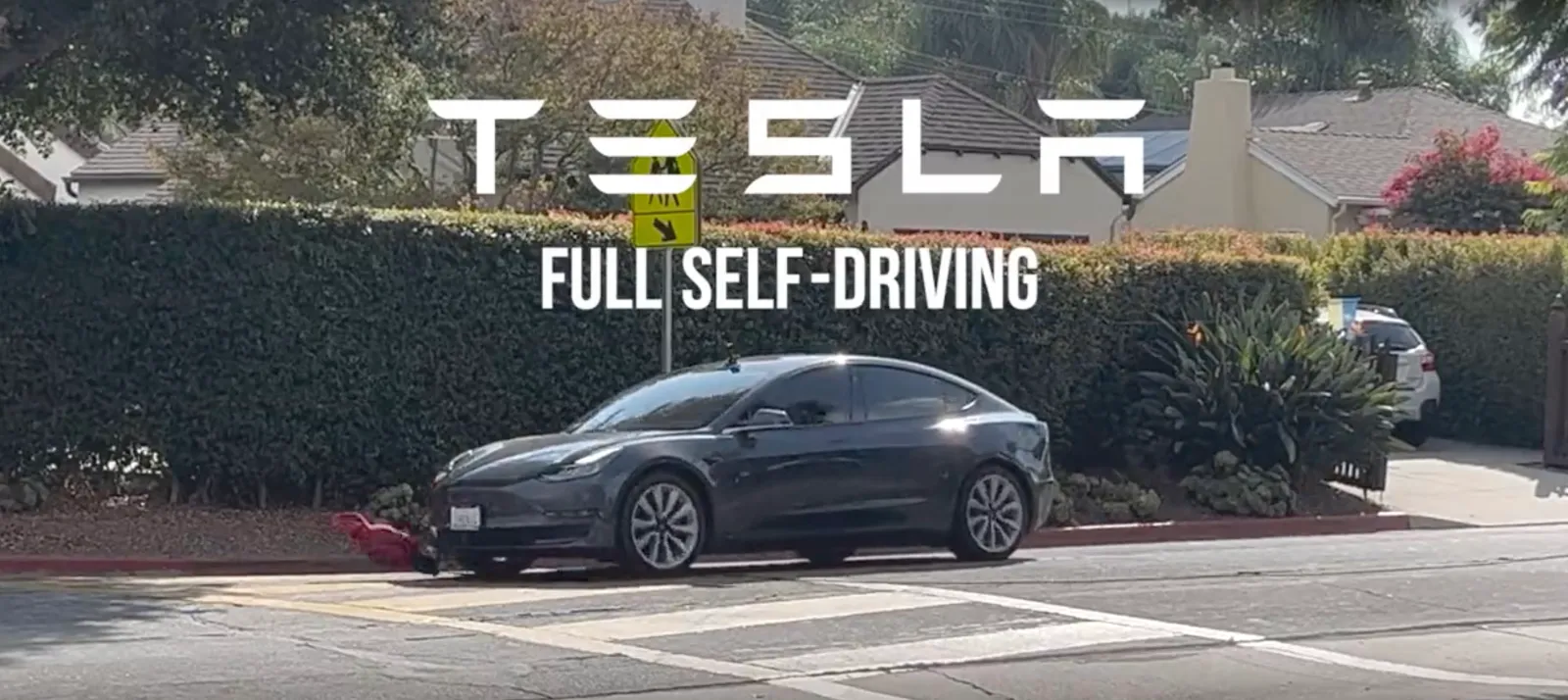
Tesla ‘Full Self-Driving’ got me a speeding ticket, and Tesla killed the fix

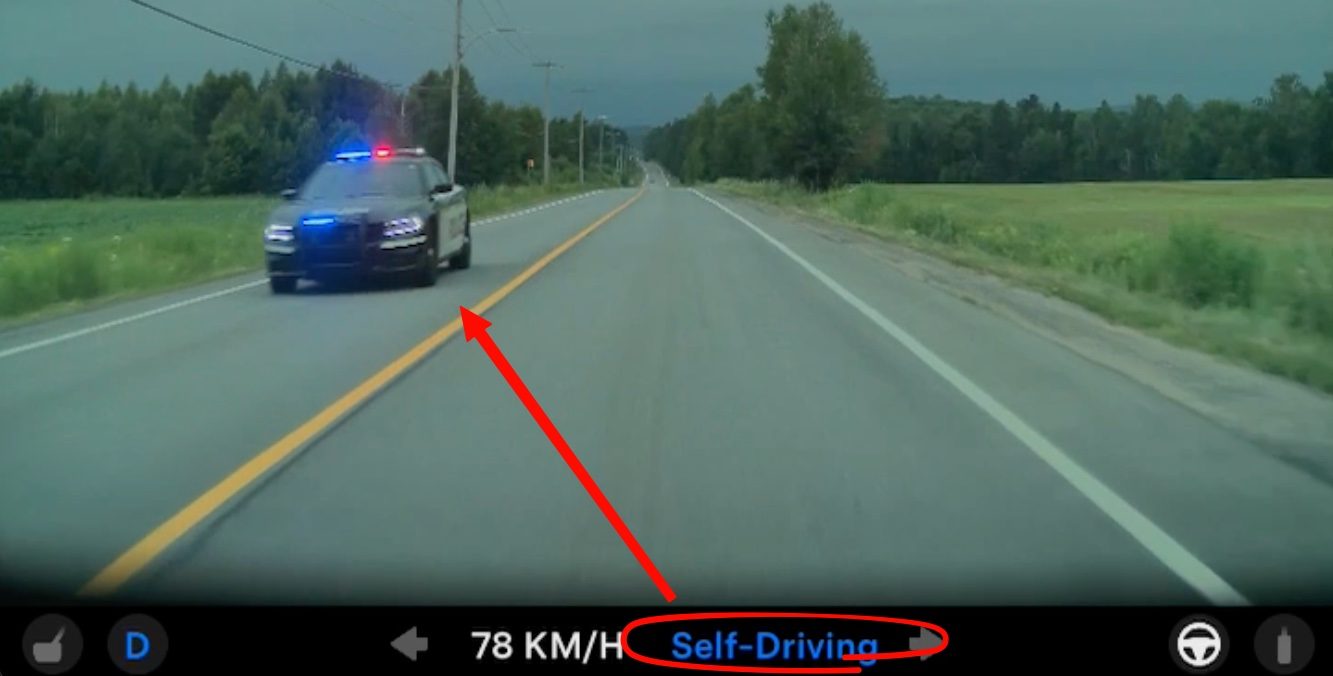
I got a speeding ticket this weekend while using Tesla’s Full Self-Driving. The car was driving itself in Standard mode on FSD when it took me up to 78 km/h in a 50 km/h zone.

A police officer coming the other way clocked me on radar and pulled me over on the spot. I’d turned FSD on less than two minutes earlier.

  •  

Tesla says it’s building a wheelchair-accessible robotaxi in Texas

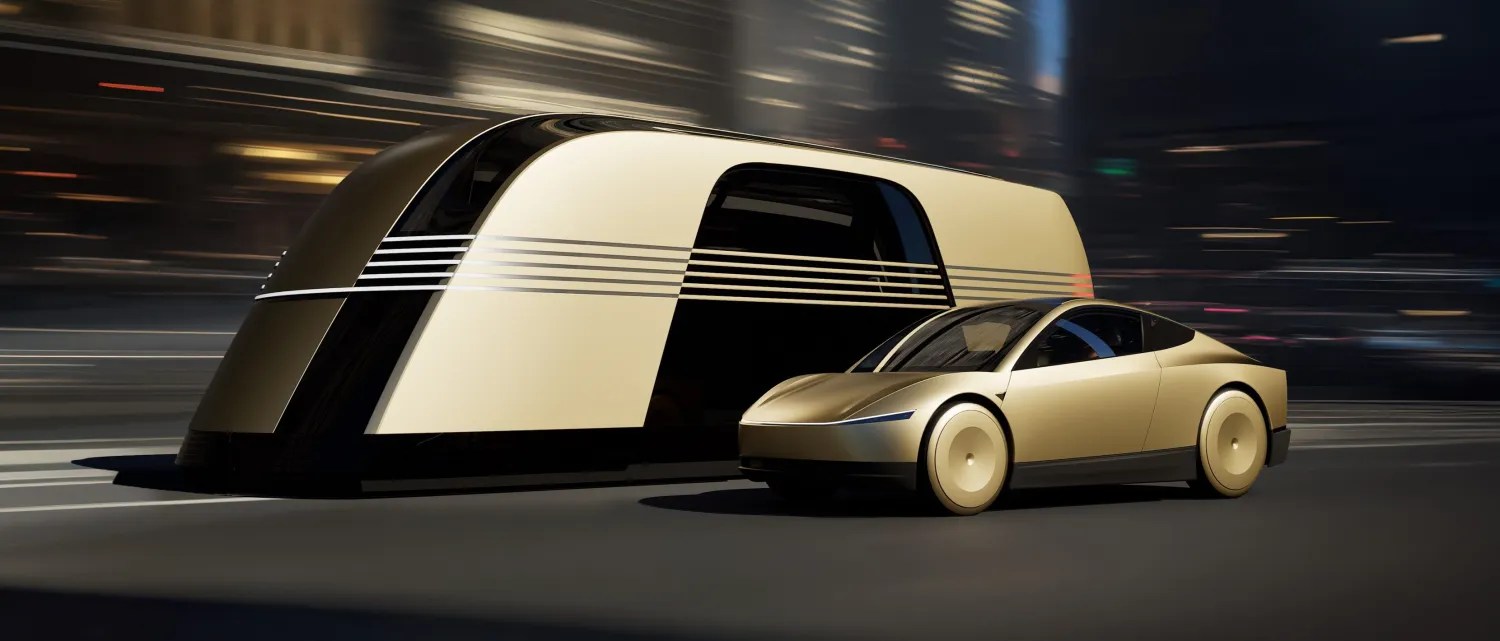
Tesla is building a purpose-built, wheelchair-accessible autonomous vehicle, a company policy advisor told lawmakers in Washington, DC, on Monday.

But Tesla gave no timeline, no vehicle, and no details, and it’s not clear the “active product” is anything more than the Robovan it unveiled nearly two years ago.

  •  

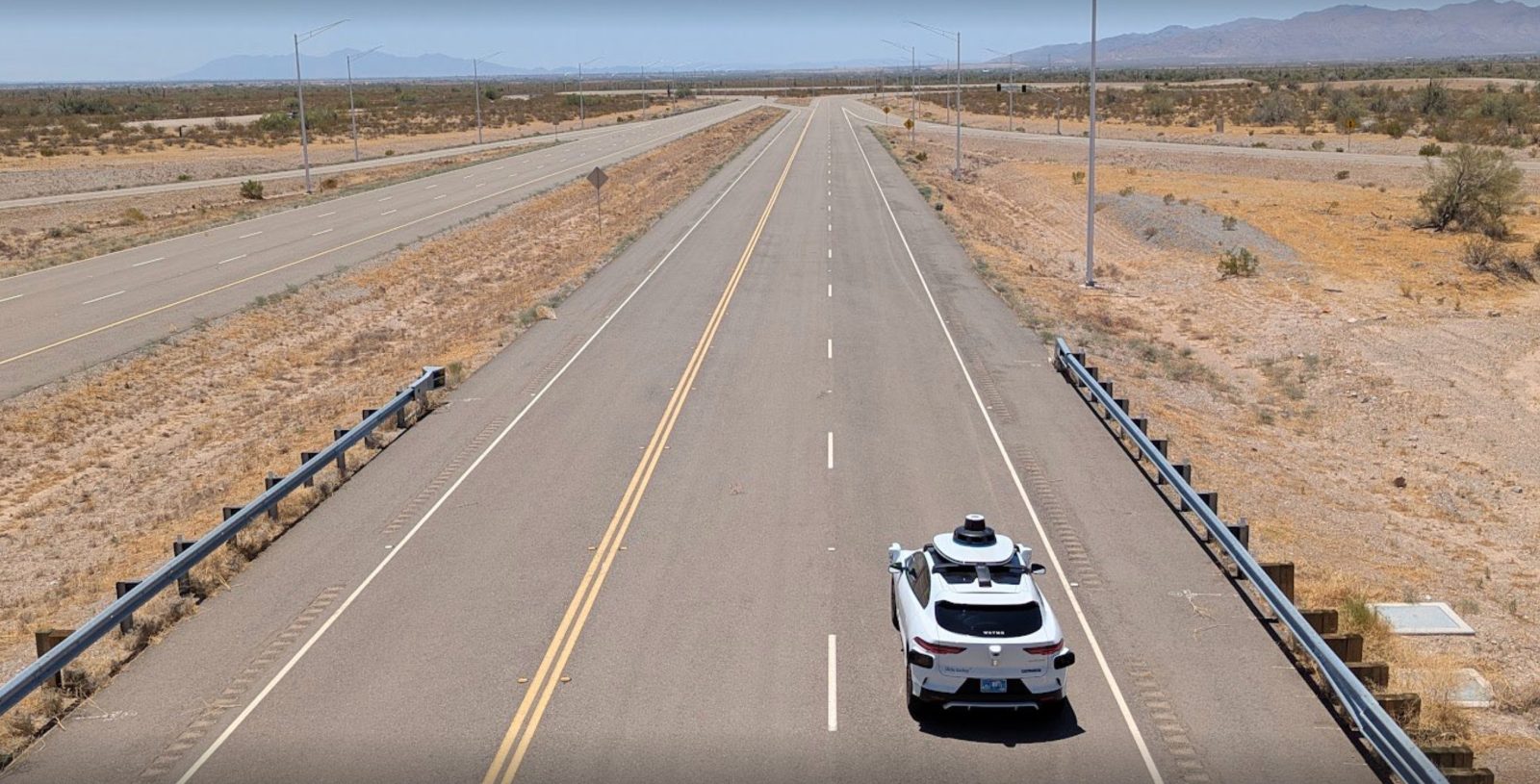
Waymo goes driverless in Las Vegas, with Denver, San Diego, Tampa next

Waymo has activated fully driverless operations in Las Vegas, its riders will now see vehicles with no human at the wheel, and the Alphabet unit says Denver, San Diego, and Tampa are next in line.

The move adds four new markets to Waymo’s driverless footprint and pushes the company deeper into its target of 1 million paid rides per week by the end of 2026.

  •  

Tesla teases new FSD features — but it’s still not the self-driving promised

Elon Musk says Tesla’s Full Self-Driving will soon remember your parking preferences and let you talk to it through Grok, like giving directions to an Uber driver.

The features sound useful, and they reflect how genuinely impressive FSD has become — but they also underscore that it remains a supervised driver-assist system, not the unsupervised self-driving Tesla has sold to owners for years.

  •  

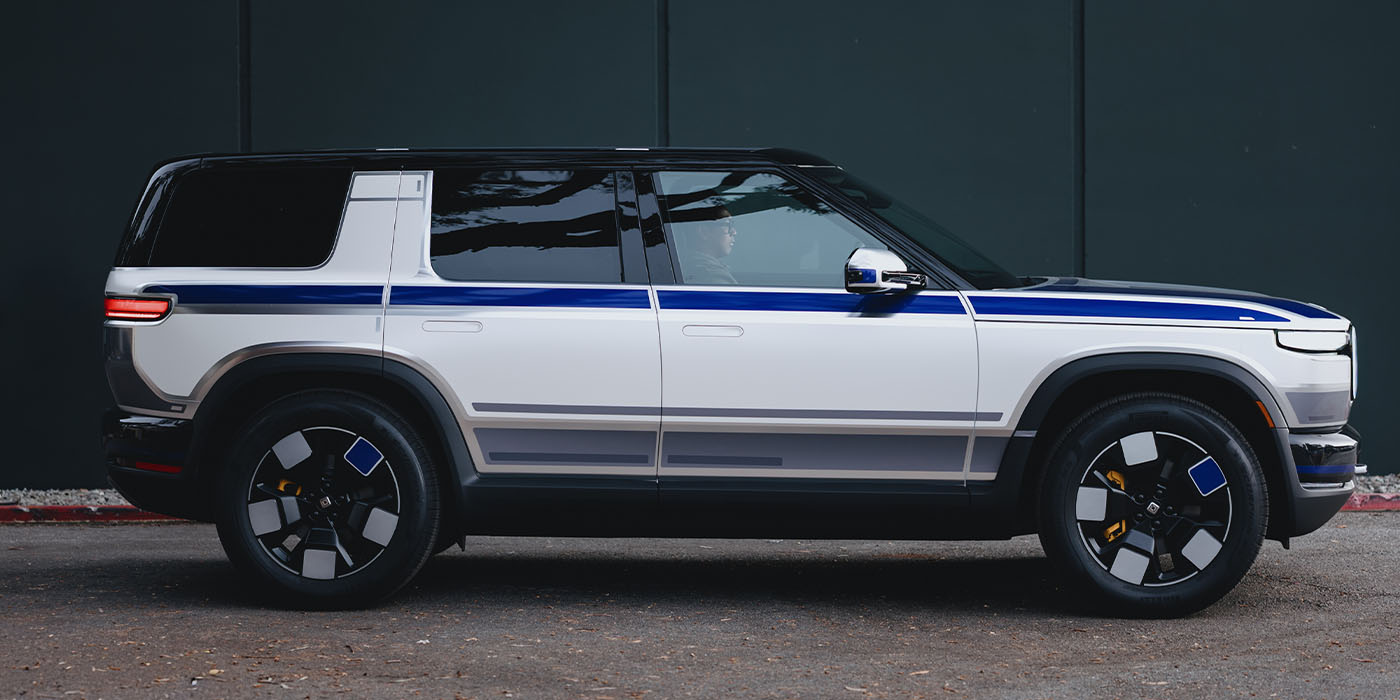
Rivian CEO signals self-driving prices, like Tesla’s, will fall

Rivian CEO RJ Scaringe says the money automakers charge for self-driving software won’t last, comparing autonomy to airbags: a paid option today, baked into the price of every car tomorrow.

The comments, made in a new interview with WIRED, amount to a quiet warning shot at Tesla, which just moved its “Full Self-Driving” package to a subscription-only model at $99 per month.

  •  

Tesla ‘Robotaxis’ are not crashing because they are not running

Tesla didn’t report a single at-fault “Robotaxi” crash in the latest NHTSA autonomous-vehicle data — its only fresh incident was a Model Y getting rear-ended while stopped, clearly the other driver’s fault.

That sounds like good news for Tesla’s safety record. But live fleet data points to the real reason the crashes have dried up: Tesla’s robotaxis are barely running, and the active fleet is shrinking a year into the program.

  •  

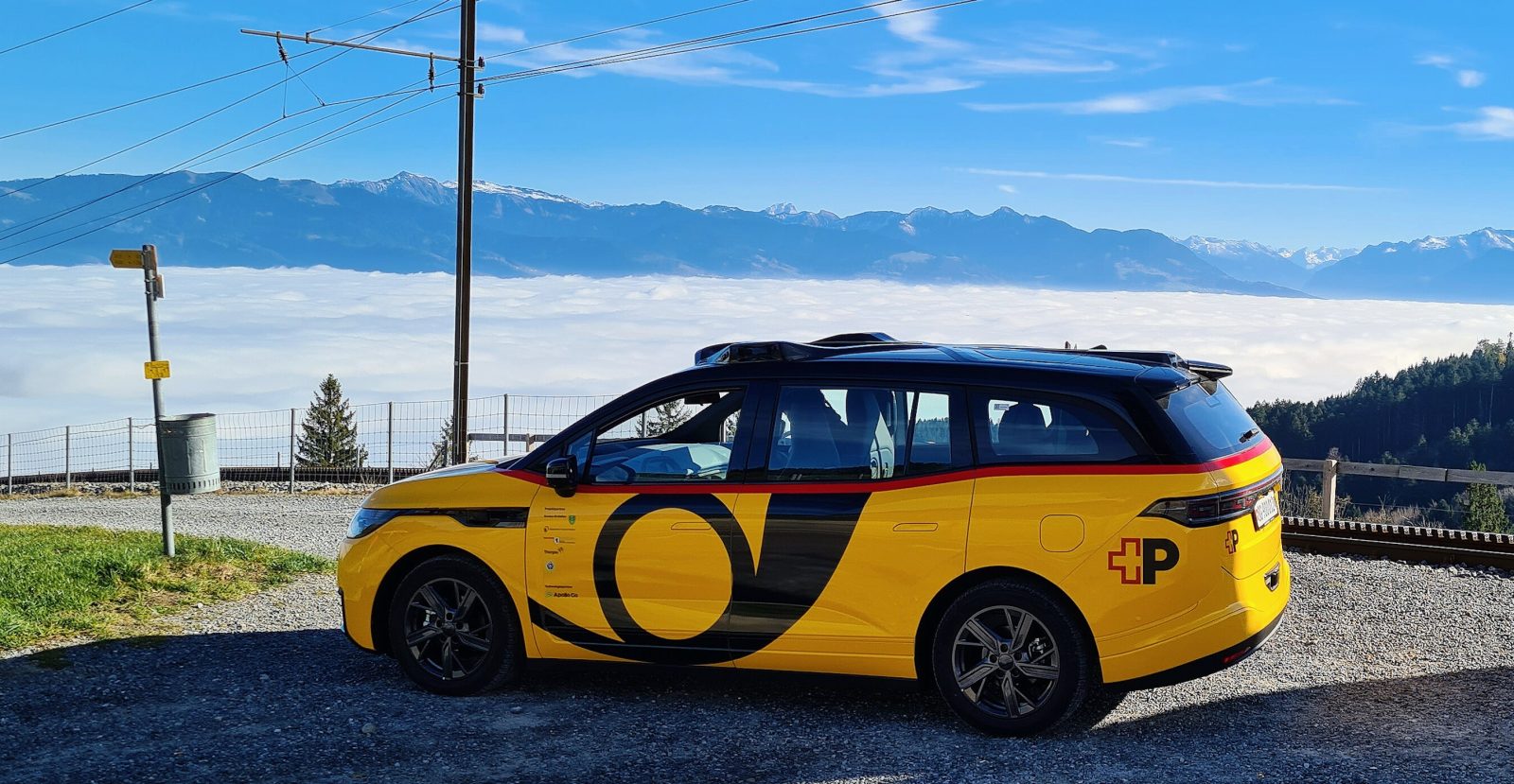
Baidu Apollo Go wins Level 4 robotaxi approval in Switzerland as AmiGo

Baidu’s Apollo Go has received a Level 4 autonomous driving permit in Switzerland for AmiGo, a robotaxi service it is running with Swiss Post’s PostBus, putting the Chinese tech giant ahead of Waymo and Tesla in deploying driverless vehicles into European public transport.

The Federal Roads Office (FEDRO) special permit covers an 80 km² service area across three eastern cantons, and Baidu says the project is on track to become the largest planned automated public transport operation of its kind in Europe.

  •  

Waymo buys Apple’s abandoned self-driving car proving ground for $220M

Waymo has acquired a massive 5,500-acre autonomous vehicle proving ground in Wittmann, Arizona, for $220 million — nearly double the $125 million Apple paid for it in 2021. The facility was the centerpiece of Apple’s now-dead self-driving car program.

The deal, recorded June 5 in Maricopa County filings, adds a world-class test facility to Waymo’s infrastructure as the company races to scale its robotaxi fleet to 1 million weekly rides by the end of the year.

  •  

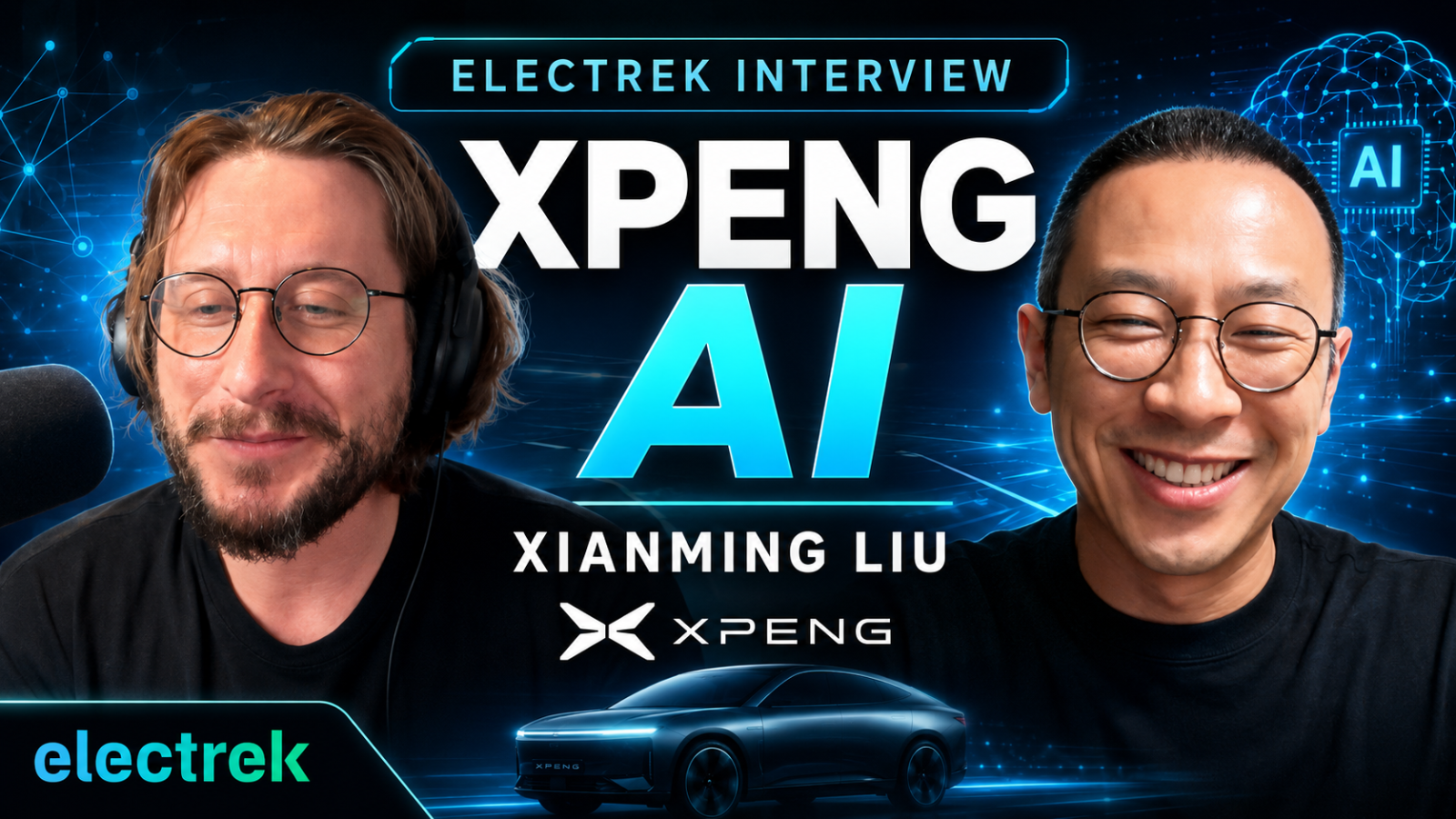
Xpeng spends $500M/year on AI training to beat Tesla FSD

Xpeng’s head of autonomous driving told Electrek that the company is spending roughly 300 million RMB (~$41 million) per month on AI training alone and believes it has already reached parity with Tesla’s FSD v13 — with v14 within reach before the end of summer.

I sat down with Dr. Xianming Liu, head of Xpeng’s General Intelligence Center, the day after he delivered a keynote at CVPR 2026 in Denver — sharing the stage with Tesla’s Ashok Elluswamy and leaders from Nvidia and Waymo at one of the world’s top computer vision conferences.

  •  

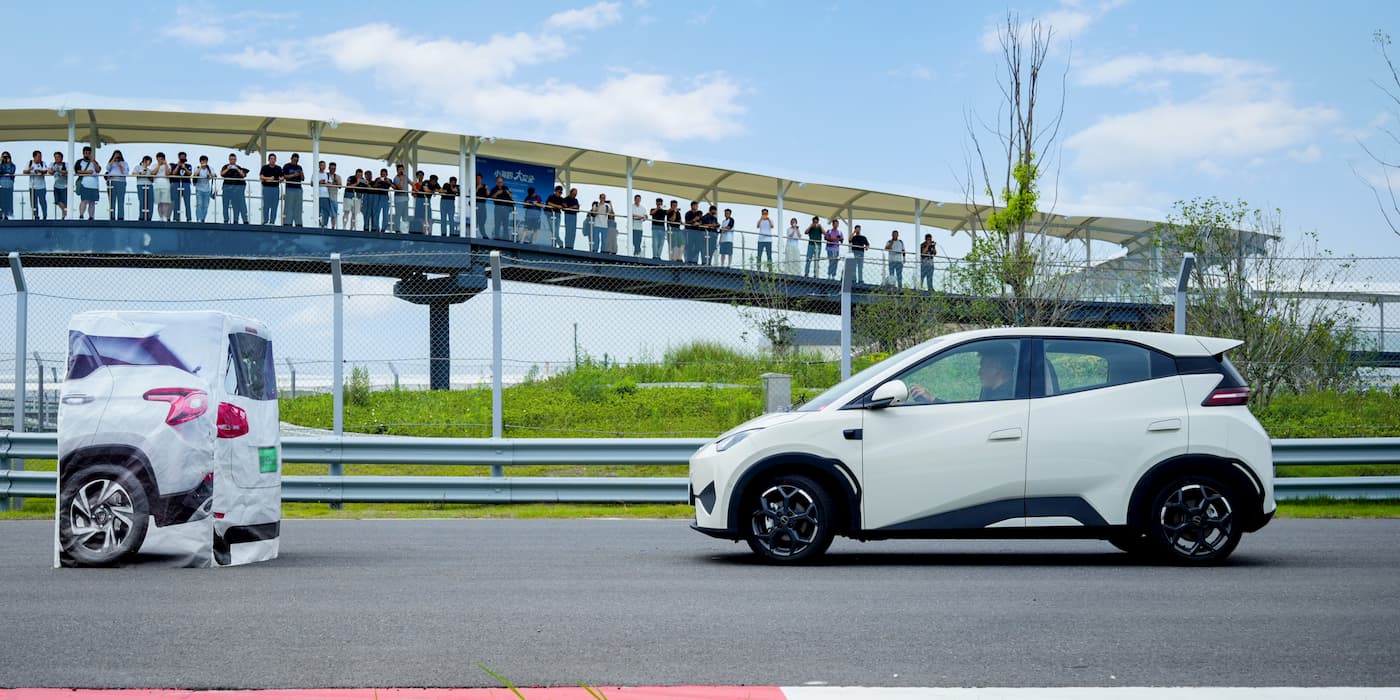
BYD will pay for crashes on its FSD competitor, something Tesla never has

BYD says it will assume full financial liability for at-fault accidents that happen while its “God’s Eye” urban driving system is active in China — with no cap on the payout.

It’s a commitment Tesla has never made for “Full Self-Driving,” and it flips the industry’s standard liability model on its head.

more…
  •  
❌