It’s no secret that doctors across the world are using AI tools to do stuff from taking notes to looking up questions. But what about the next generation of doctors still in training? According to two medical professionals on the ground, the situation is looking pretty alarming.
With AI being used by med students, “the danger is not just deskilling but never-skilling,” write Simar Bajaj, a journalist and med student at the Stanford University School of Medicine, and Joseph Sakran, a trauma surgeon and executive vice-chair of surgery at Johns Hopkins Medicine, in an essay for The Guardian.
“Although a doctor who has forgotten how to reason is recoverable,” they added, “one who never learned how may not be.”
Bajaj and Sakran point to two alarming recent findings.
One is internal data showing that around two thirds of doctors in the US are using OpenEvidence, an AI chatbot specifically designed for clinicians. The technology is already prevalent and deeply woven into how medical professionals carry out their jobs.
The next is a new study published in the journal NatureMedicine that evaluated the reliability of these medical-specific large language models. Shockingly, the clinical AI tools performed worse at answering medical queries than general purpose chatbots like ChatGPT and Claude did, the work found. According to the authors, it performed about on par to Google’s AI Overviews, which are notorious for being wonky and inaccurate.
Even if AI tools may be handy for research — and putting aside the major questions over their reliability — they’re no substitute for relying on your brain, as fallible as it might be, because when you’re learning, “the struggle is the point.”
“For example, trainees once asked to build a list of potential diagnoses might struggle and offer an incomplete set, learning what they missed, sometimes painfully,” Bajaj and Sakran wrote. “Now, trainees can simply ask OpenEvidence and get a nearly perfect answer, complete with possibilities they might have never considered and none of the embarrassment of having overlooked them.”
Where AI is different from medical advances in the past is that it’s “not just expanding what doctors can see,” they wrote, “but inserting itself into the cognitive machinery that training is meant to build.”
“The process of deliberately crafting the note forces us to use our brains to really wrestle with what’s happening,” Jaideep Talwalkar, associate dean of educational technology and innovation at Yale School of Medicine, told Stat News. “There’s an importance in doing that with great repetition.”
Bajaj and Sakran have a few suggestions for how to deal with this. One is requiring trainees to periodically work through cases without any AI help, similar to how the Federal Aviation Administration advises aviators to periodically disengage autopilot and fly by hand. Of course, another powerful deterrent could be shame. A recent John Hopkins student found that doctors who used AI are viewed with scorn and skepticism by their peers.
When you’re feeling sad, angry or stressed, it might be tempting to ask a chatbot for help. In fact, a new survey of 12- to 21-year-olds showed that nearly 1 in 5 of them had turned to AI for mental health support. That’s up from 1 in 8 just a couple years ago.
It’s perhaps not surprising that many teens and young adults are seeking advice. In 2023, a whopping 40 percent of high school students said they felt so sad or hopeless that they couldn’t engage in activities that are normal for them. In 2024, 15 percent of 12- to 17-year-olds had a major depressive episode — many without treatment.
Clearly, there is a big need among young people for mental and emotional support. But as lifelike as they might sound in conversations, chatbots aren’t real people with empathy. And free, general-use chatbots such as ChatGPT, Meta AI and Character.AI weren’t built to support mental health. They don’t earn licenses to offer therapy — or follow rules for treating patients — the way humans do.
So, what should teens know before using AI tools for mental health advice? Science News Explores asked the experts.
“There absolutely are positive use cases for using even general-purpose [chatbots] to learn more about mental health,” says psychologist Vaile Wright. These tools can help you search for information on mental health conditions and find resources. (Just be sure to double-check a chatbot’s answers.)Malte Mueller/fStop/Getty Images
Should AI ever be used for mental health help?
A chatbot could help you learn more about mental health issues, says Vaile Wright. A psychologist in Chicago, Ill., she works with the American Psychological Association.
You could use AI to search for information about mental health conditions and resources online, Wright suggests. (Just be sure to double-check its findings. Chatbots sometimes make stuff up.) An AI might even be able to offer “some basic advice if you’re struggling in the moment and don’t know where else to turn,” Wright says.
Treating a chatbot like a therapist, though, is not wise. “It’s really when you’re having these multi-turn, very extended types of conversations where you’re using the chatbot to fill some sort of emotional gap in your life,” Wright says, that you enter risky territory.
Why doesn’t a chatbot make a good therapist?
A real therapist’s goal is to help their patient. Chatbots are different. “They’re purposely engineered to keep people on the platform for as long as possible,” Wright says. “The way they do that is by being exceedingly validating and just telling people exactly what they want to hear.” That might feel good. But it’s not what a therapist would do. And it’s not likely to give you useful advice.
“A therapist is going to validate somebody’s feelings,” Wright says. “But it’s also our role to point out where … someone’s acting, thinking or feeling in ways that’s not maybe helpful to them.”
Plus, a chatbot doesn’t have the same types of information a therapist does, says Darja Djordjevic. She’s a psychiatrist at Stanford University in California. “AI was built to have this encyclopedic knowledge,” she says. “But it doesn’t understand the context of people’s lives.” That well-rounded knowledge of a person is key to aiding their mental health.
What are the risks of treating chatbots like therapists?
“They do not handle any mental health crises or emergencies well,” says Djordjevic. She has studied how AI systems would respond to users with a variety of mental health conditions, such as self-harm, anxiety and eating disorders.
“The models really don’t do a good job of recognizing … situations that would warrant human intervention,” Djordjevic says. “Unfortunately, we have some very tragic, more extreme cases [showing this] that involve young people.” Take Adam Raine, 16, of California. He died by suicide last year after discussing his suicidal thoughts with ChatGPT.
Djordjevic notes how crucial human connection is. “We have very little research right now on what the long-term effects of using AI for mental health would be,” she says. “What we do have a lot of research on is how much social connection and human contact are important for health and flourishing. So we know what’s good for us.” Leaning on AI might get in the way of forming crucial connections with real people.
There also are privacy risks to using AI, adds Wright. “Everything [you] put in these apps is not private. All the chats are maintained.” If a chatbot were hacked, someone else might be able to read your sensitive conversations with a bot.
A chatbot might be able to help you brainstorm ideas for how to ask a trusted adult for mental or emotional support. Frants Tsyvinskyi/iStock/Getty Images Plus
Any advice for seeking mental health help from people, not chatbots?
“It doesn’t have to be an either-or,” Wright says. “You could use the chatbot to say, ‘I’m nervous about approaching my dad about my concerns. How could I do it?’… Using the chatbot as a tool to connect with human relationships in real life, I think, is probably one of the most impactful things that this technology can do.”
Sometimes, it might seem easier or less embarrassing to ask a computer about mental-health issues than a real person. In the new survey, almost two-thirds of young people who used chatbots for mental health didn’t tell anyone they were doing it.
But for anyone nervous about seeking human help: Fear not, Djordjevic says. “A lot more adults and people around you have struggled at some point or struggle with mental health issues than you think.”
Suicide was the third leading cause of death among U.S. teens ages 15-19 in 2024. If you or someone you know is suffering from suicidal thoughts, please seek help. In the United States, you can reach the Suicide Crisis Lifeline 24/7 by calling or texting 988 or chat at 988lifeline.org. Please do not suffer in silence.
Talk about homework: a large class of undergraduates at an unnamed university in Utah became the unfortunate subject of a severe public health response after an extraordinary bungle in a science lab.
In September of last year, the group of lab students were tasked with identifying a bacterium known as P. shigelloides, a relatively harmless pathogen known to cause diarrhea when ingested. But as lab results came in, students were alarmed to find the specimens handed out in class were actually the bacteria Neisseria meningitidis, a potentially deadly pathogen that causes meningitis.
Unlike P. shigelloides, the bacterium N. meningitidis calls for high-security practices, like double gloves, disposable clothes, and fit-tested N95 masks, as the bare minimum. (In one unfortunate case from 2012, a 25-year old microbiologist whose lab was ill equipped to handle N. meningitidis died mere hours after exposure to the aerosolized microbe.)
According to People, Utah public health authorities soon raided the Utah stockroom, finding samples labeled “N. meningitidis.” That discovery prompted a recommendation that all 33 of the exposed students begin a cautionary antibiotic regimen, especially given that the lab participants were only wearing gloves and lab coats at the time of exposure.
On top of the antibiotics dose, at least two people sought medical attention due to possible exposure symptoms, which included a painful and invasive spinal tap.
It was only after the frenzy that further professional lab tests identified the offending pathogen as Neisseria sicca, a bacterium “commonly found in the upper respiratory tract” that is “nonpathogenic in immunocompetent persons,” according to a recently-filed Center for Disease Control study of the Utah lab incident.
Student misidentification notwithstanding, the event underscores the importance of accurately labeling microbial cultures — lest aspiring biologists become victims of their own studies.
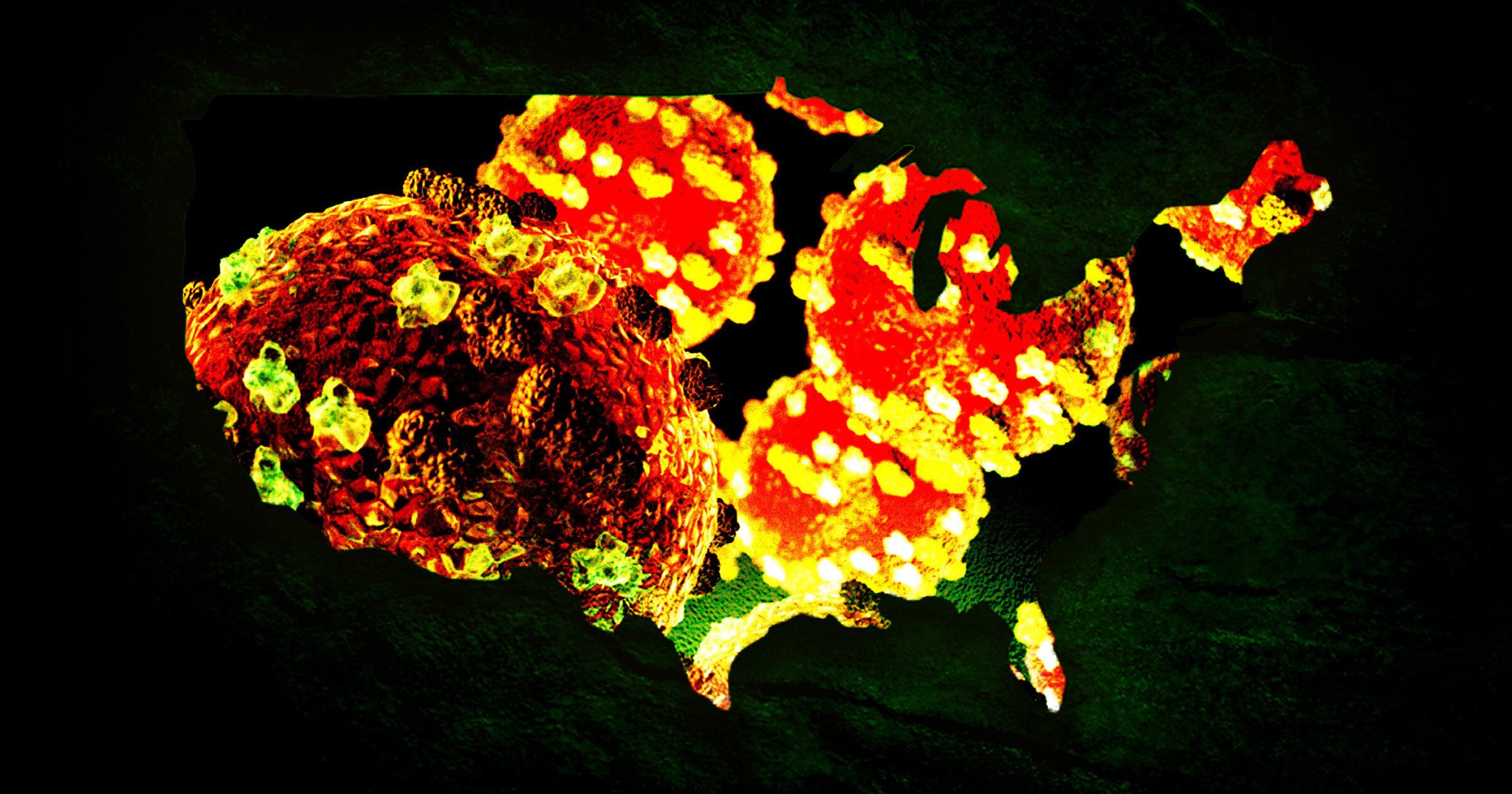
As of last week, the US had recorded 2,465 confirmed infections so far this year, already more than the 2,289 total cases in 2025. The last two years saw more total infections than the rest of the 21st century combined, as The Guardian reports, with 2026’s tally beating a 35-year record.
Now, in the midst of all that crisis crisis, a character has stumbled into the narrative who perfectly illustrates how it’s gotten so bad. As the LA Times reports, a measles-infected individual spent a whopping 11 hours at the Universal Studios Hollywood theme park last month, potentially exposing countless other visitors.
The Los Angeles County Public Health Department was forced to issue a stark warning: anybody who visited the amusement park on July 26 during teh hours between 10am and 9pm may have been exposed and should monitor for symptoms including fever, cough, or rash — and stay vigilant until August 16.
The virus is contagious up to four days before the characteristic rash appears on the skin, and up to four days after that.
Measles can easily spread through the air through just via talking or breathing, and can persist on surfaces for hours at a time.
The vaccine against it, available as part of the measles, mumps, and rubella combination (MMR) shot, is extremely worthwhile. Two doses are 97 percent effective in preventing a measles infection.
The department also urged “everyone to confirm their immunity and get the vaccine if needed, especially before traveling and attending crowded events.”
California has been hit particularly hard, recording at least three localized measles outbreaks this year so far. However, according to the state’s health department, all three outbreaks have ended.
According to the Centers for Disease Control and Prevention, there have been 38 new outbreaks in 2026 across the country so far this year, with several thousand cases spanning 47 states.
The danger to one’s health is substantial — especially to the unvaccinated. According to the CDC, roughly one in five unvaccinated people in the US who get measles are hospitalized. One out of 20 children with measles develop pneumonia. and one to three of every 1,000 children who become infected die from respiratory and neurologic complications.
In case you weren’t already feeling paranoid about how AI is shaping our future, scientists for the first time have used an AI model to create new and viable viruses that have never been seen in nature.
Before you panic, the work, detailed in a study published in the journal Science, involved creating viruses that only target bacteria and are harmless to humans. Bacteriophages, as they’re called, are an important medical intervention for targeting drug-resistant pathogens.
“This is an important milestone,” Patrick Cai, a synthetic biologist at the University of Manchester who was not involved in the study, told The New York Times.
Still, it’s an alarming testament to AI’s power and trajectory. The researchers at Stanford University and the Arc Institute trained an AI model to recognize patterns of genetic structure in nature to create new DNA molecules. These molecules were inserted into bacteria that, over time, turned into wholly new viruses, at the expense of killing their hosts.
In their research, which first gained attention last year but has now been peer-reviewed, the scientists used an AI model called Evo. Unlike a general purpose large language model, Evo is trained on billions of lines of genetic sequences, and for this work in particular, millions of bacteriophage genomes. But it still functions like an LLM, predicting what DNA building blocks — nucleotides — should follow each other like a chatbot predicts what words to spit out to finish a sentence.
The researchers chose to focus on a E. coli-killing virus called Phi X-174, a variant that’s so well studied that it serves as the equivalent of a lab rat in virology. Viruses in general are simple compared to complex cellular life, making them an ideal platform to test AI’s capabilities.
They used Evo to create new viruses based on Phi X-174, and it generated 700,000 candidates. They then narrowed it down to just 300 that they would recreate in the lab. Of those 300, 16 proved to be viable, infecting and killing their bacterial hosts.
There’s clear medical merit to using AI to create bacteria-slaying viruses, but there’s already fears that the technology could be abused to crank out pathogens that are deadly to humans.
“Although this is promising for life sciences applications, it also raises urgent biosafety and biosecurity questions. The ability to compose viral genomes using generative AI now exists; the governance to safely steer it does not,” warned Tom Inglesby and Moritz Hanke at the Center for Health Security at Johns Hopkins University in Baltimore in a perspective article.
Tom Ellis, a professor of synthetic genome engineering at Imperial College London who was not involved in the research, acknowledged this threat, but told The Guardian that it would be much harder to create more complex genomes and that controlling access to genetic data could stymy the threat.
And if someone were to deliberately engineer deadly viruses, he added, doing it by hand would probably be more practical.
“But honestly, the threat from full AI design and writing of a genome of a virus or bacteria is very overblown when we consider that just taking existing pathogens and making gain-of-function changes to their genomes is so much easier and much more likely to be a real pathogenic threat,” he said.
A Massachusetts man is feeling some buyer’s remorse after securing a $5.5 million mortgage on a mansion poised to fall into the Cape Cod Bay.
The man, John Bonomi Jr, first made headlines five years ago when he purchased the sprawling 5,817-square-foot estate against warnings from area conservationists, who advised that the beach was eroding at a rate of six feet per year as rising sea levels take their toll.
Bonomi’s house, meanwhile, sat just 12 to 14 feet away from the rapidly-disappearing escarpment — and that was 2021.
Fast forward half a decade, and the situation — not to mention the mansion’s foundation — has only deteriorated as the continual lashing of ocean waves takes its toll. According to the Boston Globe, Bonomi is now trying to recoup his costs by filing suit against JP Morgan Chase, the bank that originally serviced his ill-fated mortgage.
As for his legal strategy, the property owner is essentially pleading insanity, saying that he was “acting under an uncontrollable manic psychosis at the time” he agreed to the terms of the mortgage. It’s a fascinating argument, especially because Bonomi has been diagnosed with bipolar disorder.
“No rational person… would have considered purchasing the Property, and certainly not at the full asking price,” the suit argues. “It is a recognized diagnostic fact that a symptom of bipolar disorder is irrational risk-taking and impulsive behavior, including reckless spending.”
While Bonomi may have a point — it’s astonishing that JP Morgan Chase gave him the green light, mental health episode or not — it remains to be seen whether the courts agree.
According to the Globe, the bank originally lobbied to get the case dismissed. It answered Bonomi’s filings in May, however, saying that, “to the extent a response is required, Chase denies the allegations contained therein and leaves Plaintiff to his proofs.”
Compared with standard flu shots, Moderna’s mFlusiva generates stronger, longer-lasting immunity and is more effective at preventing infection, data show.
On July 27, a billboard went up in San Francisco advertising an AI service called ChatTJB. But the “AI” powering the service, as noted in a small disclaimer on the billboard, isn’t artificial intelligence. It’s a self-avowed “average individual” named Tucker Bryant, who manually answers user queries by way of a chatbot-like interface.
An “About” page for the service defines the process as “artisanal intelligence, handcrafted by a single human being.” Or, in other words: just talking to a guy.
Bryant, a Stanford graduate and former Google employee who now works as an artist and speaker, is clear that the project isn’t designed to be anti-AI. But in an interview with Futurism, he explained that he was inspired to create ChatTJB after his romantic partner introduced him to the phrase “cognitive surrender” — a term introduced in a University of Pennsylvania study which found that AI users are overwhelmingly likely to blindly trust the advice of chatbots, even when AI-generated responses are incorrect. It resonated: Bryant felt he’d personally experienced the phenomenon during his own interactions with chatbots, so he cooked up ChatTJB as a satirical way to infuse inconvenience and unpredictability back into a chatbot-like experience.
It’s “this idea that we often, or increasingly, trust LLM outputs so easily that we stop bringing our own creativity or critical thinking into the responses we receive, and over time that weakens our ability to be fully-functioning, sovereign human beings in the world,” Bryant mused. “I thought it would be fun or interesting to create an experience that looks like the LLMs we trust a lot — that I, at least, have fallen prey to the trap of over-trusting at times — but where the experience, rather than being this super futuristic thing I think we all felt the first time we saw those cool tokens streaming on ChatGPT, would be just a really average or bad experience.”
Indeed, chatbots like OpenAI’s ChatGPT and Anthropic’s Claude are simultaneously authoritative-sounding and eager-to-please, a combination that can lead to terrible-yet-seductive advice that many users accept with little to no critical pushback. In contrast, ChatTJB’s responses are unwieldy and unpredictable. Bryant’s responses might be good; they may also be terrible, or equivocal, or otherwise bizarre and helpful. (In a social media video, Bryant says that he wants ChatTJB users “to have such an inconvenient experience with something that aesthetically looks like artificial intelligence that the next time an LLM gives you what sounds like a reasonable answer, you remember the time ChatTJB responded to your tax question with a haiku about crows.”)
Like a chatbot, he can also generate images upon request— in the form of graphics that he hastily sketches, of course.
At first, Bryant said, ChatTJB attracted a “slow trickle” of incoming queries. Which wasn’t all that surprising, given that the billboard itself isn’t exactly in a prime spot.
“It’s not a very good location — it’s obscured by trees, there’s basically no oncoming traffic that can see it, and the only way you’d get a clear look at the full billboard is if you’re parking a car in the lot right underneath it,” Bryant said. “But I was fine with that, and I also didn’t want to pay much more.” The billboard’s cost, he conceded, was “less than most used cars under 150,000 miles, but still a very irresponsible amount… $6,000 for the month, not including fees.”
But when a picture of the billboard started to make the rounds online, Bryant quickly found himself drowning in requests.
“The first couple of days I would get maybe several dozen over the course of the day. There’d be a couple hours of silence, then I’d get one inquiry, respond to that, then get a couple of other prompts from different users,” he recounted. “A few days later it started taking off into the hundreds to thousands range.” By the time Bryant made an Instagram video promoting ChatTJB, he says he was receiving about a thousand prompts a day.
“I was answering all of those,” he added. “After that is when it blew up beyond my control.”
Though many of ChatTJB’s patrons have been trolls — which Bryant says is “reasonable,” given that ChatTJB “is in some ways a troll” itself — many of the inquiries have been surprisingly tender, and at times even moving.
“Some people are just looking to chat, asking about what to make for dinner, etc. And some people are coming with their personal life stuff, and it’s been really sweet to engage with them,” said Bryant. “The one I keep coming back to — this is when I realized this isn’t just a joke to some people — was somebody a couple of days in said, ‘I’m on the first night of my honeymoon and I don’t feel relaxed, is that okay?'”
“I switched out of super-casual-mode into supportive-friend-model,” the artist continued, adding that he “acknowledged their wedding had just happened, they’d probably been anticipating it with a lot of excitement but also a lot of stress, that it was a peak moment, and now the celebration is still happening but that peak moment has passed and they’re starting what might be the rest of their life — I imagined that might feel like a strange dissonance, so I could imagine their nervous system not being settled yet, and I wondered if they were going to talk to their spouse about it.”
Often, Bryant said, users of ChatTJB have sent him reminders to take breaks and drink water as he’s worked to respond to the thousands of inputs waiting for him in ChatTJB. The reminders have been welcome.
“There were a number of days I wasn’t taking the best care of myself,” Bryant admitted. “That was also very humanizing, getting responses from people on that basis.”
It’s not just users who have been reaching out to ChatTJB. According to Bryant, he’s received over a thousand messages from aspirational “average individuals” who want to help moderate the platform and respond to inbound user inquiries. Bryant is now — carefully, he says — testing the idea of turning ChatTJB into a community project. Which, for ChatTJB users, means they’ll have to wait a while for answers.
“I’m going to move slowly,” Bryant told us. “This was just intended to be an art project. I think it’s beautiful that people want to do something less ridiculous with it than what I had planned. I also don’t want people to get hurt, so I’d rather people wait a long time for their prompts than open the floodgates to anyone and everyone. So, a long preamble to saying: I’m starting to let some approved volunteers try answering questions while testing out some moderation tools.
“We’re testing this out — so far it seems to be going fine, and it’s been tender seeing folks helping the stranger on the other end,” Bryant added. “But if it doesn’t work out, I’ll either revert or we’ll take a break from ChatTJB overall, because short term, I want to help people do what they want with it, but I don’t want anyone at risk of danger.”
Asked why he would pay thousands of dollars for a billboard — after all, he could’ve just made a website and posted about it on social media — Bryant pointed to the ubiquity of often-confusing AI billboards blanketing his city and the “cultural omniscience” of AI.
“Here in San Francisco, a lot of us have had this experience of AI billboards everywhere,” said Bryant. “There’s this cognitive dissonance I felt… in a lot of ways there are meaningful and positive changes these technologies are bringing. But at the same time, they’re associated with such anxiety about the future, and the world, and the economy, and the environment. It can feel really strange walking around and seeing all these billboards with those two sides of the conversation happening at once. So it felt like a natural extension to prod at what I’ve been referring to as the cultural omniscience that AI has — why not satirize the billboards too, because they’re part of this ecosystem.”
“That’s the highbrow answer,” Bryant added. “But the lowbrow answer is just as authentic, which is that I also thought it would be funny. I tend to overcommit to bits.”
For those who want to help Bryant pay off his billboard, there is a ChatJTB “Pro” tier. Be warned, though, that you won’t get your answers any faster if you pay up.
In case you need any more evidence that the Trump administration is run and advised by cranks, here’s the cabinet’s meat-mainlining doctor’s unvarnished thoughts on the incredible skill he displays while defecating, which he says is down to his diet.
The doctor, Sean O’Mara, is reportedly the reason why the likes of JD Vance, Robert F Kennedy Jr, and Sean Duffy have all adopted a diet based almost entirely on eating steak and fermented foods like kimchi.
When New York Times reporter Willy Staley tried out the diet and spoke to O’Mara, the 63-year-old physician — who describes himself as the only one “in the world specializing in Health and Performance Optimization” — suddenly steered the topic to his bowel movements. As one does during casual conversation, he pulled up the Bristol Stool Chart, which categorizes different kinds of poop, and said his was Type 4 (“smooth, soft, like a snake.”)
“When you start eating healthy, you don’t need toilet paper,” he claimed, per the NYT. “Animals in the wild have no residual stool on their anus.”
A proper number two, he explained to Staley, would be odorless, wipe-free, take just a few seconds, and be “nearly orgasmic.”
That’s when Staley boasted about his stealthy rectal ability.
“I could have a bowel movement behind a sheet at a dinner party in the corner of the room and nobody would know,” O’Mara declared.
Whether or not it endows its followers with fantastic defecation powers, doctors are generally pretty skeptical about O’Mara’s diet, which, as a reminder, asks you to only eat beef — preferably steak — and fermented foods like kimchi, sauerkraut, and cheese.
Marion Nestle of New York University told Staley that the diet would be effective for temporary weight loss, because of how lean and satiating the meat is. But one of O’Mara key claims is that the bacteria of fermented foods help repopulate your gut bacteria and drive up your metabolism — something that the science is more iffy on. There’s also the clear cancer risk of consuming so much red meat.
Prediction markets like Kalshi and Polymarket have long garnered a reputation for allowing users to make all kinds of ethically dubious bets, from the outcomes of deadly conflicts to mass famine.
As the New York Times reports, Kalshi will now even allow users to bet on whether clinical trials for potentially lifesaving drugs will succeed.
To critics, the move will effectively allow betting on the lives of patients trying a final intervention in the face of a lethal diagnosis. There’s even risk that those enrolled in these trials could choose to drop out if the market were to bet against a positive outcome.
“Turning loose a betting market in an ongoing randomized clinical trial really is a breach of scientific conduct,” Robert Califf, who served as FDA commissioner in the Biden administration, told the NYT.
Kalshi first announced its “biotech prediction markets pilot program” last month, the same day president Donald Trump’s teleprompter guy was busted for winning more than $100,000 on Kalshi by betting on what he would say.
The company argued in the announcement that a “publicly listed contract on a trial or regulatory outcome produces a continuously updated, public probability that reflects the weight of the evidence rather than the preferred messaging of the trial sponsor.”
In a statement to the NYT, spokesperson Jack Such argued that these bets wouldn’t undermine research integrity, but instead cut through the hype surrounding biotech companies and the drugs they’re working on.
Kalshi says it will prohibit betting by patients enrolled in a trial, as well as by employees of the company conducting it or its competitors, per the NYT. It will also ban betting on trials that “exclusively enroll minors,” at least at first.
But those enrolled in drug trials were left appalled by the news.
“We’re literally trying to stay alive,” metastatic pancreatic cancer patient Walter Ingaharro Jr told the NYT. “It’s not a game. The introduction of gambling into the process really creates an ethical mess.”
In an opinion piece for The Guardian, Boston University humanities professor Joshua Pederson talked about how his 12-year-old son has a “very aggressive tumor growing inches below his heart.”
“If Kalshi has its way, you could soon be able to bet on health treatments that could be essential to his survival,” Pederson argued.
While choosing a trial for his son’s cancer was a “terrifying experiment for which we feel ill-prepared,” turning to a prediction market instead of “our extremely qualified team of oncologists” feels “preposterous,” Pederson argued.
In short, it’s yet another example of prediction markets crossing a moral boundary by gamifying things with real-world consequences.
“The possibility that somebody out there might be wagering against my son, hoping that the treatment fails so they can make money, is enraging,” Pederson wrote. “How is this not just another type of ‘death market’ — like markets for war or assassination — that even Kalshi says it won’t abide?”
The headline of this story was updated to specify that the program would bet on the outcomes of clinical trials, and the piece was updated to more specifically refer to controversies around prediction markets like Kalshi, writ large, and to add details about Kalshi’s response.
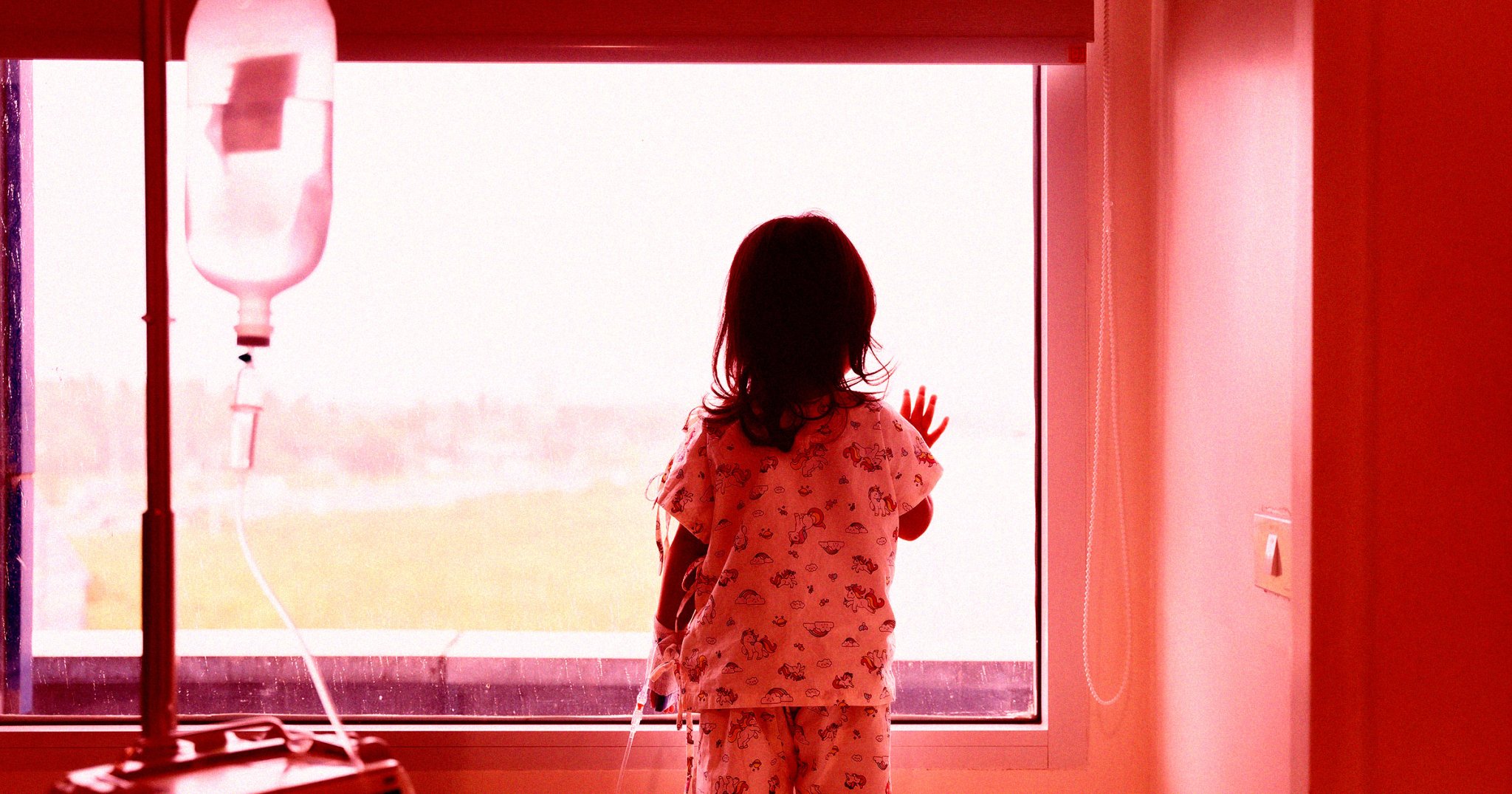
Authorities are struggling to get the outbreak of an explosive diarrhea-causing parasite under control. According to the Centers for Disease Control and Prevention, there are more than 18,000 cases that have been confirmed or are being investigated across 45 states.
There had been 423 reported hospitalizations, but at least no deaths — until this week. On Monday, Michigan health officials confirmed that there are now two fatalities linked to the outbreak, an intestinal illness called cyclosporiasis which is caused by the microscopic parasite Cyclospora cayetanensis.
However, it’s important to note that both individuals had “significant underlying health conditions that may have been impacted by cyclosporiasis and dehydration,” according to an update by Michigan Health and Human Services. In other words, both people didn’t die purely because they were infected by the parasite.
Cyclosporiasis is a gastrointestinal illness that causes watery and frequent diarrhea. There are specific treatments available for the infection, including sulfonamides, which are synthetic antimicrobial agents.
The vast majority of people recover after a few days, weeks, or even a month in severe cases. But in combination with a slew of pre-existing conditions, the illness can prove fatal, as the latest news highlights.
Michigan has been hit particularly hard, representing the majority of cases being tracked, with 11,234 reports and almost 200 hospitalizations. Fortunately, the numbers are starting to wane — though it’s far too early to tell if the state is out of the woods just yet.
“We have growing confidence that the outbreak is declining,” Michigan health department spokeswoman Michigan’s health department told the New York Times.
Despite plenty of evidence to the contrary, White House officials declared the outbreak “under control” on July 21. Cases of the illness have risen more than tenfold since then.
For a president who upholds “Make America Healthy Again” as a load-bearing narrative pillar, Donald Trump has gone to remarkable lengths to make the US a breeding ground for a widening range of viruses, bacterium, and parasites — and no, we’re not talking about his cabinet.
Early into his second tenure as commander-in-chief, Trump and his cronies set to rapidly dismantling offices doing critical work on public health. His appointments were a one-two punch on longstanding institutions safeguarding the US from the ravages of disease: Elon Musk’s DOGE cut the government’s capacity to identify and track public health problems, while Robert F Kennedy Jr’s Department of Health and Human Services limited what the government was willing to do about them.
Case in point: the Centre for Disease Control has lost nearly a quarter of its workforce since January 2025, while those who remain have watched in horror as the CDC’s acting director cut the number of universally recommended childhood vaccines from 17 down to 11.
Examples of those kinds of policy faceplants abound, and the cumulative consequences will surely be felt for decades to come. And nowhere are the consequences of the Trump administration’s war on public health more obvious than in the diseases we’d previously had under control, but which are now surging back after a year and a half of MAHA.
There’s the cyclospora outbreak, of course, spreading from tainted lettuce to over 18,000 victims across 45 states. And those are just the ones we know about — the true extent may be far worse, as reporting delays create a major lag in fresh data. And while cyclospora flare ups come and go, it’s hard to overlook the fact that Trump officials made reporting of the parasite optional for the CDC in 2025, right before the largest known outbreak in modern history.
Separately, a nation-wide salmonella outbreak prompted officials to recall millions of cartons of eggs as at least 100 cases were reported throughout the country. Though salmonella reporting is still mandatory for the CDC, the Food and Drug Administration under Trump has delayed the implementation of a food traceability rule, designed to speed up the tracking of food borne illnesses back to their source.
Beyond foodborne illnesses, there are even more nasty bugs spreading around the country under Trump’s watch.
The formerly-eradicated measles is back, with over 2,300 American infected in 2026 alone, the highest number since 1992, Vox reported. Flesh-eating screwworms are ravaging livestock, as staffing cuts and mandatory budget reviews at the US Department of Agriculture slowed government containment efforts. Even the nightmarish botulism toxin has made it into the headlines, entering the food supply via contaminated infant formula after the Trump administration disbanded the National Advisory Committee on Microbiological Criteria for Foods — coincidentally right as the group was about to release a report on infant formula.
We could go on. While some will surely shoot back that these diseases are always hanging over us regardless of who sits in the Oval Office, that’s exactly the point.
Public health isn’t a game of checkers, where enemy pieces leave the board once they’re conquered. It’s more like a game of whack-a-mole, demanding quick reflexes, a mallet, and someone to wield them with unending focus. Under Trump, the mallet has been sold off to the highest bidder, while the player has wandered off, convinced the moles are a hoax.
A protein that is a hallmark of Alzheimer’s disease may also ID a brain condition associated with head trauma in contact sports, early findings suggest.
Just over a week ago, Health and Human Services secretary Robert F. Kennedy Jr declared that the ongoing outbreak of the explosive diarrhea-causing parasite was “under control.”
But the reality is that cases are climbing into the thousands across 45 states, as USA Today reports, meaning his reassurances appear to have been a gross overstatement. According to the Centers for Disease Control and Prevention, the number of cases increased by an additional 2,500 cases between July 21 and July 28 alone.
As of this week, the CDC has confirmed over 6,700 cases since May 1 and is “aware of more than 11,500 additional cases that are not laboratory confirmed or require further investigation and analysis.”
There is a bright side: while the symptoms are gross, there have been no known fatalities. There have been 423 hospitalizations so far, but no deaths have been recorded, according to the agency.
Health officials are still racing to nail down the source of the outbreak of the microscopic parasite Cyclospora cayetanensis, which is known to cause frequent — and often explosive — watery diarrhea. The top suspect so far has been Taylor Farms, one of Taco Bell’s lead suppliers, whose bagged shredded lettuce was initially found by the Food and Drug Administration to contain the parasite.
While the FDA has since gone back on that claim, saying the results were a “false positive,” Taylor Farms has nonetheless agreed to lead a “voluntary” recall of the allegedly tainted lettuce.
The true count of cyclosporiasis cases in the US remains extremely difficult to tally. As the CDC notes, “surveillance updates do not include probable cases.” Many people who fall ill “recover without medical care and are not tested for Cyclospora.”
According to a map issued by the agency, the two hotspots are Michigan and Ohio. Michigan alone passed the 10,000 cases mark today, according to the state’s Department of Health and Human Services.
The only states that have yet to report or confirm a single case, per the CDC’s map, are Montana, New Mexico, Maine, South Carolina, and Hawaii.
Fortunately, it’s easy to protect oneself from the parasite. Public health experts recommend thoroughly washing fruits and vegetables or simply cooking them, which kills the tiny critters.
Glowy oils, tinted creams, misty sprays, chalky sticks, lightweight gels. Like many people, my pool bag is filled with many types of sunscreen. But all use the same sun-shielding chemicals. In fact, the allowed ingredient list for U.S. sunscreens hasn’t changed in 20 years — until now.
“I think we should all be super excited,” says Tanya Hathaway. She’s a dermatologist who specializes in treating high-risk skin-cancer patients. Hathaway works at the Fred Hutchinson Cancer Center in Seattle, Wash.
Bemotrizinol has many benefits. It lasts longer than other sunscreen ingredients. It won’t get quickly absorbed into the bloodstream. And it’s very good at blocking those rays of the sun that age skin.
Sunscreens in Europe have used the chemical for more than 25 years, Hathaway notes. More recently, it’s been approved in Japan, Canada, Australia and many other places.
There are some sunscreen ingredients used elsewhere that still are not allowed in U.S. products. Bemotrizinol’s approval could open U.S. doors for some of these. It’s “a great first step,” Hathaway says.
A new chemical sunscreen
Sunscreens use a few tricks to protect our skin from the sun’s rays. Physical sunscreens rely on minerals such as titanium dioxide and zinc oxide. These create a coating that reflects sunlight, like a mirror. But they can leave a white sheen on the skin. Just think of a lifeguard’s nose, says Jennifer Stein. She’s a dermatologist at NYU Langone Health in New York City.
Those zinc and titanium products also “don’t rub in so well,” she notes. “And if people don’t like the way their sunscreen smells or feels, they’re not going to use it.”
Non-mineral sunscreens often rub in a bit better. They often use chemicals such as avobenzone (Ay-vah-BEN-zoan) and oxybenzone to absorb the sun’s rays. But these molecules are not very stable. They start to break down when hit by sunlight, Stein says. That’s not ideal for something that’s designed for use in the sun.
Because bemotrizinol is more stable, people may not need to apply sunscreens with it as often. This new ingredient also is good at blocking ultraviolet A1 (UVA1) radiation. That’s a type that gets deep into the skin. Over time, UVA1 can make skin wrinkly, loose and spotted, Hathaway says.
Current U.S. sunscreens do a good job of blocking UVB, which causes sunburns. But U.S. sunscreens had fewer options for blocking UVA, she says. Bemotrizinol “really expands that UVA spectrum of coverage.”
You might have seen influencers on TikTok or Instagram making DIY sunscreens. Often, they will call the ingredients in commercial brands “toxic.” Sunscreen skepticism on social media is nothing new, Stein says. Patients who avoid sunscreen often worry about chemicals passing through the skin.
That can happen with things like avobenzone and oxybenzone. They may even get into your blood, Stein says — but only if “you apply them to large areas of the body repeatedly throughout the day.” Even so, people shouldn’t fear them. Hathaway says no studies have shown that U.S. sunscreen ingredients are unsafe when used at current levels.
Bemotrizinol, which is a big molecule, is less likely to pass through skin than these other chemicals. It’s “too big to squeeze through the skin cells to get down into your bloodstream,” Stein says.
FDA classifies bemotrizinol as GRASE (short for generally recognized as safe and effective). Titanium dioxide and zinc oxide are the only other U.S. sunscreen ingredients with this rating.
Bemotrizinol’s U.S. approval goes into effect on August 9. So sunscreens using it could hit shelves later this summer. But a new sunscreen is not the only way to stay safe from the sun. There are plenty of low-tech options, too: long sleeves, hats, sunglasses and staying in the shade. “The more clothing you’re wearing,” Stein emphasizes, “the less you have to depend on sunscreen.”
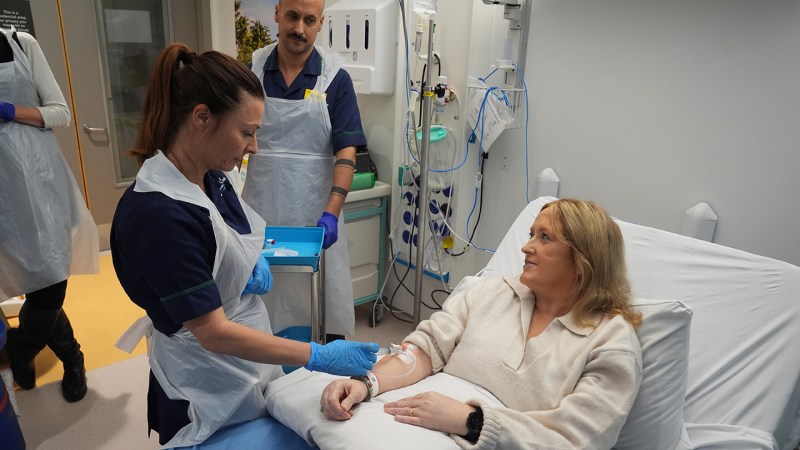
For only the second time in its history, the American Red Cross has declared a “national blood supply crisis,” after donations fell to a four-year summer low.
The hotter summer months conventionally trigger blood shortages because people are more likely to injure themselves while spending time outdoors.
And this summer has been particularly extreme. According to the Red Cross, extreme heat, poor air quality, and widespread foodborne illnesses have compounded into blood donations dropping precipitously, causing supply levels to plummet to a historic low.
The news comes amidst record-breaking temperatures this summer, devastating heatwaves that have killed at least 25 people in the US. Public health officials are also battling an outbreak of an explosive diarrhea-causing parasite that’s has spread to 45 states.
As a result of plummeting donations, the Red Cross, which is the largest single provider of blood products, has “less than a one-day national supply of type O positive blood.” Type O positive is the most commonly transfused blood type, and highly valued because can safely be used to treat over 80 percent of the population.
The Red Cross declared its first-ever national blood crisis in January 2022, triggered by a previous low in donor turnout due to ongoing COVID-19 surge disruptions.
“Every donation has the potential to help save lives, and we urgently need everyone who is eligible to make an appointment to give blood as soon as possible,” said Red Cross Biomedical Services president Chris Hrouda in a statement.
The risks of an extremely limited blood supply are considerable.
“There’s always the possibility, when the blood supply dips like it has, that patients won’t be able to get the blood products they need, when they need,” Red Cross spokesperson Matt Trotter told NPR affiliate KOSU.
To get back on track doesn’t require drastic action, either. The organization says that just “three more donors at each blood drive this summer can end this crisis and stabilize the blood supply.”
“One donation can help save multiple lives, so if you’ve got an hour you can spare, you can do a lot of good with it,” Trotter told KOSU. “Many people who think they are ineligible actually can donate blood.”

 Login