❌

Reading view

Did Neanderthals and Modern Humans Share a Culture for 20,000 Years?

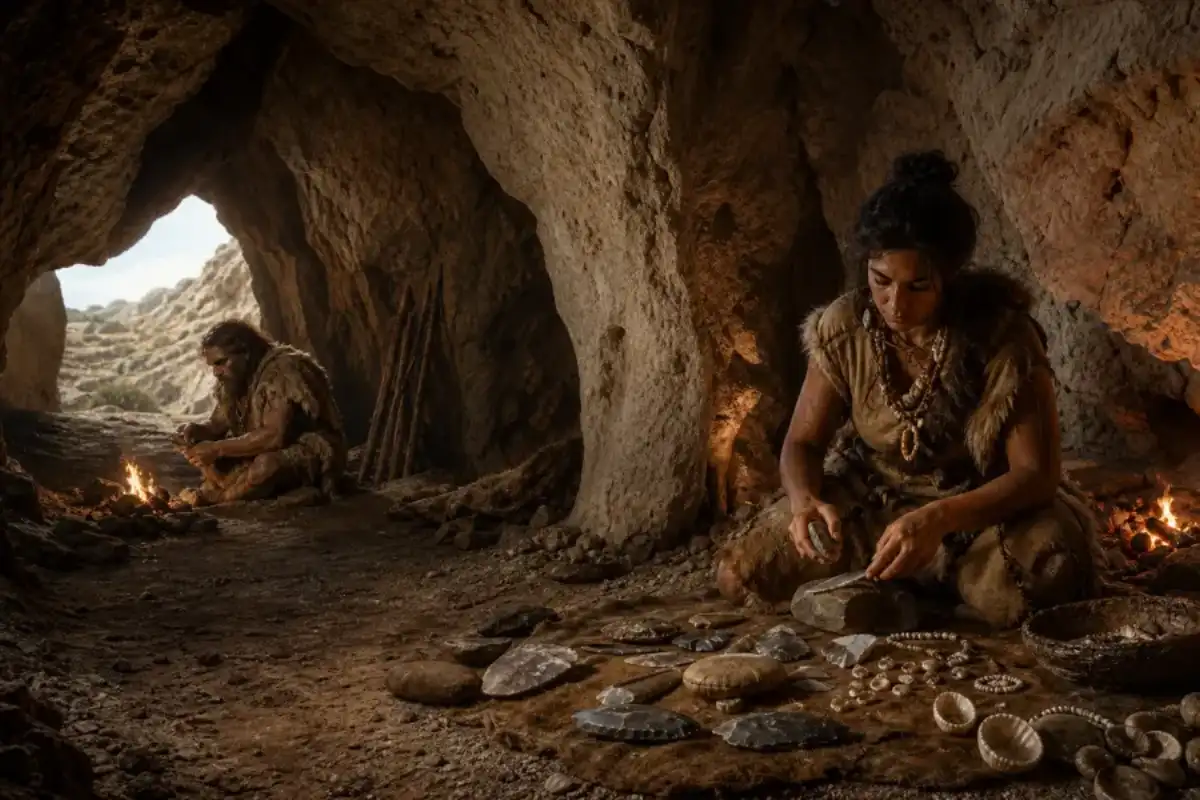
Neanderthals and modern humans did not simply occupy the same landscape and disappear from one another’s story. A study of Üçağızlı II Cave in southern Türkiye points to a longer period of cultural continuity in the northern Levant, where stone tools, shell ornaments and other remains appear across a sequence spanning more than 20,000 years. […]

The post Did Neanderthals and Modern Humans Share a Culture for 20,000 Years? appeared first on Curiosmos.
  •  

A Rare Iron Age Marsh Fort Is Being Excavated Again After 40 Years

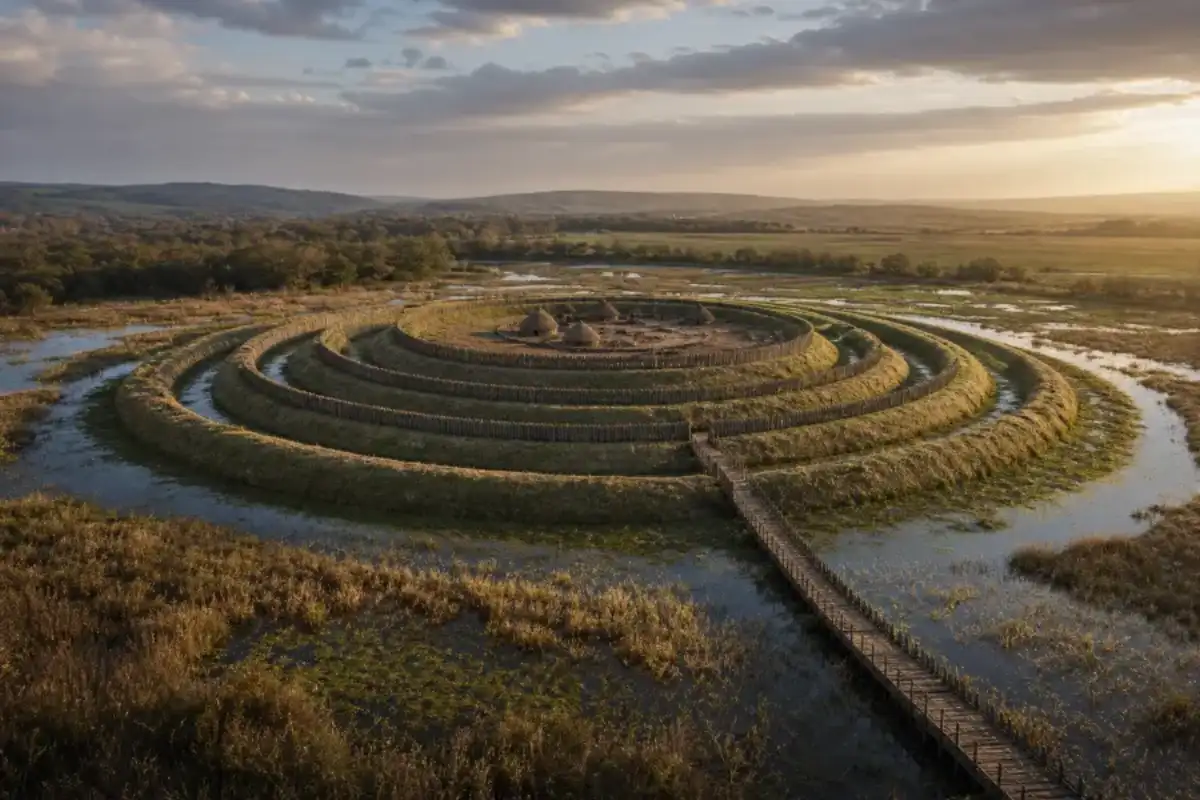
Archaeologists have returned to a rare Iron Age fort in Shropshire that sits in a wetland landscape rather than on a hill. The University of Birmingham has begun a new, ten-year project at Wall Camp near Telford, reopening a site that had not seen a major excavation since the 1980s. The first three-week season took […]

The post A Rare Iron Age Marsh Fort Is Being Excavated Again After 40 Years appeared first on Curiosmos.
  •  

How Radiocarbon Dating Works—and What It Can Actually Tell Us

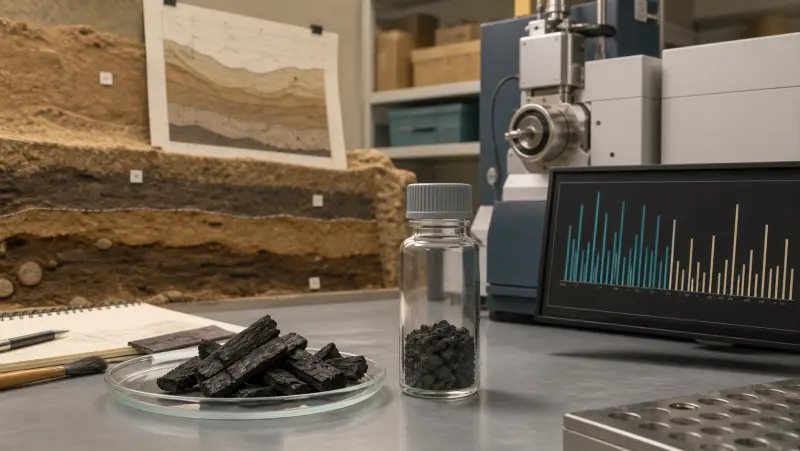
Radiocarbon dating is one of archaeology’s most useful tools, but it is often described as if a laboratory can place an exact year on any ancient object. The method is narrower and more interesting than that. It measures the remaining carbon-14 in material that was once alive, then uses calibration and archaeological context to estimate […]

The post How Radiocarbon Dating Works—and What It Can Actually Tell Us appeared first on Curiosmos.
  •  

Cuneiform Tablets and Destruction Layers Reconstruct a Mesopotamian Siege

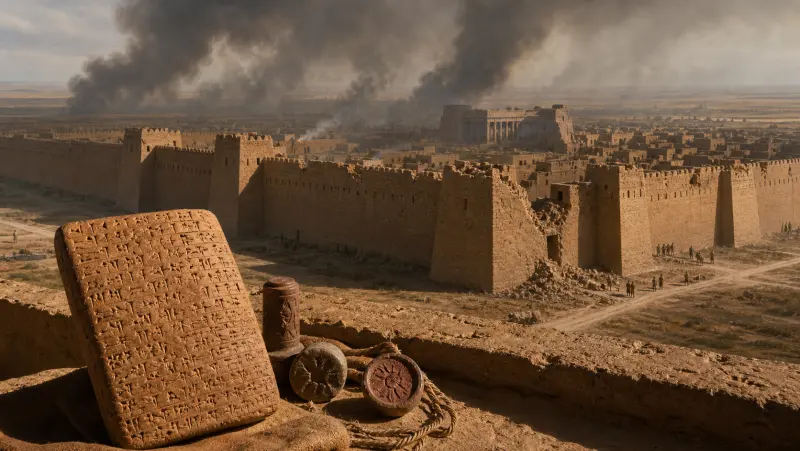
At Kurd Qaburstan in northern Mesopotamia, archaeologists are finding the kind of evidence that allows a destroyed city to be read from several directions at once. Cuneiform tablets, administrative sealings, a fortified wall and human remains are appearing together in layers associated with the ancient city of Qabra. The project, led by researchers from the […]

The post Cuneiform Tablets and Destruction Layers Reconstruct a Mesopotamian Siege appeared first on Curiosmos.

  •  

Jerusalem’s 2,800-Year-Old Dam Shows How Judah Managed Drought and Flash Floods

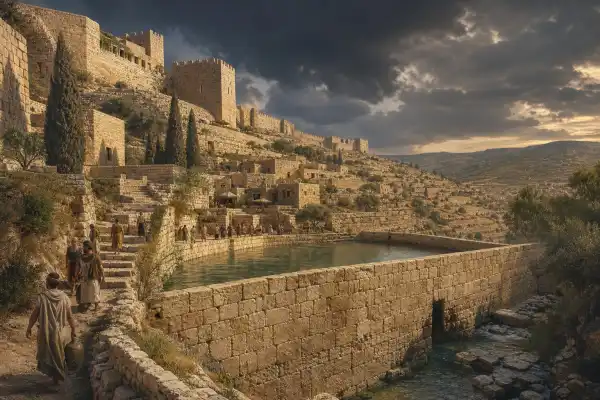
Jerusalem’s ancient water system was not only about finding a spring. It was about controlling what happened when the water came too quickly and when the rain failed to arrive at all. A new study has dated a large dam near the Siloam Pool to roughly 805–795 BCE, during the period when the kingdom of […]

The post Jerusalem’s 2,800-Year-Old Dam Shows How Judah Managed Drought and Flash Floods appeared first on Curiosmos.

  •  

Three Roman Desert Camps May Reveal a Hidden Campaign Against Nabataea

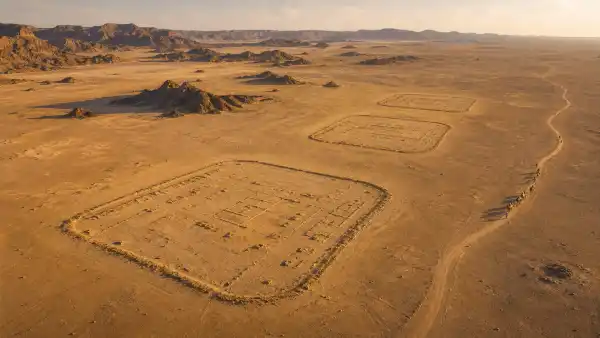
The desert north of Arabia has kept a Roman military story out of sight for almost two thousand years. Now three angular traces in the landscape are giving archaeologists a possible route to follow. Researchers working with satellite imagery have identified three Roman marching camps in the Harrat al-Shaam region, close to the ancient frontier […]

The post Three Roman Desert Camps May Reveal a Hidden Campaign Against Nabataea appeared first on Curiosmos.

  •  

LiDAR Suggests More Than 20,000 Ancient Earthworks in the Amazon

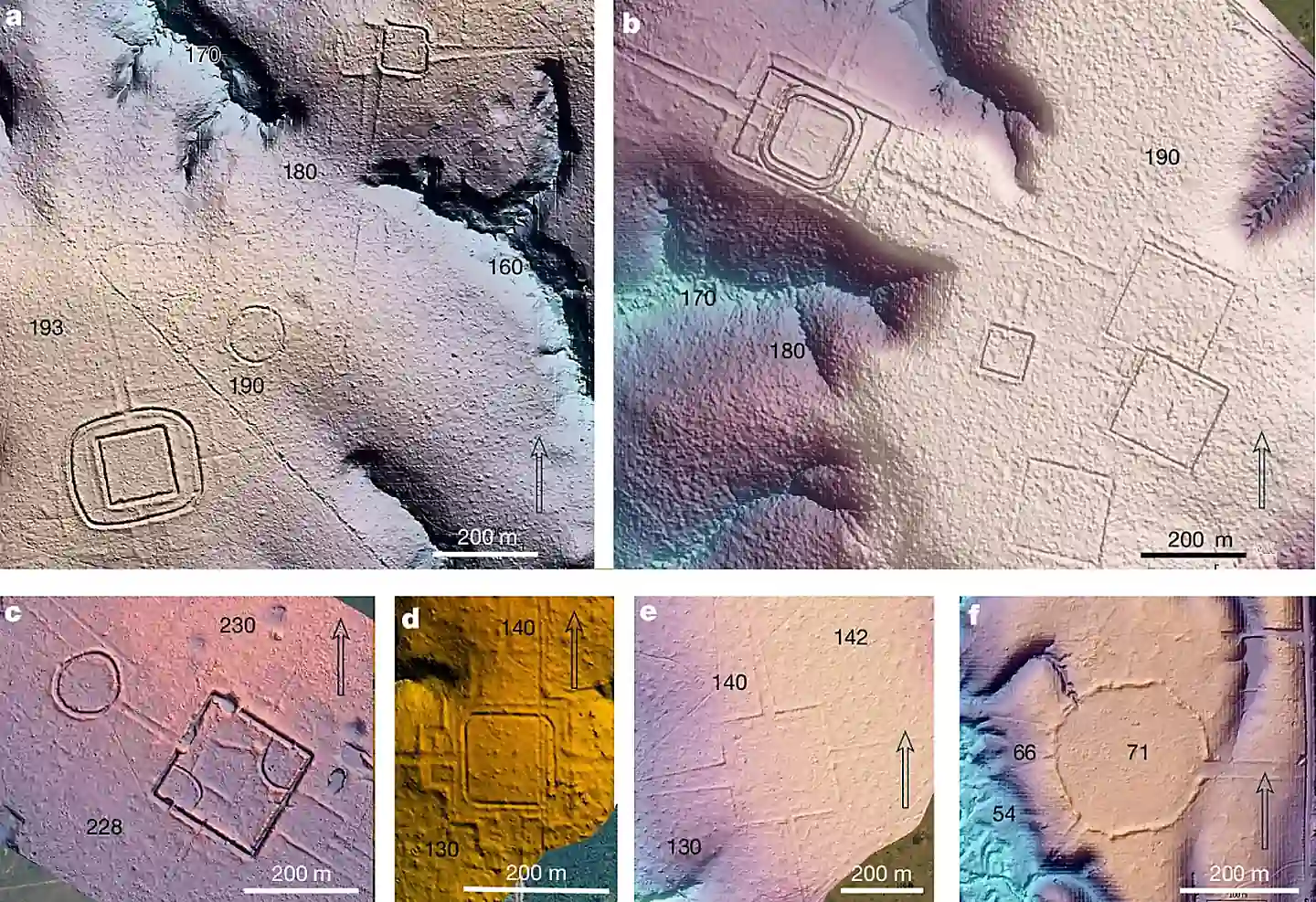
A laser survey of southwestern Amazonia has changed the scale of an old archaeological question. The aircraft did not reveal a hidden stone city, and it did not count 20,000 monuments one by one. What it did reveal was a dense pattern of ancient earthworks beneath the forest canopy—enough for the research team to estimate […]

The post LiDAR Suggests More Than 20,000 Ancient Earthworks in the Amazon appeared first on Curiosmos.

  •  

Minanbé: Archaeologists Find an Intact Maya City Deep in the Calakmul Reserve

A team of Mexican and Slovenian archaeologists has reported the discovery of a Maya city in the northern reaches of Mexico’s Calakmul Biosphere Reserve, a dense forested landscape already known for its extraordinary concentration of ancient settlements. The site has been named Minanbé, an expression in Yucatec Maya that the researchers translate as “there is […]

The post Minanbé: Archaeologists Find an Intact Maya City Deep in the Calakmul Reserve appeared first on Curiosmos.

  •  

‘Discovery of the Decade’: 1,400-Year-Old Zapotec Tomb Found in Mexico

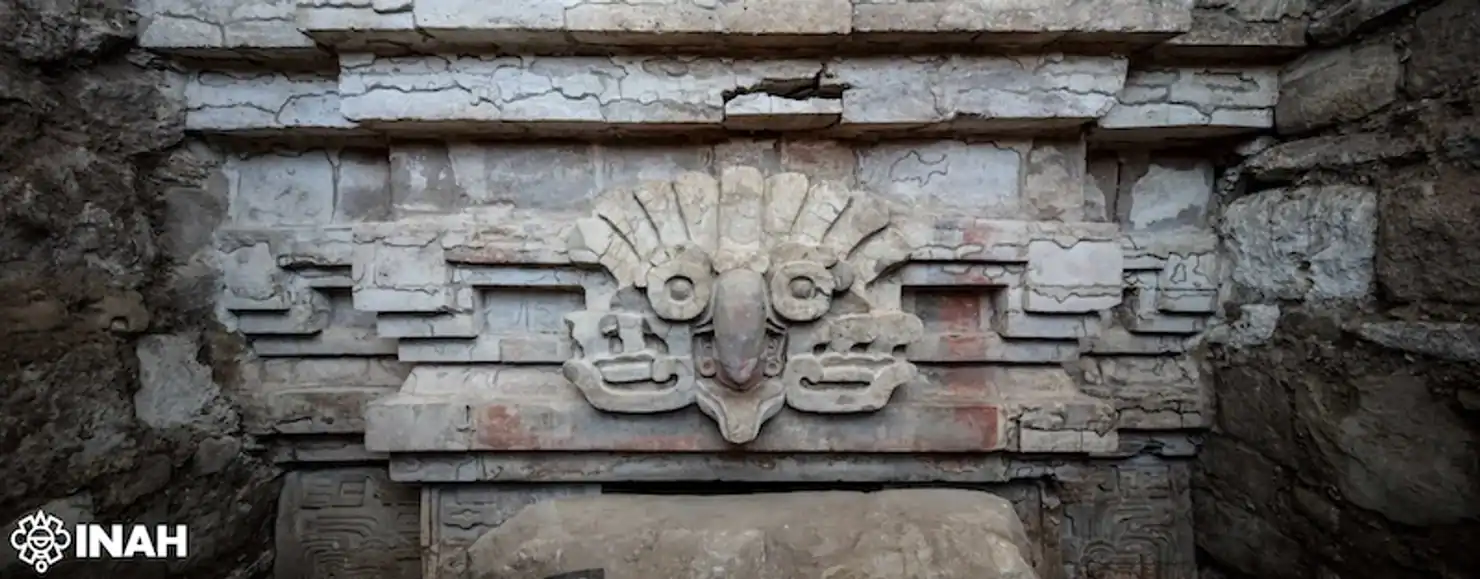
Mexican officials have announced what experts are calling the most significant archaeological find of the last ten years: a pristine, 1,400-year-old Zapotec tomb discovered in the state of Oaxaca. Located in San Pablo Huitzo, the ancient mausoleum has stunned researchers with its exceptional state of preservation and, most notably, a monumental sculpture of an owl, […]

The post ‘Discovery of the Decade’: 1,400-Year-Old Zapotec Tomb Found in Mexico appeared first on Curiosmos.

  •  

What Göbekli Tepe Changed About Civilization

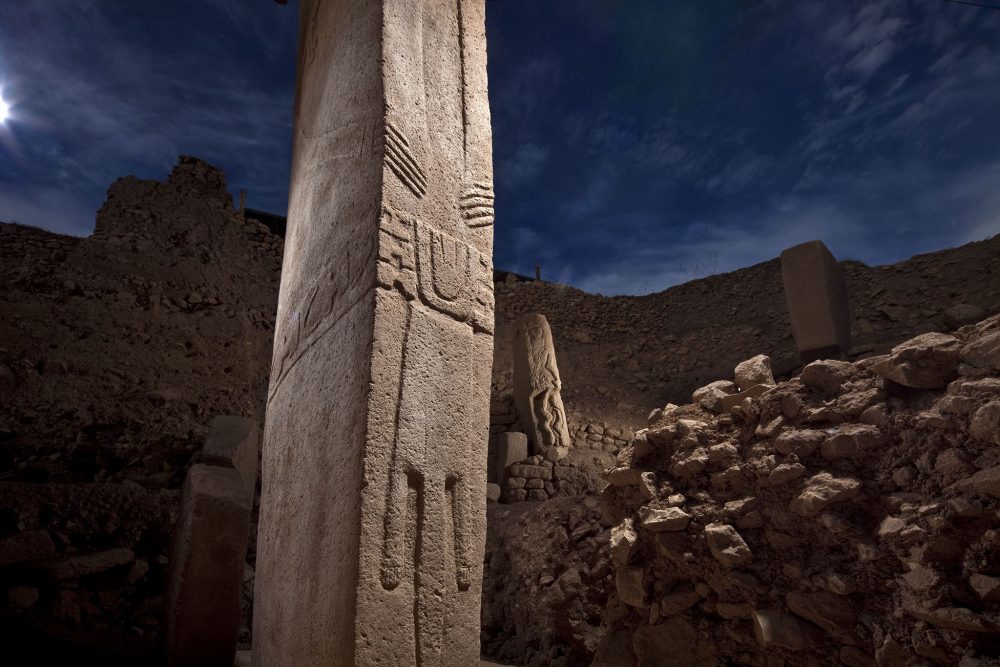
Göbekli Tepe sits on a limestone ridge near Şanlıurfa, in the Upper Mesopotamian zone where some of the world’s earliest farming communities would later emerge. Its oldest monumental structures were built between roughly 9600 and 8200 BCE, by hunter-gatherer groups working centuries before pottery and long before cities, metal, or the wheel. The first shock […]

The post What Göbekli Tepe Changed About Civilization appeared first on Curiosmos.

  •  

The Missing Blueprints of the Pyramids

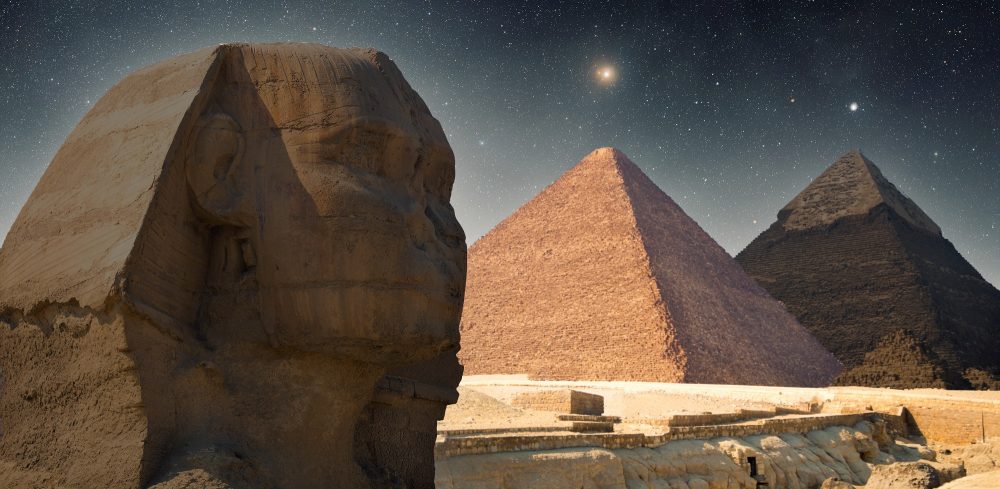
The mystery is real. Egypt’s pyramids are more than 4,500 years old, the Great Pyramid still feels impossible to many modern viewers, and yet the archive has yielded nothing that looks like a master plan in the modern sense. No papyrus roll has emerged with a neat elevation, no construction dossier for Khufu, no surviving […]

The post The Missing Blueprints of the Pyramids appeared first on Curiosmos.

  •  
❌