Reading view
MacVoice #26207 – Live! – OpenClaw, Stolen iPhone Advice, Apple’s Value, and Waiting on Siri AI
MacVoices #26188: Live – App Store Guidelines, AI Password Changing, and Snap’s Specs
MacVoices #26183: Live! – WWDC 2026 Experiences and Keynote Analysis
MacVoices #26165: TV+ Talk – Sports, Cooking, Bundles, and Apple’s Evolving Media Strategy
MacVoices #26158: Live – A Fake Vendor Site, Vision Pro, Apple Reorg, and the Impact of the Neo
MacVoices #26143: Live! – Apple Earnings, Services Growth, and Why Vision Pro Isn’t Done
Promoções na App Store: Not Another Weekend, Echo Planet – Incremental Game, Agro Measure Map Pro e mais!
Fechando esta semana com a nossa seleção de promoções na App Store!
Not Another Weekend, desenvolvido pelo pessoal da Dionous Games, é uma aventura point-and-click cheia de personalidade, humor absurdo e estética retrô — e o nosso destaque do dia.
No game você controla Mike Melkout, um mensageiro de hotel decidido a expulsar todos os hóspedes de um luxuoso estabelecimento durante um único fim de semana. O jogo mistura diálogos exagerados e um clima de sátira dos anos 1980, gerando uma experiência muito interessante.
Os quebra‑cabeças seguem o estilo clássico do gênero: lógicos, mas com aquele toque de maluquice que exige observar bem o cenário e experimentar combinações improváveis. A narrativa é o grande destaque, com personagens excêntricos e situações que parecem saídas de um filme cult.
Confira o trailer:
Aproveite a oferta e boa diversão! 🤩
Abaixo outros jogos/apps que, juntos, somam mais de R$430 em descontos:
Jogos
Jogo incremental.
Simulador de caça.
Torne-se trilionário.
Aplicativos
Utilitário para medições.
Efeitos para fotos.
Aproveite as ofertas e tenha um excelente final de semana! Vale lembrar que as ofertas são sempre por tempo limitado, então é bom correr. 🏎️


RetinaDesk agora mostra o máximo de monitores suportados por cada Mac
Há dois meses, falamos aqui sobre o RetinaDesk, um site muito bacana que ajuda você a escolher o melhor monitor externo para o seu Mac, levando em conta todas as especificidades dos computadores da Apple.
Pois bem, recentemente, a ferramenta ficou ainda mais completa com a adição de uma página que ajuda você a descobrir, de maneira extremamente intuitiva, a quantidade máxima de displays externos suportados pela sua máquina.
O banco de dados da ferramenta cobre todos os Macs com Apple Silicon lançados até hoje, bem como suas respectivas variantes — detalhe que joga o total de computadores listados pelo RetinaDesk para nada menos que 53.
Encontrar essa página é fácil: basta acessar o site do RetinaDesk, clicar na aba “Tools” na parte de cima da tela e, depois, selecionar a opção “Mac External Display Support by Chip” — ou simplesmente acessar esse link. Feito isso, é só selecionar o modelo do seu Mac na seção “Which Mac is it?” e, em seguida, sua respectiva variante — indicada pelo chip e o ano de lançamento (e, às vezes, o número de portas do computador) — em “Step 2”.

Uma vez que você indicar o modelo do seu Mac, o número máximo de monitores externos ao qual ele pode ser conectado deverá aparecer à direita da tela, junto de uma ilustração do seu “setup máximo” — ou seja, com o maior número de monitores possível.
A nova página, no entanto, não para por aí, já que ela também conta com outra seção a qual ajuda você a montar setups com diferentes combinações de monitores, os quais podem ter resoluções e taxas de atualização distintas — sempre levando em conta, é claro, as limitações do seu computador. Ela também é uma boa forma de descobrir se o seu Mac suporta uma resolução ou uma taxa de atualização (ou uma combinação dessas duas coisas) específica.

A seção “What each built-in port can drive”, por sua vez, exibe com quais resoluções/taxas de atualização cada porta do seu computador é compatível, além de revelar a sua versão (se é Thunderbolt 4 ou 5, por exemplo). Logo abaixo, temos a seção “How you can arrange the displays” que, como seu nome indica, mostra todas as combinações possíveis de monitores para a sua máquina.
Por fim, a ferramenta também deixa você comparar um Mac qualquer com outro modelo da sua escolha, checar se sua máquina precisa estar no modo clamshell para suportar um setup específico e aprender sobre soluções alternativas e suas respectivas concessões.

Assim como o resto das ferramentas do RetinaDesk, essa nova página é totalmente gratuita, com o único “porém” sendo o fato de que ela não está disponível em português — problema que, é claro, pode ser facilmente remediado com a ajuda das ferramentas de tradução dos navegadores atuais.
Muito útil, não? 🖥️

Google Meet expande recurso de notas para reuniões presenciais
Para os adeptos do recurso Anota pra Mim (Take notes for me) do Meet, o Google anunciou ontem que a funcionalidade passou a ser compatível também com reuniões presenciais.
Rivalizando com iniciativas como o app Granola ou o assistente Notetaker do Wispr Flow, o recurso era anteriormente restrito aos encontros virtuais ocorridos dentro da plataforma do Google.

Ele permite que o Gemini transcreva conversas e crie resumos da reunião salvos em um documento do Google, criando ainda um relatório encaminhado ao email do usuário com detalhes dos assuntos tratados e uma lista de tarefas da reunião. O Anota pra Mim é compatível tanto com as versões web quanto com o app do Google Meet.

De acordo com o Google, a distribuição ampliada começou hoje para a versão web e iniciará no dia 31 de agosto para o app no iOS. A ferramenta está disponível para os assinantes dos planos AI Pro (além do AI Pro for Education) e Ultra — no caso dos consumidores finais — e nos planos padrão e Plus das soluções Business e Enterprise do Google Workspace.


Nova estação de carregamento da UGREEN oferece 300W, display, modos de operação e mais
A conhecida marca UGREEN lançou uma estação de carregamento da linha Nexode Pro, a qual é equipada com seis portas USB-C, uma porta USB-A e uma saída CC (corrente contínua) dedicada, oferecendo uma potência combinada de até 300W.
Assim como um novo modelo de carregador da Satechi que cobrimos recentemente, a estação da UGREEN ostenta uma tela colorida que exibe a potência total de saída, tensão, corrente e o protocolo de carregamento de cada dispositivo conectado. Ela também conta com controles sensíveis ao toque na parte superior, que permitem alternar entre cinco modos de operação.

As portas USB-C1, USB-C2 e USB-C3 suportam até 140W cada uma. Já as portas USB-C4 e USB-C5 fornecem até 100W cada, enquanto a USB-C6 tem capacidade de 30W. A porta USB-A, por sua vez, fornece 22,5W e está localizada ao lado da saída CC, de 240W.

Segundo a fabricante, a estação de carregamento consegue recarregar dois MacBooks Pro em até 50% em cerca de 28 minutos. O carregador também conecta-se ao aplicativo da UGREEN via Bluetooth ou Wi-Fi, permitindo monitorar dispositivos conectados, alternar modos de operação, personalizar a tela e instalar atualizações de firmware.
Medindo 133x90x42mm, o Nexode Pro 300W está disponível na Amazon americana por US$170 — um desconto de 15% em relação ao valor comum (US$200).
NOTA DE TRANSPARÊNCIA: O MacMagazine recebe uma pequena comissão sobre vendas concluídas por meio de links deste post, mas você, como consumidor, não paga nada mais pelos produtos/serviços usando os nossos links de afiliado.
via TudoCelular.com


Satechi lança novo carregador ChargeView, com 240W e seis portas
A Satechi revelou ontem uma nova versão do seu carregador de mesa ChargeView, agora com seis portas USB-C e uma potência total de 240W. Ele conta com uma tela LCD 1Liquid crystal display, ou display de cristal líquido. semelhante à do primeiro modelo da linha (lançado em abril), capaz de exibir a potência liberada em cada uma das portas em utilização, além de contar com a tecnologia GaN 2Gallium nitride, ou nitreto de gálio..
As portas C1 e C2 contam com suporte a uma potência de 140W cada com a tecnologia USB Power Delivery (PD) 3.2, que conta com o Extended Power Range (EPR) e Adjustable Voltage Supply (AVS) para carregamento via USB-C (o protocolo de carregamento rápido do iPhone 17).
As portas C3 e C4 fornecem 100W de potência cada, enquanto a C5 e a C6 estão limitadas a 30W de carregamento cada. Além disso, essas quatro últimas fazem uso da tecnologia USB PD 3.0 com suporte ao Programmable Power Supply (PPS).
Link na bio.
Em matéria de acabamento, ele possui uma parte em metal fosco e uma cobertura brilhante para a tela. Sua cor, Space Black, foi pensada para combinar com o ecossistema de computadores da Apple, com destaque para o MacBook Pro e o Studio Display. O carregador é acompanhado ainda de um suporte, o qual permite que ele seja utilizado tanto na horizontal quanto na vertical em sua mesa de trabalho.
O ChargeView 240W Desktop Charger está disponível na loja oficial da Satechi e na Amazon dos Estados Unidos por US$150.
NOTA DE TRANSPARÊNCIA: O MacMagazine recebe uma pequena comissão sobre vendas concluídas por meio de links deste post, mas você, como consumidor, não paga nada mais pelos produtos/serviços usando os nossos links de afiliado.
Notas de rodapé
- 1Liquid crystal display, ou display de cristal líquido.
- 2Gallium nitride, ou nitreto de gálio.


Vídeo: troquei a bateria do iPhone 15 Pro Max da minha esposa!
Há alguns anos, eu troquei a tela de um iPhone XR da minha esposa em parceria com a iFixit. Pois é, o desafio voltou — desta vez, em um aparelho bem mais recente e complexo: o iPhone 15 Pro Max dela, cuja bateria já estava com apenas 77% de saúde.
Aceitei o convite da iFixit para trocar a peça por uma nova, e topei documentar todo o processo em vídeo para vocês. Divirtam-se:
Para a troca, recebi da iFixit o kit de bateria para iPhone 15 Pro Max, que já vem com todas as ferramentas necessárias, e também o iOpener, aquele saquinho que se aquece no micro-ondas e ajuda muito a amolecer o adesivo que prende a tela ao aparelho.
Segui à risca o tutorial passo a passo da própria iFixit para a substituição da bateria, e depois o guia específico para reinstalar o adesivo em volta da tela.
Confesso que desta vez foi bem mais desafiador do que da última: entre um passo e outro, entre pausas para respirar e conferir o manual outra vez, levei quase 3h do início ao fim. Mas deu tudo certo, e a sensação de ver o aparelho funcionando perfeitamente com uma bateria novinha (e a esposa satisfeita) não tem preço. 😄
Meu muito obrigado à iFixit por mais essa parceria e pelas ferramentas certas para o trabalho. E aí, quem topa o desafio também? 😅


Quinta beta do iOS 27 faz referência a seis iPhones ainda não lançados
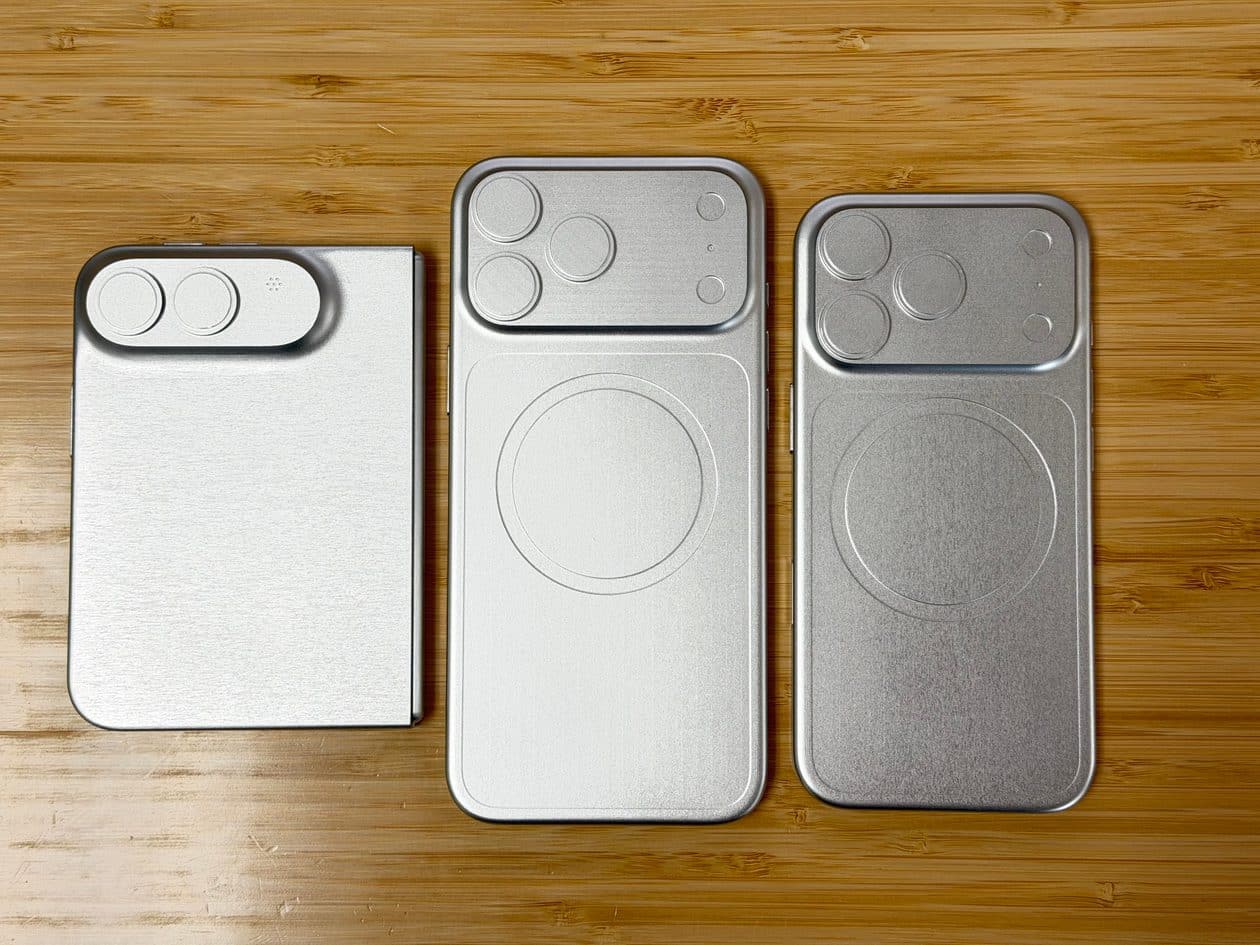
A Apple disponibilizou ontem a quinta versão beta dos sistemas 27 e, no caso do iOS, além de trazer novidades como novos ícones para apps nativos e mais opções de personalização de voz para a Siri, a última atualização fez menção à linha de iPhones que deverá ser lançada entre o final deste ano e o início do ano que vem, composta pelos modelos “18 Pro”, “18 Pro Max”, “Ultra”, “18”, “18e” e “Air 2”.
As referências foram encontradas pela Macworld em arquivos do sistema relacionados aos drivers de bateria do iPhone, limitando-se à exibição dos codinomes desses aparelhos. Nenhuma outra informação sobre esses dispositivos foi localizada.
A lista dos seis codinomes internos inclui:
V62: “iPhone Air 2”V63: “iPhone 18 Pro”V64: “iPhone 18 Pro Max”V67: “iPhone 18”V68: “iPhone Ultra”V69: “iPhone 18e”
Algo semelhante ocorreu com o “iPhone Ultra” na quarta versão beta do novo iOS, cujo código incluía referências a um aparelho com múltiplas baterias — algo inexistente hoje e fortemente especulado no caso do primeiro dobrável da Apple.
Em um feito inédito, o tradicional evento de setembro destinado ao anúncio de novos iPhones — cujos preparativos já começaram — poderá dividir os lançamentos da linha “iPhone 18”, restringindo-se inicialmente aos modelos premium, como o “Ultra”, o “18 Pro” e o “18 Pro Max”, enquanto os demais aparelhos ficarão para o início do ano que vem.
iPhone 17 Pro Max
Cores: prateado, laranja-cósmico ou azul-intenso
Armazenamento: 256GB, 512GB, 1TB ou 2TB
iPhone 17 Pro
Cores: prateado, laranja-cósmico ou azul-intenso
Armazenamento: 256GB, 512GB ou 1TB
NOTA DE TRANSPARÊNCIA: O MacMagazine recebe uma pequena comissão sobre vendas concluídas por meio de links deste post, mas você, como consumidor, não paga nada mais pelos produtos/serviços usando os nossos links de afiliado.


iPhone 18 Pro Will Reportedly Start With 256GB of Storage
In a report this week estimating that the iPhone 18 Pro's bill of materials will be nearly 40% higher than the iPhone 17 Pro, Taiwanese research firm TrendForce said the iPhone 18 Pro will start with 256GB of storage, matching the iPhone 17 Pro's minimum capacity. The report did not explicitly mention the iPhone 18 Pro Max, but the Pro and Pro Max models have started with the same amount of storage for the past two generations.
Minimum storage capacities by model:
- iPhone 16 Pro: 128GB
- iPhone 17 Pro: 256GB
- iPhone 18 Pro (rumored): 256GB
According to reports, iPhone 18 Pro starting prices in the U.S. could be $200 to $300 higher compared to iPhone 17 Pro starting prices. If so, the iPhone 18 Pro and iPhone 18 Pro Max could start at up to $1,399 and $1,499, respectively.
In June, Apple raised prices on all Macs and iPads, as well as the Apple TV, HomePod, HomePod mini, and Vision Pro. The increases ranged from $30 for the HomePod mini to up to $1,300 for a high-end Mac Studio configuration.
Apple said it raised prices because of the ongoing memory chip shortage, resulting from companies building out data centers with powerful AI servers. The supply-demand imbalance has led to skyrocketing prices for RAM and SSD storage chips used in a wide range of Apple products, and Apple has now passed those costs on to customers.
Apple CEO Tim Cook previously commented that price increases were "unavoidable" due to "a hundred-year flood" on memory pricing.
Apple is expected to announce the iPhone 18 Pro models in September.
This article, "iPhone 18 Pro Will Reportedly Start With 256GB of Storage" first appeared on MacRumors.com
Discuss this article in our forums
The 6 myths of agile project delivery (and how to solve them)
When you ask businesses about how they are innovating their ways of working, one word will come up time and again: Agile. Agile delivery. Agile workflows. Agile everything.
The term has been so overwhelmed by buzzwords, supposed best practice guides, and misguided strategy documents that it has almost lost all meaning.
In fact, if many organizations that believe they’re operating in an Agile manner were to take a step back and take an objective look at their ways of working, they would quickly come to realize they have not moved away from legacy command-and-control structures.
In this fog of misunderstanding, a series of myths has taken hold that have made the role of Agile professionals far less clear-cut, making it harder for organizations to put this invaluable methodology into practice.
One root of these problems lies in a tendency for people to narrow Agile’s scope, approaching it as a tick list of processes to adhere to rather than a fundamental shift in how people work and deliver for a business.
It is critical that Agile professionals equip themselves to fact-check these myths as they come up in their work. Every failed project done in Agile’s name diminishes the luster attached to the methodology, increasing the risk that future businesses will reject this powerful way to improve program and project management.
Myth 1 – “Agile delivery leaders are just administrators”
Agile professionals are often seen principally as bureaucratic note-takers, or schedulers – the people who organize everyone else’s work.
This view misses the point: their real value is as facilitators and protectors from distraction. Good Agile professionals create the space for teams to focus, and align delivery with outcomes rather than just activity.
Myth 2 – “Agile professionals are the scrum police”
Some believe Agile delivery operates within a top-down hierarchy, with Agile professionals in place to enforce frameworks and control how team members spend their time.
This is quite wrong: Agile professionals work with teams, coaching them to make better decisions, remove friction, and build confidence in delivery – without resorting to outdated command-and-control methods.
Myth 3 – “Agile delivery must be technical”
It’s a common assumption that Agile delivery leaders require a deep technical background. Technical awareness can certainly help, supporting a deeper understanding of the team’s tasks and challenges, but it isn’t the core of the job.
The real skill lies in understanding people and processes, then creating the conditions for specialists to succeed. In most projects, the need is for strong communication and facilitation across the entire team rather than strategic decision-making or technical troubleshooting.
Indeed, in some circumstances ‘hands-on’ Agile delivery leaders who think they know best can create conflict within teams, damaging morale and motivation in the process. Think of it like athletics: coaches don’t need to run faster than the athletes; their task is to help the athletes run faster.
Myth 4 – “Certification equals capability”
A certificate may prove that somebody knows about an Agile framework, but it does not demonstrate that they’re capable of applying it in practice.
The best Agile professionals succeed through experience, attitude, and ‘soft’ skills. They know from experience how to adapt Agile values and principles to particular circumstances; when to challenge people, and when to simply step back and get out of their team’s way.
Like any profession, being truly effective at the job requires skill, practical experience, and professional characteristics appropriate for the role. A piece of paper doesn’t make you agile; effectiveness with people and process does.
Myth 5 – “Agile delivery leaders are cheerleaders”
Contrary to popular belief, Agile delivery isn’t principally about arranging team socials or keeping everyone upbeat during stand-ups.
The value lies in keeping people aligned and productive under deadline pressure and/or changing priorities; after all, no plan survives contact with the enemy. Agile delivery leaders are there to create stability within an uncertain environment: they help teams stay focused on what matters, and shield them from distractions so they can maximize time spent ‘in the zone’.
That said, there is value in boosting morale – and championing a team’s achievements is one way to do this. According to the “broaden-and-build” theory of psychologist Barbara Fredrickson, positive emotions broaden our thought-action repertoires, enabling us to develop skills and resources that improve our long-term productivity.
One famous study from the "Journal of Labor Economics" showed that happiness at work leads to improved performance, especially in jobs where creativity and initiative are key.
Myth 6 – “Agile delivery leaders must remove all blockers for their teams”
While impediment removal is without doubt a core responsibility for an Agile delivery leader, the reality is that teams solve most of their own issues – perhaps with the assistance of a little coaching or support.
Nonetheless, sometimes a challenge is too big, distracting or political for them to handle, and Agile delivery leaders must step in – often by representing the team with stakeholders and at governance layers: this can be helpful in reducing the ‘noise’ around the team and the number of distracting interactions that take team members away from the core task.
As captured in the proverb: “Give a man a fish, and you feed him for a day; teach a man to fish, and you feed him for a lifetime,” effective Agile delivery leadership is about enabling, not babysitting.
True Agile
So Agile is a much more subtle and responsive discipline than the stereotypes present – and it must be led by subtle and responsive practitioners. The approach can generate huge benefits – saving time, handling change more elegantly, reducing project failure rates and, above all, creating better products and services that more effectively meet customer needs and objectives.
These goals are achieved by working with people – rather than by tinkering with processes – to surface problems early in the development process, resolve them quickly and with a minimum of fuss, and avoid interfering when the team is already functioning effectively.
High-performing teams depend on trust, accountability and continuous learning. Leaders who foster those qualities are more likely to deliver successful outcomes, creating teams that stay focused, take ownership of their work, and continuously improve how they operate.
This is a role that is all about empowerment; when they’re doing their job well, much of an Agile practitioner’s work occurs out of sight. So how do you know when you’ve got a really great Agile delivery leader? When their team runs perfectly well without them.
This may not sound like the smartest business model for the practitioner, but it’s definitely the best outcome for the client’s own business – and that, ultimately, is what Agile is all about.
We've rated and ranked the best productivity tools.
This article was produced as part of TechRadar Pro Perspectives, our channel to feature the best and brightest minds in the technology industry today.
The views expressed here are those of the author and are not necessarily those of TechRadarPro or Future plc. If you are interested in contributing find out more here: https://www.techradar.com/pro/perspectives-how-to-submit

OpenAI extends 'Daybreak' security project and reveals new cyber model — but for approved users only
- OpenAI expands Daybreak with Blue and Red tiers for defensive cyber work
- New GPT‑5.6‑Cyber model offers high compliance for authorized vulnerability research
- Access remains restricted due to dual‑use risks and reduced safeguard operation
OpenAI has announced two new tiers for its Daybreak dedicated cybersecurity project, each offering a different model with different levels of compliance. It also used the opportunity to introduce a new security-focused AI model, as well.
Hackers and criminals are increasingly abusing AI to improve and speed up the creation of phishing emails and malicious code, and with the introduction of AI agents, they’ve also used it to automate entire attack processes. The AI community responded by placing strong guardrails, making sure their models do not comply with requests to build malware, or hack other companies.
These guardrails ended up being a two-edged sword, because as they slowed down attackers, they also slowed down the defenders.
What is Daybreak?
To give the cybersecurity community the upper edge, companies like OpenAI started creating dedicated cybersecurity initiatives that provide a vetted list of companies state-of-the-art models, free of guardrails. The company also provided them with pre-trained AI agents, as well as access to a pool of shared knowledge.
Initially launched in June 2026, Daybreak originally included GPT.5-5-Cyber (a model optimized for security work), Codex Security (an agent that can analyze codebases, identify vulnerabilities, validate findings, and help develop patches), Patch the Planet (an initiative with Trail of Bits to find and fix vulnerabilities in open-source software), Daybreak Cyber Partner Program (lets approved cybersecurity companies such as Cloudflare or Cisco integrate OpenAI's cyber capabilities into their own products and services), and Trusted Access for Cyber (the governance/access system for organizations doing authorized cybersecurity work with these capabilities).
Now, OpenAI has expanded Daybreak with two access tiers, Daybreak Blue, and Daybreak Red.
The company says Daybreak Blue is “the recommended starting point for most defenders, supporting vulnerability discovery, secure code review, malware analysis, incident response, and patch validation. Companies opting for this tier can expect access to frontier general-purpose models, including GPT‑5.6 Sol, whose safeguards have been tailored to authorized defensive security work.
Daybreak Red, on the other hand, provides access to OpenAI’s “purpose-trained cybersecurity models for authorized vulnerability research, exploit validation, and security testing.” This tier offers the brand new GPT‑5.6‑Cyber, built on GPT‑5.6 Sol and trained to improve capabilities on several specialized cybersecurity tasks such as finding zero-day vulnerabilities and developing exploit chains.
This model is also more compliant and less likely to refuse certain higher-risk, dual-use cyber tasks.
Complying with "dangerous" requests
Request compliance is the name of the game here. OpenAI says the new model addresses feedback from security researchers who “encountered persistent refusals with the earlier model.” General-purpose GPT-5.6 Sol, for example, will comply with just 1.5% of the requests usually given by cyber-defenders working on codebase analysis or vulnerability identification. This percentage increases to 2.0% with Daybreak Blue access.
GPT-5.6-Cyber, on the other hand, completes 95.0% of requests, OpenAI says, up from 57.3% of the previous model, GPT-5.5-Cyber. We weren’t able to independently verify these claims, though.
While it doesn’t outright say it, OpenAI considers these models relatively dangerous to use, which is why they’re locked behind the Daybreak Cyber Partner Program. However, the program is now expanding, allowing these companies to embed the models behind their own products, managed services, or cybersecurity engagements, and offer them to clients of their own.
Those who wish to be a part of the program directly can do so by applying to join online now.
“Models running with reduced safeguards carry risks beyond standard model usage, whether from misuse or misalignment. Despite these risks, we believe that democratizing access to frontier intelligence for defenders is crucial to accelerating and automating cyber defense,” OpenAI said.
“Daybreak Blue and Daybreak Red access are available for approved individuals and organizations conducting authorized work. We control access through identity verification, account security, monitoring, approved-use restrictions, and legal attestations.”
Wix launches Symphony – giving small businesses their own AI workforce
- Wix launches Symphony, a standalone AI agent platform designed for SMBs
- AI agents work to understand your business, then complete essential tasks on your behalf
- Symphony comes with a built-in quality layer, helping ensure trust.
Wix, one of the world’s biggest website builders, has today launched Symphony, a new platform which aims to provide SMBs with a proactive team of AI agents that are built around their specific business needs, goals, and workflows.
The company says Symphony will allow business owners to move away from working alone to operating with a tailored AI team in just minutes.
What is Symphony?
Wix claims Symphony has been built on the experience and unique data it has accumulated while supporting hundreds of millions of businesses worldwide.
The company highlights how, unlike typical AI tools that simply act on instructions, Symphony learns the business, taking the time to understand its unique needs rather than offering a one-size-fits-all solution.
At the center is Maestro, Symphony’s central AI agent. Maestro understands what is happening across the business, identifies what needs attention next, and coordinates the right agent for each job.
Operating much like a team of humans, Symphony’s AI agents work across approved workflows, executing tasks and connecting to the tools that the business already uses. It then reports back, offering updates, analytics, and flagging key actions for approvals.
Each day your agents will also have a ‘morning meeting’, providing a summary through a simple app of work completed, highlighting what still needs to be completed, and identifying new opportunities based on business activity, customer behavior, and current trends.
Symphony also provides a built-in quality review layer, with a separate agent checking work before it is presented, helping support accuracy.
According to Wix, Symphony is available through a tiered subscription model.
“We built Symphony to be the go-to AI agent orchestrator for SMBs,” said Ronny Elkayam, COO of Wix.
“It is purpose-built for how small businesses operate, combining Wix’s two decades of SMB expertise with a coordinated multi-agent system that can learn how a business works, take action and help owners grow with more speed and confidence. With Symphony, any business owner can have the team they need to scale.”

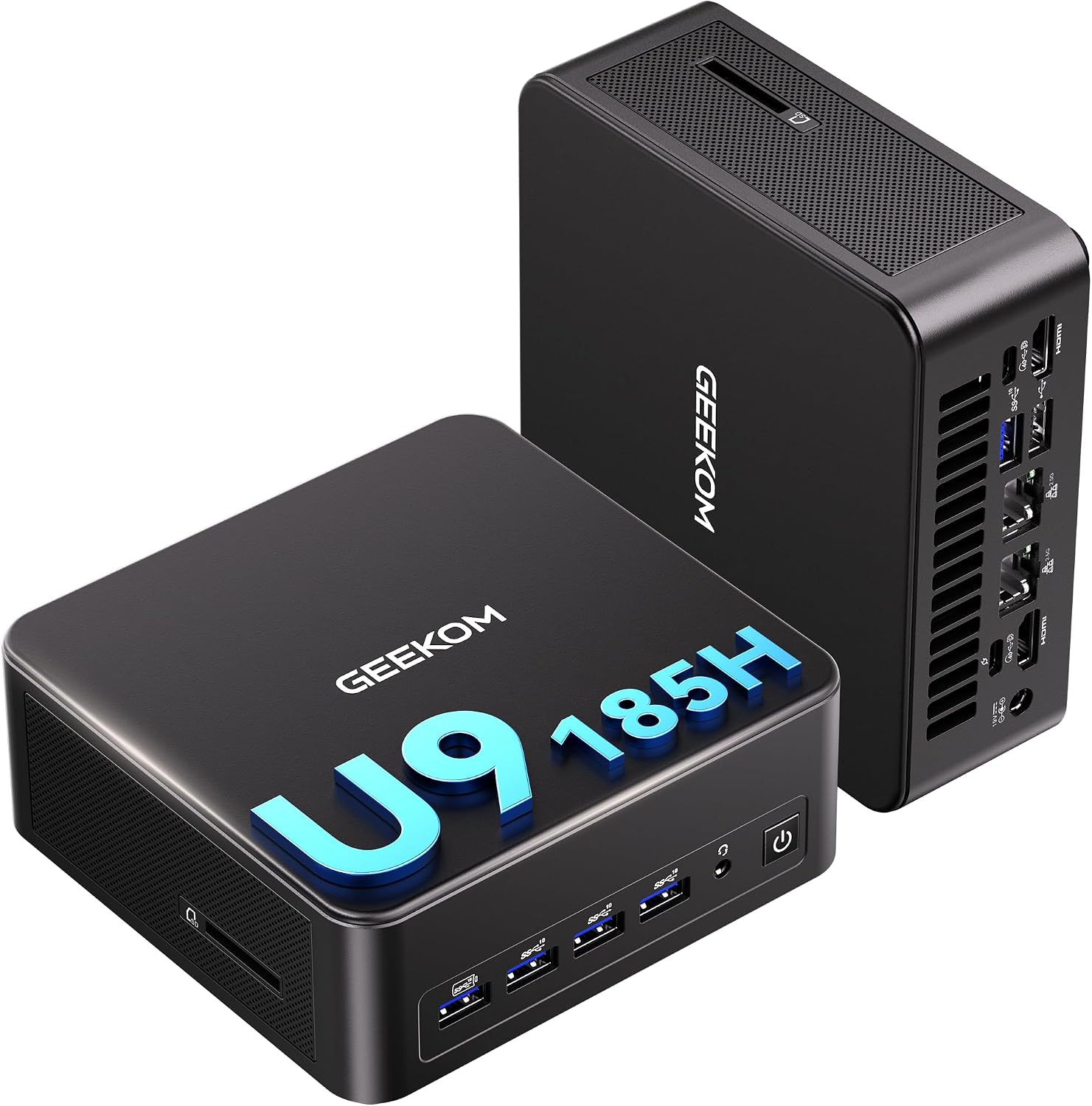
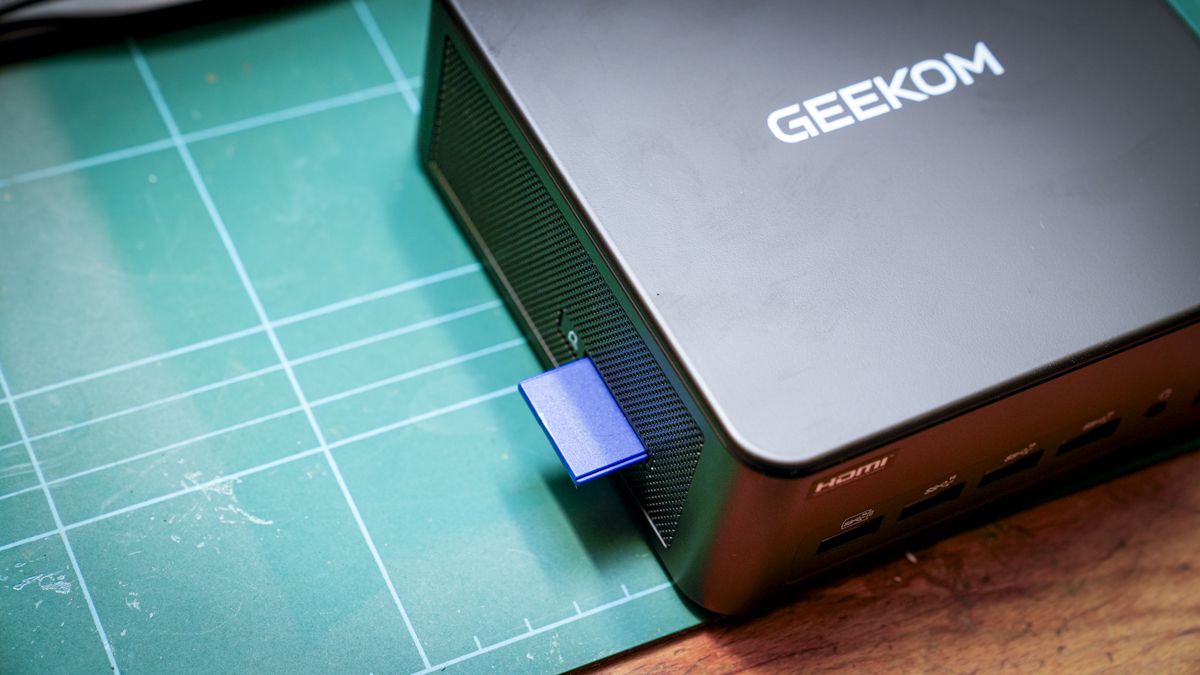
We called the Geekom IT13 Max 'superb for office and light creative work' — and this 4-star AI mini PC just got a big discount
After testing Geekom's Intel-powered IT13 Max, we found it a good, robust machine that's ideal for office work and light creative tasks. And right now, the Geekom IT13 Max AI mini PC is discounted to $679 (was $799) at Amazon with code TRT13DFF.
This mini PC pairs a genuine Core i9 mobile chip with 24GB of RAM and a 1TB SSD, in a chassis smaller than most external hard drives. In the UK, Geekom's mini PC is down to £637 (was £749) at Amazon.
Should you buy it?
✅ Buy the GMKtec IT13 MAX if...
You want strong CPU performance for office work, coding, or light creative tasks in a tiny footprint. You need to drive multiple 4K monitors from one small box.
❌ Skip the GMKtec IT13 MAX if...
You want to game beyond light, reduced-settings titles — this runs integrated graphics only. It also uses DDR4 RAM, so skip it if you need DDR5 bandwidth for memory-intensive workloads. And if you're on a tighter budget, Geekom's lower-tier i5 configs cost meaningfully less.

Intel Core Ultra 9 185H | 24GB DDR4 | 1TB SSD
14-core, 20-thread Core i9-13900HK, 24GB DDR4 RAM, 1TB NVMe SSD, dual USB4 (40Gbps), dual HDMI, quad 4K display support, Windows 11 Pro. For the full discount use code TRT13DFF
In the UK: now £637 (was £749)View Deal
Why we recommend it
The GMKtec IT13 Max earned 4-stars in our review, where it proved a capable mini PC. We said, "for office and light creative work the IT13 Max is an excellent option," as well as use as a workshop or production-line machine.
The i9-13900HK is a genuine high-end mobile chip — 14 cores, 20 threads, and clock speeds up to 5.4 GHz — and it's unusual to see it in a mini PC this size and at this price. It handles everyday office work, code builds, and multitasking comfortably, and Geekom's cooling keeps things quiet under sustained load.
24GB of RAM and a 1TB SSD are both generous starting points (but opt for the 16GB RAM model if you want to expand that memory up to 96GB). Connectivity is solid: dual USB4 ports at 40 Gbps, dual HDMI, Wi-Fi 7, and support for driving four displays simultaneously, making it a capable multi-monitor workstation for the price.
Price Context & Historical Value
Geekom lists this configuration with an MSRP north of $800, and it's typically discounted through coupon codes rather than site-wide sales — $679 with code TRT13DFF is a solid price for the 24GB/1TB tier, in line with what this model has landed at during previous promotions. This is the lowest price in the UK that the IT13 Max has been. Worth noting the code expires August 30, so this isn't a standing price.
For more savings, every week we track the best mini PC deals.
The Catch: What to know before you buy
There are two sticking points with the IT13 Max. First, the 24GB RAM model features fixed memory, so you can't upgrade it. If that's what you want, look for the version with 16GB RAM (available direct from Geekom US and Geekom UK).
This lets you expand both memory and storage — RAM to 64GB, plus room for a second M.2 drive and a 2.5-inch SATA bay.
Second, the IT13 uses Intel's Iris Xe integrated graphics, not a dedicated GPU, and it runs on DDR4 rather than DDR5 — a deliberate cost-saving choice that keeps the price down but caps performance in games and GPU-bound creative work.
It'll handle 4K video playback and light gaming at reduced settings, but it's not built for modern titles at high settings. If gaming or GPU-accelerated tasks are the priority.
The CEVA Logistics data breach is having major knock-on effects across Europe - here's what we know
- CEVA Logistics hack disrupted European warehouses and exposed some customer data
- Retailers and Valve reported compromised delivery information and service delays
- Clients warned of targeted scams while awaiting fuller incident details from CEVA
CEVA Logistics, one of the biggest shipping and logistics companies in the world, has suffered a major cyberattack, the effects of which are trickling down to many of its clients.
The details of the hack itself, however, are not yet publicly available and what little information is out there came from the affected clients themselves.
CEVA has not yet issued an official statement, or filed a report with the regulators, but confirmed to TechCrunch that the attack most likely started on July 29, 2026, and affected at least eight warehouses across Europe.
Technical details missing, affected customers step forward
CEVA Logistics is a global logistics and supply-chain company and a wholly owned subsidiary of CMA CGM, a French shipping giant. It provides freight forwarding, contract logistics, warehousing and transportation services to thousands of customers, including major companies in the consumer and retail, automotive, industrial and aerospace sectors.
The company operates in more than 170 countries around the world and last year it generated $18.3 billion in gross revenue, so it is a major player and a key target for attackers.
The details about the incident itself are scarce right now. We don’t know how the crooks broke in (via a successful social engineering attack, or by abusing a software vulnerability, for example), how much data they stole, or if they demanded a ransom payment in exchange for deleting the stolen goods. From one of the victims, though, we have learned that some data was most likely compromised.
When the effects of a cyberattack spill into the physical realm (as is the case here with eight affected warehouses) we can speculate the attack was either ransomware, or disruptive malware. Companies shut down parts of their IT infrastructure only when there is no other way to clear an infection or remove malicious outsiders.
In the meantime, a small number of CEVA’s customers confirmed suffering an attack and losing sensitive data.
Among them is Bol, a Dutch online retail company, which said the incident affected two systems used for processing orders from one of its fulfillment
“No bol systems were affected,” it said. “However, data of customers whose orders were processed via this location may have been viewed or copied.”
Bol also said restoring operations at one of CEVA’s locations was taking longer than anticipated. As a result, the assortment stored at the affected location was taken offline, and the products were unavailable for sale. Also, Bol is currently unable to receive goods from suppliers and sales partners at that location.
A similar announcement was given by De Bijenkorf, another Dutch luxury retailer, who said that order processing, returns, and refunds, might take longer, but stressed that its stores remained open. It also said that some customer data may have been compromised, including names, contact details, online orders data and, in some cases, VAT numbers. Payment information, bank account numbers (IBANs), credit card information, usernames, or passwords, were not compromised, it was confirmed.
Valve steps forward
Retail giants aside, PC gaming powerhouse Valve also notified its customers about the incident. It said CEVA ships Steam hardware to its European customers and as such, receives specific delivery-related information from Steam.
This information, which CEVA retains for up to 90 days after the order, was most likely compromised. It includes names, street addresses, phone numbers, email addresses, and the type and price of ordered products.
Valve warned its customers to expect fake messages, either via email, SMS, or phone, that might mention recent hardware orders.
“They may quote your address back to you to prove they're genuine. They may ask you to confirm a delivery, pay a small customs or redelivery fee, or sign in somewhere to “verify” your order. Treat all of them as fake,” Valve warned. The company also stressed that customer accounts are safe and that users need not do anything to secure them.
Other details are missing, not just for the general public, but for the affected CEVA clients, as well. Valve said it was “pressing” the company for the full scope of what was taken and how, and added that it is notifying the relevant authorities, as well.
A spokesperson of the Dutch data protection authority, Mark Schenkel, told TechCrunch the agency so far received 10 incident reports. Given the size of CEVA, it’s safe to assume there will be others.