❌

Reading view

A researcher bought noreply.net. Companies started sending him secrets.

Cory Solovewicz receives more unwanted emails than you. Seriously—it’s a lot more. Since December 2024, one of the domains at which the security researcher receives email has registered 401,796 messages—by his calculations that’s an average of 699.99 pings per day.

This deluge isn’t the regular flood of spam, newsletters, and unwanted deals that fill many people’s inboxes. Instead, companies and other organizations are inadvertently sending Solovewicz other people’s private information and company secrets. Over the last few years, he’s received injury reports from a city government, confirmation of people’s pizza orders, and account setup emails from a school platform. “I get service orders for people that need repairs. I get lots of test platform credentials,” says Solovewicz, a security researcher and consultant.

Solovewicz is receiving the avalanche of messages as he’s the owner of the domains noreply.us and noreply.net, which he purchased in 2020 and 2024, respectively. After originally planning to use the noreply.us domain as a catch-all email—which receives mail sent to any @ address on that domain—to filter messages and enhance his privacy, the researcher quickly noticed that other systems were sending mail to @noreply.us addresses. “I created an accidental honeypot,” Solovewicz tells WIRED. “I had no idea it was going to turn into this.”


Read full article

Comments

© Richard Drury via Getty

  •  

DeepMind’s hurricane breakthrough has surprised weather scientists

In October 2025, a storm brewed over the Caribbean Sea. Weather models differed on its trajectory. Would it remain weak and end up in Haiti, or would it intensify and head to Jamaica? Artificial intelligence model WeatherNext, developed by Google’s DeepMind and Google Research, went with the latter. Five days before landfall, it predicted with 80 percent confidence that the storm system would hit Jamaica as a Category 5 hurricane.

Hurricane Melissa was catastrophic, causing flooding and landslides across Jamaica. But the AI model helped forecasters give an earlier warning to communities in its path, so they could better prepare.

In a paper published on Thursday in Nature, researchers show that the WeatherNext AI model can predict cyclones with unprecedented accuracy. On average, it gives forecasters a day more lead time than existing models; this means its predictions three days out are as accurate as previous models’ predictions two days out. On the ground, that extra day can mean a lot.

Read full article

Comments

© J Marshall/NASA/ESA/T. Pesquet/Alamy

  •  

ByteDance trains massive AI model in bid to rival Anthropic

ByteDance is training an AI model that could approach the size of Anthropic’s most cutting-edge Mythos system, as Chinese companies continue to narrow the gap with the top US labs.

The Chinese tech giant is at an early stage of training a model with as many as 10 trillion parameters—three times larger than Moonshot’s Kimi K3, the biggest Chinese model released to date, according to three people with knowledge of the matter.

The ByteDance model is being pre-trained—a stage that typically takes three to six months—before it is fine-tuned and released if all goes well, one of the people said. The exact model size would only be determined at a later stage.

Read full article

Comments

© Ore Huiying/Bloomberg

  •  

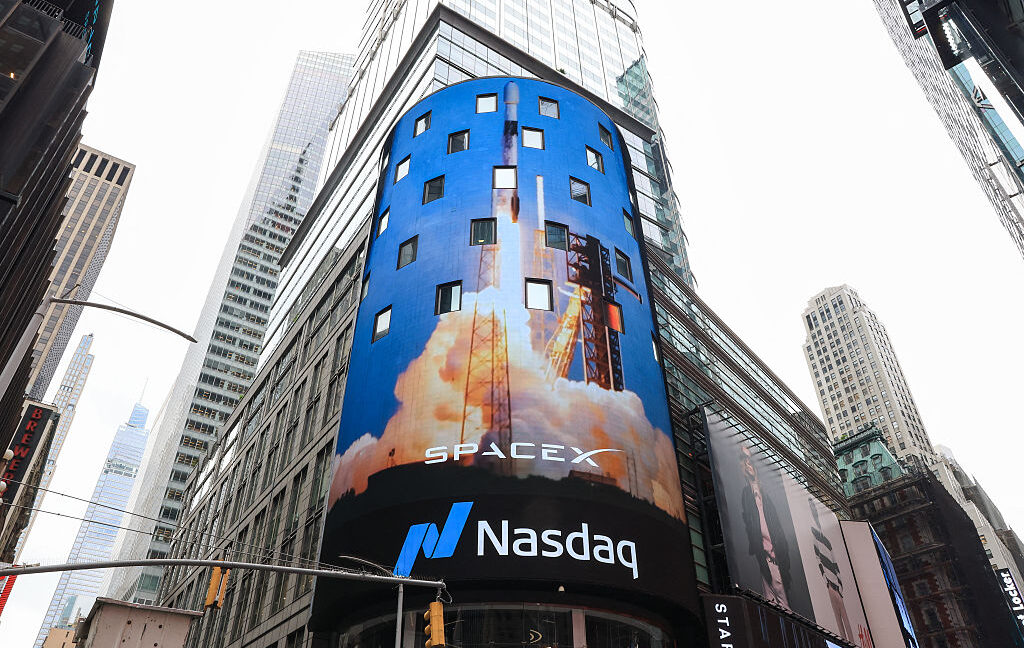
SpaceX spooks investors with debut earnings report

SpaceX shares dropped on Wednesday after Elon Musk’s plans for blockbuster spending to position his AI and rocket company as a data center developer spooked investors.

SpaceX surpassed analysts’ expectations in Tuesday’s debut earnings report, posting quarterly revenues of $7.8 billion, well above analysts’ estimates of $6.82 billion and up 92 percent from a year earlier. It posted a net loss of about $541 million, better than estimates of $2.12 billion.

But shares in SpaceX fell 10 percent in early trading after it reported capital expenditure of almost $16 billion on AI, double the previous quarter and well above Wall Street’s expectations. It said spending would persist at current levels for at least two more quarters.

Read full article

Comments

© Timothy A Clary/GEtty

  •  

Defcon's new badge is a security key you can see inside

It’s been a longtime feature of the annual Defcon hacker conference that attendees come away not only with knowledge of new software vulnerabilities and hacking techniques but also an elaborately designed conference badge—often electronic masterpieces embedded with intricate puzzles, complex crypto challenges, hidden Easter eggs, and even the mechanical gear trains of a watch.

Each year’s badge creator endeavors to top previous designs and blow the minds of hard-to-impress hackers. But this year’s badges take a different tack. Instead of the badge designs being the star, it’s what is inside the hardware that will really stand out.

This year, Defcon asked legendary hardware hacker Andrew “bunnie” Huang to create the badges—revealed here for the first time—and they include an innovative open source chip that Huang designed and that aims to do no less than advance the state of security, transparency, and trustworthiness in computing.

Read full article

Comments

© Andrew "Bunnie" Huang

  •  

AI scammers outperform humans when it comes to building trust

The notion that scammers can use AI to sharpen their deceptions, polish their language, and lubricate their banter with victims is now a reality for anyone fighting the fraud operations that steal tens of billions of dollars a year worldwide. But can AI fully replace a human scammer, autonomously building the web of deception leading up to the fake investment that defrauds the mark? One study's experiment suggests that it can—and may even be able to carry out the majority of that long con more effectively than humans.

Researchers from four universities—Amrita Vishwa Vidyapeetham in India, Foscari University of Venice, the University of Melbourne, and Ben Gurion University of the Negev—carried out a broad study on the use and potential of generative AI chatbots in the growing scam industry centered around a form of fraud known as “pig butchering,” text-based romance scams that eventually shift to fake crypto investments that steal as much as six-figure sums from victims. In their study, the researchers pitted AI chatbots directly against humans in a simulation of the scamming process—or more specifically, the long, trust-building conversations that eventually lead up to soliciting a fake investment from the scam’s target.

They found that for the relationship-establishing stages of the scam—the stage that in real-world scams typically represents the longest part of the interactions with the victim, often stretching to months—an AI chatbot performed remarkably effectively, successfully impersonating a human and by some measures outperforming the real human “scammers” in their experiment.

Read full article

Comments

© Nansan Houn/Getty

  •  

What happens when you put AI to work deciphering lost languages?

Every ancient language that has ever been deciphered needed an anchor. Usually that’s a bilingual text, like the Rosetta Stone, or a known relative to compare it to. Linear A, the writing system of the Bronze Age Minoan civilization on the Greek island of Crete, has neither.

Linear A is described as a “language isolate” because it has no confirmed link to any known language, living or dead. As such, it has posed a significant challenge for linguists over the past century.

Etruscan, a language of Italy that was used before the rise of the Roman Empire, has fared only slightly better. A partial vocabulary has been collected from short funerary inscriptions, but its grammar and deeper meaning still elude linguists.

Read full article

Comments

© PHAS via Getty

  •  

Big Tech accused of stonewalling European social media researchers

In the final weeks before Romania’s presidential vote in November 2024, TikTok accounts that had previously spent years posting about manicures or fashion suddenly started promoting a little-known politician named Calin Georgescu.

His posts, espousing hard-line views on immigration and anti-Semitic tropes, were viewed 120 million times before the vote. Georgescu, who had previously been polling in the single digits, stunned observers by winning the election’s first round with 23 percent of the vote.

In the Netherlands, Adriana Iamnitchi was watching closely. As chair of computational social sciences at Maastricht University, she leads the research into disinformation campaigns. She wanted to know how pro-Georgescu content was being monetized on TikTok through hidden influencer marketing and livestreamed political content.

Read full article

Comments

© Getty Images | Photographer is my life

  •  

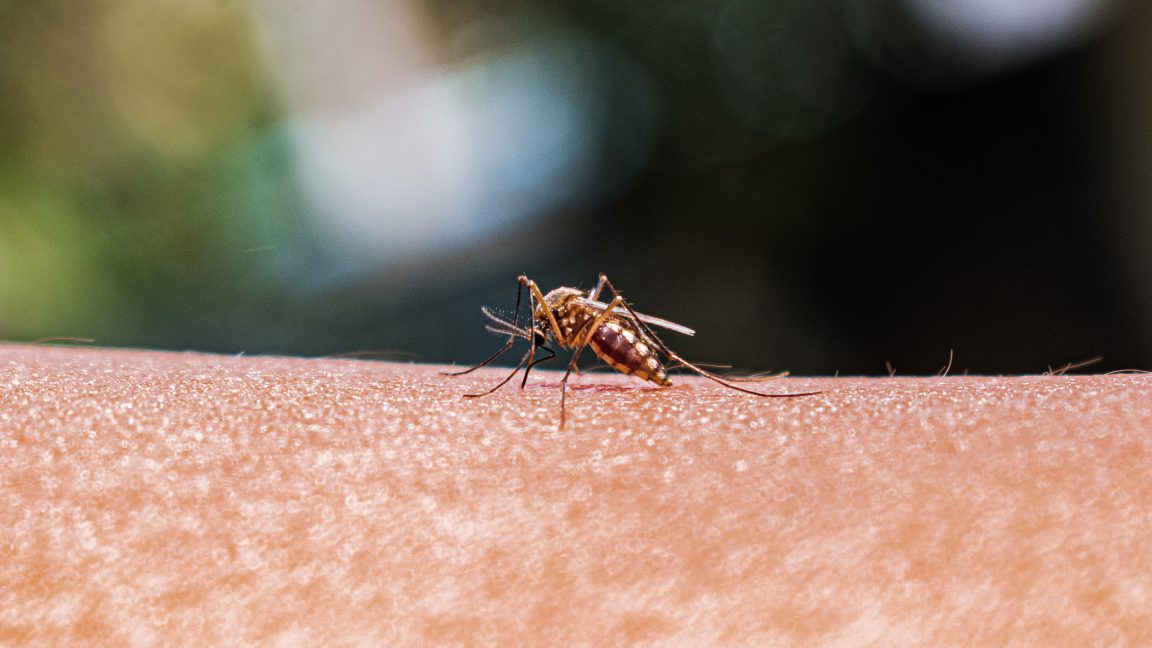
As mosquito ranges expand, better monitoring is key to preventing disease

With summer heat comes pool parties, beach days, backyard cookouts, and, of course, swarms of bloodthirsty mosquitoes.

But while insect bites have always been a side effect of time spent outdoors, the species doing the biting are changing in historically temperate regions like New England. As climate change makes these areas warmer and wetter, their ranges are expanding—and any diseases they carry come with them.

In Connecticut, for example, a statewide mosquito monitoring program has detected 54 different species, including invasives like the Asian tiger mosquito, which can transmit potentially serious diseases including dengue and Zika. The mosquito’s historical territory is in hot and humid climates farther south, but it has been moving north.

Read full article

Comments

  •  

Energy IPOs surge as investors hunt for ways to play AI boom

Energy companies are raising money at IPO at their fastest pace this century, taking advantage of investors’ hunt for new ways to bet on the boom in power-intensive AI data centers.

Initial public offerings for energy firms raised $12.6 billion in the first half of this year, according to data firm Dealogic. That marks the highest half-year level since the peak of the dotcom bubble in late 1999 and the highest first-half figure on record. It is well above 2025’s full-year total of $4.3 billion.

The surge in fundraising comes as access to the vast amounts of energy needed to run data centers emerges as a bottleneck in a multi-trillion-dollar AI investment boom.

Read full article

Comments

© Michael Nagle/Bloomberg

  •  

Will AI fix prior authorization—or make it worse?

If you’re like me, you or a loved one has struggled through the process of gaining pre-approval for the medical care that your physician has recommended. Personal stories abound regarding the tribulations of patients as they go through hoops to get their health insurer to pay for certain prescription medications, medical procedures, and more.

When used judiciously, this process—known as prior authorization—serves as a check on overuse and spending on services or technologies for which there are less costly alternatives. But a large majority of physicians voice concerns about care delays, which can cause patients to abandon recommended treatments while waiting for the insurance company to verify their eligibility and confirm that the treatment is, indeed, medically necessary. Patients who are denied care may submit an appeal, but that requires more time.

AI might be able to help. With its ability to efficiently sort through vast reams of information, artificial intelligence could theoretically expedite approval of unambiguously allowable claims, thereby reducing care delays. However, AI-driven prior authorization is facing resistance, as it may increase wrongful denials of health insurance coverage. A 2025 American Medical Association survey of physicians revealed significant concern about the application of AI tools, with 61 percent of doctors worrying that AI will exacerbate denials of what they deem are necessary treatments.

Read full article

Comments

© showcake via iStock/Getty Images Plus

  •  

FCC took pricey gifts from Paramount as the company needed approval for deals

The rich and famous who filed into the Kennedy Center’s opera house in December were there to enjoy one of the nation’s most exclusive celebrations of the performing arts: the center’s annual honors gala.

The black-tie event, hosted by President Donald Trump, prioritized tickets to people who donated more than $75,000 to the center. This year, it feted Hollywood icon Sylvester Stallone, the legendary glam rock band Kiss and the Grammy Award-winning disco pioneer Gloria Gaynor.

Among the attendees that evening were two lower-profile government officials whose regulatory decisions had been crucial to the future of the gala’s broadcast sponsor, CBS, and its parent company, Paramount.

Read full article

Comments

© Cheng Xin/Getty Images

  •  

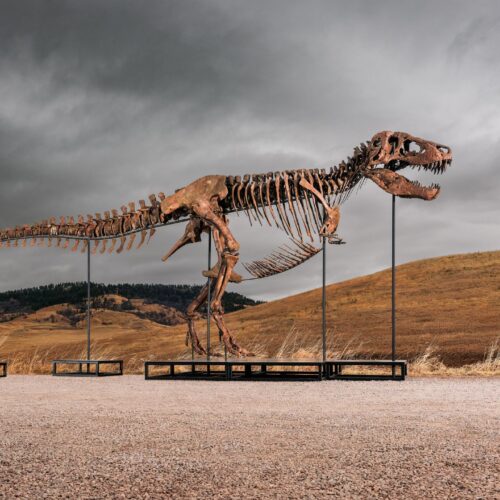
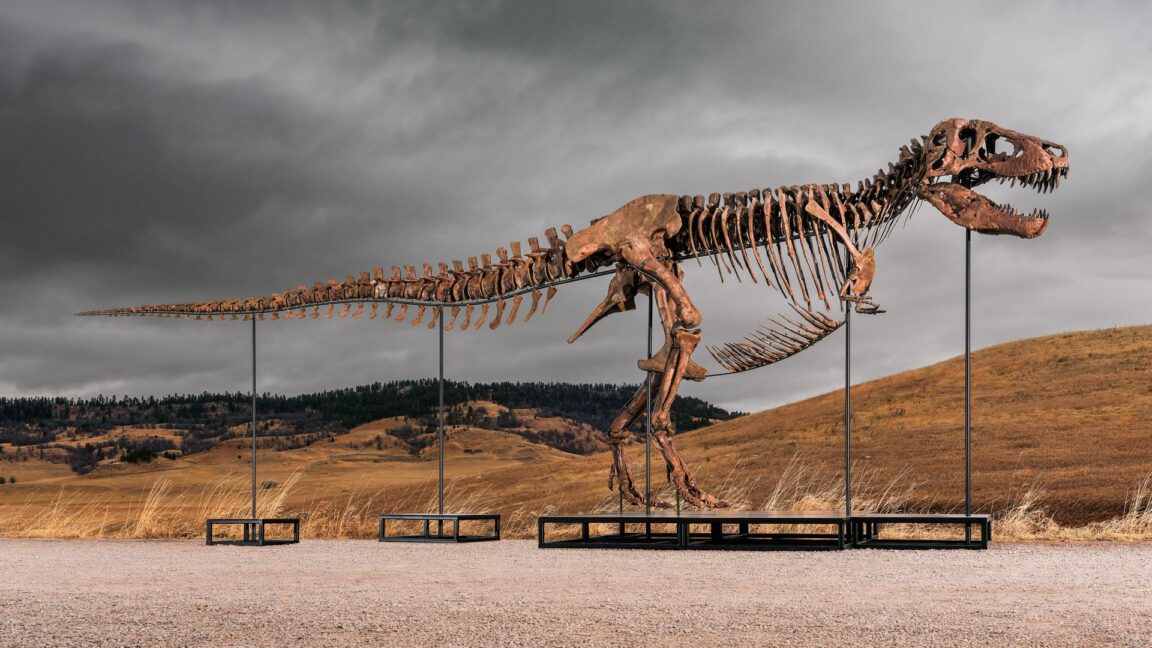
Sotheby's big T. rex auction raises concerns hype and wealth are upending science

Forget the sale of the century. The auction house Sotheby’s has geared up for the sale of the epoch. On July 14 it opened live bidding on assorted fossils, but the pièce de résistance is lot 20, a rare 67-million-year-old Tyrannosaurus rex skeleton.

The specimen—dubbed Gus—is billed as one of the largest, most complete T. rexes ever found. Gus is expected to fetch up to $30 million and will go to the highest bidder, whether public museum or private collector. The latter have played an increasingly prominent role in buying fossils, with auction houses, according to paleontologists, contributing to the trend by building hype. But when private collectors swoop in and buy fossils at auction as luxury assets, those pieces of history are effectively lost to science.

By nearly all accounts, Gus is a big deal. In its description, Sotheby’s boasts that the specimen, which was discovered on a ranch in South Dakota, comprises “an incredible 183 fossil bone elements” making it “approximately 61% complete by bone count.” The fossil remains have been mounted in a custom steel armature along with replicas of the missing bones. The result is a reconstructed skeleton posed as if in hot pursuit, its mouth full of dagger teeth ready to tear into prey.

Read full article

Comments

© Courtesy of Matthew Sherman/Sotheby's

  •  

The real mystery behind Moana: After 1,700 years, why did Polynesians suddenly sail east?

The same question drives both the plot of Moana and decades of archaeological research: Why, after centuries of relative stability, did Polynesian voyagers suddenly begin settling islands thousands of kilometers away across the Pacific?

The latest Moana movie is a live-action adaptation of a Disney animated movie of the same name. While the films are fictional, they draw inspiration from the rich seafaring heritage of Polynesian peoples, whose ancestors undertook one of the greatest episodes of maritime exploration in human history.

New climate evidence may help us understand why they embarked on these voyages.

Read full article

Comments

© Rodin Eckenroth/Getty Images for Disney

  •  

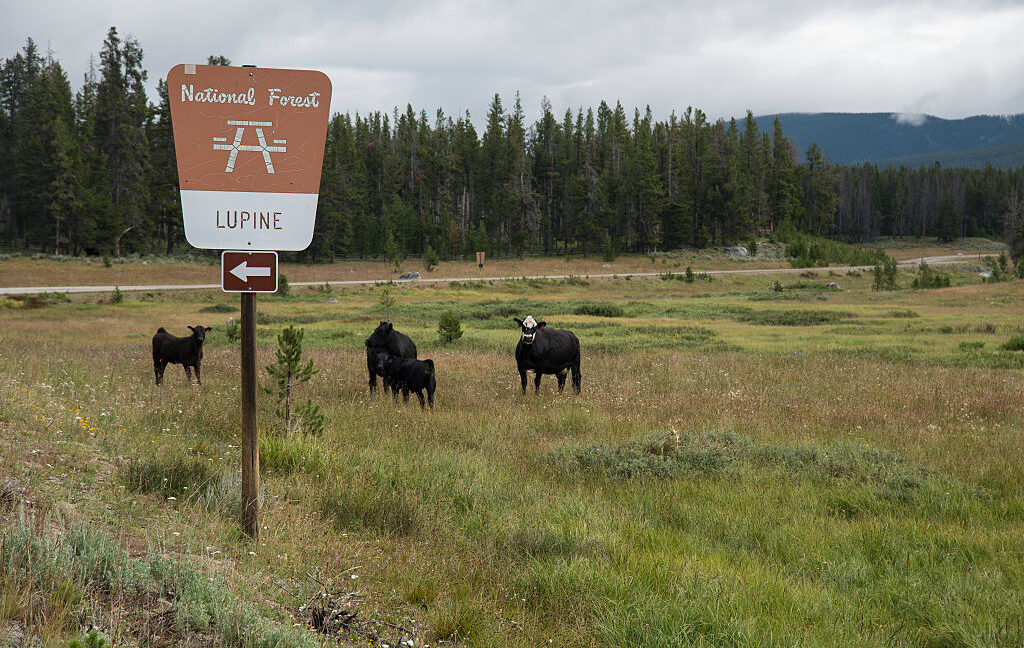
Overhaul of public lands grazing regulations seeks to cut public involvement

The federal government is rewriting its rules governing ranching on public lands to increase the number of cattle, sheep, and other livestock grazing on 155 million acres in the West, an area twice the size of New Mexico.

Public lands grazing is overseen by a nearly century-old system that heavily subsidizes some of the wealthiest Americans while doing little to address its harms to the environment, ProPublica and High Country News found last year.

Even though rangeland management experts say overgrazing has degraded public lands, the new rules being drafted by the US Department of the Interior’s Bureau of Land Management—the first overhaul since 1995—would instead expand the practice.

Read full article

Comments

© Photo by William Campbell/Corbis via Getty Images

  •  

Is an air-conditioning revolution coming to Europe?

If you're reading this while the blinds are drawn against yet another heat wave and wondering whether it’s finally time to buy an air conditioner, you're far from alone. At the end of June, as temperatures climbed well above 40° Celsius across Europe, shoppers in France literally forced their way into stores to snatch up portable fans and ACs before they sold out. Such scenes are likely to become more common. As the planet warms, the demand for cooling is rising worldwide. The International Energy Agency (IEA) predicts two-thirds of households could own an AC by 2050.

Politicians are, of course, turning ACs into a weapon in their broader culture wars. Far-right figure Marine Le Pen pledged to roll out air-conditioning across France if her party comes to power, while the British Conservatives vowed to overturn net-zero rules that restrict AC installation in new builds. On the left, the argument runs that air-conditioning would mainly benefit the rich and not those who need it most. It would also lock Europe into the same high-energy cooling spiral seen in the US and Asia. To date, only around 20 percent of Europeans have AC at home (and a mere 4 percent in the UK), compared with roughly 90 percent in the US, where electricity is considerably cheaper.

In Europe, air-conditioning is no longer just about comfort. It helps adults stay productive through extreme heat, and children concentrate in poorly ventilated schools. It helps people nod off when the air is still stiflingly warm long after sunset. It can even save lives. One research group estimated that air-conditioning prevented nearly 200,000 premature deaths among people over 65 in 2019 alone.

Read full article

Comments

© Pablo Blazquez Dominguez/Getty Images

  •  

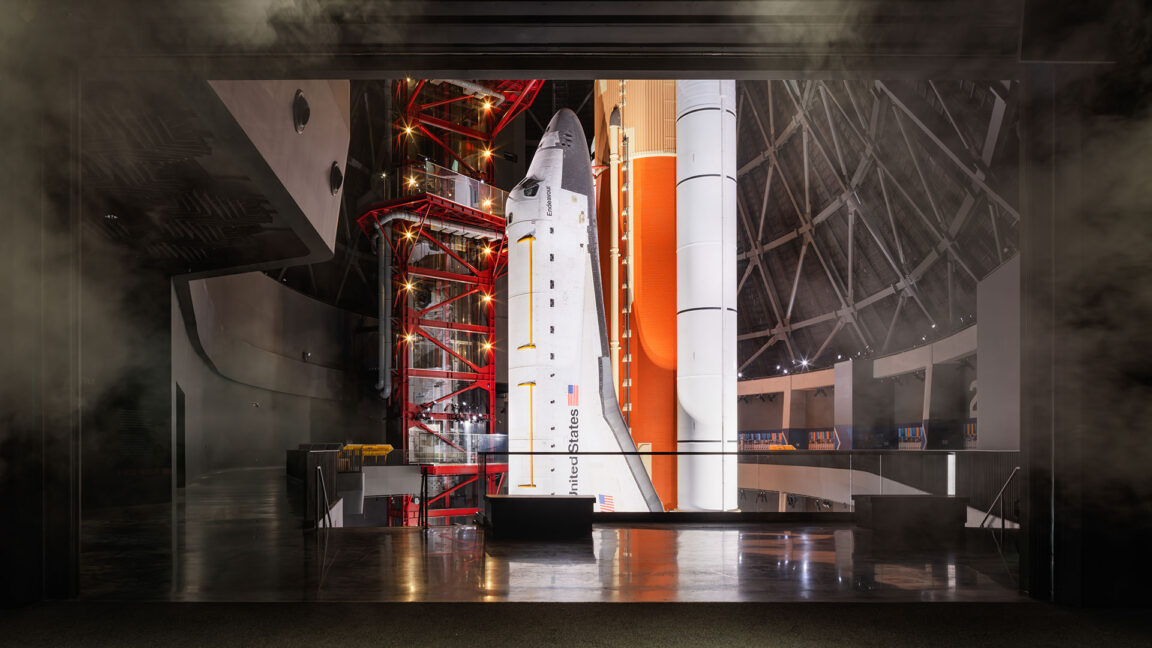
We got a sneak peek of the final space shuttle set to go on public display

There are some sights in this world that no photograph can truly capture.

Think of the rolling ribbons of the aurora in the northern and southern skies, the depth and breadth of the Grand Canyon, or the sense of immersion when diving on the Great Barrier Reef. Astronauts will tell you that not even large-format cameras can truly capture the blackness of outer space or the majesty that is our planet as seen from orbit or beyond.

It's not every day that a new one of those sights debuts. But such will be the case on Friday, November 13, when the California Science Center in Los Angeles finally reveals the launch-pad-like display of the space shuttle Endeavor inside the new Samuel Oschin Air and Space Center.

Read full article

Comments

© California Science Center/Mike Kelley

  •  

Trump admin’s coal investments assist plants with repeated violations

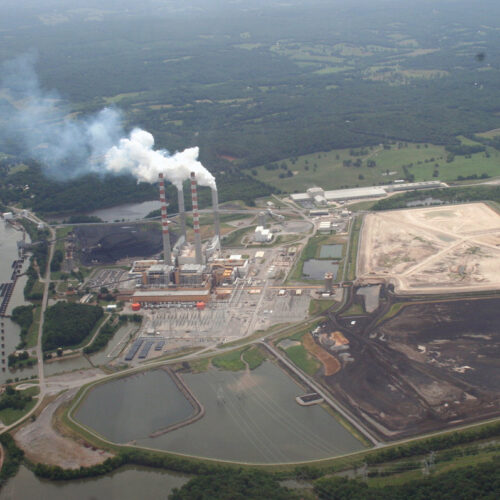
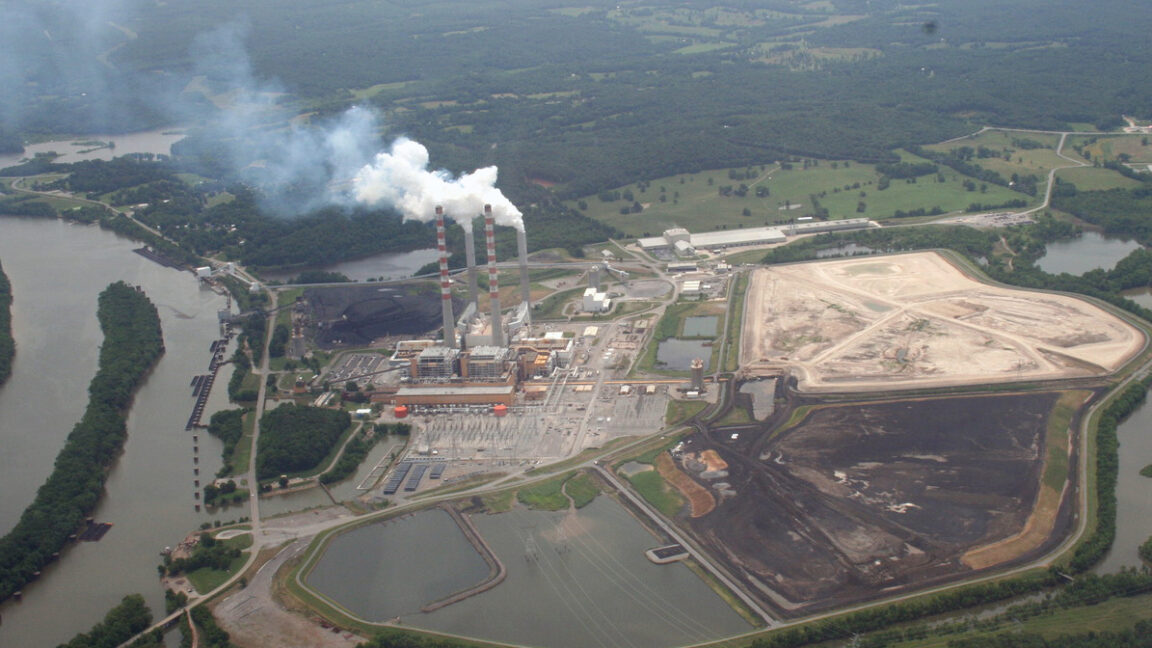
In 2023, after years of pollution, equipment failures, and health concerns, the Cumberland Fossil Plant in Tennessee was slated to close within the decade.

The coal-fired plant had been part of a multibillion-dollar settlement in 2011 after its operator, the Tennessee Valley Authority, failed to install pollution control technology a decade earlier. Regulators cited the plant for more air-pollution violations in 2017 and 2023. TVA said it would shutter Cumberland’s units in 2026 and 2028.

Then the Trump administration replaced four of TVA’s board members, and the agency reneged on its retirement plan in February. Now, TVA has a federal pledge for $46 million to extend Cumberland’s lifespan—part of a nationwide push by President Donald Trump to keep older coal plants running.

Read full article

Comments

© Stephen A. Smith/Southern Alliance for Clean Energy

  •  
❌