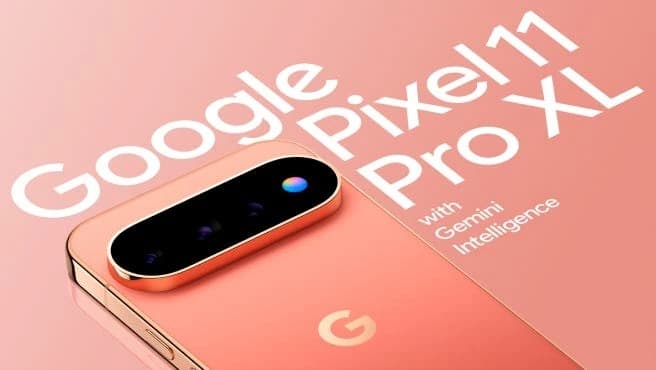
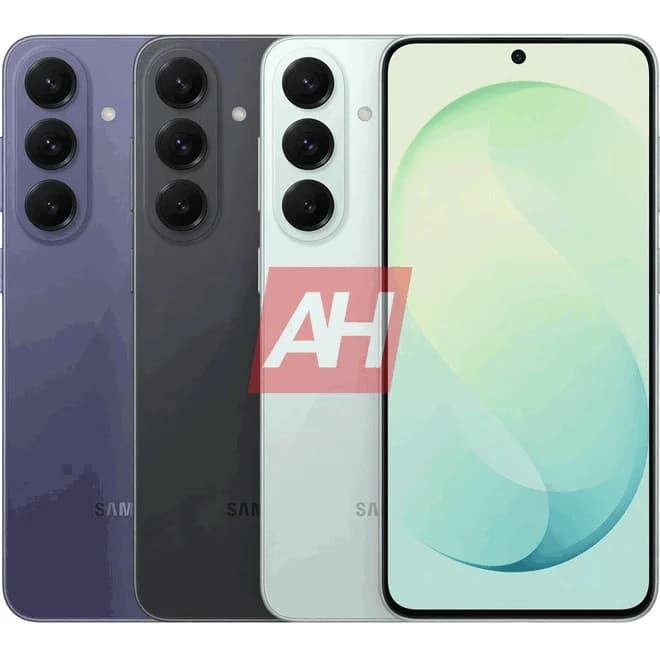
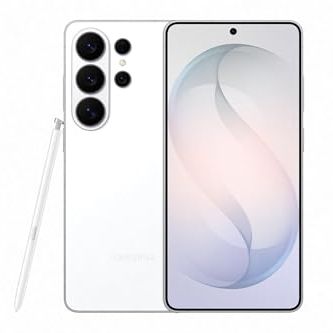
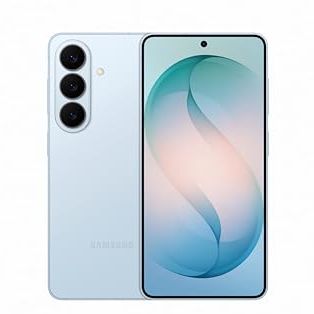
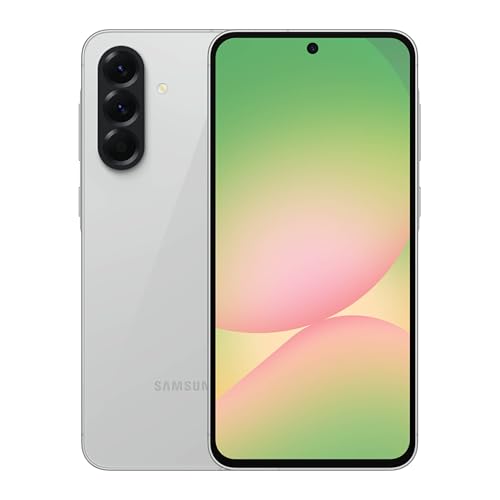
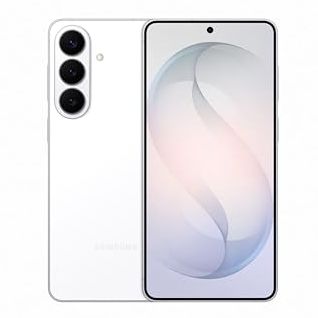
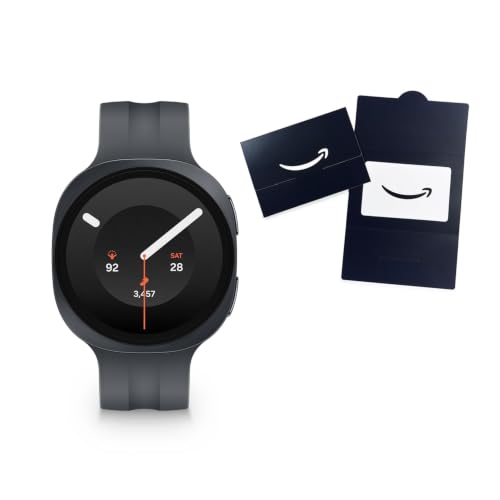
Google Unveils Pixel 11 Lineup
Read more of this story at Slashdot.
Motorola has just announced a massive list of more than 50 devices that will be getting the stable Android 17 update, and the rollout has already started. But before you start clicking the "Check for updates" button, you need to know who gets it first and who’s stuck waiting.
The stable rollout has already begun with the Motorola Edge 2025, with newer premium devices like the Razr 70 series and Edge 70 lineup likely to be given priority, as per the company's announcement on its Spanish website. Motorola says the update will roll out gradually to other eligible models in the coming weeks and months.
Interestingly, this rollout has been in the works for months. Motorola’s Android 17 beta program started just days after Google released Android 17 Beta 1 in February, putting it ahead of a few rival Android brands. This was notable as Motorola was still working on rolling out Android 16, with some eligible phones still waiting months for the last big update.
The confirmed Android 17 roster is a massive one. It includes the Motorola Signature and a long list of Razr models, as follows:
The Edge series also gets the same treatment, covering the Edge 70 family, Edge 2026, Edge 2025, Edge 60 series, and Edge 50 Ultra.
Even the cheaper Moto G phones from Motorola aren’t being left behind. The list also includes:
Motorola’s Android 17-based HelloUI update introduces Live Updates in a Dynamic Island style, the Qira Moto AI assistant, lock-screen customization options, resizable Quick Settings tiles, refreshed haptics, tinted icons, and a redesigned volume panel.
Remember, rollouts will differ by region and carrier. If your Motorola is on the list, you should eventually see the update pop up under Settings > System > System updates.
Uma pesquisa da Omdia revelou que donos de iPhones costumam gastar mais por aplicativos de microdramas (as novelas verticais) que donos de smartphones com Android — inclusive em países como o Brasil.
Por aqui, 48% dos usuários do iPhone pagam por esse tipo de conteúdo, contra 39% do Android. Na Alemanha, as porcentagens são de 49% contra 44%, enquanto na Coreia do Sul elas são de 59% contra 45%.
Posts relacionados
Nos Estados Unidos, a situação é um pouco mais equilibrada. Por lá, 69% dos usuários do iPhone disseram pagar por conteúdos, enquanto no Android o número caiu apenas um ponto percentual, mais especificamente para 68%.
O relatório também concluiu que usuários do iPhone gastam aproximadamente US$14 por semana nesses apps, enquanto no caso de donos de smartphones com Android o gasto é de cerca de US$10 por semana.

A Omdia destaca que esse resultado vai de encontro a suposições que geralmente relacionam o consumo de novelas verticais a um público com menos poder aquisitivo, que geralmente é mais associado ao Android.
No entanto, é importante ressaltar que ela leva em consideração não apenas o consumo, e sim a compra de conteúdos — que costuma ser mais frequente no iOS em praticamente qualquer tipo de aplicativo.


Fomos procurar quais os smartphones com as melhores câmaras à venda em Portugal, dividindo-os em duas categorias, sem limite de preço e até 500 euros. Explicamos também quais os critérios que deve ter em contra na hora de escolher.
The post Dos modelos premium aos mais “económicos”: 12 smartphones com as melhores câmaras que pode comprar em Portugal appeared first on Tek Notícias.
This article was originally published in April 2024, following the total solar eclipse in the US. The experience in advice is relevant for those thinking about attempting to photograph the 2026 eclipse — which will be total in parts of Iceland, Spain and Portugal, and there will be major partial eclipse in the UK and other European countries — so we're sharing it again.
If you’ve never seen a total eclipse in person, whatever you’ve seen and what you imagine don’t come close. The best photos, the most stunning video, they won’t match the silent, dazzling fury of the real thing. Your phone or monitor won’t capture the infinite diamond brilliance of the Sun’s corona twinkling around the black Moon.
I set out to shoot the total eclipse with my three best camera phones and my Nikon DSLR, but I am thankful that I decided to enjoy the eclipse in the scant three minutes I was under its totality.
Before I talk tech, I’ll do my best to describe the total solar eclipse if you’ve never seen one in person. April 8, 2024 was my first total eclipse, and before that day I thought it would be my last.
After seeing the total solar eclipse live, I felt like I can’t live the rest of my life without seeing one again. I’ve never seen a photo that was equally compelling. Seeing the real eclipse in person, it was so gloriously beautiful that I was immediately sad that it was so fleeting.
I was not shocked to hear the crowd around me erupt into spontaneous applause.
There is a bright flash in the instant before the Sun goes dark. The world gets colder suddenly, but the landscape is not pitch dark. Watching the eclipse from the shore of Lake Champlain in Burlington, Vermont, the view of Mount Marcy and the Adirondacks presented a panoramic sunset, with waning light surrounding me at the horizon on all sides, and the black eclipse at the center.
The Sun’s corona dazzles and flares with wisps of magic. You’ve never seen any light move in such a way. The contrast between the shockingly dark moon and the incredibly bright corona makes the halo seem brilliant and crisply present, as though the Sun is just beyond your grasp, and not seven light-minutes away.
The corona is bright, but not as bright as the face of the Sun. It reaches the limit of what my eyes could tolerate without causing pain. To see something so shockingly intense, after avoiding the painfully bright Sun for the previous hour, is a revelation. It feels like a gift being unwrapped in the sky above. It is a surprise and a joy, and I was not shocked to hear the crowd around me erupt into spontaneous applause.
I was awestruck. I forgot everything I was supposed to do at that moment. I’m now grateful that I decided at the last minute to drive all the way up to Burlington, where the clouds were wispy and few and the totality lasted more than three whole minutes. A good friend traveled farther to experience just over thirty seconds of totality in the Ozarks. Neither of us regrets taking our trip.

Back to the tech. My plan was … too much. I brought a telescope, and a DSLR, and three phones, and even smart glasses on my face. I don’t know what I was thinking. The eclipse lasted three minutes. I barely had time to focus one camera, let alone try to shoot with five. My plans fell to pieces, and I gave up quickly. I got a few good shots, then I turned my attention to the sky and just allowed myself to soak it in.
Seeing the eclipse was more rewarding than the best photo I’ve seen of the eclipse.
Here’s the gear I brought to shoot the solar eclipse. I borrowed a Vaonis Hestia telescope, which uses your phone as the viewfinder. I used an iPhone 15 Pro Max to take photos and view the eclipse through that telescope, with a solar filter provided by Vaonis. Those photos turned out pretty good, but it isn’t the most powerful telescope. Plus, an eclipse is a very complicated scene for lighting, especially for a phone camera.


I also had a Google Pixel 8 Pro and a Samsung Galaxy S24 Ultra. I already decided I was not going to try to take telephoto zoom shots of the eclipse with these phones. The 5X range is simply not enough to capture any detail, and the sensor for the longest lens is also the smallest, lowest-quality sensor on the phone. Better to take wide-angle photos.
I set up the Galaxy S24 Ultra to shoot a time-lapse (Samsung calls it Hyperlapse) video of the entire event. I was pretty disappointed with the results. The sun was too high in the sky for even the widest lens to capture the scene around me as well as the eclipse in progress. The camera had trouble balancing the incredibly bright partial eclipse with the surroundings, so it just looks like a sunny day until totality occurs. When the eclipse happens, the camera balances the light in a way that doesn’t present the sunset colors and the changing light in the way I remember it.

I attached a solar filter to the Google Pixel 8 Pro, hoping I would be able to see more of the partial eclipse as it happened. Nope, the filter cut out too much light for the phone to handle. I was barely able to see the Sun through the filter, let alone capture great shots.
At the last minute, I decided to also bring my Nikon D750 camera with a Nikon 80-400mm lens. I don’t have a solar filter for that huge lens, so I planned on shooting only the totality of the eclipse, when it is safe to look at the sun without glasses. I got some pretty good shots, but I was rushing around too much, juggling too many chores. I should have reduced the exposure levels, or used a manual mode to dial back the shutter speed. The photos were blurry and blown out, not very good.


In the end, I got a couple of good shots from the iPhone on the telescope. They were better than the shots my friends took with their phones, and they impressed the people I shared them with. From my own perfectionist standards, I was disappointed with my pics, but I wasn’t disappointed at all with the experience.
In fact, I’m happy that I didn’t try much harder to take great photos, because at the last minute I chose to sacrifice the pics and enjoy the eclipse. It was amazing. It was the greatest natural phenomena I’ve ever seen. For the next eclipse, I’ll bring only one camera, and only one easy plan, and if I screw it up then I won’t even care. The best photo I could get would pale in comparison to the totality of the real thing.
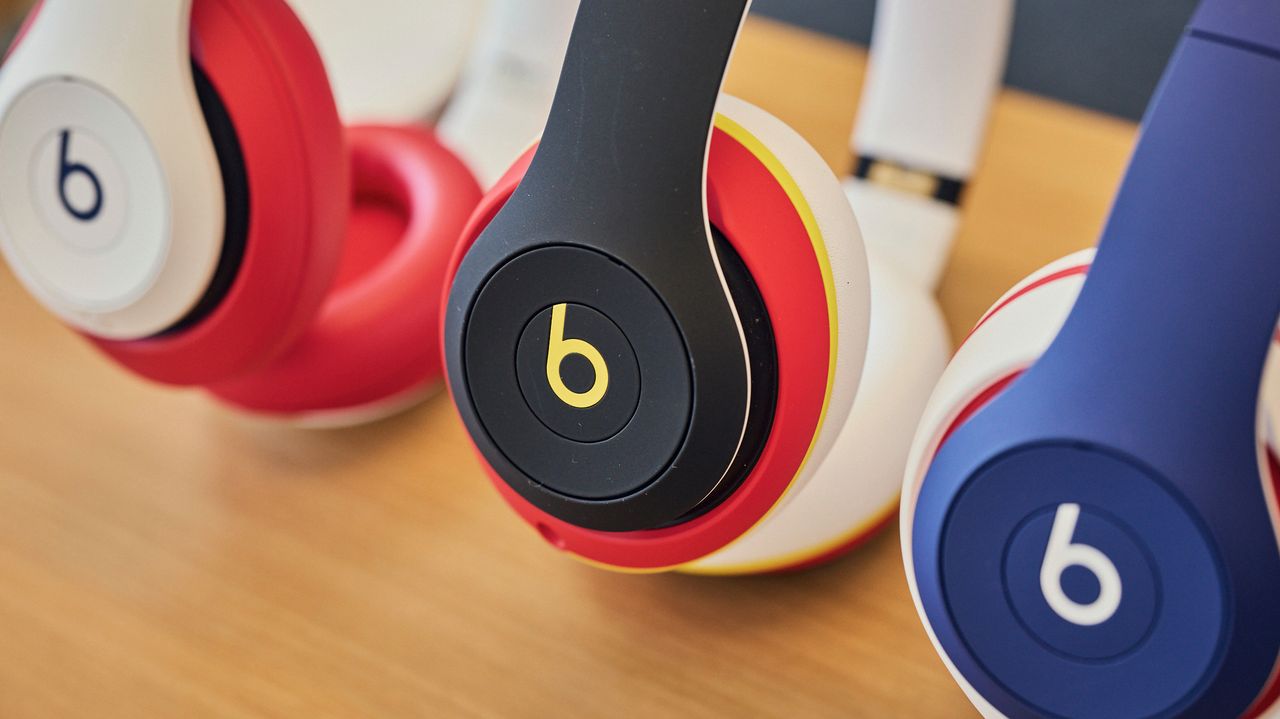
It's been two months since the sporting event of the summer began: the 2026 World Cup kicked off on June 11. That means it's also been two months since Beats started teasing its new headphones, putting them onto footballers like Lamine Yamal and Lee Kang-in to drum up some publicity.
"Publicity for what?" you may well be asking, and it's a fair question. Since then, we've heard neither hide nor hair about these cans, even though we infiltrated Beats impressive HQ to see what was going on, last month.
However, if you were hoping for an imminent release, Redditors have some bad news.
In a post on the r/beatsbydre subreddit, which is currently awash with question regarding these headphones, one forum mod has a theory about when they'll come. User jforsander points out that every previous pair of Beats headphones had iOS support added months prior to their release.
Of course, this new pair of headphones hasn't, suggesting that they're still a long time away from an official launch. In fact, the user thinks that we won't even see this software support until September, because that's when iOS 27 will come.
It follows that the headphones will be released a few months later; perhaps even up to six months later. Gulp. Unfortunately, that tracks with what we heard when we visited Beats HQ — or rather, what we didn't hear. Clearly, Beats is in no rush to strike while the iron's hot.

It's worth taking this missive with a slight pinch of salt. If there's no existing software support for the Beats headphones, how were those footballers using them? Surely they weren't just decoration — not at such an important sporting event, where the right pre-match playlist would surely be of paramount importance?
The cynics among you might rightly point out that the players weren't ever photographed listening to the headphones, just wearing them around their necks or attached to their bags. And it's also possible that Apple found a temporary solution for their headphones, rather than a full software rollout.
But it still stands to reason that Beats would give them a way to sporting stars who could actually listen to the headphones, and so it's possible that software support exists and online sleuths… missed it?
Something that the Reddit poster points out is that Apple might simply have become better at hiding its updated software support for new Beats devices (Apple, of course, owns Beats). They call it unlikely, but feasible.
If we are waiting past September to hear any more about these new headphones, all the money spent on soccer players might have been wasted; the buzz garnered by the move is already dying down (that is, in most places beyond the r/beatsbydre subreddit). Hopefully Beats will shift into action sooner than that.
There are plenty of smartphones in the 2,000-yuan price range that focus on stacking specifications, but very few invest in advanced cooling systems.
Looking across the market, phones in this price segment are usually competing on performance, cameras, and fast charging. Cooling solutions are often mentioned only briefly—or ignored completely.
It is not because cooling is unimportant. The reason is simple: with limited costs, manufacturers usually spend their budget on features that users can immediately notice.
However, overheating and performance throttling are exactly the problems that trouble mid-range smartphone users the most.
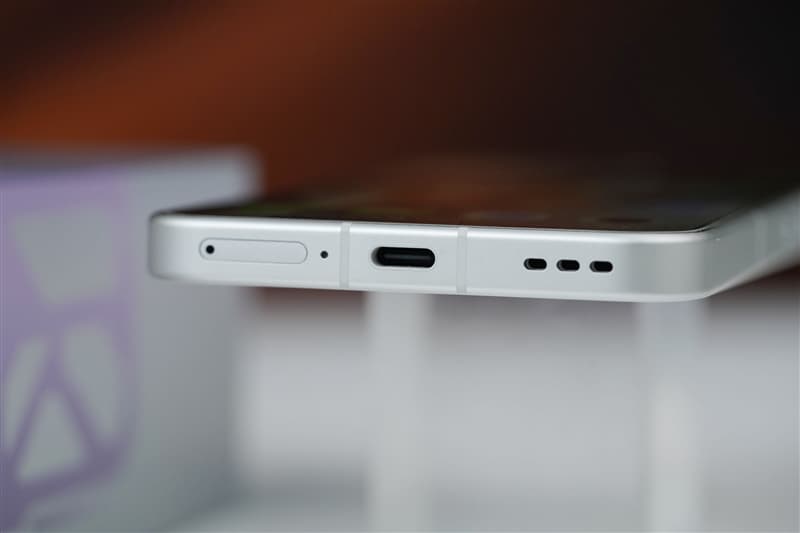
Examples include:
OPPO K15 is a practical all-round smartphone that brings an active cooling fan system into the 2K price segment.
The OPPO K15 is equipped with the MediaTek Dimensity 7360 SUPER processor, OPPO’s Tidal Engine optimization system, an 8000mAh large-capacity battery, and IP69 flagship-level water resistance.
It also features:
The phone aims to solve two of the biggest complaints among mid-range smartphone users:
Honestly, I did not have very high expectations for cooling performance on a 2K-range smartphone. With cost limitations, simply keeping temperatures under control is already considered good enough.
However, OPPO added an active cooling fan this time, making me curious:
Is the cooling fan just a marketing gimmick, or can it actually reduce temperatures?
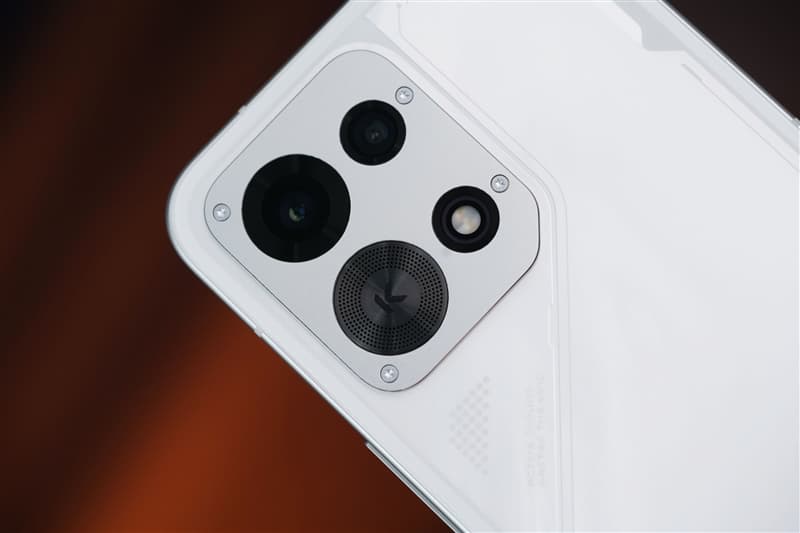
The OPPO K15 uses a new-generation Wind Cooling Engine, featuring a built-in micro cooling fan.
According to OPPO, the cooling system can:

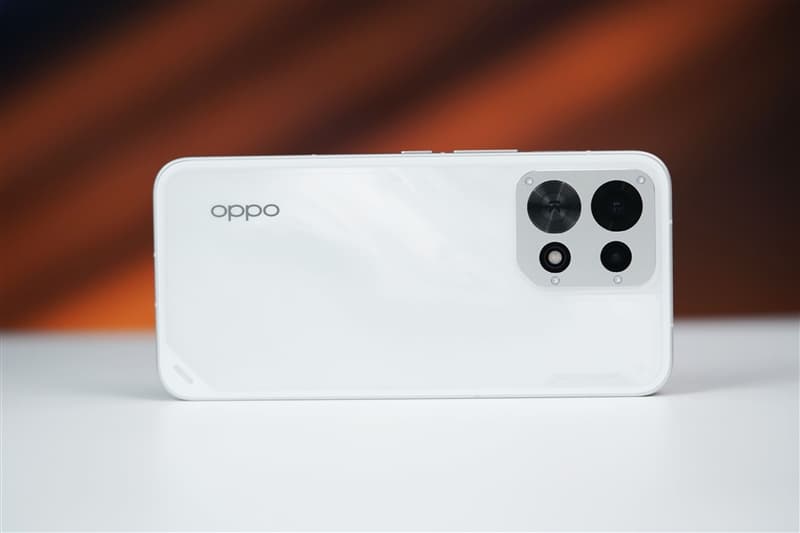
The fan is integrated with the rear camera module design. Thanks to this approach, the back cover remains completely flat without a large camera bump.
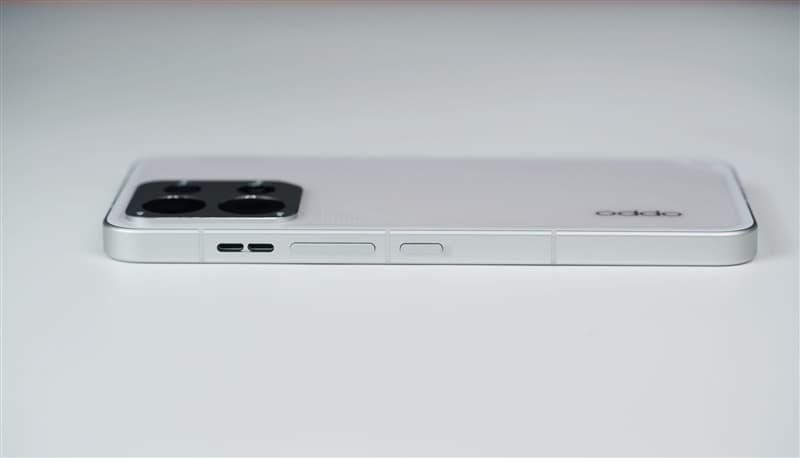
The entire phone is only:
This means the cooling system does not negatively affect the grip or overall feel.
After completing temperature tests, I found that the fan performed better than expected.

Adding a cooling fan to a 2K-range smartphone reminds me of installing a turbocharger on an economy car—not to make it a racing machine, but to ensure it does not lose power when climbing uphill.
For flagship gaming phones, cooling is about achieving peak performance.
For mid-range phones, cooling is about maintaining stable performance during daily use.
The OPPO K15 features an 8000mAh Glacier Battery, providing enough endurance for heavy daily usage.
It supports:
The bypass charging feature allows power to directly supply the motherboard instead of continuously charging the battery during gaming sessions.
This helps:
The reverse charging function also allows the phone to act as an emergency power source for accessories such as:

The OPPO K15 features three 50MP cameras:
The main camera includes:
The ultra-wide-angle camera offers:
The front camera supports:
For a phone in the 2K price segment, this camera configuration is quite generous.
The OPPO K15 focuses heavily on durability.
It supports:
The phone also features:
The combination makes it more resistant to:
The OPPO K15 features a 6.59-inch centered punch-hole flat display.
The rounded corners and narrow bezels provide a comfortable viewing experience.
The display supports:
Daily activities such as:
all feel smooth and responsive.
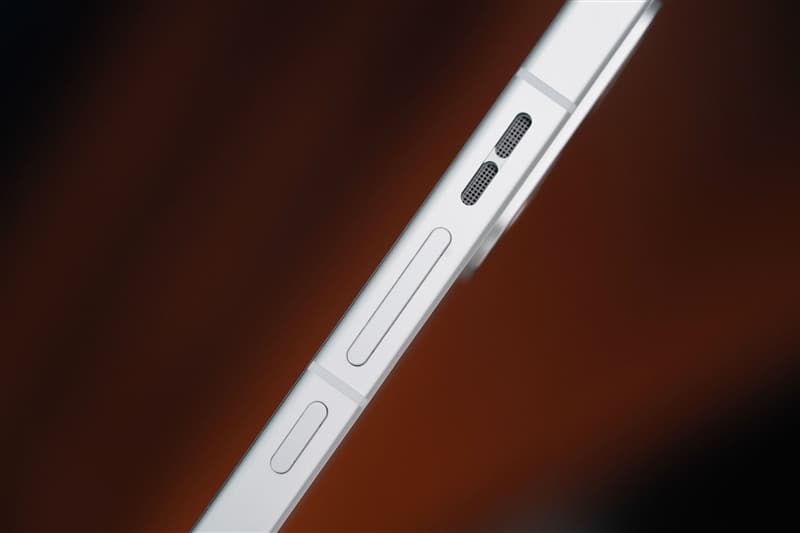
The front panel uses high-strength Crystal Shield glass, while the back cover has a smooth texture that reduces fingerprints.
The OPPO K15 comes in two colors:
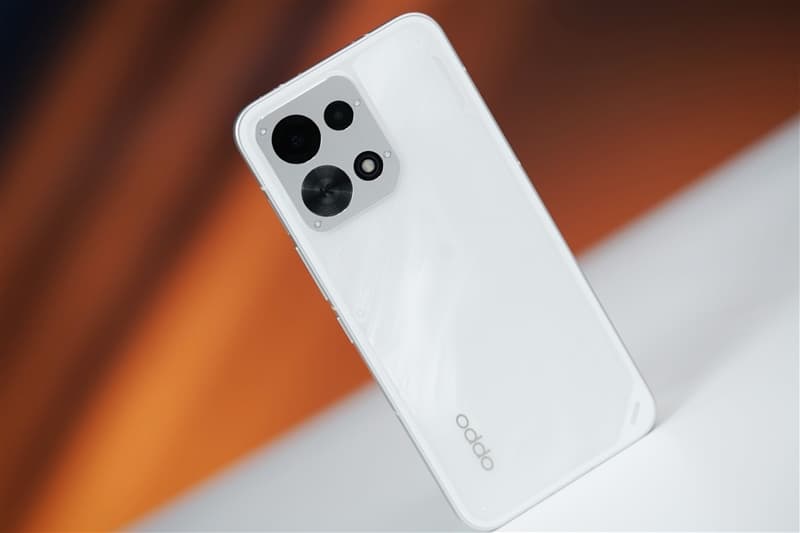
The review unit is the Speed White version, featuring a unique cloud-pattern texture.
When light reflects across the surface, it creates a flowing storm-like visual effect.
At the bottom of the back panel is the text:
“ACTIVE COOLING, MASTER THE WIND”
This highlights the phone’s cooling identity without making the design look aggressive.
The rear camera module is one of the most distinctive parts of the phone.
It uses:
Layout:
The fan and camera system are integrated into one flat module.
Despite including an internal fan, the phone remains:
This design is clever because many flagship phones now have large protruding camera modules, while the OPPO K15 maintains a cleaner back design.

When people think of smartphones with built-in cooling fans, gaming flagships usually come to mind.
However, for users in the 2K price segment, long-term stable performance is arguably more important.
Common scenarios such as:
can easily cause mid-range phones to heat up and reduce performance.
The OPPO K15 features the new-generation Wind Cooling Engine, which uses a three-layer cooling solution:
Large-area VC vapor chamber
The VC cooling plate quickly spreads heat away from the processor area.

High-conductivity graphite layer
The graphite material helps transfer heat more efficiently throughout the body.
Built-in micro cooling fan
The active fan pulls hot air away through the exhaust outlet, actively accelerating heat dissipation.
The key difference is that this is active cooling, not traditional passive cooling.
The fan is physically running, and heat is actively being removed.
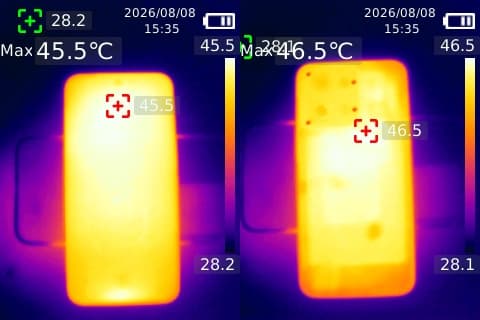
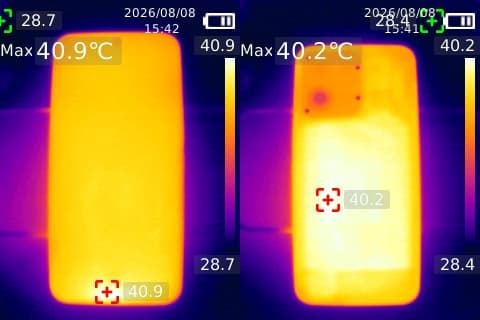
First, we used the AnTuTu stress test to push the OPPO K15 into a high-load state.
After continuous full-load operation:
At this point, the phone felt noticeably hot in the hand.
Then we activated the cooling fan.
After 7 minutes:
The phone changed from hot to only slightly warm.
After waiting 12 minutes:
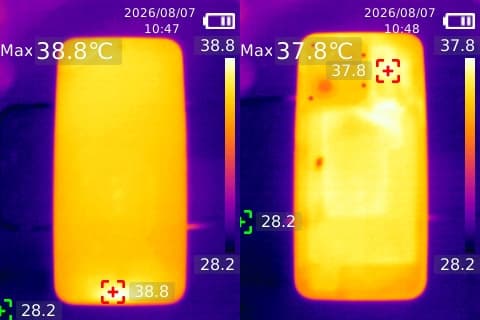
Compared with the peak temperature of 46.5°C, the rear temperature dropped by approximately 10°C.
The thermal imaging results clearly showed that heat was being transferred away through the fan system.
The temperature around the cooling fan area was noticeably lower than other parts of the phone, proving that the fan was actively removing heat.
The OPPO K15 also includes a High-Energy Outdoor Mode, which can be enabled through the accessibility settings.
Once activated, the system automatically:
This mode also includes several practical outdoor improvements:
The display automatically increases brightness, making it easier to see under direct sunlight.
When Bluetooth devices are disconnected, the phone automatically switches to the speaker and increases volume.
The display stays active longer, preventing interruptions during:
Frequently used applications can be pinned to a shortcut bar for faster switching.
There are also desktop shortcut cards that allow one-tap access to important functions.
The combination of cooling assistance and outdoor optimization makes the OPPO K15 more convenient for real-world use.
The purpose of active cooling in a 2K smartphone is not chasing the highest benchmark score.
It is about maintaining stable performance during long gaming sessions, navigation, and video recording.
Other phones compete for peak performance.
The OPPO K15 focuses on staying stable for longer.
The OPPO K15 is powered by the MediaTek Dimensity 7360 SUPER processor.
Although positioned as a mid-range chipset, OPPO has added its own Tidal Engine optimization system to improve long-term performance.
The phone also features:
This combination provides a strong thermal foundation for a phone in this price category.
To evaluate real-world performance, we tested two popular mobile games.
For Honor of Kings, we set:
During a full 5v5 match:
Results:
The phone maintained smooth performance throughout the match.
Whether during:
there were no obvious frame drops or visible lag.
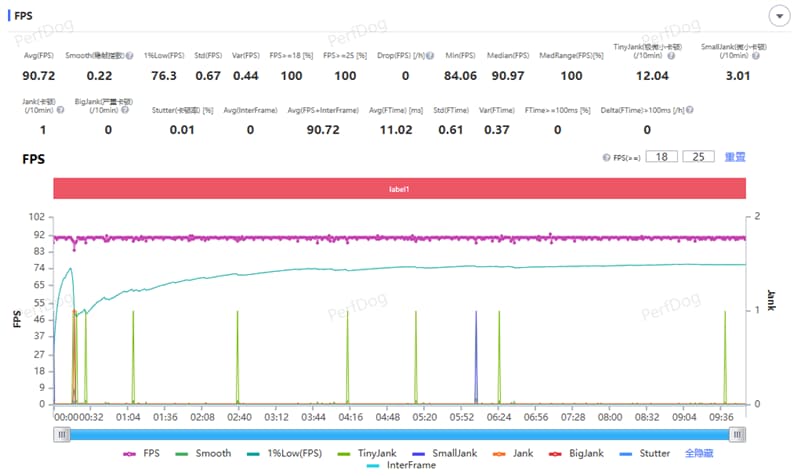
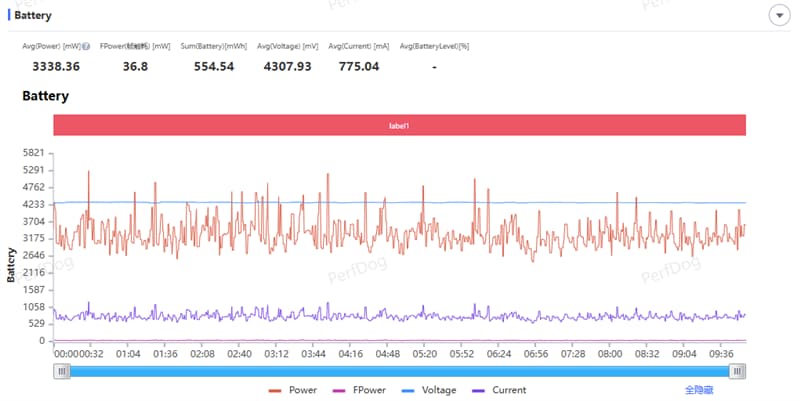
Average power consumption:
Energy consumption per frame:
After enabling the cooling fan in smart variable-speed mode, temperatures remained well controlled.
For PUBG Mobile, settings were:

During the entire match:
the frame rate remained around 60 FPS.
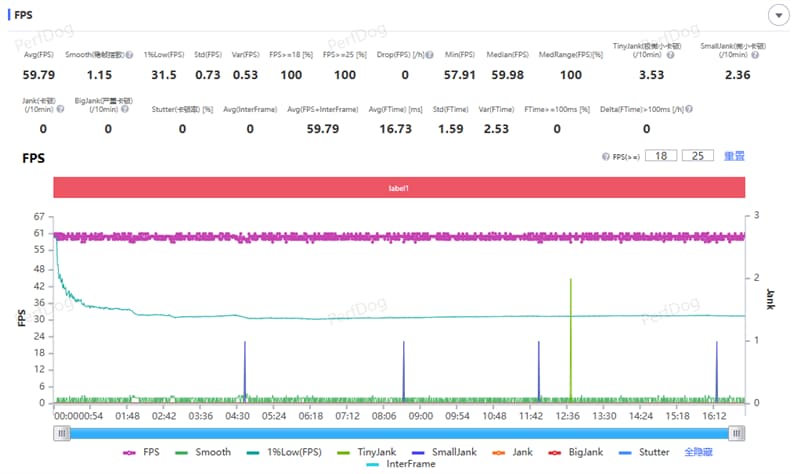
There were no common mid-range phone issues such as:

Average power consumption:
Energy consumption per frame:

The cooling fan helped maintain stable temperature during the gaming session.
The OPPO K15 represents a major improvement in imaging for the K series.
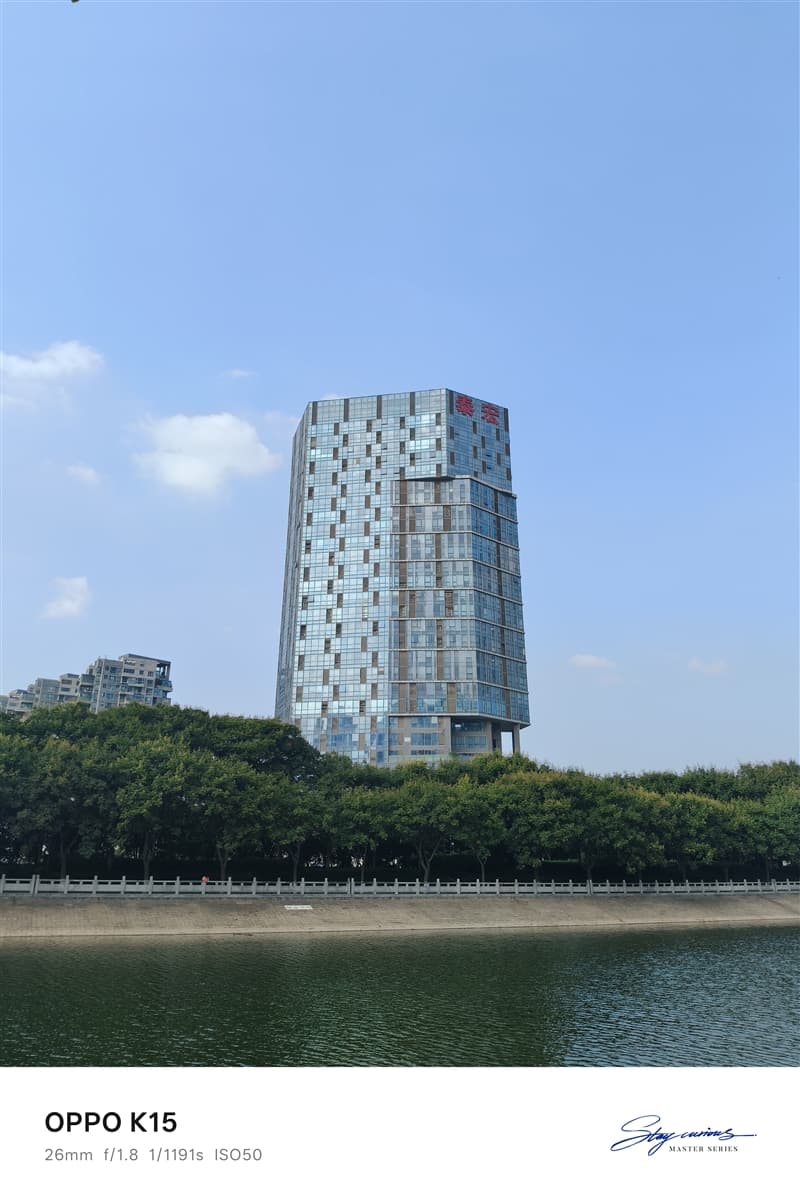
It features three 50MP cameras:

The main camera includes:
The ultra-wide camera provides:
Unlike many mid-range phones where secondary cameras are mainly for marketing, the OPPO K15 gives more attention to practical photography.
The 50MP main camera performs well in daylight scenes.
Strengths include:
Photos maintain good clarity even when zooming into details.
The large sensor also helps improve:
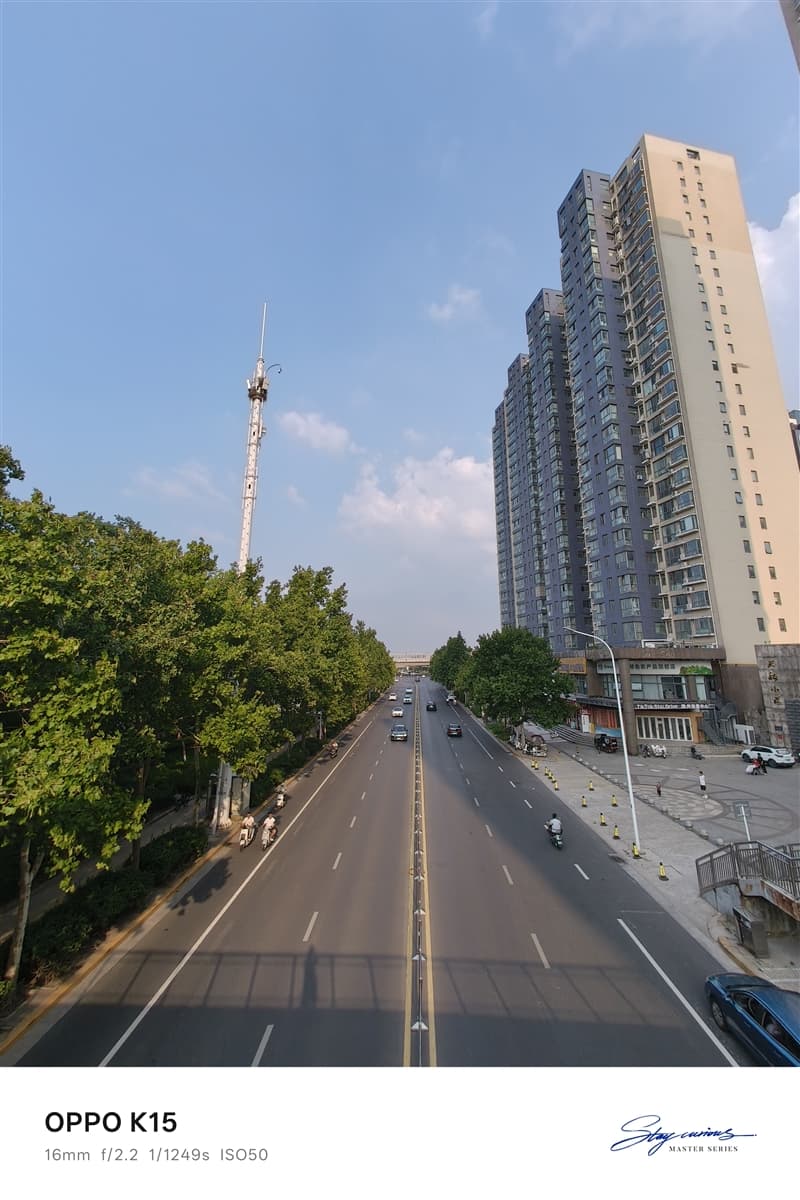
The 143.3° ultra-wide camera is useful for:
The wider perspective allows users to capture more content in a single frame.
The main camera’s large sensor and optical stabilization help improve nighttime shooting.
Night photos show:
For a mid-range smartphone, the camera performance is above average.
Battery life is one of the strongest selling points of the OPPO K15.
The phone comes with an 8000mAh Glacier Battery, which is significantly larger than the batteries commonly found in mainstream smartphones.
For users who rely heavily on their phones every day, such as:
the large battery capacity provides a clear advantage.
To evaluate real-world endurance, we used the Battery Dog testing tool developed by Kuai Technology.
The test simulated typical daily usage scenarios, including:
Testing conditions:
The results showed:
The OPPO K15 lasted:
14 hours and 33 minutes from 100% battery down to 20%.
Based on this result, the theoretical full battery endurance is approximately:
18 hours of continuous usage.
This result matches the expectations of an 8000mAh battery and demonstrates the phone’s excellent endurance.
For normal users, the OPPO K15 can easily handle:
without worrying about battery anxiety.
The OPPO K15 supports:
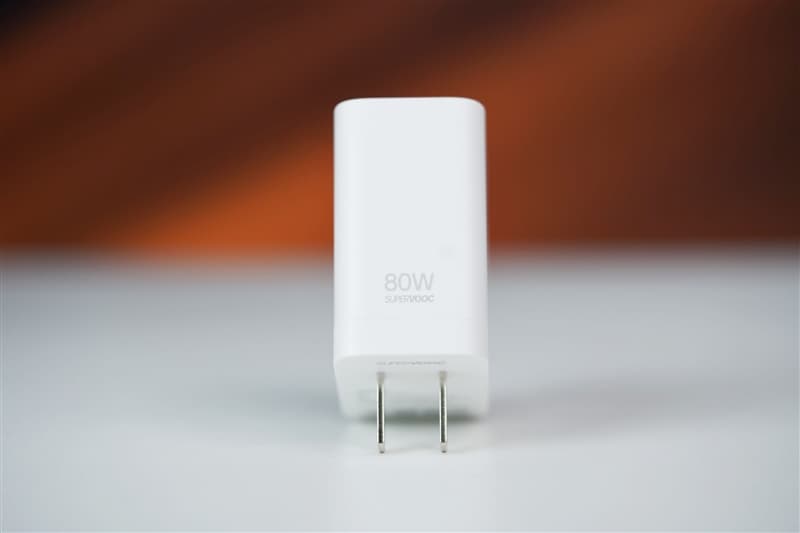
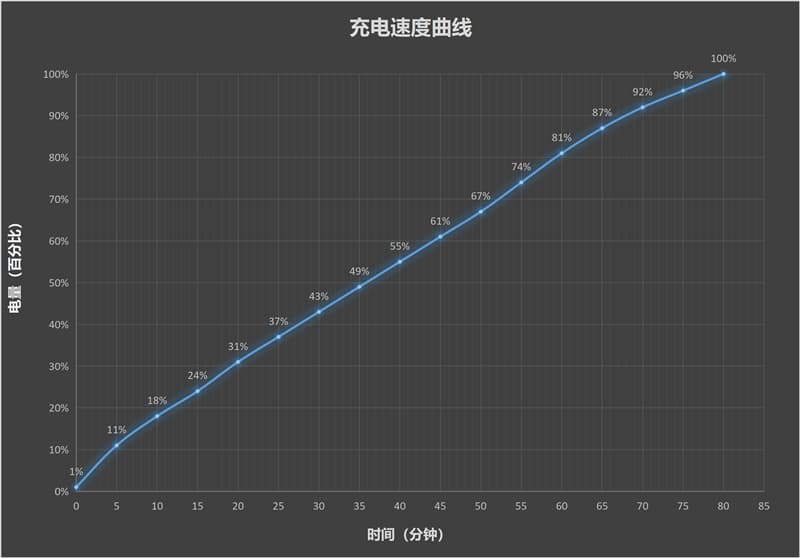
We tested charging with the included 80W charger.
Starting from:
1% battery
Charging results:
| Charging Time | Battery Level |
|---|---|
| 5 minutes | 11% |
| 10 minutes | 18% |
| 30 minutes | 43% |
| 60 minutes | 81% |
| 80 minutes | 100% |
Although the phone uses a large 8000mAh battery, it can still reach a full charge within around 80 minutes.
This provides a good balance between battery capacity and charging speed.
The OPPO K15 supports bypass charging, which is especially useful for gamers.
When enabled:
This means users can keep playing games while connected to power without constantly stressing the battery.
For people who often:
this feature is very practical.

The OPPO K15 also supports wired reverse charging.
The phone can temporarily act as a power bank for devices such as:
When traveling, this feature provides an emergency power solution without carrying an additional charger.
Beyond cooling, performance, and battery life, the OPPO K15 also includes many practical features that improve everyday experience.
The OPPO K15 supports:
It also passed eight military-standard durability tests covering:
This makes the phone suitable for more demanding environments.
During testing, we played Douyin videos on the OPPO K15 while placing it under running water.
The results:
The phone remained fully functional after exposure to water.
While IP69 protection does not mean users should intentionally abuse their devices, it provides additional confidence for:
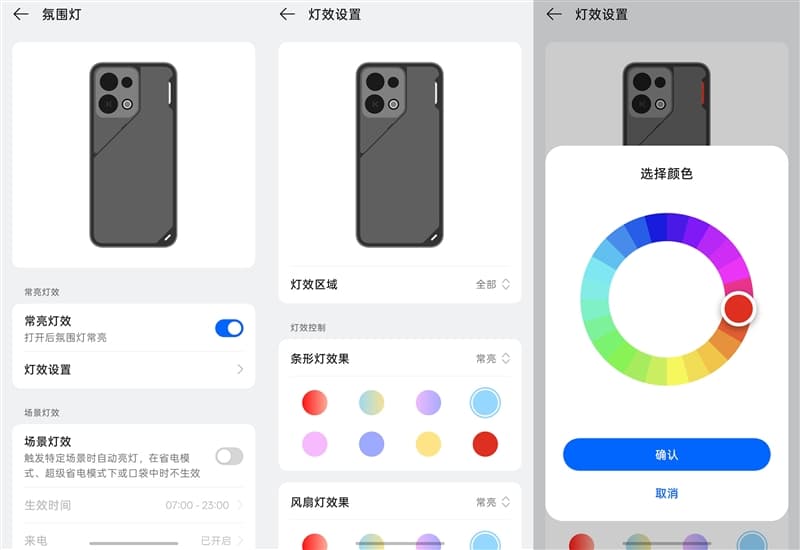
The rear panel includes OPPO’s Mist Shadow Breathing Light system.
Users can customize:
Lighting effects include:
The fan lighting also supports:
Multiple colors are available.
At night, the lighting can synchronize with music, creating a gaming-style atmosphere.
Unlike inexpensive RGB lighting effects, the implementation feels more refined.
Users can also configure:
The OPPO K15 includes OPPO’s self-developed Mountain-Sea Communication Technology.
The system uses:
It is designed to improve connectivity in difficult environments such as:
During testing in an underground parking area:
Network results:
The phone maintained stable connectivity without obvious disconnections.
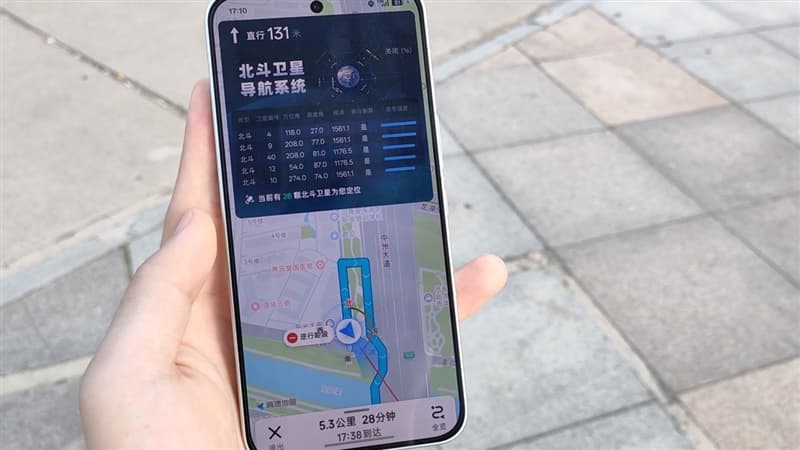
The OPPO K15 is equipped with:
During navigation testing with Amap:
The real-time navigation interface showed:
Even in complex environments such as:
the positioning performance remained reliable.
At the beginning of this review, the question was:
Is the cooling fan on a 2K-range smartphone just a gimmick, or does it really work?
After testing, the answer is clear:
It works.
During the AnTuTu stress test:
A temperature reduction of around 10°C was confirmed through thermal imaging.
The active cooling fan is the feature that truly separates the OPPO K15 from other phones in the same price range.
Many smartphones offer:
But fewer combine these features with an integrated cooling fan.
The phone delivers:
8000mAh large battery
Active cooling fan
IP69/IP68/IP66 protection
Stable gaming performance
80W fast charging
Three 50MP cameras
120Hz 1.5K display
Dual-frequency GPS
Strong signal performance
The OPPO K15 is especially suitable for users who care about:
However, users who want:
may prefer higher-end gaming smartphones.
The Dimensity 7360 SUPER is not designed to chase extreme benchmark records. Instead, it focuses on delivering stable performance over long periods.
Many smartphones in the 2K price range compete by making their specification sheets look impressive.
OPPO K15 takes a different approach.
Instead of only chasing higher numbers, it focuses on solving real user problems:
The built-in cooling fan is like adding a turbocharger to an economy car—not for racing, but to prevent losing power when climbing a hill.
After testing, the OPPO K15 proves that it can:
For users looking for a practical, durable, and reliable smartphone in the 2K price segment, the OPPO K15 is one of the most complete choices available.
OPPO K15: A truly practical smartphone built for real-world use.
The post OPPO K15 Smartphone Review: The Truly Practical Choice in the 2K Price Segment appeared first on IGeeKphone China Phone, Tablet PC, VR, RC Drone News, Reviews.

Serão realmente os smartphones topo de gama que oferecem o melhor valor-desempenho? Ou existem equipamentos a preços mais acessíveis que acabam por se destacar? O ranking da AnTuTu foca-se exatamente neste tema.
The post Quais são os smartphones com a melhor relação entre preço e desempenho? Veja os modelos que se destacam appeared first on Tek Notícias.
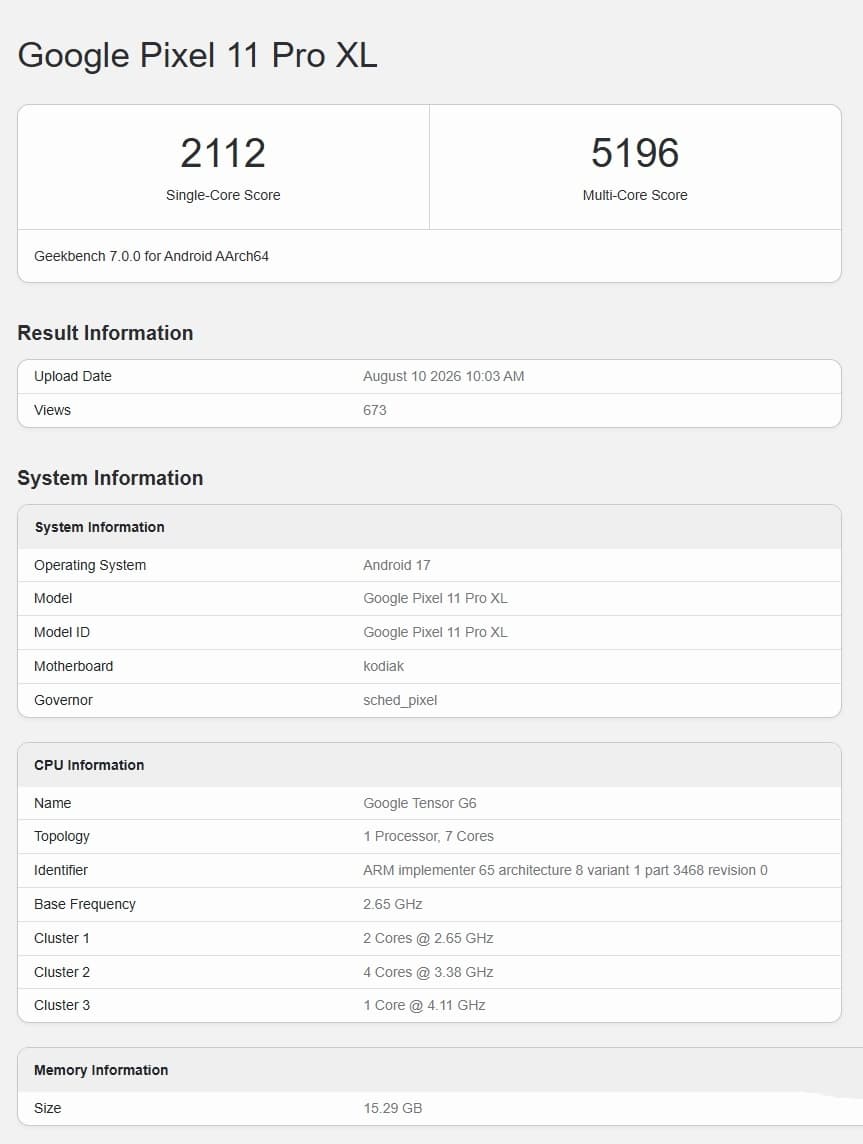
Google’s upcoming Pixel 11 Pro XL has reportedly appeared on Geekbench 7, revealing early performance details of the company’s next-generation Tensor G6 chipset. While the new processor is expected to bring improvements in efficiency and AI capabilities, the leaked benchmark results suggest that raw performance gains may be relatively modest compared with the previous-generation Tensor G5.
According to Igeekphone, the Pixel 11 Pro XL and other Pixel 11 series models are expected to be unveiled at Google’s annual Made by Google event on August 12. Ahead of the official announcement, benchmark information has provided the first look at the performance of Google’s upcoming flagship processor.
The Geekbench 7 listing reportedly shows that the Google Pixel 11 Pro XL achieved:
These results represent the first known real-world benchmark scores for the Tensor G6 chipset, which has previously appeared only through leaks and industry reports.
The benchmark listing also confirms that the tested device is equipped with:
While benchmark results do not reveal every aspect of real-world performance, they provide an early indication of the processing capabilities of Google’s next flagship smartphone platform.

According to the Geekbench database information, the Tensor G6 appears to use a seven-core CPU architecture consisting of three core clusters.
The reported configuration includes:
The listing does not confirm whether the Tensor G6 is manufactured using a 2nm process technology, despite previous reports suggesting that Google could become one of the first smartphone manufacturers to adopt a 2nm Tensor chip.
Although the Tensor G6 represents a new generation of Google’s custom smartphone chipset, the leaked benchmark results suggest that the performance improvement may not be dramatic.
For comparison, the previous-generation Pixel 10 Pro’s Tensor G5 reportedly achieved:
Compared with those numbers, the Tensor G6 appears to offer a small increase in single-core performance but a lower multi-core score in this early Geekbench test.
If the leaked results are accurate, the Pixel 11 Pro XL may not deliver a major upgrade in traditional computing performance. Instead, Google may continue focusing on areas where Tensor chips have historically stood out, such as artificial intelligence processing, photography enhancements, and software optimization.
The Pixel 11 series has previously appeared in Geekbench databases as well.
Earlier testing of the standard Pixel 11 model reportedly showed:
That listing also indicated a seven-core Tensor G6 architecture, although the performance results were significantly lower than the Pixel 11 Pro XL benchmark.
Differences between models could be related to software optimization, testing conditions, clock speeds, or hardware configurations.

Google’s Tensor processors have traditionally prioritized artificial intelligence and machine learning capabilities rather than competing directly with flagship chips from Qualcomm and Apple in raw benchmark performance.
The Tensor G6 is expected to bring improvements in areas such as:
For Pixel users, these software-driven improvements may be more noticeable in daily use than benchmark score increases.
Google is expected to officially introduce the Pixel 11 series along with the Pixel Watch 5 during the upcoming Made by Google event on August 12.
The Pixel 11 lineup is expected to include multiple models, including:
The Pixel 11 Pro XL is expected to serve as the top-tier model, featuring the largest display, highest memory configuration, and the most advanced camera system in the lineup.
The leaked Geekbench results for the Google Pixel 11 Pro XL suggest that the upcoming Tensor G6 chipset may deliver only moderate improvements in traditional processing power. While the move to a newer architecture and potential 2nm manufacturing process could improve efficiency, the benchmark numbers indicate that Google is not necessarily chasing the highest raw performance scores in the smartphone market.
Instead, the Pixel 11 series is likely to continue Google’s strategy of combining custom hardware with advanced AI software experiences. For potential buyers, the most important upgrades may come from new AI features, camera improvements, and software innovations rather than a major leap in benchmark performance.
The post Google Pixel 11 Pro XL Geekbench Scores Leak: Tensor G6 Shows Limited Performance Gains appeared first on IGeeKphone China Phone, Tablet PC, VR, RC Drone News, Reviews.
Igeekphone News: Honor has officially expanded its Play 80 lineup with the launch of the standard Honor Play 80 smartphone, bringing a budget-friendly device powered by MediaTek’s Dimensity 6300 processor. Originally introduced earlier in 2026 with only the Pro model available, the standard version has now arrived on JD.com in China with an affordable starting price of around 1,000 yuan.
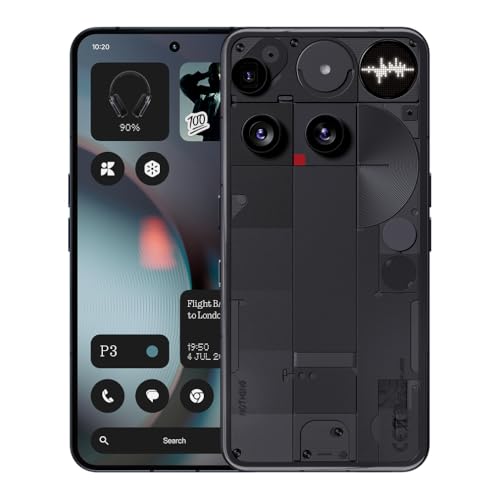
According to Igeekphone, the Honor Play 80 is positioned as an entry-level 5G smartphone that focuses on long battery life, lightweight design, and practical everyday performance.
The Honor Play 80 is currently available through JD.com in China. The phone comes in two memory configurations:
With its low starting price, the Honor Play 80 targets users looking for an affordable smartphone for daily communication, entertainment, and basic multitasking.

Despite featuring a large battery, the Honor Play 80 maintains a relatively slim and lightweight body.
The smartphone measures:
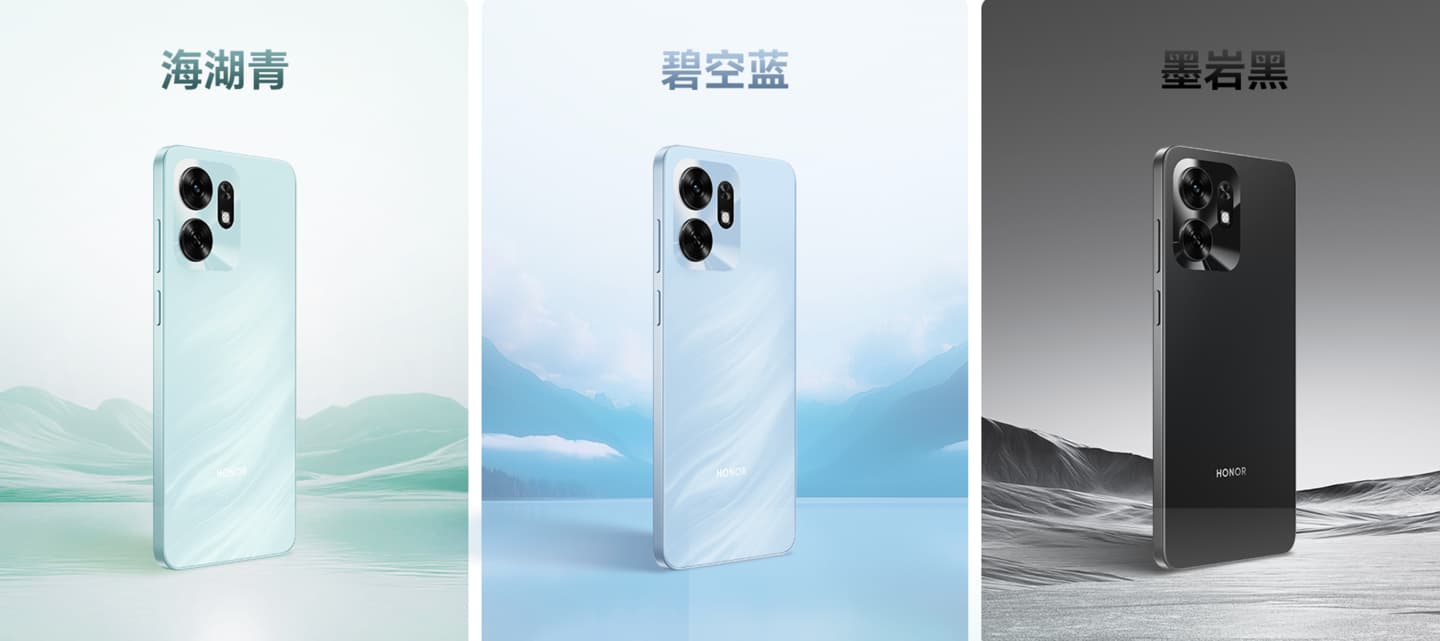
Honor offers the device in three color options:
The lightweight construction makes the phone comfortable for long-term daily use, while the multiple color choices provide a more personalized appearance.
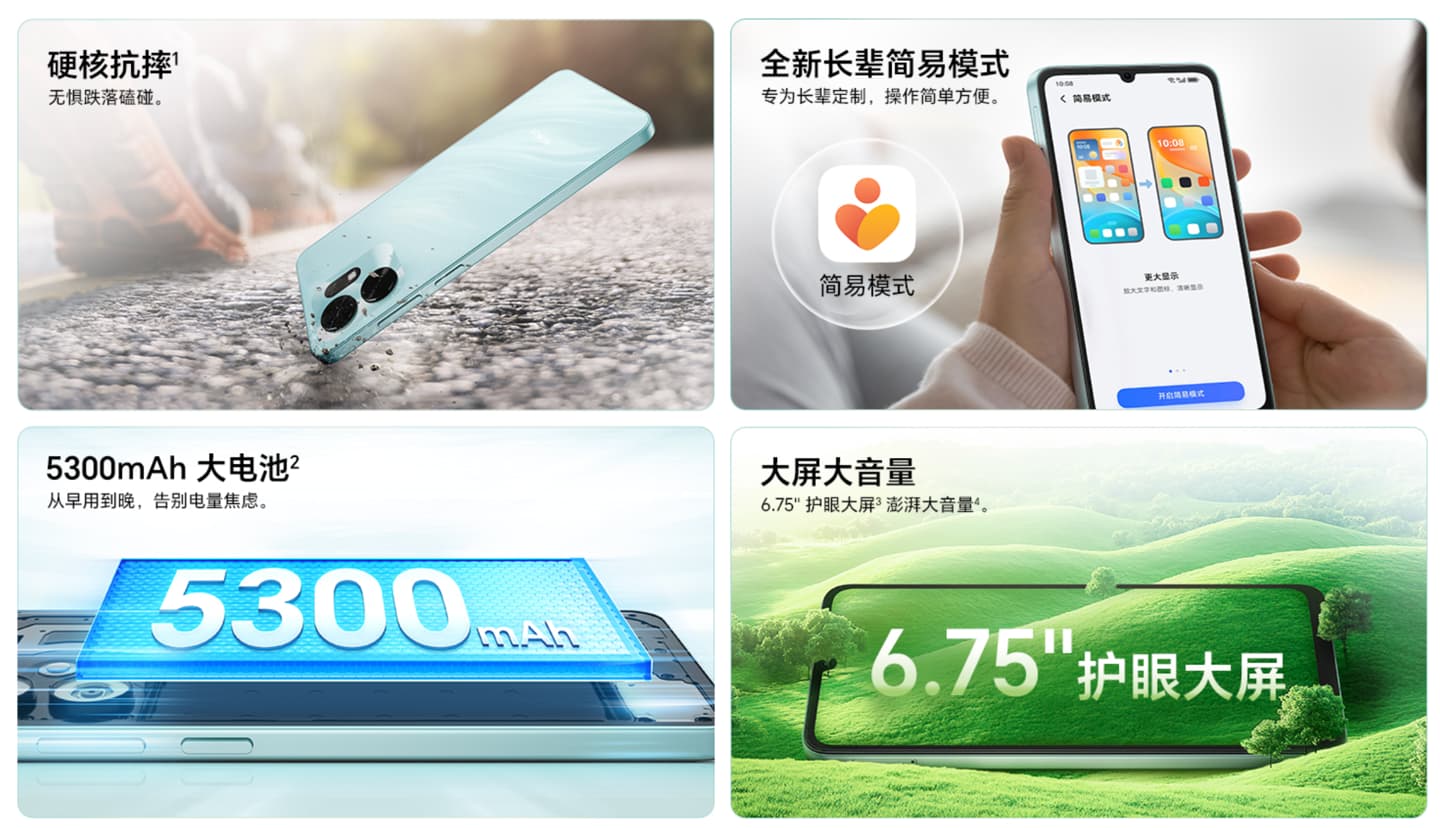
The Honor Play 80 features a 6.75-inch LCD display designed for everyday viewing and entertainment.
Display specifications include:
The 90Hz refresh rate provides smoother scrolling and improved visual responsiveness compared with traditional 60Hz panels, making the phone feel more fluid during normal usage.
The display is paired with a 5MP front-facing camera housed on the front of the device for selfies and video calls.

At the core of the Honor Play 80 is the MediaTek Dimensity 6300 processor, a 5G chipset designed for affordable smartphones.
The processor delivers:
The phone comes with up to:
For users who need additional space, the device also supports TF card expansion, allowing storage capacity to be increased.
For photography, the Honor Play 80 features a simple rear camera setup with a:
The camera system is designed for basic everyday photography, including:
While it does not focus on advanced mobile photography, the camera configuration matches the phone’s affordable positioning.
Battery life is one of the highlights of the Honor Play 80. The smartphone is equipped with a 5,300mAh battery, offering extended usage for users who prioritize endurance.
The large battery capacity is suitable for:
Combined with the power-efficient Dimensity 6300 chipset, the phone is expected to provide reliable battery performance throughout the day.

Unlike many modern smartphones that have removed wired audio support, the Honor Play 80 retains a 3.5mm headphone jack, allowing users to connect traditional wired headphones without adapters.
Other practical features include:
These features make the device appealing to users who prefer practicality over premium specifications.
| Feature | Details |
|---|---|
| Display | 6.75-inch LCD |
| Resolution | 1600 × 720 pixels |
| Refresh Rate | 90Hz |
| Processor | MediaTek Dimensity 6300 |
| RAM | Up to 6GB |
| Storage | 128GB |
| Rear Camera | 13MP |
| Front Camera | 5MP |
| Battery | 5,300mAh |
| Thickness | 7.89mm |
| Weight | 186g |
| Colors | Sky Blue, Sea Lake Green, Inkstone Black |
| Expansion | TF Card Support |
| Audio | 3.5mm Headphone Jack |
The Honor Play 80 focuses on the essentials that matter most to budget smartphone buyers. With a MediaTek Dimensity 6300 processor, 5,300mAh battery, 90Hz display, lightweight design, and expandable storage, the device provides a balanced package at an accessible price.
Although it does not compete with flagship smartphones in areas such as camera performance or display resolution, the Honor Play 80 offers strong value for users who need a reliable 5G phone for daily tasks.
With its competitive pricing starting near 1,000 yuan, the Honor Play 80 could become an attractive option in the entry-level smartphone market, especially for users prioritizing battery life, affordability, and practical features.
The post Honor Play 80 Goes on Sale in China: MediaTek Dimensity 6300 Chip, 5,300mAh Battery and 90Hz Display appeared first on IGeeKphone China Phone, Tablet PC, VR, RC Drone News, Reviews.
Samsung is preparing to expand its Fan Edition lineup with the upcoming Galaxy S26 FE, and newly leaked specifications suggest the device will bring a flagship-style display, upgraded performance, and a larger battery while maintaining the value-focused positioning of the FE series.
According to a report from WinFuture, the Samsung Galaxy S26 FE is expected to launch in early September 2026. The leaked details reveal information about the phone’s design, display, chipset, cameras, battery, and connectivity features.
The Galaxy S26 FE is expected to continue Samsung’s lightweight premium design approach. The device reportedly measures as thin as 7.4mm and weighs approximately 193g, making it relatively slim for a smartphone with a large display and high-capacity battery.
The phone is also expected to feature IP68-rated dust and water resistance, providing protection against accidental splashes and exposure to water.
Samsung is reportedly planning three color options for the Galaxy S26 FE:
These color choices suggest Samsung is targeting users who want a more stylish alternative to traditional flagship smartphone designs.

The Galaxy S26 FE is expected to feature a 6.7-inch Dynamic AMOLED 2X display, offering a premium viewing experience similar to Samsung’s higher-end Galaxy models.
According to the leaked specifications, the display will include:
The high refresh rate should provide smoother scrolling, improved gaming responsiveness, and better animations, while the high brightness level will help improve outdoor visibility.
Performance will reportedly be one of the key upgrades of the Galaxy S26 FE. European models are expected to use Samsung’s Exynos 2500 processor, featuring a ten-core CPU design with a maximum clock speed of 3.3GHz.
Meanwhile, certification documents reportedly indicate that the US version of the Galaxy S26 FE may feature a Qualcomm Snapdragon chipset, continuing Samsung’s strategy of offering different processors depending on market availability.
The device is expected to include:
While the RAM capacity remains focused on efficiency rather than extreme specifications, the combination of a modern flagship-level chipset and optimized software should provide smooth everyday performance.

The Galaxy S26 FE is expected to feature a versatile triple-camera setup designed for photography and video recording.
The leaked camera specifications include:
For selfies and video calls, the phone is expected to feature a:
The camera setup suggests Samsung is aiming to deliver a balanced photography experience, combining high-resolution main imaging with ultra-wide and zoom capabilities.
Battery life is another area where the Galaxy S26 FE is expected to improve. The smartphone will reportedly include a 4,900mAh battery, paired with 45W wired fast charging.
According to the European EPREL energy database information mentioned in the report, the device may achieve:
The larger battery capacity should help the phone deliver extended daily usage, especially when combined with Samsung’s display efficiency and chipset optimizations.
The Galaxy S26 FE is expected to support a range of updated connectivity technologies, including:
These features should provide compatibility with modern wireless accessories, faster network connections, and convenient mobile payment functions.
| Feature | Details |
|---|---|
| Display | 6.7-inch Dynamic AMOLED 2X |
| Resolution | 2340 × 1080 pixels |
| Refresh Rate | 120Hz |
| Peak Brightness | Up to 1,900 nits |
| Processor | Exynos 2500 (Europe) / Snapdragon variant (US) |
| RAM | 8GB |
| Storage | 128GB / 256GB |
| Rear Cameras | 50MP + 12MP Ultra-wide + 8MP Telephoto |
| Front Camera | 12MP |
| Battery | 4,900mAh |
| Charging | 45W wired fast charging |
| Water Resistance | IP68 |
| Connectivity | Bluetooth 5.4, Wi-Fi 6, NFC |
| Thickness | 7.4mm |
| Weight | 193g |
The Samsung Galaxy S26 FE appears set to continue the company’s Fan Edition philosophy by bringing several flagship-inspired features to a more accessible price segment.
With a 120Hz Dynamic AMOLED display, flagship-class processors, OIS camera system, 45W charging, and IP68 protection, the Galaxy S26 FE could become an attractive option for users who want premium features without moving to Samsung’s most expensive Galaxy S26 series models.
Samsung has not officially confirmed the Galaxy S26 FE launch date or final specifications yet, so some details may change before the official release. However, if the leaked information proves accurate, the Galaxy S26 FE could become one of the most competitive premium mid-range smartphones of 2026.
The post Samsung Galaxy S26 FE Specifications Revealed: Exynos 2500/Snapdragon Chip, 8GB RAM and 4,900mAh Battery appeared first on IGeeKphone China Phone, Tablet PC, VR, RC Drone News, Reviews.
-20 %
Apple Airpods Pro 3
Nur 199,99 Euro statt 249 Euro UVP
Die Airpods Pro 3 gehören zu den höher ausgestatteten In-Ear-Kopfhörern von Apple und kombinieren aktive Geräuschunterdrückung mit 3D Audio, Herzfrequenzmessung und verschiedenen Hörgesundheitsfunktionen. Dazu kommen eine lange Akkulaufzeit, eine verbesserte Passform und die enge Einbindung in das Apple-Ökosystem.
Bei Amazon sind die Apple Airpods Pro 3 aktuell wieder für 199,99 Euro erhältlich. Gegenüber der angegebenen UVP von 249 Euro sparen Sie rund 49 Euro beziehungsweise 20 Prozent.
Mitte Juni waren die Airpods Pro 3 kurzzeitig sogar für 187 Euro erhältlich. Mitte Juli fiel der Preis erneut auf 199,99 Euro, bevor er sich anschließend zwischen 203,99 und 212,99 Euro bewegte.
Mit 199,99 Euro sind die Kopfhörer nun wieder so günstig wie seit Mitte Juli nicht mehr. Mit 4,6 von 5 Sternen aus mehr als 9.660 Bewertungen und Platz eins in der Kategorie Bluetooth-Kopfhörer gehören die Airpods Pro 3 bei Amazon zudem zu den besonders stark nachgefragten Modellen.
Die Airpods Pro 3 setzen auf aktive Geräuschunterdrückung (ANC), die laut Apple bis zu doppelt so viele unerwünschte Geräusche reduzieren soll wie bei den Airpods Pro 2. Ergänzt wird die Geräuschunterdrückung durch einen Transparenzmodus, adaptives Audio und eine Konversationserkennung. Letztere soll dafür sorgen, dass Gespräche einfacher möglich sind, ohne die Kopfhörer vollständig herausnehmen zu müssen.
Für die Klangwiedergabe verwendet Apple einen speziellen High-Excursion-Tieftöner sowie einen Verstärker mit großem Dynamikbereich. Hinzu kommen ein adaptiver EQ und personalisiertes 3D Audio mit dynamischem Head Tracking. Dabei wird die Klangwiedergabe an die individuelle Geometrie des Ohrs und die Passform der Kopfhörer angepasst.
Die Airpods Pro 3 können außerdem die Herzfrequenz während des Trainings erfassen. Die Funktion unterstützt laut Apple bis zu 50 verschiedene Trainingsarten und kann gemeinsam mit einem iPhone unter anderem für den Bewegungsring und den Schrittzähler genutzt werden. Bei aktivierter Herzfrequenzmessung während eines Workouts liegt die maximale Wiedergabezeit laut Apple bei 6,5 Stunden pro Ladung.
Ein weiterer Schwerpunkt liegt auf den Hörgesundheitsfunktionen. Die Airpods Pro 3 bieten einen Hörtest sowie eine Hörgerätefunktion mit automatischer Konversationsverstärkung. Überdies sind Funktionen wie „Live-Mithören“, Kopfhörerlevel und Kopfhörer-Anpassungen integriert. Ein aktiver Gehörschutz soll zudem vor lauten Umgebungsgeräuschen schützen.
Für einen möglichst sicheren Sitz liefert Apple fünf verschiedene Größen von Silikon-Ohreinsätzen mit: XXS, XS, S, M und L. Die unterschiedlichen Größen sollen eine individuellere Passform ermöglichen und gleichzeitig die Klangqualität verbessern.
Auch bei der Akkulaufzeit hat Apple die Airpods Pro 3 auf längere Nutzung ausgelegt. Bei aktivierter Geräuschunterdrückung sind bis zu acht Stunden Wiedergabe mit einer Ladung möglich. Wird zusätzlich 3D Audio und Kopferfassung aktiviert, sinkt die Laufzeit auf bis zu 7,5 Stunden. Im Transparenzmodus mit aktivierter Hörgerätfunktion sind laut Hersteller bis zu zehn Stunden möglich.
Zusammen mit dem Magsafe-Ladecase kommen die Airpods Pro 3 auf bis zu 24 Stunden Wiedergabe bei aktivierter aktiver Geräuschunterdrückung. Bereits fünf Minuten im Ladecase sollen für ungefähr eine weitere Stunde Wiedergabe ausreichen. Das Case lässt sich per USB-C, MagSafe, Apple-Watch-Ladegerät oder Qi-zertifiziertem Ladegerät aufladen.
Für die Verbindung nutzen die Airpods Pro 3 Bluetooth 5.3. Im Inneren arbeitet der Apple-H2-Kopfhörerchip, während im Ladecase ein Apple-U2-Chip sitzt. Die Steuerung erfolgt über Druck- und Wischgesten. Damit lassen sich unter anderem Medien steuern, Anrufe annehmen oder beenden, Titel wechseln, die Lautstärke verändern und zwischen verschiedenen Hörmodi wechseln. Zusätzlich steht die Sprachsteuerung über „Hey Siri“ zur Verfügung.
Die Kopfhörer sind nach IP57 gegen Staub, Schweiß und Wasser geschützt. Jeder einzelne AirPod wiegt 5,55 Gramm. Das Ladecase bringt 43,99 Gramm auf die Waage und verfügt über einen integrierten Lautsprecher für die „Wo ist?“-Funktion. Über das Apple-Ökosystem können die Kopfhörer außerdem automatisch zwischen verschiedenen Apple-Geräten wechseln. Eine Audiofreigabe ermöglicht es, Inhalte mit zwei Paar Airpods über ein iPhone, iPad oder Apple TV zu teilen.
Im Lieferumfang befinden sich die Airpods Pro 3, das Magsafe-Ladecase mit USB-C, Lautsprecher und Tragebandschlaufe, fünf Größen an Silikon-Ohreinsätzen, ein USB-C-Ladekabel sowie die Dokumentation.
Ich würde den Test als kurzen, sachlichen Einordnungsabsatz vor dem Fazit einbauen:
Auch in unserem Test schneiden die Airpods Pro 3 sehr gut ab. Besonders überzeugen das sehr effektive ANC, die verbesserte Passform, der kräftigere Klang und die Herzfrequenzmessung . Auch die angegebene Akkulaufzeit von bis zu acht Stunden mit aktivierter Geräuschunterdrückung kann weitgehend bestätigt werden.
Kritik gibt es unter anderem daran, dass weiterhin kein Lossless Audio und kein manueller Equalizer verfügbar sind. Einige Funktionen wie die Live-Übersetzung sind zudem in der EU noch nicht verfügbar.
Mit 199,99 Euro liegen die Airpods Pro 3 aktuell wieder auf einem attraktiven Preisniveau. Mitte Juli waren die Kopfhörer bereits einmal für diesen Preis erhältlich, nachdem sie Mitte Juni sogar kurzzeitig für 187 Euro angeboten wurden. Anschließend stieg der Preis auf etwa 204 bis 213 Euro. Gegenüber der UVP von 249 Euro sparen Sie aktuell rund 49 Euro beziehungsweise 20 Prozent.
Für Nutzer, die bereits mehrere Apple-Geräte verwenden, sind die Airpods Pro 3 vor allem aufgrund des automatischen Gerätewechsels, der Siri-Integration und der weiteren Funktionen im Apple-Ökosystem interessant. Hinzu kommen ANC, 3D Audio, Herzfrequenzmessung und die umfangreichen Hörgesundheitsfunktionen.
Wer dagegen lediglich einfache Bluetooth-In-Ears zum Musikhören sucht, dürfte einen Teil der Ausstattung kaum benötigen. Funktionen wie Herzfrequenzmessung, Hörtest, Hörgerätefunktion oder die Integration in das Apple-Ökosystem sind vor allem dann relevant, wenn Sie diese auch tatsächlich nutzen möchten.
Die Bewertungen fallen insgesamt positiv aus. Bei Amazon erreichen die Airpods Pro 3 derzeit durchschnittlich 4,6 von 5 Sternen bei rund 9.660 Bewertungen. Gleichzeitig werden die Kopfhörer aktuell als Bestseller Nummer 1 in der Kategorie Bluetooth-Kopfhörer geführt.


Apple continues work to get White House go-ahead to source memory from Chinese supplier CXMT, which the US government has placed restrictions on.
For Apple, the issue comes down to simple math. With the cost of making iPhones up 38% because of eye-watering memory price increases — up almost 7-fold since the beginning of 2025 — it makes sense to make pragmatic choices when it comes to sourcing supply, particularly when other computer companies (including HP and Acer) already obtain memory from CXMT.
US resistance to the plan is that because of the way Apple packages memory on chip, the use of that memory might partly contravene the technology transfer restrictions the US has in place. Note: use of off-the-shelf components is fine.
Apple has been lobbying to use memory from the supplier only on devices made and sold in China and would likely argue this is reasonable given that both HP and Acer already use CXMT memory in products sold outside the US.
The iPhone maker’s dilemma isn’t just about memory price, it’s also about ensuring it has enough component supply to satisfy demand for its products. This is plausibly a bigger challenge for the company, which is already warning of constrained supply because of lack of available memory. Samsung, Micron, and SK Hynix have allegedly already sold through all their DRAM production for 2027, which only sharpens Apple’s case to secure alternate sources.
With that in mind, it matters that China consumes around 20% of all Apple hardware sold globally. All the company needs is the go-ahead to use RAM from CXMT in those Chinese-made, China-sold devices.
That alone would effectively grow its usable memory supply by the same amount, because the non-restricted memory it currently has to use in Chinese-market products could be freed up for devices sold elsewhere, with CXMT covering the China-sold units instead.
With demand for its products accelerating —even amid a broad industry downturn — Apple really wants to make sure it has enough of the component to meet demand. Those powerful, on-premises 1.5TB RAM-equipped M7 Ultra Mac Studio AI clusters won’t exist unless it’s possible to find memory to put inside them.
The proposed arrangement with CXMT might not be a quick fix. Recent reporting indicated the company has already reached its production capacity for 2026, though it is working to double capacity by 2028. Apple has already tested memory chips from the company across products including iPhones and MacBooks.
While Apple this year has applied steep price increases across all its products (except for iPhones), it is now expected to increase the cost of the current iPhone 17 models perhaps as soon as this week.
Market reports already warn that Apple will raise prices on its soon-to-debut iPhone 18 Pro and iPhone Ultra devices next month, and we expect availability to be constrained, once again as a result of RAM shortages. Even if Apple gets the go-ahead to work with CXMT to close the gap, the positive impact of that arrangement is unlikely to kick in before next year.
Elsewhere, big memory manufacturers, including SK Hynix, have announced plans to invest in new DRAM manufacturing capacity. But this will not be operational until 2029, at the earliest.
This suggests constrained product availability and higher prices for the coming months — and the only way Apple, or anyone else, will be able to limit the impact of those price increases across the entire electronics industry will be if they can obtain additional stocks of memory from vendors outside the big three. If they cannot, you can kiss the age of abundance goodbye.
You can follow me on social media! Join me on BlueSky, LinkedIn, Mastodon and subscribe to The Core.

A Caviar publicou algumas páginas com alegados detalhes internos sobre os futuros iPhone 18 Pro, iPhone 18 Pro Max e o dobrável iPhone Ultra, incluindo características técnicas detalhadas e a data de apresentação, que coincidem com uma boa parte dos rumores já conhecidos.
The post iPhone 18 Pro e iPhone Ultra: fabricante de luxo russa revela detalhes que batem certo com os principais rumores appeared first on Tek Notícias.

Novel squat Android opens to an iPad-like screen for video or multitasking, with plenty of power and battery life
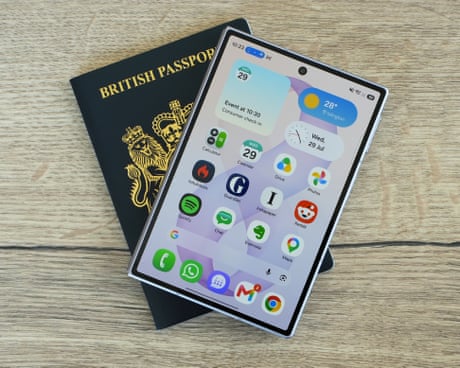
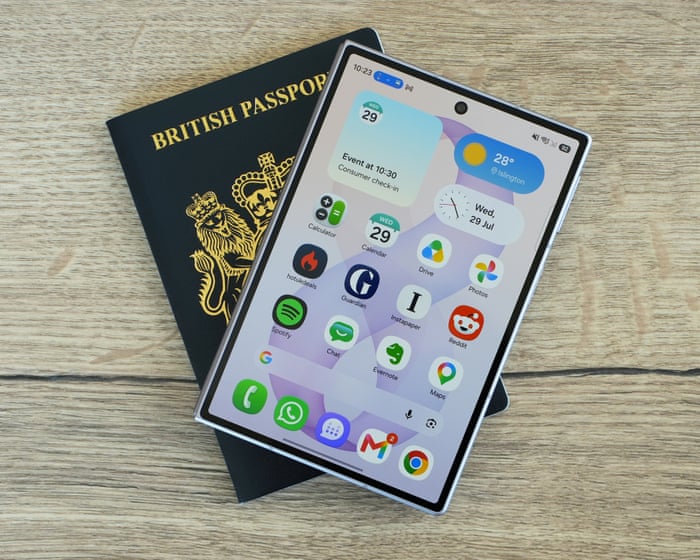
Samsung’s latest folding phone breaks the mould with a squat, passport-like shape reminiscent of the Blackberry, which opens up to become a tablet similar to an iPad mini. It is certainly a better shape for a tablet than other designs, but is a short and wide phone when closed a compromise too far?
The Galaxy Z Fold 8 is an entirely new variant in Samsung’s foldable family for this year launched alongside the Z Fold 8 Ultra with a more familiar candy bar shape. Both folders are extremely expensive, with the Fold 8 starting at £1,699 (€1,999/$1,899.99/A$2,699) and the Fold 8 Ultra at £1,899 (€2,199/$2,099.99/A$2,999), with RAMageddon driving up prices even at the top of the market.
Continue reading...
© Photograph: Samuel Gibbs/The Guardian

© Photograph: Samuel Gibbs/The Guardian

© Photograph: Samuel Gibbs/The Guardian
Back to school season is here, and if you're looking to get equipped with the latest Android tech before the semester starts, you're in luck: Amazon just launched a sale that's slashing prices on dozens of our favorite devices.
Whether you're interested in a new smartphone, a laptop for studying, or a pair of noise-cancelling headphones to block out all distractions, all of the best Android deals from Amazon's sale can be found in this guide.
Of course, Amazon isn't the only retailer launching student-friendly deals ahead of the fall semester. You can find all of the latest shopping advice and deal coverage by yours truly by keeping an eye on our Back to School 2026 landing page. Didn't find anything today? Check back later: I'll keep adding relevant Amazon deals to this list for as long as it makes sense to do so.
The company that built a phone around making screens deliberately boring just gave its sequel a gorgeous OLED panel. Yes, the Minimal Phone 2 has ditched the E Ink display that made the original what it was and replaced it with a 3.92-inch 90Hz AMOLED screen.
Why the sudden U-turn? Because the original model with an E Ink panel, while great for reducing distractions, was genuinely painful to use. Owners complained of ghosting, sluggish animations, and a display that made anything but reading text a chore.
The Minimal Company seems to have decided that this intentional friction doesn’t have to mean unusable. Founder Armen Youssefian had posted the first renders of the sequel on X, which already hinted at a full visual overhaul.
Thank goodness, the physical QWERTY keyboard survives the transition, but now it sports backlit keys and remappable shortcuts and employs metal dome switches. The design language also changed from a blocky, sharp-edged shell to a curved aluminum body in black or silver. The front-facing camera was finally moved to a sensible place above the display, rather than hiding near the Alt key.

Under the hood, the phone is powered by a MediaTek Dimensity 8300 with 8GB RAM and up to 512GB storage, per the company’s Kickstarter listing. You also get a physical mute switch, NFC, and, surprisingly, a 3.5mm headphone jack. But this old-school charm comes in a noticeably smaller footprint than its predecessor.
There is a lot we still do not understand. Questions remain about pricing and launch date. The company first opened a waitlist for early-bird access, but the phone has since moved to crowdfunding, giving potential buyers a more clear-cut way to back it.
The Kickstarter campaign has already exceeded its goal, raising more than $650,000 from over 1,000 backers. So, this thing is happening. The big question is: Does an AMOLED screen on a "minimal" phone defeat the entire purpose or finally make the QWERTY-powered experience actually usable daily? We’ll see when it releases to consumers, but if you’ve been itching for a modern BlackBerry-esque device without the E Ink compromise, this could be your play.