Rocket launches this week On Monday, Aug. 10, a Long March 7A rocket carrying an undisclosed payload broke apart roughly one minute and 27 seconds after lifting off from Wenchang Space Launch Site at 8:02 a.m. EST. Footage from online livestreams captured the failure in real time; Chinese state media had not released any informationContinue reading "A Long March 7A failure opens a week of Starlink launches"
On Aug. 10, 1990, the Magellan orbiter arrived at Venus and was inserted into orbit. Its goal was to map the surface of the planet, using radar to peer beneath the cloudy atmosphere. Launched aboard the Space Shuttle Atlantis in May 1989, Magellan was the first deep space probe launched from a shuttle. Budget constraintsContinue reading "Aug. 10, 1990: Magellan enters venusian orbit"
The Soviet Luna program, designed for lunar research and mission planning, ran from 1959 to 1976. On Aug. 9, 1976, Luna 24, the final mission of the program, launched from the Baikonur Cosmodrome in present-day Kazakhstan. The probe landed on the Moon’s surface nine days later, in the Mare Crisium (Sea of Crises), a previouslyContinue reading "Aug. 9, 1976: Luna 24 blasts off"
NASA launched its Mars rover Curiosity inside the Mars Science Laboratory (MSL) on Nov. 26, 2011. Complete with 10 science instruments and 17 cameras, the robot can analyze mineral types, search for signs of microbial life, and take color panoramas of the Red Planet’s surface. Curiosity’s landing on Mars was a new process, nicknamed theContinue reading "Aug. 6, 2012: Curiosity lands on Mars"
With the Space Race heating up, the Ranger program was developed as an answer to Sputnik: The U.S. would land spacecraft on the Moon. When President John F. Kennedy vowed in 1961 to put a man on the lunar surface, the project evolved. Instead of being purely scientific or exploratory, Ranger spacecraft would also beContinue reading "July 31, 1964: Ranger 7 returns the first close pictures of the Moon"
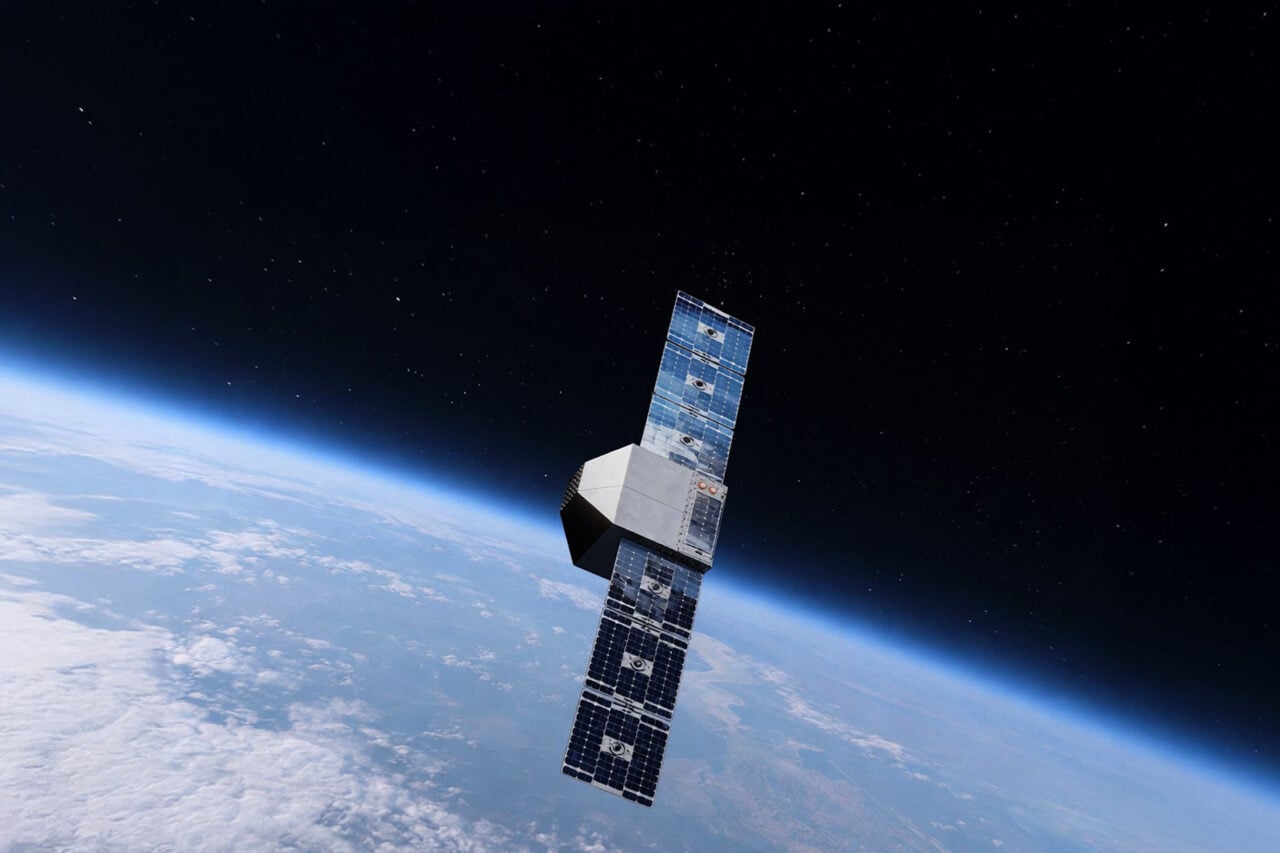
Impulse Space has unveiled its first electric propulsion system, designed to work in tandem with chemical rocket engines to extend the capabilities of spacecraft during long space missions.
On Tuesday, the California-based company revealed Electra, which complements traditional rocket propulsion, rather than replacing it, providing a new layer of efficiency for spaceflight aided by electric thrusters.
“As launch becomes more accessible, the next frontier is enabling spacecraft to do more once they arrive in orbit,” said Tom Mueller, founder, CEO, and chief technology officer of Impulse, in a statement.
The Future is Electric
While electric propulsion systems produce lower levels of thrust compared to chemical rockets, they also consume far less propellant during spaceflight. Because of this, they are an ideal candidate for certain tasks, such as station keeping—the process where a spacecraft’s assigned orbit is maintained over long periods of months, or even years.
Presently, as much as 50% of a conventional spacecraft’s chemical propellant can be required solely for maintaining its orbit for the duration of a mission. Assigning those duties to an electric propulsion system allows chemical fuel to be reallocated toward higher-value mission operations, which include rapid orbital transfers and time-sensitive maneuvers.
Rapid Pace for Development
Electra was developed entirely in-house and in under a year, the company said in a statement this week. Engineers required less than half that time to advance from initial design stages to completion of a functioning propulsion system.
Almost all major components, which include Electra’s thruster and supporting avionics systems, were designed, manufactured, and tested in-house.
“The best part of building Electra has been the opportunity to move fast and try new things,” said Charlie Kelly, Lead Electric Propulsion Engineer at Impulse.
“We get to turn ideas into plasma in a matter of weeks or months, not years,” Kelly added.
Advancing Future Space Propulsion
Presently, the company is rapidly developing its next-generation designs, and qualification is currently underway for Electra’s integration with Mira, Impulse’s orbital transfer vehicle.
An initial in-space demonstration is expected to take place aboard Impulse’s GEO Express 1 mission next year, as part of the Caravan 1 mission.
For Impulse, the new propulsion system represents another step toward building what it characterizes as a complete in-space mobility architecture—extending beyond launch itself to support satellite servicing, orbital transfers, cargo transportation, and future operations throughout cislunar space and beyond.
With an ever-increasing level of commercial activity in Earth orbit, such technologies will help to propel spacecraft for much longer periods, enabling long-duration space missions that reduce overall costs and fuel requirements.
“Our strategy has always been to develop the mobility technologies needed to support all missions after launch,” Mueller said this week, adding that “electric propulsion is an essential component of that strategy.”
Additional details about the company’s novel propulsion designs can be found at Impulse Space’s website.
Micah Hanks is the Editor-in-Chief and Co-Founder of The Debrief. A longtime reporter on science, defense, and technology with a focus on space and astronomy, he can be reached atmicah@thedebrief.org. Follow him on X @MicahHanks, and at micahhanks.com.
A U.S.-Russian crew will return to Earth from the International Space Station early Sunday morning (July 26), and you can watch their homecoming live.
A Soyuz spacecraft carrying NASA astronaut Chris Williams and Sergey Kud-Sverchkov and Sergei Mikaev of the Russian space agency Roscosmos is scheduled to undock from the orbiting lab on Sunday at 3:02 a.m. EDT (0702 GMT).
The Soyuz, known as MS-28, will land on the steppe of Kazakhstan about 3.5 hours later, at 6:26 a.m. EDT (1026 GMT). You can watch these milestones here at Space.com, courtesy of NASA.
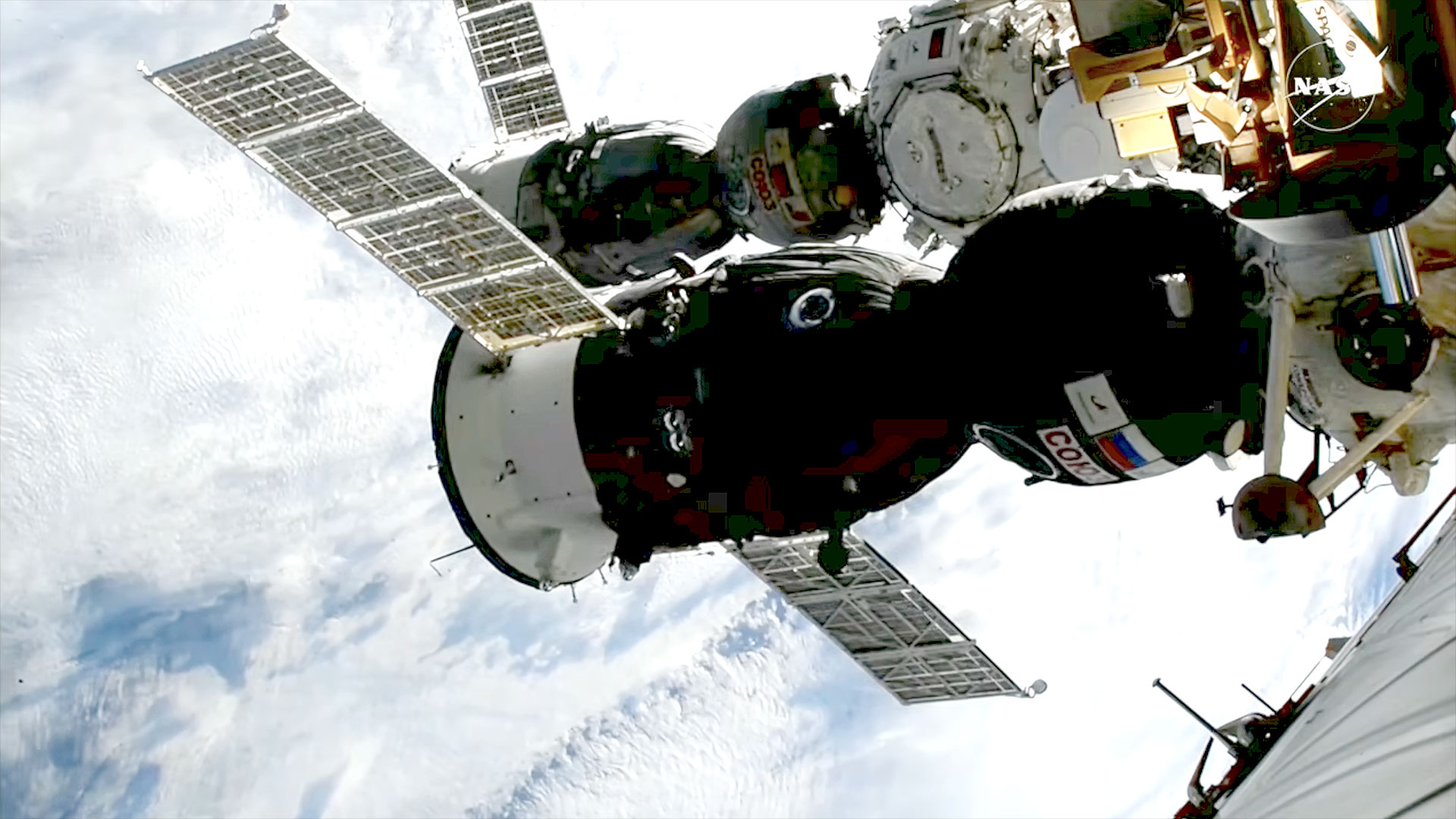
Russia's Soyuz MS-28 spacecraft is seen docked to the International Space Station shortly after its arrival on Nov. 27, 2026. (Image credit: NASA)
The coverage starts today (July 25) at 9:40 a.m. EDT (1340 GMT) ahead of a change-of-command ceremony aboard the International Space Station (ISS). Kud‑Sverchkov will hand over the reins of the orbiting lab to NASA astronaut Jessica Meir, part of the transition from ISS Expedition 74 to Expedition 75 (which officially begins when Soyuz MS‑28 undocks). You can watch that live via NASA.
NASA will resume its webcast tonight at 11:10 p.m. EDT (0310 GMT on July 26) to cover crew farewells and the closing of the hatches between the ISS and Soyuz MS-28, which is expected at 11:30 p.m. EDT (0330 GMT).
Undocking coverage begins Sunday at 2:30 a.m. EDT (0630 GMT). The stream will pick up again at 5:15 a.m. EDT (0915 GMT) for deorbit and landing activities. Touchdown will occur southeast of the Kazakh city of Dzhezkazgan, according to NASA.
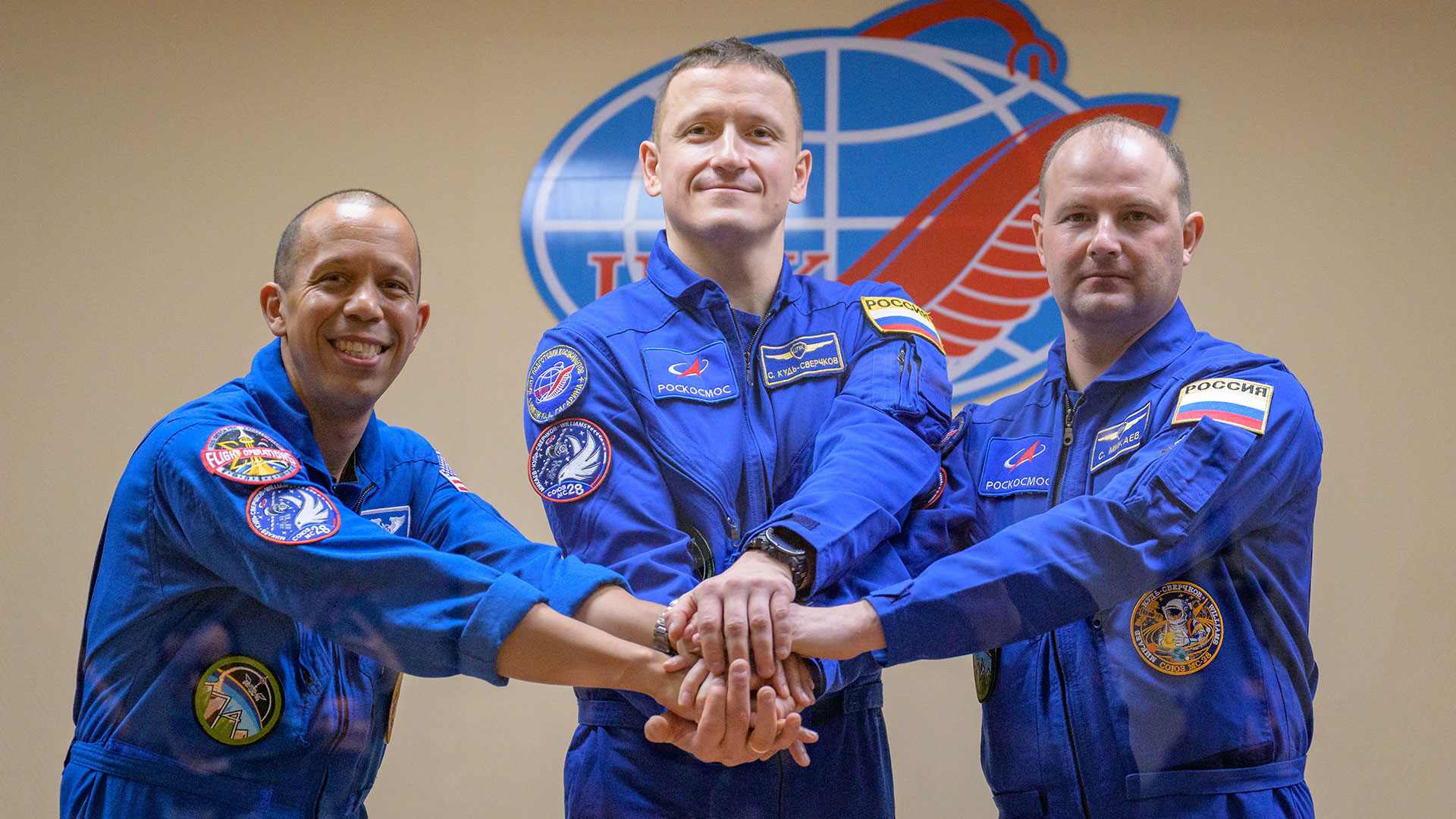
The Soyuz MS-28 crew pose on Nov. 26, 2025, a day before their launch. From left: Chris Williams of NASA and Roscosmos cosmonauts Sergey Kud-Sverchkov and Sergei Mikaev. (Image credit: NASA/Bill Ingalls)
Soyuz MS-28 launched to the ISS on Nov. 27, which was Thanksgiving Day. That liftoff kicked off the first space mission for Williams and Mikaev and the second for Kud‑Sverchkov.
When it's all said and done, the trio will have spent 241 days in space on their current flight. They will have orbited Earth 3,856 times and traveled a total of more than 102 million miles (164 million kilometers).
After touchdown, the three spaceflyers "will fly by helicopter to Karaganda, Kazakhstan, where recovery teams are based," NASA officials wrote in a media advisory. "Williams then will return to NASA's Johnson Space Center in Houston, while Kud‑Sverchkov and Mikaev head back to their training base in Star City, Russia."
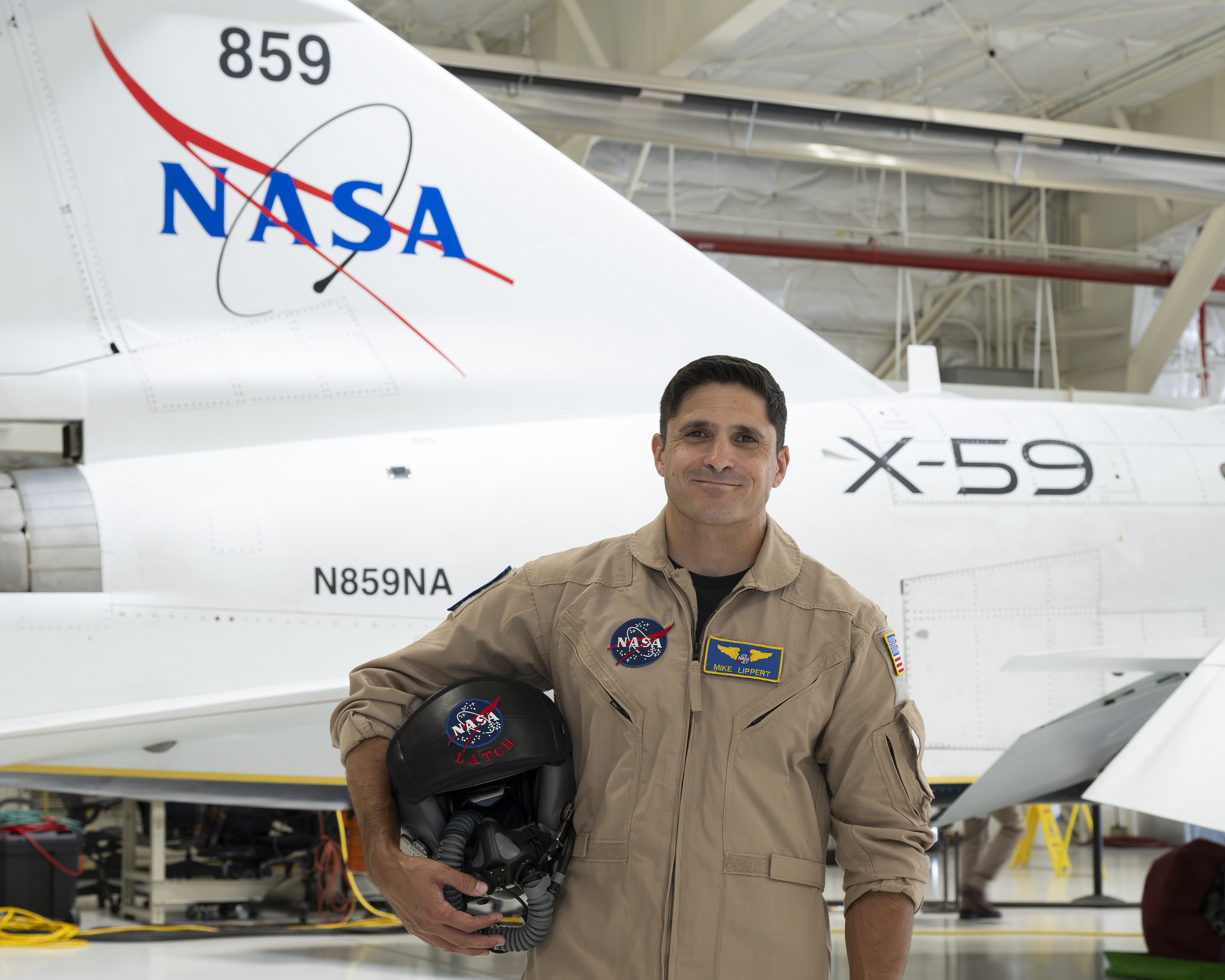
NASA’s X-59 test pilot Mike Lippert stands in front of the agency’s X-59 quiet supersonic research aircraft at NASA’s Armstrong Flight Research Center in Edwards, California, on Wednesday, June 24, 2026.
NASA/Carla Escamilla
NASA added a new X-59 test pilot to support the agency’s Quesst mission: Mike Lippert, a research test pilot based at NASA’s Armstrong Flight Research Center in Edwards, California.
“This fulfills a lifelong dream of conducting airborne research and experimental flight test for NASA in the high desert — contributing to humankind’s understanding of the science of flight and the nature of the world around us,” Lippert said.
Lippert will fly the X-59, along with the F-15 and F-18 support aircraft to monitor the quiet supersonic X-plane when it’s in the air. He joins Nils Larson and Jim “Clue” Less, who have been flying the X-59 since its first flight in October 2025.
A South Carolina native, Lippert served 20 years with the U.S. Marine Corps before retiring last year as a lieutenant colonel. Like his fellow test pilots, he boasts an impressive flight resume, including logging more than 2,600 hours of flight time in 60 different types of aircraft.
Lippert said he finds test pilot work especially rewarding.
“For me, the joy of taking part in experimental flight test and airborne research is the experience of discovery and learning something new every day,” he said. “It is incredibly rewarding to be part of a team solving complex problems and venturing into the unknown, together.”
Lippert spent the majority of his career flying the AV-8B Harrier operationally and serving as a test pilot in the F-35 program. He is also an aerospace engineer, earning a bachelor’s degree from the United States Naval Academy in Annapolis, Maryland, and a Master of Science in flight test engineering from the U.S. Air Force Test Pilot School at Edwards Air Force Base in California. Additionally, he earned a Master of Science in systems engineering from the Naval Postgraduate School in Monterey, California.
Lippert is currently pursuing a doctoral degree in aerospace engineering at the University of Alabama Graduate School in Tuscaloosa, where his research focuses on high-speed gas dynamics, including supersonic and hypersonic fluid mechanics — complementing his work on the Quesst mission.
Lippert is busy preparing for his role at NASA by flying training flights on support aircraft and spending time in the X-59 simulator. He is expected to begin flying the X-59 later this summer.
Having launched on July 16, 1969, and landed on the Moon on July 20, the Apollo 11 astronauts returned home and splashed down in the Pacific on July 24, 1969. In a historically momentous trip, Neil Armstrong and Buzz Aldrin had become the first people to step onto the Moon. (The third member of theirContinue reading "July 24, 1969: Apollo 11 returns home"
Earth’s orbit is getting crowded. About 16,000 satellites currently circle our planet, supporting everything from GPS navigation and weather forecasting to banking, emergency services and internet communications. Dozens more are launched every few weeks. Some estimates suggest the total number of satellites could exceed 100,000 within this decade, with more conservative estimates landing on up to 60,000 satellites byContinue reading "There are already 16,000 satellites in Earth’s orbit. How will we manage the next 100,000?"
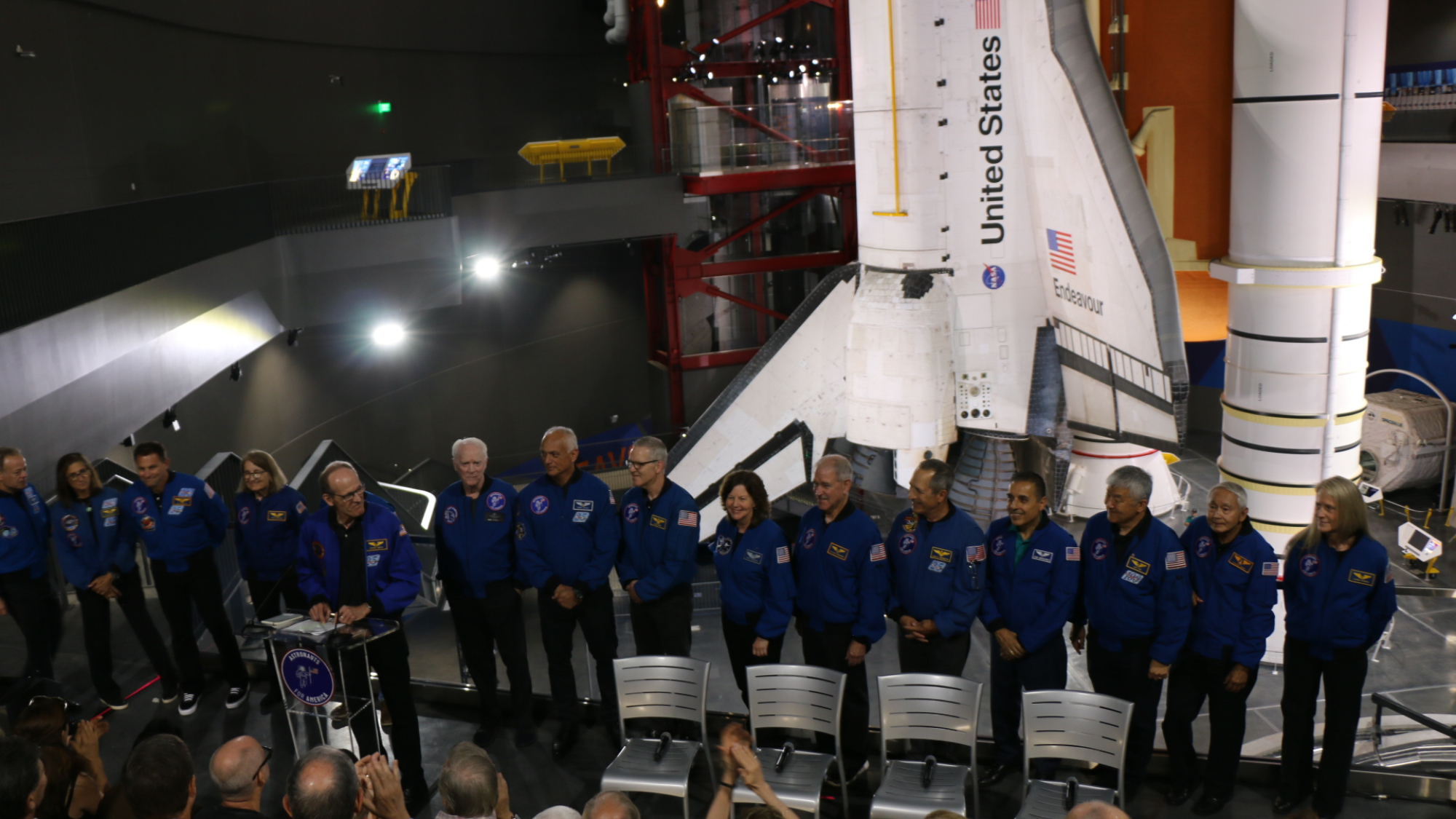
LOS ANGELES — Standing in the shadow of the space shuttle Endeavour, a group of retired NASA astronauts announced their plan to travel the country visiting colleges to try to inspire younger generations to get out and vote. This campaign comes as we lead up to the November midterm election.
This past year, a group of retired NASA astronauts teamed up for a single cause: to defend the U.S. constitution. They banded together as part of a non-profit, non-partisan activist organization called Astronauts for America. So far, they have been speaking out, using their astronaut expertise, platforms, cultural relevance and role model status to speak out in support of "science, evidence-based decision-making, public service and the rule of law," their website reads. Now, as the group announced at an event at the California Science Center's new air and space center — home to the shuttle Endeavour — they're hitting the road on a campaign tour of colleges called "Vote for Freedom."
"We have to do what we can to ensure that the country makes it through the challenges that we're dealing with here, and that is the message that we're going to be taking to colleges and universities," Apollo 9 astronaut Rusty Schweickart told Space.com. "And the agency that we have, the immediate agency, is to vote."
This tour will send astronauts from the group on a four-month jaunt across the country. Astronauts from the group's more than 100 members will visit state and community colleges, county fairs and even town halls, aiming to reach first-time voters and young people who might be new to voting.
"I'm really excited to look a bunch of younger Americans in the eye and make sure that they know that someone that they can trust said: ;Listen, you matter, because our country matters, and our country needs you,'" former NASA astronaut Cady Coleman told Space.com.
"It's with a uniquely American kind of freedom that we were able to go to the moon, and that same freedom launched the spaceship behind us 25 times into space. Now we see those freedoms under heavy threat," former NASA astronaut Steve Smith said during the event. "We're seeing chaos instead of community, violence instead of votes, lies instead of laws, and fear instead of fate. That's how democracy and freedom die."
"The mission is all that matters. Now, our country is the mission, and our message is simple: going to the polls is one small step for you, and one giant leap for our country," Smith added.
Former NASA astronaut Steve Smith speaks alongside other former astronauts in front of the space shuttle Endeavor at the California Science Center on July 20, 2026. (Image credit: Space.com/Chelsea Gohd)
This campaign leads up to the U.S. midterm elections this November. Midterm elections happen halfway through every four-year presidency. This election allows voters to decide what Congress looks like, and which political party controls Congress. This can ultimately have a major impact on what laws and decisions are passed moving forward, and whether Congress will reject or change actions by the president moving forward. And this group of astronauts is serious about the importance of getting people out to exercise their right to vote.
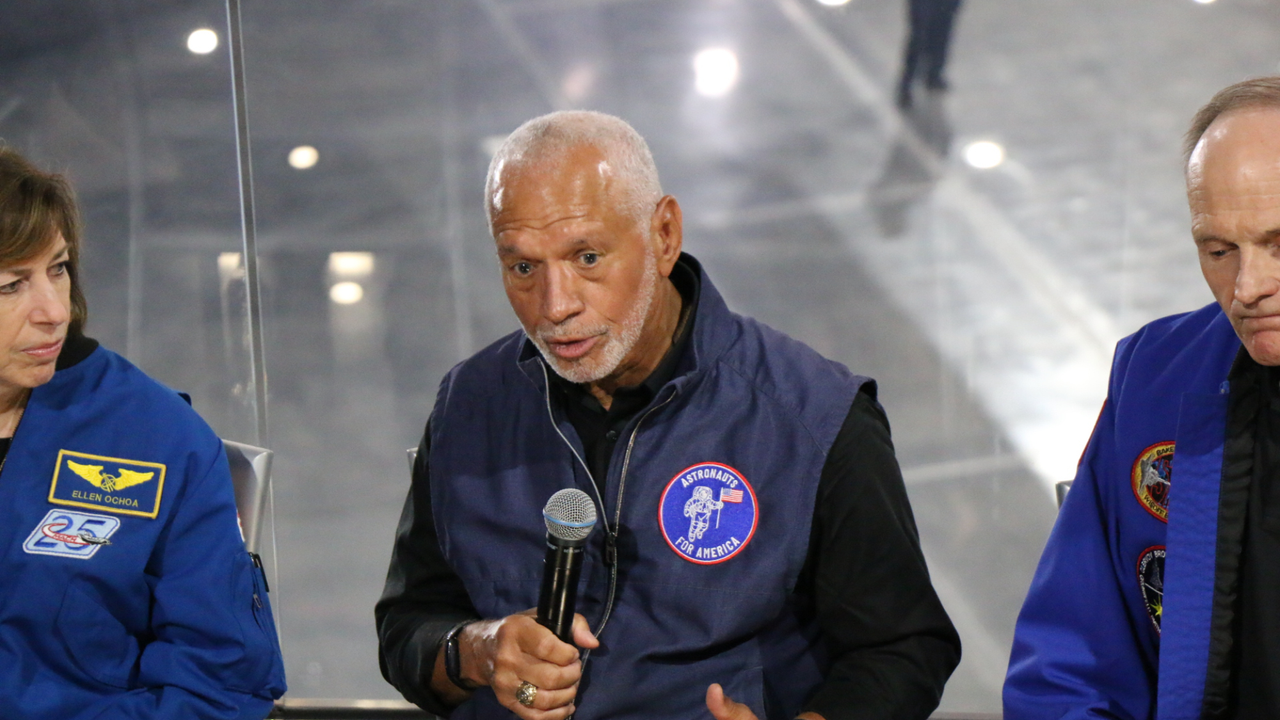
"I'm a child of the segregated South; I grew up in Columbia, South Carolina," former astronaut and NASA Administrator Charlie Bolden, who also serves as a steering committee member for Astronauts for America, said at the event. "I graduated in 1964. Anybody know what happened in 1964? The Voting Rights Act. So, as a person growing up in my hometown, it wasn't a guarantee that my mom and dad were going to be able to go out and vote. I look at what's going on today about people trying to restrict the ability of people to cast their ballot. That's not who we are. That's not America."
The group of astronauts recently spoke out about voting access after the U.S. Supreme Court ruled in favor of protecting the right to absentee voting, in response to attempts by the Trump administration to place restrictions on the current voting process. Especially leading up to the November midterms, each vote carries significant weight. And while this nonpartisan group isn't telling you who to vote for, they do think that everyone who can should vote.
"As astronauts, we signed an oath to our nation, and we are mission-oriented people. And our nation is now the mission," Coleman added. "We need to recognize that everyone's voice is important, and one of the voices that we don't hear very much is the young people. And we want them to understand that, even though sometimes change can seem daunting, their perspective is really important, and, you know, their voice is important."
On July 23, 1999, the Chandra X-Ray Observatory launched aboard the Space Shuttle Columbia; it would see first light a few weeks later, on Aug. 26. With resolution eight times greater than any previous scope, Chandra is the most powerful X-ray telescope ever built. The observatory is intended to help scientists understand the universe’s evolutionContinue reading "July 23, 1999: Chandra X-Ray Observatory launches"
I test a lot of apps, so I have strong opinions about TestFlight. However I usually keep those opinions to myself because despite the fact that it’s critical to my work, TestFlight wasn’t built for app reviewers. Most people haven’t accumulated hundreds of active and inactive betas in the app like I have, and for them, TestFlight is probably fine. However, for me, TestFlight is a constant sourceof frustration.
So, you can imagine my excitement when I read a post by Zac Hall at 9to5Mac that a search field had been added to TestFlight. “Finally,” I thought to myself. I stopped what I was doing and updated the app immediately. After all, search was my number one request for TestFlight back in 2024.
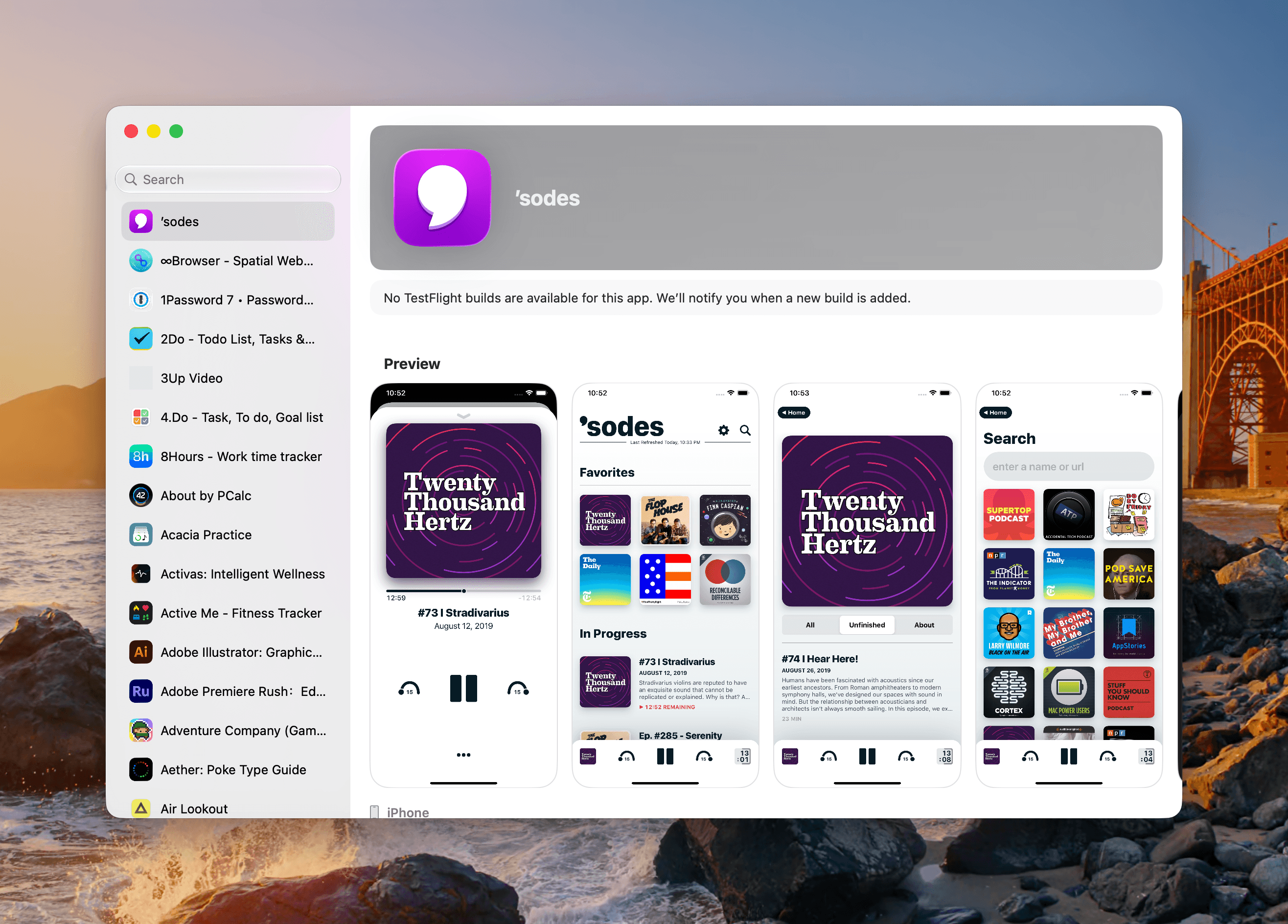
An apostrophe gets you the top spot in Apple’s new alphabetical TestFlight list.
That 2024 wishlist was published in the wake of a bad stretch the app had beginning in 2023. At the time, TestFlight was plagued by laggy performance if you were on a lot of betas. To Apple’s credit, they fixed the performance issues, though the issues have begun to creep back into recent releases. Still, the past couple of years as a TestFlight user have been fine despite all the ways the app could be made better for users.
When the TestFlight update finished installing, I eagerly opened it on my Mac and then my iPhone. Sure enough, there was the search field at long last. Lists practically beg for a search field, and finally someone at Apple added one, and to whoever built that feature, a huge thanks from me and the MacStories team.
Unfortunately, this story comes with one very big “but.” Previously, TestFlight betas were listed in reverse chronological order, which I liked. The newer beta releases were at the top of the list and the older ones that were on the verge of being replaced by an App Store release were at the bottom, along with expired betas, a list that I never really understood the purpose of.
Well, those expired betas are now scattered among the active TestFlight betas in an alphabetical list and it seems that the expired beta list has been expanded to include every single beta I’ve ever been a part of. I did a rough count and for me that’s nearly 800 app listings. As you can imagine, the active betas in that list are few and far between. Search helps, but scrolling is no longer an option.
The live betas are few and far between when mixed with betas gone by.
I get that this is a very “me and a few of my friends” problem, and search does help, but it’s not enough. The active to inactive beta ratio is so bad that few iPhone screens include more than two or three active betas. So here’s my proposal:
Add a toggle in TestFlight’s settings that hides inactive betas.
That’s it, that would make all the difference in the world. I’d love to have the reverse chronological ordering back, a performance tune-up, and the other things I wished for back in 2024, but I’ll live with hiding all the noise from my beta list.
Researchers identified the Chicxulub impactor as an exceptionally rare type of asteroid that wouldn't have triggered a mass extinction in the way scientists previously thought.
 Login