❌

Reading view

Volkswagen plans to win America back with a pickup, report says

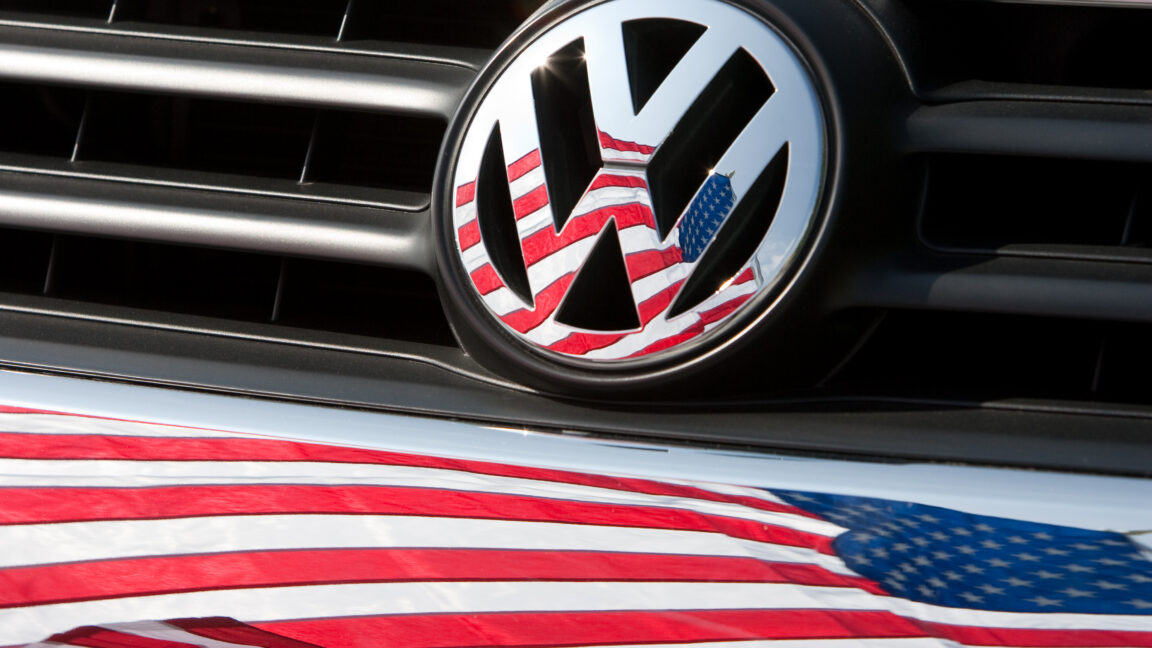
A US-made pickup truck by 2030 is part of Volkswagen Group's plan to revive its American business. According to a Reuters report, entering this competitive but high-margin market, as well as the large SUV segment, is the path forward, since both are areas the automaker currently ignores.

The report is anonymously sourced, and VW declined to comment, so take the news with a pinch of salt. But it does make sense: Love it or hate it, the four-door pickup truck is the go-to for Americans who want one vehicle that can carry passengers and cargo that doesn't need to be shielded from the elements. You might think a hatchback or a station wagon would be just as good or better, but that's probably why you're reading Ars Technica in the first place.

Tariffs and an antediluvian approach to emissions controls might make the US market a haven for vehicles that are uncompetitive or unsellable elsewhere, and the pickup truck market in the US will account for almost $200 billion in sales in 2026, with projections to continue growing each year, so one can certainly see merit in the idea. The global car might be dead, but that just means you need to develop cars for each region's taste. And Americans really like pickup trucks.
Read full article

Comments

Β© Friso Gentsch/picture alliance via Getty Images
  •  

A curious crossover: The Toyota C-HR review

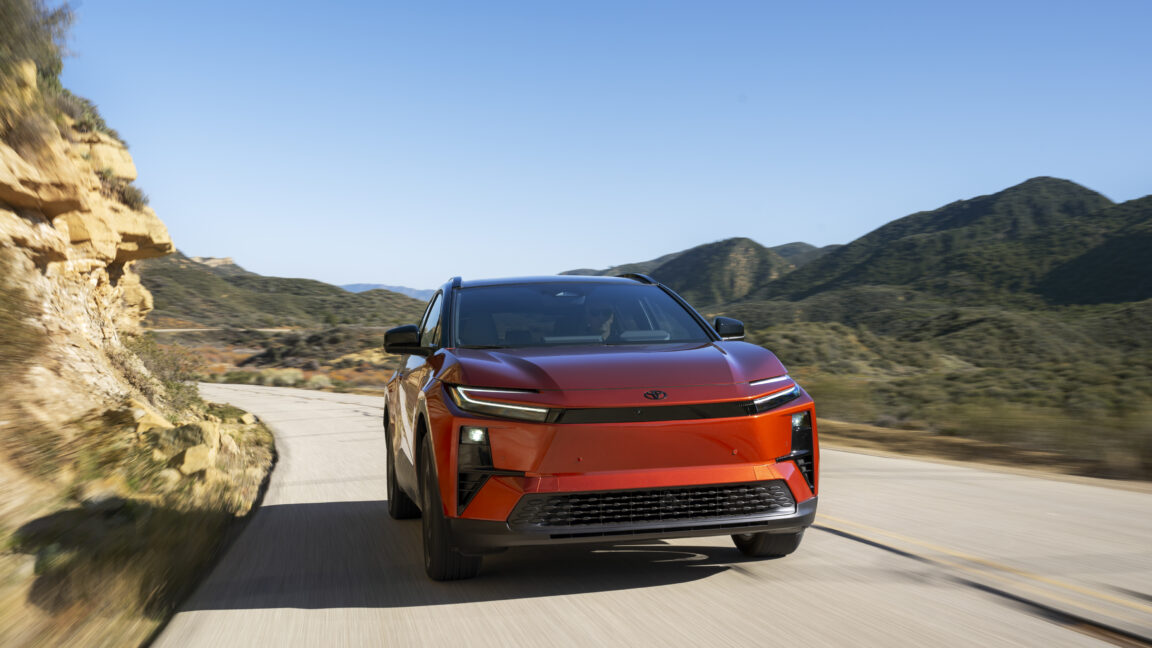
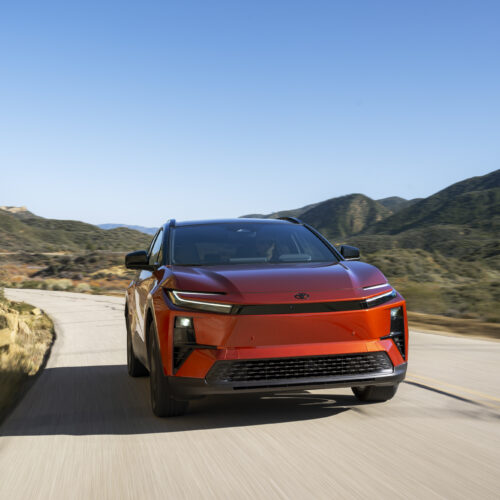
After a slower start than its major rivals, Toyota has been making up for it with a flurry of new electric vehicles for the North American market. Its first attempt, the bZ4x, was an also-ran, but a new battery pack, more efficient motors, and a NACS charging port transformed the face-lifted bZ into an EV I happily recommend. Then, earlier this year, it followed up with some bZ-related variants. For those who miss the vibe of a station wagon, there is the bZ Woodland, and an all-electric Highlander is nearing the showroom, too. But today's focus is the C-HR, and I'm still not entirely sure what to make of it.

It's the smallest of the bunch, some 6.7 inches (170 mm) shorter than the bZ. But it's still as wide and only a little more than an inch shorter. So if you're put off by the bZ's size and are looking for something diminutiveβ€”and based on reader feedback, there are many of you out thereβ€”this small SUV will probably still fail to pass muster.

It's not any cheaper than the bZ until you consider that the C-HR is only available with one choice of powertrain: a twin-motor AWD setup with a combined 338 hp (252 kW) powered by a 74.7 kWh battery pack. That same arrangement, with a 223 hp (167 kW), 198 lb-ft (268 Nm) front motor and 118 hp (88 kW), 125 lb-ft (169 Nm) rear unit, costs almost $3,000 more in a bZ than the $37,000 starting price of the C-HR.

Read full article

Comments

Β© Toyota

  •  

Lucid lays off 1,500 workers in second big cut of the year

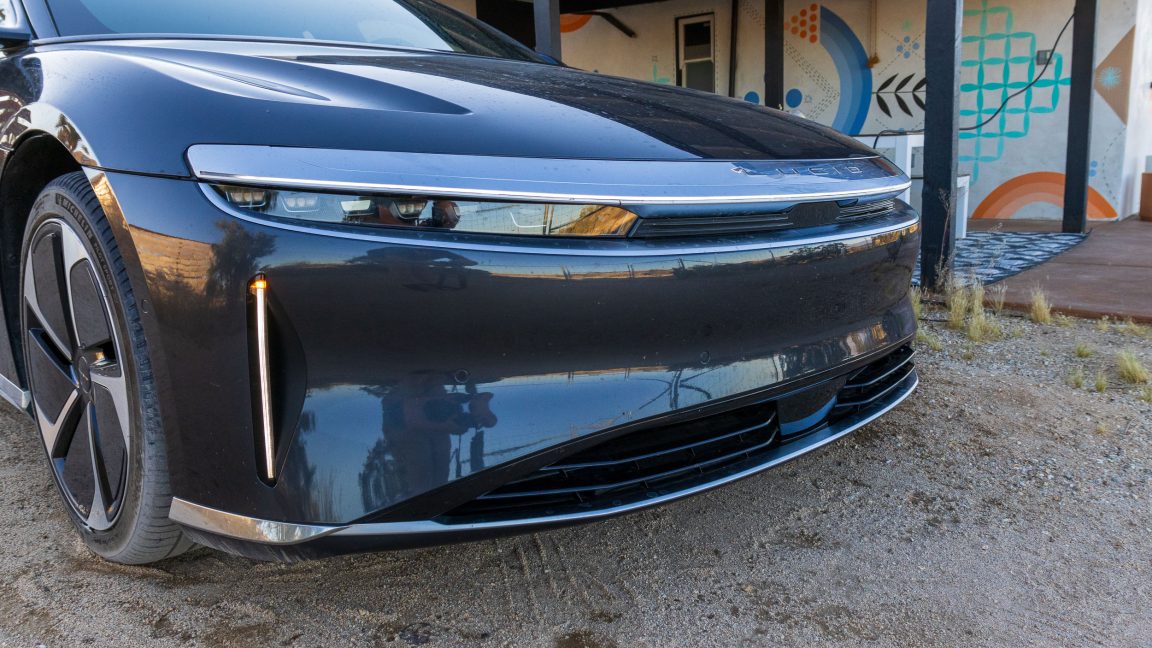
Just three months ago, Lucid Motors showed off a new midsize electric vehicle platform that it said would give rise to a number of new vehicles in the coming years. The Saudi-backed startup is now selling its Gravity SUV alongside the ever-improved Air sedan and plans to reach profitability with smaller and cheaper models sold in higher volumes. But things are far from rosy at Lucid; today, the automaker is laying off approximately 1,500 workersβ€”18 percent of its workforce.

These aren't the first layoffs of the year, either; In February, Lucid let go of 12 percent of its workforce.

In a filing with the Securities and Exchange Commission, Lucid wrote that the layoffs were "designed to advance the Company’s path toward profitability and positive cash flow generation by streamlining its organizational structure, optimizing operating expenses, and aligning production plans with anticipated demand."

Read full article

Comments

Β© Evan Williams

  •  

The Slate Truck's price may have leaked, starts at $24,950

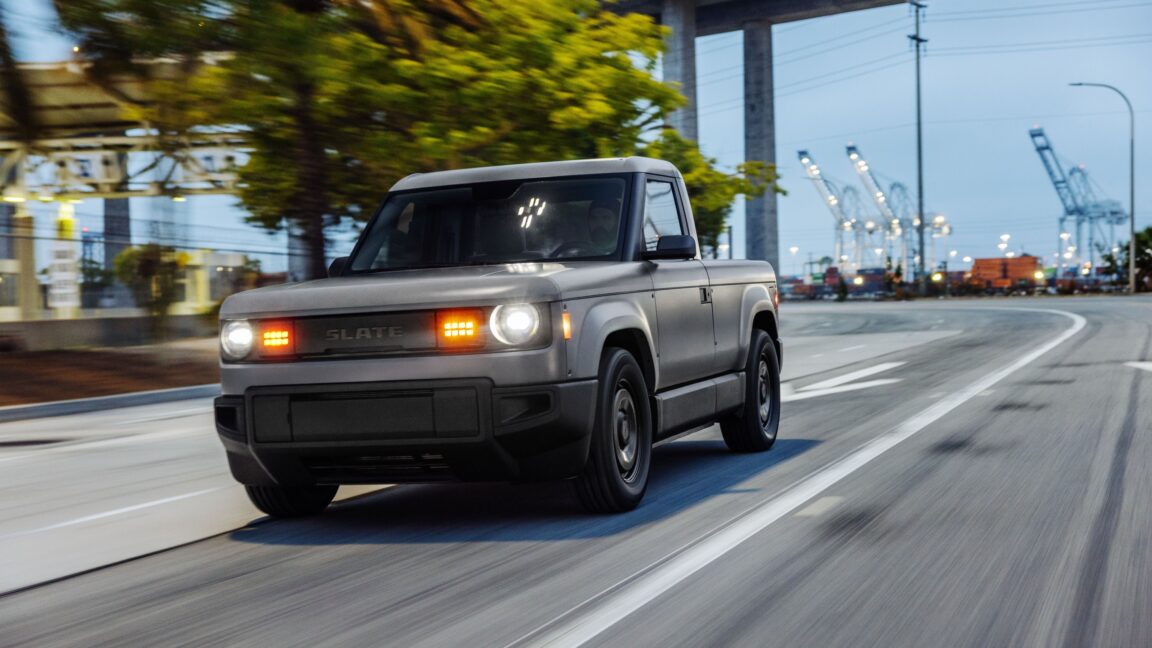
One of the most hotly anticipated electric vehicles makes its formal debut next week. It's the Blank Slate, a refreshingly simple pickup truck EV designed by Slate Auto, which is trying to take some of the soaring cost out of a new car with a back-to-basics approach that means even electric windows are an optional extra. Of course, a crucial aspect of this pared-back approach is pricing.

Plenty of people are attracted to the idea of a truck with a compact footprint, no infotainment system or embedded modem, and the option to upconvert it later into an SUV or fastback. In the abstract, at least, people aren't going to jump at the prospect of a truck with 150 miles (241 km) of range if it costs too much.

When Slate broke cover in 2025, it was targeting a price of around $20,000, assuming the $7,500 IRS clean vehicle tax credit would remain in effect, but it was abolished later that year.

Read full article

Comments

Β© Slate Auto

  •  

Native NACS ports, infotainment upgrade for MY27 Porsche Taycan

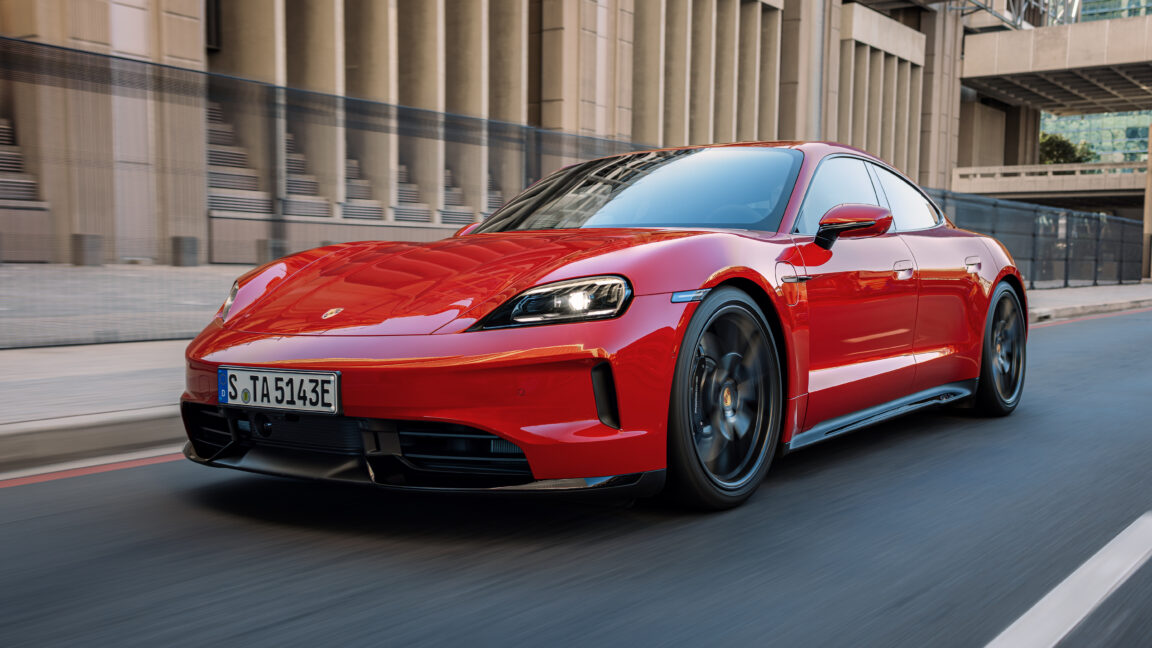
Has the allure of the Porsche Taycan waned? The four-door electric sedan that thinks it's a GT sold well for the first few years after its introduction in 2020, but sales began to slip even before the brand added the smaller, more affordable Macan SUV to its electric lineup. The EV underwent its midlife refresh a couple of years ago, but it seems Stuttgart wasn't done yet; Porsche has some more tweaks for model year 2027, at least for the US market.

For one thing, the 105 kWh performance battery is standard across the Taycan range nowβ€”which starts at $111,900β€”and can charge at up to 320 kW with an 800 V DC fast charger.

And as long as you're not ordering the stripped-out Turbo GT with the Weissach Pack, there's a new plug for thatβ€”the CCS1 port that usually lives on the passenger side has been replaced by a NACS port. So no adapter is needed to charge at any of those thousands of Tesla superchargers, but only a small percentage of them operate at sufficient voltage to charge near the Taycan's limit. But IONNA has native NACS chargers capable of 400 kW, and Porsche will provide a CCS1 adapter to use with Electrify America and other 800 V chargers.

Read full article

Comments

Β© Porsche

  •  

Mobileye is entering the US robotaxi market with standalone service

The driving technology company Mobileye plans to launch a robotaxi service in an as-yet-unnamed US city in 2027, it said earlier today. The service will be vertically integrated, using Mobileye's Moovit mobility platform to interact with customers booking rides, coordinate drivers, and so on. The Israeli company, which was bought by Intel in 2017 before going public again in 2022, says it will start with around 100 robotaxis early next year.

"Mobileye has spent more than two decades building the technologies required for autonomous driving," said Amnon Shashua, founder and CEO of Mobileye. "Today we are taking the next step: combining those technologies with operational ownership to create a financially and geographically scalable robotaxi business designed from the ground up for global deployment."

The company first rose to prominence in the mid-2010s, when Tesla began using Mobileye's advanced driving assistance systems (ADAS) as part of Autopilot. That relationship lasted until 2016, when Mobileye dropped Tesla as a customer after being alarmed that a driver assistance system was being sold to end users as driverless technology. Since then, Mobileye has continued to work with other partners on ADAS and autonomous vehicles.

Read full article

Comments

Β© Getty Images

  •  
❌