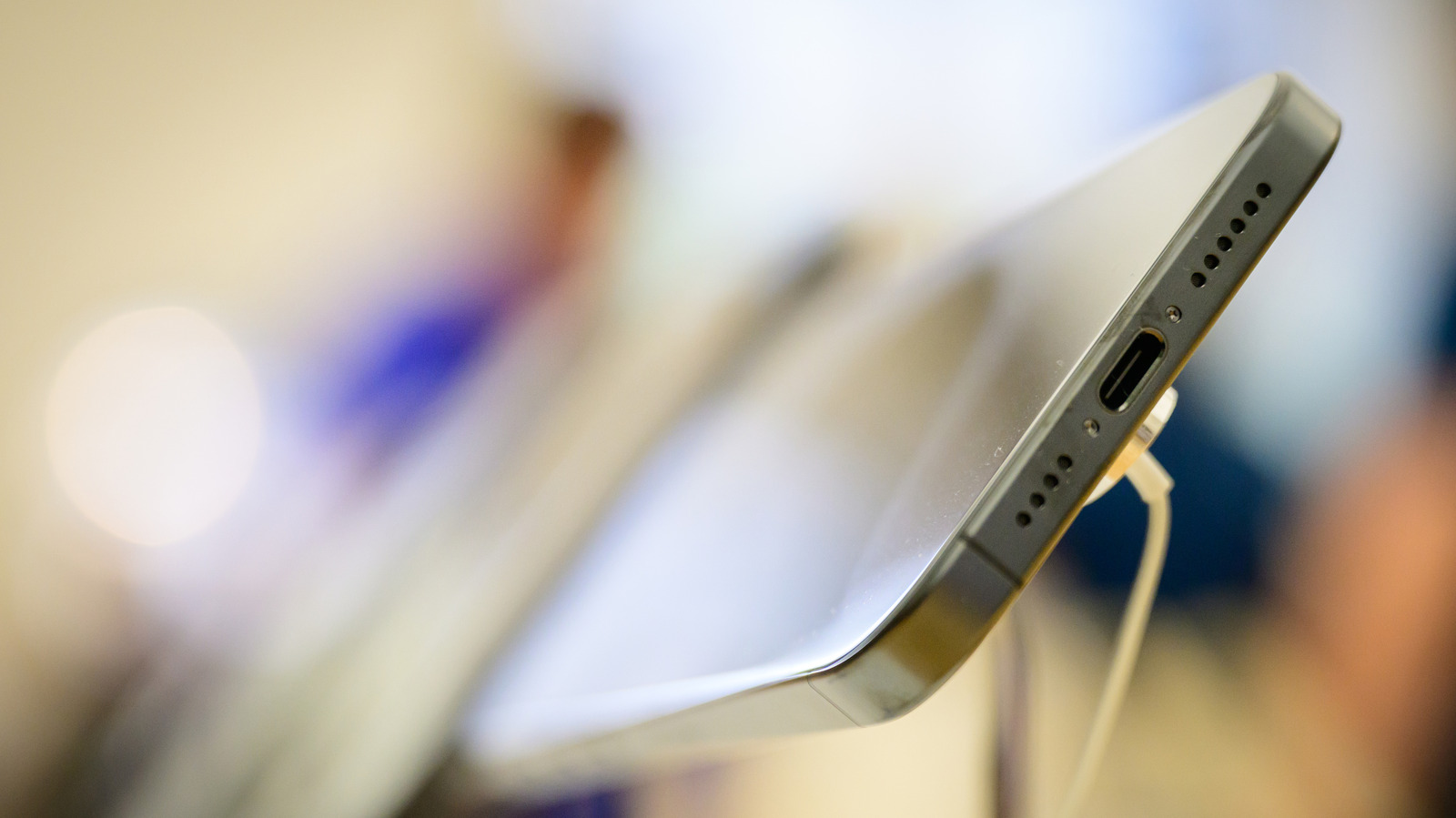
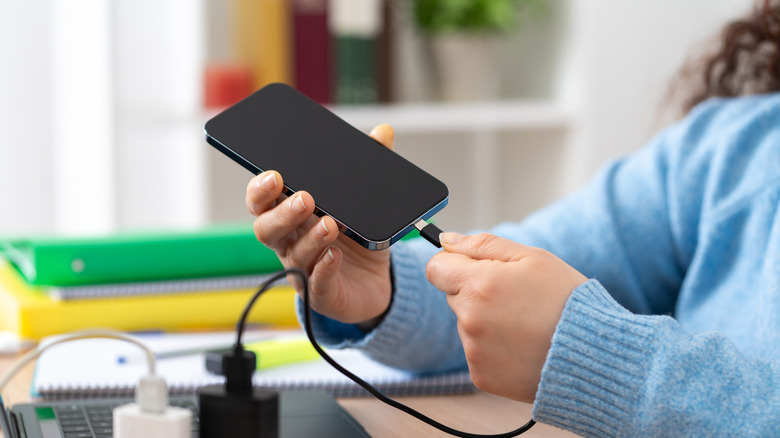
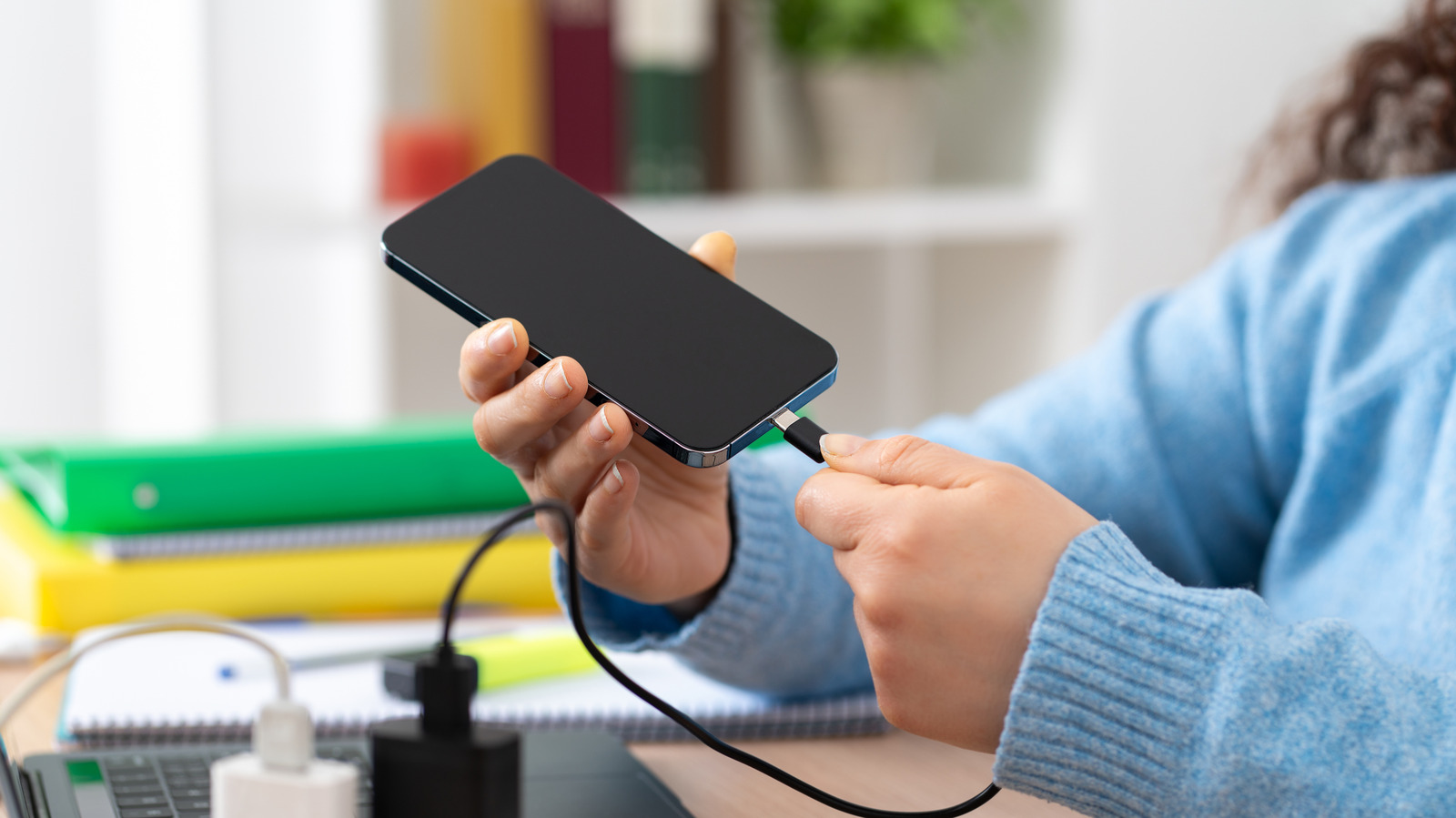
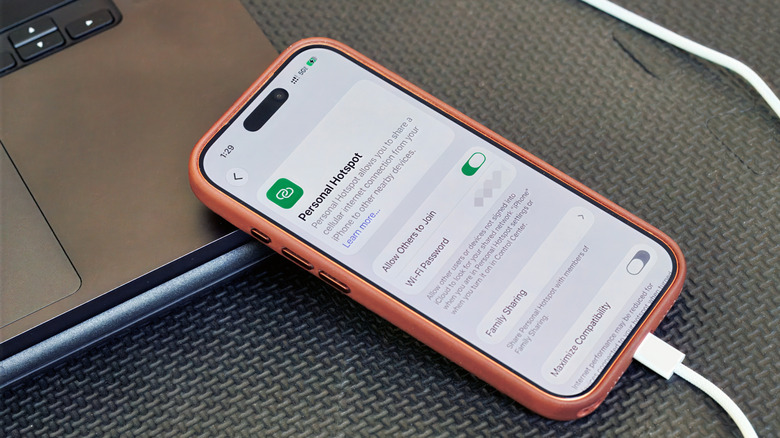
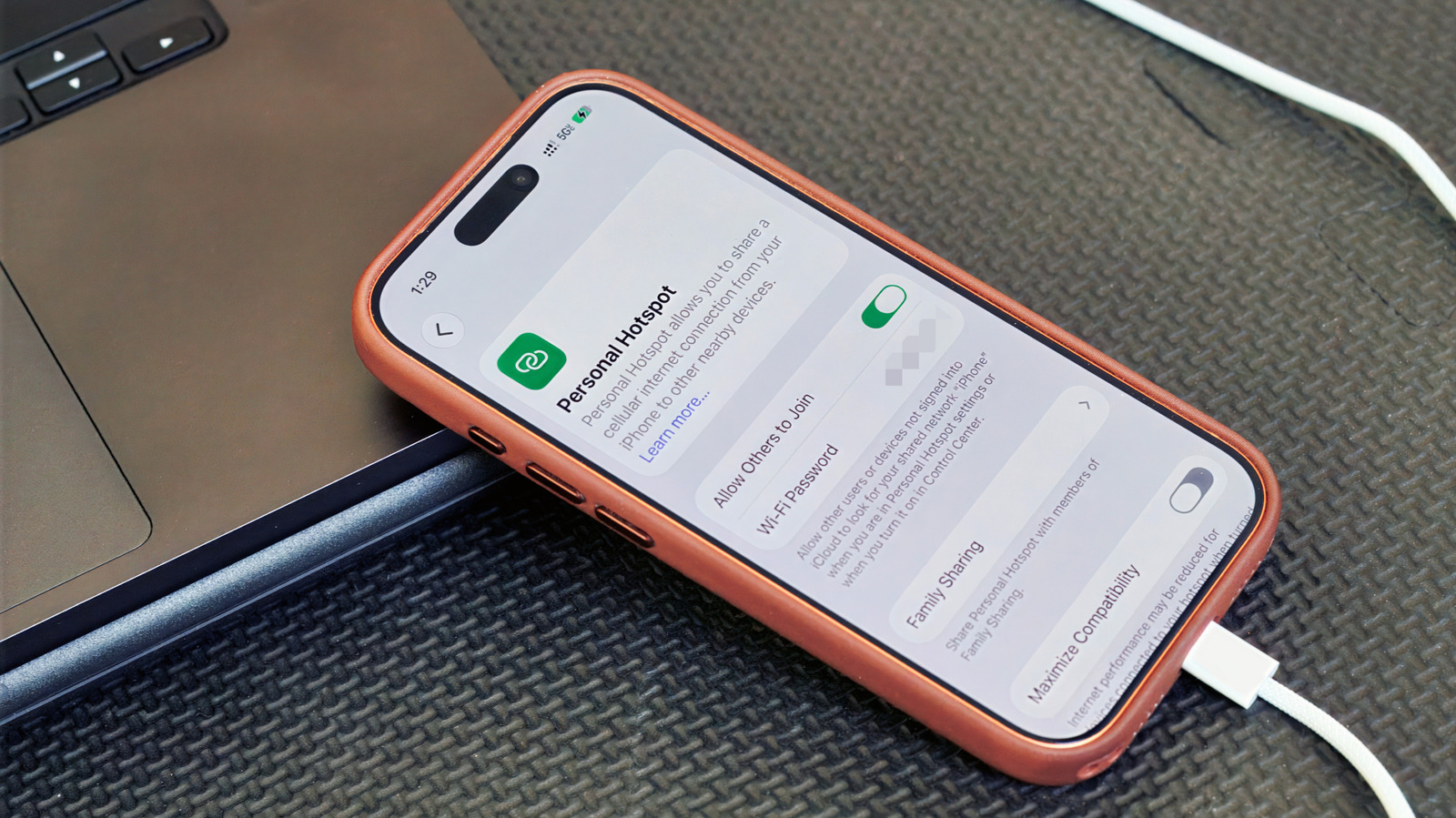
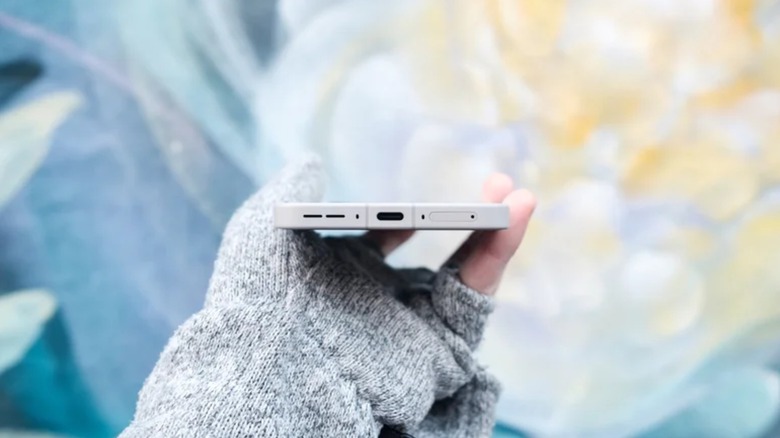
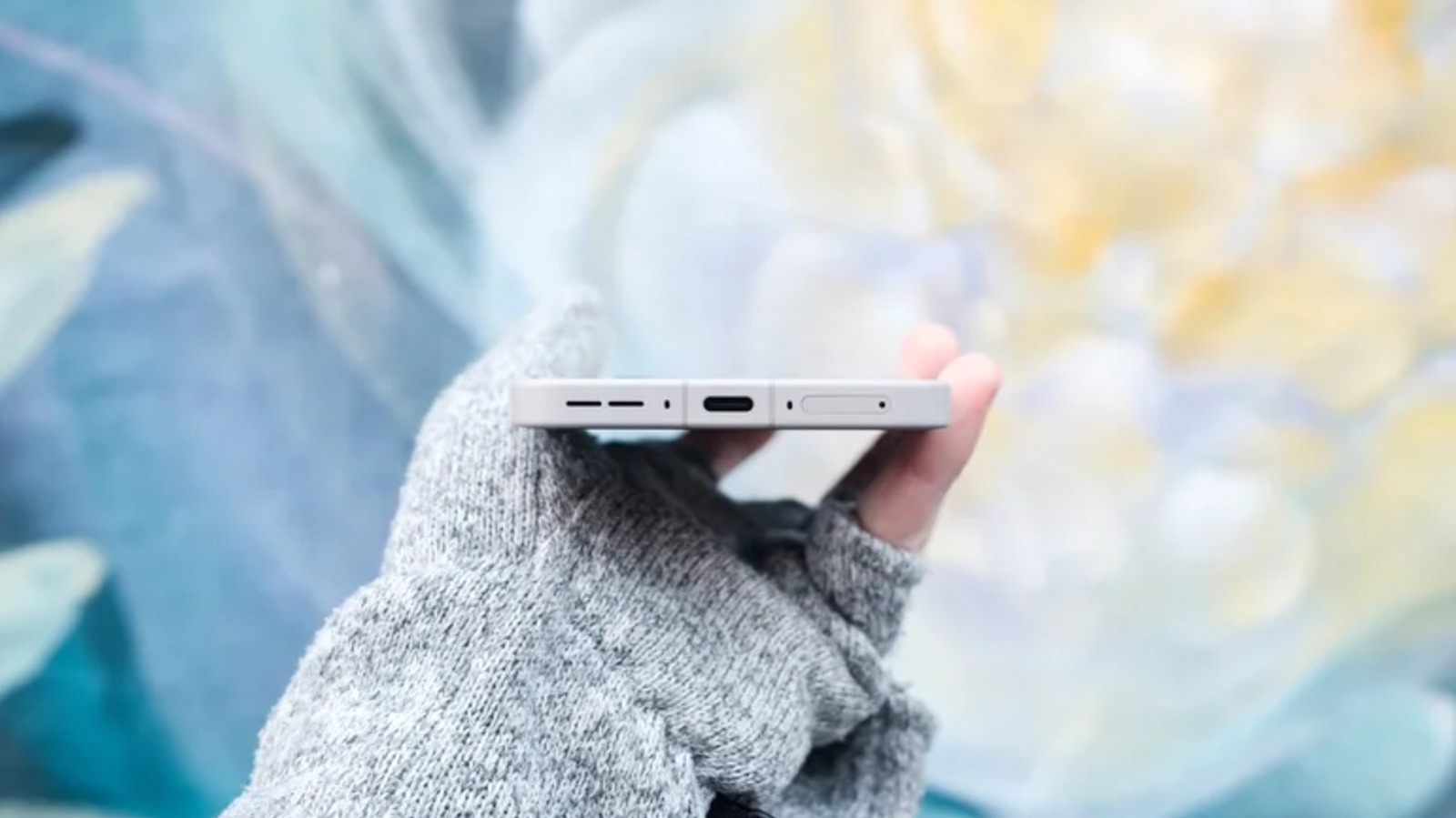
A USB-C port presents a lot of options for data transfer and connecting to accessories. Let's talk about some of the most useful ways to employ your USB-C port.
Apple dominated the premium smartphone segment in the first half of 2026, holding a commanding 65% market share, according to Counterpoint Research. The Cupertino company outpaced the broader industry as devices priced at $600 and above (wholesale average selling price) accounted for a record 29% of overall global smartphone sales.
Premium smartphone unit sales grew 5% year-over-year in H1 2026, outperforming the overall market. This marked a rise from 25% share in H1 2025 and 20% in H1 2022. Counterpoint attributed much of the latest jump to rising memory and component costs, which hit low- and mid-tier devices harder. As prices for mid-range Android phones climbed, the gap with premium models—including older or discounted flagships—narrowed, making higher-end upgrades more attractive. Manufacturers also expanded financing, trade-in, and buyback programs to improve affordability.
Apple’s premium segment shipments rose 9% year-over-year, fueled by strong demand for the iPhone 17 series, particularly the base model. This reversed a prior-year slowdown linked to intensified competition in China, the world’s largest premium smartphone market. Apple’s share edged up from 63% in H1 2025 but remains below the 74% peak recorded in H1 2022.
Global Smartphone Premium Segment Brand Unit Sales Share H1 2022 to H1 2026 Source: Counterpoint Research Global Handset Model Sales Tracker, Jun 2026 (Prelim). Premium Segment includes smartphones with a wholesale price of $600 and above.
Samsung held steady at 19% of the premium market (up from 17% in 2022) and posted 3% year-over-year growth despite a later-than-usual launch of the Galaxy S26 series. Together, Apple and Samsung controlled 84% of global premium smartphone sales, up from 82% a year earlier.
Among other players, OPPO recorded the fastest growth at 69% year-over-year, driven by its Find X9 series, while Vivo grew 20%. The remaining 16% of the premium segment was shared among Chinese brands including Huawei, Xiaomi, OPPO, and Vivo.
“Rising memory and component costs are reshaping smartphone pricing and creating opportunities for OEMs to accelerate premiumization,” said Counterpoint Senior Analyst Harshit Rastogi in a statement. “As mid-segment Android smartphone prices rise, the price gap with premium devices, especially older or discounted flagship models, is narrowing. This trend makes flagship smartphones a better upgrade option for consumers. To support this shift, OEMs are expanding financing, trade-in and buyback programs to improve affordability.”
MacDailyNews Take: The data underscores a continued shift toward higher-priced devices even as the broader smartphone market faces volume pressures. Premiumization is expected to persist, supported by better component access for leading brands, steady demand among higher-income consumers, and expanded financing options. In other words; More great news for Apple!
Please help support MacDailyNews — and enjoy subscriber-only articles, comments, chat, and more — by subscribing to our Substack: macdailynews.substack.com. Thank you!
Da Xiaomi à Realme, reunimos os smartphones com as maiores baterias à venda no mercado português, todos equipados com a tecnologia de silício-carbono que tem vindo a redefinir a autonomia da última geração de smartphones.
Sem grandes "trocas de cadeiras", o mais recente ranking da AnTuTu, dedicado aos smartphones Android mais poderosos de julho, continua a ser liderado pelo iQOO 15 Ultra, numa lista dominada por modelos equipados com o processador Snapdragon 8 Elite Gen 5.
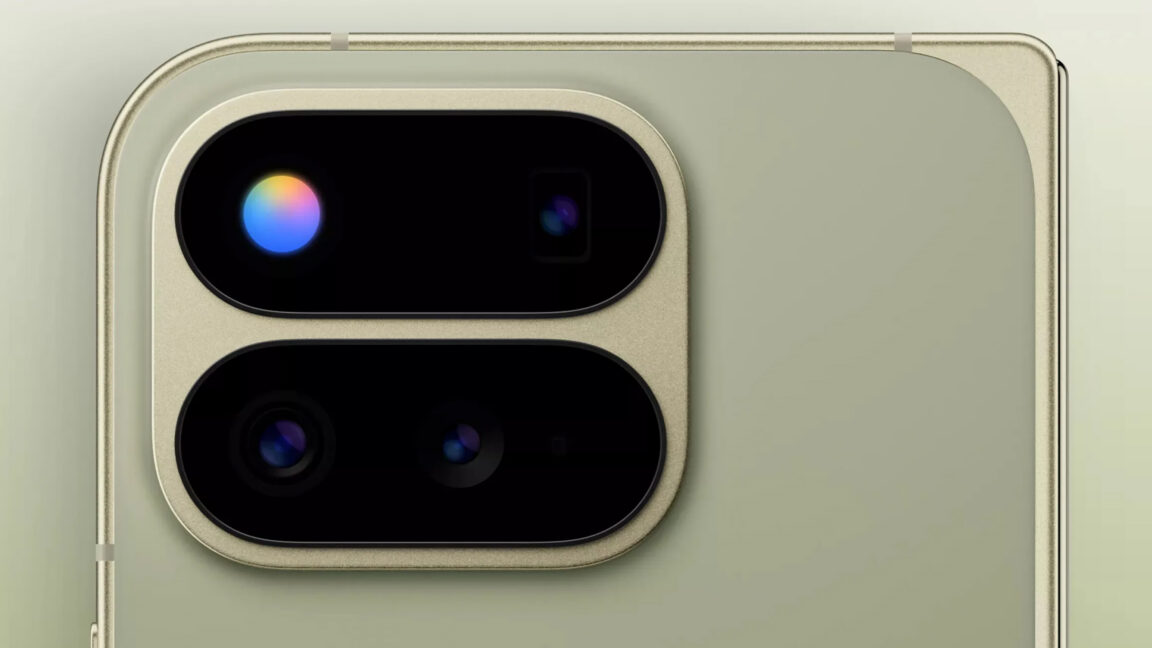
Google will reveal the Pixel 11 series later this month, but leaks and teasers so far have painted a picture of phones that have barely changed since last year. One notable exception seems to be the illuminated dot from some of the teasers. This has been rumored as "Pixel Glow," but a new leak all but confirms a different (and less interesting) name. Say hello to HiLight.
A post on Bluesky by WinFuture's Roland Quandt shows the new LED inside the camera module of the Pixel 11 Pro Fold. We can see the actual body of the device rather than a shadowy outline as in Google's teasers, and it does look a bit different than the previous Pixel Fold.
The camera bump on the Pixel 11 Pro Fold is smaller, with no separate section for the flash off to the right. It appears that HiLight is the flash. Presumably, it still works as a flashlight and camera flash, but it can also produce a range of colors.
Chinese smartphone makers have been followers in the global market, embracing the concepts and paradigms set in the past 20 years by Apple and Google. But AI may be giving the Chinese an opportunity to break away and set their own path forward.
Specifically, Chinese companies are integrating AI more fully into smartphones, and also using AI for limited robotics in phones. Here’s what you need to know about these emerging trends.
China’s ZTE recently showed its Nubia NaviX Ultra. The phone runs ByteDance’s Doubao AI agent, which users can access with voice commands or by pressing a button on the phone. The phone has no home screen and no conventional app store.
Another Chinese company, called StepFun — it was founded in 2023 by Jiang Daxin, a former Microsoft vice president and chief scientist at Microsoft’s Software Technology Center Asia — sells a phone called the StepX Neo. It runs a proprietary operating system called Step AOS based on Android, Linux, and an RTOS containing a built-in AI agent called Step Amoo. The StepX Neo splits phone functions into four primitives (communication, apps, files, system tools) that the agent recombines based on the stated goals of the user.
Honor, a phone maker spun off from Huawei, has an AI agent the company built with input from Alibaba called the YOYO Intelligent Agent. It ships on Honor’s entire MagicOS 10-eligible lineup.
Note: an American company is enabling this. All three phones use Anthropic’s Model Context Protocol (MCP) to give system-level access to the agents.
None of these phones will become available in the United States. ZTE is banned from the US by the FCC over national-security concerns, while the StepFun and Honor phones are built for the Chinese market with no US version planned.
All modern smartphones can run AI. By simply visiting the Apple App Store or the Google Play Store, anyone can download dozens of AI apps, including those offered by the frontier model companies. Or they can use the AI services and tools built in to phones by Apple and Google.
How agentic AI phones are different
What’s different about the new agentic AI phones in China is that the operating system itself has an agentic AI layer that enables it to function across apps and instead of apps.
While agentic AI phones represent a minority of the current market, they feel like the future. And that future is consequential. First, it’s a another step toward independence from Android. Google’s services layer is already gone from China. Now the Android app layer is being replaced by vertically integrated agent stacks owned by Chinese super-app companies.
Despite building agentic features that cross app boundaries to a limited degree, Apple and Google are unlikely to allow third-party agents to replace the app layer of their mobile OSs anytime soon.
Apple takes 15% to 30% of app revenue. And (according to an estimate introduced during the Epic v. Apple/Google litigation but not confirmed by Google), the Play Store has historically accounted for somewhere between 17% and 26% of Google’s operating income. The entire economic logic of iOS and Android depends on apps. An agentic layer that dissolves those apps into tasks isn’t something either company wants to think about. The Chinese OEMs can blow up the app model because they had no stake in it.
Meanwhile, the AI trend is suffocating mobile app in-app purchases, which dropped by roughly 40% by early 2026, even as people pay more for those purchases compared to a few years ago (because they’re dominated by subscriptions to AI and vibe-coded apps). In other words, even inside the app stores, there’s a shift from the old app model to AI replacements.
AI is not only changing the software model, but the hardware model, too.
Robot phones
Another categorical way China is splitting off from the global smartphone concept is the nascent market of robot phones. A robot phone is one that uses AI to control physical robotic components on an actual phone.
The leading contender in this field is a device called the Honor Robot Phone, which I wrote about in March. A leaked unboxing video of the Honor Robot Phone appeared this week on the Chinese social network Weibo.
The robotic element is a gimbal with a 200-megapixel camera on it. One basic use is that the phone can remain stationary while propped up on a table or clamped to a tripod, while the camera tracks a moving subject using AI. Another use is to walk while using it and let the gimbal smooth out the jiggling and movement. Software on the phone also enables automated cinematic special effects.
But the real leap forward is in “self expression” for the phone. The Honor Robot Phone exhibits subtle Attachment Economy features. It shakes its “head” no and nods yes. And it can do a “backflip” to “cheer you up.” The phone gets a personality.
Honor plans to launch the phone on Aug. 12 in China.
So-called “robot phones” are even more rare in China than agentic AI phones. Still, the Honor Robot Phone represents another Chinese departure from the Silicon Valley smartphone hardware model of a static pane of glass. The Honor Robot Phone has a body. It feels like the future, too, as it’s one of the rare products in the emerging Attachment Economy, where humanlike attributes (in this case, gestures and body language) are deployed to make the consumer more “attached” to devices that seem like they have thoughts and feelings.
The AI future of phones
As the Chinese smartphone market splits off from the American one, it presents an alternative for the world. Because if the agentic AI phones succeed in China, they’ll almost certainly be offered internationally.
That represents not only hardware sales, but the penetration of Chinese super-apps, Chinese financial services, Chinese AI-based information (and along with it, the Chinese government’s world view, we can expect).
The only question is: Will the world prefer the Chinese agentic AI approach or the US AI app model?
Adding to the complexity is the coming wave of AI wearables, most of which will likely be wirelessly “tethered” to smartphones that provide intelligence and connectivity. Soon, we’ll be conversing with our glasses and watches. Our glasses and watches will be “conversing” with our phones. And our phones will be conversing with AI models that represent the values, beliefs and biases of their creators.
The Chinese agentic AI movement represents a split in how phones work and how the people worldwide interact with information, technology and each other.
AI disclosures: This article is 100% human-written by the author, Mike Elgan. Some research, ideation, and fact- and grammar-checking was performed using AI tools.
Apple in China occupies a position unlike the company’s presence in any other country. China is simultaneously a major consumer market, a critical manufacturing center, an extensive developer economy and the home of Apple’s most determined hardware competitors.
That combination creates an opportunity few technology companies can ignore. China has hundreds of millions of affluent mobile users, a strong appetite for premium devices and a digital economy built around smartphones.
It also creates unusual complexity. Apple must compete with Huawei, Xiaomi, Oppo and Vivo while satisfying Chinese regulations, navigating tensions between Beijing and Washington and reducing its manufacturing dependence without damaging the supplier network that helped make the iPhone possible.
The latest market figures show why Apple cannot treat China as a business it has already lost. IDC estimated that Apple captured 18.1 percent of Chinese smartphone shipments during the second quarter of 2026, placing it second behind Huawei at 22.6 percent.
Apple’s shipments increased by 24.4 percent from the previous year even as the wider Chinese smartphone market contracted. The recovery demonstrated that Chinese demand for the iPhone remains substantial when product design, storage, performance and pricing align with consumer expectations.
The same figures also show why the position can never be considered secure. Huawei remains ahead, local brands respond quickly and a few percentage points can separate several major vendors.
Apple in China Still Has Room to Grow
China is already one of Apple’s largest markets, but its scale means that even established product categories contain room for expansion.
The country has a large premium smartphone segment, extensive 5G coverage and consumers accustomed to using mobile devices for communication, payments, shopping, entertainment, transport and work.
An iPhone purchase can also lead to AirPods, Apple Watch, iPad, Mac, iCloud storage and paid applications. The commercial opportunity is therefore larger than the initial handset transaction.
Apple’s strongest advantage is its integrated ecosystem. An iPhone can share passwords, photographs, messages and files with a Mac or iPad, while AirPods and Apple Watch extend the experience without requiring separate accounts and setup systems.
That continuity becomes more valuable as households accumulate devices. Replacing one iPhone is relatively easy. Leaving an ecosystem containing several products, purchased applications, cloud storage and shared family services involves greater friction.
Apple also benefits from a premium identity that remains recognizable in China. Local manufacturers now produce sophisticated flagship phones, but the iPhone continues to operate as both a personal computer and a luxury consumer product.
The importance of that status should not be exaggerated. Chinese buyers are technically informed and increasingly willing to support domestic brands. Brand recognition can attract attention, but it does not excuse weak features or an uncompetitive product cycle.
Recent iPhone Demand Shows the Opportunity
Apple’s 2026 recovery offers a useful example of how quickly its position can improve.
China’s smartphone shipments fell 4.3 percent during the second quarter as memory and component costs pushed several manufacturers toward higher prices. Apple and Huawei held prices more stable, giving buyers a reason to purchase while competing brands became more expensive.
The iPhone 17 generation also addressed several areas where Apple’s standard models had appeared conservative beside Chinese flagships. Stronger base specifications made the regular iPhone more competitive without requiring every customer to move into the Pro tier.
This matters in a market where consumers compare display technology, camera systems, storage, battery life, charging and AI features closely. Apple cannot depend entirely on iOS loyalty when domestic companies introduce visible hardware improvements at several price levels.
The rebound does not establish a permanent trend. Smartphone demand in China remains affected by economic confidence, upgrade cycles, government incentives and the timing of major shopping festivals.
Apple’s position can also look different according to the research firm and whether a report measures shipments or consumer sales. Quarterly rankings should be treated as evidence of momentum rather than a final judgment on the market.
The important signal is that Chinese consumers have not broadly rejected the iPhone. Demand can return rapidly when the product and price create a convincing upgrade.
Huawei Makes China Apple’s Hardest Market
Huawei gives Apple a competitor with advantages unavailable to most global smartphone manufacturers.
The company combines strong national recognition with advanced cameras, communications technology, custom chips, local services and an expanding HarmonyOS ecosystem. Its return to premium smartphones removed the opening Apple had gained when U.S. restrictions disrupted Huawei’s access to important components.
Huawei can also position its products as part of China’s technological self-reliance. That message carries commercial and political weight beyond a conventional comparison between two phones.
Apple must therefore compete against product quality and national sentiment simultaneously. An iPhone can offer strong performance and still lose a purchase to a domestic flagship viewed as technically capable and strategically important.
Xiaomi, Oppo and Vivo add different pressures. They move quickly across price categories, experiment with folding designs, adopt larger batteries and provide features adapted to local applications and buying habits.
Chinese phone makers also operate inside a retail and software environment they understand directly. They can build relationships with local platforms, carriers and commerce services without translating a global strategy into Chinese requirements.
Apple follows a more centralized product model. That consistency protects the identity of the iPhone, but it can make the company slower to answer features gaining popularity inside one country.
Services Depend on Local Rules
Apple in China is not only an iPhone business. The installed device base creates demand for applications, cloud storage, entertainment, subscriptions and digital purchases.
China has an enormous developer community producing games, commerce platforms, social services, education tools and productivity software. The App Store connects those developers with high-value iPhone and iPad customers.
The relationship is commercially important but politically complicated. Apple must operate the mainland App Store according to Chinese law, including rules affecting games, generative AI, communications services and content.
Applications available elsewhere may be absent from the Chinese storefront. Developers may also need licenses or regulatory approval before distributing certain categories of software.
Apple changed commission rates and related policies for the mainland China storefront in March 2026. The company described the adjustments as part of maintaining a strong business opportunity for Chinese developers.
Regulatory and developer pressure has not disappeared. Complaints involving commissions, distribution restrictions and payment policies continue to challenge Apple’s control of the platform.
The company cannot simply copy its response from another region. European rules focus heavily on alternative marketplaces and interoperability, while China combines competition concerns with content regulation, data localization and licensing requirements.
Every concession must therefore be designed for a distinct legal environment without fragmenting iOS into an unmanageable collection of regional systems.
China Is Also Part of the Product
Apple’s relationship with China extends far beyond the devices sold there.
For more than two decades, Apple and its manufacturing partners built a dense network of factories, component suppliers, engineers, logistics operators and toolmakers across the country.
That network does more than provide low-cost labor. It can place specialists from several suppliers near an assembly site, modify production lines quickly and increase output to enormous volumes during a product launch.
China’s infrastructure also supports the less visible stages of manufacturing. Components require precision tooling, testing equipment, chemicals, packaging, subassemblies and experienced quality-control teams before final assembly begins.
Apple has expanded iPhone production in India and moved parts of its Mac, iPad, Apple Watch and AirPods supply chains to countries including Vietnam. It is also increasing semiconductor and component commitments in the United States.
Those investments reduce the danger of relying on one country, but they do not recreate China’s complete manufacturing environment immediately.
A factory in another region may assemble an iPhone while still depending on Chinese machinery, materials, subcomponents or engineering support. Production diversification is therefore a gradual redistribution of individual stages rather than a clean departure.
Apple must reduce concentration risk without weakening the manufacturing system responsible for its product quality, scale and launch schedules.
Image Credit: AFP Photo
Trade Tensions Turn Efficiency Into Risk
The same China supply chain that provides Apple with extraordinary efficiency also exposes the company to political decisions outside its control.
Tariffs can raise the cost of devices exported from Chinese factories. Export restrictions can limit access to materials or production equipment, while sanctions may affect suppliers and technology partners.
Chinese government policies can influence the use of foreign devices inside state agencies and companies. U.S. rules can restrict the technologies available to Chinese firms that also participate in Apple’s supplier network.
Apple cannot solve these problems through product design alone. It must maintain relationships with two governments whose technology policies increasingly emphasize security, domestic production and strategic independence.
Moving more assembly to India gives Apple additional flexibility, particularly for iPhones destined for the United States. China nevertheless remains important as a production center and consumer market.
An aggressive withdrawal could damage supplier relationships and local sales. Moving too slowly could leave Apple vulnerable to another trade disruption.
The company is trying to preserve Chinese capabilities while creating enough capacity elsewhere to keep a political dispute from becoming a worldwide product shortage.
Retail Stores Give Apple a Direct Relationship
Apple’s physical stores remain an important advantage in China because they give the company direct contact with customers.
The stores allow buyers to compare models, receive technical support, attend educational sessions and enter the ecosystem without depending entirely on a carrier or reseller.
That experience is particularly valuable for premium products. A customer considering a Mac, Apple Vision Pro or high-end iPhone may need more explanation than someone replacing an inexpensive handset.
Retail locations also communicate long-term commitment. A prominent store represents more than a sales channel; it signals that Apple intends to remain part of the local technology market.
Online commerce is equally important. Chinese consumers are accustomed to large shopping festivals, aggressive promotions and rapid delivery through domestic platforms.
Apple must balance its controlled global pricing with a market where discounts can change quarterly rankings. Too little flexibility makes the iPhone appear expensive, while frequent reductions can train customers to delay purchases and weaken its premium image.
The strongest 2026 performance came partly from avoiding price increases while component costs were forcing rivals to reconsider their pricing. That advantage may disappear when competitors adjust their supply chains or launch another cycle of promotions.
Chinese Consumers Set a Higher Product Standard
China is often discussed as a sales problem for Apple, but it also functions as a demanding test of the iPhone.
Domestic flagship phones compete through larger batteries, rapid charging, advanced camera hardware, folding displays and deep integration with local digital services.
Features considered experimental elsewhere can become established expectations more quickly in China. Apple’s slower adoption cycle may look disciplined in one market and conservative in another.
The company must decide which expectations represent durable improvements and which are temporary specification contests. Copying every local feature would weaken Apple’s focused product strategy, but ignoring major changes creates openings for rivals.
This pressure can benefit Apple globally. Competition in China forces the company to defend the value of its standard iPhone, improve battery efficiency, strengthen cameras and make software features more useful outside English-speaking markets.
The opportunity is therefore not limited to selling more devices. China can reveal where Apple’s global assumptions no longer match the most competitive part of the smartphone industry.
A number of major Chinese smartphone makers have adopted silicon carbon batteries in their handsets, and now Samsung has embraced it in the new Fold lineup.
Sick of doomscrolling? From venues with smartphone swear jars to cabins with absolutely no signal, here are the fun and freeing ways to ditch your device
There’s a ritual at the start of every event hosted by the Offline Project. Run by Pelé Zachariah, the activities vary – it could be a group walk, a collage‑making class or a supper club – but each one begins in the same way, *with an invitation to hand over your phone. Devices go in a lockbox. Once they’re all in, Zachariah closes the door and turns the key. “I don’t place them in for people, because it’s nice for them to physically put it in the box themselves, walk away, and think: for the next two or three hours, I’m fully present.”
He has been running these screen-free events in London since August 2025. First-timers can be apprehensive about being separated from their phone. “You can sense the vibe when they’re putting it away,” says Zachariah. “People have said to me, ‘I felt really weird’ or ‘I felt super uncomfortable for the first few minutes not having my phone on me.’ Then they’ll say, ‘I didn’t know how much I needed that.’”
Apple’s iPhone captured its highest-ever second-quarter global smartphone revenue share of 49% in Q2 2026, according to Counterpoint Research’s latest Market Monitor data. The company’s smartphone revenue rose 22% year-over-year, fueled by a 13% increase in shipments and an 8% rise in average selling price (ASP), even as the broader market saw volumes decline.
Global smartphone revenue grew 7% YoY to a record $109 billion for any second quarter, despite a shipment slump. The disconnect was driven by a 17% jump in industry ASP to a Q2 record of $400, reflecting a sustained shift toward premium devices and memory-related price increases across most Android manufacturers.
Apple’s performance stood out because it largely avoided the steep price hikes that competitors implemented to offset rising bill-of-materials costs from the ongoing memory shortage. Research Director Tarun Pathak noted that growth was led by sustained demand for the iPhone 17 lineup—particularly the base iPhone 17 and iPhone 17 Pro Max—which kept the brand’s mix skewed toward premium models. “Unlike peers that pushed through steep price increases, Apple kept pricing largely stable, reflecting its ability to absorb rising BOM costs and remain insulated from the memory crisis,” Pathak said. He added that Apple will likely raise prices in coming quarters.
This pricing discipline strengthened Apple’s competitive position, enabling simultaneous gains in both volume and value while much of the market contracted. Senior Analyst Shilpi Jain observed that the industry has entered a phase where value, rather than pure shipment volume, is the primary growth lever. Rising component costs have accelerated a shift away from entry-level volume strategies toward higher-storage configurations, premium models, and financing options such as installment plans and trade-ins, especially in emerging markets.
Samsung ranked second with a 16% revenue share. Its revenue and shipments each rose 9% YoY, supported by strength in North America and the Middle East & Africa, though its ASP remained relatively flat. Xiaomi posted the steepest shipment decline among the top five brands at 26% YoY; revenue fell 17% despite a 13% ASP increase. OPPO and vivo revenues declined 10% and 11% respectively, even with ASP gains of 9% and 13%.
MacDailyNews Take: The iPhone 17 family’s continued strength allowed Apple to expand its revenue dominance in a market where premiumization and higher prices are offsetting weaker unit volumes. With memory constraints expected to persist, Apple’s ability to maintain demand without aggressive price increases positioned it as the clear standout in Q2 2026 revenue share.
Please help support MacDailyNews — and enjoy subscriber-only articles, comments, chat, and more — by subscribing to our Substack: macdailynews.substack.com. Thank you!
Changer de smartphone est loin d’être simple tant l’offre est variée. Cette offre dédiée au Honor Magic8 Lite 256 Go met cependant tout le monde d’accord. Doté d’une puce Snapdragon, d’un grand écran AMOLED et d’un appareil photo complet, ce très bon smartphone de milieu de gamme s’affiche à...
Com uma aposta reforçada na criatividade, acompanhada por novidades com IA, o Oppo Reno16 Pro quer conquistar quem valoriza a fotografia e a conveniência de ter todas as ferramentas de edição reunidas num único lugar. Mas a redução da capacidade da bateria deixa a desejar e a subida no preço é difícil de ignorar.
A Qualcomm já confirmou que todos os seus produtos, incluindo o futuro Snapdragon 8 Elite Gen 6 Pro, vão ficar mais caros a partir do próximo mês. A subida abre uma janela de oportunidade à MediaTek, que, segundo rumores da cadeia de fornecimento, poderá vender o Dimensity 9600 Pro por bem menos dinheiro aos fabricantes de smartphones.
 Login