Jerusalem’s ancient water system was not only about finding a spring. It was about controlling what happened when the water came too quickly and when the rain failed to arrive at all. A new study has dated a large dam near the Siloam Pool to roughly 805–795 BCE, during the period when the kingdom of […]
The desert north of Arabia has kept a Roman military story out of sight for almost two thousand years. Now three angular traces in the landscape are giving archaeologists a possible route to follow. Researchers working with satellite imagery have identified three Roman marching camps in the Harrat al-Shaam region, close to the ancient frontier […]
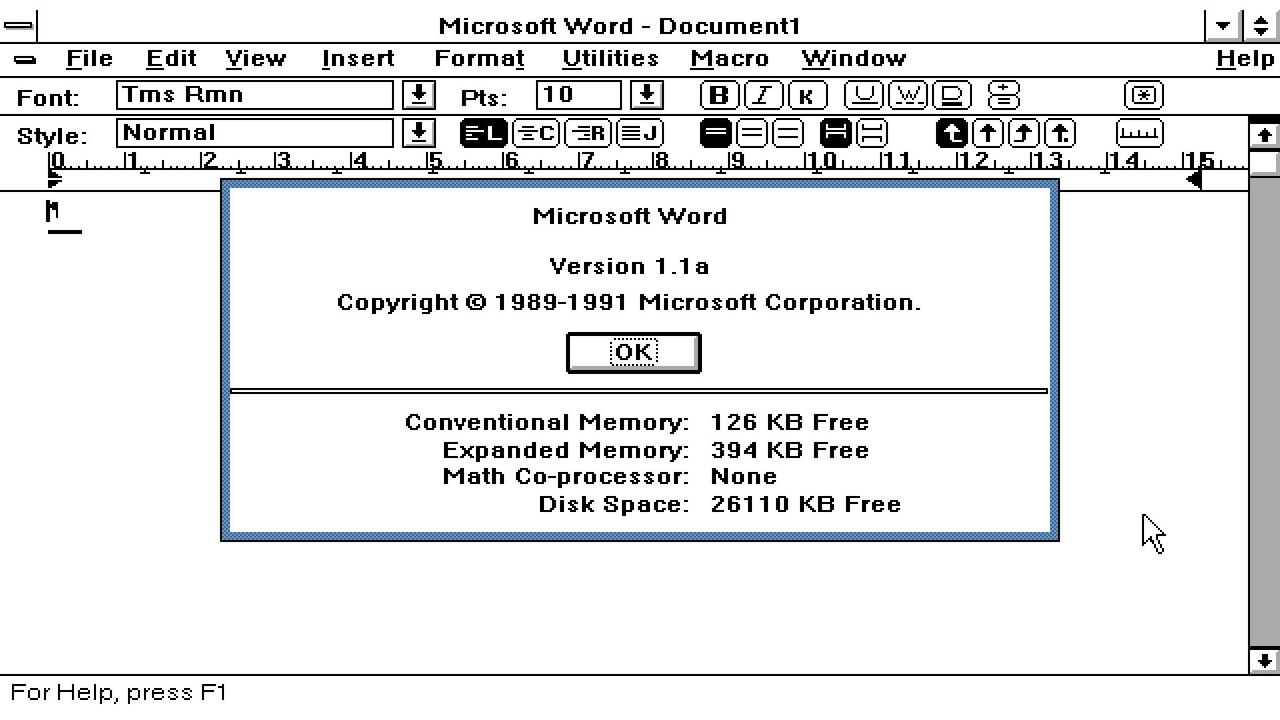
A developer has ported Microsoft Word for Windows 1.1a to x64 so it can now run natively on Windows 11 PC systems. JMarshall23 on GitHub stresses that this is a fully working native Windows x64 port using “original Word source and resources together with modern replacements for the 16-bit assembly, segmented-memory, and Win16 platform boundaries.” It also includes some extra features for “research purposes.” Microsoft Word for Windows 1.1a was originally released over a quarter of a century ago.
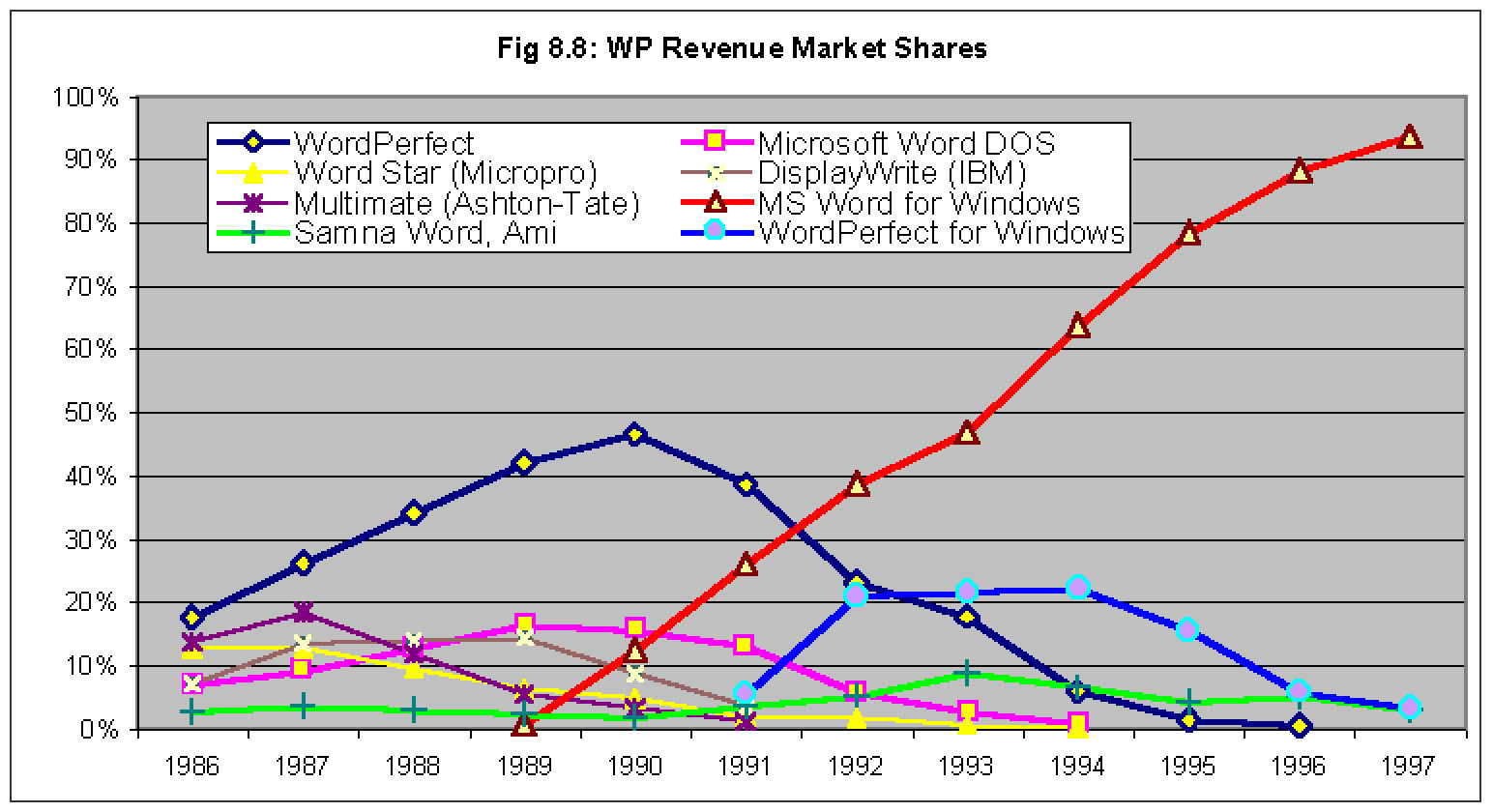
This release of Word marked a milestone in the word processing market, as it pioneered genuinely useful feature additions like WYSIWYG editing, graphics, and table insertion on Windows. It would spearhead the momentum in shifting users from DOS productivity monsters like WordPerfect to complete dominance in Windows-land. Word for Windows 1.1a added all its frills while remaining very efficient, running on systems with CPUs that ran in single-figure MHz speeds, and with as little as 1MB of RAM.
Another notable feature of this version of Word for Windows is that Microsoft permitted its source code to be released in full. You can still grab that code via the Computer History Museum (CHM). There you will find a 7MB bundle of C source, x86 assembly, build tools, and documentation. These 1,021 files in 33 folders are what JMarshall23 started with.
GitHub doesn’t have Windows x64 binaries ready for the casually curious on the lookout for a free, lightweight word processor to download and use. Instead, you’ll need access to Visual Studio 2022 with Desktop development with C++, a Windows 10 or Windows 11 SDK installed through Visual Studio, CMake 3.25 or newer, and PowerShell, notes Marshall. Then simply follow the GitHub instructions to build and run Word1.
It will be interesting to see if more comes from this x64 port, but Microsoft’s Word for Windows 1.1a code release carries a license that “permits only non-commercial use and does not give you the right to license it to third parties by posting copies elsewhere on the web,” says the CHM.
Neuroblastoma, a cancer of the developing nervous system, has long challenged researchers because its behavior can vary dramatically from one patient to another. Some tumors respond well to treatment, while others grow aggressively, spread rapidly, and return despite intensive therapy. A new study published in the British Journal of Cancer examines one of the most important genetic features associated with this disease: changes affecting the long arm of chromosome 17, known as 17q. The research presents chromosome 17q as more than a passive marker of cancer progression, describing it as a functional region where the demands of rapid DNA replication collide with the cell’s need to preserve genomic stability.
Chromosome 17q is frequently altered in neuroblastoma, particularly through the gain of additional genetic material. In cancer biology, such gains can increase the dosage of genes that support tumor growth, survival, or resistance to treatment. Yet the consequences are not necessarily uniform across the entire chromosome. A duplicated region may contain genes with opposing effects: some may help malignant cells divide, while others may create vulnerabilities by placing excessive pressure on the machinery responsible for copying DNA. The study by Hilgert, Depestel, Van Roy and colleagues investigates this functional complexity rather than treating 17q gain as a single, indivisible event.
DNA replication is the process by which a cell copies its genome before dividing. This operation must proceed rapidly but with remarkable accuracy. When replication forks—the molecular structures that move along DNA during copying—slow down, stall, or collapse, cells experience replication stress. Replication stress can arise when cancer cells divide too quickly, when DNA contains difficult-to-copy sequences, or when the supply of nucleotides and other replication components becomes insufficient. If unresolved, stalled replication forks can generate DNA breaks and rearrangements, helping tumors evolve while also threatening the survival of the cells that carry them.
The new work focuses on how genetic elements within 17q influence this balance. A region that promotes proliferation may simultaneously intensify replication stress, creating a biological paradox. Tumor cells benefit from increased growth signals, but they must also develop mechanisms to tolerate the resulting damage. This dependence can become a weakness: cancer cells operating close to the limits of replication may rely heavily on DNA repair pathways and checkpoint systems that normal cells use less intensively. Disrupting those support systems could selectively harm tumor cells, an idea that has become central to the development of targeted cancer treatments.
The researchers describe a “functional landscape” for chromosome 17q, suggesting that the region should be understood through the combined activity of its genes and regulatory elements. Genes do not act in isolation. Their effects depend on gene dosage, cellular context, interactions with other genomic regions, and the stage of tumor development. In neuroblastoma, these relationships may determine whether a 17q alteration produces a viable, treatment-resistant cancer cell or instead creates so much replication difficulty that the cell becomes vulnerable to damage and death. Mapping these relationships offers a more precise view of why the same broad chromosomal change can have different consequences in individual tumors.
This perspective is especially important because neuroblastoma often develops from immature cells of the peripheral nervous system. During early development, these cells naturally undergo tightly regulated programs of growth, migration, and differentiation. Cancer can emerge when those programs are disrupted, allowing cells to continue dividing instead of maturing into specialized nerve-related cells. Additional chromosomal alterations may then reinforce the malignant state. By connecting 17q abnormalities with replication stress and genome maintenance, the study places a major neuroblastoma feature within the wider biology of developmental cancer.
Genomic stability refers to the ability of a cell to copy and preserve its DNA without accumulating excessive mutations or structural changes. Cancer cells frequently compromise this stability, producing an unstable genome that can accelerate adaptation. However, instability has limits. Too little DNA damage may not generate enough diversity for a tumor to evolve, while too much can trigger cell death or permanent growth arrest. The study’s central concept is that 17q alterations may push neuroblastoma cells toward this dangerous threshold, forcing them to balance accelerated growth against the risk of catastrophic replication failure.
The findings could influence how researchers think about treatment strategy. If specific 17q-associated activities make tumor cells dependent on replication-stress responses, therapies aimed at DNA damage checkpoints or repair enzymes might be especially effective in selected neuroblastomas. Such approaches could potentially be combined with existing treatments, including chemotherapy, which already damages DNA but can also harm healthy tissues. The challenge will be identifying which tumors truly depend on particular repair mechanisms and determining how to target those dependencies without increasing toxicity. A functional map of 17q could help move treatment decisions beyond the simple presence or absence of a chromosomal gain.
The study also highlights why cancer genomes should not be interpreted solely through large-scale structural changes. A chromosomal gain may be clinically useful as a prognostic signal, but its biological meaning depends on the genes and pathways it affects. By examining how chromosome 17q contributes to replication stress and genome protection, the researchers provide a framework for understanding why this region is repeatedly selected during neuroblastoma evolution. Their work points toward a future in which genetic alterations are assessed not only as labels of risk, but as clues to the specific pressures that keep cancer cells alive—and the vulnerabilities that may ultimately bring them down.
Subject of Research: Functional effects of chromosome 17q alterations, replication stress, and genomic stability in neuroblastoma
Article Title: A functional landscape for chromosome 17q in neuroblastoma: balancing replication stress and genomic stability
Article References: Hilgert, E., Depestel, L., Van Roy, N. et al. “A functional landscape for chromosome 17q in neuroblastoma.” British Journal of Cancer (2026). https://doi.org/10.1038/s41416-026-03569-w
Image Credits: AI Generated
DOI: 10.1038/s41416-026-03569-w
Keywords: Neuroblastoma, chromosome 17q, replication stress, genomic stability, DNA replication, DNA repair, cancer genetics, tumor evolution, developmental cancer
The Met Office has confirmed that its June temperature 'record' of 37.7°C came from a junk site. But rather than dropping it, it has upped it to 38°C! This not a serious scientific organisation, says Paul Homewood.
Recently, I had the chance to attend High End Vienna, where I bore witness to an incredible array of audio gear. Whether it was new flagship loudspeakers from Bowers & Wilkins, futuristic looking headphones, or innovative portable DACs, there was a lot to get excited about. But one product really caught my attention.
As I walked through the Austria Center Vienna, I could hear the sounds of birds singing and crickets chirping. I followed the sound through and discovered a tropical-rainforest-themed room, and within it, sat the Dynaudio Opus One — a large, premium soundbar with mechanized wooden fins. It really was unlike anything I’d seen before.
I got the chance to check out the soundbar for myself, I attended a listening demo, and I even got to speak with Dynaudio Chief Commercial Officer, Julien Bergere, about the one-of-a-kind product ahead of its launch.
Opus One: an introduction
(Image credit: Future / Harry Padoan)
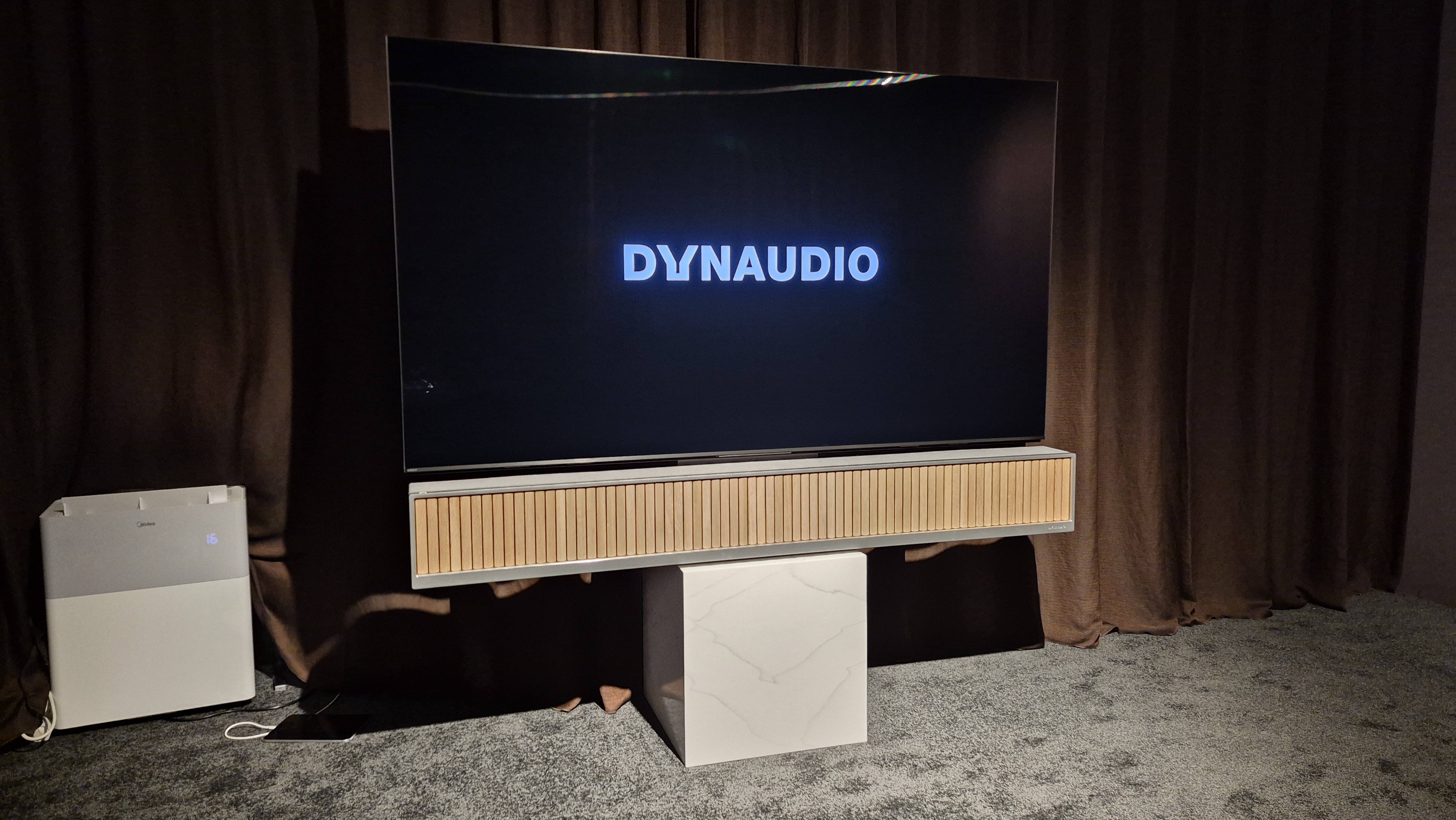
So what is the Dynaudio Opus One? Bergere describes it as “a new, immersive sound product for the home” for both movies and music. It's the first product in the company’s Symphony line of products that are expected to connect together to create a home ecosystem — in a similar vein to Sonos’ multi-speaker array systems, for example.
Something that’s instantly striking about the Opus One is its grand width — it measures 73.4 inches / 1864mm across. Larger TVs have become a lot more popular in recent years, and I asked Bergere if this had influenced the decision to make the Opus One so large. “Absolutely,” he said. “More premium soundbars are usually the size of a 55-inch TV, but there is no solution if you have a bigger TV or a bigger room, and this one is bringing a new dimension in terms of, you know, bass and immersive rendering”.
Opus One specs at a glance
Price: €13,000 (about $15,000 / £11,000) Drivers: 24 precision speaker drivers (6x soft-dome tweeters, 14x mid/bass drivers, 4x dual-diaphragm force-cancelling subwoofers) Amplification: 1,500W digital amplification Weight: 99.2lbs / 45kg Dimensions: 73.4 x 9.3 x 8.1 inches / 1864 x 236 x 207mm
On the topic of immersion, I was curious as to whether the Opus One would support formats such as Dolby Atmos and DTS:X. Bergere responded: “It will support all the major audio formats including immersive audio, but we're not done yet with the certification.” In addition, the soundbar makes use of spatial sound algorithms designed in Denmark, where Dynaudio is based.
But it’s not all about immersive movie watching. “It can also be used as a stereo device,” said Bergere. “If you have stereo in, you can also play in pure stereo with only the left section and the right section activated to play in a really pure stereo rendering.” You’re able to take the center channel out of the equation entirely, he said, and I’ve personally seen quite a few premium soundbars skip on such a feature, resulting in weaker left and right channel separation. The soundbar can also upmix some stereo content into a more immersive format, but the option for a more purist stereo experience is certainly captivating.
There are a number of ways to experience the Opus One. You can connect to your TV via HDMI ARC, stream music over Wi-Fi or Bluetooth, or make use of an AUX port. There’s also an Ethernet port on the soundbar, enabling you to access more stable connectivity. The Opus one also features a massive array of drivers — 24 to be exact — with six soft-dome tweeters, 14 mid/bass drivers, and four dual-diaphragm force-cancelling subwoofers. They come with 1500W of digital amplification, enabling the Opus One to deliver roaring power.
Wooden fins made in Japan bring serious style
(Image credit: Future / Harry Padoan)
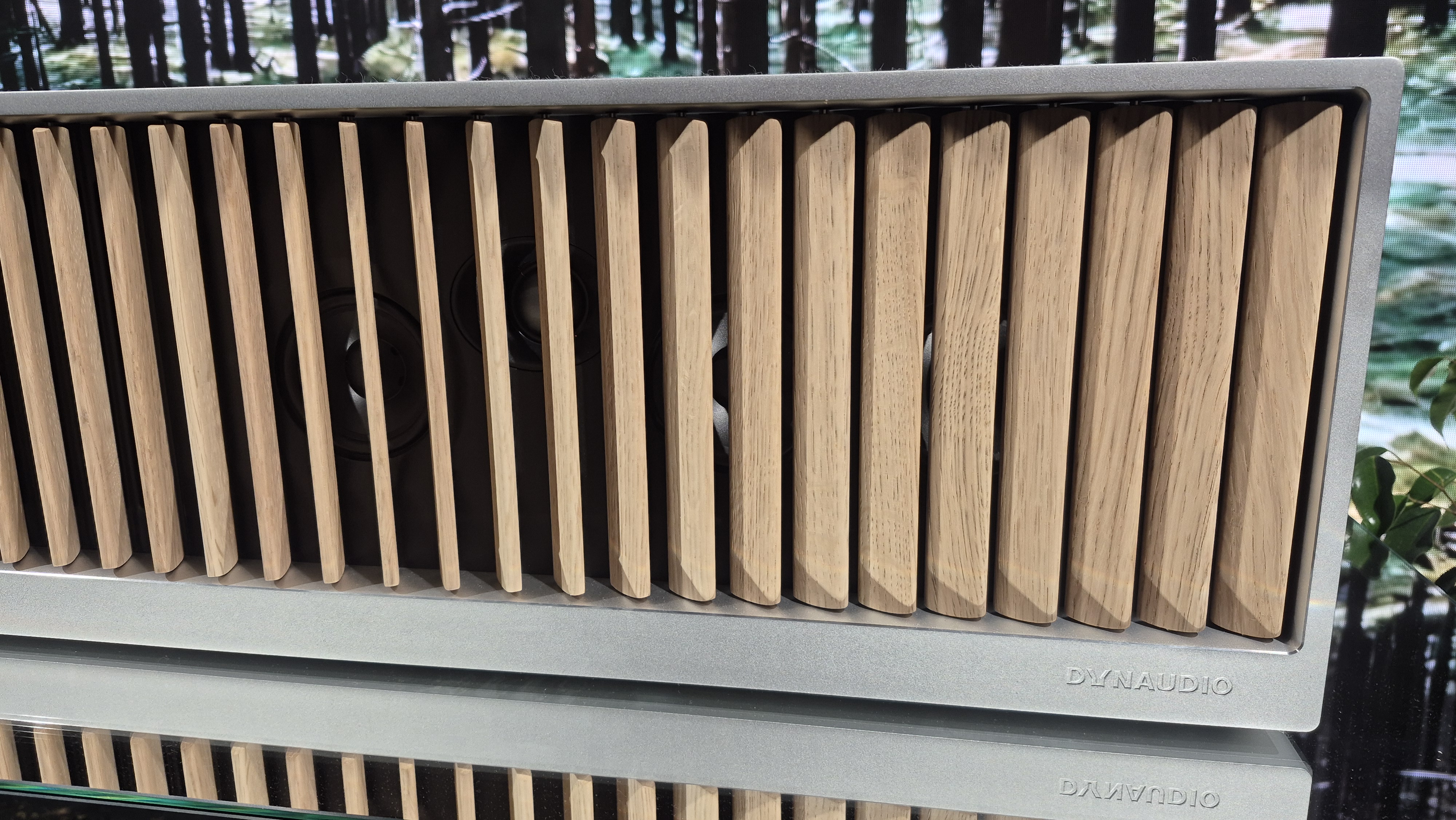
As well as its impressive connectivity, power, and size, the Opus One is a joy to look at. It only seems natural to begin with the mechanized wooden fins, which move as you watch a movie or listen to music. “We call them kinetic fins,” said Bergere.
There are 72 mechanized fins on each unit of the Opus One, all of which are handmade, and personify Dynaudio’s ambition to forge a premium audio and visual product.
“[The fins] are actually made in a white oak from Hokkaido by Karimoku,” he said, noting that Karimoku is one of the largest furniture makers in Japan. “We are trying to mix technology and lifestyle… trying to hide the technology [in] beautiful objects but also bring a touch of magic, in this case, with the fact that the fins are moving and can be used to create surprise.”
Bergere confirmed that the wooden fins have no sonic benefit, but did note one functional benefit. “When the product is off, they’re [the fins] actually sealed, so they’re hiding the speaker drivers and protecting them at the same time," he said. He also pointed to acoustically transparent fabric, used on the top and side of the Opus One, which is just as stylish as it is practical.
It's a very new concept for us, you know. Dynaudio is more known as a maker of more traditional audio systems, mostly passive stereo speakers — studio speakers as well, active ones and some wireless stereo speakers — and this one is really a new direction for us, more into lifestyle, luxury lifestyle
Julien Bergere, CCO, Dynaudio
As you’d expect, the fusion of designer-grade materials with such a premium, 24-driver model, means that the Opus One is pretty pricey. Specifically, the Opus One comes in at €13,000 (about $15,000 / £11,000) — a lot more than premium bars you’d see from the likes of Samsung, JBL, and Sonos. In addition, Bergere told me that accessories, such as stands and mounting gear, will cost between €500 and €5,000. “So together with a good quality screen, it’s around €20,000 for a complete setup with the floor stand,” he said.
Sound check: raw power and impressive imaging combine
(Image credit: Future / Harry Padoan)
With a price like this, you’re going to expect stellar sound from this soundbar to match its undoubtedly gorgeous look. And luckily, I got the chance to hear the Opus One for myself in a demo room. And yeah, it’s fair to say I was pretty impressed.
In 2025’s F1, I was astonished by the thunderous bass output that the Opus One conjured up — the roar of cars whizzing by was palpable, showing off the model’s 1,500W amplification to full effect.
Did you know TechRadar now has membership?
(Image credit: Future)
Become a TechRadar Insider by simply clicking 'Join Now' at the top of this page. Have a question? Please email membership@techradar.com
Something else that struck me was the effectiveness of spatial audio effects. Whether it was vehicles zooming across the screen or fireworks blasting into the sky, the Opus One tracked each movement with precision and care.
We listened to some music too, including a stereo mix of Eric Clapton’s Tears In Heaven, where vocals were beautifully defined, subtle strings came through with great clarity, and warm bass came through cleanly.
With Atmos music, I felt similar — vocal-led tracks were beautifully detailed, instruments were well separated, and percussion in the treble range was articulate and expressive. Individual sounds also dispersed across the listening space to create an expansive, immersive experience.
The Opus One officially launched in June, but availability is still relatively limited. To begin with, Dynaudio has opted to release the soundbar in its home market, Denmark, as well as China — though Bergere said Dynaudio plans to launch the product across “more markets in 2027”. It’s available in two different finishes: one with White Oak fins, and another with Appalachian Walnut.
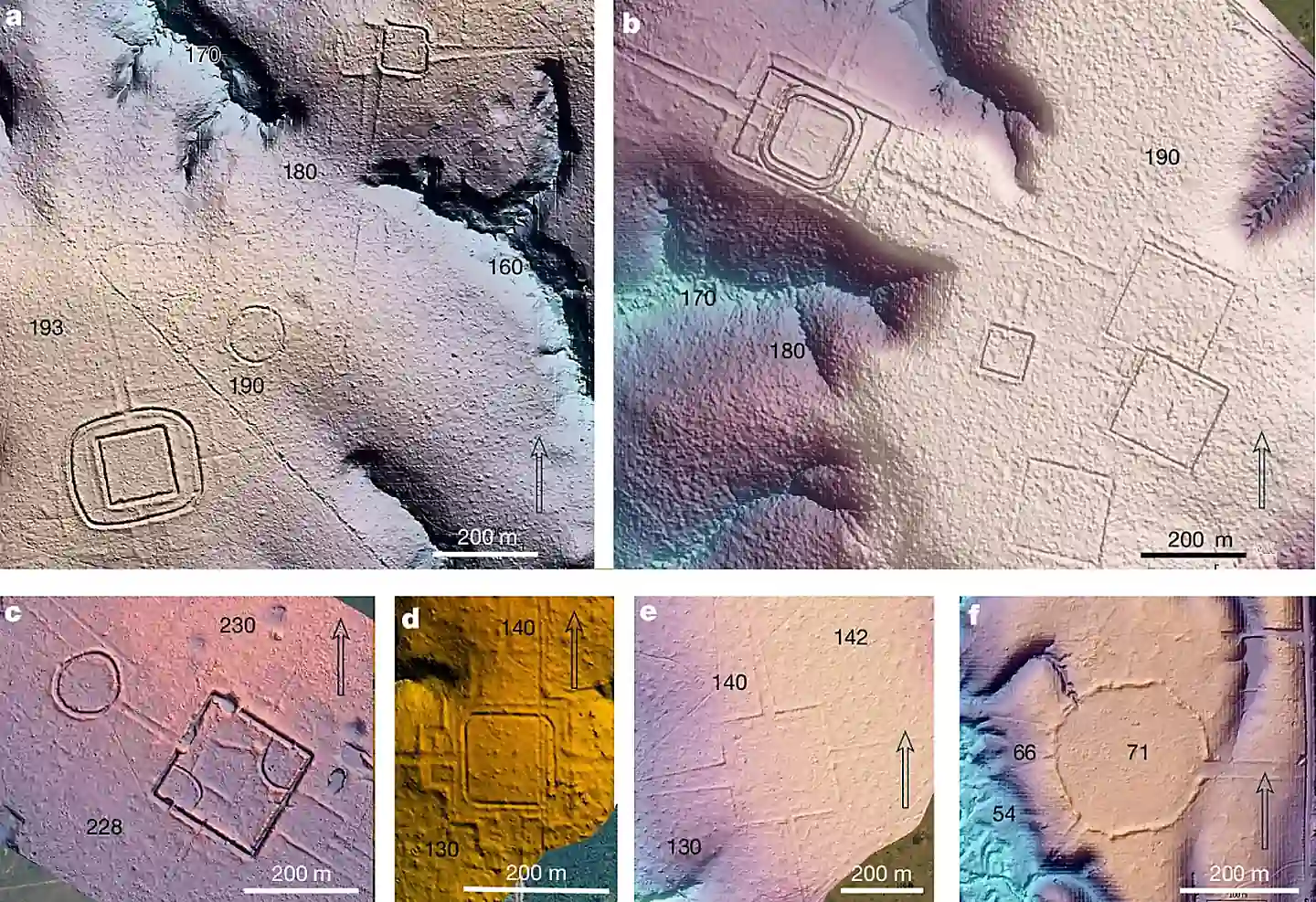
A laser survey of southwestern Amazonia has changed the scale of an old archaeological question. The aircraft did not reveal a hidden stone city, and it did not count 20,000 monuments one by one. What it did reveal was a dense pattern of ancient earthworks beneath the forest canopy—enough for the research team to estimate […]
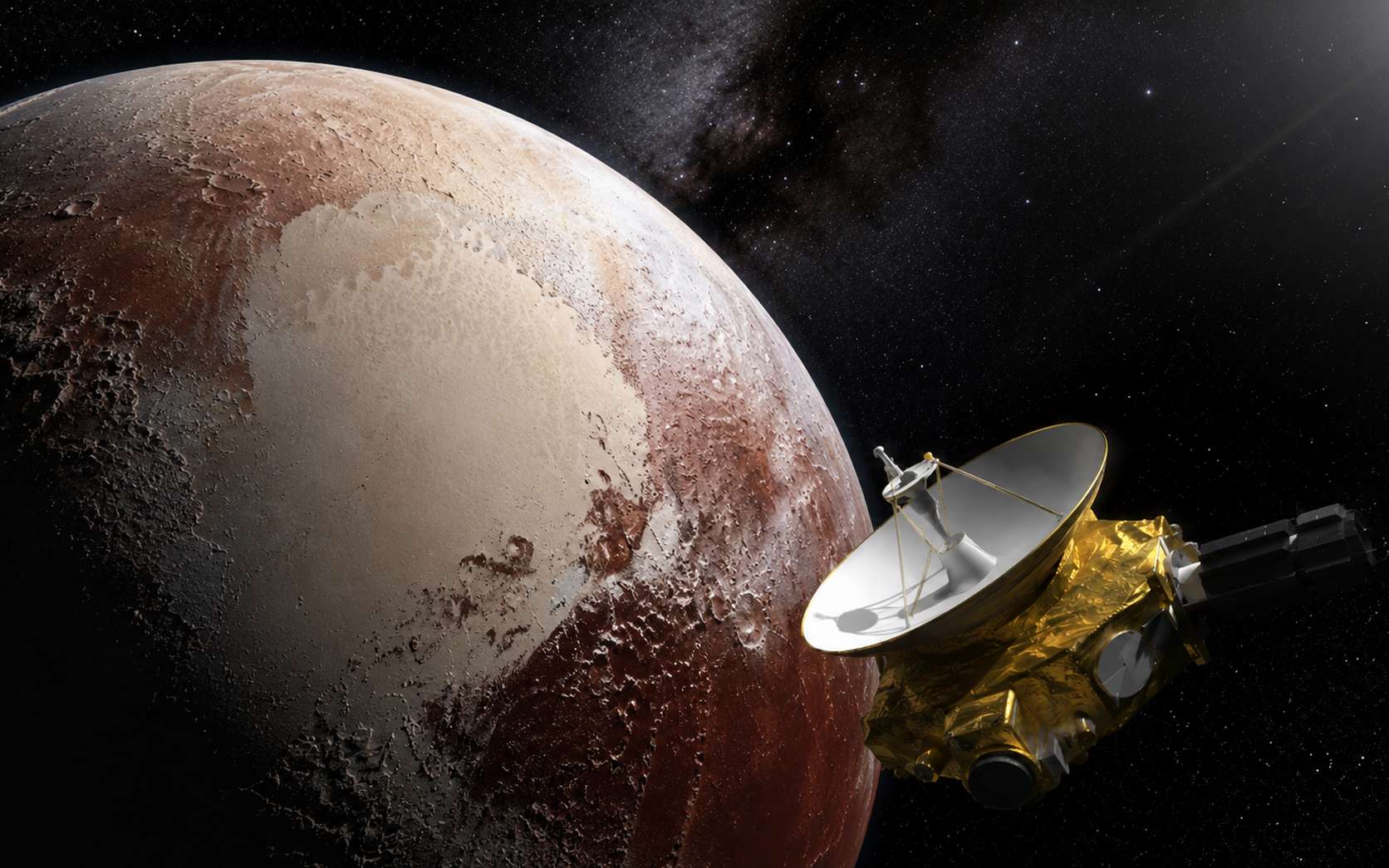
En utilisant, au cours de la dernière décennie, le phénomène des occultations stellaires pour surveiller l'état de l'atmosphère de Pluton depuis la Terre, une équipe d'astronomes est arrivée à la conclusion que celle-ci est en train de changer. Qu'est-ce que cela signifie ? Va-t-elle disparaître ?
The tech giant is investing in the natural-gas-burning power plant as part of a huge data center in Texas, even as it pledges to honor climate commitments.
NASA says a new four-spacecraft mission has completed an early test that could make one of the hardest parts of space-weather forecasting much more precise: estimating when a solar eruption will reach Earth. In a proof-of-concept exercise announced on August 4, NASA’s PUNCH mission used continuous images of a coronal mass ejection, or CME, to […]
A team of Mexican and Slovenian archaeologists has reported the discovery of a Maya city in the northern reaches of Mexico’s Calakmul Biosphere Reserve, a dense forested landscape already known for its extraordinary concentration of ancient settlements. The site has been named Minanbé, an expression in Yucatec Maya that the researchers translate as “there is […]
Earth itself may be one of the world’s largest detectors for ultralight dark matter. Earth may already contain one of the largest dark matter experiments ever built. Instead of relying only on specialized equipment inside a laboratory, scientists have found a way to use the planet’s magnetic field, atmosphere, and surface as parts of a [...]
Voir le Soleil disparaître en plein jour est aujourd'hui un spectacle fascinant. Pendant des millénaires, ce phénomène était pourtant interprété comme un terrible présage. Les découvertes archéologiques et les textes anciens révèlent que, d'un continent à l'autre, les civilisations ont imaginé...
Kenny still appreciated a good church service and even did readings from the breviary. Unusually, he argued there was no reason why an agnostic shouldn't pray.
According to an exclusive report from Deadline’s Nellie Andreeva, Apple TV is developing “Bad News Dads,” a half-hour comedy starring and executive produced by James Marsden. The project comes from “You’re the Worst” creator Stephen Falk, alongside Berlanti Productions and Warner Bros. Television, where Greg Berlanti holds an overall deal.
Based on the upcoming novel by Adam Frost, the series follows an inept men’s recreational baseball league. When one player’s wife dies in a suspicious accident, friendship-starved Ben (played by Marsden) rallies two teammates for an often-misguided investigation into what they increasingly believe was murder. While the title and baseball setting nod to “The Bad News Bears,” the story is an original concept with no direct connection to the classic sports film.
Falk, Marsden, and Frost executive produce with Greg Berlanti, Sarah Schechter, Leigh London Redman, and Robbie Rogers for Berlanti Productions. Frost’s novel is scheduled for publication on April 6, 2027, by Simon & Schuster/Atria/Emily Bestler Books.
The project continues Apple TV’s interest in mystery-comedy fare, a genre boosted by series like “The Afterparty” and Hulu’s “Only Murders in the Building.” It also extends Marsden’s recent work with the streamer: he recently appeared in “Your Friends & Neighbors” and stars in and executive produces the upcoming action thriller “Disavowed.” Marsden, known for alternating between drama and comedy (with Emmy nominations for both “Paradise” and “Jury Duty”), next reprises Cyclops in “Avengers: Doomsday.”
Falk, whose other credits include Apple TV’s “Hello Tomorrow!,” Netflix’s “Orange Is the New Black,” and Showtime’s “Weeds,” also has a “Hit Man” series inspired by the Glen Powell film in development at Netflix. Berlanti Productions has multiple projects advancing elsewhere, including series at Amazon MGM Studios and Disney+.
MacDailyNews Note: Apple TV is available on the Apple TV app in over 100 countries and regions, on over 1 billion screens, including iPhone, iPad, Apple TV 4K, Apple Vision Pro, Mac, popular smart TVs from Samsung, LG, Sony, VIZIO, TCL and others, Roku and Amazon Fire TV devices, Chromecast with Google TV, PlayStation and Xbox gaming consoles, and at tv.apple.com, for $12.99 per month with a seven-day free trial for new subscribers. For a limited time, customers who purchase and activate a new iPhone, iPad, Apple TV 4K or Mac can enjoy three months of Apple TV for free.
Please help support MacDailyNews — and enjoy subscriber-only articles, comments, chat, and more — by subscribing to our Substack: macdailynews.substack.com. Thank you!
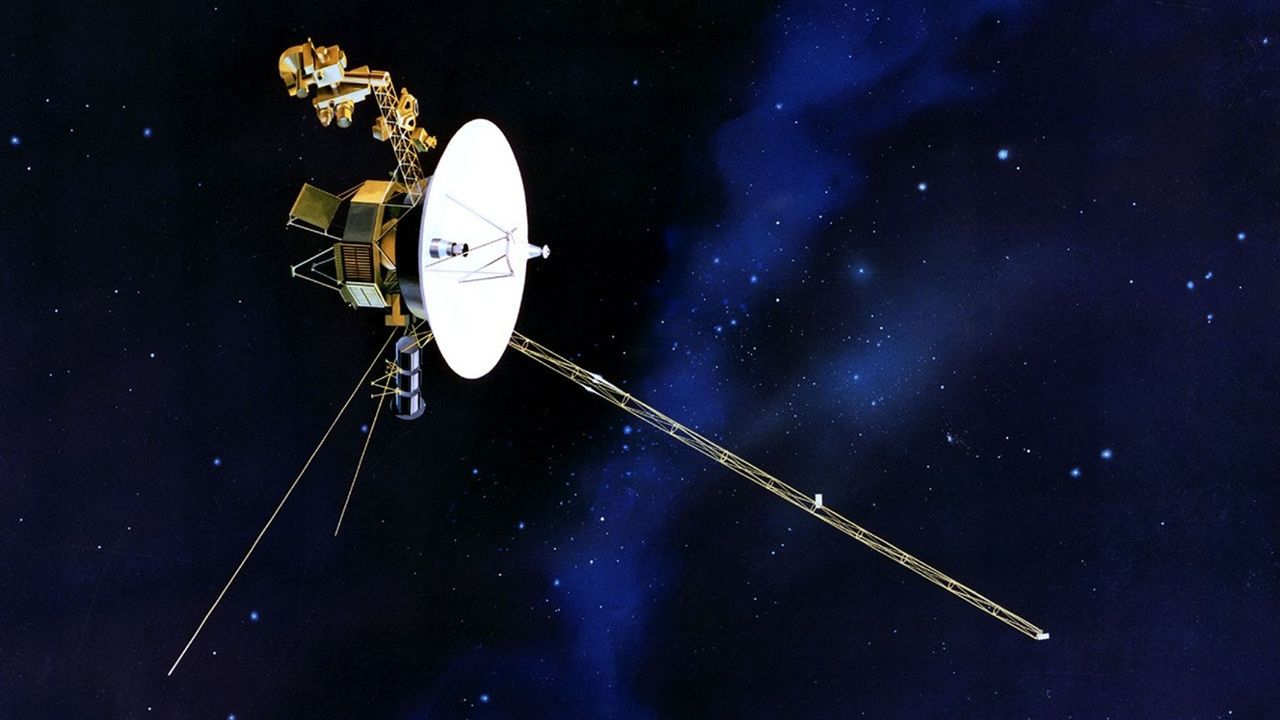
NASA just made an interstellar tweak to the Voyager 2 spacecraft, known as the "Big Bang", to keep its remaining 50-year-old science instruments running a little longer.
Voyager 2 and its twin launched in 1977, called Voyager 1, rely on a form of nuclear battery known as a radioisotope thermoelectric generator that uses the heat produced by the decay of plutonium. But the supply of plutonium on each probe drops at about four watts a year on each spacecraft.
To keep the probe running on this dwindling power supply, engineers recently reduced Voyager 2's power requirements by turning off a few non-science devices and using "lower-power alternatives" that are still effective enough to keep the spacecraft warm while it's so far from the sun, NASA officials said in a statement. "The spacecraft power margins have grown razor thin, requiring the team to conserve energy by shutting off non-essential devices and systems," NASA officials wrote of the mission, which is managed by the agency's Jet Propulsion Laboratory.
The drop in power is having a measurable science impact on both spacecraft — each has turned off two of their science instruments since 2024 alone. While some of these instruments were shut off after the spacecraft finished their historic planetary flybys decades ago, others were turned off due to power requirements.
Each spacecraft initially launched with 10 instruments, and Voyager 2 is now down to only three instruments. At first it looked as though Voyager 2 would have to shut down another of these instruments later this year, but luckily, the new power shifts will allow all three to operate "for at least another year," NASA said.
Voyager 1 will be tasked to do the same "Big Bang" power change "in the coming months." A signal to each spacecraft takes nearly 24 hours (or one light-day) to make a one-way journey, and officials noted Voyager 1 is further from Earth than its twin. (Voyager 2 is at about 142 astronomical units or sun-Earth distances, while Voyager 1 is nearing 171 AU.)
The two spacecraft initially launched to take advantage of a rare alignment between the outer solar system gas giant planets, which in order of distance from the sun are Jupiter, Saturn, Uranus and Neptune. Each Voyager spacecraft first flew past Jupiter and Saturn, taking unprecedented imagery of the planets and their moons.
NASA's Voyager 2 probe captured this image of Europa, the smallest of Jupiter's four Galilean moons, on July 9, 1979. (Image credit: NASA/JPL)
Next, Voyager 1 was directed to fly above the plane of the solar system (also known as the ecliptic) while Voyager 2 continued flying past Uranus and Neptune, becoming the first spacecraft to see these worlds and their moons. Voyager 2's last planetary flyby was in 1989.
The two spacecraft continue to send scientific data from interstellar space; Voyager 1 passed into that region in 2012, while Voyager 2 did so in 2018. Voyager 1 is Earth's most distant spacecraft, currently around 15.9 billion miles (25.5 billion kilometers) away from us, according to NASA.

 Login