❌

Reading view

Scientists Say Eating Less Protein May Help You Live Longer

Happy Senior Couple Playing Outdoors NatureThe protein boom may be pushing many people to consume far more than their bodies need, and new research suggests that excess could come at a hidden cost. Protein has become one of the food industry’s favorite selling points. It is added to cereal, coffee, snack bars, desserts, and even water, often with the suggestion [...]
  •  

A Vegan Diet May Begin Changing Gene Activity in Just 4 Weeks

Cutting Vegetables Vegan DietChanging what you eat may begin reshaping how your genes behave in as little as a few weeks, even though your DNA itself remains unchanged. In a randomized clinical trial, researchers found that healthy adults who followed a vegan diet for one month developed changes in chemical markers attached to their DNA. Compared with participants [...]
  •  

Why Low-Carb Diets Send Some People’s Cholesterol Soaring

Blood Cells CholesterolA study suggests that genetic factors may explain why LDL cholesterol rises sharply in some people who follow a low-carbohydrate, high-fat diet. Two people can follow the same low-carbohydrate diet and experience very different changes in cholesterol. One may see little difference, while the other develops a sharp increase in low-density lipoprotein (LDL) cholesterol. New [...]
  •  

Study Points to Sugar, Not Just Meat, as Fuel for Human Brain Evolution

Paranthropus boisei. Image credit: © Roman Yevseyev.

A team of researchers from the University of Sydney and the University of Glasgow argues that dietary sugars, not animal foods, may have played the decisive role in the expansion of the human brain over the past 4 million years, as hominin brain size grew nearly fivefold, from about 300 grams in early relatives like […]

The post Study Points to Sugar, Not Just Meat, as Fuel for Human Brain Evolution appeared first on Sci.News: Breaking Science News.

  •  

Scientists Propose New Strategy in Fight against High Blood Pressure

Potassium-rich foods include fruits, vegetables, legumes and dairy. Image credit: Jasmine Lin.

In a perspective paper published in The American Journal of Clinical Nutrition, a team of researchers and health experts calls for a ‘paradigm shift’ in how public health agencies address hypertension.

The post Scientists Propose New Strategy in Fight against High Blood Pressure appeared first on Sci.News: Breaking Science News.

  •  

Is Sparkling Water Bad for Your Teeth? A New Study Has Answers

Young Happy Woman Pointing at Smile TeethA study found that unsweetened sparkling water lowers oral pH less than soda sweetened with sugar. A sip of sparkling water briefly makes the mouth more acidic, but not nearly as much as sugar-sweetened soda, according to a comparison of several common beverages. The findings suggest that choosing an unsweetened carbonated drink instead of soda [...]
  •  

Popular Childhood Drinks Could Affect Your Blood Pressure in Adulthood

Children’s eating habits may shape their heart health decades later, according to a major new study. Scientists found that people who regularly drank sugary beverages while growing up were more likely to develop high blood pressure as adults, while choosing whole fruit instead appeared to lower that risk. The findings were published in Circulation by […]

The post Popular Childhood Drinks Could Affect Your Blood Pressure in Adulthood appeared first on Knowridge Science Report.

  •  

New Study Finds Eating Breakfast Boosts Diet Quality in Teens Who Usually Skip It

Teenagers who regularly skipped breakfast improved the quality of their diets when they began eating a morning meal. Image credit: Pexels.

Adding breakfast back into the daily routine of teens around age 18 who habitually skip the meal can meaningfully improve their nutrition, with the biggest gains seen among those given protein-rich morning meals, according to a six-month clinical trial.

The post New Study Finds Eating Breakfast Boosts Diet Quality in Teens Who Usually Skip It appeared first on Sci.News: Breaking Science News.

  •  

Toutes les vitamines D ne se valent pas : voici la fascinante découverte d'une méta-analyse britannique

Toutes les vitamines D ne se valent pas. Une vaste analyse révèle même que l'une des deux formes pourrait faire baisser les niveaux de l'autre, celle qui protège le mieux notre immunité. De quoi interroger le choix des compléments alimentaires, très prisés à la saison sombre.

  •  

Natural Plant Compound Could Fight Rheumatoid Arthritis

Rheumatoid arthritis is a long-term autoimmune disease in which the immune system mistakenly attacks healthy joints. This causes pain, swelling, stiffness, and gradual damage that can make everyday activities difficult. Although modern medicines help many people, some patients do not respond well or develop unwanted side effects, creating a need for better treatments. A new […]

The post Natural Plant Compound Could Fight Rheumatoid Arthritis appeared first on Knowridge Science Report.

  •  

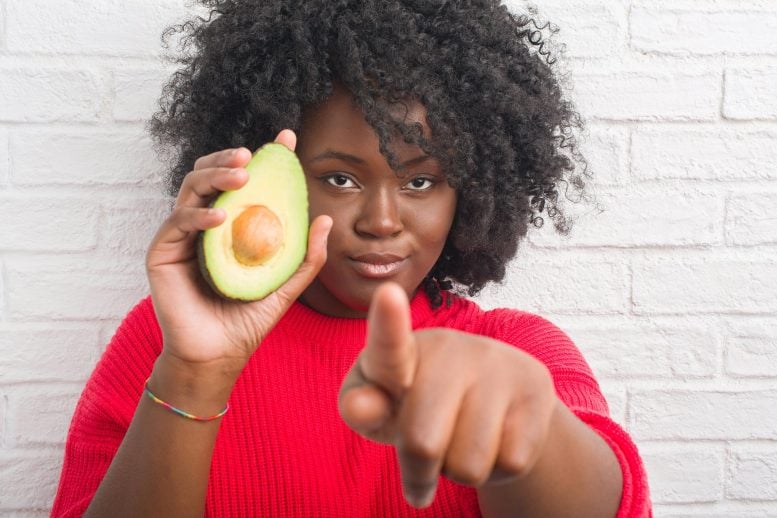
Scientists Say Eating One Avocado a Day May Lower Heart Disease Risk

Holding Avocado PointingIn a six-month study, people with obesity who ate an avocado each day lowered their blood levels of “bad” cholesterol particles. Adding one avocado to a person’s daily diet may modestly improve a blood marker linked to heart disease. In a study of adults with obesity, researchers at the Penn State Department of Nutritional Sciences [...]
  •  

Pourquoi les légumes sont devenus l’un des produits alimentaires dont le prix augmente le plus vite

Riches en fibres, vitamines et antioxydants, les légumes restent les meilleurs alliés de notre santé. Mais leur prix s’envole : courgettes, tomates, haricots verts… En un an, certains affichent des hausses de plus de 30 %, au point de mettre en péril les recommandations nutritionnelles et le...

  •  

Researchers Warn Women About Viral Exercise Myths

Happy Smiling Young Woman Sports Exercise Fitness BeachWomen may benefit more from simple, evidence-based exercise and nutrition habits than from rigid social media advice. Social media is filled with detailed rules telling women when to eat protein, how much water to drink, and whether exercising without food is harmful. Researchers at the University of Otago – Ōtākou Whakaihu Waka argue that most [...]
  •  

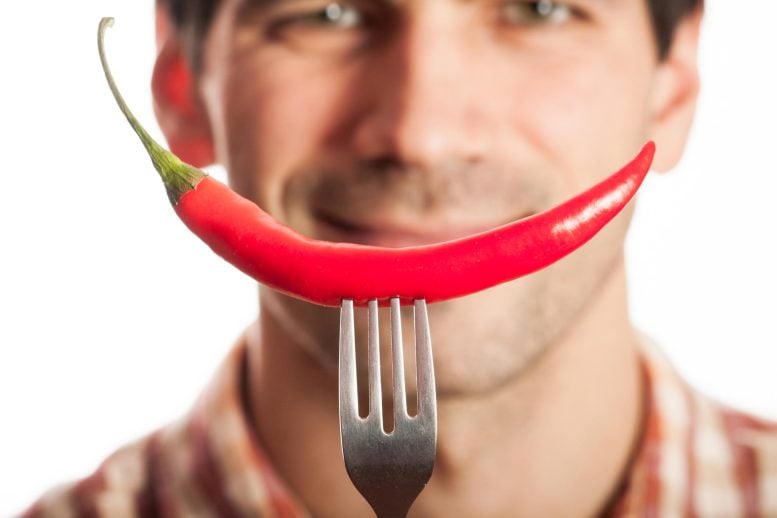
Common Diet Advice About Water and Spicy Food May Be Completely Wrong

Man Hot Chili Pepper ForkWater and spice influenced eating in opposite and unexpected ways during controlled meal experiments. A glass of water beside a meal is often treated as an easy way to eat less. The usual explanation is that the water stretches the stomach and creates a sense of fullness before too much food is consumed. A Cornell [...]
  •  

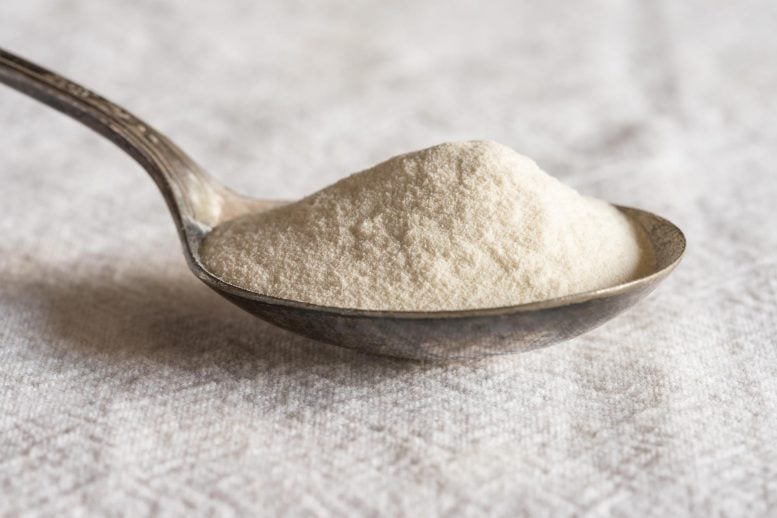
Common Food Additive Linked To Gut Inflammation

Xanthan Gum SpoonA widely used food thickener may have more complex effects on the gut than previously recognized. Xanthan gum helps give ice cream, yogurt, sauces, cakes, and gluten-free pasta their familiar texture. Valued for its thickening, stabilizing, and gelling properties, it is among the food industry’s most widely used additives. It also helps make liquids safer [...]
  •  

Moderate Coffee and Caffeine Intake Poses Little Heart Risk, and May Even Help

Marcus et al. conclude that moderate caffeine or coffee consumption is safe for most adults and is linked to a lower risk of several cardiovascular conditions, including coronary heart disease, stroke, heart failure and atrial fibrillation, as well as hypertension and type 2 diabetes. Image credit: Sci.News.

In a new review paper, Dr. Gregory Marcus from the University of California, San Francisco and colleagues analyzed decades of research on how caffeine -- most often consumed as coffee -- affects the heart and its risk factors.

The post Moderate Coffee and Caffeine Intake Poses Little Heart Risk, and May Even Help appeared first on Sci.News: Breaking Science News.

  •  

New Study Suggests Vitamin C Could Help Prevent Cancer

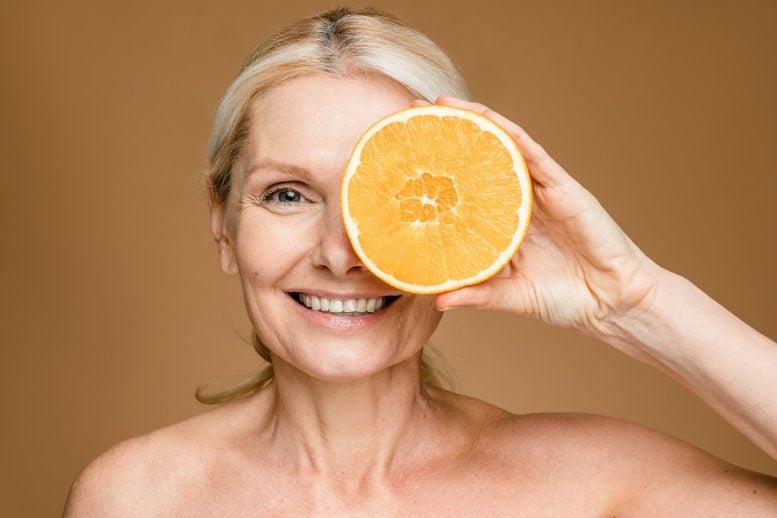
Senior Woman Vitamin C Orange Citrus Fruit Health BeautyNew research examines how antioxidants may influence the risk of cancers linked to digestion. Vitamin C may do more than support the immune system. It could also help block chemical reactions in the stomach that are linked to cancer risk. New mathematical modeling from the University of Waterloo suggests the vitamin may help explain why [...]
  •  
❌