❌

Reading view

Elon Musk’s Efforts to Cut Spending in the Government Were So Incompetent That It’s Shocking, Internal Analysis Finds

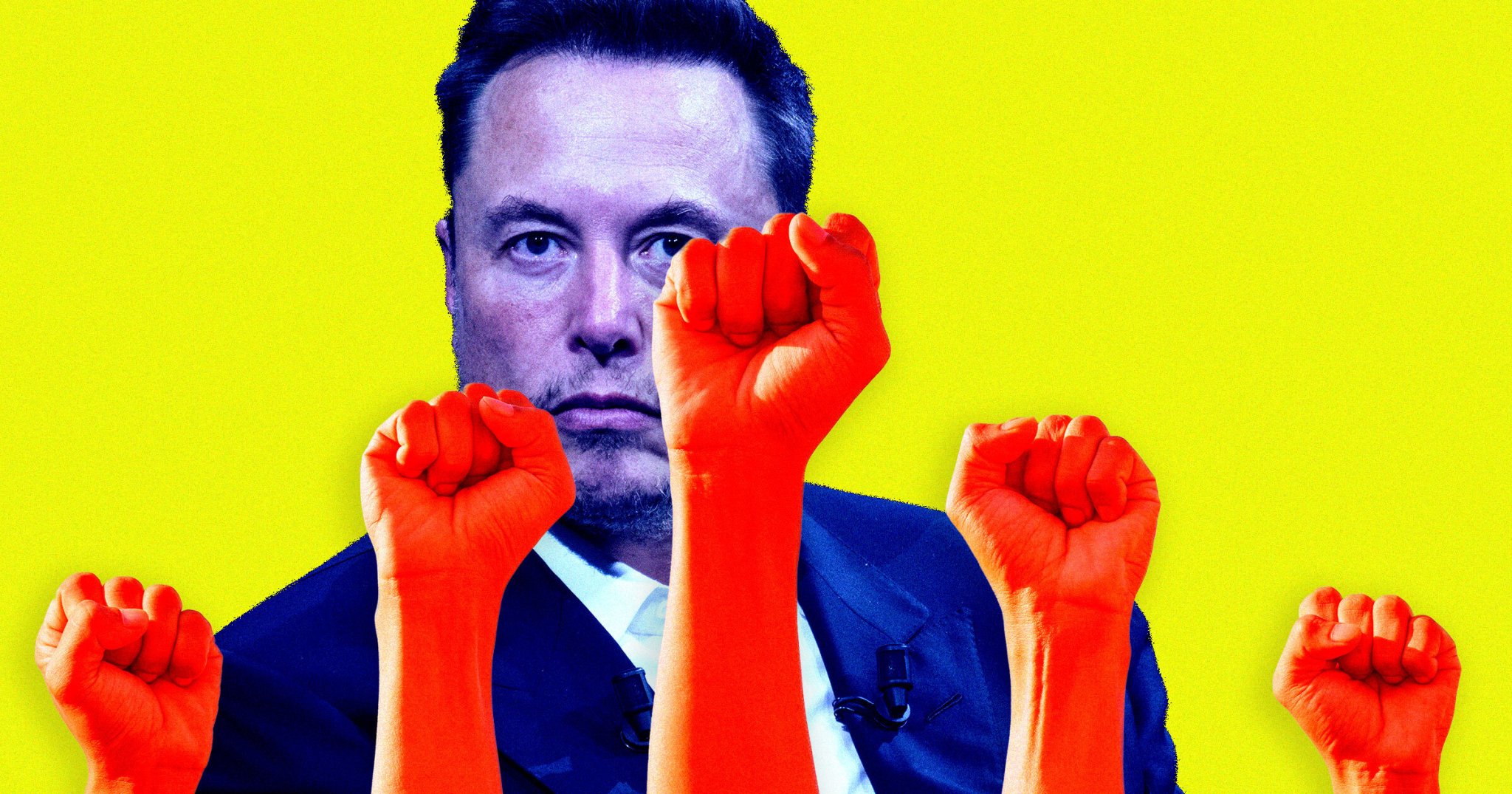
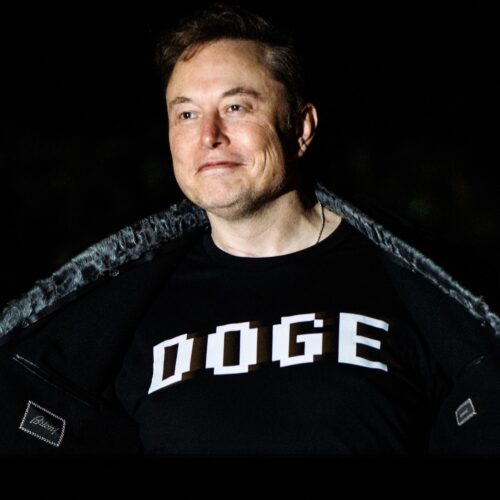
In terms of demoralizing the federal workforce and demolishing the public sector, Elon Musk’s Department of Government Efficiency was a success.

In terms of actually saving money, though — its ostensible raison d’être — it was a dismal failure.

Musk vowed to slash $2 trillion in government “waste and fraud.” Then he lowered that target to $1 trillion, and behind the scenes reportedly promised Trump to save just a tenth of that figure. In the end, DOGE boasted on its website’s “Wall of Receipts” that it had saved around $215 billion — peanuts compared to its original promise.

But the actual amount of spending it slashed may be even lower than that. In a sweeping audit, the Government Accountability Office looked through the $110 billion that DOGE claimed it saved between January and July 2025, and found a trail of staggering incompetency that let loads of supposedly saved money fall through the cracks. That framing, though, could be too generous to Musk and his pimple-faced lackeys. You could also take the view that DOGE, in all likelihood, was deliberately cooking the books.

Per the GAO’s new report, released this month, DOGE claimed it terminated 13,476 contracts, but nearly 2,000 of them weren’t actually terminated. Spending-wise, about $27.4 billion of the purported savings came from these contracts that DOGE botched the terminations of.

The clumsy — or deceptive — bookkeeping didn’t end there. The receipts “includes leases identified for termination before [the group] was established,” the report states, as quoted by The Washington Post. And 108 of 264 of the leases it claimed it nixed “were already in process for termination.”

In all, the GAO found that over half of DOGE’s claimed $61 billion in contract savings couldn’t be verified or came from contracts that weren’t actually terminated. Similarly, 96 percent of the savings that it claimed came from grants couldn’t be verified by the accountability office, either.

Last August, an investigation by Politico found that of the $52.8 billion that DOGE had claimed to save by cancelling contracts at the time, its actual savings were closer to just $1.4 billion. To calculate how it saved money, DOGE dubiously used the maximum spending limit listed on the contracts it axed, figures that in practice are much higher than what the government ends up spending.

At the time, government procurement expert Jessica Tillipman told the outlet that the practice was akin to “taking out a credit card with a $20,000 credit limit, cancelling it and then saying, ‘I’ve just saved $20,000.'”

More on Elon Musk: Columbia Economist Baffled as to Why the Masses Aren’t Rising Up Against Elon Musk

The post Elon Musk’s Efforts to Cut Spending in the Government Were So Incompetent That It’s Shocking, Internal Analysis Finds appeared first on Futurism.
  •  

DOGE's wild, unverifiable savings claims discredited in US government report

It won't come as a surprise that Trump's Department of Government Efficiency (DOGE) didn't save taxpayers nearly as much as it claimed. Analysis from outside the government showed savings claims were heavily inflated, and now the government's own watchdog has said it wasn't able to confirm savings claims made in DOGE's so-called "Wall of Receipts."

For example, DOGE reported savings of $49.2 billion from cutting grants, but almost none of it could be verified, the US Government Accountability Office (GAO) said in its report yesterday. The GAO is the auditing and investigating arm of Congress and issued the DOGE report in response to a June 2025 request from Sens. Gary Peters (D-Mich.) and Richard Blumenthal (D-Conn.).

"The Wall of Receipts did not provide sufficient information to verify the method DOGE used to calculate savings, or what the savings consisted of, for 13,553 of the 15,887 grants it reported as terminated. This corresponds to about 96 percent of the DOGE-reported grant savings," the GAO report said.

Read full article

Comments

© Getty Images | Samuel Corum

  •  

Grokipedia Appears to Have Completely Broken and Nobody Noticed

We certainly wouldn’t blame you for having completely forgotten that last year, Elon Musk tried to reinvent Wikipedia because he thought it was too woke.

In October, his AI startup xAI launched Grokipedia, named after its AI chatbot. The encyclopedia stole human-written and edited pages from Wikipedia wholesale and ran them through a large language model, which also fielded user-submitted edits, to better reflect Musk’s contorted worldviews.

The site was hardly an exemplary of objectivity. It was quickly found to heavily cite an infamous neo-Nazi forum as a source of information, desperately tried to paint Tesla’s Cybertruck as a successful and desirable electric pickup truck, and validated Musk’s favorite conspiracy theories. But it was a major cultural moment, garnering countless stories in the media and discussions on podcasts over Musk’s attempt to control the spread of information.

Perhaps unsurprisingly, the desperate attempt to twist the largest online encyclopedia in human history into an extension of an almost-trillionaire’s bigoted mind appears to have ground to a screeching halt — and, damningly, barely anybody seems to have noticed.

According to a new investigation by Lawfare, Grokipedia appears to have entirely stopped updating itself sometime earlier this year. Reviewing suggested edits from humans has also ground to a halt.

“As far as we can tell, no entry has changed in more than three months,” Lawfare concluded of the site, which is now owned by SpaceX since it merged with Musk’s AI efforts.

Worse yet, the site’s edit log appears to have broken completely as well, making it impossible to track which user-suggested changes were “accepted” or “rejected” by the AI.

By January, the Tow Center for Digital Journalism had already observed that xAI’s Grok was making more edits to its own articles than acting on human-suggested ones, suggesting a bottoming out of interest for the project.

Since then, it has turned into a ghost town, a completely redundant and misinformation-filled copy of Wikipedia, which remains one of the last bastions of human-edited and verified sources of information on the internet.

Even when Lawfare submitted an “uncomplicated factual update” about SpaceX having launched its IPO in June — an irrefutable fact that any allegedly “open source, comprehensive collection of all knowledge” should probably include — the Grokipedia entry remained stagnant.

Even pages that are purportedly drawing millions of views aren’t updating. The most recent approved update Lawfare could locate — to the entry about OpenAI’s ChatGPT — dates back to April 24.

As of today, Lawfare found that that there are 13,002 suggestions that “sit unresolved, trapped ‘in review.'”

“Altogether, what we found was that the ‘live’ change feed is gone, past decisions were retroactively reverted without explanation, new decisions are not being issued, and article text appears frozen (and, in some cases, outdated),” the publication concluded. “We do not know whether xAI is preparing a major revision or has altogether abandoned active development of the project.”

It’s a precarious situation. Despite having been abandoned, Similarweb data suggests Grokipedia received over six million visits in June alone. Hundreds of thousands of sites are also still citing Musk’s encyclopedia, which could spread misinformation even further.

Futurism has reached out to SpaceX for an update on the project, but considering the reputation of Musk’s companies and their refusal to interact with the media, we’re not holding our breath for a response.

More on Grokipedia: Elon Musk Is Not Beating the Allegations: Grokipedia Cites a Hardcore Nazi Website 42 Times

The post Grokipedia Appears to Have Completely Broken and Nobody Noticed appeared first on Futurism.

  •  

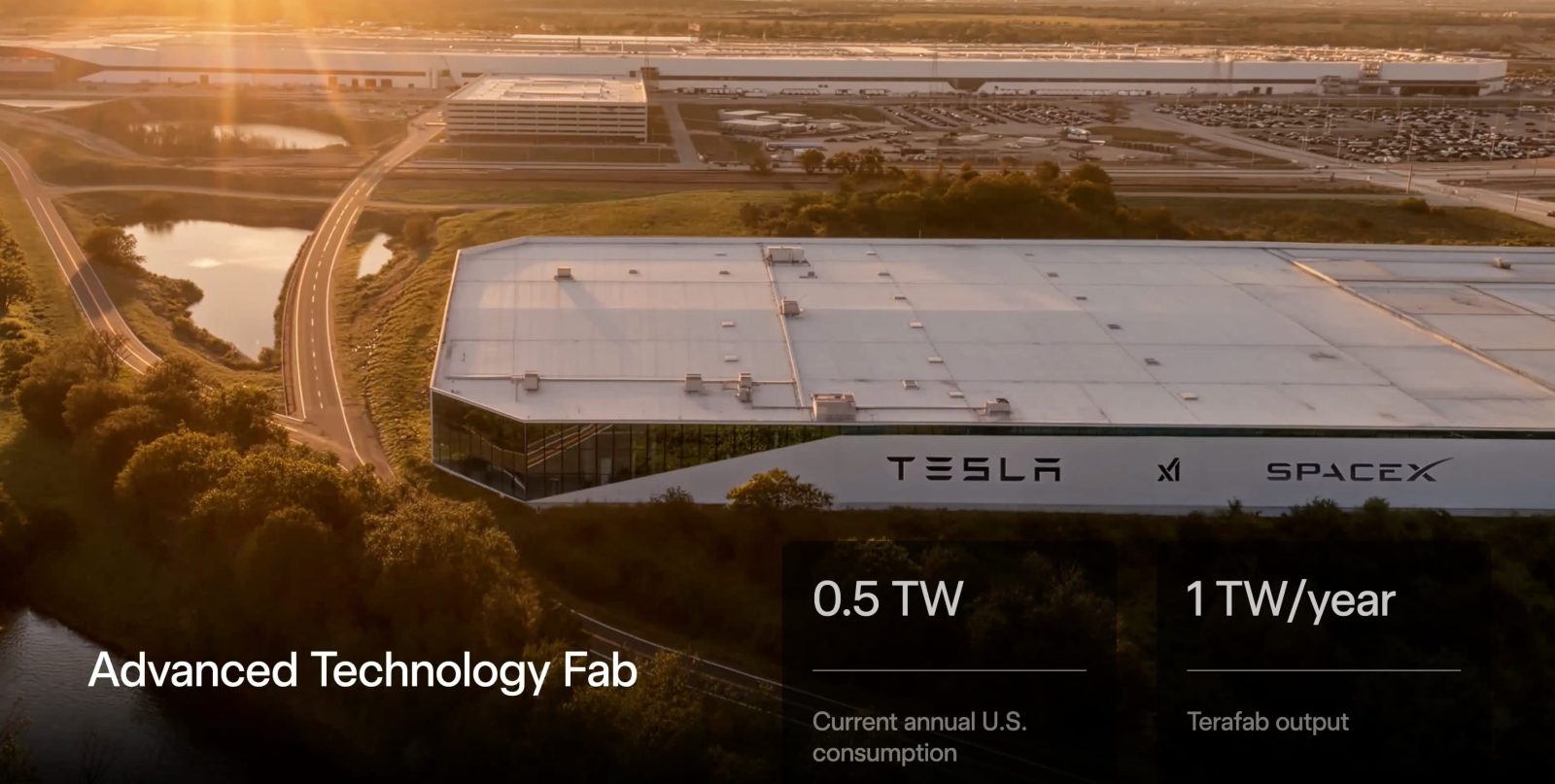
Tesla, SpaceX confirm ‘Terafab’ chip fab site — $16.8B first phase

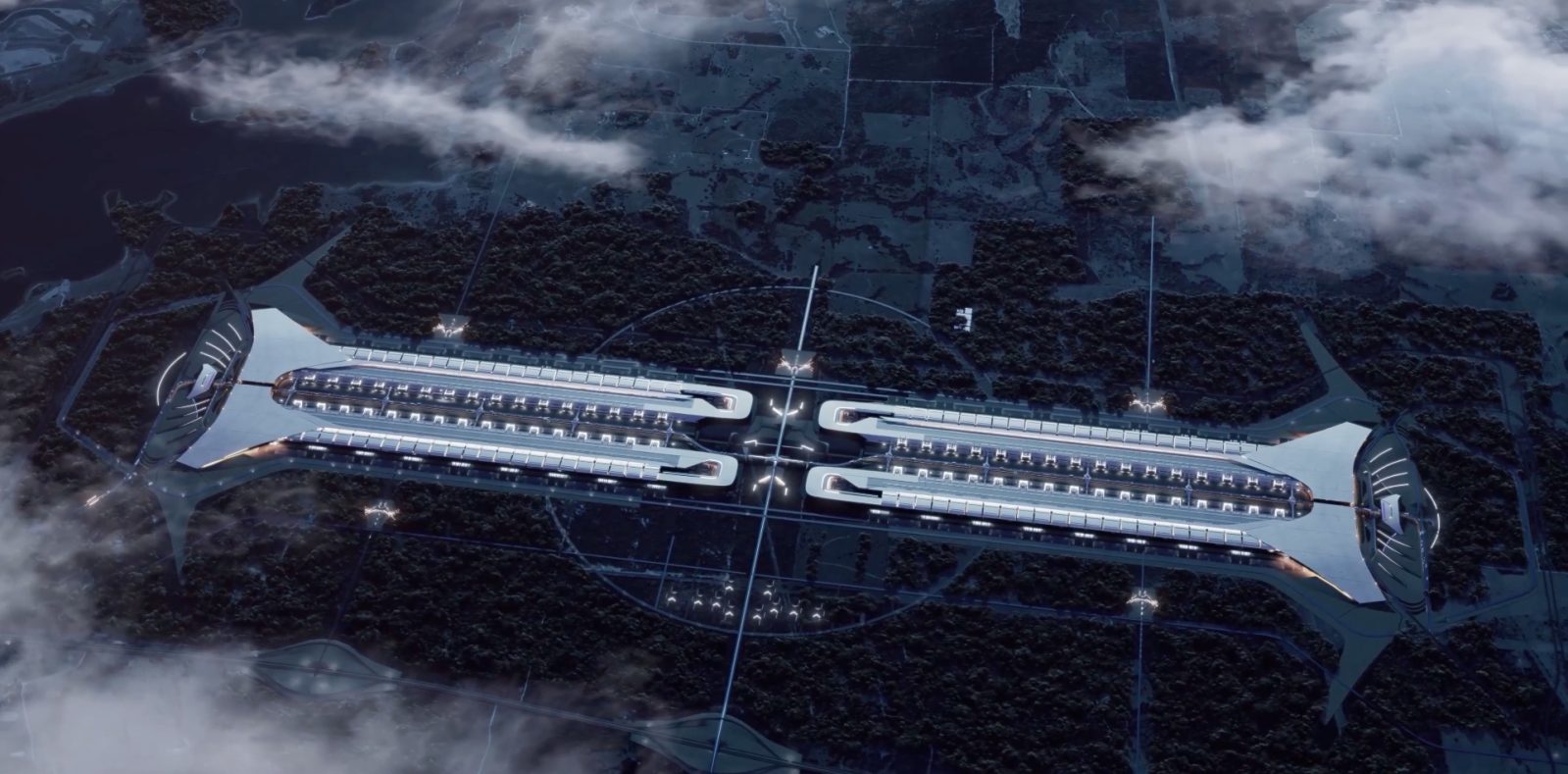
Tesla and SpaceX have confirmed where they’ll build Terafab, the semiconductor megafactory Elon Musk first teased in March. It’s going to Grimes County, Texas, about an hour northwest of Houston.

The companies put the initial phase at roughly $16.8 billion and said the finished site will span more than 100 million square feet, which they’re calling the largest chip manufacturing facility on the planet.

  •  

SpaceX Now Faces a Terrible Peril

Investors were not impressed by SpaceX’s first-ever earnings report earlier this week. Shares dropped by more than ten percent, even after the company reported higher than expected revenue — comforting financial news which, unfortunately for CEO Elon Musk, was overshadowed by the venture’s massive AI spending.

The same day, SpaceX insiders, including employees and executives, got their first real opportunity to turn their holdings into cash after the total shares available for trading grew from around 639 million to 1.55 billion, a chunk of the stock valued at just over $100 billion being unlocked.

As Reuters put it, investors now faces an “irresistible opportunity to cash out.”

“This has to be the most talked-about lockup in the history of IPO lockups,” institutional ​brokerage firm R.F. Lafferty & Co CEO Robert Hackel told the agency. “You are going to see a lot of exits.”

It’s no wonder Musk’s rocket company is facing massive pressure this week. Shares are down more than 28 percent over the past month, currently hovering around $114, which is miles below its mid-June record high of $225.

SpaceX’s massive volatility briefly made Musk the world’s first trillionaire — only for him to lose that title once his rocket company’s stock came crashing back to Earth.

Its current share price is also low enough to keep an additional 455 million shares locked up, since it’s still south of its $135 IPO price, setting the stage for even more volatility if it were to claw itself back to that point.

Musk remaind steadfast in his ambitious vision for the company, from orbital data centers to a fleet of humanoid robots that would enable large scale manufacturing on the surface of the Moon.

During Tuesday’s earnings call, he admitted that his plans sound “totally nuts” and “super sci-fi right now,” but maintained that “it’s going to happen.”

Whether investors continue to buy into his vision, though, is anything but guaranteed. SpaceX’s success so far this year has largely been built on hype surrounding AI. The company was merged with Musk’s AI startup, xAI, bringing in plenty of new investors — but saddling it with billions of dollars in additional debt.

Its space ambitions hinge almost entirely on the success of Starship, a super-heavy launch platform that has yet to complete a single successful flight and landing.

SpaceX’s revenues, meanwhile, are heavily dependent on its Starlink satellite internet service. There’s certainly good news there, but the program also saw its average revenue per user drop over the last quarter, rattling investors.

In short, SpaceX’s path to profitability is inextricably linked to the belief that Musk’s sci-fi dreams can be turned into reality in a short enough time period that the dream won’t collapse in on itself.

“SpaceX wants to tell the story they’re the market leader,” The Westly Group founder Steve Westly told CNBC. “But people still have these questions: how quickly can they grow? How big are the costs going to be before this thing gets to profitability?”

More on SpaceX: SpaceX Achieves Its First Moon Landing by Accidentally Crashing Into It at 5,400 Miles Per Hour, Causing Huge Explosion and 60-Foot Crater

The post SpaceX Now Faces a Terrible Peril appeared first on Futurism.

  •  

Elon Musk Allegedly Stiffing Contractors on Huge Bills

Being unbelievably wealthy comes with powerful perks — like getting away with being too cheap to pay people the money they’re owed.

This, allegedly, is what Elon Musk is doing with one of the contractors who helped build his sprawling Colossus data centers near Memphis. 

The contractor, Ohio-based Darana Hybrid, has filed two liens against SpaceXAI — formerly known as xAI, before being merged into SpaceX — demanding that Musk’s firm pay more than $136 million for the work it’s done since 2024, the Memphis Business Journal first reported.

“The contractors are alleging they haven’t been paid for years of construction work,” Dima Amro, the reporter who broke the story, told Action 5 News.

Musk’s rapid construction of the two Colossus data centers in the Greater Memphis area has been the center of controversy. To quickly get the facilities online, the company brought in heavily polluting gas turbines that residents complain is making the air hard to breathe. Laggardly payments could be further evidence of the expedient means SpaceXAI took to get the data centers operational as quickly as possible.

According to the Shelby County Register of Deeds website, Darana Hybrid has filed two liens against SpaceXAI, one demanding $18 million for construction at the first Colossus facility near Boxtown, and another for more than $118 million for work at the second facility in Whitehaven.

And that could be just the start. Darryl Cuttell, Darana Hybrid’s owner, is reportedly expected to file more liens, bringing the total money owed to over half a billion dollars.

“So it looks like more liens are going to be coming to the surface,” Amro told Action 5 News. “About $400 million more worth of liens. I was told that that would be filed in Mississippi for the SpaceXAI facilities there.”

According to the reporting, two other companies, USW-Menard Inc and TorcSill Foundations, have also filed liens totalling more than $2.2 million for work done at SpaceXAI’s data center facilities.

The alleged hundreds of millions of dollars in missing money is upending Cuttell’s life, Amro says.

“He said he hasn’t slept in over four months. He’s lost a lot of weight. And he feels like there’s no future right now after filing those liens,” she told Action 5 News.

This isn’t the first time Musk has been accused of ripping off the smaller companies that helped build his business empire. A 2025 investigation by CNN found that contractors for Musk’s automaker Tesla had filed liens for more than $110 million of unpaid money in the past five years, with many of the contractors being small mom-and-pop operations.

More on Elon Musk: Columbia Economist Baffled as to Why the Masses Aren’t Rising Up Against Elon Musk

The post Elon Musk Allegedly Stiffing Contractors on Huge Bills appeared first on Futurism.
  •  

Columbia Economist Baffled as to Why the Masses Aren’t Rising Up Against Elon Musk

As unpopular as SpaceX and Tesla CEO Elon Musk has become in the popular eye, some say the vitriol doesn’t go nearly far enough.

In an episode of his podcast Ones and Tooze, Columbia University economic historian Adam Tooze picked apart the increasingly expensive AI arms race and its consequences for humanity. Among Tooze’s observations: the AI boom is completely upending the long-standing social contract under capitalism, a shift embodied most dramatically by Musk.

During the podcast, co-host Cameron Abadi asked what a “best case scenario” for AI might look like — where a human-level superintelligence emerges that can automate the world’s jobs. In response, Tooze pointed to a report from the Bank of International Settlements: under that scenario, labor’s share of income could collapse from an already paltry 54 percent to just 20 percent, meaning workers would be forced to fight over the remaining crumbs that drop from billionaires’ tables.

“The share in the total pie collapses, and that’s obviously a huge transformation in political power,” Tooze explained. And though that’s a future projection, the economic historian notes we’re already seeing symptoms of this extreme reversal of fortunes today, chiefly in the extreme wealth accumulation of Musk.

“I don’t understand frankly why the event of Musk’s enrichment isn’t more of a scandal, isn’t more a historic moment,” Tooze said. “Like this — to have a trillionaire in our midst ruptures the social bargain in such a — just such a dramatic way, like how can we even be any longer talking about being in the same society as this group of individuals who’ve unleashed this technology on the world.”

“It goes beyond Luddism,” Tooze continued, referring to the 19th-century labor movement that saw workers smash textile looms to fight back against economic exploitation. “It’s not about resisting the technology per se, it’s about asking ‘which social contract this belongs to?'”

Though it remains to be seen how severe an impact AI actually has on the labor market, one scenario keeps surfacing: superintelligent AI fuels a drastic rise in economic inequality, with tech billionaires on one end, and the working class on the other.

Comparing the current “AI arms race” to the actual nuclear arms race, Tooze asks the listener to imagine a “private Manhattan Project, developing a thermonuclear weapon,” calling superintelligent AI “kind of like a labor-market neutron bomb.”

And where the Manhattan Project was funded, organized, and staffed by the US government, the current AI boom takes almost the exact opposite approach, following the whims of the ultra-rich.

“Clearly, government money has gone into Silicon Valley in various ways,” Tooze caveats. “But nevertheless, the contrast between the Manhattan Project… and the realities of the current moment, spearheaded by a figure like Elon Musk, who literally has eviscerated the state apparatus of that first [nuclear] race… it strikes me that it’s really a regression away from the mid-century arms race model to something that’s much more like the ‘Merchants of Death’ vision.” (The Merchants of Death was a moniker for 1930s-era war profiteers.)

“We’re back in that space” Tooze continues, “of private, unfettered, oligarchic — but global — arms race… to my mind, the [AI arms race] analogy is interesting not because of the similarities, but because of the differences it reveals.”

More on Musk: Suddenly, as His Empire Crumbles, Elon Musk Admits He Made a Huge Mistake With DOGE

The post Columbia Economist Baffled as to Why the Masses Aren’t Rising Up Against Elon Musk appeared first on Futurism.

  •  

Tesla weighs selling China business to clear path for SpaceX merger

Tesla is looking at cutting loose its China business to clear a path toward a merger with SpaceX, according to a new Wall Street Journal report.

If true, it would be a massive deal in the auto industry. Tesla’s Shanghai factory builds more than half of all Tesla vehicles, so any separation would carve out the single biggest piece of Tesla’s car operation.

Update: Elon Musk has denied the WSJ report, but as usual, that should be taken with a grain of salt.

  •  

Tesla’s Elon Musk is having a generational meltdown

Tesla CEO Elon Musk has spent 2026 turning his X feed into a problem no investor relations team can fix. His posts have escalated from trolling into open white nationalism, and this week his AI company sued the state of Minnesota to block a law targeting nonconsensual sexual deepfakes.

The board of a public company would have fired the CEO for just a fraction of the stuff Musk is posting these days. However, Tesla is not a normal company. Shareholders have given full control to Musk and now, they have to live with it.

  •  

Elon Musk Launches New Service Where You Can Send Him All Your Money and Hope for the Best

If you were looking for even more ways to give Elon Musk your hard-earned cash, you’re in luck!

His social media platform X has officially rolled out a new banking service, uninspiredly called X Money, to its Premium and Premium Plus users — who are already shelling out up to $40 a month for a blue checkmark and more prominent tweet replies.

The service allows users to store their money in a deposit account and withdraw cash via ATMs using a physical Visa debit card. The microblogging platform is also enticing users with three percent cash-back and six percent annual percentage yield (APY).

But you’re not alone if you’re having second thoughts about handing over a company primarily known for the dissemination of misinformation, child sexual abuse material, and hate speech — while providing a depressing echo chamber to its broadly loathed CEO — your life savings.

As senator Elizabeth Warren (D-MA) pointed out in a letter directly addressed to Musk earlier this year, X Money could pose a risk to “consumers, our national security, and the stability of the financial system,” while citing Musk’s “track record operating X.”

“Your failure to operate X in a safe and responsible manner does not breed confidence in your ability to safely expand into consumer finance,” she wrote.

Musk’s desire to launch a banking app goes way back. In 1999, he cofounded e-commerce payment system X.com, which merged with another company in 2000 to eventually form PayPal. However, the company’s board ousted Musk and replaced him with Peter Thiel at the time over major disagreements, a clear source of frustration and anger for the SpaceX CEO.

X Money is part of Musk’s broader goal of transforming X into what he calls “the everything app,” which, in the timeless words of former CEO and Musk’s mouthpiece Linda Yaccarino, “can deliver, well… everything.”

It’s an ambitious dream that evokes the Chinese app WeChat. But considering Musk’s standing in today’s society — his behavior has quickly turned him into one of the most hated people on the planet — convincing the public of going all-in on X might be more difficult than he anticipated, especially when it comes to personal finance.

Besides, even just getting the feature off the ground has seemingly been far more difficult than Musk anticipated. He originally promised it would launch by the end of 2024.

“It would blow my mind if we don’t have that rolled out by the end of next year,” Musk told then-Twitter employees in October 2023.

Considering he missed his deadline by over two and a half years, chances are his mind has been blown several times over by now.

More on X: Elon Musk Is Having One of His All-Time Meltdowns

The post Elon Musk Launches New Service Where You Can Send Him All Your Money and Hope for the Best appeared first on Futurism.

  •  

Elon Musk Is Having One of His All-Time Meltdowns

What would you do if you were unfathomably wealthy? Collect superyachts, throw extravagant parties, and just generally live a care-free existence? 

Not if you’re Elon Musk. The former trillionaire is busy as ever waging his war on all-things “woke” — and it’s devolved into a performance which, even by his extreme standards, is a meltdown for the ages. Or a few of them simultaneously, involving entities as diverse as an esteemed journal, a chef, a Greek epic and Anne Hathaway.

It all started over the weekend when The Economist released a lengthy interview with Musk, who displayed none of the irreverent charm that once made him so popular, or even the calculating calm you might expect from a powerful business leader.

Musk smugly denied that his USAID cuts have caused the deaths of any children, despite the overwhelming evidence to the contrary. And when the magazine’s editor-in-chief Zanny Minton Beddoes addressed how deeply unpopular he’s become due to the kind of polarizing rhetoric he pushes, he fumed against her at and the media class at large.

“They hate you far more than they hate me!” Musk raged, impotently. “You’re the problem, the media.”

His ire didn’t end there. He took to his personal echo chamber X to label Beddoes a “traitor to the West, plain and simple,” after she criticized him for constantly spreading misinformation about immigrants to his hundreds of millions of followers, and also called her a “woke NPC with zero self-awareness.”

In response, celebrity chef José Andrés, whose nonprofit World Central Kitchen provides food relief, pleaded with Musk to “change” because he was acting “like a tyrant.” And despite Andrés praising some of Musk’s accomplishments, the zillionaire remained as thin-skinned as ever.

“You’re an asshole,” Musk accused Andrés, despite literally just calling someone an NPC and hand-waving aside the deaths of children.

All the while, he’s also been busy crashing out about a resurfaced clip of Anne Hathaway advocating trans rights in an awards acceptance speech — from eight years ago.

“She has a little bird brain,” he wrote. In a flurry of posts that followed, he also said Hathaway was a “marionette” who “just says the words Hollywood tells her to say,” with “no internal thoughts of her own.”

Hathaway, it’s worth noting, recently starred in Christopher Nolan’s film “The Odyssey,” which has been an outstanding critical and commercial success — much to Musk’s chagrin. He has spent the past several months tirelessly campaigning against the adaptation of the Greek epic for being too woke, for reasons such as casting Black women in prominent roles. 

Nolan, according to Musk, “desecrated Homer and groveled on his knees just to meet the woke rules required to win an Oscar.” When it was clear that his obvious attempt at trying to sink the film’s chances had utterly failed, he then vowed that his AI Grok would create a “historically accurate” adaptation of The Odyssey.

Hundreds of billions of dollars to his name, folks. Money truly can’t buy happiness.

More on Elon Musk: Suddenly, as His Empire Crumbles, Elon Musk Admits He Made a Huge Mistake With DOGE

The post Elon Musk Is Having One of His All-Time Meltdowns appeared first on Futurism.
  •  

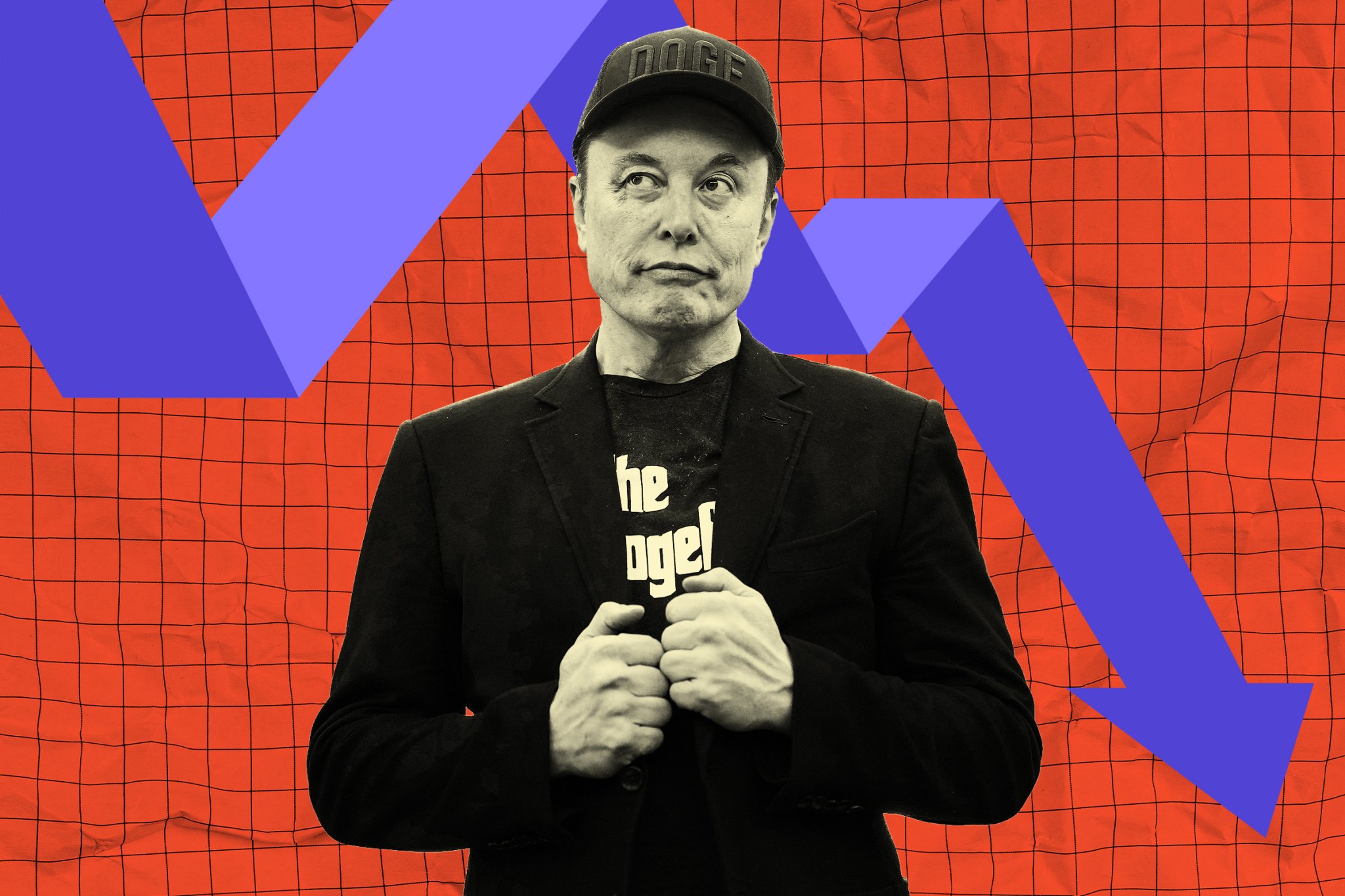
SpaceX Stock Hammered After Starship Booster Fails in First Launch Since IPO

Was SpaceX’s recent Starship flight test a success or a failure? Many are hailing it as a victory, but several of the megarocket’s booster’s engines failed after re-entry, causing it to explode.

SpaceX has had many similarly ambiguous tests before. But this was the first one since its much-hyped IPO earlier this summer — and it’s already clear that it wasn’t a convincing enough display to reverse the company’s fortunes on the stock market.

After hitting an all time low before the weekend and closing at $115, SpaceX shares endeavored to plummet even further on Monday, briefly dipping to $108.66 — a new nadir since going public — before stabilizing around $110. The new low is over 20 percent below its opening IPO price of $135, and less than half of its all time high of more than $225 per share.

It’s a sign of the scrutiny the company will be put through now that it’s a public entity, and comes despite certain predictions that a successful flight would help buoy the company’s shares. When Starship ran into trouble in the past, SpaceX mainly had to weather a storm of media coverage. Now, nervous investors represent yet another liability.

“One of the benefits of being private is that there wasn’t a market to weigh in on and evaluate business decisions,” David Meier, senior investment analyst at the Motley Fool, told The Washington Post.

“Being publicly traded means everything will be evaluated and information transmitted through market prices,” he added. “So every SpaceX launch, every Starlink decision and every xAI decision will be scrutinized by the market.”

Spaceflight, at least currently, isn’t an ideal match for the make-a-quick-buck capitalism that Musk extolls. SpaceX has never been profitable, losing $5 billion last year alone. As Starship’s woes illustrate, rocket development is messy and complicated; there’s no guarantee that progress will be linear, if there’s any made at all. Investors are essentially being asked to keep pouring money into an incredibly lengthy and expensive science experiment. 

Meanwhile, Musk has made outrageously lofty promises that SpaceX will eventually use Starship to deploy so many data centers in space that it’d create a “sentient sun,” and establish colonies on the Moon and eventually Mars. Every failure will be compared against those outsized benchmarks, which is almost certainly part of Musk’s enduring schtick.

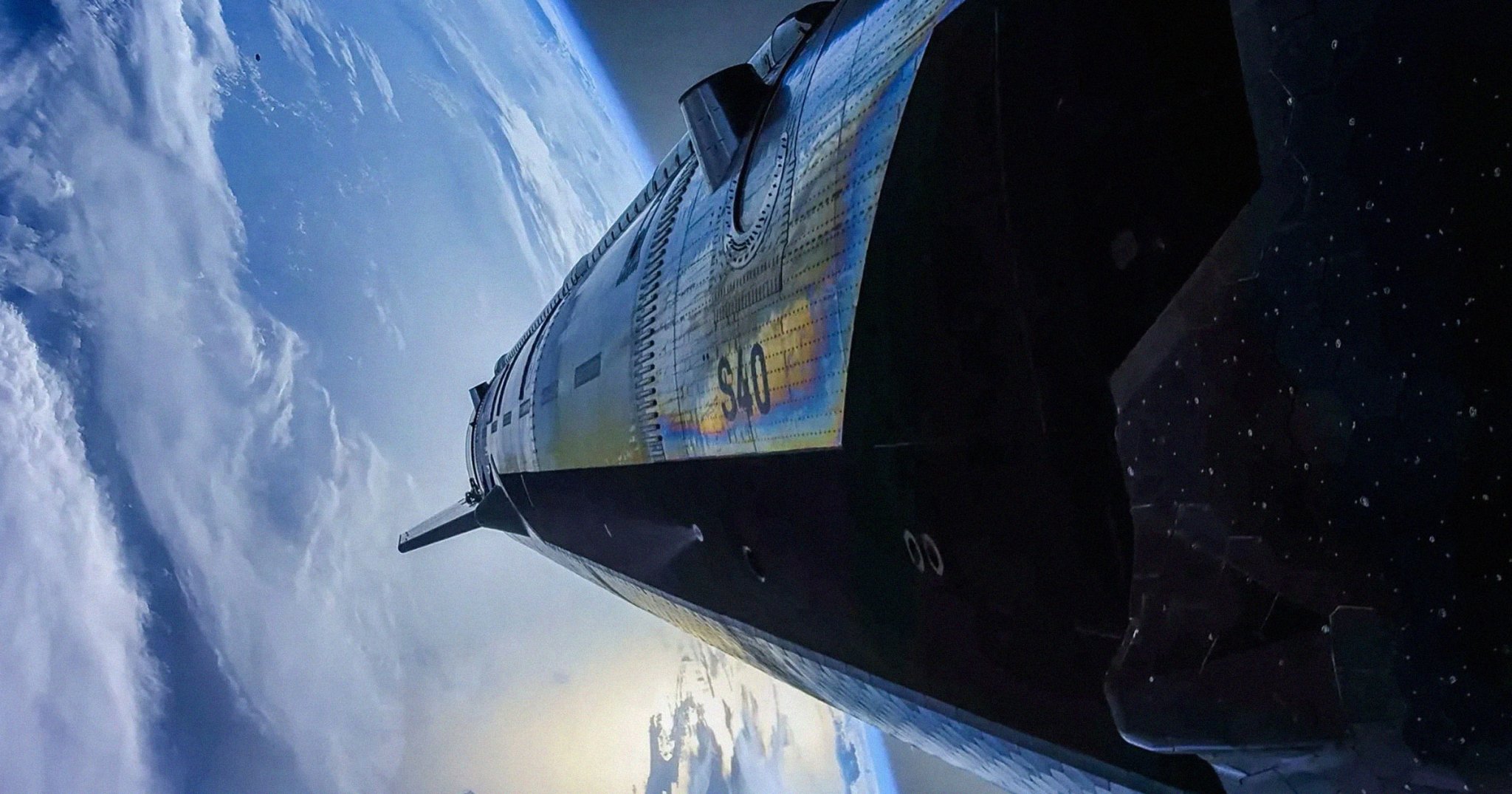
The thirteenth test flight on Friday was a mixed-bag. The spacecraft’s upper stage successfully made its way to suborbital space and deployed a payload of Starlink internet satellites, which briefly went online before burning up as planned. This was a first for Starship, as previous tests only used dummies. Then the ship re-entered the atmosphere and landed in the Indian Ocean in one piece without exploding.

But the booster was a different story. Though it performed flawlessly on the journey up, only ten of out the thirteen engines fired up on its return to Earth, failing to slow the massive object down in time. Instead of making a planned “soft” splashdown, it slammed into the Gulf of Mexico and appeared to explode on impact.

On the one hand, the flight test validated that SpaceX is making progress with its latest V3 iteration of its spacecraft. In the first V3 flight test in May, the upper stage lost several of its engines on its way to space, and this time it didn’t. The upper stage also survived the splash down instead of exploding, with SpaceX engineers calling it Starship’s best reentry yet. 

But the failed booster landing is hard to overlook. Unless the booster is reliably recoverable, then Starship won’t be reusable, an indispensable part of making the behemoth vehicle an economically viable means to ferrying large payloads into orbit and beyond.

Most coverage around the recent test has been positive. Arguably, that makes it all the more concerning that the stock continues to perform so poorly.

“The future of the company is riding on the ability to make Starship work,”  Clayton Swope, deputy director of the Aerospace Security Project, told WaPo. “What they’re trying to do is switch to a freight train and get the economies of scale [of] something of that magnitude.”

More on SpaceX: SpaceX Investors in Meltdown Over All the Money They’ve Lost

The post SpaceX Stock Hammered After Starship Booster Fails in First Launch Since IPO appeared first on Futurism.
  •  

Tesla partly settles racism lawsuit as hundreds of workers press on

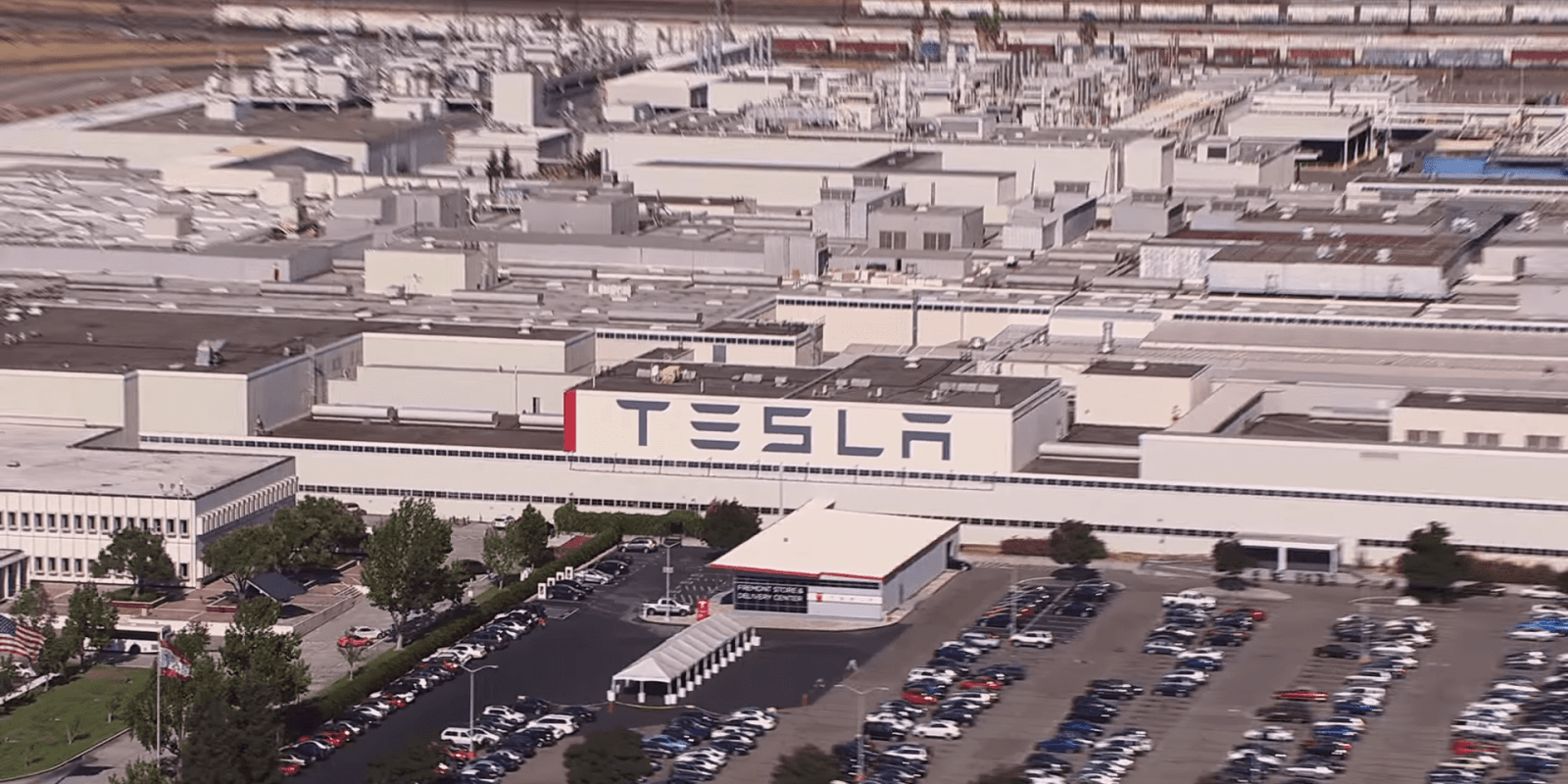
Tesla has confidentially settled with three of the five named plaintiffs in the racism lawsuit that has been hanging over its Fremont factory since 2017.

That doesn’t end much. Up to 580 Black workers are still suing over conditions at the same plant, and California’s civil rights agency is taking its own case to a jury.

  •  

The Type of Orbital Data Centers That Billionaires Want to Launch Into Space Would Wreak Ecological Catastrophe, Scientists Warn

Over the past year or so, a puzzling idea has taken hold among billionaires ranging from Elon Musk to Jeff Bezos: that instead of trying to force data centers on communities that don’t want them down on Earth, it would be much easier just to launch them into space.

The economics and logistics of the scheme, many experts have pointed out, are absolutely absurd. And even beyond those practical concerns, if corporations actually did somehow manage to fill the planet’s orbit with the facilities, scientists are now warning that the environmental cost would be devastating.

A new petition organized by the group EarthJustice, first reported by the Guardian, is warning of “catastrophic” consequences for the planet if the billionaire-backed dream ever came to pass. The 29-page petition calls on the US Federal Communications Commission to investigate current orbital data center licensing requests as potentially in violation of “federal law,” joining the chorus of experts warning that it’s a horrible idea for just about everybody.

“The FCC is currently considering multiple requests for licensing extraordinary numbers of satellite-based data centers to be placed into low-earth orbit over the next decade,” the petition begins. “The proponents of these proposals describe their plans in grandiose, civilization-changing terms. But these same proponents have refused to embrace any inquiry into the impacts of their self claimed epochal technology on the environment, science, economy, or other values. This is not just poor planning and a missed opportunity: it violates federal law.”

The filing does double duty. On top of formally petitioning the FCC to prepare an environmental assessment, it’s also a “petition to deny,” which is a legal mechanism that requires the petitioner to back up their claims with verified facts. That requirement turns the document into a de facto review article — with 113 footnote citations, it’s easily one of the most detailed public accounts yet of what orbital data centers could actually cost the planet.

“The operation of more than a million data center satellites threatens potentially catastrophic forms and quantities of atmospheric pollution, risking damage to the climate, to the ozone layer, to human health, and to the chemistry of the stratosphere itself,” the petition reads.

In particular, the petition warns that giving free rein to tech billionaires to clutter our skies with experimental data centers would accelerate our contamination of the stratosphere, which is currently facing an unprecedented rise in heavy metals, noxious gasses, and carbon particles thanks to record satellite launches.

Satellite companies run by tech and aerospace tycoons are already facing scrutiny for their lack of transparency around this type of pollution, a situation the petition warns would make significantly worse. As the petition authors write, they are “concerned that no [company] has yet provided more than a token acknowledgment of environmental risks.”

“Moreover,” the authors continue, “no [company] has provided satisfactory detail to explain how it will mitigate the cumulative environmental harms flowing from the foreseeable operation of more than a million satellites [emphasis in original], orbiting our planet, colliding and disintegrating and plummeting back to Earth.”

More on data centers: Climate Activists Pelt Microsoft Data Center With Balloons Full of Acid

The post The Type of Orbital Data Centers That Billionaires Want to Launch Into Space Would Wreak Ecological Catastrophe, Scientists Warn appeared first on Futurism.

  •  
❌