A Adobeanunciou hoje o lançamento de um plugin unificado para o ChatGPT, reunindo mais de 70 ferramentas criativas da seu suíte diretamente na interface do chatbot por inteligência artificial (IA) da OpenAI.
O plugin conta com ferramentas de aplicativos da Adobe que já possuíam integração com o ChatGPT, além de novos recursos do Adobe Express, Photoshop, Firefly, Premiere, Acrobat, Lightroom, Illustrator, InDesign e Adobe Stock, permitindo que os usuários possam criar peças publicitárias ou adaptar um vídeo para diferentes redes sociais sem precisar alternar entre aplicativos.
A novidade faz parte da estratégia da Adobe de expandir a compatibilidade dos seus recursos com as ferramentas de IA generativa; em junho, a empresa já havia mencionado que levaria esses recursos inclusive para rivais do ChatGPT, como o Claude. No Copilot, no Gemini e no Slack eles chegarão “em breve”, segundo a empresa.
Grande novidade: um novo plugin da Adobe já está disponível no @ChatGPT da @OpenAI! Mais de 70 ferramentas — incluindo @Photoshop, @AdobeFirefly, @Lightroom e @Acrobat — reunidas em um único chat. Crie mockups com suas fotos. Adapte vídeos para qualquer plataforma. Transforme um modelo em um PDF com acabamento profissional. Saiba mais: adobe.ly/3TDrxff
Ainda conforme a desenvolvedora, a novidade foi pensada para “facilitar e agilizar a transformação de ideias em conteúdo de alta qualidade dentro do ChatGPT”, mas a empresa destaca que, para necessidades criativas “mais profundas”, os seus aplicativos nativos seguem sendo a primeira opção.
Questionada pela AI Magazine se o uso dos recursos incorporados ao ChatGPT poderia rivalizar com o uso dos aplicativos nativos, a líder de produtos de IA agêntica da Adobe, Deepti Pradeep, respondeu o seguinte:
Dentro do ChatGPT, a experiência é transformadora: em vez de escolher plugins da Adobe separadamente, os usuários podem experimentar uma única experiência da Adobe que traz o Photoshop, Acrobat, Express e mais juntos.
Nós acreditamos que a consolidação adiciona mais valor aos usuários do ChatGPT. Fora dele, nossos aplicativos nativos permanecem essenciais para um controle mais profundo, preciso e avançado dos fluxos de trabalho.
Para iniciar, é possível utilizar algumas funcionalidades do plugin como convidado, embora a Adobe recomende fazer login com a sua conta para “desbloquear recursos adicionais”.
O plugin da Adobe já está disponível tanto no app quanto na versão web do ChatGPT.
A briga entre a OpenAI e a Apple teve um novo capítulo na Justiça. Depois de rebater as acusações publicamente em carta aberta no início da semana, a dona do ChatGPT protocolou ontem (5/8) uma petição pedindo a um juiz federal americano que arquive o processo movido pela Apple, classificando as alegações da fabricante como sem fundamento.
Segundo a Bloomberg, os advogados da OpenAI argumentam que o processo distorce a conduta de seus funcionários e que um dos acusados de furto de dados, na verdade, tentava ajudar um ex-colega que continuava na Apple. Na petição, a empresa chega a dizer que a ação da Apple é “sem fundamento e forjada”, usada para compensar suas dificuldades em reter talentos e sua demora em integrar IA aos produtos.
Redigido sem investigação adequada e construído sobre comunicações seletivamente recortadas e condutas comuns tiradas de contexto, a reclamação da Apple é — tomando emprestada sua própria expressão — “podre desde a raiz”.
A defesa se concentra em dois nomes já conhecidos do processo. Tang Tan, chefe de hardware da OpenAI e ex-vice-presidente de design de produto da Apple por 24 anos, teria seguido práticas normais de recrutamento do setor ao entrevistar funcionários da Maçã. Já Chang Liu, engenheiro acusado de acessar arquivos confidenciais de hardware por semanas após identificar uma falha de autenticação, estaria apenas atendendo a um pedido de ex-colegas da Apple que precisavam localizar informações para o próprio trabalho — a OpenAI publicou trechos de mensagens de texto que, segundo ela, comprovam a versão.
A petição também questiona a base jurídica do processo: para a OpenAI, a Apple nunca chegou a identificar de forma específica quais informações configurariam, de fato, segredos industriais protegidos, nem demonstrou uso indevido por parte de qualquer um dos réus. Como reforço, a empresa de Sam Altman afirma não ter qualquer interesse nos segredos da rival, já que estaria “construindo algo inteiramente novo e diferente de tudo o que existe na Apple”.
OpenAI is asking a federal judge to dismiss a lawsuit filed by Apple accusing the artificial intelligence company of stealing trade secrets, saying that the iPhone maker’s allegations are meritless. https://t.co/9u2OTVWMlwhttps://t.co/ZmugpwLCWy
Outro ponto de defesa recai sobre as próprias práticas internas da Apple: segundo a OpenAI, a fabricante permitia que funcionários usassem contas pessoais do iCloud para trabalho e, posteriormente, revisou mensagens pessoais deixadas em dispositivos corporativos — o que teria gerado o acesso residual alegado no processo, e não um esquema coordenado de furto.
Chama atenção também a defesa específica de Tan quanto à posse de um documento interno sobre desligamento de funcionários: enquanto a Apple alega que o material serviria para burlar verificações de segurança, a OpenAI sustenta o oposto — que Tan teria guardado a informação justamente para garantir que novos contratados vindos da Apple seguissem à risca os procedimentos de desligamento da própria Apple, sem reter dados confidenciais.
Segundo o Axios, a petição tem 31 páginas e variações da palavra “fail” (“falhar”/”fracassar”, em referência às falhas da Apple) aparecem quase 50 vezes ao longo do texto — um indicativo do tom escolhido pelos advogados da OpenAI.
Injunção e próximos passos
O caso corre como Apple vs. Liu (processo 5:26-cv-07078) na Justiça Federal do Distrito Norte da Califórnia, sob o juiz Edward Davila — o mesmo que presidiu o julgamento criminal de Elizabeth Holmes, ex-CEO 1Chief executive officer, ou diretor executivo. da Theranos.
Paralelamente ao pedido de arquivamento, a OpenAI ainda precisa responder, até 17 de agosto, ao pedido de liminar feito pela Apple para suspender o uso de qualquer suposto segredo industrial enquanto o processo tramita. A audiência sobre essa liminar está marcada para 1º de outubro.
Até a publicação desta matéria, a Apple não havia se pronunciado sobre a nova petição da OpenAI.
Na carta aberta, intitulada “Apple is getting this wrong” (“A Apple está entendendo isso errado”, em tradução direta), a empresa de Sam Altman tenta demonstrar inconsistências na narrativa apresentada pela Apple aos tribunais, classificada por ela como “descuidada, agressiva e estranhamente pessoal”. A OpenAI também diz que a prática não faz jus à grandeza histórica da Maçã.
Quanto às questões endereçadas na carta, a acusação principal — de que Tang Tan, líder de hardware da OpenAI e ex-designer da Apple, utilizou seu conhecimento sobre os procedimentos internos da Apple para repassar informações confidenciais sobre os seus produtos — foi contestada, com a versão oficial da OpenAI alegando que Tang sempre foi enfático quanto à falta de intenção em fazer uso de segredos industriais de outras empresas. A confusão sobre a revogação de acesso já havia sido mencionada em uma reportagem do The Information.
Sobre Chang Liu, cuja acusação envolvia a retenção de dispositivos e acessos para baixar arquivos internos, a réplica à Maçã, caso verdadeira, é um tanto reveladora: na carta, foi mencionado que funcionários da Apple entraram em contato com Liu mesmo após a sua saída para localizar os arquivos de projetos internos, revelando uma fragilidade no processo de revogação do acesso a arquivos internos. As mensagens trocadas entre Chang e um funcionário da Maçã via iMessage foram divulgadas junto da carta.
Já tratando sobre a alegada ciência da OpenAI quanto aos temas do processo, a dona do ChatGPT expôs emails de advogados externos que representavam a Maçã admitindo um erro no envio das mensagens, ocasionado por uma confusão entre os sobrenomes de Che Chang (conselheiro geral da OpenAI) e de um funcionário de sobrenome Wang — a quem, alegadamente, se referia a mencionada conversa por telefone, que nunca aconteceu, de acordo com a carta e com uma confissão feita em um dos emails divulgados.
A carta não cobriu, no entanto, as acusações de que a OpenAI vinha incentivando funcionários da Apple a realizar entrevistas para os seus cargos e fornecer detalhes sobre dispositivos ainda não lançados, e nem o suposto contato feito por parte da OpenAI com fornecedores da Apple sob o apoio de dados internos importantes.
Solicitação de liminar
Ontem, a Apple solicitou, de maneira preliminar, uma liminar para impedir que Liu e Tan possam acessar, obter, utilizar ou divulgar informações confidenciais. O pedido foi rebatido na carta:
O pedido da Apple por uma liminar preliminar é baseado em informações falsas e é completamente desnecessário, porque não temos, nem queremos ter, nenhum de seus segredos comerciais. Estamos muito mais interessados em construir produtos e tecnologias inovadores que ampliem as fronteiras do que é possível.
Até o momento, a Maçã não se pronunciou sobre a resposta da OpenAI.
OpenAI family of devices plans are no longer limited to an experimental gadget hidden inside a design studio. OpenAI President Greg Brockman has confirmed that the company’s first consumer device will begin a broader series intended to reconsider how people interact with artificial intelligence.
The confirmation gives OpenAI’s hardware strategy a clearer shape without revealing the first product itself. Brockman said the company is not ready to discuss the device in detail, but described it as the first in a series that will rethink what devices should be when AI can understand language, observe context and complete tasks.
That ambition extends well beyond placing the ChatGPT app on another piece of hardware. OpenAI wants to reduce the menus, buttons, model selectors and separate applications that currently stand between a person and an AI assistant.
For Apple, Google and other established platform owners, the implication is significant. ChatGPT currently reaches consumers through devices and operating systems controlled by other companies. An OpenAI-designed product would give the company direct control over the microphones, cameras, sensors, interface and account experience through which its models interact with people. 56000
OpenAI Family of Devices Begins With io
OpenAI’s move into consumer hardware accelerated in 2025 when it acquired io Products in a transaction valued at approximately $6.5 billion.
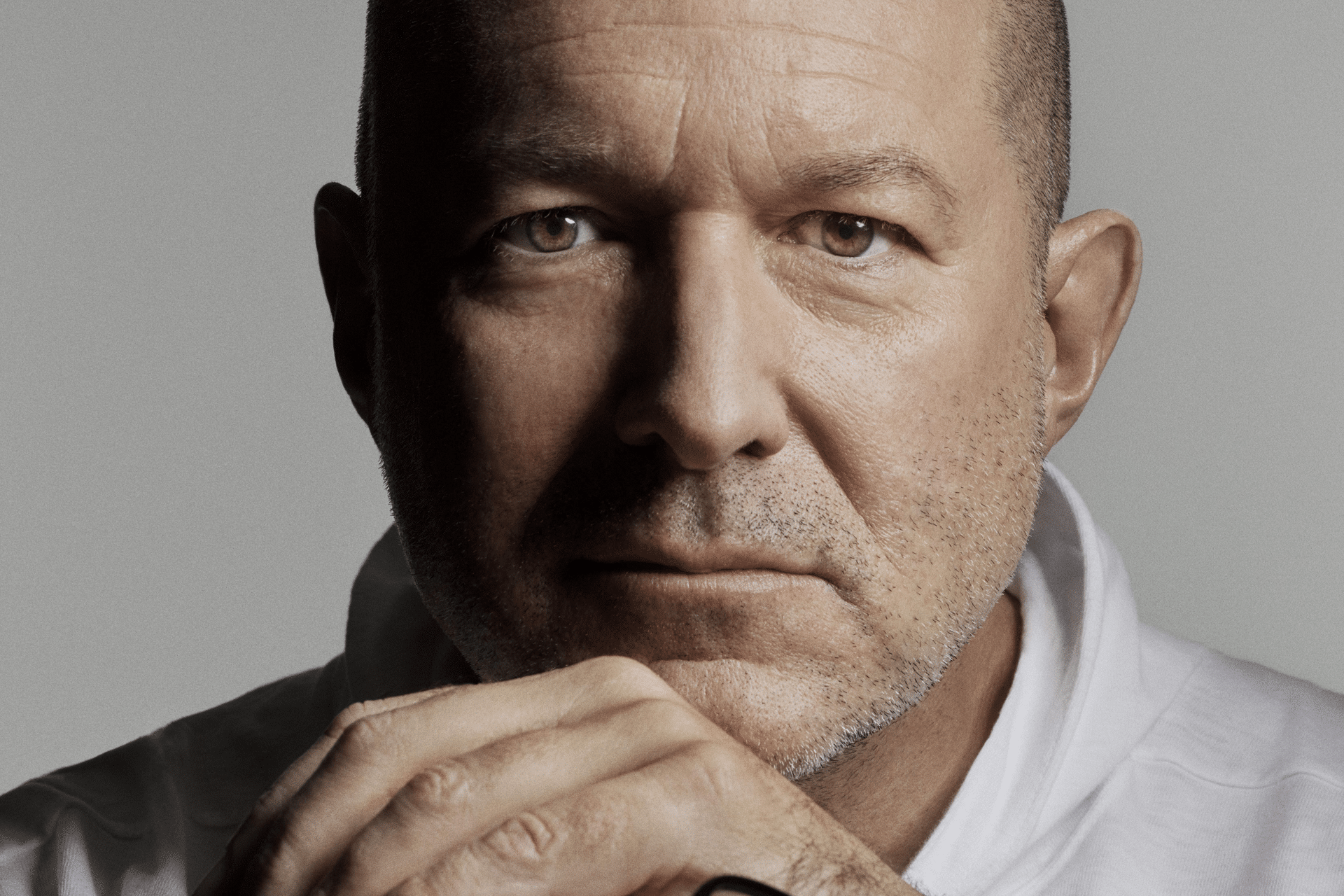
The startup had been founded by former Apple design chief Jony Ive alongside Scott Cannon, Evans Hankey and Tang Tan. Its team included hardware engineers, designers, manufacturing specialists and product developers, many of whom had spent years working together at Apple.
OpenAI and Ive had already been collaborating before the acquisition. Their early ideas developed into physical designs, convincing the partners that they needed a dedicated company capable of engineering and manufacturing complete products rather than another software prototype.
The io team officially merged with OpenAI in July 2025. Ive and his design collective LoveFrom remained independent while assuming extensive design and creative responsibilities across OpenAI.
The structure combines OpenAI’s models and software research with a group experienced in turning new interface concepts into mass-produced consumer products. Ive’s previous work helped shape the iMac, iPod, iPhone, iPad, Apple Watch and other devices that established Apple’s modern design identity.
OpenAI has continued recruiting hardware expertise from Apple. Paul Meade, who led hardware development for Apple Vision Pro and worked on the company’s smart-glasses efforts, reportedly joined OpenAI’s hardware organization in 2026.
OpenAI also placed product-development veteran Peter Welinder in a leadership role connected to the io division. The resulting organization is not structured like a small accessory project. It is being assembled to develop products, create manufacturing relationships and support more than one form factor.
Image Credit: Google
The First Device Remains Unannounced
OpenAI has not publicly confirmed the name, appearance, price or specifications of its first device. It has also not presented the product as a smartphone, pair of glasses, wearable pin or conventional smart speaker.
Recent reporting describes a portable, screen-free device designed primarily for use inside the home. The reported product resembles a compact speaker but includes a rechargeable battery, allowing it to move between rooms rather than remain attached to one location.
A camera and additional sensors would help the device understand its surroundings. Mechanical elements could allow parts of it to move, creating a more expressive physical presence than a stationary speaker waiting for a wake word.
The reported design would rely heavily on OpenAI’s latest voice technology. Instead of requiring a person to wait for the assistant to finish speaking, the system could listen and respond more naturally during overlapping conversation. Access to personal information, including messages or email when authorized, could give it enough context to handle requests rather than merely answer questions.
These details remain reported plans rather than announced specifications. OpenAI could change the hardware, features or release schedule before introducing the product.
The company is reportedly targeting a presentation during 2026 and a commercial release in 2027. Fortune separately reported that the initial design has been finalized, although development of the larger product family continues.
Why OpenAI Wants Hardware of Its Own
ChatGPT already operates across iPhone, iPad, Mac, Android and Windows devices. That wide distribution gives OpenAI access to an enormous audience without requiring it to manufacture screens, batteries or processors.
It also leaves crucial parts of the experience under the control of Apple, Google and Microsoft.
An operating system determines when ChatGPT can use a microphone, whether it can run continuously, how notifications appear and which applications it can control. Platform owners can limit background access, change default-assistant rules or promote their own AI systems more prominently.
Those restrictions matter more as ChatGPT develops from a chatbot into an agent. Answering a question inside an app requires relatively little control over the device. Completing a task across messages, calendars, files, cameras and connected appliances requires deeper access.
OpenAI hardware could be designed around those capabilities from the beginning. The assistant would not need to behave like one application among dozens because it could become the primary interface.
Brockman has described the current ChatGPT interface as too complicated, particularly as new models and tools add more controls. OpenAI’s objective is to make much of that interface disappear.
A successful device could allow someone to describe an outcome instead of opening several applications and completing each step manually. The user might ask the assistant to reorganize a day after a delayed flight, contact the relevant people and adjust reservations. The interface would be the request and the resulting confirmation rather than a sequence of taps.
A Family Creates More Context Than One Gadget
Calling the project a family of devices changes the strategy. One experimental product would need to prove its value independently. A coordinated group could distribute different sensors and functions across the places where people already live and work.
A home device could provide shared access in kitchens and living spaces. A personal wearable could preserve private conversations while moving outside. A future mobile product could handle visual information, navigation and communication without reproducing the application grid of a smartphone.
OpenAI is reportedly developing approximately five hardware concepts, with the screen-free home companion receiving priority. The company has also explored wearables and home robotics, although none of those later products has been announced.
The devices would become more useful if they shared the same ChatGPT identity, memory controls and task history. A request started at home could continue through another product without requiring the user to repeat the people involved, the desired result or the decisions already made.
That continuity is one of the strongest advantages Apple currently receives from controlling a complete ecosystem. An iPhone, Mac, Apple Watch, AirPods and HomePod can exchange information because Apple designs the devices, operating systems and cloud services together.
OpenAI appears to be pursuing a different center of gravity. Instead of making the operating system coordinate applications, it could make the AI assistant coordinate specialized devices.
Image Credit: Dado Ruvic/Reuters
ChatGPT Will Also Expand Through Other Companies’ Hardware
OpenAI’s hardware work does not mean the company intends to reserve ChatGPT for its own products.
Brockman has said OpenAI is interested in deeper integrations with smart glasses, wearables and other devices through its application programming interfaces. The company wants ChatGPT to become an interface available across hardware categories, including products manufactured by third parties.
That creates a two-track strategy. OpenAI can use its own devices to demonstrate the experience it considers ideal while allowing other manufacturers to connect their cameras, microphones and sensors to ChatGPT.
Third-party distribution would help OpenAI reach consumers who do not want another dedicated device. It would also reduce the risk of depending entirely on the success of one hardware launch.
The difficult part will be keeping those experiences consistent. A wearable may have limited battery capacity, a camera may require visible privacy controls, and a speaker may depend on cloud processing when a connection is available. OpenAI will need to define what its assistant can do reliably across products with very different technical limits.
Early AI Hardware Changed the Expectations
The first generation of dedicated AI gadgets established a warning for every company entering this market.
Humane’s AI Pin and the Rabbit R1 attracted attention by promising an alternative to application-based computing. Their launches also exposed problems involving response delays, battery life, incomplete features and tasks that remained easier on a smartphone.
Those products demonstrated that access to a language model does not automatically justify a new object. Consumers need to understand why they should carry, charge and maintain another device when ChatGPT, Gemini and other assistants already operate on phones.
OpenAI has several advantages those earlier companies lacked. It controls one of the most widely used AI services, operates the models behind the interface and has the resources to improve the software after launch. The io acquisition gives it experienced design and manufacturing leadership rather than requiring it to assemble a hardware organization gradually.
The standard will consequently be higher. A well-designed enclosure and natural voice will not be enough if the device cannot complete dependable tasks more efficiently than an iPhone or Android phone.
Apple’s Lawsuit Could Affect the Schedule
OpenAI’s expansion beyond Apple devices has also produced a direct legal confrontation with Apple.
Apple filed a federal lawsuit in July 2026 accusing OpenAI, io and former Apple employees of misappropriating confidential hardware information. The complaint alleges that trade secrets connected to unreleased products, engineering processes and suppliers were taken for the benefit of OpenAI’s hardware business.
OpenAI has denied having any interest in Apple’s trade secrets and said it was unaware of evidence giving the complaint merit. The allegations have not been decided by a court.
Apple is seeking restrictions on the use of its confidential information, along with the return of materials and financial damages. The case could require OpenAI to separate employees from parts of the project, replace suppliers or repeat engineering work if disputed information is found inside the development process.
It does not automatically establish that OpenAI’s reported product copies an Apple device. The first OpenAI design is described as substantially different from Apple’s current hardware, but the legal dispute could still affect when it can be manufactured or sold.
The First Product Will Define the Rules for the Rest
The most important details at OpenAI’s eventual hardware presentation may have little to do with the object’s shape.
A camera-equipped device that learns from activity inside a home will need unmistakable recording indicators, understandable data-retention controls and a simple method for temporarily disabling its sensors. Owners will need to know which information remains on the device, what reaches OpenAI’s servers and which memories can be reviewed or deleted.
OpenAI will also have to explain whether the product requires a paid ChatGPT subscription, how much it can do without an internet connection and whether multiple members of a household receive separate identities. Those choices will determine whether it behaves like a personal assistant, a shared appliance or a new subscription terminal.
Support for messages, calendars, music and connected appliances will require cooperation from outside companies. A device cannot replace frequent phone interactions if it remains unable to enter the services where those interactions occur.
The first model will therefore establish more than OpenAI’s industrial-design language. It will set the privacy, account, subscription and developer rules that every later member of the OpenAI family of devices inherits.
Artificial intelligence is getting cheaper for developers and everyday users alike. OpenAI, the company behind some of the most popular generative software, just announced significant price cuts for a pair of its language models. These changes apply to both the balanced Terra version and the faster, more affordable Luna model. This move gives the broader […]
OpenAI is handing the keys to its most advanced technology directly to the academic world. Through a new program called ChatGPT for Academic Researchers, the company plans to provide free access to its top models for 100,000 scientists by 2027. CEO Sam Altman noted that the goal is to empower experts to solve problems in […]
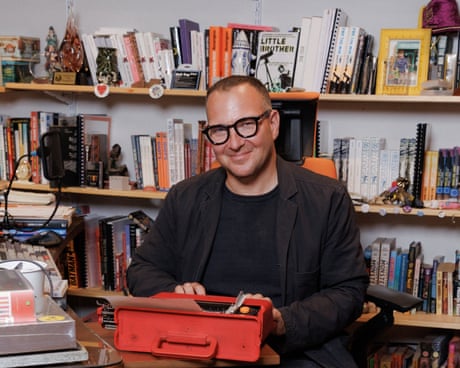
When the AI bubble bursts, executives who enthusiastically replaced their staff with AI tools will learn that it takes a “really long time” to replace those lost skills, says Cory Doctorow, a science fiction author and journalist.
But those in creative fields should also be warned not to put all their faith in copyright as the best way to safeguard their work, Doctorow warns, just one week after the Australian prime minister, Anthony Albanese, promised to ramp up protection against AI companies who refuse to pay.
Avtar spent decades wondering what happened to the mother he never got to know. Thousands of miles away, Nicci was haunted by the story of a half-brother given away before she was born. How did a chatbot bring them together?
As a small boy growing up in Amritsar, India, in the 1960s, Avtar Singh used to hear whispers. Your mum isn’t really your mum, the rumours would say. Your mum lives abroad. Avtar didn’t really pay any attention to it. “I thought, the neighbours are just making up stories.” But the stories were true: the woman raising Avtar was actually his grandmother. When he was too young to remember it, his father had emigrated to Canada to work as a teacher, leaving Avtar in the care of his paternal grandparents. His grandfather, a police officer, was a fearsome authoritarian, but his grandmother brought him up with tenderness, as if he were her own son. She called him by his nickname, Titu. He felt loved.
When Avtar was around eight years old, he was told about his family in Canada: his dad, his mum and a little brother were waiting for him there, and he would soon travel to join them. Just after his ninth birthday, Avtar found himself sitting on a plane, dressed in a three‑piece suit and tie. He was travelling alone. He had never flown before. He didn’t speak a word of English. He landed in Halifax, Nova Scotia, on Christmas Eve, 1968; his family met him at the airport and took him home. “I didn’t know what to think,” Avtar, now 66, tells me in a video call from his home in Abbotsford, British Columbia. “Before I knew it, it was the first week of January, and I was put in school.”

 Login