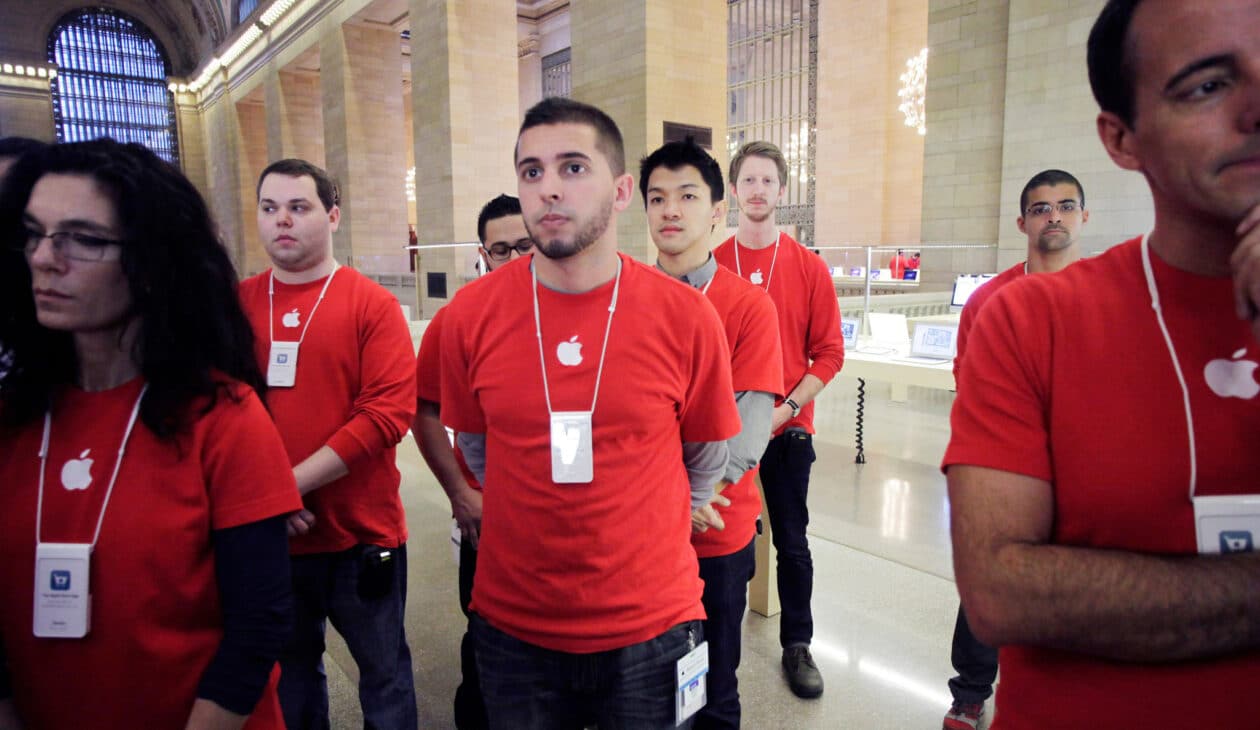
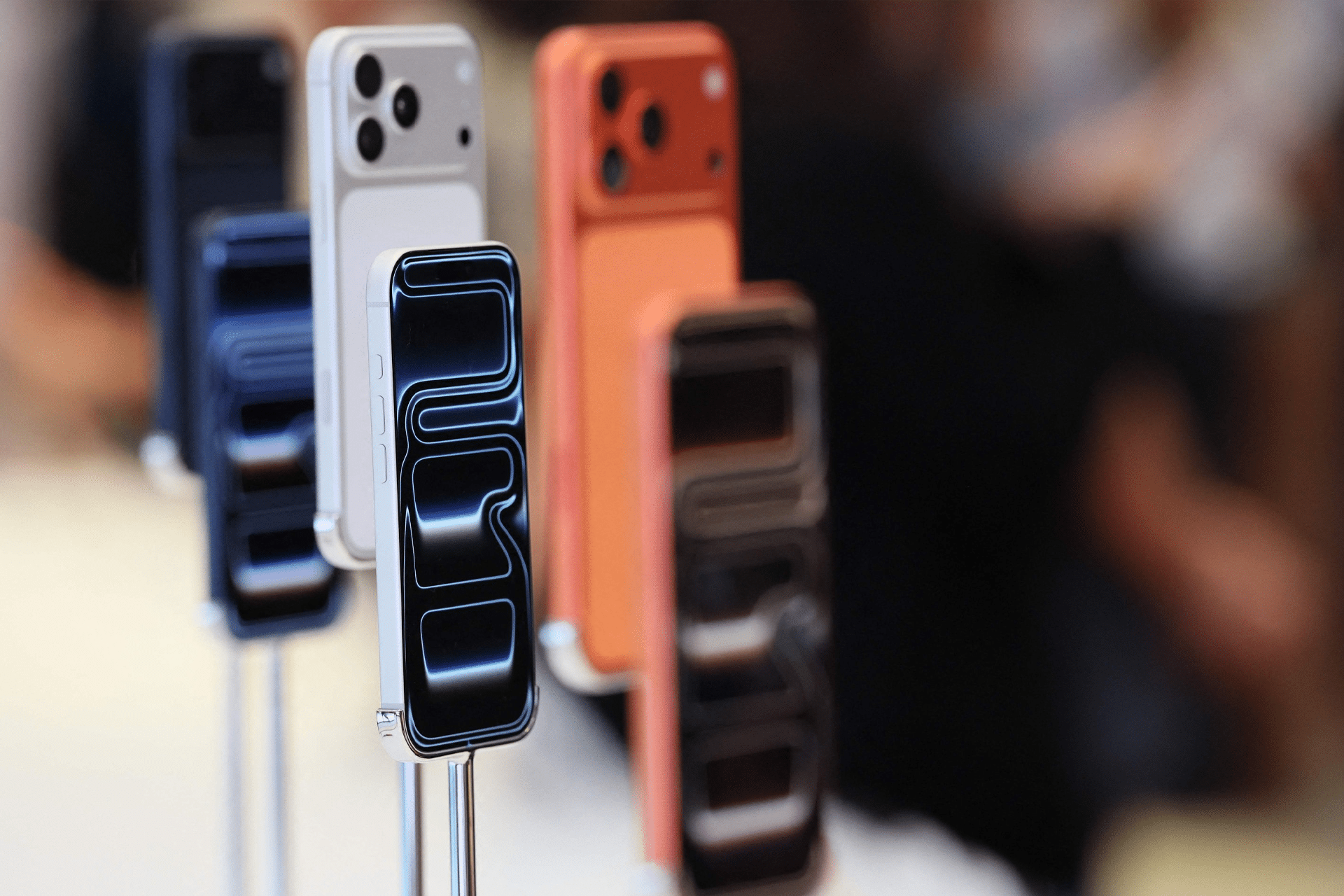
De acordo com uma reportagem da Bloomberg, a Apple dará o pontapé inicial nos preparativos para o evento especial de lançamento dos próximos iPhones com um sorteio interno entre funcionários de suas Apple Stores, com o objetivo de selecionar quais deles trabalharão presencialmente lá no Apple Park durante o grande dia.
Como trata-se de um número limitado de vagas (que certamente são bem disputadas), a empresa abriu inscrições para funcionários interessados até o dia 8 de agosto, e notificará os selecionados até o dia 17 do mesmo mês, segundo um memorando ao qual o veículo teve acesso.
Para se inscrever, os candidatos também não podem ter participado da WWDC26 e nem do evento especial de lançamento dos iPhones em setembro do ano passado — o que garante uma maior rotatividade nos funcionários selecionados para esses eventos.
Os funcionários que forem agraciados com o sorteio, segundo o memorando, atuarão em tarefas como organização de filas, check-in dos convidados e recepção aos participantes, bem como fornecerão informações e oferecerão suporte às equipes de segurança envolvidas.
O memorando também diz que o evento ocorrerá na primeira quinzena de setembro. Tradicionalmente, ele ocorre na 2ª terça ou quarta-feira do mês. Como segunda (7/9) será feriado nos Estados Unidos, é provável que o grande evento deste ano aconteça na quarta-feira (9/9).
The Samsung Galaxy Z Fold 8 is smaller, cheaper, and has fewer cameras than the Galaxy Z Fold 8 Ultra, but it may end up being the most popular Galaxy foldable to date.
Why? Because its 7.6-inch inner screen has a 4:3 aspect ratio, which is supposedly “the new standard for viewing content,” as Samsung told us in an interview — and if there’s one thing most of us can’t get enough of in 2026, it’s content.
The Galaxy Z Fold 8 Ultra, meanwhile, has an eight-inch inner screen with a 10:9 aspect ratio, which is great for spreadsheets and multitasking, but less brilliant for movies and YouTube videos.
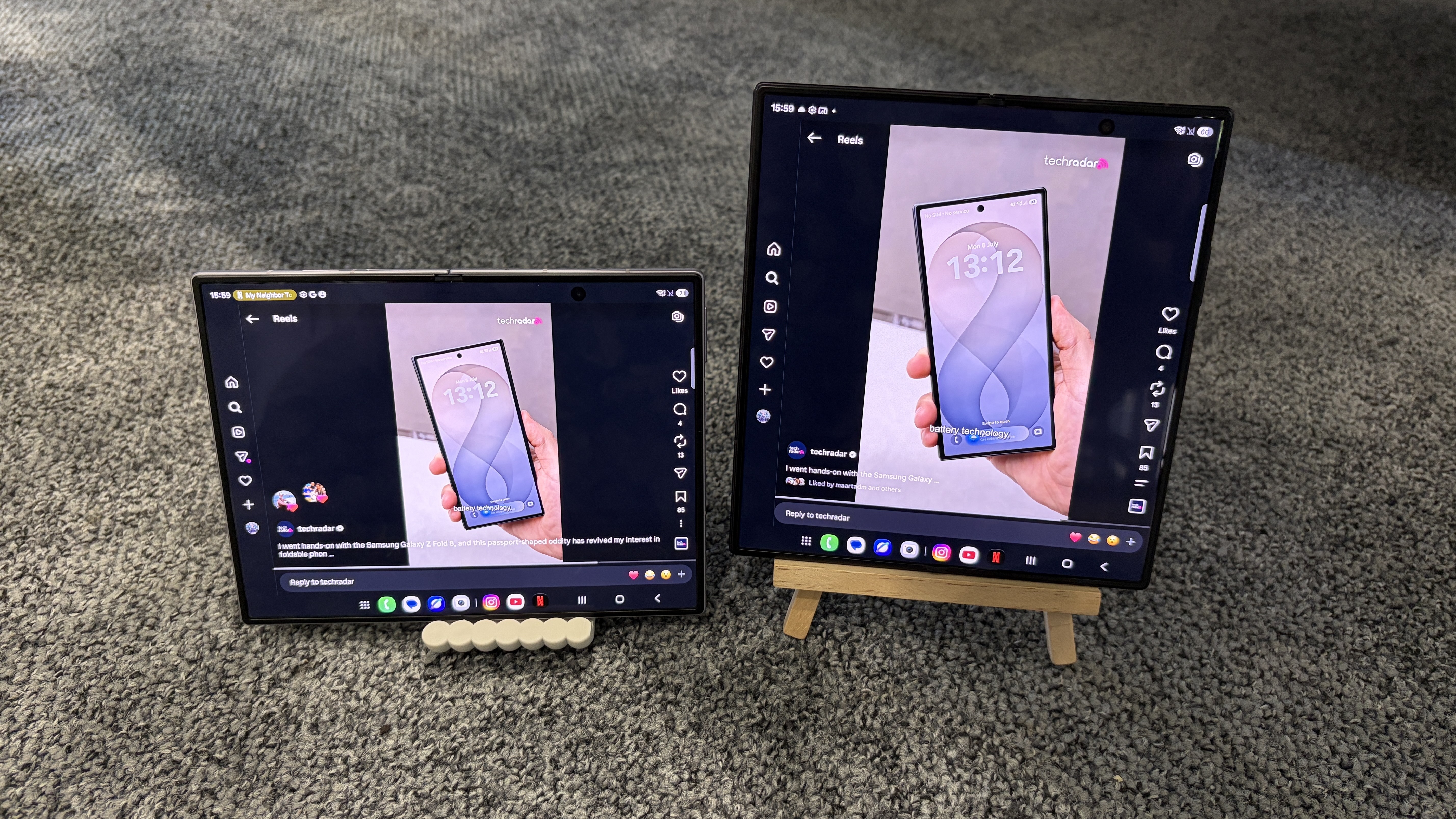
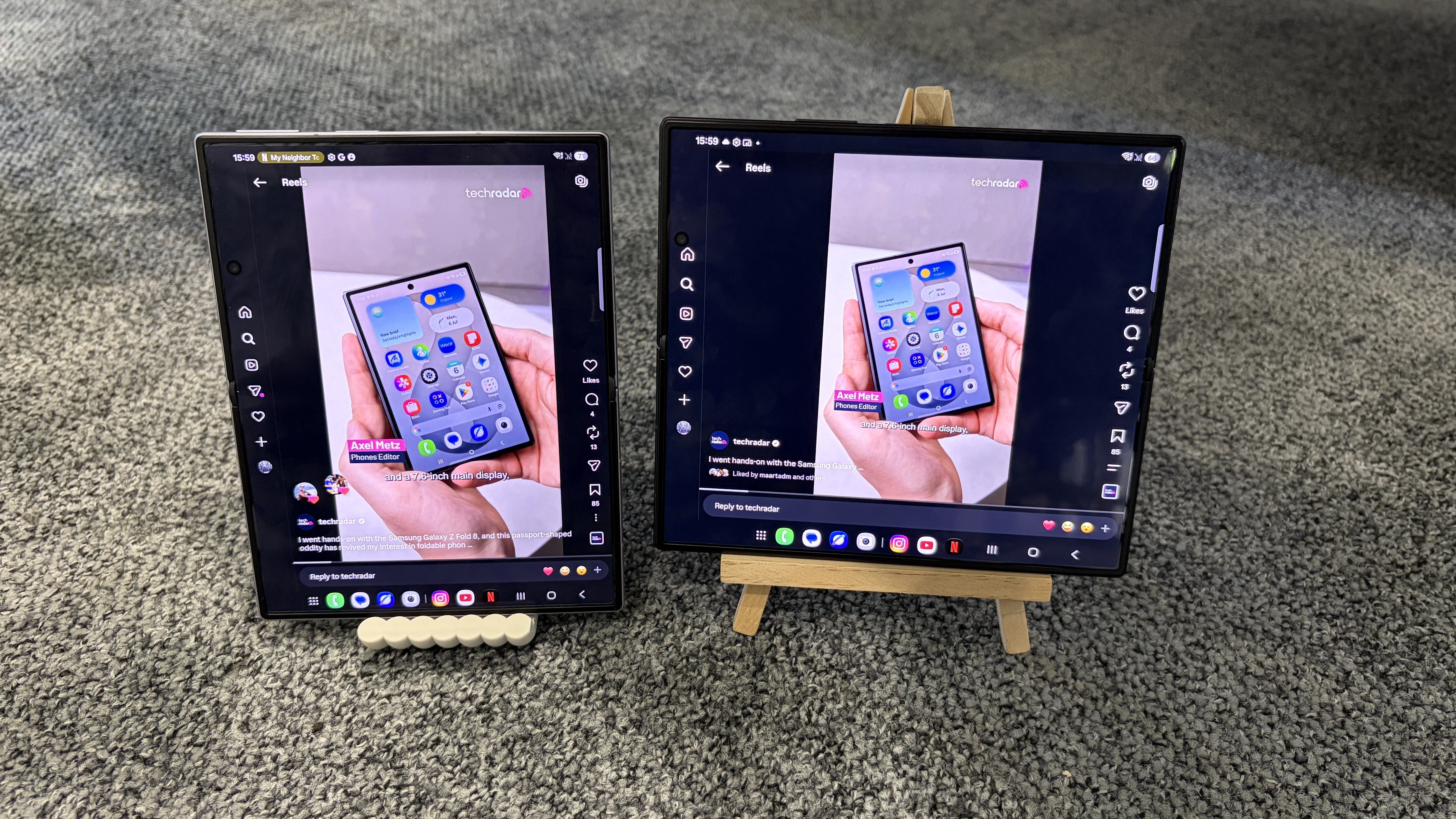
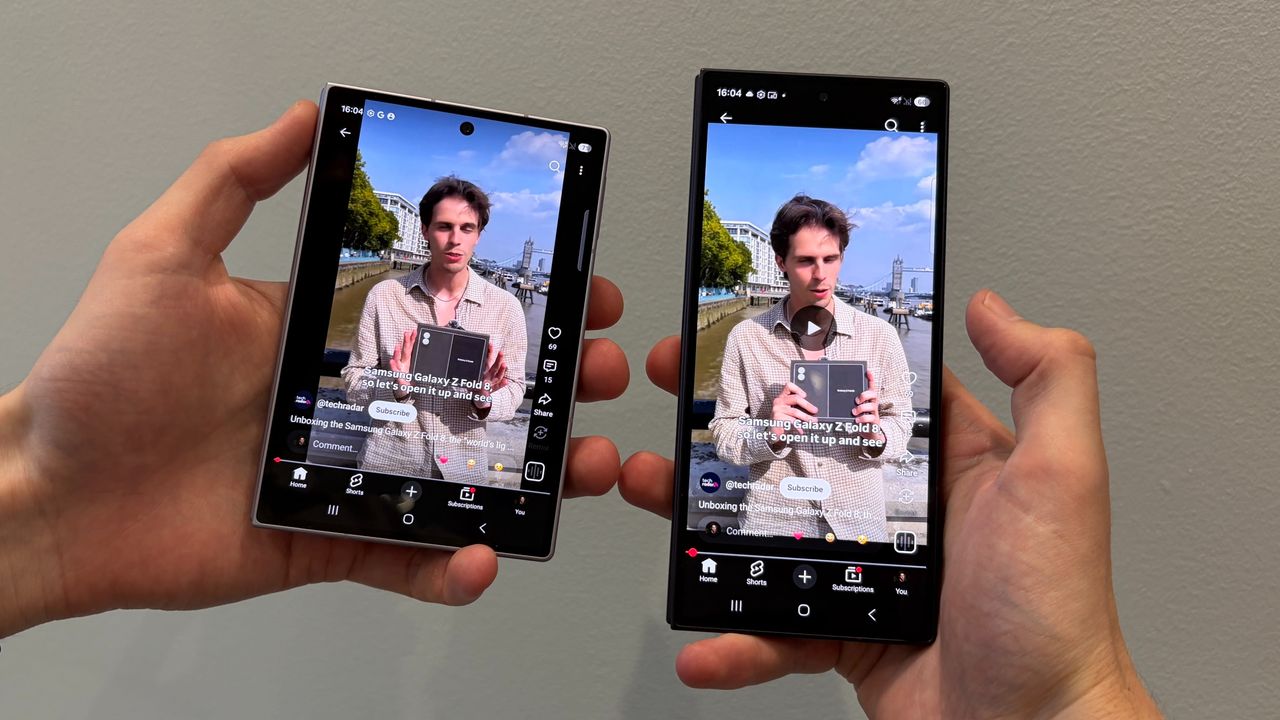
Don’t believe me (or Samsung)? I compared the experience of streaming Netflix, watching YouTube, and scrolling through Instagram Reels on the Galaxy Z Fold 8 and Galaxy Z Fold 8 Ultra — in both portrait and landscape orientations, where possible — to help you visualize the aspect ratio differences between these two devices.
Check out the side-by-side comparisons for each platform below, and let me know in the comments section which phone you’d prefer to use for watching videos. I've also included a roundup of each model's respective size specs for added context.
Samsung Galaxy Z Fold 8 Ultra
Samsung Galaxy Z Fold 8
Dimensions (unfolded):
158.4 x 143.2 x 4.1mm
161.4 x 123.9 x 4.5mm
Dimensions (folded):
158.4 x 72.8 x 8.9mm
81.9 x 123.9 x 9.7mm
Display (unfolded):
8 inches, 10:9
7.6 inches, 4:3
Display (folded):
6.5 inches, 21:9
5.5 inches. 16:10
Netflix
Z Fold 8 (10:16) / Z Fold 8 Ultra (9:21)
(Image credit: Future)
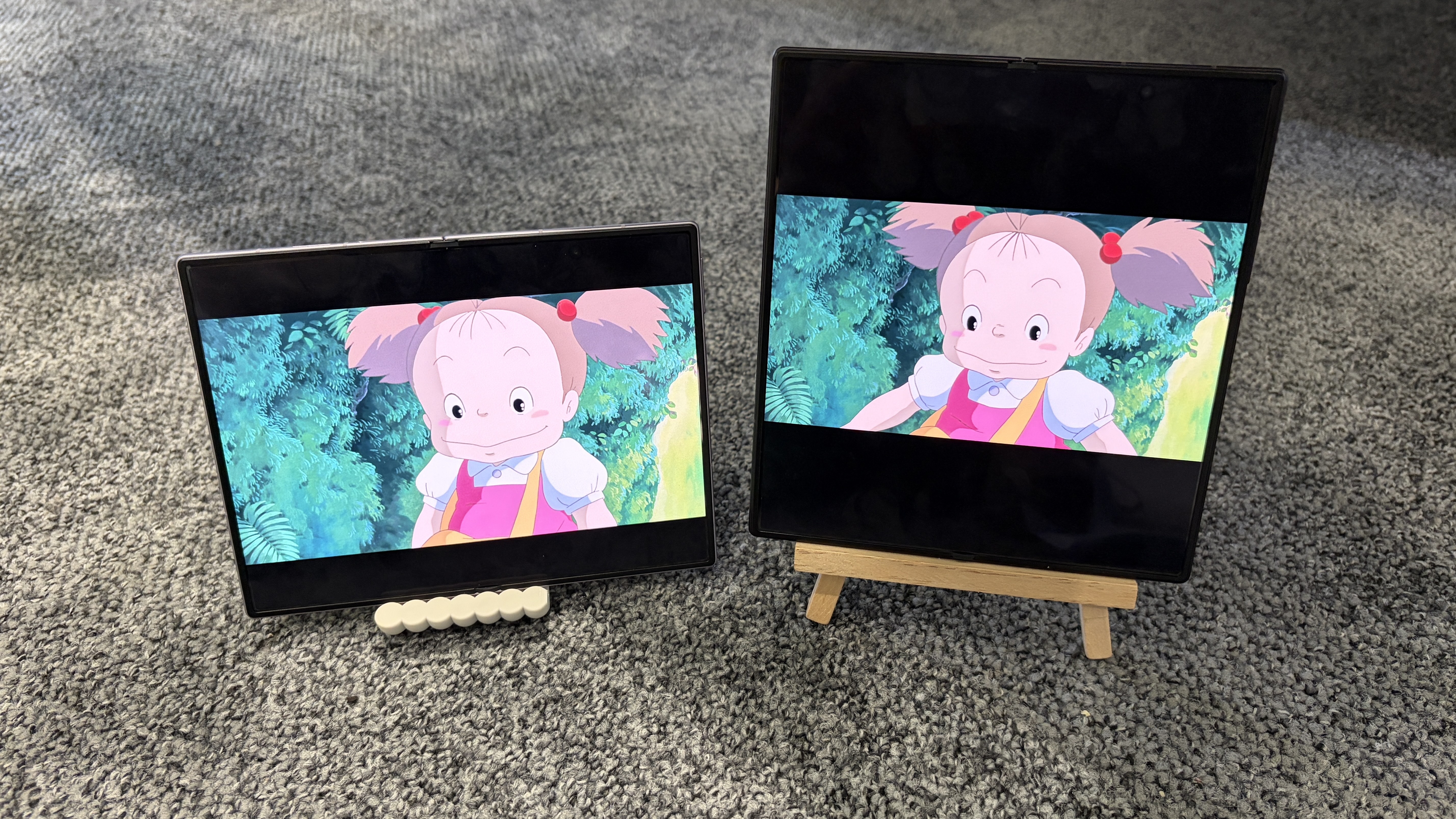
Z Fold 8 (4:3) / Z Fold 8 Ultra (10:9)
(Image credit: Future)
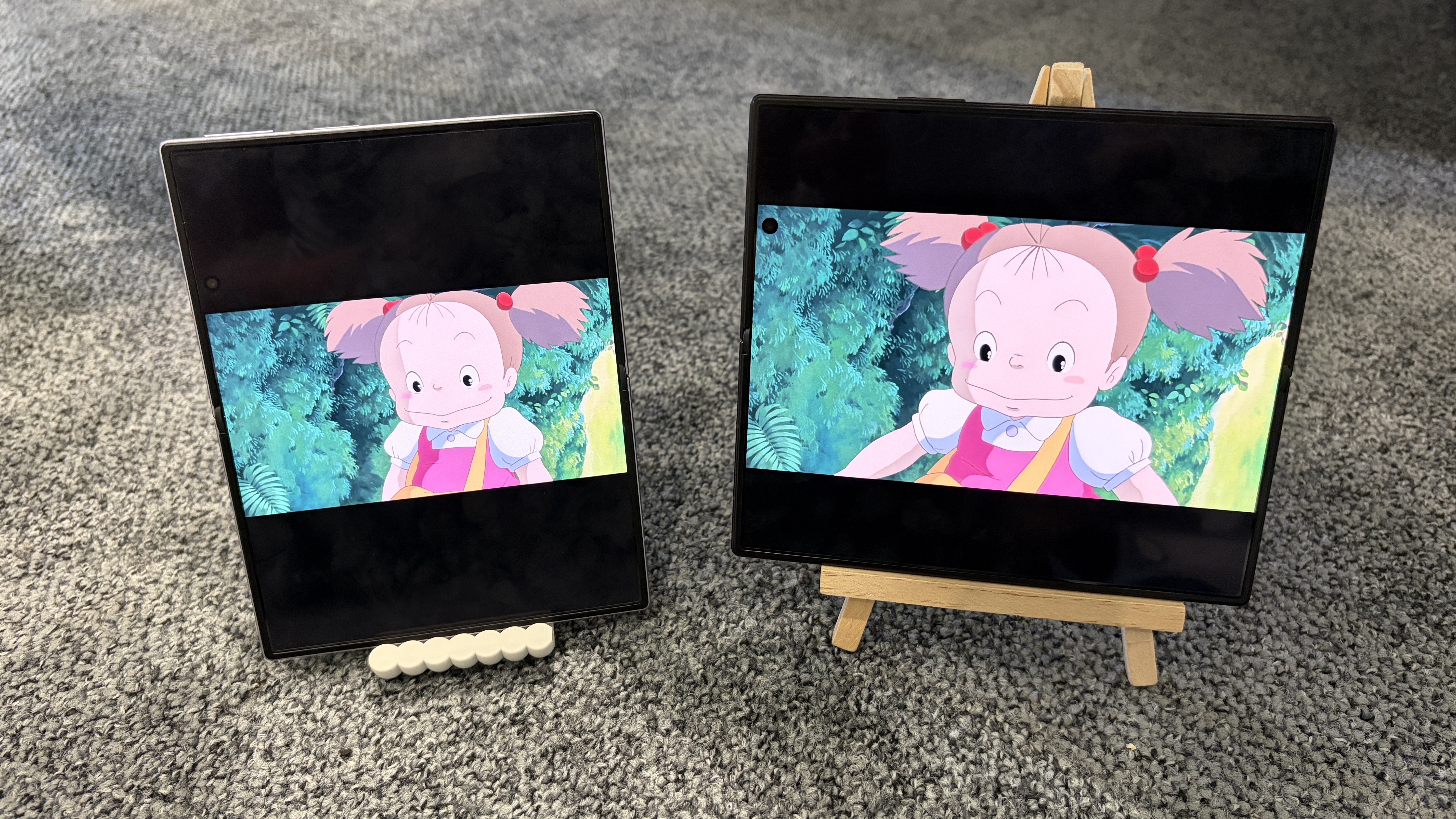
Z Fold 8 (3:4) / Z Fold 8 Ultra (9:10)
(Image credit: Future)
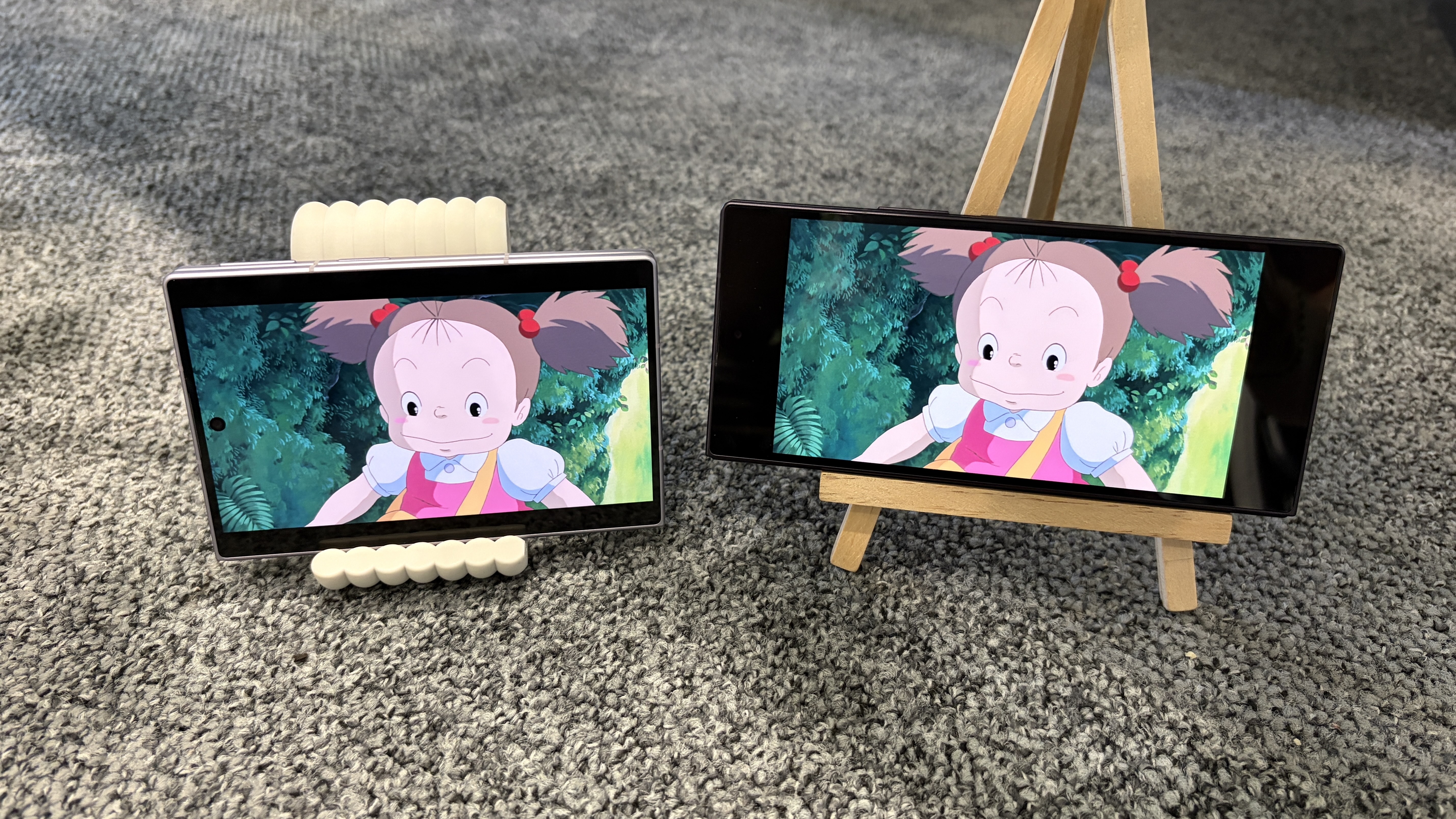
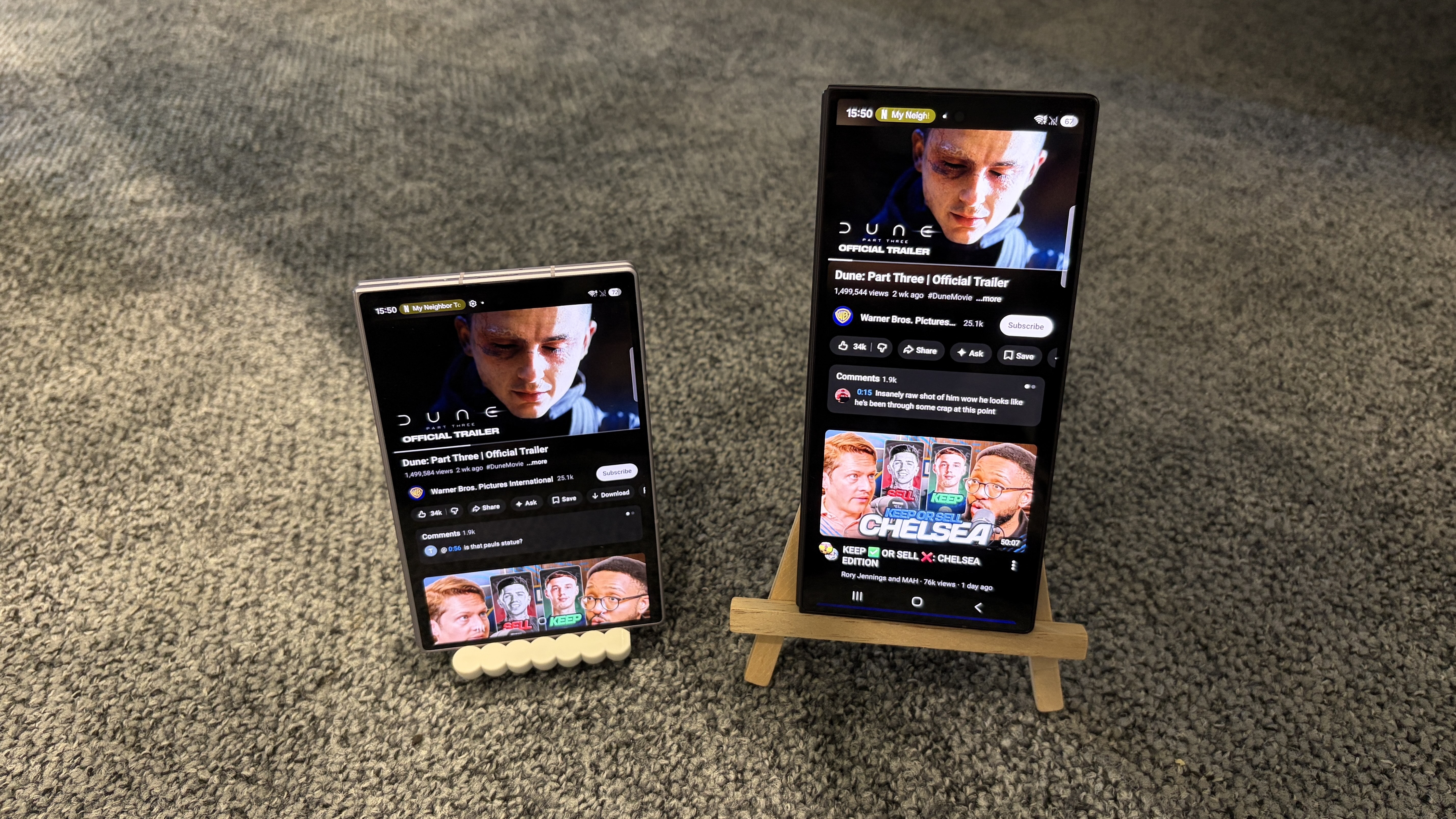
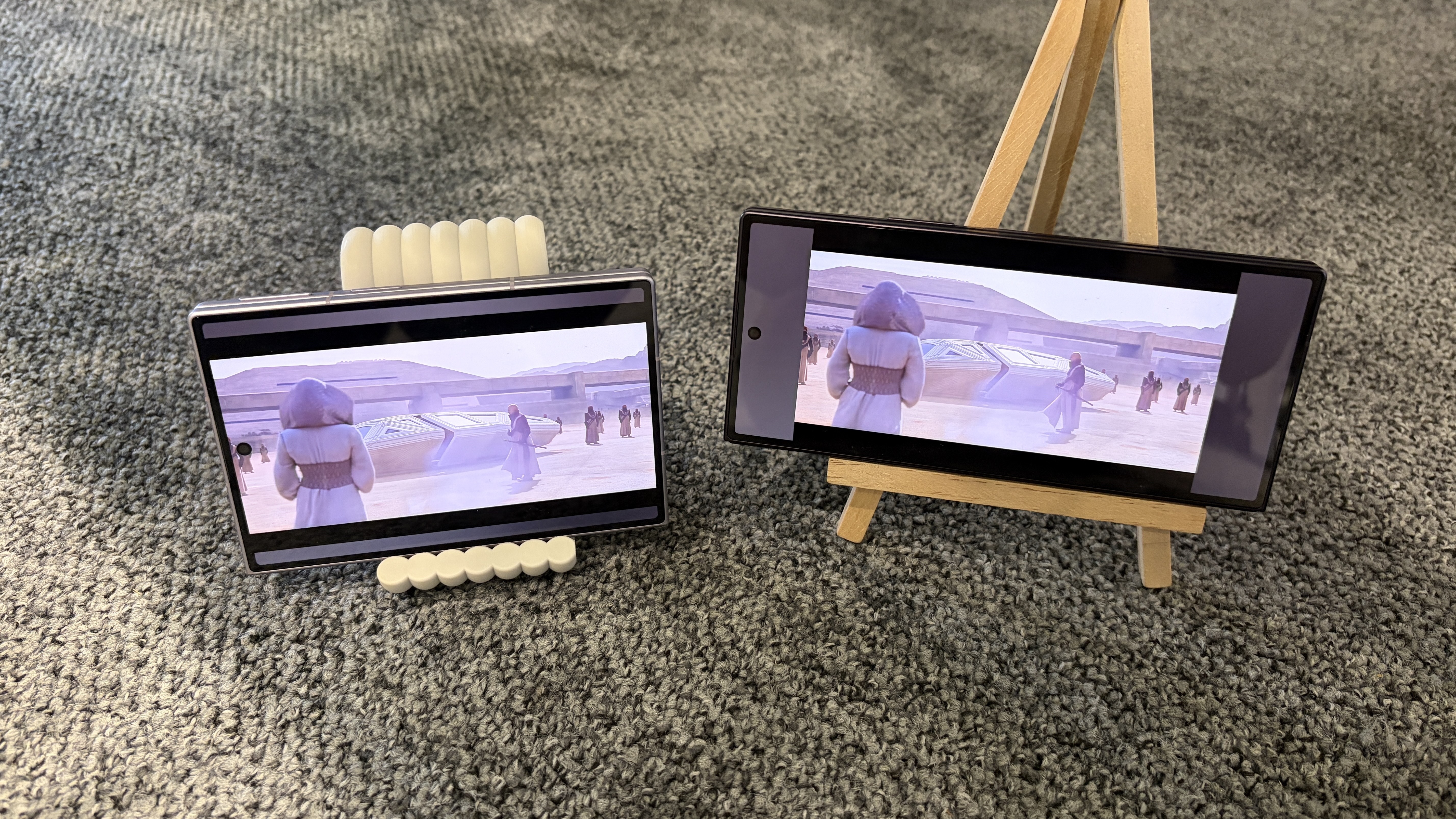
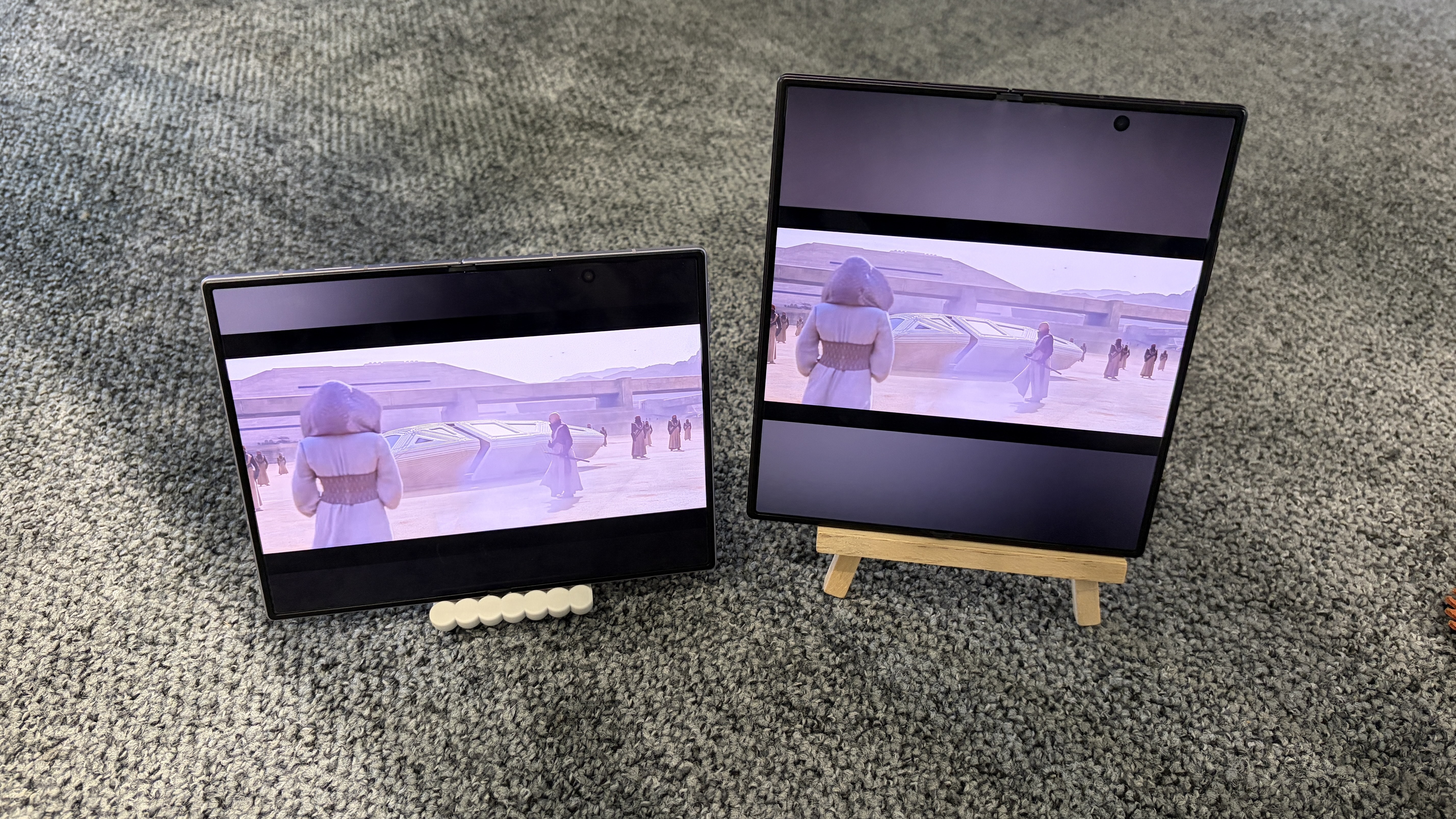
YouTube
Z Fold 8 (16:10) / Z Fold 8 Ultra (21:9)
With either phone in this orientation, expanding the YouTube video automatically switches the orientation to landscape (see the next photo) (Image credit: Future)
Z Fold 8 (10:16) / Z Fold 8 Ultra (9:21)
(Image credit: Future)
Z Fold 8 (4:3) / Z Fold 8 Ultra (10:9)
(Image credit: Future)
Z Fold 8 (3:4) / Z Fold 8 Ultra (9:10)
(Image credit: Future)
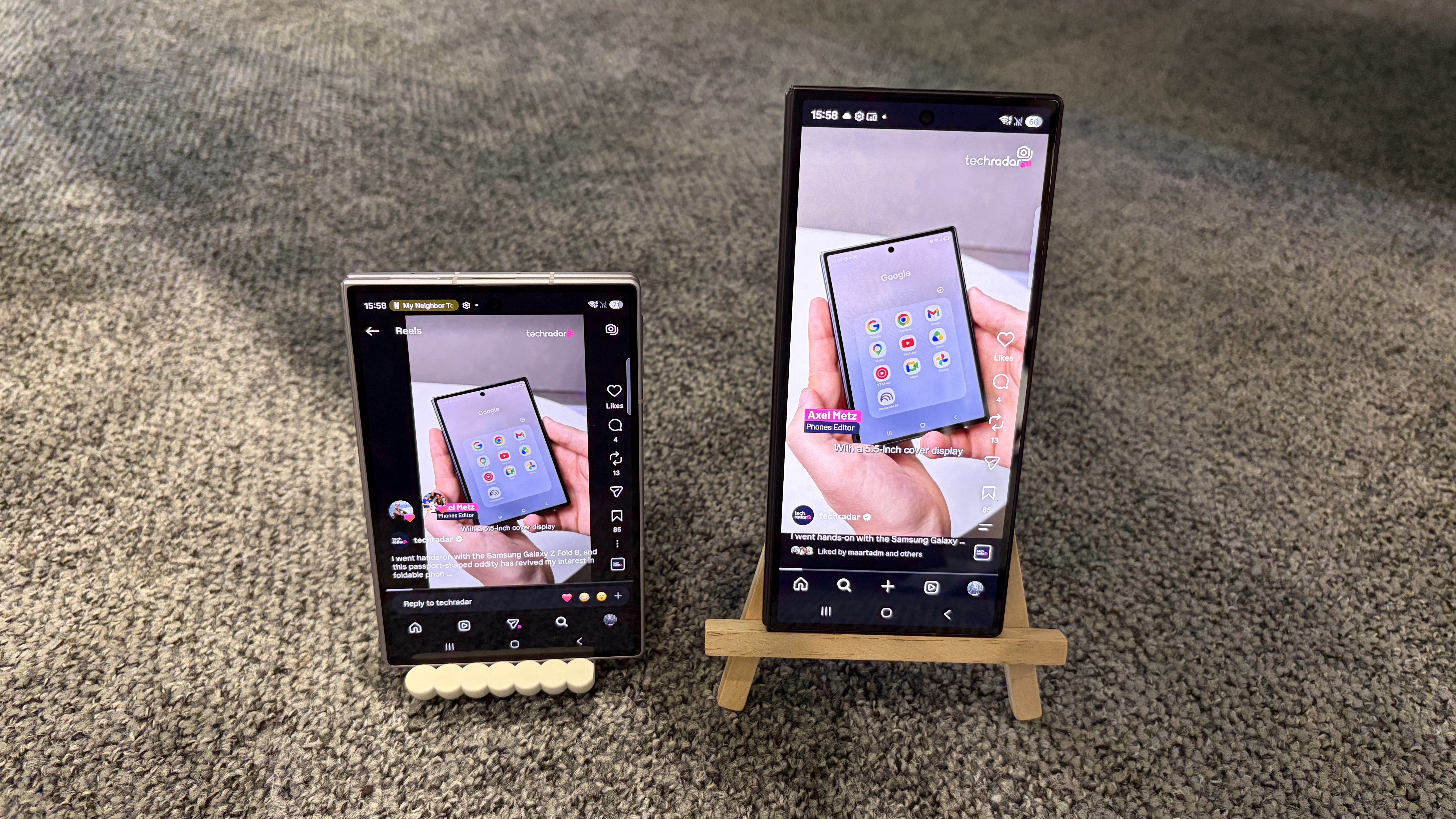
Instagram Reels
Z Fold 8 (16:10) / Z Fold 8 Ultra (21:9)
(Image credit: Future)
Z Fold 8 (4:3) / Z Fold 8 Ultra (10:9)
(Image credit: Future)
Z Fold 8 (3:4) / Z Fold 8 Ultra (9:10)
(Image credit: Future)
Verdict
For Netflix and YouTube, the Galaxy Z Fold 8 provides a cleaner viewing experience than the Galaxy Z Fold 8 Ultra in every orientation except 3:4. The black bars above and below the video are noticeably narrower than those on the Galaxy Z Fold 8 Ultra, and there's no awkward pillarboxing (i.e., bars on either side of the video) when using the Galaxy Z Fold 8 in 10:16 (you'll notice that content wraps around the phone's punch-hole camera, which doesn't happen on the Galaxy Z Fold 8 Ultra).
Of course, if you use the Galaxy Z Fold 8 in 3:4, the black bars are much bigger than those on the Galaxy Z Fold 8 Ultra, but Samsung itself admits that this orientation is “more natural for reading e-books or browsing the web,” which gives the smaller device another nice win over the pricier model.
The Instagram Reels-watching experience is pretty similar across both phones, but given the Galaxy Z Fold 8's lighter weight (201g vs 215g), I'd give it the edge here, too.
So there you have it: if watching videos and scrolling through social media is your priority, the Galaxy Z Fold 8 is a better buy than the Galaxy Z Fold 8 Ultra.
Of course, there is much more to both phones than their respective displays — the Galaxy Z Fold 8 Ultra has better cameras, for instance — so I wouldn't jump headfirst into buying one over the other until you've read our full Samsung Galaxy Z Fold 8 Ultra vs Galaxy Z Fold 8 comparison.
Side note: You're not able to watch videos in 16:10 (Z Fold 8) or 21:9 (Z Fold 8 Ultra) on Netflix, nor videos in 10:16 (Z Fold 8) or 9:21 (Z Fold 8 Ultra) on Instagram, hence why these options don't appear in the above comparison.
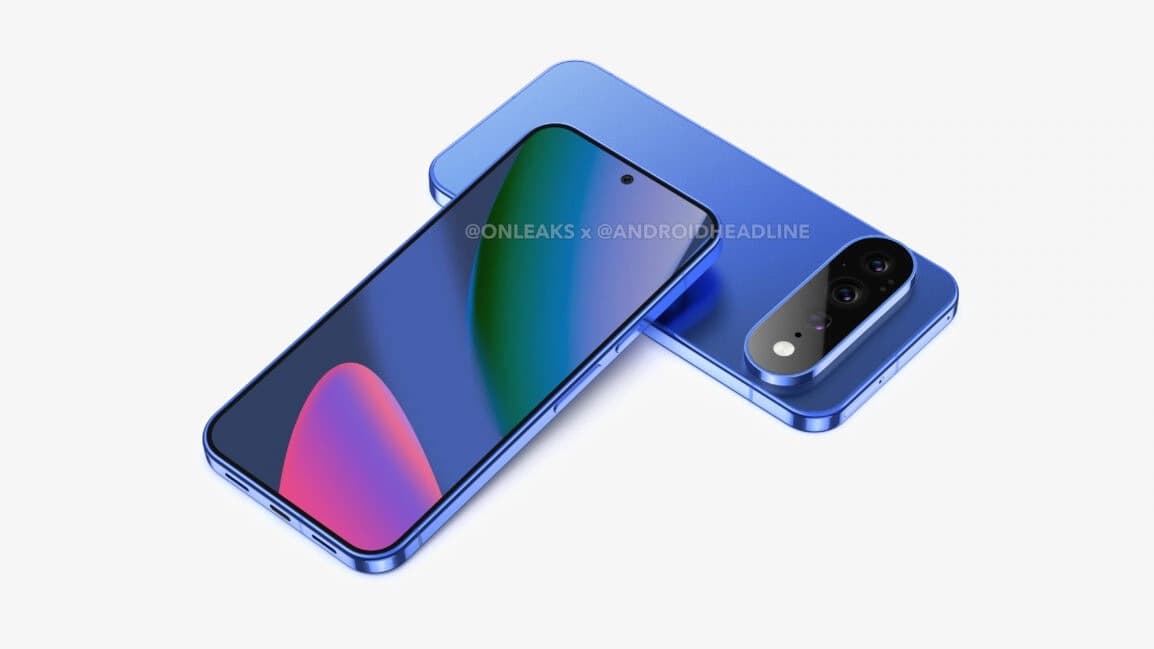
Igeekphone News August 2, 2026 – A comprehensive leak has revealed the complete specifications and pricing of Google’s upcoming Pixel 11 lineup ahead of its official launch. According to information obtained by Android Headlines, the new series will consist of four models: the Google Pixel 11, Pixel 11 Pro, Pixel 11 Pro XL, and Pixel 11 Pro Fold.
The leaked details cover display technology, cameras, battery capacities, storage configurations, and expected pricing for both the U.S. and European markets.
Google Pixel 11: Compact Flagship Starting at $899
The standard Pixel 11 will feature a 6.3-inch Actua OLED display with an adaptive 60Hz–120Hz refresh rate, 2424 × 1080 resolution, and peak brightness of 3,000 nits. The panel is protected by Corning Gorilla Glass Victus 2, making it the smallest device in the Pixel 11 family.
Performance
The handset is expected to be powered by Google’s new Tensor G6 processor alongside the Titan M3 security coprocessor.
Memory and storage options include:
12GB RAM + 256GB storage
16GB RAM + 512GB storage
Expandable storage is not supported.
Battery
The Pixel 11 is equipped with a 4,985mAh typical battery (4,840mAh minimum capacity) and supports:
30W USB-C PPS wired charging
Qi2 wireless charging
Cameras
The rear camera system includes:
48MP main camera (f/1.7)
13MP ultra-wide camera (f/2.2)
Google is expected to offer up to 30x Super Res Zoom, while selfies are handled by a 10.5MP front-facing camera.
Additional Features
Other features include:
5G connectivity
Under-display fingerprint sensor
Face Unlock
Dimensions: 152.8 × 72 × 8.6mm
Weight: 197g
Expected Price
United States: Starting at $899
Europe: Starting at €999
Google Pixel 11 Pro: LTPO Display and Professional Camera System
The Pixel 11 Pro retains the compact 6.3-inch form factor but upgrades to a Super Actua OLED LTPO display.
Display specifications include:
1Hz–120Hz adaptive refresh rate
2856 × 1280 resolution
3,600 nits peak brightness
Gorilla Glass Victus 2 protection
Hardware
Like the standard model, the Pixel 11 Pro is powered by:
Google Tensor G6
Titan M3 security chip
Memory configurations include:
12GB or 16GB RAM
256GB or 512GB storage
Battery
The phone packs a 4,850mAh typical battery (4,707mAh minimum) with:
30W USB-C PPS charging
Qi2 wireless charging
Triple-Camera Upgrade
Photography receives a major boost with:
50MP main camera
48MP ultra-wide camera
48MP telephoto camera
The telephoto lens supports:
5× optical zoom
Up to 120× Pro Zoom
Google is also expected to deliver “optical-quality” zoom at:
0.5×
1×
2×
5×
10×
On the front, the Pixel 11 Pro features a 42MP selfie camera with a 103-degree field of view.
Other Specifications
5G connectivity
Under-display fingerprint scanner
Face Unlock
Dimensions: 152.7 × 71.9 × 8.4mm
Weight: 204g
Expected Price
United States:$1,099
Europe:€1,199
Google Pixel 11 Pro XL: Larger Display, Bigger Battery, Faster Charging
For users seeking a larger flagship experience, the Pixel 11 Pro XL is expected to feature a 6.8-inch Super Actua OLED LTPO display with:
1Hz–120Hz adaptive refresh rate
2992 × 1344 resolution
3,600 nits peak brightness
Gorilla Glass Victus 2 protection
The device continues Google’s flat-display design philosophy.
Performance
Powered by the Tensor G6, memory options include:
12GB RAM
16GB RAM
Storage configurations include:
256GB
512GB
1TB
The higher-capacity storage variants are expected to include 16GB of RAM.
Battery and Charging
The Pro XL carries the largest battery in the lineup:
5,115mAh typical capacity
5,000mAh minimum capacity
Charging options include:
45W wired charging
Qi2 wireless charging
Google is once again expected to omit a charger from the retail package.
Cameras
Camera hardware mirrors the Pixel 11 Pro:
50MP primary sensor
48MP ultra-wide camera with macro support
48MP 5× telephoto lens
42MP selfie camera
Additional Features
5G
Under-display fingerprint sensor
Face Unlock
Dimensions: 162.7 × 76.5 × 8.5mm
Weight: 226g
Expected Price
United States:$1,299
Europe:€1,199
Google Pixel 11 Pro Fold: Google’s Next-Generation Foldable
The premium Pixel 11 Pro Fold is expected to build upon Google’s foldable smartphone lineup with refinements rather than major design changes.
Dual OLED Displays
The foldable features:
8-inch internal OLED display
6.4-inch external OLED display
Both panels support refresh rates up to 120Hz.
While detailed display specifications remain unavailable, the overall hardware is expected to closely resemble the previous-generation Pixel foldable.
Hardware
Inside, the device includes:
Tensor G6 processor
Titan M3 security chip
Configurations include:
12GB or 16GB RAM
256GB
512GB
1TB storage
No microSD card expansion is supported.
Battery
Battery specifications include:
4,806mAh typical capacity
4,658mAh minimum capacity
Charging support includes:
30W USB-C PPS wired charging
Qi2 wireless charging
Google reportedly estimates that the device can reach 50% charge in approximately 30 minutes.
Camera System
The rear camera array consists of:
48MP primary camera
10.5MP ultra-wide camera with macro capability
10.8MP telephoto camera with 5× optical zoom
Digital zoom reaches up to 30× Super Res Zoom.
Both the inner and outer displays feature 10MP selfie cameras with 87-degree fields of view.
Fingerprint Sensor Returns to the Side
Unlike the rest of the Pixel 11 lineup, the foldable is expected to continue using a side-mounted fingerprint sensor integrated into the power button. Face Unlock will also be supported.
Dimensions are reported as:
Folded
155.2 × 76 × 10.1mm
Unfolded
155.2 × 150.4 × 5mm
Weight: 239g
Expected Price
United States:$1,899
Europe:€1,999
Google Pixel 11 Series at a Glance
Model
Display
Processor
Main Camera
Battery
Starting Price (US)
Pixel 11
6.3-inch Actua OLED, 120Hz
Tensor G6
48MP + 13MP
4,985mAh
$899
Pixel 11 Pro
6.3-inch LTPO OLED, 120Hz
Tensor G6
50MP + 48MP + 48MP
4,850mAh
$1,099
Pixel 11 Pro XL
6.8-inch LTPO OLED, 120Hz
Tensor G6
50MP + 48MP + 48MP
5,115mAh
$1,299
Pixel 11 Pro Fold
8-inch foldable OLED + 6.4-inch cover display
Tensor G6
48MP + 10.5MP + 10.8MP
4,806mAh
$1,899
Final Thoughts
If these leaked specifications prove accurate, the Google Pixel 11 series represents an incremental but meaningful evolution of Google’s flagship smartphone lineup. Across all four models, the Tensor G6 processor, Titan M3 security chip, Qi2 wireless charging, and high-brightness OLED displays form the foundation of the new generation.
The lineup also offers clear differentiation: the Pixel 11 targets users seeking a compact flagship, the Pixel 11 Pro enhances photography and display technology, the Pixel 11 Pro XL delivers Google’s largest conventional smartphone with faster charging, while the Pixel 11 Pro Fold continues the company’s push into the premium foldable segment.
Google has yet to officially confirm these specifications or prices, but the leak provides one of the most comprehensive previews of the Pixel 11 family to date ahead of its expected launch.
Apple in China occupies a position unlike the company’s presence in any other country. China is simultaneously a major consumer market, a critical manufacturing center, an extensive developer economy and the home of Apple’s most determined hardware competitors.
That combination creates an opportunity few technology companies can ignore. China has hundreds of millions of affluent mobile users, a strong appetite for premium devices and a digital economy built around smartphones.
It also creates unusual complexity. Apple must compete with Huawei, Xiaomi, Oppo and Vivo while satisfying Chinese regulations, navigating tensions between Beijing and Washington and reducing its manufacturing dependence without damaging the supplier network that helped make the iPhone possible.
The latest market figures show why Apple cannot treat China as a business it has already lost. IDC estimated that Apple captured 18.1 percent of Chinese smartphone shipments during the second quarter of 2026, placing it second behind Huawei at 22.6 percent.
Apple’s shipments increased by 24.4 percent from the previous year even as the wider Chinese smartphone market contracted. The recovery demonstrated that Chinese demand for the iPhone remains substantial when product design, storage, performance and pricing align with consumer expectations.
The same figures also show why the position can never be considered secure. Huawei remains ahead, local brands respond quickly and a few percentage points can separate several major vendors.
Apple in China Still Has Room to Grow
China is already one of Apple’s largest markets, but its scale means that even established product categories contain room for expansion.
The country has a large premium smartphone segment, extensive 5G coverage and consumers accustomed to using mobile devices for communication, payments, shopping, entertainment, transport and work.
An iPhone purchase can also lead to AirPods, Apple Watch, iPad, Mac, iCloud storage and paid applications. The commercial opportunity is therefore larger than the initial handset transaction.
Apple’s strongest advantage is its integrated ecosystem. An iPhone can share passwords, photographs, messages and files with a Mac or iPad, while AirPods and Apple Watch extend the experience without requiring separate accounts and setup systems.
That continuity becomes more valuable as households accumulate devices. Replacing one iPhone is relatively easy. Leaving an ecosystem containing several products, purchased applications, cloud storage and shared family services involves greater friction.
Apple also benefits from a premium identity that remains recognizable in China. Local manufacturers now produce sophisticated flagship phones, but the iPhone continues to operate as both a personal computer and a luxury consumer product.
The importance of that status should not be exaggerated. Chinese buyers are technically informed and increasingly willing to support domestic brands. Brand recognition can attract attention, but it does not excuse weak features or an uncompetitive product cycle.
Recent iPhone Demand Shows the Opportunity
Apple’s 2026 recovery offers a useful example of how quickly its position can improve.
China’s smartphone shipments fell 4.3 percent during the second quarter as memory and component costs pushed several manufacturers toward higher prices. Apple and Huawei held prices more stable, giving buyers a reason to purchase while competing brands became more expensive.
The iPhone 17 generation also addressed several areas where Apple’s standard models had appeared conservative beside Chinese flagships. Stronger base specifications made the regular iPhone more competitive without requiring every customer to move into the Pro tier.
This matters in a market where consumers compare display technology, camera systems, storage, battery life, charging and AI features closely. Apple cannot depend entirely on iOS loyalty when domestic companies introduce visible hardware improvements at several price levels.
The rebound does not establish a permanent trend. Smartphone demand in China remains affected by economic confidence, upgrade cycles, government incentives and the timing of major shopping festivals.
Apple’s position can also look different according to the research firm and whether a report measures shipments or consumer sales. Quarterly rankings should be treated as evidence of momentum rather than a final judgment on the market.
The important signal is that Chinese consumers have not broadly rejected the iPhone. Demand can return rapidly when the product and price create a convincing upgrade.
Huawei Makes China Apple’s Hardest Market
Huawei gives Apple a competitor with advantages unavailable to most global smartphone manufacturers.
The company combines strong national recognition with advanced cameras, communications technology, custom chips, local services and an expanding HarmonyOS ecosystem. Its return to premium smartphones removed the opening Apple had gained when U.S. restrictions disrupted Huawei’s access to important components.
Huawei can also position its products as part of China’s technological self-reliance. That message carries commercial and political weight beyond a conventional comparison between two phones.
Apple must therefore compete against product quality and national sentiment simultaneously. An iPhone can offer strong performance and still lose a purchase to a domestic flagship viewed as technically capable and strategically important.
Xiaomi, Oppo and Vivo add different pressures. They move quickly across price categories, experiment with folding designs, adopt larger batteries and provide features adapted to local applications and buying habits.
Chinese phone makers also operate inside a retail and software environment they understand directly. They can build relationships with local platforms, carriers and commerce services without translating a global strategy into Chinese requirements.
Apple follows a more centralized product model. That consistency protects the identity of the iPhone, but it can make the company slower to answer features gaining popularity inside one country.
Services Depend on Local Rules
Apple in China is not only an iPhone business. The installed device base creates demand for applications, cloud storage, entertainment, subscriptions and digital purchases.
China has an enormous developer community producing games, commerce platforms, social services, education tools and productivity software. The App Store connects those developers with high-value iPhone and iPad customers.
The relationship is commercially important but politically complicated. Apple must operate the mainland App Store according to Chinese law, including rules affecting games, generative AI, communications services and content.
Applications available elsewhere may be absent from the Chinese storefront. Developers may also need licenses or regulatory approval before distributing certain categories of software.
Apple changed commission rates and related policies for the mainland China storefront in March 2026. The company described the adjustments as part of maintaining a strong business opportunity for Chinese developers.
Regulatory and developer pressure has not disappeared. Complaints involving commissions, distribution restrictions and payment policies continue to challenge Apple’s control of the platform.
The company cannot simply copy its response from another region. European rules focus heavily on alternative marketplaces and interoperability, while China combines competition concerns with content regulation, data localization and licensing requirements.
Every concession must therefore be designed for a distinct legal environment without fragmenting iOS into an unmanageable collection of regional systems.
China Is Also Part of the Product
Apple’s relationship with China extends far beyond the devices sold there.
For more than two decades, Apple and its manufacturing partners built a dense network of factories, component suppliers, engineers, logistics operators and toolmakers across the country.
That network does more than provide low-cost labor. It can place specialists from several suppliers near an assembly site, modify production lines quickly and increase output to enormous volumes during a product launch.
China’s infrastructure also supports the less visible stages of manufacturing. Components require precision tooling, testing equipment, chemicals, packaging, subassemblies and experienced quality-control teams before final assembly begins.
Apple has expanded iPhone production in India and moved parts of its Mac, iPad, Apple Watch and AirPods supply chains to countries including Vietnam. It is also increasing semiconductor and component commitments in the United States.
Those investments reduce the danger of relying on one country, but they do not recreate China’s complete manufacturing environment immediately.
A factory in another region may assemble an iPhone while still depending on Chinese machinery, materials, subcomponents or engineering support. Production diversification is therefore a gradual redistribution of individual stages rather than a clean departure.
Apple must reduce concentration risk without weakening the manufacturing system responsible for its product quality, scale and launch schedules.
Image Credit: AFP Photo
Trade Tensions Turn Efficiency Into Risk
The same China supply chain that provides Apple with extraordinary efficiency also exposes the company to political decisions outside its control.
Tariffs can raise the cost of devices exported from Chinese factories. Export restrictions can limit access to materials or production equipment, while sanctions may affect suppliers and technology partners.
Chinese government policies can influence the use of foreign devices inside state agencies and companies. U.S. rules can restrict the technologies available to Chinese firms that also participate in Apple’s supplier network.
Apple cannot solve these problems through product design alone. It must maintain relationships with two governments whose technology policies increasingly emphasize security, domestic production and strategic independence.
Moving more assembly to India gives Apple additional flexibility, particularly for iPhones destined for the United States. China nevertheless remains important as a production center and consumer market.
An aggressive withdrawal could damage supplier relationships and local sales. Moving too slowly could leave Apple vulnerable to another trade disruption.
The company is trying to preserve Chinese capabilities while creating enough capacity elsewhere to keep a political dispute from becoming a worldwide product shortage.
Retail Stores Give Apple a Direct Relationship
Apple’s physical stores remain an important advantage in China because they give the company direct contact with customers.
The stores allow buyers to compare models, receive technical support, attend educational sessions and enter the ecosystem without depending entirely on a carrier or reseller.
That experience is particularly valuable for premium products. A customer considering a Mac, Apple Vision Pro or high-end iPhone may need more explanation than someone replacing an inexpensive handset.
Retail locations also communicate long-term commitment. A prominent store represents more than a sales channel; it signals that Apple intends to remain part of the local technology market.
Online commerce is equally important. Chinese consumers are accustomed to large shopping festivals, aggressive promotions and rapid delivery through domestic platforms.
Apple must balance its controlled global pricing with a market where discounts can change quarterly rankings. Too little flexibility makes the iPhone appear expensive, while frequent reductions can train customers to delay purchases and weaken its premium image.
The strongest 2026 performance came partly from avoiding price increases while component costs were forcing rivals to reconsider their pricing. That advantage may disappear when competitors adjust their supply chains or launch another cycle of promotions.
Chinese Consumers Set a Higher Product Standard
China is often discussed as a sales problem for Apple, but it also functions as a demanding test of the iPhone.
Domestic flagship phones compete through larger batteries, rapid charging, advanced camera hardware, folding displays and deep integration with local digital services.
Features considered experimental elsewhere can become established expectations more quickly in China. Apple’s slower adoption cycle may look disciplined in one market and conservative in another.
The company must decide which expectations represent durable improvements and which are temporary specification contests. Copying every local feature would weaken Apple’s focused product strategy, but ignoring major changes creates openings for rivals.
This pressure can benefit Apple globally. Competition in China forces the company to defend the value of its standard iPhone, improve battery efficiency, strengthen cameras and make software features more useful outside English-speaking markets.
The opportunity is therefore not limited to selling more devices. China can reveal where Apple’s global assumptions no longer match the most competitive part of the smartphone industry.
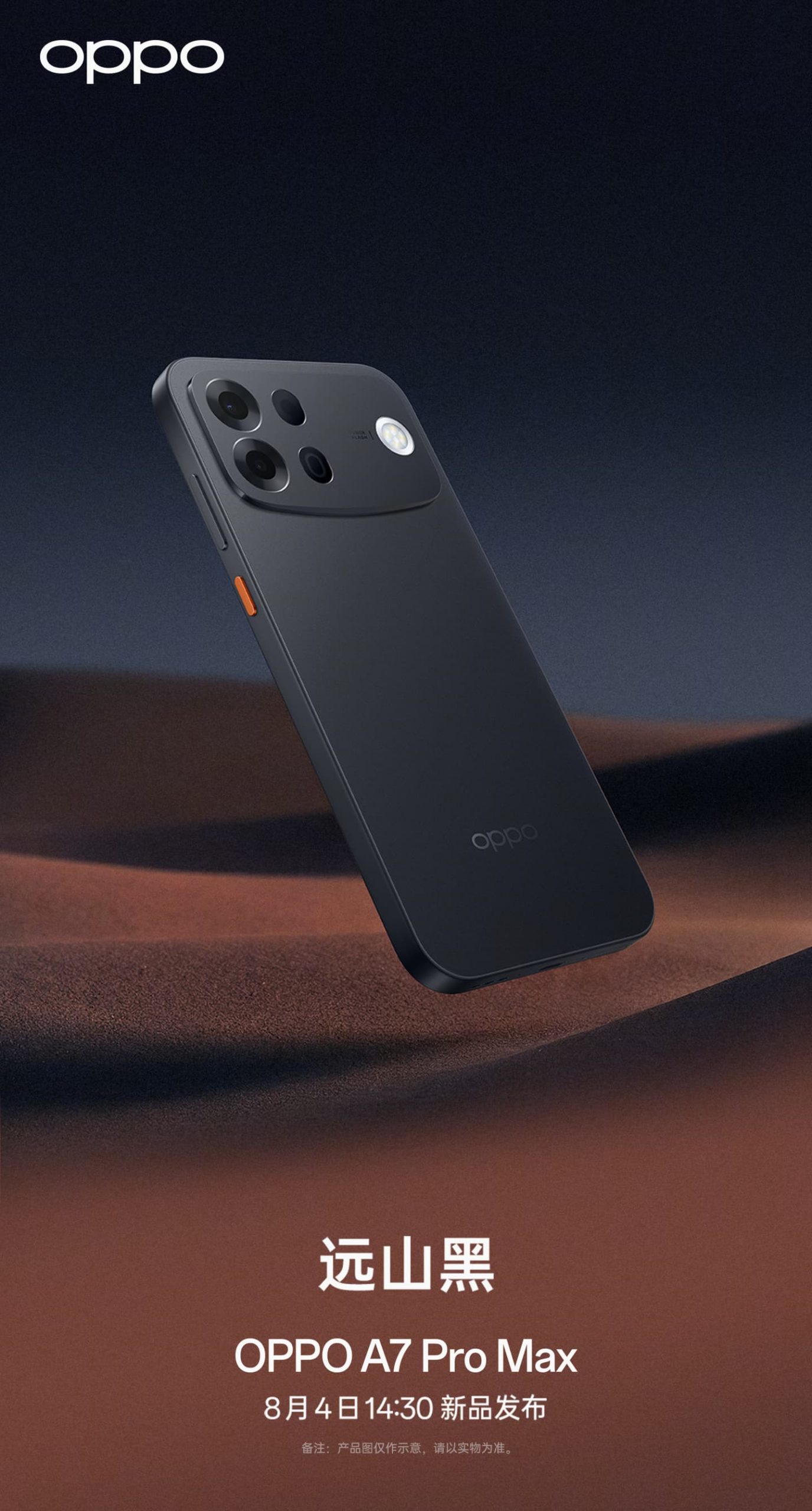
Igeekphone August 2, 2026 – OPPO has officially confirmed that the OPPO A7 Pro Max will debut at 14:30 (China time) on August 4, while revealing several of the smartphone’s key features ahead of its launch. Positioned as a battery-focused mid-range device, the A7 Pro Max combines practical everyday functions with AI-powered security and connectivity features.
OPPO Highlights Practical AI and Everyday Convenience
Ahead of the official unveiling, OPPO showcased a number of features designed to improve daily usability and enhance device security. These include:
AI Face-Swapping Detection for identifying manipulated faces during video calls
Video Call Fraud Prevention powered by AI
Infrared Remote Control for controlling compatible home appliances
Super-Bright Flashlight mode
300% Super Volume enhancement for louder audio output
Full-Scenario NFC for contactless payments and smart access
Intelligent Two-Wheeled Vehicle Connectivity, enabling integration with compatible electric scooters and bikes
These additions demonstrate OPPO’s growing emphasis on integrating AI capabilities into practical, real-world applications rather than focusing solely on performance improvements.
Massive 10,000mAh Battery Takes Center Stage
One of the biggest highlights of the OPPO A7 Pro Max is its 10,000mAh battery, making it one of the largest battery capacities available in a mainstream smartphone.
According to OPPO, battery testing conducted by the China Quality Certification Center (CQC) indicates that the battery maintains more than 95% of its rated usable capacity, suggesting high energy efficiency and reliable long-term performance.
The enormous battery is expected to provide extended usage for gaming, streaming, navigation, and productivity while reducing charging frequency.
Triple Color Options with Premium Styling
The OPPO A7 Pro Max will be available in three finishes:
Surfing the Waves
Front Orange Like Brocade
Distant Mountains Dark
The color palette combines vibrant and understated options, catering to a wide range of user preferences.
50MP Cameras with Ultra-Wide Photography
For photography, the smartphone features:
50MP front camera
50MP rear main camera
100° ultra-wide-angle camera
Intelligent Burst Flash for improved low-light photography
The combination of high-resolution sensors and an ultra-wide camera is expected to deliver versatile shooting capabilities for landscapes, group photos, and everyday photography.
ColorOS 16 Optimized for Long-Term Performance
The OPPO A7 Pro Max ships with ColorOS 16, featuring extensive software optimization focused on long-term smoothness.
According to OPPO Labs:
The device successfully completed a 72-month smoothness and aging test
Up to 12 applications can switch seamlessly without noticeable lag
System startup memory usage has been reduced to 388MB
Memory consumption during operation has been optimized to approximately 1,413MB
These optimizations aim to deliver consistent performance over several years of daily use.
Snapdragon 4 Gen 5 Expected
Although OPPO has yet to officially confirm the processor, previous reports indicate that the A7 Pro Max is expected to be powered by Qualcomm’s Snapdragon 4 Gen 5 mobile platform. The chipset is likely to offer improved power efficiency, AI capabilities, and 5G connectivity while complementing the phone’s exceptionally large battery.
Final Thoughts
OPPO A7 Pro Max appears to prioritize endurance and practicality over flagship-level specifications. With its 10,000mAh battery, AI-powered fraud protection, full-featured NFC, infrared remote control, 50MP imaging system, and optimized ColorOS 16 experience, the device is positioned as an attractive option for users seeking long battery life and reliable everyday functionality.
More details, including global availability, pricing, and complete hardware specifications, are expected to be announced during OPPO’s official launch event on August 4, 2026.
This is The Stepback, a weekly newsletter breaking down one essential story from the tech world. For more on smartphones and Android, follow Dominic Preston. The Stepback arrives in our subscribers' inboxes on Sunday at 8AM ET. Opt in for The Stepbackhere.
How it started
Believe it or not, it didn't all start with Samsung. Royole, a now-bankrupt manufacturer of flexible displays, was the first to release a commercial folding phone, the "charmingly awful" FlexPai. Samsung's first Galaxy Fold followed a year later, plagued by a variety of faults that saw review units break within days. That launch went so badly that it prompted Chinese riva …
You could be sitting on a treasure trove of fantastic iPhone, iPad, Mac, and Apple TV games and not even know it.
Apple Arcade might be one of the most underrated gaming services on the market right now, with many Apple One subscribers not even realizing that it is included in all tiers of the service. You can also subscribe to it separately and you could even be able to access a generous free trial right now if you're reading this on a shiny new Apple device.
But what exactly is Apple Arcade, how much does it cost, what kind of games can you play on it, and, perhaps most importantly, are any of them actually good? I've spent the last week really sinking my teeth into the service in order to find out and deliver this ultimate guide to everything that you need know.
From all the basic facts to a bumper list of my personal game recommendations and even a personality quiz to match you to titles that you might like, everything here is intended to help you walk away an expert in all things Apple gaming.
I've spent the last week really getting to grips with the Apple Arcade service, trying out all of the available games and experimenting with its major features.
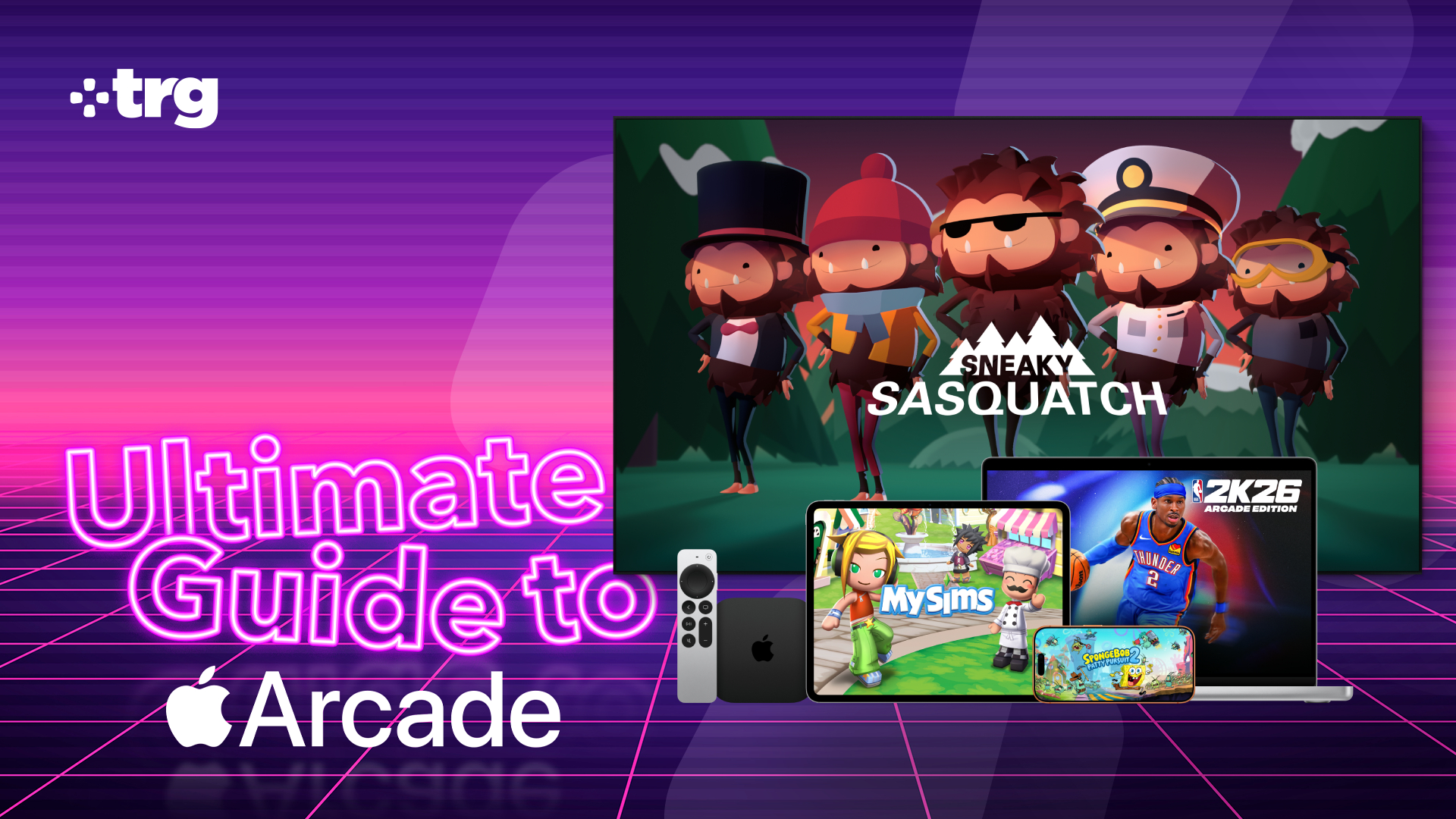
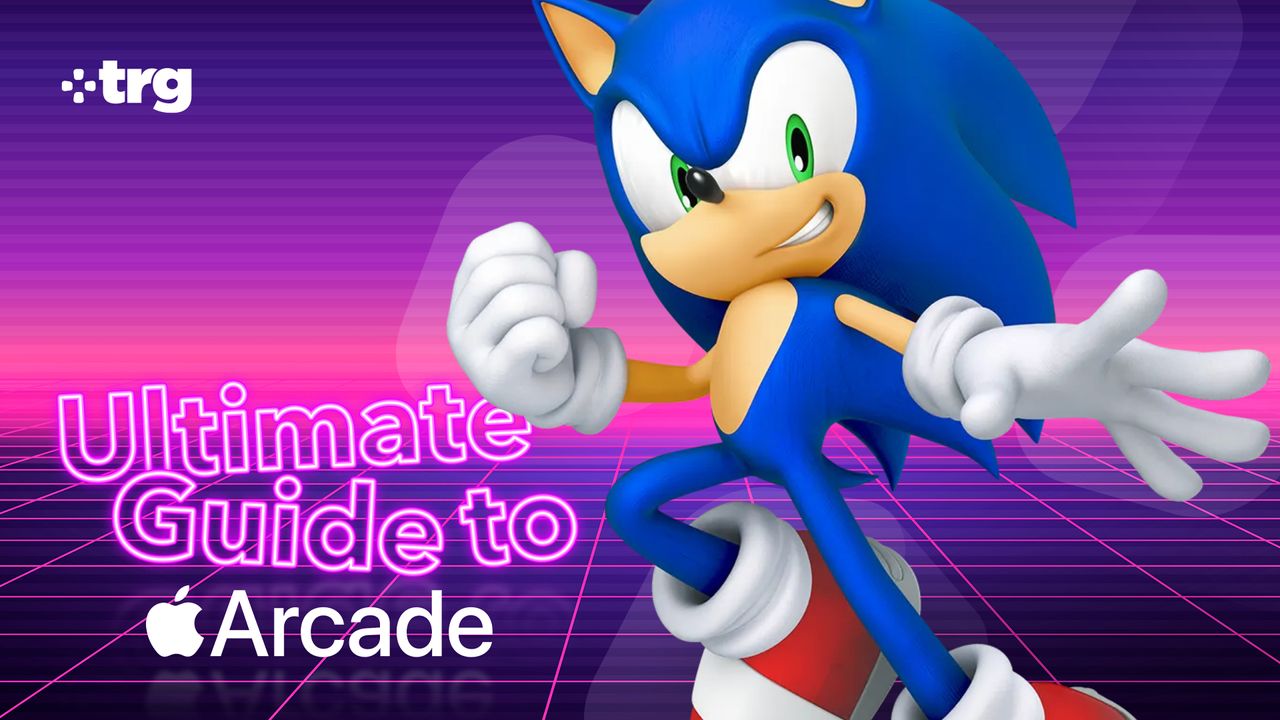
Ultimate Guide to Apple Arcade
(Image credit: Apple / Future)
This article is part of our Ultimate Guide to Apple Arcade: the definitive guide to everything that you need to know about the gaming service. Be sure to browse the full series here.
The experience has been great so far, thanks to the many console-quality games out on the platform. I'm talking titles like Sonic Dream Team, Hello Kitty Island Adventure, Cult of the Lamb, Fantasian, and so much more.
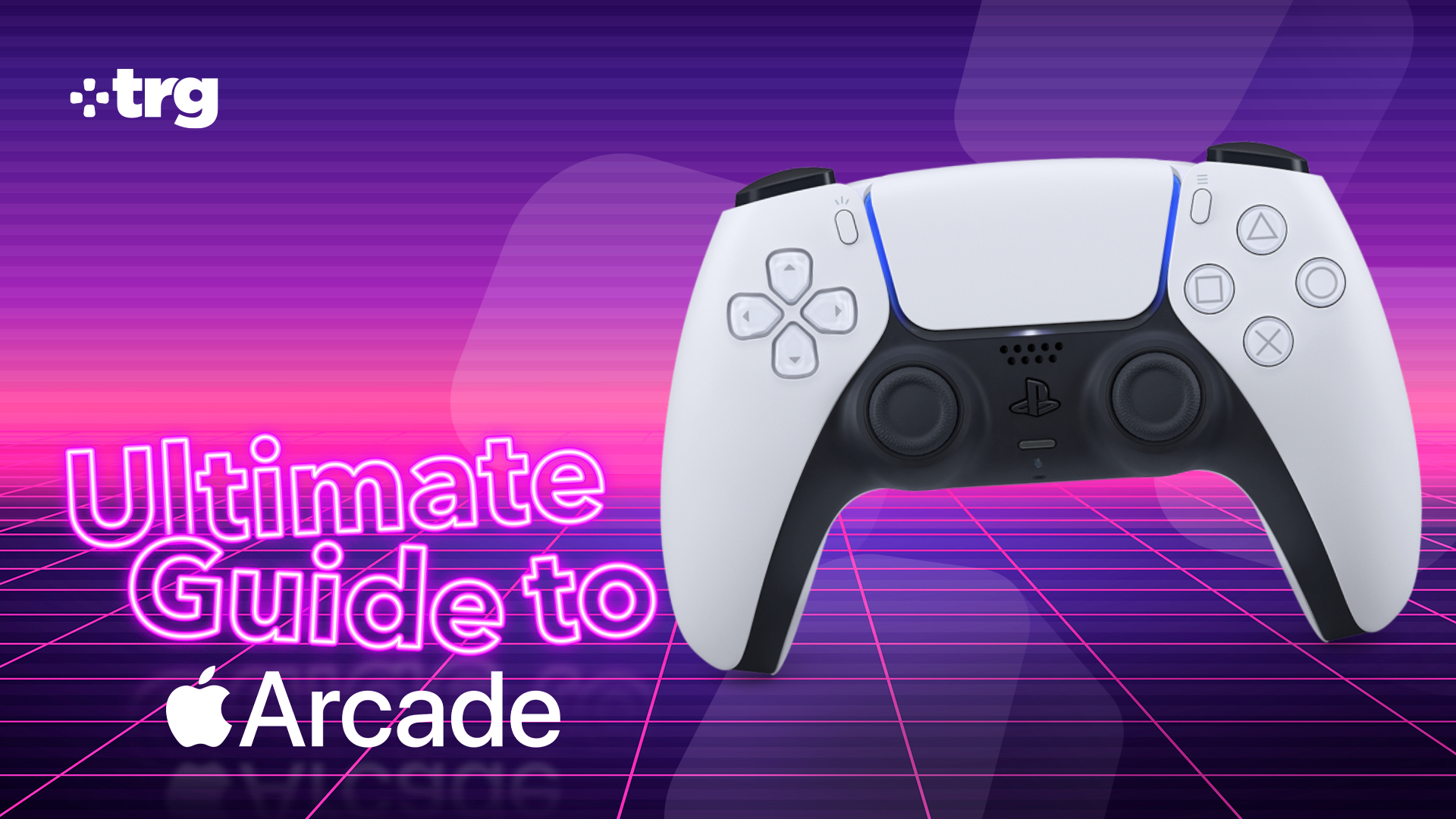
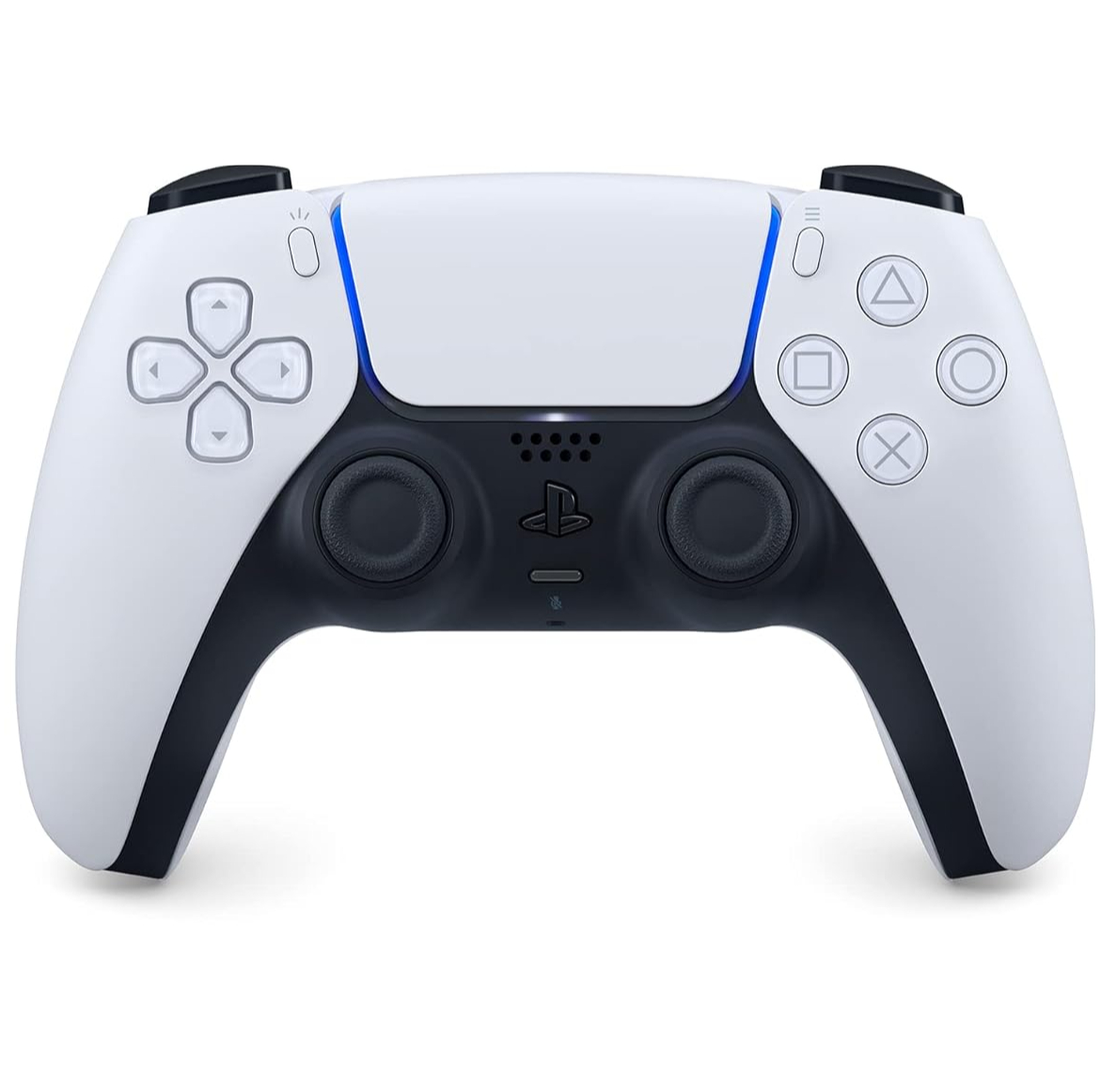
Although they're all perfectly playable with touch controls, loads of Apple Arcade games (including all of the aforementioned titles) offer full controller support. Hooking up a compatible gamepad is the perfect way to get an even more console-like experience, and really recommend getting your hands on one if you want to make the absolute best and most comfortable playing sessions.
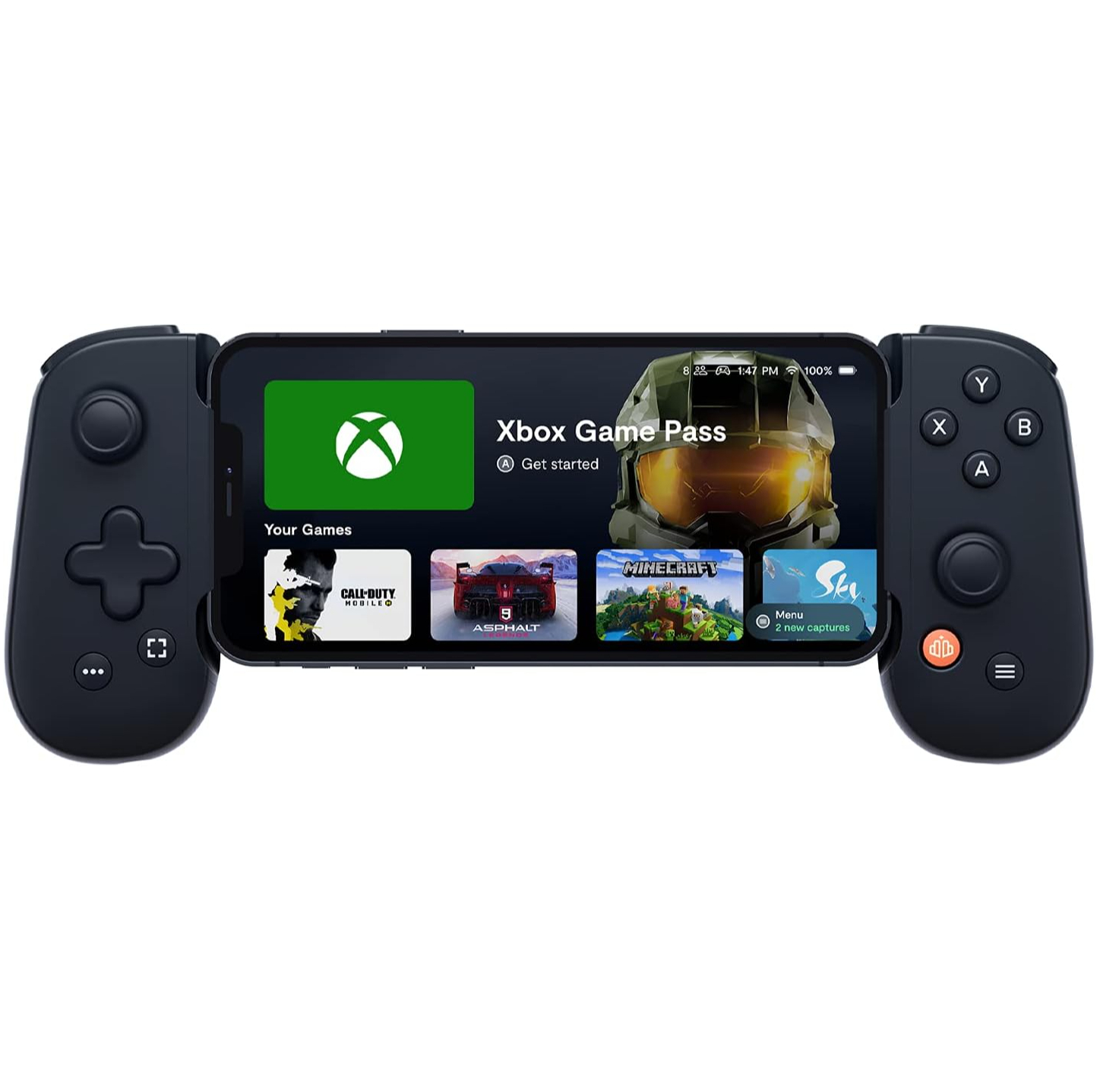
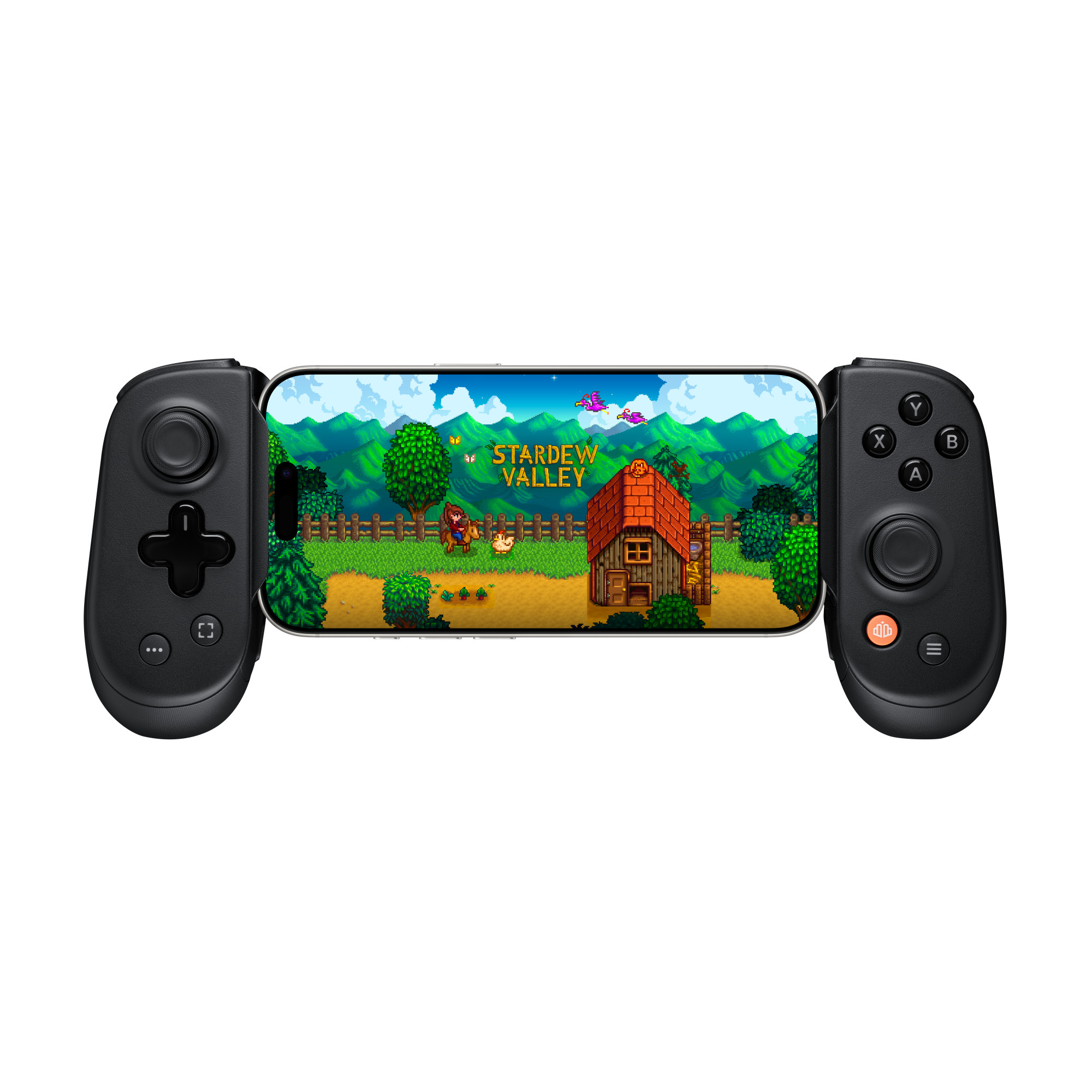
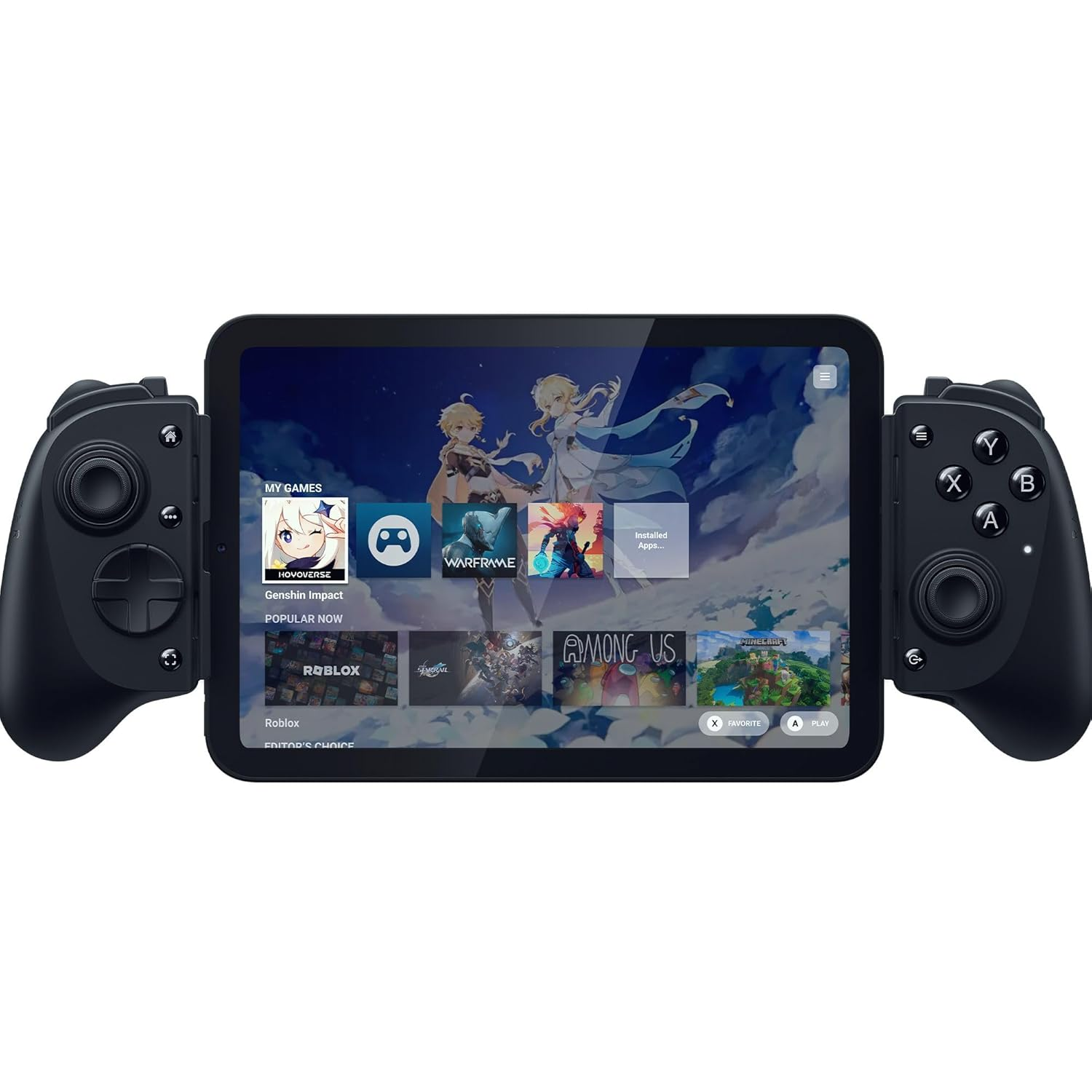
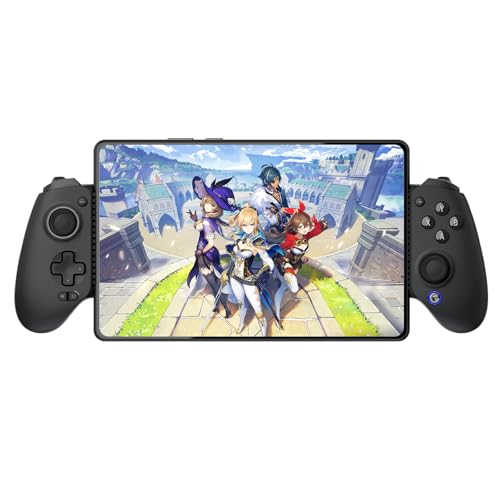
For iPhone players, I would recommend three of the best mobile controllers on the market today: the Backbone One, Backbone Pro, and Razer Kishi V3 Pro. They're all formidable choices, though each has its own distinct advantages. The Backbone One, for example, is the most portable and cheapest of the three, while the Pro and Kishi V3 Pro are more comfortable and have better software features. I've also included the GameSir G8 Plus Galileo as a worthy budget alternative, though it doesn't offer quite as seamless an experience as the others.
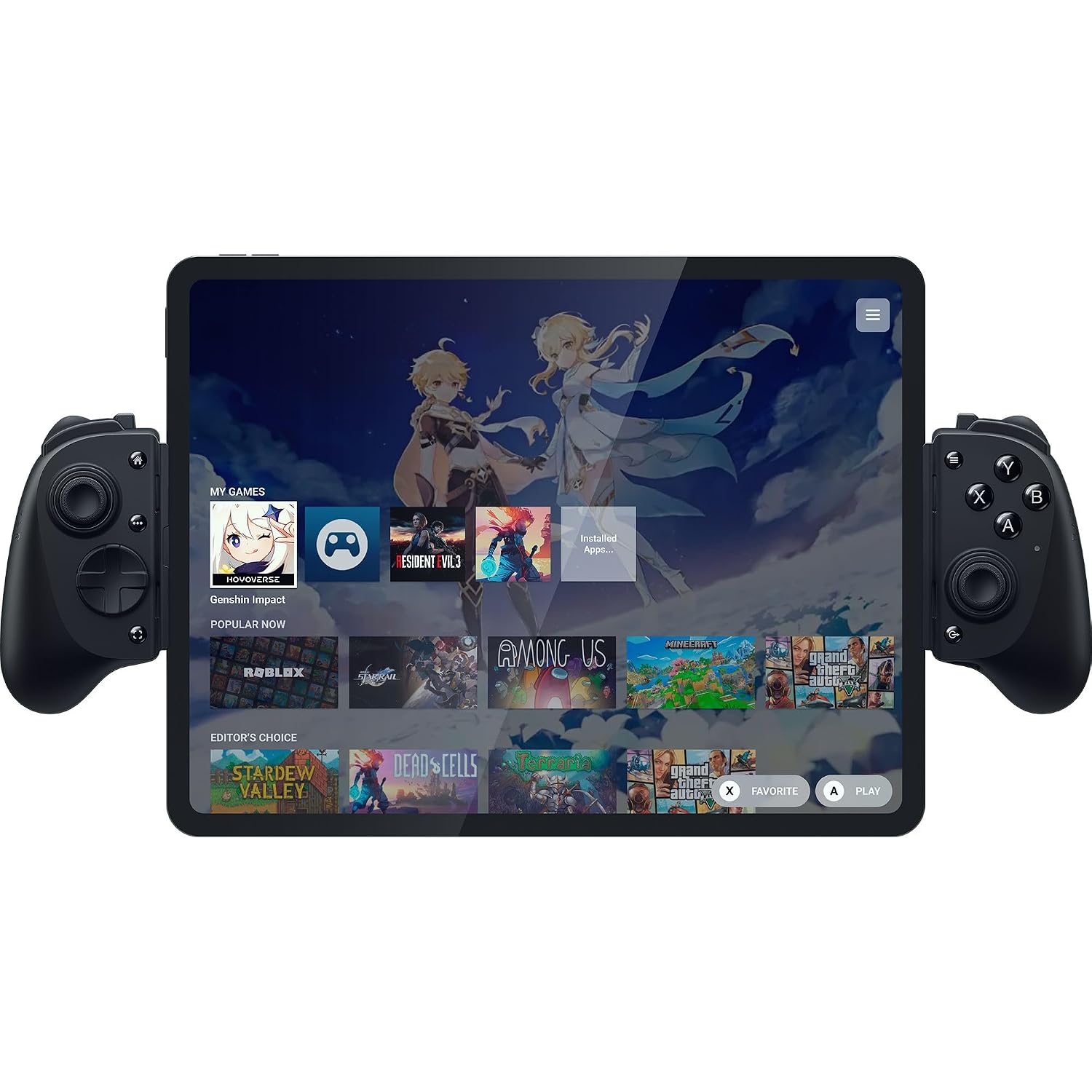
For iPad gamers, the Razer Kishi V3 Pro XL is one of the few options that's compatible with massive tablets. It can even fit the truly huge 13-inch iPad Air and Pro models.
Whether you're a die-hard mobile gamer or a newcomer to the world of portable play, Apple Arcade will likely have something for you.
Ultimate Guide to Apple Arcade
(Image credit: Apple / Future)
This article is part of our Ultimate Guide to Apple Arcade: the definitive guide to everything that you need to know about the gaming service. Be sure to browse the full series here.
The subscription service gives you access to hundreds of games for your iPhone, iPad, Mac, or Apple TV, ranging from revamped mobile classics including Angry Birds Reloaded and Doodle Jump 2+ to original and exclusive games in massive franchises such as Sonic the Hedgehog with Sonic Dream Team. All of the included titles have absolutely zero ads and no microtransactions, meaning that they offer a more premium, console-like experience than you would get with many other App Store titles.
Most Apple phones now come with a free three-month subscription to the service, giving you the perfect opportunity to take your shiny new hardware for a whirl. Even if you're using an older device, there's still a one-week free trial that new subscribers can take advantage of, in order to see what the service offers and work out whether it's a good fit for them.
The only problem? With so many titles on offer it can be hard to know where to start, even if you're already a subscriber. That's why I've created this short personality quiz, which is designed to find out what kind of gamer you are and deliver a selection of recommendations. The recommended games have been personally tested by me, and are what I believe should suit your taste.
Did you find this quiz useful, or do you think I missed the mark with my picks? Let me know in the comments, and don't hesitate to drop your own game recommendations if you have them!
It's been a huge week for me here at TechRadar. I managed to convince my boss that it was a good idea for me to sit at my desk for five whole days and play all 200+ games available as part of the Apple Arcade service on my phone.
Ultimate Guide to Apple Arcade
(Image credit: Apple / Future)
This article is part of our Ultimate Guide to Apple Arcade: the definitive guide to everything that you need to know about the gaming service. Be sure to browse the full series here.
If it sounds like a ridiculous idea, that's because it really is. Honestly, in my rush to get paid to play some games on my phone, I don't think I actually considered just how long the task would take. That became painfully apparent when I actually started on Monday, and the fact that I was about to spend hours and hours flicking through apps set in.
Still, I managed it — even if the quest ended up sapping up all of my free time. I spent entire evenings lying on the sofa planting crops in Stardew Valley+, whole meals with one finger guiding an escaping explorer in Temple Run Legends, and my hour commute with both eyes glued to Suika Game+ . If I had just one hand free at any given time this week, I was using it to play an Apple Arcade game. Thankfully, I didn't have to drive anywhere.
Now, to be clear, I didn't spend an equal amount of time in all of them. It's easy to sink a few hours into the pixel survival action of Vampire Survivors+, for example, but literal torture to do the same in Play-Doh World (which is basically just a sensory experience for toddlers).
Still, I can now say with confidence which ones are truly worth getting into and, while the following eight picks are by no means an exhaustive list of everything worth playing on the service (just look at the honorable mentions for even more greats), they are the games I've had the most fun with so far and will coming back to time and time again in the weeks and months to come.
Top eight
8. Squiggle drop
Squiggle Drop is one of the biggest surprises I've had while exploring Apple Arcade. It's an easy-to-understand puzzler that has you drawing shapes to complete different objectives and, with basic graphics and a spartan interface, looks like a pretty simple game.
That simplicity is one of its biggest strengths, however. The controls are eminently approachable; just drag your fingers around the screen to draw, and all of the levels have multiple solutions that reward creativity and mean that you never feel like you're truly at a loose end.
There's loads of variety to boot. One mission could have you drawing a container to save a birthday cake from the rain, while another might require a more complex creation to catch an underwater fish.
With more than 250 puzzles (some of which are pretty darn difficult), rotating daily challenges, a raft of achievements to obtain, and even an in-game town that you build as you progress, it's the perfect game to pick up and play when you get a few spare moments in an otherwise busy day.
7. Lego Star Wars: Castaways
(Image credit: Gameloft)
Lego Star Wars: Castaways is yet more proof that you should never judge a book by its cover (or, I guess, an app by its icon art). What I thought was going to be a generic kids' game turned out to be a really approachable and quite charming MMO.
You create a custom Star Wars hero and drop into a shared hub world that you can explore while surrounded by other real players, before dropping into iconic locations from the movies (explained in-game as a training simulation) to battle waves of Stormtroopers, Tusken Raiders, Battle Droids, and fearsome bosses like Darth Vader either solo or with up to three friends.
There are four character classes to unlock, focusing on ranged laser blaster combat, powerful force skills, team support, and stealth, and they all have meaty upgrade trees in addition to a range of distinct weapons to try. Character customization is also strong, and you can unlock loads of different hats and outfits using currency you obtain by completing quests and missions.
I had a lovely time with it as an adult, but there are some smart safety features that make this a great pick for children as well. Your character name, for example, is chosen from a random selection of suitably Star Wars-sounding words (I foolishly flicked past 'Jar-Jar Skywalker' when it popped up as an option) and numbers. There's also no direct text or voice chat function, though you can communicate through a small selection of emotes.
6. Angry Birds Reloaded
(Image credit: Rovio)
Angry Birds is a game that needs no introduction. This legendary early App Store sensation spawned countless sequels, spinoffs, theme park rides, a TV show, and even two popular animated films with a third set to release later this year.
Reloaded is basically the definitive Angry Birds game, bringing together the levels from the classic Angry Birds and its sequels Angry Birds Seasons,Angry Birds Space, and Angry Birds Stella (the latter two aren't even available on the App Store in their original forms anymore, making this the only way to officially play them) in addition to loads of new ones.
It offers the classic bird-slinging action that made the series so popular, now spruced up with shiny new graphics that look lovely even blown up on a big screen. All of the new content means that it's a joy to dip into even if, like me, you completed all of these games back in the day.
For newcomers, it's the absolute best that the series has ever been, with the best-looking graphics, all the greatest levels, and absolutely no ad interruptions. Get it downloaded, and find out why it was such a hit.
Top five
5. Disney Dreamlight Valley Arcade Edition
(Image credit: Gameloft)
If after a busy day you just want to kick back and escape to a fantasy world, then Disney Dreamlight Valley is for you. This life simulator thrusts you into a magical town filled with iconic Disney characters that has fallen into disarray. A mysterious malevolent force is taking over in the form of dark roots that sap away memories, and it's up to you to get rid of them all and restore everything to its former glory.
From relaxing farming to designing your own cute cottage and customizing your outfits, everything here seems designed to bring nothing but the most chill vibes. There's a good sense of progression as new areas are steadily unlocked while you play, bringing the worlds of new Disney franchises into the mix.
On that note, it's hard to overstate the joy of interacting with some of the company's best characters. I've never been a massive fan of Mickey Mouse, Donald Duck, or Goofy, but even I can't stop myself from smiling when I unlock childhood favorites like Ratatouille's Remy, Wall-E's Eve, or Peter Pan's Tinker Bell.
Although you can pick up Dreamlight Valley on other platforms, the Arcade Edition comes packed with all of the latest free updates and access to the biggest paid expansions at no extra cost. It looks great and controls well on a phone, too.
4. Sid Meier' Civilization 7 Arcade Edition
The Arcade Edition of Sid Meier's Civilization 7 is the real deal, bringing all the strategic brilliance of the latest Civilization game to mobile with few real compromises aside from some missing DLC.
If you're unfamiliar with the franchise, it tasks you with building and governing a historical society from the ground up in a randomly generated world. You build cities, conquer territory, develop new technology, and interact with other competing societies. Whether you form trade alliances and live peacefully alongside your neighbours or wage war is entirely up to you.
Unlike past games, Civilization 7 added the ability for your empire to evolve, giving you the choice to swap between different cultures for unique bonuses, special buildings, or exclusive units.
The level of depth here is simply unparalleled in the mobile space, and as games can take tens of hours at a time, it's great to be able to take it all on the go.
Top three
3. Taiko no Tatsujin Pop Tap Beat
(Image credit: Bandai Namco)
Taiko no Tatsujin is a name you'll recognize if you've even been to an arcade in Japan. It's a simple but addictive rhythm game all about hitting a big drum in time with the beat, a gameplay perfectly suited for a touchscreen.
Tap either side of the on-screen drum in time with the blue icons or either side of the middle for the red ones, with bigger notes needing both sides at once. It starts off simple, but as the difficulty ramps up, beats that you have to hold are introduced, alongside ones that have you hammering the screen as quickly as possible with your fingertips.
The song selection is brilliant if, like me, you love Japanese music with a good mix of J-pop hits, Vocaloid classics, and music from popular anime. If that's not your speed, there are plenty of original songs, a whole load of classical music, a few tracks from Western blockbusters like Indiana Jones, plus viral sensations such as Baby Shark.
Nothing quite compares to the joy of mastering a song and, with so many to choose from and a wide range of difficulty levels to beat, Taiko no Tatsujin Pop Tap Beat is almost impossible to put down.
2. Sonic Dream Team
(Image credit: Sega)
What if I told you the best new 3D Sonic the Hedgehog game of the last decade was an Apple Arcade exclusive? It sounds hard to believe, but Sonic Dream Team is so good that I would recommend it even if you're not a Sonic the Hedgehog fan.
This 3D platformer has the iconic blue hedgehog navigating a series of dense worlds with impeccable dream-like visuals, hopping between floating platforms, boosting your way down high-speed rails, and dispatching enemies with homing attacks. The action certainly isn't as fast as some of the 2D Sonic the Hedgehog games, but the precise controls mean that it feels excellent nonetheless.
It's not the longest experience on Apple Arcade, lasting just a couple of hours, but it is highly replayable with six swappable characters (including a rare Cream the Rabbit appearance), each with their own distinct pacing and unique roster of abilities to experiment with, a ranking system to chase high scores, tricky challenge stages, and unlockable powers.
There are also loads of collectibles to seek out, so true completionists have plenty to chip away at even after the credits have rolled.
1. What the Golf?
If I were forced to pin down one overall favorite among everything that I played this week, then What the Golf? is the obvious choice.
It's an unapologetically ridiculous physics-based game that is only really about golf in the loosest sense. Levels are incredibly creative, and no two are the same, having you putt everything from hot dogs and cars to live horses and entire houses into the hole.
It's consistently surprising and endlessly amusing, with mechanics and even the game's perspective shifting on a level-by-level basis. It's all underpinned by an expressive, minimalist art direction, a sleek interface, upbeat music, and a barrage of punny humor. The brilliant use of haptics also deserves some credit, giving everything you punt a distinct feeling of weight to it.
In addition to a lengthy main campaign, there is a generous selection of daily courses, bonus episodes, special events, online leaderboards, and more. Indie game fans will recognize loads of crossovers and references, too. It's nothing short of a joyous time.
Even more picks
Honorable mentions
(Image credit: Sega)
I wanted to keep my recommendations concise and varied, with a good mix of genres, art styles, control methods, and so on represented. That doesn't mean that I don't have loads more recommendations, though, so here are some more strong picks that didn't quite make the full list for one reason or another.
Fantasian is a sprawling RPG adventure with a beautiful miniature art direction.
Monument Valley+ and Monument Valley 2+ are two stunning indie puzzle games that play with perspective in interesting ways.
NFL Retro Bowl '26 offers a surprisingly meaty football simulator delivered through charming pixel-art graphics.
Stardew Valley+ combines relaxing farming with social simulation as you build relationships with a cast of memorable characters in a cozy town.
Suika Game+ has you merging different fruits in an easy-to-understand puzzler that's taken the internet by storm.
Puyo Puyo Puzzle Pop is an exclusive entry in the long-running Puyo Puyo series that's filled with its trademark Tetris-like puzzle battles.
MySims and MySims Kingdom are both expansive, feature-complete ports of classic The Sims spinoff games.
Vampire Survivors+ brings the viral wave survival game to mobile — be warned that hours can vanish in the blink of an eye.
Back in the day, you could just scroll the App Store, pick out an icon or two that you liked the look of, and have a new game downloaded and ready to play in just a few moments.
Ultimate Guide to Apple Arcade
(Image credit: Apple / Future)
This article is part of our Ultimate Guide to Apple Arcade: the definitive guide to everything that you need to know about the gaming service. Be sure to browse the full series here.
Booting them up, you’re not confronted with a 29.68GB additional download that you have to stay on one screen to complete, a wall of sketchy in-app permissions to accept, or a page demanding that you sign in with some iffy third-party account — just a neat little self-contained experience designed to help you kill a few hours on the train.
Though they seemed simple, many of the best App Store games were quietly revolutionary. Angry Birds and Fruit Ninja pioneered intuitive touch-screen controls, while Doodle Jump smartly utilized the iPhone’s accelerometer to show how hardware features could become core gameplay mechanics.
Statista estimates that there are now more than 180,000 mobile games available on the App Store. But when was the last time you installed one that felt genuinely exciting, rather than like a thinly veiled scheme to force ad views, harvest personal data, or pressure you into pricey Gacha Pulls? That’s exactly where Apple Arcade comes in.
Back in time
Puyo Puyo Puzzle Pop is an incredible Apple Arcade exclusive entry in the long-running puzzle series. (Image credit: Sega)
Having spent the last week diving into all 200+ of the titles available on the service, I can’t help but think that Apple’s highly curated library of mobile titles feels like a journey back in time to the App Store’s glory days.
The whole experience is completely seamless. You sign up for $6.99 / £6.99 / AU$9.99 a month and can immediately jump into browsing the games. They’re all contained in a dedicated Arcade tab in your iPhone’s App Store, so there’s no ambiguity about whether the app you’re looking at is part of the service or not.
Although the selection here is nowhere near as expansive as the regular games tab, it feels genuinely curated and cuts out huge amounts of clutter and spam.
No matter what you like to play, there’ll be at least a few games for you. An impressive variety of genres are represented in the catalog: there are plenty of massive role-playing games (RPGs) that you can sink hours into, be that Trials of Mana+ or Final Fantasy+, fast-paced racers such as Asphalt 8: Airborne+ and Sonic Racing, head-scratching puzzlers in Monument Valley+ and Lego Builder’s Journey, and so much more.
Jetpack Joyride 2 adds new missions, weapons, upgrades, and more. (Image credit: Halfbrick Studios)
Those iconic early mobile titles I mentioned earlier? They’re back too in new and improved forms that make them a nostalgic joy to revisit. There’s a full-on Angry Birds remake with enhanced graphics and extra levels, an expanded Doodle Jump sequel that updates the hand-drawn graphics and adds new environments, and a Temple Run successor that trades the endless format for challenging levels that are better-suited for short bursts of play.
The innovation of the early App Store is there too. RPG Fantasian wows with incredible art direction that sees you exploring hundreds of beautiful real-world dioramas that were digitally scanned into the game, while bonkers sports simulator What the Golf? takes full advantage of punchy iPhone haptics to add real weight to its wacky physics challenges.
No distractions
No ads makes it easier than even to lock-in in rhythm games like Taiko no Tatsujin Pop Tap Beat. (Image credit: Bandai Namco)
The games are all entirely devoid of ads and microtransactions, so you never have to deal with a frustrating splash screen or pop-up that takes you out of the action.
This means that most of the games will work entirely offline as well, just like they did back in the day. I had practically given up playing mobile games on my commute before getting into Apple Arcade simply because it was so hard to find titles that wouldn’t kick me out the second my train went into a tunnel.
There are no sign-in screens anywhere, and most games don’t even request permission to send push notifications. Your progress will even automatically sync to the cloud so you can continue playing on your iPad, Mac, or Apple TV when you get home.
Oh, and you don’t need to worry about your privacy in all this either. Apple says that all of the games in the service have no third-party tracking software and don’t collect any advertising data. All that, to me, is certainly worth paying for.
If you're a die-hard iPhone user, then there's a strong chance that you already have access to Apple Arcade and don't take full advantage of it. The gaming service is currently included with all tiers of the Apple One subscription — an all-in-one bundle that also includes the likes of iCloud Plus, Apple TV Plus, and Apple Music in one monthly fee.
Ultimate Guide to Apple Arcade
(Image credit: Apple / Future)
This article is part of our Ultimate Guide to Apple Arcade: the definitive guide to everything that you need to know about the gaming service. Be sure to browse the full series here.
Even if you don’t pay for Apple One, a free three-month trial of Apple Arcade comes bundled with every new iPhone, iPad, Mac, or Apple TV, plus, the service is available as a standalone subscription if you don’t want it bundled with anything else. Sounds great, right? But what actually is Apple Arcade, how much does it cost, and is it really worth the price?
I’ve spent this week getting to grips with all things Apple Arcade, from diving into some of its biggest exclusive games to comparing it to other competing services, in order to bring you this comprehensive breakdown of everything you need to know about it. Read on and become an Apple Arcade expert.
What actually is Apple Arcade?
Apple Arcade is a gaming subscription service by Apple designed for its iPhone, iPad, Mac, Apple TV and even Apple Vision Pro devices. It launched in September 2019 and gives you access to a huge library of more than 200 premium games that you can download and play offline.
Unlike many titles that you might download from the App Store, Apple Arcade games are wholly devoid of both ads and in-app purchases. They are complete experiences that you can dive into without the risk of annoying interruptions or being asked to shell-out real world cash for in-game items or downloadable content (DLC).
What kind of games are included?
There are more than 200 games available on Apple Arcade, with options across a wide variety of genres. This includes a selection of high-quality original games such as fast-pace platformer Sonic Dream Team, cozy life simulator Hello Kitty Island Adventure, and beautiful role-playing game Fantasian.
There are also some ports of console and PC games, such as hit strategy game Sid Meier's Civilization 7 Arcade Edition, Disney life sim Disney Dreamlight Valley Arcade Edition, and indie roguelike Cult of the Lamb.
You will also find loads of premium versions of existing mobile titles with no ads or microtransactions in the likes of Doodle Jump 2+, Fruit Ninja Classic+, Bloons TD 6+, and much more.
You can use our quiz below for some hand-picked recommendations.
How much does Apple Arcade cost?
The Apple Arcade standard plan costs $6.99 / £6.99 / AU$9.99 a month.
You can save some cash by opting for an annual plan instead, which is $49.99 / £49.99 / AU$79.99 — a saving of $33.89 / £33.89 / AU$39.89 compared to 12 months of monthly payments.
No matter which of these two options you choose, you can share your Apple Arcade subscription with up to six family members at no extra cost.
Apple Arcade is also available as part of all Apple One tiers (Individual, Family, and Premier). Unlike Apple Arcade, Apple One is not available in an annual subscription format, so you can only pay for it on a monthly basis. You can view and compare all of the options below.
Plan
Price
Included services
Sharing limit
Apple Arcade
$6.99 / £6.99 / AU$9.99 per month
$49.99 / £49.99 / AU$79.99 yearly
Apple Arcade
Up to six users
Apple One Individual
$19.95 / £18.95 / AU$24.95 per month
Apple Arcade,Apple Music, Apple TV Plus, 50GB iCloud Plus
One user
Apple One Family
$27.95 / £24.95 / AU$34.95 per month
Apple Arcade, Apple Music, Apple TV Plus, 200GB iCloud Plus
Up to six users
Apple One Premier
$39.95 / £36.95 / AU$52.95 per month
Apple Arcade, Apple Music, Apple TV Plus, Apple News Plus, Apple Fitness Plus, 2TB iCloud Plus
Up to six users
How to claim your Apple Arcade free trial
In most regions a new iPhone, iPad, Mac, or Apple TV now comes with a three-month free subscription to Apple Arcade. The offer is only valid for 93 days (that's roughly three months), so if you have an eligible device you should consider claiming it quickly if you're interested.
To do so, simply follow these four simple steps
Open the App Store on the eligible device
Tap the Apple Arcade tab at the bottom of the screen
The offer should appear automatically
Follow the on-screen instructions to redeem it
If you're not eligible for a complimentary three-month subscription, there's no need to worry — because new subscribers can still claim a one-month trial via the App Store.
Whether you claim three months or one month, bear in mind that a valid payment method will be required in order to get set up. This will be billed at the standard subscription price when your promotional period is over, so remember to cancel your subscription if you want to avoid any charges.
Do you need a controller to play Apple Arcade games?
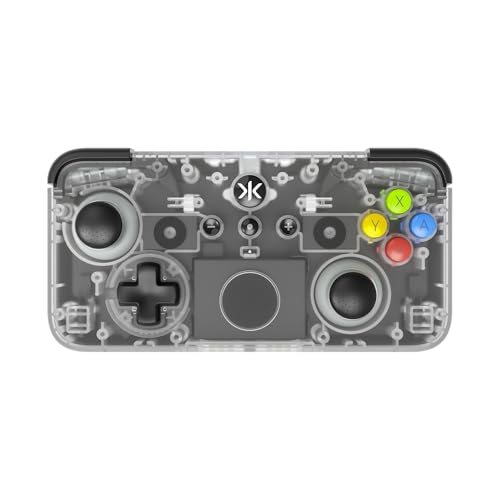
The CRKD NEO S is a good pick for Apple Arcade. (Image credit: CRKD)
You don't actually need a controller to play the majority of Apple Arcade games. On iPhone and iPad, almost every title supports full touch screen controls and can be enjoyed without any extra hardware.
If you're playing on Mac, many titles support keyboard and mouse controls.
On Apple TV, you're most likely to need a dedicated gamepad as there are only a few titles that work well with the included remote.
Of course, lots of games still allow you to use a controller on any device even if it's not strictly required and I'd recommend it if you're after an even more console-like gaming experience.
You can see some models that I've personally tested and would recommend for Apple Arcade below.
What about the competition?
If you're strictly looking for a gaming subscription service for your iPhone, then Apple Arcade doesn't really have much direct competition.
The biggest alternatives on that platform are cloud gaming services such as Amazon Luna, which you can access through your iPhone's web browser. These stream games to your phone directly from a cloud server, which means that they require a constant internet connection and cannot be accessed offline.
They also don't work too well with on-screen controls, which means a controller like the dedicated Luna Wireless Controller is required for anything but the most casual titles.
That said, cloud gaming does have some big advantages. You can access full console or PC games, including massive titles such as Fortnite, Fallout 4, or Shadow of the Tomb Raider. As they do not rely on your local hardware, they can also offer high-end graphics features such as maximum in-game settings and ray tracing — though slow or choppy internet can negate this by introducing visual artifacts.
If you have access to an Android Phone, Google Play Pass is a potential alternative. It's cheaper than Apple Arcade but similarly grants access to loads of mobile games with zero ads or microtransactions. It also includes some productivity apps, meaning that it's a little more versatile than the strictly gaming-focused Apple Arcade.
That said, its software library feels much more chaotic and less curated. It also lacks the compelling exclusive releases that I think really bring a lot of value to Apple Arcade.
Apple Arcade FAQs
Do Apple Arcade games work offline?
Yes, all Apple Arcade games work offline. This means that you can play them on your iPhone or iPad when you're out of the house and don't have a steady internet connection.
Is it worth getting Apple Arcade?
Apple Arcade can be worth getting if you frequently play mobile and want a more curated, premium experience. The lack of in-game ads and microtransactions means that you don't have to worry about annoying distractions or impulse spending, while many of the exclusive games are high-quality experiences that are worth playing.
Do I lose my games if I cancel Apple Arcade?
You will lose access to Apple Arcade games if you cancel your subscription. You don't need to worry about losing any progress, however, as your save data is stored by Apple via iCloud. This means you can pick up exactly where you left off if you resubscribe at a later date.
Can games leave Apple Arcade?
Although it is uncommon, games can leave Apple Arcade. When this happens you can keep playing the game for a short grace period, before it becomes unavailable on your device.
A number of major Chinese smartphone makers have adopted silicon carbon batteries in their handsets, and now Samsung has embraced it in the new Fold lineup.
Sick of doomscrolling? From venues with smartphone swear jars to cabins with absolutely no signal, here are the fun and freeing ways to ditch your device
There’s a ritual at the start of every event hosted by the Offline Project. Run by Pelé Zachariah, the activities vary – it could be a group walk, a collage‑making class or a supper club – but each one begins in the same way, *with an invitation to hand over your phone. Devices go in a lockbox. Once they’re all in, Zachariah closes the door and turns the key. “I don’t place them in for people, because it’s nice for them to physically put it in the box themselves, walk away, and think: for the next two or three hours, I’m fully present.”
He has been running these screen-free events in London since August 2025. First-timers can be apprehensive about being separated from their phone. “You can sense the vibe when they’re putting it away,” says Zachariah. “People have said to me, ‘I felt really weird’ or ‘I felt super uncomfortable for the first few minutes not having my phone on me.’ Then they’ll say, ‘I didn’t know how much I needed that.’”
Apple’s iPhone captured its highest-ever second-quarter global smartphone revenue share of 49% in Q2 2026, according to Counterpoint Research’s latest Market Monitor data. The company’s smartphone revenue rose 22% year-over-year, fueled by a 13% increase in shipments and an 8% rise in average selling price (ASP), even as the broader market saw volumes decline.
Global smartphone revenue grew 7% YoY to a record $109 billion for any second quarter, despite a shipment slump. The disconnect was driven by a 17% jump in industry ASP to a Q2 record of $400, reflecting a sustained shift toward premium devices and memory-related price increases across most Android manufacturers.
Apple’s performance stood out because it largely avoided the steep price hikes that competitors implemented to offset rising bill-of-materials costs from the ongoing memory shortage. Research Director Tarun Pathak noted that growth was led by sustained demand for the iPhone 17 lineup—particularly the base iPhone 17 and iPhone 17 Pro Max—which kept the brand’s mix skewed toward premium models. “Unlike peers that pushed through steep price increases, Apple kept pricing largely stable, reflecting its ability to absorb rising BOM costs and remain insulated from the memory crisis,” Pathak said. He added that Apple will likely raise prices in coming quarters.
This pricing discipline strengthened Apple’s competitive position, enabling simultaneous gains in both volume and value while much of the market contracted. Senior Analyst Shilpi Jain observed that the industry has entered a phase where value, rather than pure shipment volume, is the primary growth lever. Rising component costs have accelerated a shift away from entry-level volume strategies toward higher-storage configurations, premium models, and financing options such as installment plans and trade-ins, especially in emerging markets.
Samsung ranked second with a 16% revenue share. Its revenue and shipments each rose 9% YoY, supported by strength in North America and the Middle East & Africa, though its ASP remained relatively flat. Xiaomi posted the steepest shipment decline among the top five brands at 26% YoY; revenue fell 17% despite a 13% ASP increase. OPPO and vivo revenues declined 10% and 11% respectively, even with ASP gains of 9% and 13%.
MacDailyNews Take: The iPhone 17 family’s continued strength allowed Apple to expand its revenue dominance in a market where premiumization and higher prices are offsetting weaker unit volumes. With memory constraints expected to persist, Apple’s ability to maintain demand without aggressive price increases positioned it as the clear standout in Q2 2026 revenue share.
Please help support MacDailyNews — and enjoy subscriber-only articles, comments, chat, and more — by subscribing to our Substack: macdailynews.substack.com. Thank you!

 Login