 Login

Ukraine Developed a New Guided Munition for Its Heavy Drones
Drones are the main weapon in the war in Ukraine – this fact is pretty much set in

O Phantom Twist é um drone concebido para se tornar quase invisível durante o voo. Ainda existem limitações, mas a equipa que o criou acredita que, no futuro, a tecnologia poderá ser utilizada em áreas como monitorização de vida selvagem, observação ambiental e inspeção de infraestruturas.
The post Um drone (quase) invisível? Phantom Twist usa uma ilusão ótica para passar despercebido appeared first on Tek Notícias.
Ukrainian manufacturer F-Drones has delivered its first batch of F10 FPV drones to the U.S. military under the Pentagon’s Drone Dominance Program. The initial shipment consists of 2,000 unmanned aerial vehicles, making the F10 the first Ukrainian drone authorized for export to the United States as part of the initiative. According to Militarnyi, the first […]
The post Ukrainian F10 Drones Arrive in United States: Pentagon Receives the First 2,000 UAVs from F-Drones appeared first on AERONAUT.media.
How do we combat the scourge of school shootings? The distinctly cyberpunk gamble that some places of learning are taking: rapid response drones.
Multiple schools across three states will soon have their own veritable platoons of pepper-spraying drones to hunt down active shooters, The Washington Post reports, waiting to spring into action the moment they’re called on.
Traveling at speeds of up to 60 miles per hour and capable of smashing through the windows, the so-called “Campus Guardian Angels” can reach a gunman within just fifteen seconds, the manufacturer Mithril Defense claims.
In addition to blasting a shooter with pepper spray, they can also distract them with loud sirens and flashing lights, and even ram into them at high speeds.
“Once I get the drones on you, you just can’t escape them,” Bill King, a Mithril cofounder and retired Navy SEAL, told WaPo.
It remains a fringe solution, but seems to be picking up steam. The state of Florida last year allocated more than $557,000 to a pilot program to deploy the drones at three different high schools. Georgia recently approved its own $500,000 pilot to test Mithril’s system at five public schools. And in Colorado, a new K-12 public charter school decided it would pay to use the drones on its own.
The drones aren’t autonomous and are instead remotely controlled by human operators at Mithril’s headquarters in Austin, Texas. Somewhere between 30 and 90 of the drones will be placed throughout a school in storage boxes, which helps them arrive quickly at the scene.
But the efficacy of the drone defense systems remains a big question mark — and hopefully we’ll never have to know — as is whether these solutions distract from addressing the systemic causes of mass shootings, like weak gun control and poor mental health support services.
Mithril has promised that its tech could help local law enforcement who respond to a shooting by locating the shooter and relaying critical information, but that would require a high degree of coordination in a hectic and dangerous environment. What if the drone operators target the wrong person, or cause law enforcement to mistake an innocent person for the shooter because the drones happen to be near them? Are these drone operators ready to make split-second decisions in a life or death situation for the people on the ground?
“It’s almost like where gaming and school safety collide,” Curtis Lavarello, CEO of the School Safety Advocacy Council, told WaPo. “I have some really serious reservations about the deployment of drones in schools.”
It’s not the only tech-inflected solution being adopted to combat mass shootings. There are already numerous startups offering AI-powered gun detection systems, but their performance has been dubious. One called Omnilert called the cops on an innocent 16-year-old after it mistook his bag of Dorito chips for a weapon, and is being sued by a survivor of a Tennessee high school shooting after it failed to detect the handgun used by the shooter.
More on drones: We’re Admittedly Terrified That They’ve Now Invented Invisible Drones
The post Schools Deploying Pepper Spray Drones to Sic on Mass Shooters appeared first on Futurism.

Ukraine could deploy combat laser systems against aerial targets within the next 2–3 months, according to Brigadier General Andrii Lebedenko, Deputy Commander-in-Chief of the Armed Forces of Ukraine. The development of these systems is being carried out by specialists within the Armed Forces in cooperation with private Ukrainian defense companies. The experimental system, named “Tryzub” (“Trident”), […]
The post Lasers Against FPV Drones: Ukrainian Armed Forces Prepare to Deploy Next-Generation Air Defense Systems appeared first on AERONAUT.media.
Ukrainian forces have tracked down and destroyed a rare and high-value Russian Forpost-R reconnaissance and strike UAV capable of carrying guided munitions. The drone, which can deploy KAB-20 laser-guided aerial bombs, was detected and shot down on July 27, 2026, by operators of the 7th “Topota” Battalion of the 414th Separate Brigade “Madyar’s Birds” while […]
The post Rare Target: “Madyar’s Birds” Shoot Down Russian Forpost-R Guided Munitions Carrier appeared first on AERONAUT.media.
A glimpse of the future of battlefield logistics has gone viral. A video circulating widely on social media in recent days – even drawing the attention of military analyst Rob Lee (@RALee85 on X) – shows soldiers from Ukraine’s 3rd Separate Special Purpose Regiment “Prince Sviatoslav the Brave” receiving a food delivery from KFC in a Glovo-branded paper bag. […]
The post Special Delivery from Ukraine’s SOF: Strike Drone Brings Fast Food to Troops in Glovo Packaging appeared first on AERONAUT.media.
This week, U.S. forces in the Middle East intercepted and destroyed an Iranian Shahed-series drone using an interceptor drone that had previously been combat-tested in Ukraine, according to a U.S. official cited by Business Insider. The engagement marked the first operational use by the U.S. military of the American-developed Merops system to destroy a hostile […]
The post Tested in Ukraine: U.S. Downs an Iranian Shahed Drone for First Time Using AI-Powered Merops Drone appeared first on AERONAUT.media.
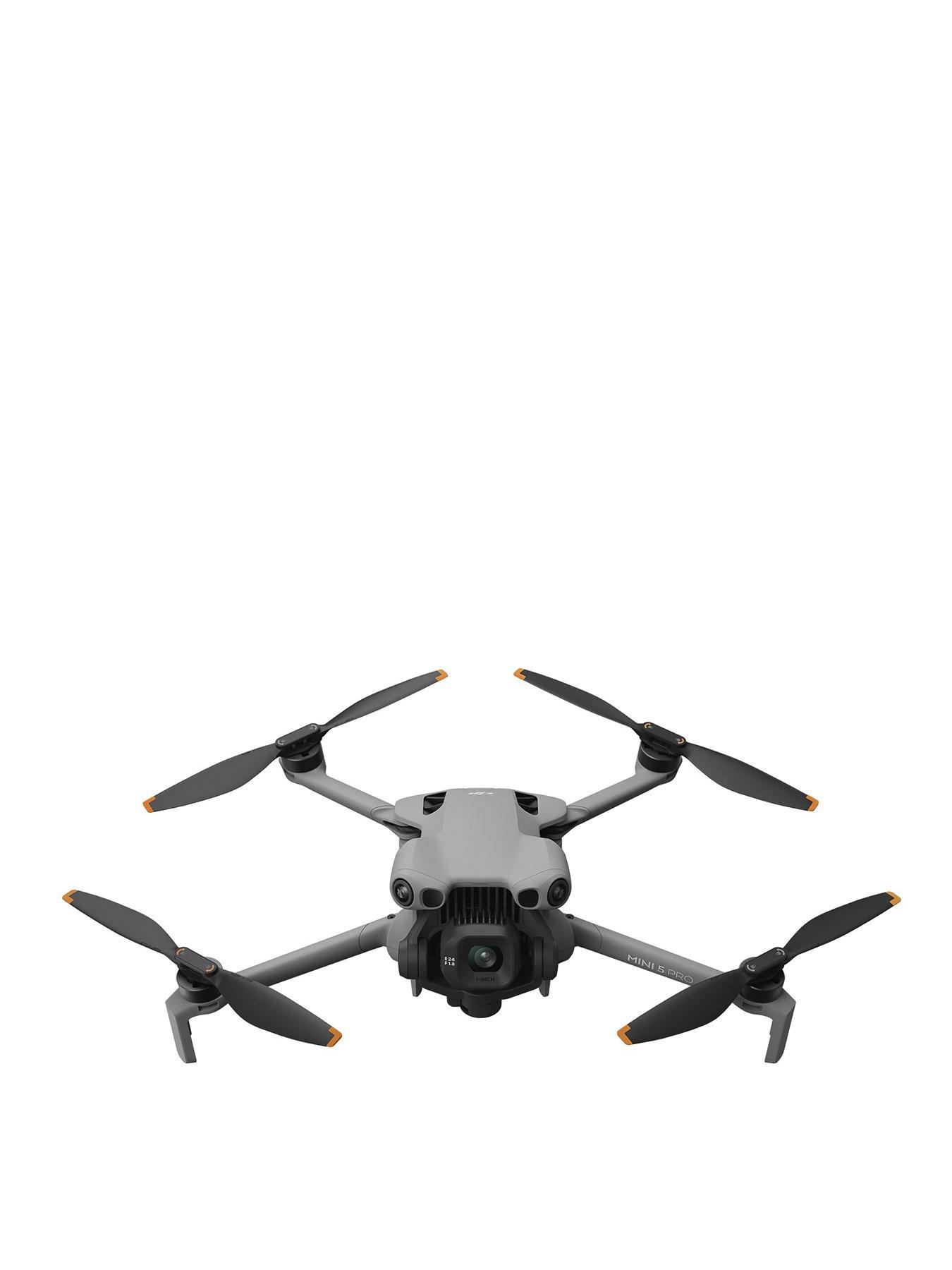
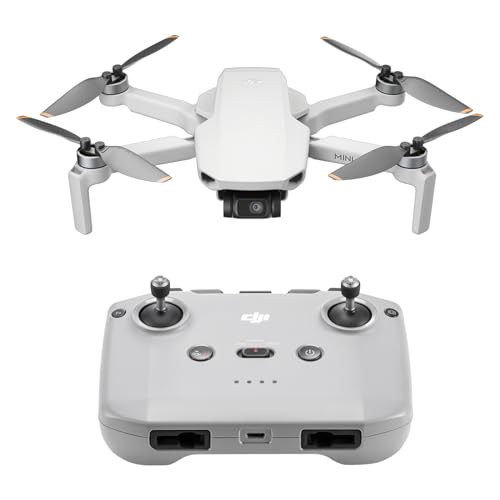
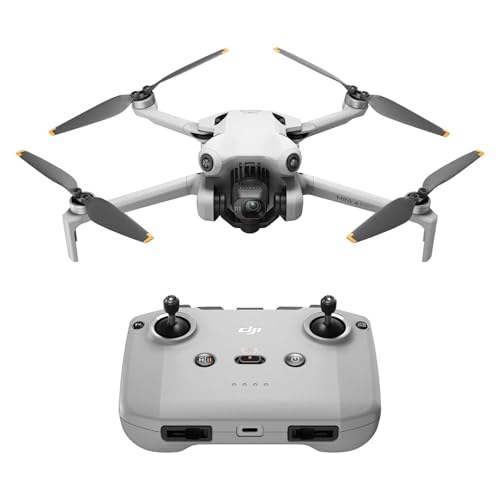
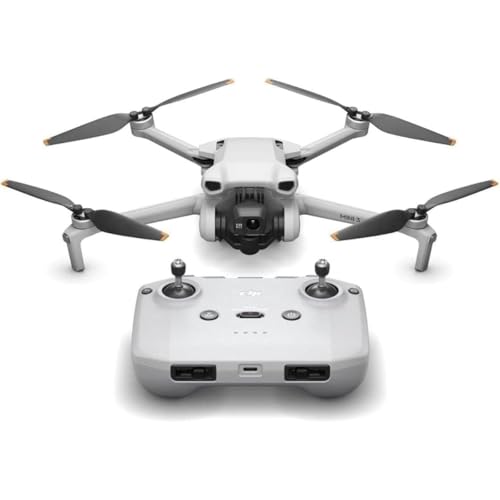
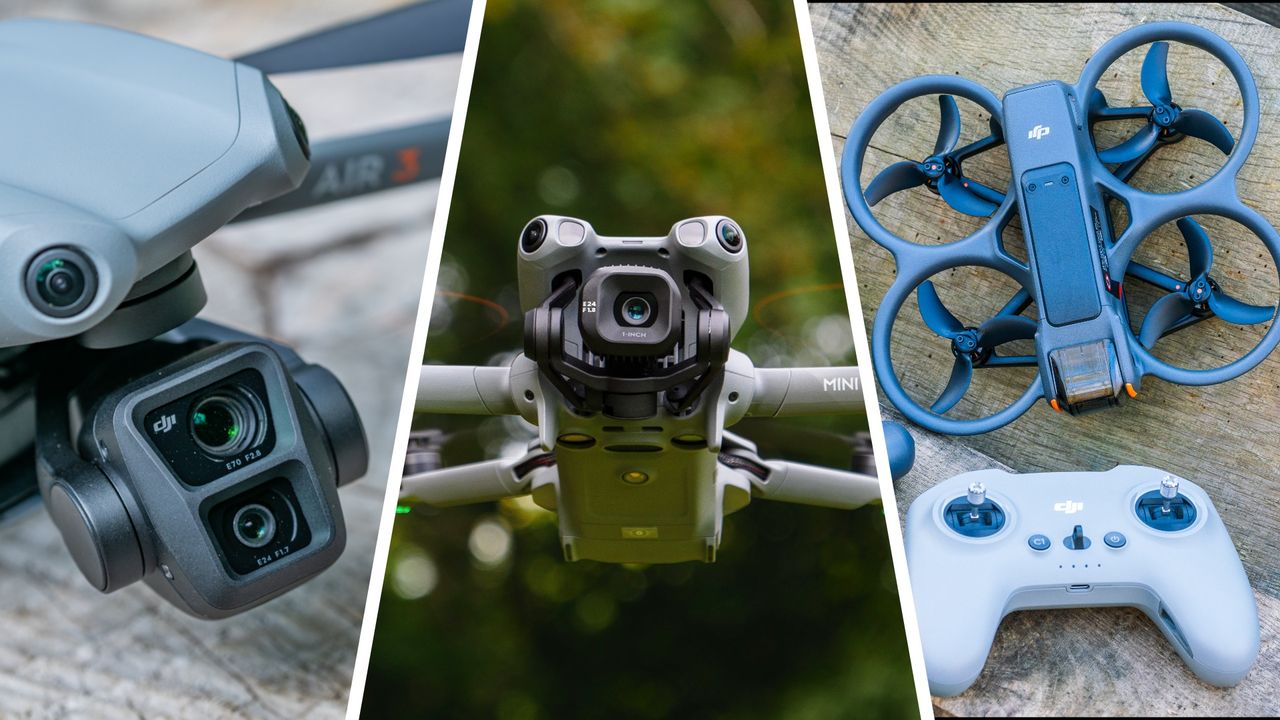
Fancy taking to the skies? DJI is the brand you're probably looking at — it's the name behind almost all the best drones around right now. If you're new to the world of drones, figuring out your options is tricky. This article is here to guide you through your options. I'll run through the main DJI ranges and who they're aimed at, and then once you've narrowed things down you can hop to the relevant section to read our reviews for each model. Let's get started...
Note: You'll only be able to see product cards for the models currently available to buy in your region. Due to FCC issues, not all DJI drones are available in the US. Hit the More details button to read our main takeaways for each model, and for a link to the full review.
DJI Mini
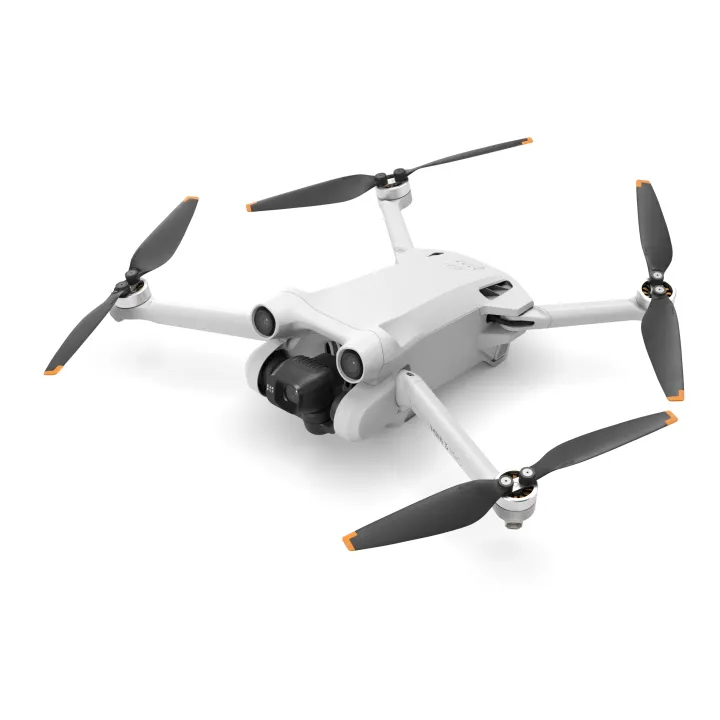
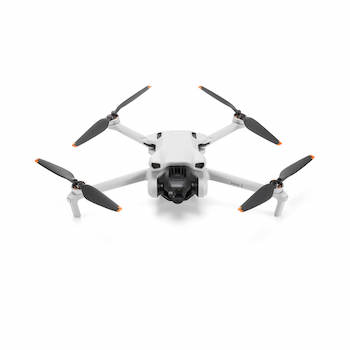
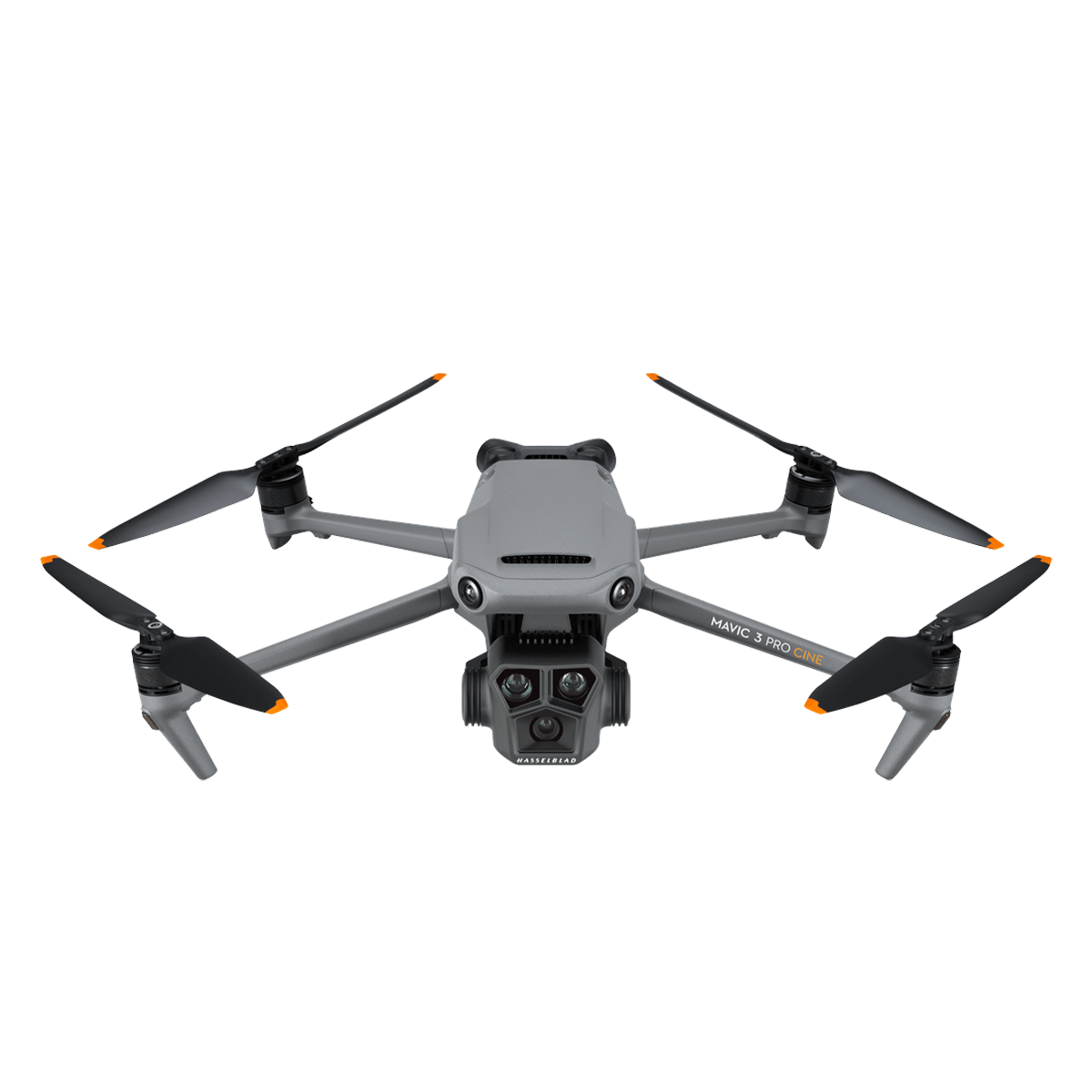
DJI's flagship compact drones, and the best-selling range for beginner pilots. These are all sub-250g models, which means they come with little-to-no flight restrictions, depending on where you fly.
• Check out the Mini lineup
DJI Air
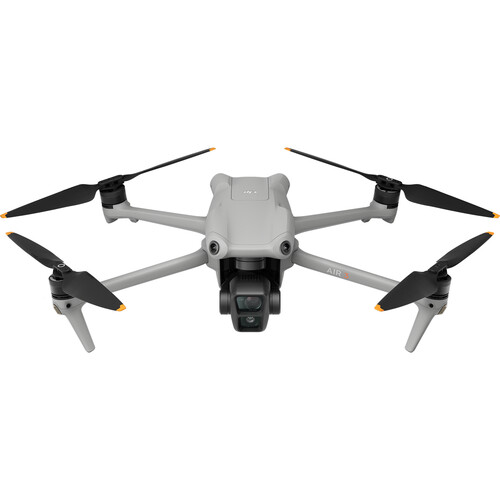
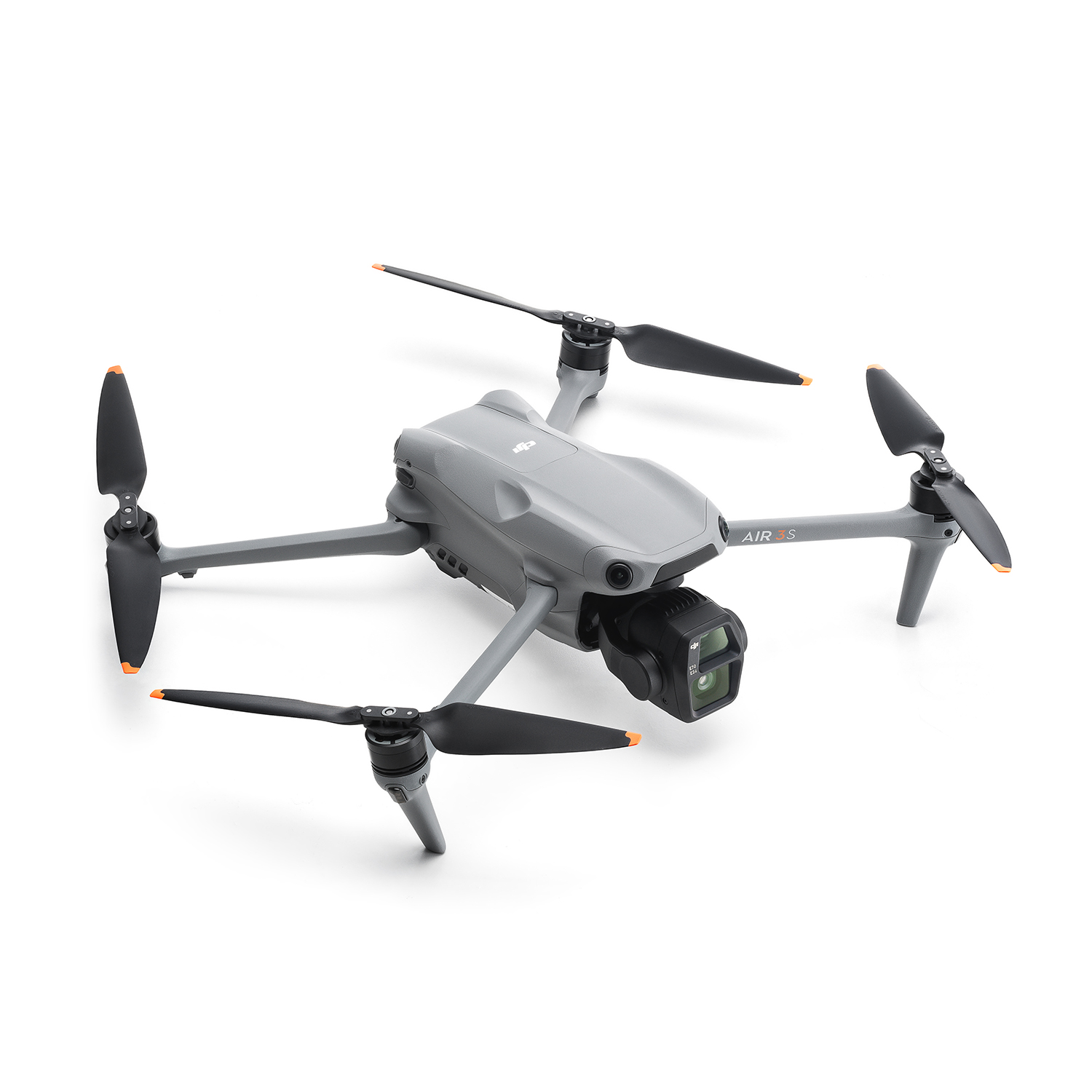
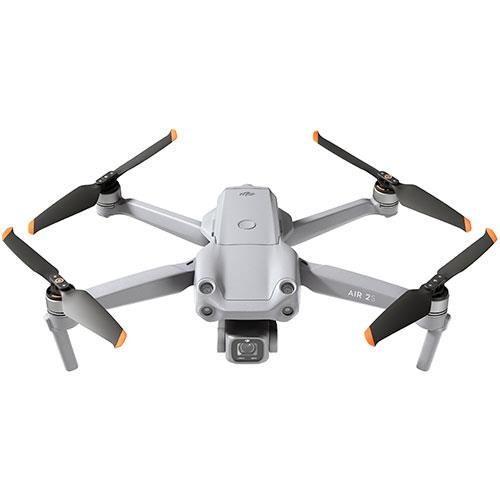
A step up from the Mini series, aimed at enthusiasts. These drones fall into the next weight category up, which means they're sturdier and you'll be able to fly for longer, but you'll need your region's equivalent of a certificate of competency before you fly.
• Check out the DJI Air lineup
DJI Mavic
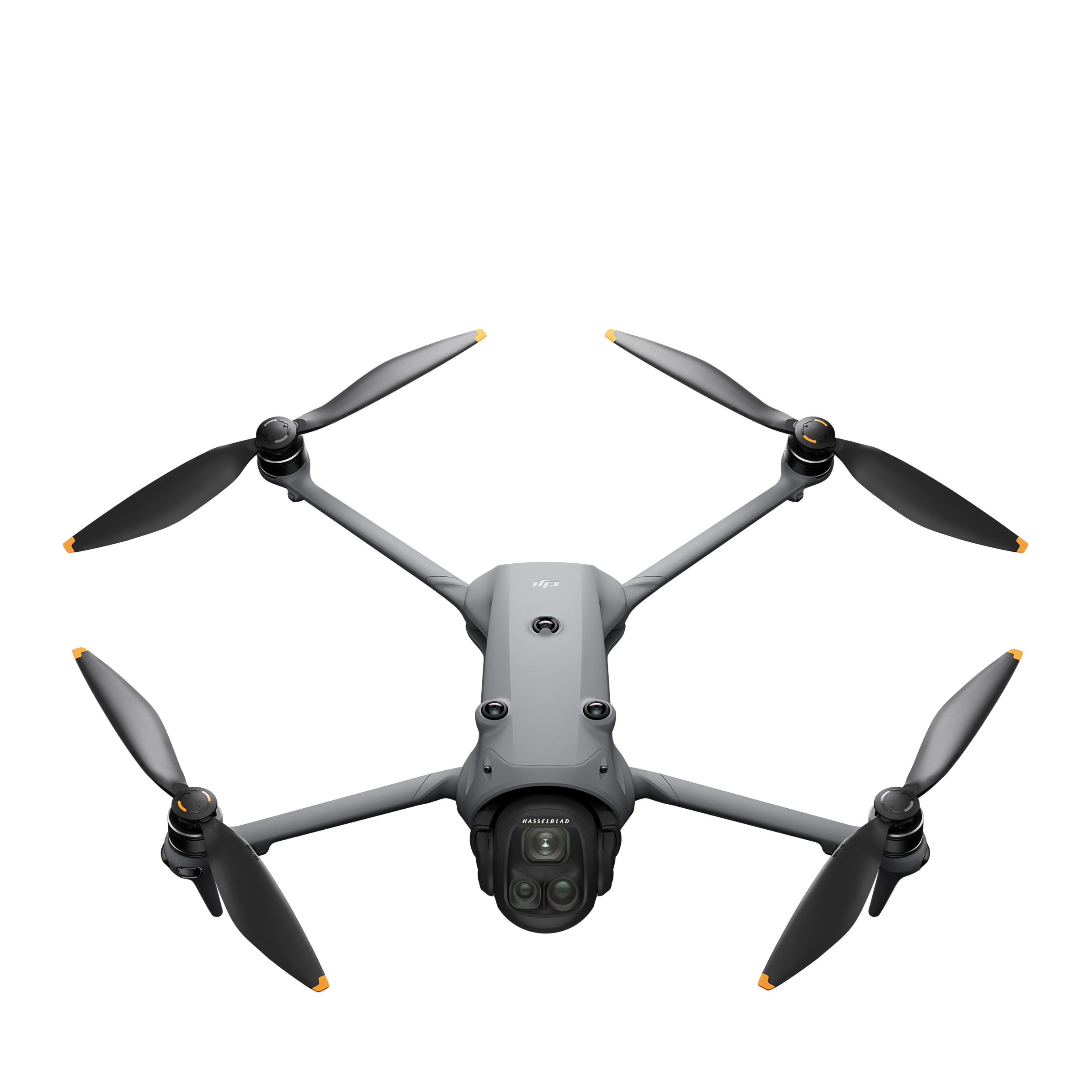
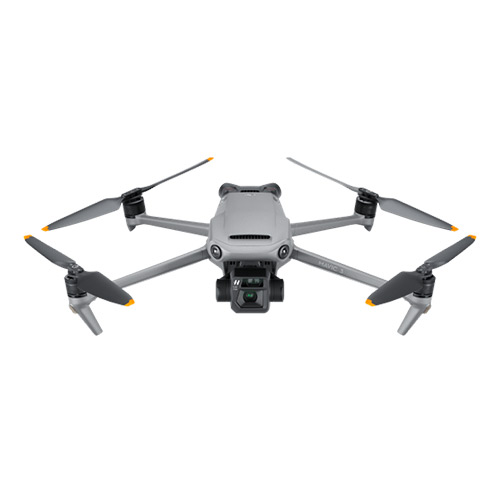
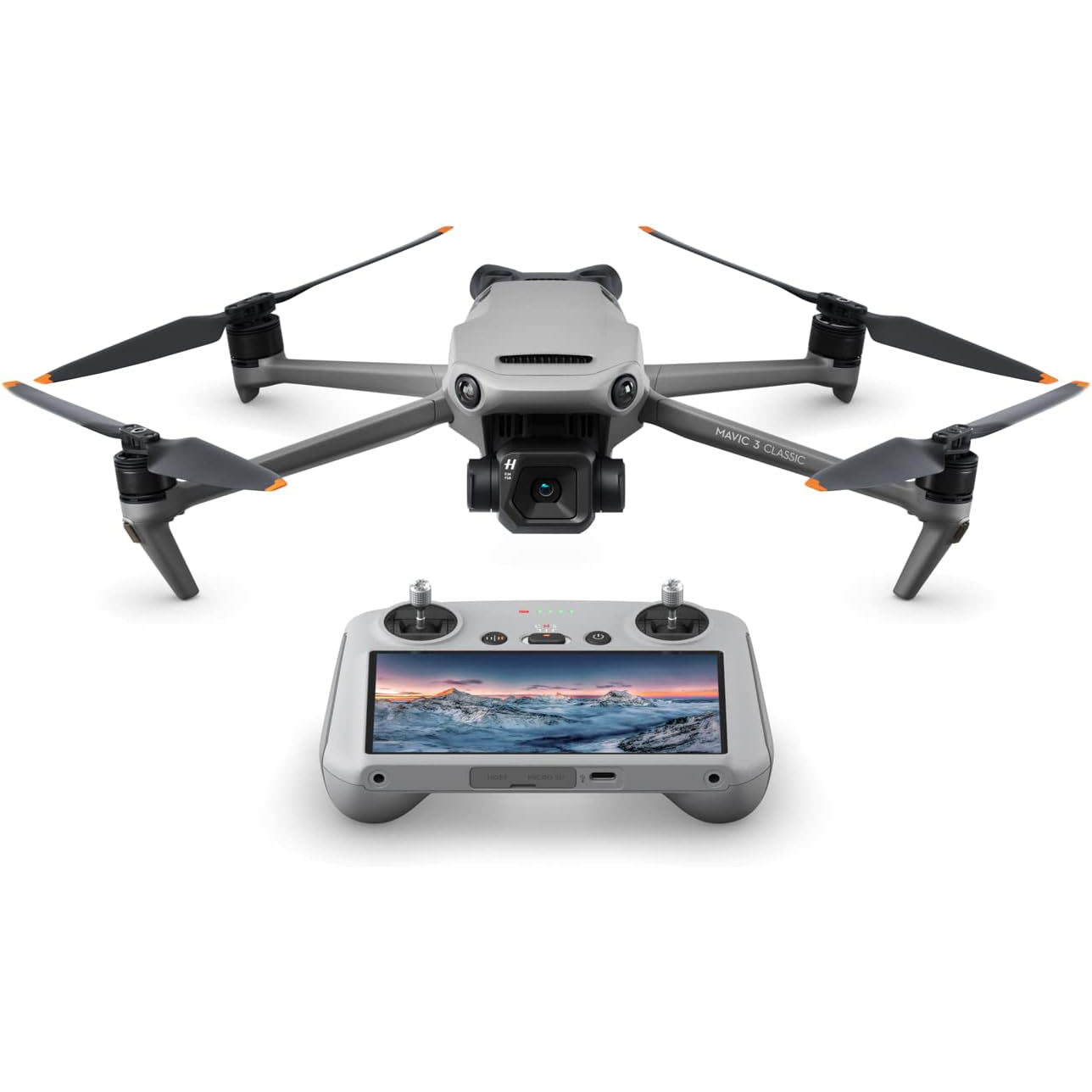
Top-tier consumer drones with industry-leading camera performance. These are another step up from the DJI Air range, and again you'll need a certificate of competency before you fly.
• Check out the DJI Mavic lineup
DJI Neo
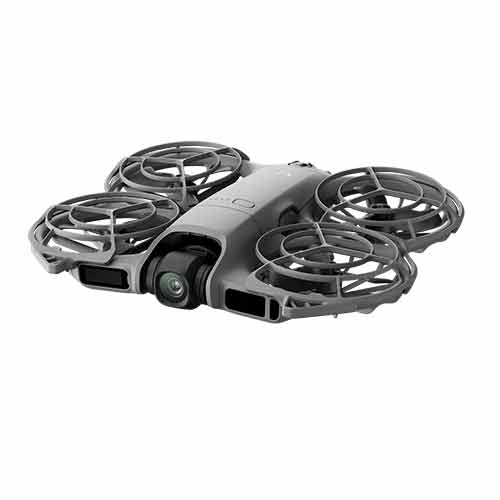
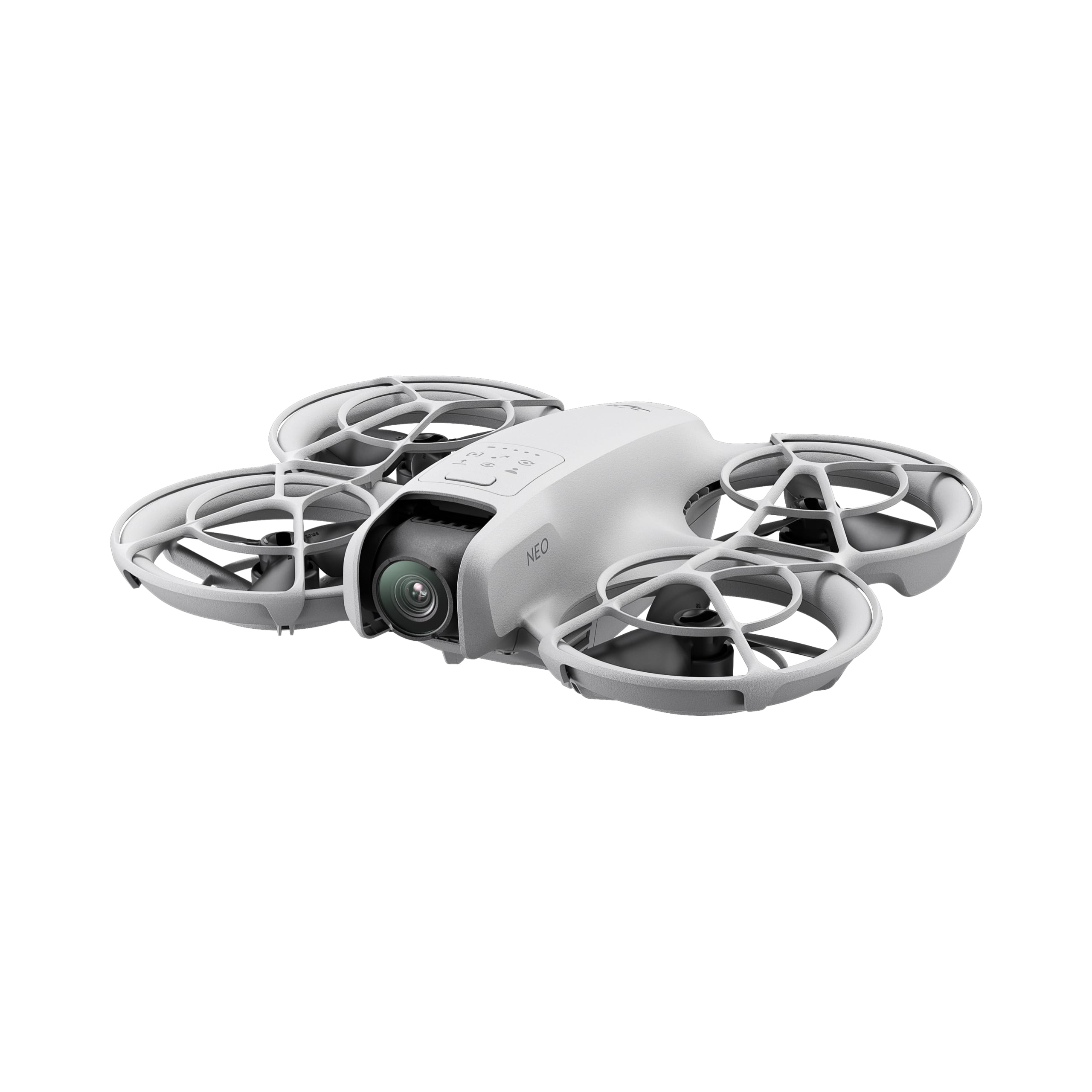
The cheapest, smallest, lightest and simplest DJI drone. It comes with single-push take-off from your hand, designed for aerial selfies (this kind of drone is sometimes referred to as a selfie drone).
• Check out the DJI Neo lineup
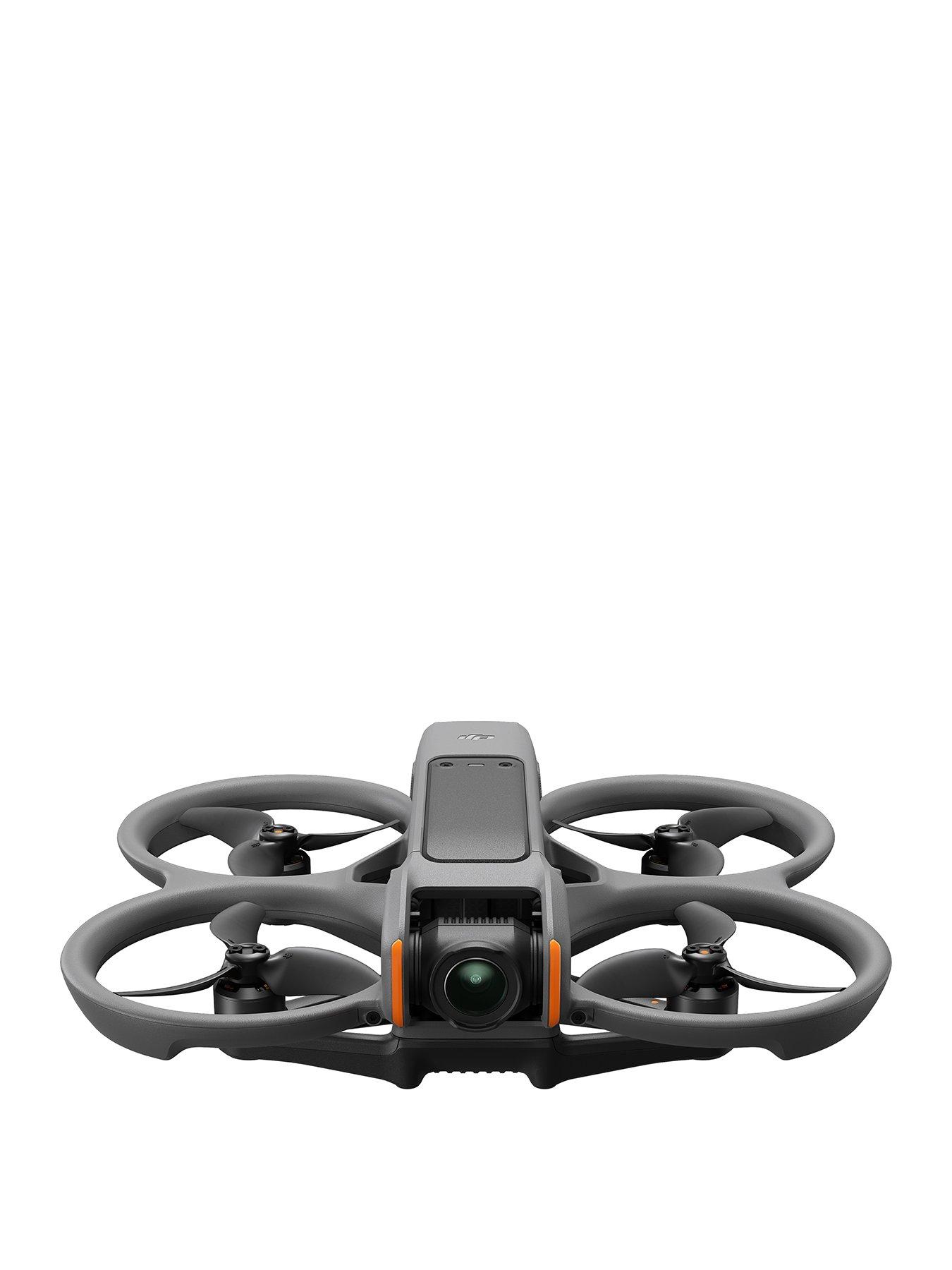
DJI Avata
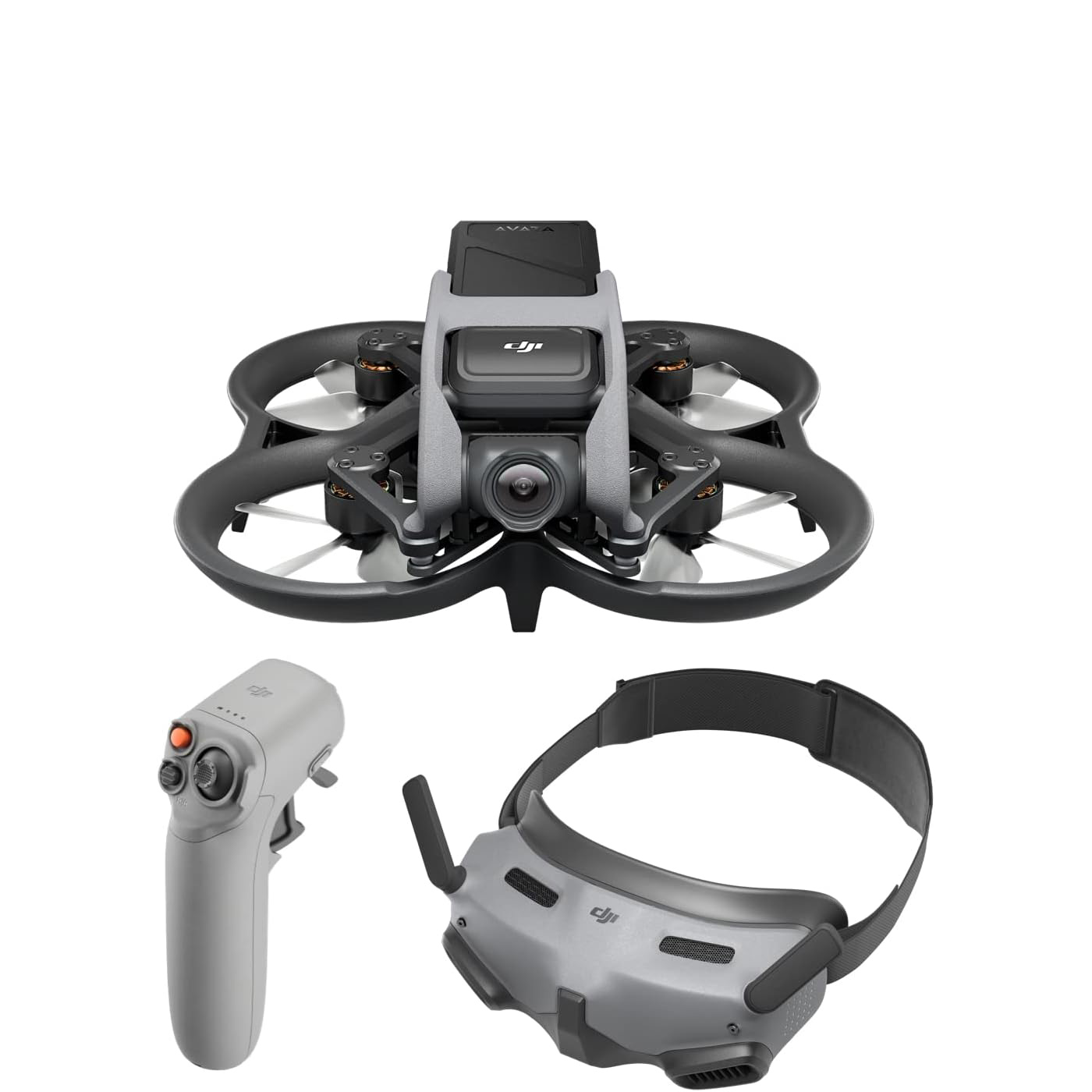
FPV (first person view) drones, designed to be used with goggles for immersive high-speed and responsive flight — legally you need a 'spotter' with you when flying drones through goggles.
• Check out the DJI Avata lineup
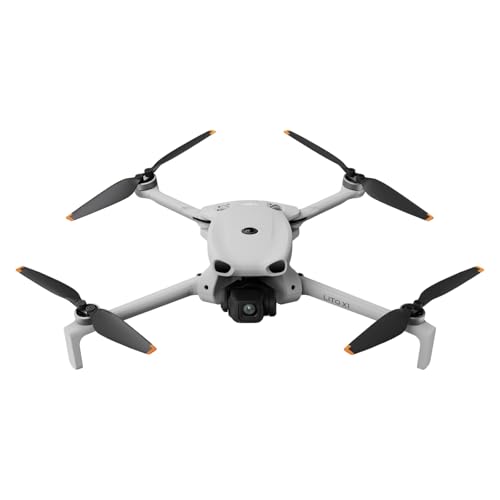
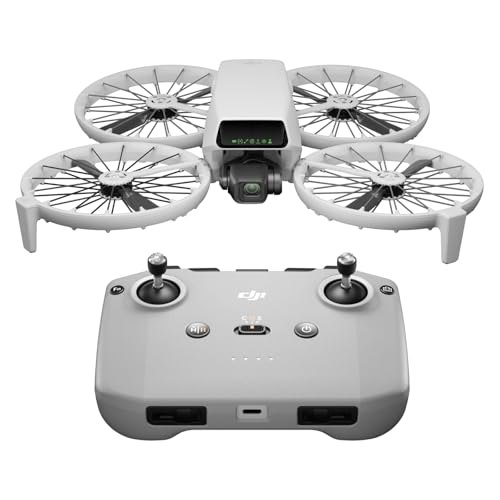
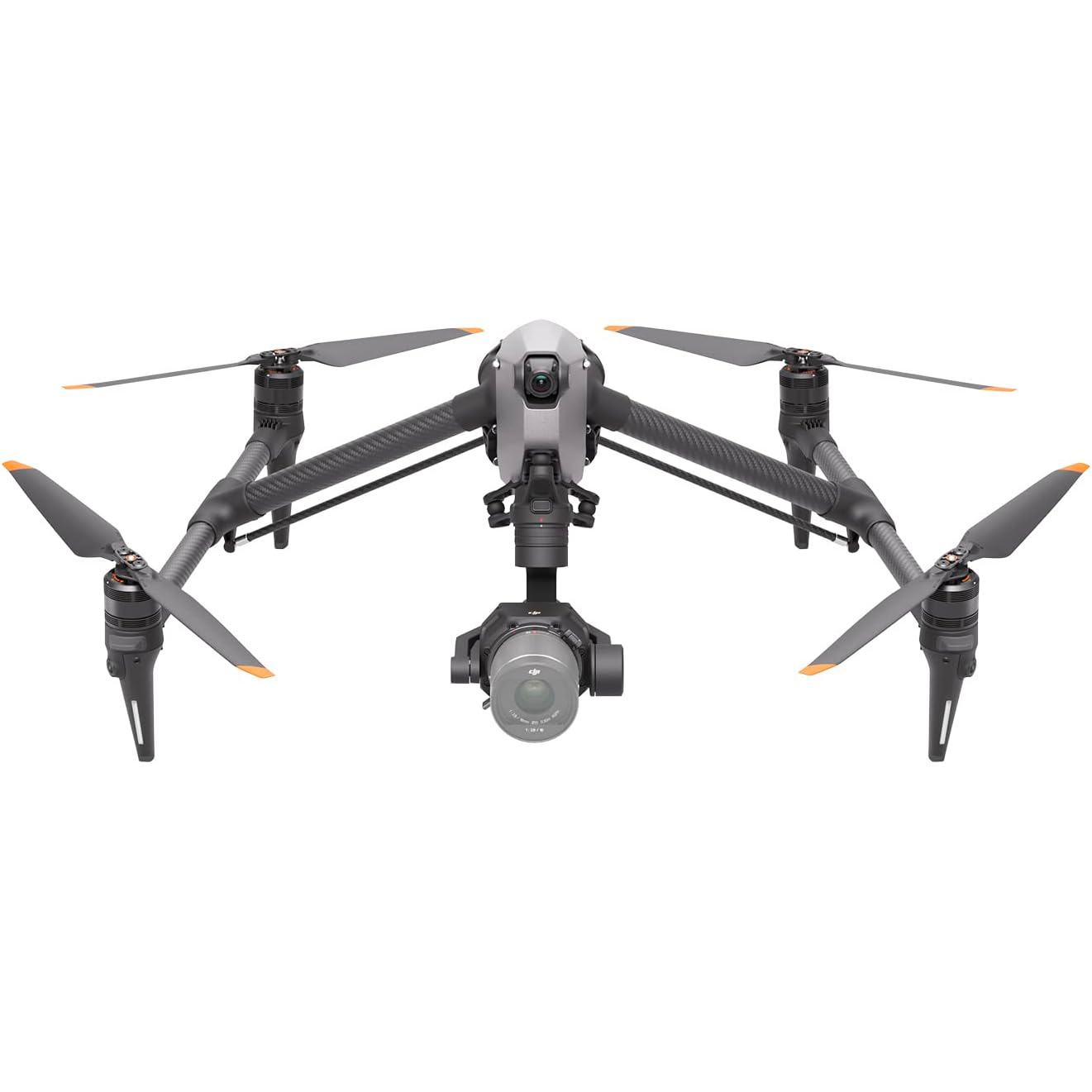
There are a few standalone options to be aware of. The Lito is a straightforward beginner drone at an extremely wallet-friendly price — it's a step down from the Mini range in both price and capabilities. The DJI Flip is another beginner drone with vlogger-friendly features. At the other end of the scale is the DJI Inspire range, aimed at professionals — the kind of thing that might be hired for productions.
O Polo de Vairão da FCUP recebeu um conjunto de equipamentos tecnológicos de última geração, financiados pelo PRR, que incluem a primeira sala de simulação agrícola, pioneira em Portugal, e protótipos de robótica terrestre e aérea.
The post Faculdade de Ciências da Universidade do Porto aposta em simulação, robótica e drones para ensinar a agricultura do futuro appeared first on Tek Notícias.
Researchers have developed a drone that becomes nearly invisible by spinning at 25 revolutions per second. Rather than relying on traditional camouflage, it exploits motion blur to make itself significantly harder to detect in plain sight. Conventional drones are generally easy to spot due to their rapidly spinning propellers and relatively bulky airframes. Engineers at Northwestern […]
The post Optical Illusion at Work: New Drone Can Appear Invisible While Flying appeared first on AERONAUT.media.
 Shield AI’s runway-free combat drone moves closer to vertical flight.
In the latest twist on battlefield innovations, Ukraine has used both flying drone carriers and drone boats to send ground robots armed with weapons or explosives into battle.
The drone-assisted deployments have enabled slower wheeled robots to bypass tough terrain and Russian defenses, and to carry out an unusual robotic amphibious assault on a contested position. Such tactics also showcase the Ukrainian military’s ongoing experimentation with using drones and robots to offset a Russian military advantage in manpower while also sparing Ukrainian soldiers from making dangerous assaults.
On July 19, a Russian military Telegram channel posted a video showing a Ukrainian hexacopter drone carrying a ground robot suspended below by a cable, according to the Ukrainian government-run news platform United24. The Russian Telegram channel described the Ukrainian heavy bomber drone as deploying a four-wheeled ARK-1 robot armed with explosive anti-tank mines on the ground where it continued toward Russian military positions—and apparently generated plenty of outraged comments from pro-Kremlin social media users.
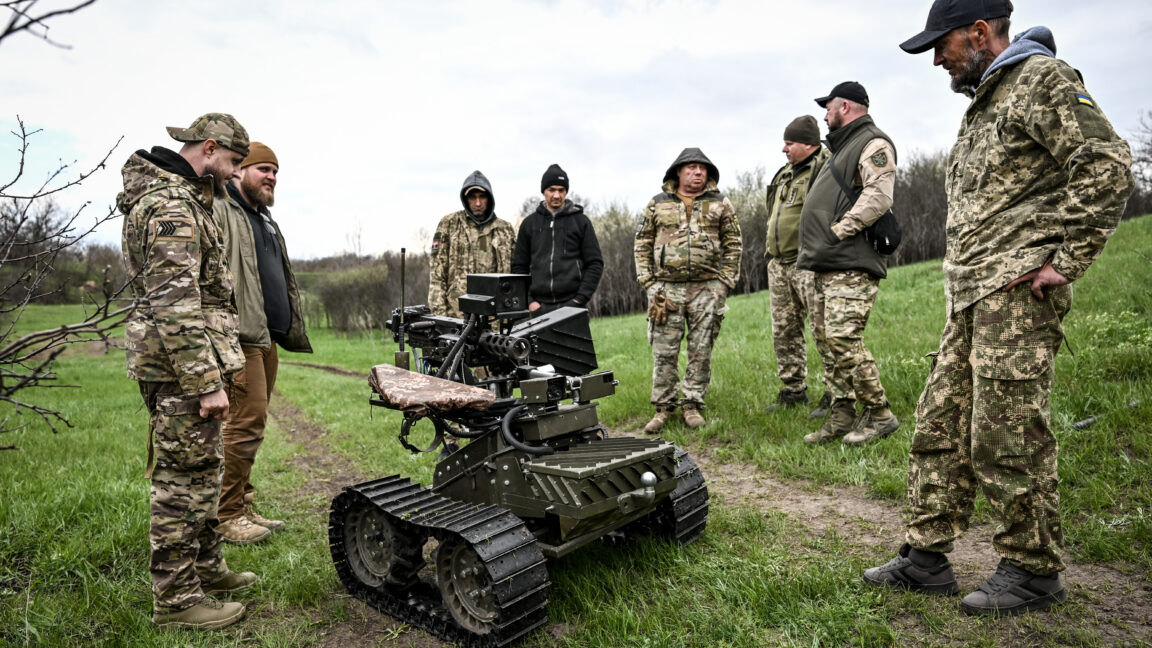
© Dmytro Smolienko/ Ukrinform/Future Publishing via Getty Images
We can think of no possible way that a newly invented invisible drone can be used nefariously.
Rather than relying on camouflage, the flying gizmo created by researchers at Northwestern University exploits the motion blur effect in our fallible human vision to almost disappear by spinning at an absurd 25 times per second.
This is too quick for us and many animals to see clearly, becoming a gossamer smear that blends into the background, like the way the blades of a helicopter do, only more extreme.
One day, this type of design could be used for completely peaceful pursuits, the researchers say — like observing wildlife, of course.
“Most efforts to hide drones focus on making them look like their surroundings,” Michael Rubenstein, an associate professor of computer science and mechanical engineering at Northwestern who led the research, said in a statement about the work.
“Instead, we asked whether we could design the drone itself around the way humans perceive motion,” he added. “This idea of low visibility through persistent motion is something few people have explored.”
To create the drone, dubbed “Phantom Twist,” the team used a computational model to churn out around 20,000 different drone designs, then used AI and optimization algorithms to repeatedly rearrange how its major parts, like their motor and propeller, were configured.
Then they took the best configurations and used a model that simulates human perception to quantify how visible each design appeared. The least visible designs were chosen to be further rearranged with the optimization algorithm, until landing on the blurriest candidate of them all.
“The design process was fully automated,” Rubenstein said. “Then, when we were confident that a drone met all our criteria, we built it.”
Their research, detailed in a paper awaiting peer review, was presented at the Robotics: Science and Systems 2026 conference in Sydney this month.
It’s not the first spinning drone, but it is the first that’s been optimized to be effectively invisible to the human eye. Its major components are carefully spaced enough from each other to never become a distinct shape when viewed from any angle while spinning — all while being capable of stable flight.
According to the researcher’s visibility model, this allows the Phantom Twist to be about ten times less visually perceptible than a conventional quadcopter drone. Impressive footage certainly bears this out: after the drone gets up to full speed, it almost looks like the ghost of a tiny UFO.
The drone is quite noisy, however. If something like it is going to be used to observe wildlife one day, it’ll have to be vastly quieter. Until then, if these faint apparitions are ever turned on humans, at least we’ll be able to hear them coming.
More on robots: Autonomous Robots Confirmed to Have Killed Human Soldiers
The post We’re Admittedly Terrified That They’ve Now Invented Invisible Drones appeared first on Futurism.

BAE Systems has announced the development of BlackThorn, a new generation of modular multi-purpose warheads designed specifically for autonomous platforms, one-way attack UAVs, counter-drone systems, guided missiles, and unmanned ground vehicles. According to the company, the new warhead has already been selected to equip Frankenburg Technologies’ Mark I short-range surface-to-air missiles. The development of the […]
The post Breakthrough in UAV Technology: BAE Systems Unveils the BlackThorn Universal Warhead appeared first on AERONAUT.media.
Ukraine presented a new reusable version of the domestically developed An-196 “Liutyi” long-range unmanned aerial vehicle (UAV) at the Farnborough International Airshow. The platform was displayed equipped with four air-to-surface cruise missiles. This new configuration may indicate the evolution of a platform that had previously been employed as a one-way attack (kamikaze) drone. This is […]
The post From a Kamikaze Drone to a Cruise Missile Carrier: Ukraine Unveils a New Version of the An-196 “Liutyi” UAV appeared first on AERONAUT.media.
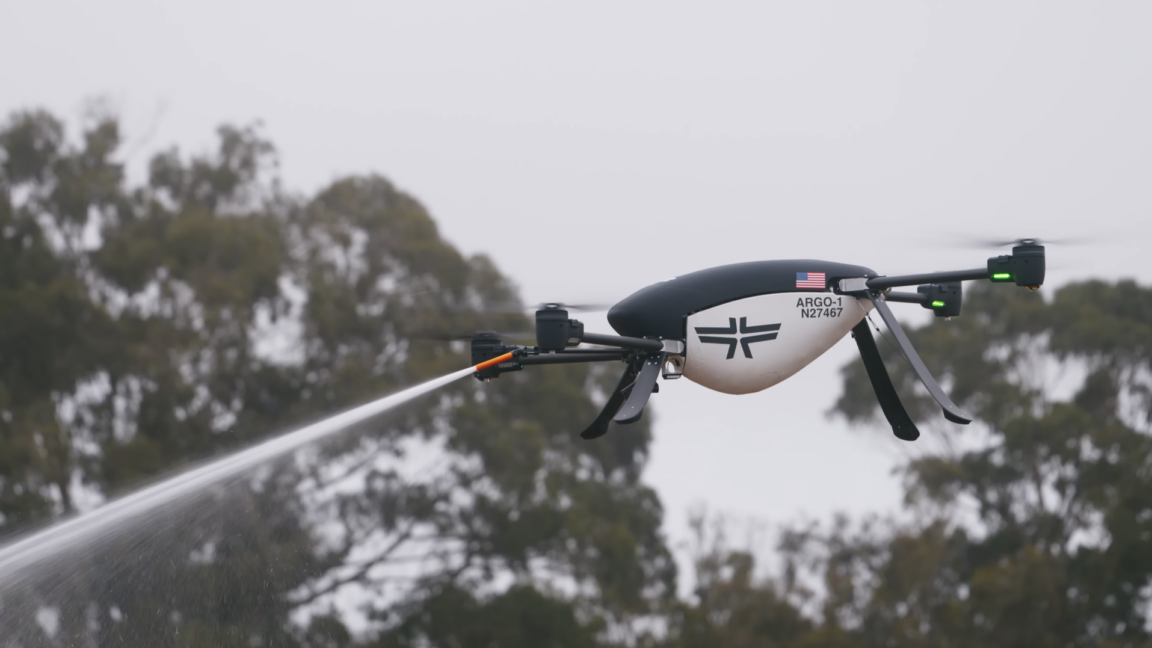
Drones capable of spraying water and fire retardants have been practicing how to snuff out wildfires early in California and Alaska this summer—demonstrating a possible rapid-response tool for firefighting as climate change transforms wildfire season into a nearly year-round risk for much of the United States.
Most drones are significantly smaller than crewed aircraft and have shorter flight ranges, meaning they cannot replace large airtankers in delivering massive payloads of water or other fire-suppressing payloads to remote wildfires. But companies and fire agencies—along with organizers of the $11 million XPRIZE competition—are testing whether drones can help firefighting crews respond more quickly to small fires and put them out before they become more destructive.
The California Department of Forestry and Fire Protection, also known as CAL FIRE, ran its own field test involving five autonomous drones that worked together to deploy between 500 and 1,000 gallons of foam combined for suppressing fires on July 15, according to the TV station KPMH. The demonstration was organized with the help of the nonprofit FireWERX and the California-based company Seneca, which is making the drones commercially available starting in 2026.
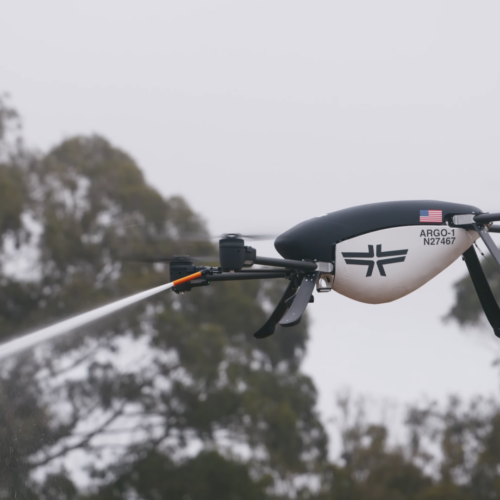
© Seneca
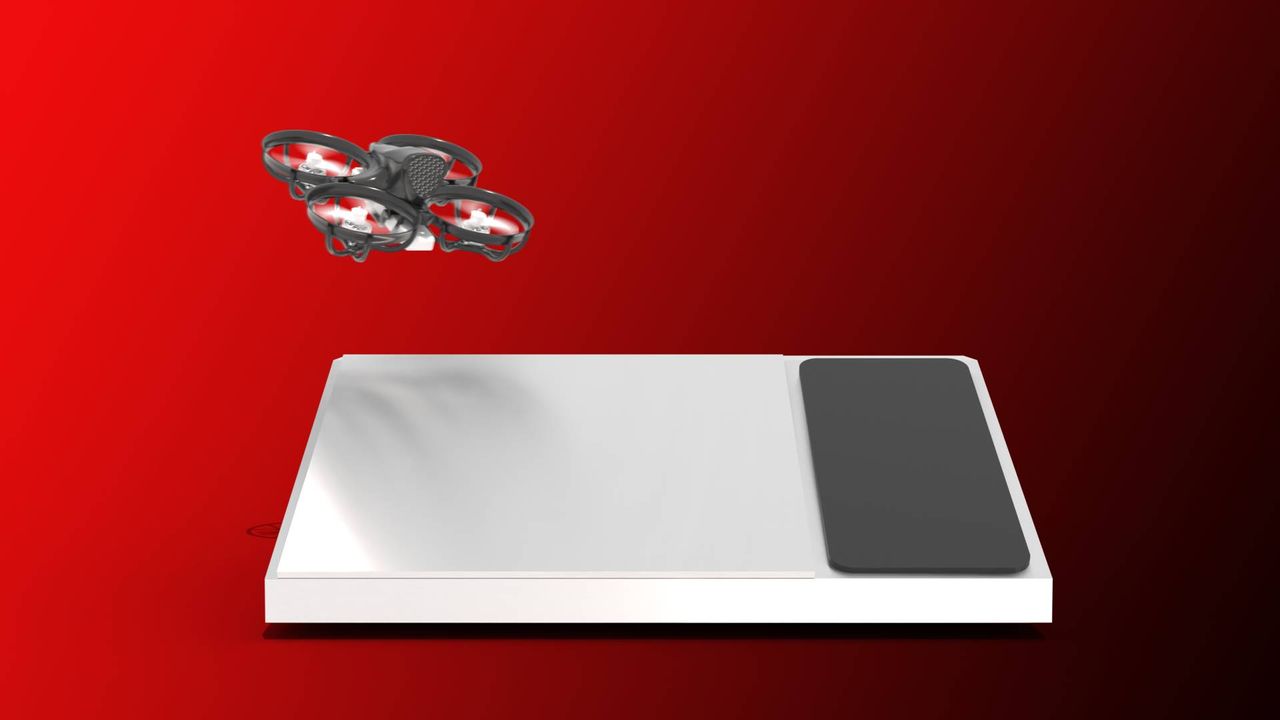
Tornyol, a San Francisco-based startup backed by Y Combinator, has built an autonomous micro-drone whose sole purpose is finding mosquitoes and flying straight into them. Forget spray, swatters and stinky citronella candles that go out halfway through your al fresco dinner — this propellered assassin can keep your yard bug-free all on its own.
Or at least, that's what its makers claim. Tornyol's drones use ultrasonic phased-array sonar — the same basic principle behind a car's parking sensors — paired with smartphone-grade microphones and custom signal-processing software. The system listens for the specific wingbeat frequency of a mosquito, distinguishes it from harmless insects like bees, and then closes in for a mid-air kill, using its whirring propellers as the business end. In other words, the mosquito is chopped to bits.
The company says its base station carries a 380-microphone array capable of tracking targets in real time to a distance of around 8m, with future planned drone versions likely to bring that sensing ability onto the aircraft itself.
Each drone flies for around five minutes at a time before heading back to its base station to recharge, a process Tornyol says takes about 30 minutes. The idea is a relay of short, targeted flights rather than a drone loitering in the air all evening. A single unit is pitched as capable of covering up to five acres (over 20,000 square meters).
As for safety, Tornyol cites the drone's tiny size and shrouded propellers as proof that it's safe to have buzzing around family and pets.
You can reserve one right now for a refundable $100 deposit. Once the drone is ready to ship, you'll be given a choice between an ongoing $50-a-month subscription or a one-off payment of $1,100 to own the hardware outright. A US launch is pegged for 2027, but availability everywhere else is TBC, pending local drone and pest-control regulatory approval — which, given what this thing actually does, may take a while.
It's pitched as being about more than backyard convenience, too. Tornyol frames its tech as a public health boon: mosquitoes are linked to roughly 700,000 deaths a year worldwide through diseases like malaria and dengue, and the company claims its approach could eventually slash the cost of mosquito control.
Right now, though, the achievements are more modest: on July 14, Tornyol co-founder Alex Toussaint posted a video of the drone's first confirmed "air-to-air kill": a moth, in a curtained-off test area, rather than a mosquito in the wild.
A post shared by Interesting Engineering (@interestingengineering)
A photo posted by on
So: a small, autonomous, AI-guided drone that identifies living targets and kills them on sight, patrolling your garden 24/7. What could possibly go wrong?
I'll admit that my sympathy for the mosquito is limited. Few people are going to find issue with a device that quietly thins out a blood-sucking insect responsible for ruining many a summer evening. If Tornyol's drones work as advertised and stay in their lane, this is about as palatable a "killer robot" as killer robots get.
But that's the thing about a system built to autonomously identify a target by sound and eliminate it: the target list is a software decision rather than a hardware one. Tornyol's own marketing boasts of distinguishing mosquitoes from "beneficial" insects like bees — which suggests the drone's kill criteria are, by design, adjustable. Currently it's tuned to a mosquito's wingbeat, but what's stopping a future firmware update — or a different customer altogether — from retuning it for something else?
And once you're comfortable with an autonomous hunter-killer aircraft policing the back garden, the scope creep writes itself. Mosquitoes today. Flies tomorrow, probably without much complaint either. But mice? Rats? Pigeons? Those are bigger, warmer-blooded and considerably more sympathetic targets, and if we're talking about robots that hunt and kill creatures on your property, where does the line get drawn — and by whom?
Tornyol's engineers appear to be solving a real problem, and it's a no-brainer to root for a tool that could put a dent in a global killer like malaria. But there's something dystopian about killer domestic robots too, and this is a solid first step to putting them in our homes.
The Security Service of Ukraine (SBU) has carried out another successful special operation, resulting in the destruction of a Russian Tu-95 strategic bomber. At the time of the strike, the aircraft was stationed at Engels Air Base in Russia’s Saratov region. According to a statement published on the SBU’s official Facebook page, the bomber had […]
The post Long-Range Drones in Action: Ukraine’s SBU Destroys a Russian Tu-95 Bomber at Engels Air Base appeared first on AERONAUT.media.
