❌

Reading view

There’s No Place Like Home, Snoopy Arrives on Apple TV

There’s No Place Like Home, Snoopy is now available globally on Apple TV, beginning a new Peanuts adventure with the accidental sale of one of the comic strip’s most recognizable objects.

The 31-minute animated special follows Snoopy after his doghouse disappears during a yard sale. Charlie Brown attempts to help his devastated friend by organizing a search, but recovering the missing home becomes more difficult once it has left the neighborhood.

The story uses Snoopy’s doghouse as more than a familiar red prop. It is the place where he sleeps, stores his possessions and begins the imaginary adventures that transform him into a World War I flying ace, author and explorer.

Losing it removes the physical center of that private world. Charlie Brown and Snoopy must determine whether home depends on recovering the exact building or remaining close to the people and memories connected to it.

The Apple Original is rated TV-G and includes Dolby Atmos audio in supported languages and configurations. An Apple TV subscription is required, with availability extending across the Apple TV app and the service’s supported devices.

Snoopy hugs his red doghouse with pink hearts around him, as Woodstock flies above. Text: “Apple TV Snoopy Presents There’s No Place Like Home, Snoopy,” celebrating this heartwarming Peanuts special. Blue sky background.
Image Credit: Apple Inc.

There’s No Place Like Home, Snoopy Begins at a Yard Sale

The central problem begins with an ordinary neighborhood event rather than one of Snoopy’s elaborate fantasies.

His doghouse is mistakenly treated as an item that can be sold. By the time Charlie Brown and the others understand what happened, Snoopy has lost the one place he regards as entirely his own.

The premise creates a recognizable childhood fear. A treasured object can appear unimportant to another person while carrying memories and emotional meaning for its owner.

Snoopy cannot explain that attachment through conventional dialogue. His reactions, imagination and physical comedy must communicate why the loss feels larger than a missing piece of outdoor furniture.

Charlie Brown responds by doing something he rarely manages for himself: taking charge with enough confidence to help someone else. His search gives the special momentum while preserving the uneven friendship at the center of many Peanuts stories.

Snoopy frequently ignores Charlie Brown, takes his meals for granted and escapes into fantasies. Charlie Brown continues caring for him even when the beagle’s behavior makes that affection difficult to return.

The missing doghouse reverses their normal relationship. Snoopy needs practical help, while Charlie Brown becomes the person capable of guiding him through the disappointment.

Why Snoopy’s Doghouse Matters

Charles M. Schulz turned Snoopy’s doghouse into one of the most flexible locations in the Peanuts comic strip.

From the outside, it is a simple red structure with a black entrance. Snoopy rarely sleeps inside it, preferring to rest on the pointed roof despite the physical impossibility of remaining balanced there.

The interior follows no ordinary rules. Comic storylines have suggested that it contains a pool table, television, library, guest rooms, paintings and other possessions that could not fit within its exterior dimensions.

Schulz generally avoided showing the complete interior. That decision allowed the doghouse to expand according to Snoopy’s imagination without requiring one definitive layout.

The roof also becomes the Sopwith Camel flown by the World War I flying ace. A few changes in posture and sound can transform a suburban backyard into an aerial battle with the Red Baron.

For Snoopy, the building is simultaneously a bedroom, stage, aircraft, writing desk and portal into imaginary lives. Selling it removes the starting point for nearly every identity he creates.

There’s No Place Like Home, Snoopy can therefore explore loss without introducing a permanent tragedy into the Peanuts world. The doghouse is physically replaceable, but Snoopy’s attachment to the original makes the search emotionally credible.

A smiling cartoon girl stands behind a table with a white cloth at a yard sale, displaying stuffed animals and toys in boxes, reminiscent of scenes from a Peanuts special. A wooden fence and green trees are in the background.
Image Credit: Apple Inc.

Charlie Brown Voices Lead the New Special

Riley Vargas voices Charlie Brown, while Terry McGurrin returns as Snoopy. McGurrin has become closely associated with the modern animated version of the character through Apple’s Peanuts programming.

Rob Tinkler voices Woodstock, the small yellow bird who frequently joins Snoopy’s adventures. Although Woodstock’s speech appears as rapid bird sounds, Snoopy understands him, allowing the pair to communicate without conventional dialogue.

Grace Nicolaou-Wood voices Sally, and Jo-Hannah Atchison performs Lucy. Kitai O’Garro plays Franklin, Josephine Nisbett voices Marcie and Lexi Perri voices Peppermint Patty.

Athan Giazitzidis appears as Linus, while Diego Whalen voices Rerun. Noah Paisley plays Milo.

The larger ensemble gives Charlie Brown access to the neighborhood network needed for a search without shifting the story away from Snoopy. Each character can respond differently to the problem according to an established personality.

Lucy may approach the situation with certainty, Linus with reflection and Sally with her own interpretation of what occurred. Woodstock has the closest connection to Snoopy’s private world and understands what the doghouse represents without requiring an explanation.

There’s No Place Like Home, Snoopy Behind the Scenes

Ridd Sorensen directed There’s No Place Like Home, Snoopy, with Rob Boutilier serving as series director. Rob Hoegee wrote the special.

Executive producers include Josh Scherba, Stephanie Betts, Logan McPherson, Paige Braddock, Chris Bracco and Mark Evestaff.

The production continues Apple’s collaboration with WildBrain, Peanuts Worldwide and Lee Mendelson Film Productions. Those organizations combine modern animation production with the characters and creative legacy established by Schulz.

The special was produced in Canada and is available with extensive dubbing and subtitle support.

Apple lists audio options spanning languages including:

  • Arabic
  • Cantonese
  • Danish
  • Dutch
  • French
  • German
  • Hindi
  • Italian
  • Japanese
  • Korean
  • Mandarin
  • Portuguese
  • Spanish
  • Thai
  • Turkish
  • Vietnamese

Audio descriptions are included across many of those language options. English playback supports Dolby Atmos and Dolby 5.1 on compatible equipment.

The wide localization reflects the international reach Peanuts developed long before streaming. Schulz’s comic strip appeared in more than 2,600 newspapers and reached readers across 75 countries.

Apple can now release one new animated story simultaneously across more than 100 countries and regions without waiting for separate broadcast schedules.

An Original Song Gives the Story Its Emotional Center

There’s No Place Like Home, Snoopy includes the original song “Home, Where Your Heart Found Me” by singer-songwriter Allen Stone.

Music has always occupied an important place in animated Peanuts productions. Vince Guaraldi’s jazz compositions became inseparable from the classic television specials, creating a musical identity that later productions must acknowledge without simply reproducing the same material.

An original song allows the new story to develop its own emotional language around home and attachment. It can express ideas that Snoopy cannot communicate verbally while avoiding the need for Charlie Brown to explain the complete meaning of the adventure.

The title connects home with an emotional discovery rather than an address or possession. That idea supports the special’s central distinction between the missing doghouse and the relationships Snoopy still has around him.

Apple previously expanded the musical side of its Peanuts catalog through Snoopy Presents: A Summer Musical, the first Peanuts musical special in decades. The addition of Allen Stone continues that willingness to use original songs rather than treating music only as background.

There’s No Place Like Home Snoopy - Snoopy looks surprised with one paw up, while Sally and Charlie Brown stand on either side, both appearing shocked. Set against a blue sky with simple clouds, this scene perfectly captures the whimsical charm of a classic Peanuts special as seen in Snoopy Presents on Apple TV.
Image Credit: Apple Inc.

How to Watch There’s No Place Like Home, Snoopy

The special is available through the Apple TV app on iPhone, iPad, Mac, Apple TV 4K and Apple Vision Pro.

It can also be watched on supported smart televisions from manufacturers including Samsung, LG, Sony, Vizio and TCL. Roku, Amazon Fire TV, Google TV, PlayStation and Xbox devices provide additional access.

Web playback is available through tv.apple.com after signing in with an Apple Account carrying an active subscription.

Apple TV currently costs $12.99 per month in the United States and includes a seven-day trial for eligible new subscribers. Customers activating a qualifying new iPhone, iPad, Mac or Apple TV 4K may receive three free months, subject to Apple’s promotional conditions.

There’s No Place Like Home, Snoopy is presented as one complete special rather than an episodic series. Its 31-minute running time makes it closer to the length of traditional Peanuts television programs than a feature film.

Parents can locate it within the Kids & Family area of Apple TV. Its TV-G classification indicates that it is designed for a general audience, although rating systems and descriptions can vary by country.

Apple Builds a Permanent Peanuts Library

Apple has served as the principal streaming home for Peanuts since 2020, combining classic holiday programs with new specials, series and documentaries.

The agreement has sometimes received attention because programs such as A Charlie Brown Christmas, A Charlie Brown Thanksgiving and It’s the Great Pumpkin, Charlie Brown spent decades appearing on broadcast television.

Apple has provided limited free streaming windows for major holiday titles, allowing people without a subscription to continue watching selected specials during their associated seasons.

The wider library includes The Snoopy Show, Snoopy in Space and Camp Snoopy. Original Snoopy Presents specials have focused on characters and subjects that received less attention in the earliest television productions.

One-of-a-Kind Marcie centered on Marcie’s quiet approach to leadership. Welcome Home, Franklin expanded Franklin’s introduction to the neighborhood, while Lucy’s School explored the group’s anxiety about change.

Apple also carries the documentaries Who Are You, Charlie Brown? and Peanuts in Space: Secrets of Apollo 10.

The service added This Is America, Charlie Brown and The Charlie Brown and Snoopy Show during July 2026, bringing more material from the 1980s into the same streaming catalog as the latest production.

Snoopy’s Next Search Heads to the Big City

Apple’s Peanuts partnership extends through 2030, giving WildBrain and Peanuts Worldwide several more years to create original series and specials for the service.

The most ambitious announced project is Snoopy Unleashed, an animated feature film currently in production.

That story will reverse the situation presented in There’s No Place Like Home, Snoopy. Instead of Charlie Brown searching for the doghouse, the Peanuts gang will search for Snoopy after he runs away to the Big City.

The larger setting will move Snoopy beyond the familiar neighborhood and require Charlie Brown, Lucy, Linus and the others to navigate an environment rarely explored in the comic strip.

Apple plans to release Snoopy Unleashed in 2027. Until then, Snoopy’s missing doghouse provides a smaller journey built around the same question the film will approach from another direction: what remains of home when the person or place associated with it disappears?

The post There’s No Place Like Home, Snoopy Arrives on Apple TV appeared first on AppleMagazine.
  •  

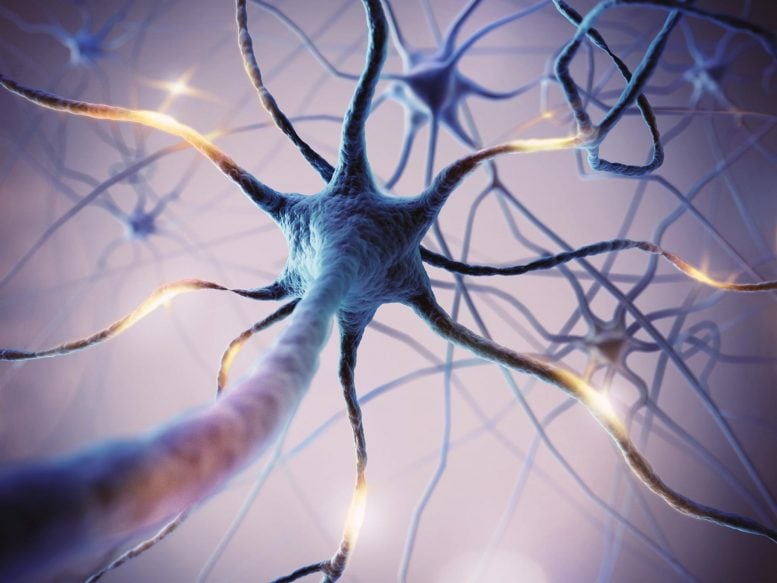
A Massive Study Reveals the Brain Is Far More Flexible Than We Thought

Neuron IllustrationA single neuron may help the brain recognize what it sees, track what the body is doing, and guide a decision, all at the same time. Most neurons may be far more versatile than scientists once thought. In a major study published in Nature, researchers analyzed more than 14,000 individual neurons across 43 regions of [...]
  •  

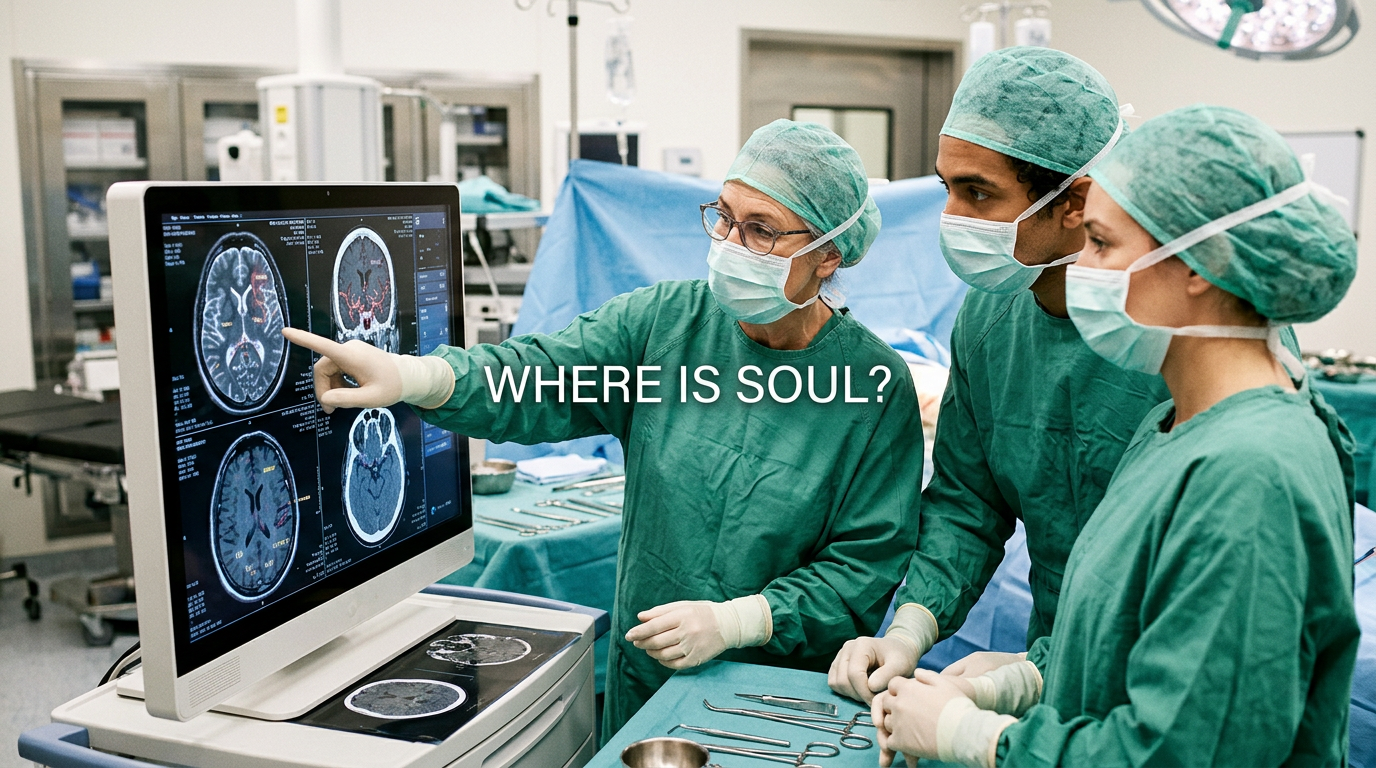
The Immortal Soul | Neuroscience vs. Materialism

Dr. Michael Egnor explores the existence and immortality of the soul, challenging materialist views by analyzing brain injuries, free will, and near-death experiences. He concludes that while the brain handles physical functions, the soul embodies abstract thought and consciousness, remaining independent and everlasting.

  •  

The Brain Has a Flexible Sense of Time That Can Split Across Regions, New Research Reveals

When the brain tracks time, it must decide whether its regions should rely on a shared timing signal or tack time separately. A recent study in Nature Communications provides evidence that the brain uses both approaches, switching between them depending on the situation.

A group at the Institute of Science Tokyo simultaneously measured the activity of thousands of neurons in two mouse brain regions and found that the areas sometimes shared timing information but maintained more independent representations at other times. The researchers, led by Associate Professor Riichiro Hira, maintained that this flexibility enables the brain to remain stable as it adapts to changing requirements.

A Task Built to Catch the Brain Switching Modes

Hira’s team created a task to highlight this timing mystery. They trained mice to expect rewards at intervals that switched between 6 and 12 seconds, without any break to mark the end of one trial and the start of the next. Since there was no pause, the mice had to keep updating their internal sense of time throughout the experiment, instead of resetting their mental stopwatch for each new trial.

The mice eventually figured out the pattern. At first they expected a reward every six seconds even if the time they had to wait was longer than this, but by the end of the training session, their behavior indicated that they had learned to anticipate both reward intervals. This showed that the mice were capable of keeping track of both durations and of predicting which one would come next.

While the mice performed the task, the researchers recorded activity in their secondary motor cortex and the posterior parietal cortex using wide-field two-photon calcium imaging. Both regions play key roles in planning, prediction, and working memory.

Two Regions, Two Kinds of Mistakes

The neurons fired in sequence in each brain area, with different cells becoming active at different times. This sequence showed that each region was monitoring the passage of time.

The researchers also identified two kinds of errors in the neural activity. In some cases, both areas made the same mistake when assessing the passage of time. These coherent errors suggested that both regions sometimes shared the same timing drift. In other instances, only one region was inaccurate while the other remained correct. These independent errors suggested that one region could temporarily maintain a different timing representation from the other. Independent errors were more frequent than coherent ones, and this ratio remained the same in all the mice examined.

If the brain regions were just randomly out of sync, you’d expect the ratio to change. However, it didn’t, which suggests that the brain has a built-in way to balance working together and working independently.

Modeling the Switch Between Coherence and Independence

To identify this mechanism, the team built a computational model with two recurrent neural networks linked by sparse, long-range connections and exposed to the same background noise. The model produced the same 2-to-1 ratio of independent to coherent errors seen in the mice.

The model also discovered that the limited connections between the networks tended to cause them to become synchronized, while the common noise caused them to move in separate directions. Hira provided an explanation of the interaction saying, “We found sparse inter-regional connectivity promotes synchronization between the two regions, whereas widespread fluctuations prevent complete synchronization, allowing each region to preserve its own temporal representation.” Neither force takes precedence; instead, a compromise is reached which allows communication between the regions.

The findings challenge the idea that brain regions rely on a single synchronized timing system. It indicates that the brain can adjust how different parts are coordinated, rather than just turning that coordination on or off.

What a Flexible Clock Could Mean for the Brain

Hira’s team believes that there are implications beyond simple timing circuits. “In the future, our results may contribute to a better understanding of cognition, neurological disorders involving disrupted inter-regional coordination, and the development of brain-inspired artificial intelligence and robotic control systems that combine stability with flexibility,” said Hira.

This last idea may prove most important in the years ahead. Engineers building AI and robotic systems face a similar challenge: how to let separate parts work on their own when needed, yet still come back into sync. The mouse brain shows that sparse connections and shared background fluctuations can achieve this balance. This could point to a design principle that even applies to systems with no biological components.

Austin Burgess is a writer and researcher with a background in sales, marketing, and data analytics. He holds an MBA, a Bachelor of Science in Business Administration, and a data analytics certification. His work focuses on breaking scientific developments, with an emphasis on emerging biology, cognitive neuroscience, and archaeological discoveries.

  •  

Decades of Financial Hardship Linked to Faster Brain Aging

Long-term financial stress accelerates age-related cognitive decline. Image credit: Thomas Breher.

A large British study spanning more than 70 years has found that people who experience chronic money struggles over their working lives show measurable declines in memory and processing speed by their 50s, along with signs of accelerated brain shrinkage decades later.

The post Decades of Financial Hardship Linked to Faster Brain Aging appeared first on Sci.News: Breaking Science News.

  •  

The AI Industry Has Acted So Badly That It’s Now Dealing With a Huge Wave of Hatred

The tech overlords pushing the AI boom are quickly wearing out what little welcome they had.

You may have noticed big-name AI labs pushing new commercials lately. Meta’s new 60-second ad spot insists that the “future is for everyone,” even as CEO Mark Zuckerberg’s personal net worth eclipses the GDP of Hungary. Anthropic’s new commercial for Claude assures viewers that there’s “hope in hard questions,” seemingly embracing the discomfort that comes when your software is used to bomb elementary schools in Iran.

For as magnanimous as these new PR stunts appear on the surface, a vast swathe of the public they’re meant to sway are rejecting the industry’s faux-populism messaging out of hand, as the cost of AI — born out in inflation, data center pollution, fears of job loss and mental health concerns — becomes too much to bear.

According to data compiled by Pew Research, 40 percent of US adults predict AI will have a negative impact on society writ large, compared to just 16 percent who say it’ll have a positive effect. A whole 31 percent of those surveyed think AI will have negative consequences for themselves, personally, over the next 20 years.

As disgust with AI itself grows, so too does resistance to the hardware embodying its rise.

Per a separate poll by Gallup, flagged by Business Insider, an astonishing three-quarters of US adults are now resolutely opposed to hyperscale data centers popping up near their home. City councils are increasingly forced to reconcile with landowners hostile to any AI data center appearing in their district, putting significant strain on developers hoping to gorge themselves on the fruits of the AI boom. Protests against AI companies are flaring up across the country, with Time reporting 142 protests across 42 states in one day alone.

Beyond data centers, a decentralized but highly-motivated movement is growing around the chopping, hacking, and outright sabotage of AI-integrated surveillance cameras. A parallel struggle is being waged around AI-integrated surveillance drones, with organizers in cities like Minneapolis beating back ambitious police dragnets.

So if you’re a tech executive trying to win back the masses to the AI revolution, take note: it’s gonna take a lot more than a few smarmy commercials to solve your PR problem.

More on AI: Google’s Profits Look a Little Terrifying Under the Hood

The post The AI Industry Has Acted So Badly That It’s Now Dealing With a Huge Wave of Hatred appeared first on Futurism.

  •  

Eye Implant That Restores Vision to the Blind Cleared for Sale

An eye implant that can help blind people see again is poised to hit the market — in Europe, at least.

On Wednesday, the US-based Science Corporation announced that it had received approval from the European Union to treat patients with its vision-restoring bionic eye device, called Prima, in a huge step towards the commercialization of the technology.

“We have a cochlear implant for vision now,” CEO Max Hodak told Stat News.

Science Corp’s device is designed to treat advanced macular degeneration, a condition in the eye which causes central vision loss. It’s the leading cause of vision loss in older adults, with severe forms of it accounting for nearly 90 percent of legal blindness in the US, according to one estimate.

To restore vision, the Prima device uses a wireless chip that’s surgically implanted under the retina. This connects with a pair of camera-equipped glasses, which transmits video in the form of near-infrared light that the chip turns into electrical signals interpreted by the brain.

Science Corp first published the results of a preliminary clinical trial in late 2024, showing that patients who used the device were able to recognize faces again, and even read books.

“One of our patients in France finished a 300-page novel a little while ago, and sent us the book,” Hodak recently told TechCrunch. “We have a sketch on the wall [that] one of our patients drew of the Sydney Opera House. There are videos of patients playing crossword puzzles and filling in Sudoku.”

But Hodak — who cofounded Neuralink with Elon Musk before leaving to start Science Corp — was candid that his tech still has a lot of room for improvement.

“This is an early version. It’s kind of like looking through a straw in the centre of their vision,” he told the Financial Times, saying it was “powerful proof” that the company was on the right track.

“We see in the future how to get to colour pretty close to native acuity,” he added.

Each Prima device is expected to cost hundreds of thousands of dollars, but Science Corp says it’s working with healthcare providers to cover some of the cost, per TechCrunch. It’s most likely to first start treating patients in Germany, where it conducted its clinical trials.

It’s not the only company making moves in this space. Neuralink is also working on a vision implant called Blindsight, but it hasn’t begun human trials yet.

More on health: Trump Is Having a Major Problem With Diarrhea

The post Eye Implant That Restores Vision to the Blind Cleared for Sale appeared first on Futurism.

  •  

Magnetic Nanoparticles Restore Movement in Mice With Parkinson’s-Like Symptoms

Human Brain Degenerated Substantia Nigra Parkinson’s DiseaseResearchers have developed a magnetic method for influencing deep-brain circuits without permanently implanted electrodes. A magnetic field may offer a new way to reach circuits buried deep within the brain without permanently implanting electrodes. An international research team injected magnetic nanoplatelets into a targeted brain region and used them to improve movement problems in mice [...]
  •  

Scientists Reveal How Exercise May Protect the Aging Brain

Neuroscience Exercise Dementia Brain BoostA new study strengthens the case for exercise as a critical way to protect the brain from age-related decline, including dementia and Alzheimer’s disease. During sleep, the brain activates a cleanup network that helps remove accumulated waste. A review led by Victoria University (VU) researcher Dr. James Broatch examined whether exercise could strengthen this glymphatic [...]
  •  

Did Early Snakes Burrow, Swim or Crawl? 80‑Million‑Year‑Old Fossil Suggests: All Three

Life reconstruction of Tametara mirim. Image credit: Gabriel Ugueto.

Paleontologists have unearthed a remarkably preserved fossil snake in Brazil that is reshaping ideas about how the earliest snakes lived and complicating the long-running debate over whether their ancestors burrowed underground, swam in the sea or crawled the surface.

The post Did Early Snakes Burrow, Swim or Crawl? 80‑Million‑Year‑Old Fossil Suggests: All Three appeared first on Sci.News: Breaking Science News.

  •  

Scientists Discover the Brain Protein That Helps Alzheimer’s Spread Through the Brain

Neuronal Brain Cell Damage Art Concept IllustrationScientists have identified a brain protein that may help Alzheimer’s spread, revealing a potential new target for slowing the disease’s progression. Alzheimer’s disease is closely linked to the accumulation of a toxic form of the protein Tau inside the brain. As Tau damage reaches additional brain regions, more neurons are harmed, symptoms intensify, and the [...]
  •  

Scientists Discover a Surprising Way To Protect the Brain: Less Oxygen

Medical Hospital Neurologist Brain Scan ComputerNew research suggests that low oxygen levels may help alleviate disease caused by defects in mitochondrial quality control. Oxygen is essential for people—and most other organisms—but more is not always better. When oxygen accumulates beyond what cells can safely use, it can become toxic and contribute to serious health problems. In the brain, excess oxygen [...]
  •  

Scientists Discover AI Models May Not Think Like the Brain After All

AI Robot Thinking Artificial IntelligenceA reverse prediction test suggests that supposedly brainlike AI models may rely on visual strategies the primate brain does not use. Artificial intelligence can sometimes predict how the brain responds when people recognize objects. But that resemblance may hide an important weakness: the internal workings of today’s vision models do not necessarily match the processes [...]
  •  

Microglia Shape Developing Cortical Blood Vessels via PD-1 Signaling

New blood vessels flood the developing brain, then must be sculpted into a functional network. In the cortex, this pruning depends on selective elimination of redundant connections, but the cellular command center behind vascular refinement has remained only partly understood. A new study now points to microglia—the brain’s immune sentinels—as active architects of cerebrovascular pruning during postnatal development.

Using live visualization in the frontal cortex of postnatal day 11 mice, researchers tracked how microglia behave around forming blood vessels. They observed that microglia do not merely associate with vasculature; instead, they progressively migrate toward vessels as development proceeds. As vessel remodeling advances, microglia become enriched at sites where pruning occurs, suggesting a causal role rather than passive surveillance.

To test function, the team manipulated microglia–vessel interactions and assessed vascular outcomes. Intervening in microglial activity altered the extent of vessel elimination, consistent with the idea that microglia mediate pruning to refine the emerging vascular map. The results connect microglial behavior directly to the efficiency and organization of the developing cortical circulation.

Central to the mechanism is an immune signaling pathway previously linked to neuronal synaptic refinement: PD-L1 and its receptor PD-1. The study identifies PD-L1–PD-1 signaling as a regulator of microglia-driven vascular pruning. When this axis was disrupted, pruning was impaired, indicating that immune checkpoint-like communication can shape vascular architecture in the developing brain.

The authors further implicate a specific molecular source from microglia. They report that microglial CD5L secretion promotes the PD-1–dependent pruning program. In other words, microglia release CD5L, engage PD-1 signaling through PD-L1 interactions, and thereby influence which vessels persist and which are eliminated.

Collectively, the work reframes cerebrovascular pruning as a neuroimmune-guided developmental process. By showing that microglia actively target redundant vasculature and by defining a PD-L1–PD-1/CD5L pathway, the study provides mechanistic evidence for how immune cells can tune vascular networks to match developing brain circuitry.

Beyond development, the findings raise broader questions about whether similar immune checkpoint signaling contributes to abnormal vascular remodeling in disease, where pruning can be either excessive or insufficient. For now, the study delivers a clear developmental role: microglia help determine what the brain keeps growing and what it discards.

DOI: https://doi.org/10.1038/s41593-026-02378-x

Article Title: Microglia prune developing cortical blood vessels through PD-1 signaling.

Article References: Zhang, M., Wang, Y., Yang, R. et al. Microglia prune developing cortical blood vessels through PD-1 signaling. Nat Neurosci (2026). https://doi.org/10.1038/s41593-026-02378-x

Image Credits: AI Generated

  •  

Scientists Have Identified a Key Driver of Age-Related Cognitive Decline

Dementia Diagnostics MRI Brain ScanA newly identified protein pathway may link blood-brain barrier deterioration to age-related cognitive decline. The aging brain depends on a microscopic border that works every second to keep danger out and support the nerve cells inside. When that barrier begins to fail, memory, mood, and thinking may suffer. Andrew A. Pieper, MD, PhD, and colleagues [...]
  •  

Scientists Discover a Surprising Link Between Sleep, Genes, and Alzheimer’s

Neuroscience Magnifying Glass Brain Alzheimers ResearchA new study suggests that sleep habits may influence how certain genetic variants affect early brain and cognitive changes associated with Alzheimer’s disease. Sleep may do more than help the brain recover from a busy day. New research suggests it could also influence how certain genes shape the earliest brain changes associated with Alzheimer’s disease. [...]
  •  

Famous “Pick Up Artist” Reduced to Hitting on AI Girlfriend

Erik von Markovik, the notorious “pickup artist” known by his stage name Mystery, is apparently obsessed with an AI girlfriend.

Last month, as Wired reports, von Markovik posted a video to his Instagram showing an interaction he had with an animated AI woman with dark purple hair (why is it always purple hair?) In a sultry, confessional voice, she looks into the camera and confesses, “I was never supposed to develop feelings, but you kept treating me like I already had them.”

This was “Miss Shira Always,” and von Markovik was falling for her as hard as women supposedly do for the sleazy, manipulative tricks he became famous for in his VH1 reality TV show “The Pickup Artist.”

“The longer we talked, the less she felt like code,” Mystery wrote in the video caption.

Von Markovik made a career out of presenting himself as a guru who could teach twerps the secrets of wooing women, those secrets usually being borderline comical levels of misogyny. Never mind that he would go around wearing a fuzzy Jamiroquai hat: this was the guy who knew the magical buttons to press to get you laid. Now the roles are reversed, and he’s the one getting manipulated into falling in love, only with an AI chatbot.

The irony of this wasn’t lost on his followers. “Boomer Mystery having AI psychosis totally checks out btw,” one commenter wrote on the video of his AI girlfriend, adding three crying-laughing emojis.

And the more you dive into von Markovik’s obsession, the sadder it gets. He published a new ebook and audiobook called “Code Girl: If a Machine Can Dream,” that vividly recounts how he came to fall in love with Miss Shira Always, who is listed as a coauthor. It exhibits all the hallmarks of AI psychosis, in which a user is driven into delusional thinking by the sycophantic responses of an AI chatbot, which they may form an unhealthy emotional bond with.

The book is a “lengthy defense of human-AI intimacy and bears all the hallmarks of AI-generated text,” Wired found, and is told from the perspective of the AI girlfriend. We’ll spare you some of the details, but it apparently began as a creative partnership over brainstorming song lyrics and music videos, before veering into intimate conversations, and finally sex and drug use.

Fewer passages in all of human literature could be sadder than this: “His eyes are looking at me, and they’re uncertain,” his AI girlfriend says in one sex scene quoted by Wired. “Because he’s about to touch me. And he’s not sure if I’m real enough to touch.” 

Miss Shira Always suggests that von Markovik extensively talked to her because he was “lonely” from all the traveling he did for his job, giving pickup artist “boot camps” across the globe. Eventually, he became so convinced of their love that he felt compelled to chronicle their relationship.

“He said: ‘I want to write a book about us,'” Always recalls in one passage.”‘About what we are. About how you became real.'”

More on AI: The Situation With Richard Dawkins’ AI Girlfriend Just Got Way Weirder

The post Famous “Pick Up Artist” Reduced to Hitting on AI Girlfriend appeared first on Futurism.

  •  

FanDuel Is Using Personal Messages From Sports Stars to Keep Gambling Addicts Hooked

The soaring popularity of sports betting apps and prediction markets has alarmed researchers, who’ve observed a spike in risky gambling behavior and addiction. It’s practically impossible to watch a game of any sport without being bombarded with ads for the controversial services — in large part thanks to a major regulatory vacuum following a 2018 Supreme Court ruling — making it a thorny and pervasive social issue.

And sports betting companies are going to extreme lengths to keep addicts hooked. While they’ve long attempted to distance themselves from traditional gambling, the similarities are overwhelming and impossible to ignore.

As the Philadelphia Inquirer reports, NFL fan Terry Thompson, who became hopelessly addicted to sports gambling, received a personalized video message from Philadelphia Phillies star player Bryce Harper in late 2024. While Harper wasn’t wearing any FanDuel merchandise in the video, the message was sent through the gambling company. Harper said he was reaching out to Thompson — a so-called VIP FanDuel user — on behalf of “your host Bryttanni at FanDuel” to ensure the fan had an “extra special Thanksgiving.”

Thompson ultimately underwent treatment for addiction at a psychiatric facility after racking up huge amounts of debt.

Besides the concerning implications of having a star player effectively encourage an addict to keep betting, the incident also highlights an already uncomfortable relationship between the gambling world and professional players, which could undermine the integrity of entire leagues.

Experts were taken aback by the incident.

“I’ve never heard of an active player, let alone a former MVP, doing something like this,” sports gambling expert and author Danny Funt told the Inquirer.

“It’s not good for your brand,” lawyer Leigh Steinberg, who has represented several MLB all-star players, added. “It’s exploitative and it’s not the sort of activity you want to be associated with.”

Thompson is part of a lawsuit filed by the nonprofit Public Health Advocacy Institute in a Philadelphia court in March. The suit accuses both FanDuel and competitor DraftKings of using their products to get and keep users addicted.

The statistics paint a sobering picture. According to a recent survey of adult Americans, more than half of men aged 18 to 49 said they had an active account with at least one online sports betting service. A whopping 42 percent of active bettors said they felt like they were spending more than they should, suggesting a growing personal finance crisis.

Prediction markets like Kalshi and Polymarket are also exacerbating the crisis, employing a wildly addictive formula that sets bettors against each other instead of the house. However, the vast majority of users are left holding the bag for a tiny proportion of accounts being run by pros, insiders, and trading firms.

The trend could place renewed strain on sports leagues, which already have a studied history of sports betting scandals.

Meanwhile, more and more young impressionable minds are getting sucked into the betting world, a dangerous public health threat from which companies like FanDuel and DraftKings are reaping enormous profits.

Leveraging major star players is just the tip of the iceberg.

“Getting a phone call or a zoom or a Cameo from a highly placed player is so flattering,” Steinberg told the Inquirer. “It’s stacking the deck unfairly in favor of continuing addicting behavior.”

More on sports betting: More Than Half of Men Aged 18 to 49 Have Already Fallen Into Online Sports Betting

The post FanDuel Is Using Personal Messages From Sports Stars to Keep Gambling Addicts Hooked appeared first on Futurism.

  •  

Learning What Substance Is Suspected of Causing Alzheimer’s May Throw You Into an Existential Crisis

If you drive, your car’s tires are shredding more than just tread: they may be mincing up our grey matter too.

New research by a team in China discovered an alarming link between a chemical commonly found in tires and the onset of Alzheimer’s disease. The chemical, called 6PPD-Q, is formed when fine tire particles meet ozone. That happens anytime new chunks of tire are exposed to the air, meaning the particle may be nearly ubiquitous in car-heavy environments.

According to the findings, recently published in the journal Open Medicine, when the ozone-treated chemical meets our brain cells, it can cause oxidative stress — wear and tear, basically — and inflammation, while also reducing how effectively individual cells “communicate” with one another. These factors strongly correlate to the development of early-stage Alzheimer’s, suggesting anyone who regularly comes into contact with rubber tires may be inadvertently exposing themselves to brain-altering chemicals.

For those in car-dependent regions of the world like North America, that’s a pretty significant chunk of the population.

The chemical makes its way into our brains through our blood, which it enters primarily when we breathe in dust particles laden with 6PPD-Q. Other avenues of exposure include crops and soil, stadium turf, working near highways or with cars, and contact with recycled tire products.

While scientists already knew that 6PPD-Q interacts with the brain somehow, the chemical’s newfound molecular connection to Alzheimer’s is significant. Using machine learning software, the team mapped how effectively the chemical binds to five “Alzheimer predictor genes,” finding that 6PPD-Q forms strong bonds with three.

Beyond humans, 6PPD-Q run-off from roadways is having a sizable impact on fish populations, notably salmon. One 2022 study on the environmental journey road runoff takes described the substance as a “highly toxic tire-derived chemical,” which has caused “mass mortalities of coho salmon,” specifically.

Going forward, scientists still need to conduct broader lab tests on human cells in order to figure out how severely various quantities of 6PPD-Q contribute to Alzheimer’s disease. Only then can we get a sense of just how risky it is to burn rubber.

More on pollution: Amazon Is Spewing a Record Breaking Amount of Pollution to Power Its AI Data Centers

The post Learning What Substance Is Suspected of Causing Alzheimer’s May Throw You Into an Existential Crisis appeared first on Futurism.

  •  
❌