Login

‘The next major music platform should give people something to do with the music’: Spotify’s former Head of Innovation on his plans to launch an interactive music service, and whether AI features will help or hinder streaming
The current state of music streaming is interesting, yet unpredictable. The shift from the CD era into the streaming era has made access to music more ubiquitous, but it’s also thrown up problems: some users aren’t interacting with music like they did before, and the explosive spread of AI is threatening the entire streaming model. Enter Mauhan M. Zonoozy, former Head of Innovation at Spotify, who has plans to tackle both these problems.
Zonoozy left Spotify in 2023, and since then has set up his own music software label, A Vinyl Bar in Shibuya, a record label-meets-production studio that releases playful music apps the way labels drop records, including jetset.fm and Stacks. Essentially, it’s creating digital music playgrounds.
While Shibuya’s products don’t have extensive libraries of music like typical streaming platforms, they offer users different ways to create new sounds, even if you only use them for a couple of minutes. But despite the label still being in its infancy, Zonoozy knows exactly where he wants to take it.
I chatted with Zonoozy about where his post-Spotify career is heading, and his ambitious plans to insert his music services into a streaming world in which AI is becoming a growing presence.
Music is participatory
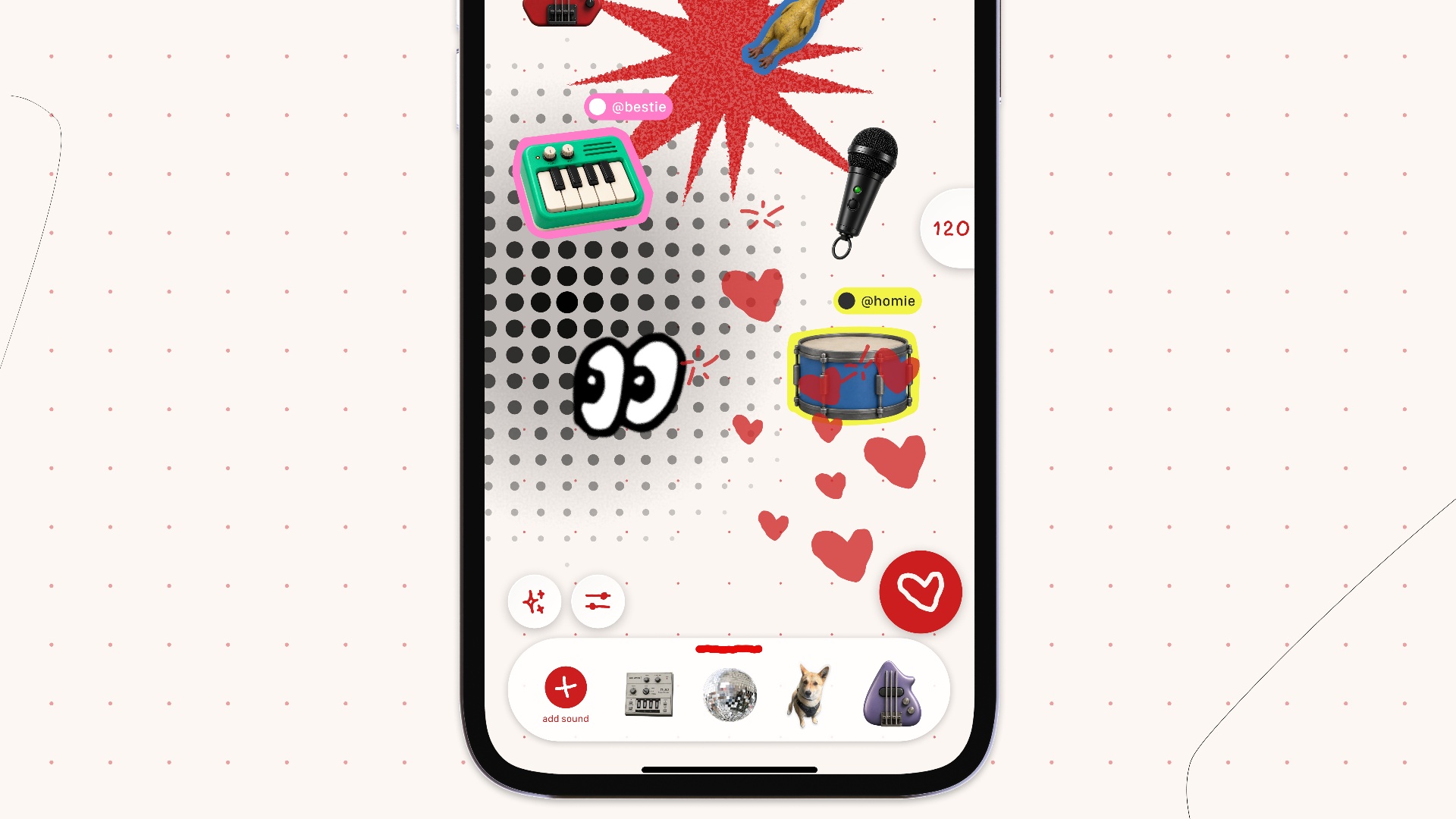
In a short period of time, Mauhan and his “small team of creative technologists” have released a slew of casual, interactive music platforms across web and mobile — but this is only the beginning.
“I spent years at Spotify and I loved it,” Mauhan tells me. “Incredible company, incredible team. But I think I spent most of my time effectively thinking about what comes next. I started A Vinyl Bar in Shibuya around a simple belief that music is a verb, that the next major music platform should give people something to do with the music. It should be more participatory, more engaging”.
Streaming has certainly made music a lot more accessible, but there was always one thing missing for Mauhan: interaction. “With streaming, you can hear almost anything, anywhere instantly, but the dominant interaction is still effectively sorting through folders and pressing play,” he continues. “There's an entire generation that was growing up playing with music through different mediums and different devices. I think their relationship with everything felt a lot more interactive.”
This sparked a lightbulb moment for Mauhan, and his mission statement is simple: “to empower more people to express themselves with music, or feel self-expressive with music”. This is where his latest project, Bop, comes into play.
Bop is a pocket DJ app, currently in beta, that lets you mix, mash, and mess with music. Its interface is like an MPC workstation, allowing you to create remixes of popular songs by dragging and dropping effects and sounds onto its grid. “We're not all about replacing the creative process,” Mauhan adds. “We're more about building instruments and new ways to express yourself.”
When it comes to the best music streaming services, tools like this aren’t a new concept — Spotify has its own DJ-style mixing feature — but Mauhan believes there’s still more room for music services whose focus is user expression.
“I think there's a yearning for creative expression (in music platforms),” he says. “I think listening to music the way artists created and intended is absolutely a big part of it, but I also think having Legos that you play and interact with, engage with is also very important.
“The next step in our journey is packaging that up into something that is platform scale, and we can actually deploy it and build a larger community of users and fans around it.”
Next stop: a larger music platform
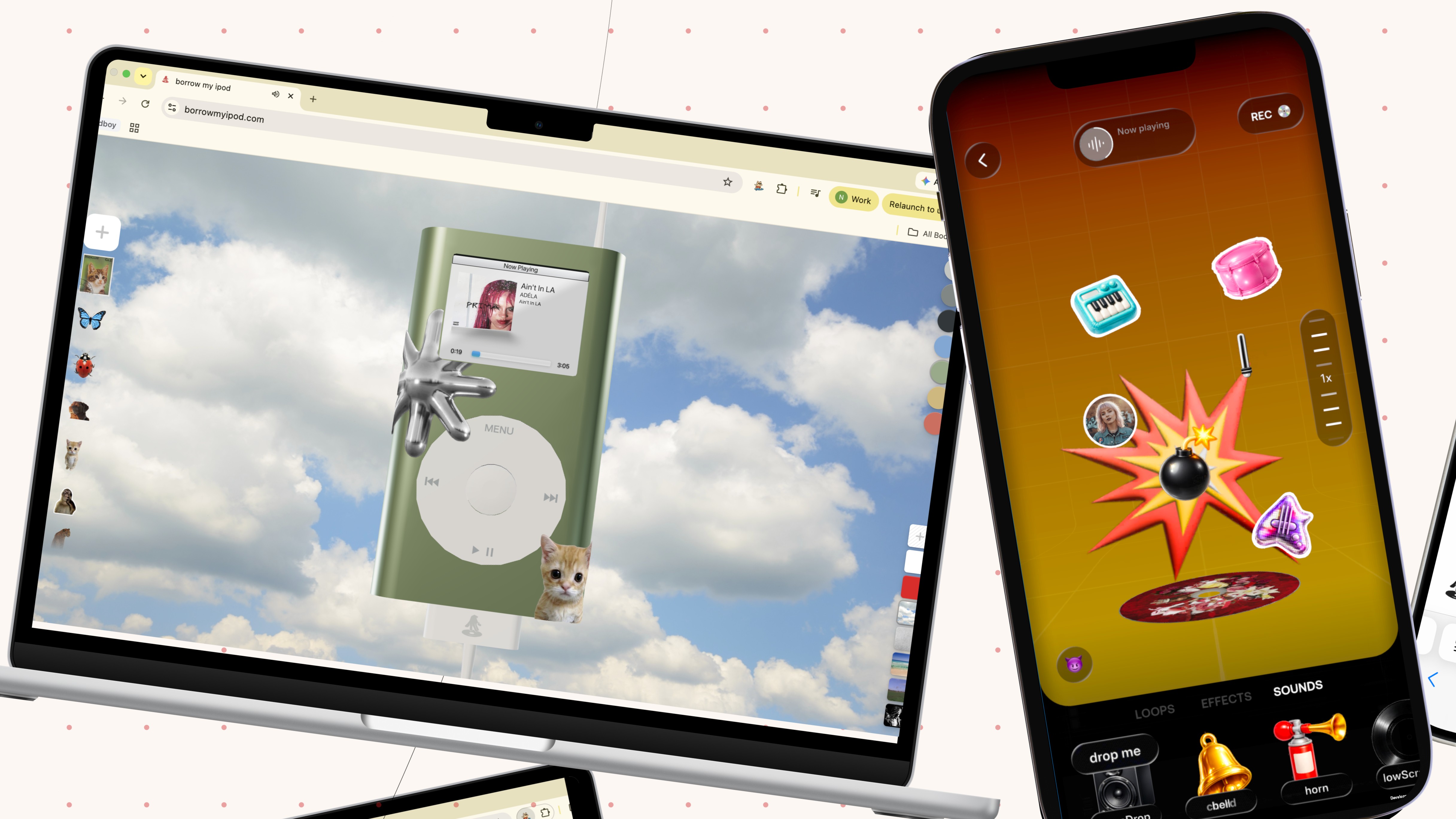
It’s clear that Zonoozy has had a blast developing Shibuya’s array of sonic playground tools, but what I want to know is if there’s a larger music platform on the horizon — and turns out, there is.
“I think there's a bigger platform at the end of the tunnel for sure,” he tells me. “A Vinyl Bar in Shibuya is working actively on building it. I don't think it's gonna look or feel like any streaming platform you've seen before.” Now I’m intrigued — how will this platform compete with the likes of the music streaming big dogs? Turns out Zonoozy has thought about that too.
“We believe it's going to be more participatory,” he shares. “We're not building something that puts the music in the background, we want to put it in the foreground”. And it's as simple as that. “The hints are in the products, and we want things that feel more playful and approachable. I don't think anyone's going to accuse us of building a DSP,” he adds.
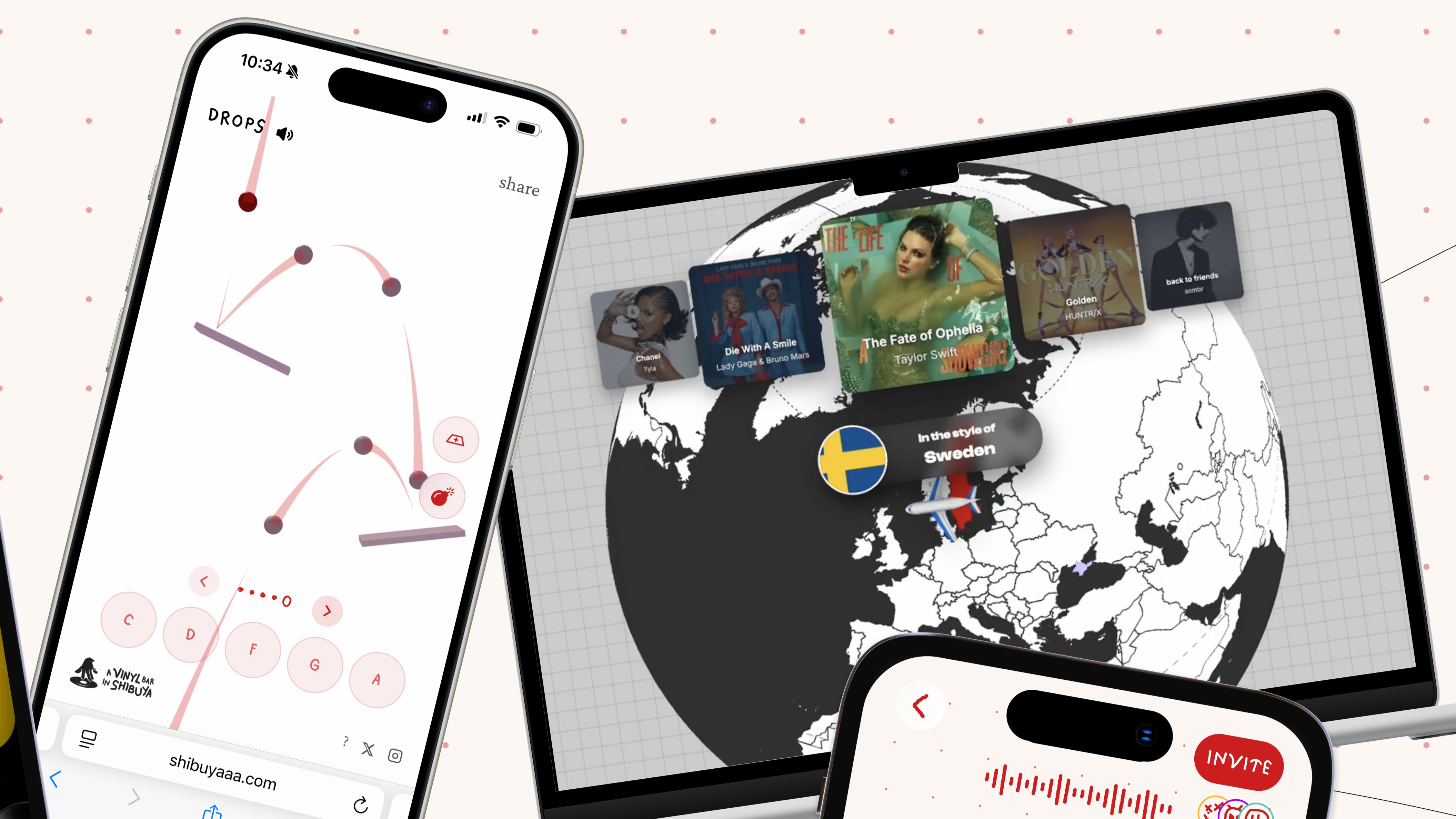
Despite it still being in early stages of development, Zonoozy has a lot of faith in Shibuya’s bigger project; but music streaming tools are evolving rapidly as is tech in general, so he’s had to do a lot of thinking ahead.
“My personal belief was that a lot of the cues around where media is going were in the gaming space,” he continues. “And I think interactive media was always a little bit ahead of the rest of the world in terms of film and music. I think because it was closer to technology, it was exploring the more creative technological boundaries of what you could do with media.
“I think now with what's going on and how powerful these computers in our pockets are becoming, there's so much new, cool stuff you can do. It's a responsibility for all of us working in music and tech to figure out ways to do it that supports the industry, the community, and more than anything, the art form.” It occurs to me that Zonoozy is as interested in conserving as he is in innovating.
Will music streaming survive without AI?
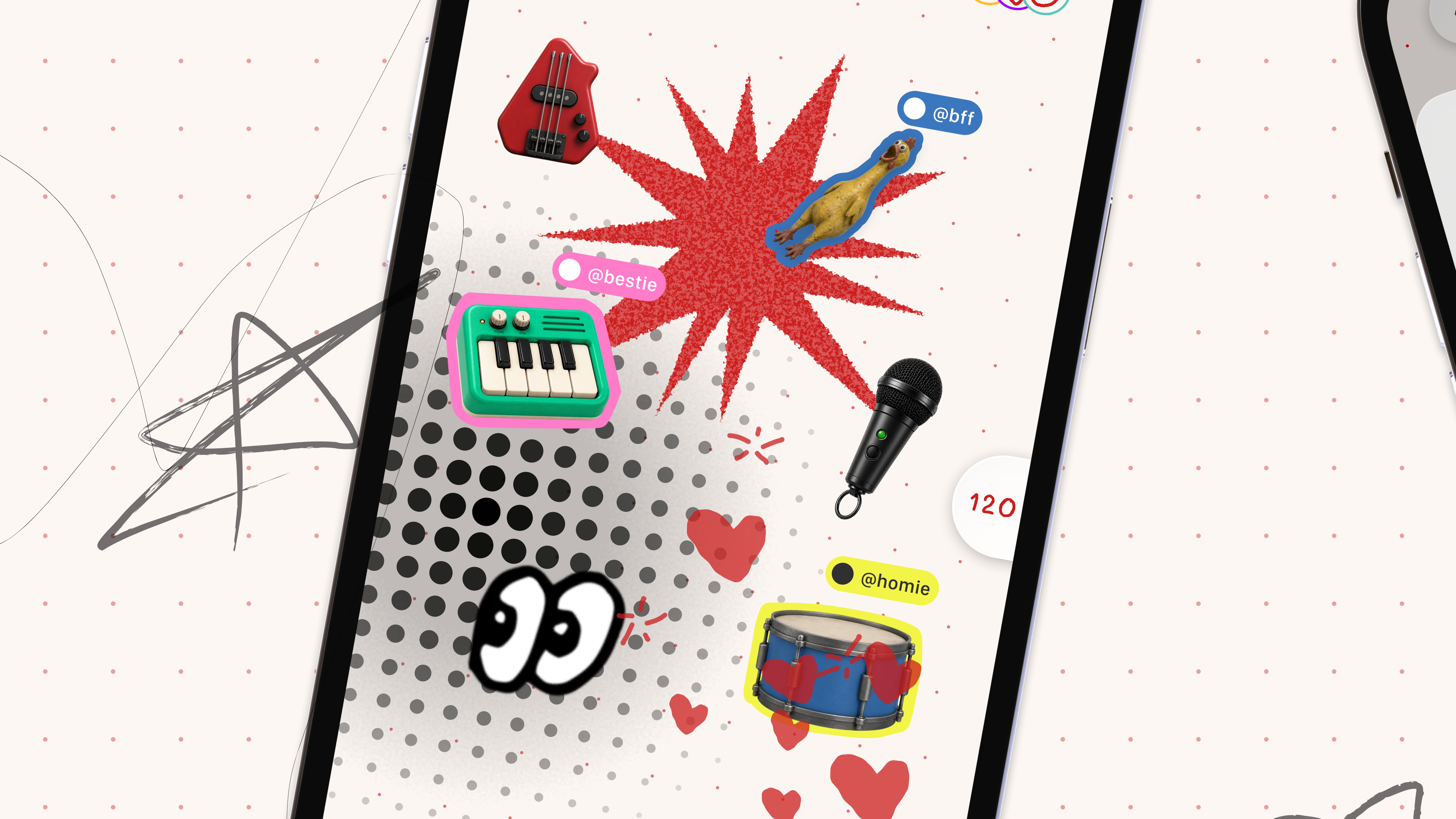
It wouldn’t be a discussion about where the music-streaming industry is going without me bringing up AI, and Zonoozy sounds dismissive about AI at first, telling me: “You know what I like about AI? It's easy to spell”.
AI is having a big influence on music platforms in many ways, with algorithmic recommendations and tools such as AI playlist generators now pretty much part of the package. Because these features are right at users’ fingertips, I ask, will there come a time where listeners won’t be able to use services without the help of AI?
Zonoozy has hope, saying, “It's hard for me to imagine a world where people are building things completely void of touching some semblance of AI, but I do believe that there will be products that are not purely driven by generative media.” While he doesn’t necessarily favor the reliance on AI tools to enhance the UX, Zonoozy isn’t against AI altogether. If anything, he acknowledges its benefits, and how it’s helped provide the foundations to his services.
“It's enabling technology for us, it's just not the consumer proposition,” he adds. “Shibuya doesn't build LLMs or ask anyone to prompt music and wait for a finished song, but we do use it as a co-pilot for coding and development. I'd be naïve to say that there's no AI somewhere in the stack there. But on the music side, all the stems are all hand produced”.
He continues, “I'm not anti-AI. I think AI is an incredible, powerful future-facing infrastructure. I think it can build so many cool things and empower so many cool things. I’m a traditionally strong techno optimist in that sense, I think it will lead to incredible discoveries and advancements — it makes coding infinitely easier. But AI is not our product thesis on our side.”
When it comes to streaming services, there’s a huge focus on churning out tools designed to make the listening experience more personalized, more convenient, and more interactive. Given the pace of this evolution, I find it difficult to envisage where streaming culture is headed — Zonoozy shared my uncertainty.
“In terms of streaming specifically, I don't know what's going to happen,” he admits. “The extreme levels of personalization to custom content made for you — I don't know where that line ends. Is it being personalised, or is it being generated for you?”