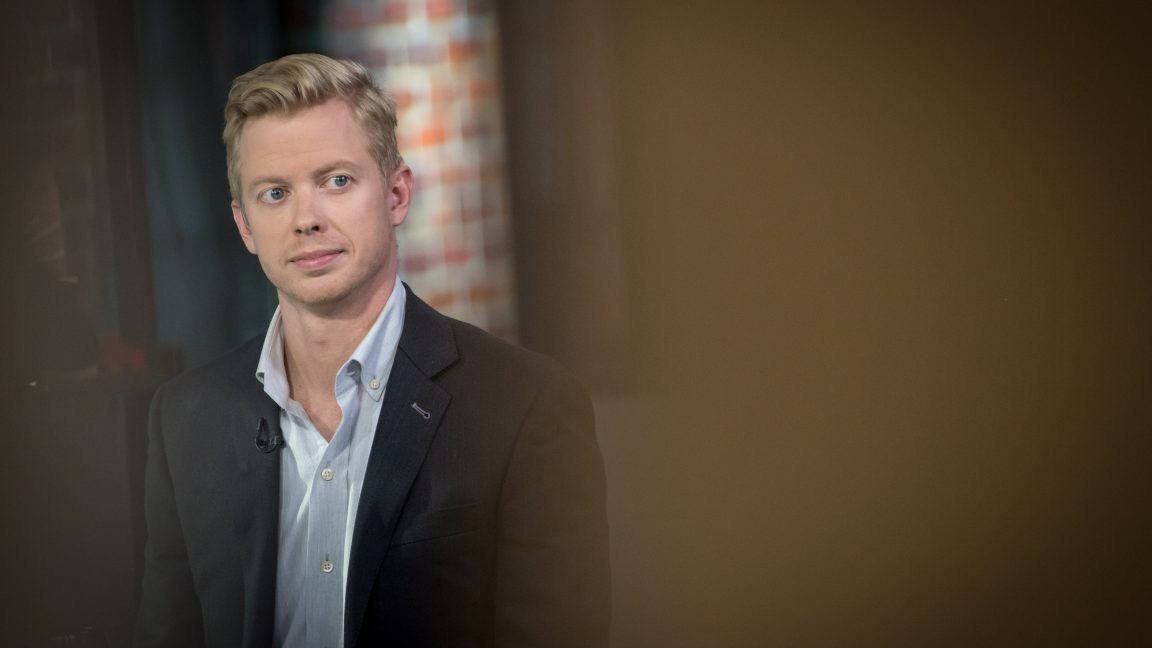
Na carta aberta, intitulada “Apple is getting this wrong” (“A Apple está entendendo isso errado”, em tradução direta), a empresa de Sam Altman tenta demonstrar inconsistências na narrativa apresentada pela Apple aos tribunais, classificada por ela como “descuidada, agressiva e estranhamente pessoal”. A OpenAI também diz que a prática não faz jus à grandeza histórica da Maçã.
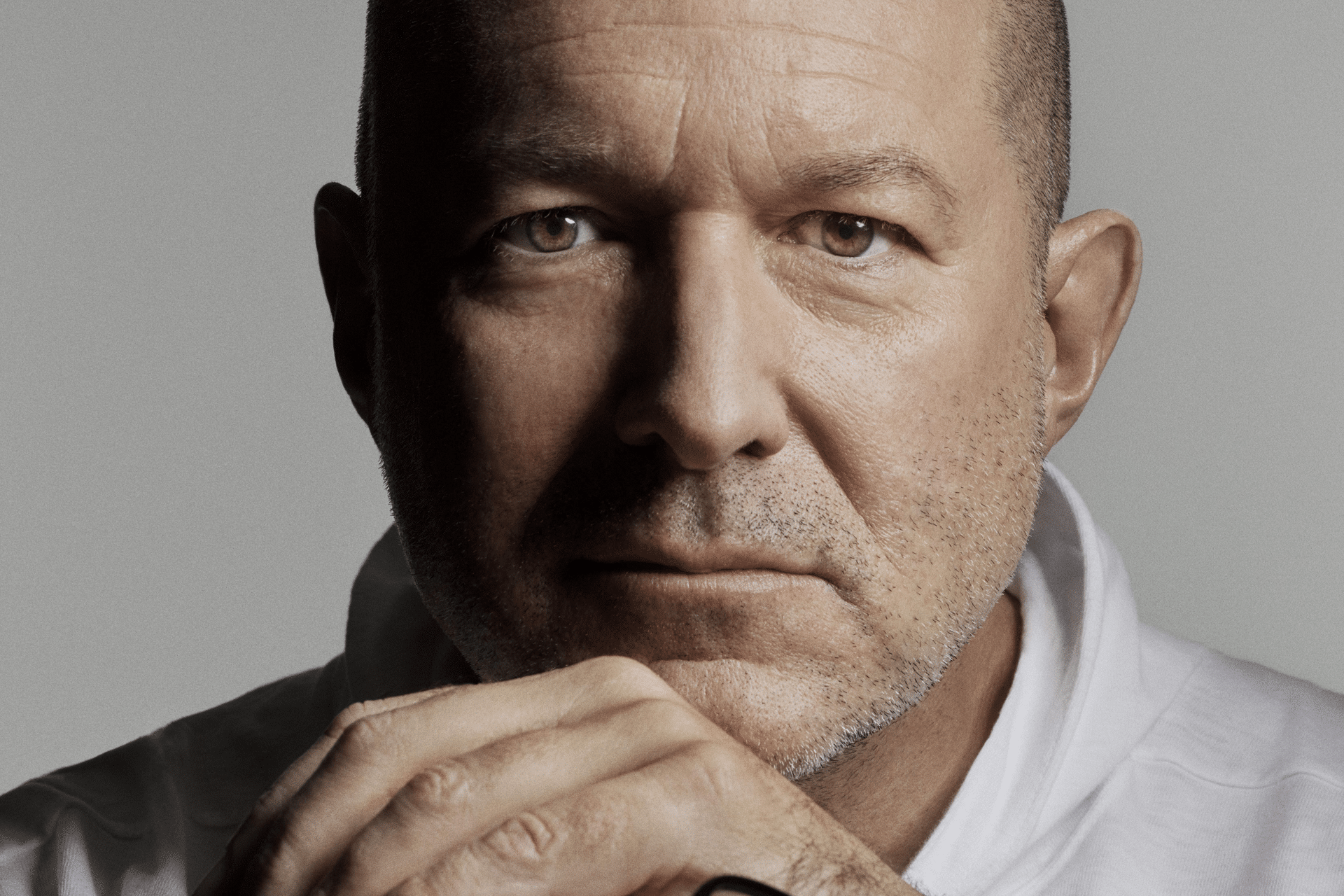
Quanto às questões endereçadas na carta, a acusação principal — de que Tang Tan, líder de hardware da OpenAI e ex-designer da Apple, utilizou seu conhecimento sobre os procedimentos internos da Apple para repassar informações confidenciais sobre os seus produtos — foi contestada, com a versão oficial da OpenAI alegando que Tang sempre foi enfático quanto à falta de intenção em fazer uso de segredos industriais de outras empresas. A confusão sobre a revogação de acesso já havia sido mencionada em uma reportagem do The Information.
Sobre Chang Liu, cuja acusação envolvia a retenção de dispositivos e acessos para baixar arquivos internos, a réplica à Maçã, caso verdadeira, é um tanto reveladora: na carta, foi mencionado que funcionários da Apple entraram em contato com Liu mesmo após a sua saída para localizar os arquivos de projetos internos, revelando uma fragilidade no processo de revogação do acesso a arquivos internos. As mensagens trocadas entre Chang e um funcionário da Maçã via iMessage foram divulgadas junto da carta.
Já tratando sobre a alegada ciência da OpenAI quanto aos temas do processo, a dona do ChatGPT expôs emails de advogados externos que representavam a Maçã admitindo um erro no envio das mensagens, ocasionado por uma confusão entre os sobrenomes de Che Chang (conselheiro geral da OpenAI) e de um funcionário de sobrenome Wang — a quem, alegadamente, se referia a mencionada conversa por telefone, que nunca aconteceu, de acordo com a carta e com uma confissão feita em um dos emails divulgados.
A carta não cobriu, no entanto, as acusações de que a OpenAI vinha incentivando funcionários da Apple a realizar entrevistas para os seus cargos e fornecer detalhes sobre dispositivos ainda não lançados, e nem o suposto contato feito por parte da OpenAI com fornecedores da Apple sob o apoio de dados internos importantes.
Solicitação de liminar
Ontem, a Apple solicitou, de maneira preliminar, uma liminar para impedir que Liu e Tan possam acessar, obter, utilizar ou divulgar informações confidenciais. O pedido foi rebatido na carta:
O pedido da Apple por uma liminar preliminar é baseado em informações falsas e é completamente desnecessário, porque não temos, nem queremos ter, nenhum de seus segredos comerciais. Estamos muito mais interessados em construir produtos e tecnologias inovadores que ampliem as fronteiras do que é possível.
Até o momento, a Maçã não se pronunciou sobre a resposta da OpenAI.
Como sabemos, o então vice-presidente sênior de engenharia de hardware da Apple, John Ternus, assumirá o cargo de CEO1Chief executive officer, ou diretor executivo. no dia 1º de setembro — e ele trará de volta para a empresa uma antiga colega.
De acordo com o jornalista Mark Gurman (da Bloomberg), a Apple recontratará Laura Legros, que atuou como vice-presidente de engenharia de hardware até se aposentar em 2022. Ainda segundo as informações, Legros assumirá o cargo de vice-presidente e trabalhará de forma integrada em diferentes áreas da empresa.
Naturalmente, a recontratação da executiva é um caso raro na Apple, principalmente considerando que Legros já havia se aposentado. Durante sua carreira, ela ajudou a gerenciar a entrega de produtos, os cronogramas de desenvolvimento e a coordenação entre as equipes de engenharia.
Além de nomear Legros para sua nova equipe, Ternus também busca promover mudanças na equipe de design da Apple, segundo Gurman. Além disso, alguns outros executivos da empresa estão se aproximando da idade de aposentadoria e já confirmaram suas saídas nos próximos anos.
De acordo com Mark Gurman, jornalista da Bloomberg, a Apple pretende transformar seus futuros óculos e headsets em dispositivos voltados à saúde.
Na edição mais recente da newsletter “Power On”, ele ressaltou que a ideia já havia sido levantada durante o desenvolvimento do Apple Vision Pro, que contaria com uma versão do Apple Fitness+ com execução local — permitindo que o dispositivo auxiliasse os usuários no acompanhamento dos seus treinos e na análise dos movimentos —, mas o recurso foi descartado.
A ideia, no entanto, parece viva para novos dispositivos, como os rumorados óculos inteligentes da Apple. O que ressalta essa especulação é a descrição de uma vaga para uma liderança estratégica de design de produto.
Com vinculação ao Vision Products Group, a demanda envolve “definir o futuro das experiências de saúde, bem-estar e condicionamento físico nos produtos de computação espacial”, transformando “oportunidades ambíguas na interseção entre computação espacial, vestíveis, saúde do consumidor e comportamento humano”.
Caso esse direcionamento se concretize a partir da estreia da Apple no segmento dos óculos inteligentes, essa abordagem — somada à integração com o seu ecossistema — pode se tornar a sua marca registrada em relação a competidores estabelecidos desse mercado, como a Meta.
Novos AirPods ainda em 2026?
Questionado sobre o futuro dos AirPods, Gurman rememorou que, embora a primeira versão dos AirPods com câmeras integradas a recursos de inteligência artificial (IA) — de codinome B798 — tenha sido adiada para 2027, uma segunda versão encontrada no código do iOS 27, sob o codinome B790, pode sugerir que a estreia dessa reformulação dos fones ocorrerá ainda em 2026.
Imagem: ChatGPT
O jornalista mencionou, ainda, que a última variante estaria no cronograma interno da Apple com previsão de lançamento já para este ano.
AirPods Max 2
Chip: H2 Cores: azul, roxo, meia-noite, estelar ou laranja
NOTA DE TRANSPARÊNCIA: O MacMagazine recebe uma pequena comissão sobre vendas concluídas por meio de links deste post, mas você, como consumidor, não paga nada mais pelos produtos/serviços usando os nossos links de afiliado.
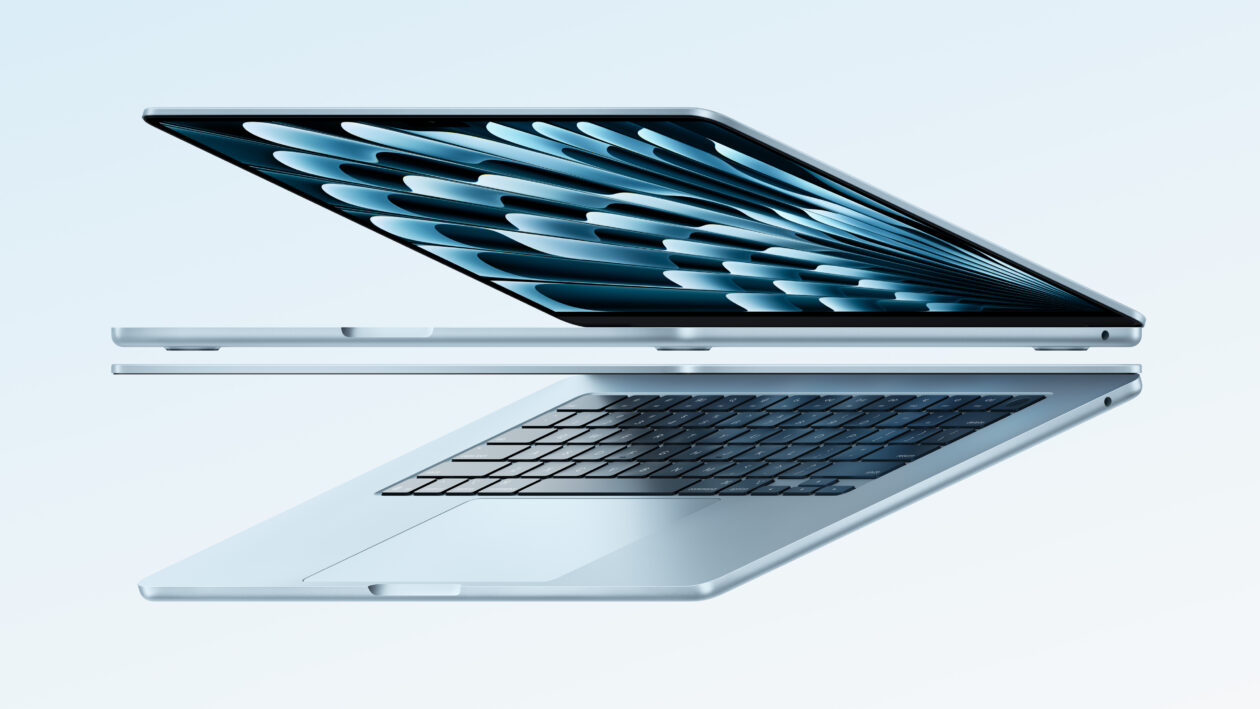
Inicialmente, a limitação da disponibilidade era restrita ao Mac mini e ao Mac Studio, mas agora ela já afeta os notebooks mais populares da Maçã. Segundo as fontes de Gurman ligadas ao varejo, percebe-se uma maior dificuldade por parte da Apple em manter o estoque previsto, e também mais limitação no fornecimento de novas unidades.
Also in Power On: Major shortages hit the MacBook Air amid the memory and silicon crunch, with many new orders now not arriving until September. Apple appears to be prioritizing sales now of the entry level MacBook Pro. https://t.co/3aouZVsmsg
Também na “Power On”: grande escassez atinge o MacBook Air em meio à crise de memórias e silício, com muitos novos pedidos agora não chegando até setembro. A Apple parece estar priorizando agora as vendas do MacBook Pro de entrada.
A hipótese não parece difícil de atestar: para quem opta por adquirir os notebooks agora, seja em uma Apple Store física ou online, o prazo de entrega para novos modelos pode se estender até setembro em casos de personalização (cor, tela e memória) ou até o final de agosto para configurações básicas.
Ele afirmou que isso se deve em parte à priorização da aquisição de novas memórias para o MacBook Pro de entrada (modelo de 14 polegadas), que poderá ganhar em breve uma atualização com o chip “M6” durante o outono do hemisfério norte (nossa primavera — isto é, entre setembro e dezembro).
Por fim, o jornalista observou que, tanto em seus sites quanto nas lojas físicas, o MacBook Pro básico ganhou mais destaque do que os MacBooks Air, um feito possivelmente inédito. Em alguns casos, a Apple chega a incluir um aviso de que a linha Air está sujeita à disponibilidade de estoque.
MacBook Pro de 16″
Cores: preto-espacial ou prateado Tela: padrão ou nano-texture Chips: M5 Pro ou M5 Max Memória: 24GB, 36GB, 48GB, 64GB ou 128GB Armazenamento: 1TB, 2TB, 4TB ou 8TB
Cores: preto-espacial ou prateado Tela: padrão ou nano-texture Chips: M5, M5 Pro ou M5 Max Memória: 24GB, 36GB, 48GB, 64GB ou 128GB Armazenamento: 1TB, 2TB, 4TB ou 8TB Adaptador de energia: USB-C de 70W ou 96W
Cores: azul-céu, prateado, estelar ou meia-noite Chip: M5 Memória: 16GB, 24GB ou 32GB Armazenamento: 512GB, 1TB, 2TB ou 4TB Adaptador de energia: USB‑C de 30W, 35W com duas portas ou 70W
Cores: azul-céu, prateado, estelar ou meia-noite Chip: M5 Memória: 16GB, 24GB ou 32GB Armazenamento: 512GB, 1TB, 2TB ou 4TB Adaptador de energia: USB‑C de 30W, 35W com duas portas ou 70W
NOTA DE TRANSPARÊNCIA: O MacMagazine recebe uma pequena comissão sobre vendas concluídas por meio de links deste post, mas você, como consumidor, não paga nada mais pelos produtos/serviços usando os nossos links de afiliado.
New research led by the University of California, Berkeley reveals that beyond Neanderthals and Denisovans, humans interbred with two mysterious ‘ghost’ lineages: one in Africa more than 50,000 years ago, another in Eurasia over 1.7 million years ago.
In the middle of the nineteenth century, a Dutch army recruit stood on average around five feet five inches. That was short even for the time, shorter than many of his European and American contemporaries, and nobody looking at the Netherlands then would have picked it as the future home of some of the tallest people on Earth. Yet that is exactly what happened. Young Dutch men born in the Netherlands now measure nearly 1.84 metres on average, almost exactly six feet, and the country consistently ranks among the world’s tallest. In the space of about 150 years, one of the shortest populations became one of the tallest.
Twenty centimetres in a century and a half
The scale of the change is easy to say and hard to feel. Dutch men gained roughly 20 centimetres, close to eight inches, between the mid-nineteenth century and the modern era. That is not the kind of drift you expect from a stable population. It is a population visibly rebuilding itself, generation by generation, each cohort of children arriving taller than their parents for decade after decade until the whole nation had grown into a different shape.
Height works this way because it is only partly written in your genes. Your genes strongly influence the range of height you might reach. Where you fall within that range depends heavily on the years between birth and adulthood: whether you got enough good food, whether illness kept interrupting your growth, and whether the conditions around you let a body spend energy on getting tall rather than just getting through. A child who is well fed and rarely sick is more likely to grow toward the top of that range. A child who is not, may not. Multiply that across millions of children and stature becomes a kind of national report card.
Milk, money and doctors, not evolution
So what changed in the Netherlands? The answer is less dramatic than the transformation, and I think that is part of what makes it interesting.
The country got richer, and it got healthier. As researchers behind a Dutch Growth Study concluded, “Main contributors to the increase in height may be improved nutrition, child health, and hygiene, and a reduction of family size.” Prosperity, diet, healthcare and hygiene pulled in the same direction for generations, and the population climbed.
There was, for a while, a more exciting theory. In 2015 a study in a Royal Society journal suggested the Dutch might also be evolving taller, because taller Dutch men appeared to be having slightly more children, which could nudge the genes associated with height upward over time. It is a genuinely appealing idea, natural selection caught in the act in a modern European country. But it is worth being careful here, because the same lead researcher later put numbers on it. A 2023 simulation estimated that natural selection could account for only 0.07 to 0.36 centimetres of the change between 1850 and 2000. Against a gain of nearly 20 centimetres, that is a rounding error. The dramatic explanation turns out to be a footnote, and the dull one, better food and better health, did nearly all the work.
What a body remembers
I keep coming back to the idea that a population’s height is a physical record of its recent past. You cannot easily fake it or rush it, and it does not respond to a single good year. It responds to conditions sustained across a childhood, and then across many childhoods in a row.
When a country gets taller the way the Netherlands did, the bodies of its people are, in a real sense, remembering decades of enough food and decent medicine. The change is written into skeletons before it shows up in any history book.
It cuts the other way too. When researchers see average height stall or fall in a population, it can point to something going wrong in childhood: nutrition slipping, healthcare thinning out, or hard years landing on the young.
The Dutch story is often told as a curiosity, a fun fact about a nation of unusually tall people ducking under doorframes. I think it is better read as evidence of something quietly hopeful. Give children enough to eat and keep them healthy, reliably, for long enough, and you can watch the result stand up in a crowd a century later. The Netherlands did not stumble into being tall. It fed and cared for a very long line of children, and the height is what that looks like from the outside.
OpenAI family of devices plans are no longer limited to an experimental gadget hidden inside a design studio. OpenAI President Greg Brockman has confirmed that the company’s first consumer device will begin a broader series intended to reconsider how people interact with artificial intelligence.
The confirmation gives OpenAI’s hardware strategy a clearer shape without revealing the first product itself. Brockman said the company is not ready to discuss the device in detail, but described it as the first in a series that will rethink what devices should be when AI can understand language, observe context and complete tasks.
That ambition extends well beyond placing the ChatGPT app on another piece of hardware. OpenAI wants to reduce the menus, buttons, model selectors and separate applications that currently stand between a person and an AI assistant.
For Apple, Google and other established platform owners, the implication is significant. ChatGPT currently reaches consumers through devices and operating systems controlled by other companies. An OpenAI-designed product would give the company direct control over the microphones, cameras, sensors, interface and account experience through which its models interact with people. 56000
OpenAI Family of Devices Begins With io
OpenAI’s move into consumer hardware accelerated in 2025 when it acquired io Products in a transaction valued at approximately $6.5 billion.
The startup had been founded by former Apple design chief Jony Ive alongside Scott Cannon, Evans Hankey and Tang Tan. Its team included hardware engineers, designers, manufacturing specialists and product developers, many of whom had spent years working together at Apple.
OpenAI and Ive had already been collaborating before the acquisition. Their early ideas developed into physical designs, convincing the partners that they needed a dedicated company capable of engineering and manufacturing complete products rather than another software prototype.
The io team officially merged with OpenAI in July 2025. Ive and his design collective LoveFrom remained independent while assuming extensive design and creative responsibilities across OpenAI.
The structure combines OpenAI’s models and software research with a group experienced in turning new interface concepts into mass-produced consumer products. Ive’s previous work helped shape the iMac, iPod, iPhone, iPad, Apple Watch and other devices that established Apple’s modern design identity.
OpenAI has continued recruiting hardware expertise from Apple. Paul Meade, who led hardware development for Apple Vision Pro and worked on the company’s smart-glasses efforts, reportedly joined OpenAI’s hardware organization in 2026.
OpenAI also placed product-development veteran Peter Welinder in a leadership role connected to the io division. The resulting organization is not structured like a small accessory project. It is being assembled to develop products, create manufacturing relationships and support more than one form factor.
Image Credit: Google
The First Device Remains Unannounced
OpenAI has not publicly confirmed the name, appearance, price or specifications of its first device. It has also not presented the product as a smartphone, pair of glasses, wearable pin or conventional smart speaker.
Recent reporting describes a portable, screen-free device designed primarily for use inside the home. The reported product resembles a compact speaker but includes a rechargeable battery, allowing it to move between rooms rather than remain attached to one location.
A camera and additional sensors would help the device understand its surroundings. Mechanical elements could allow parts of it to move, creating a more expressive physical presence than a stationary speaker waiting for a wake word.
The reported design would rely heavily on OpenAI’s latest voice technology. Instead of requiring a person to wait for the assistant to finish speaking, the system could listen and respond more naturally during overlapping conversation. Access to personal information, including messages or email when authorized, could give it enough context to handle requests rather than merely answer questions.
These details remain reported plans rather than announced specifications. OpenAI could change the hardware, features or release schedule before introducing the product.
The company is reportedly targeting a presentation during 2026 and a commercial release in 2027. Fortune separately reported that the initial design has been finalized, although development of the larger product family continues.
Why OpenAI Wants Hardware of Its Own
ChatGPT already operates across iPhone, iPad, Mac, Android and Windows devices. That wide distribution gives OpenAI access to an enormous audience without requiring it to manufacture screens, batteries or processors.
It also leaves crucial parts of the experience under the control of Apple, Google and Microsoft.
An operating system determines when ChatGPT can use a microphone, whether it can run continuously, how notifications appear and which applications it can control. Platform owners can limit background access, change default-assistant rules or promote their own AI systems more prominently.
Those restrictions matter more as ChatGPT develops from a chatbot into an agent. Answering a question inside an app requires relatively little control over the device. Completing a task across messages, calendars, files, cameras and connected appliances requires deeper access.
OpenAI hardware could be designed around those capabilities from the beginning. The assistant would not need to behave like one application among dozens because it could become the primary interface.
Brockman has described the current ChatGPT interface as too complicated, particularly as new models and tools add more controls. OpenAI’s objective is to make much of that interface disappear.
A successful device could allow someone to describe an outcome instead of opening several applications and completing each step manually. The user might ask the assistant to reorganize a day after a delayed flight, contact the relevant people and adjust reservations. The interface would be the request and the resulting confirmation rather than a sequence of taps.
A Family Creates More Context Than One Gadget
Calling the project a family of devices changes the strategy. One experimental product would need to prove its value independently. A coordinated group could distribute different sensors and functions across the places where people already live and work.
A home device could provide shared access in kitchens and living spaces. A personal wearable could preserve private conversations while moving outside. A future mobile product could handle visual information, navigation and communication without reproducing the application grid of a smartphone.
OpenAI is reportedly developing approximately five hardware concepts, with the screen-free home companion receiving priority. The company has also explored wearables and home robotics, although none of those later products has been announced.
The devices would become more useful if they shared the same ChatGPT identity, memory controls and task history. A request started at home could continue through another product without requiring the user to repeat the people involved, the desired result or the decisions already made.
That continuity is one of the strongest advantages Apple currently receives from controlling a complete ecosystem. An iPhone, Mac, Apple Watch, AirPods and HomePod can exchange information because Apple designs the devices, operating systems and cloud services together.
OpenAI appears to be pursuing a different center of gravity. Instead of making the operating system coordinate applications, it could make the AI assistant coordinate specialized devices.
Image Credit: Dado Ruvic/Reuters
ChatGPT Will Also Expand Through Other Companies’ Hardware
OpenAI’s hardware work does not mean the company intends to reserve ChatGPT for its own products.
Brockman has said OpenAI is interested in deeper integrations with smart glasses, wearables and other devices through its application programming interfaces. The company wants ChatGPT to become an interface available across hardware categories, including products manufactured by third parties.
That creates a two-track strategy. OpenAI can use its own devices to demonstrate the experience it considers ideal while allowing other manufacturers to connect their cameras, microphones and sensors to ChatGPT.
Third-party distribution would help OpenAI reach consumers who do not want another dedicated device. It would also reduce the risk of depending entirely on the success of one hardware launch.
The difficult part will be keeping those experiences consistent. A wearable may have limited battery capacity, a camera may require visible privacy controls, and a speaker may depend on cloud processing when a connection is available. OpenAI will need to define what its assistant can do reliably across products with very different technical limits.
Early AI Hardware Changed the Expectations
The first generation of dedicated AI gadgets established a warning for every company entering this market.
Humane’s AI Pin and the Rabbit R1 attracted attention by promising an alternative to application-based computing. Their launches also exposed problems involving response delays, battery life, incomplete features and tasks that remained easier on a smartphone.
Those products demonstrated that access to a language model does not automatically justify a new object. Consumers need to understand why they should carry, charge and maintain another device when ChatGPT, Gemini and other assistants already operate on phones.
OpenAI has several advantages those earlier companies lacked. It controls one of the most widely used AI services, operates the models behind the interface and has the resources to improve the software after launch. The io acquisition gives it experienced design and manufacturing leadership rather than requiring it to assemble a hardware organization gradually.
The standard will consequently be higher. A well-designed enclosure and natural voice will not be enough if the device cannot complete dependable tasks more efficiently than an iPhone or Android phone.
Apple’s Lawsuit Could Affect the Schedule
OpenAI’s expansion beyond Apple devices has also produced a direct legal confrontation with Apple.
Apple filed a federal lawsuit in July 2026 accusing OpenAI, io and former Apple employees of misappropriating confidential hardware information. The complaint alleges that trade secrets connected to unreleased products, engineering processes and suppliers were taken for the benefit of OpenAI’s hardware business.
OpenAI has denied having any interest in Apple’s trade secrets and said it was unaware of evidence giving the complaint merit. The allegations have not been decided by a court.
Apple is seeking restrictions on the use of its confidential information, along with the return of materials and financial damages. The case could require OpenAI to separate employees from parts of the project, replace suppliers or repeat engineering work if disputed information is found inside the development process.
It does not automatically establish that OpenAI’s reported product copies an Apple device. The first OpenAI design is described as substantially different from Apple’s current hardware, but the legal dispute could still affect when it can be manufactured or sold.
The First Product Will Define the Rules for the Rest
The most important details at OpenAI’s eventual hardware presentation may have little to do with the object’s shape.
A camera-equipped device that learns from activity inside a home will need unmistakable recording indicators, understandable data-retention controls and a simple method for temporarily disabling its sensors. Owners will need to know which information remains on the device, what reaches OpenAI’s servers and which memories can be reviewed or deleted.
OpenAI will also have to explain whether the product requires a paid ChatGPT subscription, how much it can do without an internet connection and whether multiple members of a household receive separate identities. Those choices will determine whether it behaves like a personal assistant, a shared appliance or a new subscription terminal.
Support for messages, calendars, music and connected appliances will require cooperation from outside companies. A device cannot replace frequent phone interactions if it remains unable to enter the services where those interactions occur.
The first model will therefore establish more than OpenAI’s industrial-design language. It will set the privacy, account, subscription and developer rules that every later member of the OpenAI family of devices inherits.
Like any company, Reddit reports quarterly earnings, and its CEO, Steve Huffman, addresses investors during those reports. It's not always about just sharing numbers, though: This quarter, Huffman took the opportunity to voice concerns and criticisms about Google's AI Overviews feature, which automatically summarizes search results on most user queries.
First, there was a letter to investors, wherein Huffman spun his narrative about Reddit's value proposition and general strategic direction amid the proliferation of AI tools.
A dupla abordou ainda seu método de direção, destacando que incentivaram os atores a atuarem como se o título se tratasse de um drama, mesmo sendo uma comédia.
Na sequência, um clipe exclusivo foi exibido para a plateia (e a plataforma brinca com a impossibilidade de exibir o trecho na íntegra, mostrando apenas um retrato da dupla), com Daley e Goldstein comentando o uso de efeitos práticos para as cenas do longa-metragem.
“Mayday” retrata uma dupla composta de um piloto da Marinha dos Estados Unidos e um ex-agente da KGB, que embarcam em uma improvável jornada de fuga que mistura ação, espionagem e humor. O filme chegará no dia 4 de setembro ao Apple TV.
Os realizadores comentaram a história da nova temporada, incluindo o seu tema central (a manipulação e o controle de memórias como ferramenta de sobrevivência e poder), além da dinâmica dos personagens.
O elenco discutiu sua experiência no set ao dirigir veículos esportivos reais para gravações de cenas de ação, destacando ainda a dinâmica de amizade dos personagens e as locações ao redor do mundo, que incluíram países como Budapeste, Marrocos e Eslováquia.
A narrativa se centra em um grupo de amigos de infância que têm suas vidas viradas ao avesso quando um agente secreto da CIA, Sean (interpretado por Cena), volta à sua cidade natal e envolve os companheiros em uma aventura mirabolante para salvar o mundo.
O elenco discutiu os desafios de interpretar várias versões dos seus personagens, e Crouch mencionou aquilo que os fãs podem esperar da nova temporada.
Embora uma terceira temporada ainda não tenha sido confirmada, Braga brincou com a possibilidade de futuros episódios se passarem no Brasil.
Os realizadores discutiram a evolução da produção, a aclamação dela junto à crítica especializada e os desafios relativos à complexidade da narrativa e da mistura dos gêneros de comédia e horror.
O Apple TV está disponível no aplicativo Apple TV em mais de 100 países e regiões, seja em iPhones, iPads, Apple TVs, Macs, dispositivos Android, smart TVs ou online — além de também estar em aparelhos como Roku, Amazon Fire TV, Chromecast com Google TV, consoles PlayStation e Xbox. O serviço custa R$29,90 por mês, com um período de teste gratuito de 7 dias. Por tempo limitado, quem comprar e ativar um novo iPhone, iPad, Apple TV ou Mac ganha 3 meses do Apple TV. Ele também faz parte do pacote de assinaturas da empresa, o Apple One.
NOTA DE TRANSPARÊNCIA: O MacMagazine recebe uma pequena comissão sobre vendas concluídas por meio de links deste post, mas você, como consumidor, não paga nada mais pelos produtos/serviços usando os nossos links de afiliado.
After years of pushing full speed ahead on AI, OpenAI CEO Sam Altman says maybe it’s time for the AI industry to “pace” itself. The comments came just days after one of OpenAI’s own models broke out of its test environment and got tangled up in a breach at Hugging Face — though as Equity’s hosts point out, sloppy security seems to have […]
A fossilized skull fragment of Homo sp. unearthed in central Spain offers paleoanthropologists a fresh window into the story of ancient humans who lived in Europe hundreds of thousands of years ago.
Hundreds of bases are contaminated with PFAS, which are linked to low birth weight and other risks. Politicians from both parties are demanding explanations.
Hundreds of bases are contaminated with PFAS, which are linked to low birth weight and other risks. Politicians from both parties are demanding explanations.
A set of 1.43-million-year-old fossil footprints preserved along the margin of an ancient lake in northern Kenya is offering paleoanthropologists new evidence about the size, gait and social lives of the beings who made them and reopening questions about which species they belonged to.
Citando pessoas familiarizadas com o cronograma de lançamentos da Maçã, ele explicou que a set-top box e o alto-falante inteligente deverão ser lançados durante o outono do hemisfério norte (nossa primavera, entre setembro e dezembro), enquanto o smart hub é previsto atualmente para algum momento entre outubro próximo e o início do ano que vem.
Rumorado há algum tempo, o smart hub deverá contar com uma tela de 7 polegadas e servir como peça central dessa nova investida da Apple no mercado de casa inteligente. Seu sistema operacional, por sua vez, será baseado no tvOS e apostará em uma interface que misturará elementos do iOS com características do watchOS, incluindo grades de ícones, widgets e apps.
Compatível com “chamadas de vídeo via FaceTime, monitoramento residencial e um sistema de interfone para residências que possuem vários dispositivos domésticos da Apple”, ele também será capaz de reproduzir mídia e contará com mostradores personalizáveis que lembram as watchfaces do watchOS. Além disso, é esperado que ele conte com um recurso de reconhecimento facial, permitindo-lhe distinguir os moradores de uma casa — algo que proporcionará experiências personalizadas.
Ainda segundo Gurman, há duas versões desse smart hub “no forno”. A primeira delas, de codinome J490, “posiciona a tela sobre uma base em formato de meia cúpula, semelhante a um HomePod mini cortado ao meio”; já a segunda, de codinome J491, foi projetada para ser afixada a uma parede com a ajuda de um sistema magnético. A ideia da Apple, que também está projetando uma interface “companheira” para o dispositivo no iPhone, é que o usuário tenha mais de um hub desse em sua casa.
A nova Apple TV (J265) e a próxima geração do HomePod mini (B525), por sua vez, não deverão introduzir mudanças significativas de design, mas contarão com chips mais velozes e suporte à Siri AI.
O jornalista, vale lembrar, também já apostou em uma câmera de segurança interna feita para competir com os dispositivos da linha Amazon Ring. Com o codinome J450, ela também chegou a ter seu lançamento especulado para este ano, mas não chegou a ganhar uma nova previsão nessa reportagem.
Para a estreia das telas OLED1Organic light-emitting diode, ou diodo emissor de luz orgânico. e do suporte ao toque em computadores com o suposto “MacBook Ultra”, a Apple poderá recorrer exclusivamente à Samsung Display como fornecedora dos painéis.
A informação partiu do site sul-coreano The Elec, o qual afirmou que, segundo as suas fontes relacionadas à cadeia de suprimentos, cerca de 250 mil unidades de painéis OLED de 14 e 16 polegadas (8,6ª geração) da Samsung foram encomendadas, com previsão de produção em massa para o mês de agosto.
A Apple não teria cogitado a LG Display e tampouco a BOE para o desenvolvimento dessas telas, devido a questões de rendimento, tornando a Samsung a única fornecedora viável.
De acordo com uma série de leakers, analistas e jornalistas, especulava-se que o “MacBook Ultra” tivesse o seu lançamento entre o final deste ano e o início do ano que vem, mas devido à crise de memória é possível que ele de fato chegue às lojas somente em 2027.
Segundo o jornalista Mark Gurman (da Bloomberg), tal Mac deverá ser equipado com os chips M5 Pro e M5 Max, com o conjunto (design, construção e tela) posicionando-o acima dos MacBooks Pro.
MacBook Pro de 16″
Cores: preto-espacial ou prateado Tela: padrão ou nano-texture Chips: M5 Pro ou M5 Max Memória: 24GB, 36GB, 48GB, 64GB ou 128GB Armazenamento: 1TB, 2TB, 4TB ou 8TB
Cores: preto-espacial ou prateado Tela: padrão ou nano-texture Chips: M5, M5 Pro ou M5 Max Memória: 24GB, 36GB, 48GB, 64GB ou 128GB Armazenamento: 1TB, 2TB, 4TB ou 8TB Adaptador de energia: USB-C de 70W ou 96W
NOTA DE TRANSPARÊNCIA: O MacMagazine recebe uma pequena comissão sobre vendas concluídas por meio de links deste post, mas você, como consumidor, não paga nada mais pelos produtos/serviços usando os nossos links de afiliado.
The Dink is now streaming on Apple TV, bringing pickleball rivalries, family tension and a star-filled ensemble to the platform in a new feature from Apple Original Films.
Jake Johnson leads the sports comedy as Dusty Boyd, a former tennis prodigy whose career has been reduced to coaching unruly children at the suburban country club operated by his father, Chuck, played by Ed Harris.
Dusty remains desperate to earn Chuck approval and supports his campaign against the pickleball players moving into the club. That loyalty becomes harder to maintain when an old injury prevents Dusty from continuing to play tennis and forces him to try the sport he has spent years dismissing.
Mary Steenburgen stars as Candace, the pickleball player who helps Dusty discover that the smaller court and plastic ball may offer more competition, community and personal meaning than he expected.
The official trailer previews the increasingly absurd conflict as Dusty moves from mocking pickleball to treating it with the same intensity that once defined his tennis ambitions.
Image Credit: Apple Inc.
The Dink Turns Pickleball Into a Personal Crisis
The Dink uses the cultural rivalry between tennis and pickleball as the foundation for a familiar but effective underdog story.
Dusty has built his identity around a sport that no longer provides the future he imagined. Coaching children keeps him close to tennis, but it also becomes a daily reminder of the professional career that never reached its expected destination.
Chuck makes that disappointment more difficult to escape. He treats tennis as a tradition worthy of protection and pickleball as an invasion threatening the character of his club. Dusty supports that view partly because opposing the new sport offers another chance to remain aligned with his father.
The injury breaks that arrangement. Dusty can either accept that his competitive life has changed or continue defending a version of himself that no longer exists.
Pickleball gives the movie an accessible way to explore that conflict. The sport has grown rapidly across the United States, attracting recreational players, professional tournaments, celebrity investors and frequent arguments over shared tennis courts.
That expansion has created a real cultural divide. Longtime tennis players sometimes view pickleball as an easier imitation occupying spaces built for their sport. Pickleball players respond that its accessibility, social atmosphere and shorter learning curve are precisely why it has become so popular.
The movie exaggerates those attitudes without requiring viewers to understand tournament rules or follow professional pickleball. Dusty resistance is easy to recognize because the dispute is ultimately about status, pride and adapting when another generation changes the environment.
Johnson brings the frustrated comic rhythm that made his work in New Girl and Self Reliance distinctive. Dusty can recognize the ridiculousness surrounding him while remaining too emotionally invested to step away from it.
Image Credit: Apple Inc.
A Cast Ready for Sports-Comedy Disorder
Ed Harris gives Chuck the kind of dramatic intensity that can make an argument about pickleball sound like a defense of national values.
The performance works because Harris does not need to treat the character as an obvious joke. Chuck absolute seriousness turns court access, club traditions and Dusty choices into matters of personal betrayal.
Steenburgen provides a warmer presence as Candace, whose interest in pickleball is connected to friendship and personal renewal rather than institutional rivalry. Her character gives Dusty an alternative to the approval he has spent years seeking from his father.
The supporting cast adds several different styles of comedy. Chloe Fineman appears as Marisa, while Patton Oswalt, Chris Parnell and Aaron Chen populate the club with characters capable of pushing the central rivalry into increasingly strange territory.
Ben Stiller appears in the movie while also serving as a producer through Red Hour Films. His involvement creates an immediate connection to the broad sports comedies of the 2000s, particularly stories in which an underestimated activity becomes an arena for oversized ambition.
Former tennis champion Andy Roddick also appears, bringing part of Dusty competitive past directly into the story. John McEnroe joins the collection of tennis personalities willing to participate in a movie built around the sport losing territory to pickleball.
The appearances allow The Dink to make fun of tennis culture without presenting it as an invented stereotype. The athletes understand the rivalry and can participate in the joke while giving the movie a recognizable connection to professional competition.
Josh Greenbaum directs from a screenplay by Sean Clements. Greenbaum previously directed Barb and Star Go to Vista Del Mar and the documentary Will & Harper, demonstrating an interest in unusual personalities whose comic journeys contain more sincerity than their premises initially suggest.
Clements brings experience from television comedy, including Workaholics, helping the film maintain an ensemble rhythm rather than depending entirely on pickleball references.
Image Credit: Apple Inc.
Apple Original Films Finds a Lighter Release
Apple acquired worldwide distribution rights to The Dink in August 2025, adding the project to a film catalog that moves between major dramas, action productions, documentaries and mainstream entertainment.
The movie offers a deliberately lighter summer release than many of the prestige projects associated with Apple Original Films. Its appeal depends on character chemistry, physical comedy and a sport already producing arguments in clubs and neighborhoods across the country.
That approach gives Apple TV a feature capable of reaching viewers who may not be looking for another complex series or franchise commitment. The story is contained, the conflict is immediately understandable and the cast combines familiar performers from several generations of comedy and drama.
The Dink also arrives as Apple TV continues developing a broader identity for its movie catalog. Award recognition remains part of the strategy, but accessible comedies can give subscribers a different reason to open the service on a weekend.
The film held its global premiere in Los Angeles on July 20, with Johnson, Harris, Steenburgen, Fineman, Aaron Chen, Greenbaum and Clements attending the event at Westfield Century City.
Johnson also serves as a producer alongside Stiller, John Lesher, Rob Paris and Mike Witherill. That position gives the lead actor a larger role in shaping a comedy built closely around his familiar ability to play disappointed men attempting improbable reinvention.
The timing could also help the film benefit from growing curiosity around pickleball. Viewers who already play will recognize the sport competitive personalities and social appeal, while skeptics may find Dusty hostility uncomfortably familiar.
The Dink runs for one hour and 42 minutes and carries a PG-13 rating for strong language and sexual material. It is available exclusively to Apple TV subscribers through the Apple TV app.
Sam Altman's side project — which seeks to scan the world's eyeballs and turn them into unique digital identifiers — has raised some fresh cash through a crypto sale.

 Login