❌

Reading view

Why Apple Should Buy Granola

• The Big Read: Silicon Valley looks to a new biotech frontier—Montana 

• Garry Tan’s political dreams require this 32-year-old’s ‘grunt’ force 

• Plus, Recommendations—our weekly pop culture picks: “Dead Rabbit,” “The Amateur” and “The Drama”


Here’s a thought that would’ve seemed startling not long ago: There’s a very good chance that someone secretly recorded you this week with the help of AI. If it didn’t happen this week, it will almost certainly happen sometime in the very near future—then continue to happen with greater and greater frequency. 

And if you weren’t the one unknowingly recorded, you might have been the one pushing the record button, and you probably didn’t think twice about it. Because here’s another thought that once would have seemed extraordinary: Despite what would seem like obvious privacy invasion concerns, no one seems all too bothered by the trend—and the AI note-taking apps fueling it.

Of those apps, one of the most popular is Granola, which records a meeting, autogenerates notes from it and suggests follow-up tasks. It can be used for in-person meetings, and it also syncs seamlessly with software like Zoom and Google Meet. And really, I think it’s a pretty clear comment on the app’s caliber that anyone would rather use Granola than rely on the note-taking features Zoom and Google Meet offer. (People like it for a variety of factors, including the fact that it records digital meetings unobtrusively: No one in a Google Meet would know you’re using it—it doesn’t join the meeting as a participant or put up a recording banner.) 

Granola is especially well liked especially in Silicon Valley, where the VC crowd has proselytized it. In a testament to Granola’s quality, the company accomplished a real feat a couple of days ago: It released a version of its app for the Apple Watch, and all of a sudden, people were  talking online about the Apple Watch as an honest-to-goodness must-have gadget. 

“We’ve had a lot of emails saying, ‘I’m gonna go out and buy a Watch because of this’ or ‘Time to pull my Watch out of the drawer,’” said Granola co-founder Sam Stephenson. 

When was the last time Apple managed to release an attention-grabbing AI feature—or make the Apple Watch seem cool? Certainly not anytime in recent memory. So here’s what I think should happen: Apple should buy Granola. 

Like the best Apple products, Granola is beloved by its fans—many bands would love to have such dedicated groupies—for its sleek, well-designed simplicity. And the startup has just proven it can breathe new life into an Apple product that has seemed dull for years. Apple needs people who can pull off such a task, having chosen to heavily rely on updates to a few core products in recent years. (Granted, maybe incoming CEO John Ternus will shift that mindset a bit; meanwhile, Apple is reportedly working on smart glasses, as well as a wearable AI pin.) 

Perhaps most importantly, Granola can be probably acquired for the type of price Apple likes to pay: The company does not do mega-acquisitions. Granola, founded in 2023, most recently got a $1.5 billion valuation in a March fundraising, which included Index Ventures, Kleiner Perkins and other investors. 

Granola’s attention-catching Apple Watch debut was something of a happy accident, Stephenson said. The app was originally a side project of Tom Humphrey, a Granola software engineer, that gained momentum within the company after he bolstered enthusiasm for it with a surprising revelation: The data Granola accessed about its iOS users showed that 40% of them also owned an Apple Watch. 

Among Granola staff, the Apple Watch app has quickly become much more popular than the iPhone one. “You just think to turn it on much more often than you do with the iPhone,” Stephenson said. “The worst thing about the iPhone app is that it’s in your pocket: out of sight, out of mind. You forget to use it.”

Granola has toyed with the thought of making its own hardware but has shied away from doing so. Whatever the startup released would face stiff competition from the growing number of already available devices dedicated to AI note-taking. Plaud, a five-year-old startup, makes one of the most popular ones. 

I first wrote about Granola and AI note-taking last year when it seemed like the dawn of a new always-on, always-recording world. It’s now something like sunshiny midmorning: Over the past year, Granola’s user growth has been a “smooth curve: upward and to the right,” said Stephenson. (He declined to give specifics.) Meanwhile, the startup has gone from two floors of a Shoreditch, London, office to occupying the entire building, roughly quintupling its staff to nearly 100.

Given Granola’s rising popularity, I asked Stephenson if he had met any unexpected users. “Well, Gwyneth Paltrow comes to mind,” he said.—Abram Brown (abe@theinformation.com)


Weekend’s Latest Stories

The Big Read

Silicon Valley Looks to a New Biotech Frontier: Montana

The state is now allowing anyone—not just the very sick—to access unapproved, experimental drugs. It’s a boon for biotech startups and an overt embrace of the tech world ethos for cutting back on rules that might limit innovation.

Garry Tan’s Political Dreams Require This 32-Year-Old’s ‘Grunt’ Force

Forrest Liu is tasked with an agenda that focuses on local Bay Area candidates, economic growth—and the death of the billionaire’s tax.


Listening: “Dead Rabbit” 

As a genre of fiction, folk horror has given us memorable entertainment such as “Midsommar” and “The Wicker Man.” “Dead Rabbit,” a podcast from BBC Radio 4, is the rare nonfiction version: Hosts Dan Ashby and Lucy Taylor, a husband-and-wife pair of investigative journalists, set off into the countryside to figure out why piles of mangled animals keep getting threateningly piled up around Awbridge, England, a well-heeled, 757-person community. It’s a place full of well-tended flower baskets and a chipper vicar, who tries to turn the first grisly mise-en-scène he encounters on his parish doorstep—a severed deer’s head—into a joke about venison sausages. Not everyone in the clergyman’s flock is as determinedly upbeat, and the carcasses have thoroughly disturbed much of the village, sparking WhatsApp groups replete with theories (devil worship, perhaps?) and recriminations. The series begins as a spotlight on what happens within the unnerved small town and then widens its focus to larger issues of conservation, animal cruelty and liberal-versus-conservative politics. Squished roadkill has never seemed more sinister.—Abram Brown

Reading: “The Amateur” by Chris Bohjalian 

After three decades and 24 novels, Chris Bohjalian has established himself as an ultrareliable source of highbrow potboilers. More often than not, he likes to get them going with a real bang. Or, as he described it in a 2018 conversation with The New York Times, he likes an opening moment of “cataclysmic disequilibrium.”

Just such a catastrophe unfolds in the first few pages of “The Amateur,” his latest and probably finest novel. On Aug. 3, 1978, Mira Wilston, a privileged teenage golf prodigy from a tony Westchester, N.Y., suburb, sends a well-struck drive straight through a practice net—and it zings right into the head of a nearby caddie: Kenny, a high school classmate. It kills him instantly. So who deserves the blame? Mira, who narrates the tale? The country club? The net’s manufacturer? Had Bohjalian been thinking less ambitiously, he would’ve kept his exploration of culpability and responsibility confined to the immediate damage from Mira’s errant shot (in a tale embellished by nice period-piece details, like the high school’s smoking lounge and the Miami Sound Machine records). But he wasn’t and he didn’t. In the accident’s aftermath, the disequilibrium intensifies—as Kenny’s demise inadvertently leads to the public revelation of a long-running sexual relationship between Mira, 18, and one of the country club dads. Yes, it should sound a little like “Lolita,” and therein lies the greater conceit of “The Amateur,” which appropriates and restyles Vladimir Nabokov’s classic, widening to an examination of power, control and fate. The connection between the two novels is an explicit one: Mira, who recounts all the events with a meta, tragicomic awareness, remarks on it several times.—A.B.

Watching: “The Drama”

An admission I make with no degree of hyperbole: I watched several parts of “The Drama,” an A24 film starring Robert Pattinson and Zendaya as a pair of engaged lovebirds, with my mouth fully agape. And when the tension between them ratcheted up further, I watched through gaps between my fingers: I’d thrown a hand over my eyes. What can I say? Scenes of matrimonial Armageddon make me squirm, and “The Drama” (newly streaming on HBO Max) goes full-on scorched earth. 

To explain the plot in much detail would ruin the film, so to summarize it quickly: Shortly before their big day, a secret-telling drinking game goes horribly awry when Emma (Zendaya) reveals a dark moment from her past that shocks Charlie (Pattinson). I don’t blame him—it shocked me, too, and what’s more surprising is that the film does the reveal quite quickly. (Drew Barrymore survived only marginally longer in “Scream.”) Mostly, “The Drama” devotes itself to chronicling the subsequent fallout—with director Kristoffer Borgli twisting the usual rhythms of a screwball rom-com into devious knots.

As an unmarried 37-year-old who has needed to soldier through more than a dozen friend weddings in the last decade, I also appreciated how “The Drama” very neatly satirizes how millennials have turned the exchanging of vows into an industrial nuptial complex.—A.B.

  •  

Garry Tan’s Political Dreams Require This 32-Year-Old’s ‘Grunt’ Force

As Garry Tan, the Y Combinator CEO, has deepened his ambitions to become a political force, the task of turning his agenda into reality has often fallen on the shoulders of one guy: Forrest Liu, his political director. The work keeps Liu, 32, plenty busy—and occasionally requires him to put his body on the line as he drums up money and support for Tan’s platform.

When Liu went to a party in Healdsburg hosted by the CEO of a big fintech company recently, he left with a sprained ankle: It turned out his sandals were the wrong choice for the outing at the sprawling estate. A few weeks later, Liu was at a home near Taos, N.M., to meet with a billionaire, a former California resident who fled there to avoid the Golden State’s proposed wealth tax, which Tan strongly opposes. The estate sat at 7,000 feet—an invitation for altitude sickness for some. Lucky for Liu, the billionaire’s home had a special supply of supplemental oxygen available.

Liu and Tan channel the finances for their efforts through Garry’s List, a dark-money nonprofit that launched in February as well as a related political action committee, so they don’t have to disclose all of the money Liu brings in from his work with the wealthy and powerful. Liu said he is “constantly raising” money. Garry’s List has also hosted events with people like Gov. Gavin Newsom, and this month it plans to do one with the heavy favorite to replace him, Xavier Becerra. In June, the PAC spent $50,000 combating a San Francisco proposal that would have taxed certain highly paid CEOs. The measure failed.

  •  

Neocloud Nscale Gets Ready to Pitch Investors on Multibillion Dollar IPO

A jittery stock market isn’t the best environment for new public listings. But one young startup with deep ties to the AI boom is marching ahead with its IPO plans, at least for now.

Nscale, a UK-based AI cloud provider heavily backed by Nvidia, has been meeting with prospective investors recently and scheduled an investor day to pitch analysts and investors next week in New York, according to people familiar with the matter. It’s working with Goldman Sachs and JP Morgan on the IPO, which could happen as soon as this fall, though Nscale could still choose to delay it.

  •  

New Research Reveals Autistic Brains Process Faces Differently

Head Brain Diseases Puzzle Pieces Autism Mental HealthAutistic children showed earlier and less age-related refinement in the brain signals involved in processing faces. A child looks at a face, and within milliseconds the brain begins sorting its features, expression, and identity. Researchers have now traced that process across the entire scalp in one of the most comprehensive studies of face perception in [...]
  •  

Here’s how iPhone Ultra’s form factor could compare to other Apple products

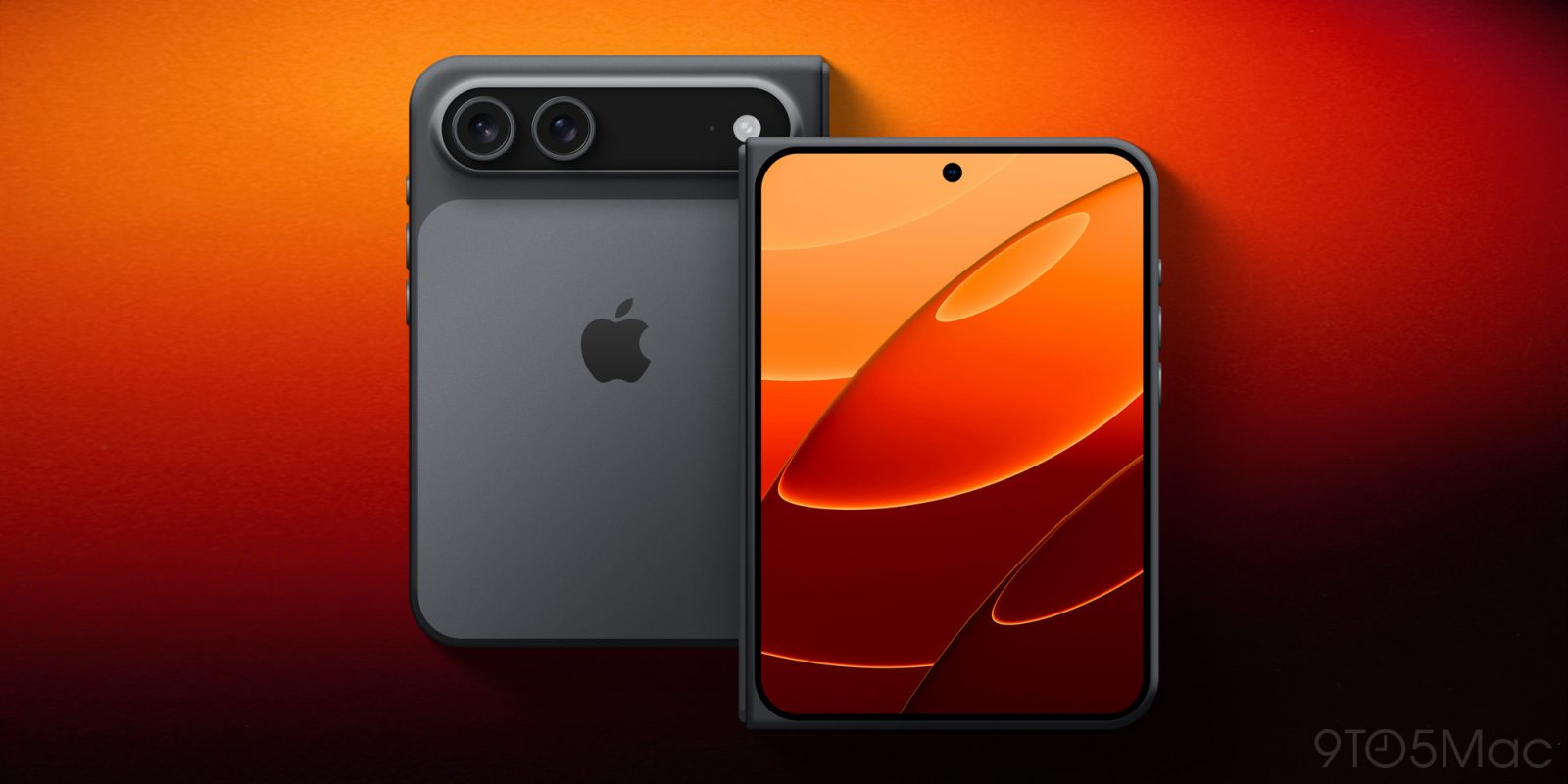
This month, Apple will be unveiling its first foldable iPhone – rumored to be called iPhone Ultra. It’s going to feature a 5.5-inch outer display and 7.6-inch inner display. In July, Samsung introduced the new Galaxy Z Fold 8 – and it comes with those same screen sizes.

Whether or not you believe Samsung only made this phone to preempt the iPhone Ultra is a different story – but one way or another, seeing the Galaxy Z Fold 8 gives us a great early idea of what iPhone Ultra will feel like in the real world.

more…
  •  

HomeKit Weekly: How I use Apple Home to keep tabs on my home during summer travels

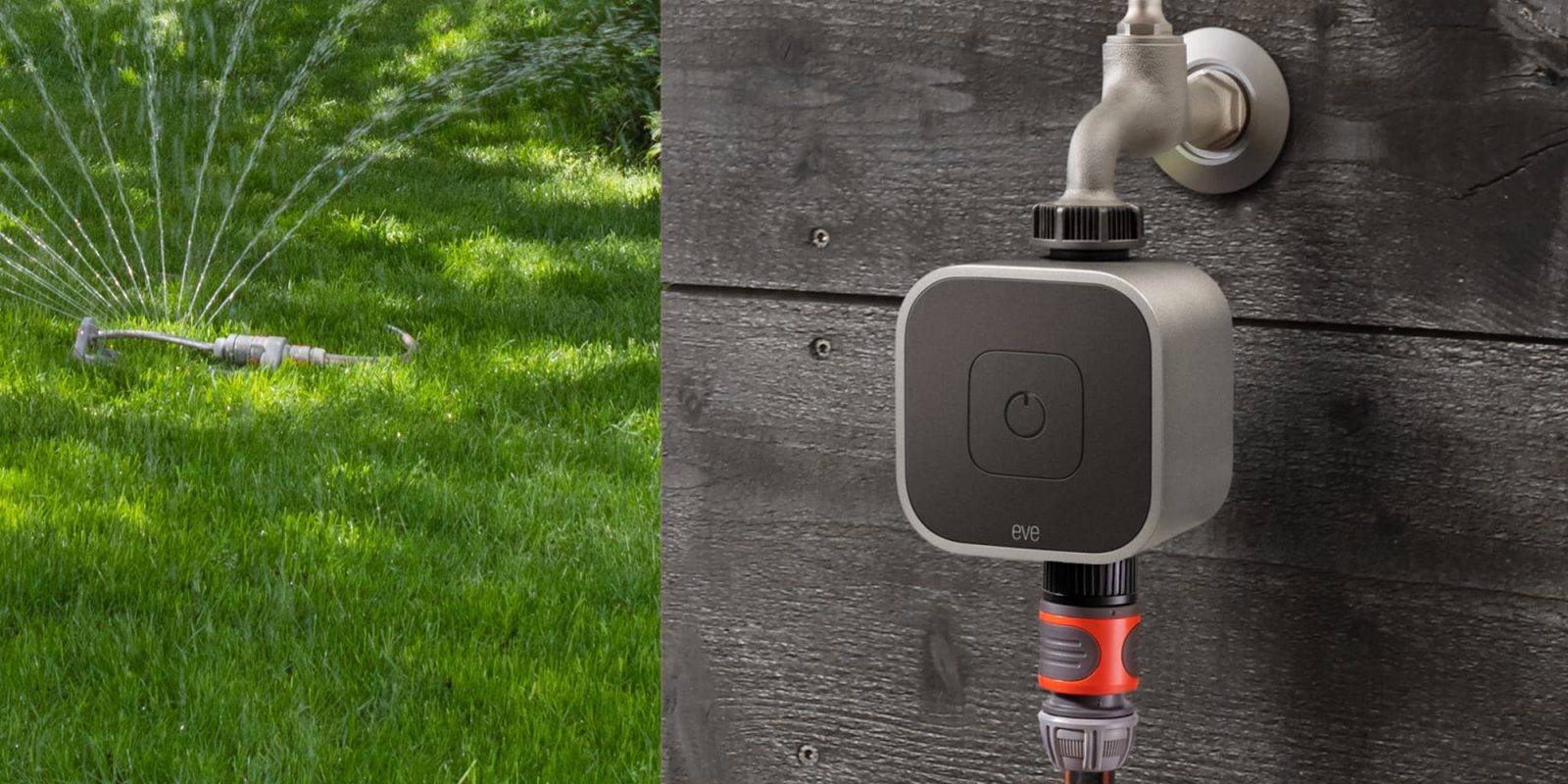
As I write this article, I am about to head out for a quick trip up north, and when I hit the road, there are a few key types of gear of my smart home setup I fully rely on to keep things running smoothly. Just remember that you will need a dedicated Apple Home hub, like an Apple TV 4K or a HomePod, to access your devices remotely to take full advantage here.

  •  

Agent Fone

My thanks to Agent Fone for sponsoring last week at DF. Agent Fone is a crazily ambitious new smartphone that doesn’t merely ship with a built-in AI assistant. Instead, the entire concept is that it enables you to create custom software, right on the phone itself. Ideas for new apps that you’ve had in your notes for years. Weird little app ideas that only you would want. Describe your idea, answer a few questions, and Agent Fone builds an app, or widget, and it’s on your home screen. They’re looking for 50 people and small teams to sell the first 50 hardware units to. If you’re interested, check out their website for all the information you need, and broader description of the platform.

  •  
  •  

Testamos o JBL Soundgear Clips, o fone de “brinco” que não é para todo mundo

Uma das últimas tendências que tem movimentado o mercado de wearables é o novo formato de “brinco” para fones de ouvido Bluetooth. Uma das marcas a apostar neste tipo de acessório é a JBL, com o Soundgear Clips. 

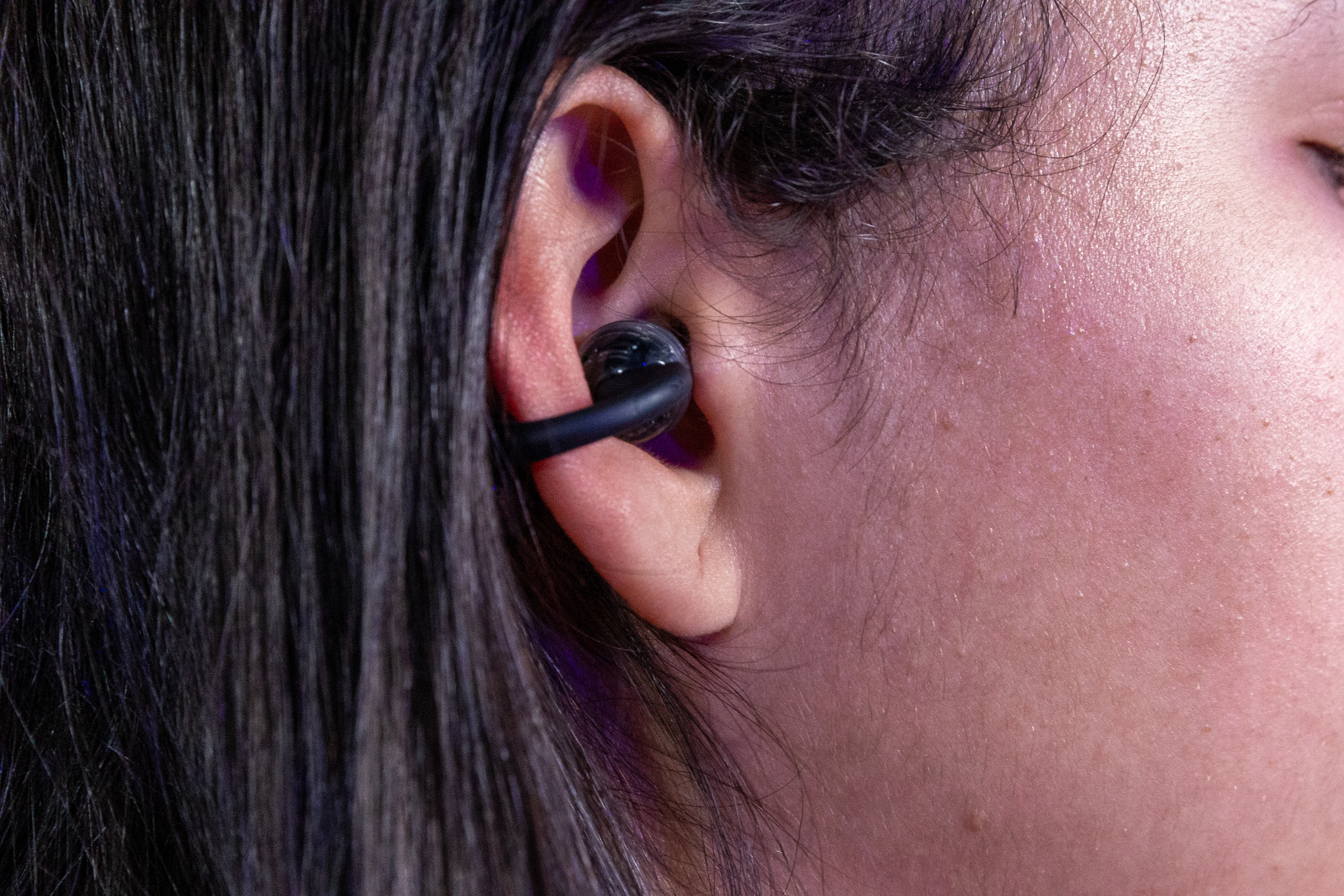
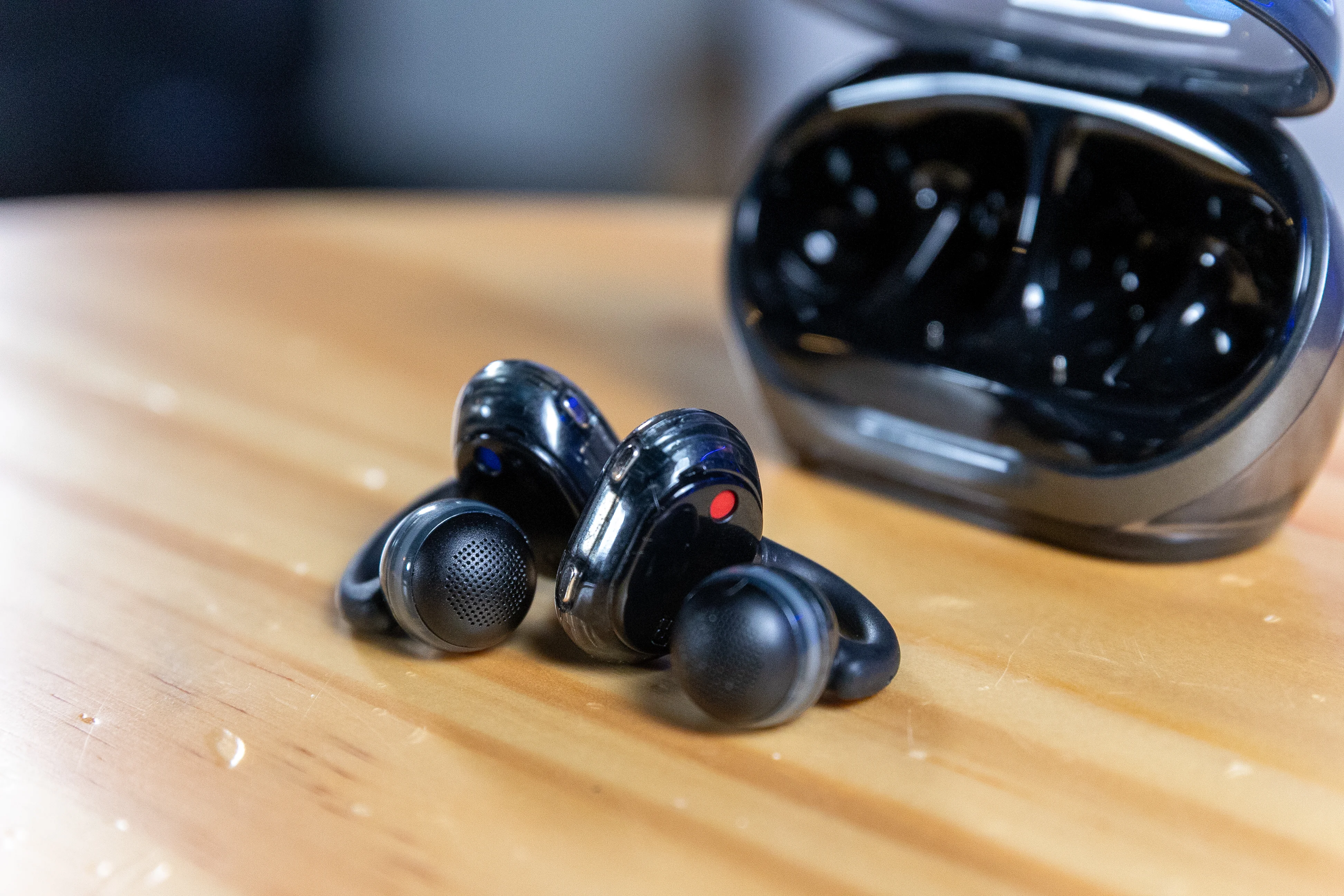
O fone tem um formato mais “aberto”, com uma pequena esfera apoiada na parte interna da orelha, sem entrar no canal auditivo. A estrutura contorna a lateral e se estende até a parte traseira, onde fica um módulo maior que abriga os sensores, a bateria e os principais componentes. 

A grande aposta deste design é, sem dúvidas, a estética. Ele funciona muito bem como um fone de ouvido, é elegante e termina, também, como uma peça de moda. Mas será que faz sentido além disso? 

Neste texto, conto o que eu achei do JBL Soundgear Clips usando esse tipo de fone pela primeira vez, e estando totalmente habituado a modelos intra-auriculares. 

Design confortável para horas de uso 

Visual de brinco à parte, o que mais me chamou atenção neste formato foi o conforto durante o uso. Apesar de “abraçar” a orelha, ele não incomoda nada. Você sente que ele está lá, mas o fone não começa a “machucar” com o tempo. 

Em fones comuns, sejam eles “de borrachinha” ou os auriculares mais básicos, é natural que após algumas horas a orelha comece a cansar, por mais confortável que o acessório seja. Com os Clips, você quase esquece que eles estão lá se não houver música tocando. 

Assim, ele é ideal para deixar na orelha o dia inteiro, mesmo sem reproduzir nada. Dá para ouvir áudios ocasionais no WhatsApp sem precisar ficar colocando e tirando o fone o tempo inteiro. 

JBL Soundgear Clips

Qualidade sonora boa, mas pouco expressiva

A qualidade de áudio do JBL Soundclips é boa: os fones não ficam “chiando” no volume máximo, e nem ficam estridentes demais. São os fones ideias para quem não é tão exigente com sonoridade. Eles entregam o suficiente para a maioria dos usuários. 

Mas se você é amante de graves e gosta de perceber perfeitamente cada frequência da música, ele pode não atender muito bem. Para quem está acostumado às batidas fortes que fones e caixas de som da JBL entregam, talvez sinta falta de um pouco mais de expressividade por parte dos Clips.

Mas este não é um problema necessariamente do hardware do fone, mas do formato. Por serem totalmente abertos e não oferecerem o mínimo de vedação, ele deixa passar muito do barulho externo, ao passo que o som também vaza muito para fora. 

Isso também leva a outro problema: os Clips não são os mais indicados para o uso no transporte público, ou em outros locais mais barulhentos. 

Eles não oferecem nenhum nível de isolamento acústico, então o som de fora interfere muito na usabilidade. No trem ou metrô, por exemplo, não é possível ouvir a música direito se o volume estiver no médio: é preciso colocar no máximo ou bem perto disso. 

E, neste cenário, vai-se embora a privacidade: quem estiver por perto pode ouvir suas músicas ou seus áudios, porque o som vaza bastante. 

JBL Soundgear Clips

Vale a pena comprar o JBL Soundgear Clips?

Pelo estilo e conforto, sem dúvidas, vale a pena comprar os fones JBL Soundgear Clips. Eles são ótimos para quem quer um fone de ouvido com qualidade aceitável, e ainda agregar no estilo. 

Mas, se recursos como cancelamento de ruído e sonoridade pesam mais na balança, os R$ 600 cobrados, em média, não justificam o que o fone entrega. Nesse cenário, compensa mais um fone “comum”, como os Galaxy Buds 3 FE ou o JBL Live Buds 3, que são um pouco mais caro, mas entregam o que falta nos Clips. 

{{WHATSAPP_CHANNEL}}

  •  

Galaxy S26 x S26 Plus x S26 Ultra: existe diferença notável entre as câmeras?

O Galaxy S26, o Galaxy S26 Plus e o Galaxy S26 Ultra fazem parte da mesma família, mas não oferecem exatamente a mesma experiência fotográfica. Enquanto os dois primeiros compartilham um conjunto bastante parecido, o modelo Ultra aposta em mais resolução e em uma câmera adicional para justificar sua posição acima dos irmãos.

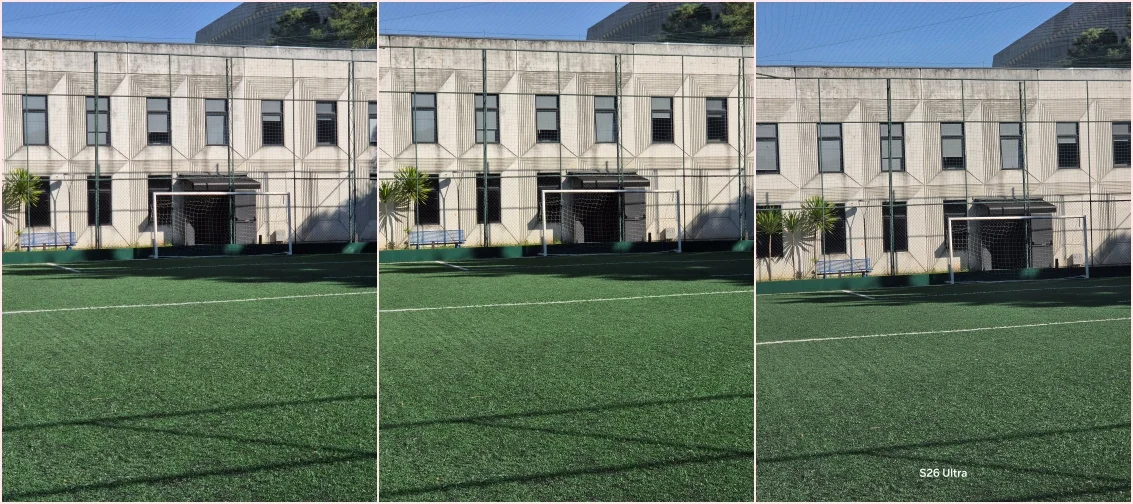
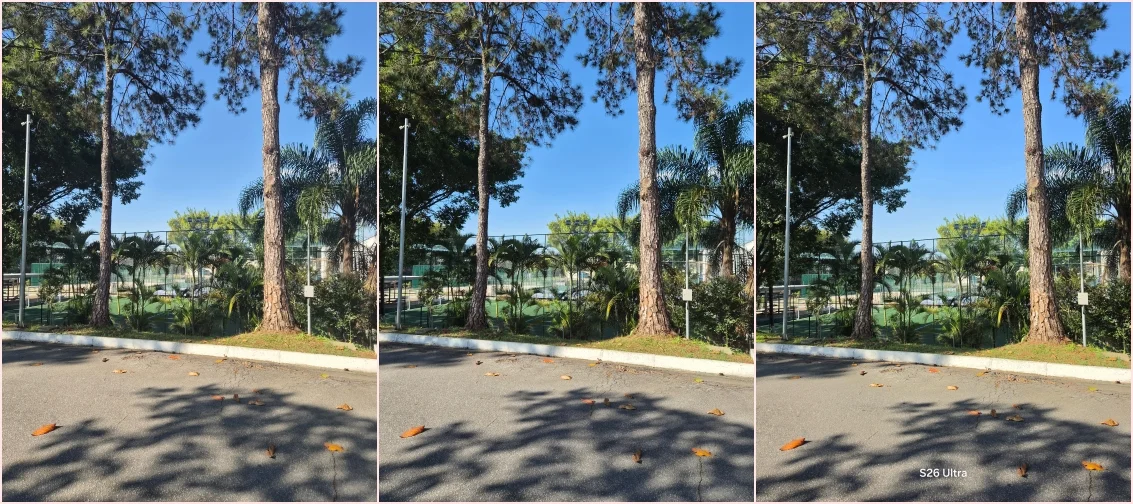
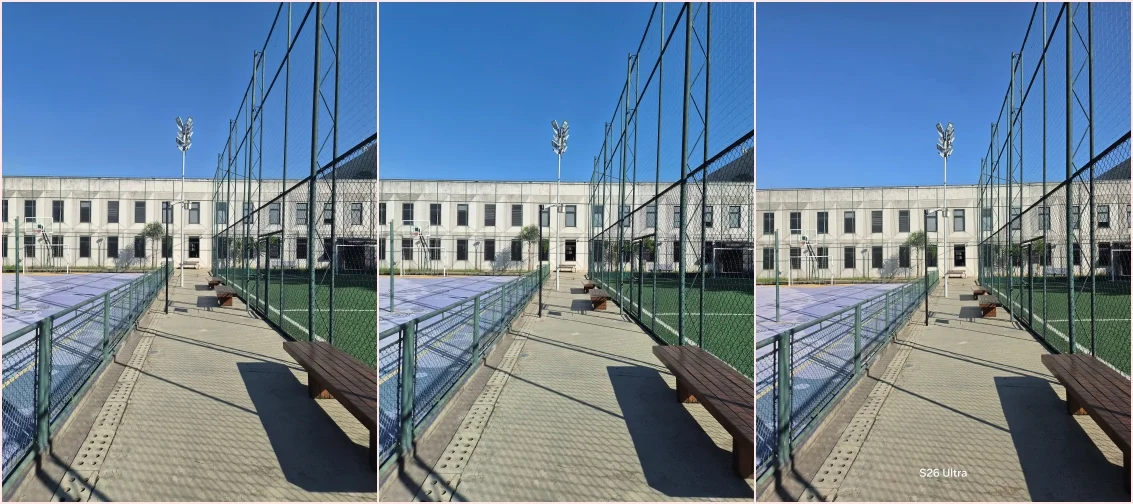
Para entender o quanto essas diferenças aparecem na prática, analisamos as fotos dos três celulares lado a lado. Todos os registros foram feitos no mesmo cenário, sob as mesmas condições de luz e no mesmo instante, o que permite observar com mais precisão aspectos como definição, tratamento de HDR e reprodução de cores.

A comparação ficou concentrada nas câmeras e nos enquadramentos equivalentes entre os aparelhos. A telefoto adicional do Galaxy S26 Ultra não entrou no teste direto, já que o Galaxy S26 e o S26 Plus não possuem um sensor correspondente.

Galaxy S26 Ultra entrega imagens mais definidas

O Galaxy S26 Ultra foi o celular que apresentou os melhores resultados no comparativo. A diferença não salta aos olhos logo no primeiro contato, mas aparece quando as três fotografias são observadas lado a lado.

20260727_145152-side

A principal vantagem está na definição. O modelo Ultra preserva mais informações nas imagens, principalmente em superfícies com texturas e elementos menores. Esses detalhes ficam mais fáceis de distinguir, o que deixa a fotografia com uma aparência ligeiramente mais refinada.

Isso não significa que o Galaxy S26 e o S26 Plus produzam imagens sem nitidez. Os três celulares entregam bons resultados, mas o Ultra consegue extrair um pouco mais da cena e mantém detalhes que aparecem de forma mais discreta nos outros dois modelos.

HDR do Ultra é mais preciso

O tratamento de HDR também favorece o Galaxy S26 Ultra. Em cenas com áreas claras e escuras, o celular consegue equilibrar melhor a exposição e preservar mais informações em diferentes pontos da fotografia.

Esse comportamento ajuda a evitar que determinados elementos da cena percam destaque. O resultado é uma imagem mais completa, com melhor leitura das texturas e uma distribuição mais precisa entre luzes e sombras.

Mais uma vez, a diferença é sutil. Sem uma comparação direta, dificilmente ela chamaria tanta atenção. Ao colocar as fotos lado a lado, porém, o trabalho mais cuidadoso do Ultra fica perceptível.

20260727_144805-side

Cores são mais naturais no Galaxy S26 Ultra

Outra vantagem do Galaxy S26 Ultra está na reprodução de cores. As imagens do celular apresentam tons menos saturados e mais próximos do que foi visto no ambiente no momento da captura.

O Galaxy S26 e o S26 Plus entregam fotografias um pouco mais intensas nesse aspecto. Isso pode até agradar quem prefere imagens com cores mais vivas, mas o Ultra se aproxima mais de uma reprodução realista.

Não existe uma diferença gritante entre os aparelhos. Na verdade, ela é pequena o bastante para passar despercebida quando as fotos são vistas separadamente. A maior fidelidade do Ultra só fica realmente clara na comparação direta.

Galaxy S26 e S26 Plus praticamente empatam

Entre o Galaxy S26 e o Galaxy S26 Plus, a disputa termina em empate. Os dois celulares apresentaram resultados muito parecidos em todos os cenários analisados, sem uma vantagem consistente de qualquer lado.

Definição, tratamento de HDR e reprodução de cores seguem praticamente o mesmo padrão nos dois modelos. Mesmo com as fotografias colocadas lado a lado, é difícil encontrar alguma diferença que realmente altere a qualidade final.

Isso faz sentido, já que os conjuntos de câmeras dos dois aparelhos são essencialmente os mesmos. Portanto, para quem estiver em dúvida entre o Galaxy S26 e o S26 Plus, a câmera não deve ser o principal critério de escolha.

20260727_150326-side

 Onde a câmera extra e a maior resolução do Ultra fazem diferença?

A vantagem do Galaxy S26 Ultra pode ficar mais evidente em situações que aproveitam seu conjunto fotográfico mais completo. A câmera telefoto adicional é útil para fotografar objetos distantes, detalhes de prédios, apresentações, animais ou qualquer cena na qual não seja possível se aproximar fisicamente.

Nesses casos, uma lente dedicada consegue preservar melhor a definição do que um simples recorte digital. Ela também amplia as opções de enquadramento, já que permite aproximar o assunto sem depender apenas da câmera principal.

A resolução maior também oferece benefícios em cenários bem iluminados. Além de registrar mais informações, ela dá mais liberdade para recortar ou reposicionar a imagem depois do clique sem perder tanta qualidade. Isso pode ser útil para destacar uma pessoa ou um detalhe específico que ocupava uma parte pequena da foto original.

Ainda assim, a câmera telefoto extra do Galaxy S26 Ultra não entrou neste comparativo. Como o Galaxy S26 e o S26 Plus não têm um sensor equivalente, não seria possível repetir exatamente a mesma captura nos três aparelhos. Por isso, a análise ficou concentrada nas câmeras e nos enquadramentos que os modelos compartilham.

Qual Galaxy S26 tem a melhor câmera?

O Galaxy S26 Ultra tem a melhor câmera entre os três celulares. Ele entrega mais definição, preserva melhor as texturas, apresenta um HDR mais preciso e reproduz cores de forma ligeiramente mais natural.

A vantagem, porém, está nos detalhes. A diferença de qualidade não é tão notável e dificilmente será percebida sem uma comparação direta. 

Ainda assim, quem prioriza fotografia e observa com mais atenção aspectos como HDR, fidelidade de cores e preservação de informações encontrará o conjunto mais competente no Ultra.

O modelo mais avançado também oferece mais versatilidade com sua câmera telefoto adicional e maior resolução. Esses diferenciais podem pesar mais para quem costuma fotografar à distância, aplicar zoom ou recortar as imagens depois da captura.

Já o Galaxy S26 e o Galaxy S26 Plus ficam praticamente no mesmo nível. Os resultados são tão parecidos que não há um vencedor claro entre eles. Portanto, para escolher entre os dois, faz mais sentido considerar outros aspectos do aparelho, e não a qualidade das câmeras.

{{WHATSAPP_CHANNEL}}

  •  

Como instalar o VMware Workstation no Ubuntu e derivados

VMware Workstation no Ubuntu é uma solução poderosa para virtualização. Aprenda como configurá-la facilmente!

O post Como instalar o VMware Workstation no Ubuntu e derivados apareceu primeiro em Blog do Edivaldo - Informações e Notícias sobre Linux.

  •  

Scientists Discover an Odd Genetic Trait in an Ancient Aboriginal Food Plant

A Large Field of Channel MilletA native Australian millet may carry the genetic fingerprints of thousands of years of Aboriginal harvesting, storage, and plant management. Seen from the air, Channel Country resembles a vibrant and vast tapestry, with a network of waterways crisscrossing the land. Spread across more than 280,000 square kilometers in outback Australia, it is one of the [...]
  •  

Apple’s rumored AirPods with cameras could potentially debut as soon as next month

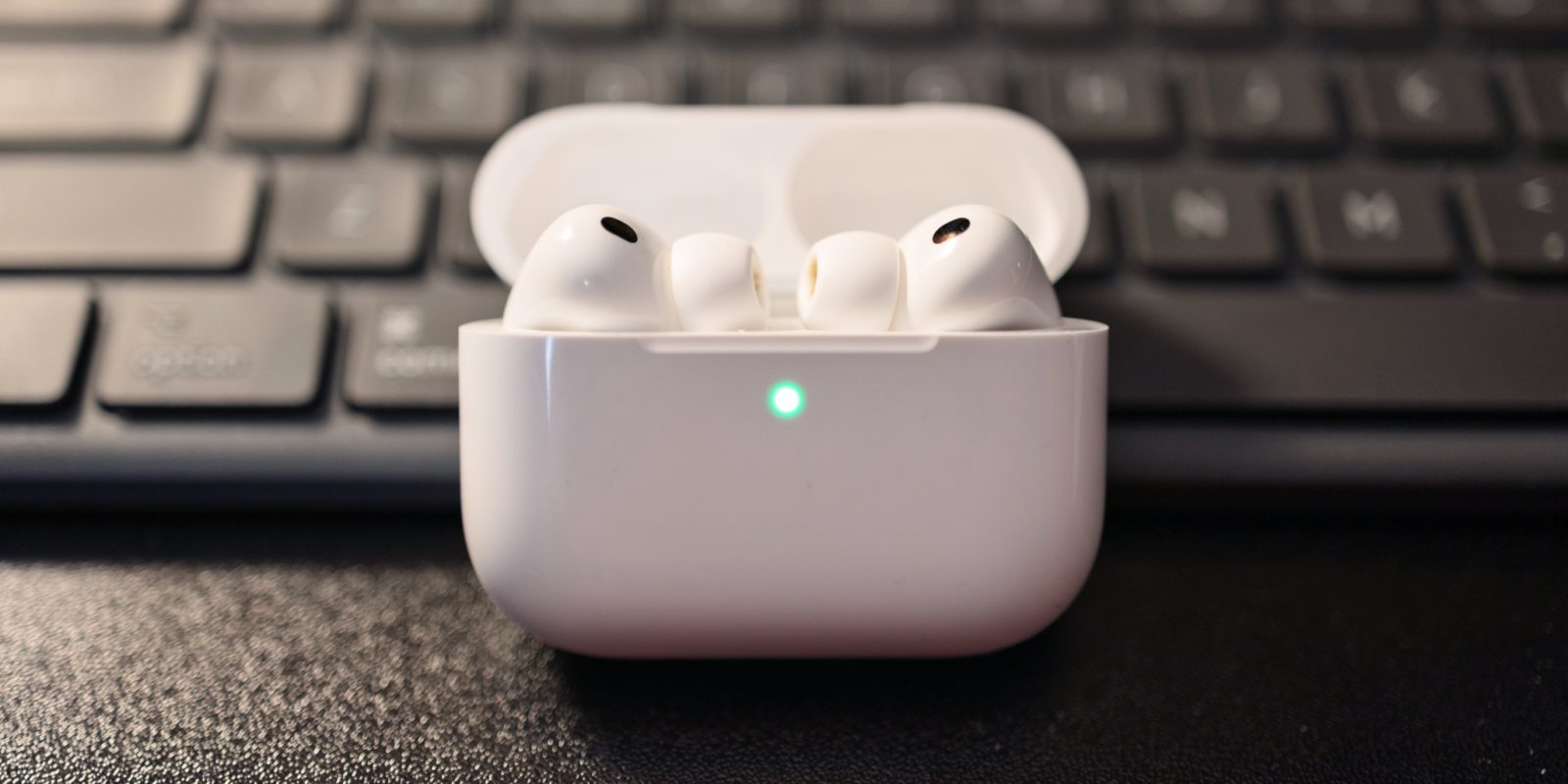
Apple has been working on camera-equipped AirPods for quite some time, with Visual Intelligence at the forefront of the product. This product had initially been rumored for this year, then ended up getting pushed back to sometime next year.

However, there’s now a new chance that we end up seeing our first version of camera-equipped AirPods later this year anyways. Here’s why.

  •  

TMOG : le créateur du gestionnaire des tâches de Windows lance son alternative au Moniteur d'activité

Pour surveiller les entrailles de son Mac, le Moniteur d'activité d'Apple fait souvent figure de passage obligé. Une situation inacceptable pour Dave Plummer, le père du célèbre Gestionnaire des tâches de Windows, qui vient de dégainer sa propre alternative sur macOS (en bêta pour le moment) avec pour ambition de remplacer l’outil natif qu'il juge tout bonnement inefficace. Image MacGeneration Un gestionnaire des tâches inspiré de Windows Baptisée TMOG (pour Task Manager Original), cette nouvelle application ambitionne d'apporter la profondeur d'une véritable console système tout en respectant les codes esthétiques de macOS. L'objectif n'est pas seulement de lister des processus, mais de fournir une vue d'ensemble instantanée sur la charge de la machine. L'utilitaire synthétise sur un seul écran l'activité du processeur, du GPU, la pression sur la mémoire vive, les débits réseau ainsi que l'état des capteurs thermiques, entre autres. Conçu pour offrir une lecture particulièrement...
  •  

Xbox prices are increasing by up to €200 or £170

The black 1TB Xbox Series S console

When Microsoft announced its latest round of Xbox price bumps in June, it only gave US pricing. Now we know the pricing increases for the EU and UK, and they're dramatic. Depending on the model, Xbox prices are increasing by up to €200 or £170. The 1TB Xbox Series X with a disc drive is going up by over 30 percent from £499.99 / €599.99 to £669.99 / €799.99. The 512GB Xbox Series S is getting a price increase of over 43 percent, jumping from £299.99 / €349.99 to £429.99 / €499.99.

While other consoles have received price bumps as RAM and storage prices skyrocket due to demand from the AI industry, none have been quite as dramatic as Microso …

Read the full story at The Verge.

  •  
❌