❌

Reading view

Canon tipped to release three new EOS R mirrorless cameras before the end of 2026 — I know which one I’m most excited for

  • Canon registered three cameras with the wireless certification agency, indicating three more cameras will come soon
  • Rumors suggest we’ll see an EOS R7 Mark II, an EOS R10 Mark II and an EOS R8 Mark II
  • The EOS R8 Mark II may well be a retro-styled tribute to the analog AE-1, which turns 50 this year

The first half of 2026 was pretty dry for camera releases, but as we enter the second half of the year, manufacturers have been making up for lost time. Canon in particular looks like it’s going to have a busy back half of the year, with not one, not two, but three new EOS R mirrorless cameras setting the rumor mill alight.

It should be stressed that currently this is all unconfirmed — we don’t know that Canon is going to release anything. But Canon has registered three new cameras with the wireless certification agency, which is generally the point that you know that something is coming very soon. And reporting by the oft reliable Canon Rumors indicates that Canon is updating three of its most popular EOS R cameras, and one in particular looks like a very exciting prospect indeed.

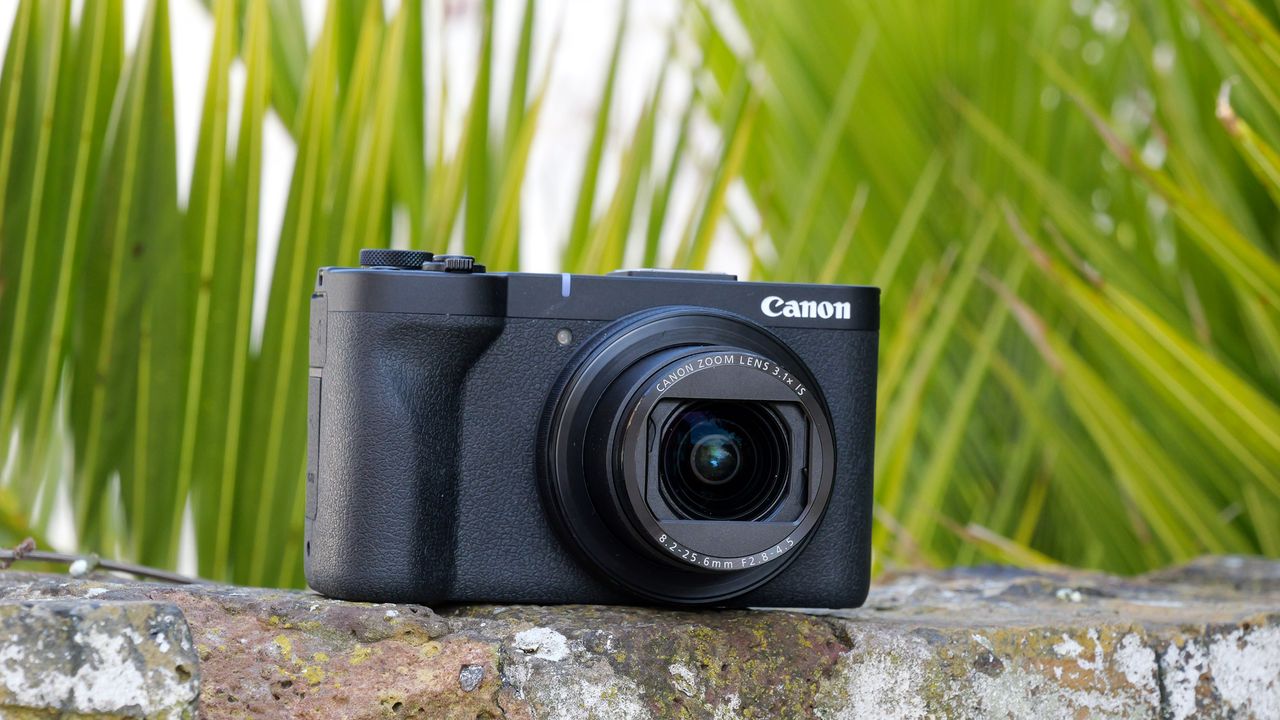
And if that weren’t enough, we’re also potentially due a new PowerShot compact, with Canon looking to capitalize on the success of its phenomenally popular PowerShot G7 X Mark III compact. But we’ve more details on the mirrorless side of things, so let’s take a closer look at what could be coming…

Canon EOS R8 II — could it be the digital AE-1 we’re all hoping for?

Rumors indicate that Canon’s lightweight full-frame EOS R8 is likely to get a successor in mid-September. As that camera is now more than three years old, this is about the time we might expect an update to come along. However, the really exciting news is that the new version may be an entirely new prospect — a retro-styled Canon AE-1 throwback that fans have been begging the company to make for years.

Canon AE-1 camera on a blue surface and pastel background alongside a roll of Fujifilm Velvia film

The Canon AE-1 is a legend among film photographers. (Image credit: Shutterstock | Lius Hanzen)

There have been rumors for quite some time that Canon is working on a retro-styled digital camera, just like Nikon did with its Zf, and given that this year marks the 50th anniversary of the AE-1, a legendary film SLR beloved by amateur photographers for its streamlined controls and ease of use, it makes sense that this could be the year.

The rumored specs for the EOS R8 II are that it’ll use a 32.5MP full-frame sensor, 40fps burst shooting via the electronic shutter, in-body image stabilization, oversampled 4K video and two UHS-II SD card slots. Pretty much what you’d expect for a mid-range full-frame camera.

Canon EOS R8 on a table side upside down with battery door open and battery on the table

The original EOS R8 features just one card slot — so two would be a welcome upgrade! (Image credit: Future)

I’ll be interested to see if the retro styling is purely cosmetic — it might even be the case that Canon releases a ‘standard’ EOS R8 Mark II version as well as the retro-tinged variant — or if it has any bearing on how the camera operates. There’s nothing in the rumor mill to suggest this, but personally, I think it would be smart for Canon to dip its toe into film-style looks for images, similar to Fujifilm’s Film Simulations or Panasonic’s in-camera Real Time LUTs.

Yes, Canon has its ‘Picture Styles’, but let’s be honest: nobody uses them, and they don’t have the cool factor of Fujifilm’s Film Simulations. I’d love to see Canon throw its weight into some really crisp, dynamic, analog-style looks for shooters who want great-looking JPEGs straight out of camera. And come on — there will never be a better opportunity to debut them than in a digital AE-1!

Canon EOS R7 II — let’s see a stacked APS-C sensor!

Also on the rumored docket is an update to the Canon EOS R7, a mid-range APS-C mirrorless camera that arrived in 2022. The original EOS R7 was something of a speedster, with burst speeds of 15fps with the mechanical shutter and up to 30fps with the electronic. And if rumors are correct, Canon might be doubling down on this by giving the EOS R7 II a stacked sensor design.

This would be the first stacked APS-C sensor for Canon’s lineup — indeed, currently the only APS-C camera with a stacked sensor is the Fujifilm X-H2S. A stacked sensor design moves the circuitry to the rear for faster readout, enabling higher burst speeds, superior autofocus tracking and blackout-free viewfinder shooting.
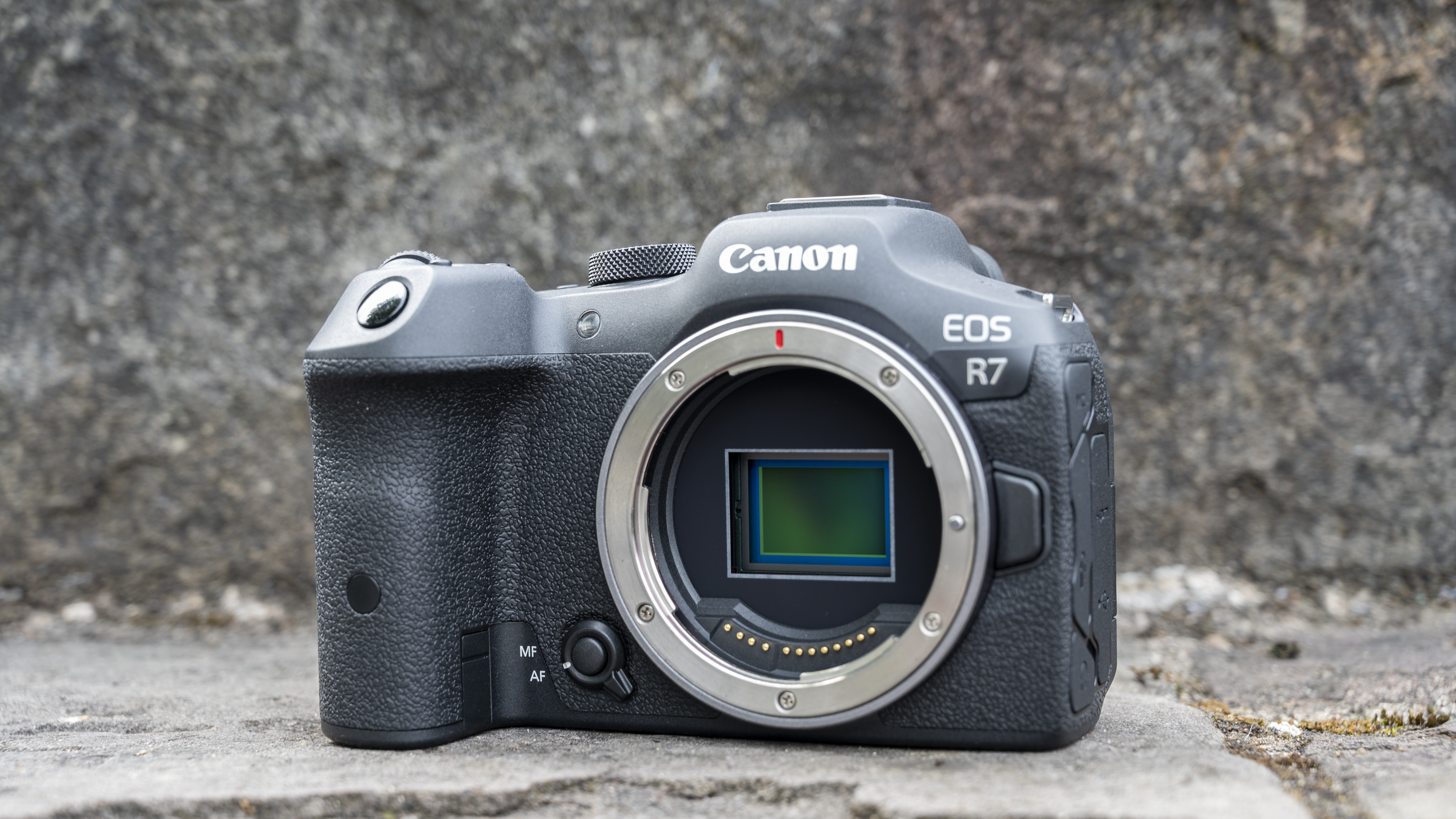
The Canon EOS R7 camera sitting on a stone step

The original EOS R7 is Canon's top-end APS-C model. (Image credit: Future)

Considering that the EOS R7 was already an impressively speedy shooter, a stacked sensor design would push a mark II to pretty impressive heights — we could see autofocus and speed-shooting performance on par with professional or serious enthusiast cameras. Rumors also indicate that the sensor resolution might be upped to 39MP, from 32.5MP on the original EOS R7.

Canon EOS R10 II — the new beginner mirrorless to beat?

Rumors also indicate that we’ll see an update to Canon’s popular beginner model, the EOS R10, in the form of the EOS R10 Mark II. Details are very thin on the ground for this one, beyond the fact that it is on its way and due in the latter half of 2026. This is also likely to be the first of the new models we see.

The Canon EOS R10 has been a huge seller for Canon since its release in 2022 alongside the EOS R7. It’s not the cheapest in the EOS R lineup, with both the EOS R50 and the EOS R100 coming in under its price, but it’s a pretty affordable camera, with a lightweight build, intelligent autofocus and reliably solid image quality.

The Canon EOS R10 camers sitting on a wooden bannister

The Canon EOS R10 has been popular with beginners. (Image credit: Future)

Personally, I doubt the boat will be rocked much here. Were I a betting person, I’d say that we’d expect to see improvements in the subject-recognition autofocus, more sustained burst speeds with a deeper buffer (the original EOS R10 could shoot at 15fps, but not for very long), and perhaps a nudge-up of resolution from 24.2MP to 32.5MP, so as to better distinguish the EOS R10 from its cheaper siblings.

What do you make of Canon's rumored upcoming models? Have your say in the comments below.

  •  

Which DJI drone should I buy? Your simple guide to the different ranges and our top-rated flyers

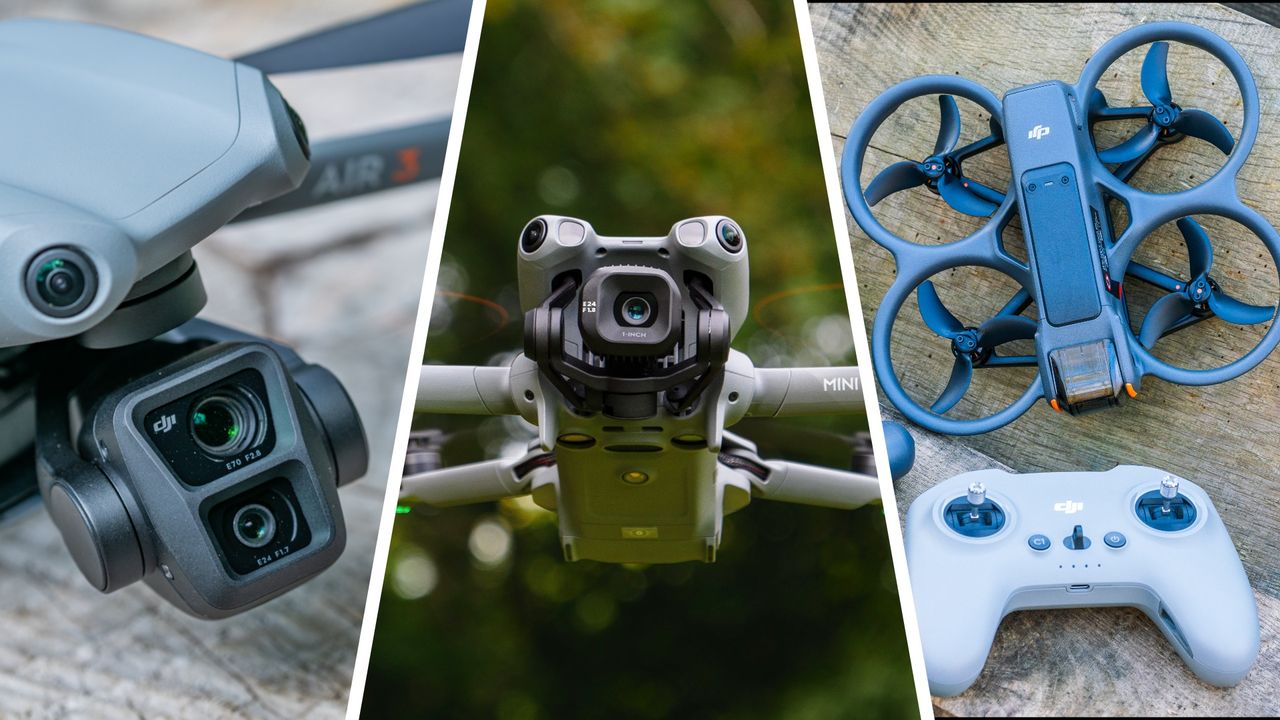
Fancy taking to the skies? DJI is the brand you're probably looking at — it's the name behind almost all the best drones around right now. If you're new to the world of drones, figuring out your options is tricky. This article is here to guide you through your options. I'll run through the main DJI ranges and who they're aimed at, and then once you've narrowed things down you can hop to the relevant section to read our reviews for each model. Let's get started...

Note: You'll only be able to see product cards for the models currently available to buy in your region. Due to FCC issues, not all DJI drones are available in the US. Hit the More details button to read our main takeaways for each model, and for a link to the full review.

DJI range guide

DJI Mini
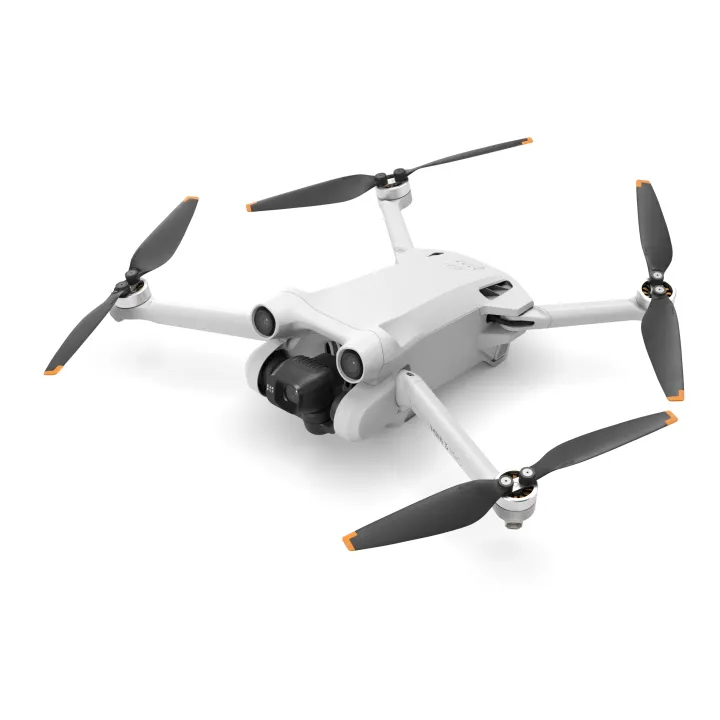
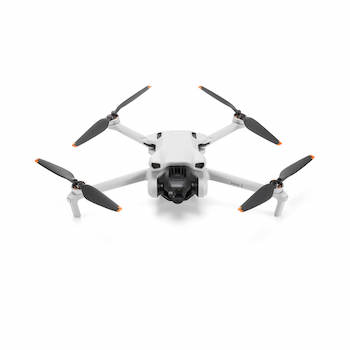
DJI's flagship compact drones, and the best-selling range for beginner pilots. These are all sub-250g models, which means they come with little-to-no flight restrictions, depending on where you fly.
• Check out the Mini lineup

DJI Air
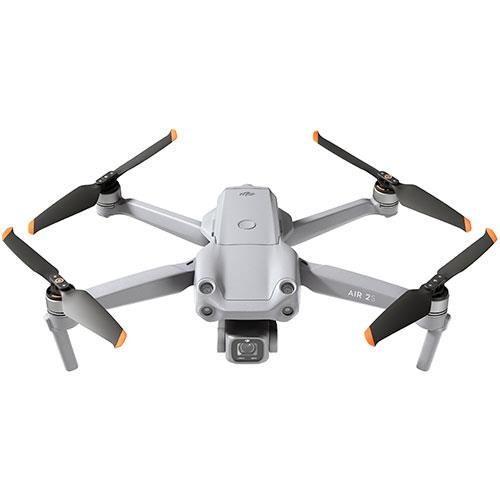
A step up from the Mini series, aimed at enthusiasts. These drones fall into the next weight category up, which means they're sturdier and you'll be able to fly for longer, but you'll need your region's equivalent of a certificate of competency before you fly.
• Check out the DJI Air lineup

DJI Mavic
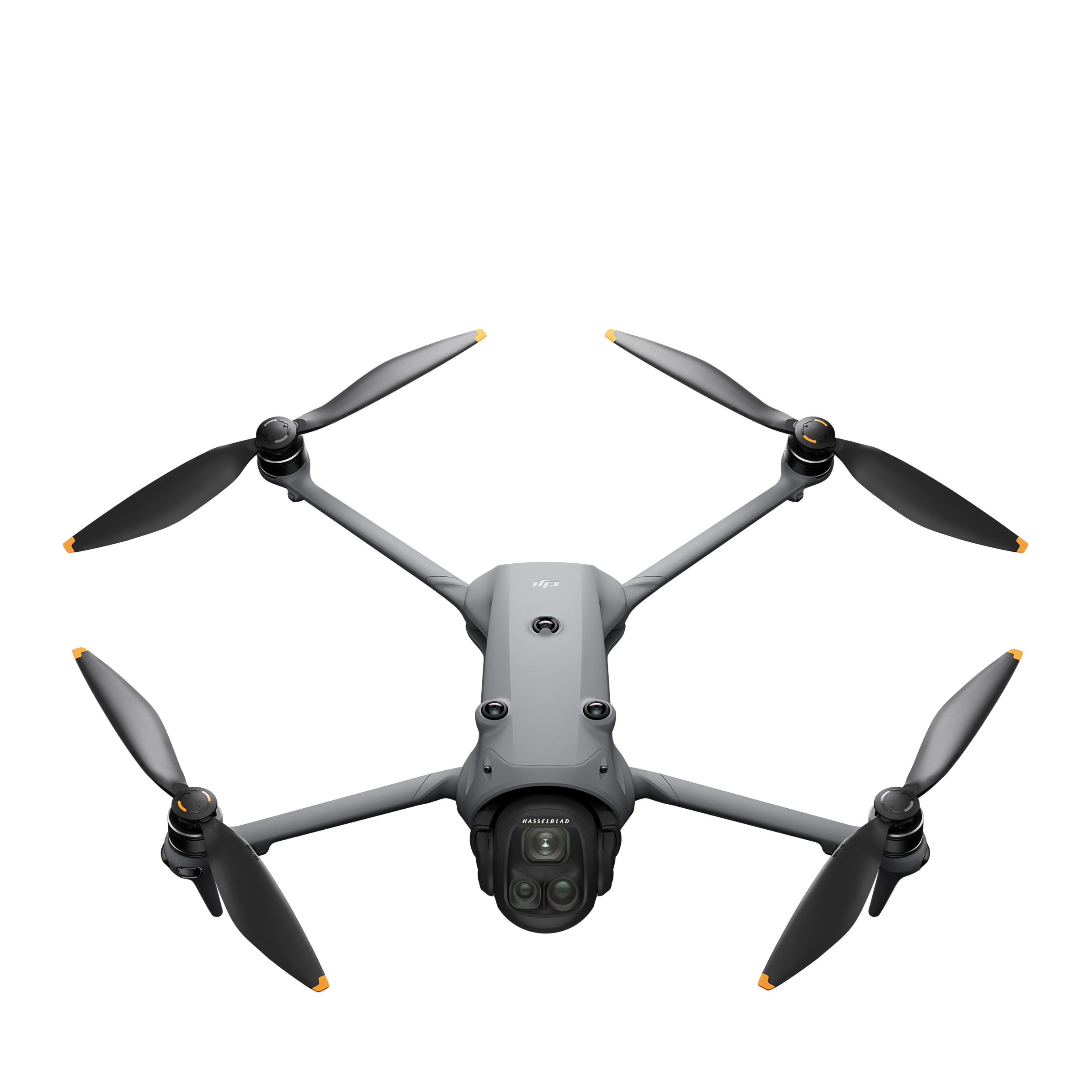
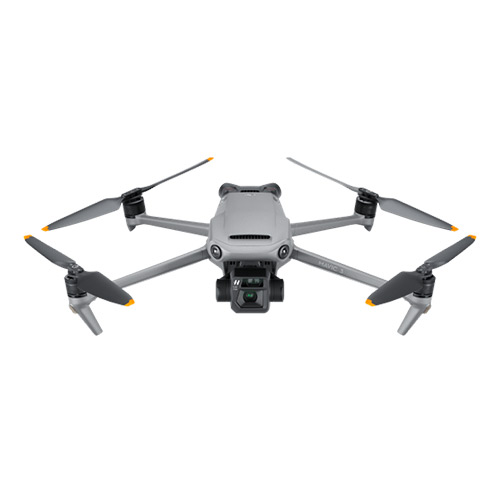
Top-tier consumer drones with industry-leading camera performance. These are another step up from the DJI Air range, and again you'll need a certificate of competency before you fly.
• Check out the DJI Mavic lineup

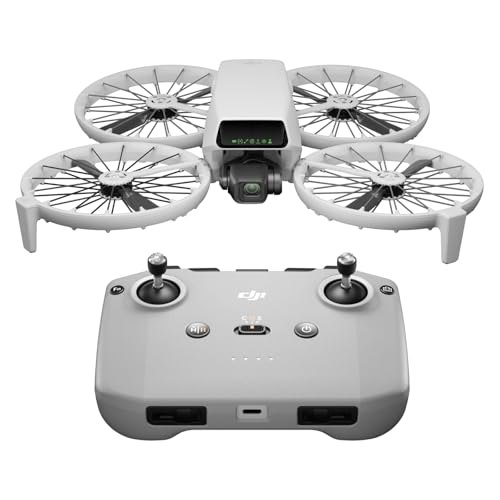
DJI Neo
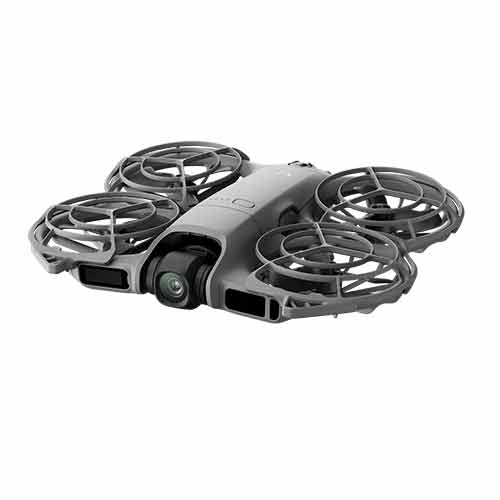
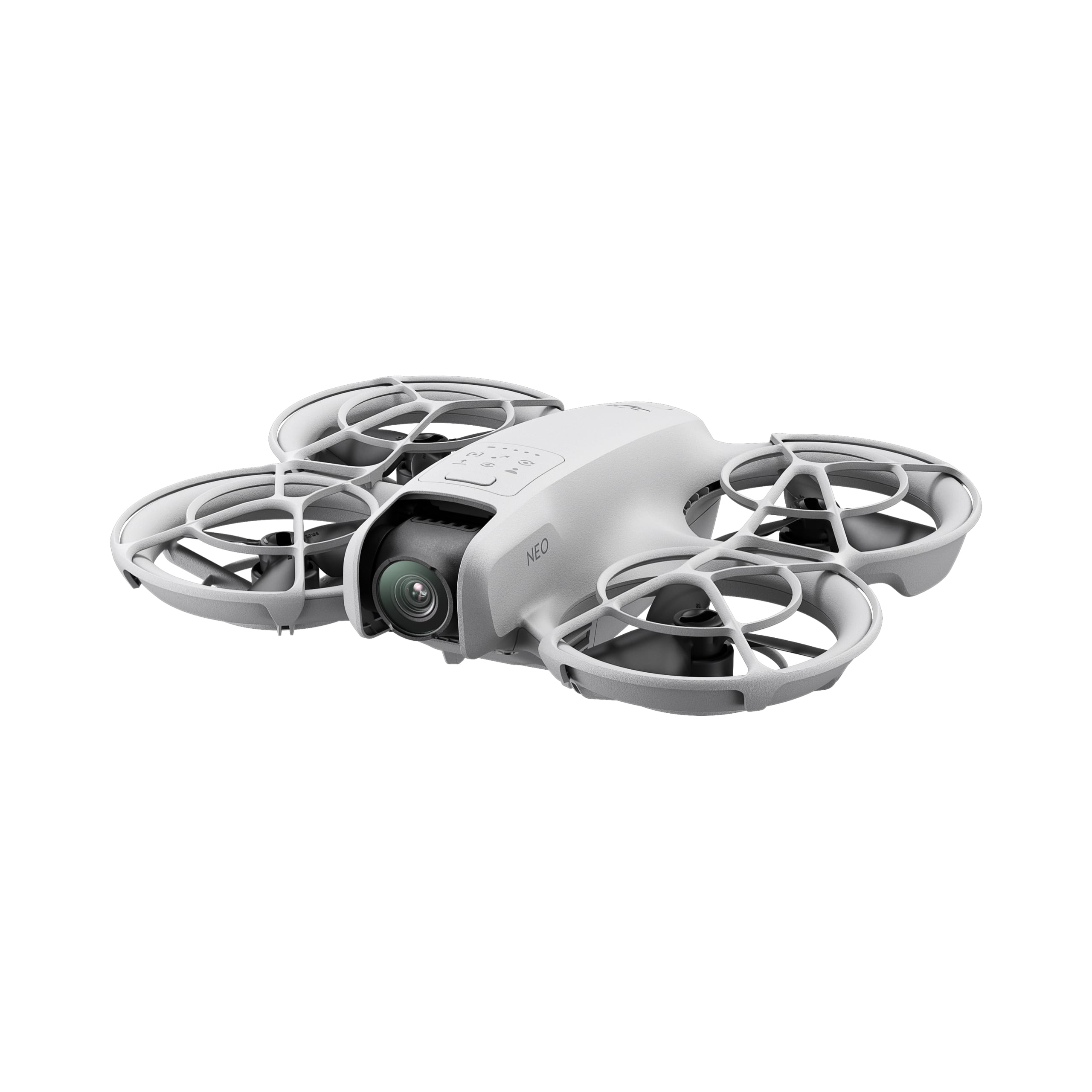
The cheapest, smallest, lightest and simplest DJI drone. It comes with single-push take-off from your hand, designed for aerial selfies (this kind of drone is sometimes referred to as a selfie drone).
• Check out the DJI Neo lineup

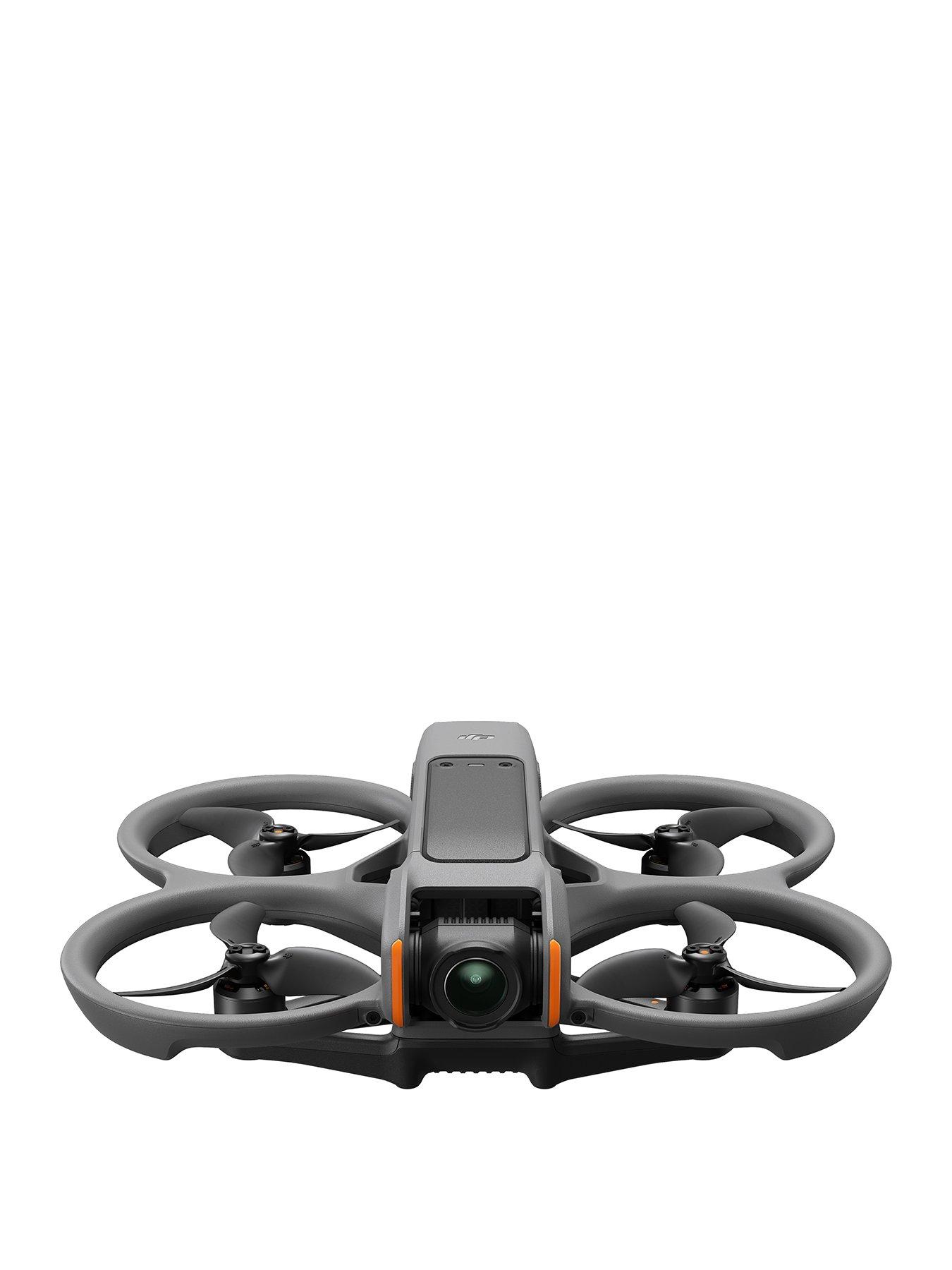
DJI Avata
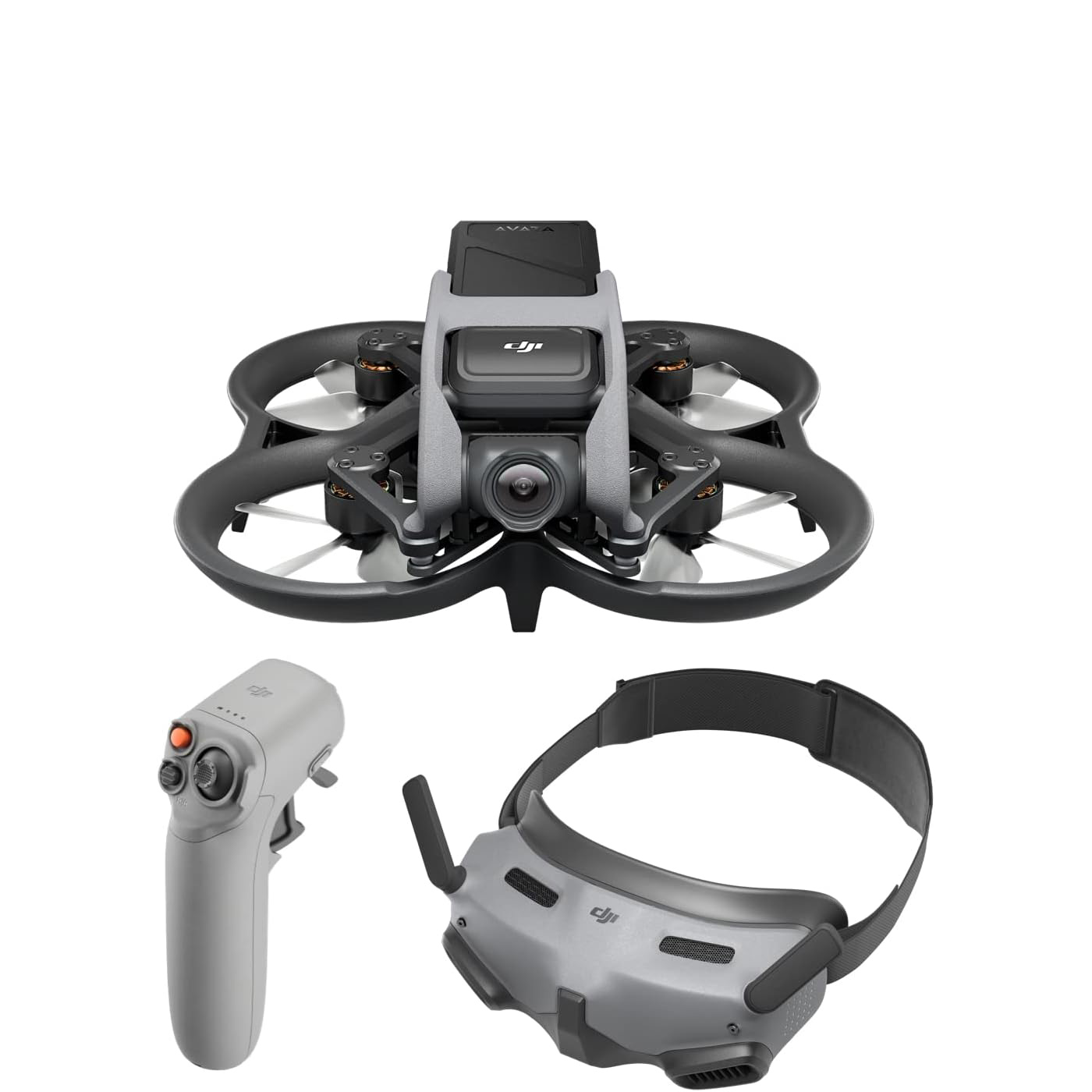
FPV (first person view) drones, designed to be used with goggles for immersive high-speed and responsive flight — legally you need a 'spotter' with you when flying drones through goggles.
• Check out the DJI Avata lineup

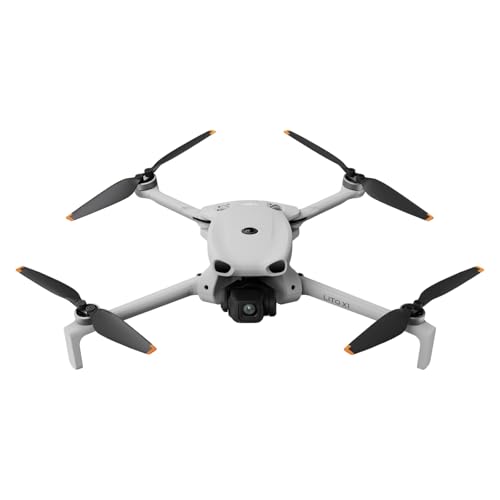
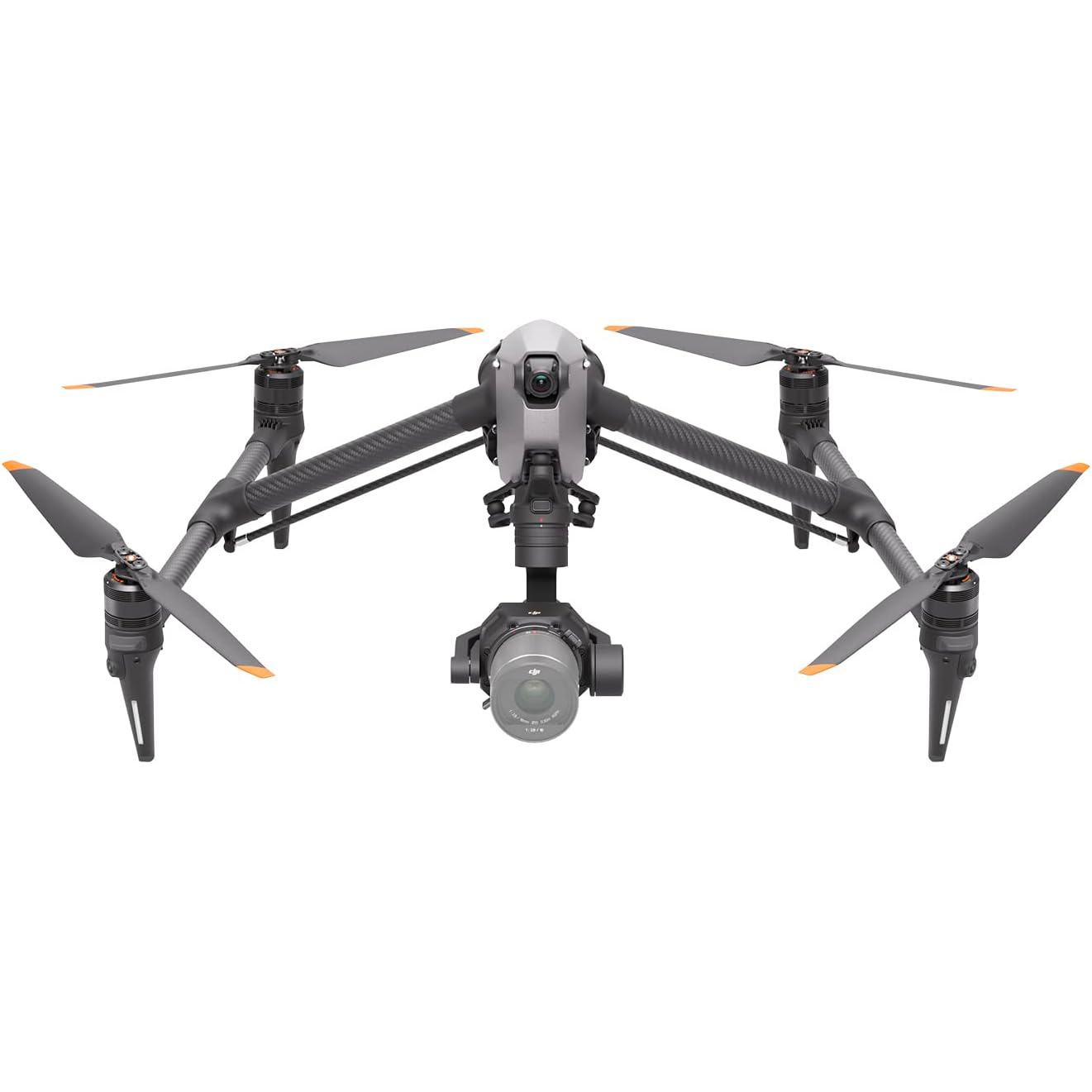
There are a few standalone options to be aware of. The Lito is a straightforward beginner drone at an extremely wallet-friendly price — it's a step down from the Mini range in both price and capabilities. The DJI Flip is another beginner drone with vlogger-friendly features. At the other end of the scale is the DJI Inspire range, aimed at professionals — the kind of thing that might be hired for productions.

DJI Mini drones

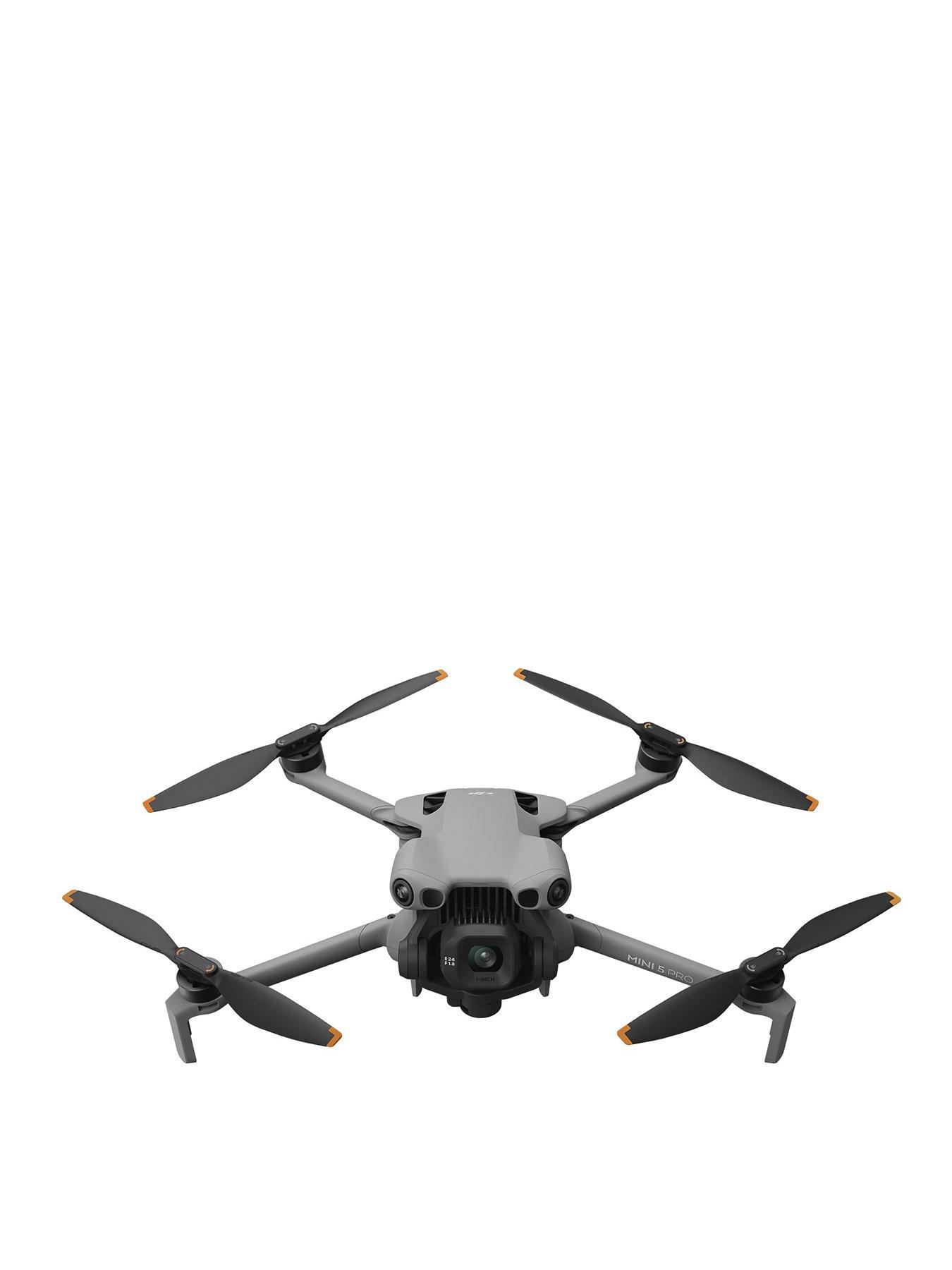
Mini 5 Pro Drone - One Colour

DJI
Mini 5 Pro

Pros

  • New 1-inch sensor with detail rich 4K HDR video
  • Versatile camera with a 225 degree roll rotation
  • Class-leading flight and safety features

Cons

  • Actual take-off weight could result in being the next class of drone, hit with restrictions
  • Flight times typically not as long as advertised
  • Pricier than entry-level models like the Mini 4K

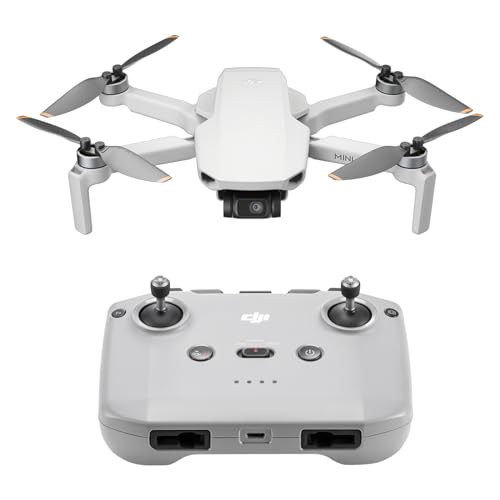
Dji Mini 4k, Drone With 4k Uhd Camera for Adults, Under 249 G, 3-Axis Gimbal Stabilization, 10km Video Transmission, Auto Return, Wind Resistance, 1 Battery for 31-Min Max Flight Time

DJI
Mini 4K

Pros

  • Excellent value
  • 4K video quality beats rivals
  • Probably your best first drone

Cons

  • No object-collision sensors
  • Lacks subject tracking found in pricier models like the Mini 4 Pro

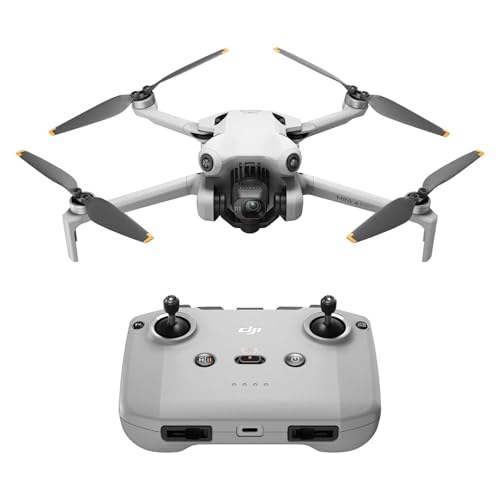
Dji Mini 4 Pro (dji Rc-N2), Folding Mini-Drone With 4k Hdr Video Camera for Adults, Under 0.549 Lbs/249 G, 34 Mins Flight Time, 20 Km Max Video Transmission Distance, Omnidirectional Vision Sensing

DJI
Mini 4 Pro

Pros

  • Improved video features
  • Omnidirectional Vision Sensing
  • Remains under 250g

Cons

  • Upgrades may not tempt Mini 3 Pro owners
  • Not suited to windy conditions
  • Fixed-aperture camera

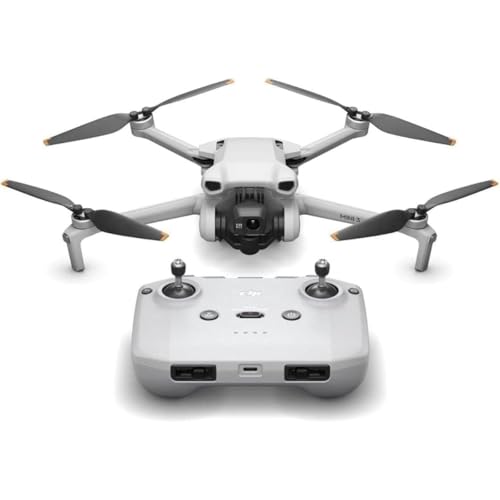
Dji Mini 3 – Lightweight 3x Mechanical Gimbal Mini Camera Drone With 4k Hdr Video, 38-Min Flight Time, Up to 32800ft (10km) Video Transmission, True Vertical Shooting, Gps Auto Return Integrated

DJI
Mini 3

Pros

  • More affordable than the Mini 3 Pro
  • Great image quality
  • Small and lightweight

Cons

  • No collision avoidance
  • 4K video limited to 30fps
  • No subject tracking

DJI Mini 3 Pro drone

DJI
Mini 3 Pro

Pros

  • Impressive low-light performance
  • Useful obstacle avoidance
  • Handy automated flight modes

Cons

  • Pricier than previous Mini models

DJI Mini 2

DJI
Mini 2

Pros

  • Intuitive navigation
  • Compact, convenient drone
  • Great battery life

Cons

  • Pricier than predecessor
  • No new camera hardware
  • No follow mode

DJI Mavic drones

DJI Mavic 4 Pro

DJI
Mavic 4 Pro

Pros

  • Excellent price
  • Feature-packed
  • Impressive cameras

Cons

  • Weight just exceeds 2.2lbs / 1kg
  • More features than many people will need
  • Subject tracking is not as varied as the DJI Flip or Neo

DJI Mavic 3 drone

DJI
Mavic 3

Pros

  • Four Thirds camera is excellent
  • Useful adjustable aperture
  • Improved safety features
  • Telephoto lens a handy backup

Cons

  • Pricier than Mavic 2 series
  • Basic controller lacks info screen
  • European classification issues

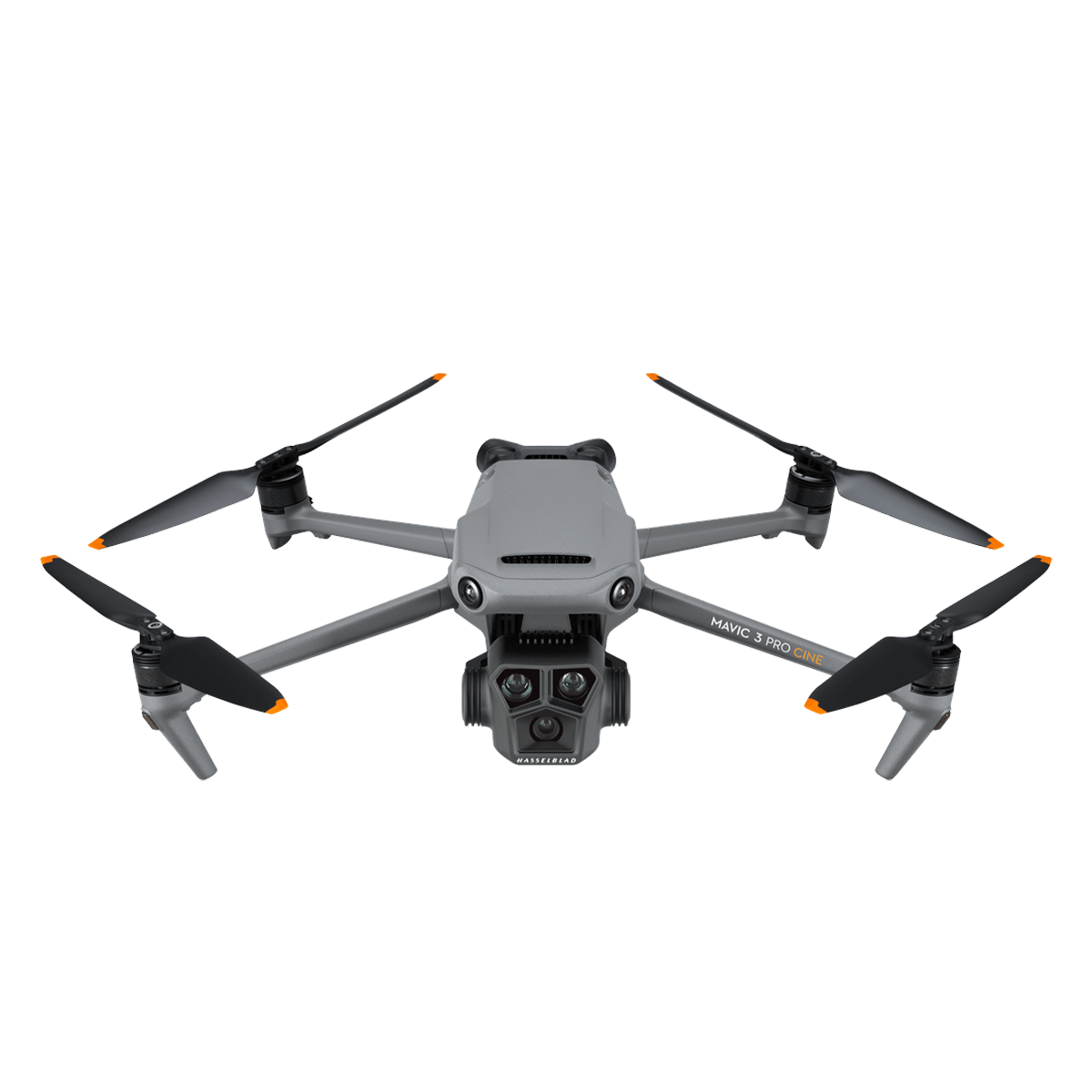
DJI Mavic 3 Pro

DJI
Mavic 3 Pro

Pros

  • Three useful cameras
  • Excellent image quality
  • Solid safety features

Cons

  • C2 European rating
  • Not everyone will need three cameras
  • Slightly reduced flight times

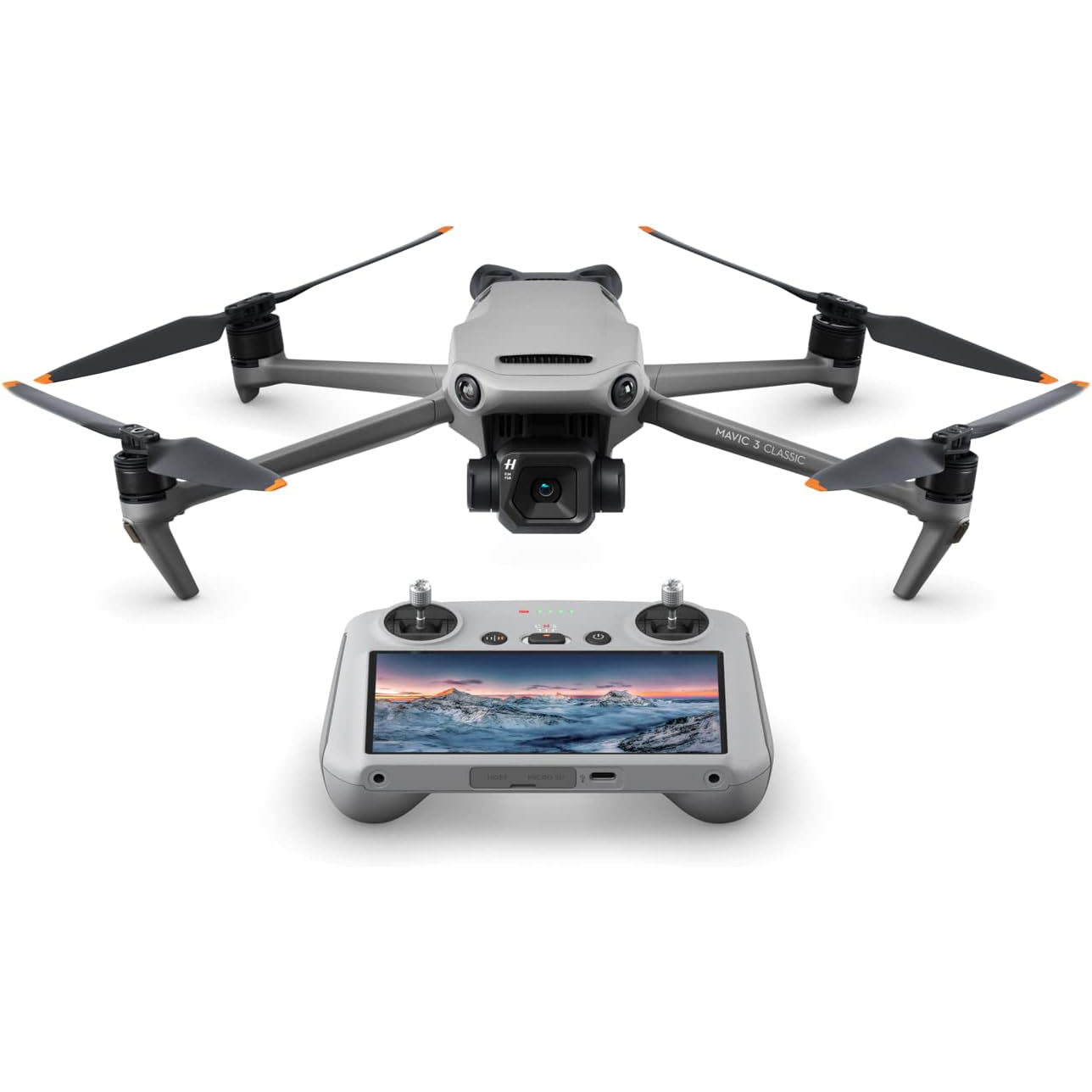
DJI Mavic 3 Classic with controller on white background

DJI
Mavic 3 Classic

Pros

  • Less expensive than other Mavic 3 models
  • Excellent image quality
  • Impressive safety features

Cons

  • Remains expensive despite lower cost
  • Battery life shorter than claimed
  • No Apple ProRes video capture

DJI Air drones

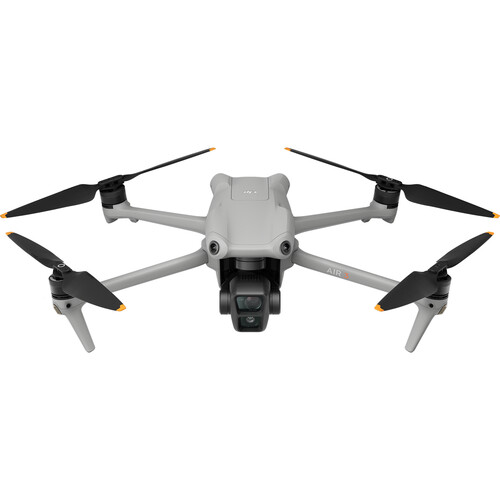
DJI Air 3 drone on white background

DJI
Air 3

Pros

  • Dual cameras
  • Excellent wind resistance
  • Generous 46-minute flight time
  • Already excellent safety features improved further

Cons

  • C1 European rating
  • Fixed aperture is bad news for ND filter users
  • Large protruding camera likely to suffer in case of accidents

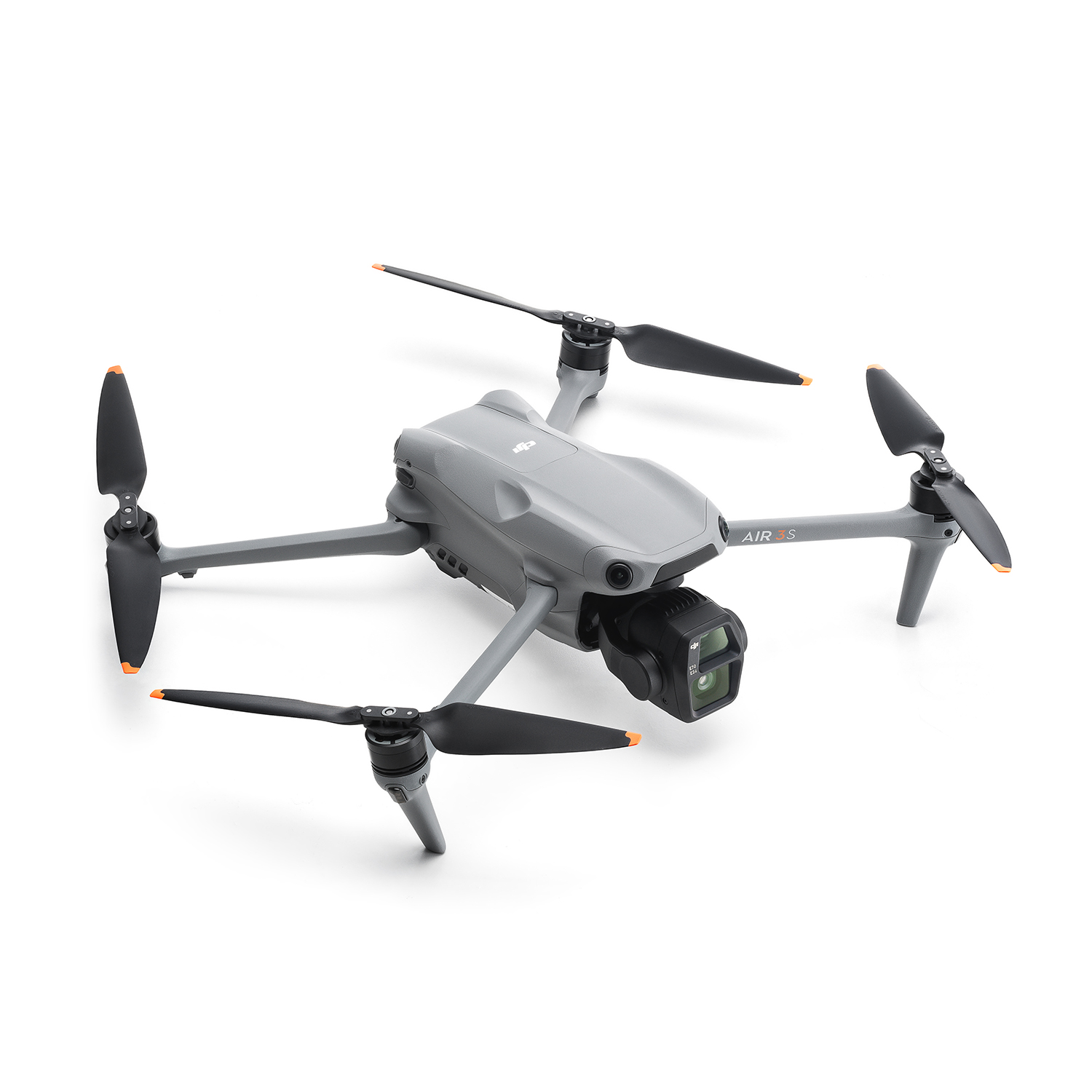
DJI Air 3S drone on a white background

DJI
Air 3S

Pros

  • Superb battery life
  • Easy and safe to fly
  • Great all-round camera performance

Cons

  • Weight-class restrictions apply
  • A minor upgrade on the original Air 3

DJI Air 2S

DJI
Air 2S

Pros

  • 1-inch 20 MP sensor
  • Great image quality
  • Small and lightweight

Cons

  • Controller isn’t foldable
  • Image edges slightly soft
  • No adjustable aperture

DJI Neo drones

Dji Neo 2 (drone Only)

DJI
Neo 2

Pros

  • Now has obstacle avoidance
  • Improved camera performance
  • More storage and faster transfer speed

Cons

  • Still only shoots JPEG photos
  • Limited battery life

DJI Neo on white background

DJI
Neo

Pros

  • Small and lightweight
  • Easy to use
  • Multiple flight control options

Cons

  • Only shoots photos in JPEG
  • 4K video fixed at 30fps
  • Expensive to add on goggles and FPV controller

DJI Avata drones

DJI Avata with controller and goggles on white background

DJI
Avata 360

Pros

  • Great 10-bit image quality from dual sensor setup
  • Choice of control methods
  • Agile, speedy and safe flyer
  • Good value for money

Cons

  • Other DJI drones beat it on image quality
  • Buying both FPV and standard controllers could push up the price
  • No manual FPV flight option

Avata 2 Drone - Black

DJI
Avata 2

Pros

  • Long flight time
  • Incredible image quality with improved dynamic range
  • Easy to fly out of the box, and packed with safety features

Cons

  • Unappealing to experienced FPV pilots outside of the DJI ecosystem
  • Poor ergonomics of the DJI Controller 3 show no improvement over the DJI Controller 2
  • Awkward handling in manual mode, probably down to inadequate tuning

Outliers

Dji Lito X1, 4k Camera Drone for Beginners, Updated Version of Mini 3

DJI
Lito X1

Pros

  • Great video quality for the price, especially with Lito X1
  • Omnidirectional obstacle avoidance included
  • Better battery life than the Neo 2 and Flip

Cons

  • Camera doesn't rotate for 9:16 content
  • Soft digital zoom
  • No built-in storage on Lito 1 model

Dji Flip, Drone With 4k Uhd Camera for Adults, Under 249 G, 3-Axis Gimbal Stabilization, 13km Video Transmission, Palm Takeoff, Auto Return, 1 Battery for 31-Min Flight Time, Intelligent Flight

DJI
Flip

Pros

  • Multi-use functionality
  • Several flight-control options
  • Sub-250g folding design

Cons

  • Image quality is good but not great
  • Not as agile as the Mini 4 Pro
  • Not great in wind

DJI Inspire 3

DJI
Inspire 3

Pros

  • Excellent image quality
  • Smooth and precise flight
  • Interchangeable lenses

Cons

  • Expensive
  • Large and heavy
  • More complicated than consumer models
DJI
FPV

Pros

  • A huge amount of fun to fly
  • Easy to fly for an FPV drone
  • Goggles offer great image quality
  • Solid transmission

Cons

  • Front props visible in footage
  • Stills photography severely limited
  • 'Spotter' needed when flying outdoors

  •  

‘When I'm peering down the lens… the rest of the world vanishes. It's just me and the photo’ — research shows the mental health benefits of a daily photography habit

In my work, my absolute favorite days are the ones where I just get to take pictures. I’m testing a new camera or a new film stock, and so I’ve got nothing on the agenda other than heading to some locations that are beautiful or interesting (or, ideally, both) and capturing images of them. At the end of the day I’m normally tired, sweaty, have new blisters on my feet — and feel fantastic.

But those days are quite rare. Often I’m consumed with other things, the nitty-gritty of writing, work, life-admin and everything else. Trying to be more efficient, for money and time reasons, means that I tend to do my photography in big infrequent chunks — and some research I’ve seen is making me reconsider that approach.

The benefits of a regular photography habit for mental health are well-documented. British photo retailer MPB, in announcing its partnership with mental-health charity Mind, points to a study in the peer-reviewed journal Health which finds that taking a photo every day provides tangible benefits in terms of mental well-being.

British photographer, broadcaster and passionate nature advocate Chris Packham is a huge believer in the power of photography to effect a positive mental change. ‘Photography has always been a conscious way of addressing chronic or specific mental health issues in my life,’ he says.

‘When I'm peering down the lens, I'm so engrossed in the objective, so intensely involved with the technical and creative process, that the rest of the world vanishes. It's just me and the photo. The exterior anxieties are relegated to oblivion, and I get maximal relief.’

‘For me, photography is a key part of a portfolio of tried and tested therapies which consistently enhance positive mental health outcomes.’

And it’s not just taking photos! Even the simple act of viewing them can have a positive effect. MPB also cites a 2024 survey undertaken by Fujifilm, in which 80% of respondents reported that viewing old photos brought them feelings of happiness and calm, and helped to reduce anxiety.

Photographer taking pictures with a camera in a misty woodland

(Image credit: Future)

Building a daily habit

I'm grateful to MPB and Mind for making me think more mindfully about how I engage with photography. It's also worth noting that the retailer is putting its money where its mouth is, and donating £1 to Mind for every item bought or sold on its marketplace this August, working towards its goal of £50,000 a year for the charity.

The campaign has got me thinking that I’m missing out on the mindful benefits of a daily (or near-daily) picture-taking habit. When I’m using my camera, I’m not looking at my phone. I’m not even thinking about the cursed thing; it’s normally in my backpack. I think this could be of much greater mental benefit if I were doing it regularly for shorter sessions.

Our cameras editor Tim Coleman tried screen-free photography for a week and found it made him feel more immersed and connected with his shooting. Even when using a digital camera, it felt like a digital detox — something that people frequently say they want more of!

So if you, like me, tend to plan your photo-taking around long days that you only get to enjoy every so often — it might be worth thinking about ways you can incorporate a more frequent habit, too.

Bringing the camera on a walk to the station to capture details of your local community. Building a twenty-minute walk into your lunch break to see what sights unfold around you. It won’t just benefit your photography, but could also have a real, positive, tangible impact on your mental well-being.

  •  

GoPro’s discounted Max 2 bundle includes $100 worth of accessories

The GoPro Max2 can use your earbuds as a microphone over Bluetooth.

A 360-degree camera is a great way to ensure you capture every bit of the action, but prices tend to be on the high end for models worth your attention. That’s why it’s notable that the GoPro Max 2 accessory bundle is discounted to $369 at Amazon (a dollar more at Best Buy and GoPro). The bundle is stuffed for being just $70 more than the base camera, containing everything you need to shoot the best angles during all-day adventures. The capable camera can shoot 360-degree 8K video at 30 frames per second, or 180-degree 4K video at 60FPS, and it can attach to the wide ecosystem of GoPro-compatible mounts.

In addition to the Max 2 camera, the bundle includes a four-foot extension pole, two protective lens caps, two high-capacity batteries, a 64GB microSD card, a curved adhesive mount, a mounting buckle for GoPro mounts, a mounting finger adapter for cameras, two thumb screws, a wrist lanyard, a microfiber cloth, and a USB-C cable. The standalone camera includes most of those accessories, but has fewer mounts, a single battery, no SD card, and no extension pole. The pole and extra battery are $75 on their own, so you’re getting a solid deal before you even take the free microSD card into account.

The Max 2’s six-mic array records in every direction and automatically reduces wind noise. Alternatively, you can connect Bluetooth microphones, too. The 1.82-inch LCD touchscreen lets you quickly check your footage and manage settings, and it’s waterproof up to 16 feet in case you want to take it swimming or surfing. A single battery should last 66 minutes at full 8K, or 90 minutes at 5.6K resolution. The lenses are replaceable, too, in case a bad fall damages them.

  •  

A mosquito-hunting killer drone is available for preorder – and I have questions

  • Tornyol's drone tracks mosquitoes by their wingbeat and takes them down mid-flight
  • Can autonomously patrol areas of up to 5 acres
  • Preorders are open with a refundable $100 deposit, ahead of a targeted 2027 US launch

Tornyol, a San Francisco-based startup backed by Y Combinator, has built an autonomous micro-drone whose sole purpose is finding mosquitoes and flying straight into them. Forget spray, swatters and stinky citronella candles that go out halfway through your al fresco dinner — this propellered assassin can keep your yard bug-free all on its own.

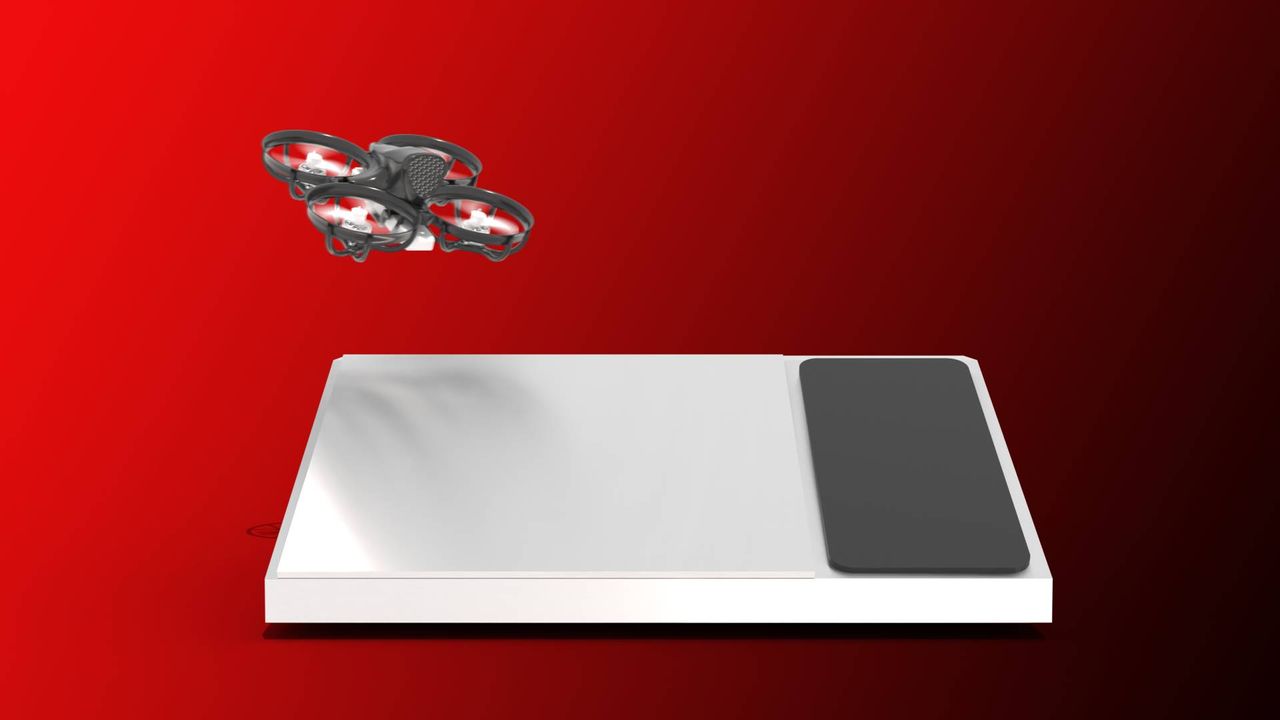
Or at least, that's what its makers claim. Tornyol's drones use ultrasonic phased-array sonar — the same basic principle behind a car's parking sensors — paired with smartphone-grade microphones and custom signal-processing software. The system listens for the specific wingbeat frequency of a mosquito, distinguishes it from harmless insects like bees, and then closes in for a mid-air kill, using its whirring propellers as the business end. In other words, the mosquito is chopped to bits.

The company says its base station carries a 380-microphone array capable of tracking targets in real time to a distance of around 8m, with future planned drone versions likely to bring that sensing ability onto the aircraft itself.

Each drone flies for around five minutes at a time before heading back to its base station to recharge, a process Tornyol says takes about 30 minutes. The idea is a relay of short, targeted flights rather than a drone loitering in the air all evening. A single unit is pitched as capable of covering up to five acres (over 20,000 square meters).

As for safety, Tornyol cites the drone's tiny size and shrouded propellers as proof that it's safe to have buzzing around family and pets.

You can reserve one right now for a refundable $100 deposit. Once the drone is ready to ship, you'll be given a choice between an ongoing $50-a-month subscription or a one-off payment of $1,100 to own the hardware outright. A US launch is pegged for 2027, but availability everywhere else is TBC, pending local drone and pest-control regulatory approval — which, given what this thing actually does, may take a while.

It's pitched as being about more than backyard convenience, too. Tornyol frames its tech as a public health boon: mosquitoes are linked to roughly 700,000 deaths a year worldwide through diseases like malaria and dengue, and the company claims its approach could eventually slash the cost of mosquito control.

Right now, though, the achievements are more modest: on July 14, Tornyol co-founder Alex Toussaint posted a video of the drone's first confirmed "air-to-air kill": a moth, in a curtained-off test area, rather than a mosquito in the wild.

Here's the buzzkill

So: a small, autonomous, AI-guided drone that identifies living targets and kills them on sight, patrolling your garden 24/7. What could possibly go wrong?

I'll admit that my sympathy for the mosquito is limited. Few people are going to find issue with a device that quietly thins out a blood-sucking insect responsible for ruining many a summer evening. If Tornyol's drones work as advertised and stay in their lane, this is about as palatable a "killer robot" as killer robots get.

But that's the thing about a system built to autonomously identify a target by sound and eliminate it: the target list is a software decision rather than a hardware one. Tornyol's own marketing boasts of distinguishing mosquitoes from "beneficial" insects like bees — which suggests the drone's kill criteria are, by design, adjustable. Currently it's tuned to a mosquito's wingbeat, but what's stopping a future firmware update — or a different customer altogether — from retuning it for something else?

And once you're comfortable with an autonomous hunter-killer aircraft policing the back garden, the scope creep writes itself. Mosquitoes today. Flies tomorrow, probably without much complaint either. But mice? Rats? Pigeons? Those are bigger, warmer-blooded and considerably more sympathetic targets, and if we're talking about robots that hunt and kill creatures on your property, where does the line get drawn — and by whom?

Tornyol's engineers appear to be solving a real problem, and it's a no-brainer to root for a tool that could put a dent in a global killer like malaria. But there's something dystopian about killer domestic robots too, and this is a solid first step to putting them in our homes.

  •  

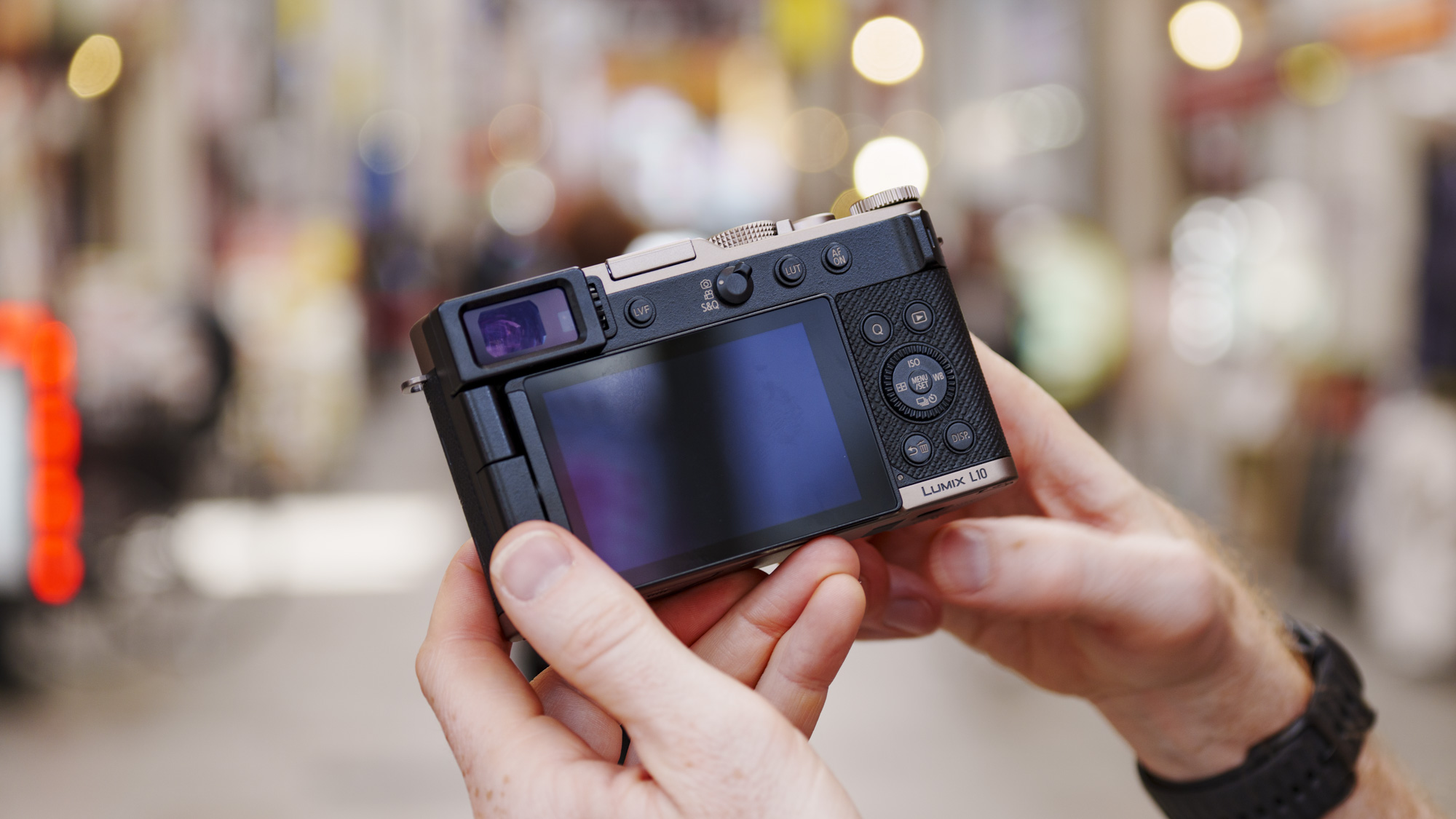
I spent 10 hours comparing two fantastic premium compact cameras, the Lumix L10 and Fujifilm X100VI — here’s which one I’d buy with my own money

Panasonic
Lumix L10

Fujifilm
X100VI

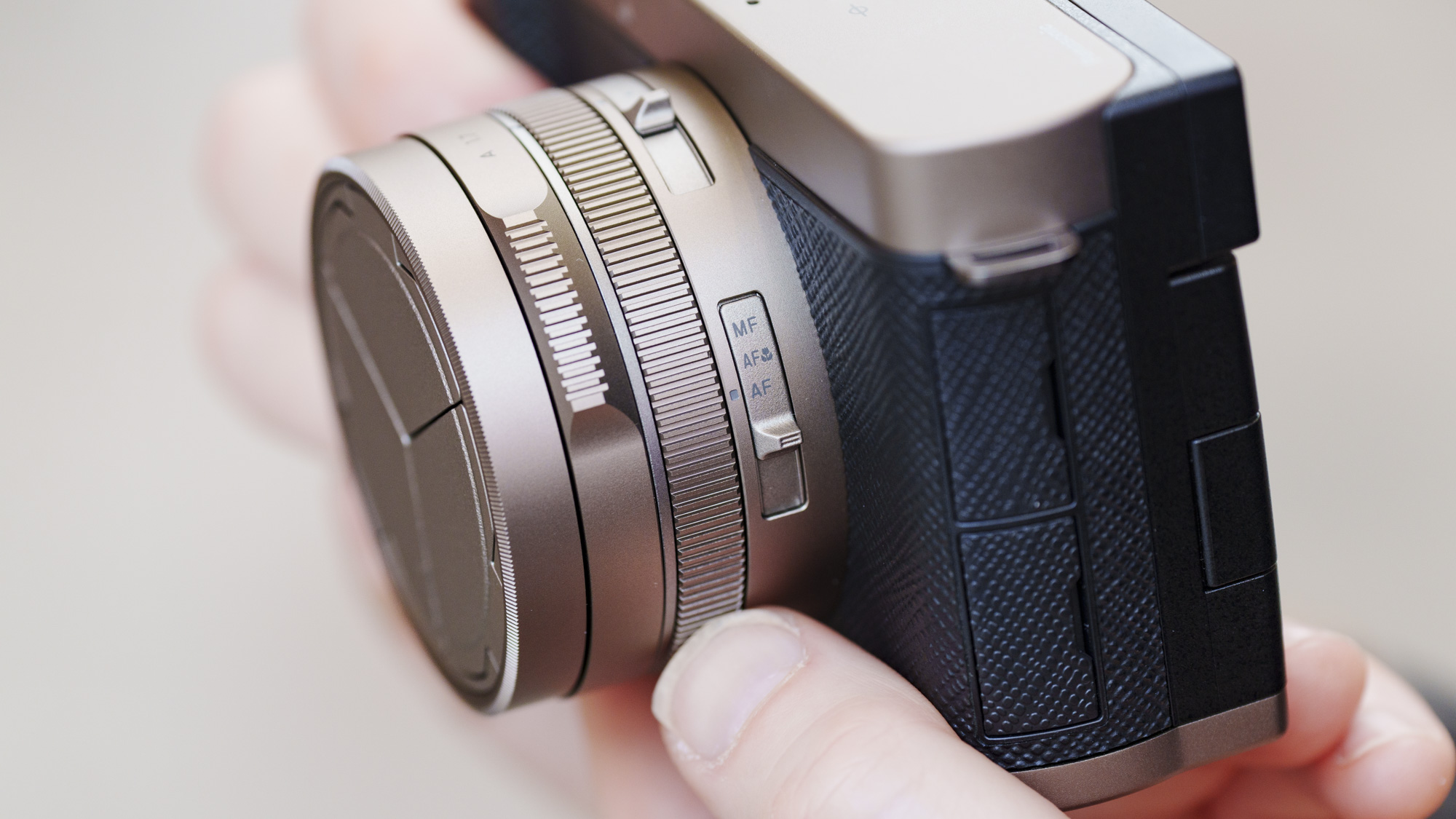
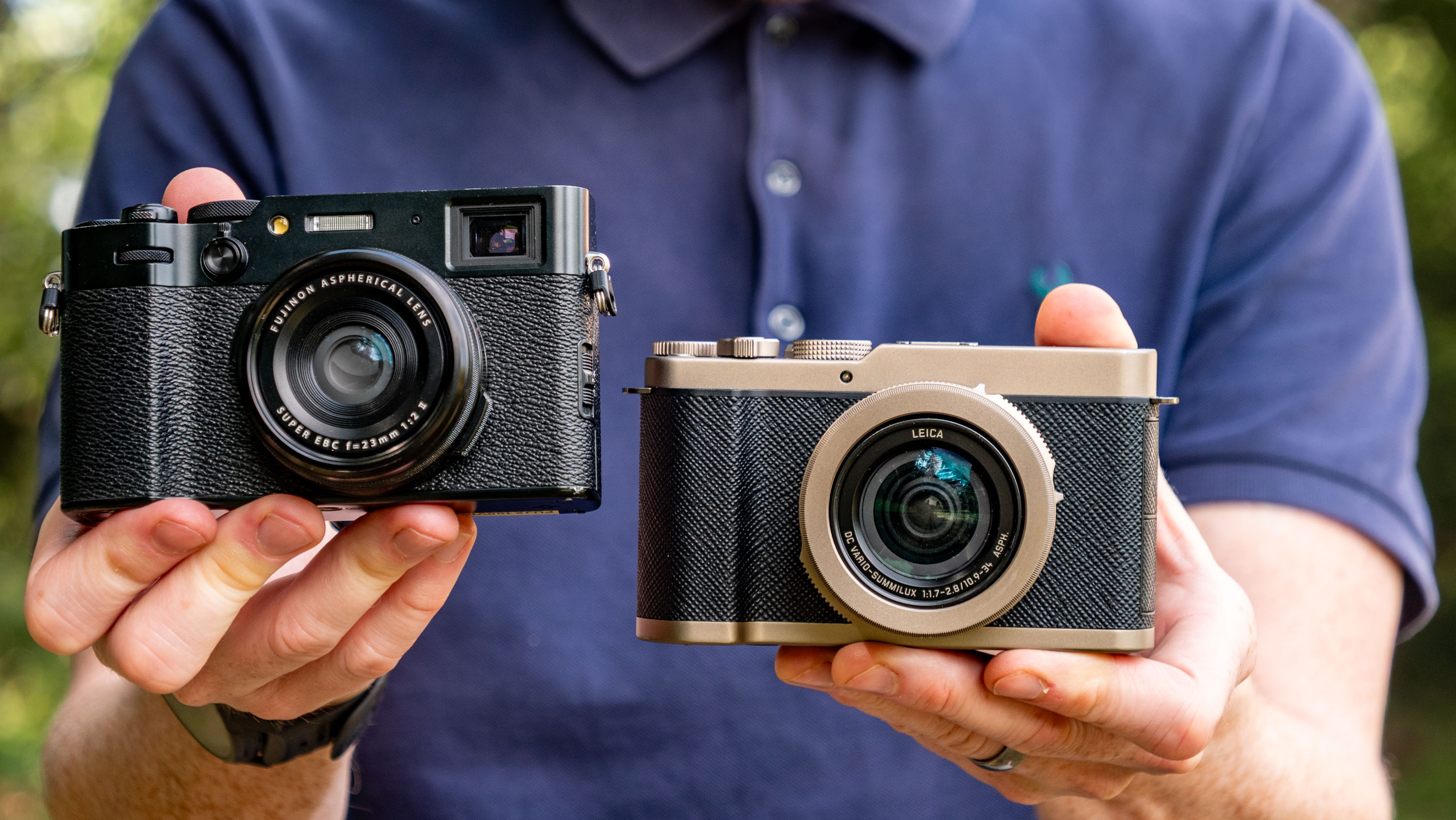
Panasonic made quite a splash when it announced the Lumix L10 at its Lumix 25th anniversary event in May this year. I called it 'Panasonic's prettiest Lumix in years', and many tech journalists, myself included, have compared it to the viral Fujifilm X100VI.

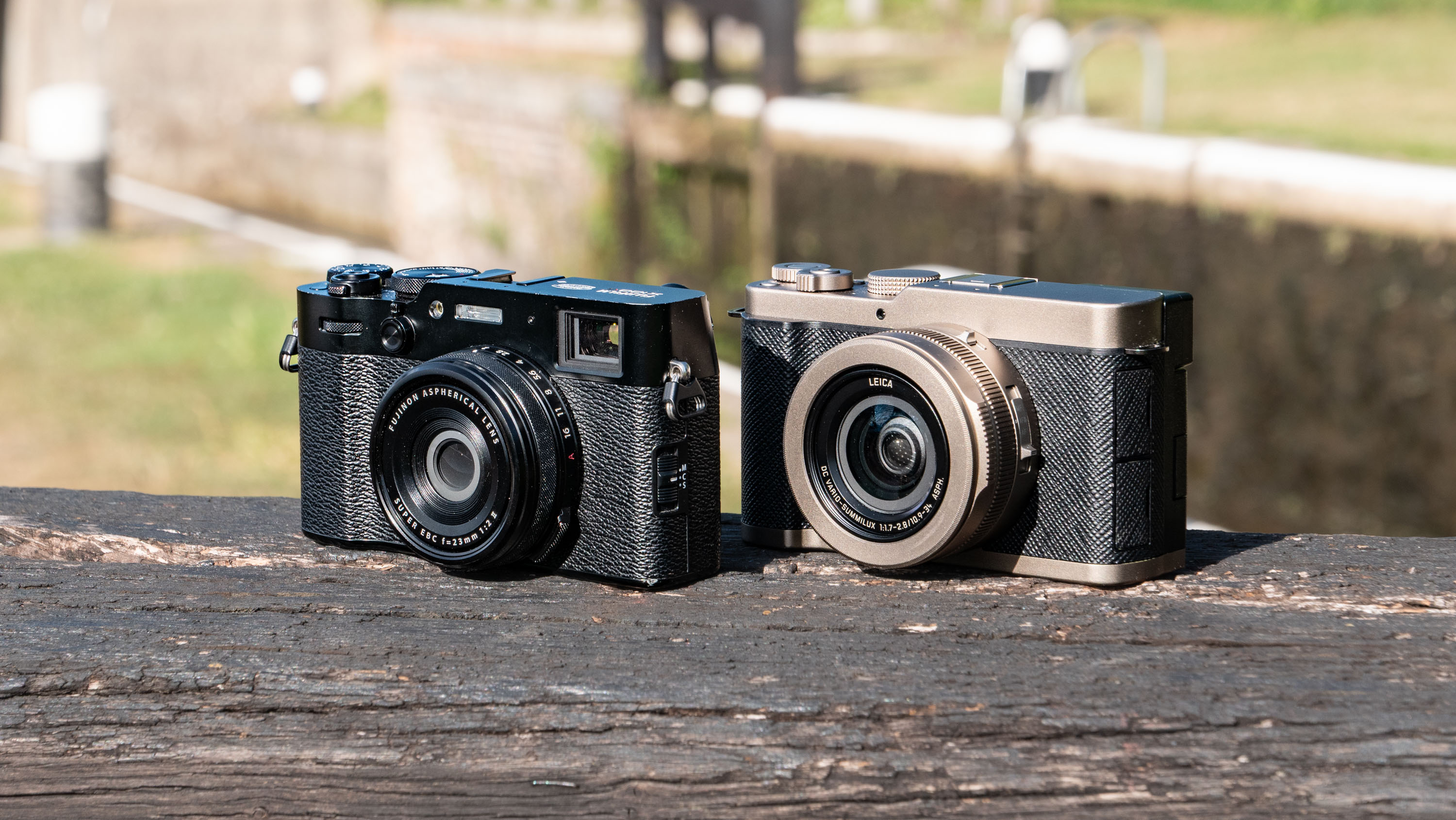
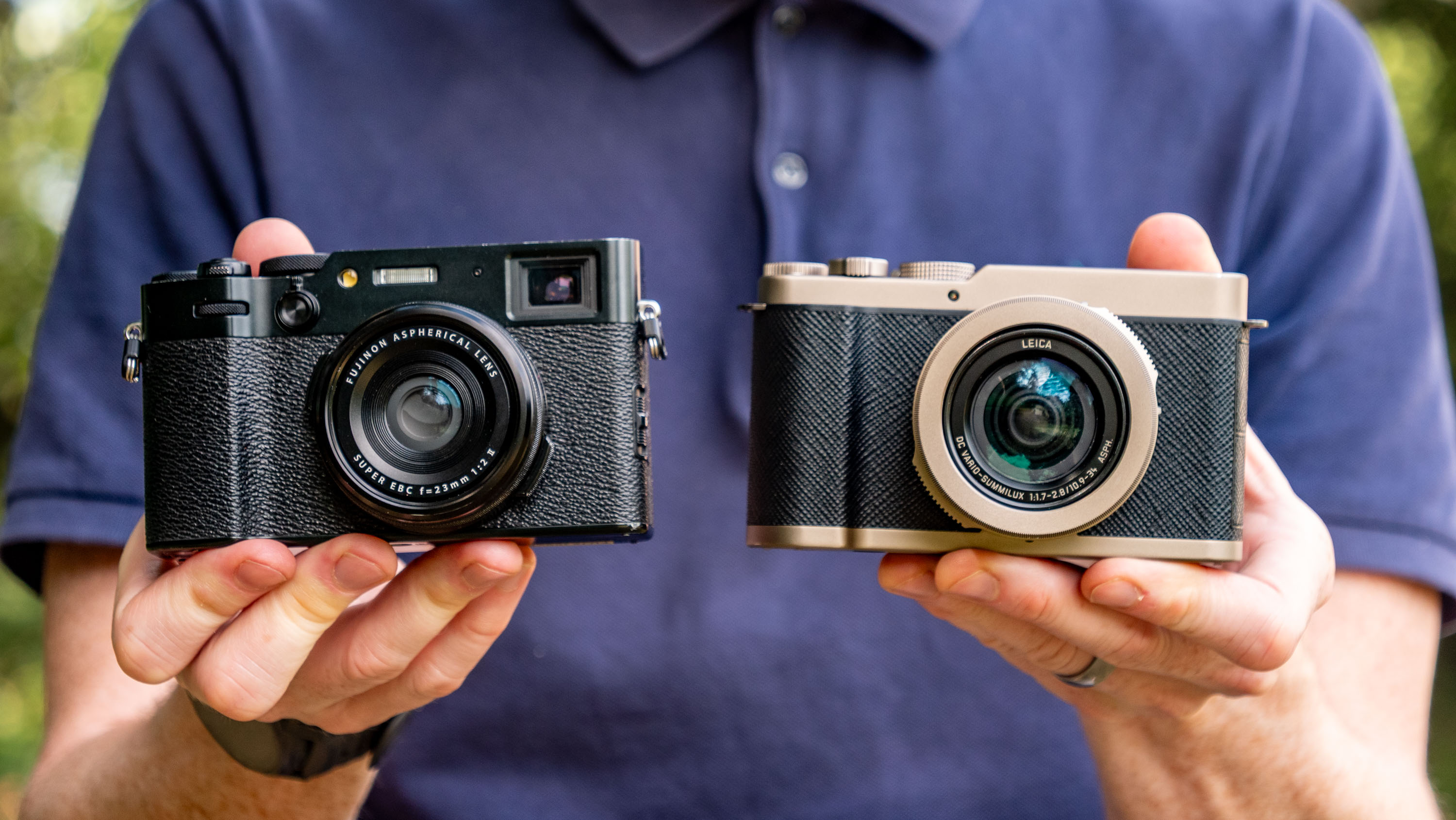
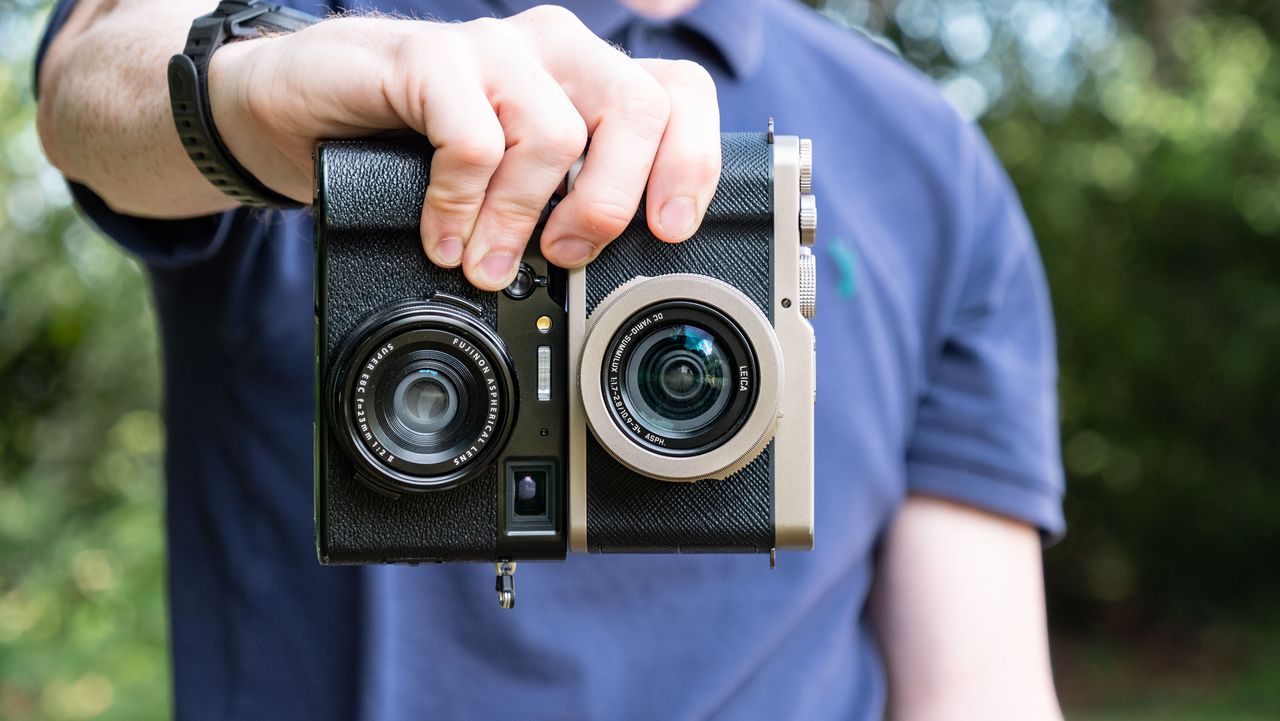
These are two premium compact cameras with retro design and high-end features, but both take a different swing at the format. For example, the Lumix L10 packs a 20MP Micro Four Thirds sensor and 24-75mm f/1.7-2.8 lens, while the X100VI shoots 40MP stills with an APS-C sensor and fixed 35mm f/2 lens.

I've already compared the two based on specs and my extensive experience with each camera separately in my Lumix L10 vs X100 VI article. But I was keen to see which one I personally prefer based on using the cameras side by side — it had been a while since I last used the X100 VI.

So, with my loan samples in hand, I headed out, taking the same photos with each camera in a variety of scenarios, including travelling, commuting and weekends exploring. Objectively, each camera has its practical advantages over the other, but there was one camera that truly gave me the feels...

The head

Fujifilm X100VI premium compact camera alongside the Panasonic Lumix L10 on a lock in a UK canal
Tim Coleman
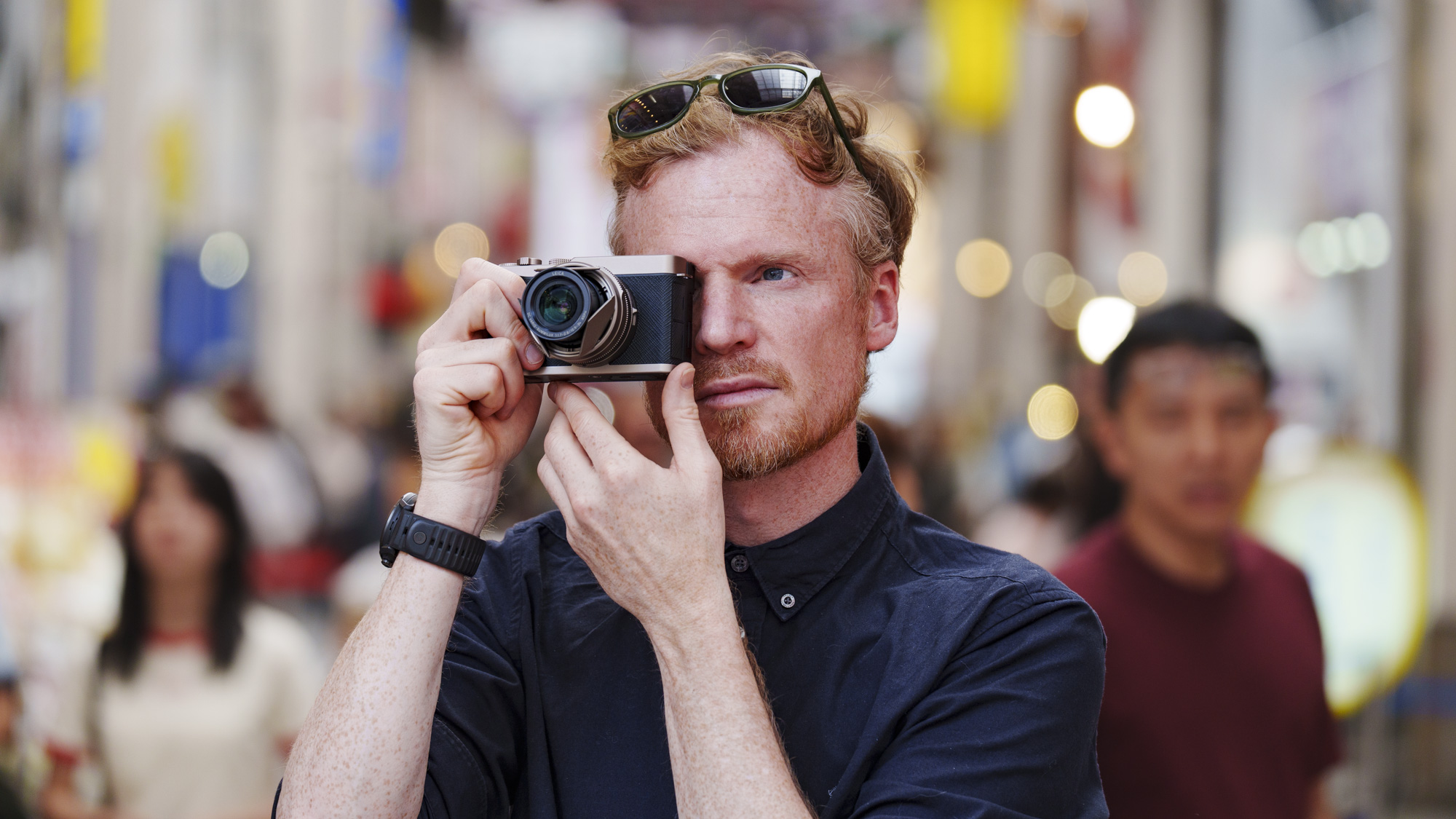
Man holding the Panasonic Lumix L10 compact camera up to his eye, he's looking through the viewfinder, in an urban setting of Japan
The Lumix L10 is a stunning camera, but what's it actually like to use?Tim Coleman
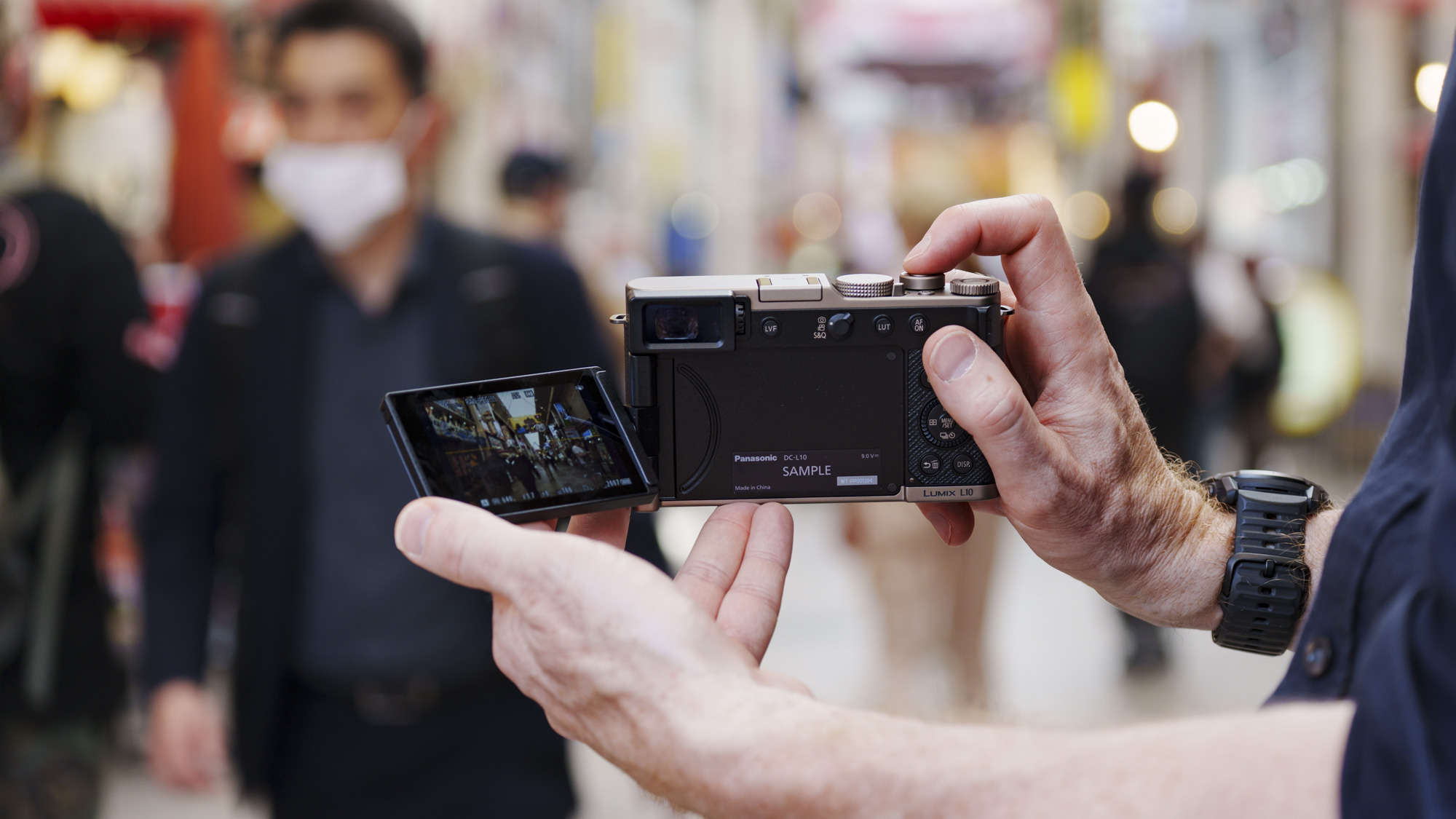
Man holding the Panasonic Lumix L10 compact camera in an urban setting of Japan
Tim Coleman
Man holding the Panasonic Lumix L10 compact camera in an urban setting of Japan
Tim Coleman
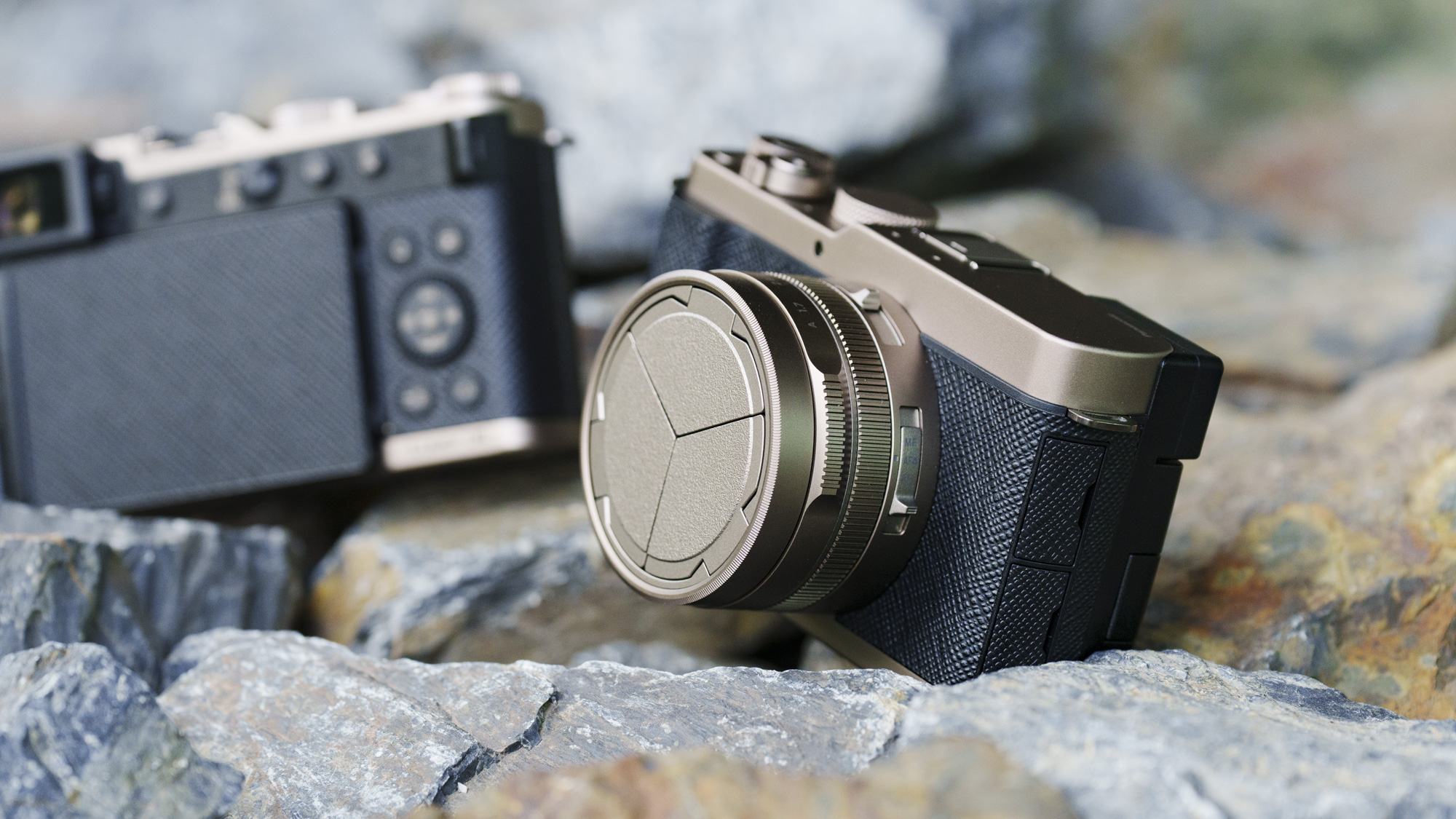
The Gold Titanium Special Edition of the Panasonic Lumix L10 compact camera, sat on gray and rust-colored rocks
Tim Coleman
Man holding the Panasonic Lumix L10 compact camera in an urban setting of Japan
Tim Coleman
Man holding the Panasonic Lumix L10 compact camera in an urban setting of Japan
Tim Coleman

If I'm to make a list of pros and cons based on features and specifications, then each model has distinct advantages over the other.

In favor of the X100VI: its 35mm f/2 prime lens quality, 40MP resolution (which is twice that of the Lumix L10), in-body image stabilization, quicker start-up time, fancier viewfinder, and its next-level retro aesthetics.

There's plenty going for the Lumix L10, mind you: its versatile 3.1x optical zoom lens, superior battery life, Real Time LUTs profiles (which for me outdo Fujifilm's film simulations), superior burst shooting speeds, snappier autofocus, vari-angle screen, plus its video performance has the edge. Oh, and it costs less — depending on which region you live in, the price difference can be pretty sizable.

Speaking objectively, I believe I'd get more use from the Lumix L10, especially the telephoto end of its 24-75mm f1.7 to f/2.8 lens. It is overall a more versatile camera. However, objectivity goes out the window when considering creative tools such as cameras for personal use.

We can talk features all day, but you really need to get a feel for a camera, and the only way to do that is to get properly hands-on, which is exactly what I did with the L10 and X100VI side by side. And in doing this direct comparison, a favorite quickly emerged.

The heart

Fujifilm X100VI premium compact camera alongside the Panasonic Lumix L10 in tech journalist Tim Coleman's hands
Tim Coleman
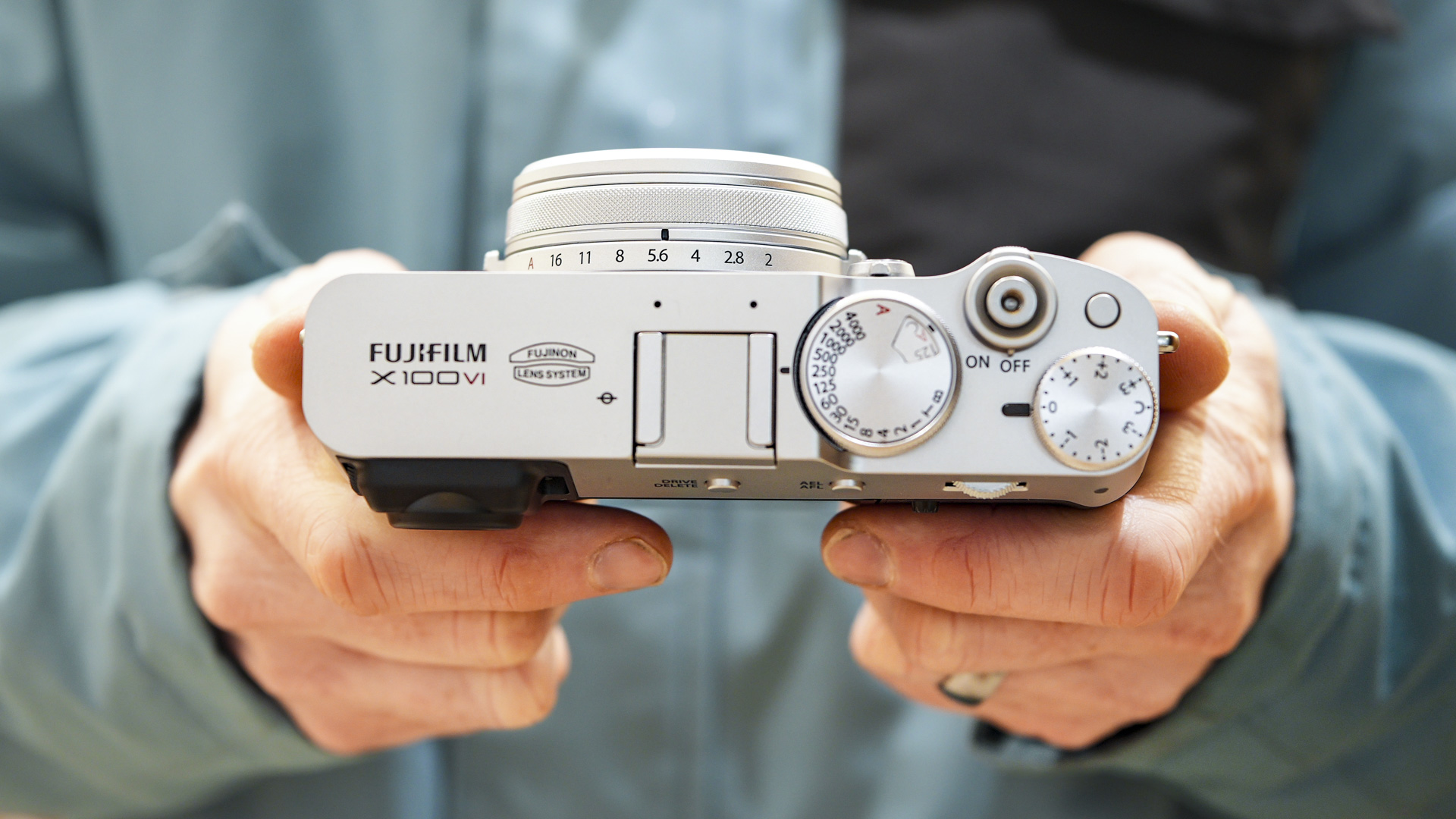
Fujifilm X100VI in the hand with top plate in view
Future
Top plate of theFujifilm X100VI in the hand
Future
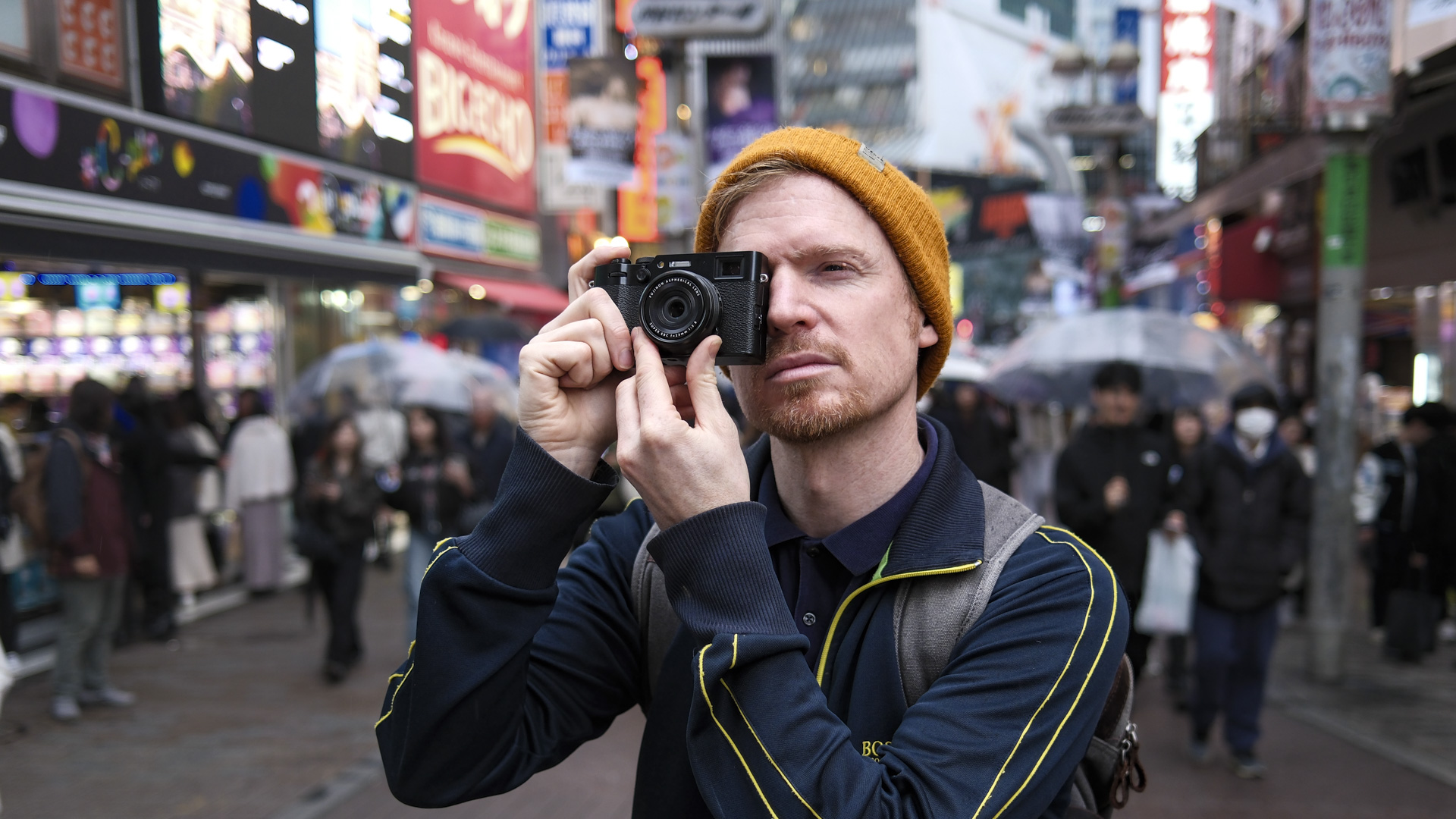
Person holding the Fujifilm X100VI camera up to their eye with a bustling Tokyo city background
Future

Rather than getting bogged down in features and specifications, I'm going to articulate what it felt like to use each camera, because honestly that's more important in the long run, especially for this kind of premium compact camera designed for personal, daily use. (My workhorse mirrorless camera is another matter — it's there to do a job efficiently and reliably.)

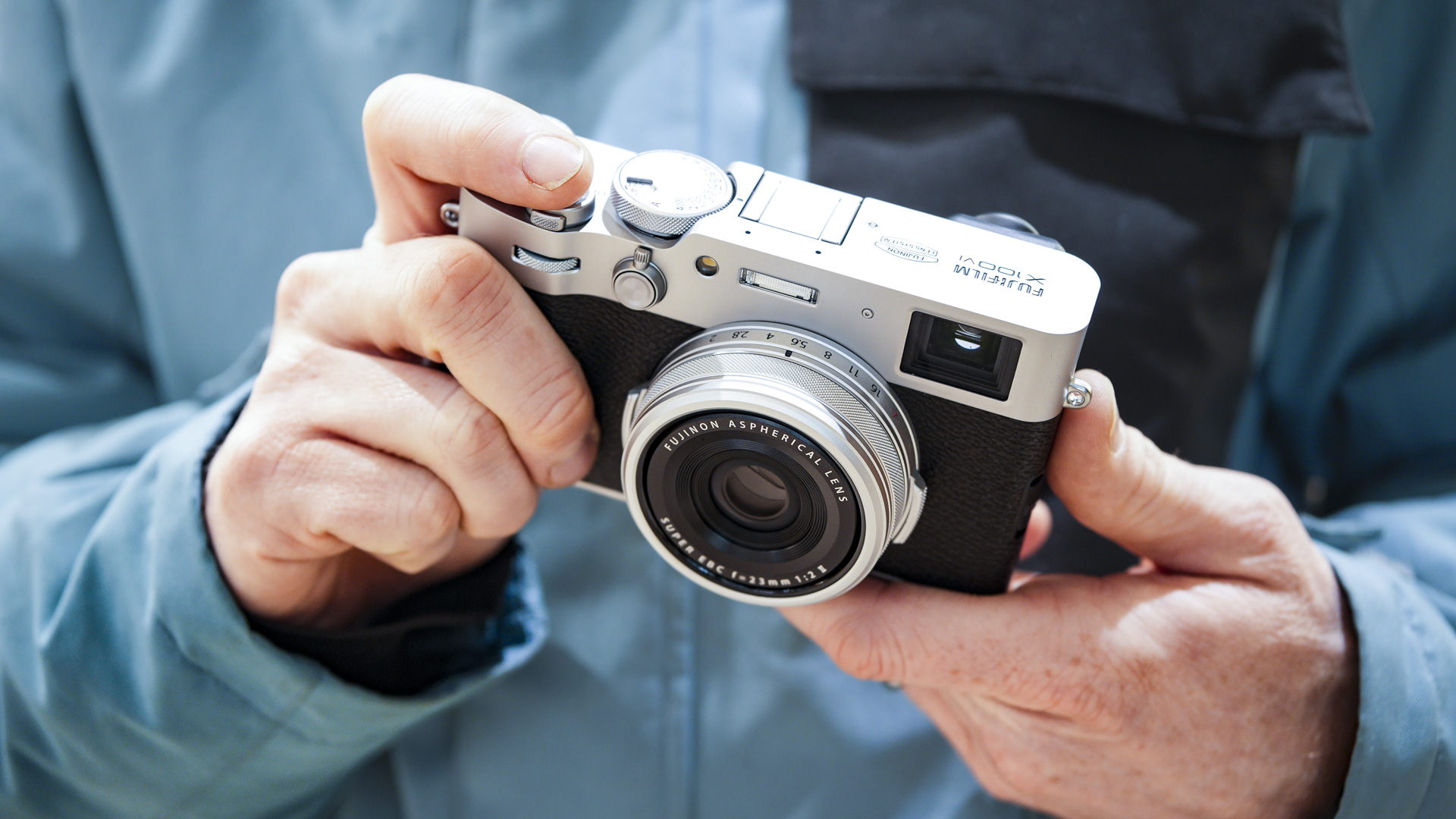
I'm going to come right out and say it — I enjoyed the X100 VI more. Aesthetically, it has the edge: both cameras are retro, but the X100 VI is next-level with its manual exposure dials and hybrid viewfinder. With the two slung over my shoulder, it was the X100VI that I wanted to reach for first.

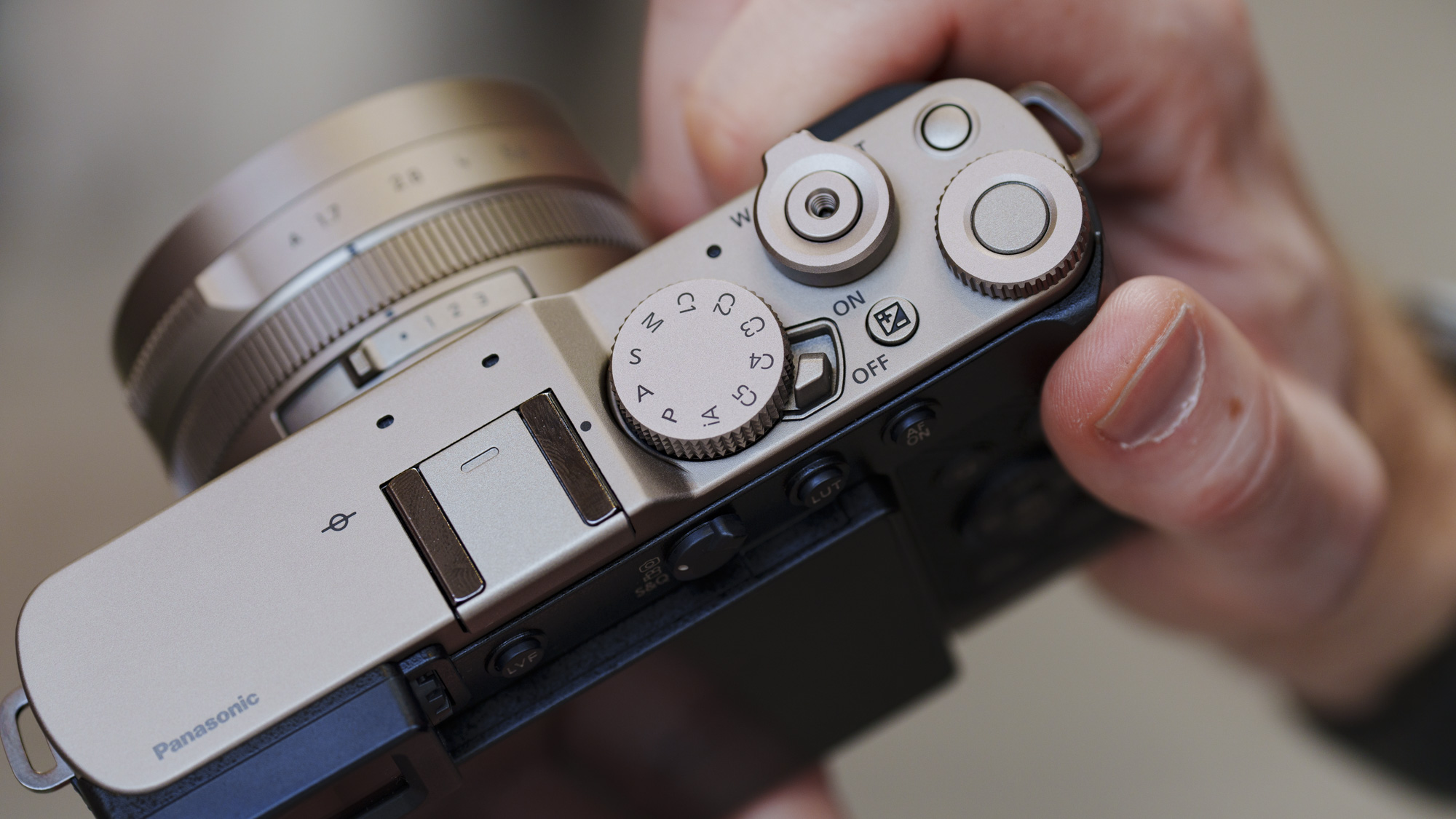
When I did, the X100 VI required more effort to master; there's more involvement in operating the exposure controls and such, which I actually preferred as a serious photographer. I liked how much more premium it felt in the hand too: the weightiness, the dampened shutter button...the X100VI just felt... better.

I also appreciated its quicker start-up time, and liked how much more compact its prime lens is. The hybrid viewfinder was more enjoyable too, especially since I'm in the small camp of photographers who genuinely enjoy the optical viewfinder.

Sure, I'd rather that autofocus was as good as the Lumix L10's. And for a variety of scenarios, wished that I could zoom the lens. And it's not like I didn't get any feeling with the Lumix L10 — how its lens handles in particular is a delight. But for feeling alone, and that sense of pursuing a craft, the X100VI captured my heart all over again.

Lumix L10 vs Fujfilm X100VI: the images

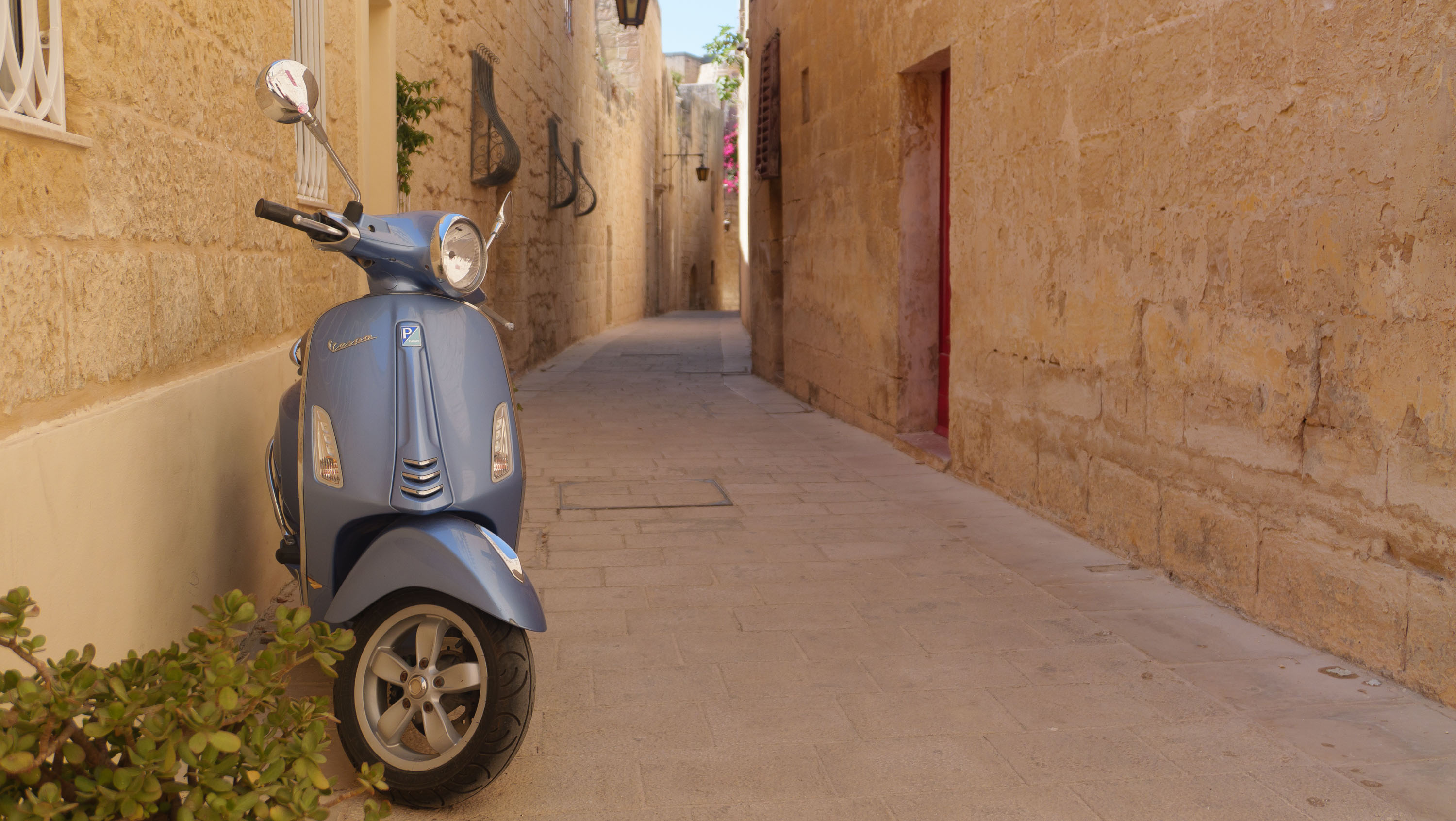
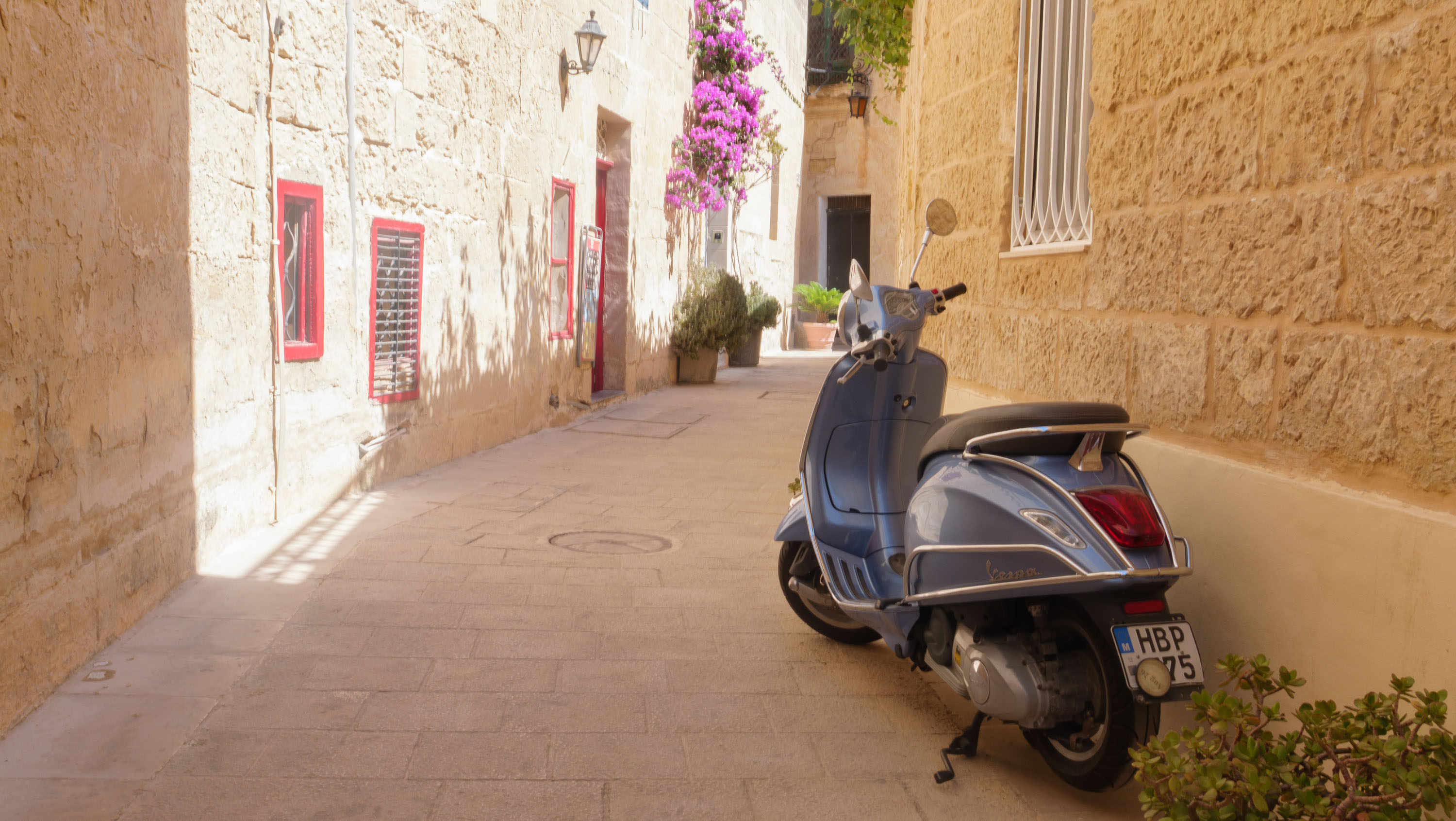
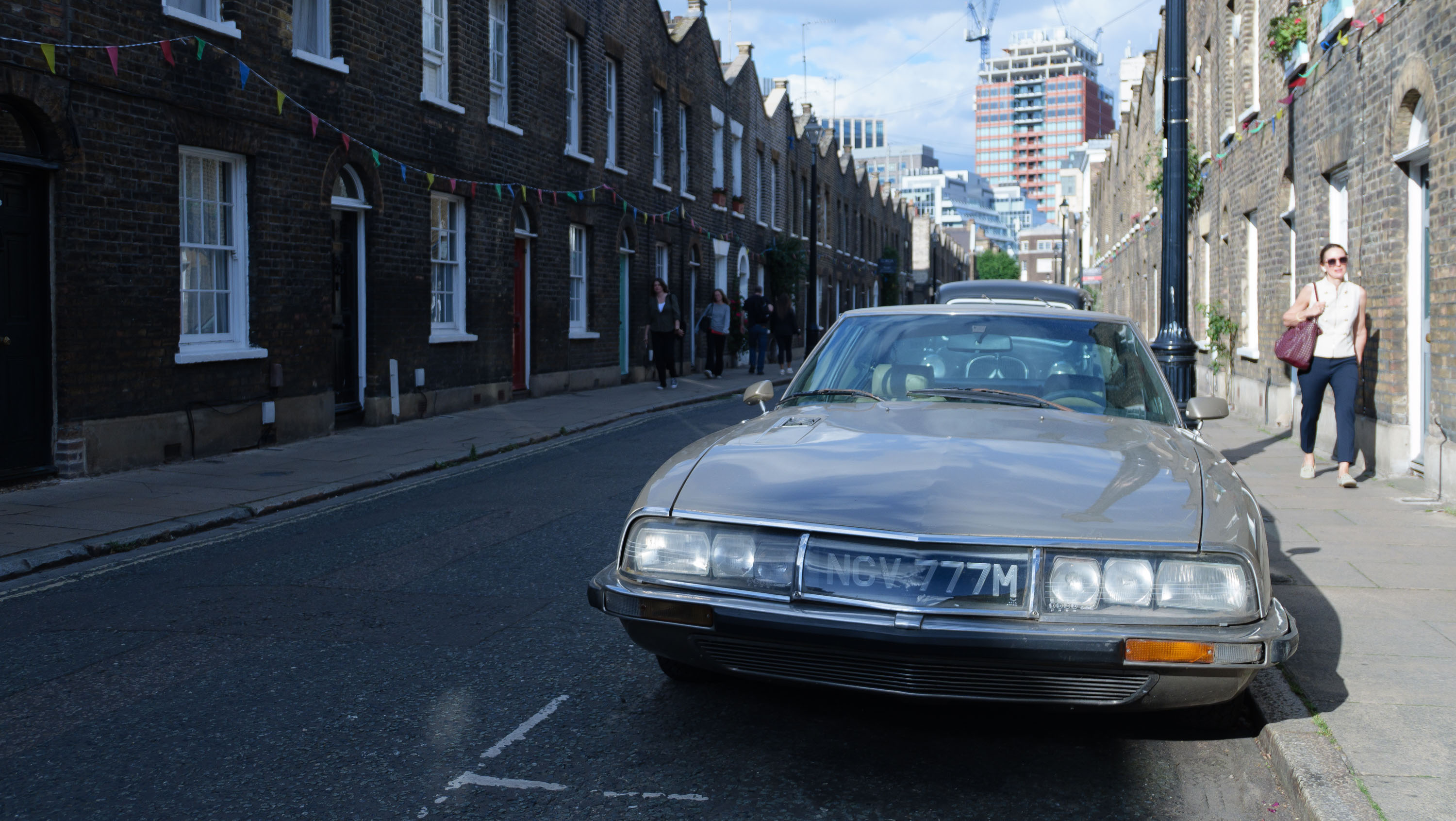
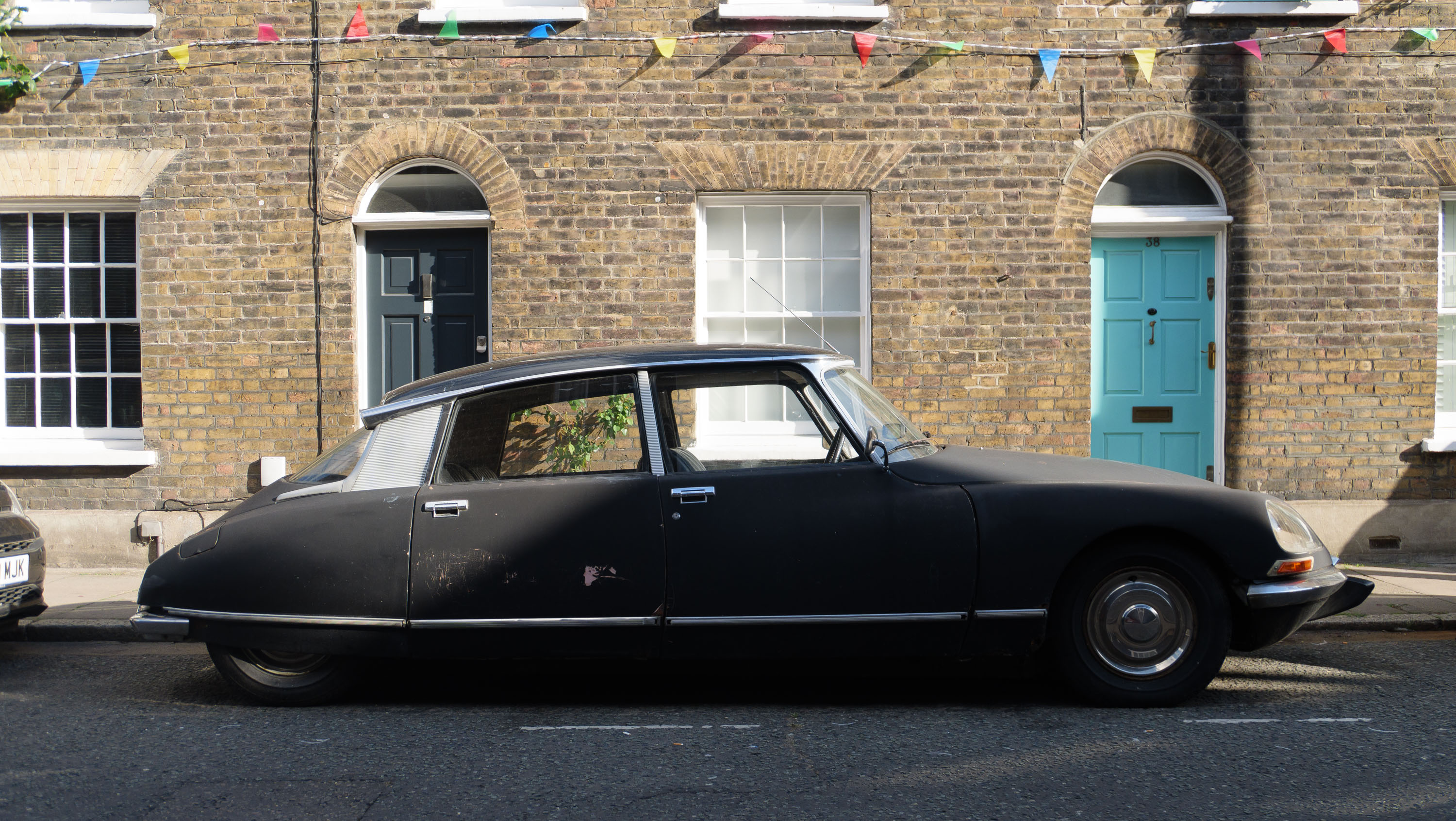
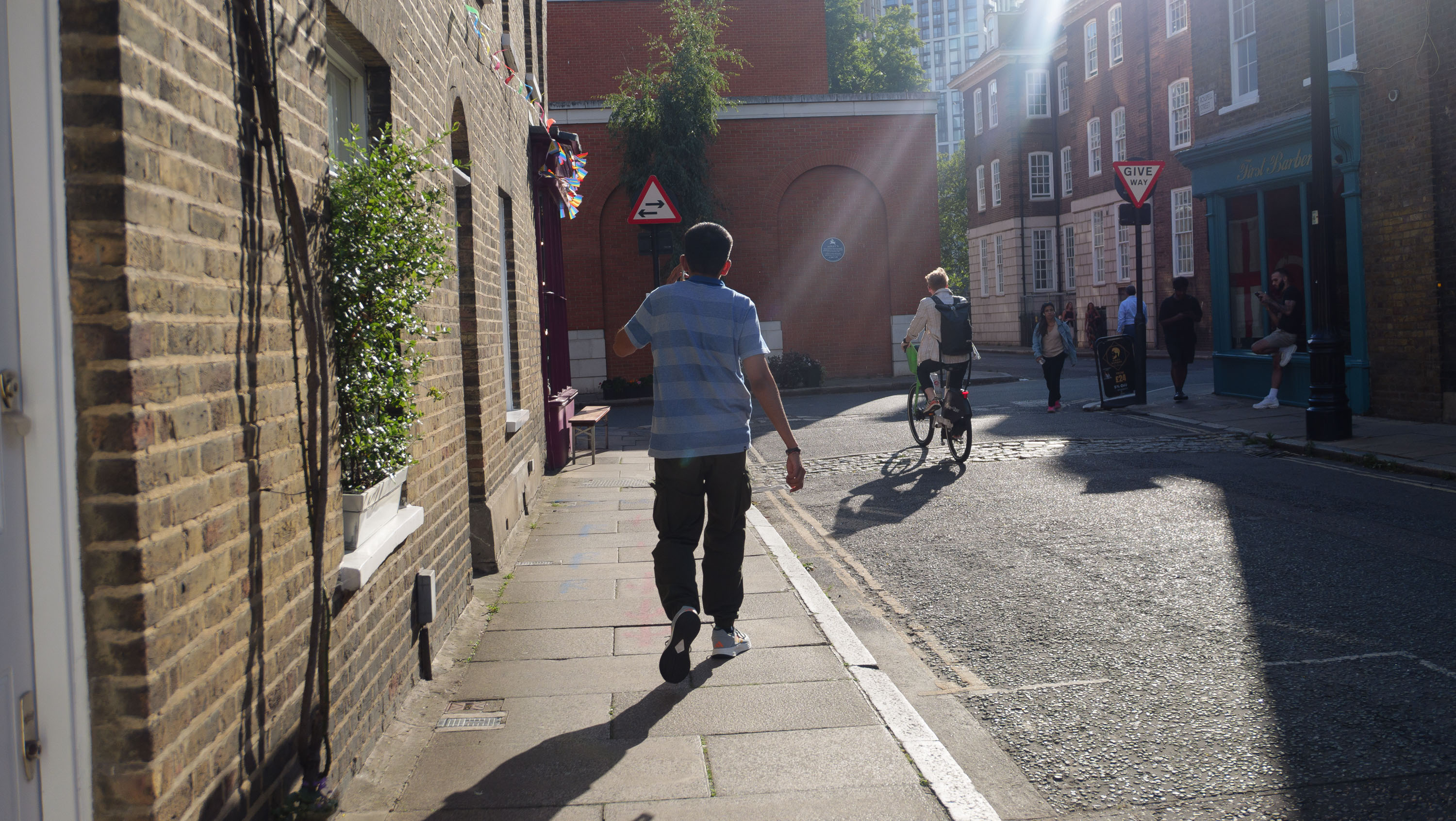
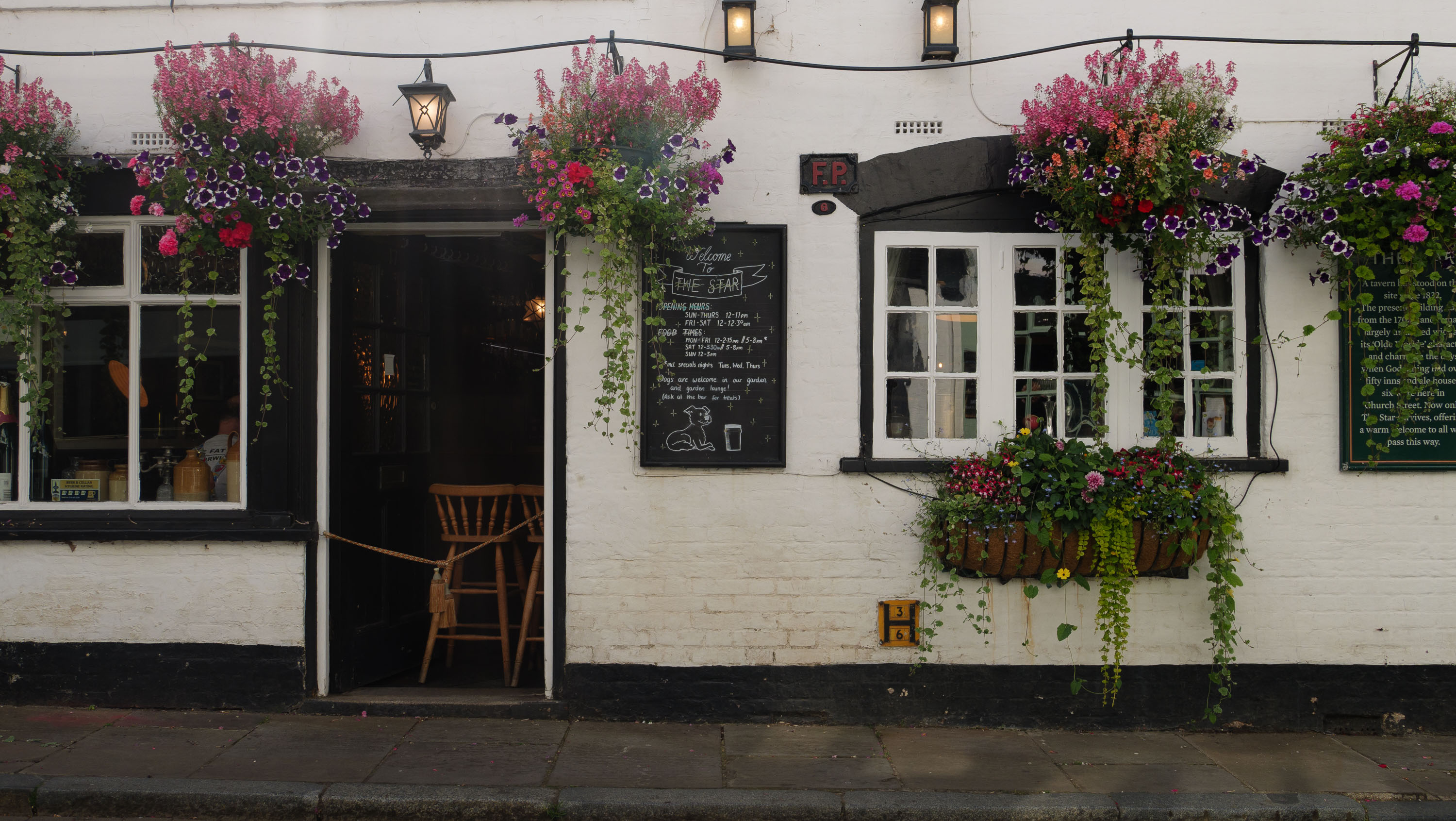
A collection of Panasonic Lumix L10 pictures. I have matched the Fujifilm X100VI's 35mm focal length in most of these samples, but I have also included some at different focal lengths to show how versatile it can be.

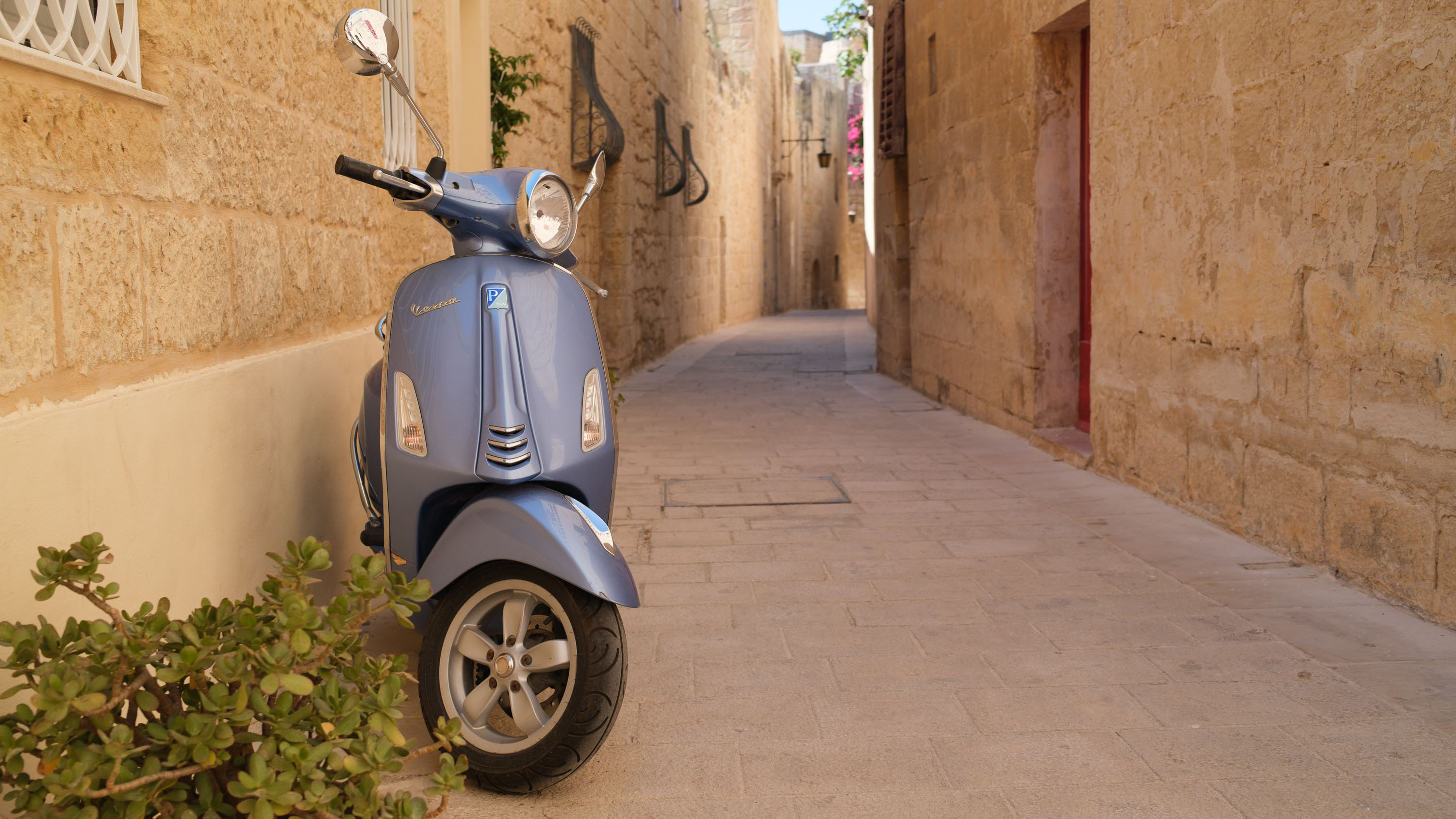
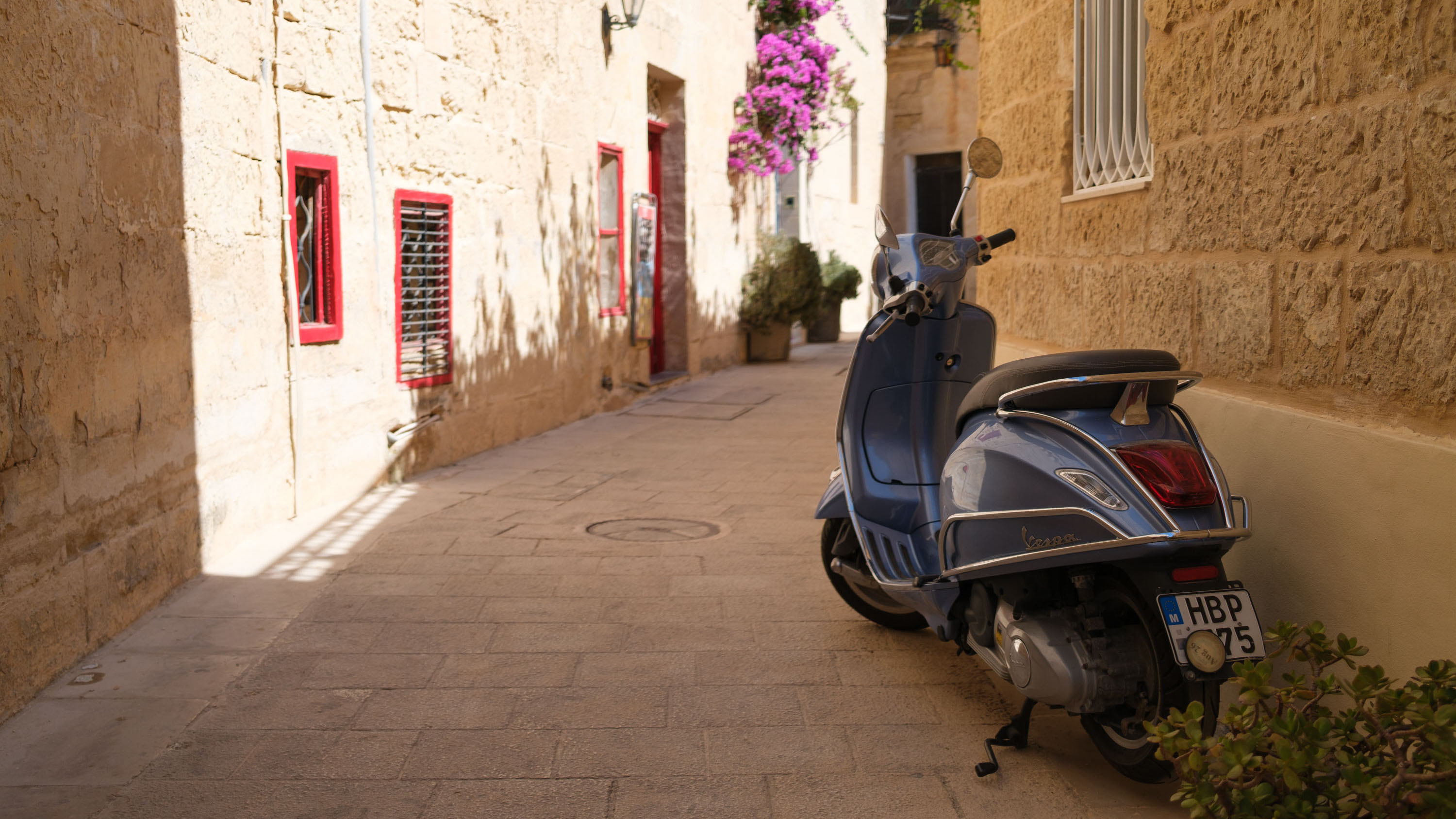
Panasonic Lumix L10 image gallery: a blue vespa in an old alleyway in Valetta, Malta
Tim Coleman
Panasonic Lumix L10 image gallery: a blue vespa in an old alleyway in Valetta, Malta
Tim Coleman
Panasonic Lumix L10 image gallery: ornate blue door and pink wall flowers in an old alleyway in Valetta, Malta
Tim Coleman
Panasonic Lumix L10 image gallery: a bright red door down an an old alleyway in Valetta, Malta
Tim Coleman
Panasonic Lumix L10 image gallery: man besides his horse and cart in an old alleyway in Valetta, Malta
Tim Coleman
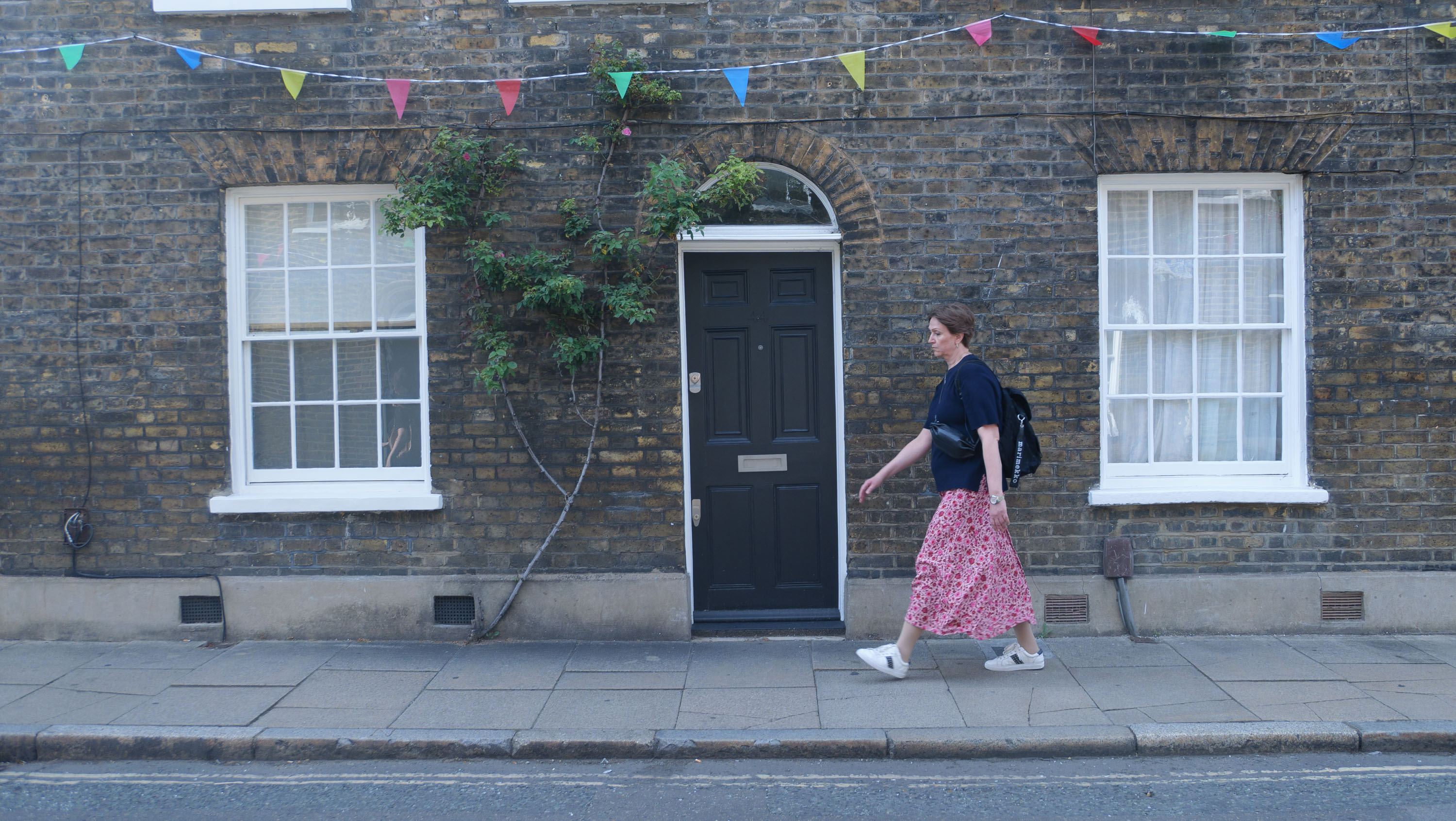
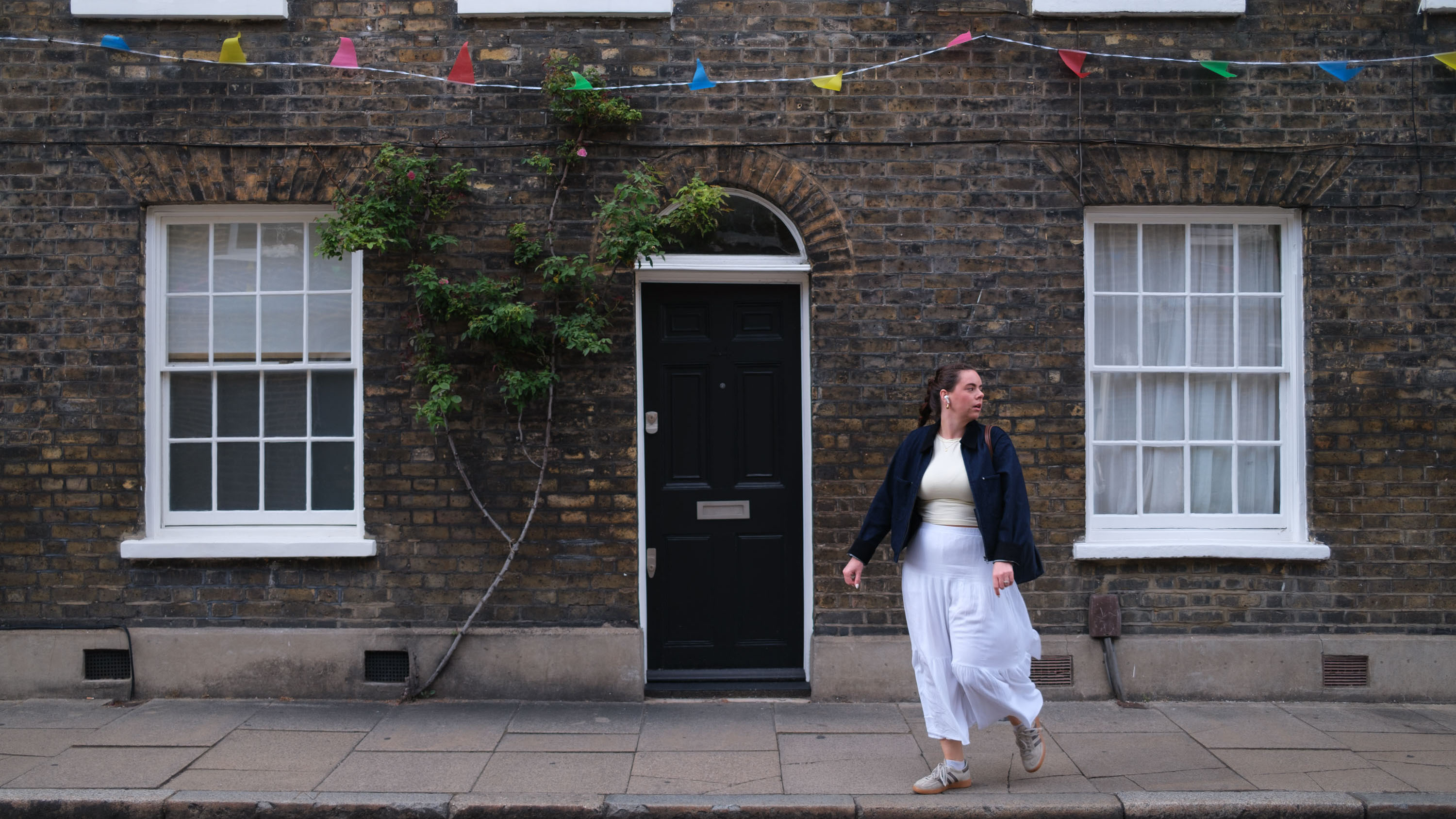
Panasonic Lumix L10 image gallery: a sidewalk in London with an old house front and windows
Tim Coleman
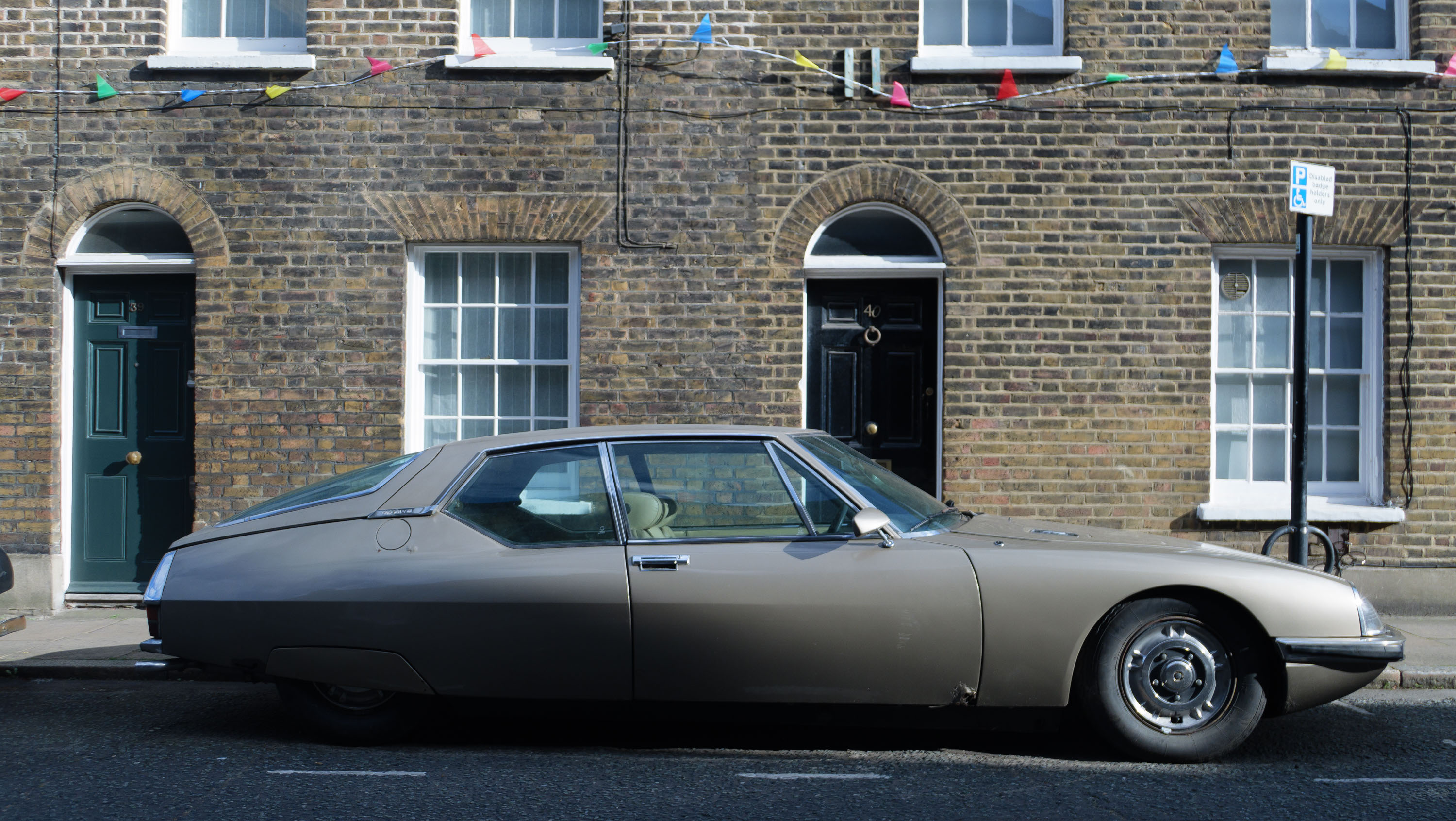
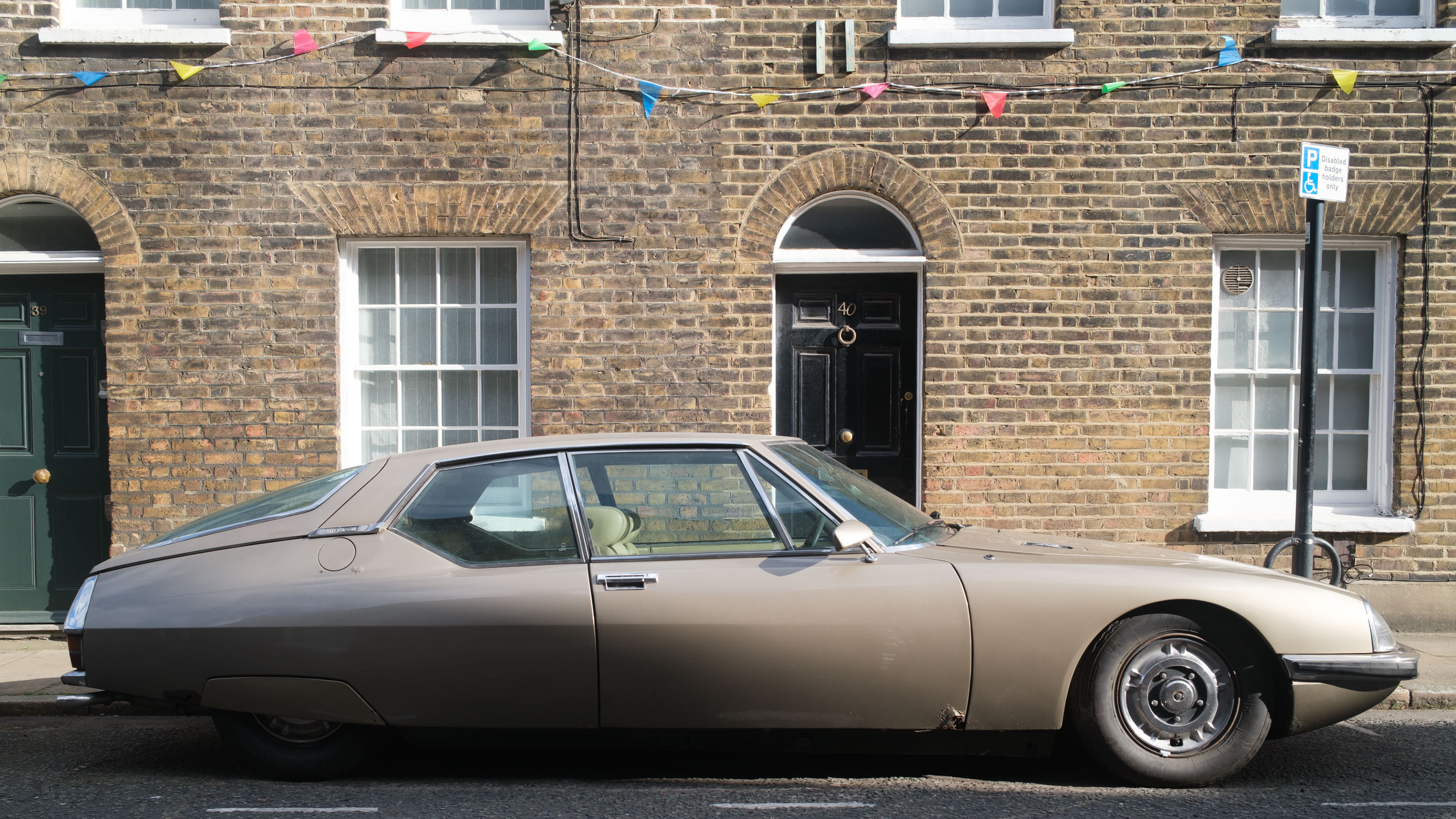
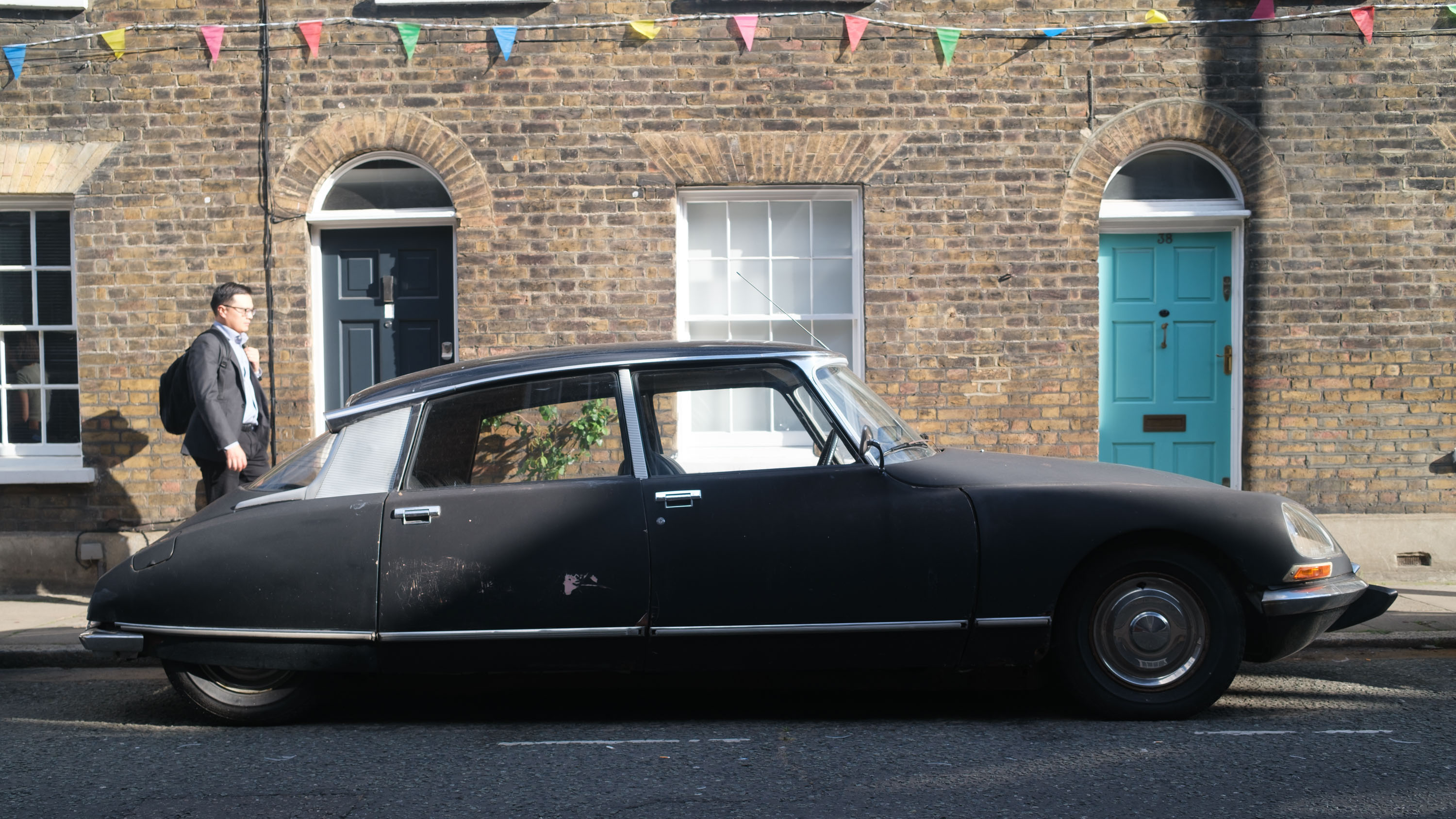
Panasonic Lumix L10 image gallery: a sidewalk in London with a parked classic car in front of old house front and windows
Tim Coleman
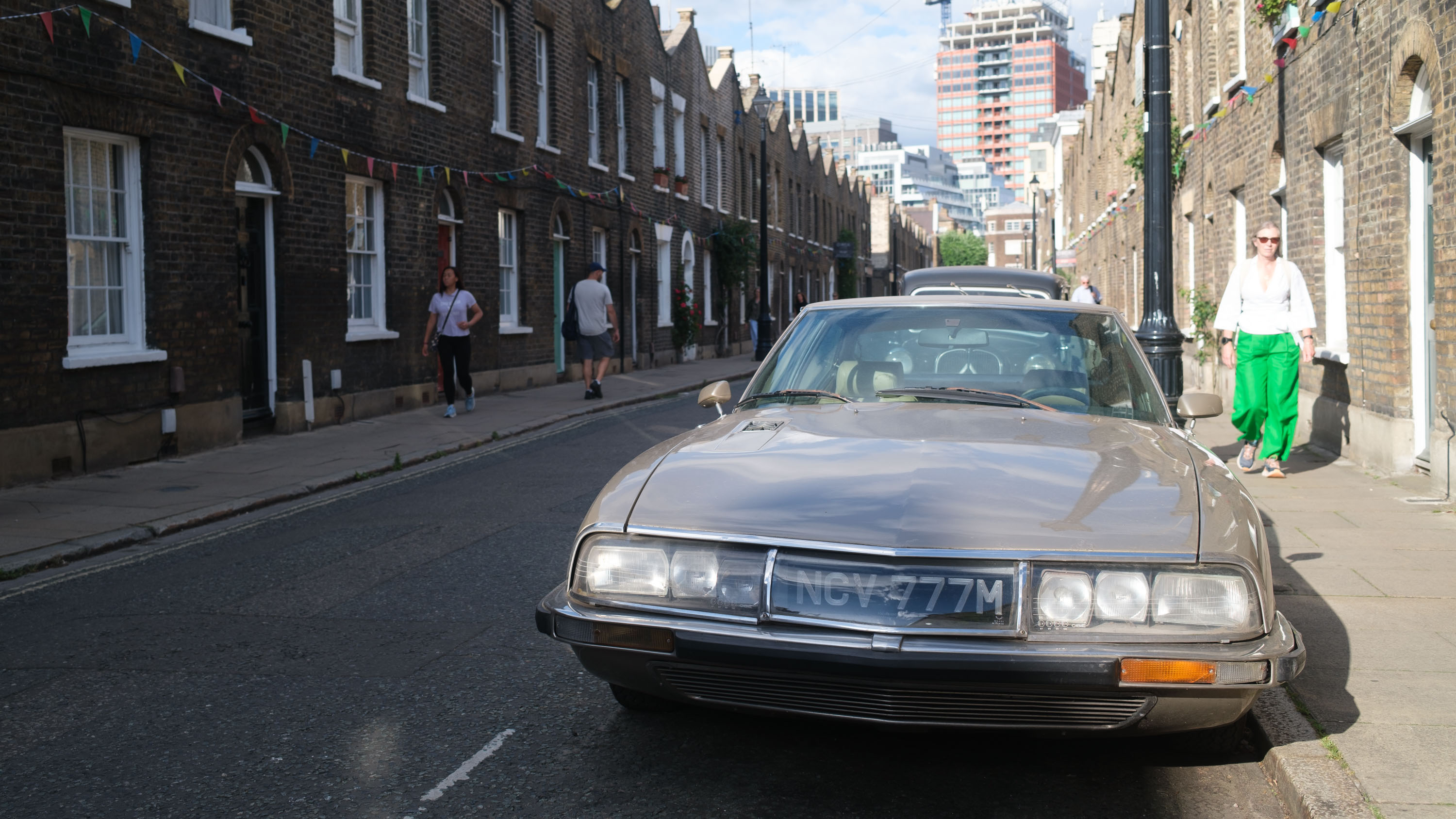
Panasonic Lumix L10 image gallery: a sidewalk in London with a parked classic car in front of old houses
Tim Coleman
Panasonic Lumix L10 image gallery: a sidewalk in London with a parked classic car in front of old house front and windows
Tim Coleman
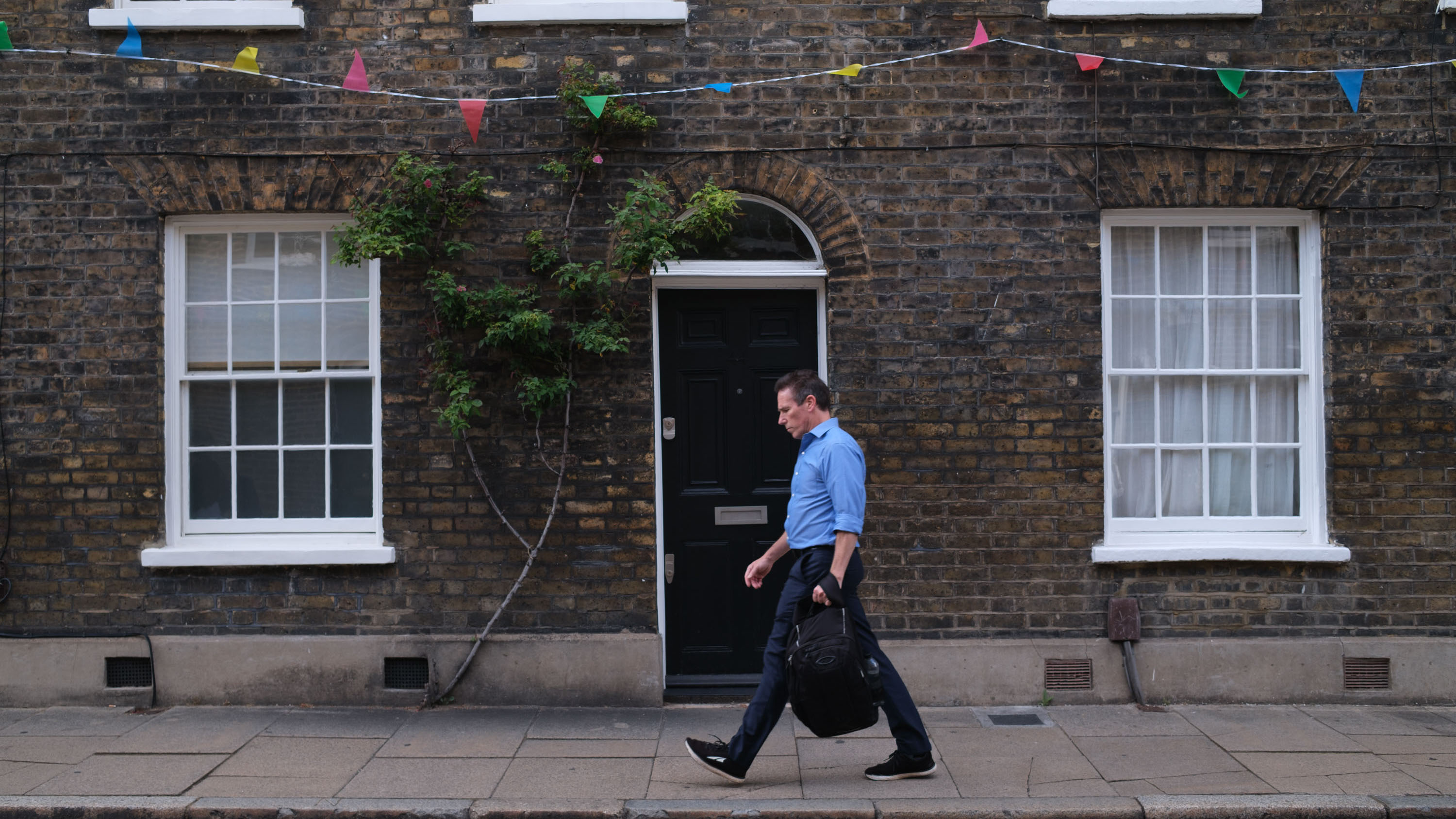
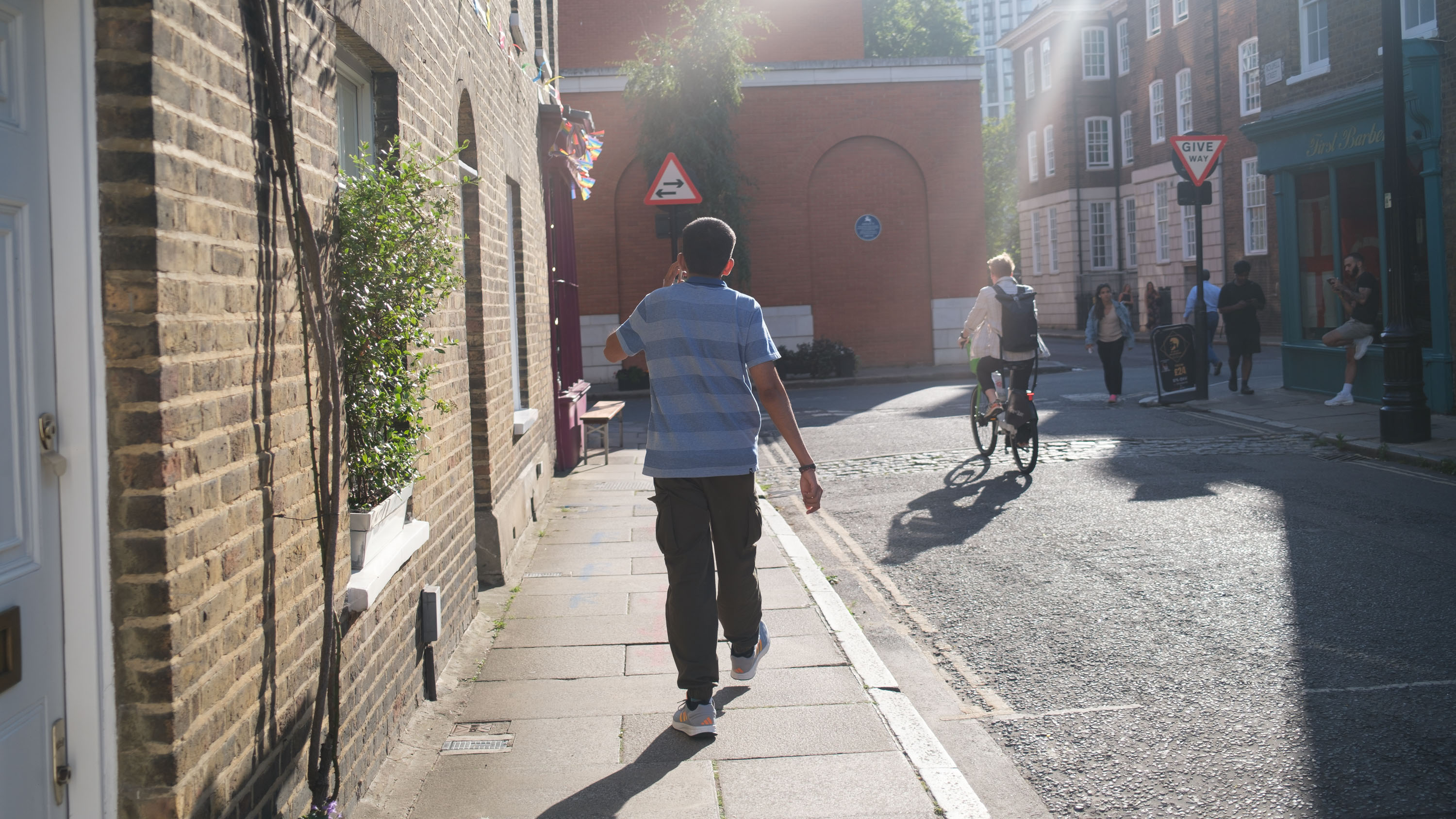
Panasonic Lumix L10 image gallery: person walking down a sidewalk in London, low light sun
Tim Coleman
Panasonic Lumix L10 image gallery: portrait of a man, leaning against a brick wall in London
Tim Coleman
Panasonic Lumix L10 image gallery: portrait of a man, leaning against a brick wall in London
Here and for the following portrait, I've increased the zoom to the maximum 75mm focal lengthTim Coleman
Panasonic Lumix L10 image gallery: portrait of a man, leaning against a brick wall in London
Tim Coleman
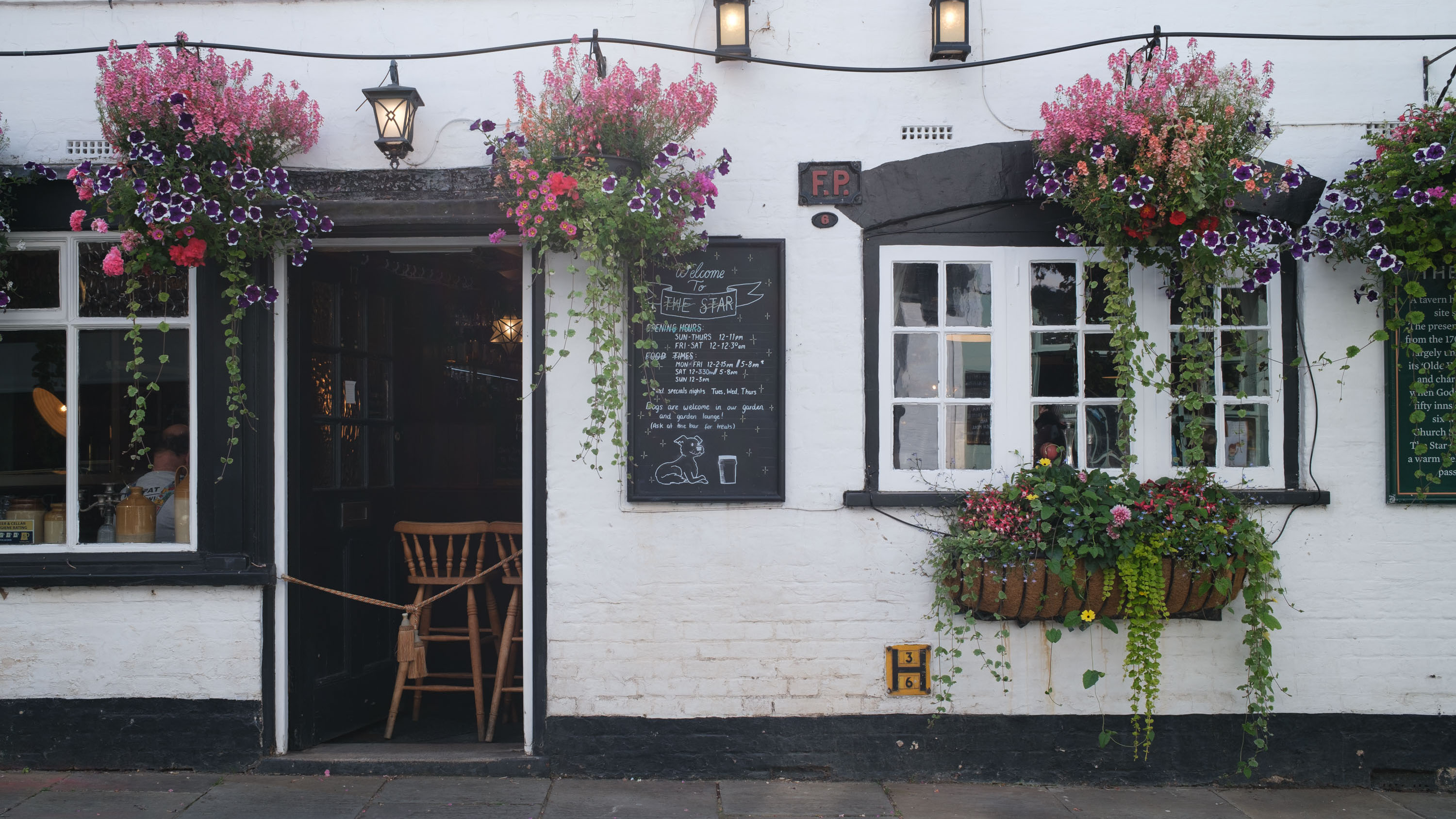
Panasonic Lumix L10 image gallery: a UK pub frontage, there a hanging flowers above old windows
Tim Coleman
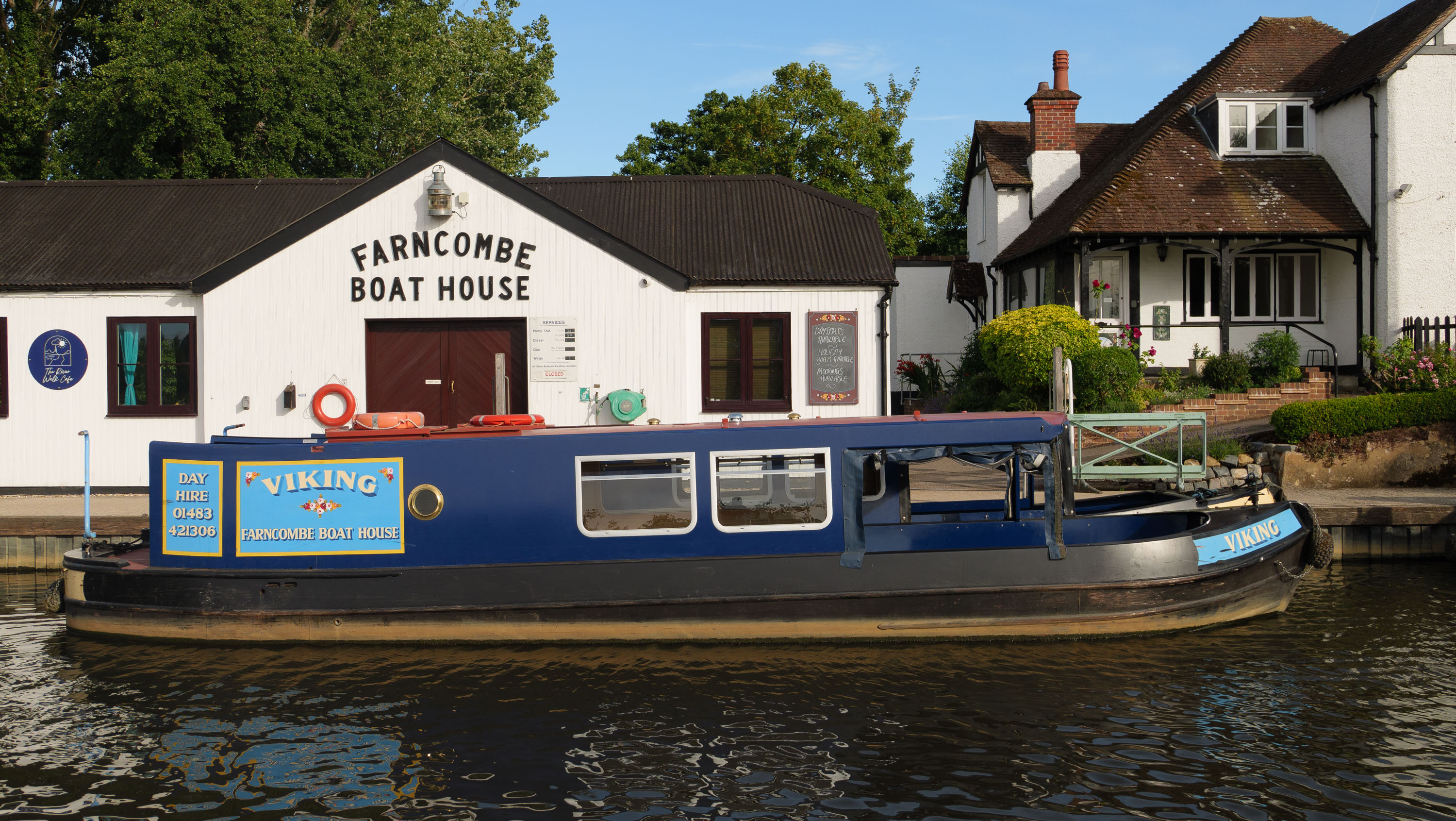
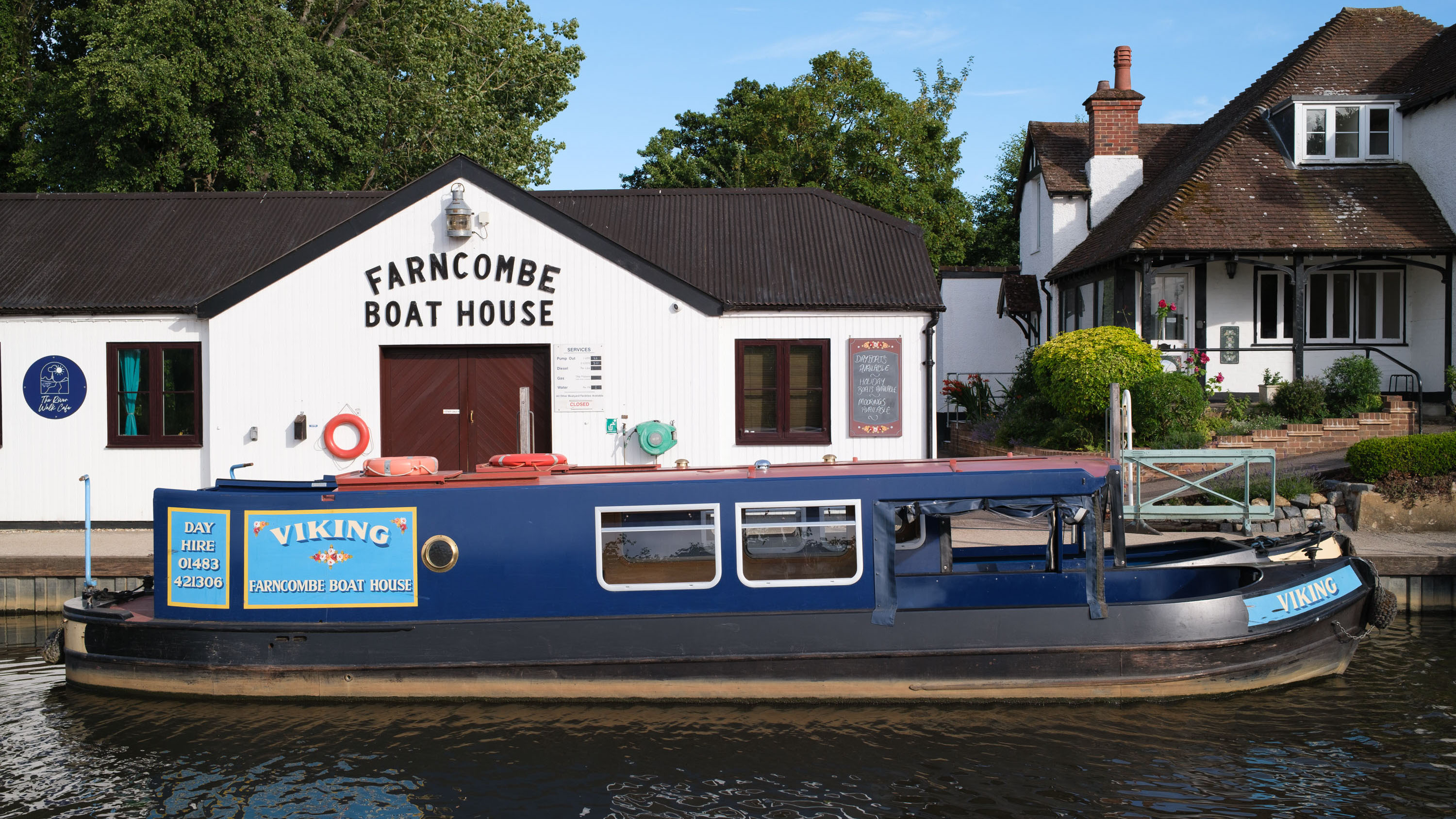
Panasonic Lumix L10 image gallery: a canal boat moored in front of a boat house
Tim Coleman
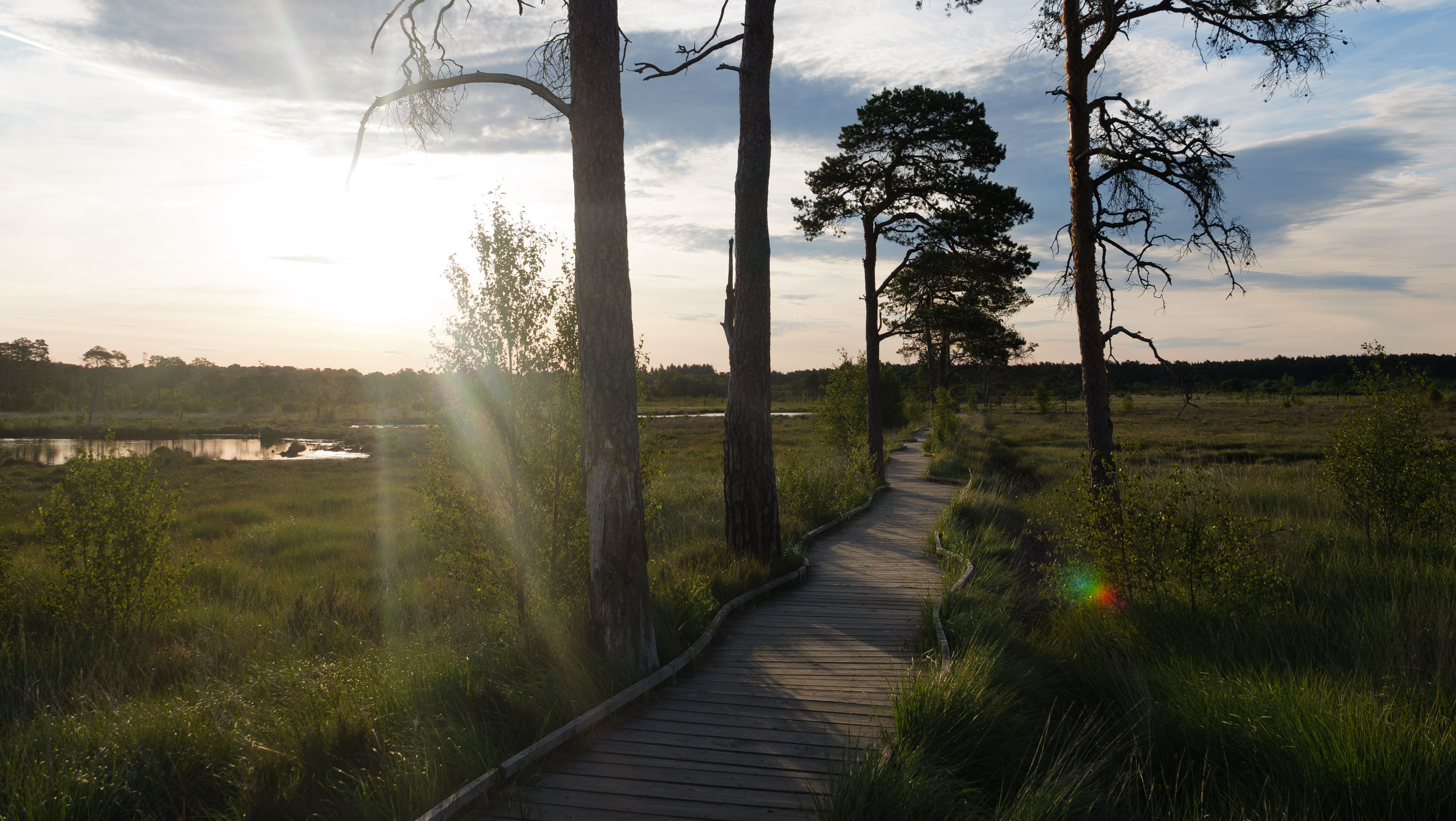
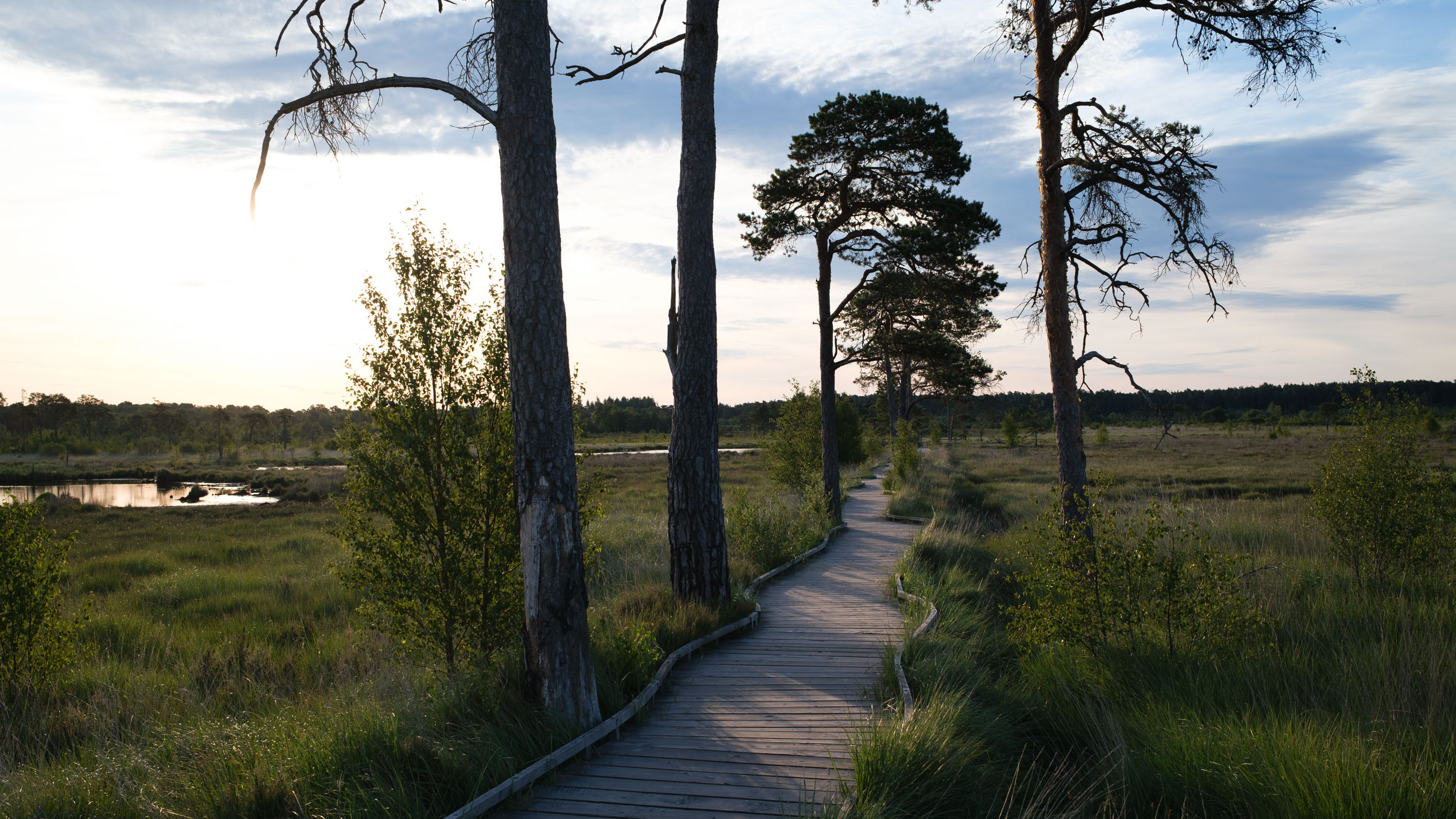
Panasonic Lumix L10 image gallery: a boardwalk in a nature reserve, lined with tree silhouetted by the low lying sun
Tim Coleman

And the comparisons with the Fujifilm X100VI. For both cameras, I set the color profile to the standard setting, but in reality I would be playing around with various looks and making selective exposure adjustments.

Fujifilm X100VI image gallery: blue vespa down an old alleyway in Valetta, Malta
Tim Coleman
Fujifilm X100VI image gallery: blur vespa down an old alleyway in Valetta, Malta
Tim Coleman
Fujifilm X100VI image gallery: ornate blue door alongside pink hanging flowers down an old alleyway in Valetta, Malta
Tim Coleman
Fujifilm X100VI image gallery: ornate red door down an old alleyway in Valetta, Malta
Tim Coleman
Fujifilm X100VI image gallery: man with his horse and cart in an old alleyway in Valetta, Malta
Tim Coleman
Fujifilm X100VI image gallery: London sidewalk, with old house frontage and tall windows, with passerby
Tim Coleman
Fujifilm X100VI image gallery: London sidewalk, with old house frontage and tall windows, with passerby
Tim Coleman
Fujifilm X100VI image gallery: London sidewalk, a classic car is parked, there's an old house frontage with tall windows behind
Tim Coleman
Fujifilm X100VI image gallery: London sidewalk, a classic car is parked, there are old house frontages behind it
Tim Coleman
Fujifilm X100VI image gallery: London sidewalk, a classic car is parked, there's an old house frontage with tall windows behind
Tim Coleman
Fujifilm X100VI image gallery: person walking on urban London sidewalk with low lying sun
Tim Coleman
Fujifilm X100VI image gallery: portrait of a man, leaning against a brick wall of old street in central London
Tim Coleman
Fujifilm X100VI image gallery: portrait of a man, leaning against a brick wall of old street in central London
Tim Coleman
Fujifilm X100VI image gallery: UK pub frontage, there are hanging flowers
Tim Coleman
Fujifilm X100VI image gallery: canal boat moored by a boat house
Tim Coleman
Fujifilm X100VI image gallery: boardwalk in a nature reserve, there are tress silhouetted by the low lying sun
Tim Coleman

How a camera handles is a major part of the equation — but the resulting images need to be easy on the eye too.

With wildly different sensor sizes, number of pixels, and types of lens, it's tough to pick one camera over the other, plus some assumptions about image quality need to go out the window.

For one, despite having the smaller sensor, the Lumix L10 actually has bigger pixels and light-gathering potential, so don't assume that the X100VI is better in low light. Also, beyond sensor size and pixels, the Lumix L10's autofocus is overall more reliable, so you're more likely to get a sharp image in the first place, depending on the scenario and camera settings.

But for direct comparisons, as in matching the X100VI's 35mm f/2 lens with the Lumix L10 as close as possible (35mm f/2.3), I think what pleased me the most overall is the X100VI's superior control over depth of field.

When I took street portraits at 35mm, the X100VI's images were easier on the eye. I also liked having 40MP to play with and the greater level of detail in the pictures. The X100VI was also less susceptible to lens flare.

That said, the Lumix L10 has that zoom lens versatility, and when set to 75mm and f/2.8, it is very capable of shallow depth of field portraiture too, with a greater compression effect that I prefer.

As for color, I didn't have a strong enough feeling scouring my images to recommend one camera over the other, though the Lumix L10 Real Time LUTs profiles are more versatile.

Fujifilm X100VI premium compact camera alongside the Panasonic Lumix L10 in tech journalist Tim Coleman's hands

(Image credit: Tim Coleman)

Conclusion

If you're considering the Lumix L10 or the Fujifilm X100VI, then the choice is tough, and, in truth, you'll be happy with either model! They are two of the best premium compact cameras, with a string of unique advantages over the other.

For me, however, the decision goes beyond specifications and features, and to an underlying feeling that I would get more joy in using the X100VI regularly than I would with the Lumix L10, even though the L10 is more practical. My head says Panasonic Lumix L10, my heart says Fujifilm X100VI.

  •  

Viltrox unveils a miraculously small 'pancake' lens with bright f/2.8 aperture for Sony and Nikon cameras — and it has an innovative feature I love

  • Viltrox has announced its new AF 26mm F2.8 EVO lens
  • It's available in Sony E and Nikon Z-mount versions, and costs $299 / £279
  • It measures 23.8mm thick and weighs 4.6oz / 130g

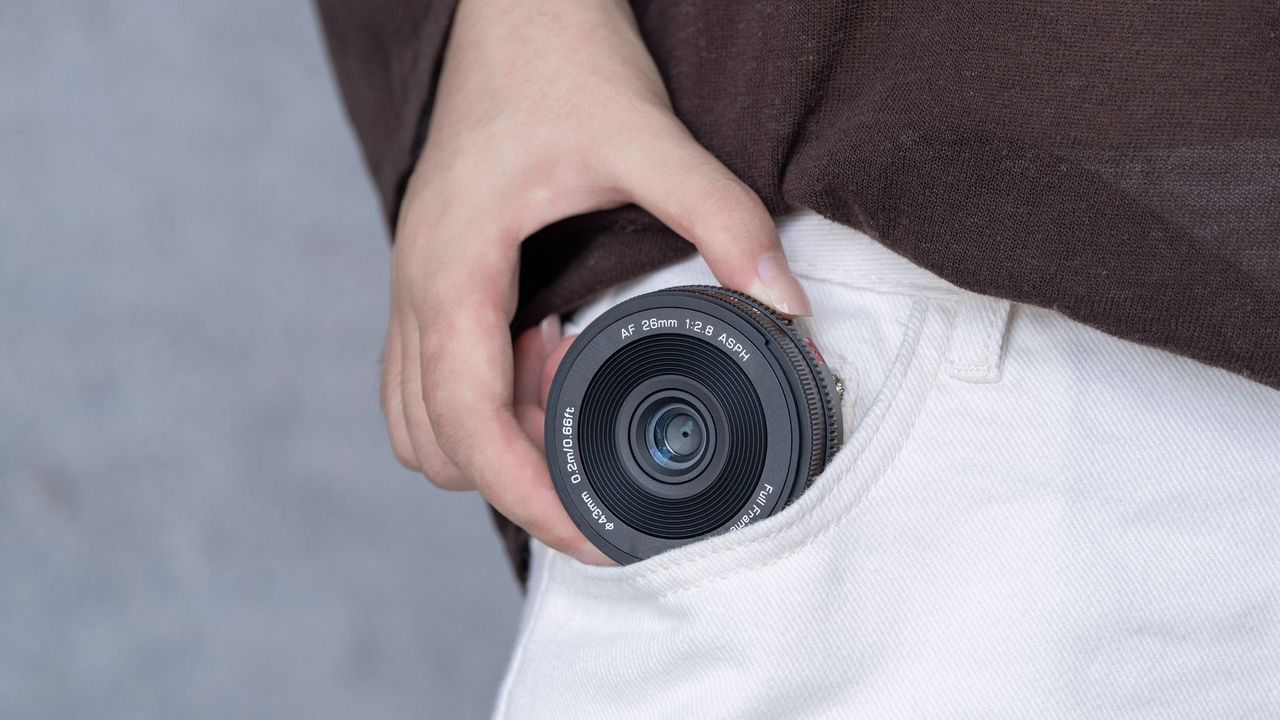
Chinese lens manufacturer Viltrox is having a prolific year, and it's now followed up a recent pair of medium-telephoto primes for APS-C cameras with a completely new 26mm f/2.8 pancake lens.

The AF 26mm F2.8 EVO is part of the same mid-range series as my recently tested AF 90mm F2.2 EVO, and is available for Sony E and Nikon Z-mount cameras at launch. It costs $299 / £279 (Australia price TBC).

Compact size and light weight are the aim here — the 26mm F2.8 is just 23.8mm thick and tips the scales at 4.6oz / 130g. I can see it pairing nicely with a Sony A7C / A7C II or Nikon Zf as a casual, everyday lens offering surprisingly sharp image quality.

It's not the smallest autofocus full-frame lens in Viltrox's range, mind you — that accolade goes to the AF 28mm F4.5. However, given the bright f/2.8 aperture and the features on board, the new 26mm lens seems impossibly small.

Those features include a dust- and splash-resistant machined metal construction, dedicated aperture and focus rings, a metal rear mount with a USB-C port for firmware updates, and a STM focus motor for snappy autofocus.

Viltrox AF 26mm F2.8 EVO lens attached to a Sony camera in user's hands
Viltrox
Viltrox AF 26mm F2.8 EVO lens attached to a Nikon camera, in user's hands
Viltrox
Viltrox AF 26mm F2.8 EVO lens attached to a Sony camera, top down, resting on a tree stump
Viltrox
Viltrox AF 26mm F2.8 EVO lens attached to a Nikon camera in user's hands
Viltrox
Viltrox AF 26mm F2.8 EVO lens attached to a Sony camera, woman is pulling it out of her handbag
Viltrox
Viltrox AF 26mm F2.8 EVO lens attached to a Nikon camera on mahogany table with bookshelf in background
Viltrox

And there's more: the AF 26mm F2.8 EVO ships with a magnetic lens cap that snaps into place, eliminating the fiddling that comes with traditional pinch-release lens caps.

It's part of a lens cap system which includes a magnetic lens hood, which also works with magnetic lens filters. Alternatively, traditional screw-on filters work too, via the 43mm thread.

I hope other lens manufacturers follow Viltrox's lead — lens caps can be a real pain to remove and re-attach, but a magnetic type simplifies the process.

Optically, we have a simple construction of eight elements in six groups, with a minimum focus distance of 0.2m which results in a 0.2x maximum magnification, for reasonable close-up photography.

The Viltrox AF 26mm F2.8 EVO is available immediately in Sony E and Nikon Z versions from Amazon US and Viltrox's official store. There's no word yet on whether L-mount or Fujifilm X-mount versions are on the way.

Yes, Fujifilm X is APS-C format, but I can see the full-frame Viltrox lens working well with these crop-sensor cameras, even for Sony and Nikon, on which it would offer an equivalent 39mm focal length.

It's yet another new Viltrox lens available for Nikon Z cameras, which suggests that the Nikon vs Viltrox lawsuit from earlier this year has quietly been resolved. I hope that's the case, because Viltrox has consistently produced excellent optics, and the AF 26mm F2.8 EVO looks like an impressive addition. Look out for my in-depth review, coming soon.

  •  

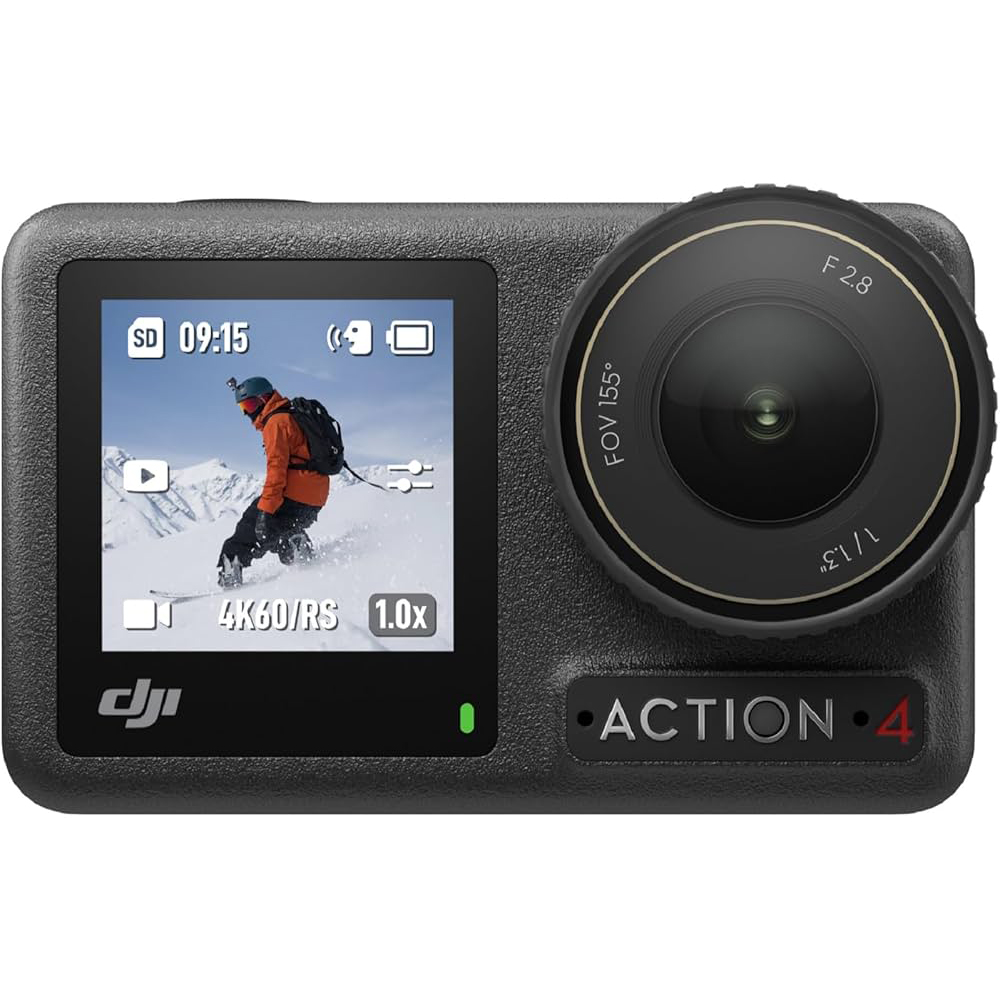
You don't need to skimp with a cheap action cam — DJI's discounted Action 4 is better quality — and much better value at its lowest-ever price

The Amazon Prime Day deals are well and truly up and running — and if you're looking for an action camera, I've found a genuinely fantastic deal.

Cheap action cameras are all over the market these days, and having used and reviewed a few of them, I'm somewhat wary — the image quality just tends to be so poor that they aren't even worth their two-digit price. When it comes to cameras, you're almost always better off going for an older model from a well-regarded name than a newer one from a budget line — and that's why I think this massive deal on the DJI Osmo Action 4 is one to snap up.

First reviewed by our Cameras Editor Timothy Coleman back in 2023, the Osmo Action 4 takes the classic GoPro-style form actor and crams in a 1/1.3-inch sensor that delivers excellent video quality. With comprehensive waterproofing to depths of 18m (no case needed), highly effective RockSteady image stabilization, and a brilliant magnetic mounting system for accessories, it's a comprehensively equipped action cam for capturing dynamic footage of your adventures — and it's able to go places you wouldn't dream of taking your phone or 'proper' camera.

Sure, it's not the best action cam on the market anymore — not while the DJI Osmo Action 6 and GoPro Hero 13 Black exist. But the price! The Prime Day savings on the DJI Osmo Action 4 put it at $169 in the US and £199 in the UK. To put this in context, when Tim first reviewed it, the Osmo Action 4 cost $399 / £379!

Today's best DJI Osmo Action 4 deals (US)

It's two generations old now, with the Action 5 Pro and Action 6 having arrived since, but the DJI Osmo Action 4 still shoots crisp 4K video and has excellent waterproofing. The real appeal to this 2023 model is its low price, which with Prime Day savings is down to less than half of its original asking price.View Deal

Today's best DJI Osmo Action 4 deals (UK)

Savings are also excellent in the UK, with the Osmo Action 4 available for less than £160. This combo also includes a quick-release adapter mount, a charging cable, a lens hood and a protective frame.View Deal

DJI Osmo Action 4 camera in the hand with swimming pool background

Tim found the DJI Osmo Action 4 to be an ideal family holiday camera — it caused his mirrorless to stay in the bag! (Image credit: Future)

A complete package for content creators

Despite being a few years old, the Osmo Action 4 is still more than capable of producing imagery to the standard demanded by content creators in 2026. With a topline video resolution of 10-bit 4K video, it produces crisp and punchy footage, and offers a number of slow-mo options, as well as the option to shoot in the D-Log color profile to maximize dynamic range. This is everything a content creator could want, especially when you also factor in the punchy 10MP stills.

The later, pricier cameras are better in some areas — I've used the Osmo Action 6, and its low-light abilities are absolutely unreal. But most action camera footage is shot in bright daylight; they tend to be used for capturing POV footage of activities like surfing, cycling, snorkeling or skiing, and if you're not planning to do much shooting at night, you won't have a problem. And besides, as Tim found, the Osmo Action 4 isn't actually all that bad in low light — it's just not a patch on the cameras that have come along since.

The Osmo Action 4's simple UI means kids can use it without too much of a problem, making it a brilliant option for family holidays — this is a camera that won't mind being dropped, splashed, knocked or bumped.

DJI Osmo Action 4 camera on a stony beach

The X4 Air is slightly lighter than the X5, which will feel like a benefit on a long day of shooting. (Image credit: Future)

It's also worth mentioning that if you're in the US, ongoing trade restrictions mean it can be difficult to get hold of newer DJI cameras like the Osmo Action 6, meaning an older model like the Action 4 could well be your best option.

But even if that's not an issue, at this price, I'd recommend the Osmo Action 4 to most people over the Osmo Action 6 — and I loved the Osmo Action 6. I took one on holiday to New York, and have it in a drawer beside me right now!

But this is just such good value for the level of functionality and image quality on offer. It's the perfect gateway for anyone thinking about dipping a toe into the world of action cameras — and it's a much, much better buy than a cheap-and-nasty action camera from a brand you've never heard of.

More of today's best DJI deals

More Prime Day deals in the US

More Prime Day deals in the UK

  •  

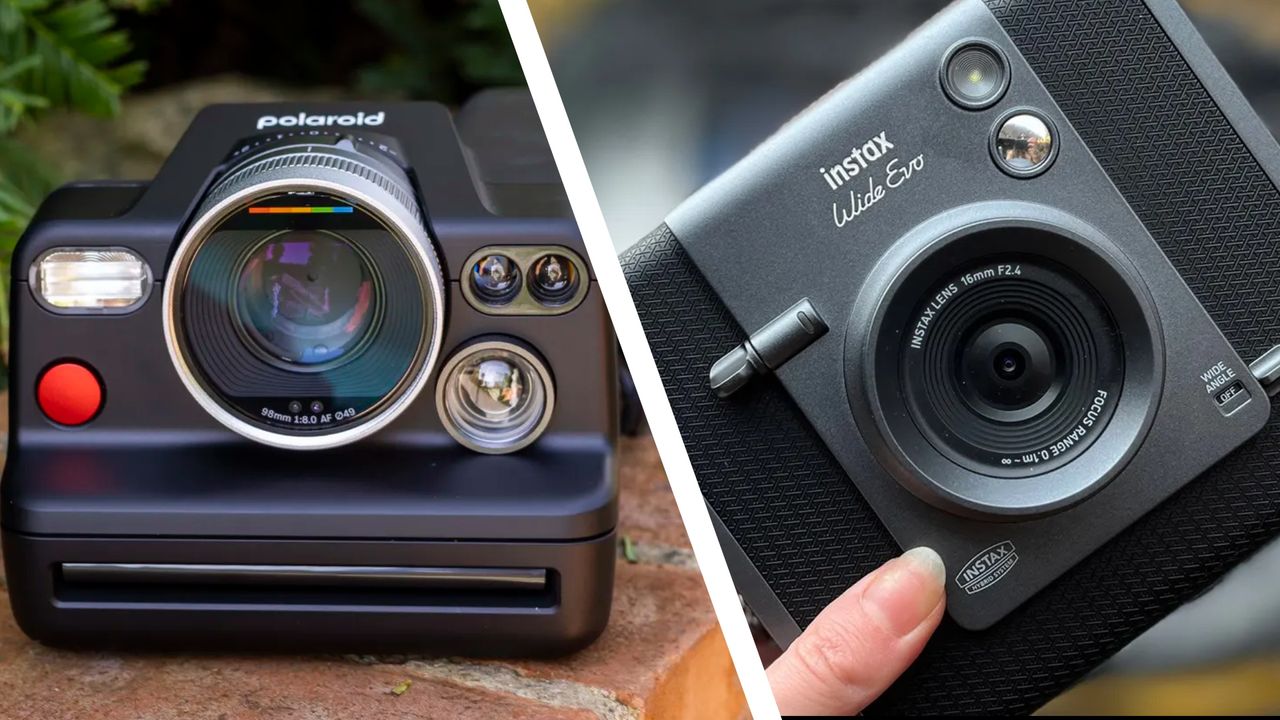
Polaroid vs Instax? I’m an instant camera addict and I’m team Polaroid all the way — here’s why

If you’re looking to buy an instant film camera, there are only two serious names in the game: Polaroid, and Fujifilm Instax. While some manufacturers like Canon and Kodak offer digital instant-print cameras that use techniques like dye-sublimation to create instant prints of digital images on specialist paper, it’s not the same. For the true alchemical magic of instant film, you Polaroid and Instax are the big hitters.

Polaroid is undoubtedly the better-known brand name due to its long history, dating back to the 1940s (though hitting major popularity in the 70s). It spent a few years in the wilderness following a bankruptcy in the early 2000s, before being purchased and revitalised in 2017 by an analog film collective called The Impossible Project. All the proper Polaroid cameras you can buy new today have been released since this renaissance.

Instax cameras may not have the historical cachet of Polaroids, but they are massively popular — Fujifilm reported last year that its Instax line has sold more than 100 million units since its inception in 1998. I don’t have similar sales data on post-revival Polaroid, but frankly, I don’t think it’s anywhere close.

Ultimately, there are compelling reasons to choose either brand. The Instax mini 12 is TR's pick as the best instant camera, and I can see why — it's a great option for the majority of users. But for me personally, it’s Polaroid all the way.

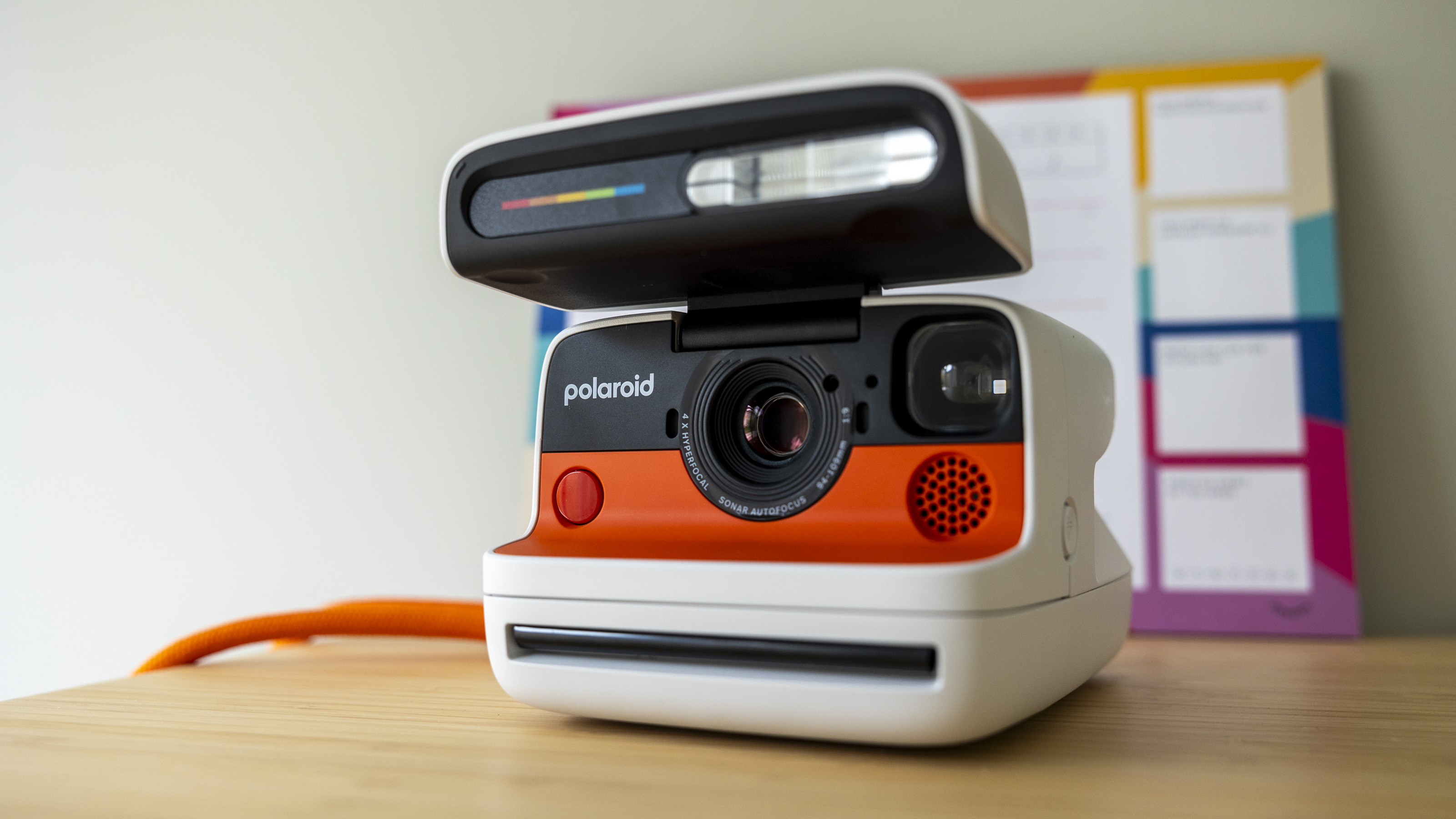
A white Polaroid Flip camera sits on a wooden desk

(Image credit: Lauren Scott)

Why I’ll pick Polaroid every time

It’s not a question of print size, as both brands have similar offerings. Fujifilm Instax Wide film is about the same size as a Polaroid I-Type (or SX-70) print, just rectangular rather than square. Polaroid’s smaller ‘Go’ film produces prints of comparable dimensions to Instax mini.

What it’s all about is vibe. Scoff if you want, but come on — you’re shooting instant film. You’re not here for accurate colors or pitch-perfect sharpness, you’re here because you love the tangibility of holding a print in your hands, the transportative lo-fi look of a format that’s been around for half a century. It’s all vibe.

I’ve shot Polaroid and Instax prints side by side before for comparison. Once, while I was viewing them, my partner made an astute observation that I have since stolen and made my own: the Instax catches your eye first, but you end up liking the Polaroid more. Instax prints are bright and vivid, with naturalistic colors and a decent level of detail, especially the Wide format. They’re fun and kitschy.

But Polaroid images just have that inimitable retro glow that instantly transports me back in time. The softer, more muted color palette makes images less immediately striking, but more satisfying the longer I look at them. There’s a richness to them, a greater sense of depth and subtle tonality. If I were embarking on an artistic project with instant film, there’s no question which format I’d choose. It wouldn’t even be a decision.

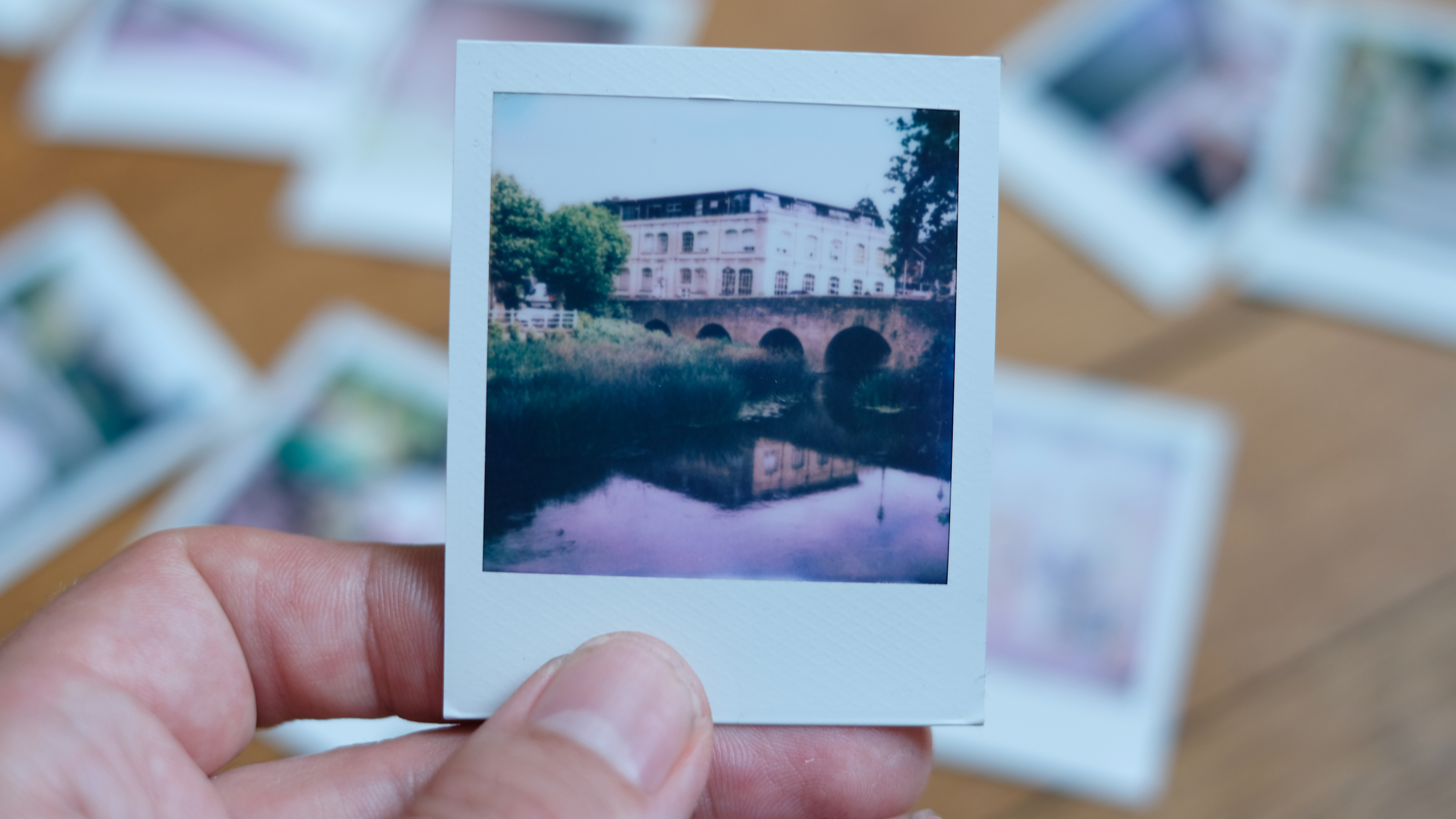
Hand holding Instax and Polaroid images showing the same building, the Instax is brighter and more dramatic, but the Polaroid has better detail and subtler tonal gradations

This isn't an entirely fair comparison, as full-size I-Type is always going to beat Instax mini. But for me, while the sky in the Instax looks truer to life, that stylized retro glow on the Polaroid is just so appealing. (Image credit: Jon Stapley)

Instax cameras are easier to use for sure — most are just point and shoot. If I were recommending an instant camera for a family, or for someone who isn’t an experienced photographer, I’d go with Instax. But for me, as someone who knows my way around a camera, the depth of control offered by the top-end Polaroid cameras leaves Instax in the dust.

Connect to the Polaroid app, which works very smoothly and is highly intuitive, and you can completely program in your settings, taking total control over your images. Want to try your hand at creating long exposures on instant film? It’s straightforward on a Polaroid Flip or Polaroid I-2, and impossible on an Instax Mini 99.

Sure, Polaroids aren’t perfect. The ongoing cost of I-Type film is a sore point, with packs of eight shots costing the same as a pack of 20 shots of Instax Wide or Mini. This sucks. No way to pretend it doesn’t. Buying in bulk can help a little, though honestly not a lot. At least the smaller Polaroid Go film is much cheaper, and I prefer it to Instax Mini. Again, its subtler look is less striking, but richer.

Photograph of prints made with Polaroid Go Gen 3

I really enjoyed shooting with the Go Gen 3. My shots weren't all hits, but there were some that I loved. Again, it's not quite true to life, but it has distinctive character. (Image credit: Jon Stapley)

Do you agree? Let me know which is your preferred instant-film format in the poll above. And if you’re looking for an instant-film camera to buy, see my explainer on why the Polaroid Go Gen 2 is the best buy you can make this Prime Day and click on today's best deals where you live using the links below.
  •  

I just took a Fujifilm instant camera on my Euro summer trip, and it transformed my whole approach to holiday snaps — for the better

Instant photography takes on a very different form these days. It used to (and ultimately still does) mean a photo you take that’s instantly printed out on paper. Realistically, it means a photo you take on your smartphone in seconds — and it’s something we all take for granted. Just open the camera on a smartphone, point, shoot, done.
However, in many ways, the instant nature of smartphone photography afforded by the best camera phones can remove any creative nature of framing the perfect shot.

This is a thought I had recently at least when heading over to Europe on holiday, and one I wanted to amend by taking a Fujifilm Instax mini 11 in my carry on. In my mind I couldn’t have made a better choice.

Fortunately, the updated model, the mini 13, is on sale at Amazon for just AU$119 at Amazon for EOFY.

The very epitome of point-and-shoot photography, the Instax mini 13 couldn’t be easier to master. Press a button to pop out the lens barrel, frame your subject in the viewfinder and hit the shutter button. A couple of seconds later, your photo is printed on photo paper to hold onto forever. Best of all, this latest model features a self-timer for those all-important selfies.View Deal

I’ve long been on the fence about instant cameras and a separate camera from my phone in general. I’ve made the trip to Europe several times before to visit my family, and in the past I’ve taken my OM System OM-D E-M10 MKIV.

However, the last time I took it, I never used it (as much as I told myself I would), as the added bulk of carrying around lenses and the camera body itself just proved too much of an inconvenience for me. Considering my iPhone 15 Pro could take decent pictures within seconds, I didn’t feel the need to keep it close by.

This year that all changed. While my iPhone was still an undeniably useful companion on my recent trip — I took well over 1,000 photos — I knew this time that I wanted to capture more memorable pics that would actually get looked at again (this is a safe space; we can all admit we never actually look back at photos we take).

I’d never used an instant camera such as the Instax mini before, and I have to admit there was a very slight learning curve to adjust to a new way of taking photos. And that was half of the fun for me — because I knew I only had a finite number of sheets to print on. I had to make my pictures count!

Using the Instax mini meant I had to be more considerate when framing a shot, which fortunately was super simple using the viewfinder. It might look like a tiny window (because it is), but whatever I saw through it is what came out on paper.

And hey, there really was something magical and special about waiting for the image to develop — how would it look? Did the colours come out ok? Did anyone walk into the shot as I pressed the shutter?

When my partner and I returned home, we made a much more conscious effort to look at the pictures I’d taken to determine what we’d keep and what we’d get rid of. Of the photos we kept, we’re going to frame them at some point at home. We haven’t quite decided how just yet, but we know we will.

Considering I’ve only ever printed a handful of photos from my iPhone, I’d call that a win for Fujifilm. And at AU$119 for the mini 13, it’s a small price to pay for photos you’ll actually come back to.

  •  
❌