Login

You cannot take an AI at its word – and why this is important für your GEO efforts.
In part 1 I left you with a promise: same AI, same question asked twice, opposite answers. Here is where…

O iPhone 16 segue sendo uma excelente opção para quem quer um smartphone recente da Apple, mas não quer investir tanto em um modelo da linha 17.
Entre as suas especificações, podemos destacar a tela de 6,1 polegadas, o conjunto de duas câmeras (com um sistema Fusion de 48 megapixels e uma câmera ultra-angular de 12MP) e o processador A18, além da presença do Controle da Câmera (Camera Control) e do botão de Ação (Action Button).
Se você está atrás desse modelo, hoje o Magazine Luiza está com uma promoção muito boa! Trata-se da versão de 128GB, em todas as cores. Ele está saindo por R$5.265,55 em até 21x no cartão de crédito!
iPhone 16 de 128GB
— MM Ofertas (@MMOfertas) July 28, 2026
Parcelado: de R$6.799,00 por R$5.265,55 em até 21x
À vista no Pix: de R$6.119,10 por R$4.739,00
🛍 Aplique o cupom IPHONE400 no carrinho 💰https://t.co/88VqNmCj1G
Se levarmos em conta que o preço tabelado desse modelo aqui no Brasil é de R$6.799 nessa mesma modalidade de pagamento, estamos diante de um desconto de 23%!
Já para quem preferir pagar à vista no Pix, a oferta também é muito boa: ele sai a R$4.739,00, representando um desconto de 23% se comparado com o valor da Apple nessa mesma condição, que é de R$6.119,10.
Para chegar a esses valores, não esqueça de resgatar/aplicar o cupom IPHONE400.
Todos os descontos de promoções divulgadas pelo MacMagazine são calculados com base nos preços sugeridos pela Apple ou por outras fabricantes. Pode ser que um determinado produto seja comumente encontrado por valores inferiores em redes varejistas, mas a nossa base de comparação é sempre em cima das tabelas oficiais.
Se você não é louco, é claro que gosta de economizar. E, para isso, o MacMagazine tem diversas opções para ajudar você a conseguir comprar o seu produto Apple pagando menos!
Você pode usar a nossa extensão para os navegadores Chrome/Opera/Edge, acompanhar as ofertas pelo MM Fórum, pelo Facebook, pelo X, pelo Threads, pelo Bluesky, pelo Mastodon ou por um canal no Telegram. Escolha a melhor opção para você — ou todas, para depois não se arrepender — e economize! 😉
NOTA DE TRANSPARÊNCIA: O MacMagazine recebe uma pequena comissão sobre vendas concluídas por meio de links deste post, mas você, como consumidor, não paga nada mais pelos produtos/serviços usando os nossos links de afiliado.


O iPhone 17 recebeu várias melhorias em relação ao seu antecessor, o que fez dele o smartphone perfeito para a grande maioria dos usuários que procuram um telefone da Apple.
Entre as suas especificações técnicas, podemos destacar a tela Super Retina XDR de 6,3 polegadas com ProMotion (até 120Hz), o conjunto de duas câmeras (com um sistema Fusion de 48 megapixels nas duas lentes) e o processador A19, além da presença do Controle da Câmera (Camera Control) e do botão de Ação (Action Button).
Se você está atrás desse modelo, hoje a Amazon está com uma promoção excelente! Trata-se da versão com 256GB, nas cores preta, azul-névoa, lavanda e sálvia. Ela está saindo por R$5.887,78 em até 12x no cartão de crédito.
iPhone 17 de 256GB
— MM Ofertas (@MMOfertas) July 28, 2026
Parcelado: de R$7.999,00 por R$5.887,78 em até 12x
À vista no Pix: de R$7.199,10 por R$5.299,00
🛍️ Produto vendido e entregue pela Amazon 💰https://t.co/giS8YYVehz
Se levarmos em conta que o preço tabelado desse modelo aqui no Brasil é de R$7.999 nessa mesma modalidade de pagamento, estamos diante de um desconto de 26%.
Para quem preferir pagar à vista no Pix, o valor cai para R$5.299,21 — representando uma diferença também de 26% em comparação com o preço à vista da Apple Brasil, de R$7.199,10.
Todos os descontos de promoções divulgadas pelo MacMagazine são calculados com base nos preços sugeridos pela Apple ou por outras fabricantes. Pode ser que um determinado produto seja comumente encontrado por valores inferiores em redes varejistas, mas a nossa base de comparação é sempre em cima das tabelas oficiais.
Se você não é louco, é claro que gosta de economizar. E, para isso, o MacMagazine tem diversas opções para ajudar você a conseguir comprar o seu produto Apple pagando menos!
Você pode usar a nossa extensão para os navegadores Chrome/Opera/Edge, acompanhar as ofertas pelo MM Fórum, pelo Facebook, pelo X, pelo Threads, pelo Bluesky, pelo Mastodon ou por um canal no Telegram. Escolha a melhor opção para você — ou todas, para depois não se arrepender — e economize! 😉
NOTA DE TRANSPARÊNCIA: O MacMagazine recebe uma pequena comissão sobre vendas concluídas por meio de links deste post, mas você, como consumidor, não paga nada mais pelos produtos/serviços usando os nossos links de afiliado.


A Apple possui três dispositivos de casa inteligente planejados para chegar ao mercado nos próximos meses, de acordo com o jornalista Mark Gurman (da Bloomberg): um smart hub baseado na Siri AI, uma nova Apple TV e um HomePod mini atualizado.
Citando pessoas familiarizadas com o cronograma de lançamentos da Maçã, ele explicou que a set-top box e o alto-falante inteligente deverão ser lançados durante o outono do hemisfério norte (nossa primavera, entre setembro e dezembro), enquanto o smart hub é previsto atualmente para algum momento entre outubro próximo e o início do ano que vem.
Rumorado há algum tempo, o smart hub deverá contar com uma tela de 7 polegadas e servir como peça central dessa nova investida da Apple no mercado de casa inteligente. Seu sistema operacional, por sua vez, será baseado no tvOS e apostará em uma interface que misturará elementos do iOS com características do watchOS, incluindo grades de ícones, widgets e apps.
Posts relacionados
Compatível com “chamadas de vídeo via FaceTime, monitoramento residencial e um sistema de interfone para residências que possuem vários dispositivos domésticos da Apple”, ele também será capaz de reproduzir mídia e contará com mostradores personalizáveis que lembram as watchfaces do watchOS. Além disso, é esperado que ele conte com um recurso de reconhecimento facial, permitindo-lhe distinguir os moradores de uma casa — algo que proporcionará experiências personalizadas.
Ainda segundo Gurman, há duas versões desse smart hub “no forno”. A primeira delas, de codinome J490, “posiciona a tela sobre uma base em formato de meia cúpula, semelhante a um HomePod mini cortado ao meio”; já a segunda, de codinome J491, foi projetada para ser afixada a uma parede com a ajuda de um sistema magnético. A ideia da Apple, que também está projetando uma interface “companheira” para o dispositivo no iPhone, é que o usuário tenha mais de um hub desse em sua casa.
A nova Apple TV (J265) e a próxima geração do HomePod mini (B525), por sua vez, não deverão introduzir mudanças significativas de design, mas contarão com chips mais velozes e suporte à Siri AI.
O jornalista, vale lembrar, também já apostou em uma câmera de segurança interna feita para competir com os dispositivos da linha Amazon Ring. Com o codinome J450, ela também chegou a ter seu lançamento especulado para este ano, mas não chegou a ganhar uma nova previsão nessa reportagem.


O Apple TV divulgou hoje o aguardado trailer da quarta temporada de “Ted Lasso”, cujo primeiro episódio estreará no dia 5 de agosto (quarta-feira da semana que vem).
Com um total de dez episódios, os nove capítulos remanescentes chegarão ao catálogo do streaming da Maçã às quartas-feiras, até o dia 7 de outubro.
Eis o trailer:
E também a versão dublada em português do Brasil:
Tim Cook, CEO 1Chief executive officer, ou diretor executivo. da Apple, também compartilhou o trailer no X:
Welcome home, Ted! Can’t wait to cheer on the Lady Greyhounds in the new season! https://t.co/g3w8xk0tFF
— Tim Cook (@tim_cook) July 28, 2026
Estrelada por Jason Sudeikis, a nova temporada segue com o foco em Ted, que retorna a Richmond para enfrentar o seu maior desafio até aqui: comandar um time feminino da segunda divisão do futebol inglês. Com o desenrolar da história, ele e a equipe aprendem a arriscar antes de terem todas as respostas, encarando desafios que até então pareciam inimagináveis.
Além de reunir nomes de outras temporadas, como Hannah Waddingham, Juno Temple, Brett Goldstein, Brendan Hunt e Jeremy Swift, adições ao elenco incluem Tanya Reynolds, Jude Mack, Faye Marsay, Rex Hayes, Aisling Sharkey, Abbie Hern e Grant Feely.
O roteiro é assinado por Sarah Walker e Phoebe Walsh (que também são creditadas como produtoras), ao lado de Goldstein (que também é produtor), Julia Lindon e Dylan Marron (que exerce também a função de editor de roteiro). Além de Walker, Goldstein, Hunt e Walsh, a produção executiva é assinada por Joe Kelly, Jane Becker, Jamie Lee e Bill Wrubel. O vencedor do Emmy Jack Burditt também chega para a nova temporada.
O Apple TV está disponível no aplicativo Apple TV em mais de 100 países e regiões, seja em iPhones, iPads, Apple TVs, Macs, dispositivos Android, smart TVs ou online — além de também estar em aparelhos como Roku, Amazon Fire TV, Chromecast com Google TV, consoles PlayStation e Xbox. O serviço custa R$29,90 por mês, com um período de teste gratuito de 7 dias. Por tempo limitado, quem comprar e ativar um novo iPhone, iPad, Apple TV ou Mac ganha 3 meses do Apple TV. Ele também faz parte do pacote de assinaturas da empresa, o Apple One.
NOTA DE TRANSPARÊNCIA: O MacMagazine recebe uma pequena comissão sobre vendas concluídas por meio de links deste post, mas você, como consumidor, não paga nada mais pelos produtos/serviços usando os nossos links de afiliado.


MacBook Neo helped Apple move against the global PC market in the second quarter of 2026, delivering double-digit Mac shipment growth while most leading computer manufacturers sold fewer units than a year earlier.
Preliminary data from IDC estimates that Apple shipped 6.7 million Macs during the quarter, up 10.1% from 6.1 million in Q2 2025. Its worldwide market share rose from 8.5% to 9.9%, placing the company within a fraction of the 10% threshold.
The rest of the industry moved in the opposite direction. Global shipments fell 4.9% year over year to 68.2 million units, ending nine consecutive quarters of growth. A separate Omdia estimate placed the decline at 3.6% and Apple growth at 15.9%, but both research groups identified the same pattern: the Mac gained ground while established Windows PC vendors contracted or remained flat.
IDC directly connected the Apple increase with the arrival of its lowest-priced notebook. MacBook Neo began shipping in March, giving the model its first complete quarter of retail availability between April and June.
MacBook Neo entered the market as an alternative for buyers previously priced out of the Mac lineup.
The 13-inch notebook launched at $599 with an A18 Pro chip, 8GB of unified memory, a Liquid Retina display and up to 16 hours of video playback. It also brought macOS, Apple Intelligence and integration with the iPhone ecosystem into a price range commonly occupied by mainstream Windows laptops and Chromebooks.
That positioning attracted students, families and first-time Mac customers who did not need the performance or display technology of a MacBook Air or MacBook Pro. The four-color aluminum design also gave the entry model a more recognizable identity than the older Mac notebooks that frequently remained on sale through discounts.
IDC had already identified the computer as an unusual source of strength when it revised its notebook forecast earlier in 2026. Demand exceeded initial expectations in several markets, and reported inventory shortages appeared shortly after the March launch.
The effect became much more visible in Q2. MacBook Neo was available for the entire three-month period, allowing Apple to increase production, expand retail distribution and serve customers who could not obtain the computer during its first weeks.
The entry model also widened the Mac lineup without replacing the MacBook Air. Buyers seeking more memory, faster ports, longer wireless web use or additional external-display support could continue moving toward the M5-powered Air, while the less expensive machine handled education, office work, web browsing and communication.
That separation allowed Apple to reach lower price points without reducing the value of its premium notebooks.

Apple remained the fourth-largest traditional PC vendor, but its performance contrasted sharply with the companies above it.
Lenovo retained first place with 16.6 million units and 24.4% market share. Its shipments declined 2.1% from the previous year.
HP experienced the steepest drop among the top five, falling 9% to 13 million units. Dell shipped 9.3 million computers, representing a 5% decline. Asus remained nearly flat at 5 million units, up only 0.2%.
Manufacturers outside the five largest brands collectively suffered a 10.5% contraction, indicating that weaker demand and component inflation placed even more pressure on smaller companies.
The figures measure shipments into distribution channels or directly to end users, not confirmed retail purchases by individual consumers. A manufacturer can therefore record shipment growth while some inventory remains unsold in stores or warehouses.
MacBook Neo demand appears to have been strong enough to support Apple production increases rather than simply filling channels. The company reportedly doubled its annual production target after the initial response, although later quarters will reveal how much of Q2 reflected lasting demand rather than launch-period enthusiasm.
Apple also benefits from operating at a scale that provides leverage with memory, storage and semiconductor suppliers. Smaller PC brands face greater difficulty securing components at competitive prices when shortages intensify.
The Q2 contraction arrived after manufacturers and commercial customers accelerated purchases during late 2025 and early 2026.
Buyers expected memory and storage prices to rise, encouraging some businesses to replace computers earlier than planned. Vendors also increased inventories while components remained available.
That activity supported nine quarters of market growth but borrowed demand from later periods. Once the early purchases were completed, the industry faced a more difficult combination of expensive components, cautious consumers and elevated retail prices.
The memory shortage is closely connected to the AI infrastructure boom. Chipmakers are dedicating more production capacity to high-bandwidth memory used by data center accelerators, limiting the supply of conventional DRAM needed for personal computers.
IDC expects little relief before the end of 2027 or early 2028. The research company forecasts an 11.3% decline in worldwide PC shipments across 2026, with the fourth quarter potentially falling 20% from the previous year.
Computer revenue may not decline at the same pace. Manufacturers have raised prices faster than shipments have fallen, allowing them to collect more money from fewer units.
That strategy creates another problem. Retailers and distributors can become trapped with expensive inventory if customers refuse the new prices, forcing promotions or production reductions later.
MacBook Neo initially softened that pressure by giving Apple a new product near the bottom of the notebook market. Its original $599 price made the Mac competitive with midrange Windows machines at the moment many rivals were becoming more expensive.
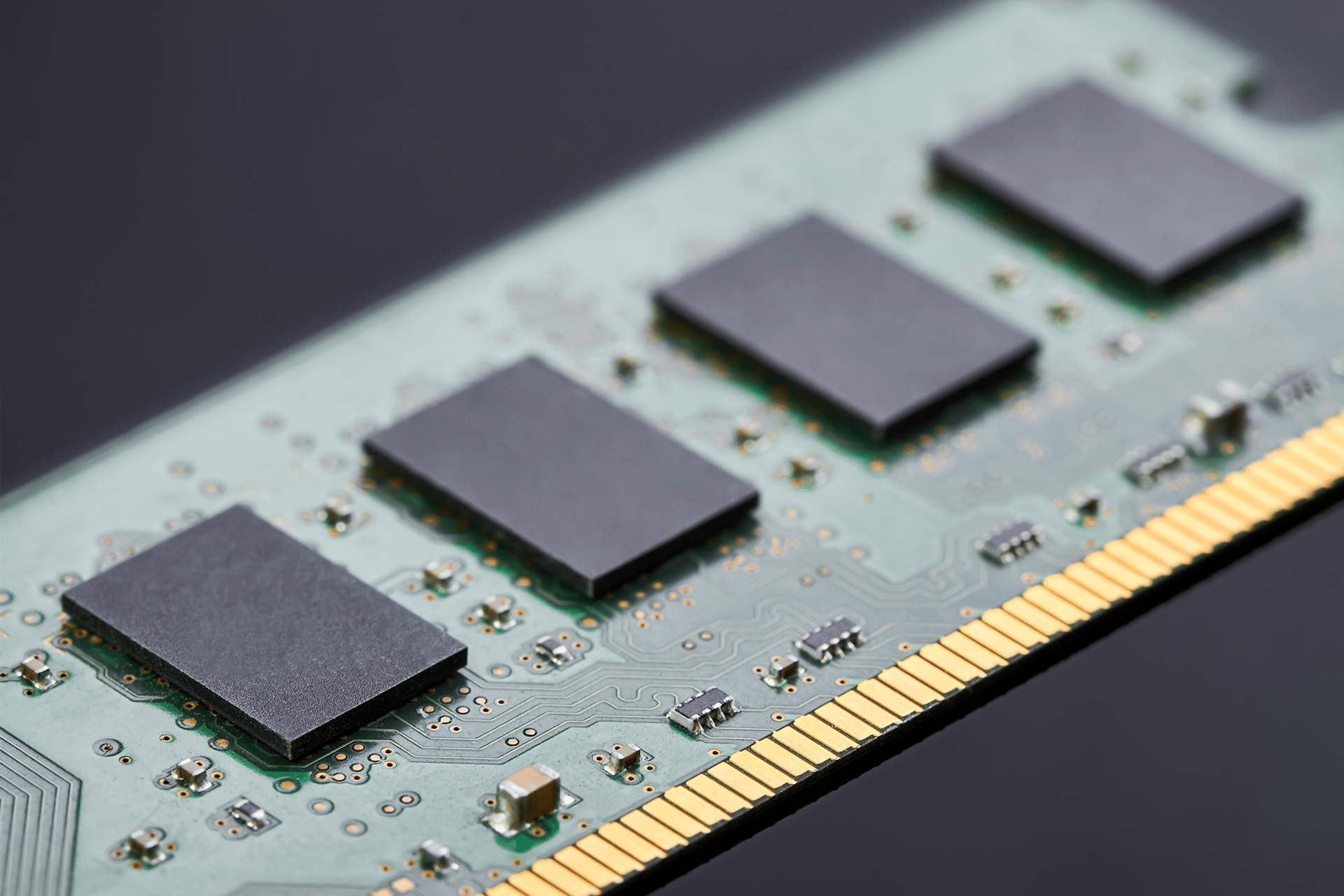
The strongest Q2 MacBook Neo shipments were recorded while most customers could still buy the computer at its introductory price.
Apple raised the U.S. starting price to $699 in late June as memory and storage costs affected the Mac and iPad lineups. The education price remained at $599, preserving the original offer for eligible students and educators.
A $100 increase changes the comparison with discounted Windows notebooks and places the entry model closer to older MacBook Air configurations available through third-party retailers.
Apple must now determine whether the appeal came primarily from the low launch price or from the combination of macOS, battery life, design and iPhone integration.
The company remains better positioned than many rivals to absorb supply disruption, negotiate long-term component agreements and promote several notebooks at different prices. MacBook Neo also uses an iPhone-class A18 Pro processor rather than an M-series chip, providing another way to manage silicon costs and production capacity.
IDC expects the full PC market to deteriorate during the second half of 2026. Apple will enter that period with almost 10% worldwide share, but the September quarter will be the first to measure MacBook Neo demand almost entirely at the higher $699 retail price.
The post MacBook Neo Defies the Global PC Slump appeared first on AppleMagazine.
YH Toys YH18001 PRO is a compact yet powerful 1/18-scale brushless RC monster truck designed for enthusiasts who want high-speed performance without stepping up to a larger and more expensive platform. Featuring a 4300KV brushless motor, 4WD drivetrain, metal drivetrain components, and a claimed top speed of 70km/h, the YH18001 PRO promises an exciting driving experience on a wide variety of terrains.
Whether you’re new to the RC hobby or looking for a portable off-road basher, the YH18001 PRO packs impressive specifications into a rugged pickup-style body.
Despite its 1/18 scale, the YH18001 PRO is engineered for performance rather than being a simple toy.
The truck measures 277 × 202 × 120mm and weighs approximately 758g, making it easy to transport while remaining stable at higher speeds. Its aggressive pickup truck body is complemented by LED headlights, realistic wheel arches, and a durable PVC shell that gives it an authentic off-road appearance.
The biggest highlight is its 2435 4300KV brushless motor, paired with a 35A integrated brushless ESC and receiver.

This setup enables the truck to reach speeds of up to 70km/h under ideal conditions, providing rapid acceleration and smooth throttle response. Compared to brushed RC vehicles, the brushless system delivers:
The truck supports proportional throttle and steering control, allowing drivers to precisely manage speed instead of operating at only full throttle or full brake.
The YH18001 PRO uses a shaft-driven four-wheel-drive system designed to maintain traction across challenging surfaces.
It performs well on:
The drivetrain also includes numerous upgraded metal components such as:
These upgrades improve durability during aggressive driving and repeated jumps.
Handling is enhanced by a double wishbone independent suspension system with front and rear spring shock absorbers.

This setup helps the truck absorb bumps while maintaining tire contact over uneven terrain, improving both stability and cornering performance.
Large off-road tires with deep tread patterns provide strong grip on loose surfaces, making the truck suitable for recreational bashing as well as casual racing.
The YH18001 PRO arrives in RTR (Ready-to-Run) configuration.
Inside the box you’ll find:
Only three AA batteries for the transmitter need to be purchased separately.
Power comes from a 7.4V 1600mAh 20C Li-ion battery.
Expected performance includes:
While runtime is typical for a high-speed brushless RC vehicle, enthusiasts planning extended sessions may wish to purchase an additional battery pack.
The included 4-channel 2.4GHz transmitter provides:
The 2.4GHz system also minimizes interference when multiple RC vehicles are operated nearby.
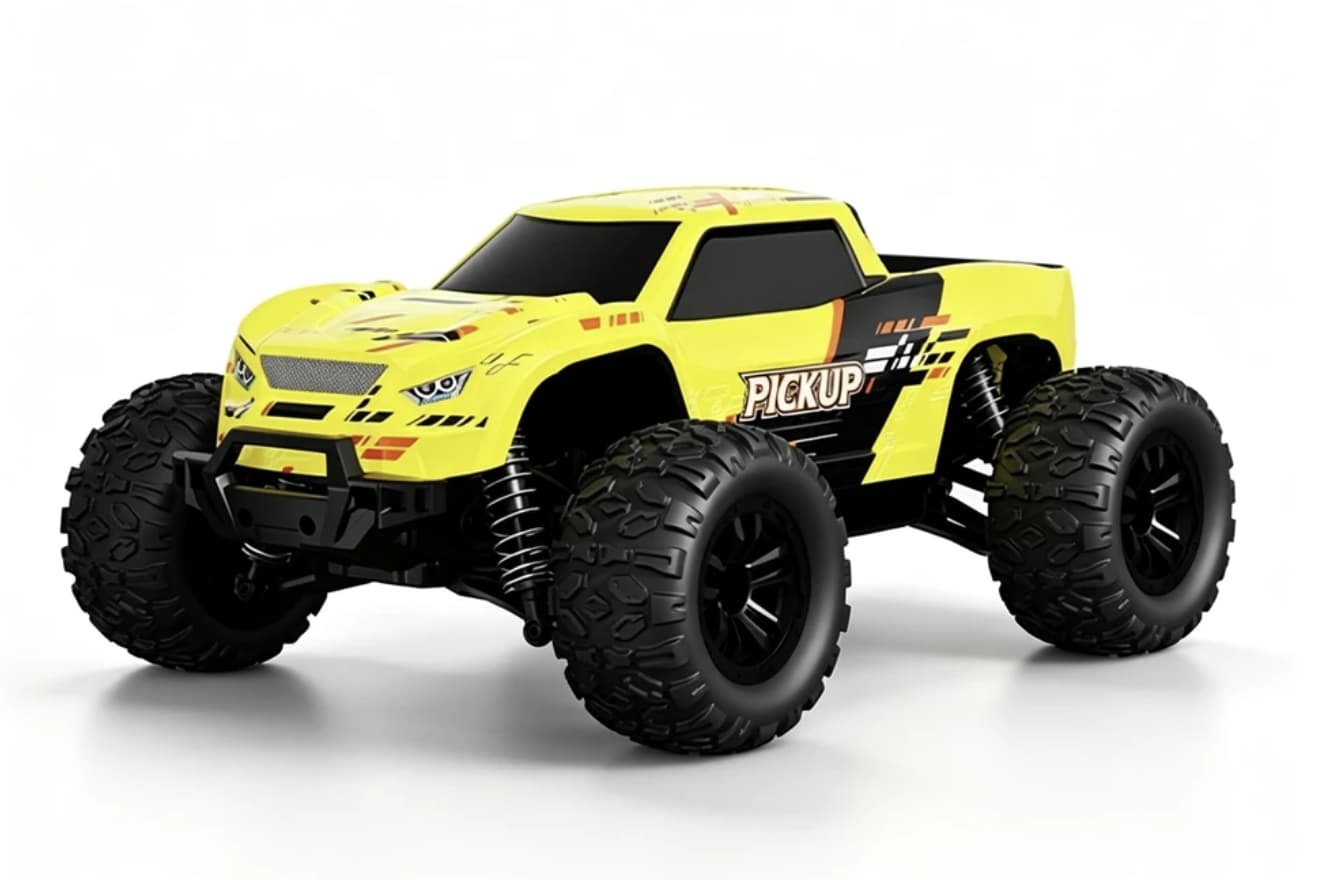

YH Toys YH18001 PRO delivers an impressive balance of speed, durability, and value in the increasingly competitive 1/18-scale RC market. Its 70km/h brushless powertrain, metal drivetrain upgrades, independent suspension, and full-time 4WD make it a capable off-road performer that is equally enjoyable for beginners looking to step into the hobby and experienced drivers wanting a compact high-speed basher.
For RC enthusiasts seeking a portable monster truck with genuine hobby-grade performance, the YH18001 PRO stands out as an exciting option that offers far more capability than its compact dimensions might suggest.
The post YH Toys YH18001 PRO Review: A 70km/h 1/18 Brushless RC Monster Truck Built for Speed and Off-Road Fun appeared first on IGeeKphone China Phone, Tablet PC, VR, RC Drone News, Reviews.
Artificial intelligence may not deliver on its promise of vast economic opportunity at a price that humanity is willing to pay
In March, Anthropic, the cutting-edge artificial intelligence business that gave us the chatbot Claude, published an analysis on the impact of AI on employment, to help us assess the claim that intelligent robots were about to redefine human existence, ending demand for human labor.
Last year in May, Anthropic’s co-founder, Dario Amodei, claimed AI could wipe out half of all entry-level jobs in one to five years. Last January, he told us AI would probably become a “general labor substitute for humans”. In June he said we risk “a world where the economic trade-off dial is stuck on the hypergrowth, hyper-inequality setting”.
Continue reading...
© Photograph: DragonImages/Getty Images

© Photograph: DragonImages/Getty Images

© Photograph: DragonImages/Getty Images
Num novo vídeo, a Neuralink de Elon Musk mostra como a sua tecnologia de implantes cerebrais já permite que participantes com paralisia controlem cadeiras de rodas elétricas com a mente.
The post Neuralink avança nos testes com implantes cerebrais e mostra como é possível controlar uma cadeira de rodas com a mente appeared first on Tek Notícias.
Civil servants face being sanctioned if they fail to use the preferred name or gender of a transgender colleague, leaked Whitehall guidance has revealed.
The post Civil Servants Face Sanctions if They ‘Misgender’ Trans Colleagues appeared first on The Daily Sceptic.
The mega-disposable vaping sector has officially entered the 50,000-puff arena, introducing complex multi-battery architectures and hyper-advanced displays. In this ultimate high-capacity clash, the Upends UP9 50K Vape Kit goes head-to-head with the NEXA Ultra II (also recognized as the Ultra 50k II). Both devices seek to eliminate the anxiety of running out of juice on a long trip, yet they treat the 50k puff milestone with distinct approach pathways. The UP9 relies heavily on a specialized dual-battery setup, whereas the Ultra II leans into its innovative locked flavor preservation design.

When it comes to aesthetic footprints, both devices break away from generic box shapes, opting instead for structural elements that immediately command attention. The Upends UP9 features a striking, clear visual layout dominated by a transparent e-liquid tank and an expansive, wrap-around 270-degree 3D screen. This sweeping panoramic screen offers constant, high-definition tracking of your real-time settings and power levels from almost any viewing angle. The combination of a crystalline tank and a smooth outer framework creates a look that feels highly technical and deeply satisfying to handle.

The NEXA Ultra II responds with a refined, ultra-modern polycarbonate chassis designed specifically to minimize annoying smudges and fingerprints. It is noticeably more compact than its direct predecessor, giving it a much softer, more pocketable feel. Like the UP9, the Ultra II boasts a clear, transparent tank window that lets you confidently evaluate your remaining e-juice by eye rather than guessing blindly. Its standout visual asset is a massive, smartwatch-inspired front display panel flashing crisp animated circuitry graphics. For those who prefer a stealthier approach, it introduces a convenient Dark Mode toggle that allows users to switch off the flashing lights while keeping basic stats active.
Looking closely at the underlying mechanics reveals two distinctly engineered beasts designed to squeeze out maximum longevity.
The Upends UP9 is powered by a creative dual-battery system, distributing power across a built-in 850mAh base battery combined with a separate 230mAh battery tucked into the pod itself to achieve a total output pool of 1080mAh.
Capacity & Puff Count: Packs a massive 20ml e-liquid reservoir delivering a full 50,000-puff ceiling.
Adjustability: Utilizes a highly flexible Triple Power Mode scaling from a cool 15W draw (yielding 50,000 puffs) up to a punchy 25W cloud mode (dropping total yields to 30,000 puffs).
Convenience: Integrates a Smart Click Match System, Type-C fast charging, and dedicated airflow adjustments to tailor the restriction.
The NEXA Ultra II utilizes a single, robust 900mAh quick-charge battery paired with an equally impressive 20ml e-liquid capacity.
Juicy Lock System: NEXA implements a two-part assembly system featuring their proprietary Juicy Lock click-in framework. The tank and battery ship as separate components in the box, locking out leaking or stale e-juice prior to activation.
Output Modes: The Ultra II is driven by a 1.0Ω dual mesh coil system supporting two distinct operation presets. Normal Mode delivers a steady, cool vape for the full 50,000-puff threshold, while Turbo Mode instantly cranks up flavor intensity, throat hit, and vapor density (reducing life to 30,000 puffs).
| Specification | Upends UP9 | NEXA Ultra II |
| Battery Configuration | 1080mAh Total (850mAh + 230mAh Dual System) | 900mAh Integrated Battery |
| Output Adjustability | Triple Modes: 15W / 20W / 25W | Dual Modes: Normal / Turbo |
| Display Style | 270-degree Panoramic 3D Screen | Animated Circuit Screen with Dark Mode |
| Freshness Protection | Smart Click Match System | Click-in Juicy Lock Mechanical Seal |
Choosing between these two 50k juggernauts hinges on your preference for fine-tuning power versus total flavor structural defense. The Upends UP9 is a spectacular choice if you love deep wattage personalization, giving you three distinct power modes and a massive dual-battery reserve to play with. On the other hand, if your priority is consistent, zero-fade flavor performance protected by a physical leak-proof seal and an option to black out your display lights completely, the NEXA Ultra II stands tall as the absolute gold standard for long-haul durability.
Read Also: Kanger Subox Mix vs NEXA ULTRA II: The Battle of the 50K Puff Titans
The post Upends UP9 50K VS NEXA Ultra II Quick Comparison Review appeared first on IGeeKphone China Phone, Tablet PC, VR, RC Drone News, Reviews.
Se você quer se divertir com um bom jogo de tiro em primeira pessoa, conheça e veja como instalar o jogo OpenSpades no Linux via Flatpak.
Leia o restante do texto "Como instalar o jogo OpenSpades no Linux via Flatpak"
O post Como instalar o jogo OpenSpades no Linux via Flatpak apareceu primeiro em Blog do Edivaldo - Informações e Notícias sobre Linux.
The Varta crisis has entered another severe phase after the German battery manufacturer lost the customer responsible for nearly all production at its specialized factory in Nördlingen.
Varta has not publicly identified that customer, but reports from German media and industry sources point to Apple. The iPhone maker is reportedly moving battery orders for a future AirPods generation to a lower-cost supplier in China.
The decision will lead Varta to stop producing rechargeable button cells in Nördlingen during fall 2026. Approximately 350 jobs will be eliminated across the factory and the company headquarters in nearby Ellwangen.
Describing the development as a complete corporate collapse would go too far. Varta continues operating other battery businesses and recently completed an extensive financial restructuring backed by Porsche. The loss of Apple, however, has destroyed the economic foundation of a production site created around one highly influential customer.
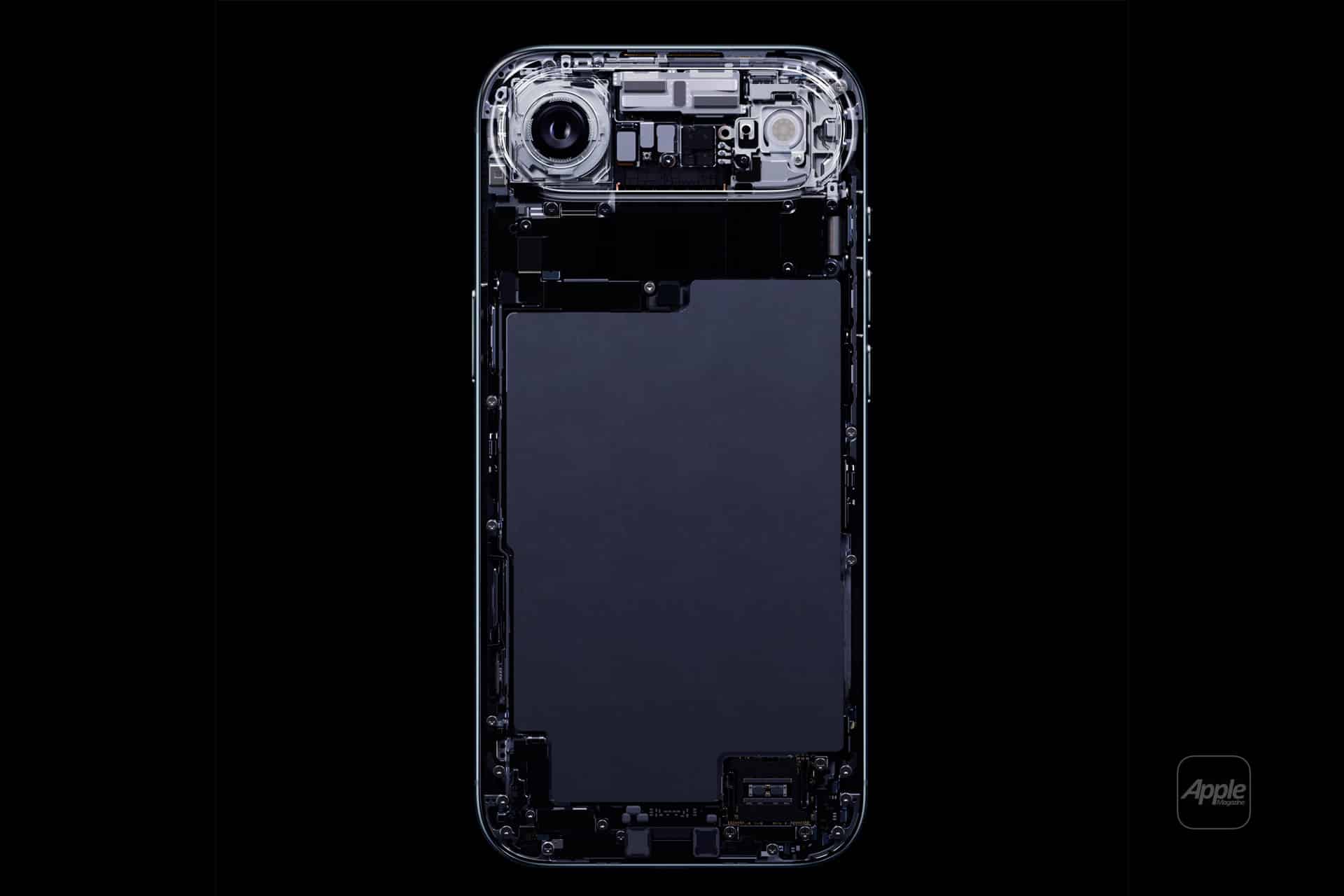
The Varta crisis illustrates how a large technology customer can transform a supplier and then leave it with capacity that cannot easily be reassigned.
Varta became an important producer of CoinPower lithium-ion cells, small rechargeable batteries designed for wireless earbuds and other compact devices. Teardowns of AirPods Pro models identified Varta cells inside the earbuds, although Apple does not publicly discuss most component suppliers by product.
Demand from premium wireless headphones helped Varta expand rapidly. In 2020, its Microbatteries and Solutions division generated approximately €508 million in revenue, representing growth of 49% from the previous year.
The company invested heavily in production as wireless earbuds became a mass-market category. Apple demand provided the volume needed to justify specialized lines, equipment and hiring in Germany.
That dependence became dangerous when AirPods production weakened and Apple began adding other battery suppliers. A factory developed for unusually large orders could not operate efficiently once those orders declined.
The customer now leaving Nördlingen had previously accounted for nearly the entire capacity of the site. Varta says it has gained other customers, but their combined demand is not sufficient to keep the specialized factory running.
The plant is therefore closing not because rechargeable button cells have disappeared, but because replacing one customer of Apple scale requires far more than several smaller contracts.
German reports indicate that price was the decisive factor behind the supplier change.
Varta battery quality was reportedly equal to or better than the competing product. The German manufacturer could not, however, match the cost offered for the next generation of cells from China.
Battery production in Germany faces higher labor, energy and operating expenses than many Asian manufacturing centers. Chinese suppliers also benefit from extensive domestic electronics supply chains, access to materials and production volumes spread across numerous customers.
Apple has enormous leverage when negotiating component contracts. AirPods ship in sufficient quantities for a small difference in the cost of each battery to produce substantial savings across an entire product cycle.
The company regularly qualifies multiple suppliers for components when technical requirements and available capacity permit. Competition can reduce prices, protect production against interruptions and prevent one manufacturer from gaining excessive influence over the supply chain.
For Varta, that process brought the opposite effect. The supplier expanded to serve Apple and then faced declining utilization as the customer divided orders among additional manufacturers.
The latest move appears more final. Varta expects the contract to expire at the end of October, removing the volume that kept Nördlingen economically viable.

The reported decision does not mean Apple is moving its complete production network toward China.
Apple has spent several years expanding device assembly and component production in India, Vietnam and other countries. AirPods manufacturing has grown in India, while Macs, iPads and wearables are assembled across a wider group of Asian locations.
The Varta case concerns a particular component for which a Chinese supplier reportedly offered a more competitive price. It shows that diversification away from one country can coexist with cost-driven sourcing from that same country.
Apple may reduce its dependence on Chinese final assembly while continuing to purchase Chinese batteries, displays, enclosures or electronic components when suppliers provide the required scale and pricing.
That balance creates a difficult environment for European manufacturers. Political interest in domestic technology production does not guarantee that major customers will accept higher component prices.
Premium engineering can protect a contract when it produces a measurable advantage in battery capacity, safety, dimensions or lifespan. Once competing suppliers reach comparable performance, procurement decisions become increasingly sensitive to cost.
The Varta crisis suggests that manufacturing location and supplier history carried less weight than the economics of the next AirPods battery.
Apple did not create every problem affecting Varta.
The company entered the current dispute after years of debt, costly investments, volatile customer orders, supply-chain problems and weaker demand in parts of its energy-storage business. A cyberattack in early 2024 also disrupted production and delayed financial reporting.
Varta warned that its earlier restructuring plan might fail after Apple reduced AirPods production. By mid-2024, the company had reached a point where it could no longer service its debt without another intervention.
A pre-insolvency restructuring reduced financial liabilities from approximately €485 million to €200 million. Porsche and majority shareholder Michael Tojner agreed to provide new capital, while creditors supplied additional financing.
Existing shareholders lost their investment as Varta was removed from the stock market. The process preserved the operating company but demonstrated how little financial room remained for another major disruption.
Varta reported a loss of €64.5 million for 2024. Although that was an improvement from the previous year, the business remained dependent on successful restructuring and stronger performance from its surviving divisions.
The Apple contract loss therefore did not independently bring down a healthy battery group. It struck a manufacturer that had already narrowly avoided insolvency.

Porsche participation gives Varta a future in automotive batteries, but it does not rescue the Nördlingen button-cell operation.
The automaker invested in the restructuring and took control of the V4Drive business, which develops high-performance cylindrical lithium-ion cells for hybrid and performance vehicles. Porsche gains greater access to battery technology while helping retain part of that expertise in Germany.
Varta also continues producing household batteries and energy-storage systems. Those businesses serve different customers and do not depend on the machinery used for tiny CoinPower cells.
Employees affected by the Nördlingen closure may be offered positions at other locations, although Varta has not indicated how many can realistically be transferred. The company and its works council are negotiating measures for the workers whose roles will disappear.
The shutdown leaves a modern production unit without enough demand only a few years after wireless earbuds were presented as one of Varta most promising growth markets.
Its remaining automotive operation now has the security of a strategic customer with a direct ownership interest. The microbattery division learned the cost of building a factory around a customer that never made the same commitment.
The post Varta Crisis Deepens After Apple Battery Defection appeared first on AppleMagazine.

Se você quer ter mais controle sobre as ROM's de seus jogos, conheça e veja como instalar o gerenciador de ROM JRomManager no Linux via Flatpak.
Leia o restante do texto "Como instalar o gerenciador de ROM JRomManager no Linux via Flatpak"
O post Como instalar o gerenciador de ROM JRomManager no Linux via Flatpak apareceu primeiro em Blog do Edivaldo - Informações e Notícias sobre Linux.
The EHRC has released new trans schools guidance on how to comply with the Equality Act. But from changing rooms to pronoun use it puts children at risk, says Caroline Ffiske.
The post The EHRC’s New Trans Schools Guidance Puts Children at Risk appeared first on The Daily Sceptic.