❌

Reading view

Human milk exosomal miR-144-5p reduces NEC by modulating TLR4/NF-κB

Neonatal necrotizing enterocolitis (NEC) remains one of pediatrics’ most devastating intestinal disorders, and safer, mechanism-driven therapies are urgently needed. New findings suggest that tiny vesicles naturally present in human breast milk—exosomes—may offer protection by delivering a specific regulatory microRNA.

Researchers report that exosomes enriched with miR-144-5p can help restore the intestinal tight junction barrier, a key defense line that collapses during NEC. By focusing on miR-144-5p, the team moves beyond earlier observations that breast milk exosomes can reduce NEC severity and instead pinpoints a molecular cargo likely responsible for part of that benefit.

The study centers on how NEC damages epithelial integrity and promotes inflammatory signaling. Tight junction disruption is associated with increased permeability, bacterial translocation, and worsening inflammation—conditions that accelerate disease progression in vulnerable newborns. The investigators therefore examined whether miR-144-5p could counter these barrier failures in NEC contexts.

Mechanistically, the work links miR-144-5p action to the TLR4/NF-κB pathway, a well-known inflammatory axis. Toll-like receptor 4 (TLR4) senses danger-associated cues and can trigger NF-κB activation, driving transcription of pro-inflammatory mediators. In NEC, exaggerated signaling through this route contributes to tissue injury and impaired repair.

By modulating this cascade, miR-144-5p appears to dampen downstream inflammatory responses while promoting recovery of junctional structure. The paper’s data indicate that exosomal delivery is central: miRNAs packaged within vesicles can be taken up by recipient cells more efficiently than naked RNA, enabling functional gene regulation in target intestinal compartments.

Together, the results support a model in which breast milk exosomal miR-144-5p alleviates NEC by suppressing TLR4-driven NF-κB activation, thereby reducing inflammatory injury and enabling tighter regulation of epithelial junctions. If translated, such a cargo-guided approach could complement existing supportive NEC treatments.

While additional work will be required to confirm efficacy across models and to evaluate safety, the study provides a clear mechanistic roadmap: therapeutic exosomes or miRNA mimics that bias TLR4/NF-κB activity may be a promising strategy for protecting the neonatal gut.

Subject of Research: Neonatal necrotizing enterocolitis (NEC), breast milk-derived exosomes, miR-144-5p, tight junction barrier repair, TLR4/NF-κB signaling.

Article Title: Human milk exosomal-miR-144-5p alleviates neonatal necrotizing enterocolitis by regulating the TLR4/NF-κB pathway.

Article References: Chen, Z., Chen, C., Hu, X. et al. Human milk exosomal-miR-144-5p alleviates neonatal necrotizing enterocolitis by regulating the TLR4/NF-κB pathway. Pediatr Res (2026). https://doi.org/10.1038/s41390-026-05305-9

Image Credits: AI Generated

DOI: 10.1038/s41390-026-05305-9

Keywords:

  •  

Seed crystals push solvent‑free perovskite cells to 25.53% efficiency

Solar cells, devices that can convert sunlight into electricity, are now widely used in many countries, where they are helping to reduce reliance on electricity generated from fossil fuels. While most solar cells used today are made of silicon, energy engineers have been assessing the potential of cells based on other materials with lower manufacturing costs.

  •  

This clever parakeet helped design its own perch

Most products made for pets are designed entirely by humans. But what if animals could help design the things they use? A new project suggests they can. Researchers worked with a pet parakeet named Shiso to create a wearable perch based on the bird’s own preferences, turning the design process into a true collaboration between […]

The post This clever parakeet helped design its own perch appeared first on Knowridge Science Report.

  •  

This smart wearable patch vibrates to warn you of dangerous gases and toxic water

Imagine wearing a small patch that can instantly warn you if you are exposed to dangerous gases or contaminated water. Instead of sending an alert to your phone that you might not notice right away, the patch vibrates against your skin, giving you an immediate warning to move away from danger. Researchers at North Carolina […]

The post This smart wearable patch vibrates to warn you of dangerous gases and toxic water appeared first on Knowridge Science Report.

  •  

Bubble control tech unlocks electricity-free hydrogen peroxide production at industrial-level rates

A research team led by Professor Sunghak Park of the Department of Future Energy Engineering at Sungkyunkwan University, with research teams from Korea University and Northwestern University, has developed an innovative electrochemical system capable of producing eco-friendly hydrogen peroxide (H2O2) in large quantities and with high efficiency without an external power supply.

  •  

Email threats changed after the Tycoon2FA take-down

Traditional phishing techniques are in decline as a result of the disruption of the Tycoon2FA phishing-as-a-service (PHaaS) platform, Microsoft said in a new report, “Email threat landscape: Q2 2026 trends and insights”.

“Phishing volume linked to the platform fell 92% from pre-disruption averages, including QR code phishing and CAPTCHA-gated phishing both declining from their March highs,” the company wrote in the report.

The takedown reduced activity across multiple phishing categories, forcing attackers to shift to newer delivery methods.

Riding this shift in were a few notable phishing campaigns, including an automated business email compromise (BEC) campaign that reached 42,000 organizations in under three hours, and a multi-stage phishing campaign that used nested email (EML) files, calendar invitations, and a Microsoft authentication redirect to deliver malware.

To counter phishing attacks, Microsoft recommends blocking emails containing known bad URLs/ subject fields, enabling password-less authentication methods, or moving to MFA for accounts that still require passwords.

Tycoon2FA disruption sent attackers exploring

The take-down of Tycoon2FA forced its operators to abandon portions of their infrastructure and rework hosting, domain registrations, and delivery mechanisms.

“After falling 15% in March and another 22% in April, Tycoon2FA-linked phishing volume dropped 74% in May to just 1.5 million messages, then fell another 20% in June to 1.2 million, by far the lowest monthly volumes observed in at least a year,” Microsoft said.

The decline extended to QR Code lures and fake CAPTCHA pages, two phishing techniques in which Tycoon2FA accounted for 12% and 14% of industry activity in June, respectively. This indicated that the platform’s customer base had not been able to migrate to a replacement infrastructure.

But cutting off one head of the hacker hydra only gave rise to new tactics elsewhere.

The adaptation came in the form of using Microsoft Teams as a social engineering channel. Attackers established conversations to build trust before attempting credential theft or delivering malicious payloads. “Teams-based phishing volume climbed steadily throughout Q2, with the average number of detected attacks rising 19% from March to April, holding roughly flat into May (+1%), then increasing another 10% into June,” Microsoft said.

Microsoft also observed a highly automated BEC campaign that reached over 67,000 users using scripted emails, Amazon Simple Email Service (SES), and engagement tracking, alongside a separate phishing campaign targeting 107,000 users that abused Microsoft’s authentication flow and trusted cloud services, including Teams archive recording and ICS calendar invite, to disguise malware delivery behind legitimate infrastructure.

Phishing changes but the defense doesn’t

While QR Code and Captcha-based phishing attacks dropped significantly in the second quarter, business email compromise (BEC) charted jumped 121% between March and April, before dropping down again in May.

QR Code phishing represented 8.3 million attacks in June 2026, down from a peak of 18.7 million in March. Similarly, Captcha-gated phishing fell from 12 million attacks in March to 2.2 million in June.

BEC attacks hit 9 million in March, falling to 3.9 million in June.

But even as these phishing classics lost momentum and newer techniques emerged, Microsoft’s defensive advice remained rooted in the basics. It noted organizations should complement email filtering with phishing-resistant authentication such as passkeys and phishing-resistant MFA to reduce the effectiveness of credential theft campaigns.

The company also recommended strengthening Exchange Online Protection and Microsoft Defender for Office 365 with capabilities such as Safe links and Zero-hour Auto Purge (ZAP), in which malicious emails already delivered to mailboxes are removed before they are read, alongside enforcing password-less authentication methods like Windows Hello, FIDO keys, and Microsoft Authenticator.

Microsoft concluded its report with a list of indicators of compromise (IoCs) from the threats observed in the quarter to support detection efforts.

This article first appeared on CSO.

  •  

AI extracts hidden material rules from microscopic data to predict large-scale behavior

Researchers from the National University of Singapore (NUS) have developed artificial intelligence (AI) methods that learn the large-scale behavior of complex materials from microscopic data. By automatically identifying a small number of hidden variables that capture the collective behavior of a system, the methods can predict how materials evolve over time while reducing the need for costly simulations.

  •  

Rotating metamaterial units could enable long-range wave control beyond conventional limits

A Seoul National University College of Engineering research team, led by Professor Joo Hwan Oh of the Department of Mechanical Engineering, in collaboration with Dr. Myung Hwan Bae of the Korea Research Institute of Standards and Science (KRISS), has developed a new elastic metamaterial platform that enables the free design of how externally applied forces and vibrations propagate.

  •  

“Forever Chemical” Breakthrough Rapidly Degrades Synthetic Substances Linked to Cancer and Other Health Problems

The problem of per- and polyfluoroalkyl substances, or PFAS, a group of potentially cancer-causing “forever chemicals,” may finally have a solution, thanks to German scientists.

The PFAS group contains more than 10,000 synthetic substances that refuse to break down, leading to the term “forever chemicals,” and which instead build up in the body to cause developmental issues, immune problems, and even cancer.

Now, Helmholtz-Zentrum Dresden-Rossendorf (HZDR) researchers have reported not one, but two new solutions to the forever chemical problem in recent papers published in the journals Chemical Engineering Journal Advances and Scientific Reports.

One of these new processes for addressing this long-standing environmental problem employs hydrodynamic cavitation, while the other employs cold atmospheric plasma combined with gas dispersion.

Forever Chemicals Explained

PFAS have exceptionally stable carbon-fluorine bonds, which make them difficult to break down. Through industrial wastewater, these forever chemicals are released into oceans and rivers, where they can accumulate in plants, animals, and humans. While some of them are tied to specific health risks, many are still question marks, with their health consequences unclear.

The work at HZDR is part of Germany’s “National Water Strategy,” aimed at protecting the country’s water supplies. In a 2022 preliminary study that the new work built on, researchers degraded PFAS chemicals through a hydrodynamic cavitation process.

Work on these new processes was conducted at the Helmholtz Center for Environmental Research (UFZ), confirming that both processes degrade PFAS and produce fluoride, which the researchers hope will soon be adopted in industry.

The First Solution

“In hydrodynamic cavitation, we pass PFAS-enriched water through a constriction, generating small vapor bubbles,” explained co-author Dr. Sebastian Reinecke, head of the Department of Water and Environmental Technologies at HZDR. “When the bubbles burst under the rising ambient pressure in the water downstream of the constriction, the PFAS that are attached to the bubbles are exposed to local temperature spikes of several thousand degrees Celsius.”

While this occurs, highly reactive hydroxyl radicals form during cavitation, which the team believes then attack intermediate products, hastening the breakdown of PFAS.

The researchers demonstrated that PFAS chemicals in tap water were broken down, with higher concentrations of fluoride produced as treatment duration increased. A persistent and well-studied PFAS, perfluorooctane sulfonate (PFOS), was used in the research, with 37% of the dissolved chemical eventually breaking down.

“We are now conducting follow-up experiments to increase the degradation rate,” Reinecke added. “Our goal is to improve the process to a degradation rate of more than 80 percent of the PFAS in the solution and mineralizing more than 50 percent of the fluorine that is bound in the chemicals – that means, breaking down the carbon-fluorine bonds that are typical of PFAS.”

Plasma Vs. PFAS

Dr. Amit Kumar, an environmental engineer at HZDR, led another series of experiments on cold atmospheric plasma and gas dispersion, which offered the advantage of not requiring catalysts or additional chemicals. Kumar applied some of his previous research on breaking down micropollutants to the problem of forever chemicals. 

“We generated plasma at the water surface while simultaneously introducing gas into the PFAS-contaminated water,” Reinecke explained. “The PFAS attach to the surface of the gas bubbles. As they rise, the water is constantly circulated. This brings the PFAS to the surface, where they are broken down in the plasma.”

Roughly 35% of the fluorine atoms in these forever chemicals were released as fluoride salts in the process, almost completely degrading long- and short-chain PFAS. 

“While this method has significantly faster reaction kinetics than cavitation, it also consumes far more energy per volume unit,” Reinecke notes. “In addition, the process generates numerous transformation products that we have not yet been able to investigate in detail – for instance, gaseous compounds that form during the reaction.” 

Scaling PFAS Degradation

With their central ideas proven, the researchers are now focused on scaling up these processes for industrial-scale wastewater applications. Part of this involves increasing the reaction volume from 50 milliliters to 5 liters and combining the two separate processes.

“I believe we’ll achieve high degradation rates by combining the highly reactive species from the plasma with the effects of cavitation,” says Reinecke.

Additionally, follow-up work is currently investigating whether any byproducts of the plasma process are harmful and how to mitigate those effects.

Merging the techniques could lead to a highly efficient new PFAS removal technology, providing a powerful tool for dealing with one of the most significant threats to clean water supplies.

The paper, “Enhanced Degradation and Defluorination of Perfluorooctane Sulfonate (PFOS) in Tap Water Using Gas-Dispersed Cold Atmospheric Plasma,” appeared in Scientific Reports on June 13, 2026, and the second study, “Degradation and Defluorination of Perfluorooctane Sulfonate (PFOS) Forever Chemical in Water Using Hydrodynamic Cavitation Treatment,” appeared in Chemical Engineering Journal Advances on March 26, 2026.

Ryan Whalen covers science and technology for The Debrief. He holds an MA in History and a Master of Library and Information Science with a certificate in Data Science. He can be contacted at ryan@thedebrief.org, and follow him on Twitter @mdntwvlf.

  •  

Using seaweed to harvest valuable metals

If you’ve ever swum in the ocean and been touched by seaweed, there’s a good chance it was Sargassum! This free-floating seaweed can have population explosions in coastal waters, degrading water quality, ecosystems, fisheries, and tourism. However, despite its drawbacks, scientists think that Sargassum could be useful for extracting valuable metals, known as rare earth elements (REEs). 

REEs are classified by their average masses and atomic weights. Light REEs include cerium, praseodymium, and neodymium, middle REEs include gadolinium, terbium, and dysprosium, and heavy REEs include erbium, thulium, and ytterbium. These metals are used in magnets, electronic motors, wind turbines, spacecraft, and more. Our current methods of extracting REEs, open-pit mining and chemical processing, are invasive, causing habitat loss and producing toxic waste. Additionally, REEs are difficult to import due to restricted access worldwide. But what if these metals could be extracted using natural methods? 

Scientists from Woods Hole and UCLA recently tested whether Sargassum could accumulate REEs, creating a sustainable solution to these problems. They harvested Sargassum at Waterfront Park in Woods Hole, rinsed the wet samples, and stored them in sterilized, filtered seawater, which they aerated with 12-hour cycles of light and dark to keep the Sargassum alive. They dried another set of samples in the sun under controlled outdoor conditions, stored them in sealed containers, and later rehydrated them in seawater for 3 hours before the experiments.

For each experiment, they added 5 grams (about 0.2 ounces) of Sargassum to solutions containing a mixture of 9 REEs – cerium, praseodymium, neodymium, gadolinium, terbium, dysprosium, erbium, thulium, and ytterbium – in concentrations totalling 0.1 micromolar (μM) REEs, 11μM REEs, 100 to 110μM REEs, and 575 to 600μM REEs. They performed each experiment 4 times: twice with fresh seaweed and twice with rehydrated seaweed. 

The researchers removed 1 gram (about 0.04 ounces) of seaweed from each solution after 1, 3, and 7 days, and dissolved it in acid to release the REEs it had absorbed. They analyzed the concentrations of REEs in each seaweed sample and the leftover solutions using 2 different plasma-based methods. They used these REE concentrations to calculate the ratio of REEs in the Sargassum versus in the solution, known as the bioconcentration factor, to determine how effectively the seaweed absorbed REEs. 

They found that after 7 days at lower REE concentrations (0.1μM), the fresh seaweed had bioconcentration factors of over 1,000. At higher REE concentrations (11μM), their bioconcentration factors ranged from about 400 to 700. However, these levels of REEs were eventually toxic to the fresh Sargassum, so they died after 2 weeks. In addition, the higher REE concentrations of 100 to 600μM were immediately toxic to the fresh Sargassum, which died within 1 day in solution. 

The researchers determined that once the seaweed died, it could no longer actively take up REEs into its tissues but could only accumulate them on its surface or adsorb them. Adsorption can be thought of as a powdered donut – when the surface is covered with powdered sugar, no more powder fits on the donut. Similarly, there was a limit to how many REEs could stick to the Sargassum. Due to this limit, the fresh seaweed samples had bioconcentration factors below 250 in the highest REE concentrations. In contrast, the rehydrated Sargassum consumed less REEs at lower concentrations, but didn’t experience toxicity and continued to accumulate REEs at higher concentrations.

Finally, the team compared Sargassum to a common industrial method of accumulating REEs, known as activated carbon. REEs bond easily to activated carbon because of its abundant surface area and high porosity. Both materials accumulated a similar amount of REEs in solutions of 0.1μM REEs. However, at 575 to 600μM REEs, Sargassum accumulated about twice as many REEs as activated carbon, especially the heavier REEs. 

​The researchers concluded that Sargassum is a natural hyper-accumulator, meaning it successfully concentrates REEs. However, they recommended that future researchers test whether Sargassum performs the same in the natural environment as it does in the lab. If so, Sargassum could be used to accumulate REEs from wastewater, like mine drainage, or other water sources with higher concentrations of REEs. Regardless, they suggested that using Sargassum to obtain REEs could simultaneously expand global access to these metals and mitigate toxic blooms.

The post Using seaweed to harvest valuable metals appeared first on Sciworthy.

  •  

Topological Jackiw-Rebbi States in Photonic Van der Waals Heterostructures

A new study is turning an elegant quantum idea into a practical platform for light. In research published in Light: Science & Applications, physicists report “topological Jackiw–Rebbi” states engineered inside photonic van der Waals heterostructures—systems built by stacking atomically thin materials with precisely tailored interfaces. The result is a photonic phenomenon that echoes how particles can be trapped at boundaries where the rules of their governing equations change.

The work builds on the classic Jackiw–Rebbi mechanism, originally proposed for relativistic particles. In those models, a localized mode appears when a mass term flips sign, effectively creating a domain wall. The authors translate this concept into optics by designing photonic structures where an effective “mass” characterizing light propagation changes across an interface.

What makes the platform especially compelling is the van der Waals architecture. Unlike conventional fabrication routes that can introduce disorder, the layered nature of these materials enables sharp, controllable boundaries and tunable photonic band structures. By adjusting the stacking and interlayer optical responses, the researchers create conditions in which topological modes become robust against typical imperfections.

The study emphasizes that these states are not merely conventional guided resonances. Instead, they are tied to topology: the light modes are associated with an invariant property of the band structure. As a consequence, the Jackiw–Rebbi-like photonic states are expected to persist even when the system’s details vary, so long as the relevant symmetry and band configuration remain intact.

Topological protection is more than a slogan. In photonics, it can translate into reduced sensitivity to fabrication tolerances and a pathway toward devices that rely on stable boundary transport. The paper therefore positions these localized states as building blocks for future optical components that route signals along designed interfaces.

The authors demonstrate the concept theoretically and connect it to experimental observables by focusing on how the interface should host modes localized near the domain wall region. Such localization is a hallmark of the Jackiw–Rebbi scenario, now realized in a controllable, designer photonic environment.

Beyond fundamental interest, the approach could influence the design of reconfigurable photonic circuits. Because van der Waals stacks can be combined and adjusted, the same topology-driven logic may be extended to new material systems, wavelengths, and device geometries.

Overall, the report signals a broader trend: using topological field-theory ideas to engineer light–matter behavior in atomically precise platforms, potentially enabling the next generation of robust, interface-based photonic technologies.

Subject of Research: Topological photonic states (Jackiw–Rebbi) in van der Waals heterostructures.

Article Title: Topological Jackiw-Rebbi states in photonic Van der Waals heterostructures.

Article References: Randerson, S.A., Bouteyre, P., Hu, X. et al. Light Sci Appl 15, 323 (2026). https://doi.org/10.1038/s41377-026-02392-5

Image Credits: AI Generated

DOI: 10.1038/s41377-026-02392-5

Keywords:

  •  

The Propellantless Spacecraft Technologies That Could Help Us Reach the Stars

Soyuz FG Rocket Launch From Gagarin’s Start Baikonur CosmodromeFuture spacecraft may travel farther by drawing momentum from planets, sunlight, and the solar wind instead of onboard fuel. Every conventional rocket faces the same problem: it must carry the material that propels it. Since Konstantin Tsiolkovsky described the rocket equation in 1903, spacecraft have burned fuel and expelled it backward to move forward under [...]
  •  

Can You See It? This Stealth Drone Deploys a Human Perception “Hack” to Become Nearly Invisible to the Eye

An innovative new drone dubbed the “Phantom Twist” can seemingly disappear from view, in a major new robotics advancement offering a close-to-invisible aerial platform.

Its name describes the drone’s rapid spinning motion, which rotates 25 times per second—too fast for the human eye to resolve—thereby acting as a sort of cloak shielding it from visible detection.

The Northwestern University engineering team behind the Phantom Twist revealed their drone during a recent talk at the Sydney, Australia, Robotics: Science and Systems 2026 conference on July 16.

Stealth Drones

“Most efforts to hide drones focus on making them look like their surroundings,” said Northwestern’s Michael Rubenstein, who led the work. “Instead, we asked whether we could design the drone itself around the way humans perceive motion. This idea of low visibility through persistent motion is something few people have explored.”

invisible drone
The Phantom Twist drone’s unique rotation renders it almost invisible when in flight (Image Credit: Northwestern University)

Hiding drones is not a new idea. Other engineers have attempted a variety of techniques, including camouflage, transparent materials, and light-bending to obscure the presence of drones and robots. However, all of those focused on the material the drone’s exterior was constructed from, allowing it to blend into the background. The Northwestern team’s innovation was in how the object moves.

To our eyes, fan blades disappear because they are moving so fast that our eyes cannot track them. The “motion blur” created at these speeds allows the Phantom Twist to almost disappear, leaving only a faint apparition perceptible to the eye. 

Nature Drones

While several military applications are immediately obvious, the team instead says their work could be useful in developing noninvasive wildlife and environmental monitoring. Loud drones can scare wildlife, disrupting them as they scatter, but by blending in, the Phantom Twist could capture a much more accurate picture of natural behaviors.

Their perception-based design eschews the traditional quadcopter design for a single propeller, with a body that spins in the opposite direction, creating the optical illusion that the drone essentially disappears.

Phantom Twist invisible drone
As it spins, the Phantom Twist’s movements become virtually invisible to the human eye (Image Credit: Northwestern University)

“For a typical quadrotor drone, the propellers are spinning, but the robot is stationary,” Rubenstein said. “So, you still see its body. For our drone, the whole thing is rotating, so there are no stationary parts.”

Creating the Phantom Twist

Using AI and optimization algorithms, the Northwestern team began by generating 20,000 different arrangements of a drone’s propeller, motor, circuit board, and other necessary components. Eventually, the algorithm landed on the most promising configurations, after which the researchers simulated and superimposed them onto real-world backgrounds. 

Another computer model mimicked human perception, allowing the engineers to assign a perception score for how visible each design would be to human eyes. An algorithm then optimized those designs by moving components to minimize the visibility score even further.

“The design process was fully automated,” Rubenstein said. “Then, when we were confident that a drone met all our criteria, we built it.”

A Revised Drone

The key feature of this design is that the individual components are at such varying heights and angles that they do not overlap as it spins, maximizing the motion-blur effect and creating the appearance of a faint cloud rather than a solid object.

“The human eye takes time to accumulate signals, roughly analogous to the exposure time of a camera,” said Alexander, an expert in computer vision. “When an object spins quickly, we perceive it as blurring out and losing distinct features. Because this new drone is almost entirely transparent, its few opaque components are visually averaged with the background for an overall appearance of a slight haze.”

Currently impeding the drone from being even more imperceptible to the eye are the wires and support rods that remain visible, as well as the engine noise it produces, which is readily discernible. Going forward, the team plans to continue improving Phantom Twist in future iterations to incorporate more transparent materials and reduce the noise it produces.

Ryan Whalen covers science and technology for The Debrief. He holds an MA in History and a Master of Library and Information Science with a certificate in Data Science. He can be contacted at ryan@thedebrief.org, and follow him on Twitter @mdntwvlf.

  •  

Bayesian framework integrates longitudinal EHR data with genetic discovery

A new Bayesian system called ALADYNOULLI is designed to forecast how multiple diseases unfold over time from longitudinal electronic health record (EHR) histories. The work targets a central challenge in longitudinal modelling: evaluating prediction without “information leakage,” so that future diagnoses never influence training for past timepoints. By explicitly simulating real clinical follow-up, the researchers aim to make risk estimates more trustworthy for decision-making.

In the primary assessment, ALADYNOULLI produced dynamic 1-year forecasts at 10 fixed moments during follow-up, starting at enrollment and extending to years 1 through 9. At each timepoint, models were retrained using only data available up to that moment, then tested on 1-year outcomes. The key metric was the median area under the receiver operating characteristic curve (AUC) across these dynamic evaluations, summarizing how predictive accuracy changes as new diagnoses accumulate.

The study spans 28 diseases and reports robust discrimination for several clinically important endpoints. Performance was strong for atherosclerotic cardiovascular disease (ASCVD), breast cancer, atrial fibrillation, heart failure, and Parkinson’s disease, with AUC values of 0.879, 0.867, 0.801, 0.811, and 0.796, respectively. Importantly, the evaluation excluded people with prevalent disease at prediction time, aligning the comparisons with prospective risk.

ALADYNOULLI was also benchmarked against established clinical risk tools where feasible. At enrollment, static models trained only on baseline information were compared for both 1-year and 10-year horizons. While longer-term predictions naturally degraded, ALADYNOULLI retained meaningful power—for example, for ASCVD at 10 years—highlighting the advantage of learning from longitudinal EHR trajectories rather than relying solely on cross-sectional inputs.

Calibration analyses further supported reliability: predicted and observed event rates matched closely across millions of at-risk patient-time observations. The researchers report a mean squared error on calibration of 4.67 × 10⁻⁷, with mean predicted rates (5.55 × 10⁻⁴) closely tracking mean observed rates (5.45 × 10⁻⁴). This suggests not only ranking accuracy, but also quantitative risk realism.

To test whether results were driven by subtle temporal artifacts, the team ran sensitivity analyses that excluded events occurring shortly before prediction and varied washout windows. They also examined alternative horizons and a dynamic 10-year rolling interpolation strategy, which updates risk estimates as annual information becomes available. Together, these checks help confirm that temporal patterns are being learned in a causally aligned manner.

Overall, the findings position ALADYNOULLI as a clinically relevant framework for multi-disease risk forecasting, combining longitudinal EHR modelling with predictive discrimination and calibration. By rigorously preventing leakage and validating dynamic follow-up scenarios, the approach offers a pathway toward more actionable, time-aware risk prediction in real-world healthcare settings.

Subject of Research: Longitudinal EHR-based multi-disease risk prediction using Bayesian modelling and genetic/EHR integration
Article Title: A Bayesian framework for longitudinal EHR and genetic discovery.
Article References: Urbut, S.M., Ding, Y., Nakao, T. et al. A Bayesian framework for longitudinal EHR and genetic discovery. Nature (2026). https://doi.org/10.1038/s41586-026-10780-5
Image Credits: AI Generated
DOI: https://doi.org/10.1038/s41586-026-10780-5
Keywords: longitudinal EHR, Bayesian framework, disease risk prediction, dynamic forecasting, temporal validation, calibration, AUC, ASCVD

  •  

Climate Change Alters Resource Adequacy Risks and Optimal Wind, Solar Siting

Climate change is poised to reshuffle the reliability problem facing decarbonized power systems, according to a new study that links weather extremes, long-term climate projections, and real-world infrastructure constraints. As grids rely more heavily on wind and solar, they become sensitive not just to the amount of renewable capacity installed, but to where that capacity is sited relative to transmission lines, load centers, and the local meteorological patterns that govern output.

Using high-resolution climate projections at 12-km scale, the researchers examined how future conditions could alter both renewable generation and electricity demand across two distinct US regions: New England and Texas. They then coupled these climate inputs with an optimization model operating at the county level, allowing the team to test how system design choices—particularly spatial siting of wind and solar and the presence of transmission bottlenecks—affect long-run adequacy.

The results suggest a sharp increase in resource inadequacy risk by mid-century. In both regions, climate change can drive prolonged periods of low renewable generation, which occur when meteorological conditions reduce wind and solar output while demand simultaneously rises. For Texas, the study finds the frequency of inadequacy events could increase dramatically—up to fivefold—if planning proceeds using non-climate-informed assumptions.

Crucially, the work shows that these risks are not determined by aggregate capacity targets alone. Fine-scale siting decisions can lock the system into unfavorable “weather-resource–grid” pairings, amplifying periods when local supply falls short and transmission limits prevent imports from compensating.

Yet the study also offers a pathway to resilience. Climate-informed planning can mitigate the emerging adequacy threat at relatively modest cost. Texas, for example, can maintain near-zero marginal investment cost by shifting wind capacity westward, improving alignment with future wind patterns and reducing reliance on constrained transfers.

New England requires a different strategy. The region faces a higher investment need—about a 2.34% increase—achieved through targeted solar and transmission expansion closer to load centers. This approach helps buffer localized shortfalls during future, climate-driven demand and renewable output mismatches.

Overall, the study argues that achieving climate-resilient decarbonization means moving beyond simple build-out schedules. Instead, it calls for high-resolution, climate-aware spatial planning that reveals siting opportunities invisible to coarse models—turning reliability from a static design metric into a dynamic, region-specific forecast problem.

Subject of Research: Climate change and resource adequacy risks in wind/solar grids, including optimal renewable siting
Article Title: Climate change reshapes resource adequacy risks and optimal renewable energy siting in wind and solar energy systems
Article References: Qiu, L., Khorramfar, R., Wang, S. et al. Climate change reshapes resource adequacy risks and optimal renewable energy siting in wind and solar energy systems. Nat Energy (2026). https://doi.org/10.1038/s41560-026-02109-3
Image Credits: AI Generated
DOI: https://doi.org/10.1038/s41560-026-02109-3
Keywords:

  •  

Queen Odor Mediates Reproductive Suppression in Eusocial Mammals

Naked mole-rats have long puzzled biologists with their striking eusocial structure, where most adults remain reproductively suppressed while a queen controls the colony’s future. Now, a new study identifies a chemical “queen odour” that links social status to endocrine control, revealing a mammalian analogue to insect queen pheromones.

The molecule, termed IPM, is enriched by the queen and acts as the key mediator of reproductive suppression in non-breeding females. When IPM is present, circulating prolactin rises while progesterone is suppressed, locking the colony into a stable reproductive hierarchy characterized by reduced conflict and maintained group cohesion.

Crucially, the team connects this behavioural outcome to the brain. Using multiple approaches—including non-invasive functional ultrasound imaging (fUSI)—they show that IPM provokes strong activation of olfactory neurons and central neural circuits. This provides a neural substrate for how a chemical cue can trigger colony-wide physiological change, rather than relying on social learning or passive association.

The experiments also clarify sensory routing. Ablating olfaction abolishes aggression initiation and lowers prolactin levels, directly tying IPM detection to reproductive suppression. While the findings are consistent with sensing through the main olfactory epithelium, the authors note that the vomeronasal system may still contribute.

Queen removal normally destabilizes colonies, leading to aggression, reproductive competition, prolactin decline, and, in extreme cases, mortality. Yet when IPM is added to queenless bedding, the colony remains stable for months. During this period, fecal progesterone metabolite levels stay low, indicating sustained ovarian quiescence alongside elevated prolactin.

The study also addresses a longstanding paradox: transferring soiled bedding and urine from parent colonies fails to maintain suppression in isolated individuals. The authors propose that IPM’s chemistry helps explain this discrepancy. As a long-chain fatty acid ester with low volatility, IPM may persist within the colony environment but fail to travel effectively over distance or survive transfer pathways that preferentially carry other chemicals.

Comparative work extends beyond naked mole-rats. IPM is detected in breeding females of four additional Fukomys species. Although reproductive suppression mechanisms may differ across species, the presence of a similar queen-linked odorant suggests convergent chemical strategies for managing reproductive skew in eusocial mammals.

Overall, the research reframes reproduction control as a chemosensory-to-endocrine pathway: IPM activates olfactory–hypothalamic signalling, elevating prolactin and inhibiting GnRH release. This “social hormone” model offers a new principle for social evolution—chemical cues can synchronize behaviour and physiology at the scale of an entire mammal colony.

Subject of Research: Reproductive suppression and social hierarchy in eusocial mammals (naked mole-rats and related Fukomys species)

Article Title: A queen odour mediates reproductive suppression in a eusocial mammal

Article References:

Khallaf, M.A., Hart, D.W., Luo, W. et al. A queen odour mediates reproductive suppression in a eusocial mammal.
Nature (2026). https://doi.org/10.1038/s41586-026-10772-5

Image Credits: AI Generated

DOI: https://doi.org/10.1038/s41586-026-10772-5

Keywords: IPM; queen odour; reproductive suppression; prolactin; GnRH; olfaction; eusociality; functional ultrasound imaging; Fukomys

  •  

Hasanuddin University Study Shows Bacterial Cellulose for High-Performance Energy Storage

Bacterial cellulose—nature’s own polymer scaffold—is gaining attention as a renewable feedstock for supercapacitor electrodes. With modern devices demanding fast charge, high power bursts, and long cycle life, researchers are searching for electrode materials that combine performance with sustainability.

A new systematic literature review led by Prof. Dahlang Tahir at Hasanuddin University, Indonesia, maps how bacterial cellulose-derived carbon (BCC) is turned into energy-storage electrodes—and why some fabrication paths outperform others. The study synthesizes evidence from the scientific record to clarify which processing choices control electrochemical behavior.

The review focuses on BCC as a precursor to porous carbon. Bacterial cellulose forms a naturally pure, interconnected network of nanoscale fibers, and heat treatment can convert that architecture into carbon structures with tunable porosity—critical for charge storage. The authors emphasize that electrical performance is not just a matter of “making carbon,” but of preserving and engineering the fiber network before carbonization.

Across 49 Scopus-indexed journal articles, the team compares major strategies including direct carbonization, chemical activation to enlarge pore systems, heteroatom doping to modify surface chemistry, and composite fabrication with materials that can add rapid redox (pseudocapacitive) contributions.

A recurring message is the importance of pre-carbonization drying. Freeze-drying appears as the most commonly used approach because it limits collapse of the wet nanofiber structure during water removal. Since pore architecture governs ion access and charge transport, maintaining nanoscale structure can translate into higher effective capacitance.

The review also distinguishes test formats. Three-electrode measurements are frequently reported, but two-electrode devices better represent real supercapacitor operation, where electrode–electrode interactions shape performance.

When processing is optimized, the results point toward a pathway for BCC-based electrodes to rival or surpass commercial activated carbon under comparable conditions. Activation and heteroatom doping generally increase accessible surface area and create additional active sites, while composites often achieve the strongest capacitance by combining electrical double-layer effects with fast surface reactions.

Yet the authors warn that progress is constrained by inconsistent experimental reporting, uneven protocols, and limited mechanistic understanding. To move beyond laboratory demonstrations, they call for predictive design, data-driven structure–performance models, scalable carbonization methods, and robust flexible devices resistant to deformation and humidity.

Subject of Research: Supercapacitor electrodes using bacterial cellulose-derived carbon
Article Title: Bacterial cellulose-derived carbon electrodes for supercapacitors: Fabrication strategies, electrochemical performance, and mechanical properties — A review
News Publication Date: 9 June 2026
Web References: https://doi.org/10.1016/j.est.2026.123044
References: 10.1016/j.est.2026.123044
Image Credits: Lightenoughtotravel from Wikimedia Commons

Keywords

bacterial cellulose; supercapacitors; porous carbon; freeze-drying; chemical activation; heteroatom doping; electrode materials; two-electrode testing; pseudocapacitance; sustainable energy storage

  •  

New 3D silicon chip stacks circuits on top of each other to boost computing power

The massive hardware demands of artificial intelligence (AI) applications are stretching the physical and structural limitations of semiconductors. But researchers have engineered a three-dimensional silicon chip that they propose as the solution.

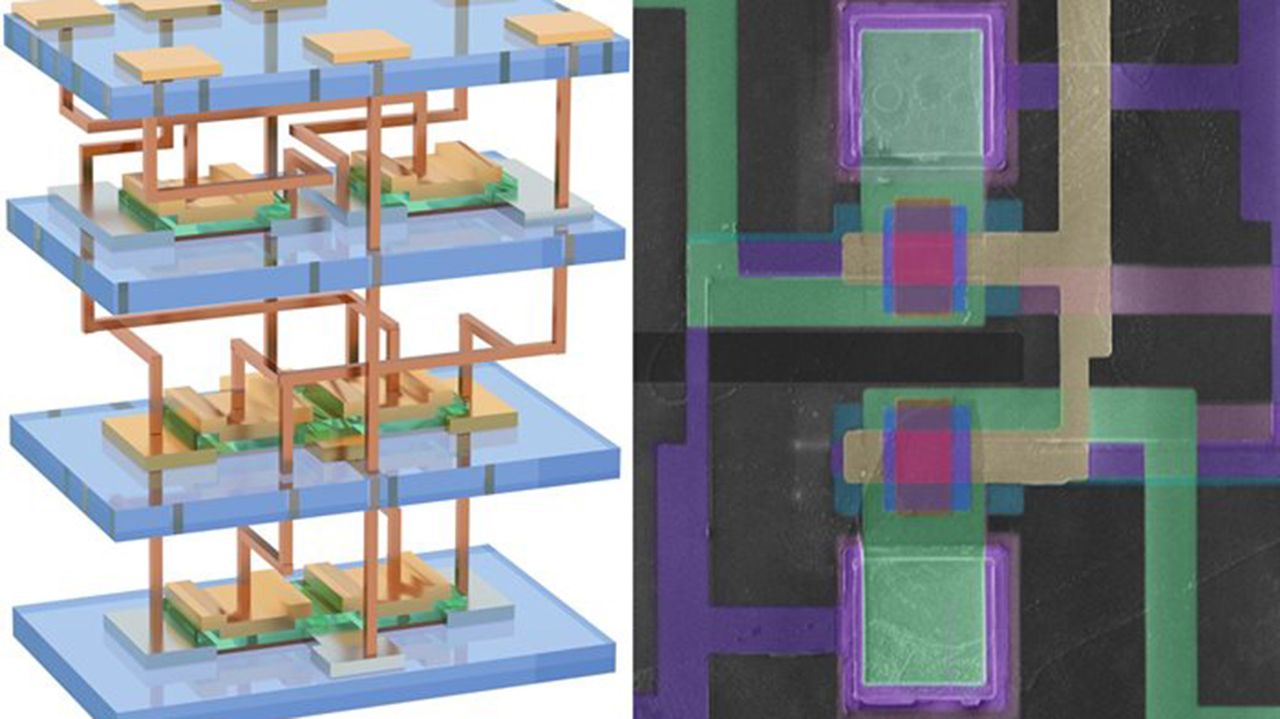
In a new study published May 27 in the journal Nature, scientists found a way to cram more computing power into a chip by stacking silicon circuits in multiple layers in a way that doesn't impact performance.

Stacking chips vertically, known as 3D integration, is more efficient than traditional 2D chips, where silicon circuits are spread across a single surface. This is because stacking shortens the distance that data has to travel and reduces the power required for data transmission.

The researchers' 3D chip uses ultrathin silicon membranes and low-temperature manufacturing techniques to overcome the challenges of current chip architectures.

"Our method is not only easier to implement with lower cost, but it has several advantages over previous approaches to stack silicon wafers," Qing Cao, first author of the study and a materials science and engineering professor at the University of Illinois Urbana-Champaign, said in a statement.

Extending Moore's law

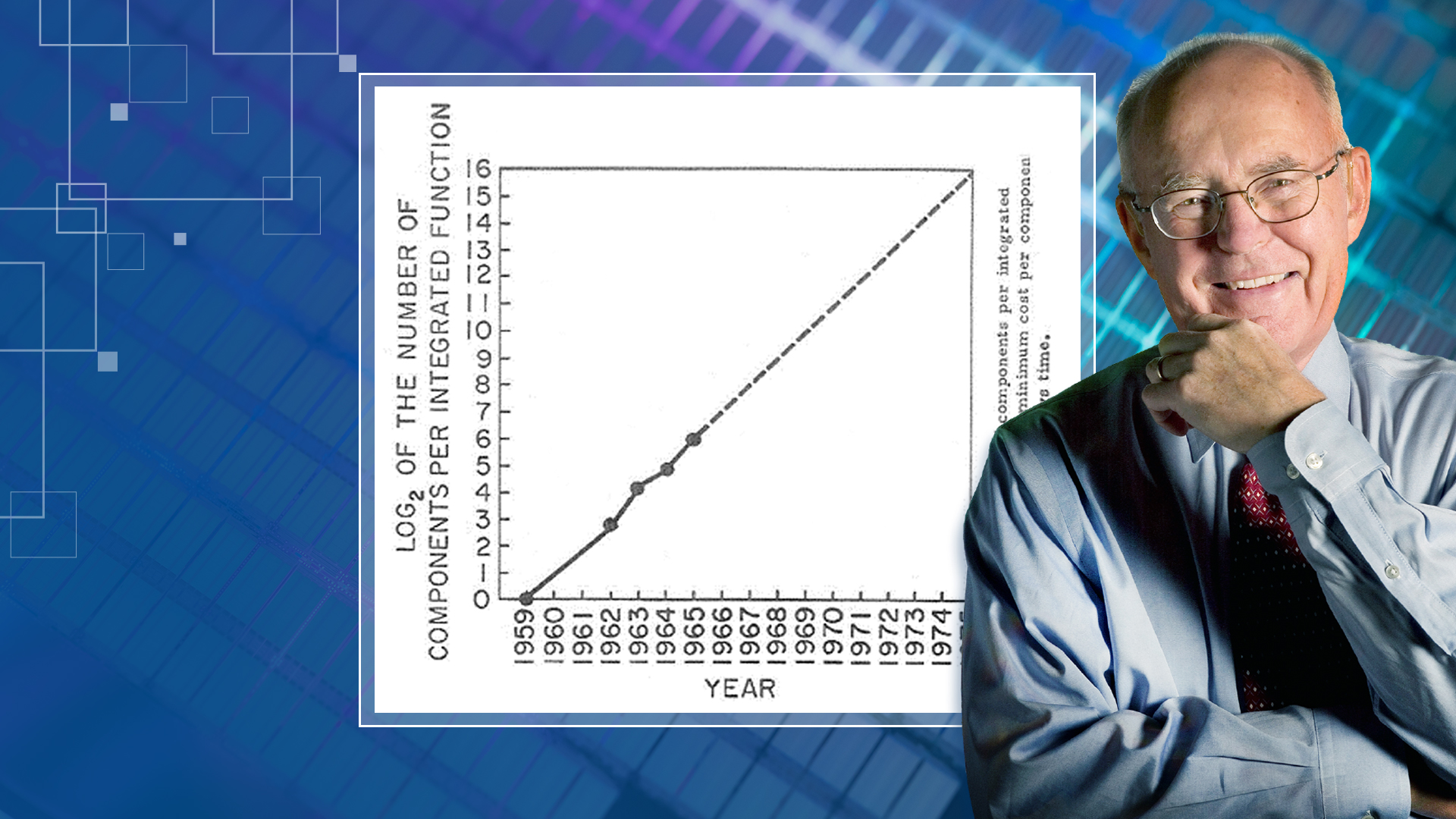
Since the 1960s, ensuring that electronics can handle more demanding applications has meant making transistors smaller so more can be packed onto a single chip. But, as Cao pointed out, doubling the number of transistors every couple of years — a principle known as Moore's law — is becoming less feasible.

"If you look at the actual size of transistors, they're not getting smaller, especially in terms of their contacted gate pitch," Cao said in the statement — defined as the combined width of one transistor gate and the space needed to separate it from the next.

"This is because we're becoming limited by the intrinsic material properties of silicon and the fundamental rules of quantum mechanics. If we're going to keep up the trend of increasing processing power of our microprocessors, we have to start thinking beyond just squeezing more devices on a single surface."

The researchers think vertical integration across multiple layers is the best way to guarantee that engineers can continue to adhere to Moore's law, because this approach creates room for more transistors on a chip.

"Today it takes six microelectronic devices called transistors on a single plane to store one bit of information," Cao explained, suggesting that just like in a densely populated city, the only way to solve overcrowding is to build upward. "You get the same functionality, but the spatial footprint is reduced while making communication between layers faster and more efficient."

Gordon Moore photographed beside a graph representing Moore's Law.

Scientist Gordon Moore seen with a graph representing Moore's Law. (Image credit: Intel)

Getting around the heat problem

Stacking is nothing new, of course, but vertical integration — building layers directly on top of one another — can create thermally dense packages. In the study, the researchers noted that the fabrication of high-quality silicon chips demands temperatures up to 1,832 degrees Fahrenheit (1,000 degrees Celsius).

However, once the first chip layer has been completed, the metal wiring introduced to connect further layers can be destroyed by such high temperatures. As a result, the "thermal budget" — the maximum amount of heat that can be endured before degradation starts to occur — for any additional layers is 752 F (400 C), said Cao. This can result in performance and reliability issues.

When creating 3D stacked silicon chips, manufacturers have sought to avoid this problem by using alternatives to single-crystalline silicon for the upper layers, according to the researchers. These materials include amorphous and nanocrystalline metal oxides, carbon nanotubes and polycrystalline silicon, but they can lead to performance and reliability issues, the scientists said in the study.

To overcome this challenge, Cao and his team adopted an approach called "monolithic integration" — a process in which all chip components are fabricated on a single piece of substrate, as opposed to making them separately and then bonding them together later.

To build each chip, the researchers created ultrathin silicon nanomembranes that they then transferred, using a roll laminator, onto a substrate containing the bottom layer.

The maximum temperature required to generate a strong bond using this method was just 392 F (200 C) — five times less than the heat normally required. The membranes they transferred were also just 10 nanometers thick or less — about the size of a protein — compared with the approximately 500-to-700-micrometer (500,000 to 700,000 nanometers) thickness of a typical wafer. Because they are thin, these membranes are mechanically flexible to conform to the underlying surface, Cao added.

The result of this process was a 3D chip with three layers, each containing 625 transistors. This pales in comparison to the billions of transistors that can be crammed onto chips already on the market, but the researchers believe their technology boasts power efficiency benefits. The electrical current that can flow through the chip has proved to be at least three to four times greater than that of monolithic chips made from alternative materials.

The big question is whether their 3D silicon chip can make the leap from the laboratory to commercial applications. While the research demonstrates the potential of a chip comprising three stacked layers, the scientists suggested that plenty more layers can be added in future iterations.

Can you match these ancient devices to their pictures? Find out with our computing quiz!

  •  
❌