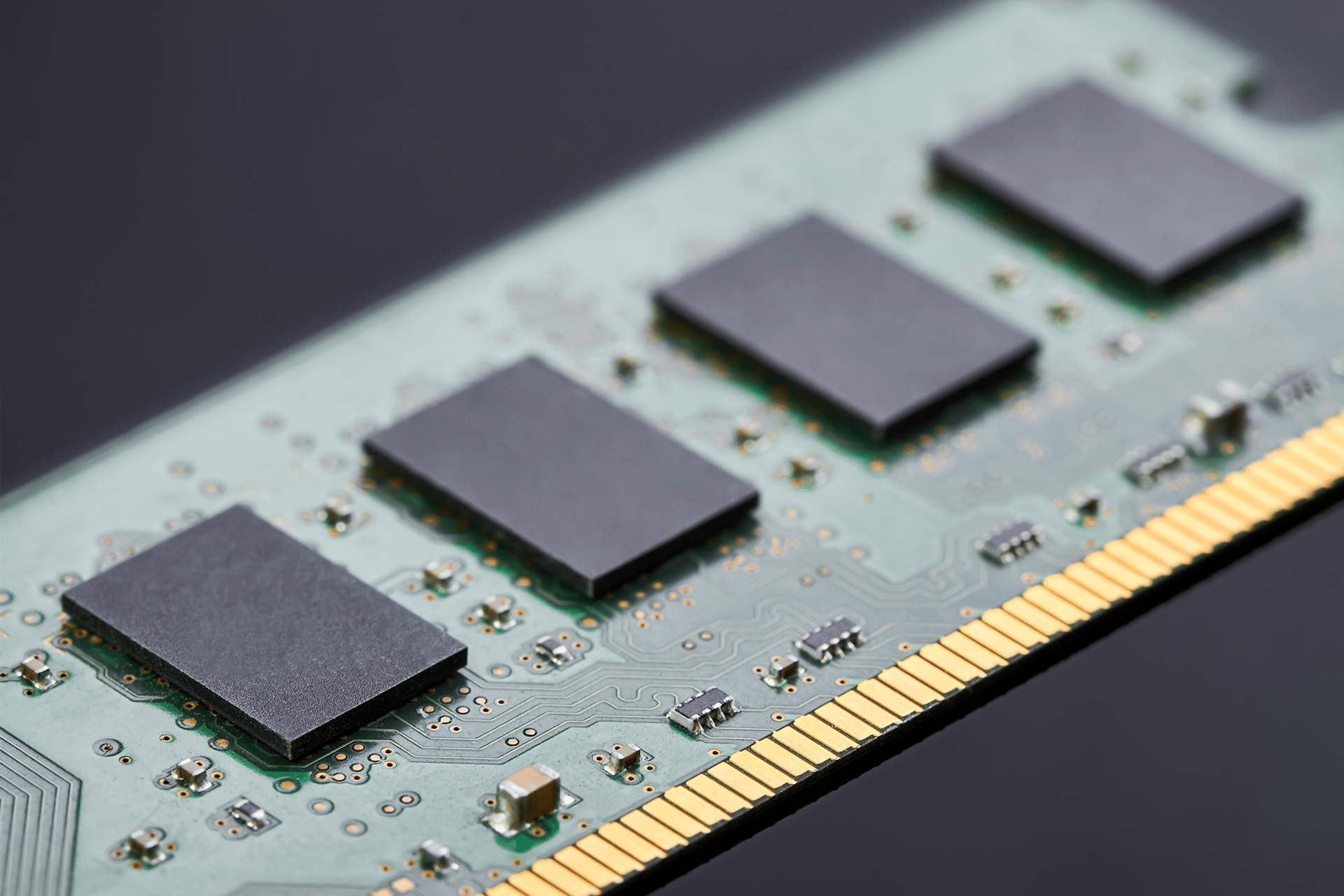
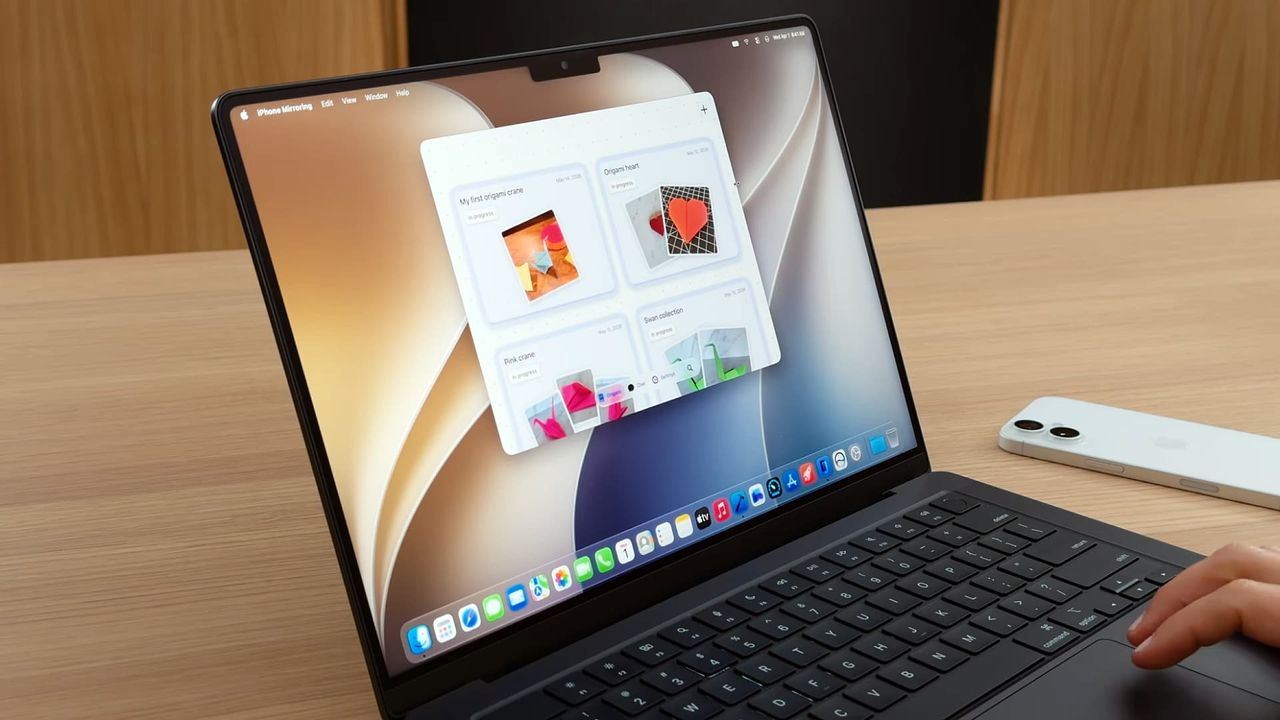
Para a estreia das telas OLED1Organic light-emitting diode, ou diodo emissor de luz orgânico. e do suporte ao toque em computadores com o suposto “MacBook Ultra”, a Apple poderá recorrer exclusivamente à Samsung Display como fornecedora dos painéis.
A informação partiu do site sul-coreano The Elec, o qual afirmou que, segundo as suas fontes relacionadas à cadeia de suprimentos, cerca de 250 mil unidades de painéis OLED de 14 e 16 polegadas (8,6ª geração) da Samsung foram encomendadas, com previsão de produção em massa para o mês de agosto.
A Apple não teria cogitado a LG Display e tampouco a BOE para o desenvolvimento dessas telas, devido a questões de rendimento, tornando a Samsung a única fornecedora viável.
De acordo com uma série de leakers, analistas e jornalistas, especulava-se que o “MacBook Ultra” tivesse o seu lançamento entre o final deste ano e o início do ano que vem, mas devido à crise de memória é possível que ele de fato chegue às lojas somente em 2027.
Segundo o jornalista Mark Gurman (da Bloomberg), tal Mac deverá ser equipado com os chips M5 Pro e M5 Max, com o conjunto (design, construção e tela) posicionando-o acima dos MacBooks Pro.
MacBook Pro de 16″
Cores: preto-espacial ou prateado Tela: padrão ou nano-texture Chips: M5 Pro ou M5 Max Memória: 24GB, 36GB, 48GB, 64GB ou 128GB Armazenamento: 1TB, 2TB, 4TB ou 8TB
Cores: preto-espacial ou prateado Tela: padrão ou nano-texture Chips: M5, M5 Pro ou M5 Max Memória: 24GB, 36GB, 48GB, 64GB ou 128GB Armazenamento: 1TB, 2TB, 4TB ou 8TB Adaptador de energia: USB-C de 70W ou 96W
NOTA DE TRANSPARÊNCIA: O MacMagazine recebe uma pequena comissão sobre vendas concluídas por meio de links deste post, mas você, como consumidor, não paga nada mais pelos produtos/serviços usando os nossos links de afiliado.
A Apple disponibilizou oficialmente hoje o iOS 26.6 (compilação 23G71), iPadOS 26.6 (idem), macOS Tahoe 26.6 (25G72), watchOS 26.6 (23U67), tvOS 26.6 (23L773), Software do HomePod 26.6 (idem) e visionOS 26.6 (23O770) para todos os usuários.
Também foram liberados o macOS Sonoma 14.8.8 (compilação 23J620) e o macOS Sequoia 15.7.8 (24G824) para as máquinas que estão rodando essas versões mais antigas.
MacBook Neo helped Apple move against the global PC market in the second quarter of 2026, delivering double-digit Mac shipment growth while most leading computer manufacturers sold fewer units than a year earlier.
Preliminary data from IDC estimates that Apple shipped 6.7 million Macs during the quarter, up 10.1% from 6.1 million in Q2 2025. Its worldwide market share rose from 8.5% to 9.9%, placing the company within a fraction of the 10% threshold.
The rest of the industry moved in the opposite direction. Global shipments fell 4.9% year over year to 68.2 million units, ending nine consecutive quarters of growth. A separate Omdia estimate placed the decline at 3.6% and Apple growth at 15.9%, but both research groups identified the same pattern: the Mac gained ground while established Windows PC vendors contracted or remained flat.
IDC directly connected the Apple increase with the arrival of its lowest-priced notebook. MacBook Neo began shipping in March, giving the model its first complete quarter of retail availability between April and June.
MacBook Neo Drives Mac Shipment Growth
MacBook Neo entered the market as an alternative for buyers previously priced out of the Mac lineup.
The 13-inch notebook launched at $599 with an A18 Pro chip, 8GB of unified memory, a Liquid Retina display and up to 16 hours of video playback. It also brought macOS, Apple Intelligence and integration with the iPhone ecosystem into a price range commonly occupied by mainstream Windows laptops and Chromebooks.
That positioning attracted students, families and first-time Mac customers who did not need the performance or display technology of a MacBook Air or MacBook Pro. The four-color aluminum design also gave the entry model a more recognizable identity than the older Mac notebooks that frequently remained on sale through discounts.
IDC had already identified the computer as an unusual source of strength when it revised its notebook forecast earlier in 2026. Demand exceeded initial expectations in several markets, and reported inventory shortages appeared shortly after the March launch.
The effect became much more visible in Q2. MacBook Neo was available for the entire three-month period, allowing Apple to increase production, expand retail distribution and serve customers who could not obtain the computer during its first weeks.
The entry model also widened the Mac lineup without replacing the MacBook Air. Buyers seeking more memory, faster ports, longer wireless web use or additional external-display support could continue moving toward the M5-powered Air, while the less expensive machine handled education, office work, web browsing and communication.
That separation allowed Apple to reach lower price points without reducing the value of its premium notebooks.
Image Credit: Apple Inc.
Lenovo, HP and Dell Lose Shipments
Apple remained the fourth-largest traditional PC vendor, but its performance contrasted sharply with the companies above it.
Lenovo retained first place with 16.6 million units and 24.4% market share. Its shipments declined 2.1% from the previous year.
HP experienced the steepest drop among the top five, falling 9% to 13 million units. Dell shipped 9.3 million computers, representing a 5% decline. Asus remained nearly flat at 5 million units, up only 0.2%.
Manufacturers outside the five largest brands collectively suffered a 10.5% contraction, indicating that weaker demand and component inflation placed even more pressure on smaller companies.
The figures measure shipments into distribution channels or directly to end users, not confirmed retail purchases by individual consumers. A manufacturer can therefore record shipment growth while some inventory remains unsold in stores or warehouses.
MacBook Neo demand appears to have been strong enough to support Apple production increases rather than simply filling channels. The company reportedly doubled its annual production target after the initial response, although later quarters will reveal how much of Q2 reflected lasting demand rather than launch-period enthusiasm.
Apple also benefits from operating at a scale that provides leverage with memory, storage and semiconductor suppliers. Smaller PC brands face greater difficulty securing components at competitive prices when shortages intensify.
Memory Costs Reverse the PC Recovery
The Q2 contraction arrived after manufacturers and commercial customers accelerated purchases during late 2025 and early 2026.
Buyers expected memory and storage prices to rise, encouraging some businesses to replace computers earlier than planned. Vendors also increased inventories while components remained available.
That activity supported nine quarters of market growth but borrowed demand from later periods. Once the early purchases were completed, the industry faced a more difficult combination of expensive components, cautious consumers and elevated retail prices.
The memory shortage is closely connected to the AI infrastructure boom. Chipmakers are dedicating more production capacity to high-bandwidth memory used by data center accelerators, limiting the supply of conventional DRAM needed for personal computers.
IDC expects little relief before the end of 2027 or early 2028. The research company forecasts an 11.3% decline in worldwide PC shipments across 2026, with the fourth quarter potentially falling 20% from the previous year.
Computer revenue may not decline at the same pace. Manufacturers have raised prices faster than shipments have fallen, allowing them to collect more money from fewer units.
That strategy creates another problem. Retailers and distributors can become trapped with expensive inventory if customers refuse the new prices, forcing promotions or production reductions later.
MacBook Neo initially softened that pressure by giving Apple a new product near the bottom of the notebook market. Its original $599 price made the Mac competitive with midrange Windows machines at the moment many rivals were becoming more expensive.
Image Credit: Freepik
The Price Increase Creates the Next Test
The strongest Q2 MacBook Neo shipments were recorded while most customers could still buy the computer at its introductory price.
Apple raised the U.S. starting price to $699 in late June as memory and storage costs affected the Mac and iPad lineups. The education price remained at $599, preserving the original offer for eligible students and educators.
A $100 increase changes the comparison with discounted Windows notebooks and places the entry model closer to older MacBook Air configurations available through third-party retailers.
Apple must now determine whether the appeal came primarily from the low launch price or from the combination of macOS, battery life, design and iPhone integration.
The company remains better positioned than many rivals to absorb supply disruption, negotiate long-term component agreements and promote several notebooks at different prices. MacBook Neo also uses an iPhone-class A18 Pro processor rather than an M-series chip, providing another way to manage silicon costs and production capacity.
IDC expects the full PC market to deteriorate during the second half of 2026. Apple will enter that period with almost 10% worldwide share, but the September quarter will be the first to measure MacBook Neo demand almost entirely at the higher $699 retail price.
Researchers show Gatekeeper can be bypassed by replacing a previously run legitimate macOS app with malware
Attack requires prior user‑level code execution, then swaps in a malicious app that Gatekeeper won’t re‑verify
Apple dismissed the issue, saying locally rebuilt bundles fall outside Gatekeeper’s scope, leaving risk to social engineering
A pair of researchers claims to have found a way around Gatekeeper, a built-in macOS security feature that helps protect users from running malicious or untrusted software. However Apple doesn’t really see it that way and has seemingly decided not to pursue the issue further.
Gatekeeper’s modus operandi is rather simple - when a user downloads an app from outside the App Store, it verifies the product comes from an identified developer and is notarized by Apple. If it can’t verify it - it won’t allow it to run on the machine.
Now, security researchers Talal Haj Barky and Tommy Mysk claim that, as long as a legitimate app was run at least once on a macOS device, it can be replaced with a malicious version, and Gatekeeper won’t even blink its virtual eye.
Locally built
That also means the attack is not that straightforward to pull off. The threat actor needs to have a way to execute user-level code (for example, a malicious app, a compromised software package installed through a package manager, or a prompt injection attack that tricks an AI agent).
Once that is obtained, they can archive a legitimate app, remove the original, then replace it with malware, and Gatekeeper will not try to re-authorize it. That malicious version can then trick the victim into compromising the device even further, since a certain level of trust was already established.
After reporting the issue to Apple, the company apparently just closed it.
"Apple doesn't consider this attack to be 'modifying' the signed executable," Mysk said. "Instead, Apple says that by archiving/restoring the app bundle, the proof-of-concept code overwrites the entire app bundle, making it locally built. Locally built app bundles are not covered by macOS guards. And this is why access to Keychain or TCC protected directories require system authorization prompts. And for users to accept those is a matter of social engineering attacks that Apple considers out of scope."
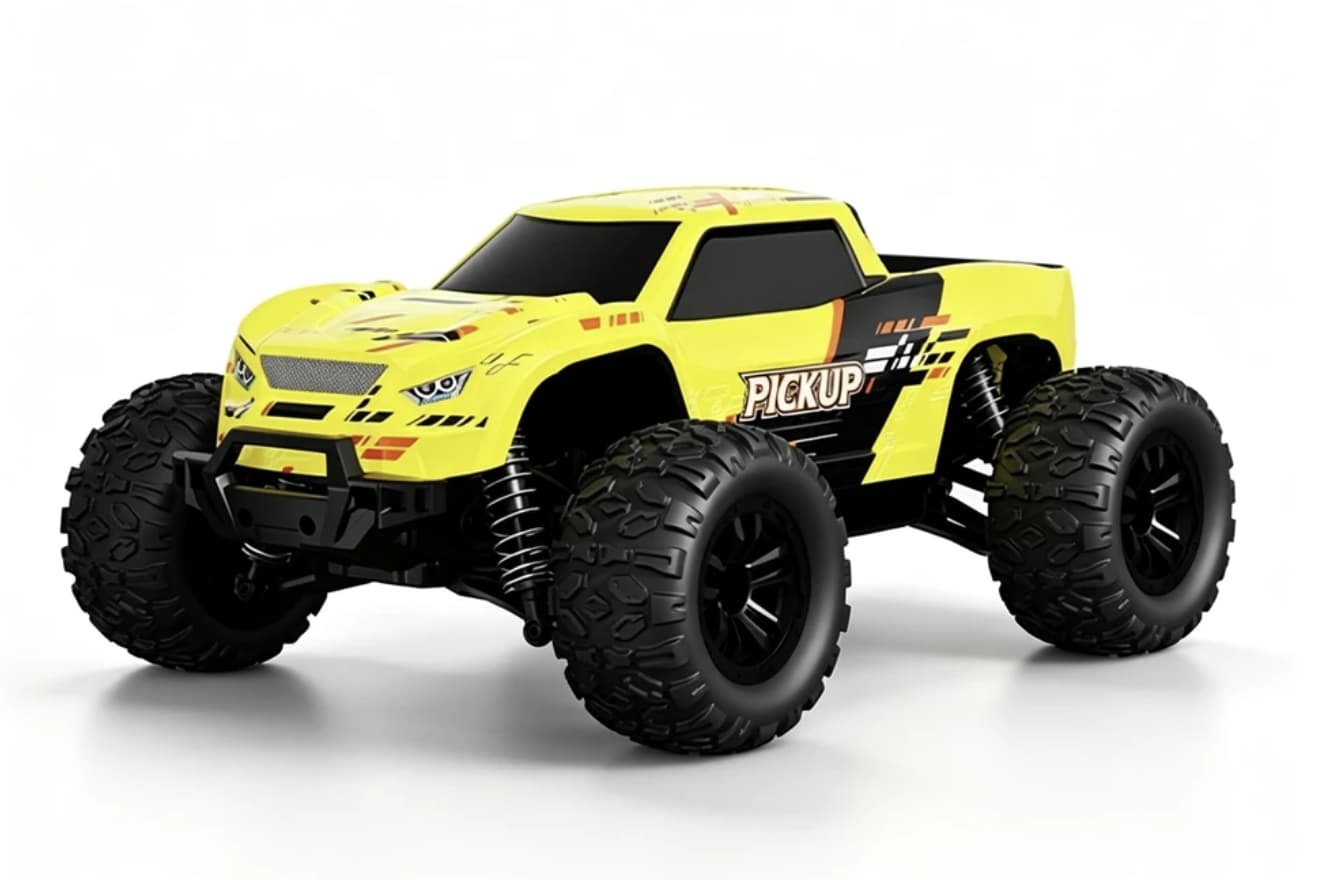
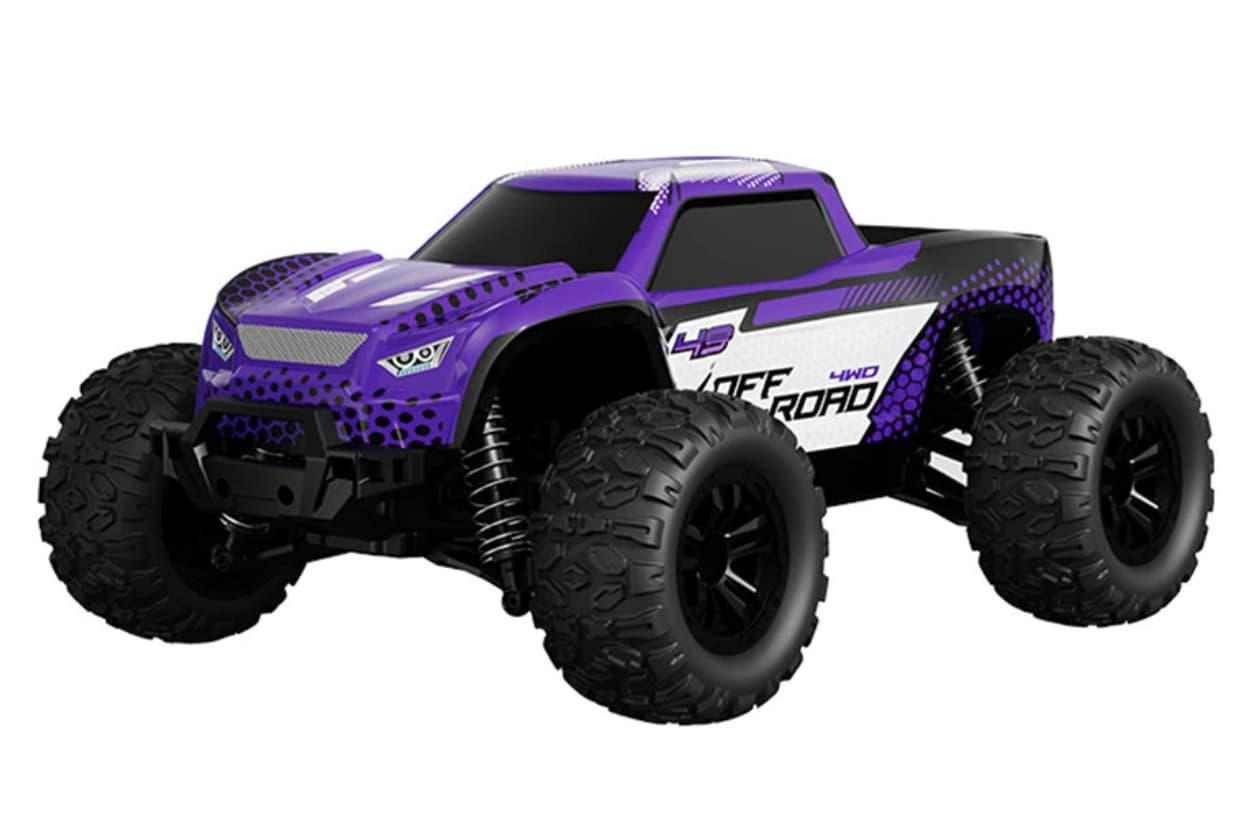
YH Toys YH18001 PRO is a compact yet powerful 1/18-scale brushless RC monster truck designed for enthusiasts who want high-speed performance without stepping up to a larger and more expensive platform. Featuring a 4300KV brushless motor, 4WD drivetrain, metal drivetrain components, and a claimed top speed of 70km/h, the YH18001 PRO promises an exciting driving experience on a wide variety of terrains.
Whether you’re new to the RC hobby or looking for a portable off-road basher, the YH18001 PRO packs impressive specifications into a rugged pickup-style body.
Compact Size, Serious Performance
Despite its 1/18 scale, the YH18001 PRO is engineered for performance rather than being a simple toy.
The truck measures 277 × 202 × 120mm and weighs approximately 758g, making it easy to transport while remaining stable at higher speeds. Its aggressive pickup truck body is complemented by LED headlights, realistic wheel arches, and a durable PVC shell that gives it an authentic off-road appearance.
4300KV Brushless Power System
The biggest highlight is its 2435 4300KV brushless motor, paired with a 35A integrated brushless ESC and receiver.
This setup enables the truck to reach speeds of up to 70km/h under ideal conditions, providing rapid acceleration and smooth throttle response. Compared to brushed RC vehicles, the brushless system delivers:
Higher efficiency
Greater reliability
Lower maintenance
Stronger acceleration
Longer motor lifespan
The truck supports proportional throttle and steering control, allowing drivers to precisely manage speed instead of operating at only full throttle or full brake.
Full-Time 4WD for All Terrains
The YH18001 PRO uses a shaft-driven four-wheel-drive system designed to maintain traction across challenging surfaces.
It performs well on:
Dirt trails
Gravel roads
Sand
Grass
Hard-packed surfaces
The drivetrain also includes numerous upgraded metal components such as:
Metal differentials
Metal center driveshaft
Metal CVD front driveshafts
Metal steering knuckles
Metal suspension mounts
Metal wheel cups
These upgrades improve durability during aggressive driving and repeated jumps.
Independent Suspension
Handling is enhanced by a double wishbone independent suspension system with front and rear spring shock absorbers.
This setup helps the truck absorb bumps while maintaining tire contact over uneven terrain, improving both stability and cornering performance.
Large off-road tires with deep tread patterns provide strong grip on loose surfaces, making the truck suitable for recreational bashing as well as casual racing.
Ready-to-Run Convenience
The YH18001 PRO arrives in RTR (Ready-to-Run) configuration.
Inside the box you’ll find:
YH18001 PRO RC truck
2.4GHz transmitter
7.4V Li-ion battery
USB charging cable
Wheelie bar
Screwdriver
Metal body clips
User manual
Only three AA batteries for the transmitter need to be purchased separately.
Battery Life
Power comes from a 7.4V 1600mAh 20C Li-ion battery.
Expected performance includes:
Approximately 18 minutes of driving time
Charging time of around 3–3.5 hours
While runtime is typical for a high-speed brushless RC vehicle, enthusiasts planning extended sessions may wish to purchase an additional battery pack.
2.4GHz Radio System
The included 4-channel 2.4GHz transmitter provides:
Full proportional steering
Proportional throttle
Stable signal
Approximately 80 meters of operating range
The 2.4GHz system also minimizes interference when multiple RC vehicles are operated nearby.
YH Toys YH18001 PRO delivers an impressive balance of speed, durability, and value in the increasingly competitive 1/18-scale RC market. Its 70km/h brushless powertrain, metal drivetrain upgrades, independent suspension, and full-time 4WD make it a capable off-road performer that is equally enjoyable for beginners looking to step into the hobby and experienced drivers wanting a compact high-speed basher.
For RC enthusiasts seeking a portable monster truck with genuine hobby-grade performance, the YH18001 PRO stands out as an exciting option that offers far more capability than its compact dimensions might suggest.
Xiaomi sub-brand REDMI is reportedly preparing to unveil its next-generation flagship K100 series as early as next month. According to information shared by Chinese tipster Smart Pikachu, the lineup will debut ahead of Qualcomm’s next flagship chipset announcement by utilizing the current-generation Snapdragon 8 Elite 5 (Snapdragon 8E5) platform.
The leak also suggests the return of the REDMI K100 Pro, bringing substantial upgrades in display technology, camera hardware, charging capabilities, and overall design.
REDMI K100 Pro Returns to the Lineup
Following its absence in the previous generation, the K100 Pro is expected to make a comeback as one of the flagship models in the K100 series.
According to the latest leak, the device will feature a 185Hz ultra-high refresh rate display, making it one of the fastest smartphone screens currently reported. The panel is also said to continue using Xiaomi’s Super Pixel display technology, combining a full RGB pixel arrangement with improved power efficiency.
The display is claimed to deliver 2K-level image clarity while consuming power comparable to a conventional 1K panel, offering sharper visuals without significantly impacting battery life.
200MP Triple Camera with Telephoto Lens
Photography is expected to receive a major upgrade on the K100 Pro.
The smartphone is rumored to feature a 200MP triple-camera system, housed in REDMI’s signature oversized rear camera module.
The camera setup is expected to include:
200MP primary camera
Dedicated telephoto camera for long-range photography
Ultra-wide camera
The addition of a telephoto lens would significantly expand the device’s photographic versatility, enabling higher-quality portrait shots and improved optical zoom performance compared with previous generations.
Flagship Charging Features
Charging capabilities are also expected to move further into flagship territory.
According to the report, the REDMI K100 Pro will support:
100W wired fast charging (expected)
50W wireless fast charging
100W PPS fast-charging compatibility
These specifications would align the K100 Pro with Xiaomi’s latest premium smartphones, offering rapid charging across both wired and wireless solutions.
Premium Audio Experience
REDMI is also expected to retain its collaboration with Bose for audio tuning across the K100 lineup.
All models are reportedly equipped with Bose-tuned stereo speakers, while the top-tier K100 Pro Max is expected to feature an exclusive three-speaker 2.1-channel audio system, delivering a more immersive multimedia experience.
Refined Premium Design
Beyond internal hardware, the K100 series is rumored to receive notable improvements in industrial design.
Previous reports indicate that REDMI has adopted a more premium construction, featuring:
Metal frame
Glass rear panel
Color-matched frame and back panel for a seamless appearance
The unified color treatment is said to create a cleaner, more refined aesthetic while improving the overall premium feel of the device, although it is also expected to increase manufacturing costs.
Pricing Expected to Rise
Like many flagship smartphones launching this year, the REDMI K100 series is expected to see a modest price increase due to rising component costs across the industry.
However, industry sources suggest that Xiaomi intends to keep the price adjustment more conservative than competing flagship brands, allowing the K100 series to maintain its reputation for delivering strong value in the premium Android segment.
Outlook
Although Xiaomi has yet to officially announce the REDMI K100 series, the latest leaks point to a compelling flagship lineup led by the returning REDMI K100 Pro. With its reported Snapdragon 8 Elite 5 processor, 185Hz Super Pixel display, 200MP triple-camera system, wireless charging, and upgraded premium design, the device appears positioned to compete aggressively in the flagship smartphone market.
As with all pre-release information, these specifications should be treated as unofficial until Xiaomi confirms the details during the product’s expected launch next month.
Xiaomi’s next-generation premium smartphones are reportedly preparing for a wider global debut. According to information shared by well-known tipster Digital Chat Station, the international versions of the Xiaomi 18 Pro series have received certification, suggesting that Xiaomi plans to bring its dual-screen flagship lineup to overseas markets.
If the report proves accurate, it would mark a significant change in Xiaomi’s flagship strategy. While the Xiaomi 17 Pro remained exclusive to China, with only the Xiaomi 17 and Xiaomi 17 Ultra launching internationally, the upcoming Xiaomi 18 Pro family is expected to make its global debut.
Dual-Screen Design Returns with Expanded Functionality
One of the defining features of the Xiaomi 18 Pro series is its rear secondary display, a concept Xiaomi is said to be refining for this generation.
According to the leak, the new rear screen offers broader app compatibility, allowing more applications to take advantage of the secondary display. Xiaomi is also reportedly developing additional interactive features and customization options to make the rear display more practical for photography, notifications, widgets, and other everyday tasks.
Two Models Planned
The Xiaomi 18 Pro lineup is expected to include two models:
Xiaomi 18 Pro
Xiaomi 18 Pro Max
Both devices are rumored to target the ultra-premium smartphone segment while offering different screen sizes and camera configurations.
Snapdragon 8 Elite Gen6 Pro Built on 2nm Process
Powering both models is expected to be Qualcomm’s upcoming Snapdragon 8 Elite Gen6 Pro platform, reportedly manufactured using TSMC’s advanced 2nm process.
The new chipset is said to deliver approximately 30% higher transistor density than the previous 3nm generation, enabling notable improvements in both performance and energy efficiency.
Leaked specifications also suggest the processor will feature:
Third-generation Oryon CPU architecture
2+3+3 octa-core CPU configuration
16MB L2 cache
Adreno 850 GPU
18MB dedicated graphics cache
Support for LPDDR6 memory
The platform is also expected to significantly enhance on-device AI processing, hardware-accelerated ray tracing, and the ability to run increasingly sophisticated local AI models.
New “Super Pixel” 2K Displays
Both smartphones are rumored to feature Xiaomi’s latest Super Pixel flat display technology.
According to the report, the panels are designed to provide 2K-level visual clarity while consuming power comparable to a conventional 1K display, helping improve battery efficiency without sacrificing image quality.
The displays are also expected to feature:
Ultra-narrow bezels
Large-radius rounded corners
Symmetrical four-sided design
Upgraded Camera Systems
Photography remains a major focus for the Xiaomi 18 Pro series, with the two models offering different camera hardware.
Xiaomi 18 Pro Max
The larger flagship is rumored to include:
200MP main camera featuring a LOFIC ultra-large image sensor
200MP telephoto macro camera with a large sensor
Ultra-wide camera
This would create a triple-camera system highlighted by dual 200MP sensors, making it one of Xiaomi’s most ambitious imaging systems to date.
Xiaomi 18 Pro
The standard Pro model is expected to feature:
200MP large-sensor main camera
200MP large-sensor telephoto macro camera
Ultra-wide camera
Unlike the Pro Max, however, the main camera is not expected to incorporate LOFIC sensor technology.
Massive Batteries with Fast Charging
Battery capacity is another area where Xiaomi appears to be pushing new boundaries.
According to the leak:
Xiaomi 18 Pro: approximately 7,000mAh battery
Xiaomi 18 Pro Max: approximately 8,000mAh battery
Despite their large capacities, both models are rumored to support:
100W wired fast charging
Wireless charging
These specifications could place the Xiaomi 18 Pro series among the highest-capacity flagship smartphones currently available.
Outlook
Although Xiaomi has yet to officially announce the Xiaomi 18 Pro lineup, the latest certification leak suggests the company is preparing to expand its premium flagship strategy beyond China. The reported arrival of the international Xiaomi 18 Pro series, combined with a refined rear display, next-generation Snapdragon platform, upgraded cameras, and exceptionally large batteries, indicates that Xiaomi is aiming to compete more aggressively in the global high-end smartphone market.
As with all pre-release reports, these specifications should be regarded as preliminary until Xiaomi formally unveils the devices. More details, including pricing, regional availability, and launch timing, are expected to emerge in the months ahead.
Igeekphone reported on July 25th that the technology media XiaomiTime published a blog post yesterday (July 24th). By mining the GSMA IMEI database, they discovered relevant information about the international version of the Xiaomi 18 Pro smartphone.
The source of the information stated that the international version of the Xiaomi 18 Pro mobile phone (internally known as VENICE) has the model number 26122PN61G. The suffix “G” represents “Global”, which means it is the international version, while the model for the Chinese version is M261DB.
The report indicates that the “Smart Back Screen” feature of Xiaomi 17 Pro has received significant attention in the Chinese market, but it is not available in the international market. However, from the international version that has been exposed this time, users outside China can also experience the “Smart Back Screen”, which can display dynamic wallpapers, customize time styles, cartoon characters and virtual pets, etc.
In terms of the distribution market, it is reported that the Xiaomi 18 Pro will not be available in the Indian market. Instead, it will be launched and sold in markets such as Turkey, the European Economic Area (EEA), Russia and Japan.
In terms of specifications, current reports indicate that this device is equipped with an ultra-clear custom small straight screen, featuring a large R-corner with extremely narrow bezels, a 2nm flagship processor, a 200Mp ultra-large sensor main camera + 200Mp large sensor telephoto macro camera, an internal 7000mAh large battery, support for 100W fast charging + wireless charging, and may upgrade to dual speakers + relatively large-sized motor.
Samsung’s next-generation flagship smartphones are beginning to take shape as new leaks reveal key camera specifications for the upcoming Galaxy S27 series. According to a recent report from WinFuture, Samsung is preparing significant imaging upgrades for its 2027 flagship lineup, particularly for the Galaxy S27 Pro and Galaxy S27 Ultra.
Samsung Galaxy S27 Series Codenames Revealed
The leaked internal database suggests that the Galaxy S27 family will consist of four models, each carrying the “Next Miracle” (NM) codename:
NM1 – Samsung Galaxy S27
NM2 – Samsung Galaxy S27+
NM3 – Samsung Galaxy S27 Pro
NM4 – Samsung Galaxy S27 Ultra
The “NM” designation reportedly stands for “Next Miracle,” succeeding the “Miracle” (M) codename used internally for the Galaxy S26 series.
Sony IMX855 to Power the Ultra-Wide Cameras
One of the biggest highlights of the leak is Samsung’s reported decision to adopt the Sony IMX855 sensor for the ultra-wide cameras on both the Galaxy S27 Pro and Galaxy S27 Ultra.
According to the leaked specifications, the Sony IMX855 features:
1/2.55-inch sensor size
0.7μm pixel size
Designed for improved ultra-wide image quality and low-light performance
Although the megapixel count has not been confirmed in the report, the sensor represents a notable shift as Samsung continues to incorporate Sony imaging technology into its premium smartphones.
New 16MP Autofocus Selfie Camera
Samsung is also expected to introduce a completely redesigned front-facing camera for its flagship models.
Both the Galaxy S27 Pro and Galaxy S27 Ultra are rumored to feature:
16MP front camera
Samsung-developed image sensor
Autofocus support
Interestingly, the internal database reportedly indicates that the Galaxy S27 Pro’s selfie camera may even include optical image stabilization (OIS)—a feature rarely seen on front-facing smartphone cameras. If implemented, this would significantly improve selfie photography and video recording stability.
Galaxy S26 Ultra Camera Setup for Comparison
For reference, the current Galaxy S26 Ultra reportedly features the following camera configuration:
200MP Samsung ISOCELL HP2 main camera with upgraded f/1.4 aperture
50MP Samsung ISOCELL JN3 ultra-wide camera
50MP Sony IMX854 5× periscope telephoto camera
12MP Sony IMX874 front-facing camera
Compared with its predecessor, the Galaxy S27 flagship models appear set to receive both a new ultra-wide sensor and a higher-resolution autofocus selfie camera.
Galaxy S27 and Galaxy S27+ Expected Camera Configuration
The leak also provides preliminary details for the standard Galaxy S27 models.
The Galaxy S27 and Galaxy S27+ are expected to feature:
50MP primary camera with optical image stabilization (OIS)
12MP ultra-wide camera
A dedicated telephoto camera with currently unknown resolution and optical zoom capability
Additional specifications are expected to emerge as Samsung moves closer to the official launch.
Early Outlook
While Samsung has yet to confirm any details regarding the Galaxy S27 lineup, the latest leak suggests the company is continuing to refine its camera hardware rather than pursuing dramatic specification increases. The introduction of the Sony IMX855 ultra-wide sensor, a 16MP autofocus selfie camera, and the possibility of OIS on the front camera could represent meaningful upgrades for users who prioritize mobile photography and content creation.
As with all pre-release information, these specifications should be treated as rumors until Samsung officially unveils the Galaxy S27 series. More details about the devices’ processors, displays, batteries, and launch timeline are expected to surface in the coming months.
Vodafone gives mobile masts autonomous antenna adjustment using artificial intelligence
AI now rotates mobile antennas without waiting for engineering teams
Robotic mast completes network optimisation in under thirty minutes
Vodafone has begun trialing a mobile mast fitted with an AI system and a robotic arm capable of adjusting radio antennas automatically.
The technology combines AI analysis with automated hardware movement to reduce manual intervention across 4G and 5G networks.
An algorithm developed internally by Vodafone first evaluates network demand and local conditions before directing the robotic arm's movements.
Robotic arm handles physical adjustments
The robotic component itself comes from Humax Networks, a South Korean equipment supplier working alongside Vodafone on this trial.
Once the AI algorithm identifies where coverage or capacity needs shift, it instructs the arm to rotate or tilt the antenna accordingly.
This process reportedly takes between 20 and 30 minutes to complete while optimising for energy efficiency across the network.
Manual antenna reconfigurations, by comparison, often take days or weeks once planning approvals, site access, and road closures are factored in.
Physical engineering works are typically required as well, adding further delay to any conventional antenna adjustment process.
The system adapts coverage based on environmental patterns, pushing more signal outdoors during clear weather and boosting indoor coverage when conditions turn poor.
Self-organising algorithms also respond to shifts in local traffic congestion, allowing antennas across several sites to reposition ahead of anticipated demand peaks.
Vodafone is currently testing this setup at a site overlooking a shopping centre in Tirana, Albania.
There, coverage automatically shifts between retail and residential zones as usage patterns change throughout the day, tracking real consumer movement.
Francisco Pignatelli, director of mobile access engineering at Vodafone, described the trial as an early example of physical AI within telecoms infrastructure.
“By analysing network demand and making autonomous decisions, the AI algorithm can adjust radio antennas to optimise coverage and capacity without human intervention,” Pignatelli said.
Internal antenna components signal the next shift
Despite the current trial's reliance on physically moving robotic hardware, Vodafone already anticipates a different approach becoming standard soon.
The company expects autonomous antenna technologies capable of adjusting internal components, rather than repositioning entire units, to reach the market within the coming months.
This shift toward internal adjustment is expected to reduce energy consumption further compared with moving an entire antenna assembly outdoors.
Vodafone stated that combining antenna digitalisation with AI-powered automation is a major step toward fully self-adapting wireless networks.
Whether internal antenna adjustment can match the physical precision achieved through robotic arm movement remains an open technical question for now.
Vodafone has not yet detailed how internal components alone will replicate the directional control that robotic rotation currently provides across varying environmental and traffic conditions.
UK plans include trebling data center capacity (and likely, water consumption) by 2030
Daily average consumption doesn't reflect peak demand during times of stress
Water UK sets out three considerations to prepare for increased demand
Despite the nation wanting to treble its data center capacity by 2030, a key trade body has warned British government policies have not considered the rising demand for water.
At the moment, England's water resources forecasts, for example, exclude the likes of data centers and gigafactories.
"Water companies therefore have a limit placed on how much future water they can provide," Water UK wrote, warning that air cooling doesn't quite cut it due to the high expense and inefficiency compared with water cooling.
UK data center plans forget to mention water
With current estimations implying that Britain's data centers consume around 6.6 million litres per day, the equivalent of 20,000 homes, trebling capacity would ultimately mean the UK would need find find a volume of water equivalent to a further 40,000 homes.
But 'average' doesn't quite spell out the reality of water consumption, because peak demand can rise to around 14 million litres per day in the warmest weather. Under that guidance and with the current 2030 ambitions, the UK would need to be prepared to drop 42 million litres per day, highlighting the need for major storage facilities.
The report also slates the government for advising water companies to plan as if businesses would need less water in the future – forgetting that data center consumption changes this model.
Water UK sets out three options for the government to consider, beginning with temporarily removing the limit on how much water utility companies can take from the environment, with the important caveat that they spend that time exploring and funding new sources of water abstraction.
Two further options include allowing developers to fund new water supplies, and imposing tougher water efficiency standards on data center projects.
A reusable microwave drone reportedly disables more than 50 hostile UAVs per flight
Lockheed Martin pushes cheaper answers to increasingly dangerous battlefield drone swarms
The Morfius X-Rotor counter-drone system enters testing after successful multi-state flight evaluations
Lockheed Martin has unveiled its Morfius X-Rotor counter-drone system at the 2026 Farnborough Airshow, calling it a low-cost answer to challenging drone swarms.
The ground-launched system uses a one-to-many high-power microwave, or HPM, approach designed to disable multiple unmanned aerial vehicles during a single mission.
Company officials say the platform can neutralize more than 50 hostile drones in one flight, a capability aimed at addressing large-scale swarm attacks.
A reusable alternative to costly interceptors
The 2026 Farnborough Airshow has centered largely on affordable counter-drone technology as militaries confront growing swarm threats across the globe.
Lockheed Martin says the approach avoids reliance on costly guided munitions typically used to strike individual aerial threats one at a time.
Unlike traditional interceptors that are destroyed after use, the Morfius X-Rotor is designed to be recovered and redeployed following each engagement.
According to Lockheed Martin, the system is compatible with existing command and control networks and does not require a dedicated sensor or fire-control radar.
That design choice, the company says, lowers the barrier for integration across a wide range of existing battlefield command networks.
The system “sets a new benchmark for counter-drone capability — delivering a high kill rate while keeping the cost per kill low,” said Randy Crites, vice president and general manager of Lockheed Martin Missiles and Fire Control Advanced Programs.
“By leveraging a lightweight, field reusable high-power microwave architecture, we provide the most effective, low-cost solution on the market today.”
Lockheed Martin also announced plans to accelerate prototype production of both the drone platform and its microwave payload for frontline forces.
However, it has not disclosed a firm timeline for when the system might reach full-rate production for its military customers worldwide.
Testing continues amid interceptor shortages
The Morfius X-Rotor recently completed flight testing in Arizona, California, and Oklahoma, where the system reportedly carried out interception missions.
Additional evaluation campaigns are scheduled for the coming months while engineers collect operational performance data before any broader deployment.
Lockheed Martin has not specified which branches of the U.S. military have expressed formal interest in acquiring the Morfius platform.
This announcement arrives as US forces seek cheaper alternatives to costly interceptors after depleting stockpiles against Iranian missiles and Shahed drones.
That shortfall has intensified debate over whether cheaper, non-kinetic systems like Morfius could reduce dependence on expensive munitions over time.
Lockheed Martin used the same event to introduce a lower-cost Patriot interceptor, part of a broader push to reduce per-unit defense costs.
Together, the two announcements suggest Lockheed Martin is betting heavily on affordability as a selling point amid tightening defense budgets.
Whether the Morfius X-Rotor can match its stated kill rate under real combat conditions remains unverified outside company-run trials so far.
Independent assessments of its effectiveness against dense, coordinated drone swarms will likely determine whether militaries adopt the system at scale.
Russia arms Soviet-era aircraft with airborne FPV interceptor drone launch systems
Yak-52 trainer receives six launch rails for interceptor drone operations
Eighty-year-old An-2 gains unexpected role in modern aerial drone warfare
Russia has begun fitting Yak-52 trainer aircraft and An-2 utility planes with equipment designed for launching FPV interceptor drones against enemy UAVs.
A video released by the Russian unit BARS-Sarmat revealed two distinct aircraft configurations built for airborne drone launches.
One configuration is intended for ground launch, while the second version allows interceptor drones to be deployed directly from the air against approaching targets.
Yak-52 trials raise questions over cockpit space and drone targets
The Yak-52 trainer aircraft carries six external launch rails mounted beneath its wings to hold interceptor drones ready for deployment.
The footage shows the aircraft taking off while carrying only four drones despite six visible launch positions on the airframe.
The Yak-52 is designed with a limited two-seat cockpit space, making it unclear how drone control is performed aboard this aircraft, as it appears to leave little room for equipment typically required to operate FPV interceptor systems mid-flight.
Russian interceptor drones were also shown engaging several Ukrainian unmanned aerial vehicles during the same exercise.
Some of the drones struck during the exercise reportedly appeared to be Maya decoys, alongside several other unidentified UAV types caught on camera during the flight.
The Yak-52 conversion allows an aircraft originally built for pilot instruction to assume a completely different battlefield function without requiring an entirely new airframe.
Although several technical details remain undisclosed, the aircraft marks Russia's latest attempt to combine existing aviation platforms with lower-cost counter-drone technology.
An-2's larger cabin enables onboard control
The An-2 forms the second element of the programme, with its larger cabin providing sufficient space for onboard drone control equipment unavailable inside the more compact Yak-52.
Interceptor drones are launched from a fuselage-mounted attachment point, although Russia has not yet disclosed the aircraft's maximum payload or whether additional underwing launch stations will be introduced.
First introduced about 80 years ago, the An-2 remains one of the world's longest-serving utility aircraft and continues operating in both military and civilian aviation roles.
Russia has previously announced plans to restore 700 Soviet-era An-2 aircraft, making the interceptor drone programme another effort to extend the operational value of the aging fleet.
The concept bears similarities to Ukraine's earlier decision to adapt An-28 aircraft for launching P1-SUN interceptor drones equipped with an optical targeting system against Shahed UAVs.
Those modified aircraft can carry as many as six interceptor drones while supporting Ukraine's layered air defence network as a lower-cost alternative to conventional air-to-air missiles.
The latest Russian conversion illustrates how both sides are increasingly adapting legacy aircraft for counter-drone missions by pairing older airframes with modern FPV interceptor technology.
Marc Andreessen was a prominent figure in the early internet era, creating some of the earliest web browsers, including Netscape and Mosaic, which he authored. In recent years, he's weighed in on subjects including AI — but it was his comments on software that really summarised how technology evolved during the early 21st century.
Inside Intel
Andreessen was running his venture capital firm, Andreessen Horowitz, when he published his era-defining essay in the Wall Street Journal.
Quote of the day
This article is part of TechRadar Pro's QOTD project to provide an insight into the minds of the brightest and most recognized figures in the technology industry today and in years gone by. Read the full series here.
The essay highlighted the dramatic shifts underway across the economy, with Andreessen centering his argument on the observation that software companies were poised to take over longstanding industries via the massive shift among consumers to online and digital spaces.
One example he highlighted was a misstep by the book retailer Borders, which closed all its US stores in 2011. In 2001, it handed over its online business to Amazon because, he argued, it saw online book sales as "non-strategic and unimportant".
Well, as Andreessen put it, "oops." He then highlighted Amazon's role as a software company with a core engine capable of selling virtually everything online.
Dog eat dog
In the cut and thrust of business over hundreds of years, there have been wave after wave of revolution, with new technologies overhauling and refreshing the landscape. Many businesses have persisted by adapting and pivoting, but the rapid proliferation of software over the last 30 years is now threatening to give way to an entirely new era.
Andreessen highlighted that, in 2011, the stock market "actually hates technology", and there's an argument to make that the stock market has once again turned its back on some of the biggest software giants, with AI threatening to make them redundant.
A few years on, Jensen Huang, the CEO of Nvidia, even built on the idea that the Netscape co-founder set out 15 years ago by suggesting that "AI is going to eat software".
Pentagon issues Oracle with first ever direct-award contract
Nearly $7 billion in existing Oracle licensing is consolidated into a single contract vehicle
The contract is projected to deliver $441 million in savings by unifying technology purchases
The US Department of War (DoW) has awarded Oracle with a near-$7 billion contract as part of the Arsenal of Freedom to supply the Department with enterprise software and services.
The contract is one of the biggest Enterprise Software Agreements (ESA) ever issued by the Department, and is the first-ever, direct award contract. It is projected to deliver at least $441 million in savings by “consolidating fragmented, one-off information technology purchases into a unified, single award contract.”
The contract unifies all of Oracles’ previous software, services and licenses under a single vehicle, and will support the DoW, the Coast Guard and the Intelligence Community with consolidated licensing for vital software that the Department says will accelerate modernization and reduce “costly redundancies”.
Oracle awarded historic contract
The contract does not amount to new funding for Oracle, but is the total amount that Oracle receives across its existing contracts with the DoW under this new contract vehicle. The contract removes existing vertical purchasing channels between departments, and places procurement under a single entity that spans the US security and intelligence community.
This isn’t the first contract the DoW has awarded in an attempt to consolidate procurement between multiple branches. In May of this year, the Department awarded Dell and Microsoft with contracts worth $9.7 billion to provide unified software licensing across Microsoft 365, cloud subscriptions and on-premises licensing to prevent licensing sprawl and cut costs across the US defense community.
“For the Department of the Navy, this agreement supports faster delivery of secure, scalable software from the shore enterprise to the tactical edge for our Navy and Marine Corps teams,” said Barry Tanner, Performing the Duties of the Department of the Navy Chief Information Officer.
“Reducing fragmented procurement and advancing enterprise standardization will strengthen interoperability, reduce cybersecurity risk, and help us focus resources on resilient capabilities that can scale, integrate, and endure in contested conditions.”
Since financial auditing was introduced for the DoW in 2018, it has failed to pass a full department-wide evaluation.
Trump’s executive order prompted Secretary of Defense Pete Hegseth to implement new measures on how the Pentagon negotiates licensing in order to receive the “most favorable rates on software and cloud services, so the DoD pays no more for IT services than any other enterprise in America.”
Apple is developing an updated MacBook Neo featuring more memory, an upgraded A19 Pro chip, and additional color options as part of a wide-ranging refresh of its entire Mac lineup, according to a Bloomberg News report by Mark Gurman.
The original MacBook Neo, Apple’s budget-friendly entry-level laptop launched in March 2026, quickly became a huge hit. It debuted at $599 (as low as $499 with education pricing) before rising to a $699 starting price amid industry-wide memory cost pressures. Powered by the A18 Pro chip (the first Mac to use an A-series processor typically found in iPhones and iPads), it offered 8GB of unified memory, a 13-inch Liquid Retina display, and vibrant finishes including Silver, Blush, Citrus, and Indigo. Strong demand led to initial sell-outs, and it has been praised for bringing accessible Mac performance and Apple Intelligence features to a lower price point.
The next-generation Neo will address some of the original’s constraints by increasing unified memory — reports indicate a jump to 12GB — and switching to the A19 Pro chip (already used in recent iPhone models). Extra color options will expand on the fun, marketing-friendly palette that helped the first Neo stand out. These upgrades could help offset the recent price increase by delivering better performance and longevity, particularly for AI-related tasks.
This Neo update forms part of a much larger Mac pipeline. Gurman’s reporting indicates Apple plans new versions of nearly every Mac it sells over the next couple of years, driven by surging demand for AI-capable machines. Key elements include:
• An entry-level 14-inch MacBook Pro with the new M6 chip expected this fall (2026).
• Long-awaited iMac refreshes also targeted for fall 2026.
• High-end 14- and 16-inch MacBook Pros featuring OLED displays and touchscreens, powered by M5 Pro and Max chips, eyed for late 2026 or early 2027.
• A MacBook Air refresh that could include its first major redesign in over four years.
• Updated Mac mini models testing M5 Pro and M6 chips, plus Mac Studio variants with M5 Max and Ultra (or later M7 chips), though memory supply constraints tied to the broader AI boom may affect timing.
Industry observers note that ongoing global memory shortages exacerbated by AI server demand have already driven price increases across Apple’s lineup and could influence both availability and pricing of the new models. Apple has also been exploring ways to sustain sales momentum, including a new leasing program.
MacDailyNews Take: The MacBook Neo’s success showed Apple’s willingness to expand downward in the laptop market while defending premium margins higher up. An improved Neo with more memory and a newer chip would further strengthen that position, especially if it retains a competitive price relative to crappy Windows alternatives. Exact release timing for the updated Neo remains unspecified in the reports, but it fits into Apple’s broader push to modernize the Mac range for an AI-driven era.
Please help support MacDailyNews — and enjoy subscriber-only articles, comments, chat, and more — by subscribing to our Substack: macdailynews.substack.com. Thank you!
US bureau clears early design for South Korea's nuclear container ship concept
Twin molten salt reactors replace conventional engines in ambitious cargo vessel proposal
Engineers removed fuel tanks to create additional cargo-carrying capacity
South Korea has secured preliminary US approval for the conceptual design of a 15,000 TEU container ship powered by two molten salt small modular reactors (SMRs).
The Approval in Principle was issued by the American Bureau of Shipping, indicating the concept satisfies applicable safety intentions for this early design stage while remaining subject to additional technical conditions.
The proposal combines nuclear propulsion, energy storage, and an optimized vessel layout intended to improve operational efficiency while supporting long-term decarburization efforts across commercial shipping.
Dual-reactor concept focuses on safety and operational efficiency
The Korea Research Institute of Ships and Ocean Engineering (KRISO) worked with Samsung Heavy Industries on hull development, reactor placement, and power management technologies for the vessel.
Meanwhile, the Korea Atomic Energy Research Institute is responsible for developing the molten salt reactor intended for marine propulsion applications.
Together, the organizations designed a ship capable of carrying 15,000 TEU while maintaining operational characteristics suitable for commercial container transportation.
According to KRISO, the power architecture uses two redundant molten salt reactors that share electrical output while working alongside an onboard energy storage system.
Excess electricity can be stored before being supplied when demand increases, allowing reactor output and propulsion requirements to remain balanced throughout operations.
The conceptual design also incorporates a hull capable of reaching 25 knots while remaining compatible with the expanded Panama Canal.
Engineers placed the reactors near the vessel's center to reduce wave effects and lower potential collision risks during maritime operations.
Removing conventional fuel tanks and exhaust funnels also creates additional cargo space while allowing accommodation areas to be arranged with radiation protection and visibility requirements in mind.
To improve confidence in the design, researchers tested scaled ship models inside a deep-sea engineering tank to evaluate vessel motion under different marine conditions.
Those experiments produced data supporting hull development and reactor placement while examining how ship movement could affect major onboard systems.
Marine testing supports future nuclear shipping development
Principal researcher Baek Bu-geun said reactor safety alone cannot determine whether nuclear propulsion is suitable for commercial vessels because overall ship design and operating conditions also require careful consideration.
"To apply SMRs to ship propulsion systems, not only the safety of the reactor but also the structure and operational characteristics of the ship and the marine environment must be comprehensively considered," Bu-geun said.
Future work would progress through basic and detailed design phases addressing the interface between the ship and reactor before possible demonstration projects.
"SMR-powered vessels are a next-generation technology that will determine the competitiveness of the future shipping industry…,” said KRISO President Hong Ki-yong.
Commercial shipping currently consumes approximately 350 million tonnes of fossil fuel annually and accounts for about 3% of global carbon emissions.
The proposed SMR-powered container forms part of ongoing efforts to develop lower-emission propulsion technologies, though commercial deployment remains years away.
Ukrainian hexacopter reportedly lowered an ARK-1 behind Russian lines using cables
The ARK-1 carries a TM-series anti-tank mine toward enemy positions after release
The ground robot reaches speeds up to 45 kilometers per hour
Ukraine has reportedly used heavy bomber drones to transport ARK-1 robotic vehicles carrying anti-tank mines behind Russian lines.
Footage released by the Russian military Telegram channel Arkhangel Spetsnaza appears to show a large hexacopter carrying the ground robot beneath it.
The reported operation involves an aerial drone delivering a ground platform that can continue moving after being released in contested areas.
Drone delivery gives ARK-1 a different battlefield role
The footage appears to show the ARK-1 suspended under the drone using cables before being lowered into an area where it could operate independently.
Once released, the ARK-1 reportedly carries the TM-series anti-tank mines while continuing toward Russian positions.
The method allows the vehicle to avoid travelling long distances across terrain that could limit its movement or expose it to observation.
It also allows the larger drone to release its payload before entering areas where Russian weapons could threaten the aircraft.
The ARK-1 is a compact four-wheel-drive unmanned ground vehicle developed by a Ukrainian company involved with the Brave1 defense technology initiative.
The vehicle can reportedly reach speeds of up to 45 kilometers per hour while producing limited sound during movement.
Depending on its configuration, the ARK-1 can carry ammunition, medical supplies, food, and other equipment for battlefield support operations.
The platform can also be equipped with explosives for missions where returning the vehicle after deployment may not be required.
Its ability to carry different payloads allows Ukrainian forces to adapt the system for several battlefield tasks.
Ukraine expands use of unmanned battlefield systems
The reported ARK-1 deployment follows other Ukrainian efforts to combine different types of unmanned military platforms during operations.
Earlier this month, Ukraine said an unmanned surface vessel transported and deployed an armed ground robot behind Russian positions on Kinburn Spit.
Kyiv described the operation as the first combat mission involving that combination of maritime and ground robotic systems.
The increasing use of robotic platforms has become a major feature of Ukraine's military technology development during the conflict.
Heavy drones, ground robots, and unmanned vessels are being used in different roles, including transport, reconnaissance, and attack missions.
However, details about the ARK-1 operation remain limited because the available evidence mainly comes from battlefield footage and military channels.
There has been no independent confirmation of the location, mission outcome, or frequency of similar deployments involving the robotic platform.
The available footage does not provide enough information to determine how effective the method has been under combat conditions.
That said, the conflict in Ukraine appears to be revealing rapid technological advancements in unmanned warfare, with drones and robotic platforms being adapted for new battlefield roles.
Nvidia's Olympus core architecture prioritizes single-thread IPC over frequency, using a 10-wide decode front end, deep out-of-order mid-core, and a graph prefetcher tuned for agentic AI's branch-heavy, pointer-heavy workloads
Vera trades chiplet-style core density for a monolithic 88-core die and single-NUMA-per-socket design, a deliberate bet on agentic AI workloads that Nvidia's own engineers admit comes at the expense of legacy workload performance
Self-reported SPEC CPU 2026 results by Nvidia paint a per-core advantage figure of anywhere between 70% and 80% versus AMD's EPYC 9755 server CPU
Nvidia's Vera CPU has a lot to prove, representing the company's first real attempt at the AI server CPU market, where traditional vendors Intel and AMD, along with third-party Arm-based providers, are all gunning for a piece of an increasingly lucrative data center pie.
To that end, Nvidia has published its most detailed technical account yet of the chip, promising substantial performance gains over the competition. Vera is the company's first server processor built around a fully in-house core design, a departure from the stock Arm cores that powered its Grace predecessor.
As Vera heads toward general availability in the second half of 2026, Nvidia is making its case on a specific front: not raw core count, but sustained per-core performance under load, the metric it argues matters most for agentic AI.
What's actually under the hood of Nvidia's Vera CPU?
At the core of every Vera CPU is Olympus, Nvidia's first custom server core, built to the Armv9.2 instruction set but designed in-house rather than derived from Arm's stock Neoverse designs, as its predecessor, Grace, was.
Nvidia's second-generation data center CPU is a completely reworked design built around a single goal: to lead in agentic workload performance.
Rather than following Intel and AMD down the chiplet route, Nvidia packs all 88 cores (176 threads) onto a single monolithic die, with a dual-socket configuration delivering 176 cores and 352 threads in one system.
Nvidia has detailed the core design extensively, and several publications have since dug into the microarchitecture. The front end runs a 10-wide decode engine paired with a neural branch predictor that can resolve up to two taken branches per cycle, designed to handle the large instruction footprints and irregular control flow of interpreters, compilers, and agent runtimes.
(Image credit: Rude Baguette)
The mid core combines a wide rename-and-allocation engine with a large reorder buffer and dependency-breaking techniques including memory renaming and value prediction.
The execution engine schedules dynamically across integer, vector, floating-point, cryptographic, load, and store resources, while the cache subsystem adds a graph prefetcher targeting the pointer-chasing access patterns that defeat conventional streaming prefetchers.
That design has not gone unanswered. AMD has countered with estimated figures for its 256-core Zen 6 "Venice" part, claiming a 3.3x rack-level advantage over Vera, though those numbers are extrapolated rather than measured.
AMD responding first isn't surprising. Within x86, it continues taking ground from Intel, reaching 33.2% of x86 server CPU shipments in Q1 2026 per Mercury Research, up from 27.2% a year prior.
With Arm reporting that its architecture now accounts for roughly 50% of CPU compute among top hyperscalers, competition is building from several directions at once. Vera may well set a new bar for agentic AI.

 Login