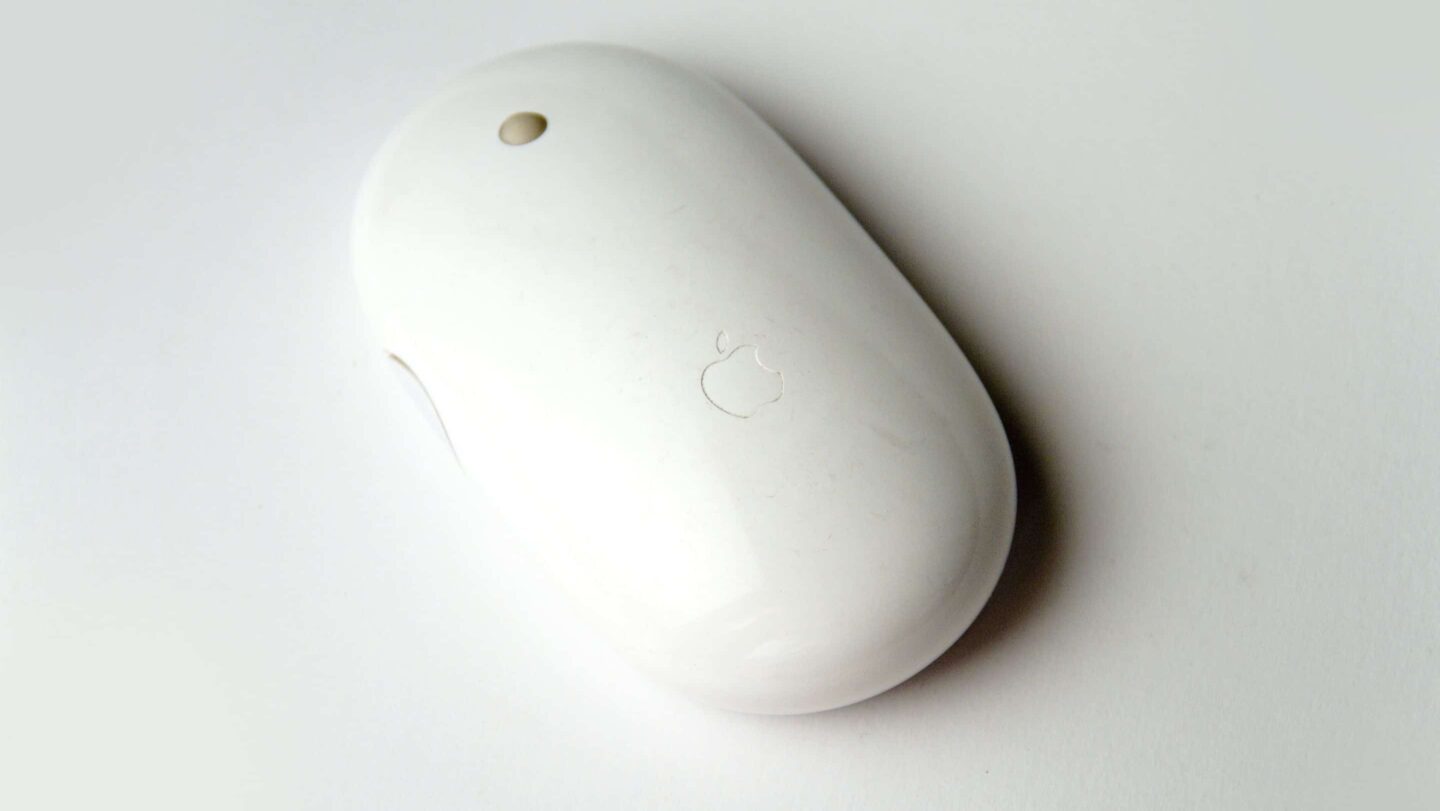
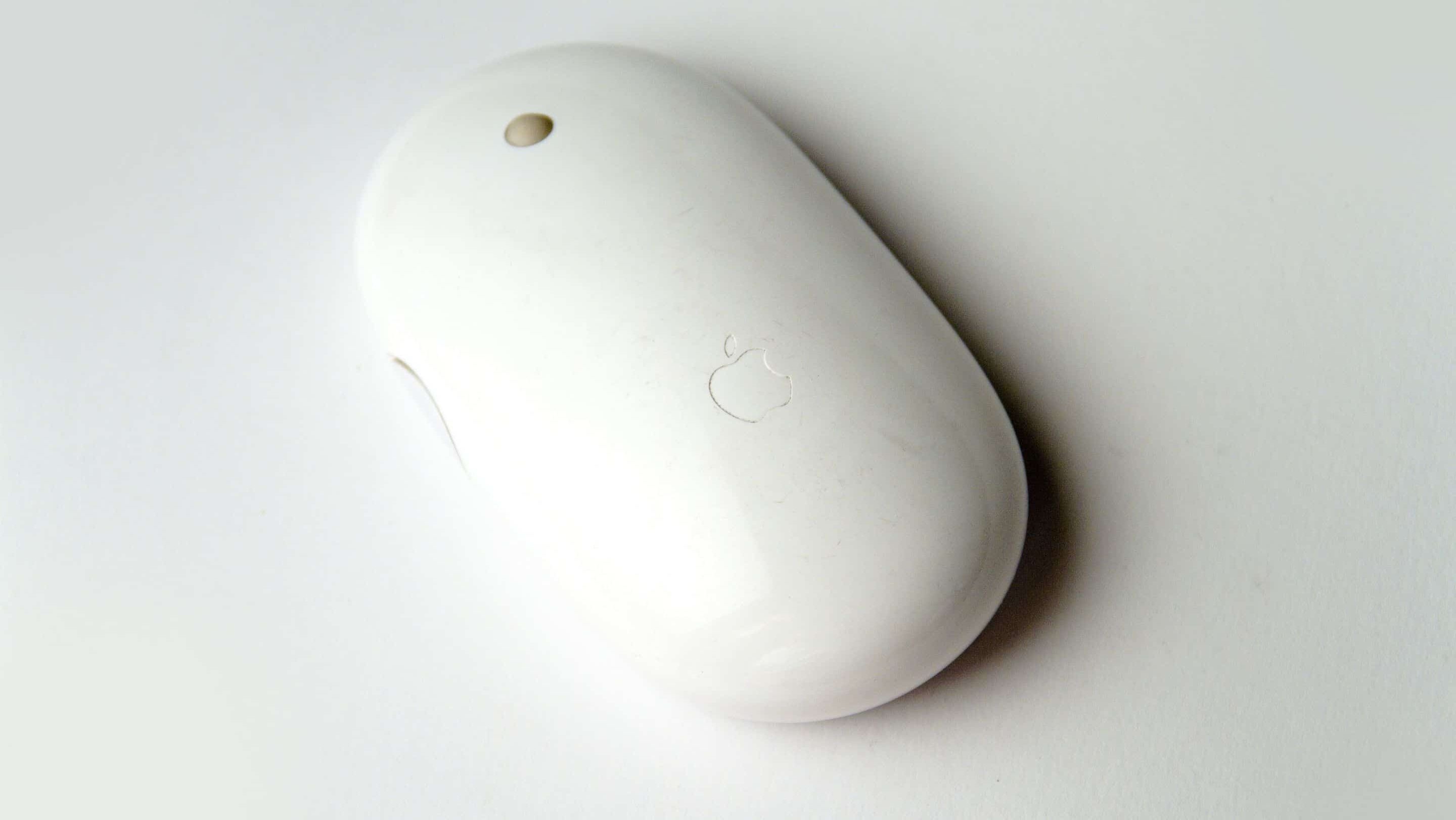
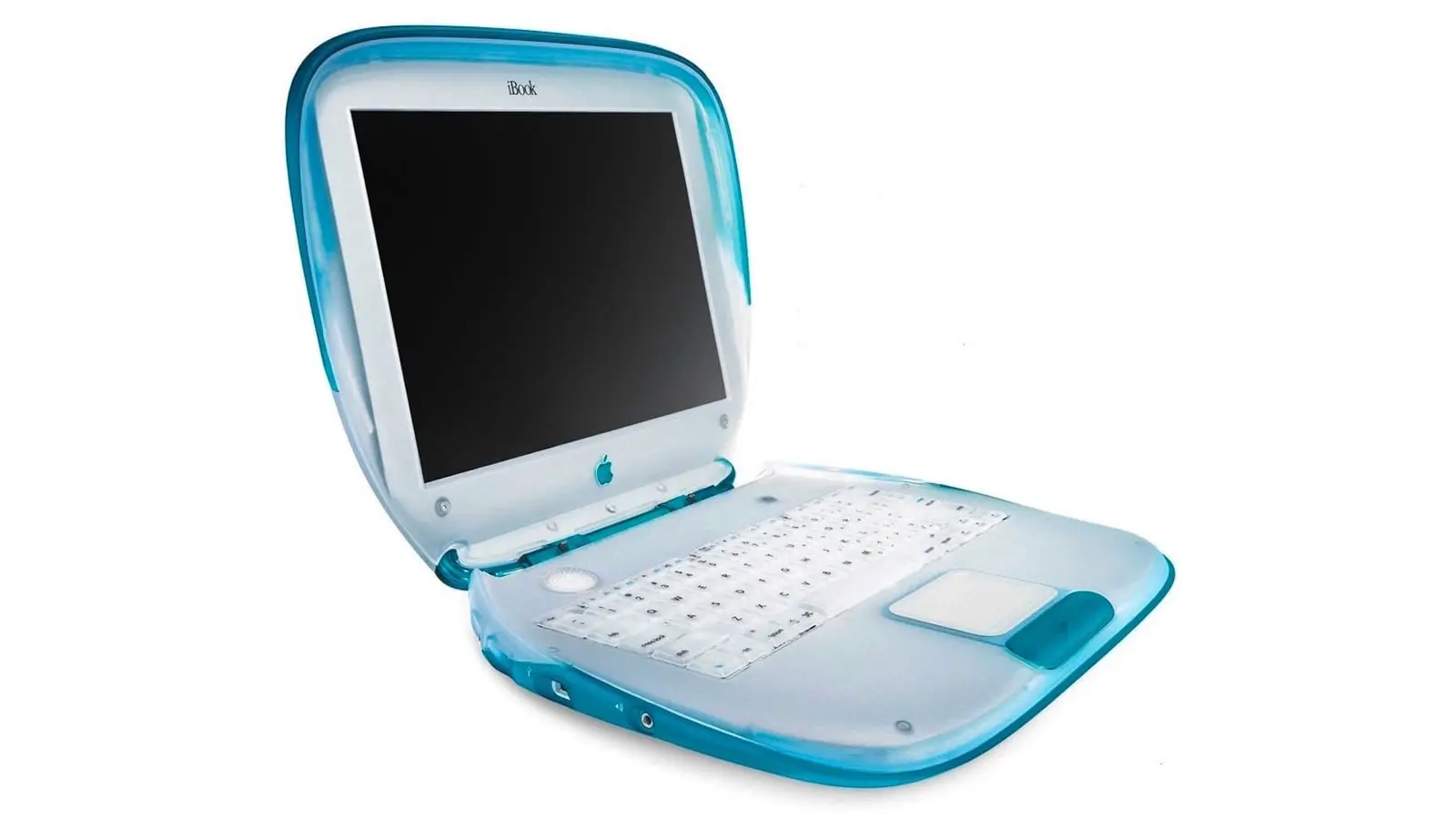
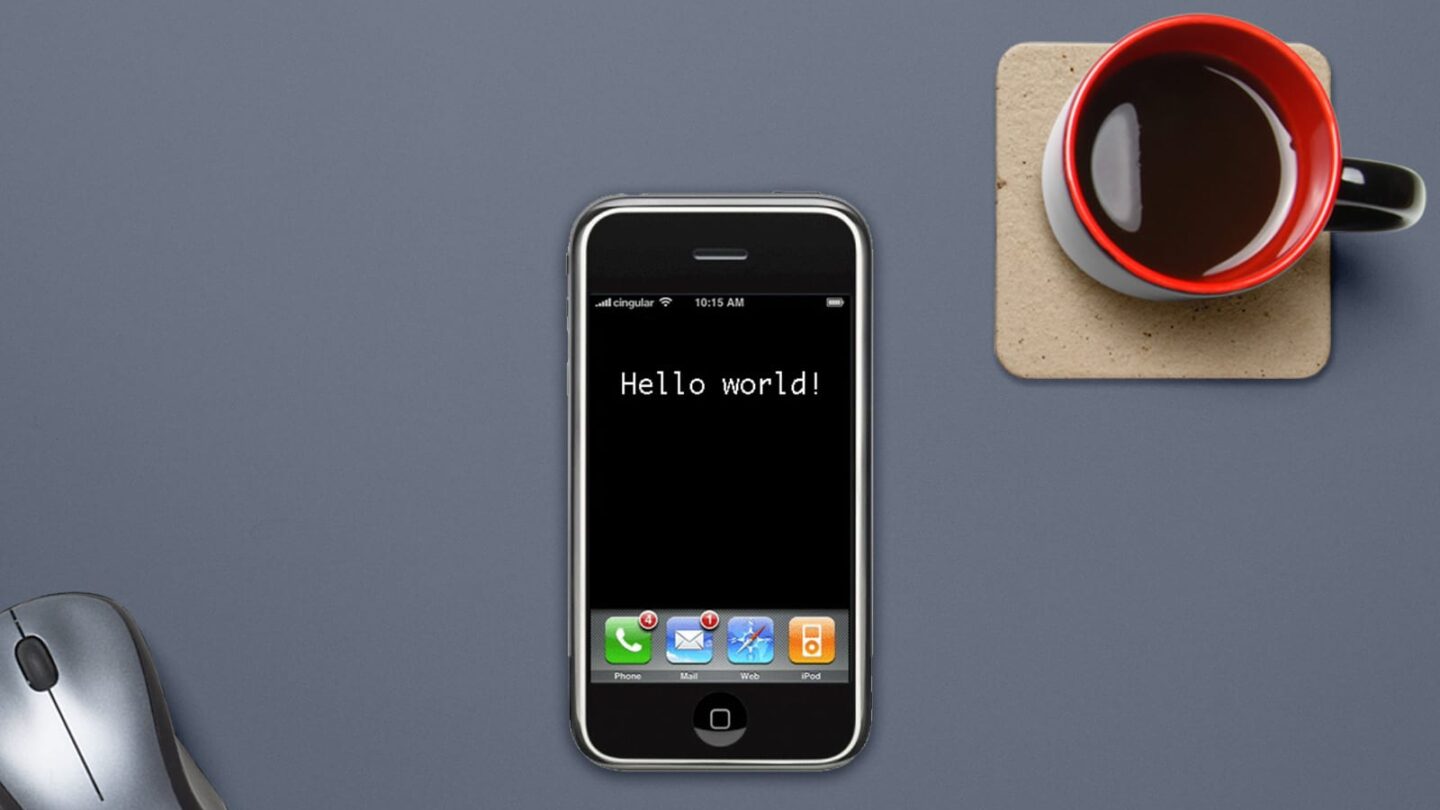
Um Apple I funcional, de 1977, entrou em leilão pela RR Auction. E o destaque vai para o seu valor estimado, de US$300 mil — os lances começam em US$10 mil.
Ele é um dos 50 modelos do segundo lote produzido pela Apple e está instalado em uma mala adaptada a partir de uma máquina de escrever Smith-Corona, sendo restaurado pelo especialista Corey Cohen, em junho, para funcionamento.
Divulgação/RR Auction
O modelo do leilão, “Neumark”, destaca-se por incluir mais do que a placa de circuito montada, a única coisa que os compradores do Apple I recebiam ao adquirir a máquina.
O item faz parte da segunda parte do “Steve Jobs & the Computer Revolution: The Apple 50th Anniversary Auction”, um leilão comemorativo que inclui objetos históricos da Apple, como um iPhone original lacrado, um protótipo do primeiro iPod — cada um podendo chegar a um valor de US$50 mil —, documentos como um cartão de visitas da Maçã assinado por Steve Jobs, um cheque da Apple assinado por ele (destinado a Elizabeth Holmes, primeira responsável pela contabilidade da empresa) e, ainda, itens pessoais do cofundador e ex-CEO 1Chief executive officer, ou diretor executivo. da Maçã.
Os lances poderão ser feitos até o dia 20 de agosto, às 18h (horário da Costa Leste dos Estados Unidos). Às 19h, entra em vigor a regra de prorrogação automática do leilão, que estende-o em intervalos de 30 minutos a partir do registro de novos lances.
Siri Wolfram Alpha integration helped create one of the defining moments in the early history of consumer artificial intelligence. When Apple introduced Siri with iPhone 4S in October 2011, users were not merely given another form of voice control. They could ask a spoken question and receive a calculated answer rather than a page of search results.
Questions involving mathematics, measurements, dates, nutrition, astronomy and factual comparisons could be routed to Wolfram Alpha, a computational knowledge engine launched in 2009. Siri handled the conversation, while Wolfram Alpha supplied structured information and calculations behind many of the responses.
The experience could feel remarkably advanced for its time. Asking how many days remained before a holiday, comparing the populations of two cities or converting miles into kilometers no longer required opening Safari, entering a query and selecting a website.
That direct path from natural language to a useful answer established an expectation that continues shaping AI products today.
Its technological roots extend to research conducted at SRI International, including work associated with the DARPA-funded CALO project. The objective was to develop systems capable of learning, organizing information and helping people complete everyday tasks.
SRI later spun the technology into Siri Inc., founded by a team including Dag Kittlaus, Adam Cheyer and Tom Gruber. The company released a standalone Siri app for iPhone in early 2010.
The original product was designed around actions rather than ordinary web search. A user could ask for a restaurant reservation, request a taxi, check entertainment listings or search for local services. Siri attempted to understand the intent and connect the request with an appropriate online provider.
This approach was ambitious because the assistant needed to coordinate several different systems. Speech had to be converted into text, the request had to be interpreted, context had to be considered and an external service had to return something useful.
Apple acquired Siri in April 2010. Steve Jobs had personally recognized the potential of moving beyond a collection of apps toward a conversational layer capable of reaching them on behalf of the user.
When the assistant returned as an integrated feature of iPhone 4S, Apple had narrowed some aspects of the original startup vision while making the technology accessible to a much larger audience.
Siri could send messages, create reminders, place calls, manage calendar events, check weather conditions and answer questions. Apple initially labeled the feature as a beta, an unusual decision for a prominent part of a new iPhone launch.
The beta label acknowledged that natural-language interaction remained unpredictable. Accents, ambiguous phrasing, network conditions and external data providers could all influence whether a request succeeded.
Image Source: Google
Siri Wolfram Alpha Made Answers Feel Immediate
Siri Wolfram Alpha became especially memorable because it showed the difference between retrieving information and computing an answer.
A conventional search engine could locate pages containing a formula. Wolfram Alpha could apply that formula to the values supplied by the user. It could interpret units, compare quantities, calculate probabilities and organize factual data into a structured response.
That distinction allowed Siri to appear more knowledgeable than a voice interface simply reading search results aloud.
A request such as “What is 15% of $86?” could return the calculation directly. A question about the distance between planets could produce a value without requiring the user to inspect several websites. Wolfram Alpha could also answer unusually specific requests, including information about aircraft flying overhead when the necessary location and aviation data were available.
The system was not a large language model. It did not generate open-ended prose in the way current AI assistants do. Wolfram Alpha relied on curated data, symbolic computation, algorithms and formal representations of knowledge.
That structure provided an advantage that remains relevant: many answers could be calculated and traced through defined information rather than improvised statistically.
Early Siri combined several specialized capabilities instead of depending on one system to do everything. One provider might supply restaurant information, another could handle maps and Wolfram Alpha could process computational questions.
The assistant acted as the conversational coordinator.
This architecture made Siri seem like one intelligence even though the response could come from a network of separate services. Modern AI platforms have returned to a similar idea through tools, agents and external data connections. A language model may manage the conversation while calling a calculator, calendar, search engine or business system when a task requires reliable external action.
Siri demonstrated that model on a consumer smartphone more than a decade earlier.
A Small Integration Created a Large Expectation
The Wolfram Alpha partnership influenced how people began judging digital assistants.
Before Siri, voice features on phones were commonly associated with rigid commands such as calling a contact or selecting music. Siri invited users to speak more naturally and attempt questions that would previously have been typed into a browser.
The results were inconsistent, but successful interactions changed perceptions immediately. The iPhone appeared capable of understanding intent, reaching into a knowledge system and returning a concise answer through one conversational interface.
That apparent simplicity concealed substantial infrastructure. Speech recognition, language interpretation, location, personal context and external databases all had to work together quickly enough to preserve the feeling of a conversation.
Wolfram Alpha also gave Apple access to expertise that would have taken years to reproduce internally. Stephen Wolfram had spent decades building Mathematica and computational systems before launching the public knowledge engine.
Following the Siri announcement, Wolfram described the integration as a characteristically direct Steve Jobs decision: users wanted access to knowledge and actions without unnecessary intermediate steps.
That idea became more influential than any individual answer Siri provided.
The assistant did not need to show how many services had participated. It needed to understand the request and return the result.
Early Siri Also Revealed the Limits of the Model
The first version of Siri could feel futuristic one moment and frustrating the next.
Some questions reached Wolfram Alpha correctly, while similar wording could trigger a web search or an unrelated response. Siri occasionally struggled to determine whether the user wanted a calculation, a local result or an action inside the phone.
Wolfram Alpha responses were also better suited to some subjects than others. Mathematical and scientific questions matched its computational structure, while casual conversation, current events and subjective requests required different sources.
Network dependence created another weakness. Early Siri processing relied heavily on remote servers, so delays or outages could make a basic request fail even when the iPhone itself was functioning normally.
Those limitations foreshadowed the central challenge surrounding modern assistants. A convincing interface encourages people to ask almost anything, but no single technical system performs equally well across every type of request.
Current generative AI can produce more natural language and handle a wider range of topics. It can also create confident errors when factual grounding is weak. The computational approach represented by Wolfram Alpha remains valuable precisely because some questions require verified data and exact calculation rather than fluent speculation.
The story behind the first Siri steps is therefore not only about an old iPhone feature. It shows that a powerful assistant needs more than a conversational personality. It requires access to dependable tools, structured knowledge and the ability to recognize when another system should provide the answer.
Siri Wolfram Alpha offered that lesson in 2011, long before AI assistants became capable of writing essays, interpreting screens and acting across apps.
The open-plan floors make it hard to concentrate. The building is so large that getting from one meeting to the next eats real time out of the day. It’s common for people to run meetings with colleagues over Webex — colleagues on the same campus, sometimes no more than two hundred yards away.
Ironically, Apple Park replaced a campus that did far better on the same measure without ever trying to. Infinite Loop produced far more of the accidental, cross-team contact Apple Park was explicitly built to create. Working out why starts with what Infinite Loop got right by accident. It continues with what the research on office proximity says about why that kind of thing happens at all. And it ends with what Apple Park could become instead — including a version of the fix Apple already trusts enough to run for a hundred people a year.
[…]
There’s no obvious focal point for the whole site — most sections have their own sitting area and their own coffee bar, but nothing plays the role Caffè Macs and the IL1 coffee bar played together at Infinite Loop. Caffè Macs at Apple Park seats a thousand people and feels built for throughput, not conversation. Everything is organised per-segment rather than around a shared centre, which is convenient for the people in that segment and useless for the discovery-by-accident that made the old campus work.
[…]
By multiple accounts from people who were there during design and construction, the site was flagged as under-provisioned for meetings and conferences before it even opened.
Apple Park is a beautiful structure, but is not terribly conducive to focused or collaborative work. Even as an occasional visitor I found it overwhelming. Employees sit shoulder to shoulder, voices bounce off and bleed through glass walls, and privacy is a virtual impossibility. My friends and colleagues who worked there regularly found it difficult to be productive.
I worked in Infinite Loop (Building 3, 2nd floor) for thirteen years (right below Developer Publications, where Malcolm spent a good portion of his Apple career). I loved IL because its design made serendipitous encounters easy. Whether it was sitting outside Caffè Macs or in the IL 1 Atrium, I would inevitably bump into someone and have a conversation that furthered an in-flight project, sparked something new, or simply reinforced the social ties that bind colleagues.
It helped that at that time, Apple had perhaps 10,000 employees, most of whom were in or near IL. After iPhone came about and IL started getting locked down, much of the natural collaboration dissipated, disappearing behind badged doors and disclosures.
IL provided a place to focus on your work[1], as well as seating spaces that are out of the flow of traffic where you can have an informal meeting[2]. At AP, every collaborative space is effectively in the middle of a hallway. That turns out to be enormously distracting, both to you and to those people trying to work in the glass bullpen right next to it.
[1] before all cubicles and offices became multi-person shared spaces
[2] before all those spaces were filled in with more offices
“The IL1 atrium really was the crossroads of the company in those days” I really don’t think that this is true literally by any means. Assuming “those days” overlap with the time I’ve been there (pre Park). The XFs in IL have been extremely scarce.
IL was way too small and overloaded, I’d actually say it was very similar to Apple Park. No one really wanted to work there in those tiny offices with multiple people 🤷♀️
I loved the IL1 atrium. I’d sit there and hope that someone like MMalc would wander by, and they often did. It was a real destination for field people who didn’t get to visit the mothership very often. I miss that. AP had nothing like it.
I think of my days in college—most dorms residence halls were not air conditioned, so at the end of August, you had to open your window (often to place a box fan) and door to create some airflow. People walking through the building would meet by chance. Newer buildings tended to be less lively and more like a hotel—all the doors closed and rarely much activity. Through renovations, most of the buildings have had air conditioning added, dropping those interactions over the years.
As you may know, the Lumon Industries building that Mark, Helly, Irving, and Dylan work in is a former Bell Labs facility in Holmdel, New Jersey. I first learned about the building several years ago, when I read Jon Gertner’s excellent history of The Labs, The Idea Factory. It’s a distinctive place designed by Eero Saarinen in the early 60s.
Bell Labs was known for the fruitful collaboration of its researchers, often started through chance meetings in the hallways of other Bell Labs facilities. The new Holmdel building was supposed to further that sort of teamwork, but things didn’t work out as planned.
I worked in IL1 for over a decade. The day I saw the open-plan spaceship, I knew I would never set foot inside. There are more rewarding ways to work in a barn.
Desde que a Apple levou a OpenAI aos tribunais por uma suposta violação de segredos industriais e propriedade intelectual, a ausência do nome de Jony Ive no processo tem sido motivo de especulações, considerando que o ex-executivo da Maçã e braço direito de Steve Jobs é uma peça relevante para o desenvolvimento de hardwares da dona do ChatGPT.
No ano passado, a startup de Ive, a io Products, foi adquirida pela OpenAI por US$6,5 bilhões. Desde então, o estúdio de design independente LoveFrom (também comandado pelo ex-Apple) passou a ser o espaço da gigante de inteligência artificial (IA) para a supervisão do design da sua linha de hardware. Nesse processo, mais de 400 funcionários trocaram a Maçã pela empresa de Sam Altman — entre eles, Tang Tan e Chang Liu, acusados de instruírem a revelação de protótipos da Maçã para quem estivesse em entrevista com a empresa de IA.
Para Mark Gurman, jornalista da Bloomberg, existem duas explicações lógicas para Ive ter ficado de fora das acusações: a ausência de provas que comprovem seu vínculo com o esquema e a sua relação de proximidade com a viúva de Jobs, Laurene Powell Jobs.
Próxima de Tim Cook e de outros executivos da empresa — além de manter uma relação de longa data com Ive —, ela continua circulando com naturalidade entre ambos os lados, tendo inclusive participado da última WWDC como convidada.
Laurene também é uma das principais investidoras dos projetos de Ive e esteve ao lado dele e de Altman quando os dois revelaram que o primeiro dispositivo de IA da OpenAI já estava em desenvolvimento. Para Gurman, esse conjunto de relações pode ter contribuído para evitar que o nome do ex-chefe de design da Apple fosse envolvido diretamente na disputa judicial, especialmente na ausência de evidências que o ligassem ao suposto vazamento de informações.

 Login