Login

You cannot take an AI at its word – and why this is important für your GEO efforts.
In part 1 I left you with a promise: same AI, same question asked twice, opposite answers. Here is where…

A new analysis suggests that psychological research is rapidly moving from journals into the machinery of U.S. governance, with findings increasingly cited in policy documents addressing education, health, and social justice. The trend highlights how behavioral science is becoming a preferred source for guidance that aims to be evidence-based, testable, and actionable across institutions.
Researchers reviewed how a broad set of psychological studies is referenced in government policy materials and found that citations are not uniformly distributed. Instead, the most frequent appearances cluster around topics where human behavior, motivation, and learning processes can be translated into measurable outcomes, such as classroom achievement, public health adherence, and interventions aimed at reducing inequities.
The study emphasizes that psychology’s influence often comes through research that offers clear mechanisms—how thoughts, beliefs, and social contexts shape behavior over time. In policy language, these mechanisms become frameworks for designing programs, evaluating impact, and justifying resource allocation, even when the original work is not a “policy trial” per se.
A key technical takeaway is the role of systematic constructs from psychology—such as expectancy, self-efficacy, stigma dynamics, and behavioral choice architectures—being mapped onto policy levers. By linking experimental or observational findings to specific policy implementations, document authors can argue that interventions should work for defined populations under defined conditions.
The authors also note that citation patterns can reflect more than scientific quality. They may signal changing editorial norms within policy agencies, increased availability of review literature, and the growing use of structured evidence standards that encourage referencing peer-reviewed work.
Beyond what is cited, the analysis points to how psychological research can travel: through policy briefs, synthesis reports, and cross-disciplinary writing that converts statistical results into guidance. This translation step matters, because policy documents prioritize clarity and generalizability, while academic papers emphasize boundaries and uncertainty.
In a viral science-news moment for researchers, the findings suggest psychology is not merely being used—it is being “operationalized.” That means researchers’ results are increasingly treated as building blocks for frameworks that guide interventions, performance metrics, and stakeholder communication.
Importantly, the researchers call attention to the potential risks of citation without careful fit. If a policy references a study whose populations, settings, or effect sizes differ from the target context, implementation may underperform or misestimate benefits. The work therefore implicitly argues for tighter alignment between evidence and local decision-making.
Overall, the analysis positions psychological science as an expanding influence in U.S. policy, especially where behavior is central and where policymakers want interventions grounded in empirically tested models. As the citation footprint grows, so does the need for rigorous evidence translation and scrutiny.
Subject of Research: Psychological research citations in U.S. policy documents, especially for education, health, and social justice.
Article Title: Psychological research is increasingly cited in U.S. policy documents especially for education, health and social justice issues.
Article References: Yu, CW., Hu, HY., Furnas, A.C. et al. (2026). Commun Psychol. https://doi.org/10.1038/s44271-026-00516-6
Image Credits: AI Generated
DOI: 10.1038/s44271-026-00516-6
Keywords: Psychological research, U.S. policy, education policy, health policy, social justice, citations, evidence-based interventions
Neonatal necrotizing enterocolitis (NEC) remains one of pediatrics’ most devastating intestinal disorders, and safer, mechanism-driven therapies are urgently needed. New findings suggest that tiny vesicles naturally present in human breast milk—exosomes—may offer protection by delivering a specific regulatory microRNA.
Researchers report that exosomes enriched with miR-144-5p can help restore the intestinal tight junction barrier, a key defense line that collapses during NEC. By focusing on miR-144-5p, the team moves beyond earlier observations that breast milk exosomes can reduce NEC severity and instead pinpoints a molecular cargo likely responsible for part of that benefit.
The study centers on how NEC damages epithelial integrity and promotes inflammatory signaling. Tight junction disruption is associated with increased permeability, bacterial translocation, and worsening inflammation—conditions that accelerate disease progression in vulnerable newborns. The investigators therefore examined whether miR-144-5p could counter these barrier failures in NEC contexts.
Mechanistically, the work links miR-144-5p action to the TLR4/NF-κB pathway, a well-known inflammatory axis. Toll-like receptor 4 (TLR4) senses danger-associated cues and can trigger NF-κB activation, driving transcription of pro-inflammatory mediators. In NEC, exaggerated signaling through this route contributes to tissue injury and impaired repair.
By modulating this cascade, miR-144-5p appears to dampen downstream inflammatory responses while promoting recovery of junctional structure. The paper’s data indicate that exosomal delivery is central: miRNAs packaged within vesicles can be taken up by recipient cells more efficiently than naked RNA, enabling functional gene regulation in target intestinal compartments.
Together, the results support a model in which breast milk exosomal miR-144-5p alleviates NEC by suppressing TLR4-driven NF-κB activation, thereby reducing inflammatory injury and enabling tighter regulation of epithelial junctions. If translated, such a cargo-guided approach could complement existing supportive NEC treatments.
While additional work will be required to confirm efficacy across models and to evaluate safety, the study provides a clear mechanistic roadmap: therapeutic exosomes or miRNA mimics that bias TLR4/NF-κB activity may be a promising strategy for protecting the neonatal gut.
Subject of Research: Neonatal necrotizing enterocolitis (NEC), breast milk-derived exosomes, miR-144-5p, tight junction barrier repair, TLR4/NF-κB signaling.
Article Title: Human milk exosomal-miR-144-5p alleviates neonatal necrotizing enterocolitis by regulating the TLR4/NF-κB pathway.
Article References: Chen, Z., Chen, C., Hu, X. et al. Human milk exosomal-miR-144-5p alleviates neonatal necrotizing enterocolitis by regulating the TLR4/NF-κB pathway. Pediatr Res (2026). https://doi.org/10.1038/s41390-026-05305-9
Image Credits: AI Generated
DOI: 10.1038/s41390-026-05305-9
Keywords:
A new prenatal roadmap could soon help clinicians place endotracheal tubes (ETTs) more precisely in the tiniest preterm newborns. In infants with birth weights under 500 g, even small positioning errors during intubation can increase the risk of life‑threatening complications, including inadequate ventilation or airway trauma. Researchers say their approach uses measurements taken before birth—capturing the baby’s anatomy while it is still developing in utero.
The study focuses on predicting the optimal ETT depth rather than relying solely on standard postnatal formulas. Using prenatal biometry, investigators model how fetal growth and structural proportions relate to the distance from the mouth to the trachea. The goal is to translate ultrasound-derived anatomical signals into a practical estimate that can guide clinicians at the bedside.
Technically, the model links prenatal measurements to the anticipated airway dimensions at delivery. This requires defining which biometric inputs best correlate with the final tube placement target, then training a predictive framework to output a recommended insertion depth for extremely low birth weight infants. By emphasizing prenatal inputs, the method aims to reduce uncertainty that can arise from day-to-day postnatal changes.
Importantly, the research targets a subgroup with particularly high vulnerability. Infants below 500 g are at increased risk because their airway structures are extremely small and intubation margins are narrow. In this context, individualized prediction could improve consistency compared with one-size-fits-all guidelines.
If validated in larger clinical settings, the prenatal model could be integrated into obstetric and neonatal workflows. After routine prenatal ultrasound assessments, clinicians would generate an ETT depth estimate ahead of delivery, supporting more confident planning for immediate respiratory care.
The findings also highlight a broader trend in perinatal medicine: using quantitative prenatal data to optimize invasive procedures. Instead of reacting after intubation placement, the strategy moves decision-making earlier—toward anticipation, personalization, and safety.
Overall, the work suggests that prenatal biometry can carry actionable information for airway management. The team frames the approach as a step toward more precise, data-driven neonatal resuscitation and ventilation strategies for the smallest patients.
The study, published in Journal of Perinatology, is available under DOI: 10.1038/s41372-026-02851-2.
Subject of Research: Prenatal biometry-based prediction of optimal ETT depth
Article Title: Prenatal biometry-based prediction of optimal endotracheal tube depth in infants with a birth weight less than 500 g.
Article References: Yoo, K., Kim, S.H., Park, J. et al. J Perinatol (2026). https://doi.org/10.1038/s41372-026-02851-2
Image Credits: AI Generated
DOI: 10.1038/s41372-026-02851-2
Keywords:
Short-chain fatty acids (SCFAs)—especially acetate, propionate, and butyrate—are produced when gut microbes ferment carbohydrates that the human body cannot digest. Over the past decade, these small molecules have moved beyond being viewed as simple fuel. Instead, they are now recognized as signalling messengers that help tune metabolism, shape immune responses, and support physiological balance across organs. A new review in Nature Metabolism brings together scattered findings to clarify how SCFAs are made, how they are processed in the body, and why they matter for health.
The article emphasizes that SCFA production is not uniform. It depends on which microbial communities inhabit the gut, which dietary substrates reach the colon, and how microbes share resources through cross-feeding. When multiple bacterial species coordinate, fermentation pathways can shift, increasing the output of particular SCFAs. In that way, the “hardware” of the microbiome and the “inputs” provided by diet jointly determine the chemical signals generated in the intestine.
After their formation, SCFAs are handled by host tissues through absorption and further metabolic conversion. The review highlights that acetate, propionate, and butyrate can influence local and systemic physiology, helping link intestinal chemistry to whole-body regulation. Their effects are therefore both immediate—through signalling pathways—and longer-lasting—through changes in gene regulation.
Mechanistically, the authors focus on receptor-mediated communication. SCFAs activate specific receptors on immune and metabolic cells, altering inflammatory tone and metabolic signalling. This receptor layer helps explain how intestinal events can reverberate in distant tissues that rely on tightly controlled energy and immune states.
Beyond receptors, SCFAs also affect epigenetics. By influencing chromatin-modifying enzymes and related regulatory networks, they can change how genes are expressed without altering DNA sequence. Such effects provide a plausible bridge between diet–microbiome interactions and sustained shifts in health trajectories.
The review further surveys tissue-specific outcomes, from effects on gut barrier function to immune regulation and metabolic homeostasis. Importantly, this heterogeneity helps reconcile why SCFAs sometimes show protective associations while other contexts yield mixed results—differences in dose, timing, microbial ecology, and host physiology can all matter.
When the evidence is assembled, the paper argues that SCFAs are strongly implicated in metabolic health and disease risk. Conditions such as obesity, insulin dysregulation, and inflammatory disorders have been linked to altered SCFA profiles, though causality remains an active area of investigation. The authors also discuss the limitations of current studies, including differences in measurement methods and confounding dietary factors.
Finally, the review evaluates translational opportunities. Rather than treating SCFAs as isolated supplements, it frames dietary and therapeutic strategies around pathways that enhance beneficial SCFA production or mimic their downstream effects. With low fibre intake becoming a public health concern worldwide, the work positions SCFAs as a key biological rationale for improving diet quality.
Overall, this Nature Metabolism review synthesizes what is known—and what is still uncertain—about SCFAs as central mediators between gut microbes and host biology. It suggests that targeting microbial fermentation and SCFA signalling could become a practical lever for metabolic disease prevention.
Subject of Research: Gut microbiota–derived short-chain fatty acids and their physiological roles
Article Title: Short-chain fatty acids
Article References: Dagbasi, A., Cai, M., Hirdaramani, A. et al. Short-chain fatty acids. Nat Metab (2026). https://doi.org/10.1038/s42255-026-01579-9
DOI: https://doi.org/10.1038/s42255-026-01579-9
Image Credits: AI Generated
Age-related remodeling of the immune system leaves older adults increasingly susceptible to sudden infections and cancer, while also promoting chronic, misdirected inflammation and impaired wound repair. These effects help drive a wide spectrum of long-term diseases. Yet despite rapid progress in immunology and gerontology, key mechanistic links—how specific immune-cell programs degrade over time and how that degradation shapes early response decisions—remain incompletely understood.
A major obstacle has been the limited availability of immune-aging models that are both predictive and experimentally tractable. Conventional in vitro systems often fail to capture the tissue context, cellular crosstalk, and microenvironmental cues that govern when and how immune responses ignite. As a result, “aging phenotypes” can be difficult to reproduce across laboratories and difficult to connect to causal pathways.
In a 2026 Nature Aging discussion, Nikolich and colleagues argue that the field needs a shift from descriptive comparisons toward engineered, mechanistically grounded platforms. They propose multidisciplinary strategies spanning immunology, gerontology, and engineering to interrogate immune aging at the point of initiation—when innate sensors, tissue barriers, and early signaling networks collectively determine the trajectory of downstream immunity.
The authors highlight drug delivery technologies as a route to more precise interventions. By tuning where, when, and at what dose immunomodulatory agents act, researchers could better test how age-altered signaling thresholds change the balance between protective responses and harmful inflammation.
They also emphasize extracellular matrix (ECM) and biomaterials, noting that aging reshapes the physical and biochemical scaffold surrounding immune cells. Biomaterials that recapitulate age-associated stiffness, ligand density, and degradation dynamics could reveal how microenvironmental cues reprogram immune recruitment, activation, and effector function.
Microphysiological systems and organoid-like models are presented as complementary engines for causality. These platforms can integrate multiple cell types, enable controlled perturbations, and better mimic tissue architecture than traditional culture formats.
Together, these approaches aim to deliver validated in vitro tools for immune-aging research—tools designed not only to measure differences, but to reproduce them reliably and connect them to specific upstream drivers.
The ultimate ambition is precision diagnostics and therapies that can “reprogram and rejuvenate” immune function in older adults, extending both lifespan and healthspan. By targeting immune-response initiation with engineered models, the field may finally bridge the gap between observational aging biology and interventions that work.
Subject of Research: Aging immune system; immune response initiation models and modulation
Article Title: Bioengineering strategies to interrogate and modulate the aging immune system
Article References: Nikolich, J.Ž., Wolf, M.T., Pompano, R.R. et al. Bioengineering strategies to interrogate and modulate the aging immune system. Nat Aging (2026). https://doi.org/10.1038/s43587-026-01187-y
Image Credits: AI Generated
DOI: https://doi.org/10.1038/s43587-026-01187-y
Breathing clean air depends on filters that do more than trap particles—they must hold them. In many conventional systems, captured dust can loosen under airflow and mechanical disturbances, which lowers filtration efficiency, shortens service life, and forces more frequent replacement. The bottleneck is not capture alone, but durable retention of what the filter catches.
A research team led by Professor Sanghyuk Wooh and Professor Chae Bin Kim has introduced a dynamic imine bond adhesive (DIBA) designed to keep airborne particles embedded. The concept is to marry solid-like stability with liquid-like adhesion, so the filter surface can “refresh” itself while working.
The coating is built by crosslinking polydimethylsiloxane (PDMS) via dynamic Schiff base chemistry. This chemistry enables bond exchange at the interface, allowing adhesive sites to reorganize over time rather than degrade into inert residue. The result is a coating that is both mechanically robust and chemically active.
When sprayed onto commercially available filter media, the DIBA layer behaves like an internal reservoir of stickiness. As particles are collected, they are drawn into the adhesive film rather than remaining only on the exterior fibers. Capillary-driven wetting then forms adhesive bridges around individual particulates, increasing the real contact area that governs holding strength.
Performance tests combined chemical, mechanical, and interfacial characterization—rheology, FTIR, atomic force microscopy, and microscopy—with filtration trials. The coating boosted particle adhesion dramatically, approaching a nearly seventy-fold improvement compared with typical behavior. Importantly, the adhesive renewal process helps counteract the gradual loss of attachment that plagues standard filters.
Filtration efficiency improved by roughly 10–30% across multiple commercial materials, without raising pressure drop. The upgrade is significant in practical terms: one reported shift is from MERV 6 toward MERV 11, indicating better capture at the same airflow penalty.
The coated filters also sustained operation under high-speed airflow (up to 20 m/s) and delayed pore clogging. By maintaining effective particulate capture for longer intervals, the DIBA approach extended filter lifespan by nearly a factor of two relative to conventional designs.
Because DIBA is applied through simple spray-coating, it is compatible with existing manufacturing and retrofit workflows. The researchers highlight applications ranging from HVAC and air purifiers to cleanrooms, industrial dust collectors, automotive cabin filters, and personal protective equipment.
More broadly, the work suggests a platform for next-generation filtration where energy use and replacement schedules improve simultaneously. The dynamic adhesive strategy could be adapted to other separations, including water purification and environmental remediation, wherever particles need to be captured and kept immobilized.
Subject of Research: Not applicable
Article Title: A Super-Adhesive Air Filter With Capillarity-Mediated Spontaneous Particle Absorption via Dynamic Bond Exchange
News Publication Date: 22-Apr-2026
Web References: https://doi.org/10.1002/adma.202600006
References: DOI: 10.1002/adma.202600006
Image Credits: Professor Sanghyuk Wooh from Chung-Ang University, Republic of Korea and Professor Chae Bin Kim from Pusan National University, Republic of Korea
Air filtration, dynamic adhesive chemistry, Schiff base, PDMS, particle retention, capillarity, MERV, particulate matter, surface engineering, polymers
Cut marks suggestive of cannibalism have been discovered on the fossils of an ancient human relative in a cave in Spain, new research finds. But many of the bones from the species, known as Homo antecessor, were from adults — not just children, as previous discoveries had found — adding a new dimension to the cannibalism that was practiced in this area 850,000 years ago.
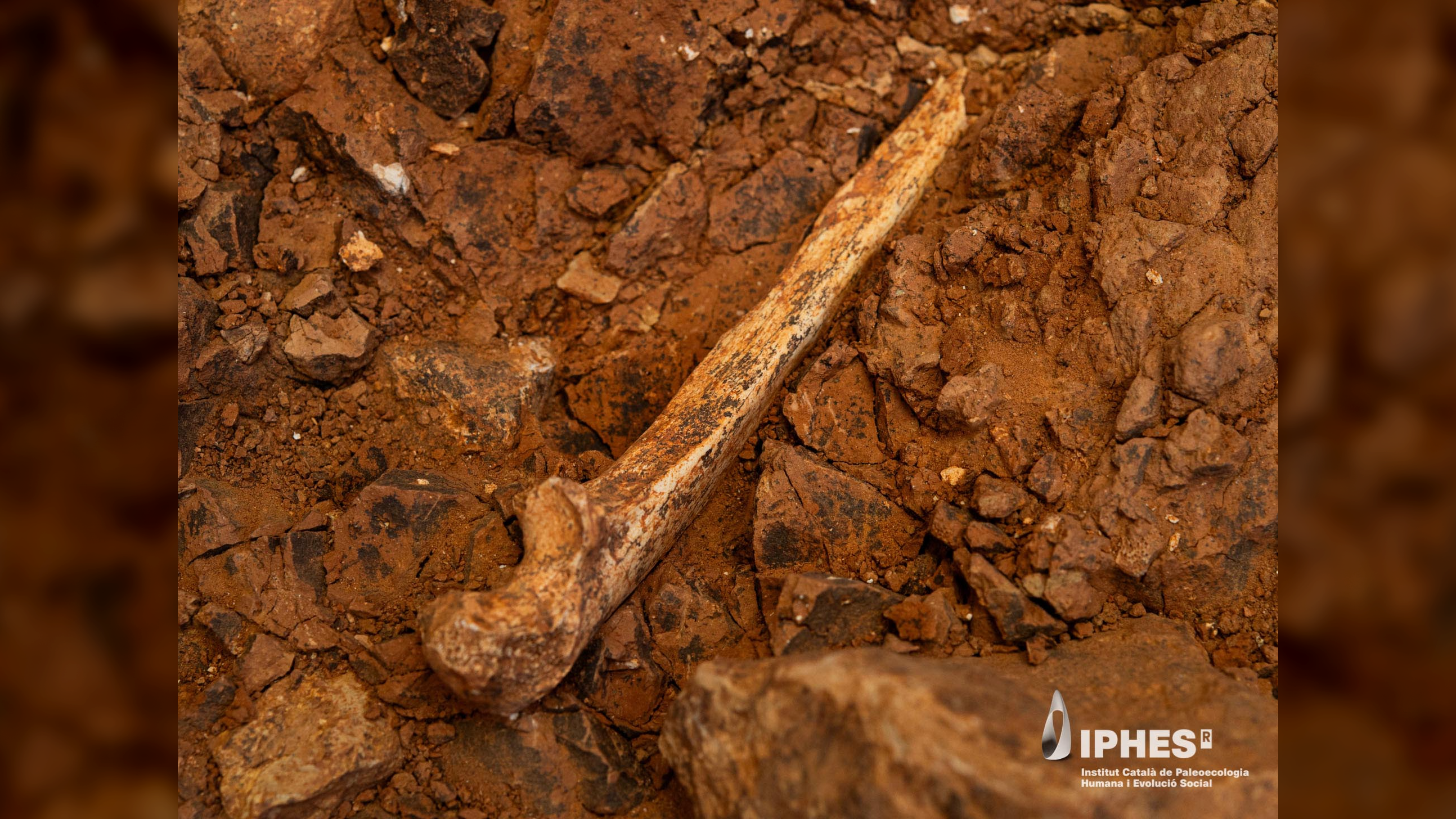
The two dozen bones and teeth were recently found in Gran Dolina cave, part of the Sierra de Atapuerca archaeological complex in northern Spain, according to a July 24 translated statement from the Catalan Institute of Human Paleoecology and Social Evolution (IPHES). Among the remains were fragments of a skull, spine, arm and leg bones, as well as three teeth from several members of the now-extinct H. antecessor, a relative of modern humans that lived in Europe between about 1.2 million and 770,000 years ago. Several of the bone fragments had cut marks from stone tools.
Over the past few decades, researchers have identified numerous cases of cannibalism at Gran Dolina, meaning H. antecessor is the oldest known human relative to eat its own group members for nutritional reasons. In a 2010 study, researchers noted that most of the evidence of cannibalism at Gran Dolina came from the bones of infants and juveniles, who would have been easier to capture and kill as the young, defenseless members of a rival group. But the newly excavated fossils have upended that assumption.
"The discovery of more adult individuals, some of whom also bear cut marks, demonstrates that cannibalism was not restricted to younger individuals," Palmira Saladié, a biological anthropologist at the IPHES who coordinated the work, said in the statement.
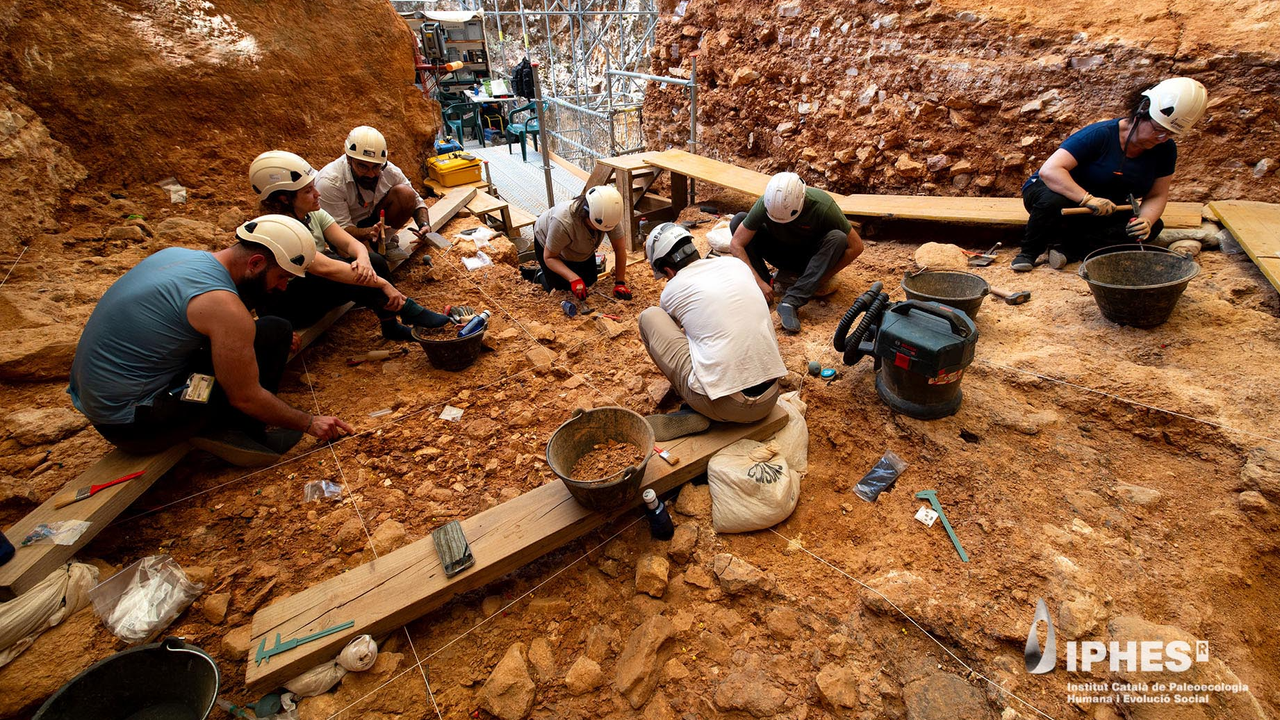
The number of individuals found at Gran Dolina has now risen to at least 13, and about half of them are adults. "The increase in the number of individuals, and especially the addition of more adults, allows us to begin understanding this population from a much more complete perspective than ever before," Andreu Ollé, an archaeologist at the IPHES, said in the statement.
Excavation at Gran Dolina has also brought to light an assemblage of stone tools made from flint, quartzite and sandstone, along with animal bones from hyenas, beavers, deer, horses and rhinoceroses, according to the statement.
Evidence of cannibalism at the site is extensive. Stone tools found in the cave are consistent with the cut marks on the human bones, and the animal bones have revealed butchering techniques that were also used on humans. Some of the human bones also had human bite marks, Saladié told Live Science in 2025, which is the "most reliable evidence that the bodies found at the site were indeed consumed."
But while the practice of cannibalism at Gran Dolina has been confirmed, the reason for it is still unclear. Researchers hope the newly discovered adult bones may help them better understand the practice among H. antecessor groups.
"We have only just begun excavating this new area" at Gran Dolina, Marina Mosquera, an archaeologist at the IPHES, said in the statement, "and the first results already demonstrate its enormous scientific potential."
Further analyses on the bones are now underway to explore questions about age-related differences in cannibalism, the number and length of cannibalistic episodes, and the social organization of H. antecessor, according to the statement.
What do you know about early humans? Test your knowledge with our human origins quiz!
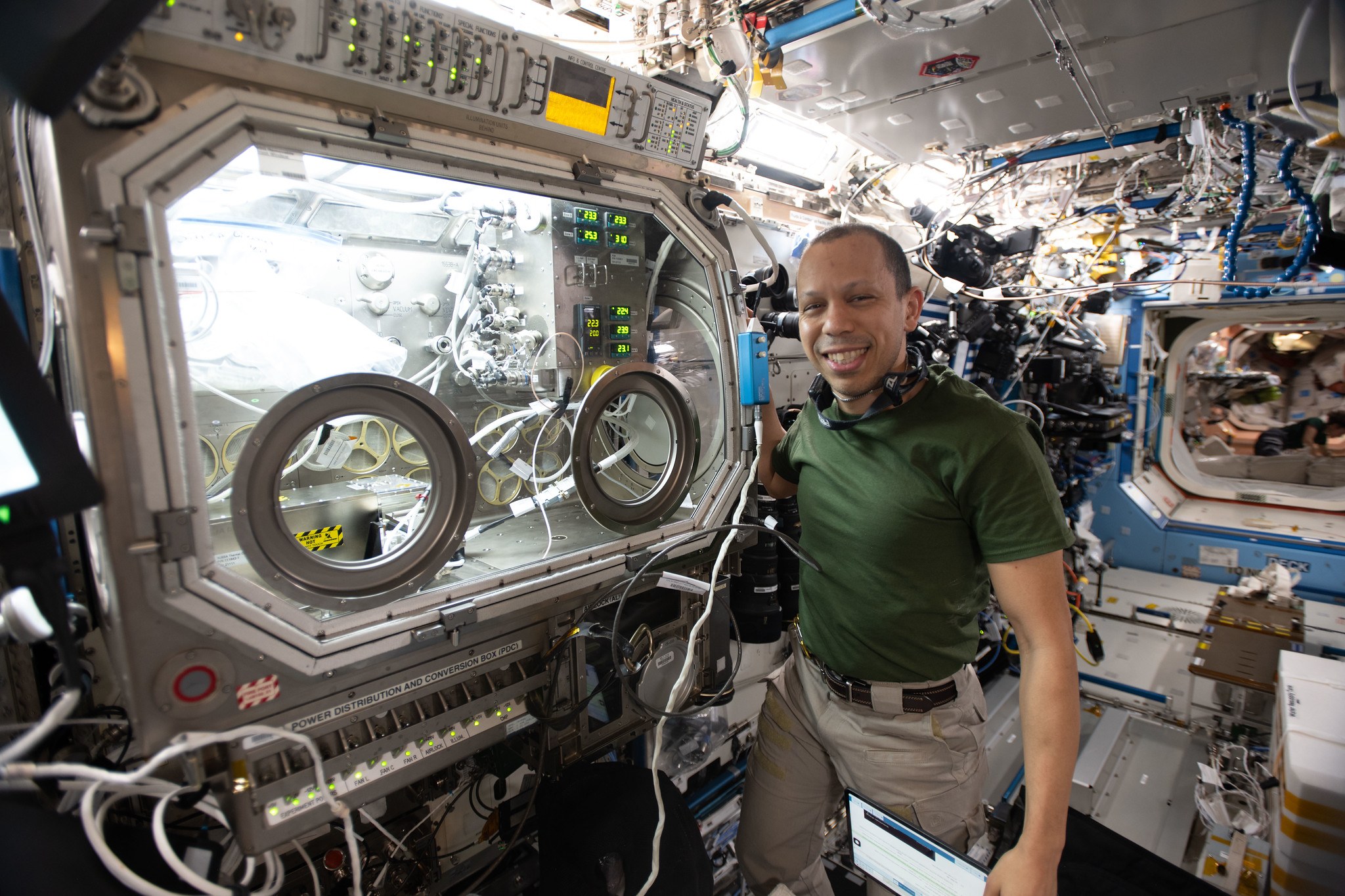
NASA astronaut Chris Williams will recap his recent eight-month mission aboard the International Space Station during a news conference at 2:45 p.m. EDT Tuesday, Aug. 4, from the agency’s Johnson Space Center in Houston.
NASA will stream this event live through a variety of platforms. Learn where to watch online:
United States-based media interested in attending in person must contact the NASA Johnson newsroom no later than 5 p.m., Friday, July 31, at jsccommu@mail.nasa.gov.
Media wishing to participate by phone must contact the Johnson newsroom no later than two hours before the start of the event. To ask a question by phone, media must dial into the news conference no later than 15 minutes prior to the start of the call. NASA’s media accreditation policy is available online.
Williams returned to Earth on July 26, after logging 241 days as an Expedition 73/74 flight engineer during his first spaceflight. He returned along with Roscosmos cosmonauts Sergey Kud-Sverchkov and Sergei Mikaev, completing 3,856 orbits of the Earth over the course of their more than 102-million-mile journey. They also saw the arrival of six visiting spacecraft and the departure of eight.
During his mission, Williams supported a wide range of scientific investigations and technology demonstrations. He helped advance research for new cancer treatments and improved in-space manufacturing of materials used in high-performance computers and electronics. Williams also completed two spacewalks to prep for space station power system upgrades and to replace a faulty joint on the Canadarm2 robotic arm. The crew’s work aboard the space station helps improve life on Earth and prepare for future human missions to the Moon and Mars.
To learn more about International Space Station research, operations, and its crews, visit:
-end-
Joshua Finch
Headquarters, Washington
202-358-1100
joshua.a.finch@nasa.gov
Anna Schneider
Johnson Space Center, Houston
281-483-5111
anna.c.schneider@nasa.gov
A new study using data from NASA’s Hubble Space Telescope finds that star formation in the nearby Andromeda galaxy has undergone a 500-million-year decline, with an even steeper drop in the last 40 million years. Andromeda, a spiral galaxy comparable in size to our Milky Way, is close enough to be seen with the unaided eye from areas with dark skies. Located about 2.5 million light-years from Earth, practically our cosmic backyard, Andromeda offers an opportunity for astronomers to examine its stellar populations in detail, leading to better understanding of the past of galaxies like our own.
The results published Monday in The Astrophysical Journal.
To reach this conclusion, the researchers combined data from two Hubble surveys: the Panchromatic Hubble Andromeda Treasury and the Panchromatic Hubble Andromeda Southern Treasury. Together, these two surveys mapped two-thirds of the disk of Andromeda in ultra-sharp detail. In total, the team measured about 200 million individual stars across the galaxy, giving them a detailed picture of Andromeda’s past activity.
“We need to measure the individual stars because they are the fossil record of the galaxy’s formation. Hubble is the only telescope that can give you high enough spatial resolution over a large enough area to be able to do that in Andromeda,” said Ben Williams, astronomer at the University of Washington and a co-author on the study.
Massive stars are bluer and short-lived, while less massive stars are redder and longer-lived. As a result, areas that have experienced recent star formation tend to have a larger fraction of blue stars, while areas with less recent star formation typically have a redder population. The team divided the Andromeda images into thousands of squares, spanning 300 light-years on each side of the square, and determined the history of star formation within each parcel to gain a comprehensive view of the galaxy’s past.
Previous research showed the Andromeda galaxy experienced a dramatic burst of star formation about 2 billion years ago, likely due to a past interaction or merger with another galaxy. Since that time, star formation has been steadily declining.
Astronomers measure the rate of star formation in terms of the mass, or amount of gas and dust, converted into stars per year. The researchers calculated that, 500 million years ago, Andromeda formed stars at a rate of about one solar mass per year. However, the formation rate dropped to about half that by 40 million years ago. The current rate has plummeted even farther, to about one-fifth the mass of our Sun per year.
The team also examined whether that decline was consistent across the galaxy or concentrated in certain areas. They found that much of the recent star formation has occurred in a star-forming ring located about 32,000 light-years from the galaxy’s center. As a result, much of the decline they measure is driven by decreasing activity within that ring.
Rather than being the result of reduced material from which new stars can form, the decline is more likely to be a natural winding down from its previous, more active state.
“It’s just like after running a marathon, sometimes you’ve got to take a bit of a breather,” said Tobin Wainer, lead author, University of Washington.
The team also investigated whether there was any connection between the decrease of activity in Andromeda and its proximity to satellite galaxy M32 (Messier 32). The M32 galaxy is separated from Andromeda by about 16,000 light-years in the plane of the sky; however, its 3D location in space is uncertain. As a result, astronomers are unsure if or when it might have interacted with Andromeda in the past.
“One of the major motivations for this program was to probe potential interactions between M32 and Andromeda’s disk,” said Zhuo Chen, co-author, University of Washington.
Survey data from the Panchromatic Hubble Andromeda Southern Treasury allowed the team to study the history of star formation in Andromeda near M32. They found that this area showed signs of decreased star formation compared with other regions. The timing of this decrease, which this study finds began roughly 60 million years ago, could help constrain when the M32 galaxy interacted with Andromeda’s disk.
“We can’t explicitly say that we are seeing a decrease in star formation because of M32. But it’s right there, and it’s definitely the most likely suspect,” said Wainer.
The team plans to continue analyzing the Hubble data and combine it with data from ground-based observatories to gain additional insights into the history of Andromeda.
“There’s a strong scientific value to this archival data. Andromeda is important because it’s a neighbor that is close enough that we can see it in great detail while also getting a global perspective,” said Raja GuhaThakurta, co-author, University of California Santa Cruz.
An even greater global perspective is likely to come from NASA’s Nancy Grace Roman Space Telescope after it launches as early as Sunday, Aug. 30. Roman’s gigantic field of view can cover at least 100 times as much area as Hubble at near-infrared wavelengths in a single observation. A newly approved Roman observing program will image the entirety of Andromeda’s disk and areas of its surrounding halo, allowing astronomers to measure hundreds of millions of stars and enabling groundbreaking new science.
The Hubble Space Telescope has been operating for more than three decades and continues to make ground-breaking discoveries that shape our fundamental understanding of the universe. Hubble is a project of international cooperation between NASA and ESA (European Space Agency). NASA’s Goddard Space Flight Center in Greenbelt, Maryland, manages the telescope and mission operations. Lockheed Martin Space also supports mission operations at Goddard. The Space Telescope Science Institute in Baltimore, which is operated by the Association of Universities for Research in Astronomy, conducts Hubble science operations for NASA.
Claire Andreoli
NASA’s Goddard Space Flight Center
Greenbelt, Maryland
claire.andreoli@nasa.gov
Christine Pulliam
Space Telescope Science Institute
Baltimore, Maryland
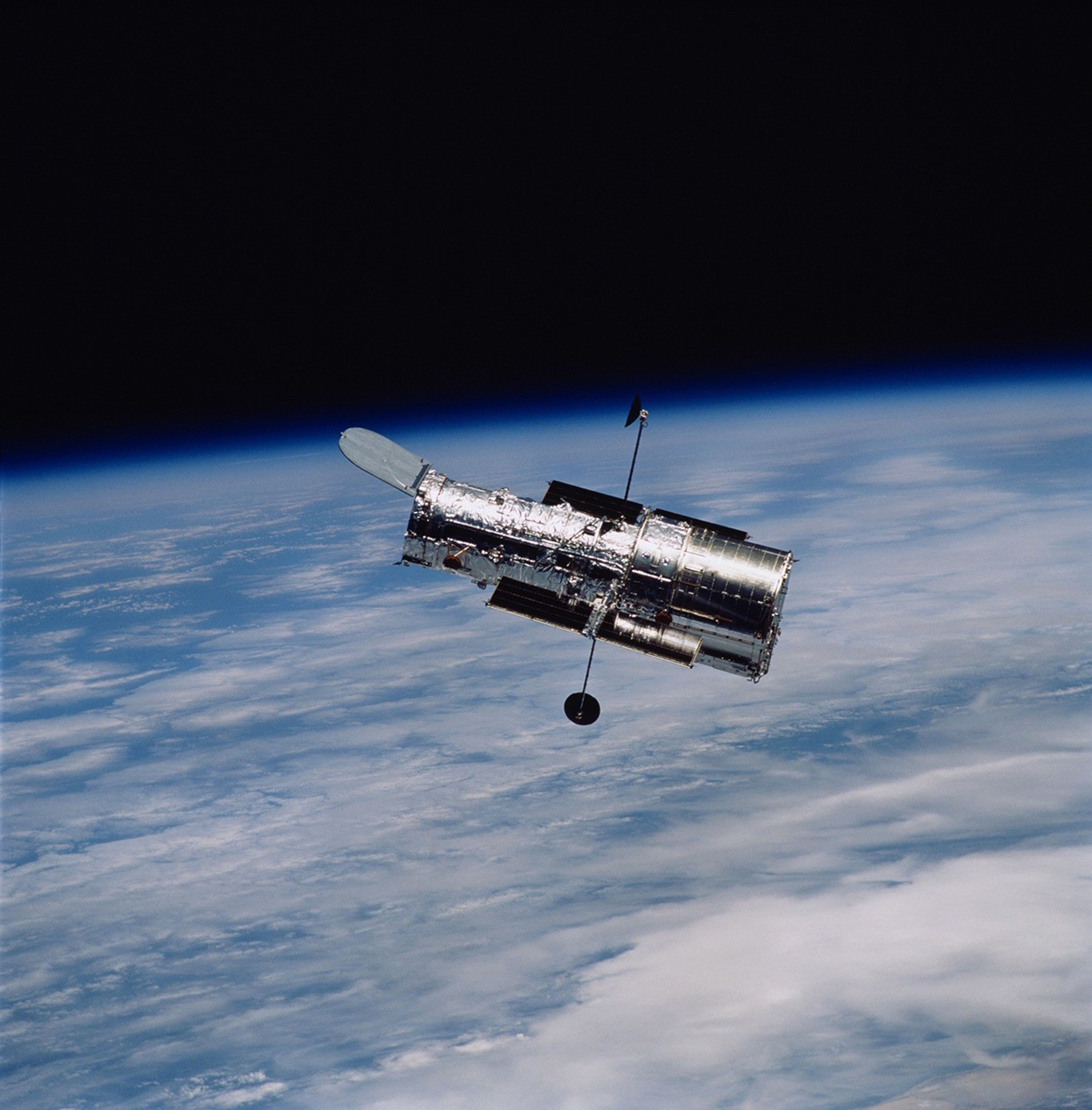
Since its 1990 launch, the Hubble Space Telescope has changed our fundamental understanding of the universe.
Hubble’s most notable scientific discoveries reflect the broad range of research and the breakthroughs it has achieved.
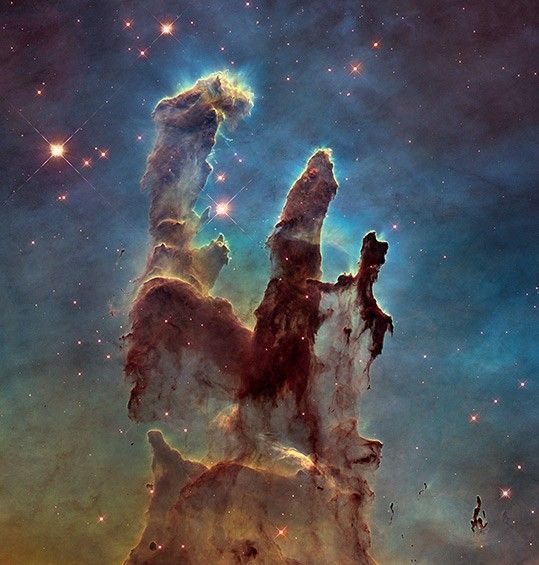
Explore Hubble’s iconic images of the universe, and view photos of mission operations and astronauts servicing Hubble in space.
Hubble News
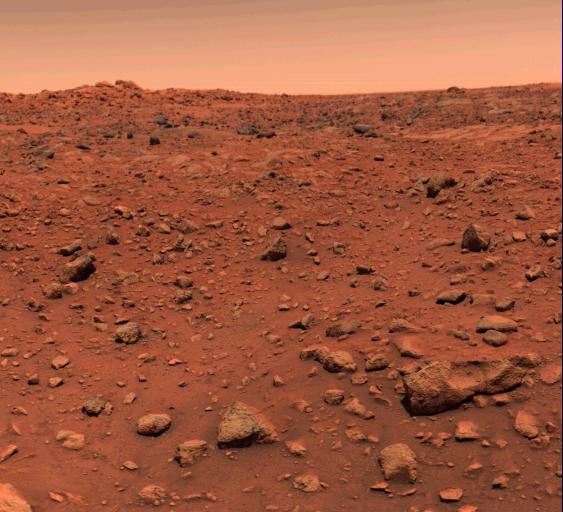
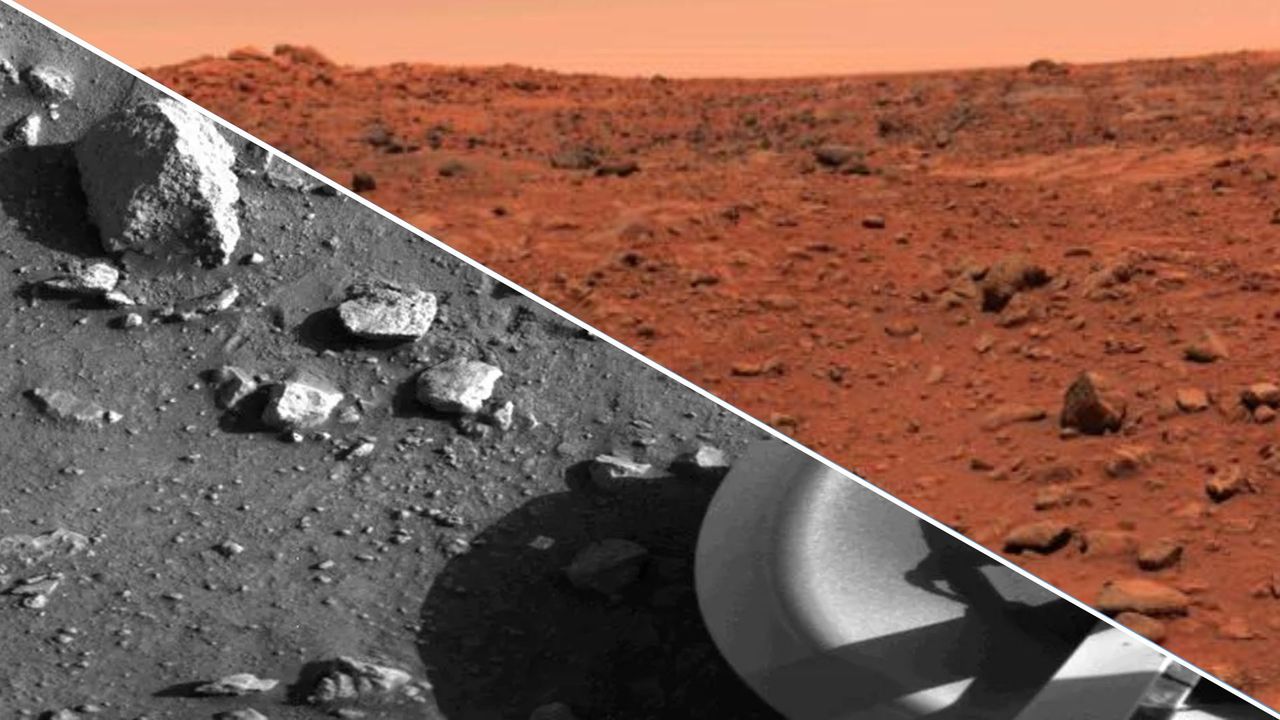
What it is: The surface of Mars
Where it is: 189 million miles (305 million kilometers) from Earth
When it was shared: July 20, 2026.
For thousands of years, humans looked at Mars and wondered what lay on its surface. Fifty years ago this week, we finally found out when NASA's Viking 1 became the first spacecraft ever to land on the Red Planet and transmit images from its surface. It was humanity's first view from the surface of another planet.
Viking 1 had been programmed to take its first image just 25 seconds after touchdown, according to NASA. It occurred at 7:53 a.m. EDT on July 20, 1976 — exactly seven years after Apollo 11 landed on the moon. It was supposed to coincide with the U.S. Bicentennial on July 4, 1976, but the landing was delayed by the search for a flat landing zone.
Although the spacecraft landed safely at Chryse Planitia, north of the equator, mission controllers still had to wait another 19 minutes for the radio signal confirming success to cross the 212 million miles (340 km) between Mars and Earth.
Forty minutes after touchdown, the confirming image began appearing on monitors at NASA's Jet Propulsion Laboratory, slowly building line by line from left to right. Dr. Thomas Mutch, leader of the Viking lander imaging team, never forgot the moment.
"I studied the black screen, waiting for that narrow strip that will signal the first few lines of the first picture," he said. "Rocks and sand are visible and — finally at the far right — one of the spacecraft foot pads, a symbolic artifact that stamps our accomplishment with the sign of reality … Time and time again I repeat, 'It's incredible.'"
The image revealed a solid, slightly rocky surface, with dust and pebbles thrown up by the landing already settling back onto the spacecraft. Viking’s first color image came the next day, with a panorama following a few days later.
The Viking mission consisted of four spacecraft: two orbiters and two landers. Viking 1 was joined six weeks later on the surface by Viking 2, which landed in Utopia Planitia, also in the northern hemisphere. Meanwhile, the two orbiters mapped Mars and relayed data — including more than 52,000 orbital images and 4,500 photographs from the surface — back to Earth.
Viking transformed our understanding of Mars, but its most intriguing scientific result remains unresolved. The landers carried the first experiments designed to detect life directly in Martian soil. Although the mission's official conclusion was that no convincing evidence of life had been found, some scientists have continued to argue that one of the experiments produced a genuine biological signal; others argue that Viking’s experiments destroyed the very evidence of life that they sought to prove. Discoveries by later missions — including organic molecules detected by Curiosity and perchlorate salts found by Phoenix — have prompted some researchers to revisit the Viking data.
Viking 1 fell silent in 1982, two years after Viking 2, following a software error during an update. The intrepid spacecraft showed us the surface of another planet for the first time, but whether Viking 1 also found the first hints of life off-Earth remains one of planetary science's most enduring mysteries.
What do you know about the Red Planet? Test your knowledge with our Mars quiz!
Science word of the day: Cenozoic
Pronunciation: See-noh-ZOH'-ihk
What it means: The ascendency of mammals, the birth of the Himalayas, the diversification of birds — Earth's in its Cenozoic era, baby!
The Cenozoic is the geological era happening right now. It started 66 million years ago with the abrupt mass extinction known as the Cretaceous-Paleogene extinction event, when a massive asteroid hit Earth and wiped out the nonavian dinosaurs. It's been a busy few tens of millions of years, ushering in such hits as Earth's first cacti, whales and most (if not all) of the Grand Canyon.
How to use it in a sentence: The Cenozoic is called the Age of Mammals, but the University of California Museum of Paleontology in Berkeley would like you to know it could have been called the Age of Teleost Fish, if mammals weren't so dang self-centered.
Can you crack our science word of the day puzzle, Chain Word?