❌

Reading view

Advanced composites for future aircraft can be built faster as two US firms join hands
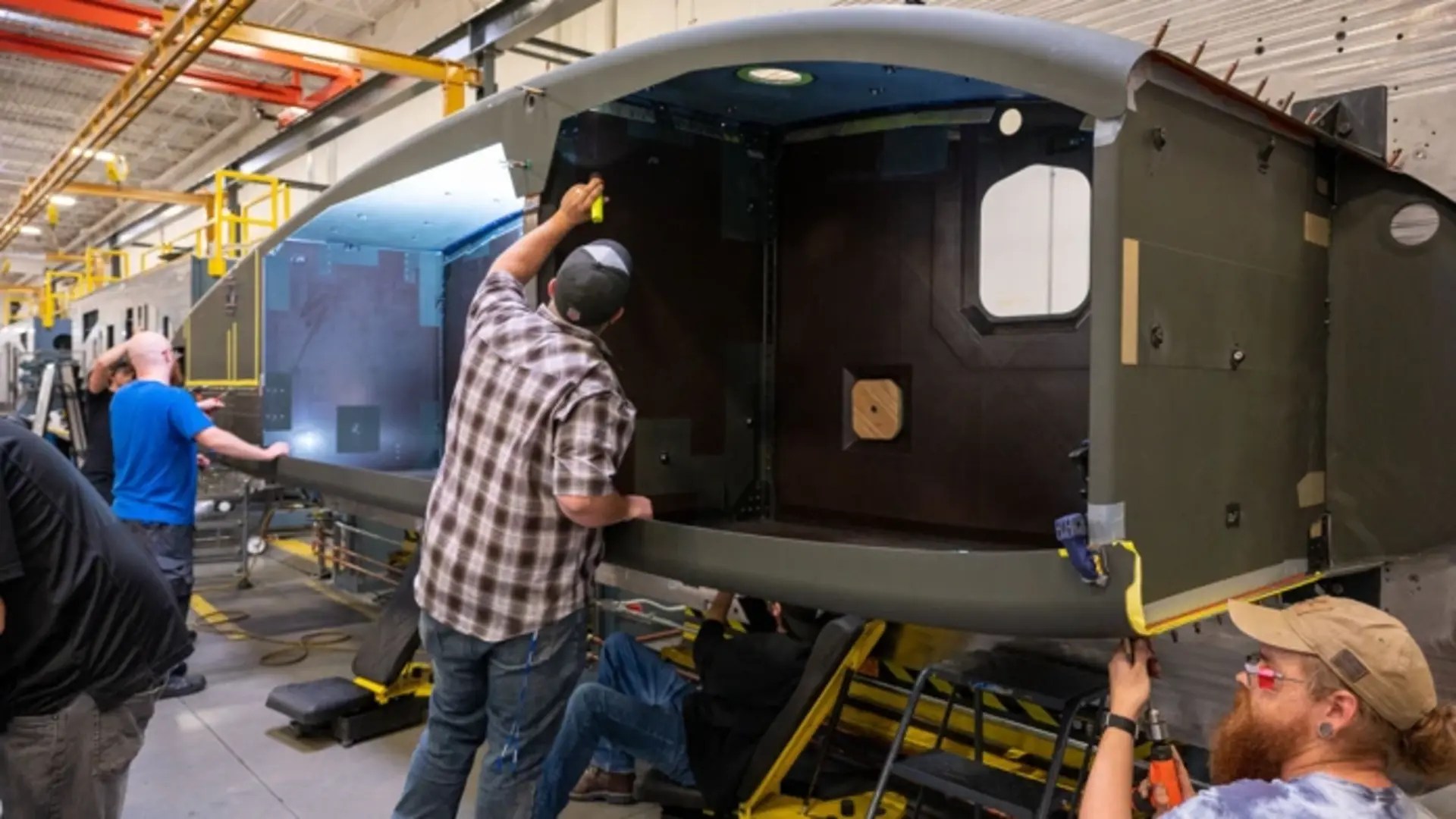
Albany Engineered Composites and A&P Technology are combining advanced braiding and resin transfer molding technologies to accelerate the development of scalable composite solutions for future aerospace and defense applications.

Albany Engineered Composites (AEC), a segment of Albany International Corp., and A&P Technology, a global leader in precision braided composite reinforcement technologies, announced a strategic collaboration to explore and develop advanced braided composite manufacturing solutions for current and next-generation aerospace and defense applications.

The collaboration will capitalize on A&P Technology’s expertise in braided composite architectures and Albany Engineered Composites’ advanced Resin Transfer Molding (RTM) manufacturing capabilities. The companies said the partnership is focused on accelerating the industrialization of lightweight, highly integrated composite structures designed to support future commercial and defense aircraft production requirements.

“Future aerospace platforms demand manufacturing technologies capable of simultaneously improving performance, reducing recurring cost and scaling to production rates the industry has not previously achieved,” said Chris Stone, president of Albany Engineered Composites in a press release.

“By combining A&P Technology’s deep expertise in advanced braiding with Albany’s industry-leading RTM capabilities, we are creating a force multiplier for our customers, accelerating the transition from innovative textile architectures to repeatable, production-ready composite solutions.”

The companies will work together on research, technology development, manufacturing process maturation, and commercialization opportunities focused on purpose-designed braided composite structures. These efforts will target current and next-generation aeroengine platforms, commercial aircraft, Advanced Air Mobility (AAM) blades and structures, Collaborative Combat Aircraft (CCA), and solid rocket motor nozzles.

Expanding advanced aerospace capabilities

Albany Engineered Composites is a rapidly growing division of Albany International Corp. that designs and manufactures advanced composite components for aerospace and defense industries. Headquartered alongside its parent company in Rochester, New Hampshire, AEC operates advanced research, development and manufacturing facilities across the globe, including major composite production sites in Salt Lake City, Utah; Boerne, Texas; and Commercy, France.

As aerospace manufacturers seek larger, more integrated composite structures, the companies said that combining braided composite preforms with automated RTM processing provides a pathway to scalable manufacturing by reducing assembly complexity and supporting higher production rates.

“It’s a privilege to collaborate with Albany given their broad and deep design and manufacturing skill and know-how built on decades of success making parts for the most demanding applications,” said Andy Head, president of A&P Technology.

“Together, we can offer composite solutions not only at an enabling rate but also with enabling cost and performance benefits. We look forward to meeting customer challenges together.”

Brent Stevenson, vice president of emerging markets and technology at Albany Engineered Composites, said that customers are seeking integrated solutions that combine multiple manufacturing processes.

“Our customers are looking beyond individual manufacturing processes; they’re looking for integrated solutions,” said Stevenson.

“Braiding and RTM are naturally complementary technologies. Together, they enable highly engineered composite architectures supporting complex geometries, efficient manufacturing and production scalability for both current and next-generation aerospace and defense platforms.”

Supporting future aerospace platforms

Through the collaboration, Albany Engineered Composites and A&P Technology aim to advance composite manufacturing solutions that combine precision braided reinforcement technologies with advanced RTM processing. The companies’ work will focus on production-ready composite structures for a range of aerospace and defense applications, including commercial aircraft, military platforms and emerging aviation technologies.

The partnership brings together two specialized manufacturing approaches as the companies pursue opportunities in research, development, process advancement and commercialization of advanced composite solutions, the press release concludes.

💾

Albany Engineered Composites and A&P Technology have joined hands to advance next-generation aerospace composites.
  •  

The 'Death of the Stick Shift' is Almost Here for Americans

Last year just 0.6% of new vehicles made for U.S. customers were stick shifts, reports the Washington Post, citing preliminary government data. "That's a precipitous drop from the 34.6 percent of vehicles with manual transmissions produced in 1980." [T]he stick shift's popularity hit multiple new lows in recent years, with no signs of a turnaround, thanks to new technologies and a rapidly changing marketplace. Buyers and automakers increasingly have turned to the sophisticated automatic drivetrains that now smoothly swap gears in fractions of a second and with better fuel efficiency. The average new vehicle today comes with seven gears, thanks to computers, twice as many as in 1980 and more gears than any ordinary driver would want to shift through using a manual gearbox. At the same time, sporty cars — the kind that buyers might demand a stick shift to drive — have fallen out of favor, replaced by interest in hulking SUVs, which are almost always automatics. The stick shift's demise has been hastened, too, by the rise of electric vehicles and increasingly autonomous vehicles. Neither have any need for a manual transmission... Europe has seen a less dramatic decline in stick shifts, with manual transmissions dropping from 91 percent of car registrations in 2001 to 29 percent in 2024 among Europe's largest auto markets, according to industry analyst JATO Dynamics... Subaru made its name with manual cars. But the Japanese automaker stopped offering a manual Crosstrek with the 2023 model year, having already dropped that transmission from its Legacy, Outback and Forester models. Other automakers have followed the same path. Volkswagen announced that it plans this year to ditch its last U.S. stick-shift model, the Jetta GLI. Even Toyota, Honda, and BMW have all reduced the number of cars for the U.S. market with a manual transmission, the article points out — leaving stick shift-loving Americans with a total of about 24 new-vehicle models to choose from. The articles adds that only 60% of Americans know how to drive a manual transmission (according to a survey from auto parts retailer AmericanMuscle): 83% for baby boomers but 39% for Gen Z. "Respondents were about evenly split on whether knowing how to drive a manual is an important life skill." But Ford CEO Jim Farley said earlier this year he has no plans to make the Mustang automatic-only. "Out of our cold, dead hands will we not have a manual Mustang." Farley said.

Read more of this story at Slashdot.

  •  

Electric aircraft advance as Vertical Aerospace plans first public eVTOL flight demonstration

British aerospace company Vertical Aerospace is set to conduct the first public electric vertical take-off and landing (eVTOL) demonstration flights at the upcoming Farnborough International Airshow. 

The event represents another milestone in the company’s journey toward certification and the eventual launch of commercial electric aircraft services.

The demonstrations come at a key stage in the company’s development, Vertical Aerospace noted. In recent months, the company has unveiled its Valo aircraft, completed successful piloted transition flights, strengthened its financial position, expanded its global technology partnerships, progressed its hybrid-electric defense strategy, and continued advancing its certification program.

Valo eVTOL moves closer to commercial operations

Following successful demonstrations of the aircraft’s core capabilities, Vertical Aerospace is now shifting its focus toward the next stage of development, with efforts centered on certification, industrialization and preparing for commercial operations.

Alongside public piloted flight demonstrations of its full-scale prototype, the company will also showcase its full-scale commercial Valo aircraft model, offering visitors a closer look at the technology behind its next-generation electric aircraft.

According to Stuart Simpson, CEO of Vertical Aerospace, the company arrives at Farnborough with the key building blocks for its next phase already in place. He said Vertical has transformed over the past year by launching its Valo aircraft, achieving piloted transition flights, strengthening its financial position and expanding its industrial ecosystem, while continuing to prove the technology.

“Every milestone we deliver reduces risk, strengthens our competitive position and brings us closer to building one of the world’s leading electric aerospace companies,” Simpson noted. A major highlight of Vertical Aerospace’s presence at the Farnborough International Airshow will be its planned flight demonstrations, which are set to mark the first public eVTOL aircraft demonstrations at the event.

Company targets key certification and production milestones after expanding flight tests

The company intends to conduct demonstration flights throughout the show, subject to approved flight conditions. The planned flights follow the UK Civil Aviation Authority’s recent expansion of Vertical’s Permit to Fly, allowing the company to carry out public demonstrations beyond its Flight Test Centre at Cotswold Airport for the first time.

Following the expanded flight approval, Vertical’s test pilots have successfully operated the aircraft across multiple locations, including RAF Brize Norton, RAF Benson, Blackbushe Airport and Farnborough Airport. These flights have expanded the company’s test program, providing valuable experience across different operating environments.

The company is also targeting several important program milestones that will support the development, production, and commercial rollout of its aircraft. These include completing the Critical Design Review (CDR) by the end of 2026, which will establish the certifiable design baseline for the aircraft and enable the production and testing of certification-conforming models. 

Furthermore, the UK firm plans to bring its early production aircraft assembly facility online in Q3 2026 and expand the Vertical Energy Centre in Q4 2026 as part of its industrialization efforts. In addition, Vertical expects to select a long-term turbogenerator supplier during 2026, ahead of beginning hybrid-electric flight testing in the first half of 2027.

💾

UK-based Vertical Aerospace will conduct public demonstration flights of its Valo eVTOL aircraft at the Farnborough International Airshow.
  •  

Fine, electric mountain bikes don’t suck

A mountain bike does a wheelie on a single track in the forest.
You don’t need a $10,000 Amflow PX Carbon Pro, but it doesn’t hurt. | Photo by Thomas Ricker / The Verge

Cheater, I'd grumble between huffs as yet another e-bike rider casually skittered past me on a steep ascent. It's this purist attitude that, for years, has left me blind to one simple fact: electric mountain bikes are fun!

My attitude adjustment came a few weeks ago, the very first time I rode an Amflow PX Carbon Pro fitted with the incredibly compact, lightweight, and powerful M2S motor from Avinox, a new DJI offshoot that has incumbents like Bosch and Specialized on edge. The motor doesn't make me a speed demon, but it does let me suck better by compensating whenever my poor technique kills the momentum.

Mountain biking has a long histor …

Read the full story at The Verge.

  •  

China deploys ‘Transformer’ rescue barge to save over 6,000 stranded flood victims

A foldable, self-propelled pontoon barge has played a key role in rescuing more than 6,000 stranded students and staff from a flood-hit region in southern China.

The rapid-deployment vessel was used during evacuation efforts in the Guangxi Zhuang Autonomous Region after flooding due to Typhoon Maysak inundated communities, according to Chinese media reports. The modular barge can be assembled in just over 10 minutes, carry more than 500 people per trip, and transport loads exceeding 66.1 US tons. 

According to its manufacturer, the platform is engineered to operate reliably in harsh environments, including high-altitude regions up to 10,800 feet (3,300 meters) above sea level and areas with extreme cold.

Pontoon powers rescue

The self-propelled pontoon barge helped to evacuate more students and staff trapped after floodwaters nearly five meters deep cut off the campus.

The modular vessel, described by Chinese Foreign Ministry spokeswoman Mao Ning as “China’s real-life transformer,” played a central role in a large-scale evacuation at Guangxi Logistics Vocational and Technical College in Guigang, Guangxi Zhuang Autonomous Region, reported the South China Morning Post (SCMP). 

The rescue operation took place after torrential rains left the college campus submerged under nearly five meters (16.4 feet) of floodwater, cutting off thousands of people from surrounding areas. According to China’s state news agency Xinhua, conventional rescue methods initially struggled to cope with the scale of the emergency.

Emergency teams first relied on inflatable rescue boats and assault boats to reach those stranded. While effective for small-scale operations, these vessels could transport only a limited number of passengers at a time, making the evacuation process slow and difficult.

To accelerate the rescue effort, the state-owned China Anneng Construction Group, China’s emergency rescue force, deployed three heavy-duty self-propelled pontoon barges to the flooded area between Wednesday night and Thursday. The arrival of the modular barges dramatically increased evacuation capacity, allowing rescuers to move hundreds of people during each trip. By midday Thursday, every student and staff member had been safely evacuated, according to Guangxi Television.

Heavy-duty lifeline

The pontoon barge used in the operation measures approximately 60 meters in length and eight meters in width. It is capable of carrying more than 500 passengers in a single journey while supporting a total payload exceeding 66.1 US tons. Unlike conventional floating bridges or barges that require external towing, the vessel is equipped with its own propulsion system, enabling it to travel at speeds of up to 6.7 mph (10.8 km/h) even when fully loaded.

One of its biggest advantages is its rapid deployment capability. China Anneng said the modular system can be transported to a disaster site, assembled, and placed into operation in just over 10 minutes. Its foldable design allows emergency responders to quickly establish a large-capacity transport platform without relying on permanent infrastructure.

The rescue barge is regarded as one of China’s most advanced modular heavy-duty water rescue systems. It was specifically developed to address one of the biggest challenges during major floods—transporting large groups of people, emergency responders, vehicles, and heavy equipment across inundated areas or rivers made impassable by rising water, according to the SCMP.

The vessel is manufactured by China Harzone Industry Corporation, a subsidiary of the state-owned China State Shipbuilding Corporation (CSSC). The company says the platform is designed to operate reliably in demanding environments, including high-altitude regions up to 10,800 feet (3,300 meters) above sea level and areas experiencing extremely cold temperatures.

CSSC noted that the high-tech rescue platform has been widely deployed in domestic emergency response operations since 2020. Its successful use during the Guangxi floods demonstrates how rapidly deployable modular engineering systems are becoming an increasingly important tool for large-scale disaster response, enabling emergency teams to evacuate thousands of people far more quickly than traditional rescue boats alone. thousands of people far more quickly than traditional rescue boats alone.

💾

China deployed a rapid-deployment pontoon barge to evacuate 6,000 flood victims, carrying 500 people per trip.
  •  

Electra hybrid-electric aircraft adds 250 turbogenerators for ultra-short flights

Electra has selected Safran Helicopter Engines to supply the turbogenerator for its EL9 Ultra Short aircraft under a production agreement that will run for the life of the program. The deal gives the Virginia-based aircraft developer a key propulsion partner as it works toward Federal Aviation Administration (FAA) certification and commercial service by 2030.

The agreement includes an initial order for 250 TG600 turbogenerators. Electra expects production to increase as demand grows for the EL9, a hybrid-electric aircraft designed to operate from landing areas as short as 150 feet. The capability could allow flights from locations that cannot support conventional commercial aircraft.

Hybrid system selected

Safran’s TG600 will generate 600 kilowatts of electrical power for the EL9’s hybrid-electric propulsion system. Engineers based the unit on the company’s Arrano helicopter engine, which delivers an 18% improvement in fuel efficiency over the previous generation of engines.

The system also integrates two GENeUS electric generators developed by Safran Electrical & Power. Earlier this month, Safran completed the first bench test of the flight-ready turbogenerator at its facility in Bordes, France. The company plans to use that hardware during the EL9’s initial flight-test campaign.

Electra CEO Marc Allen called the agreement an important milestone for the aircraft program. He said Safran’s expertise in hybrid-electric propulsion and long-term commitment would help bring the EL9 into commercial service.

Safran Helicopter Engines CEO Cédric Goubet said the contract formally launches the company’s turbogenerator business. He added that combining Safran’s engine technology with its electrical systems expertise creates a propulsion package tailored for the EL9’s performance goals.

Designed for short fields

Unlike conventional regional aircraft, the EL9 relies on hybrid-electric propulsion and blown-lift technology to achieve extremely short takeoffs and landings. Electra says the aircraft needs only about 150 feet of runway, opening access to small airfields and other locations closer to population centers.

The company believes that capability could reshape regional transportation by reducing dependence on major airports for shorter trips. Electra describes the concept as “Direct Aviation,” allowing travelers to fly closer to their origin and destination instead of connecting through large airport hubs.

FAA certification work is already underway under Part 23 regulations. Electra expects the aircraft’s first flight in late 2027 or early 2028 before targeting entry into service in 2030.

Growing production plans

The Safran agreement follows other commercial milestones for the EL9 program. Earlier this year, Bristow Group signed a pre-delivery payment agreement that secured the first production delivery slot through binding commercial terms, subject to aircraft certification. Electra also released market projections suggesting demand for between 12,000 and 16,000 aircraft during the first decade of Direct Aviation operations across the United States.

If those forecasts materialize, the EL9 would represent a new category of regional aircraft that combines electric propulsion with conventional turbine power. Electra and Safran aim to deliver an aircraft capable of connecting communities that currently lack practical commercial air service while reducing fuel consumption compared with traditional regional aircraft.

  •  

São Paulo’s Bike Lane Expansion Boosts Cycling Among Residents

In a groundbreaking decade-long study analyzing São Paulo’s urban landscape, researchers have revealed how the expansion of bike lanes and public parks profoundly influences physical activity and public health. Between 2014 and 2024, the city’s bike lane network surged from 242 to 743 kilometers, complemented by the addition of 15 municipal parks. This urban transformation was linked to increased transport-related cycling, emphasizing the critical role of accessible infrastructure within a 500-meter radius of residents’ homes.

The study’s multidisciplinary approach combined longitudinal surveys of 1,500 residents with geospatial datasets from the Geosampa platform, enabling precise correlation between environmental changes and behavior. Findings indicate that proximity to bike lanes significantly counteracts declining bicycle use trends, suggesting these facilities serve as protective factors promoting sustained physical activity. Such activity reduction directly translates to lower risks of cardiovascular disease, cancer, and improved mental health outcomes like reduced anxiety and depression.

Importantly, the research underscores active transportation infrastructure not only as a logistical planning tool but as a vital public health strategy. By reducing reliance on automobiles, these interventions diminish air pollution and traffic-related accidents, thereby contributing to climate change mitigation efforts. However, the study highlights uneven developments: wealthier neighborhoods received disproportionate infrastructure investments, calling for policy shifts to equip underserved zones with similar amenities.

Beyond infrastructural improvements, the researchers emphasize that sociocultural elements and affordability constraints also limit cycling uptake. Despite increased bike lanes, economic barriers such as the high cost of bicycles and gender disparities in cycling participation suggest that integrated approaches—encompassing recreational street design, bike-sharing expansions, and commuter support facilities—are necessary for meaningful behavioral shifts.

An illustrative testimony comes from a local photographer who transitioned from motorbike to bicycle commuting due to new bike bridges providing direct, safer routes. While embracing cycling’s growth, he voices concerns about road space allocation favoring cars and the emerging challenges of cyclists’ vulnerability amid the rise of faster electric bikes. Additionally, issues of public safety and bike theft remain barriers to broader adoption.

Overall, the findings reveal that São Paulo’s urban planning efforts over the past decade represent a promising model of how thoughtfully designed public open spaces can foster healthier, more sustainable cities. Still, ensuring equitable access and addressing multifaceted cultural and socioeconomic factors remain essential for realizing the full potential of active transport systems.


Subject of Research: Public open spaces and transport-related cycling in urban environments
Article Title: A decade-long study on public open spaces and transport-related cycling in the largest Brazilian city
News Publication Date: 13-Apr-2026
Web References: https://dx.doi.org/10.1016/j.jth.2026.102323
Image Credits: Phelipe Janning/Agência FAPESP

Keywords

Urban planning, Transportation, Public health, Cycling, Active transportation, São Paulo, Infrastructure, Mental health

  •  

Zoox’s purpose-built robotaxi is getting a refresh

Zoox robotaxi

Zoox, the autonomous vehicle company owned by Amazon, unveiled a new look for its boxy, bidirectional robotaxi, calling it the "next evolution" of the vehicle intended for mass production. The company is currently operating a free robotaxi service in San Francisco, Las Vegas, Austin, and Miami while it waits for the federal government to approve its request for an exemption from safety rules that require production vehicles to have traditional controls, like steering wheels and pedals.

While other robotaxi operators have typically relied on vehicles with familiar nameplates for their fleets, Zoox is unique in its embrace of a purpose-built …

Read the full story at The Verge.

  •  

99% carbon cut: DHL partners with VELA to launch wind-powered transatlantic cargo fleet

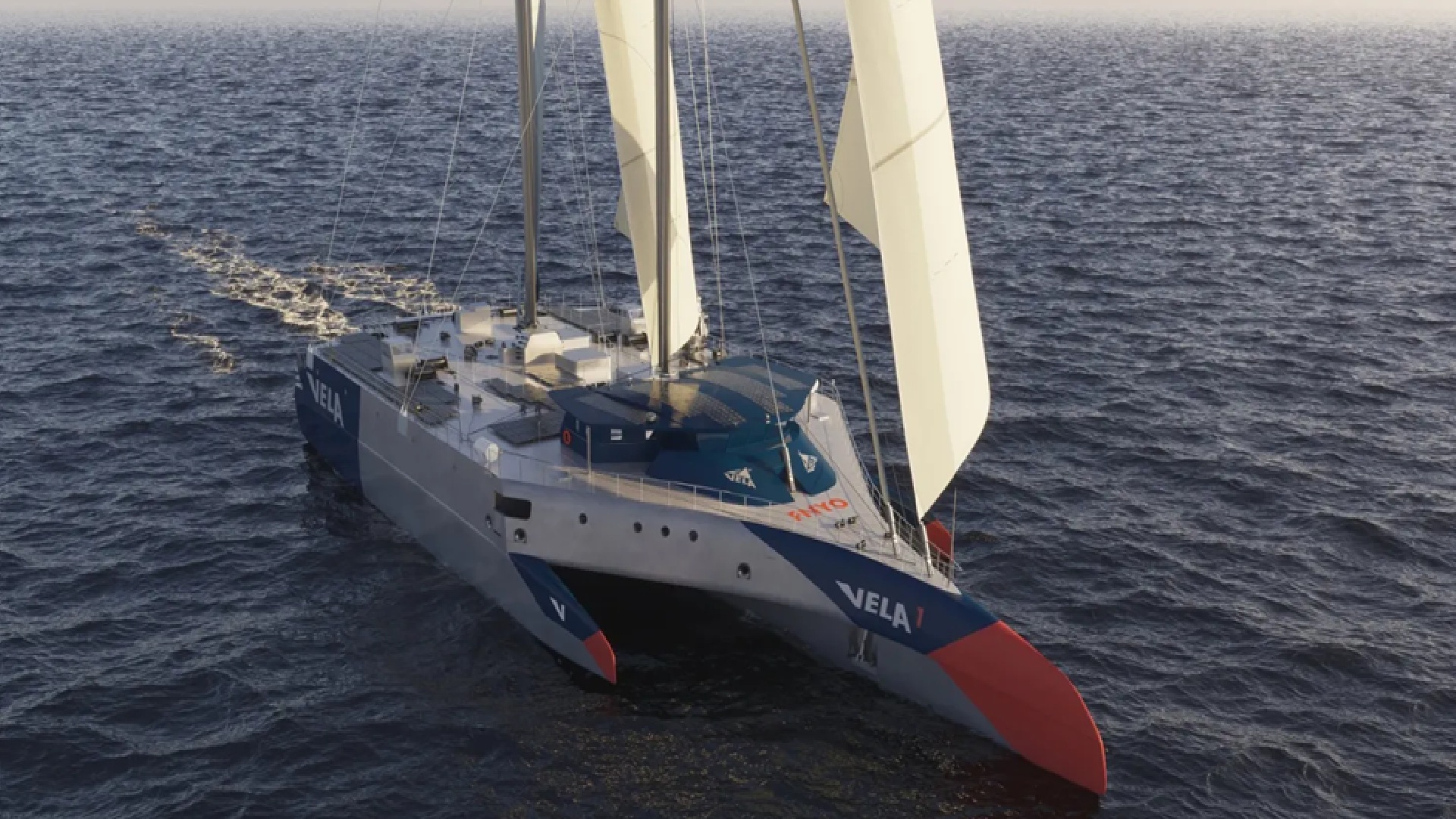
Seeking a concrete approach to eliminate greenhouse gas emissions from the world’s hardest-to-decarbonize logistics sectors, DHL Global Forwarding France has entered into a strategic partnership with French shipping company VELA.

Under the agreement, the global freight giant will offer commercial shipping options aboard custom-built, wind-powered cargo trimarans crossing the Atlantic Ocean. Scheduled to launch operations in early 2027, the initiative introduces a clean, maritime alternative that integrates directly into existing supply chains without disrupting standard logistics processes.

Global maritime shipping currently accounts for roughly 3% of worldwide carbon dioxide emissions, largely because the heavy fuel oil burned by traditional container ships produces intensive pollution.

While wind-propelled commercial transit remains a niche concept within the broader cargo industry, the new partnership aims to demonstrate the viability of large-scale commercial sailing. Under the strategic framework, DHL secures a dedicated allocation of cargo space aboard VELA’s specialized vessels, with volume commitments expected to scale up continuously alongside the expansion of the sailing fleet.

Operational routing and transatlantic port logistics

The new maritime service will establish a direct ocean route connecting the secondary ports of Caen-Ouistreham in France and New Haven, Connecticut. By avoiding heavily congested major shipping hubs, the direct point-to-point path significantly limits the need for complex transshipments.

VELA is targeting a reliable port-to-port transit time of approximately 15 days. This timeline allows the clean shipping framework to remain reasonably close to the pacing of conventional diesel-powered cargo ships.

The specialized service is specifically engineered for companies handling less-than-container-load (LCL) freight. Instead of loading large, heavy metal containers, the interior layout of the VELA sailing vessels is explicitly tailored for palletized cargo.

Each trip will accommodate up to 600 European Union pallets, maximizing space efficiency for industries that ship products in smaller batches. DHL will handle the entire onshore logistics ecosystem for each voyage, including pre-carriage transport, local customs clearance, and secure warehousing.

Specialized protection for temperature-sensitive products

To accommodate highly sensitive commercial goods, the vessels integrate a patent-pending refrigeration system called CoolSafe. This technology allows the zero-emission ships to cater specifically to industries with rigid environmental controls, including pharmaceuticals, luxury items, cosmetics, aerospace components, and premium wines or spirits. The cooling network is fully compliant with Good Distribution Practice (GDP), ensuring strict adherence to global pharmaceutical handling standards.

Crucially, the climate-control systems within the cargo hold do not draw energy from fossil fuels. The onboard refrigeration units are powered primarily by decentralized renewable energy sources integrated directly onto the vessel’s hull.

An independent lifecycle analysis conducted by the specialized consulting firm Carbone 4 verified the exceptional environmental performance of this setup. According to their metrics, the VELA system reduces greenhouse gas emissions by up to 99% compared to traditional transport options under specific assumptions.

Scaling sailing fleets for regular weekly departures

While the initial launch will deploy a single vessel, VELA and DHL have mapped out a clear path toward industrial scale-up. The long-term blueprint calls for the construction and deployment of five identical wind-powered ships on the Europe-to-United States route.

Once the full fleet enters active service, the companies will expand their scheduling to offer up to one reliable weekly departure in both directions across the Atlantic.

By proving that wind-powered freight can maintain rigid commercial schedules, the project partners intend to establish a repeatable model for sustainable shipping.

The initiative balances environmental accountability with real-world practicality, giving shippers a functional tool to cut emissions without compromising traceability, cargo security, or supply chain reliability. If the rollout scales as planned, it will mark one of the first regular, predictable wind-powered freight services connecting Europe and North America.

  •  
❌