❌

Reading view

Yujin Technology Selected for Government AI Manufacturing Platform Project

Yujin Technology said on July 22 that it has been selected as the preferred bidder for the South Korean government's 2026 AI Transformation (AX) One-Stop Voucher Program, led by the Ministry of Science and ICT and the National IT Industry Promotion Agency (NIPA).

Yujin Technology will carry out the project through a consortium with Plan I and Gabia, developing a generative AI-based manufacturing platform for battery equipment.

The project will receive approximately 1.1 billion won in government funding during its first year. A second year of funding of a similar scale is expected following an evaluation of the first year's performance.

During the first phase, Yujin Technology plans to complete development of the AI platform and conduct proof-of-concept demonstrations. The second phase will focus on deployment in production environments and further enhancement of the platform's capabilities.

The company also plans to expand the platform beyond the battery industry into other manufacturing sectors, including semiconductors and precision machining.

"By establishing a generative AI-driven business innovation framework and a data-centric smart manufacturing system, we aim to improve both productivity and product quality," a Yujin Technology official said.
  •  

Hanjung NCS CEO Kim Sang-kyun Pledges Technology-Driven, Profit-Focused Management

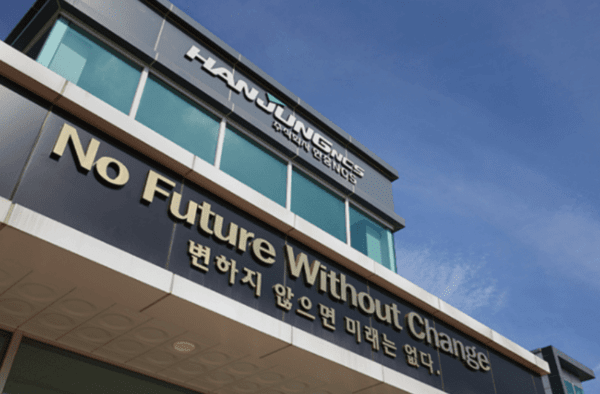
Kim Sang-kyun, chief executive officer of Hanjung NCS, has outlined his first management vision since taking office, pledging to strengthen the company's technology competitiveness and pursue profit-focused, accountable management.

Hanjung NCS announced on July 22 that Kim delivered a message to shareholders and employees outlining the company's mid- to long-term management strategy following its transition to a co-CEO structure on July 15.

Kim said the company will reinforce its existing businesses by leveraging its battery thermal management technologies while expanding new growth engines in energy storage systems (ESS), AI-based energy solutions and the North American market. He added that the company's North American expansion will be pursued with thorough preparation and disciplined risk management.

Kim also identified four core management principles: strengthening differentiated technological competitiveness, pursuing profitable growth, maintaining financial soundness and making decisions focused on enhancing shareholder value. The company said future investments and business expansion initiatives will be evaluated with profitability as the primary consideration.

"We will practice accountable management centered on technological competitiveness and profitability while enhancing corporate value," Kim said.

The company also noted that Kim recently purchased Hanjung NCS shares on the open market, underscoring his commitment to shareholder-aligned management.

  •  

CATL’s 30-year sodium-ion battery takes over grid storage

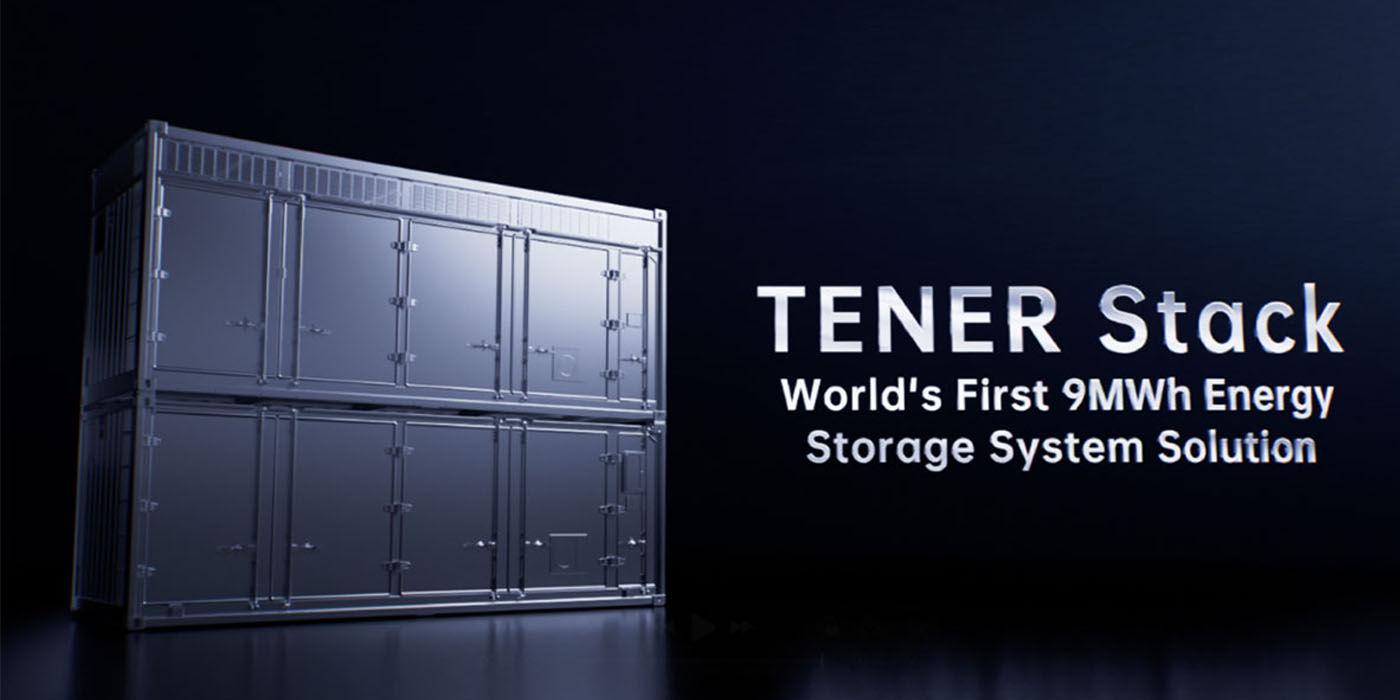
CATL has signed a memorandum of understanding with Dutch energy company Alfen to deploy 5 GWh of its Tener Sodium energy storage systems across Europe, one of the largest sodium-ion commitments the region has seen.

The batteries are rated for 15,000 cycles and a 25-to-30-year service life — the pitch that sodium-ion’s longevity, not its energy density, is what wins grid storage.

  •  

Tesla’s LFP battery holds its charge better, study says

A new analysis of nearly 10,000 real-world EV battery tests found that the same Tesla Model 3 holds up very differently depending on which battery it was built with — and the cheaper LFP version comes out on top.

The Model 3 with CATL’s lithium iron phosphate (LFP) pack averaged 93.3% battery health among cars that had driven more than 62,000 miles, beating every nickel-based version of the car in the dataset.

  •  

Chinese sodium-ion battery matches Tesla on build quality, teardown finds

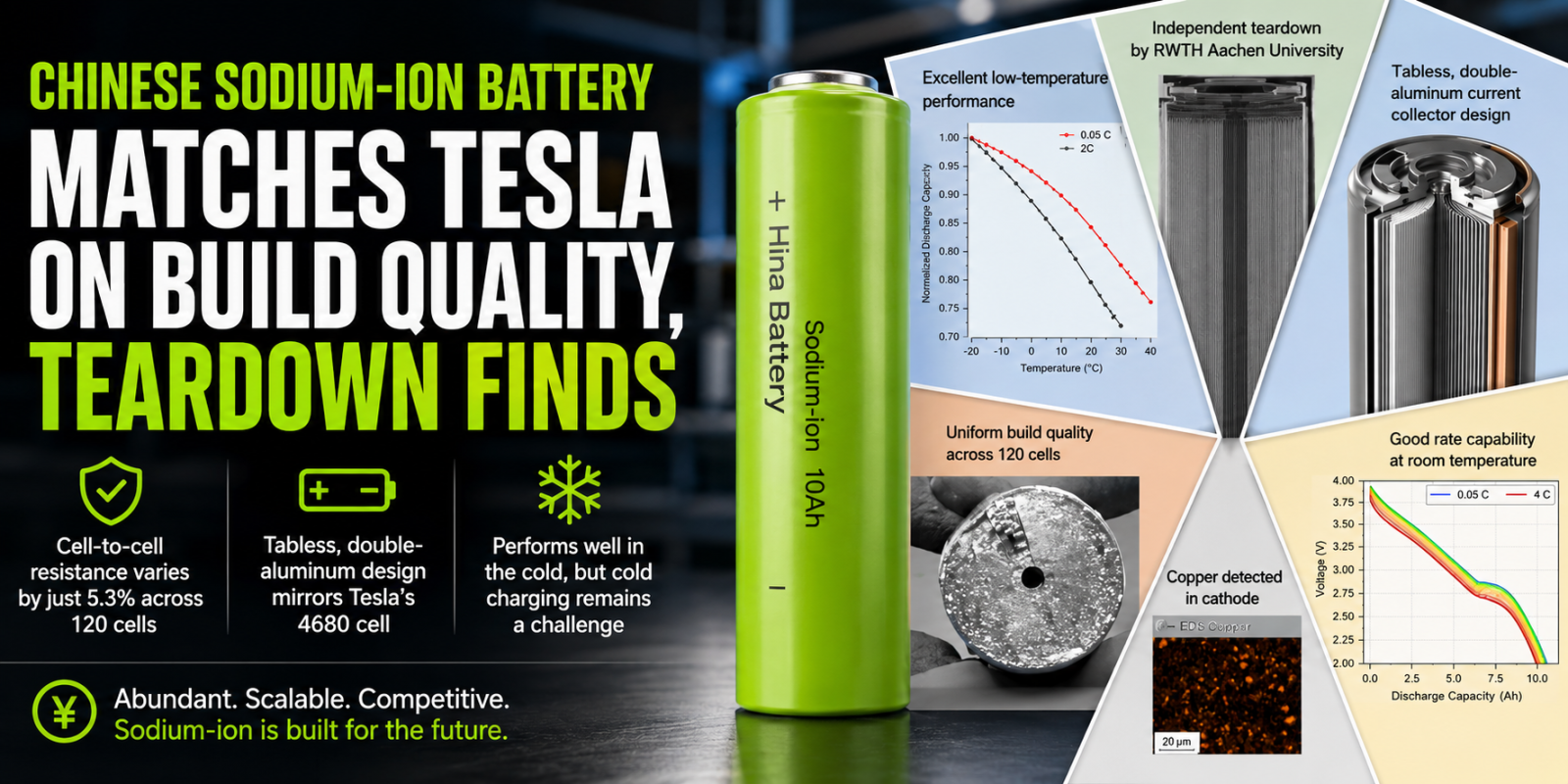
A commercial sodium-ion battery from Chinese manufacturer Hina matches Tesla’s lithium-ion cells on manufacturing quality and internal design, according to an independent teardown published in the Cell Press journal Cell Reports Physical Science.

Researchers at Germany’s RWTH Aachen University measured cell-to-cell resistance varying by just 5.3% across 120 cells — a sign of tightly controlled mass production rivaling the best lithium cells on the market.

  •  

Home solar in rural America: a storm just took out your power, now what?

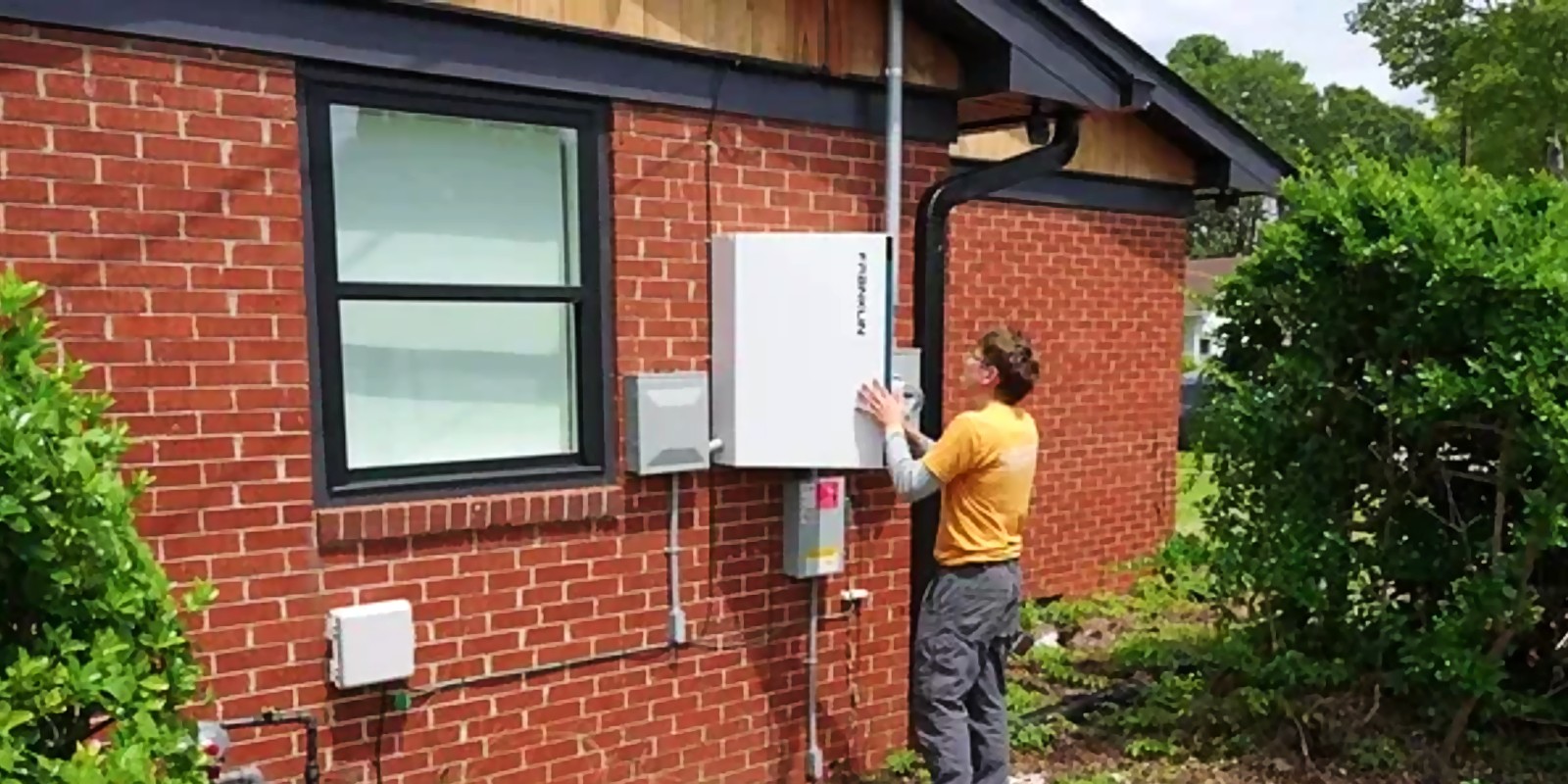
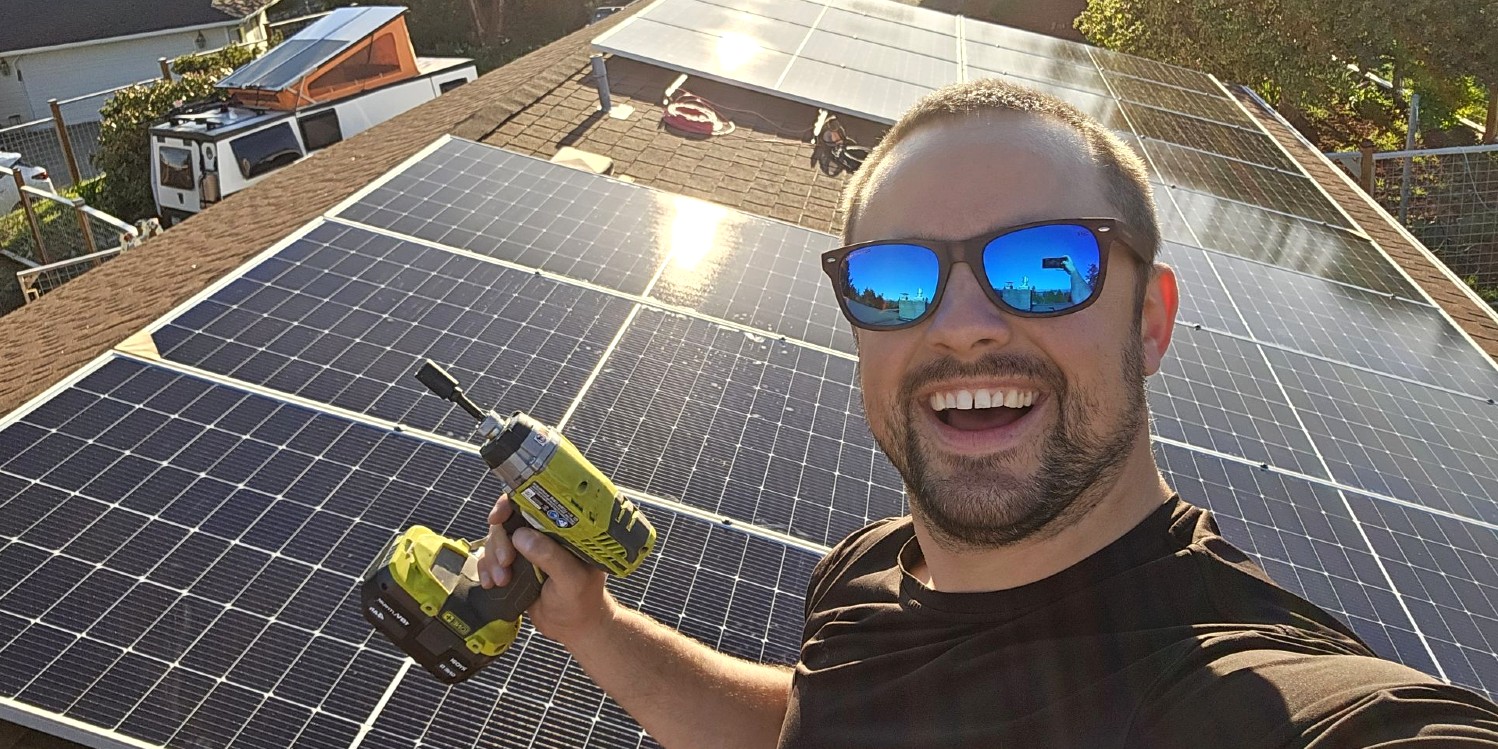
There’s no shortage of advice on how to size a home solar and battery system, but most of it assumes a suburban home with city services and outages measured in hours, not days. Rural homes play by different rules, especially during summer storms. When heavy winds take down power lines and your utility prioritizes restoring urban neighborhoods first, having a home battery isn’t about convenience — it’s about damage control.

  •  

Used Waymo robotaxi batteries become backup storage for power grids

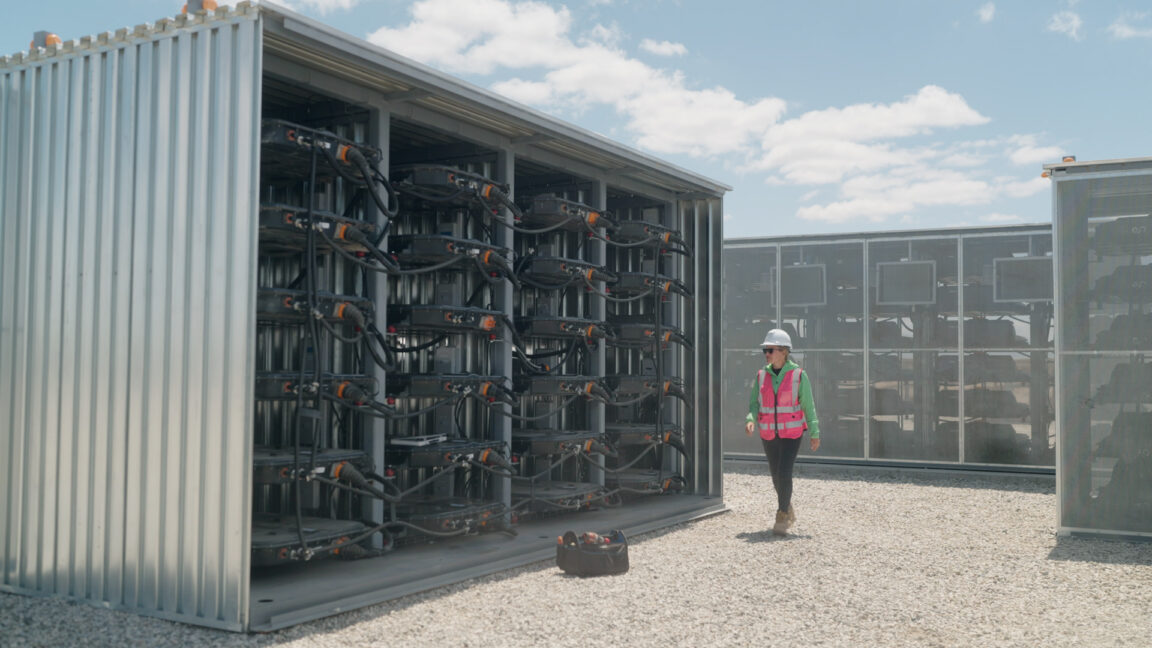
Thousands of electric vehicles in Waymo’s autonomous robotaxi fleet may eventually give up their used batteries for a very different purpose—contributing up to hundreds of megawatt-hours of stationary energy storage to local power grids.

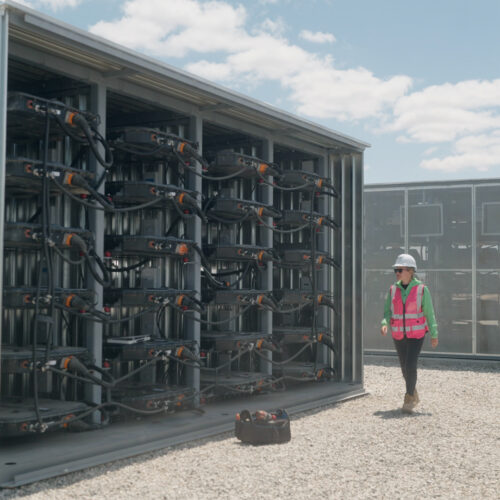
That prospect comes from a “strategic supply agreement” announced by Waymo and B2U Storage Solutions on June 4. B2U has been repurposing thousands of used batteries from various electric vehicles by installing them in large stationary energy storage projects. Such energy storage facilities can capture excess renewable energy during low demand periods and release such energy when local power grids are experiencing peak demand periods.

“Our business is getting the full residual value out of electric vehicle batteries after they're no longer suitable for automotive use,” Freeman Hall, CEO of B2U Storage Solution, told Ars. “Waymo puts a lot of miles on EVs and their model is expanding rapidly, and so we're just very pleased and honored to be able to work with them.”

Read full article

Comments

© Awarded Goods Company

  •  
❌